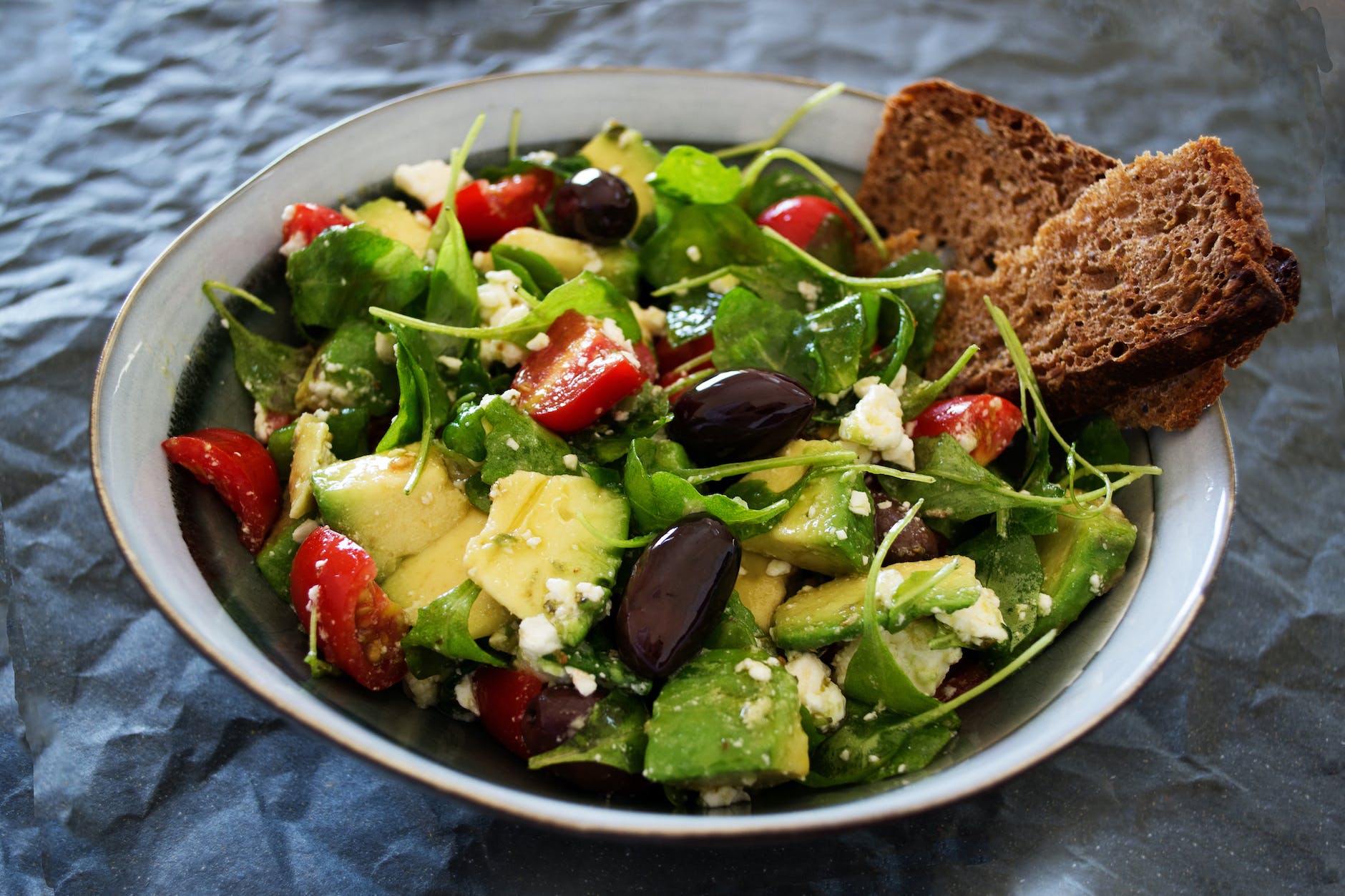
“You cannot see the lettuce and the dressing without suspecting a salad.”–Arthur Conan Doyle
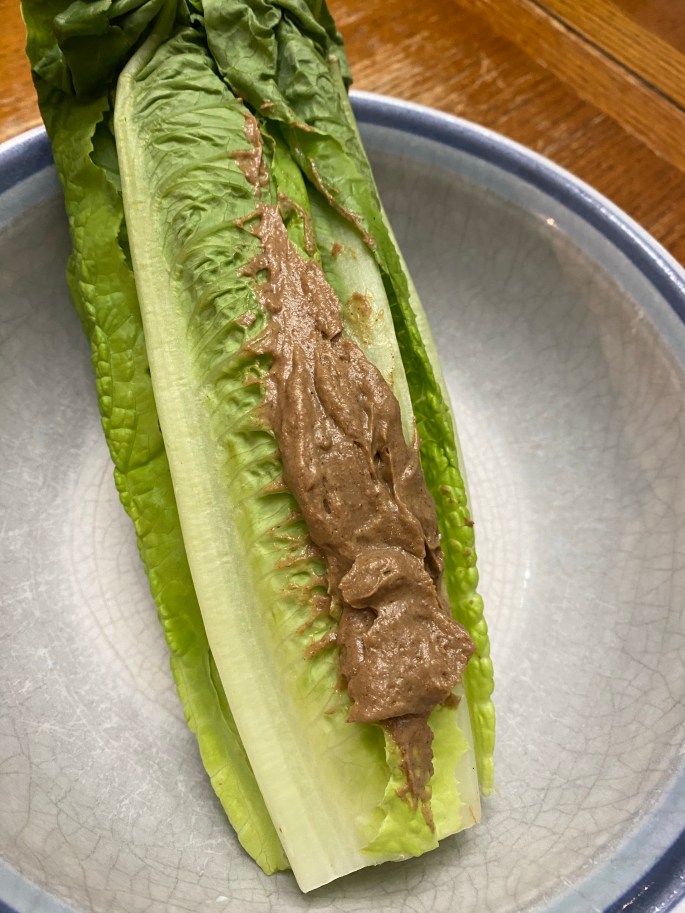
‘Lettuce’ warm up to salad Greens
Warm weather signals that it is the time for salads filled with wonderfully nutritious greens! Fresh made salads are great any time of the year, but they are especially delicious during spring and summer. While the word salad can encompass those made with chicken, tuna, macaroni, and so on, I am focusing on salads whose bases consist largely of greens and other plants that can either serve as an appetizer or as a meal.
When making a fresh salad, it is easy and convenient to buy those bagged, or plastic containers of prepackaged blends. While I often use them, it can sometimes be more cost effective to purchase a variety of leafy greens, veg, and other ingredients to make your own personalized mix. During the warmer months, this is especially ideal when you can shop at local farmers’ markets and produce stands.
Lettuce is a popular base for salads, and there are several main types from which to choose including colorful leaf lettuce varieties; butterhead varieties, including bibb and Boston; crisphead, popularly known as iceberg; and, romaine, king of the Caesar salad. Kale, spinach, and arugula are also popular ingredients for salads, either as a solo base or part of a mix of greens. Other colorful and flavorful additions worth considering include radicchio (which is fun to pronounce), escarole, Belgian endive, and frisee as well as mustard greens, watercress, and mesclun–popularly known as spring mix.

Mix those Greens
Personally, when it comes to making a salad, I enjoy mixing up textures, colors, and flavors, such as tossing leaf lettuce with some spinach and arugula, or mixing romaine lettuce with kale and radicchio. If I am mixing a salad with stronger flavors of arugula or kale, I typically keep the rest of the ingredients simple. In fact, I’d probably add in a fruit (tomato, chopped apple, or dried cranberries) and top it off with lighter dressing, such as a vinaigrette.
Other times, I appreciate the simplicity of filling my bowl with only one type of leafy green; then I’ll mix in a variety of color, texture, and flavor from other fruits and vegetables. With this kind of salad, I might add chopped broccoli or cabbage, then toss in some mandarin orange sections or tomato, and top it off with a hearty, creamy nut-based dressing, such as the one below. Then again, I’ve been known to put a large amount of one green as a base in a big bowl, such as spinach or kale, sprinkle it with some lemon juice or vinegar, then top it off with warm and savory toppings, such as brown rice, beans, and sauteed onions and peppers.
Not only can plant-forward salad be part of a quick and easy lunch or dinner option, but they are also a great way to boost intake of vital nutrients. In fact, The U.S. Department Agriculture states that traditional salad greens, especially those dark leafy types, including kale and spinach, are rich in vitamins A, C, E, and K. Toss in some mustard greens, chopped up broccoli, or bok choy for an excellent source of B-vitamins. All those dark, leafy greens and vegetables contain high levels of fiber, iron, magnesium, potassium, and calcium without adding large amounts of sodium, carbohydrates, or cholesterol. And if that’s not enough food for thought, green vegetables are chock-full of carotenoids-antioxidants that protect cells and ward off early-stages of cancer.
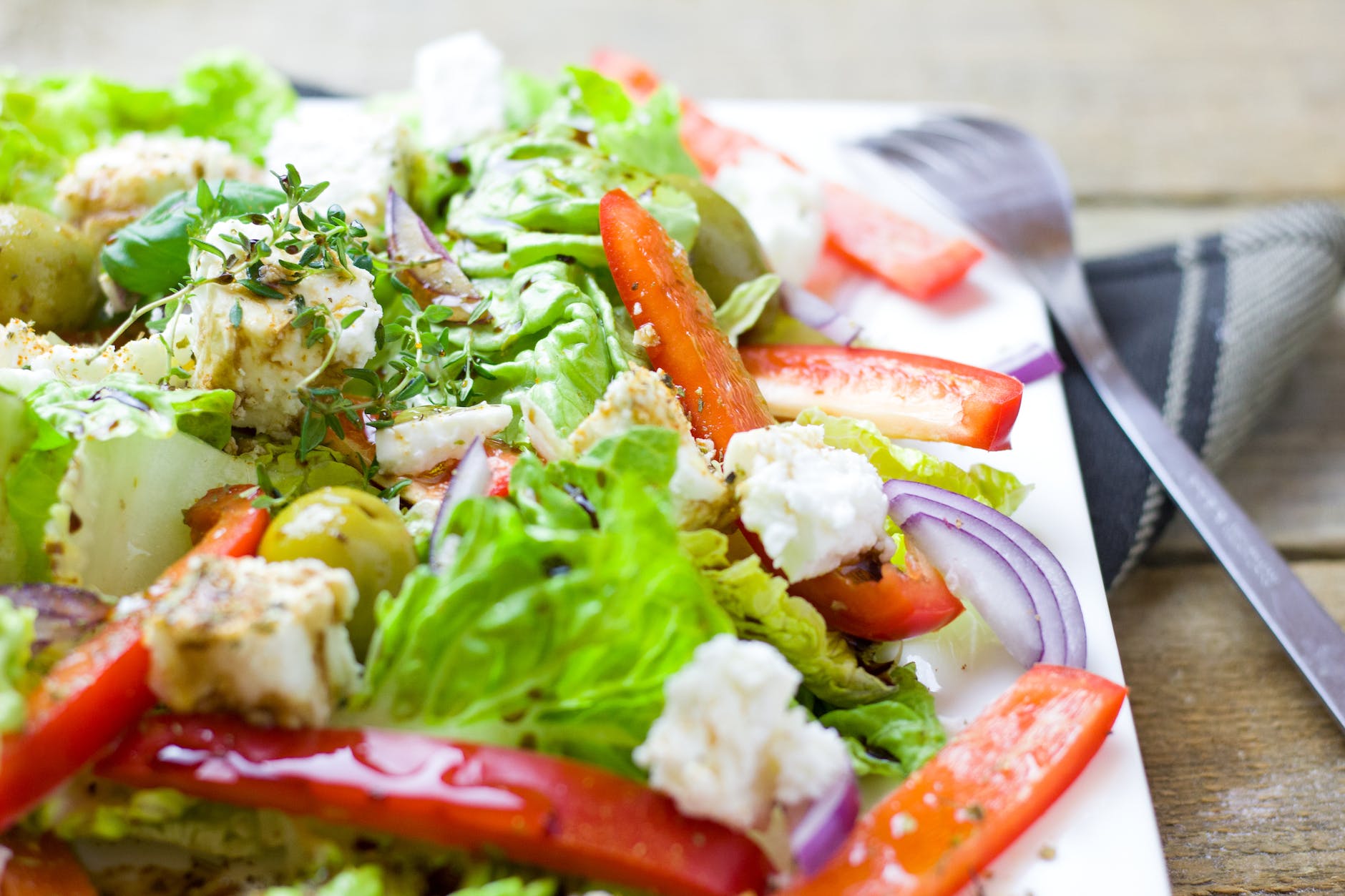
Customizable Salad Dressing Fit for a King
Of course, to make a salad even more delectable, it requires a good dressing. A quality dressing can make a salad taste next-level. Unfortunately, so many readily available dressings are full of ingredients that are unpronounceable, and often overflowing with too much sodium, sugar, or unhealthy oil variations. Furthermore, commercial dressings often aren’t budget friendly when you consider the cost per ounce, and they aren’t customized to your personal taste preference. Therefore, it makes sense (and cents) to make your own dressing.
I recently ran across a simple formula for making homemade salad dressings by Sergei Boutenko, a self-proclaimed health nut, that made perfect sense to me. Boutenko suggests considering five tastes (think *BS salad dressing: 1B + 4Ss)–bitter, sweet, salty, sour, spicy–when making homemade salad dressing, which I did when creating this recipe. This recipe is also customizable, for example you can trade out balsamic vinegar for apple cider vinegar; or, swap out the raisins for dates or even figs.
I chose not to include any oil, and instead use almond butter as a fat to create that desired creamy dressing mouth feel. Additionally, I used a few of my favorite spices/seasonings. Again, each ingredient is customizable, including changing the spices. Additionally, you could trade out almond butter for peanut butter or tahini, and depending on if you’re a garlic fan or not, you can use a little or a lot. Want the dressing thicker or thinner, add more or less water. You get the idea.

The point is to take advantage of the warm weather’s harvest to create your own individualized, delicious way to enjoy the salad days of summer. Serve up forkfuls of those dark leafy salad greens as well as any other added veg or fruit you want to toss in. Then, dress up those delectable greens with a dressing suited perfectly to your taste preference–and pocket that extra change you saved. Your body and your wallet will thank you.
From my home to yours, here’s to eating healthy!
Creamy (and customizable) BS Salad Dressing
Ingredients
½ – 1 cup water (depending upon how thick or thin you like dressing)
⅓ cup balsamic vinegar (sour)
¼ cup almond butter
¼ cup raisins or dates (sweet)
1 teaspoon soy sauce or liquid aminos (salty)
1-3 teaspoons minced garlic, depending upon taste preference (bitter)
1 teaspoon dried oregano
½ teaspoon dried basil
½ teaspoon onion powder
¼ teaspoon black pepper (spicy)
Directions
Blend all ingredients in a food processor or high powered blender.
Store leftovers in a tightly closed container for up to weeks in the refrigerator.
*Notes: Remember each ingredient can be changed out for equivalent ingredient, choose your favorite flavor of vinegar, use your favorite nut butter and/or dried fruit, and change any of the seasonings as well as their amounts to make your own *BS salad dressing (see reference in article).
 Steph Simply