Cultivating Compassion in a Clamorous World

Your work is not to drag the world kicking and screaming into a new awareness.  Your job is to simply do your work . . .sacredly, secretly, silently . . .and those with ‘eyes to see and ears to hear’ will respond.”–Unknown

A row of shopping carts with red seats lined up in a parking area, creating a visual of retail readiness.
Photo by Ulrick Trappschuh on Pexels.com

A Quiet Act of Compassion 🤫

I was recently in a local dollar store. There was a person checking out that was $5.00 short of the total amount needed to pay their bill.  The clerk patiently waited while the person checking out asked their companion if they had cash on them. When the companion did have any cash, the clerk quietly offered to give the person the $5.00 stating, “I know what it’s like to come up short when it comes to money.”

This act of unpretentious compassion remained with me for days. The clerk was not doing it for recognition, she spoke too discreetly for that. If I had not been nearby when she offered the money, no one would have witnessed her act of generosity.  

In stark contrast to this sales clerk, however, we are enmeshed in a clamorous, overstimulating, attention-seeking era. Loud-speaking voices vye for our attention as do flashy images, catchy phrases, and repeated catch phrases–all playing the game of who can garner the most attention, especially on social media platforms, news outlets, and marketing campaigns. In fact, it often seems to me that bullying, arrogance, and even superficiality are now considered acceptable, if not desired, traits. While characteristics such as humility, deep listening, and thoughtful consideration are undervalued or overlooked. 

A man in a suit appears to be angrily shouting or expressing frustration while leaning over a wooden table.
Photo by Andrea Piacquadio on Pexels.com

The Clamor of Modern Society 📢

Furthermore, the use of repetitive, often vitriolic, messaging can undermine our own belief systems if we are not careful and purposeful with our daily habits. In fact, popular messaging and marketing, if exposed to it often enough, can even degrade the way we choose to comport ourselves on a daily basis. Our ability to remain authentically aligned to our core beliefs and values can be further degraded with continued exposure.

How do we remain steadfast in our core values, much less act as an agent of civility, courtesy, and even compassion with others, like that store clerk, in the midst of a popularized contrarianism?  Do we completely avoid social media, news outlets, and other outside sources of information and entertainment?  Do we cut ourselves off from the outside world and live as hermit?  Certainly not. 

Scrabble tiles arranged to spell 'WE RISE BY LIFTING OTHERS' against a plain white background.
Photo by Brett Jordan on Pexels.com

Cultivating Grounding Practices 🙏

I do believe it is possible to stay true and aligned to a path of decency and decorum. It does, however, require acting with a certain level of discipline, such as limiting time spent on social media, watching/reading news, streaming services, and so forth.  Additionally, it further requires creating habits/regular practices that support and deepen our foundational beliefs, such as prayer/meditation, regularly reading scriptures or sacred texts, and/or connecting with like-minded people that enhance, strengthen, and support our values. These deliberate habits of personal energy keeps us grounded and moving forward along a path of integrity.

A smiling woman in a black sleeveless top seated in a modern setting with green plants in the background.
Photo by Alexander Suhorucov on Pexels.com

Leading through authenticity 😃

By living authentically and intentionally, we don’t need a megaphone or platform to share our message.  Instead, we can focus on our primary responsibility, which is to cultivate our own work and/or calling in order to positively contribute to the world around us.  It is not necessary to proselytize and strive for attention in order to do this; our actions can speak for themselves.

If we choose to live and work from a place of inner strength, we can foster the power of a quiet presence, leading by example rather than boasting and posting all of the ways others should live/act/work. This doesn’t mean that we don’t set expectations for ourselves, or for others, if we happen to be in a leadership position, it just means we don’t publicly berate others who don’t meet those standards, nor do we boast about our own accomplishments. Rather, we can strive to strike a balance between leading by example and fostering an attitude of support in order to lift up others, so that they, too, can reach their potential. Helping others reach expectations can be achieved without a bully-pulpit.

A family walking by a lake, with an adult female holding a camera and interacting with a young child on a balance bike, while another adult male walks alongside them.
Photo by RDNE Stock project on Pexels.com

Trust the process

Of course, there will always be times of resistance and discouragement, both personally and when working with others. However, forcing or attempting to control often leads to more resistance.  I know as a teacher, and on a personal level, when asking a child–or myself for that matter–to learn a new and difficult task, the more I push the child, or myself, the more resistance I often encounter. 

Sometimes, we have to step back and trust the natural unfolding of awareness, which isn’t easy.  It often takes time, space, and many attempts that end in failure before the a-ha moment arrives. However, by allowing others, or ourselves, to awaken at their (our) own pace, we create a more sustainable and respectful relationship with others and/or with our own work

Two hands engaged in a handshake, symbolizing connection and support, with a group of people in the background.
Photo by RDNE Stock project on Pexels.com

Be a catalyst for change

The power to be a catalyst for change resides within ourselves and within others, but it doesn’t require force or brash tactics. Instead of being rude, loud, or stridently trying to convince or control others, we can choose instead to live with consistent habits that foster our integrity, allowing us to lead by example, and work for change through our actions, choosing to empower, encourage, and uplift those around us. By quietly setting an example, embodying our core values, faith, and beliefs, our presence can inspire and affect the world around us.

Generosity Ripples

Witnessing that one small act, served as a reminder that our energy and intentions have the power to make an impact. It further illustrates the importance of humble generosity–doing the right and/or kind thing quietly and habitually, without fanfare or need for attention, can still have a positive influence that spreads. Just as a spring petal falls from its tree and gently floats on currents of air until it lands on the waters of a nearby stream, creating ripples from the center of the stream to its banks, so do deeds of goodness and mercy continue on.
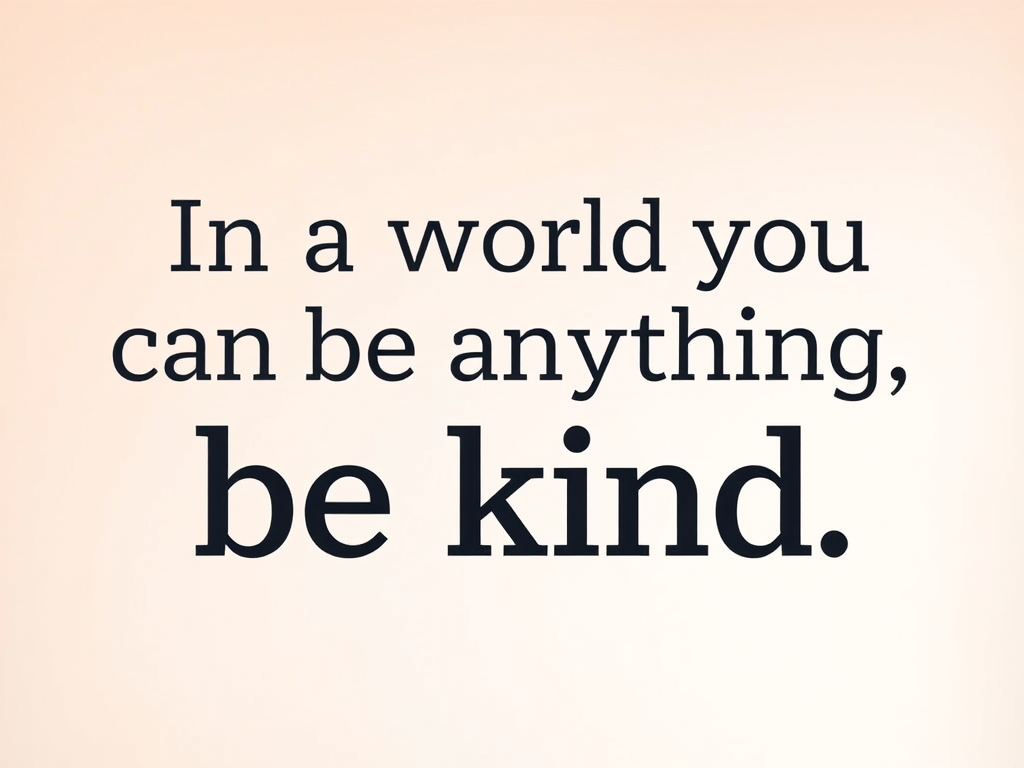
A quote encouraging kindness in a simple, elegant font on a light background.

The Art of Loving Unconditionally: Lessons from A River Runs Through It

A scenic view of a river meandering through lush greenery under a blue sky with clouds.
The flow of a river.

Words of Wisdom From a Classic read 📖

One of my favorite stories is A River Runs Through It by Norman Maclean. It is an exquisitely written, semi-biographical account of Maclean, and his brother, Paul, growing up in Montana as sons of a Presbyterian minister who taught his boys the art of fly-fishing. The movie version, directed by Robert Redford, captures the earnest beauty of Maclean’s prose. Both pieces weave together a tapestry of thought-provoking life themes centered around family love and connection (including unconditional love for a family member), grace, the fragility and brevity of life, and the eternal nature of time, with the art of fly-fishing as a metaphor as the unifying thread. 

The story’s emphasis on the complicated nature of the brothers’ relationship make it especially compelling and heart-wrenching. Therefore, I have revisited both works on numerous occasions. Each time I reread the story, (and subsequently watch the film) I discover a new gem and/or am reminded of a favorite part, such as a well-written phrase, a turn of words, a point of symbolism, and so forth. My most recent encounter with Maclean’s work was towards the end of December. 

There is a set of lines that stirs my heart every time I read them: 

“So it is . . .that we can seldom help anybody.  Either we don’t know what part to give or maybe we don’t like to give any part of ourselves.  Then, more often than not, the part that is needed is not wanted. And, even more often, we do not have the part that is needed.”

“We are willing to help, Lord, but what if anything is needed?”

Two boys hiking together by a river, wearing casual outdoor clothing and smiling at each other.
AI generated by WordPress.

How do we help others? 🧍🧍‍♂️

As I once more read each word, underlining and contemplating them in the quiet hours of morning, I reflected upon how, with each reading, those words still ring true, but their meaning evolves as I progress in age and life experience. Those bittersweet words bring to mind loved ones and students over the years for whom I have tried to help.

More recently, students of one of my classes and I were discussing their currently assigned book. The main character in their book grew up in a rough set of circumstances, and through a series of unfortunate events, wound up incarcerated in a juvenile detention center. One of the questions that book raises is: Can someone overcome their circumstances and change with the right intervention/outside help? 

The students debated valid points. Some endorsed the possibility that people can overcome their environment and change for the better. Others pointed out the difficulty of changing what has been hard wired into you. 

As the discussion continued, a student asked me what I thought. All eyes in the circle turned to me.

A silhouetted hand reaching out, symbolizing support and connection.
Photo by lalesh aldarwish on Pexels.com

Bittersweet reminder 🤔

Maclean’s words echoed in my mind as I carefully considered my response. Memories flooded my mind–former students and more personal situations in which I have been truly willing to help– offering extra time, extra care, and extra love. In many cases I have researched and offered suggestions of help–probably way too many with the presumption of, “I can help them fix it,” whatever “it ” may be.  I’ve further ridden the waves of the person’s ups and downs as they strive to overcome and change. I have been, and I still am, willing to help; Lord knows, but as Maclean so eloquently articulated, “{I}we can seldom help anybody.”

Helping others is a complicated process for which our hearts may be in the right place. However, as Maclean points out: most change within another person is not in our control.  Perhaps being willing to help is the best any of us can do unless asked–and even then–we can only offer our support; it is the person who must do the work within.  
Maybe, our support and love will help instigate the needed change, but there’s a strong chance that it won’t. Therefore, it is not our job to “fix” others; it is, instead, our job to love them.  Of course, we can still sincerely believe in the person and continue to pray and hope that the person will overcome their difficult situation or change for the better, but in the meantime we must accept them as they are. 

 Rather than say all of this to my students, I kept it simple. I shared my belief that by nature, hope springs eternal for me when it comes to believing in my students’ (and others’) capabilities for growth and change. I don’t think I could have remained an educator for nearly four decades if I did not believe that change and growth is possible for all of my students. 

A woman with long hair, dressed in dark clothing, is shown in a contemplative pose with her hands clasped together in front of her, against a dark background illuminated with red and blue lighting.
Photo by Mikhail Nilov on Pexels.com

Be Present 🙏

And, while I didn’t share this with my students, my belief and hope flows into my own personal life, too. However, my profession and personal experiences continue to inform me that overcoming what has been ingrained into you at a young age, be it genetic, environmental, or both, is difficult, even with the best help and support.  Furthermore, my experience has also humbly informed me that assuming the person wants help or wants to change is arrogant and so is thinking that we know how to help them.

This doesn’t mean we have to give up; rather, I am beginning to believe it’s about presence. We can be there for them by simply spending time with them as appropriate.  Likewise, we can provide positive support and encouragement, such as, answering the phone when they call, replying to a text they send, or being available to chat. 

Likewise, it doesn’t mean we go overboard using up all of our time and resources, leaving us emotionally, physically, or financially spent. Rather it’s important to find that fine line of being there, but not too much; having firm boundaries, but a welcoming heart/spirit. Mostly though, it seems important that we allow love to flow from us, like the waters of Big Blackfoot River in Maclean’s novella, so maybe on the person’s worst day, they will at least know that they are loved.  They. Are. Loved.

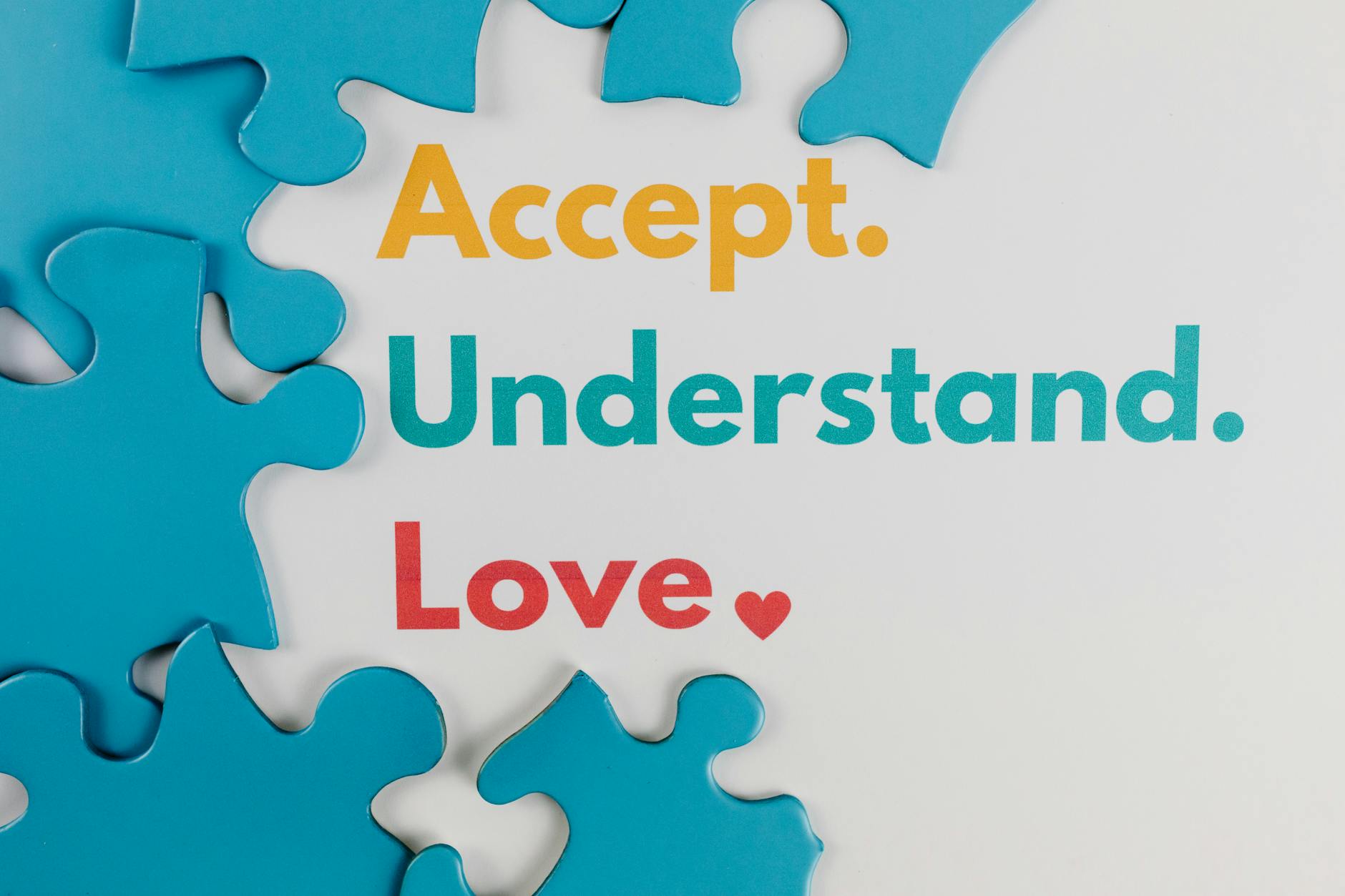
A close-up view of colorful puzzle pieces surrounding the words 'Accept. Understand. Love.' on a white background.
Photo by Tara Winstead on Pexels.com

Unconditional love 💜

In the words of thought-leader and influencer, Brené Brown, we must come to peace with the fact that “When you love someone unconditionally, you accept them for who they are, flaws and all.” And that, in the end, just as Maclean had to learn, must be enough. We can only change ourselves, no matter how much we want to help another. 

A chalkboard with the words 'HERE TO HELP' written in white letters on a black background.
Photo by Anna Tarazevich on Pexels.com

Navigating Change: Lessons from a Supertanker’s Course

“Nothing happens until something moves.”–Albert Einstein

Photo by Pixabay on Pexels.com

Why isn’t Change easy? 🤔

“ . . . and that is still my goal,” I overheard a young woman ahead of me in a grocery checkout-line respond to an inquisitive acquaintance, “but change takes time, and it’s not easy.”

My eyes were drawn to the woman who spoke of goals and change as the person with whom she spoke walked away. She had a child in a carrier on her back, and another kid was holding onto the hem of her shirt. A third child she carried on a hip, and there was a baby in a stroller. 

When all of the same young woman’s groceries had been scanned, she realized that her method of payment was in her vehicle. I observed with amazement as she traipsed back outside with four kids in tow to the vast parking lot; several long minutes later, they all marched back inside–the woman clutching a wallet. I was sincerely impressed with the young lady’s calm demeanor throughout the ordeal. 

Upon later reflection, the woman’s reply regarding change brought to mind an expression I once heard: “Making change is like turning around a supertanker.” 

Photo by RANJITH AR on Pexels.com

IN order to change, we have to understand the Problem 🧐

Whether turning around a supertanker or making a life-change, we have to first understand the problem. The problem of turning around a supertanker requires understanding some physics, which I barely recall. Therefore, I did a bit of brushing up, and I was able to learn that turning a supertanker is a problem of inertia, friction, force, and momentum. The same, I think, might also be true in life.

NASA defines Newton’s first law of motion as “every object will remain at rest or in uniform motion in a straight line unless compelled to change its state by the action of an external force.”  Resistance to change in motion is a result of inertia. The larger the mass and/or the greater the speed, the greater the inertia. Therefore, due to the supertanker’s mammoth mass, speeding up, slowing down, turning, or stopping cannot be quickly accomplished. 

Another difficulty in turning a supertanker is due to the role friction plays. According to BBC Bitesize, friction is a “force between two surfaces that are sliding, or trying to slide, across each other.” The amount of friction depends upon the makeup of the two surfaces, but regardless, friction always slows down movement. 

Along with friction, force is another factor influencing the ability of the supertanker to slow down and turn. ByJus describes force as an “external agent capable of changing a body’s state of rest or motion” Given the supertanker’s oversized mass and its momentum (how hard it is to stop an object), the friction and force of the water is relatively weak– similar to sliding on ice. This further explains why a supertanker requires a longer distance and longer time to adjust its speed, turn it around, or bring it to a complete stop in order to avoid damaging the vessel and/or its cargo. It is likewise true for life.

Understanding the role of inertia, friction, force, and Momentum when it comes to change 🤨

Photo by Pixabay on Pexels.com

Similar to moving a super tanker, the greater our inertia and momentum in one direction, the greater the challenge to turn around and/or make a change in our life. Creating life changes, major or minor, typically takes time and planning to overcome the inertia, friction, and/or force that has either stopped our progress or has kept us moving in one (perhaps wrong) direction.

Many of us have experienced some friction that caused us to sense a need for change, but we may have ignored it or lacked the momentum to change. However, as problems, difficulties, or challenges increase their force, our momentum shifts, and we begin to take small steps that can lead to a turn-around. An example of this could be taking an online course or two per semester. While it may take years, eventually a degree or certification of training can be earned, which could lead to the start of a new career and perhaps eventually, better pay and living circumstances.

Unfortunately, there are other times when a major health or life event such as a heart attack, job loss, or an estranged relationship, creates enough of a force to bring us to a full-stop and necessitate us to change course.  However, given the momentum of the life-path that led to the colossal event, there may be physical, personal or relational harm experienced as a result, similar to the damage caused to a supertanker when forced to come to a stop too quickly.

Knowing where to apply the force 😰

Photo by Bilge u015eeyma Ku00fctu00fckou011flu on Pexels.com

The irony of turning a supertanker is that it doesn’t necessarily require a lot of effort to turn it. Sure, it could be pushed and turned from behind, but the amount of force and effort required would be unbelievably great. Another option would be to apply constant pressure to the supertanker’s large rudder at the back of the vessel, which would ultimately turn it, but it would take a lot of force in the form of manpower. 

Instead, ships (and airplanes), such as a supertanker are equipped with a trim tab on their rudder.  As described in Success Engineering, trim tabs help “fine tune the ship’s steering without the need for the ship’s operator to apply constant pressure on the steering controls.”  Hence, the ship can be turned slowly, but with minimal effort and force. 

Your North Star will serves as a guide as you walk along life’s path.

REmember your North Star? 🌟

While people may not have trim tabs, they can have a “North Star.” In the same way the North Star helped sailors navigate waters years ago, having a guiding-light–aka a purpose, goal, or principle–can fine tune our life steering. Life changes and course directions will still need to occur and will also take time, especially if our North Star has been clouded over for some time. Perhaps, this was the case for the young woman at the store. 

Once we understand a problem and set a goal to change, if we follow (or realign) to our guiding light–our true North Star–it can serve as captain of our ship, applying the trim tab when needed to our life’s rudder in order to guide change and course directions as needed.  It doesn’t mean there won’t be friction or rough water ahead; it doesn’t mean we won’t encounter outside forces, such as strong, stormy winds.  And, it doesn’t guarantee that change occurs quickly.  

The point is that in order to turn things around in life, it may be a matter of learning to apply our focus on the right force that can help us overcome our inertia and better manage our friction. Then, we can allow momentum to carry us, course corrections and changes included, as long as we faithfully follow our true North Star.

Surrender and Accept Change

“And when the night is cloudy, there is still a light that shines on me, shine until tomorrow, let it be.”–Paul McCartney

Photo by Zeeshaan Shabbir on Pexels.com

During the height of the pandemic, I cultivated the habit of a daily meditation practice.  In particular, I often used an app that was free of charge for those in the service careers, including educators.  In addition to offering guided meditations, it also offered short (3-5 minute) video clips designed to bolster spirits, inspire courage, and calm feelings of anxiousness.

While I can’t say I was a regular viewer of those videos, I did enjoy, and often learn, from the ones I did watch.  One video in particular, used time-lapse photography to demonstrate the ways in which light changes throughout the day.  It was one of my favorites, so much so, that I saved the link to my laptop to rewatch from time-to-time

During this video, the narrator explains the way our experience of color changes over the course of a day and the science behind it. Beyond the obvious point of light brightening at the beginning of the day and darkening at the end of the day, there is a daily light progression that we may not perceive.  It allows us to experience every color of the light spectrum within one 24 hour period.  Much of this progression has to do with the nitrogen and oxygen in the atmosphere scattering the light waves coming from the sun and making the sky appear blue.

Photo by Skitterphoto on Pexels.com

At sunrise, we see more reds and oranges, while other colors, like greens, blues, and purples, appear darker and more muted.  Then, as the morning progresses, yellow light becomes the dominant color we tend to associate with sunlight. Meanwhile, the “yellow” sunlight reflected upon the so-called blue of the sky intensifies the color of anything that is green up until noon.  Then this same light/color progression begins to reverse itself throughout the remainder of the day until the sun sets.  As the sun returns to its lowest point on the horizon, the light returns to a red-orange hue, and then gradually fades into the blues and violets associated with night, illuminated by what we perceive as the white light of the moon. 

And so it is with life. Change happens daily, from moment to moment, and life never stays the same.  Like the changing of light rays throughout the day, many of these changes are so subtle, they are often not observed in the moment, such as the growth of our children, or our own aging process.  For example, a parent may not clearly see the day-to-day growth occurring within the physical development of their own child, until one day, they happen to notice the child’s clothes are suddenly too short/small.   Likewise, we may not discern our own aging process until we see a picture of ourself from as few as five years prior, and suddenly we are face-to-face with our own change.  

As an educator, I sometimes measure life in terms of an August to July school year, rather than the typical January to December calendar year, depending upon what is being measured.  Nonetheless, I recognize, now more than ever, that time is fluid, and it matters not how I measure time because it continues to flow and stream like the daily progression of light.

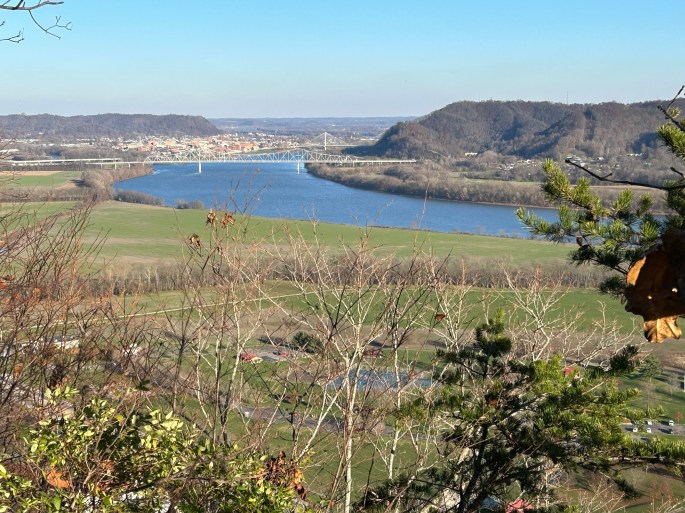
That being said, these past 12 months have been full of joys, changes, and of course, challenges. Many of these changes were immediately as visible as a bright sunrise over the Ohio River. While others shifts were less visible, but nonetheless impactful. Then there were those challenging dull hue moments that accompany the colors of night that felt as long as evening shadows.  In fact, there were moments when it felt like I was riding life’s carousel, returning, again and again, to the same point as if progress was at a standstill.

And yet, now I can look back and see that, indeed, even if I wasn’t directly observing it, change was occurring.  While my eyes may not directly witness every sunrise, nor catch sight of all of  night’s blues and violets, these events still occur–without or without my direct detection. An invisible force, a guiding hand, if you will, greater than you and I can comprehend, maintains this on-going, ever-moving cycle of change.  It is ever present, even during those darkest, bluest nights when we often feel alone with the shadow-side of life and wonder if the darkness will ever abate.  

Ultimately, the darkness ebbs, and the light does begin to flow, but precisely as the light/colors of the day must go through their unique progression, so too must the solutions and resolutions to those dark and lonely life challenges.  Life, like light, will go on and will continue, along with the Source, the maker of light and life.  Therefore, we must surrender to this knowledge.  Surrender to the what is, and to what will be; surrender to the notion that we are not in-control.

The lesson for me this 2022-2023 year, and it is a tough morsel to swallow, is that the only guarantee of life, like the light progression of our day, is change.  While I can try to control certain factors, such as schedule and routine, the choices I make, or even how I measure time, for the most part, what will be, will be. 

Thus, as long as I wake up, whether I rise with the cool dark blue of the predawn hours, or I get up with the bright orange and red light of sunrise, there is a Source shining, not only within me, but throughout all of life.  Therefore, as the light surrenders, rather than falls, to its daily course of change, it is likewise my job to see the illuminated gift of each day as I ride the ups and downs of this carousel called life.  

Aging with Serenity

God, grant me the serenity to accept the things I cannot change, courage to change the things I can, and wisdom to know the difference.”–Serenity Prayer

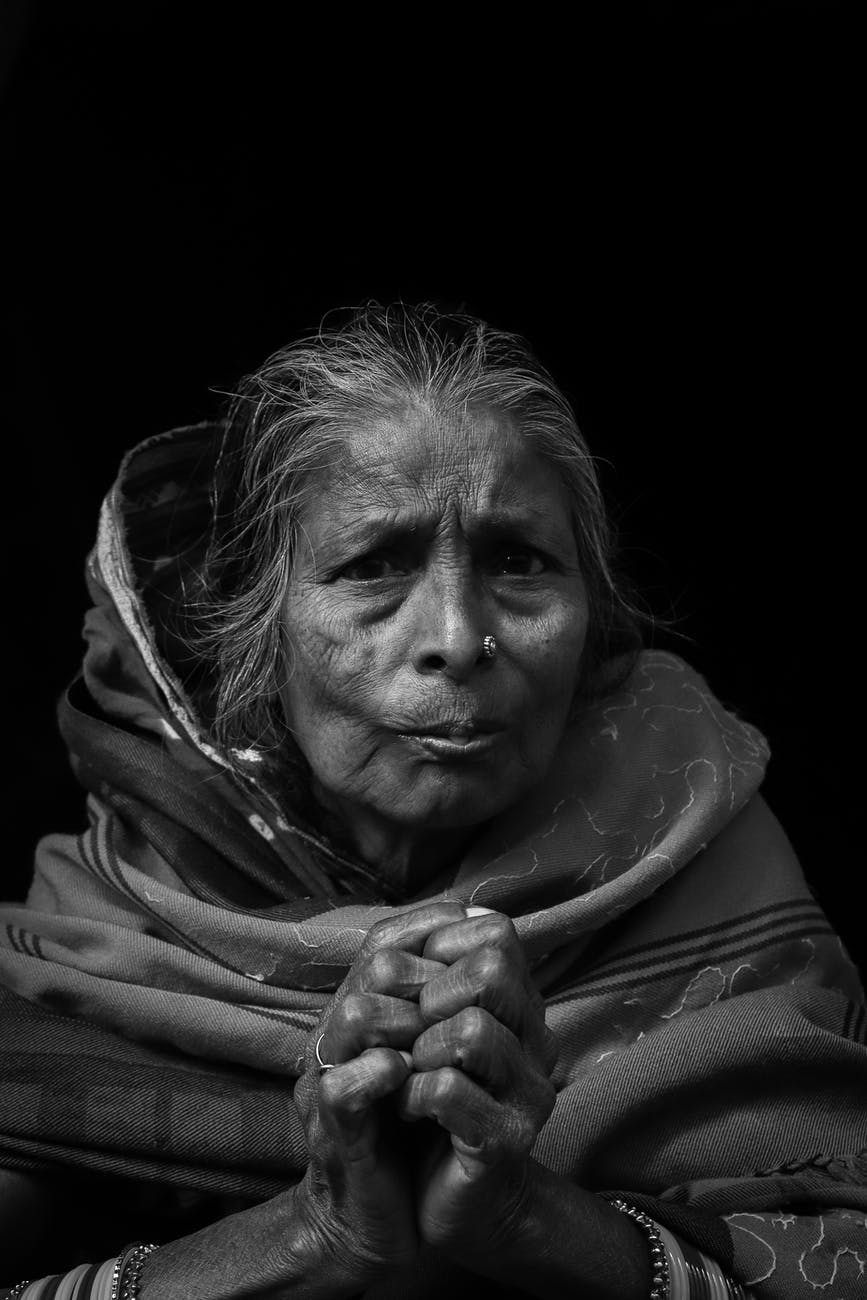
Photo by Harshi Rateria on Pexels.com

After writing humorously about the aging process a few weeks ago, I ran across an article written by Paula Span, focusing on the research and work of Becca Levy, a psychologist, epidemiologist, and professor at the Yale School of Public Health. Part of Levy’s work specifically points to 7.5 years that can be added or subtracted from a person’s life based upon personal and societal attitudes towards aging.  Since then, my brain has picked up Levy’s thesis, as if it were an object of study, and has been manipulating it from all angles as I consider its premise with what I thought I knew and what I hope to understand/apply. 

And what do I know? I know that I definitely won’t be retiring during my 50s as I once believed. At one time, I harbored some resentment about this.  Then, we went through the pandemic, and I experienced the heat of transformation with millions of other people, like sand particles melting into glass.

Photo by Pixabay on Pexels.com

It was during the pandemic that I slowly began to observe many of my attachments to “how things should be,” such as my retirement age, and I began to undergo a practice of  learning to say “yes” more often to things that weren’t, “how they should be.”  It was, and continues to be, a very imperfect practice.  Learning to accept AND surrender to the things that I cannot change is NOT my natural inclination.  

In addition to my belief about retirement age, nearly ten years ago–I battled low back pain due to three bulging discs and an extra vertebra.  Without belaboring the topic, the pain led me down a meandering path of chiropractic care, regular epidural steroid injections, and ultimately two 12-week rounds of physical therapy.  Both well-meaning doctors and physical therapists, told me that I should never participate in any form of high intensity exercise, including running again.  I accepted this theory because, after all, they were the professionals, and besides I was getting to “that age”–whatever that means.  

Photo by Karolina Grabowska on Pexels.com

Fortunately, one physical therapist disagreed, suggesting that I should strengthen the weak muscles that were causing imbalances that led to my injury in the first place.  Then, if I continued to work on maintaining that strength and listen to my body, he believed that I could gradually resume running and other forms of exercise I had been told to avoid. His advice later proved to be spot-on.

Therefore, as the pandemic continued, work changed, living conditions changed, and exercise changed as we said goodbye to gyms and group exercise.  Work meant sitting for hours. Low back, hip pain, depression, and sleep disruption escalated. I learned that I was not made to sit for long periods, and I began to realize that in-person work was more beneficial to my life than I realized. 

Photo by Peter Olexa on Pexels.com

Through trial and error during the pandemic, I began to resume various forms of exercise that I had once abandoned, including running, and I began to rethink my belief system about my own aging process.  I started approaching my life, and my physical body, with a bit more curiosity–making observations, asking questions, forming hypotheses, testing them, and making adjustments. This continues today.

The pandemic forced me to make peace with the fact that I will work longer than I had originally planned because it is still beneficial for me. Furthermore, I have embraced my need for movement; I cannot sit for hours, and even if I could, it is NOT good for me physically or mentally.  Additionally, I need interaction with others, even if I am an introvert at heart.  However, I still value and honor my need for downtime, introspection, reflection, and quiet. 

Span’s article, combined with the pandemic experience, inspires me to seek the courage in the coming years to continue to change what I can, but to also hone my ability to know when I can’t.  This is only possible through the wisdom that comes with life experience, aka, aging.  Aging is not a point for which to attach shame, negative stereotyping, or embarrassment.  Instead, the process of aging should celebrate one’s life experiences and provide us with opportunities to not only apply the knowledge gained from these experiences to our own lives, but to also use them for the benefit of those with whom we interact and/or mentor.

Photo by Andrea Piacquadio on Pexels.com

To be certain, aging brings unavoidable changes in the physical body and in the way in which we think (and forget), but it is not necessarily a time for stopping, like much of our cultural cues teach us by celebrating youthful beauty, prowess, and achievement. In fact, after reading about Levy’s work, I realize there’s plenty of money to be made.  In fact, according to Span’s article, Dr. Levy and her colleagues estimate that “age discrimination, negative age stereotypes, and negative self-perceptions of aging lead to $63 billion in excess annual spending on common health conditions like cardiovascular disease, diabetes, and injuries,” not to mention all of the money made from products promising to turn back the clock. 

One of the most compelling examples of psychological absorption and damage of cultural ageism in Span’s article occurred when Levy took her 70-something grandmother shopping in a Florida grocery store and her grandmother fell over a crate left in an aisle. The grandmother’s injury was superficial, but it did bleed profusely.  When the grandmother suggested to the store owner that crates should not be left in an aisle, the store owner replied that “old people fall all the time, and maybe they shouldn’t be walking around.”  After that point, Levy observed that her once lively grandmother began to ask others to do tasks for her that she once regularly completed.  It was as if her grandmother began to subconsciously view the grocery store incident as her cue that she was old and incapable of caring for herself.

Photo by Eduardo Soares on Pexels.com

Meanwhile, in Blue Zone parts of the world, geographical locations in which people live the longest and are the healthiest, centenarians are celebrated as if they were highly acclaimed celebrities.  If these parts of the world can encourage, foster, and honor a culture where aging is not only accepted, but highly valued, why can’t we?  

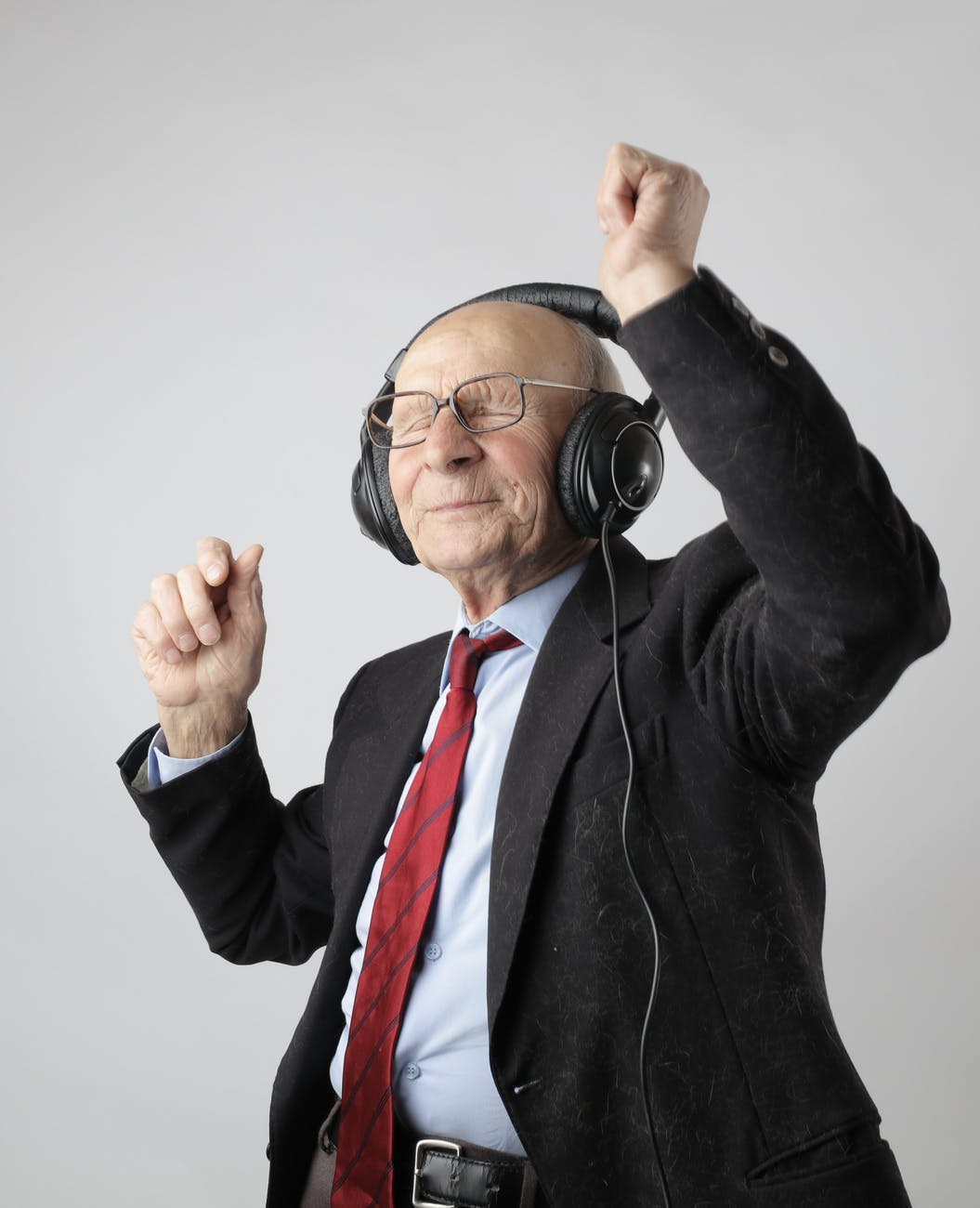
Maybe I cannot change the current culture, but I can change my own personal view on the maturing process.  Wrinkles capture the adventures in the sun as well as countless moments of smiling. Gray hair celebrates the continuation of our inner child wanting to roam free and wild, and body aches/pains are a reminder to care for the vessel God gave us. 

I now know that phrases such as, “that age,” reflect cultural and social programmed attitudes that marketers, business, and the healthcare industry prefer is an ingrained part of our vocabulary.  While not every business or healthcare provider is personally invested in this ageism, I no longer desire to accept those marketers’ money-making, psychological damaging propaganda. What about you?

Photo by Chevanon Photography on Pexels.com

We all need a little patience

“In a time of drastic change, it is the learners who inherit the future.”–Eric Hoffer

“Change is only felt when it is drastic.”–Lailah Gifty Akita

Dedicated to the teachers with whom I work, and all the other educators, near and far.

As I step into the warm shower, pulsating water beats down on my tight neck, my low back is still dully throbbing from the previous day’s efforts, and my feet, my heavens, my feet, they are pulsating from the constant pounding of walking on concrete.  

It’s Friday.  You can do this.  Everyone is feeling similar aches–it’s not just you.  Yes, but most others are a heckuva lot younger!  You can do this; you’ve done this before–albeit, not so drastic . . . or was it?

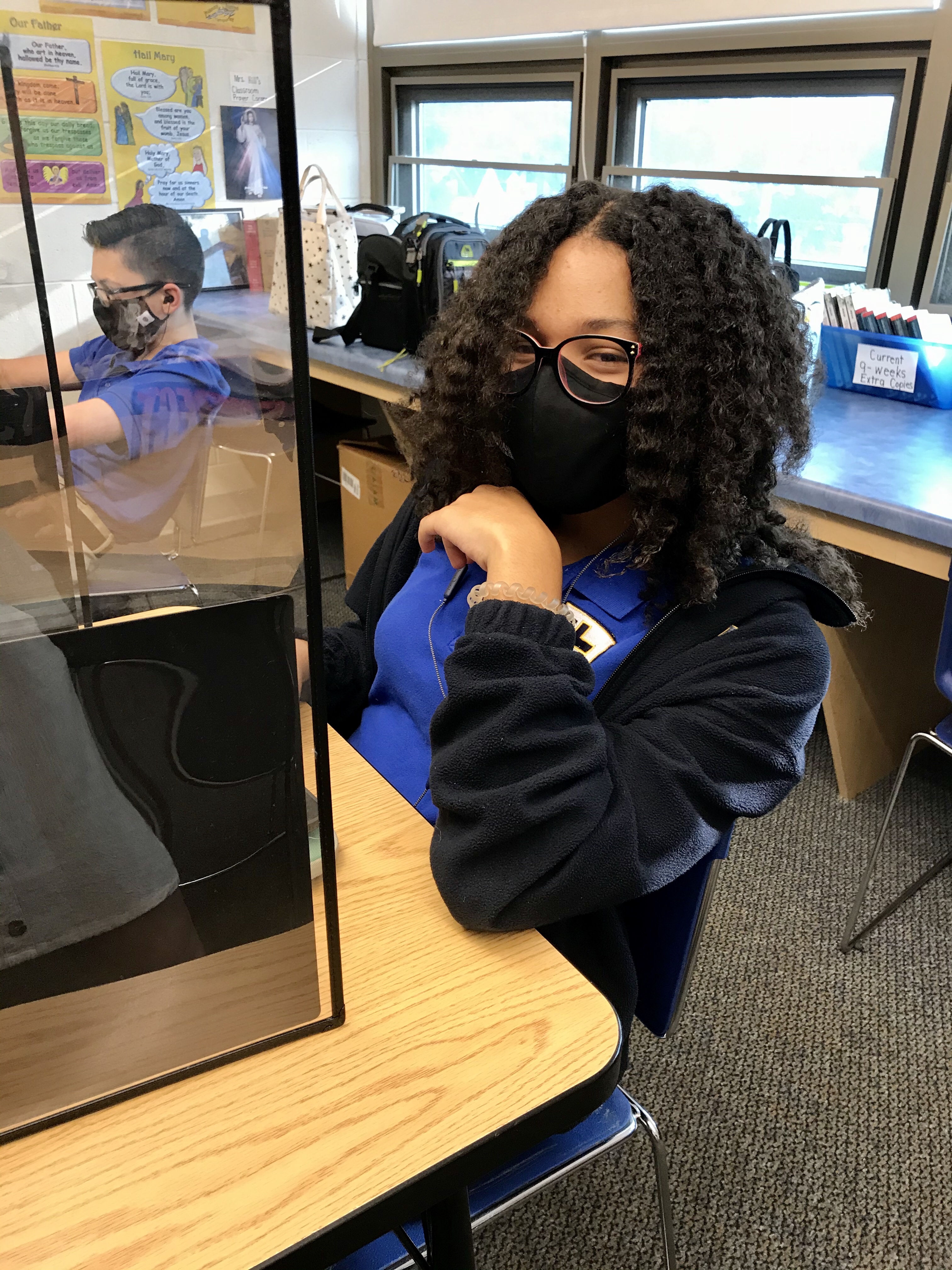
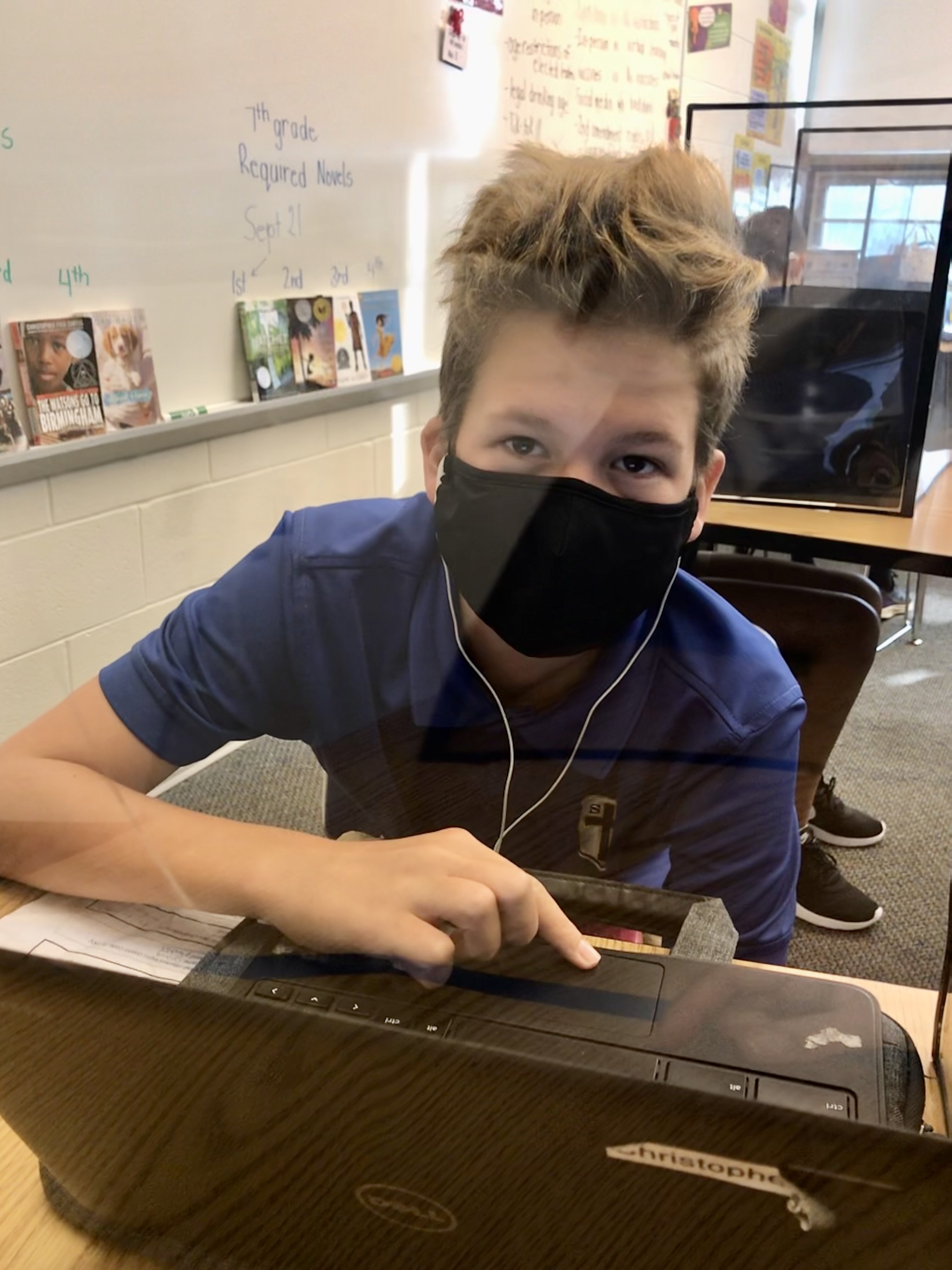
Students working at school in the age of COVID and an era of paperless (as close to it as possible) education.

I remember following the Special Education Coordinator of the county school district in which I had first been hired fresh out of college.  I felt proud, excited, and eager.  The clipped, rhythmic pace of her heels as they click-clacked across the tiled floor resounded–even more so when she continued on into the gym.  At the time I couldn’t understand why we were in the gym when she was supposed to be taking me to my classroom.  

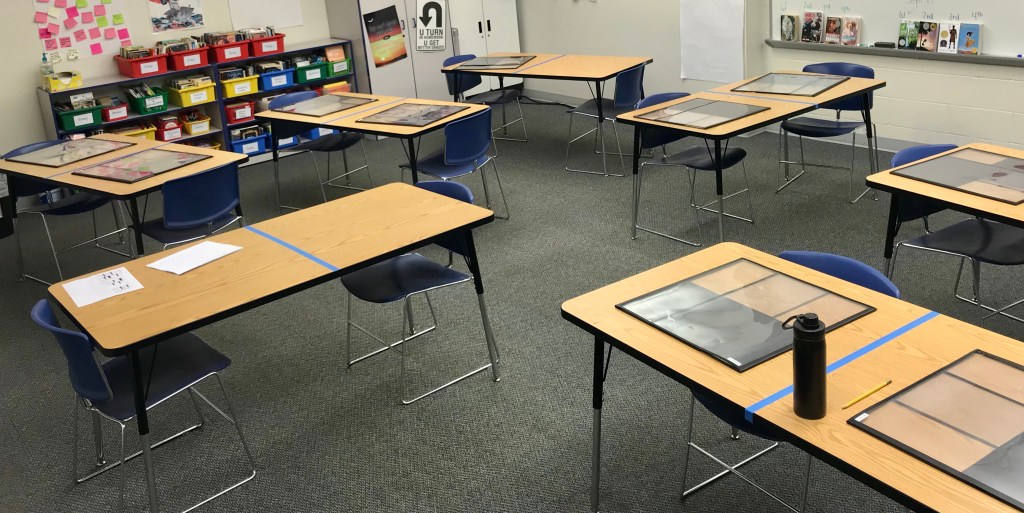
Tables cleaned and sanitized well before 7:30 am when the students begin arriving to homeroom.

Eventually we made our way to the opposite side from which we entered, walked up some steps, and began walking under one side of the gym’s bleachers.  Clickety-clack, clackety-click, past what looked like one semi-formed classroom through another vaguely formed classroom until we reached the end.  This was to be my so-called classroom with not a single window.  No textbooks.  No materials.  Broken desks.  Dirty teacher desk.  Not even real walls for two sides–just the underside of bleachers, a rolling chalkboard, one concrete wall, and metal, padded locked door with Junior ROTC weapons stowed away behind it.  All 4’11’’ of me would be serving 15-25, 9-12 grades students in this space, the majority of which were lanky, long males who did not want to be there.

Gone were those meticulous lesson plans and the abundant, never ending resources of Ohio University.  The colorful, bright, window-lined classrooms arranged, organized, and utilized based upon the current, best educational practices were nowhere to be seen.  It was 1987, so there was no internet, certainly no cell phones, and those education journals to which I had been advised by academia to subscribe were certainly not going to be of help in this unbelievable setting.  This was a drastic change, and yet, I somehow found a way to make it work for two years before facing my next challenge . . . 

Moving on to another district, I was assigned to teach twelve, K-5 grade level students with severe behavior and emotional issues that often required restraint, in a metal portable classroom isolated from the rest of the school.  I was young and foolish enough to think this was a good idea–a good move for my career.  Certainly, it was financially speaking, but after one day of passive restraint training, I began to wonder.  

Although this classroom had four walls, it was empty and bare, save for a few tables and desks.  Then, there was the challenge of all those different age ranges.  Developmentally, a kindergartener is miles apart from a fifth grader.  The challenges and changes I faced over the next seven years, the unbelievable behaviors I witnessed, and the most heart-wrenching stories–seriously, seriously horrible–still haunt me to this day.  No child should undergo what those children went through.  Baby bottles filled with beer, children sexually abused, parents addicted to drugs and/or alcohol, older children responsible for numerous younger siblings while mom did tricks for drugs . . . the gut wrenching stories never seemed to have an end.  On top of all of this depravity, it was the early 90s, autism was not clearly understood and accurately identified as it is now.  Therefore, I also had several autistic students, mistakenly identified as “behavior disordered” alongside students who were often prone to violent outbursts.  Given the combination of all of these factors, I honestly do not know how I made it work–and yet, somehow Divine Providence helped me through it all.

I have experienced numerous changes in education since those first nine years of my careers, many of which were drastic, and all created unique circumstances for which I was ill-prepared, but none can compare to the combination of educating in the midst of COVID while simultaneously teaching both in-person and virtual students at the exact same time.  As an educator, my colleagues and I are tasked with keeping kids safe from a pandemic-worthy virus, care for their emotional well-being, and educate them in the socially distanced manner of their parents’ choosing–at school or from home–attending a regular schedule of classes through the technological wonders of the imperfect internet.

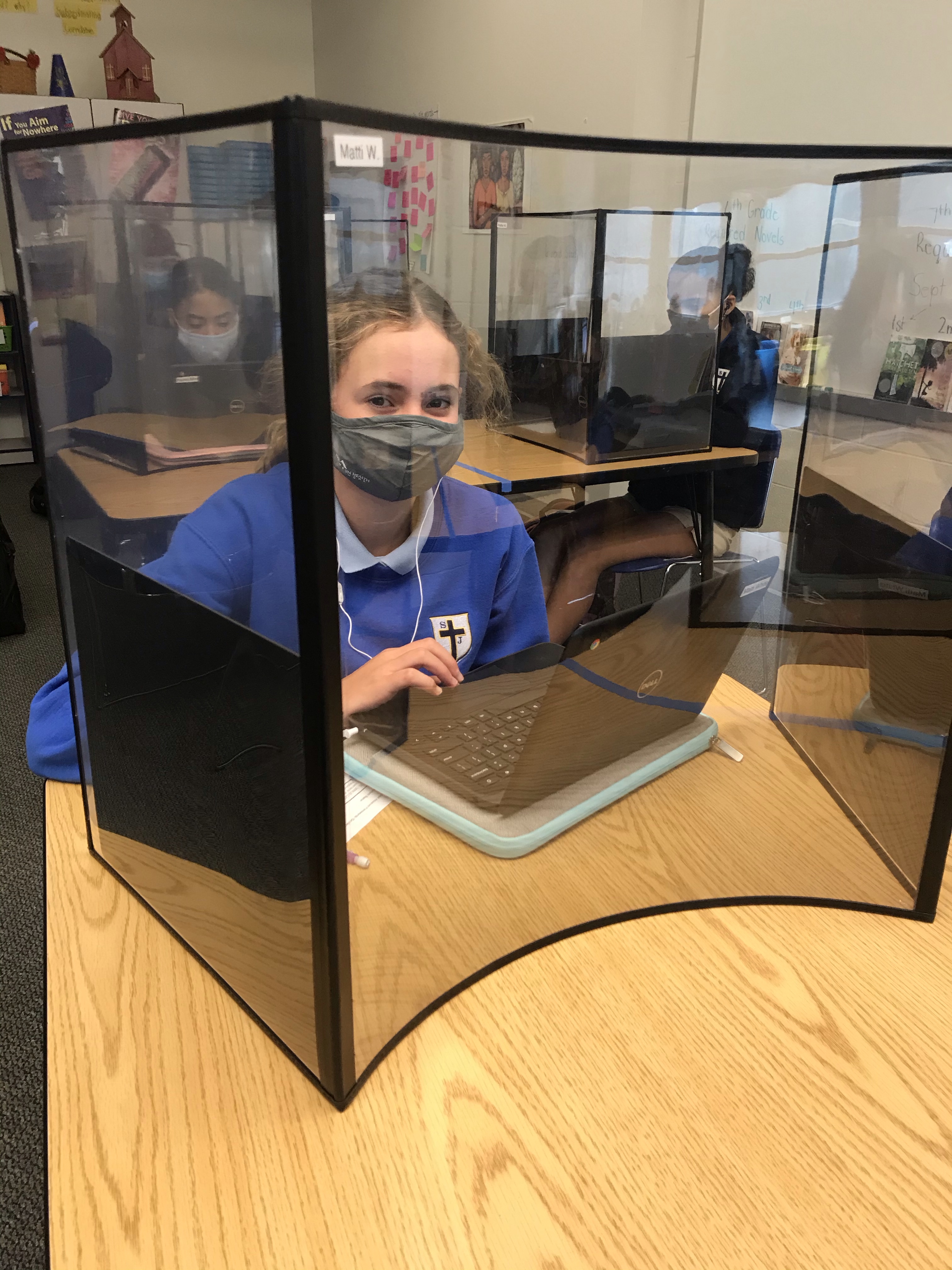
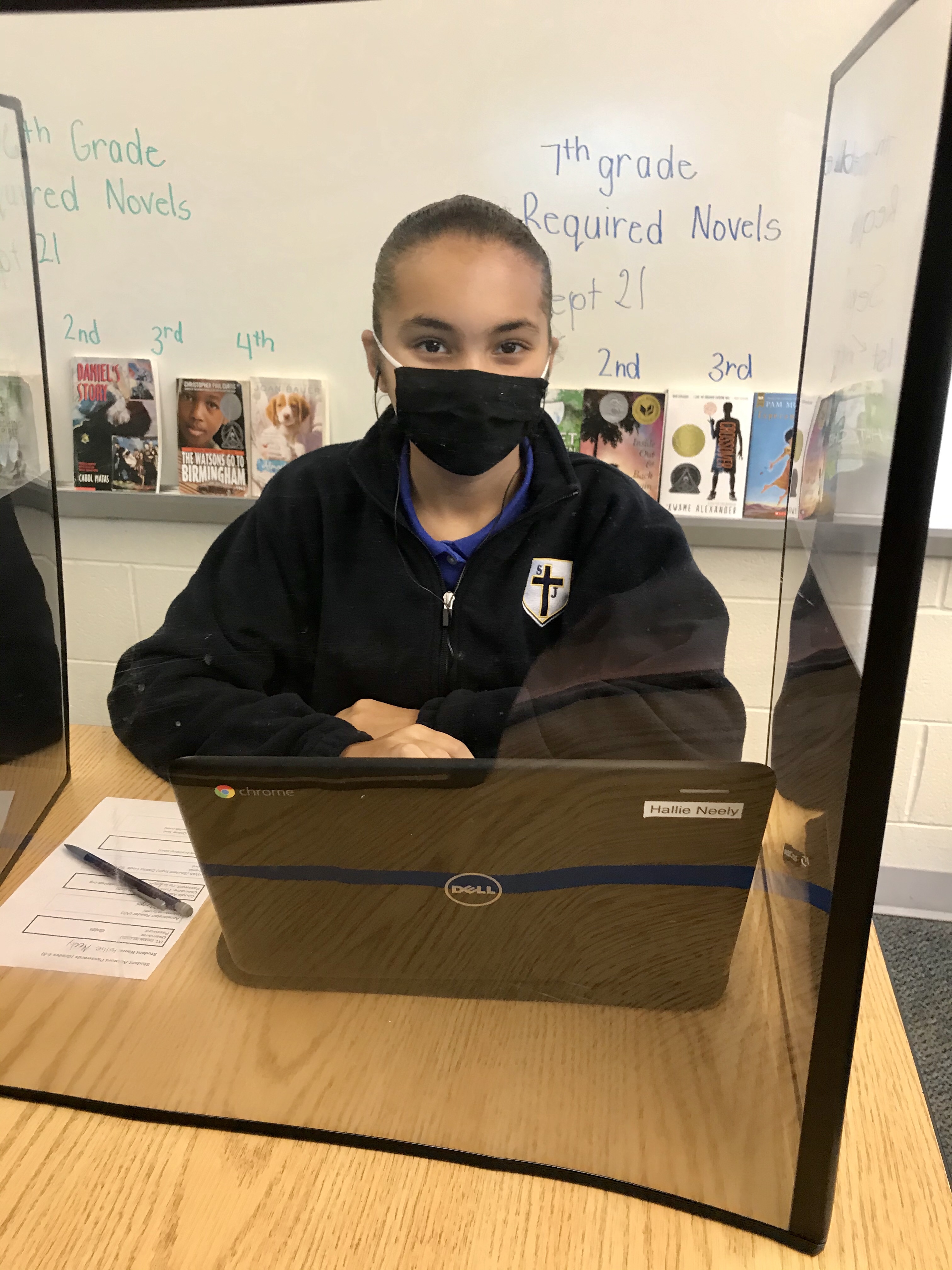
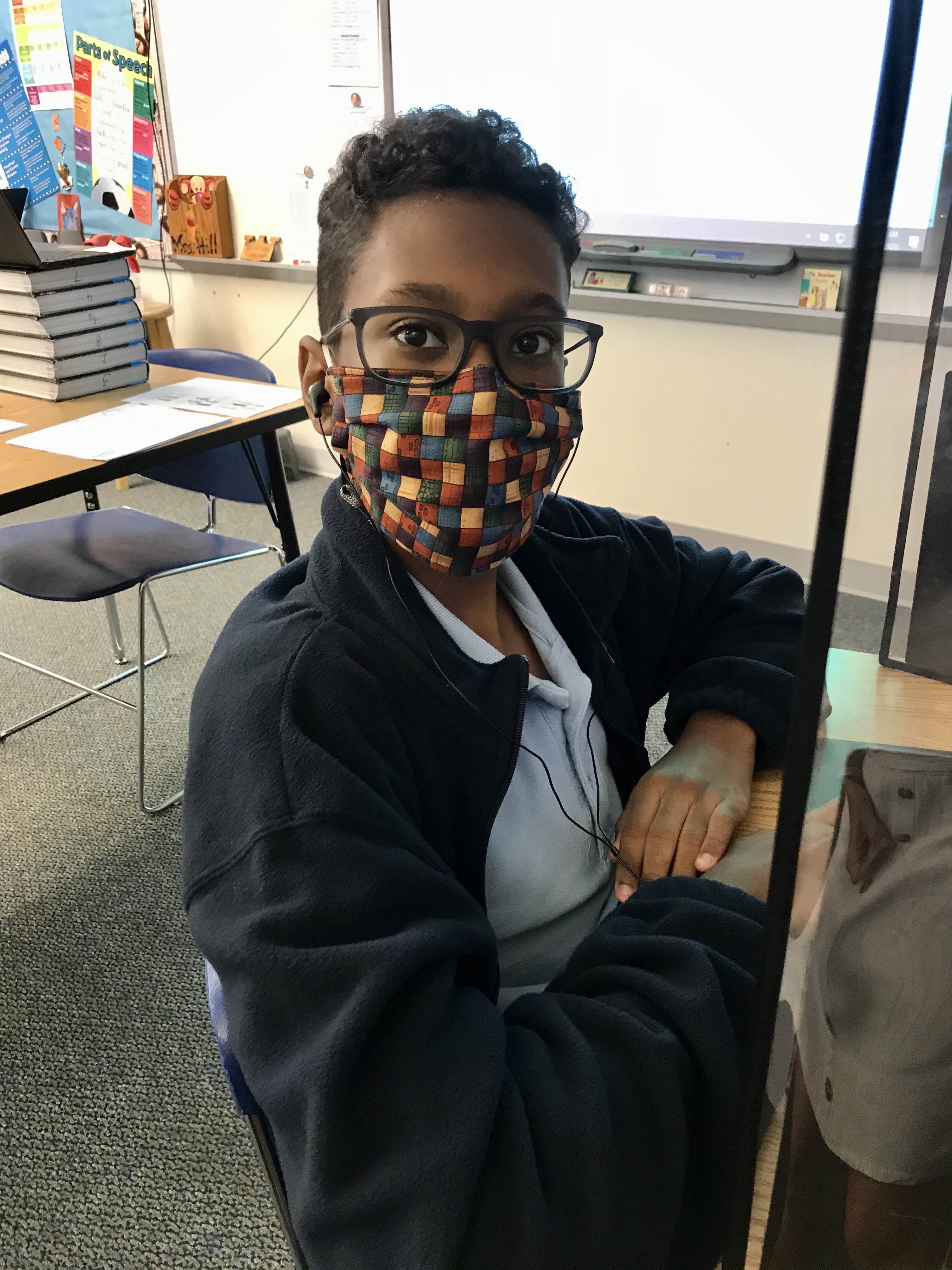
Each morning begins well before sunrise, in order to begin planning, organizing, and posting from home.  Arrival at school for teachers starts well before 7:00, as each teacher must mix fresh bottles of both disinfectant and sanitizer that is used before and after every class change.  Students begin arriving in our classrooms by 7:30 after going through a routine check of health questions, temperature check, and hand sanitizing procedures.  Classes officially begin by 8:10 after morning announcements, prayer, and pledge.  As students enter my classroom, they must wait until all tables are sanitized.  Then, I must quickly log in and connect my chromebook with my virtual students for that class period.  While I am doing this, in-person students set up their tri-fold, clear plastic dividers and log onto Google Classroom.  We are all masked, and by the end of the day, my voice, and those of my peers, are hoarse from projecting through the barrier of the material covering our mouths and noses.

The day begins mixing fresh batches of both disinfectant and sanitizer. Tables, light switches, door handles, class counters, and sink area all clean well before the 7:30 arrival of students.

While offering instruction, I am simultaneously monitoring, engaging, and facilitating with students within my classroom and those at home.  This also means I must work hard to be as paperless as possible for the benefit of all students, but especially those who are participating virtually.  Then, there are the technological glitches that can cause delays, interruptions, and malfunctions with both groups of students.  Additionally, I am trying to learn, assemble, and implement a multitude of on-line educational platforms to enhance, streamline, and engage all levels of students.  By the day’s end, my Fitbit watch consistently reveals that I have taken anywhere from 15,000-20,000 steps with minimum time spent outside of my classroom walls.  

If the first week is any indication, my work day will consist of a constant stream of decisions, sanitizing, and juggling–juggling in my mind to best meet the needs of both in-person and virtual learners–as I work to redefine the art of facilitating instruction.  Never in my previous educational training did I ever receive training on how to engage and instruct students in a meaningful way during a pandemic.  Nor have I ever seen so many of my fellow teachers experience such high levels of anxiety, stress, and discomfort as I have in one week of school.  The emails from students and parents never end, and it feels as if there is not enough time, nor enough of each teacher to go around. 

And yet, that experience of my early years tells me that we will all adapt, grow, and learn from this.  Educators are a formidable, flexible force driven by the passion to educate and care for all of those entrusted into our care.  However, educators, parents, and students all need extra doses of patience with one another, the ever-evolving educational technological tools, and with ourselves.  The type of drastic change we are undergoing requires much patience, tolerance, and a new level of understanding. Educators and educational institutions are all trying to rapidly respond to a situation for which there has been no previous experience.  There are bound to be countless bumps along this new educational trail which we are currently blazing.

Personally speaking, I am stepping out of my comfort zone, stepping up my game, and stepping into a new role that feels very uncomfortable.  I have never been the most technologically savvy person, but I am learning—some of it on my own through trial and error, but most of it from my professional peers as well as my students  Therefore, I implore parents of students, far and wide, please be patient with teachers and schools.  We want to educate and care for your child as badly as you do, but cutting remarks, critical emails, and sensationalized social media posts only undermine our efforts and morale.  Instead, kind words, thoughtful notes, and genuine appreciation for our efforts can go a long way in supporting our new role within your child’s life. We understand this isn’t easy for you as many of us are parents too.  We understand that you are your child’s number one advocate, and you want what is best for them, but so do we.  We want to keep everyone safe and healthy, both emotionally and physically, including ourselves.

In conclusion, let us focus on what connects us–the well-being and education of children.  Let us, as a community, be supportive of one another as we forge together through this brave new educational world; so that, one day, we can look back on this, as I do on my early years in education, and proudly declare, “We did it; we really did it.  Look how far we’ve come!”

Becoming

“To be what we are, and to become what we are capable of becoming, is the only end of life.”–Robert Louis Stevenson

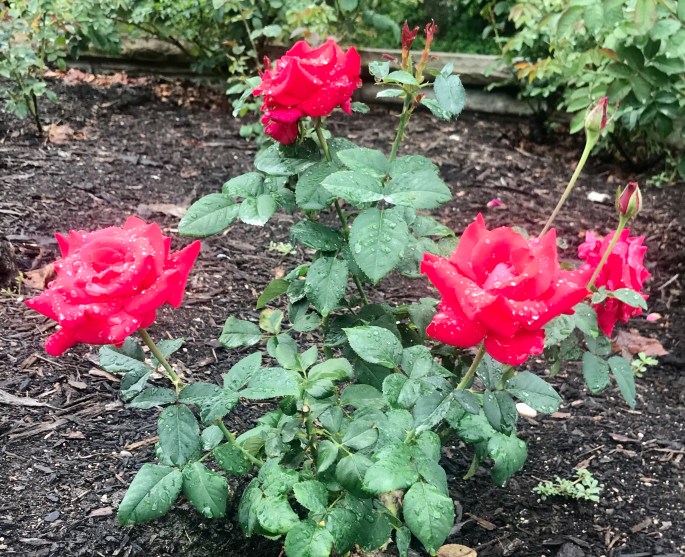
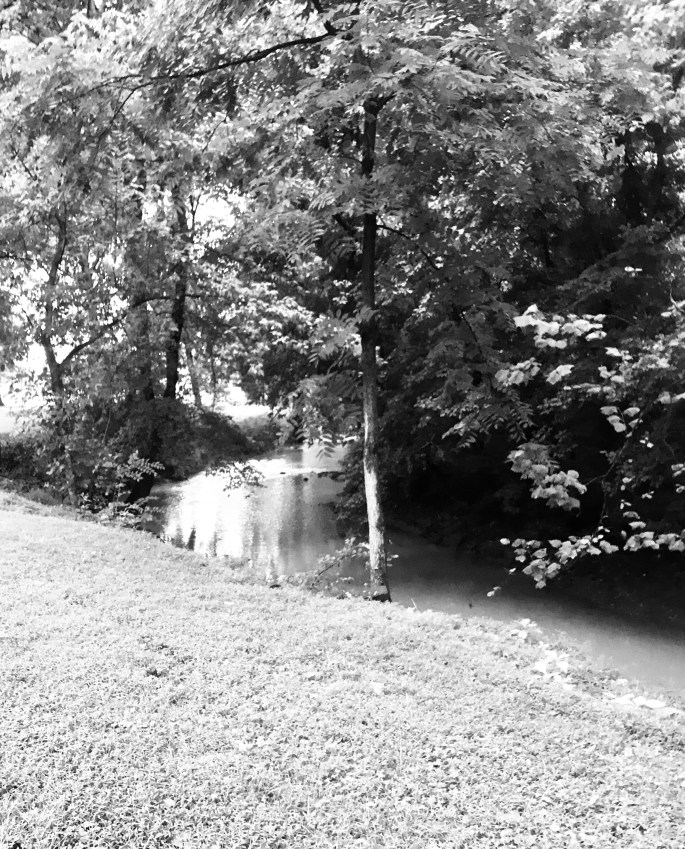
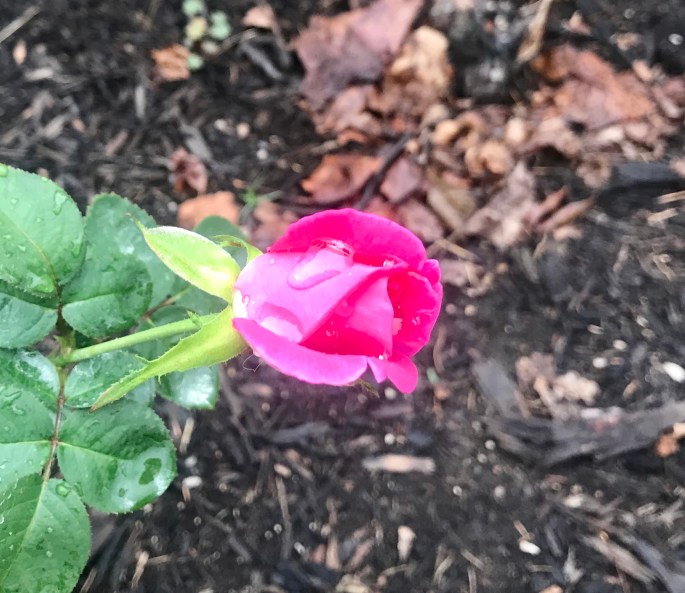
Standing on the crest of a small hill, my senses were heightened.  I could feel the weight and seemingly taste the moisture in the air. Scents of earth, rain, and floral encompassed me.  Dewy variations of pink, red, and coral stood out in contrast to the overcast dawn. Meanwhile, the unmistakable melody of creekwater rushing over rock, bed, and banks provided additional ambiance to the unfolding morning. There could be no mistaking it, this was a brief interlude before the showers once more resumed.

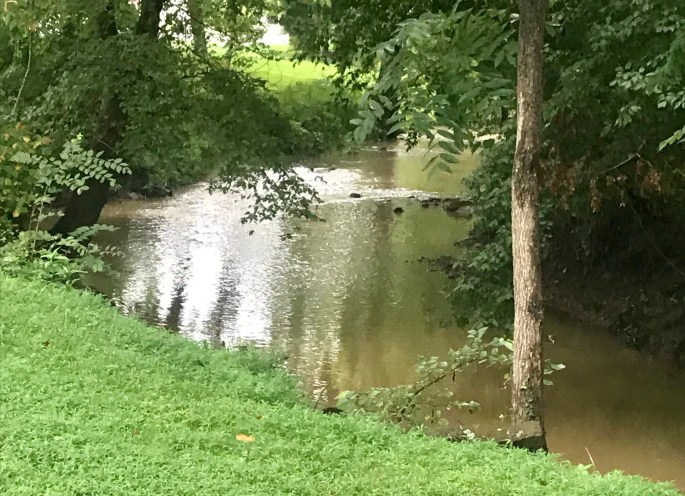
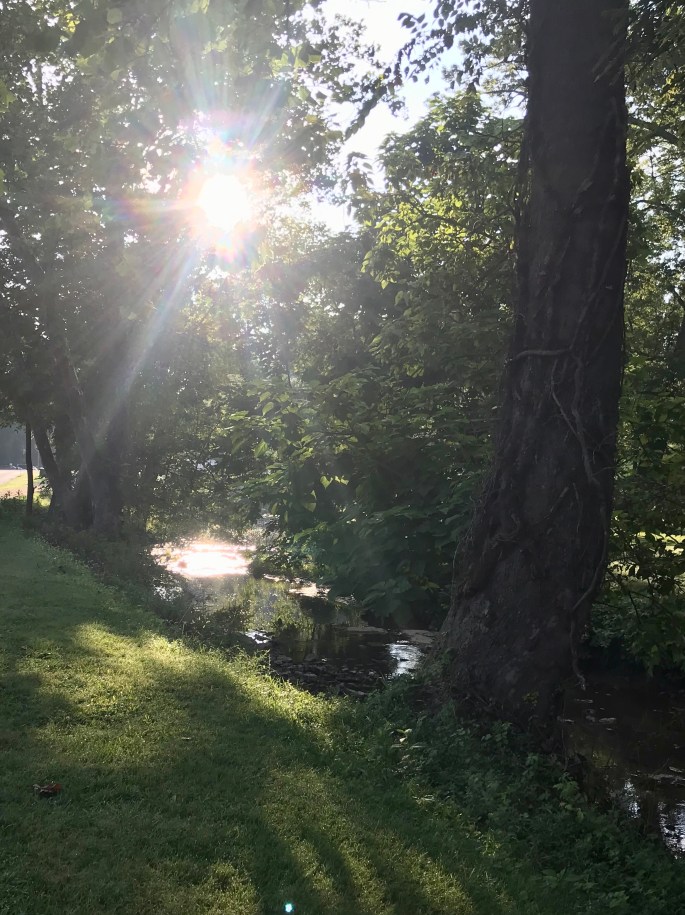
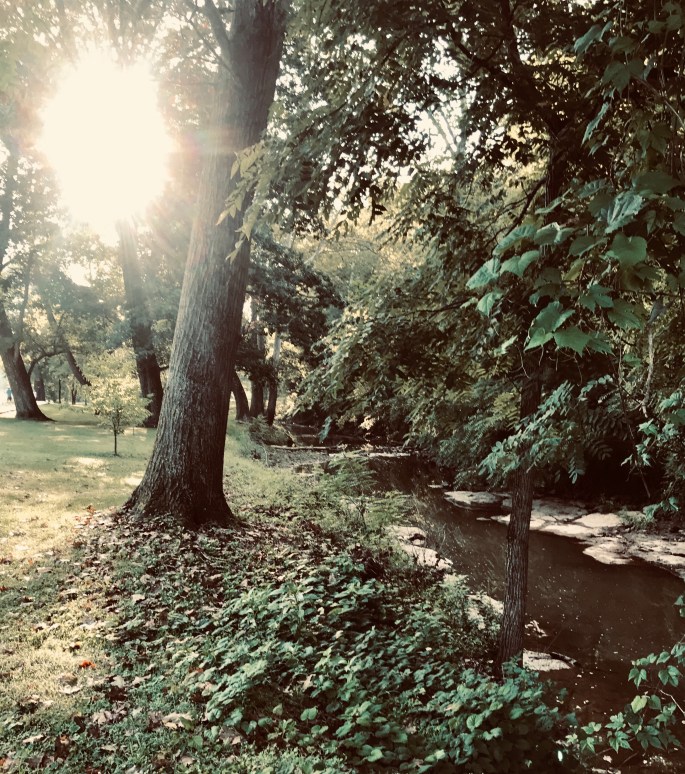
Down the hill I trotted, past the pristine rows of roses and on towards my companion for the next hour or so, Four Pole Creek, or “Four,” as I have come to think of it.  

“The more I run, the more I want to run, and the more I live a life conditioned and influenced and fashioned by running.  And the more I run, the more I am certain I am heading for my real goal:  to become the person I am.”–George Sheehan

Hello Friend.  My heavens, but you are swollen today, full as a tick bug, as my Papaw used to say, from the feast of overnight rain.  It’s good to see you looking lively today.  Your rhythmic song will be a welcome distraction from the noise in my mind.  

You see, a stunning new realization has recently taken root in my mind.  It whispers conspiratorially to me that I have reached a point in my life in which the years ahead are more likely to be less than the years I have lived.  What am I to do with this information, I ask you?  It is such a staggering revelation.

What’s more, my aqueous friend, the image reflected in my bathroom mirror no longer matches the image in my head.  There are these white hairs at my left temple and even more sprinkled throughout the parting of my hair.  Likewise, there are lines, especially when I smile, that run from the top of my cheekbone down towards my jaw line!   Tiny versions of those lines romp across the top of my lip, corners of my eyes, and all along my forehead.  How am I to be with this?

It seems I am not the only one changing.  I keep running across pictures from previous years in which family and friends look different.  They look incredibly young in those pictures–like unfledged, inexperienced youth.  I don’t recall that image.  In my mind, they are ever the responsible, mature, and wise people who never age, but remain frozen in time–never too young or old. 

Oh, and Four, there are all of these nagging aches and pains.  They niggle me awake during the night or flare up in the middle of work.  Sometimes, I down right hurt all over, and I can’t determine the cause.  However, I can tough out these minor hurts.  I can.  It’s the suffering of my loved ones that trouble me more.

I see my loved ones injured, battle-scarred, aging, and/or struggling.  You see, I want to help, to make them better, to help them feel whole again.  Even more than their ailing physical beings, I want to offer peace to the emotional wars waging within their minds and hearts.  I try.  I do try to help in small ways, but I am not a doctor–I don’t even play one on TV.  Thus, at times, I feel limited in what I can do to ease their burdens, pains, and sorrows.  

Still, it encourages me to see you full of vitality.  For a couple of weeks, you have been waning.  Your shallow flow lacked its usual energy and zip.  It is good to see your waters revived once more.

By the way, did you take care of the terrapin that I sent your way recently?  It was headed away from the safety of boundaries of your banks towards the traffic rolling alongside you.  I picked it up, even though it seemed offended by my action, and placed it carefully within your borders.  Hopefully, you were able to redirect its journey to safer ground.

As I was taking this picture, a couple days later, I was able to catch this image of a walnut falling into the water from the tree above.

Back to my original point, Four.  Have you any thoughts, ideas, or insight you can offer?  It seems as if your soundscape is whispering commentary.  Perhaps, if I quiet my head, I will hear it. 

“Life is a lively process of becoming.”–Douglas MacArthur

Four, I can’t help but notice that you have more riffles, rapids, and runs today. It’s nature’s way of breathing oxygen into your waters.  In return, your waters can give support to the life in, below, and around you.  

Earlier in the week, your waters were different.  They slowly glided from one pool to another. Of course, it was quite hot outside.  I couldn’t help but laugh at the number of neighborhood dogs splashing around or sitting in the cool shallows of those pools.  You remain ever the friend to the creatures in need, no matter levels and speed of your waters. 

 I have to ask though, do you ever hurt? Do pollutants irritate you?  What about those pesky people trying to reconfigure earth around you in order to build in the name of progress? Does that cause you pain as the drainage of rainwater and groundwater shift, ultimately influencing the levels and speed of your flow?  Do you mourn for your former self or for the forested neighbors that must have once lined your banks?  Regardless of those things for which you cannot control, it seems to me that you keep going, keep giving, keep supporting life to those in need of water.

Your waters are gathered from different sources. There are times, like today, when your waters are swift, becoming deep and darkened with the mud of debris, rocks, and earth.  Other times, like this past week, your waters are nearly still as you become shallow and more clear.  No matter what you are becoming, though, Dear Four, you remain ever Four Pole Creek, part of the Ohio River Watershed that feeds into the grand Mississippi River, and empties into the Gulf of Mexico flowing into the Atlantic Ocean.  Along the way, some of your water is evaporated into the air, cooled, condensed, and eventually returned to the earth–molecule by sweet molecule–a single droplet that is all part of the larger body of creation.

Four, in spite of your continuous changes, from the levels of your water, to the shapes you take; from the color of your waters, to the speed at which it flows; and from the lives that your waters support, to the beauty you offer the landscape, you are constantly evolving, ever changing, and continuously becoming.  Yet, you remain a creek, one creek in the great cycle of water.

“By being yourself, you put something wonderful into this world that was not there before.”–Edwin Elliot

Like you, Four, I am changing, and so is the life around me.  Some of my loved ones have flowed on to their heavenly shores, while many others remain bound to the earthly waters of life.  Like you, no matter my shape, my hurts, the gray at my temples, the lines of my face, or the pace at which I move . . . I am still me.  I will remain me–becoming, evolving, and adapting to the changes within and all around.

One day, I will dance among the ether of your molecules.  Together, joined by those who slipped ahead, we will become part of the Great cycle–the ever more and ever was. 

Thank you, Four.  Your song returned me to the hill of roses.  Back to where I started.  This running cycle is complete.  You were a fine companion.