How to capture those perfect holiday images and still remember the event

“Taking photos can help us remember certain things, but if we are completely reliant upon them, it can also impair and spoil our memories.”–Susan Blackmore for BBC Science Focus

Oh Those Annual HOliday Pics 🎞️

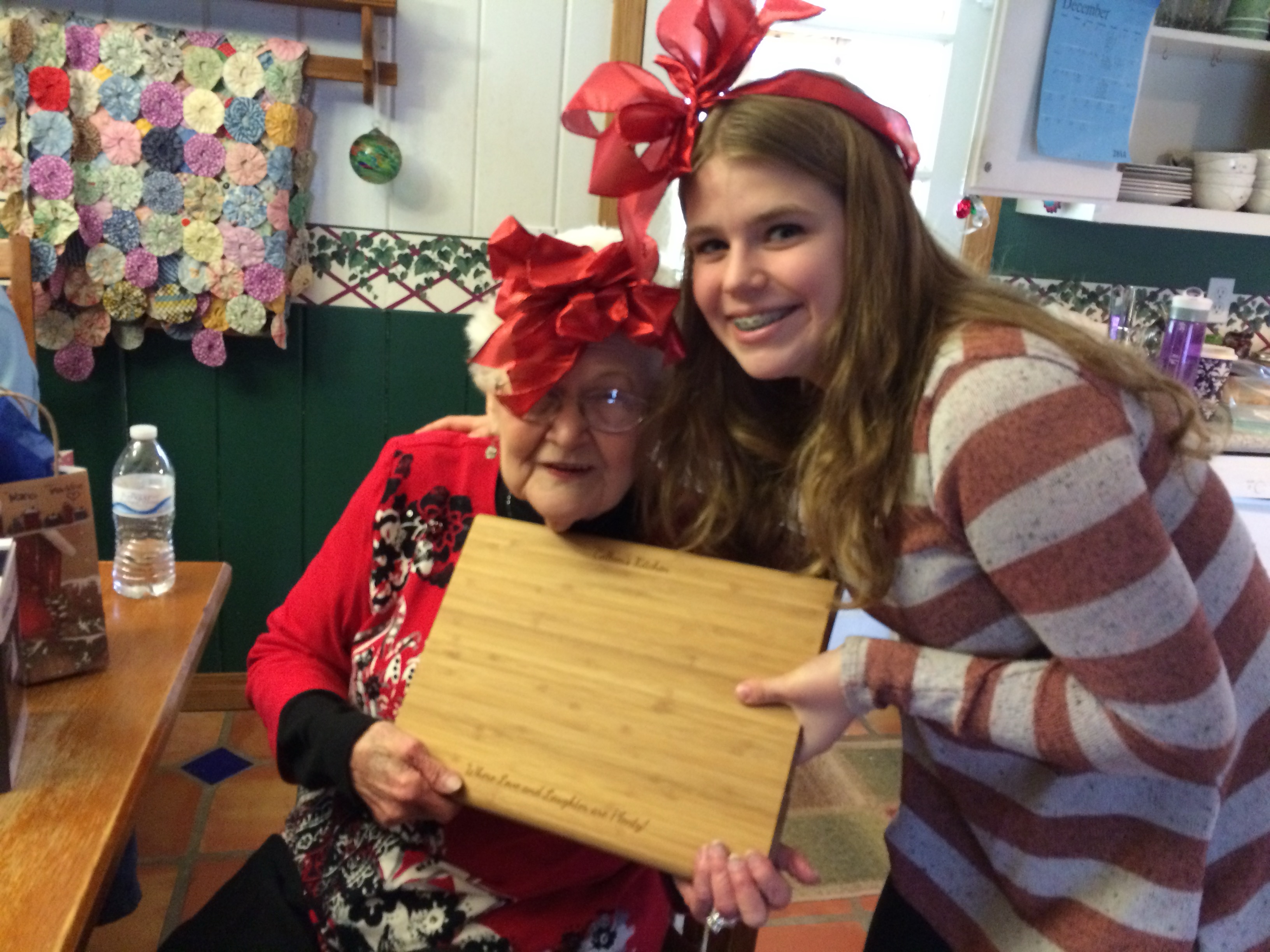
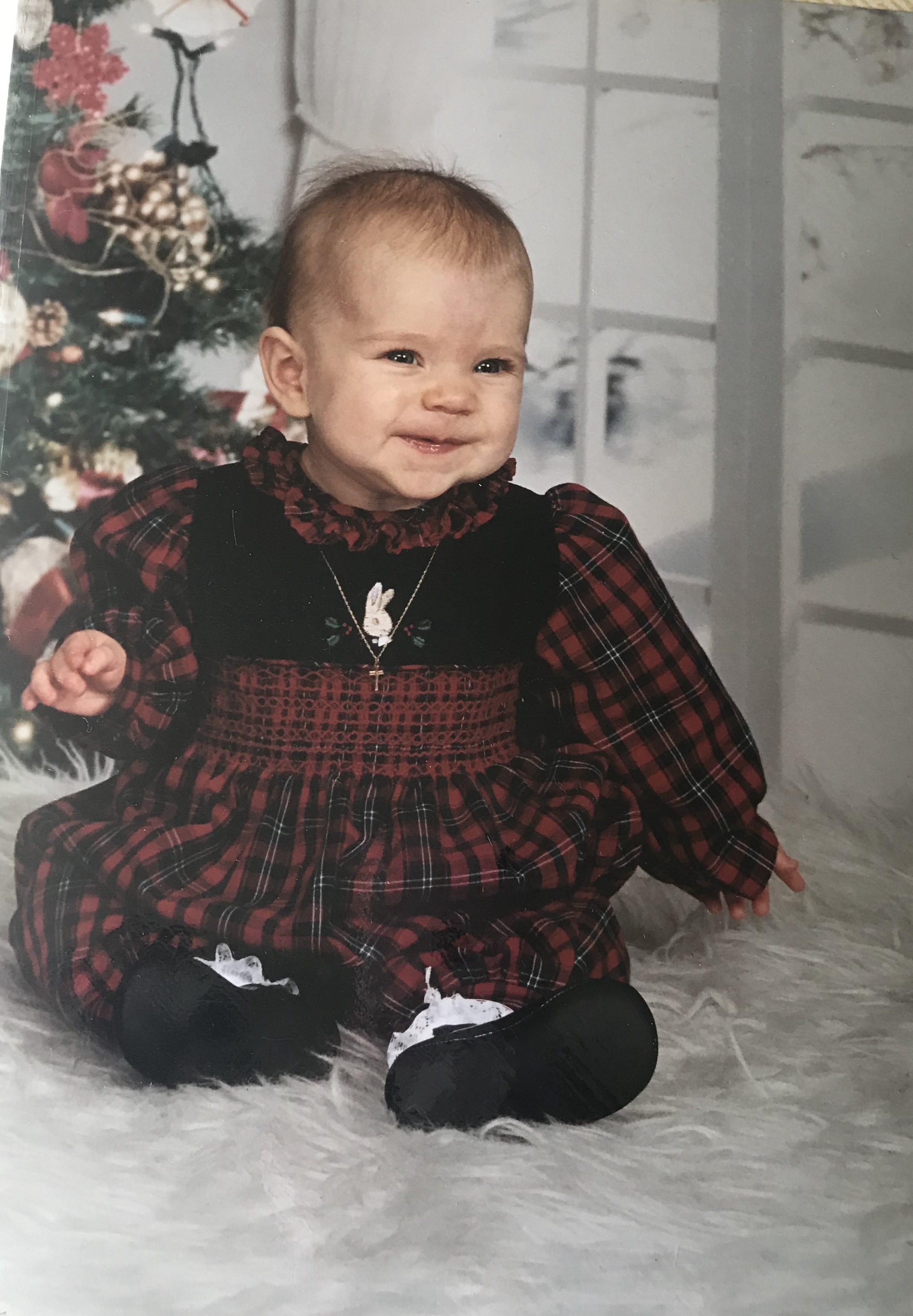
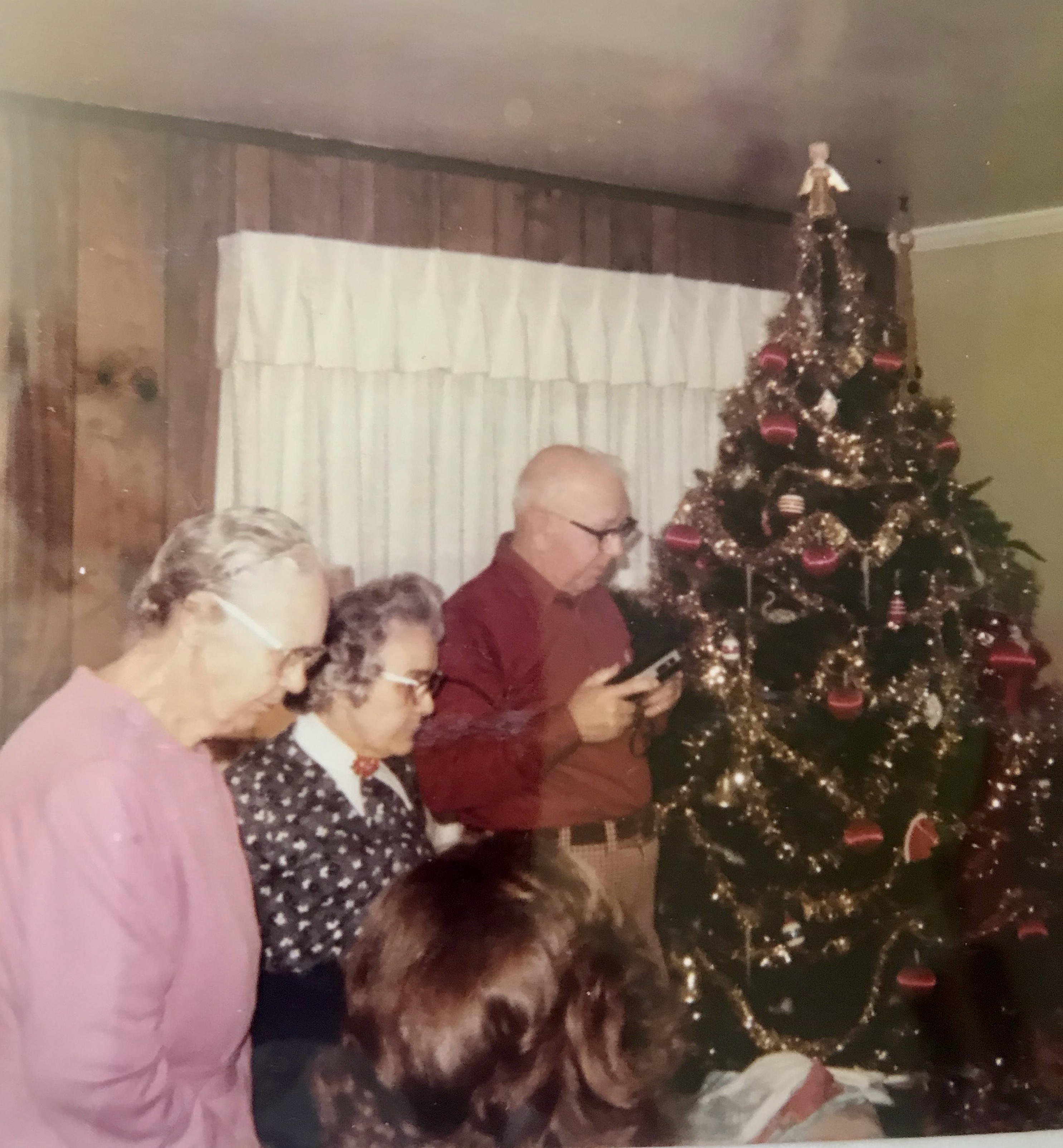
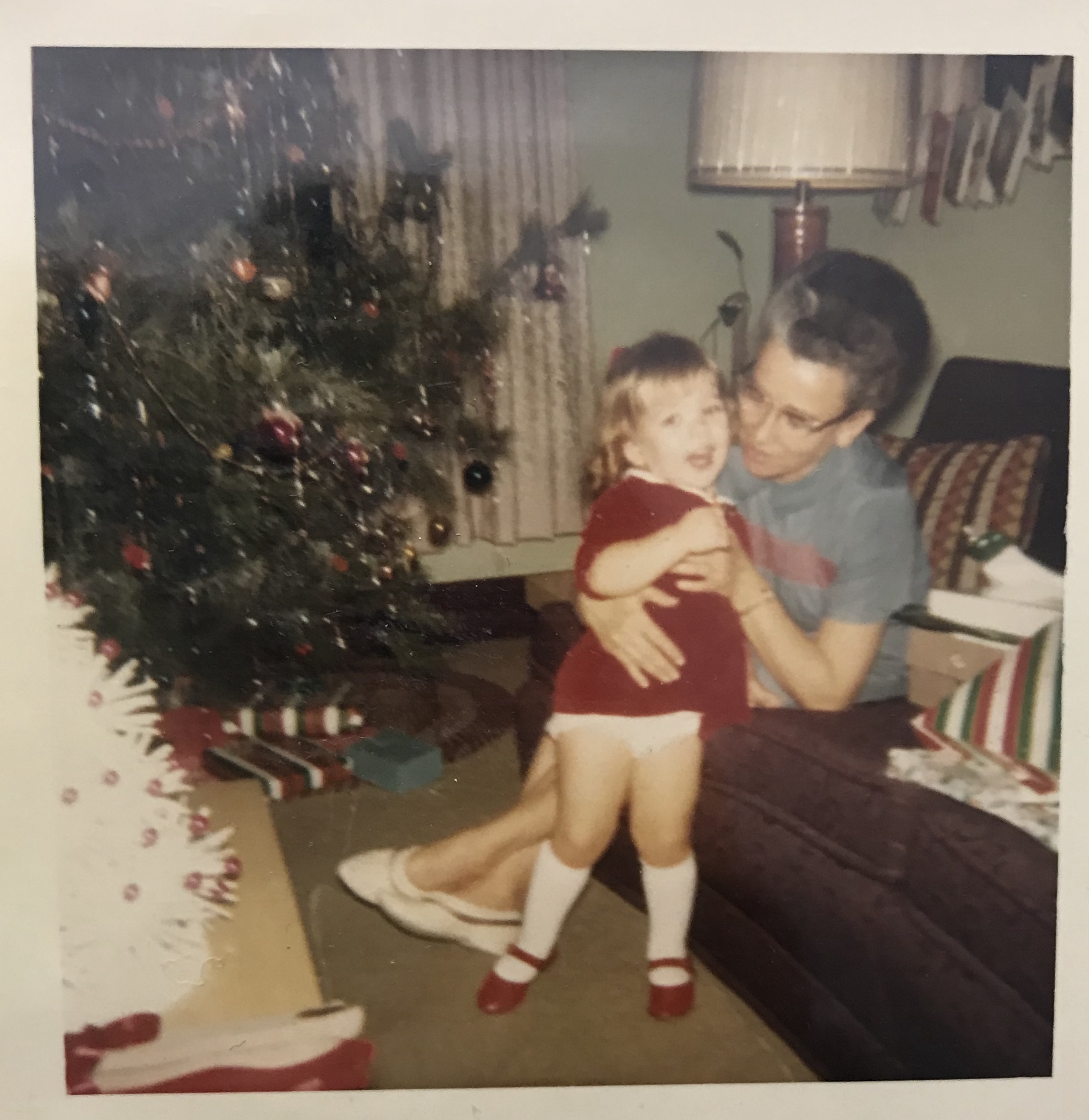
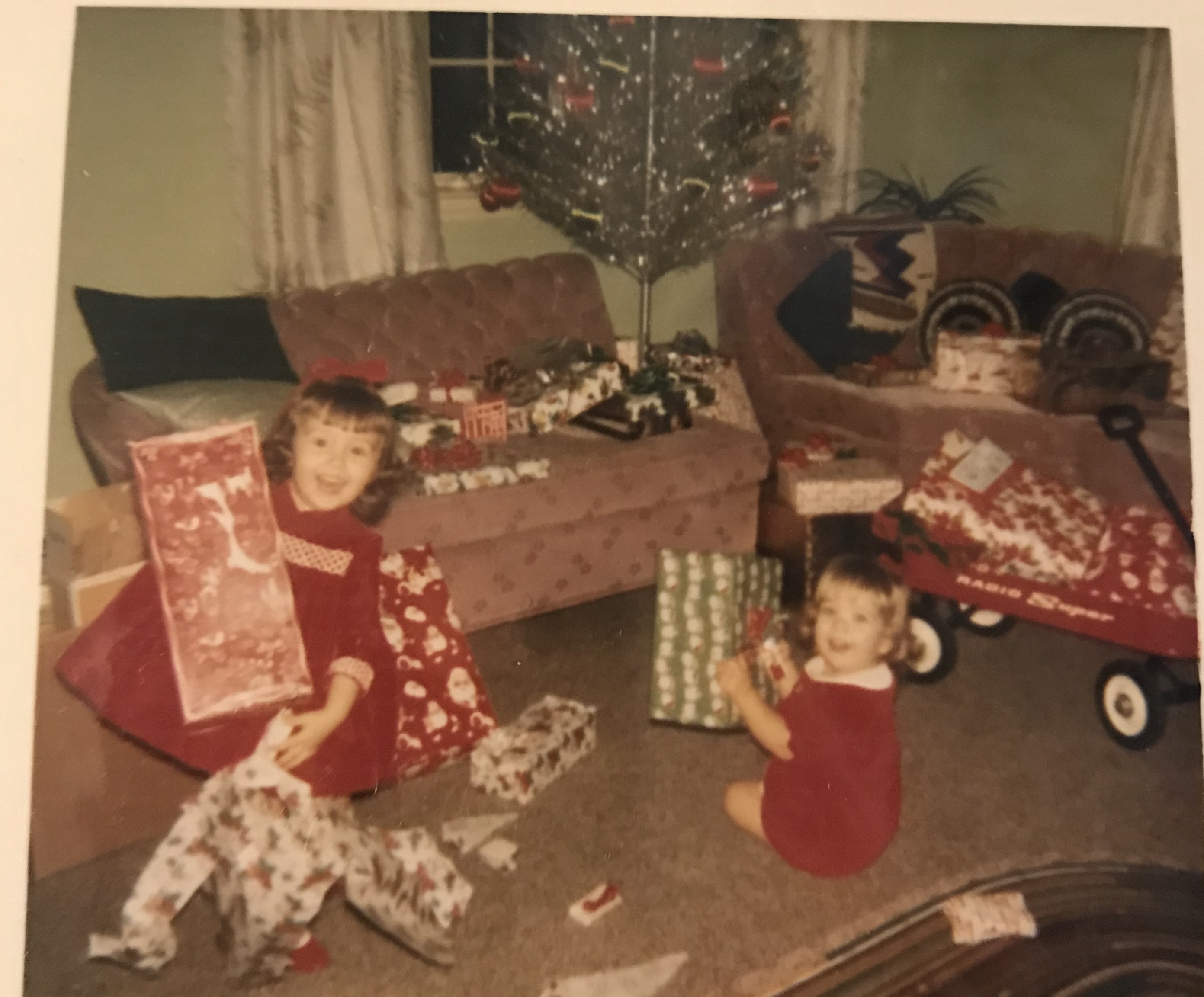
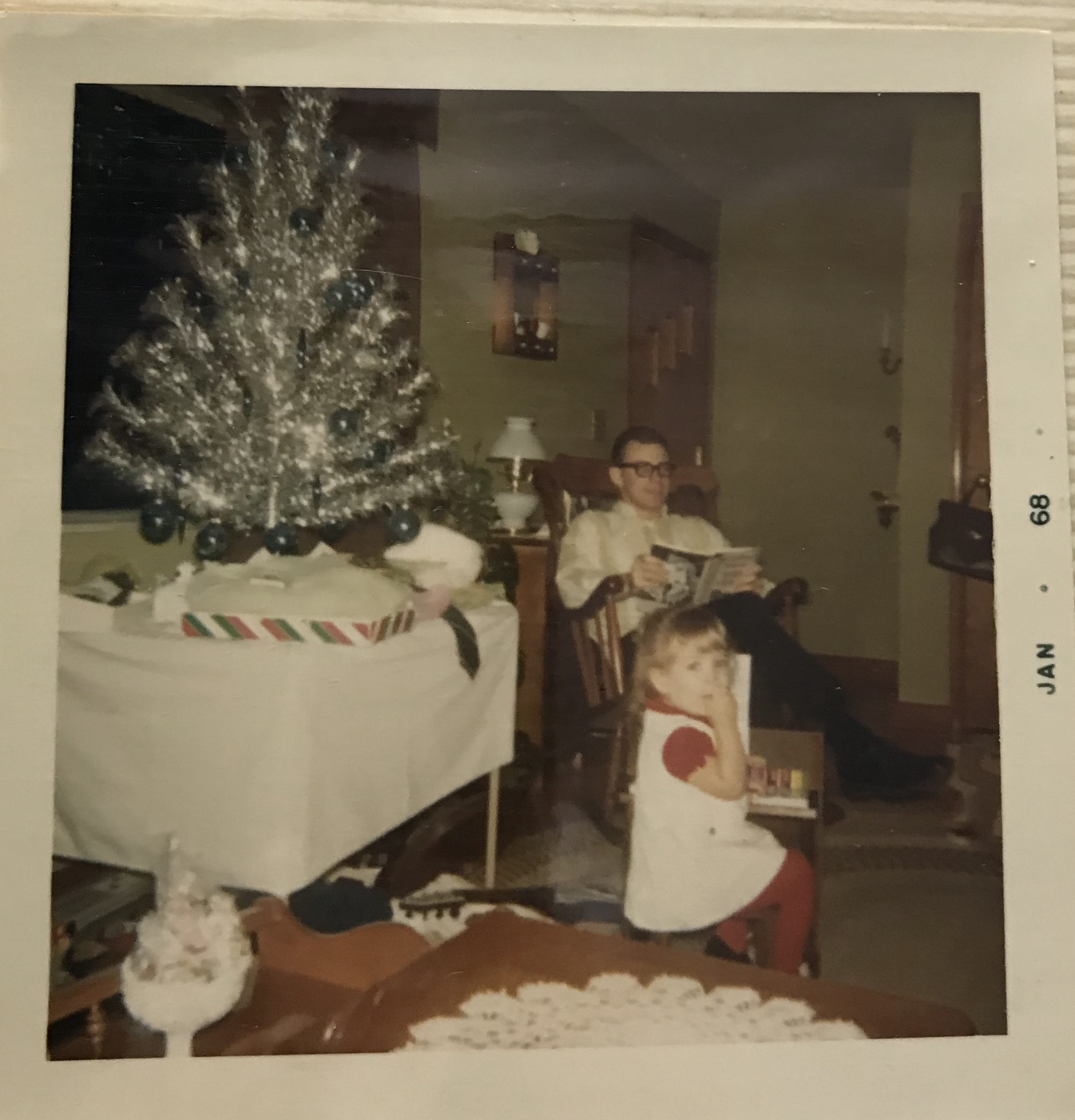
As the holiday season is now upon us, I am reminded of those annual childhood photographs my parents, like many, used to take of us.  There was always one of my three siblings and me holding our empty Christmas stockings on Christmas Eve.  Snapshots of us dressed up before some sort of Christmas performance, and pictures of us in our pajamas, rubbing the sleep out of our eyes before we opened our presents were also part of the mix.  Throw in a few more shots of Christmas brunch, one of us opening a “big” present, or another one riding a new bike, and it is clear that my family took pictures to memorialize special holiday moments.

I grew up in the era of cameras with film, now referred to as “vintage”. Film was not cheap, nor was the price to pay for developing it, which often required the film to be mailed away in a special envelope to a developing center with a one to two week wait period before the pictures arrived back to you.  As a result, it seemed to me that photography was more precious because the act of taking pictures was mostly saved for special occasions, such as birthdays, graduations, vacations, holidays, and so forth.  Plus, by the time an entire roll of film was used, sent off to the developers, and returned, it often made for a great surprise to see the time-line range of images on one roll of film.

How and Why We Now Take Photos 📸

Photo by Nicole Michalou on Pexels.com

All of that has changed in the current era of digital photography.  According to a 2022 BBC article , many older adults like me, still tend to use photos to commemorate special events and document special family/friend events.  However, younger generations tend to take many more photos and use them as a way to “communicate with peers, form identity, and bolster social bonds.” 

Additionally, the article added that many young people snap pictures to make a statement about how they are feeling at the moment.  However, I would argue that given the age of social media, people of all ages take more pictures than ever for the explicit purpose of instantly sharing a moment on various platforms. Therefore, taking photos is more than a tool of memorialization of events.

However, this comes with a bit of downside.  According to a 2021 NPR article, research as early as 2014 and conducted again in 2022 , has firmly established that “snapping too many pictures can actually harm the brain’s ability to retain memories.” Thus, while you instantly have access and the ability to share all the photos we want, the downside is loss of memory of the actual event.

Offloading our recollections?

Photo by RDNE Stock project on Pexels.com

It seems as if our brain will either offload the responsibility of remembering the moment because we are taking the photo, or we are so distracted by the process of taking and/or posting photos that we aren’t soaking up the moment in order to form or retain memories.  Therefore, this is a bit of a cautionary tale as we approach annual traditional gatherings of which many of us participate in one form or another.  

If we spend most of an event photographing and posting on social media, our brains are not cognitively engaged in gathering information about the event–the sounds, the sights, the textures, and so forth.  Despite the fact we might have scores of pictures from the occurrence, it turns out that we will not remember many of the details.  This is because those cognitive skills typically used for storage of memories were disengaged from the actual event and surroundings in order to focus on the photos and the media posts.

However, all is not lost. A 2017 study indicated that while the act of taking pictures is distracting to the brain, the preparation of the photo, framing the picture, zooming in and out on details, can sometimes enhance memory.  By contrast, according to a 2022 article published by the British Psychology Society, taking too many pictures impairs the memory due to attentional disengagement.  The trick, it seems, is to find the middle ground.

Photo by Any Lane on Pexels.com

How to Prevent memory Offload 🧠

For the sake of our memories, I’ve gathered a few helpful tips for navigating those holiday gatherings of family and friends in which you may want to balance the art of taking pictures and still recall the event while also capturing the perfect post for social media. 

  • If possible, have someone take the photos for you, allowing you to be more immersed in the moment, such as a designated friend or spouse.
  • If it’s not possible for someone else to take the photos, then take a few key photos, and put your phone away.  For example, take pictures at the beginning of the gathering and/or at the end, focusing the majority of your time enjoying the moment.
  • Additionally, be deliberate about what and when you take photos.  For example, think about the key moments ahead of time, to the degree possible, that you plan to photograph, and stick to your plan.
  • Focus on details when photographing a scene, instead of randomly snapping shots.  Research indicates that when you take time to focus and frame to capture the moment, you help the brain remember events better.
  • Wait until the event is over before you post. This serves two purposes.  First, it allows you to be more present during the actual gathering, soaking up the details that form memories.  Secondly, the act of closely examining and selecting photos to post AFTER the event will further strengthen your memory 

Photographic memory 📷

In the end, we all want nice photos we can look back on with fondness, commemorating those special moments.  However, we also need to spend time engaged and immersed in the gathering around us in order to establish those memories in the first place.

Therefore, make this a holiday season of “presence” and not just presents and photos.  Consider taking a few key pictures to preserve these special times, but then challenge yourself to put down the phones and feel the pleasure of full immersion and connection with those around you. After all, it’s time you may never again get.


Beer Bread: A Christmas Tradition

The smell of good bread baking, like the sound of lightly flowing water, is indescribable in its evocation of innocence and delight.” —M.F.K. Fisher

Good bread is the most fundamentally satisfying of all foods; and good bread with fresh butter, the greatest of feasts.”–James Beard

It is a family tradition spanning over three to four decades.  I am not sure if I started baking it in my 20s or 30s, but baking beer bread for Christmas, and other special events, has been, and continues to be, a long-held Hill household custom.  From where the recipe came, I am not certain; however, I suspect I found it in the owner’s manual/recipe guide of the very first bread machine I ever owned.

Not long after John, my husband of over thirty years, and I were married, my grandparents gave us a bread machine as a Christmas gift.  It was an Oster, white in color, and it was highly popular in the late 80s.  In fact, even up until last Christmas (2019), I was still using this same Oster to help me bake bread.  

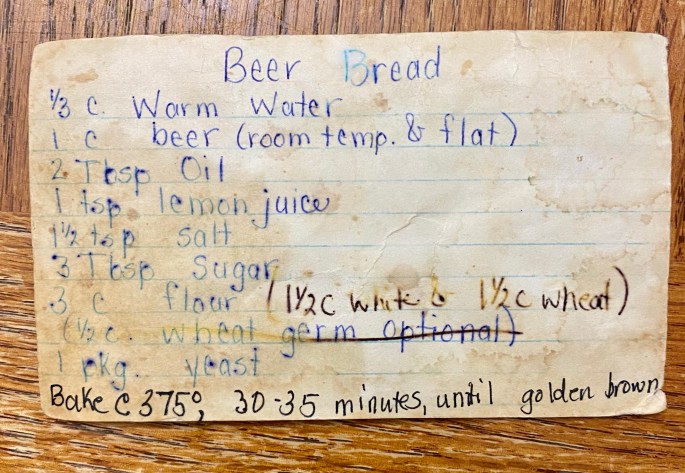
The original recipe card onto which I wrote the recipe is stained, tattered, and torn from decades of use.

This former bread making machine, for which I used to knead and rise bread dough–the loaves were baked in the oven rather than the machine–faithfully helped me bake beer bread every single Christmas after its original receipt.  When my daughter was still school age, I baked loaves for her teachers at Christmas.  Even now, I will still bake extra loaves at Christmas to give away. 

Christmas after Christmas, I go through pounds of flour, yeast, and of course, copious bottles of beer.  Typically, during the two weeks leading up to Christmas, the aroma of freshly baked bread seems to emanate from every pore of our house.  A week or two leading up to Christmas, my kitchen is typically covered with a fine dusting of flour, and a measuring glass filled beer often sits at the back of the counter in order to come to room temperature before mixing the dough.

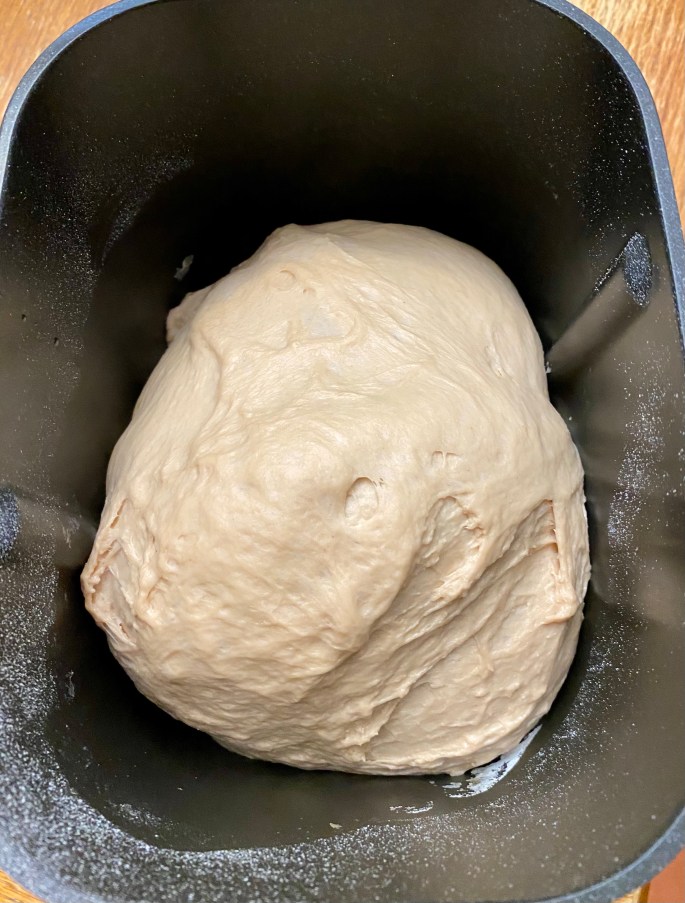
Dough finished rising in the bread machine.

Unfortunately, by last Christmas, this antique machine was bouncing across the counter, vibrating the entire length, in an exerted effort to mix and knead the dough.  After each batch, I would find feathery grains of black metal beneath the machine as if it were sacrificing its own blood in order to continue to help me produce bread.  I knew I “kneaded” to gently close its lid and carry it to its final resting place, but saying goodbye is never easy–especially to one that has faithfully served our family, Christmas after Christmas, and one special event after another.  To add further grief, it was a gift from my grandparents–setting this machine on its final rest cycle would feel as if I was breaking an unspoken contract with them.  (Although we still have the white Toastmaster toaster they gave us as a wedding present in 1989.)

Dough dropped into prepared loaf pan and ready for the oven.

However, by New Years Day of 2020, another day in which I typically make beer bread, it was clear, the little Oster could go on no more.  It was like an appliance doctor had steathfully snuck into the house and gently sent my loyal kitchen companion to its eternal reward. I am certain, if there is an appliance heaven, that good ol’ Oster is walking the streets of homemade bread alongside other trusted tools of the trade.

While I now have a new bread machine, the kitchen doesn’t quite look or sound the same when it is operating. It appears to be the strong, silent type that likes to work without drawing attention to itself.  Black in color, oblong in shape, it is the complete opposite of its predecessor.  While the former appliance, if set to bake dough, formed bread in the shape of a chubby stove pipe chimney; however, the newer machine, were I to actually use the baking function, will bake bread that is fashioned in the traditional shape and length, but is still rather tall. Nonetheless, it does perform the necessary functions of mixing, kneading, and rising the dough–ready to dump into a prepared bread pan and bake in the oven.

The owner’s manual for the sleak, new bread machine.

The recipe that I share can be varied slightly, but certain ingredients must go into the mix in order to bake and taste properly.  To begin, I have used a wide variety of natural sweeteners including sugar (as originally called for), molasses, honey, agave, as well as real maple and date syrups.  If choosing a liquid sweetener, it will influence the color of the crust as well as the dough.  Additionally, I have played with a variety of types of flour, including whole wheat, and I have even added ½ cup of wheat germ, but I have found that using bread flour works best.  Furthermore, I prefer to use jar yeast that is specifically designed for bread machines.

Regarding the beer, I have used both high end beer and bargain beer over the years.  It really doesn’t matter.  However, what I do find is that the darker the beer, the richer the flavor–but only for the most discerning of taste buds.  Most won’t notice the difference between light or dark beer.  Also, if you don’t typically drink beer, you can buy single cans of beer.

Another tip I have learned over the years is to cool and store the loaf in an airtight plastic bag or container before slicing it.  The reason I make this suggestion is because if you slice it while it is still warm, the bread is not firm enough and tends to collapse in on itself.  Additionally, crumbs from the crust go everywhere.  However, if you allow it to properly cool, and then store it for several hours in an airtight container, it will slice nicely for those social media worthy pictures.

Beautiful, freshly baked bread just out of the oven.

As a final tip, it should be noted that you may need to adjust the amounts of each ingredient and/or order in which the ingredients go into your machine, depending upon your machine’s requirements.  This is where the owner’s manual of your own machine comes in handy–to help you tweak and adjust amounts as needed.  (I know my new machine’s manual has several pages of tips for successful baking and recipe adjustments.)  

Furthermore, it should also be noted that I have only used this recipe in a bread machine.  I put the ingredients in the machine in the order recommended by the manufacturer and allow the machine to take care of the mixing, kneading, and rising.  Once through the rising process, I place dough in a prepared loaf pan and bake.  Sadly, this recipe is NOT gluten-free; and therefore, I now choose to not consume it–even at Christmas. It was a recipe I discovered years before I knew I had celiac disease.  Therefore, I bake only for the consumption of loved ones and friends to enjoy.

For those of you with bread machines sitting around waiting to be used, I hope you will enjoy this recipe.  It fills the house with an irresistible, aromatic scent, and tastes wonderful toasted, at room temperature, or slightly warmed.  Use it for breakfast, sandwiches, snacks, or even toast it for homemade croutons.  I hope that this recipe will bring your family as much joy as it has mine over the years.

From my home to yours, I wish you happy, homemade, and heavenly baked goods for the holidays!

Slice it, butter it, slather it with your favorite topping, and enjoy every yeasty bite!

Beer Bread

Ingredients:

⅓ warm water

1 cup beer (room temperature & flat)

2 tablespoons oil

1 teaspoon lemon juice

1 ½ teaspoon salt

3 tablespoons sugar (or other natural sweetener)

3 cups bread flour

1 yeast package or 2 ¼ teaspoons yeast

Directions:

Place all ingredients in the bread machine according to manufacturer directions, making any adjustments needed to amounts as per manufacturer directions.

Set machine for dough setting if baking in oven; otherwise, set for white bread setting.

Once dough is nearly finished with its cycle, preheat oven to 375 degrees if baking in the oven.

If baking in the oven, remove dough from the pan once dough has gone through the entire dough setting cycle, and place dough in lightly greased loaf pan.

Bake for 30-35 minutes or until golden brown on top.

Store in an airtight container or sealed storage bag.

Stays fresh, when properly stored in an airtight container at room temperature, for over a week.

Bake up a new holiday tradition:  beer bread!
Oh, there’s nothing like the aroma of freshly baked bread.