

“One of the most daunting parts of celiac or gluten sensitivity diagnosis is figuring out how to travel safely eating gluten free.”–Celiac Canada Association
When the Menu Doesn’t Work: Dining Out Dilemmas 🍽️
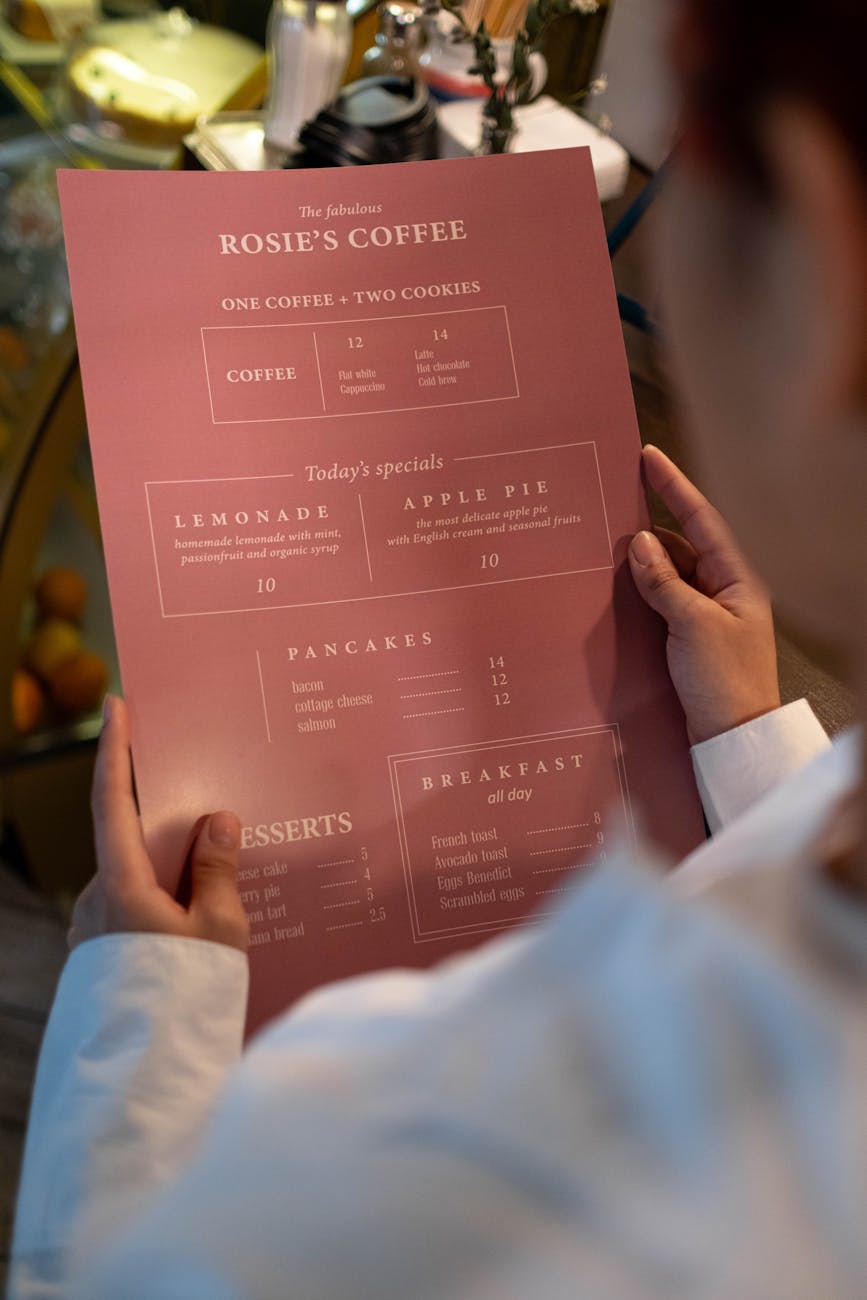
“Is your veggie burger gluten free?” I asked with crossed fingers
“No—we use breadcrumbs,” she replied.
Since I don’t eat meat, and the only gluten-free option was a bun, we had to leave. It was a trendy burger spot, but like many places, it couldn’t accommodate both my plant-based and gluten-free needs.
John, my husband, and I were visiting our daughter, Maddie, and her boyfriend, Connor, in Boston where Connor was currently completing a summer internship. John and I were on our way back home after spending several days in the Bar Harbor/Acadia National Park area in Maine. And, just as it had been in Maine, and really, how it ALWAYS is when dining out, finding places where I could eat was a challenge.
The Root of the Challenge: Living with Celiac Disease 🌾
The difficulty stems from the fact I have celiac disease–a chronic autoimmune disorder, as defined by Mayo Clinic, that is triggered when eating gluten, a protein found in wheat, rye, and barley. Consuming gluten significantly damages the small intestines of the person with celiac, preventing the absorption of essential nutrients, which can lead to serious health problems down the road. Additionally, the side effects of eating gluten are NOT pleasant– diarrhea, abdominal pain, nausea, reflux, fatigue as well as numerous other symptoms.

Why I Eat Plant-Based, Too 🍓🫐🥦🥗
I wasn’t diagnosed with celiac disease until my late 40s, after years of digestive issues and unnecessary medications. Healing began when I cut gluten and adopted a whole food, plant-based diet that excludes meat and most dairy. Eating a diet rich in plants bathes my body with the nutrients it was unable to previously absorb for most of my life.



Two Cats Restaurant and Inn, Bar Harbor, ME
Travel: Inspiration and Complication 🌄
However, traveling with my dietary restrictions creates unique challenges. On one hand, vacation sojourns are enriching, informative, and inspiring. These trips provide me with an opportunity to experience awe, wonder, and delight in the rich tapestry of life. On the other hand, travel requires deft navigation of dietary hazards. However, my trips have taught me that with a bit of planning, research, flexibility, and determination, I often discover and enjoy tasty culinary adventures as part of the travel experience.
Strict adherence to a gluten free diet is a necessity, especially when traveling. As anyone with celiac knows, it is no fun being stuck in a bathroom when you’re supposed to be out hiking, sightseeing, or experiencing a new setting. Additionally, I know that for my body, consuming meat and dairy products can also create digestive distress and discomfort. Therefore, those two dietary restrictions often limit my restaurant choices, create possibilities for cross-contamination, and can sometimes create a lack of understanding of restaurant staff.

Research Is My Best Travel Companion 💻
For example, John often completes dining research in advance of any trip. He uses Trip Advisor and refines his search to restaurants identified as good choices for gluten free, vegan, and vegetarian diets. What he has discovered is that we have to look closely at menus because eateries tagged as “gluten friendly” are often limited to meat-based dishes, and establishments labeled as “vegan or vegetarian friendly” often involve choices that include wheat (noodles/pasta, seitan, breaded vegetables, and so forth).

The Cross-Contamination Trap 🪤
Of further issue is the concern with cross contamination. For example, Mexican food can be a good choice for me; however, if the fryer used for tortilla chips is also used for cooking flour tortillas and meat, these factors can negatively impact my digestive system. Additionally, shared food prep areas, unclear labeling of menu items, and even communication between wait staff and kitchen can lead to hazards. For instance, if I order a gluten-free pizza crust, but it is prepared on a commonly shared counter on which wheat pizza crust is rolled out, this might upset my digestive tract.
I’ve also had the experience of ordering a gluten-free pizza crust and still getting a pizza made with wheat due to miscommunication. And, while the only other country in which I have traveled is the English speaking parts of Canada, I can only imagine the chance for miscommunication in a country in which I don’t speak the native language.
This is why advanced research is important when traveling. When I don’t have a game plan, or plans change, as was the case when we tried to go to the burger establishment in Boston, things can very quickly go awry. I end up feeling terrible because I feel I am limiting my loved ones from having a positive dining experience. After all, part of the fun of traveling is eating in new places.
Planning Ahead and Packing Smart 🧳
In addition to researching and using apps, such as Happy Cow, AllergyEats, and Find Me Gluten Free, John and I tend to stay in places with a microwave, refrigerator, and nearby grocery stores. I always pack food from home, and I’ve learned to bring supplemental items with me to restaurants if needed, such as gluten free bread, crackers, salad dressings, and so forth.
Connection and Communication: The Human Side of Dining 😊
I have also learned to befriend the wait staff. Honestly, I try to do this anyway because I like meeting new people, and I cannot imagine how demanding it must be when working with the public, especially in popular travel destinations. When I politely explain my situation and dietary preferences to the staff without demanding it, most staff and chefs are willing to work with me. I have even had the rare chef visit my table to discuss the best way to prepare my food, which I appreciate more than words can adequately express.

Flexibility and Food Choices: Finding Balance ⚖️
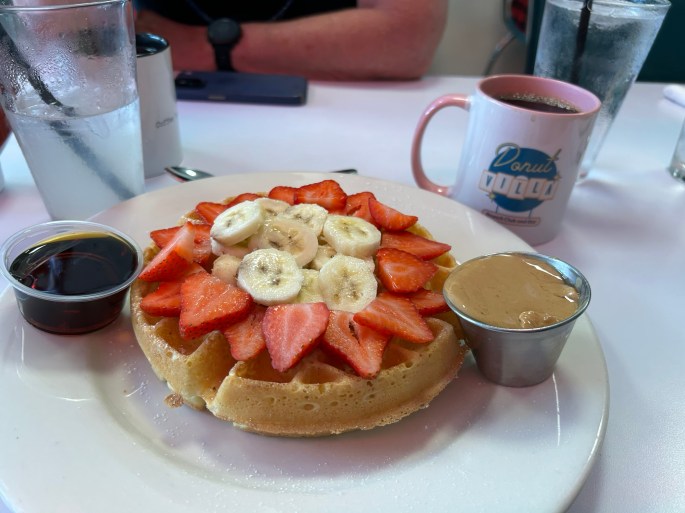
One other thing I have learned to do is to compromise. While I prefer to eat whole food, plant based, I medically need to eat gluten free. Therefore, if it comes down to it, I will compromise somewhat on my plant based eating. For example, I don’t mind consuming a bit of goat or Parmesan cheese, yogurt, butter, or even the rare egg (think baked goods) if it allows my family to find meals they enjoy. Since I don’t regularly consume these products, I don’t think eating a bit here and there, such as during travel or other special occasions, will hurt me, and it makes the food feel like a real indulgence.
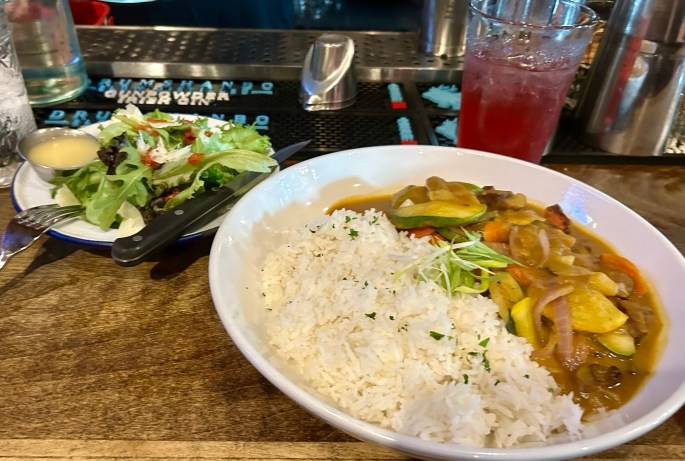
A New Way to Experience the World Through Food
Traveling with celiac disease and/or other dietary restrictions is undoubtedly challenging, but I have learned over the years that it is not impossible with enough preparation, advocacy, and an adventurous spirit. I have found that I now value and appreciate eating establishments who craft foods to appeal to a wide array of dietary desires. Additionally, I have met unique and wonderful people while doing this, and I have enriched my own knowledge of possibilities when it comes to cuisine. It’s like, well, having your gluten free cake and eating it too!

Share your experiences
If you have tips for traveling with dietary restrictions, or if you have experiences you’d like to share regarding traveling with dietary restrictions, please share your comments!

 Steph Simply