Red-Tailed Hawk: Symbolism and Lessons for School Success

“A bird sitting on a tree is never afraid of the branch breaking, because its trust is not on the branch, but on its own wings.”–Charles Wardle
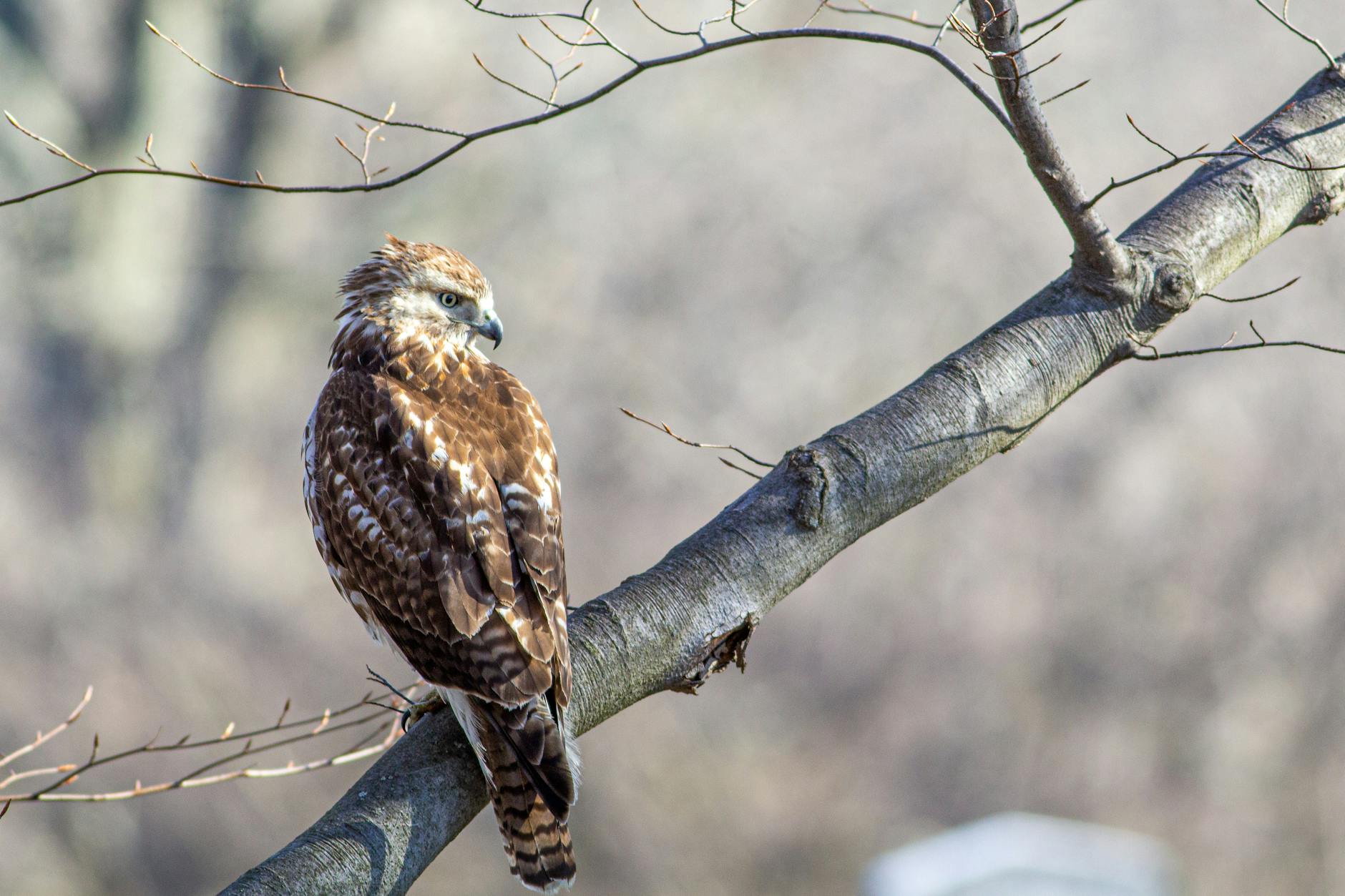
Photo by Jen Healy on Pexels.com

Frequent Encounters 👀

Lately, it seems I am regularly noticing red-tail hawks.  Sometimes I spy a hawk during my runs or walks, and other times, I will notice one while I am driving. I often see one perched on a pole or electric line. The neck tilts and turns this way and that as they take in the area, 180 degrees at a time, under their watchful eyes.  

Other times, I am able to observe the flick of a hawk’s red tail as it lifts into flight with an expansive, majestic wing span.  It will circle and soar on air currents, rising high as it gains a new perspective on the landscape below. Occasionally, I have the opportunity to watch one, with graceful power, dive, and in one fell swoop, swiftly scoop up its prey.  

Photo by Skyler Ewing on Pexels.com

Hawk-eyed facts 📝

Seeing hawks never fails to fill me with delight, no matter how frequently I catch a glimpse of one.  I often joke that the hawk is my “spirit animal,” my guide to admirable qualities. After all, hawks have excellent vision.  They can see five to eight times better than most humans.  Therefore, when they are sailing on the ocean of air currents, their accurate vision enables them to see the bigger picture.

In addition to their clear-eyed view, a red-tailed hawk can dive at speeds of up to 120 mph.  Combine a hawk’s speed with its visual acuity, a prey stands very little chance of escape.  Thus, a hawk has the ability to clearly see its goal and attain it.

Hawks are known for their ability to hunt and capture prey that can weigh as much as the hawk itself, anywhere from two to four pounds. That’s a strong lift, especially once in flight.  However, hawks mostly focus on small rodents, reptiles, amphibians, fish, and even insects. This means the hawk is realistic about the load it can carry.

The wingspan of an adult hawk is over four feet wide because hawks are meant to soar. In the book of Job, the 26th verse of chapter 39 reads, “Does the hawk take flight by your wisdom and spread its wings towards the south?” And, while this is a conversation between God and Job, it does seem to emphasize, to my untrained eyes, that there are times, when, like a hawk, we, too, have been gifted with the ability to spread our wings widely and leave an area/situation that no longer supports us.

Red-tailed hawks mate for life.  They build their nests together–each one gathering leafy branches and sticks. When it comes to having babies, they likewise co-parent.  Typically, the female will sit and incubate the eggs, while the male hunts and brings back food to her. Once the chicks hatch, the male continues to hunt and bring back food to the female.  In turn, she will then distribute the food in small pieces among the babies. In this way, hawks demonstrate the importance of dividing and sharing the load with one another.

Photo by Oleksandr P on Pexels.com

Lessons of the Hawk

Throughout the local area, students, teachers, administrators, and staff are returning, or will soon be returning, to school. Shelves of school supplies at popular stores have been wiped clean of their wares, and first day outfits or uniforms have been selected with care for annual back-to-school photos. All the while parents marvel at the rate at which their kids are growing as students–and teachers–wonder where summer went.

With the ringing of the school bells, it is worth remembering the lessons provided by the red-tailed hawk whether a parent, student, educator, or simply interested in supporting those in education.

Photo by Marko Klaric on Pexels.com

Focus on Big picture 🔎

 First, may we remember to focus on the bigger picture.  It is so easy, and even tempting, to get wrapped up in the minutiae of daily dramas.  Instead, let us be reminded of the hawk and soar above all of the little irritants that don’t add up to much of anything, and instead focus on the goal: education, growth, improvement, and so forth

Photo by Skitterphoto on Pexels.com

Clear goals 🎯

Along those same lines, by focusing on the bigger picture, let us be hawk-like and develop clear goals/intentions for the school year–tangible and measurable targets for success. By keeping a clear vision of these goals, students, parents, and teachers alike can adapt and adjust accordingly as we work towards them. It’s easy to get side-tracked, and it’s sometimes tempting to waiver or become distracted by some flash-in-the-pan idea.  However, by continuously circling back to the actual long-term goals, we can keep our aim true.

Photo by Tim Durgan on Pexels.com

Avoid overcommitting 😮

While all those target goals are important, it’s important to be realistic about the load we can carry. Just as the hawk can only hunt and capture predators weighing no more than it does, we too must be careful not to bite off more than we can chew.  Over-volunteering or overcommitting to too many teams/committees/clubs/events can weigh down students, educators, and parents alike.  Just because we can do something, doesn’t mean we should do it all.  Instead, it is more important to focus on what you love, what will stretch you best, and/or will leave time for recovery and rest in order to put our best foot forward.

Photo by RF._.studio on Pexels.com

Divide and Conquer ➗

One way to do this is to remember to divide and share the load.  Students can benefit from helping one another or working with a tutor.  Parents can divide and share the responsibilities of their kids’ school activities, sports, and all the home/care responsibilities that go with that.  Educators can likewise collaborate with one another and make use of resources designed to support learning.  We all benefit from helping each other make a school year successful.

Photo by Alexas Fotos on Pexels.com

Change can be Good 👍

However, it is important for us to recognize when we have bitten off more than we can chew. Burn-out for students, parents, and teachers is a very real thing and must be guarded against.  Therefore, learn to identify and recognize those times when you need to spread your wings and leave or change a situation.  

May this school year be the year of the red-tail hawk. May students, parents, educators, coaches, and anyone else involved have hawk-like vision and acuity. May wings spread on the currents of hope, compassion, empathy, and knowledge. May our aim be true, and may educational communities around the globe support and help one another in a spirit of kinship and joy.  Most of all, may we nourish our students with small bites of knowledge and success, so that they may ultimately one day, independently soar on their own air currents of success, however they define it.
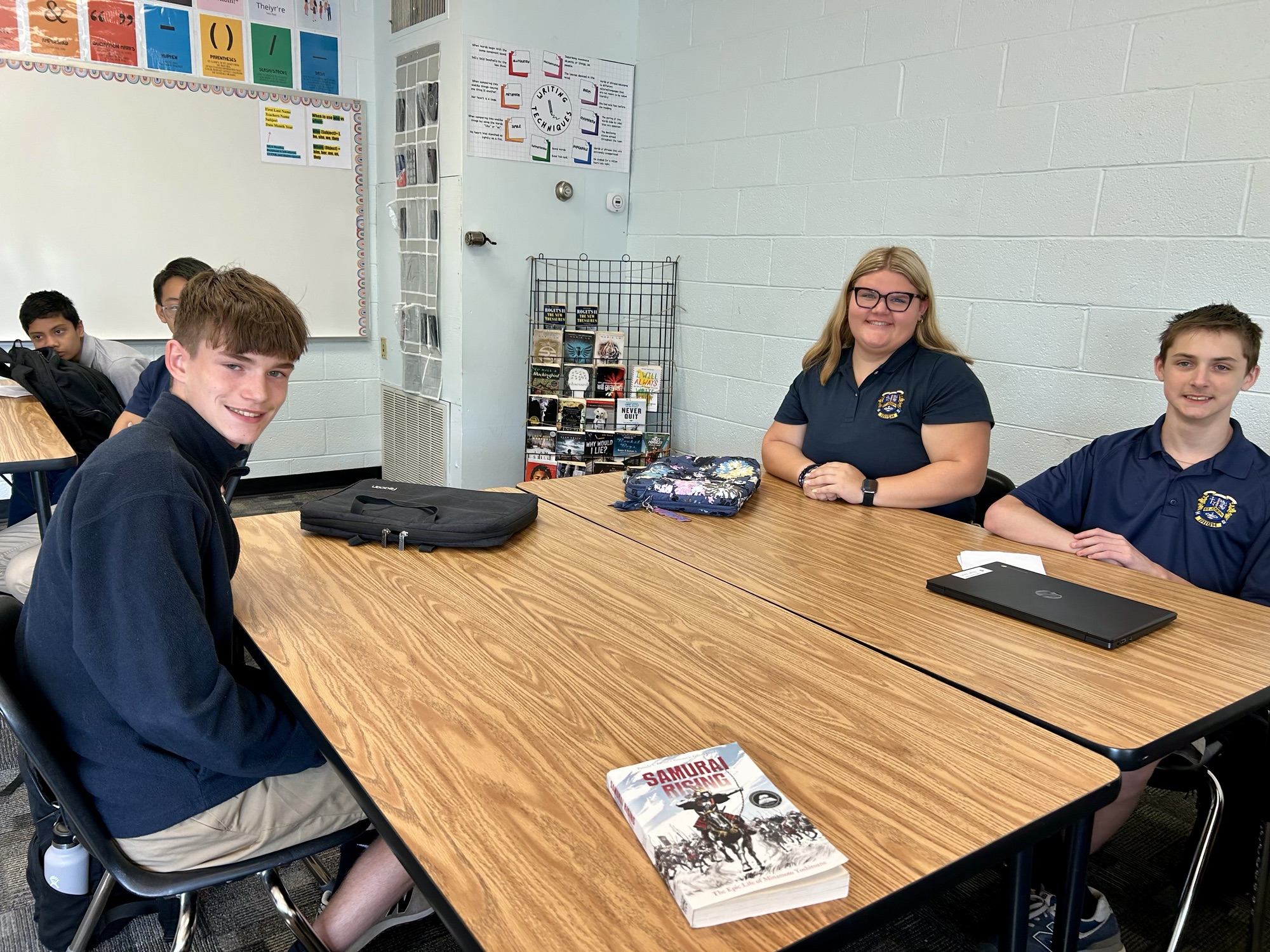
Ready for the new school year!

Effective Teaching and Coaching: Cultivating Student Achievement and Self-Improvement

Lessons from a Lifetime of Teaching series, Part 3

“The road to success is not a path you find, but a trail you blaze.”–Robert Breault

Author’s Note: This is the third installment of stories from decades of teaching students grades K-12.  It is my hope that by sharing these stories, I will cultivate lessons of compassion, empathy, and understanding

Photo by cottonbro studio on Pexels.com

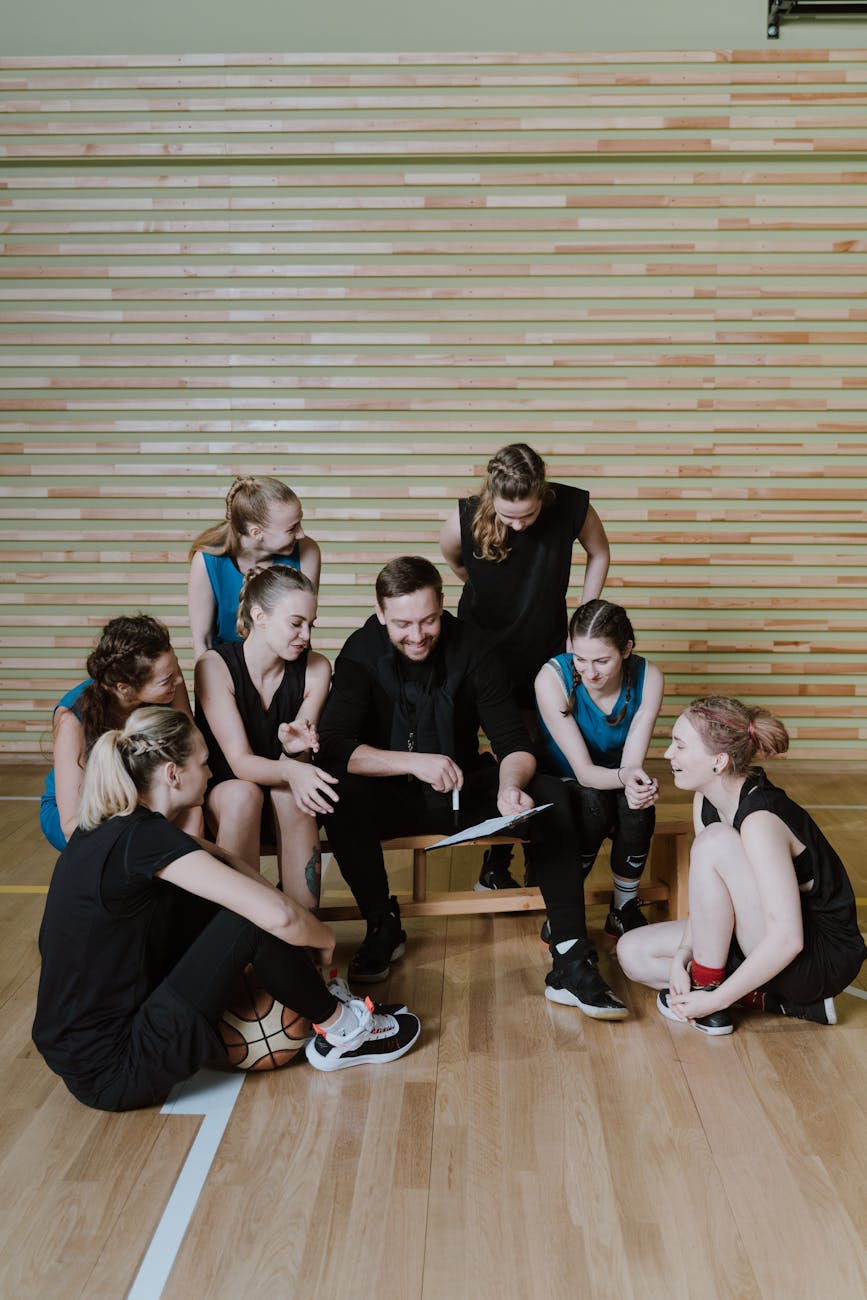
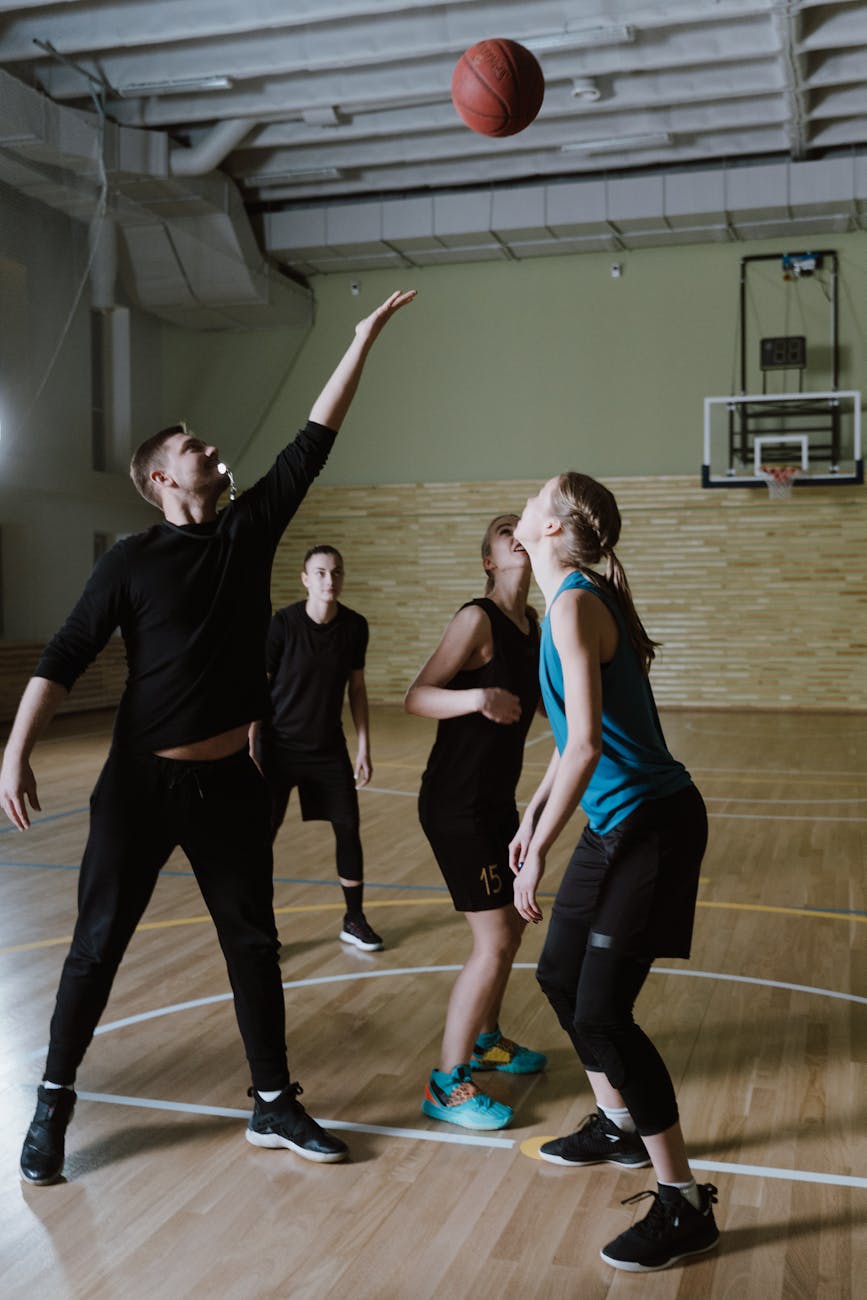
Coaching requirement ⛹️‍♀️

My educational career began at a rural Kentucky high school. I was one of five special education teachers. One of the requirements for teaching at this high school was coaching a team in some capacity. Therefore, I assisted with the women’s cross country and track teams. 

At the time, I didn’t know a thing about either sport, but the head coach of the cross country team was another special education teacher, Coach Bailey (name changed for privacy). I didn’t realize it when I first met him, but in the end, Bailey became a role model for me as an educator and coach.  

As luck would have it, our classrooms were side by side, divided only by a rolling chalkboard.  In the two years I worked with “Coach,” as everyone called him, I rarely heard him raise his voice, and if he did, you can bet he had a darn good reason. Mostly, Coach was a naturally soft-spoken man who could both nurture and challenge students and athletes alike.

Photo by cottonbro studio on Pexels.com

Meet the Coach 🏃‍♀️

Coach, in my mind, was “older” with salt and pepper straight hair parted down the center and a thick mustache.  His face was browned and weathered from years spent in the sun that contrasted his light aquamarine eyes.  His typical attire was khakis with a school logo polo shirt with a matching ball cap–the cap was only for sporting events. When the temperatures turned cold, he added a school logo v-neck polyester pullover that was popular with coaching staff in the late 80s.

On our first meeting, Coach gave me a tour of the “department facilities,” such as they were.  Three of the five special education classrooms were underneath the visitor side of the gym bleachers, and the other two classrooms were found at the end of the gym, just beyond the baseline.  As we walked, he politely introduced me to the faculty and staff we encountered. 

Later, when Coach discovered I had been assigned to “assist” him with the cross country team, he did not roll his eyes, sigh, or mutter under his breath upon hearing I had no coaching experience, which I feared he would do.  Instead, he said he was glad to have me as part of the team because the young ladies needed a female leader.

Photo by RUN 4 FFWPU on Pexels.com

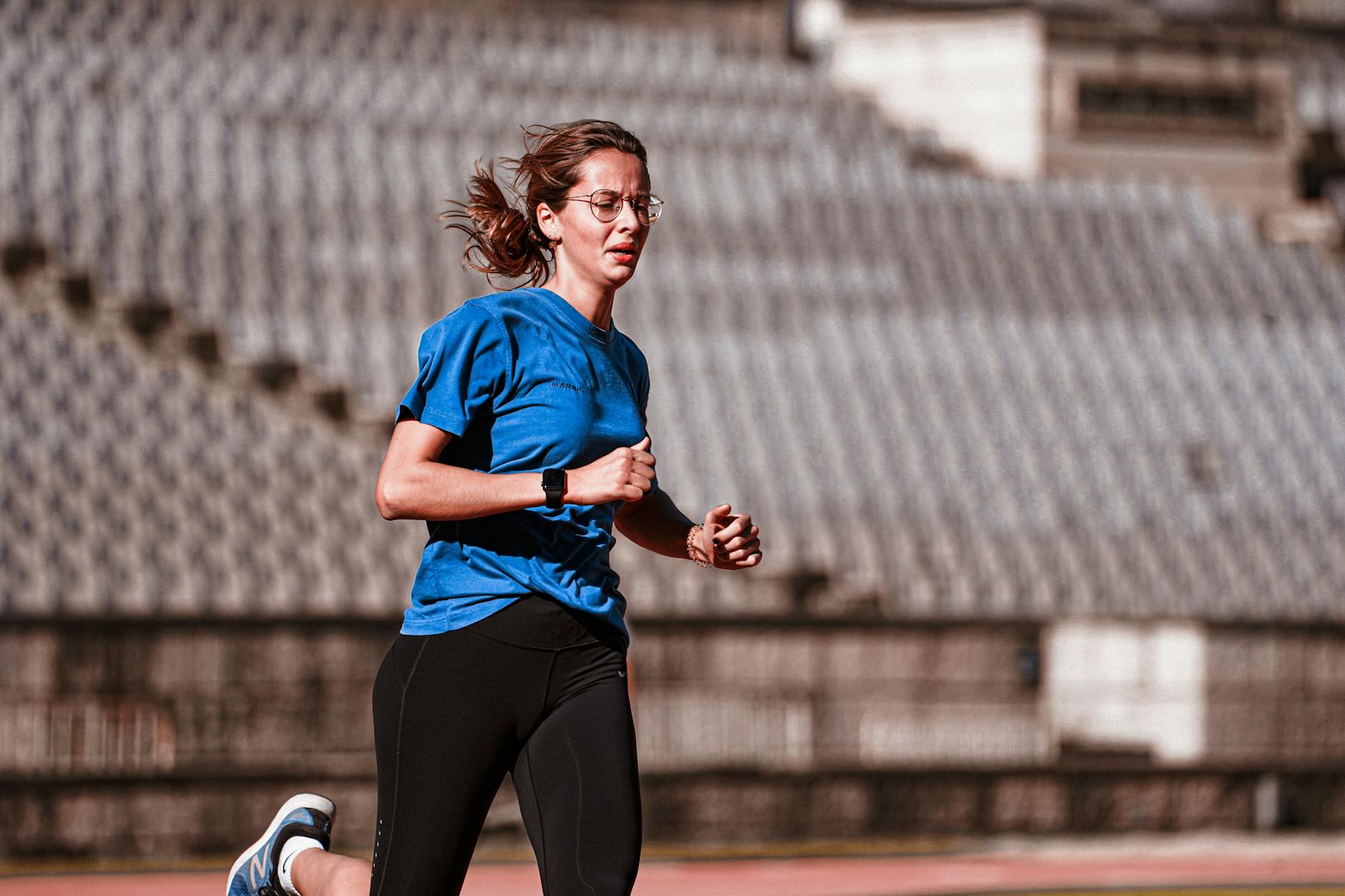
Ladies Cross Country Team 🏃‍♀️🏃‍♀️

He then explained that the cross-country team had already begun practicing and invited me to join them that afternoon. It was then he asked if I ran.  Not wanting to disappoint him, I said that I did, which was sort of true. I had begun jogging during my last quarter of college just before graduating. I continued to jog two-three days per week around town after moving in with my grandparents that same summer, but I was by no means fast or knowledgeable about running beyond the basics. I knew I would have much to learn.

By 3:00 pm, I was on an access road along the Ohio River meeting the team. As Coach introduced me to the young ladies, they welcomed me with warm smiles.  As the weeks progressed, I would come to love these ladies, especially for the mature way they approached running, academics, and life in general. They were a driven group with gritty spirits, and they supported one another throughout the season even though they were competitors in races.

During this first practice, I learned that my job was to run, jog, or walk with whoever was at the back of the pack during the team’s long training runs while Coach rode his bike with the girls at the front of the group.  I was worried because I did not know if I had that level of fitness to keep up with even the so-called “slowest” runner.  

Photo by Tirachard Kumtanom on Pexels.com

The IMportance of Grit 💪

It turned out that there were two ladies who had joined the team with no running experience. Coach already knew they were not yet able to keep up with the other seasoned runners. Therefore, he asked that I remain steadfastly encouraging.  It was a role I relished. 

As the season progressed, one of the two newer runners was a “natural,” and was soon running with the rest of the team.  But Coach still insisted that I mostly focus on helping “Amy,” the runner who still struggled. He shared that while winning races was nice, developing stamina and perseverance were lifelong skills applicable to many settings, not just running.

Throughout the cross country season, Coach fostered a team attitude of, “You’re only in competition with your best time.”  His coaching style was gentle, but firm; supportive, but with high expectations.  However, those expectations were individualized to each runner, including Amy.  This philosophy was most evident after the regional meet.

Photo by Chiara Caldarola on Pexels.com

Individualized Success 🏅

We had two runners who finished in the top spots who qualified to move on to the sectional meet.  While Coach was happy with those two and praised their efforts, he also pointed out a few techniques they could use to improve their times for the next race.  

Additionally, since it was the last meet for the rest of the team, Coach took time to speak to each of the runners, showing them their running times from those hot days of August until the end of October.  All team members had improved significantly, and he made sure each runner knew how much they had achieved over the season. Coach conveyed heartfelt pride in each lady’s accomplishment, and he encouraged each one to run track in the spring.

Later, I watched Amy, who was always the last finisher for our team, walk over to her parents and chatter away about her improved times and how she couldn’t wait for spring track season.

Photo by Gerd Altmann on Pexels.com

Nudges of Success 🙌

Coach taught his students in the same manner in which he coached.  His expectations were high, but his capacity for compassion and empathy was deep. Coach was attentive and intentional when talking with students and athletes alike. He could be firm when needed, but mostly, he taught and coached with a gentle, kind, and encouraging spirit.

How fortunate was I to have taught with Coach for two years. He modeled that effective teaching–and coaching–is about the importance of each student–how you make them feel and the impact of motivating students to improve and stretch to be better versions of themselves. Every student’s best is different, and it is the job of a teacher and/or coach to see this and purposefully nudge each student forward to the next level in order for students to blaze their own trail of success.

Teachers Matter: Welcome to the Next Generation of Educators

“So enter that daily thou mayest grow in knowledge, wisdom, and love.” –Alumni Gateway, Ohio University, entrance view.

May 2017.  Upon high school graduation, like many, my daughter, Madelyn (Maddie), thought she had an idea regarding the direction of her adult path.  However, once immersed in the pursuit of this path, biochemistry/chemistry, despite excelling at it, she was miserable. Midway through her undergraduate studies, after much reflection, discussion, and contemplation, Maddie bravely decided to pivot.

Her decision to change course was not a simple one.  And while I do not want to speak for Maddie’s experience during this process, I do recall her stating that the one class that truly brought her joy during her first two years of undergraduate work was an art course.  Art was her minor, but in the decision to switch, art became her major, and biochemistry/chemistry became her minor.  

Like all change, there was some catching up to do and several adjustments, especially since she switched locations of study. Then COVID, and the ensuing pandemic, hit, impeding progress as the railways of education greatly slowed in an attempt to switch tracks.  This meant virtually navigating coursework meant to be completed in an art studio.

As the pandemic’s impact grew, the staggering blow of life-interrupted affected all, especially those between 18-25 years.  Daily living went upside down and sideways for this age group as the so-called normal way of interacting and connecting with friends, family, and mentors was often lost during times of isolation.  Even as restrictions gradually eased, those last two years of undergraduate study, while simultaneously working part-time, were not the typical college-age experiences for Maddie and her peers.

In the shadow of the COVID cloud, Maddie was also reflecting, examining, and embracing a greater understanding of herself to best determine what her next steps into adulthood would look like.  Again, I cannot speak to her internal experience, but from the outside, her contemplation process appeared deep, honest, and, at times, painful.  I wanted to help ease the discomfort of this transitional process, but as with any metamorphosis, only the person within the cocoon can undergo the change.

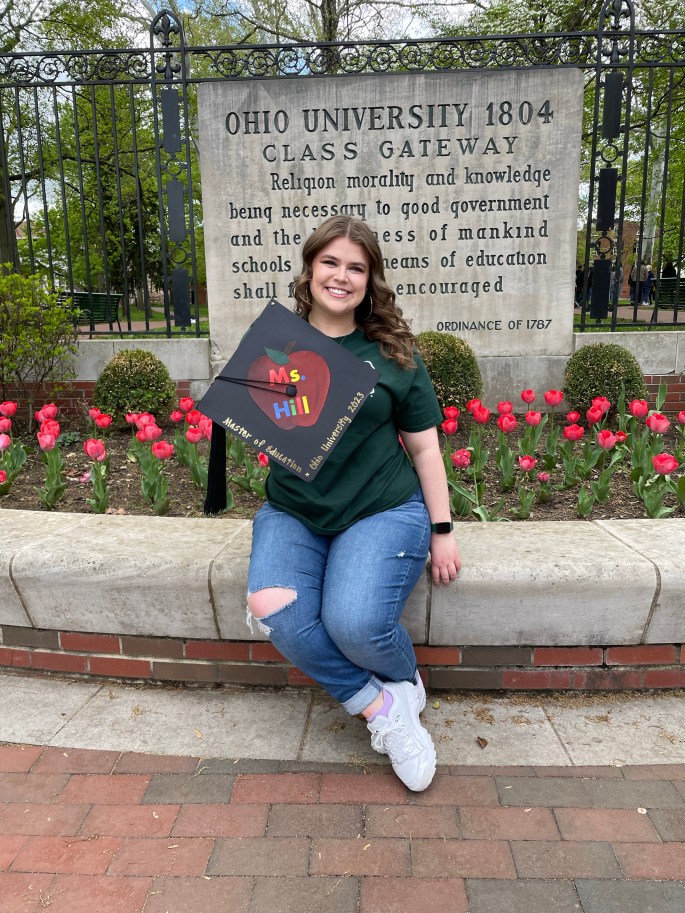
Beside a bright green cap, you will see Madelyn looking up at us with a glowing face of pride.

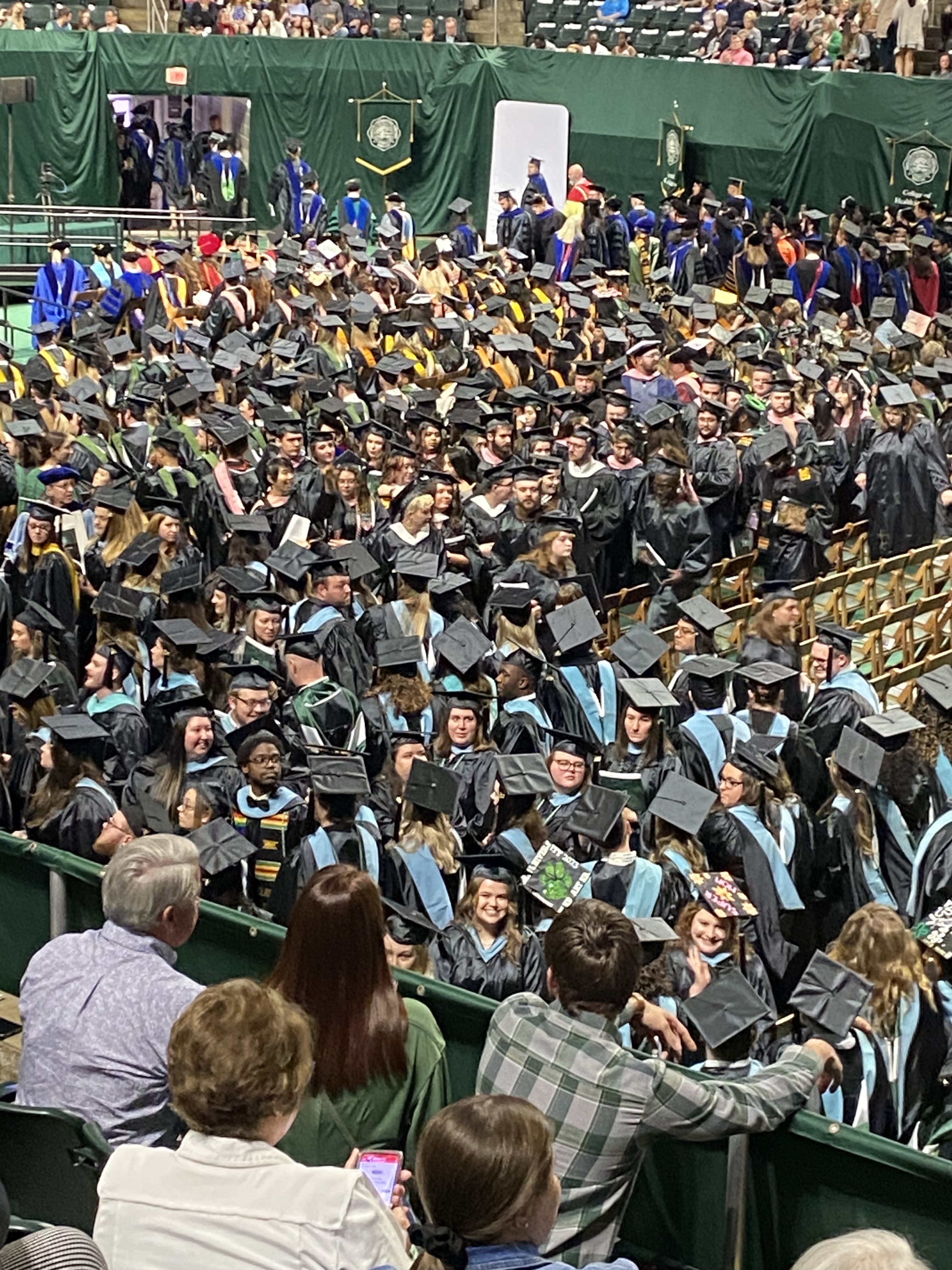
May 2023. John, my husband, and I waited as the candidates for Doctoral and Master’s degrees from Ohio University, our alma mater, made their way into the Convocation Center.  It was a long procession with Patton College of Education entering as the next-to-last school of candidates. Finally, we spied Maddie with a smile for miles, waving at us, face glowing with pride.  She had not only emerged victorious from the cocoon of young adult transition, but also, she had successfully earned a Master of Education degree during this transformation and appeared ready to take flight.  I hoped that like a sponge, she soaked up all the joy, hope, and satisfaction relegated to such a momentous occasion.

Celebratory milestone moments of life are few and far between.  These cherished junctures of life mark a moment in time when one can say, “I did it.  I put in the work.”  Or, as Maddie likes to say, “Nevertheless, she persisted.”  And persist, she did.

And so, as John and I sat there, tears frequently slipping out of our eyes, I reflected over the ways in which this moment could potentially impact her life.  You see, our daughter is now a fourth generation educator, the ninth teacher of our collective families.  Education is not an easy career, and often the rewards are not, per se, tangible–at least if you measure monetarily.  Instead, the rewards are more intrinsic.  It is a calling to go forth and make a difference in the lives of others.

It struck John and me that these hundreds of candidates, no matter their field, present in full regalia, were there, in part due to their past teachers.  In fact, though teachers are often at the bottom of the pay scale, there isn’t a single adult, or child over the age of five, whose lives have not been impacted by a teacher.  As with any field, there are always going to be some bad apples, but the dynamic teacher, the teacher who cares, who is passionate about his or her students and subject matter can truly make a difference, and, in some cases, be transformational.  Call me biased, but there is not a doubt in my mind that Maddie will be the latter.

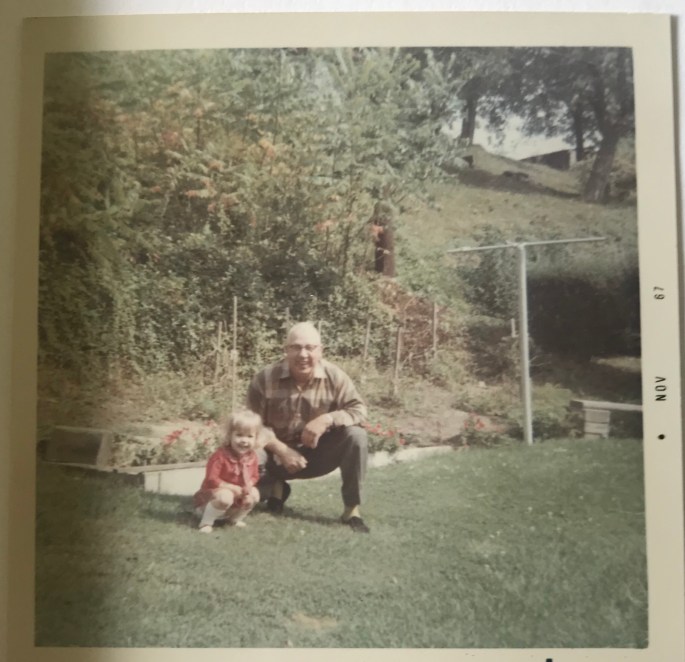
I have often shared a story about my Papaw.  He once pulled me aside and said, “Stethie,” (that is how he said Stephie), “Your ol’ Papaw only got a 5th grade education.”  

Papaw then spoke proudly of his sister who had gone to college, earned her degree, and went on to become a teacher. 

“Don’t be dumb like your ol’ Papaw.  Get your education.  Go as far as you can with it.” 

He went on to encourage me to be a teacher, like his sister, and later, his daughter, my mother.  

“There’s no greater job.”

Papaw and me when I was around two years old in his backyard in front of his garden.

Little did he know that I would not only go on to become a teacher, but also marry an educator who was from a family of teachers.  Therefore, I can only imagine the smile on Papaw’s heavenly face, knowing his belief about education still inspires and motivates today.

This story will be published in May on the final day of National Teacher Appreciation Week. Numerous colleges and universities will be graduating more educators around this same time period, but the fact remains that the long-standing shortage of teachers that has been increasing since before the pandemic, will continue to grow. In fact, according to the Economic Policy Institute, this is not a result of the number of qualified candidates as much as it is the working conditions and lack of compensation.  

I am hopeful this will change for my daughter and her educational peers, but I am often discouraged by current political culture and societal trends, especially with regards to the importance of education.  Nonetheless, Madelyn comes from a long line of people who knew, know, and believe(d) in the merit of quality education and the impact of a positive teacher. My prayer is that she, along with the newest class of teachers entering the field, will proudly stand on the shoulders of those who came before them, and bless this world and its children, with their many gifts in even greater and more innovative ways than their predecessors could have ever dreamed.

“So depart that daily thou mayest better serve thy fellow man, thy country, and thy God.”–Alumni Gateway, Ohio University, exit view.

Prayer for Uvalde, Texas

“There is no pain so great as the memory of joy in present grief.”–Aeschylus

Photo by Caleb Oquendo on Pexels.com

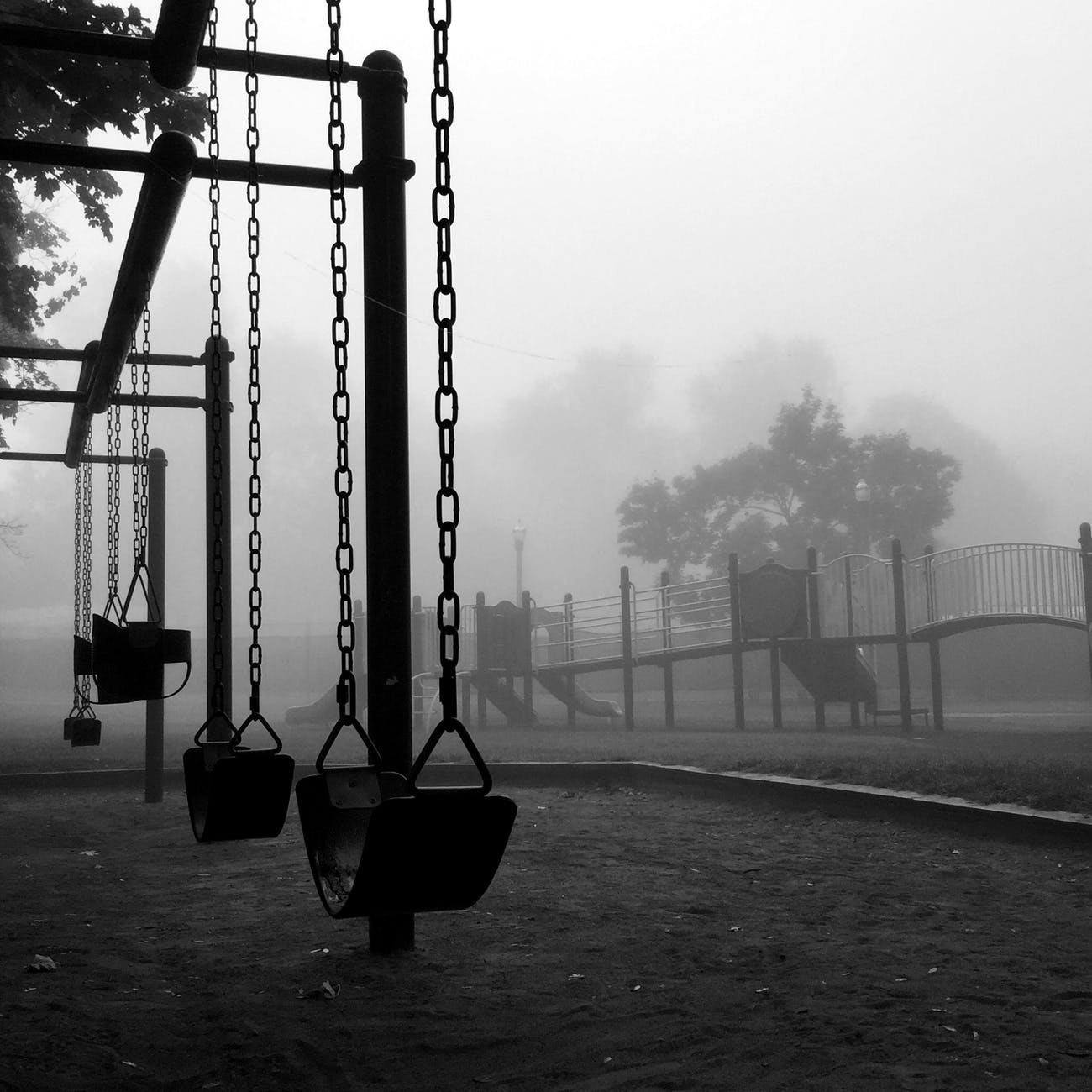
I walked through the strangely-quiet darkened hall, down the familiar stairwell, and exited under a leaden sky with light rain falling.  Students had left an hour or so earlier, and I was heading to a meeting regarding the next school year. Nonetheless, shouldn’t there be some magical feeling for the start of summer break?  Instead, all ranges of emotions churned within my gut. How could I feel celebratory when my heart was reeling from ANOTHER school shooting?  Meanwhile, the intensity of the rain increased . . .

Thinking back to the previous week’s events, I realize that powerful sentiments, including grief, were coming together like the confluence of several rivers vying for dominance as their waters merge.  35 years in education, and yet, all I could truly focus upon was the Uvalde community.  What hopes and dreams were savagely snatched forever–even from those who survived–while terror reigned supreme inside the school and confusion, disorganization, and unbelievable anguish surrounded the school?

What about the two Robb Elementary educators?  Between them, they had 40 years of teaching experience. Years of service to the community that were also brutally wrenched away.  They too had children, spouses, parents, and loved ones.  Their hopes and dreams were likewise vanquished.

Once more, a lone male–psychologically hurting–legally accessed weapons of war and played out his own private warfare on innocent victims.  While we can state the school was at fault for having a door open, as an educator, I know the reality of schools.  A door left open can happen (At the time of writing this, the report had not yet come out that, indeed, the teacher DID close the door, and the door’s lock malfunctioned).  However, an open door at a school, or any community building for that matter, should not be considered an implicit invitation to mortal combat.

I was teaching and pregnant with my daughter when the Columbine shooting occurred.  John, my husband, who is also an educator, and I sat in our modest house, silent tears streaming down our faces as we watched the news story unfold.  How could that happen?  Little did we know we were bearing witness to the start of what would become a terrifying trend in education. 23 years later, names of schools, nowhere near me geographically speaking, are as familiar as names of past students–Red Lake Senior High School, Virginia Tech, Sandy Hook Elementary School, and Stoneman Douglas High School; and the list continues.  Countless schools with families and communities forever changed and affected.

Several years after Columbine, I was teaching Kindergarten, and it was the first time for the school to practice an “Active Shooter Response Drill.”  Given the fact that I had advance notice, I talked with my young students about the notion of “bad guys” and how the school had to practice what to do if a bad guy came to school– just like they practiced what to do in case of a fire.   

Per procedure, the coded announcement came over the intercom, and I quickly ran to lock my classroom door and instructed my students to hide and cover as we had previously practiced.  A well-meaning sheriff deputy repeatedly knocked on my classroom door stating things in an attempt to trick me to unlock the door.  One student began to softly cry, followed by another, and another as I crept from one student to another trying to allay their fears and reassure them that this was pretend.  Nonetheless, they were scared.

I share that memory to say, if those few moments of hiding in a darkened classroom evoked such a fear response in my former students, what terrors were experienced by those blameless children trapped in Robb Elementary School?  What conflicting emotions must the teachers and staff members have experienced as they tried to keep their students safe and calm, while thinking about their own families, and watching one of their very own Uvalde youth massacre beloved students and colleagues? 

Children are a sacred part of society, and the schools they attend are the heart of the community. When children and educators are in school, they should be active participants in learning, engagement, and educational problem-solving, rather than passive participants in a disturbed soul’s personal anger campaign. Parents, children, and educators should have the peace of mind that the school is valued, supported, and always protected by community leaders, policy makers, and societal structures, including local law enforcement 

I am sickened by the politicians, community leaders, and even some journalists, who use the Uvalde event as an opportunity to point fingers, grow their audience, and puff up themselves with haughty righteousness.  Their pandering, grandstanding, and virtue signaling are NOT solving the problem–which is multifaceted and requires multiple types of community interventions.  To them I say, get off your soap box, get into communities and listen–I mean really listen with both ears–and then, work for real solutions rather than sound bites.  Endeavor to genuinely serve your community, instead of posturing for cameras looking for the next crisis-opportunity for which you can preen and pose.

I end where I began this piece. Summer is starting, and schools have, or will soon be, dismissed for another academic year. Meanwhile, the blood of more children and more educators weaves and seeps into the soil and rubble of another school.  There will be no more summers for them.  No more new beginnings.

I once wrote about the importance of threading a needle when sewing. All the fibers of the thread must be concentrated and twisted together to go through the eye of the needle.  Like the fibers of thread, it is easy for one fiber to get distracted, and when that happens, the thread will not go through.  Once more, we, as a nation, are being asked to go through the eye of the needle.  This is an opportunity to bind the ties that connect us–schools, children, communities–and sew together the common ground on both sides of the aisle.  Can we avoid distractions, remain tightly focused, and come together in order to thread this needle?  The silenced victims of the Uvalde classrooms beg us to do that.

Photo by Robin McPherson on Pexels.com

The End of an Educational Experiment . . .for now

“What a long strange trip it’s been.”–Jerry Garcia

“Dear Ms. Hill,  Thank you for all of your hard work and patience.”

This was a one-sentence thank you note I received from a student in advance of the end of the academic school. I appreciated his sentiment and reflected over what I now think of as the “pandemic years of education”.  These past two academic school years have certainly tested teachers’, students’, and parents’ abilities to practice patience–both within ourselves and with one another in the educational community.  It forced all of the involved stakeholders to work in ways for which we were not prepared, and it stretched us to new limits.

As a middle school, 6-8 Reading Language Arts teacher, I have read countless student journals expressing their feelings of fear and uncertainty when the pandemic first began, their high levels of anxiety as well their feelings of isolation during their time in quarantine, their feelings of frustration during day-upon-day of virtual learning, and their exaperastion when dealing with glitchy/malfunctioning wifi or frozen devices.  Despite all of the pandemic educational vexations, students also wrote of their newfound appreciation for the value of the in-person community that schools foster.  Nonetheless, the scars of this experience, I fear, will remain with many of our students for years to come. 

“Reduced learning time has likely impeded student learning and also affected the development of the whole child.”–Economic Policy Institute

Meanwhile, when reflecting upon this pandemic experience with colleagues, both in the public and private school setting, many reflect upon the multiplicity of issues and/or frustrations, depending upon their unique school community.  Pedagogical adaptations seem to have been one of the major challenges often stated by the educators due to virtual learning, shortened school year, and/or hybrid learning.  Then, there were forced adjustments to instructional delivery in order to balance the engagement of virtual students while simultaneously instructing and attending to the needs of in-person students. This demanded that teachers refine and adapt instructional plans–often on-the-fly if there were wifi issues–in order to best facilitate student learning. Additionally, curriculum was often gleaned to the most essential learning objectives and standards also due to a shortened calendar year and/or class time and, in some cases, to allow for additional time to address the social/emotional needs of the students. Meanwhile, administrative tasks seemed to double with an endless supply of emails, on-line grading, and a multitude of spreadsheets and documentation monitoring student attendance, progress, or lack thereof.

Looking back over this experience, I feel as if I am standing on top of one mountain peak, but I can clearly see there are more summits to climb in the coming academic years.  From my current apex, I can tell you this.  Teachers and students should not judge themselves too harshly as this school year winds down.  Virtual teaching and learning during a pandemic was hard–plain and simple.  Students and teachers alike, across the country, were asked to exit their respective schools on March 13, 2020 with all of their personal/professional supplies and no preparation.  Then, on Monday, March 16, we were exhorted to embark on what would, at this point in my 30-plus years as an educator, be the most dramatic educational paradigm shift I have experienced that continued throughout the summer months of 2020 and on into the 2020-2021 school year for which we are now wrapping up.

One thing is for certain, the pandemic compelled teachers and students alike to establish a strong foundation in the employment of technology for educational purposes. The downside of this is that we also learned that technology is dependent upon access to wifi, devices that work, and equal access for all students to reliable devices and internet access.  While I was blessed to work in a school that offers equal access to devices (although our local wifi provider had MUCH to be desired), that was not the case for all schools.  Additionally, even with working devices, the importance of reliable internet service came to the forefront of the educational world as I witnessed in my own school.  As a teacher who committed to operating paperless during this school year, due to virtual learning, my students and I, very quickly, had to learn how to be incredibly patient when there was no service, certain platforms crashed, or devices simply froze. Which leads me to another lesson.

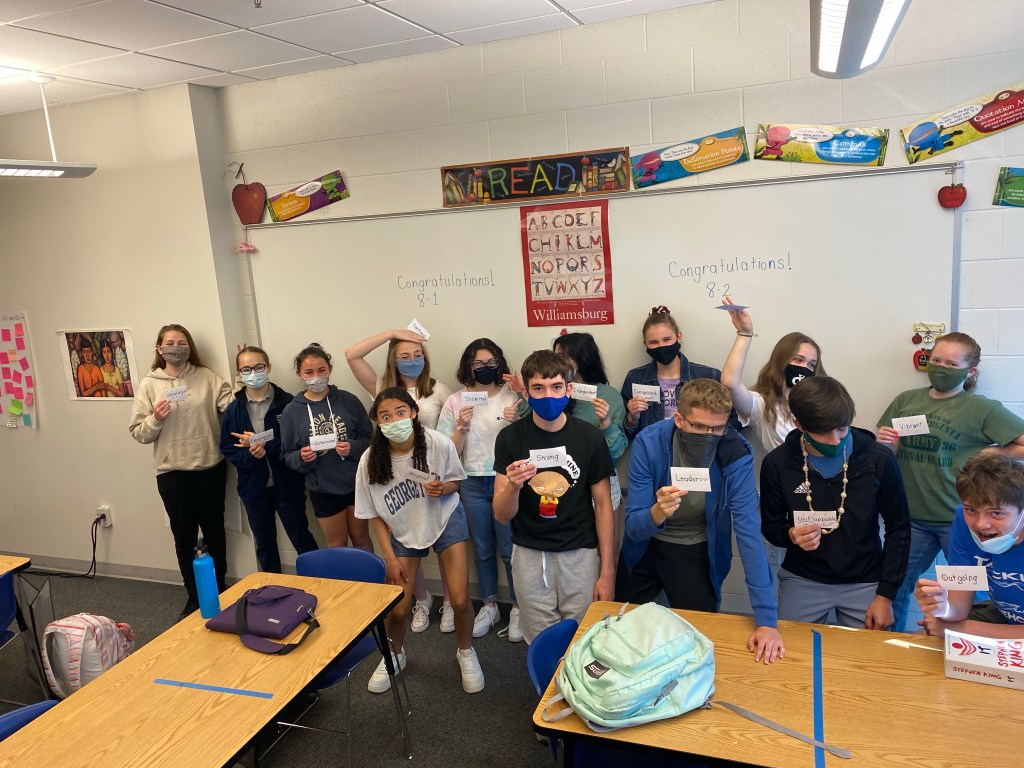
The last day of school for 1st period, 8th grade, Reading Language Arts students, for 2020-2021, whether in-person or virtual. Eventually, all but one student, returned to the classroom.

“It’s (COVID) taught us that technology can be wonderful, but it will never replace the value of people in safe but rigorous learning spaces talking, playing, and working together.”–Brad Olsen, Senior Fellow in the Center for Universal Education

The importance of local communities, administrators, teachers, students, and parents valuing and supporting one another cannot be overstated. Communities witnessed, very quickly, that not only do schools provide an education for their children, but they are also a reliable source of childcare that keeps children safe, fosters their social development, and supports their emotional and physical well-being.  Meanwhile, administrators, teachers, and students discovered the importance of the synergistic experience that happens with in-person classroom learning. While the remote learning model worked–and will probably continue in certain circumstances–there are real educational, social, and emotional benefits from interacting on-site with one another within the structured periphery of a school setting. 

The last day of school for my 8th grade, second period, Reading Language Arts class for 2020-2021, at times, many were virtual, and by the end of the year, all were in-person

“COVID-19 highlighted the essential role of child care for children, families, and the economy, and our serious underinvestment in the care sector.”–Daphna Bassok, Nonresident Senior Fellow in the Brown Center on Education Policy

While I have no doubt, next year will bring the educational system continued challenges from the lingering effects of this pandemic, I believe, overall, we have the ability to face them with an even greater capacity of compassion and empathy if we heed its many lessons.  The pandemic, it seems to me, has reinforced why it is crucial for the community at large to listen to the needs of educators, parents, and students.  It has given local leaders an opportunity to reflect upon the critical role of childcare and its contribution to the fiscal wellbeing of its community.  Likewise, the educational system must continue to rethink and adapt instruction in order to better facilitate student learning while continuing to cultivate ways to meet the emotional and physical needs of children, caregivers, and educators.  One-size does not fit all when it comes to technology, education, and childcare, but all affect and influence the successful functioning of the communities at large.  

In the end, I circle back to what my student simply wrote.  Thank you to the many who extended me patience through what has been one, if not the most, challenging 15 months of my career.  Many have granted me grace in moments of extreme stress and emotional duress, and for those unnamed moments, I am eternally grateful.  Here’s to summer break, and a fresh start on the coming school year.  May schools blessedly remain open.

First period class clowning around on their last day of school which was also a dress down day for their last day of 8th grade.
Second period, 8th grade, striking a pose on their last day of 8th grade which was also a dress down day.

Teachers are Heroes with Heart

If you are planning for a year, sow rice; if you are planning for a decade, plant trees; if you are planning for a lifetime, educate people.”– Chinese Proverb

Photo by Christina Morillo on Pexels.com

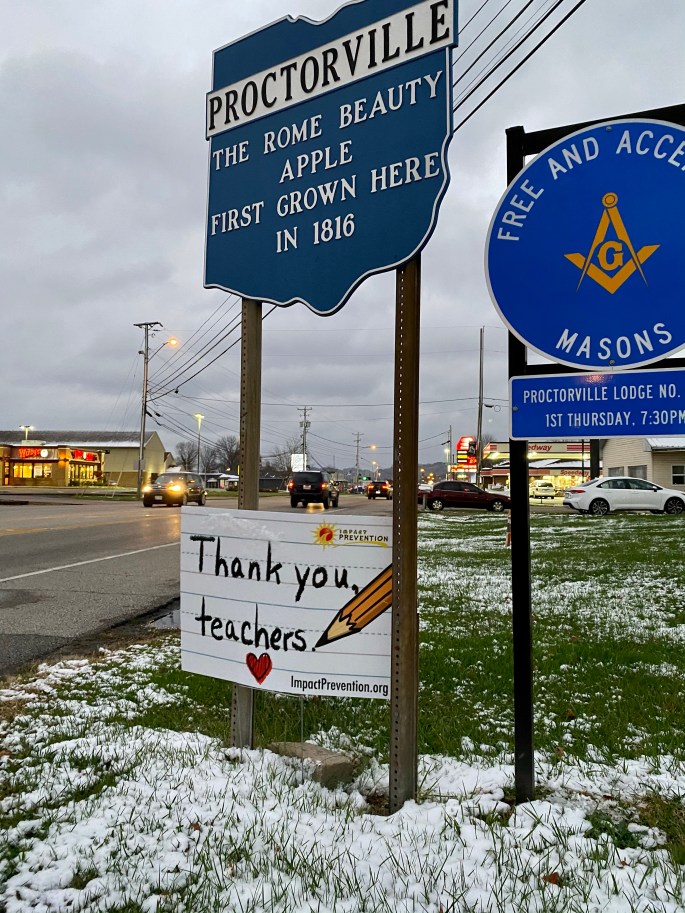
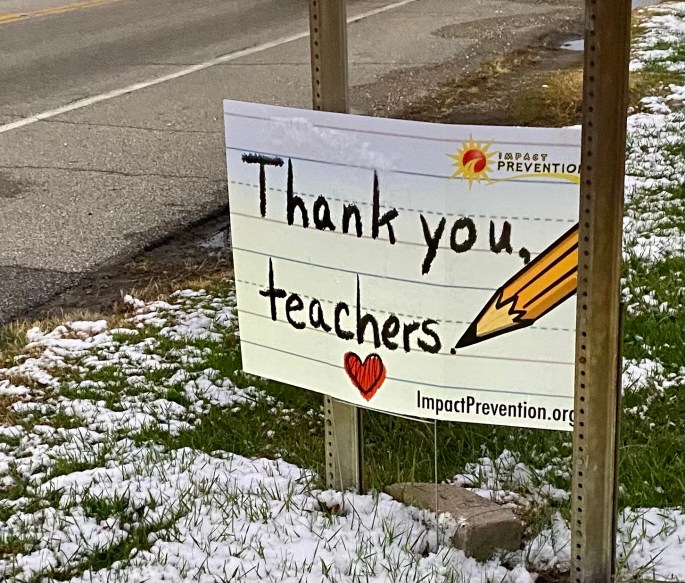
“Thank you, Teachers,” the sign read on the side of the road. 

Wait, what?  I couldn’t help but think.  Really?  It took a global pandemic to inspire appreciation for educators.  Hmm . . . 

I suppose that is how those who work in the medical field and first responders feel.  After all, like educators, those drawn to and working in the healthcare industry, by and large, have always been effective, efficient, and caring individuals. Naturally, praise was given to medical providers from the very beginning of the pandemic–and rightly so!  They were putting their own lives on the line while attempting to quell the flames of a ravaging wildfire sparked by a virus for which there was a dearth of knowledge.  Story after story would reveal the suffering and agony of the front line caregivers and their patients.  My heart, as well as those in my field, ached for those professionals, and we felt grateful for their long suffering service.  And yet, there was one question that continually niggled my mind . . .

Photo by Pixabay on Pexels.com

“Teaching is the one profession that creates all other professions.”– Unknown

Who were the early influencers of these various professionals that make up the health field?  Who taught them to read, write, and think mathematically?  Who helped to shape and foster their curiosity, their work ethic, and their quest for knowledge and understanding?  To be certain, parents are the first, most important, and long-lasting teacher in any child’s life.  Additionally, there are often other relatives that influence and impress a child, but guess who often spends more time with a child day-in and day-out?  Teachers.

It takes a big heart to help shape little minds.”– Unknown

Photo by ATC Comm Photo on Pexels.com

This past March (2020), many teachers across the country, as well as at a local level, were told on a Friday to get their students ready.  Educators directed students to pack up all of their personal belongings, textbooks, notebooks, personal implements, and any other necessary supplies.  Furthermore, on this same fateful day, schools–like the one in which I work–who were fortunate enough to have the resources, also directed teachers to quickly allocate technological resources to students who thought they might need one at home.  Those districts without these assets were rapidly scrambling for funds in order to likewise provide technology for students.

Once students were sent home with their overburdened school bags, teachers were likewise told to quickly gather what they thought they would need to teach from home.  Additionally, teachers were swiftly conferring with one another and administrators as to the types of resources available throughout the school that could be used to make teaching from home work.  Cobbling together this and that, gathering our own bags of wares, like ants marching in a line towards their hill mount, teachers exited the school on that pivotal Friday with the understanding that we were to be up and running as an online educator by Monday. Like a boulder plummeting onto US Rt 52, the dramatic educational paradigm shift had begun.  It was time to put on our proverbial hard hats and head into the construction zone.

Photo by Fernando Arcos on Pexels.com

“Teaching is the greatest act of optimism.”– Colleen Wilcox

News, gossip, and directives swirled around like flaming ash from a distant brush fire.  The heat of how to get virtual school up and running amidst worry about safety, closings, quarantines, supply shortages, deaths, headlines, and the never ending chain of one email after another compounded to the ever-building fear, anxiety, and sense of uncertainty.  One thing was clear, however, teachers would be there for our students and for one another–no virus was going to stop us.

By the time Monday rolled around, teachers had students enrolled in virtual classrooms–our school used Google products, but other platforms abounded in other school districts.  We communicated to students through the virtual classroom and through virtual meetings.  The technology was imperfect and full of glitches and hiccups, but students and teachers forged through each and every challenge thrown our way.  In a way, educators were pupils once more, learning right along with our students, relying on part innovation, part intuition, and a whole lot give and take via virtual forms of communication.

Photo by Pixabay on Pexels.com

The art of teaching is the art of assisting discovery.”– Mark Van Doren

Together, with our colleagues and our students, educators made many new discoveries about technology and pedagogy as well as how to tap into our creativity.  We had meetings with one another in which mutual tears were shed for the loss of “how it used to be,” but more often, the focus and concern was for students’ well-beings and how to best provide for their needs–both educationally and psychologically.  Additionally, there were a multitude of professional development virtual meetings in which we listened intently, scrawled notes, typed our questions in chat boxes, and discussed with one another in virtual breakout rooms.

This is not to say that they weren’t frustrations, nor am I trying to imply it was a perfect, seamless transition of rainbows, butterflies, and magical, mythical unicorns.  It was not.  Students would not show up to class meets or not complete their work.  Administrators asked for a multitude of documented records, such as, individual missing student work, student needs, staff needs, ideas for improvement and future planning–spreadsheet after spreadsheet and list upon list.  Towards the end of April, there were so many lists, spreadsheets, and schedules that it was easy to overlook one or another, and I certainly had my fair share of oversights.  However, I wasn’t the only one, and the compounded effect sometimes led to flared tempers, quiet resentment, or virtual words of implications–albeit, never for long.

Plus, there was the learning curve.  Educators were continually encouraged to be flexible and foster an attitude of expansive and forward thinking.  For those teachers possessing a technologically nimble mindset, this was a Montessori school of experience, full of opportunities to explore, expand, and engage.  For those of us with less technological deftness, it was like being asked to wake up each day and start walking in the opposite direction of fast and furious freeway traffic, leaving our brains often feeling short-circuited as our work day grew longer and longer.  However, regardless of which side of the technology tree one fell, a new phrase emerged from this experience, “COVID taught me this,” and together with our educational peers across the country, we emerged stronger and more resilient.

Photo by August de Richelieu on Pexels.com

Education is the most powerful weapon which you can use to change the world.”– Nelson Mandela

Educators are persistent, tenacious, kindhearted individuals who spend their own money, their own time, and give freely of their own hearts to students each and every day.  We did this before the pandemic, we are continuing this now, and we will likewise do this after the reign of COVID.  Teachers matter, with or without COVID–just as those in the health professions matter.

Recently, I overheard a confident middle school student reporting to a peer that women tend to choose low-value degrees, like teaching.  

“They choose not to make money,” he exclaimed, “because they don’t want to do the hard stuff like be a doctor or lawyer.”

I am not sure where or how he came to this conclusion, and perhaps he will always feel that way about my chosen profession.  Regardless of his sentiment, I, along with my colleagues (and my husband–who also happens to be an educator), will continue to work to educate him along with his peers–no matter what life throws our way, in spite of our so-called, “low value” degrees.  This is because we know the truth, and now it appears, based upon that sign alongside the state route, the word is spreading.