

On a winter morning downtown, a moment of waiting becomes a reflection on mental health, unseen suffering, and the quiet work of choosing kindness in a fragile world.
A Morning at the Intersection🚦
It was a cold, cloudy Saturday morning. I was waiting for the traffic light to change at a major downtown intersection. All around, Christmas decorations, lights, and baubles sparkled as people dressed for a special occasion hurried towards the city’s arena. I wondered about the unusual sight of numerous people on the sidewalks at this time of day. With sudden clarity, I realized it was the university’s December graduation as groups passed in caps, gowns, tassels, and hoods.
When We Cannot Know, We Must Care👤
Thinking back to my own daughter’s December graduation, I marveled how life marched on. Groups of people smiling, nodding, waving to one another, braced against the cold, hurriedly moving in a line like train cars linked together on one track bound to the same destination. Recent events came to mind, and I pondered the idea that surface appearances often bely the hidden interior lives of others–a reality social media has exacerbated. Suffering can be tucked away into hidden pockets so that even those closest may not see or know the hidden torment that lurks inside another human’s heart.
Why Unknowing Requires Care ❤️🩹
These groups of families, friends, and loved ones believe they know one another. And maybe they do … but maybe they don’t. This precise unknowing is why we need to care for one another–even when it seems futile. Many people carry burdens, traumas, fears, and anxieties that they either don’t share, or don’t know how to process, much less put into words. It is not necessarily a failure; it is part of the human experience that is difficult to understand. We must acknowledge that we may never truly know another person–even those closest to us. Thus, we must offer care, or at the very least, small kindnesses, to others.
“Be Good to One Another” 🫂
I continued to watch in fascination, lost in rumination, as more and more people, dressed in their finery, flowed out of the parking garages on either side of the traffic light. A long-ago, beloved priest’s words came to mind as I continued to watch and wait. “Be good to one another,” he would say at the conclusion of each church service. His words were simple, but their implications were profound.
What kind of world would we have if more people were simply “good to one another”? If we listened to one another without trying to “fix” anything–personally, this is a hard one, and I suspect I am not the only one. What would happen if we checked in more frequently with another person, even if it feels awkward or tense? What if we responded with more gentleness, kindness, or at the very least, decent courtesy, even when we are tired, rushed, or unsure? Choosing deliberate actions that are kind or respectful does not require insight into another person’s pain, but it does require us to recognize their humanity.
A Cup of Coffee, a Choice ☕️
I am reminded of a recent incident in which I was running through town. I witnessed an older, unhoused gentleman knock on the window of a man in a car outside of a coffee shop. The man inside of the car leapt out, yelling untold obscenities at the man who knocked. The disheveled, unhoused man kept saying, “I was just going to ask you for a cup of coffee.” The man who had been inside his car became louder and more aggressive. I felt so helpless as I watched in horror. Fortunately, a woman, older than me, walked out of the coffee shop, whispered to the gray-haired man, took him by the arm, and gave him a cup of coffee while the other man continued to spew vitriol. I was so touched by this gentle act. It reminded me of a yoga teacher from an old DVD who stated, “Go out and bless the world because the world needs it.”
Have We Learned How to Show Up for One Another? 🫴
As I watched the graduation celebration train continue, I couldn’t help but wonder, in spite of all of their book and applied learning, they also learned how to show up for one another? Do they possess the empathy required to “bless” the world? Do they have the skills to offer patience when it is required, hold space when needed, and withhold judgment when encountering dissension or differences? These are important questions not only recent graduates need to consider, but so do many others, myself included.
Resisting a Hardened Heart 🖤
These are big asks, I know. I try and fail regularly. Nonetheless, I cannot help but believe that striving to be a “perfect” human being matters far less than not allowing the world to harden us, so that we can respond more often with kindness. The key is remembering to reset, when we act unkindly, and try again in our interactions with one another. The world will not be healed by perfection, but rather when we lean into our interactions with one another with presence, awareness, and sensitivity.
Being a Warrior for Peace 😌
The same DVD yoga teacher also advised, “Be a warrior, not a worrier.” While he typically said this as a point of humor during one of the “warrior” poses yoga is known for, the intent of the message has never been lost on me. Embodying the spirit of a warrior for empathy, gentleness, or kindness, is about offering hope without turning a blind eye to the harsh realities–pain, suffering, fear, or ignorance. Being a “peaceful warrior” is about a willingness to care without expectations, choosing engagement–however you define it–over withdrawal into a cocoon of hopelessness. It is a practice of continually showing up, even in the smallest of ways.
Choosing Kindness, Again and Again ☺️
I know all too well that kindness will not save everyone, and caring for another does not come with control over another person’s choices. It is further worth acknowledging that our actions, no matter how well-intended, may not help, but it doesn’t mean we should not try. Send that text. Remain quiet and allow the other person’s pause to speak. Ask sincere questions and listen with genuine interest and without expectations. Smile at that stranger. Offer to help another person–even a cup of coffee to an unhoused man. We never know how actions can impact another person, so please choose kindness over and over. Choose kindness.
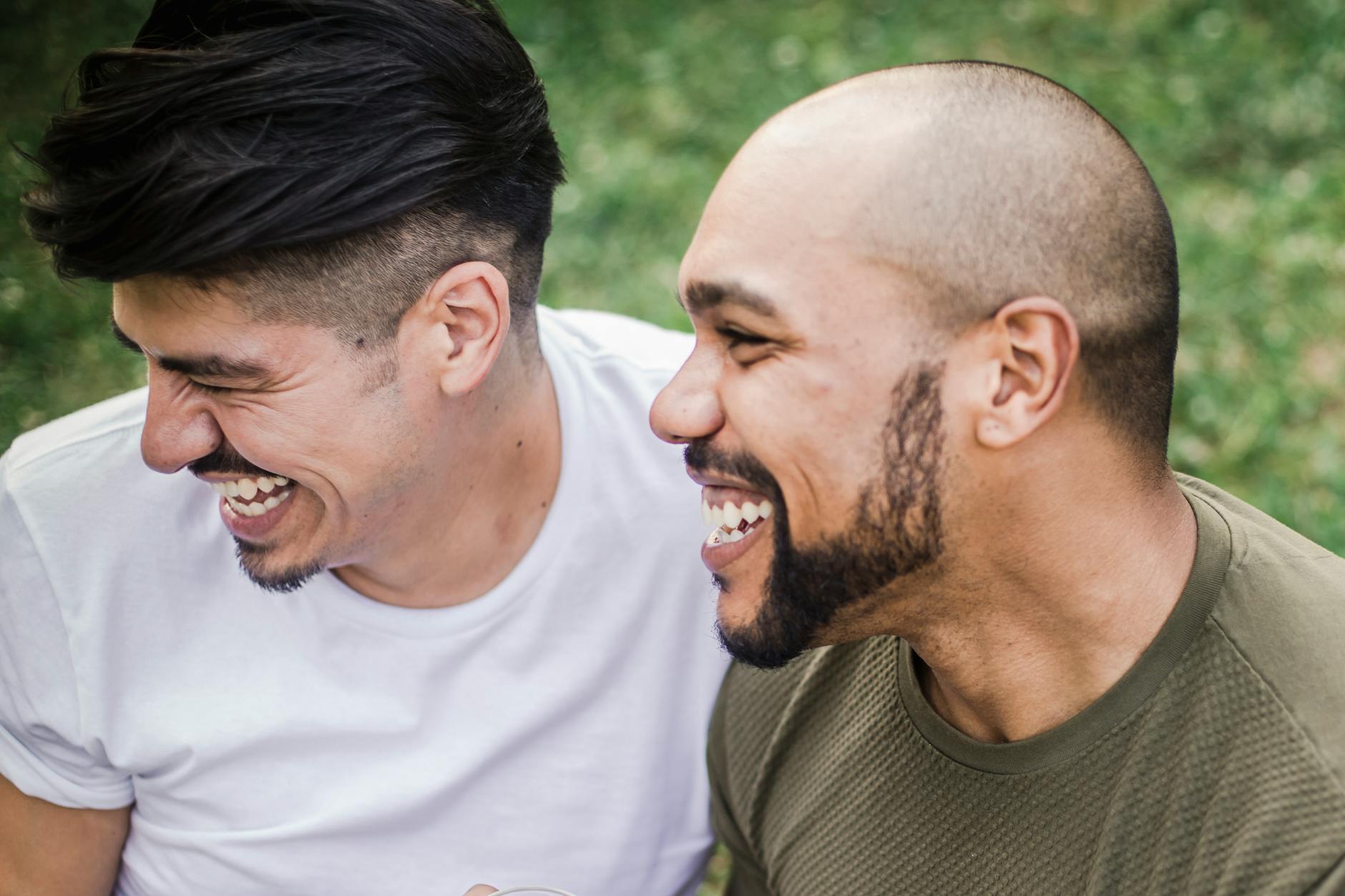
As you move through your own daily encounters, consider an idea echoed by numerous writers: “A smile on the outside is often silent suffering on the inside.”
I invite you, Dear Reader, to notice, reach out, and bless the world quietly with intentional acts of kindness. May we provide flickers of hope and peace in a world often determined to snuff out the light.
A Blessing at the Light 🙏
The traffic light changed. I drove away, whispering the priest’s words to the strangers celebrating graduation, “Be good to one another. Please, please, please be good to one another above all else.”
.









 Steph Simply