

“Taking photos can help us remember certain things, but if we are completely reliant upon them, it can also impair and spoil our memories.”–Susan Blackmore for BBC Science Focus
Oh Those Annual HOliday Pics 🎞️

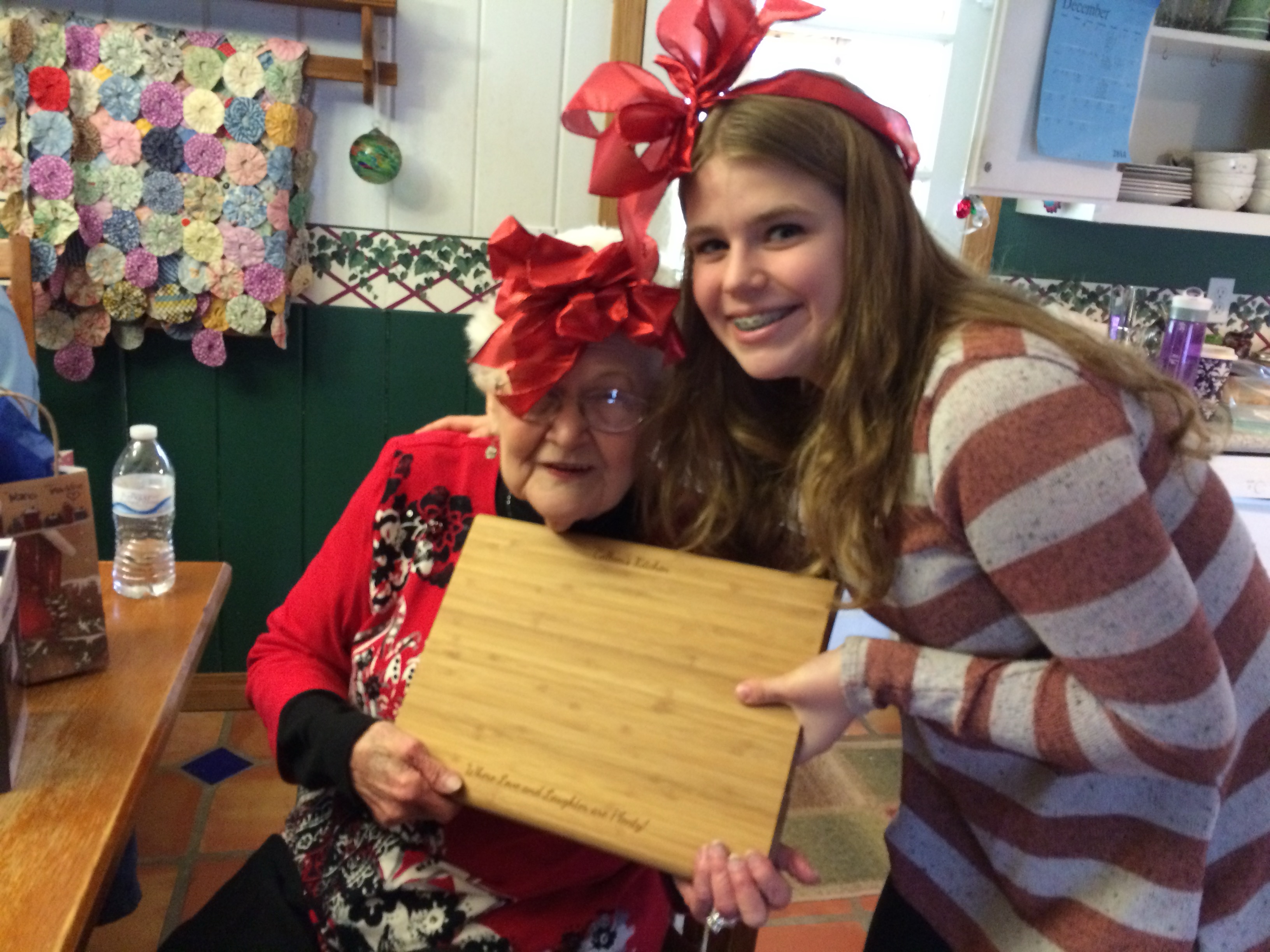
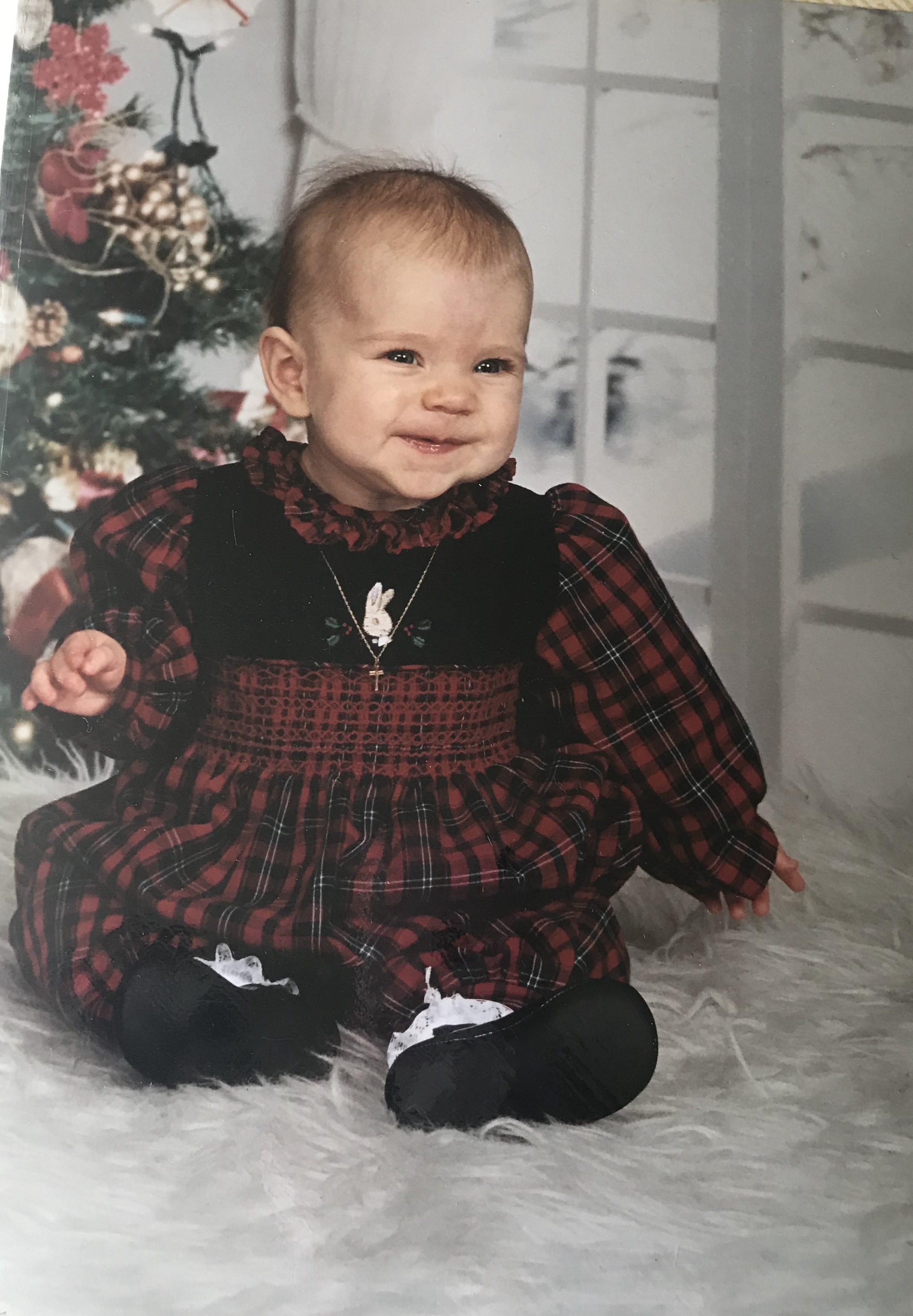
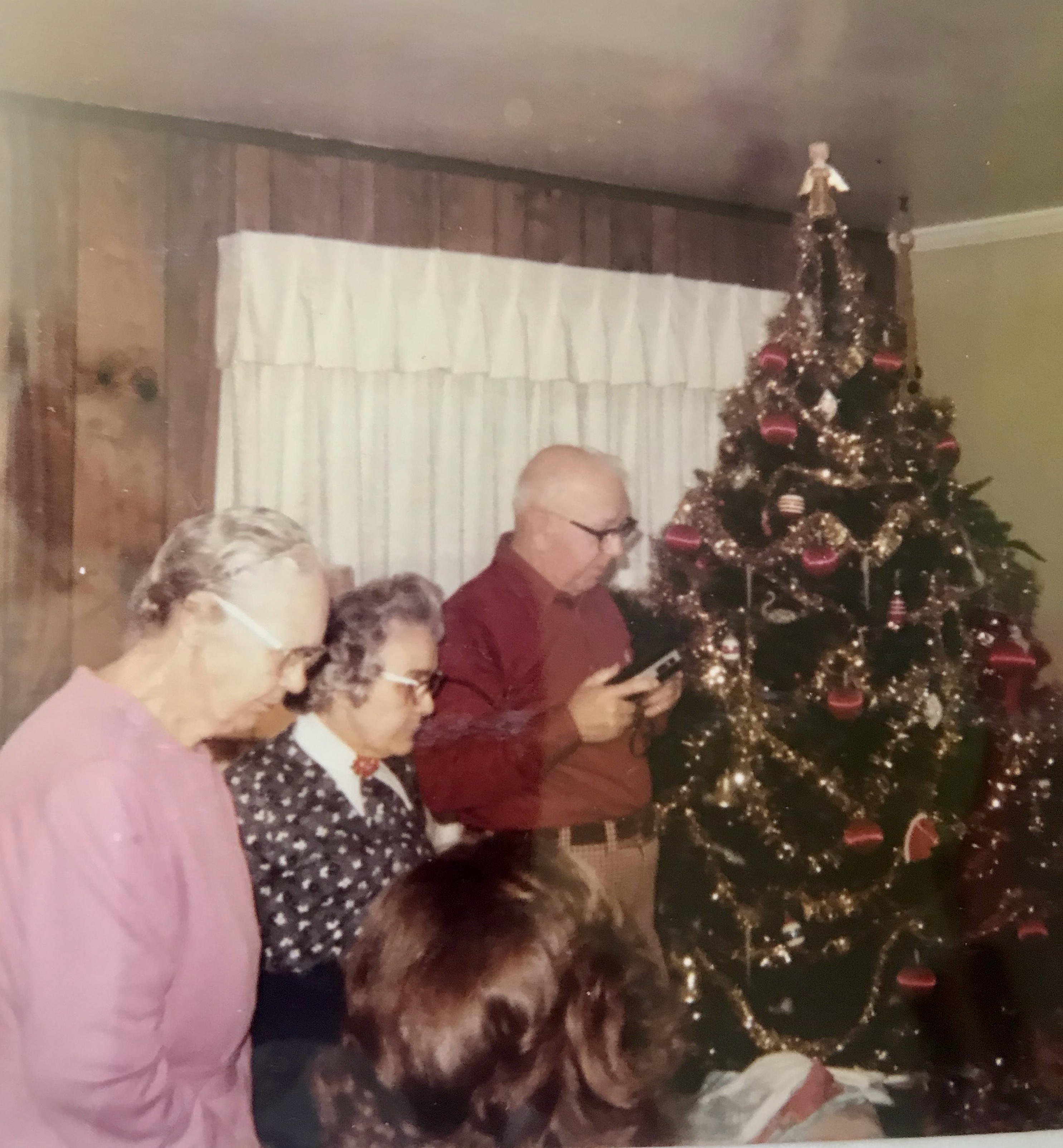
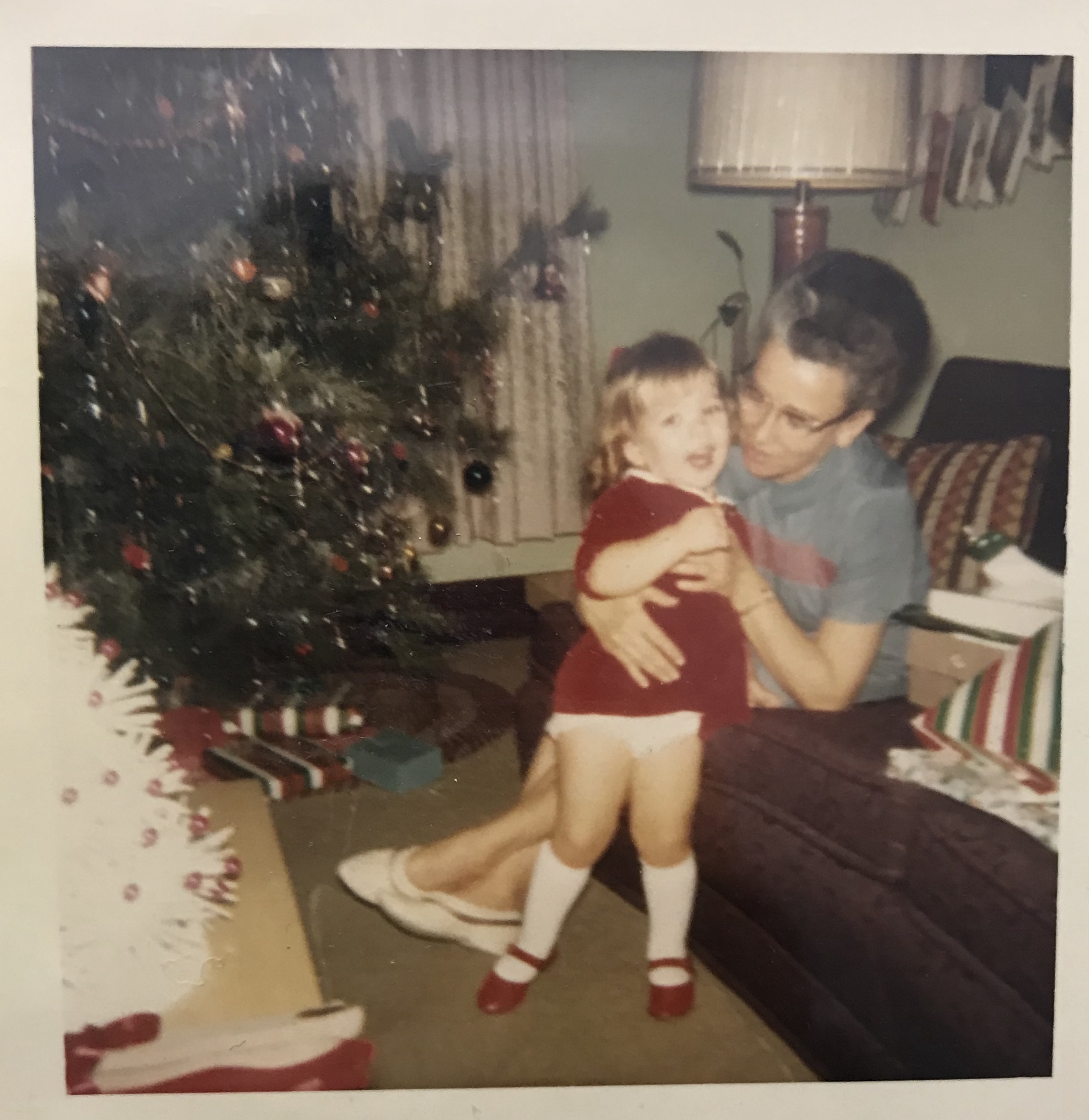
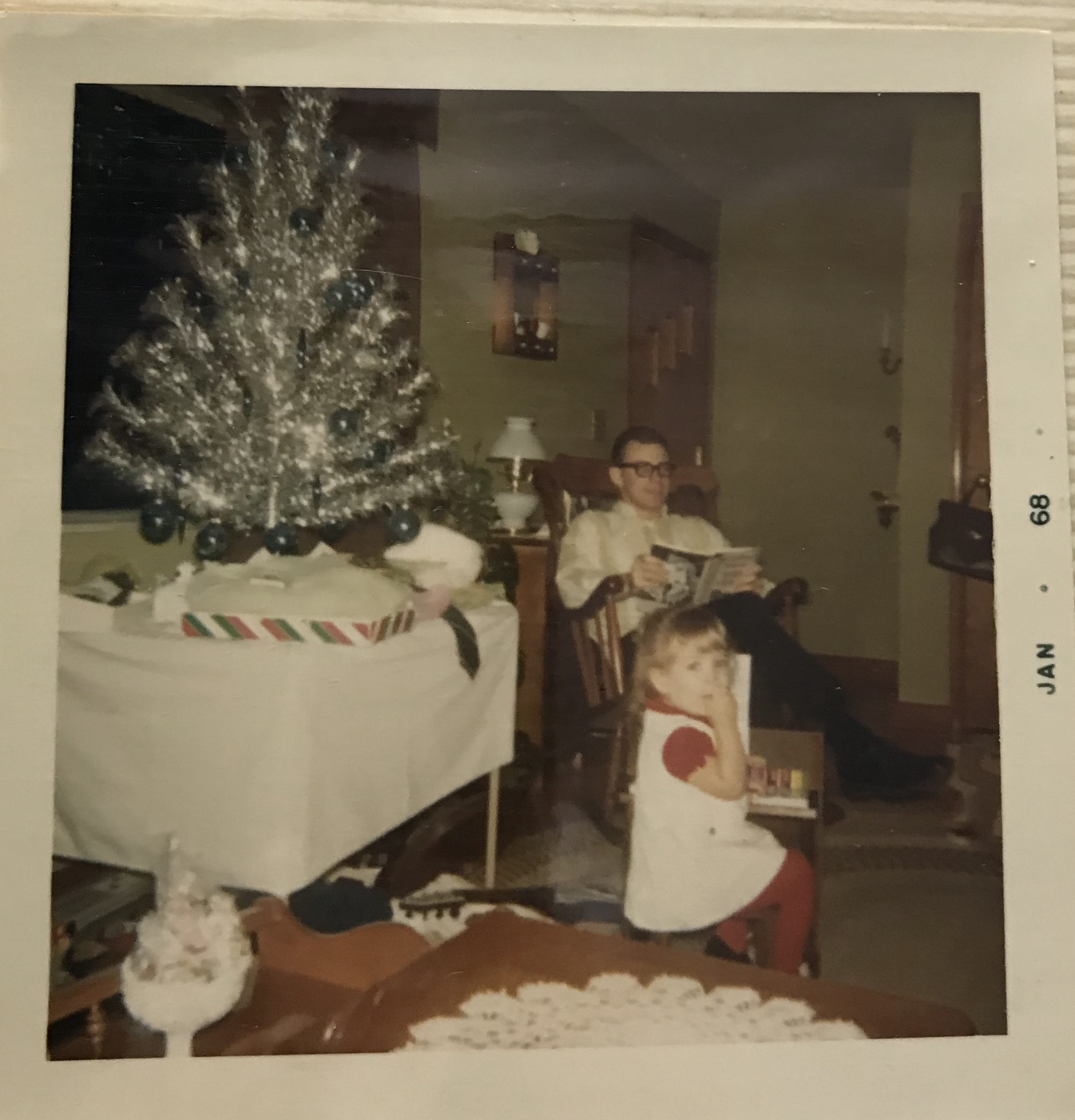
As the holiday season is now upon us, I am reminded of those annual childhood photographs my parents, like many, used to take of us. There was always one of my three siblings and me holding our empty Christmas stockings on Christmas Eve. Snapshots of us dressed up before some sort of Christmas performance, and pictures of us in our pajamas, rubbing the sleep out of our eyes before we opened our presents were also part of the mix. Throw in a few more shots of Christmas brunch, one of us opening a “big” present, or another one riding a new bike, and it is clear that my family took pictures to memorialize special holiday moments.
I grew up in the era of cameras with film, now referred to as “vintage”. Film was not cheap, nor was the price to pay for developing it, which often required the film to be mailed away in a special envelope to a developing center with a one to two week wait period before the pictures arrived back to you. As a result, it seemed to me that photography was more precious because the act of taking pictures was mostly saved for special occasions, such as birthdays, graduations, vacations, holidays, and so forth. Plus, by the time an entire roll of film was used, sent off to the developers, and returned, it often made for a great surprise to see the time-line range of images on one roll of film.
How and Why We Now Take Photos 📸

All of that has changed in the current era of digital photography. According to a 2022 BBC article , many older adults like me, still tend to use photos to commemorate special events and document special family/friend events. However, younger generations tend to take many more photos and use them as a way to “communicate with peers, form identity, and bolster social bonds.”
Additionally, the article added that many young people snap pictures to make a statement about how they are feeling at the moment. However, I would argue that given the age of social media, people of all ages take more pictures than ever for the explicit purpose of instantly sharing a moment on various platforms. Therefore, taking photos is more than a tool of memorialization of events.
However, this comes with a bit of downside. According to a 2021 NPR article, research as early as 2014 and conducted again in 2022 , has firmly established that “snapping too many pictures can actually harm the brain’s ability to retain memories.” Thus, while you instantly have access and the ability to share all the photos we want, the downside is loss of memory of the actual event.
Offloading our recollections?

It seems as if our brain will either offload the responsibility of remembering the moment because we are taking the photo, or we are so distracted by the process of taking and/or posting photos that we aren’t soaking up the moment in order to form or retain memories. Therefore, this is a bit of a cautionary tale as we approach annual traditional gatherings of which many of us participate in one form or another.
If we spend most of an event photographing and posting on social media, our brains are not cognitively engaged in gathering information about the event–the sounds, the sights, the textures, and so forth. Despite the fact we might have scores of pictures from the occurrence, it turns out that we will not remember many of the details. This is because those cognitive skills typically used for storage of memories were disengaged from the actual event and surroundings in order to focus on the photos and the media posts.
However, all is not lost. A 2017 study indicated that while the act of taking pictures is distracting to the brain, the preparation of the photo, framing the picture, zooming in and out on details, can sometimes enhance memory. By contrast, according to a 2022 article published by the British Psychology Society, taking too many pictures impairs the memory due to attentional disengagement. The trick, it seems, is to find the middle ground.

How to Prevent memory Offload 🧠
For the sake of our memories, I’ve gathered a few helpful tips for navigating those holiday gatherings of family and friends in which you may want to balance the art of taking pictures and still recall the event while also capturing the perfect post for social media.
- If possible, have someone take the photos for you, allowing you to be more immersed in the moment, such as a designated friend or spouse.
- If it’s not possible for someone else to take the photos, then take a few key photos, and put your phone away. For example, take pictures at the beginning of the gathering and/or at the end, focusing the majority of your time enjoying the moment.
- Additionally, be deliberate about what and when you take photos. For example, think about the key moments ahead of time, to the degree possible, that you plan to photograph, and stick to your plan.
- Focus on details when photographing a scene, instead of randomly snapping shots. Research indicates that when you take time to focus and frame to capture the moment, you help the brain remember events better.
- Wait until the event is over before you post. This serves two purposes. First, it allows you to be more present during the actual gathering, soaking up the details that form memories. Secondly, the act of closely examining and selecting photos to post AFTER the event will further strengthen your memory
Photographic memory 📷

In the end, we all want nice photos we can look back on with fondness, commemorating those special moments. However, we also need to spend time engaged and immersed in the gathering around us in order to establish those memories in the first place.
Therefore, make this a holiday season of “presence” and not just presents and photos. Consider taking a few key pictures to preserve these special times, but then challenge yourself to put down the phones and feel the pleasure of full immersion and connection with those around you. After all, it’s time you may never again get.














 Steph Simply