Move Into Health, Part 9: The Long Game

“ . . . To me, old age is always 15 years older than I am.”–Francis Bacon

I recently ran across an inspirational story that was being shared across a multitude of media outlets.  Jean Bailey, a 102-year old resident and fitness coach of Elk Ridge Senior Living in Omaha, Nebraska, has been leading fitness classes there, four times a week, for the past three years.  

 Bailey’s classes consist of exercises that go through a wide range of motion, designed to get every part of the body moving, including activities such as overhead reach, arm circles, neck rotations, and seated toes touches to name a few.  Her classes last about 30 minutes.  Bailey realizes that, like her, many of her fellow exercisers have mobility limitations or their bodies are different from day to day; however, she believes that everyone, including herself, can benefit from doing what they can do.  

102 year old Jean Bailey leading an exercise class at Elk Ridge Senior Living in Omaha, Nebraska.

Bailey is redefining what it means to age.  She proudly proclaimed in a recent interview, “If you don’t keep your mind and body busy, then why are you here?” Friendships have blossomed and flourished since she first began leading the classes during the pandemic when Bailey invited her neighbors to bring chairs into the hall and exercise with her at a socially safe distance.  

Since COVID restrictions were lifted, Bailey has also been known to treat fellow exercisers with baked goods after class, especially in honor of someone’s birthday.  This is because, as Bailey points out, birthdays at their age are noteworthy. When asked if she’ll ever quit, she replied, “When I get old, I’ll quit!”

I share this story as part of the 9th installment of the “Move Into Health” series. Bailey’s story serves as a direct contrast to those limiting beliefs, which can easily entrap any one of us, regarding adopting or changing certain healthy lifestyle habits as we age. However, even though our bodies change with age, according to numerous scientific studies, there is very little difference between an 18-year old brain and a 100-year old brain from a cerebrovascular perspective; thus establishing, we are never too old to mentally adopt new habits or overcome poor habits that may have crept in over the years.

Bailey is most likely an example of what scientists call SuperAgers, those living into their eighth decade, and beyond, who possess cognitive function similar to that of a middle-aged adult.  In fact, neuroscientists at Northwestern University in Chicago have identified four specific habits of SuperAgers. Adopting these four SuperAgers’ healthy habits may help slow down the aging process within the brain (and the body), potentially staving off Alzheimer’s disease or other forms of dementia, while boosting overall health; thereby, spending less time at the doctor’s office and more time doing the things you love.  
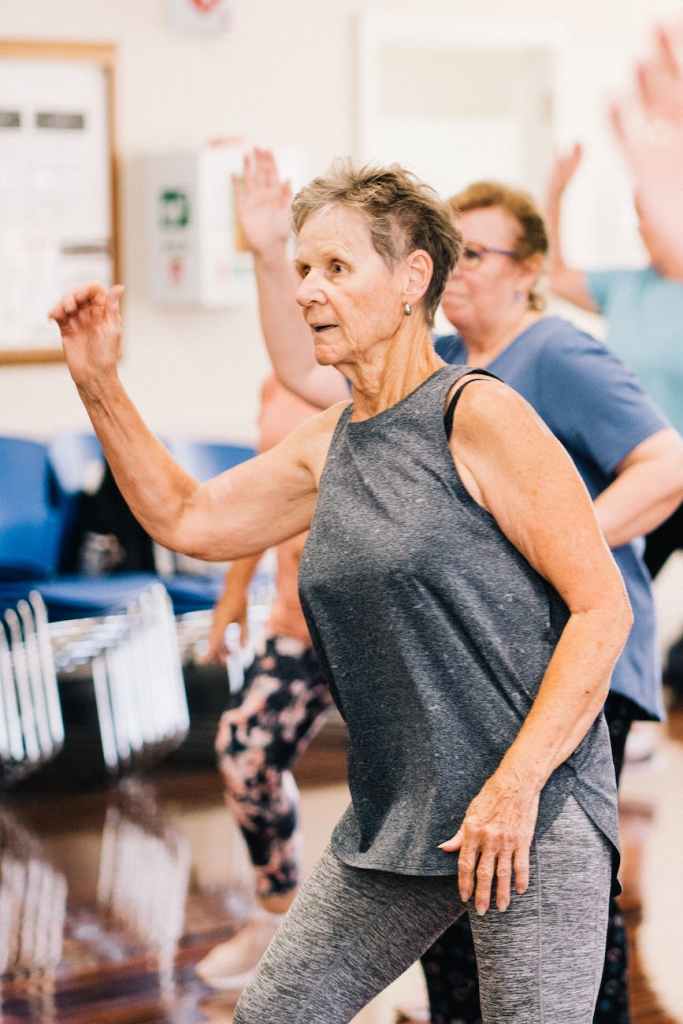
Photo by Wellness Gallery Catalyst Foundation on Pexels.com

The four habits of SuperAgers are listed below. While I am not a proponent of changing everything all at once, I do sincerely believe that taking small steps towards any of these habits can have a positive impact upon personal health.

Daily Movement/Activity. You know the old adage, “Move it or lose it.”  Incorporating daily movement increases oxygen and blood flow–both of which benefit the brain.  Regular bouts of exercise, even as few as twice per week, strengthen not only the heart and lungs but can also strengthen muscles required for stability to avoid falling, help maintain a healthy weight, and reduce the risk for Alzheimer’s disease. As an added bonus, exercise can reduce the symptoms of depression and anxiety and lower your risk for heart disease, type 2 diabetes, high blood pressure, and even some cancers.

Photo by Tirachard Kumtanom on Pexels.com

Challenge yourself. Adopt habits of reading, puzzle solving, and learning. Experiencing the mild to moderate stress that often accompanies learning a new skill is good for creating and/or maintaining healthy neural pathways. Take classes, learn a new language, or choose any number of activities that get you out of your comfort zone.  Mental challenges are good for you and your brain.

Photo by Mathias Reding on Pexels.com

Get social.  Meeting regularly with friends, engaging with others via group settings, or partaking in family gatherings allow for the maintenance of healthy social relationships.  In fact, autopsies of SuperAgers reveals that the attention area of their brain has four to five times the amount of neurons responsible for social processing and awareness, when compared to others who lived into their 80s or later.

Photo by Kampus Production on Pexels.com

Drink, but in moderation. Moderate drinkers are less likely to develop memory issues, including Alzheimer’s disease.  However, too much alcohol creates the opposite effect on memory as well as increased belly fat (the most dangerous type), increased blood pressure, and numerous other health conditions.
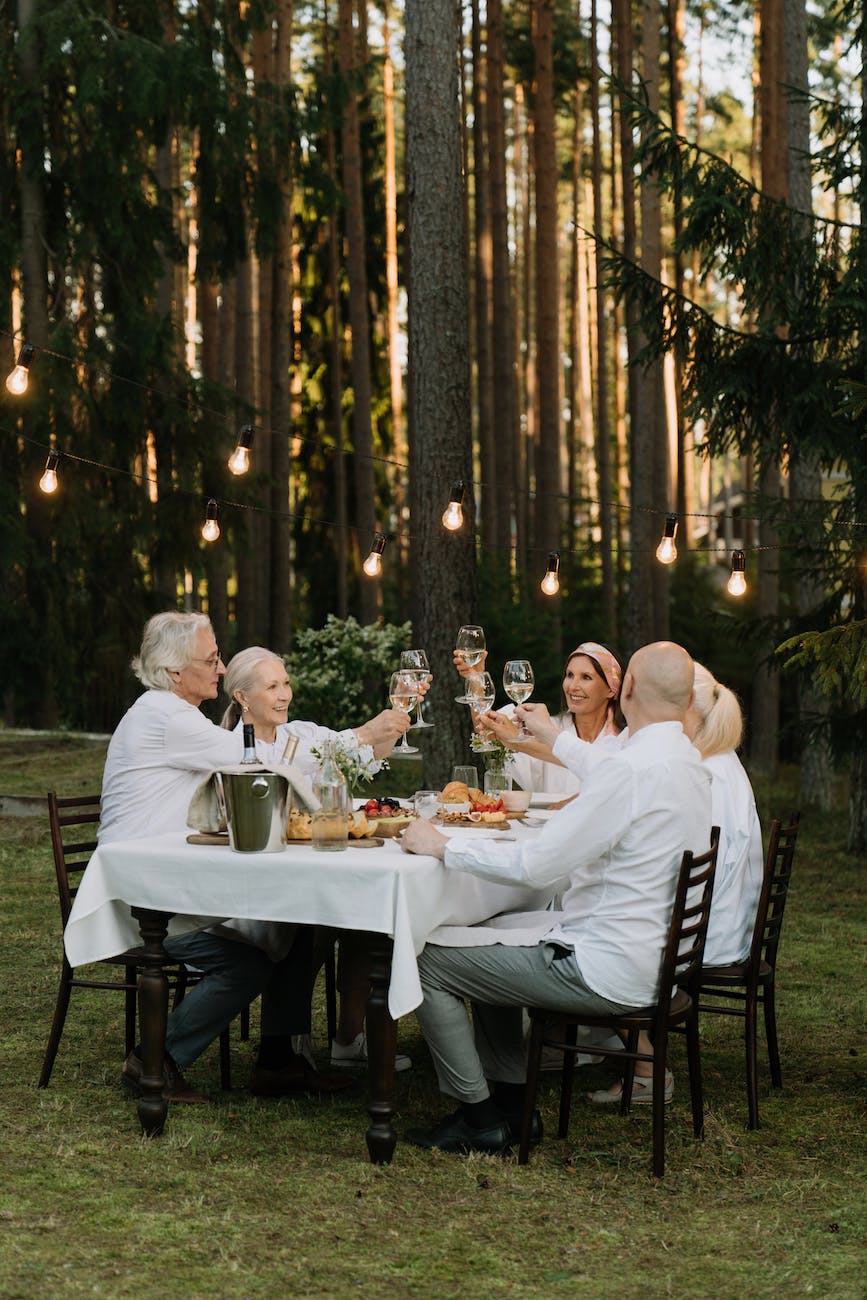
Photo by cottonbro studio on Pexels.com

Two other beneficial habits worth considering that are also associated with aging well:

Adopt a MIND diet.  MIND, in addition to being a huge buzz word in current medical research for the prevention of Alzheimer’s disease and cognitive delays, is an acronym for Mediterranean-DASH Intervention for Neurodegenerative Delay.  It is a plant-based diet that combines the Mediterranean Diet and the DASH Diets. The MIND diet encourages the daily consumption of plenty of fruits (specifically berries), and vegetables (especially leafy greens), whole grains, legumes, nuts, as well as limited amounts of poultry, fish, and olive oil.  Not only are these foods good for overall brain health and cognitive function, but they also reduce inflammation and oxidative stress, two actions strongly associated with chronic health illnesses and disease. 

Photo by Yaroslav Shuraev on Pexels.com

Quit smoking. While I cannot pretend to know how hard it is to stop this habit, I do remember a nurse telling my mother-in-law during an emergency room visit that within 24 hours of quitting smoking, she would begin to reduce her risk of a heart-attack by 50% or more.  It still took her several more years before she quit; however, I will forever admire the way in which she finally gave up the habit at age 71. Although health issues related to a lifetime of smoking remained with her until the end, because she did quit, she added years to her life.  

Photo by Irina Iriser on Pexels.com

Who among us will be the next SuperAger?  No one can know for sure. To be certain, any one of us could follow all the so-called rules, and still develop Alzheimer’s disease, cancer, or other detrimental condition.  Nonetheless, watching Jean Bailey lead her exercise classes on Youtube and Twitter videos certainly persuades me to keep moving into my own health, and her story further motivates me to continue to share this valuable information. Adopting any or all of these healthy habits can’t hurt any of us, and they just might add a bit more quality to the quantity of years we have remaining.  Here’s to your health!
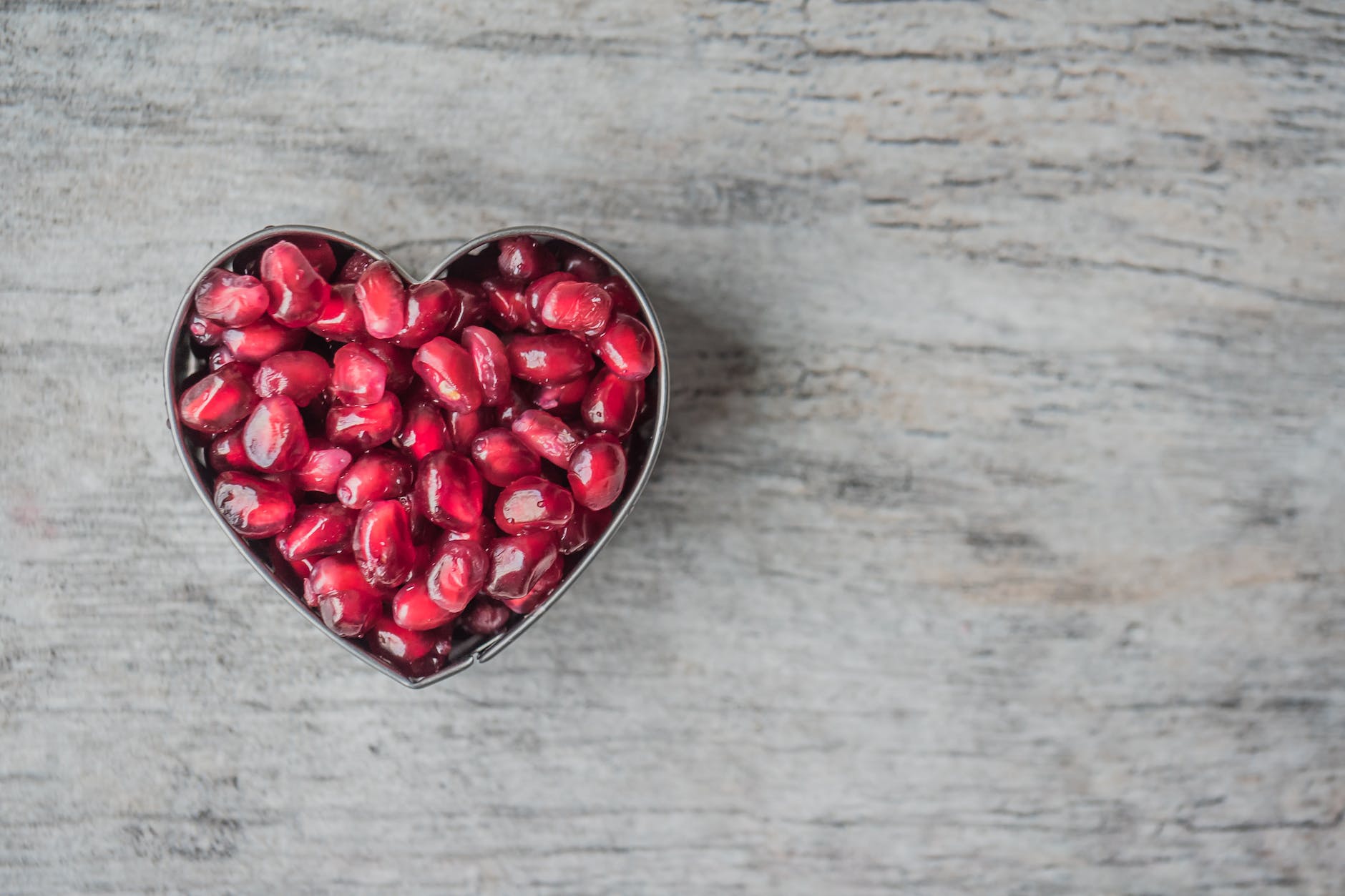
Photo by Jessica Lewis Creative on Pexels.com

An Ounce of Prevention Goes a Long Way to Preventing Dementia and Alzheimer’s Disease

Currently more than 55 million people live with dementia worldwide, and there are nearly 10 million new cases every year. . . . Alzheimer’s disease is the most common form of dementia and may contribute to 60-70% of cases. . . . Dementia is currently the seventh leading cause of death among all diseases and one of the major causes of disability and dependency among older people globally.”–World Health Organization, 2 September 2021

Photo by Nashua Volquez-Young on Pexels.com

It happens more often than I care to admit–the inability to come up with a particular word while engaged in conversation. In my mind, I can see the shape of the word lurking in the shadows of my brain.  Try as I might to shine a mental flashlight on the word, the word will continue to evade me in a cavernous pit of forgetfulness only to materialize a few hours, or even days, after the conversation has ended.

I have witnessed dementia grip one grandparent’s aging mind and Alzheimer’s disease affect another.  Then again, how many other people can say the same thing?  Therefore, why do I worry, when my brain stutters, sputters, and struggles with a word, misplacing an item, or wondering why I walked into a room?  Answer: because I do not want to be a burden to others.

Photo by Magda Ehlers on Pexels.com

That said, I dearly loved my Mamaw and my Papaw.  Even when they were in the throes of dementia and Alzhiemer’s respectively, I still adored them.  However, I was not responsible for their overall care and well-being.  That responsibility fell squarely upon the shoulders of my parents, their spouses, and their siblings. Instead, I was the grandchild who could visit, help-if asked–and leave as I pleased. I didn’t have to worry about the direct care and multitude of decisions that each diagnosis required–and those decisions, it seemed to me, grew in direct proportion with the disease’s progression.  

Mamaw had two children, and Papaw had three.  Even if one child was the legal guardian, they still had another sibling with whom they could confer regarding decisions, seeking help, or any of the other myriad of responsibilities that accompanies caring for a loved one with a form of dementia.  Whereas, I have one child.  One.  And in the words of Three Dog Night, “One is the loneliest number . . .”  I could cry thinking about putting that sort of responsibility upon her.  

My prayer is that dementia will not be my legacy to my daughter. Therefore, I have become somewhat obsessed with habits that could prevent dementia and Alzheimers. One quick recent search for, “preventing dementia and enhancing brain health,” and, according to Google, precisely, 1,500,000 results appeared in 0.56 seconds, many of which are considered “scholarly articles.”  Additionally, searching “habits that increase risk for dementia,” produced nearly as many results.  The point is that I am not alone in my desire to prevent and reduce risk for dementia.

Photo by Andrea Piacquadio on Pexels.com

Unfortunately, there is no known cure for dementia, and even the currently prescribed therapies and medicines have proven to have little efficacy. This is often due to the fact that developing any of the various types of dementia is believed to be a complex cocktail of factors including age, medical history, lifestyle factors, and genes. Consequently, numerous scholarly sources point to a number of preventative measures since most cases/types of dementia are not directly inherited. 

One of the most cited statistical links and effective measures to prevent dementia is regular participation in movement and exercise. Some sources break down the amount of time devoted to cardiovascular, strength, balance, and flexibility, with 150 minutes/week being gold standard. However, all agree that it is the consistent practice of exercise/movement that matters most.

Photo by Kindel Media on Pexels.com

Another point of agreement is the importance of consuming a healthy diet. In fact, many researchers point to the following diets: MIND, DASH, or Mediterranean as exemplary choices for prevention.  However, there are some research quibbles with regard to best diet practices.  One debate is over how much and/or what meat should, or should not, be eaten, although most seem to agree that fatty fish, such as salmon, is a solid preventative choice.  There is also some contention regarding the use, or disuse, of dairy, but the general consentment is that if you choose to consume dairy, pick low-fat products.  Most research agrees that the consumption of healthy fats–plant oils, seeds, nuts, and avocados– are an excellent choice.  However, the amount needed is not always a point of agreement.  Nonetheless, the research clearly points to an overall consumption of a high fiber diet that heavily emphasizes a wide variety of fresh vegetables, fruits, whole grains, and legumes; AND limits salt, sugar, saturated fats, and processed foods as effective and preventative practices.  

Alcohol consumption and sleep appear to have both positive and negative attributes when it comes to dementia prevention.  It appears that moderate alcohol consumption–no more than two drinks for men and one drink for women–specifically enjoyed with food, appears to be preventative.  However, drinking too much alcohol on a regular basis, seems to increase the likelihood of dementia.  Likewise, getting enough sleep, defined as 7-8 hours, on a regular basis is a preventative measure; conversely, getting too much sleep (10 or more hours), or not enough sleep (less than 6 hours), increases dementia risk. 

Photo by Max Vakhtbovych on Pexels.com

One of the more interesting bits of research centered around the practice of Kirtan Kriya (KK). It is a type of meditation, specifically 12-minutes long, that involves small hand movements, known as mudras. This ancient practice has been cited in several scientific journals as strongly linked to the prevention of dementia. In fact, several Alzheimer’s and dementia research groups offer/sponsor tutorial videos and articles on KK.

There are several other points of agreement among the scientific community for preventing and/or lowering the risk for dementia, including: 

  • Avoid, or quit, smoking
  • Stay mentally active, socially connected, and engaged in meaningful work/tasks
  • Care for mental health 
  • Manage blood pressure and/or diabetes
  • Schedule regular wellness checkups and preventative tests/screenings
  • Maintain a faith/spiritual/meditation practice(s).

While I did not discover anything ground-breaking in my recent research dive, it was clear to me that a few good habits of health go a long way.  Best of all, it’s never too late to increase a healthy habit or two.  Just as following the basic tenets of faith are important applications for spiritual well-being, implementation of basic health practices can go a long way in ensuring the vitality of life.  In the end, we may not be able to avoid dementia or other age-related illnesses, but we can make impactful choices in order to maintain a healthy, active, and balanced lifestyle for as long as possible.   

Photo by Andrea Piacquadio on Pexels.com