Move into Health, Part 10: Create a fitness plan that meets you where you are

Photo by MART PRODUCTION on Pexels.com

I came across a quote only days after my recent ACDF surgery by Oprah Winfrey that read, “Challenges are gifts that force us to search for a new center of gravity. Don’t fight them. Just find a new way to stand.” It accurately summed up what I have been trying to do as I recover.  Find new ways to stand, sit, sleep, work, walk, etc. . . Of course, I am blessed that my surgery did not require more than one night’s stay in the hospital, and wasn’t more serious.  Nonetheless, surgery is no joke and recovery is for real.

My movement was limited for days following surgery.  I had to learn to turn at the waist, rather than use my neck. Additionally, I had to focus on using my stomach muscles to get in and out of bed to avoid straining my neck. And, all forms of exercise, except for walking, was eliminated per staunch medical advice that my family took to heart with frequent reminders. (They didn’t need to worry, I truly wasn’t feeling like doing much during those first few days.)

Photo by SHVETS production on Pexels.com

Walking, I was told by the release nurse, was to be completed every hour, even if it meant only completing one lap around the dining room table before I sat back down.  However, I was encouraged, once I got past what the nurse called the “recliner days”–days when swelling and inflammation (aka pain) was at the highest level–to try to walk 10-15 minutes each hour.  I had just completed a half-marathon, albeit slowly, only weeks earlier, and now this was my new fitness plan. What a shift!

So why was walking so important, even on those days when I didn’t feel like moving?  Well, it turns out there are numerous valid reasons according to my doctor and as described in countless studies out of the Mayo Clinic, University of Wisconsin, and in a 2020 US News and World Report article. Here are a few of the reasons cited:

  • Prevention of post-surgery complications
  • Enhances blood flow throughout the body
  • Increases the flow of oxygen throughout the body
  • Accelerates wound healing
  • Strengthens muscles and bones
  • Improves digestion (aka ability to poop) and the function of urinary tract while reducing bloating and gas
  • Reduces risk for blood clots, infections, and lung issues, such as pneumonia
  • Boosts mood and self-esteem  

Why do I share all of this?  To make the point that my old fitness plan was, and currently is, no longer appropriate for me.  I had to adopt a fitness plan that meets my body’s needs where it is.  Therefore, my current movement plan consists of short segments of walking completed throughout the day as I remain home recovering, which complies with medical advice from my doctor and best meets the needs of my body.  
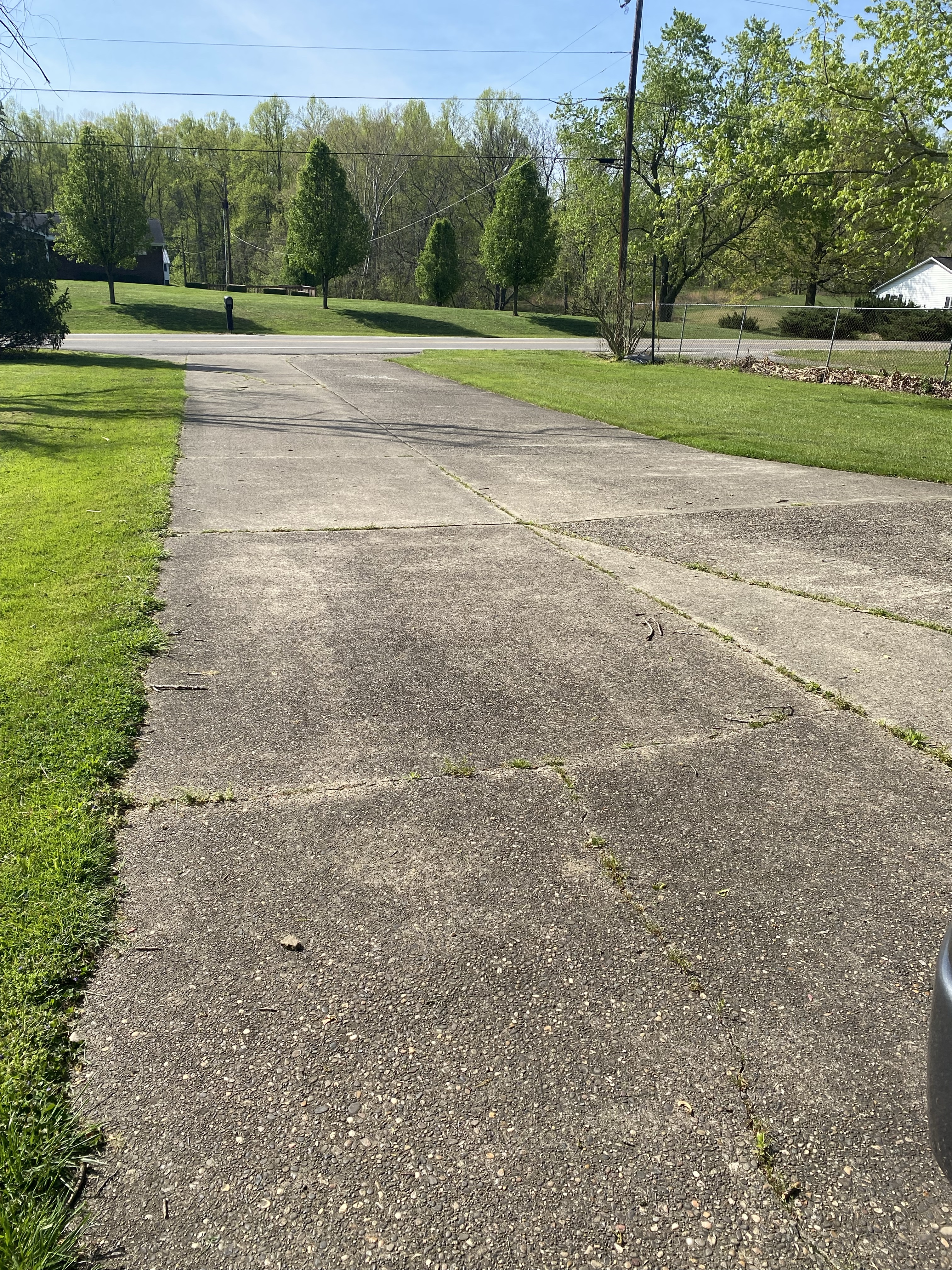
Gentle walking on my driveway or in my house is part of the slow and steady recovery plan.

At the time of writing this, I am entering my third week of recovery. After my two-week, post-operative appointment, I now have permission to begin to gently explore a few  strengthening exercises and stretches that can be completed without forward bending.  Additionally, I can begin to explore my neck range of motion with a few doctor approved neck stretches and strengthening exercises, but nothing more.  Slow and steady helps me find my new center of gravity.

Due to this experience, I want to continue to encourage you, Dear Reader, to carefully plan how you will enter, or reenter, your own exercise/movement plan this spring.  Create a plan that meets your needs, and commit to doing it–even if you don’t “feel like it.”  Personally speaking, I could feel angry and convince myself that if I can’t exercise the way I once did, then I won’t do anything at all. After all, it would be easy for me to sit around all day and use my surgery as an excuse to do nothing.  Conversely, I could try to push too hard with the delusion that, “The staff doesn’t really know ME,” and begin overdoing it with images of former, younger me dancing in my head

Instead, I have accepted the reality of my situation, rather than reject the medical advice I have been given.  They are the professionals, not me.  I have to meet my body where it’s at when it comes to fitness.  Sure, I have dreams of hiking again, walking (or jogging) the entire bike path of Ritter Park, and even practicing yoga with regularity, but none of those will ever happen if I don’t recover first.  And my first step in recovery is walking, so my body can focus on the miraculous work of healing.

Welcome walking into your life! You might be surprised by the benefits!

Therefore, no matter where you are, what shape you are in, or any other personal obstacles that you may be facing unbeknownst to me, I still encourage you to never give up on regularly incorporating movement into your day. Avoid the temptation to make excuses for yourself, but at the same time, don’t start off with a complicated plan.  Talk to your health care provider, and then start.

Start where you are.  If you don’t regularly move, then begin, like me, with short walks around your home, or up and down your driveway or sidewalk.  Do that 3-4 times per week.  The following week, add one more lap, or add five more minutes to your walk, and complete it 3-4 times per week.  Gradually, you will build up your time and the distance covered.  By keeping this up over several weeks, you will create the habit of moving.  Your body, lungs, and heart will be stronger, and I wouldn’t be surprised if you find you are reaping other unexpected benefits!

Think about this, my friends, if walking is scientifically established as one of the best tools for recovery after surgery, what can it do for you?  Don’t beat yourself up because you are no longer what you once were, you didn’t exercise over winter due to the cold weather, you’ve never really tried to exercise previously, or you’re somewhere in between, like me.  Start where you are at, and move one step at a time.  Rome wasn’t built in a day, and neither is fitness, but you have to take the first step, and spring is a great time to start.  

Here we go my friend, take my hand, let’s find that new center of gravity, and cross this bridge together, one healing step at a time.

Open the door to spring, and find your new center of gravity one small step at a time!

Unwrap your best holiday health: Ways to keep moving from Thanksgiving through those New Year’s Celebration

“Take care of your body. It’s the one place you have to live.”–Jim Rohn

This is my fifth installment of celebrating and encouraging movement for everyone.  If you’ve read my previous pieces, you already know that my goal is fairly simple.  I want to encourage everyone to move more in whatever manner works best for you, your body, and your schedule.  I do not believe in one-size fits all when it comes to fitness and health goals.  Instead, I am writing to explore techniques, habits, and motivations for incorporating more movement into life, even during the upcoming holiday season.

Why should you consider maintaining your movement/exercise routine during the weeks of Thanksgiving through the New Year celebration?  There are many possible reasons, but only you can decide your why(s).  Personally, it allows me to feel as if I have accomplished one positive thing for the day.  If everything else derails throughout the day, at least I exercised–even if it had to be for a reduced amount of time.  However, there are so many more valid reasons.

Photo by Julia Larson on Pexels.com

Increased movement and exercise is one positive way to combat the stress that often accompanies this season.  Although stress isn’t a disease, per se, it is the body’s physical, mental, and emotional responses to external events, especially change, which often occur from Thanksgiving through the New Year celebrations. High levels of holiday stress can detrimentally impact mental health.  However, being physically active throughout the holidays is a proven technique to significantly reduce stress levels.

Along the same lines, exercise during the holiday season can provide structure to your schedule. If you have already committed to moving more throughout your day/week, and you have already been consistently applying it, then continuing to follow through with that plan builds at least a sense of familiarity and comfort.  Even if you have to reduce your time and/or days for physical activity, there is at least that semblance of reassurance that you are choosing to still take care of yourself, which can increase the likelihood of making another healthier choice throughout your day/week.

Photo by Barbara Olsen on Pexels.com

As counterintuitive as it may seem, exercise gives you more energy during the holidays.  Harvard Health explains it this way. Increased movement and exercise increases oxygen circulation, which in turn, allows your body to energy more efficiently and therefore function better.  Furthermore, exercise increases cellular level changes, including augmenting the production of mitochondria inside your muscle cells. Having more mitochondria translates to your body possessing an adequate energy supply.  Plus, exercise boosts the production of the feel-good hormones that likewise make you feel more energetic.

Exercise and increased movement is a proven way to combat anxiety and depression, often associated with the holiday season. Let’s be honest, for many people, the holidays often serve as a reminder of loved ones and traditions lost to the past.  For others, the increased requirements for more socialization, or so-called holiday-expectations, can trigger the desire to curl up in a fetal position and hide until the season is over.  Furthermore, increased levels of darkness often precipitate seasonal affective disorders (SAD), a form of depression that affects approximately 10 million people annually. Physical activity is a proven method for reducing symptoms by releasing endorphins that increase positive feelings.  

Physical activity can reduce increased sedentary behavior associated with late fall and winter months. Colder and/or inclement weather can reduce motivation to get outside and move. It’s only natural to want to stay in and watch sporting events, stream series, or watch old movies while noshing your way through comfort food snacks and often calorie laden beverages.  While there’s nothing inherently wrong with these behaviors, too much inactivity is not beneficial to the body, mind, and even spirit.  A commitment to physical activity, even if it is laps around your house on commercial breaks during sporting events or between streaming episodes will go a long way promoting your overall well-being.

Photo by Andres Ayrton on Pexels.com

In spite of all of these benefits, it can still feel challenging to maintain that fitness plan or movement goals you have established for yourself in previous months.  However, there are ways that can help you overcome obstacles.  The key is finding the ones that work for you as no one method/approach works for everyone.

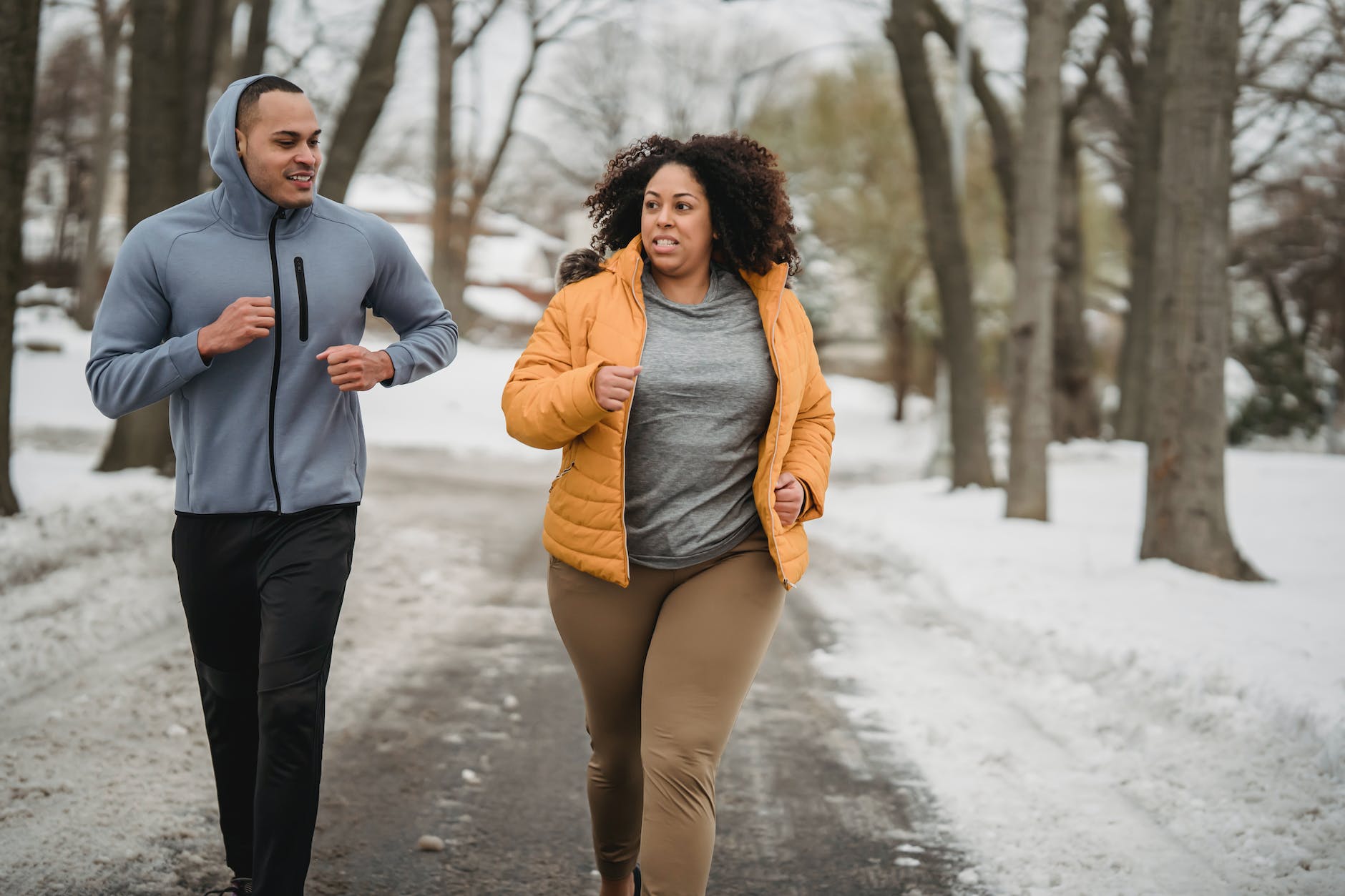
Walk, march, or even jog around the neighborhood, if weather permits, or inside your house.  Even walking, marching, or jogging in place is beneficial!  If you don’t have time for your usual amount of time, such as 20 or 30 minutes, break it up into smaller time periods spread throughout the day.  If that isn’t possible, even one shorter burst of activity is better than none!

Consider exercising with an app, DVD, or streaming platform.  There are numerous apps and platforms that are free or reasonably priced.  In fact, you can even look up “holiday themed workouts” on Youtube lasting anywhere from 10-30+ minutes!

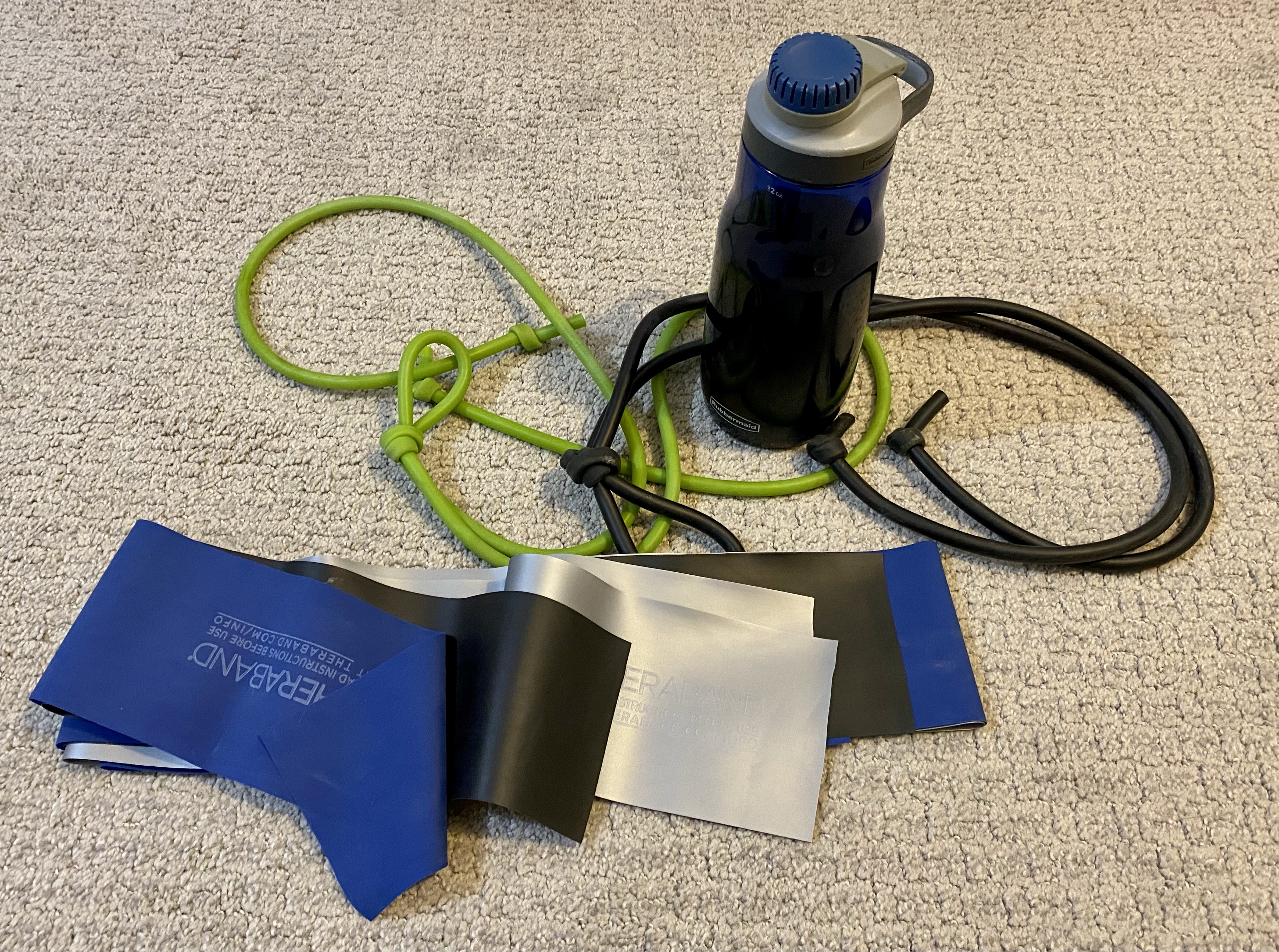
Inexpensive, portable exercise equipment are the perfect solution when traveling.

Invest in personal, home exercise equipment for use during inclement weather, traveling, or when short on time. Resistance bands and tubing, jump ropes, and exercise mats  are inexpensive, and easy to transport when traveling and/or visiting family/friends. The bands/tubing come in different sizes and resistant levels and require little training.  In fact, most come with a workout plan or can be found online.

Think outside the box, but keep it simple: 

  • Wake up 15-20 minutes earlier for a short movement period.  
  • Be mindful of the number of steps you take throughout the day, and challenge yourself to complete more than the day before.  
  • Wear exercise shoes when shopping and add power walk breaks in between stores or consider more frequent walks to your parked car after a store visit to stow away bags. 
  • Rethink your lunchtime, if your job allows, and use it as an opportunity for a short walk.
  • Challenge a fitness buddy to hold each other accountable to a realistic daily or weekly goal.
  • Complete bodyweight exercises throughout the day, such as push-ups against desk, body weight squats and lunges, chair tricep dips, twists, stretch, and so forth.  You might get a whole body workout by the day’s end!
  • Set realistic expectations and plan accordingly.  Consider reducing time/numbers of days per week, and then make a commitment to those.
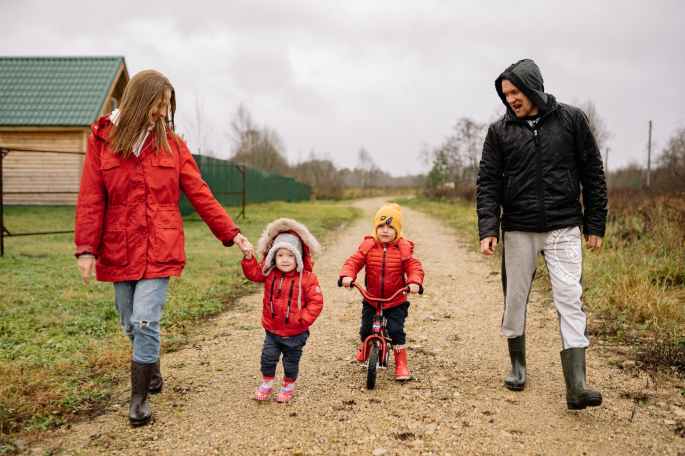
  • Make movement part of the family/friend traditions if possible.  A family walk or dance session after a big holiday meal can not only improve digestion, but take the edge of any accumulated stress.
  • Make a holiday playlist.  It doesn’t have to be holiday music.  Instead, create a special playlist that motivates you when your energy is low.
  • Make sleep a priority too.  A well rested body moves with greater ease.
  • Hydrate consistently.  (Think of all the added sodium in those holiday treats.)

The holidays do not have to derail your exercise/movement routine.  There’s only one you and one body in which you live.  Therefore, think of physical activity during the holidays as the one gift you can give to yourself.  With a bit of flexibility, creative thinking, and determined mindset, you can continue to unwrap better health, one step, or choice of movement, at a time. 

Photo by Pavel Danilyuk on Pexels.com