Five lessons that a post-surgery completion of a half-marathon taught me

. . . For truly I tell you, if you have faith the size of a mustard seed . . . nothing will be impossible for you.”–Matthew 17:20 (NRSVCE) 

Apple seed hopes 🍏
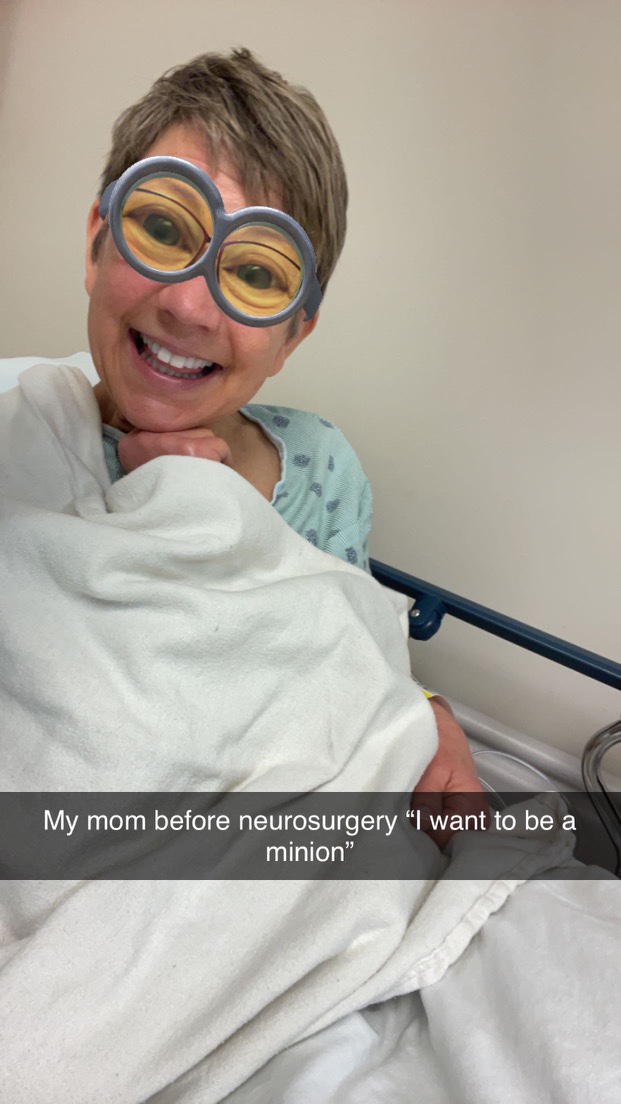
Back in April, my daughter, Maddie was having fun with the camera as we waited in a pre-operation room.

Recently, apples have been in season, and as I cut them up and deseed them, I can’t help but take notice of those small seeds–seeds full of possibility and hope.  And, while the seeds from those apples will no longer yield trees and fruit, the apple itself fuels my body as well as a hopeful attitude.

In fact, by the time you read this, Dear Reader, I can say with feelings of great joy that I completed the Marshall University Half-Marathon.  Albeit, that finish line was not quickly crossed, but because of seeds of hope, faith, and belief, it was nonetheless completed.  Besides, 13.1 miles is still the same distance, no matter the speed it takes to get there.
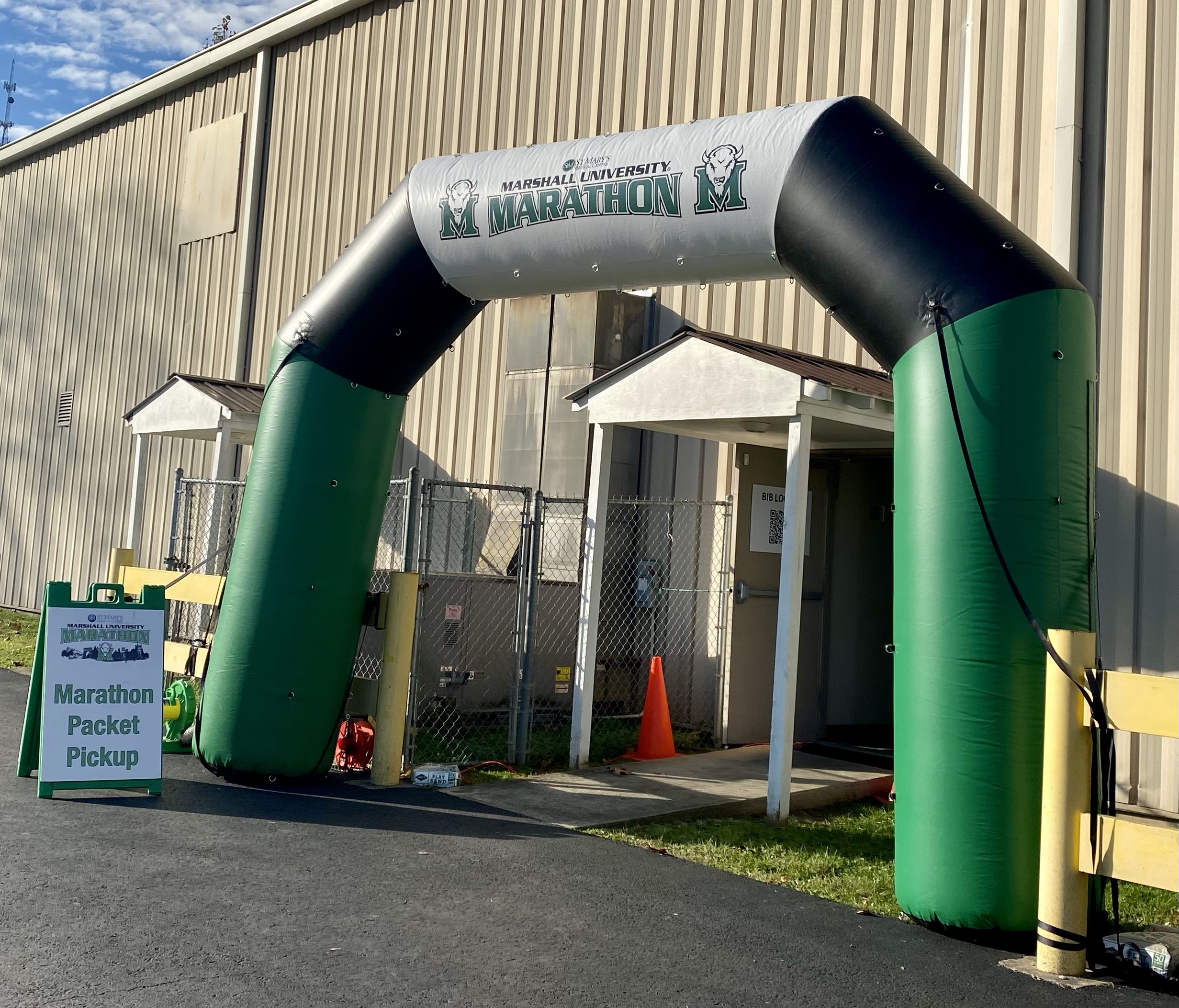
Walking into the pre-race packet pick-up, I was filled with hope.

For the record, I didn’t tell many people about my seed of hope outside of my husband and daughter because it was my own private manifestation of recovery.  In April, it seemed highly improbable.  However, as the months passed and my stamina improved, that seed of hope grew into a seedling and sprouted leaves of possibility.  

Fostering such a dream has taught me a thing, or five, as the case may be, and because running is really a metaphor for life, I thought I’d share those lessons with you.

Five Life Lessons from running 🏃‍♀️

The runners are off and running . . .

Lesson 1: Small beginnings can engender bigger accomplishments.  At the beginning of April, immediately following spinal surgery on my neck, I was told to walk every hour as part of my recovery.  Even “trips around the dining room table” added up, the nurses told me.  The first few days were not easy, but I followed their advice, walking every waking hour, 5-10 minutes.  Eventually, I worked up to 15, 20, and 30 minutes, a few times per day.  Even then, I was dreaming of one day recovering enough to complete another half-marathon, but I didn’t know if it would ever be possible.  Nonetheless, I tucked the dream into the pocket of my heart.

Lesson 2: Savor the good moments, but don’t let the not-so-great ones trip you up.

During recovery there were some pretty rough days.  I tried not to let on, or even name them, lest I give them power over me.  Instead, I kept thinking of Dory, in Finding Nemo, who taught all of us to “just keep swimming.”  And, that is what I did.  I kept swimming, even on the days it felt I was going against the current.  When Dr. Saulle and his staff gave me the green light to slowly, but gradually, add in bouts of running to my walking, I was cautiously optimistic.  Nevertheless, since I had not been running for over three months, it was painfully slow going, but I held fast to the dream tucked into the pocket of my heart.
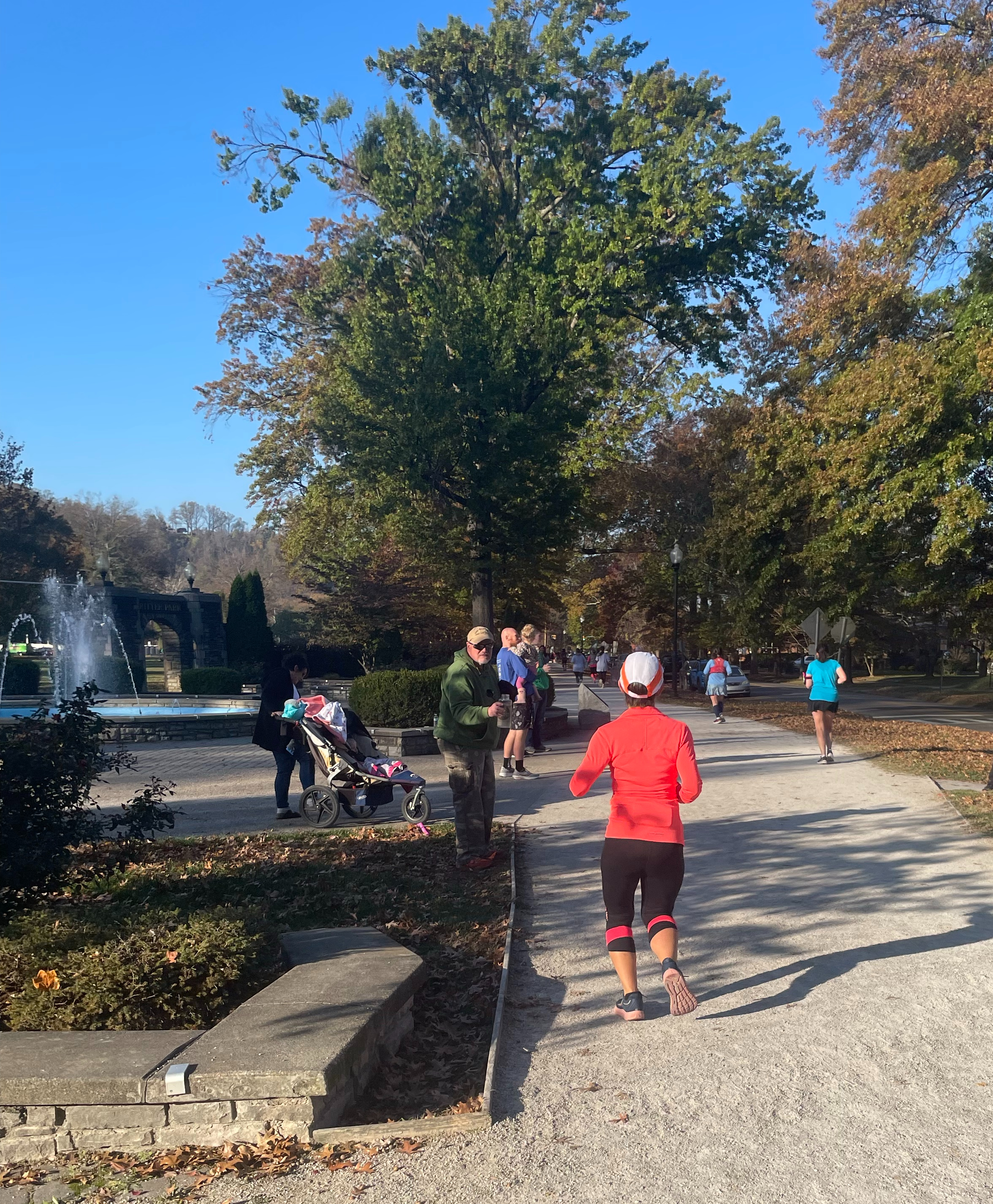
Run your own race; set your own pace.

Lesson 3: Race your own race; set your own pace. Throughout the late summer, early fall months, I kept plodding-on, alternating bouts of walking with running.  Gradually, the time spent running increased while the time spent walking decreased.  Nonetheless, some days I just didn’t have it in me to run, so I just kept walking. 

By mid-October, only a few weeks before the actual event, I registered for the MU Half-marathon with my fingers crossed.  I continued my own plan of walking and running.  In fact, on the morning of the event, as my husband, John, and I crossed the bridge into town, a strategy came to mind: “Run your own race, Steph, and set your own pace.”  While I did plan to run with a pacing group, I also decided to listen to my body and not force anything once I hit the streets running as I held fast to the dream tucked into the pocket of my heart.

THE BEST SUPPORT TEAM EVER!

Lesson 4:  Allow yourself to be supported. Our daughter, Maddie, met John and me at MU stadium.  They offered to be my team of support early on.  John carried my special hydration mix–my stomach is super sensitive–and Maddie took charge of keeping up with where I was on the course, and ultimately ran mile nine and mile 13 with me.  

Additionally, I ran with pacers Chad Fischer and Aubrey Netzel (names from MU Marathon site) for the first three miles, but I found that I kept moving slightly ahead of them.  Therefore, I decided to take a leap of faith and continue to run on my own at a slightly faster pace. For several miles, I ran with a woman named Angie who was running the full marathon, but eventually, we separated. Therefore, I soaked up all the good energy surrounding the runners, allowing me to always feel supported as I held fast to the dream tucked into the pocket of my heart.  

Feeling grateful for the love and support! 💜

Lesson 5:  Feel and share your gratitude.  Throughout these past months, whenever I felt down or frustrated, I reminded myself to feel grateful.  This was especially true when running the actual event. There were scores of volunteers along the route, and I tried to verbally thank each one I encountered, although I am sure I missed some.  Many of those volunteers would cheer and clap for the runners, even though they had other jobs to do as well. There was an impressive police presence, keeping the runners safe. Plus, there were numerous organizations and clubs providing drink stations along the course.  Additionally, there were some really fun signs to read, such as, “You’re running better than our government,” and “Run like someone just called you a jogger.”  

By the last mile, running side-by-side with Maddie, my heart overflowed with gratitude. In April, I was walking 5-10 minutes at a time. Seven months and two days after the surgery, I ran a half-marathon with only one walk break.  There are so many people for whom I feel grateful who made my recovery and ultimately the half-marathon possible–family, friends, and co-workers. Most of all, I am eternally grateful for John and Maddie who never once doubted the dream tucked in the pocket of my heart.  

Nurturing seeds of hope pays off.

In the end, Dear Reader, if we plant seeds of hope, regularly water them with faith in our True Source, put in the effort and work, and, of course, “just keep swimming” with strokes of belief–even on the hardest of days, we can set our own pace for running our own race, however we define it, and watch as our those seeds of hope blossom into possibilities.

“I have fought the good fight, I have finished the race, I have kept the faith.”–2 Timothy 4:7-8 (NIV)

Run your race, whatever it may be, your way!

Heal and Recover Smoothie

“Our food should be our medicine, and our medicine should be our food. “– Hippocrates.

Photo by Jane Doan on Pexels.com

As I’ve recently written about, I have been recovering from a surgical procedure of the spine, specifically my neck. Prior to this surgery, I spent time talking with the doctor’s nurse about not only what to expect, but how to appropriately prepare.  One point of preparation was to plan for soft foods as part of the recovery process.  This is because I would most likely experience dysphagia, difficult/painful swallowing.  

Reflecting on this point later, I knew that most traditional soft foods that were suggested would not, from a nutritional standpoint, promote healing.  Therefore, I began to research foods that would promote healing after surgery. Surprisingly, there was not only abundant information, but most articles agreed on the same basic food groups: healthy fats; foods high in vitamins A and C as well as fiber; dark leafy greens and cruciferous vegetables; berries; and healthy sources of protein. 

Photo by cottonbro studio on Pexels.com

As I read through various articles, one piece, written by a spinal health center, emphasized the importance of using smoothies as a way to consume soft foods that would nutritionally promote healing and help with recovery.  However, I had already blown through two blenders–literally. Each one, a budget friendly investment with the promise of high speed, power blending, had already crossed over to the great appliance graveyard.

That’s when I recalled reading about the pocket-friendliness of higher-end, refurbished blenders.  In passing, I mentioned this idea to my brother.  Unbeknownst to me, he used, and still has, at least one refurbished kitchen appliance.  He attested to their value and performance.

One week out from my surgery, after pouring through product reviews, I selected and ordered my American made, refurbished blender that came with a five-year warranty.  Since then, I have powered through fruit and vegetable blends like a professional smoothie maker.  No overheating, no smoking, no waiting for the blender to cool down. 

Photo by Polina Tankilevitch on Pexels.com

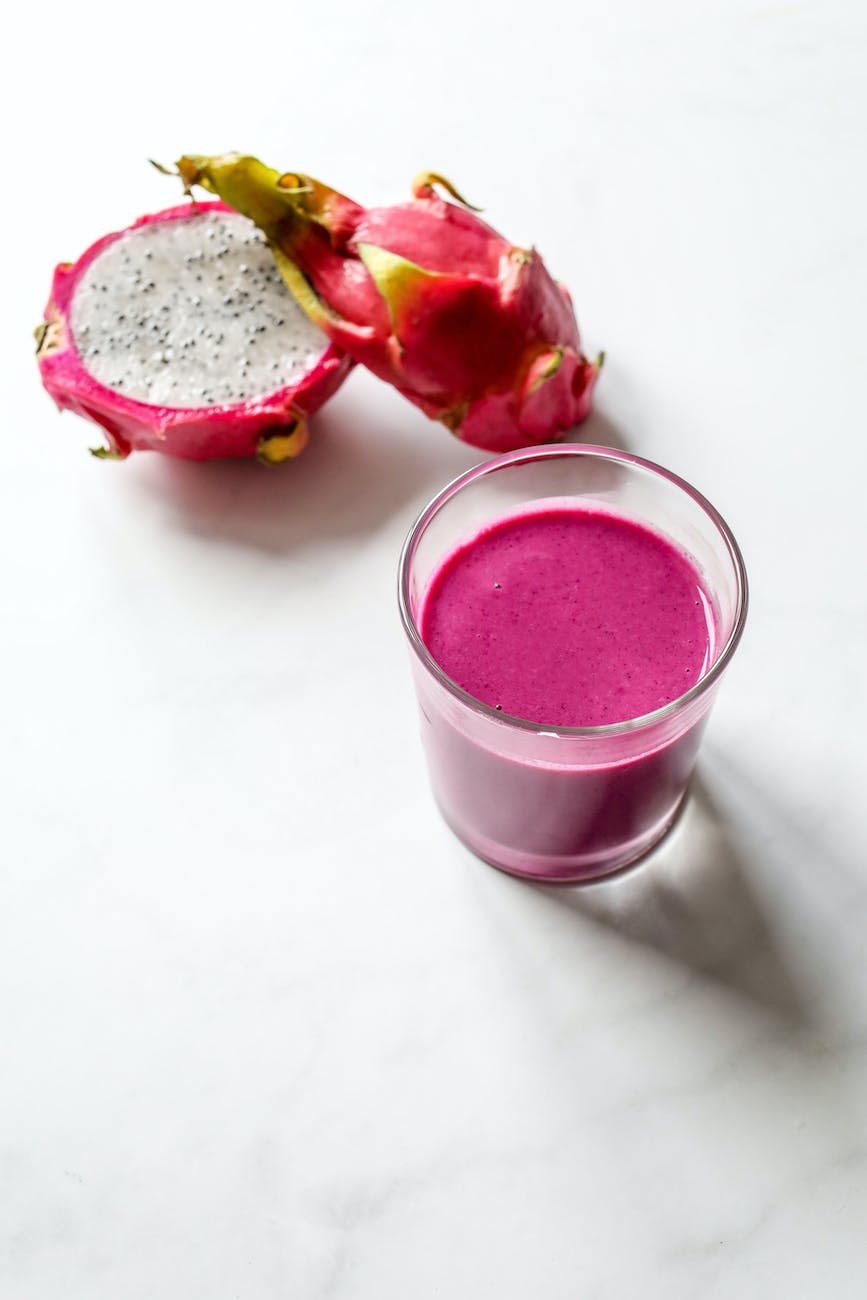
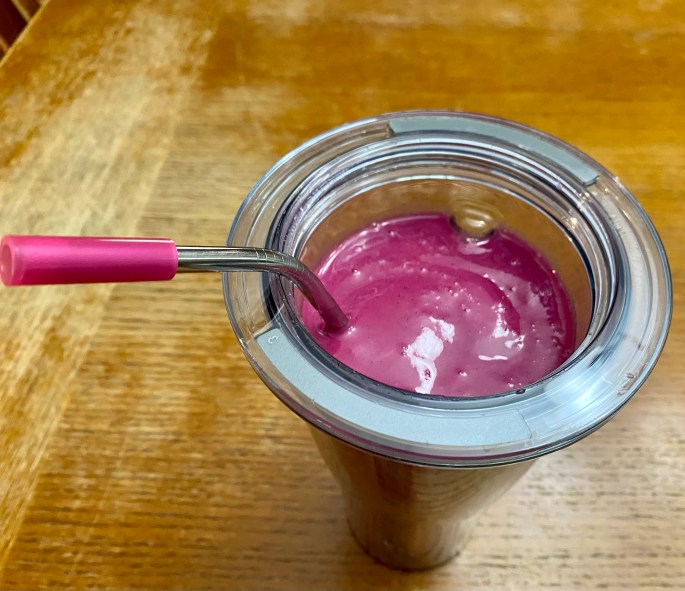
In fact, I’ve enjoyed rotating through several smoothie recipes, but the one I am sharing with you today is one of my current favorites because the color is so stunning.  However, don’t let the gorgeous, magenta color fool you; it is chock full of foods designed to promote, protect, and heal the body from the inside.

In fact, the first ingredient, riced cauliflower is a cruciferous vegetable that reduces inflammation.  It is naturally high in fiber, B-vitamins, phytonutrients and antioxidants.  Mango and dragon berries are high in vitamins, packed with fiber, polyphenols, and antioxidants that protect the body, reduce inflammation, and boost the immune system.  Whereas, elderberry syrup has long been touted for hundreds of years as part of traditional folk medicine remedies for boosting the immune system and shortening the duration of respiratory viruses, which may be due to its high in Vitamin C and antioxidant content. 

Then, I added in a bit of ground ginger to aid in digestion and as a natural pain reliever.  I also included a scoop of vanilla protein powder, high in amino acids to assist in the healing of my incision and the rebuilding of muscle tissue. Sometimes I used other berries, in lieu of dragon berries, and occasionally, I tossed in some ground seeds as a source of healthy fats and more protein.  I have even added a stalk of celery and part of a cucumber on some days–just to add in a few more vegetables. Additionally, I used mostly frozen fruits and vegetables, which meant nothing went to waste due to an expiration date.

All told, my simple, tasty smoothies, along with my daily bowl of oatmeal, and a few other carefully selected and prepared foods, helped me through the time period in which swallowing was difficult.  They provided my body with key nutrients to promote healing and reduced my risk for falling prey to a respiratory illness.  As an added bonus, the fiber kept my guy happy and chugging right along.  Plus, I now have a fantastic blender that is reliable and will be a source of inspiration for all sorts of nutritional and fun concoctions for future recipes.

From home to yours I hope this delightfully vibrant, refreshing, nutrition filled smoothie will boost you through allergy season or any other time your immune system needs a little extra umph. 

Wishing you the best of health . . .

Heal and Recover Smoothie

Ingredients:

1 cup frozen riced cauliflower 

½  lime

1 cup liquid 

½ to 1 cup mango (dependent upon caloric and/or taste needs)

1 cup dragon berries (or other favorite berries)

2 teaspoons elderberry syrup 

Optional add-ins:

1 stalk celery, cut into chunks

½ medium cucumber, peeled

¼  teaspoon ground ginger 

1-2 scoops favorite protein powder 

1-2 tablespoons favorite ground seed: chia, hemp hearts, flax

Directions:

Add in all ingredients into blender and blend until smooth

Notes & Substitutions:

*Can eliminate all veggies, if you prefer only fruit

*Can eliminate lime, if not a fan.

*Can substitute kale, romaine lettuce, or spinach (However, your smoothie will look more brown than magenta.)

*Liquids can include: favorite type milk, water, coconut water

*Banana, or even pineapple, can be substituted for mango

* Up to 2 tablespoons pomegranate or tart cherry juice can be substituted for elderberry syrup 

*Finely chopped, ¼ inch long, fresh ginger for ground ginger

Move into Health, Part 10: Create a fitness plan that meets you where you are

Photo by MART PRODUCTION on Pexels.com

I came across a quote only days after my recent ACDF surgery by Oprah Winfrey that read, “Challenges are gifts that force us to search for a new center of gravity. Don’t fight them. Just find a new way to stand.” It accurately summed up what I have been trying to do as I recover.  Find new ways to stand, sit, sleep, work, walk, etc. . . Of course, I am blessed that my surgery did not require more than one night’s stay in the hospital, and wasn’t more serious.  Nonetheless, surgery is no joke and recovery is for real.

My movement was limited for days following surgery.  I had to learn to turn at the waist, rather than use my neck. Additionally, I had to focus on using my stomach muscles to get in and out of bed to avoid straining my neck. And, all forms of exercise, except for walking, was eliminated per staunch medical advice that my family took to heart with frequent reminders. (They didn’t need to worry, I truly wasn’t feeling like doing much during those first few days.)

Photo by SHVETS production on Pexels.com

Walking, I was told by the release nurse, was to be completed every hour, even if it meant only completing one lap around the dining room table before I sat back down.  However, I was encouraged, once I got past what the nurse called the “recliner days”–days when swelling and inflammation (aka pain) was at the highest level–to try to walk 10-15 minutes each hour.  I had just completed a half-marathon, albeit slowly, only weeks earlier, and now this was my new fitness plan. What a shift!

So why was walking so important, even on those days when I didn’t feel like moving?  Well, it turns out there are numerous valid reasons according to my doctor and as described in countless studies out of the Mayo Clinic, University of Wisconsin, and in a 2020 US News and World Report article. Here are a few of the reasons cited:

  • Prevention of post-surgery complications
  • Enhances blood flow throughout the body
  • Increases the flow of oxygen throughout the body
  • Accelerates wound healing
  • Strengthens muscles and bones
  • Improves digestion (aka ability to poop) and the function of urinary tract while reducing bloating and gas
  • Reduces risk for blood clots, infections, and lung issues, such as pneumonia
  • Boosts mood and self-esteem  

Why do I share all of this?  To make the point that my old fitness plan was, and currently is, no longer appropriate for me.  I had to adopt a fitness plan that meets my body’s needs where it is.  Therefore, my current movement plan consists of short segments of walking completed throughout the day as I remain home recovering, which complies with medical advice from my doctor and best meets the needs of my body.  

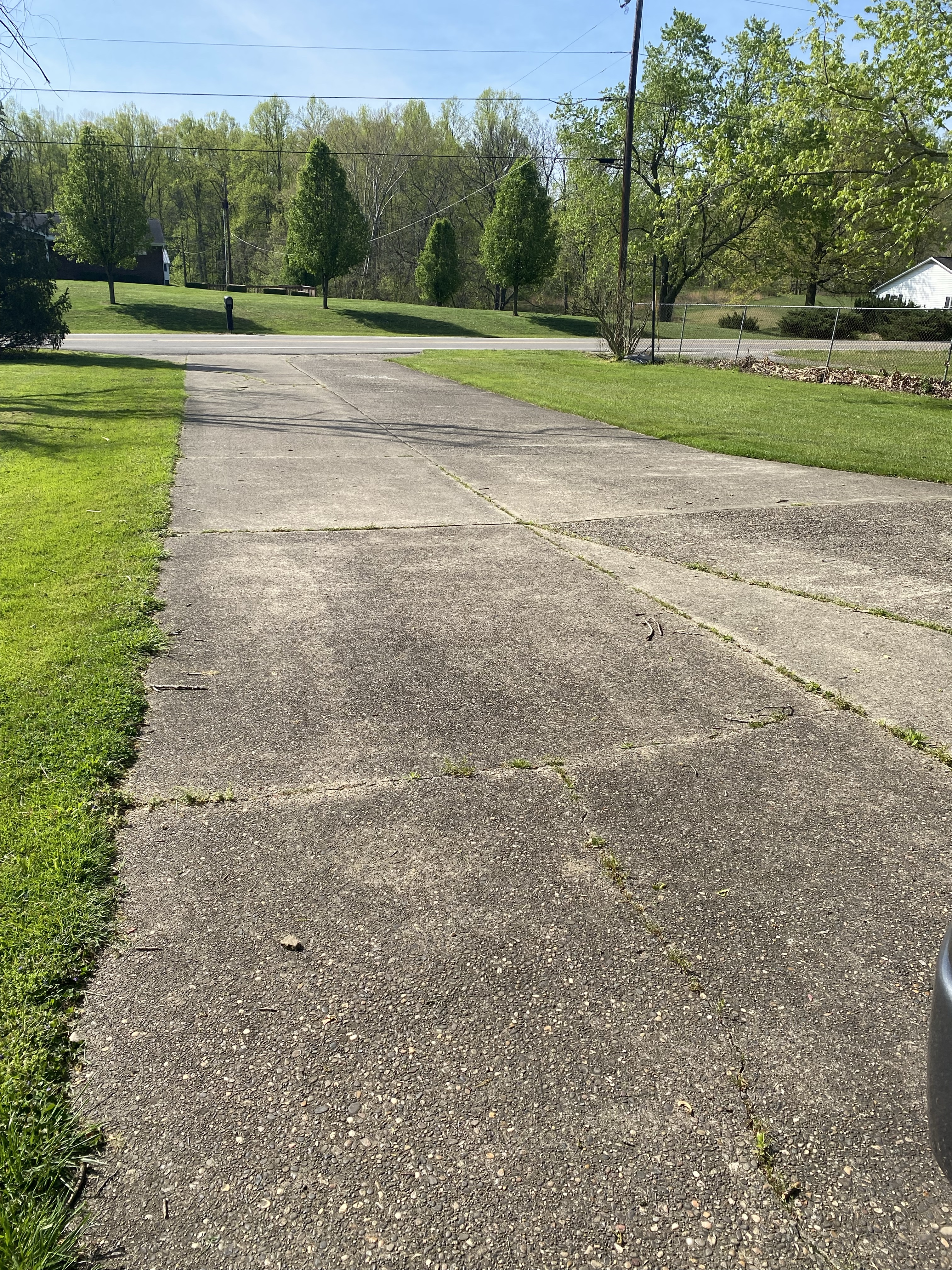
Gentle walking on my driveway or in my house is part of the slow and steady recovery plan.

At the time of writing this, I am entering my third week of recovery. After my two-week, post-operative appointment, I now have permission to begin to gently explore a few  strengthening exercises and stretches that can be completed without forward bending.  Additionally, I can begin to explore my neck range of motion with a few doctor approved neck stretches and strengthening exercises, but nothing more.  Slow and steady helps me find my new center of gravity.

Due to this experience, I want to continue to encourage you, Dear Reader, to carefully plan how you will enter, or reenter, your own exercise/movement plan this spring.  Create a plan that meets your needs, and commit to doing it–even if you don’t “feel like it.”  Personally speaking, I could feel angry and convince myself that if I can’t exercise the way I once did, then I won’t do anything at all. After all, it would be easy for me to sit around all day and use my surgery as an excuse to do nothing.  Conversely, I could try to push too hard with the delusion that, “The staff doesn’t really know ME,” and begin overdoing it with images of former, younger me dancing in my head

Instead, I have accepted the reality of my situation, rather than reject the medical advice I have been given.  They are the professionals, not me.  I have to meet my body where it’s at when it comes to fitness.  Sure, I have dreams of hiking again, walking (or jogging) the entire bike path of Ritter Park, and even practicing yoga with regularity, but none of those will ever happen if I don’t recover first.  And my first step in recovery is walking, so my body can focus on the miraculous work of healing.

Welcome walking into your life! You might be surprised by the benefits!

Therefore, no matter where you are, what shape you are in, or any other personal obstacles that you may be facing unbeknownst to me, I still encourage you to never give up on regularly incorporating movement into your day. Avoid the temptation to make excuses for yourself, but at the same time, don’t start off with a complicated plan.  Talk to your health care provider, and then start.

Start where you are.  If you don’t regularly move, then begin, like me, with short walks around your home, or up and down your driveway or sidewalk.  Do that 3-4 times per week.  The following week, add one more lap, or add five more minutes to your walk, and complete it 3-4 times per week.  Gradually, you will build up your time and the distance covered.  By keeping this up over several weeks, you will create the habit of moving.  Your body, lungs, and heart will be stronger, and I wouldn’t be surprised if you find you are reaping other unexpected benefits!

Think about this, my friends, if walking is scientifically established as one of the best tools for recovery after surgery, what can it do for you?  Don’t beat yourself up because you are no longer what you once were, you didn’t exercise over winter due to the cold weather, you’ve never really tried to exercise previously, or you’re somewhere in between, like me.  Start where you are at, and move one step at a time.  Rome wasn’t built in a day, and neither is fitness, but you have to take the first step, and spring is a great time to start.  

Here we go my friend, take my hand, let’s find that new center of gravity, and cross this bridge together, one healing step at a time.

Open the door to spring, and find your new center of gravity one small step at a time!

Trusting before a surgery

Photo by Jonathan Borba on Pexels.com

A quote attributed to voice actor, Billy West, states, “Life is for living.  I was a little scared before surgery ‘cause of the release you sign that says there’s always a very small percent chance that you’ll die during the operation.”  This quote pretty much sums up how I feel as I write this piece the morning before I have a fairly common neck surgery.  I am a little scared, but I am going to trust.  Trust my surgeon; trust that Divine Providence will guide his hands, eyes, and mind; trust the surgical team that will be in there with me; and be at ease knowing I am loved and supported by a community of family and friends.

As fate would have it, I was recently listening to a guided meditation designed to focus on my breathing in order to reduce anxiety. The meditation teacher ended the session by explaining that if you mix up the letters of TRUST, you can create the word, strut.  Therefore, by trusting in the Divine, you can “strut” into the future in the confidence that you are held and beloved.  Needless to say, I love word-play, so that idea grabbed my attention, leading me down a further path of thought . . . 

Photo by Sharefaith on Pexels.com

It led me to reflect on a popular acronym for the word, FEAR: false evidence appearing real.  The closer to the date of my surgery, the more real the fear has felt, which seems so silly to the logical part of my mind.  Honestly, I think a large part of it has had to do with the overwhelming task of preparing to be out of commission for at least four weeks.  This is due to the fact that I am not naturally organized, so to try to think through all the different details that needed to be addressed, especially with regards to my classroom as well as several other items, seemed daunting.

Another reason I think the feelings of fear increased was because well-intentioned friends and family members began asking, the week before my procedure, how I felt.  Up until they started asking, I hadn’t really felt/thought too much about the procedure.  I mean, after all, if you don’t think about it, it can’t hurt you, right?!?!

Photo by Pixabay on Pexels.com

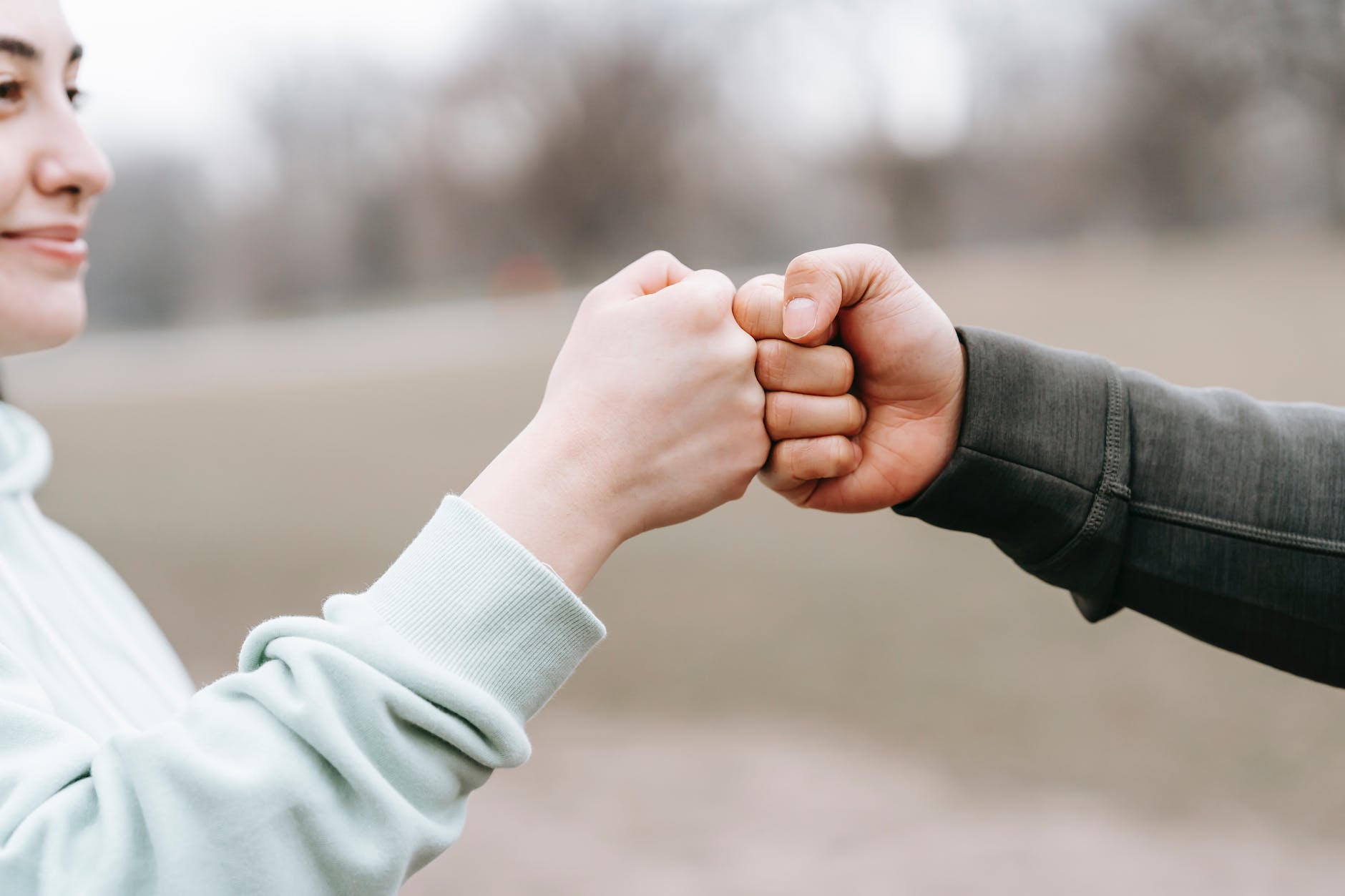
Seriously, I knew that those who asked were sincerely trying to connect with me, or let me know they cared and/or were interested in my well-being.  For that, I am eternally grateful.  Which led me to create my own word-play-acronym for FEAR:  friendly embrace affecting (my) resistance. 

For weeks, I had resisted thinking/dwelling upon the impending procedure.  Heart-felt questions expressed by loved ones allowed me to face my resistance to the surgery, express my feelings (fairly) openly and honest, and offered me a metaphorical embrace of support, care, and/or love–which is often hard to accept when you are used to being the one who gives it to others.

In fact, this FEAR–friendly embrace affecting (my) resistance–has allowed me to see that if I am going to give to others, I have to humbly accept when others give to me, even if it feels uncomfortable.  For example, I had a student stop me after class and ask me to not worry about them while I was gone.  She offered me a note, along with a beautifully handwritten prayer from her Baháʼí faith.

 “Let us pray for you now,” she said.  I was moved to tears.

A beautiful prayer from the Bahá’í faith written by a student for me.

Our school and church priest stopped me to say that he would be praying for me.  I didn’t even know he knew!

A parent filled a paper box to the brim with individually wrapped items for my post-surgery care, complete with four night shirts with buttons up the front, so as to avoid having to pull clothes over my neck incision.  There were teas, chocolates, books, a coloring meditation book created by her son’s uncle, colored pencils, a massaging tool, cold/hot pack, and several other considerate touches that I would not have thought of.  Plus, she showered me with messages of encouragement.  This was yet another example of a friendly embrace affecting (my) resistance.

A very thoughtful care package.

My daughter asked the university in which she is enrolled in a 12-month, fast-track graduate program, for permission to be absent for a couple days to help me out.  John, my husband of nearly 34 years, took the entire week off work, something he would never do under normal circumstances.  My parents have been praying, my siblings have been texting/sending funny memes, friends have been reaching out and sending both text and video messages.  All friendly embraces affecting (my) resistance.

So about the fear . . . yes, it is present as I write these words.  Yes, I feel it in my gut and in my slightly elevated heart rate.  However, by the time you have read this, Dear Reader, I will have TRUST(ed) the Divine and the many guided, well-trained hands of the surgical room, and I will have STRUT(ed) into my recovery phase.  It will not be an easy process, most likely; however, any kind of healing process is slow and full of challenges.  Nonetheless, “I will FEAR no evil,” and I will continue to try my best to allow those friendly embraces to affect (my likely) resistance along the recovery route. 

Photo by Andres Ayrton on Pexels.com