Your Health Journey: It’s more than just taking a pill

“Take care of your body.  It’s the only place you have to live.”–Jim Rohn

Photo by nappy on Pexels.com

Listen to your Gut-Instincts🙇‍♀️

It’s been a little over a decade since I received the medical diagnosis that dramatically changed my life. I spent years battling upset stomach, gas, bloating, heartburn, and lower belly pain that only got worse with age. Pills had always been the answers.  In fact, at one point in my life, I had multiple timers set on my phone to remind me to take prescribed medications before and after eating.  

During a vacation near Boone, North Carolina, with my husband and daughter in which we had to plan our days around the timing of my medication, I finally decided I had had enough.  Call it “gut-instinct”, but I knew that whatever was going on inside my body, the prescriptions were not the answer.
Photo by MART PRODUCTION on Pexels.com

Finding a Doctor to listen 👂

Fortunately, I had a doctor at the time who took me seriously and listened. Together, we discussed a plan of action. Still, it took several months of waiting for tests and lab work to be completed, and more time waiting for results–the “hurry-up-and-wait” shuffle–as I fondly call it.  

I am not sure what I expected the results to be. However, when the letter arrived at my house stating I needed to schedule a follow-up appointment with my doctor (which was already on the books) due to indications of celiac disease and hiatal hernia, I was initially upset due to the dramatic lifestyle changes to manage both.
Photo by Alexas Fotos on Pexels.com

Change is Not Easy 😬

To state the obvious, change is not easy, so I faced a fair amount of challenges as I adjusted my diet.  Ultimately, though, as my symptoms subsided, and, one-by-one, the medications fell by the wayside, my motivation to continue increased.  I also came to see that compared to other potential prognosis, changing my diet was a minor task compared to invasive treatments, therapies, and surgeries.  

I’ve learned much, and continue to learn, along my health journey. Therefore, I share my experience as a point of encouragement when dealing with medical issues. 

Photo by Christina Morillo on Pexels.com

Advocate for Yourself 🗣️

First, I encourage you to trust your instincts, and advocate for yourself, especially if you are a person of color, a woman, a person with a higher BMI, or a LGBTQ+ person.  Unfortunately, as with any field, there are those medical professionals with internalized biases.  While I am confident not all doctors are bad actors, my own personal experience–and that of several others I know–have certainly informed me that if you belong to one of those categories, your complaints may not be given serious and thoughtful consideration. Therefore, you MUST advocate for yourself, even if it means changing doctors or traveling out of the area in which you live.

Photo by Pixabay on Pexels.com

Not every Health Issue requires a Pill

Secondly, sometimes medication is absolutely necessary; however, prescriptions are not end-all-be-all for every situation.  While I did have a doctor who truly listened to me, it still took me advocating for myself and not settling for what he prescribed based upon the medical system in which he worked. I am fortunate that when I questioned the medicine, that this doctor did not take it personally or as an assault on his professional judgment.  Nor did he try to use shame, or blame-the-patient tactics, as I had previously experienced.  He heard me out, asked numerous questions, and based upon those answers, set up a series of diagnostic tests. 
Photo by Brett Sayles on Pexels.com

Be Gentle with yourself as you navigate lifestyle changes 😊

Thirdly, be gentle with yourself if you have to make lifestyle changes. Once I received my results, overhauling my diet was scary–do you know how many things have gluten in them and/or cause reflux? I felt a huge amount of internal resistance to those changes in the beginning because it seemed like such an overwhelming task. 

Lifestyle changes are not easy, and it takes time to make the adjustments.  There are going to be setbacks, slipups, and mistakes along the way.  I know; I experienced them.  Completely changing the way I ate was a steep learning curve, and it was an eye-opening experience. Nonetheless, at the end of the day, I wanted to feel better and not live my life on a series of timers and pills.

Photo by Jack Sparrow on Pexels.com

Find your support 👯‍♀️

Enlist support for your changes. Join Facebook communities or other support groups to help you transition and navigate through the changes. Thankfully, I had support in the form of my family and friends.  Of course, they did not have to necessarily change the way they ate, but they absolutely made, and still continue to make, accommodations for my dietary needs.  This is especially true for when we dine out.  I have a limited number of restaurants in which I can safely eat.  Therefore, if I can’t eat at a certain location, friends and family will nearly always choose another option, so I can also enjoy the meal with them.

Photo by Krivec Ales on Pexels.com

health is a constant series of adjustments along the way 🛣️

Finally, know that your health journey is a continuous process.  Because I spent over four decades without a proper diagnosis, I am still encountering health difficulties.  One of the biggest obstacles I now face is a result of undiagnosed celiac disease.  Celiac causes the villi that make up the lining of the small intestines where nutrients are absorbed to become damaged. Over time, the villi atrophy and flatten due to inflammation from eating products that contain gluten.  

Despite overall healthy eating and consistent exercise, until I cleared the gluten in order to reduce the inflammation in my body, I was not able to absorb enough nutrients, specifically calcium, Vitamin D, and Vitamin K.  Additionally, due to  acid-reflux, I took proton-pump inhibitors for several years, which are also known to deplete magnesium, calcium, and other important minerals.  

Thus, I now have osteopenia.  As a result I have already had one surgery and may later need another one. However, I am doing all I can to keep that from happening, including completing the prescribed exercises, lifestyle changes, and appropriate supplementation of key nutrients.  Additionally, of course, I continue to maintain lifestyle changes with regards to a gluten-free diet, low-acid diet, and I am now more motivated to continue consistent weight-bearing exercise to keep my bones as healthy and strong as I can. 

Our health is truly a source of personal wealth.  Therefore, learning to advocate our own health needs is critical.  To be sure, doctors are highly educated, but that doesn’t mean they are fully educated when it comes to YOUR BODY and YOUR unique HEALTH needs.  
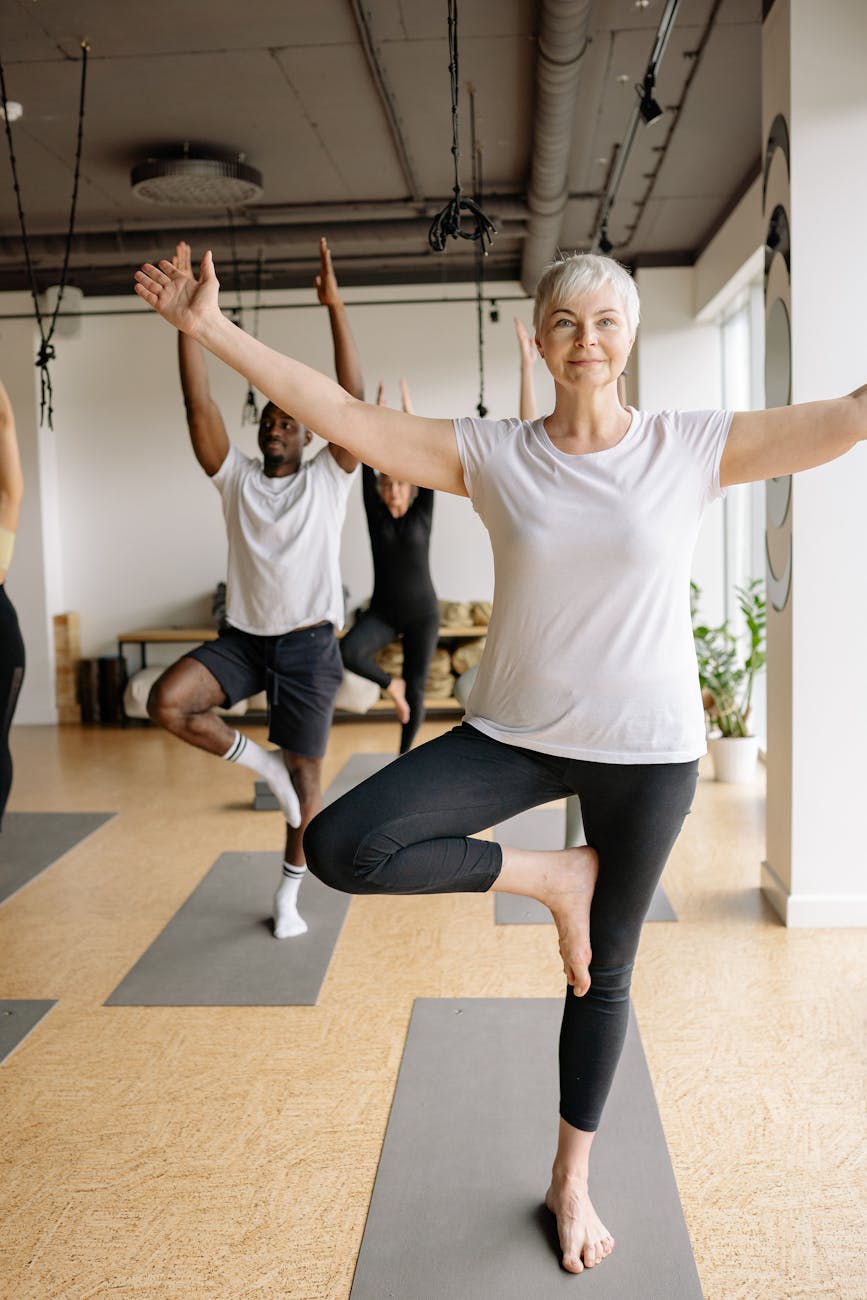
Photo by Yan Krukau on Pexels.com

IT’s your body. Treat it Well.

Speak up for yourself.  Trust your instincts.  If you need medication, take it, but don’t overlook lifestyle habits as well.  Educate yourself on lifestyle habits that can positively (and negatively) impact your health and make adjustments as needed.  Don’t be afraid to ask for support, and forgive yourself if you slip-up along your health journey.  

At the end of the day.  It is your body.  It is the only one you have.  Treat it like the sacred, precious gift that it is.
Move Into Health, Part 9: The Long Game

“ . . . To me, old age is always 15 years older than I am.”–Francis Bacon

I recently ran across an inspirational story that was being shared across a multitude of media outlets.  Jean Bailey, a 102-year old resident and fitness coach of Elk Ridge Senior Living in Omaha, Nebraska, has been leading fitness classes there, four times a week, for the past three years.  

 Bailey’s classes consist of exercises that go through a wide range of motion, designed to get every part of the body moving, including activities such as overhead reach, arm circles, neck rotations, and seated toes touches to name a few.  Her classes last about 30 minutes.  Bailey realizes that, like her, many of her fellow exercisers have mobility limitations or their bodies are different from day to day; however, she believes that everyone, including herself, can benefit from doing what they can do.  

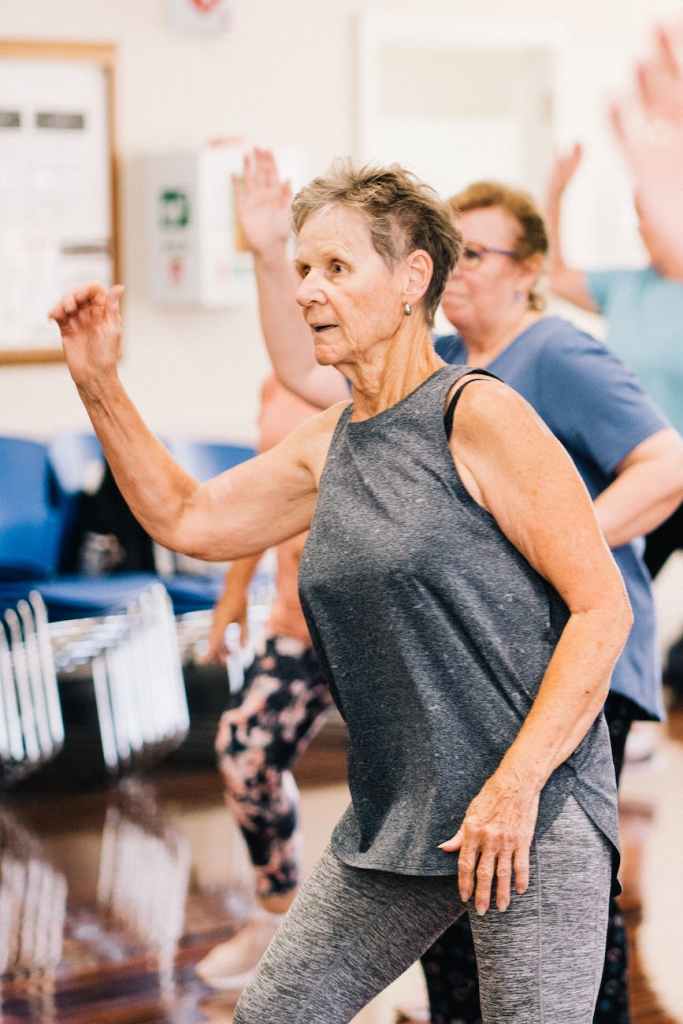
102 year old Jean Bailey leading an exercise class at Elk Ridge Senior Living in Omaha, Nebraska.

Bailey is redefining what it means to age.  She proudly proclaimed in a recent interview, “If you don’t keep your mind and body busy, then why are you here?” Friendships have blossomed and flourished since she first began leading the classes during the pandemic when Bailey invited her neighbors to bring chairs into the hall and exercise with her at a socially safe distance.  

Since COVID restrictions were lifted, Bailey has also been known to treat fellow exercisers with baked goods after class, especially in honor of someone’s birthday.  This is because, as Bailey points out, birthdays at their age are noteworthy. When asked if she’ll ever quit, she replied, “When I get old, I’ll quit!”

I share this story as part of the 9th installment of the “Move Into Health” series. Bailey’s story serves as a direct contrast to those limiting beliefs, which can easily entrap any one of us, regarding adopting or changing certain healthy lifestyle habits as we age. However, even though our bodies change with age, according to numerous scientific studies, there is very little difference between an 18-year old brain and a 100-year old brain from a cerebrovascular perspective; thus establishing, we are never too old to mentally adopt new habits or overcome poor habits that may have crept in over the years.

Bailey is most likely an example of what scientists call SuperAgers, those living into their eighth decade, and beyond, who possess cognitive function similar to that of a middle-aged adult.  In fact, neuroscientists at Northwestern University in Chicago have identified four specific habits of SuperAgers. Adopting these four SuperAgers’ healthy habits may help slow down the aging process within the brain (and the body), potentially staving off Alzheimer’s disease or other forms of dementia, while boosting overall health; thereby, spending less time at the doctor’s office and more time doing the things you love.  

Photo by Wellness Gallery Catalyst Foundation on Pexels.com

The four habits of SuperAgers are listed below. While I am not a proponent of changing everything all at once, I do sincerely believe that taking small steps towards any of these habits can have a positive impact upon personal health.

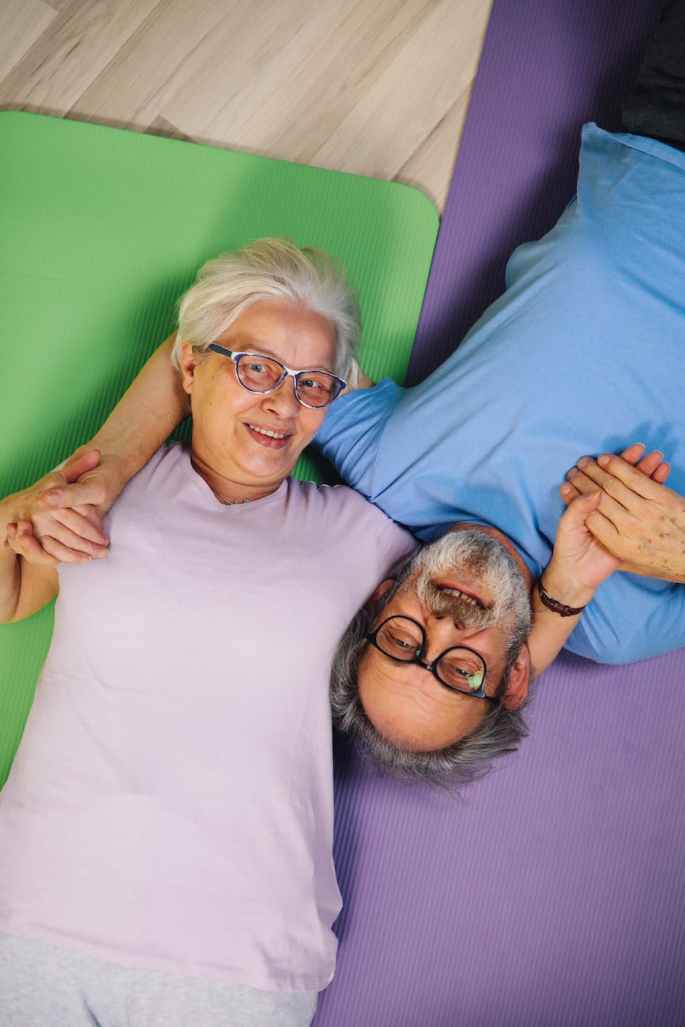
Daily Movement/Activity. You know the old adage, “Move it or lose it.”  Incorporating daily movement increases oxygen and blood flow–both of which benefit the brain.  Regular bouts of exercise, even as few as twice per week, strengthen not only the heart and lungs but can also strengthen muscles required for stability to avoid falling, help maintain a healthy weight, and reduce the risk for Alzheimer’s disease. As an added bonus, exercise can reduce the symptoms of depression and anxiety and lower your risk for heart disease, type 2 diabetes, high blood pressure, and even some cancers.

Photo by Tirachard Kumtanom on Pexels.com

Challenge yourself. Adopt habits of reading, puzzle solving, and learning. Experiencing the mild to moderate stress that often accompanies learning a new skill is good for creating and/or maintaining healthy neural pathways. Take classes, learn a new language, or choose any number of activities that get you out of your comfort zone.  Mental challenges are good for you and your brain.

Photo by Mathias Reding on Pexels.com

Get social.  Meeting regularly with friends, engaging with others via group settings, or partaking in family gatherings allow for the maintenance of healthy social relationships.  In fact, autopsies of SuperAgers reveals that the attention area of their brain has four to five times the amount of neurons responsible for social processing and awareness, when compared to others who lived into their 80s or later.

Photo by Kampus Production on Pexels.com

Drink, but in moderation. Moderate drinkers are less likely to develop memory issues, including Alzheimer’s disease.  However, too much alcohol creates the opposite effect on memory as well as increased belly fat (the most dangerous type), increased blood pressure, and numerous other health conditions.

Photo by cottonbro studio on Pexels.com

Two other beneficial habits worth considering that are also associated with aging well:

Adopt a MIND diet.  MIND, in addition to being a huge buzz word in current medical research for the prevention of Alzheimer’s disease and cognitive delays, is an acronym for Mediterranean-DASH Intervention for Neurodegenerative Delay.  It is a plant-based diet that combines the Mediterranean Diet and the DASH Diets. The MIND diet encourages the daily consumption of plenty of fruits (specifically berries), and vegetables (especially leafy greens), whole grains, legumes, nuts, as well as limited amounts of poultry, fish, and olive oil.  Not only are these foods good for overall brain health and cognitive function, but they also reduce inflammation and oxidative stress, two actions strongly associated with chronic health illnesses and disease. 

Photo by Yaroslav Shuraev on Pexels.com

Quit smoking. While I cannot pretend to know how hard it is to stop this habit, I do remember a nurse telling my mother-in-law during an emergency room visit that within 24 hours of quitting smoking, she would begin to reduce her risk of a heart-attack by 50% or more.  It still took her several more years before she quit; however, I will forever admire the way in which she finally gave up the habit at age 71. Although health issues related to a lifetime of smoking remained with her until the end, because she did quit, she added years to her life.  

Photo by Irina Iriser on Pexels.com

Who among us will be the next SuperAger?  No one can know for sure. To be certain, any one of us could follow all the so-called rules, and still develop Alzheimer’s disease, cancer, or other detrimental condition.  Nonetheless, watching Jean Bailey lead her exercise classes on Youtube and Twitter videos certainly persuades me to keep moving into my own health, and her story further motivates me to continue to share this valuable information. Adopting any or all of these healthy habits can’t hurt any of us, and they just might add a bit more quality to the quantity of years we have remaining.  Here’s to your health!

Photo by Jessica Lewis Creative on Pexels.com