Thrive Through Love: Lessons From Plants

We must cultivate our own garden.”–Voltaire 

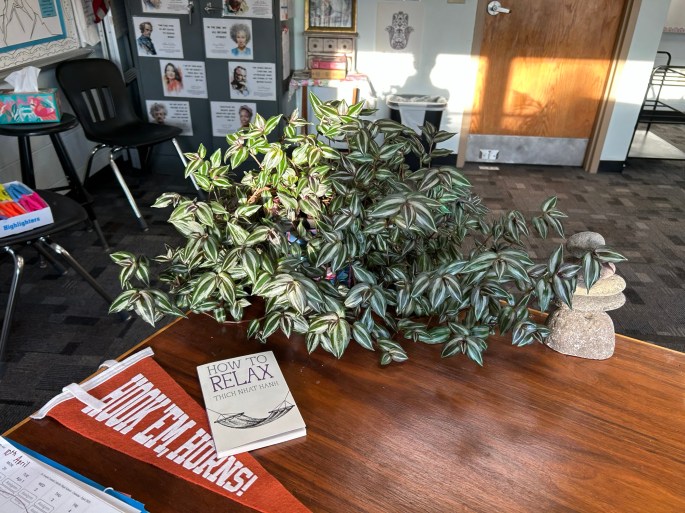
Drooping from lack of water, my mosaic plant symbolizes our soul without enough attention, love, and supportive relationships.

As I walked into my classroom after spring break, making my way behind my desk, my mosaic plant greeted me with drooping leaves as if to say, “Where have you been?” 

“You poor thing!” I spoke aloud to it–as if it would reply. “I am so sorry. Let me get you some water.” 

Oh, sure, Dear Reader, roll-your-eyes and act as if you don’t talk to your plants. I have no shame in admitting it. Besides, scientific research has established that talking to your plants can create low-level vibrations that stimulate growth. However, since that is not the thesis of this essay, I won’t wander any further down that path. 

The unwatered mosaic plant had suffered alone in the silence of my classroom for well over a week without water. This particular plant requires frequent watering and rotation. When given this, it responds with perky growth and vivid color. Therefore, it was a sad, sickly sight. 

As I carefully began to water my plant, hanging limply in the pot, it reminded me of the way in which humans also need care and attention. Regular watering of plants supports photosynthesis and the roots ability to absorb nutrients from the soil, both of which foster growth. Likewise, when humans receive adequate hydration and adequate nutrition from a healthy, well-balanced diet, our bodies have a better chance of remaining healthy and vibrant.  
Plants, like humans, thrive best when nurtured from within and without.

Continuing to gently water and mist my wilted mosaic plant–yes, I was talking to it all the while–I was reminded of the ways in which humans can wilt from neglect. Our mind, body, and spirit, like my mosaic plant, need nurturing. Without it, our inner world can wither, and we will limp along with a spiritual heart that has a difficult time beating. 

However, with regular sprinklings of love, affection, and/or supportive relationships, our souls can remain hydrated. From faith-based practices to monthly outings with friends or family, from attention/love of a pet to simple interactions with a store clerk, and from exchanging kind words/texts with a neighbor, co-worker, or organization/club member to actions of self-care/love, there are countless ways in which our souls can be watered and nurtured. Therefore, it is vital that we practice engaging with others, so we won’t wilt from lack of love and support. 

Moving around the room to water my other plants, I realized they would soon need to be repotted with fresh, fertilized soil. Some would need a bigger pot than the container in which they currently dwelled. Fresh, fertilized soil, rich in nutrients, is vital for the health and well-being of my plants. New soil will provide a wide array of ingredients uniquely combined to fortify my plants against disease to help them grow healthy and strong.

Photo by cottonbro studio on Pexels.com

Likewise, in order for us to thrive, we, too, need nourishment from a variety of sources. One way we can thrive is by establishing and maintaining a purpose-filled life. This purpose can change and evolve over time as we age and mature, but it needs to be a purpose that not only compels us out of bed each morning, but fuels our life with meaning. 

Creating and maintaining meaningful connections with others, especially when linked to our purpose, can further enrich our lives deeply. Fortification can also be found by mentoring/helping others as well as surrounding ourselves with positive, supportive influences. These types of relationships can form a reciprocal, two-way street, much like plants form with people, which can facilitate an ongoing source of nourishment in our lives. 

Once all the plants were watered, I began rotating each pot to allow all parts of each plant equal time to face and absorb the warmth of sunlight. Sunshine, like water, is needed for photosynthesis. It is only through the process of photosynthesis that plants can have the food needed for growth. When plants face the challenge of living inside a building, they overcome that challenge by growing toward a window, even if it causes the plant to grow with a lean. 

Photo by Khanh Le on Pexels.com

We, too, need to lean into sunshine. The sunshine of positive experiences can imbue us with warmth and motivate us to keep going. That motivation is especially important when we are faced with challenges, as life is never obstacle-free. However, by facing the unique challenge(s) life tends to throw our way, we can eventually discover the unique joy of overcoming difficult circumstances, or at the very least, grow stronger and more resilient from the effort put into overcoming.  

And when those life-challenges seem endless, as they often do, lasting beyond what we think is possible, it warms and strengthens the soul to find pleasure in the little things. From the sweet embrace of a loved one to the sound of birdsong in the morning, from the taste of a great cup of coffee (or whatever) with a friend to the aroma of fresh cookies baking in the oven, or perhaps reading a new book or playing an instrument–whatever you choose, these small delights can be the rays of sunshine that help get us through those dark days of difficulty. 

The object lesson provided by my mosaic plant reminded me that no living thing– humans included–benefits from neglect. When we lose sight of love, meaningful connections, purpose, and positive experiences, we will internally wither, which can manifest itself as physical ailments and/or mental health issues. Without proper care and nurturing, we can grow disheartened, disinterested, and even emotionally distressed or traumatized. 

Photo by Tristan Le on Pexels.com

However, we all have the potential to thrive. Let us strive to offer love and understanding to others and to ourselves. When we see someone hurting, let us find ways to lift them up. 

Likewise, when we recognize our own heart is hurting, let us tend to our own needs through acts of self-compassion, reaching out to others, or seeking other positive means to act as rays of sunshine to lift our spirits. Our time on this earth is short, let us seek productive methods to nourish and enrich others as well as our own lives, so that our life garden can blossom and flourish, no matter where we are planted.

Discovering Niagara-on-the-Lake: A Hidden Gem of Ontario 🌟

Nestled in the corner of the Niagara Region just beyond Niagara Falls, the picturesque Niagara-on-the-Lake epitomizes old town charm.”–niagarafallstourism.com

Hidden Gem 💎

Green Oaks Bed & Breakfast

Niagara Falls is a popular travel destination with good reason.  John, my husband, and I visited the falls last year for the first time. However, not far from the falls, and to the north, is an often overlooked gem-of-a-destination: Niagara-on-the-Lake. John and I traveled to the idyllic NOTL after spending a week in Charlton Lake Camp in the northern part of Ontario. 

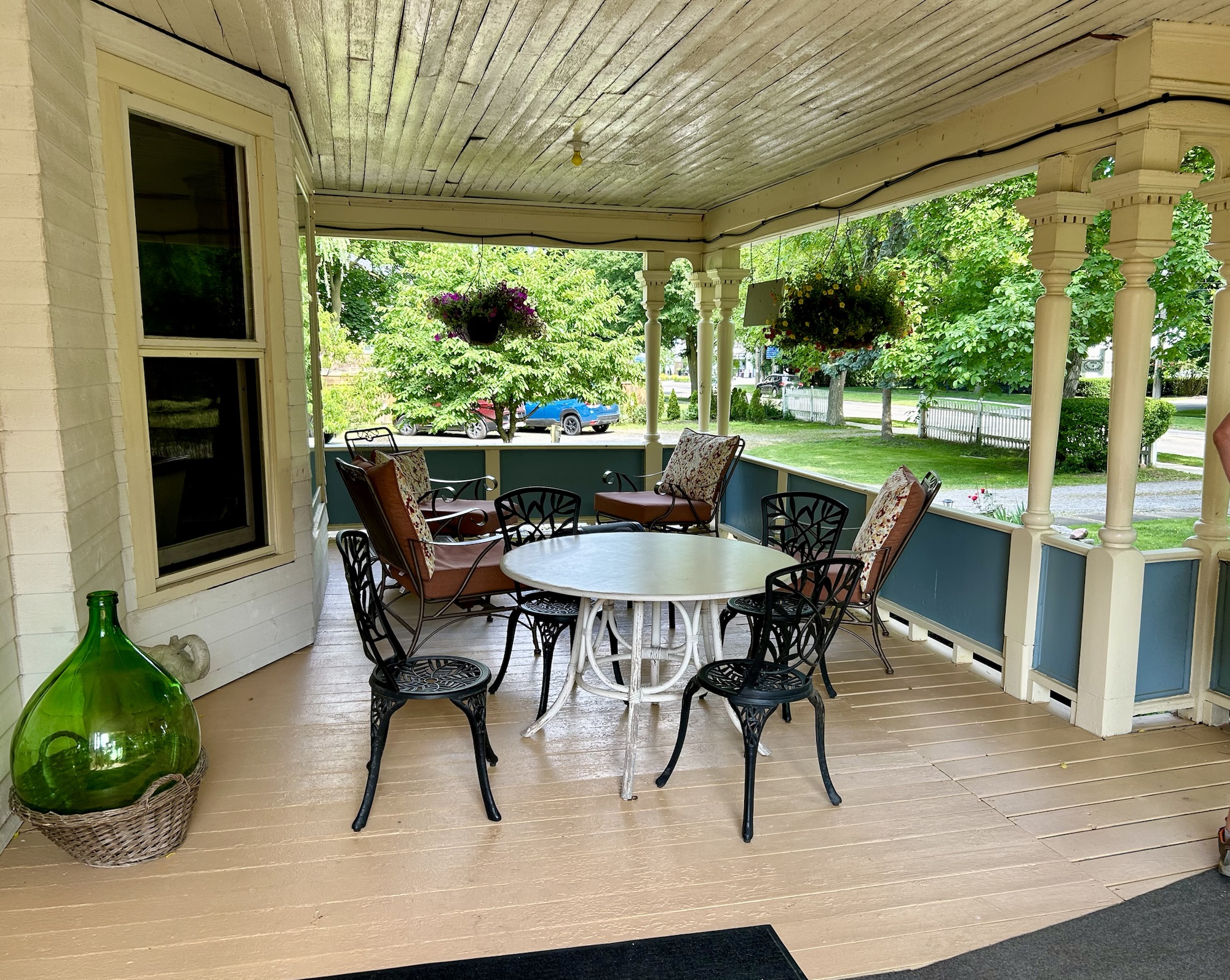
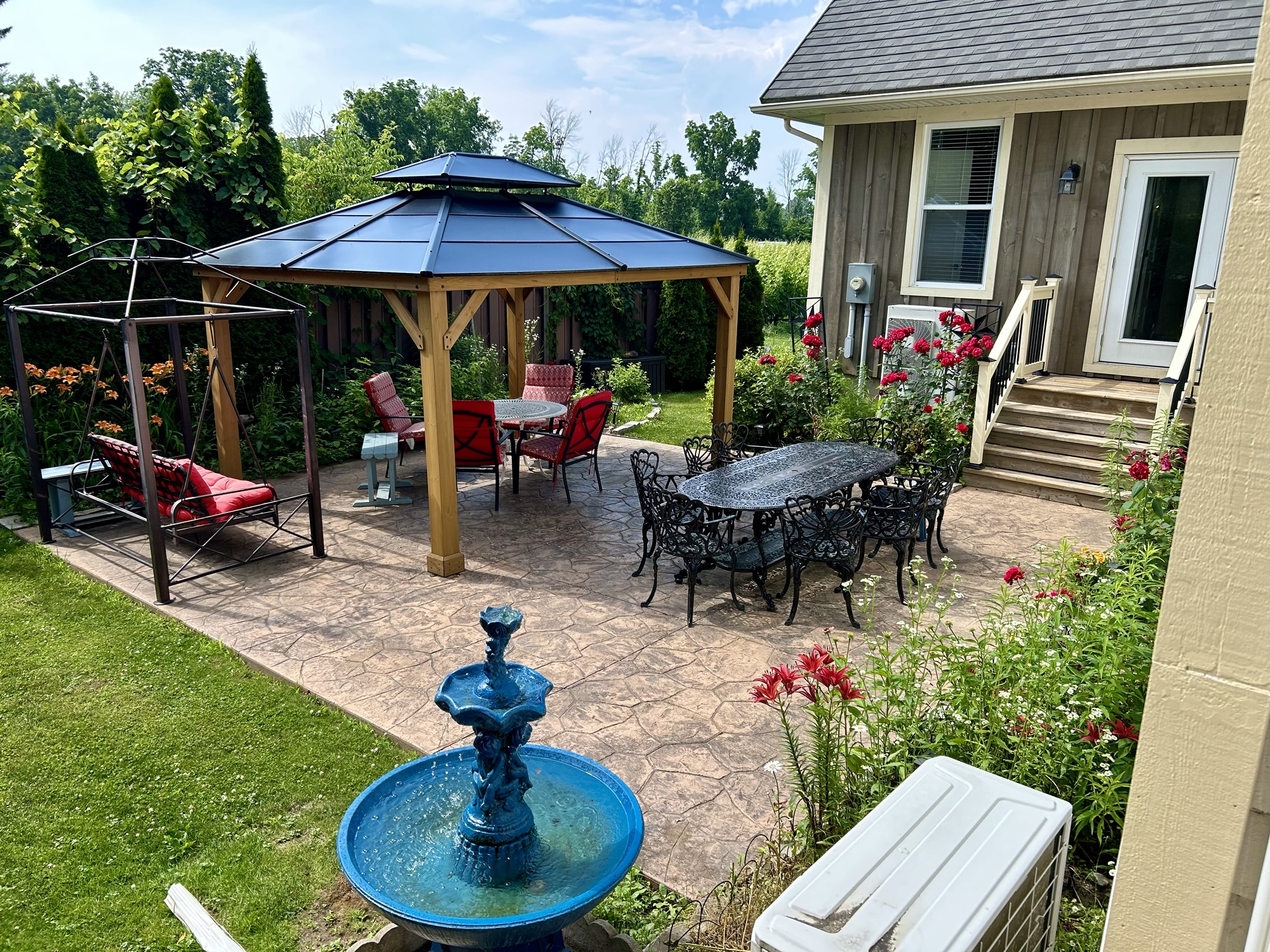
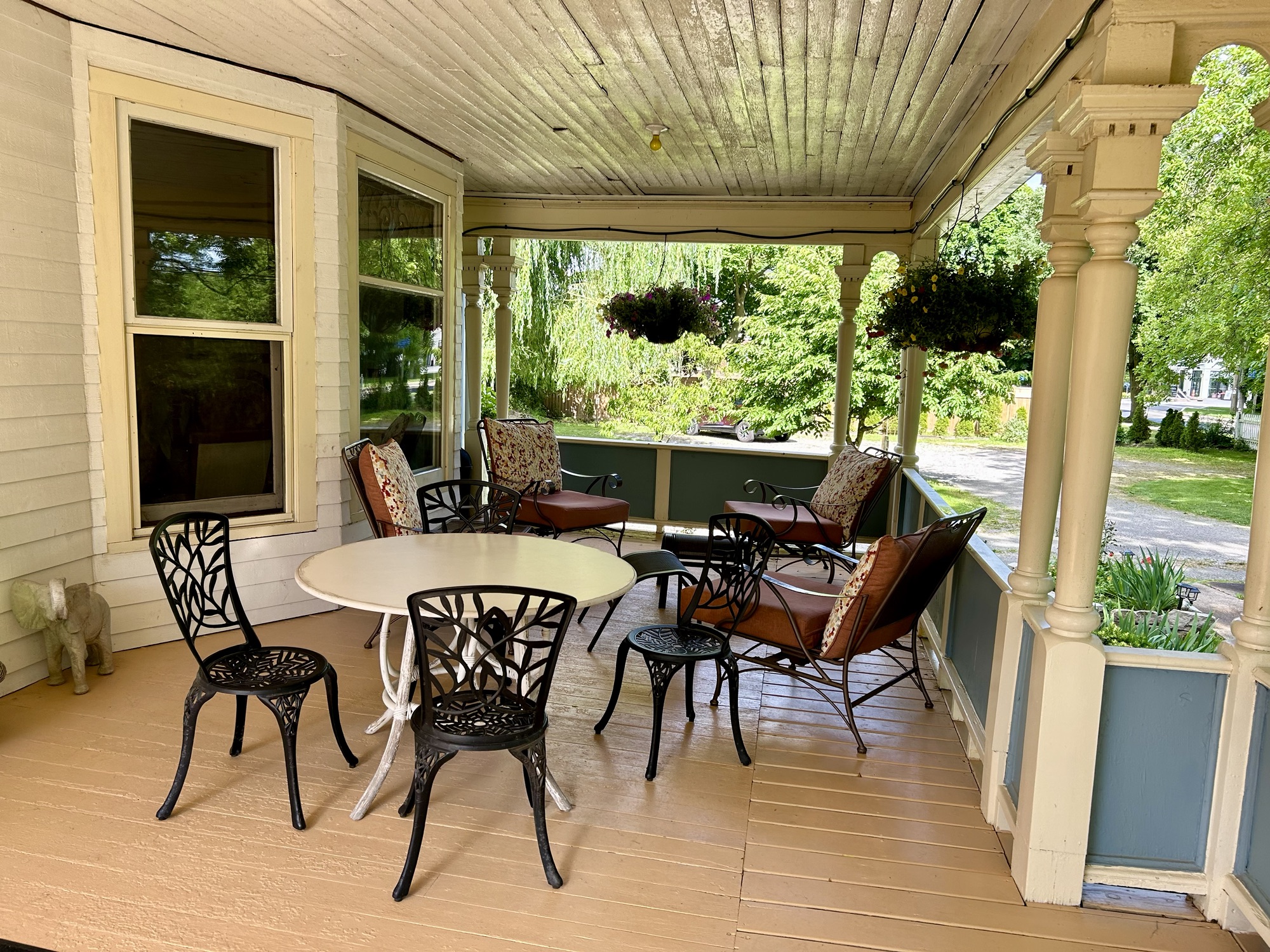
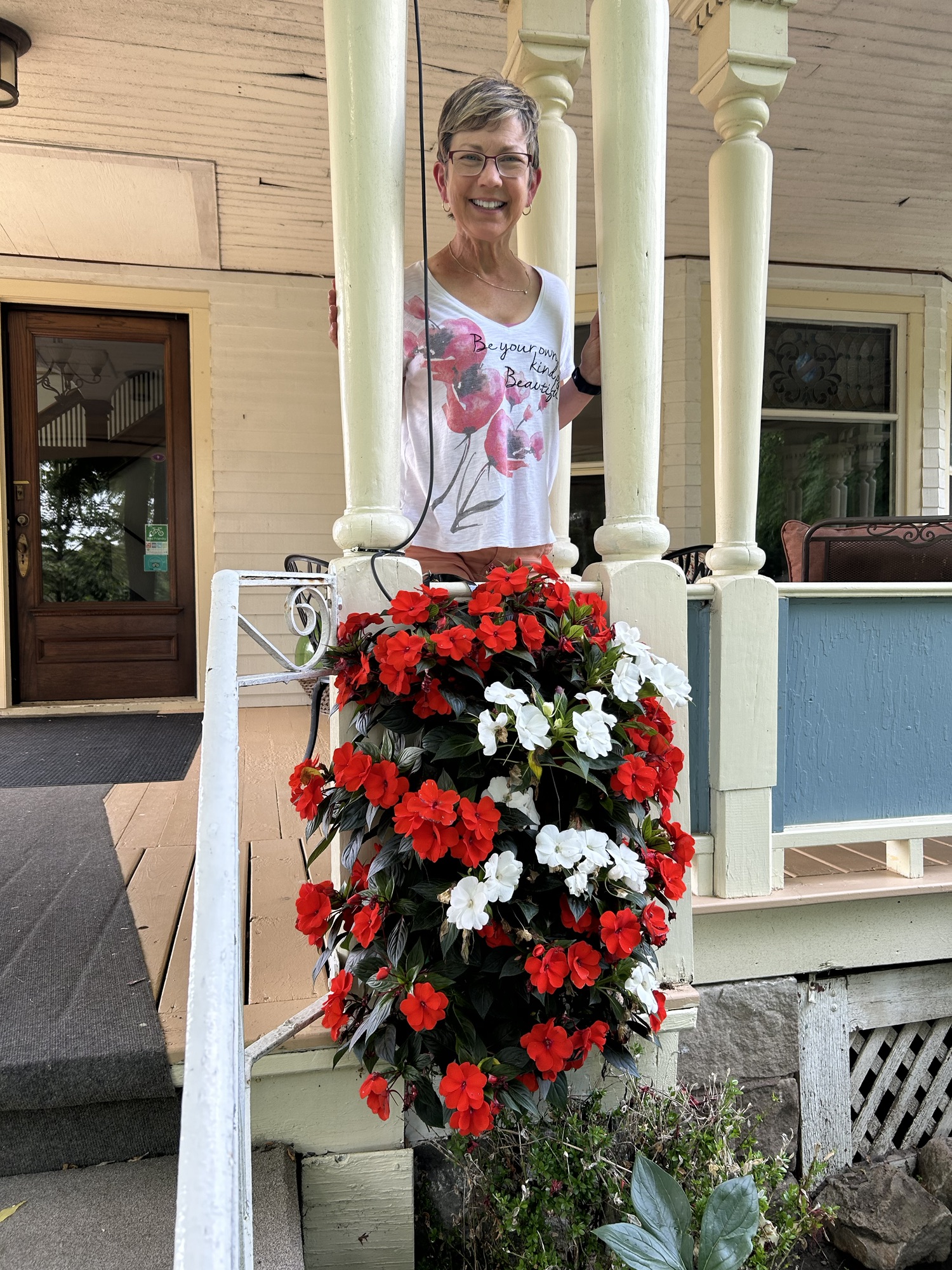
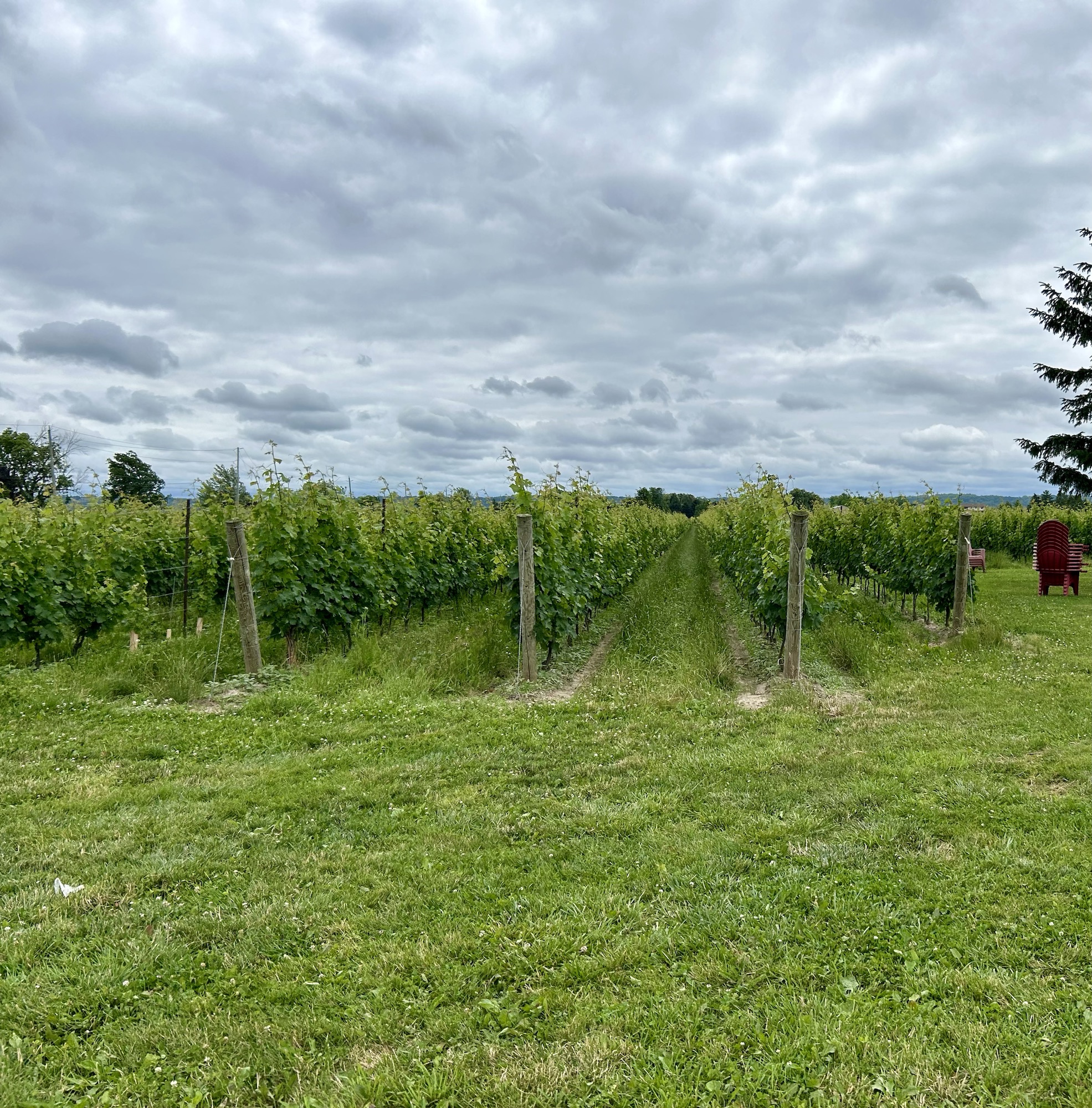
We had the good fortune of booking a couple of nights at Green Oaks Bed and Breakfast, conveniently located to all things Niagara. Surrounded by vineyards, farms, orchards, and scenic views, our B & B was located in St. David’s, not far from Niagara-on-the-Lake (NOTL). As we arrived, we took note of the B & B’s picturesque setting: draping willow trees, flower-lined walks, the expansive front porch with a patio off to one side, a large vegetable garden in the back, and chickens–as well as a few rogue squirrels–roaming a side yard. 

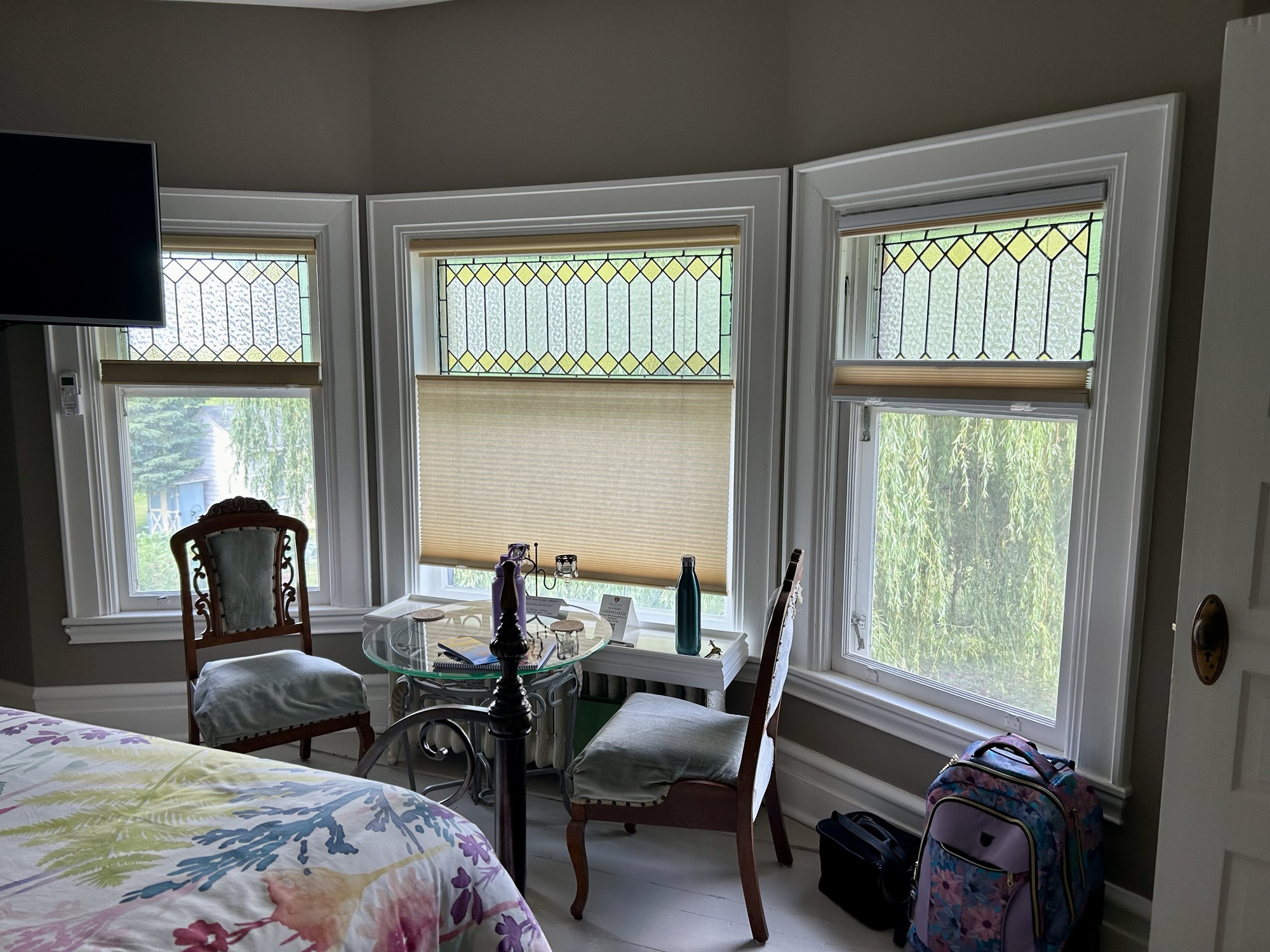
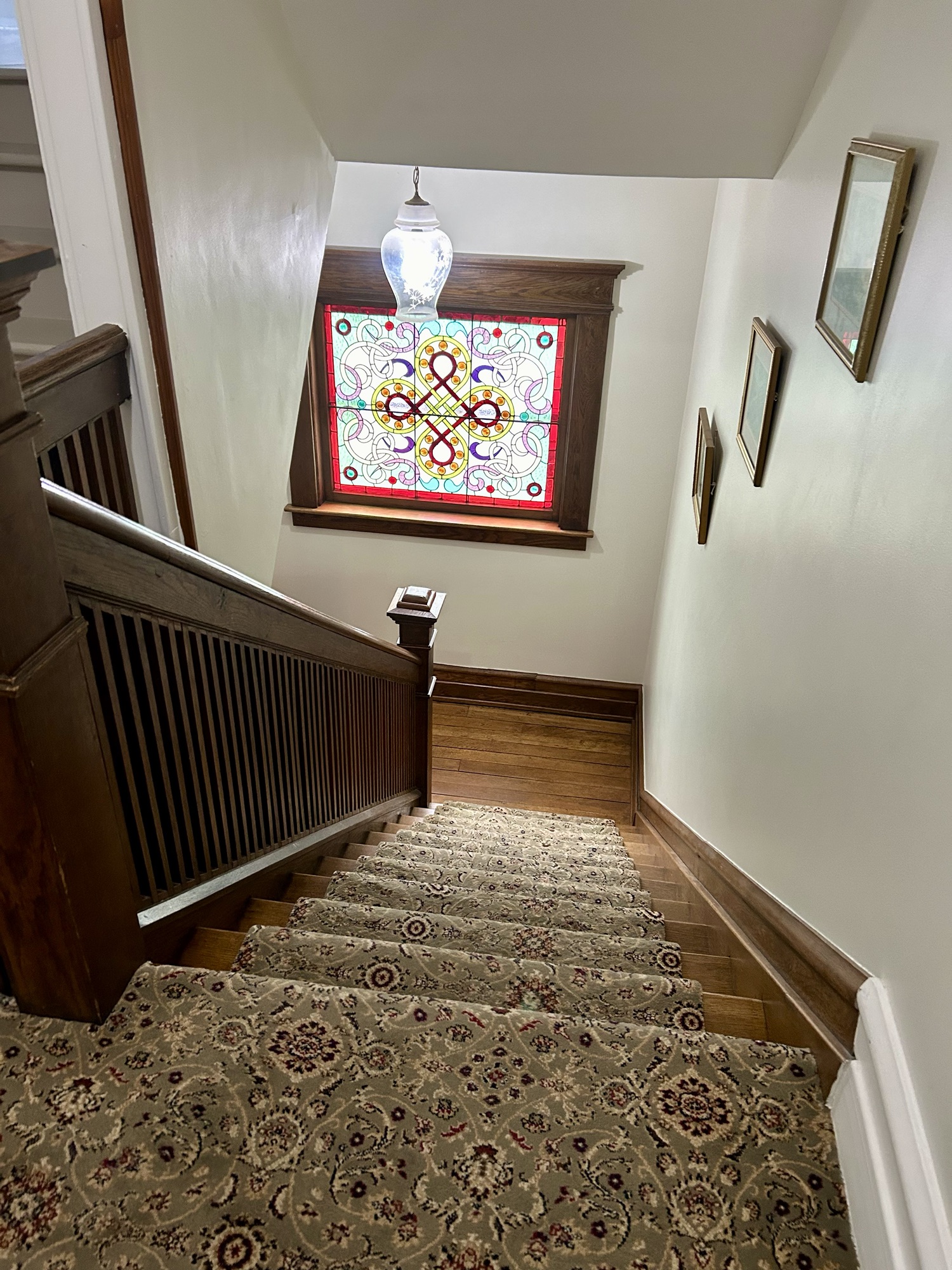
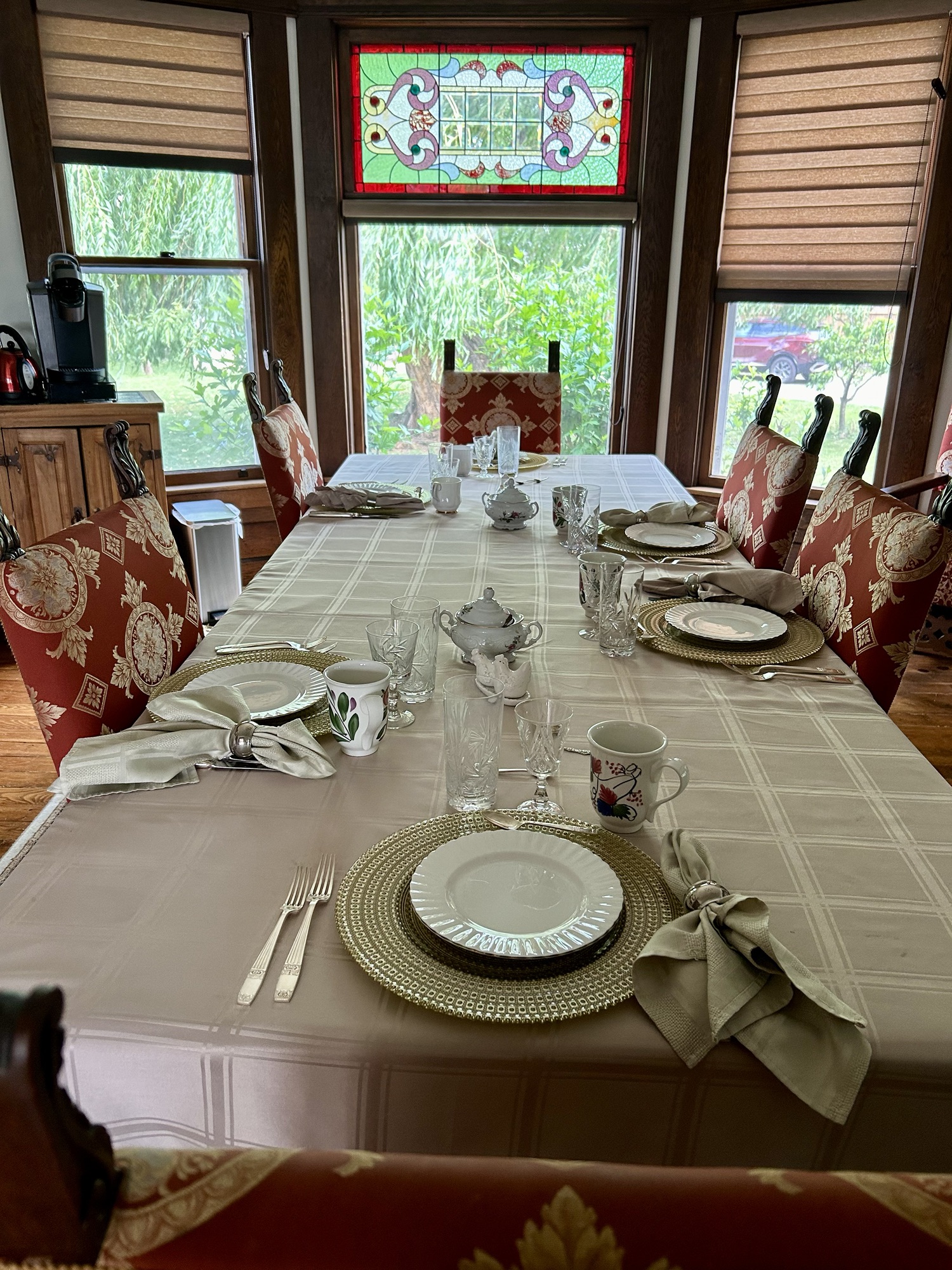
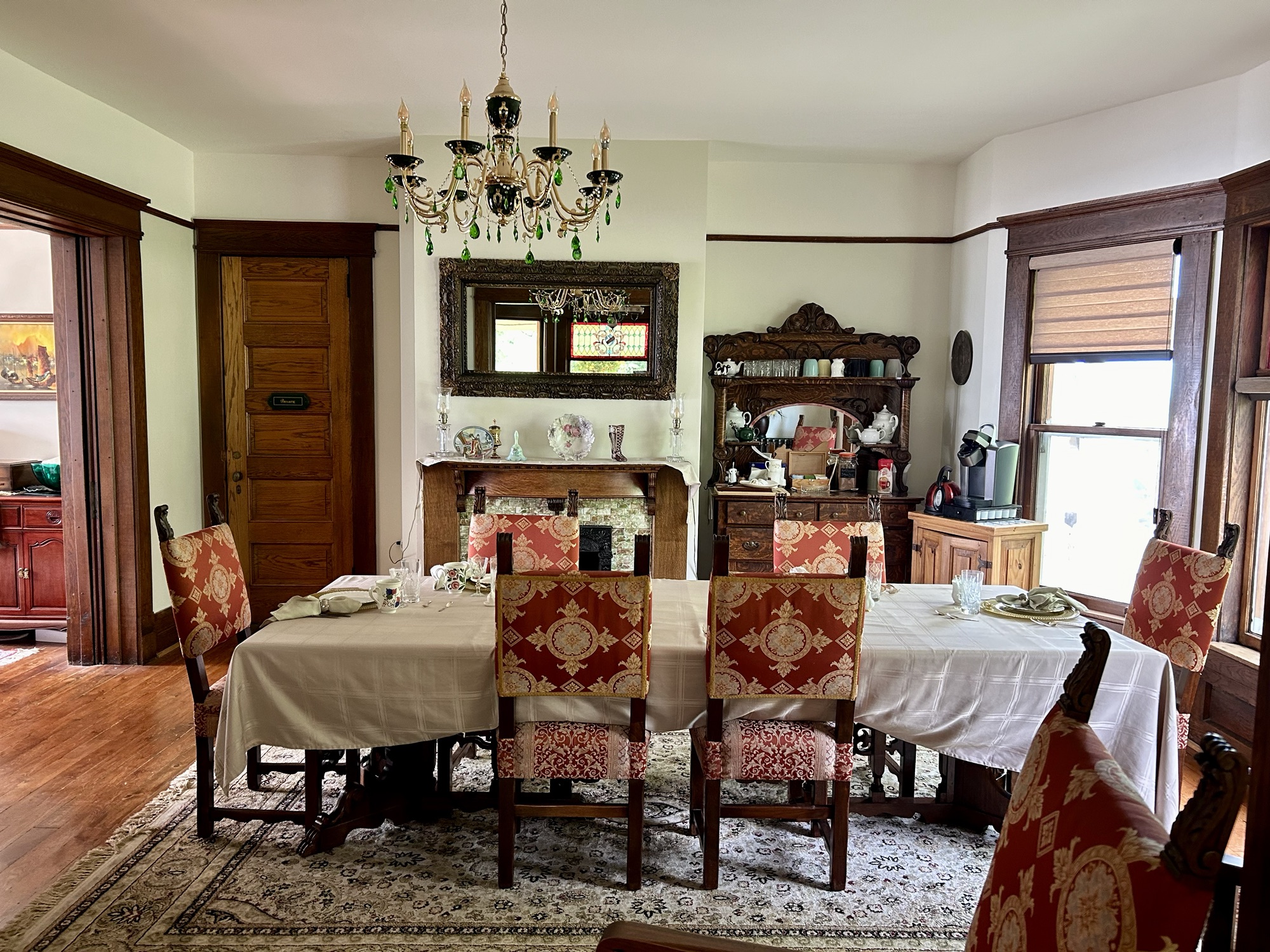
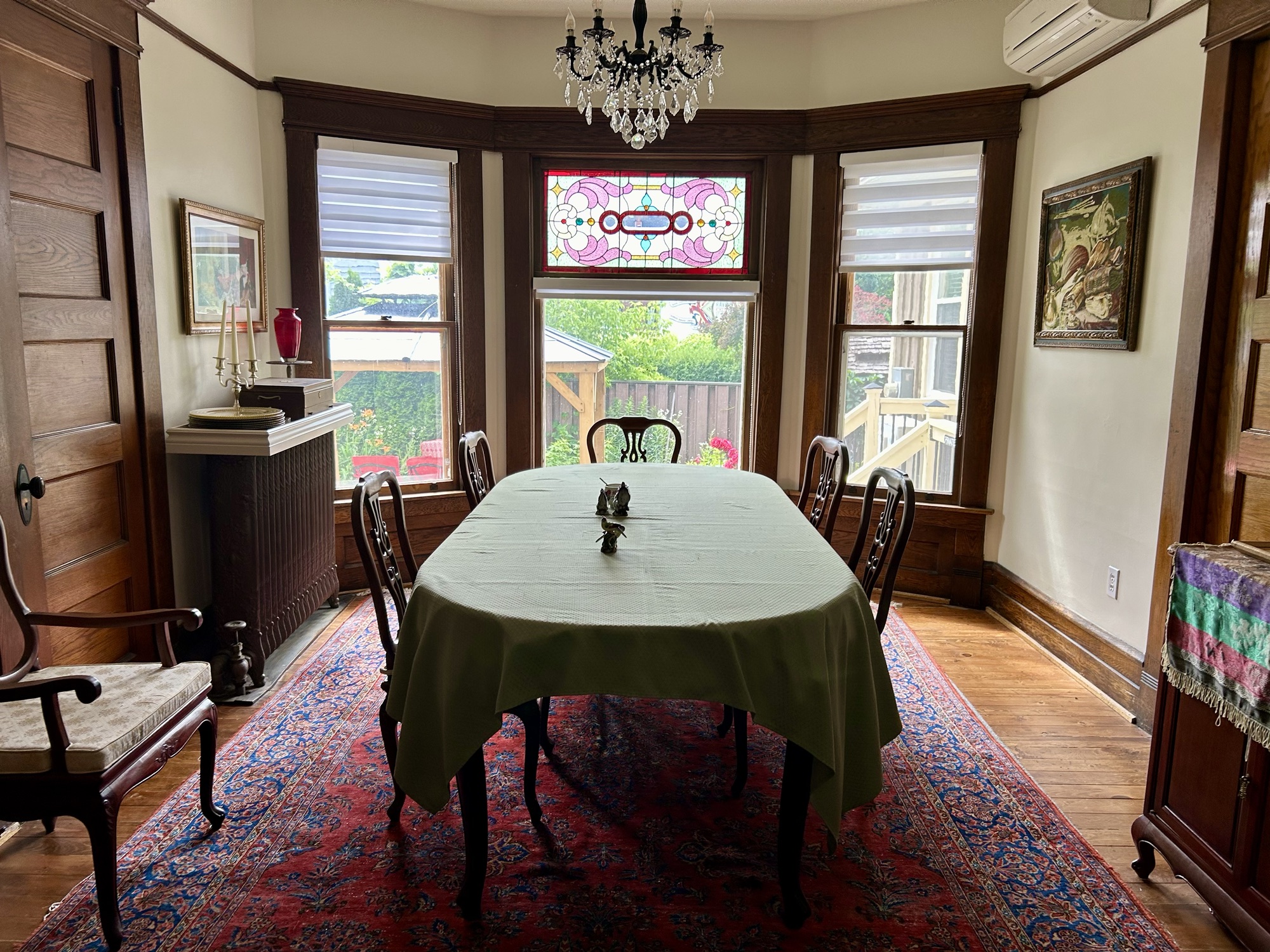
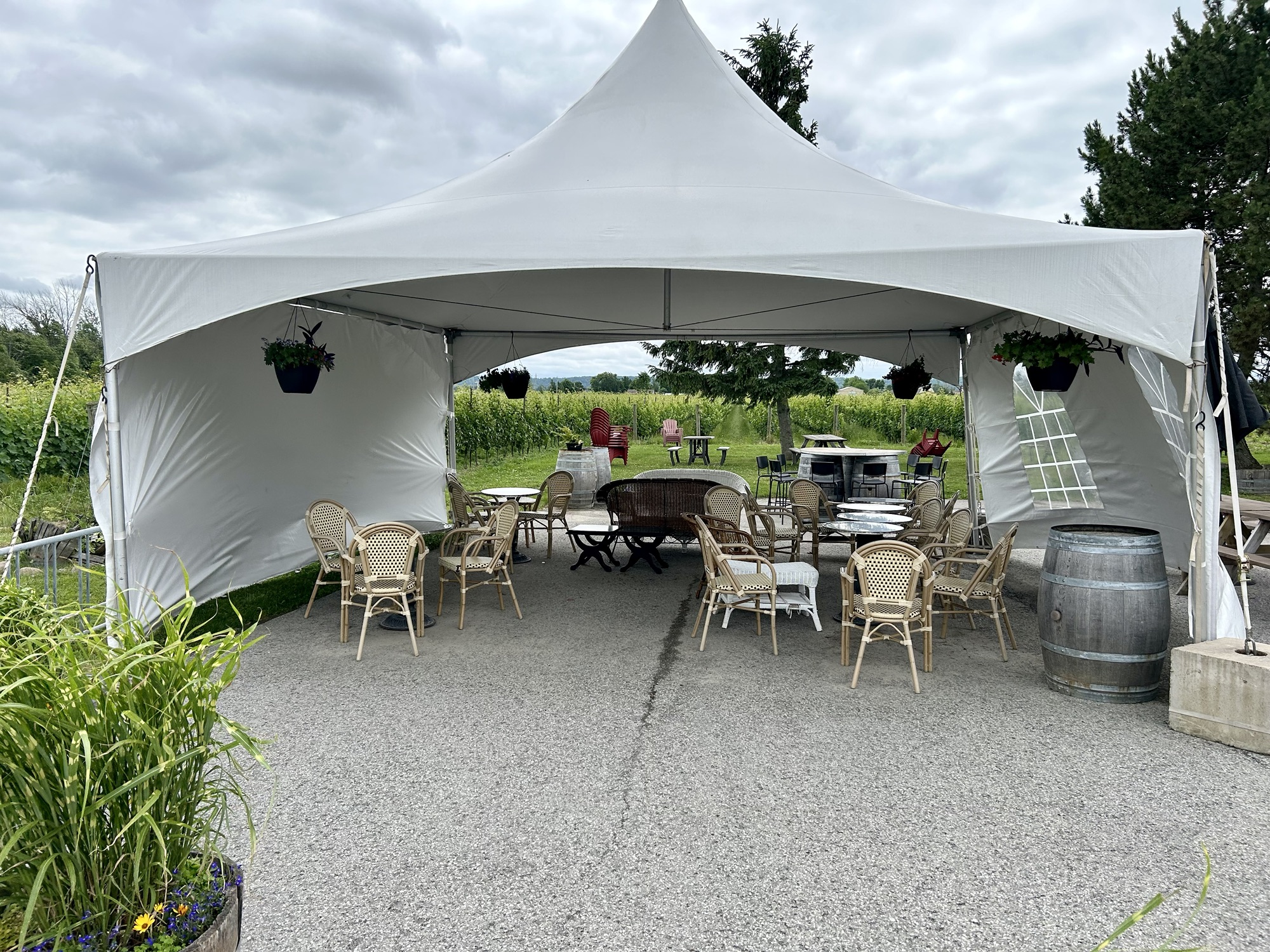
 Trish, our host at Green Oaks B & B, was  warm, welcoming, and quite engaging in her beautifully appointed home, circa 1908-1910. Her B & B sits on a winery, Ravine Vineyard Estates, and it is located 15 minutes from Niagara Falls and 10 minutes from NOTL. Numerous wineries, restaurants, and biking/walking paths are all around it, so upon our arrival, Trish set us up with a map of the area and offered tips and advice for our stay. I should further add that her “country breakfast” proved to be wonderfully delicious, and she even accommodated my dietary restrictions.

Charming and Historic 🌆

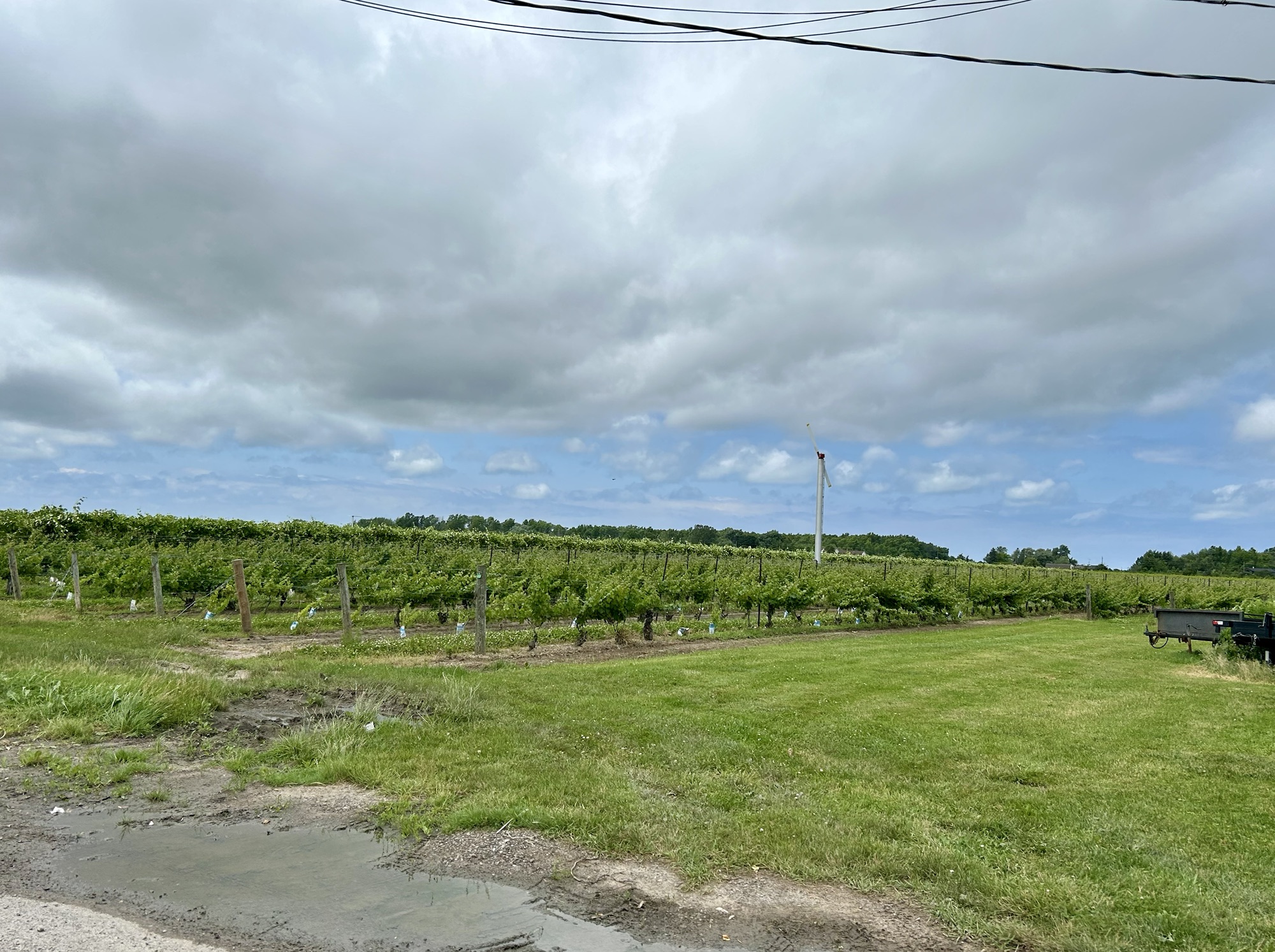
 “Old Town” NOTL, we discovered, maintains its historic, 19th-century charm.  It is often described, with good reason, as the “prettiest town in Ontario.” It is located in the heart of Ontario’s wine country.  In fact, there are nearly 100 wineries in the NOTL and Niagara Escarpment.  While the area boasts around 40 different grape varieties, the area is well-known for its Riesling, Chardonnay, Cabernet Franc, and Pinot Noir.  However, it is best-noted for its Icewine and traditional method sparkling wines. 

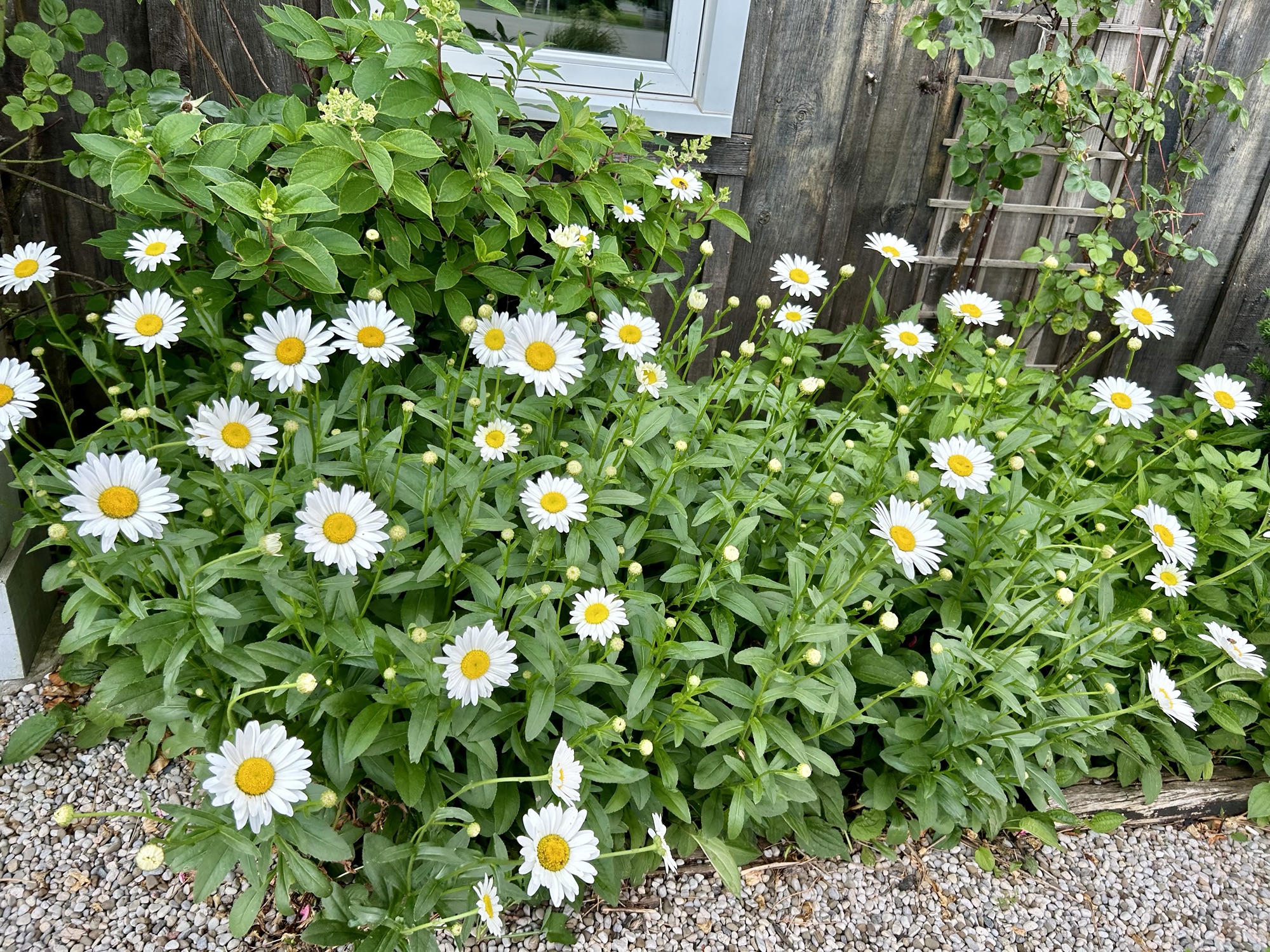
In fact, the availability of wine, fresh produce, and stunning floral gardens are a large part of the area’s appeal.  Wine tastings and tours are easy to schedule and quite popular.  Roadside stands and markets dot the countryside, brimming with fresh fruit, vegetables, honey, and cheeses. Some orchards and farms even advertise, “Pick your own _______,” depending upon the season, and all throughout the thoroughfares are flowers galore.

According to several sources, 90% of Ontario’s tender fruit is produced in what is known as the Niagara peninsula.  And most of that fruit is grown in orchards in and around NOTL, which John and I witnessed first hand.  We drove by miles and miles of orchards and vineyards. Specifically, we noticed the area focused on its local peaches with numerous peach-centered dishes as well as peach wine varieties in many shops and restaurants during the time we visited.

Flowers, vineyards, and orchards . . .oh my!

Places to go 🚗

While in NOTL, John and I visited a few sites, including spending a good deal of our time strolling through the historic area of NOTL on both days of our stay.  We also visited a small, local winery, Niagara Parks Butterfly Conservatory, and  Centennial Lilac Garden.  Additionally, we had dinner at local favorites, The Grist and The Irish Harp

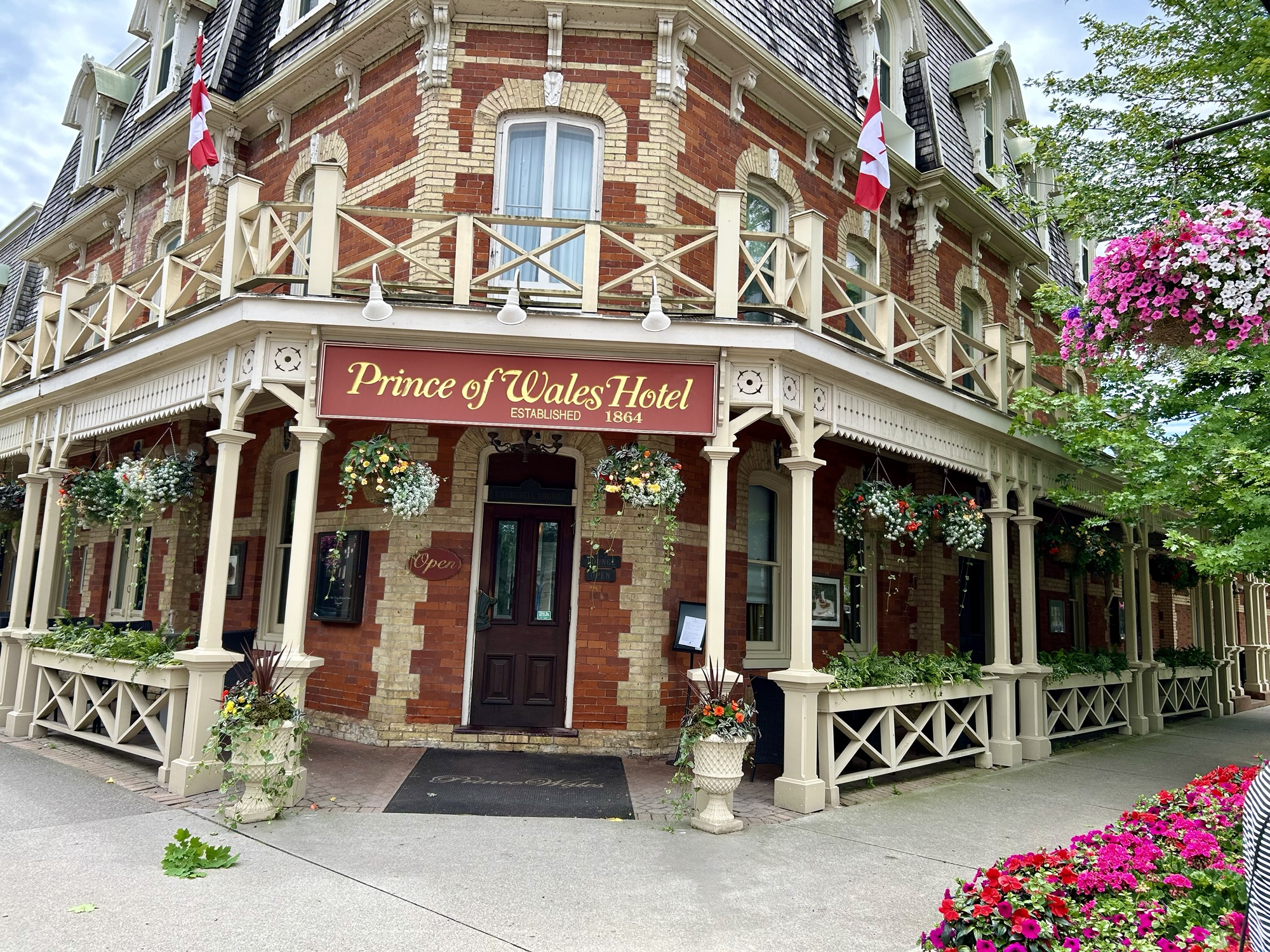
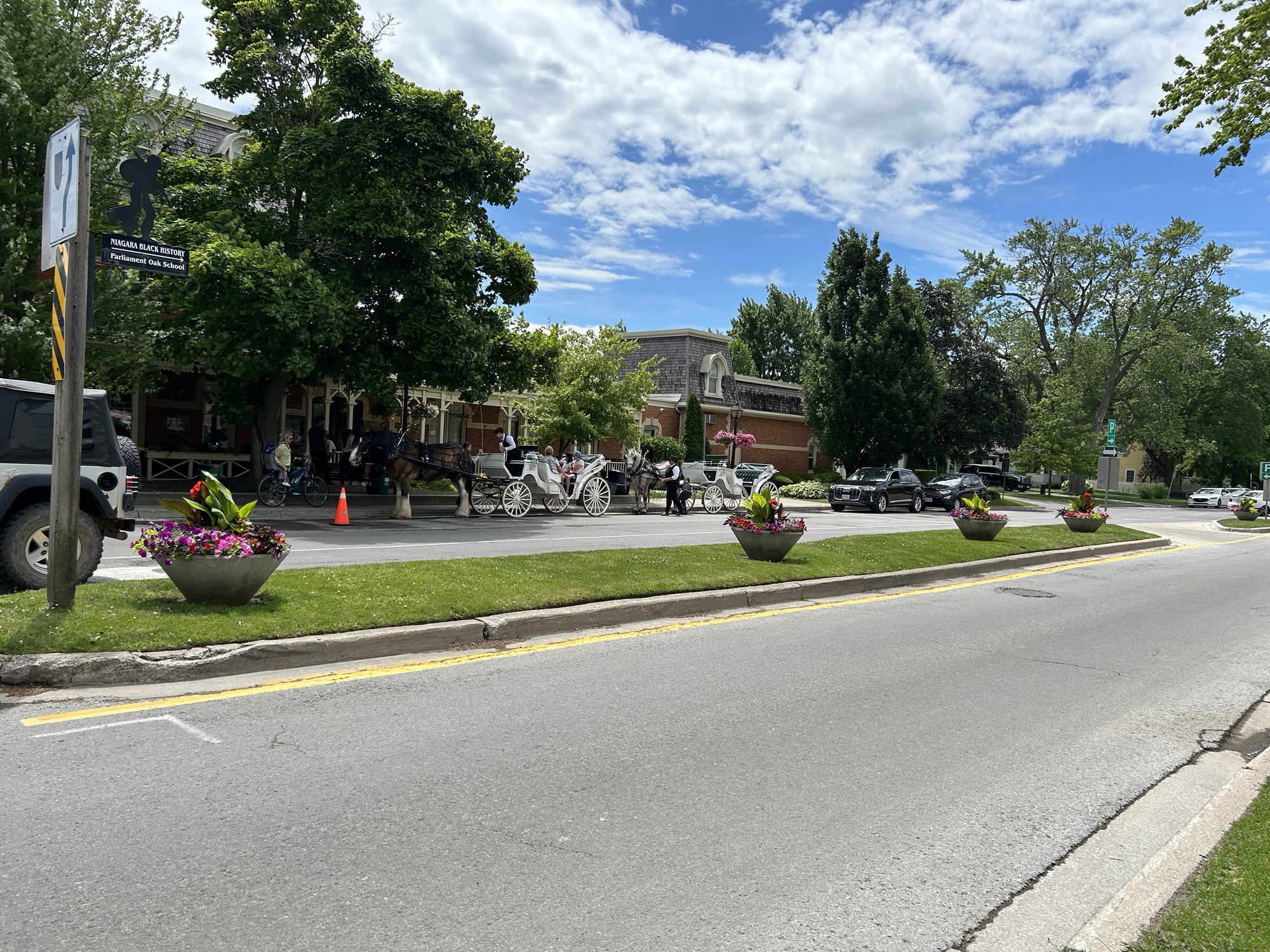
The Old Town of NOTL is picturesque. The streets are lush with flower gardens and lined with quaint shops.  Horse drawn carriages clip-clop through the streets, and numerous bistros and restaurants can be found interspersed between shops. Historic buildings can be seen throughout the town, while throngs of tourists mingle about the sidewalks. Honestly, simply walking along the streets and side streets was a fascinating experience for John and I as we listened to multiple languages being spoken all around us. 

Wine Country 🍷

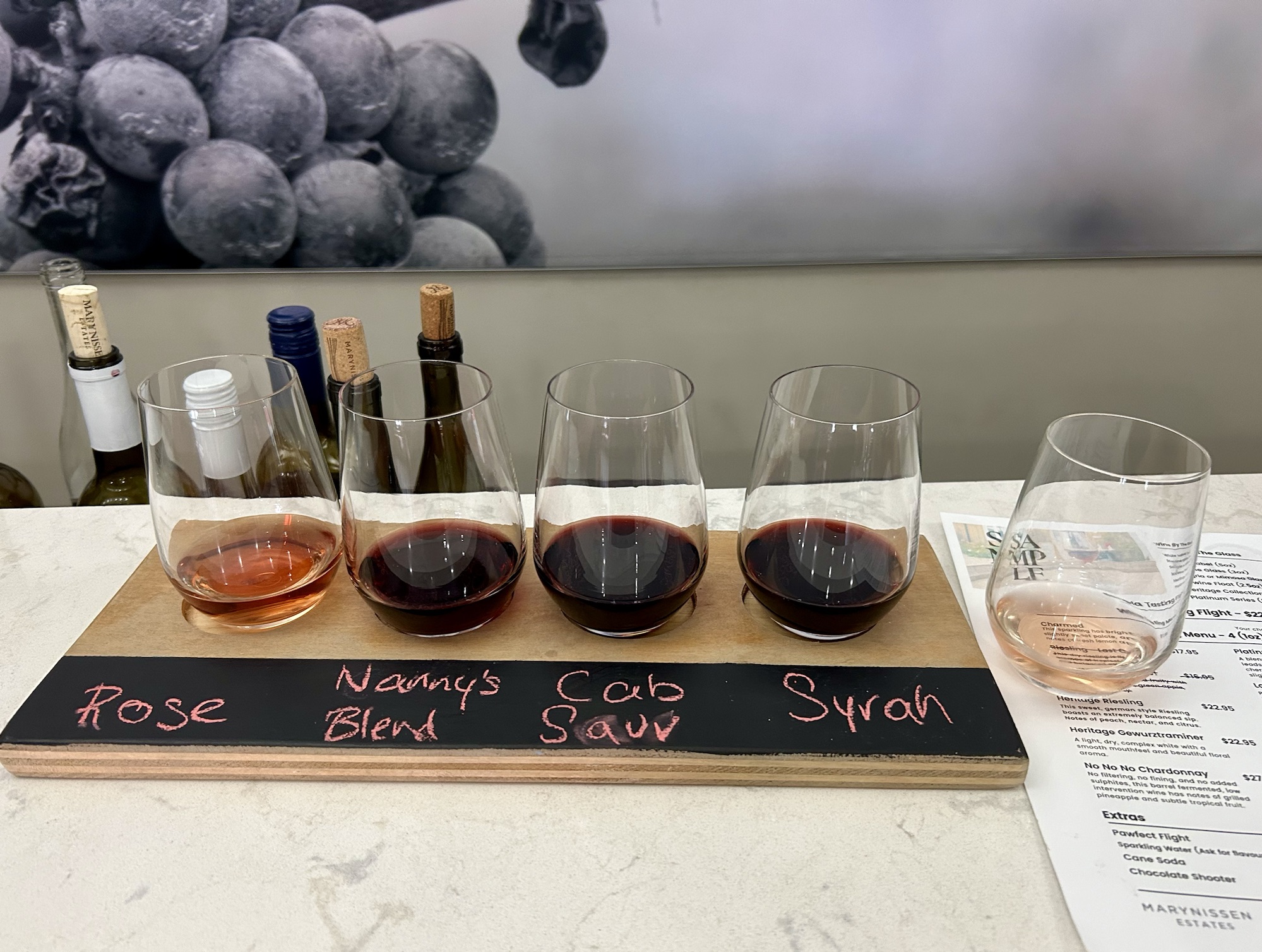
The local winery we visited was Marynissen Estates. This winery was not far from our B & B.  This estate focuses on “small-lot winemaking.”  A former pig-farm, the Marynissen Estates’ land was purchased in 1953 by founders, John and Adrianna Marynissen, and it has the oldest commercial planting of Cabernet Sauvignon in Canada. This vineyard offered tastings or a by-the-glass experience.  John and I opted for a tasting flight while learning about the estate’s winemaking process and history. 

butterflies and flowers

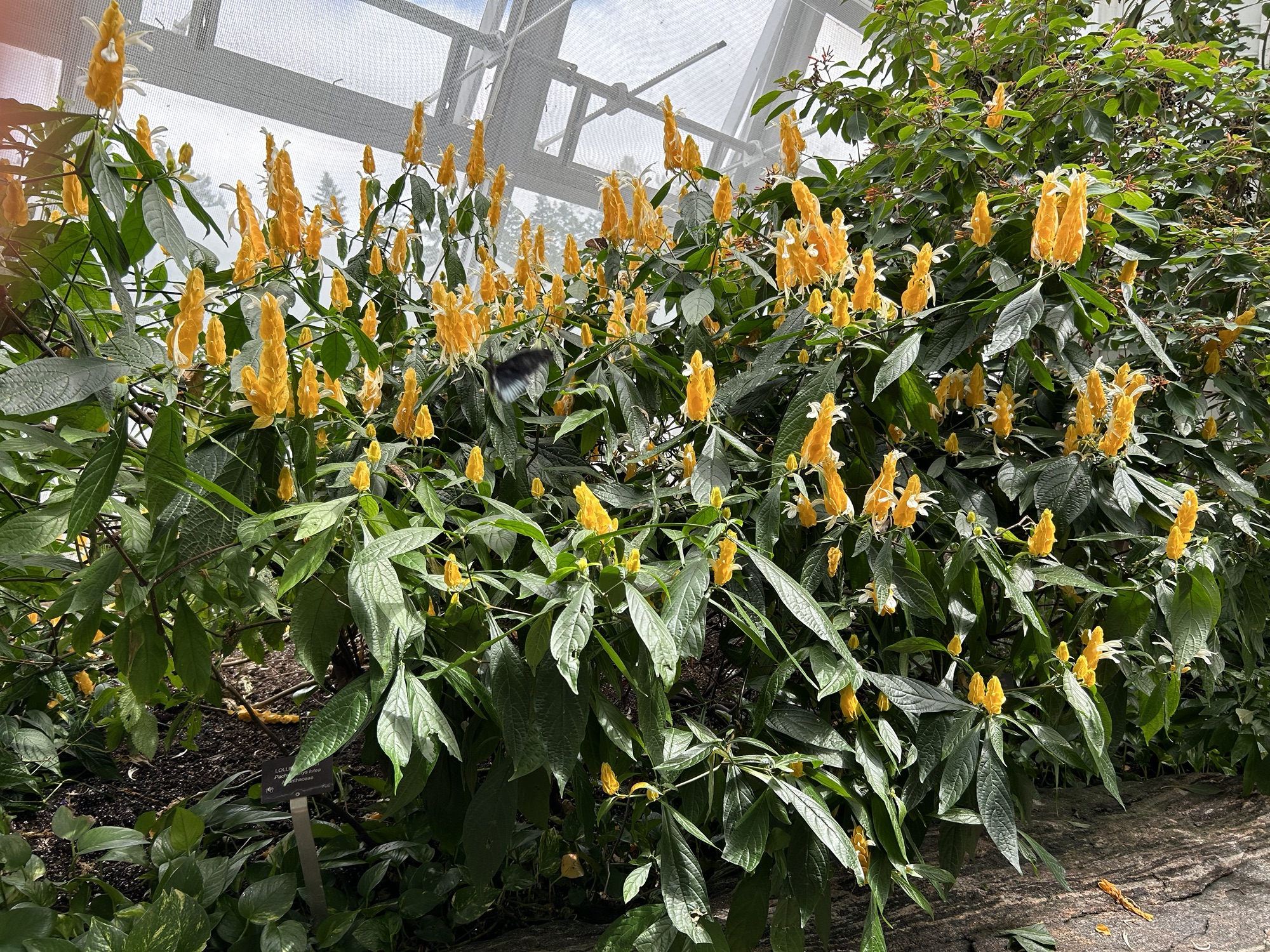
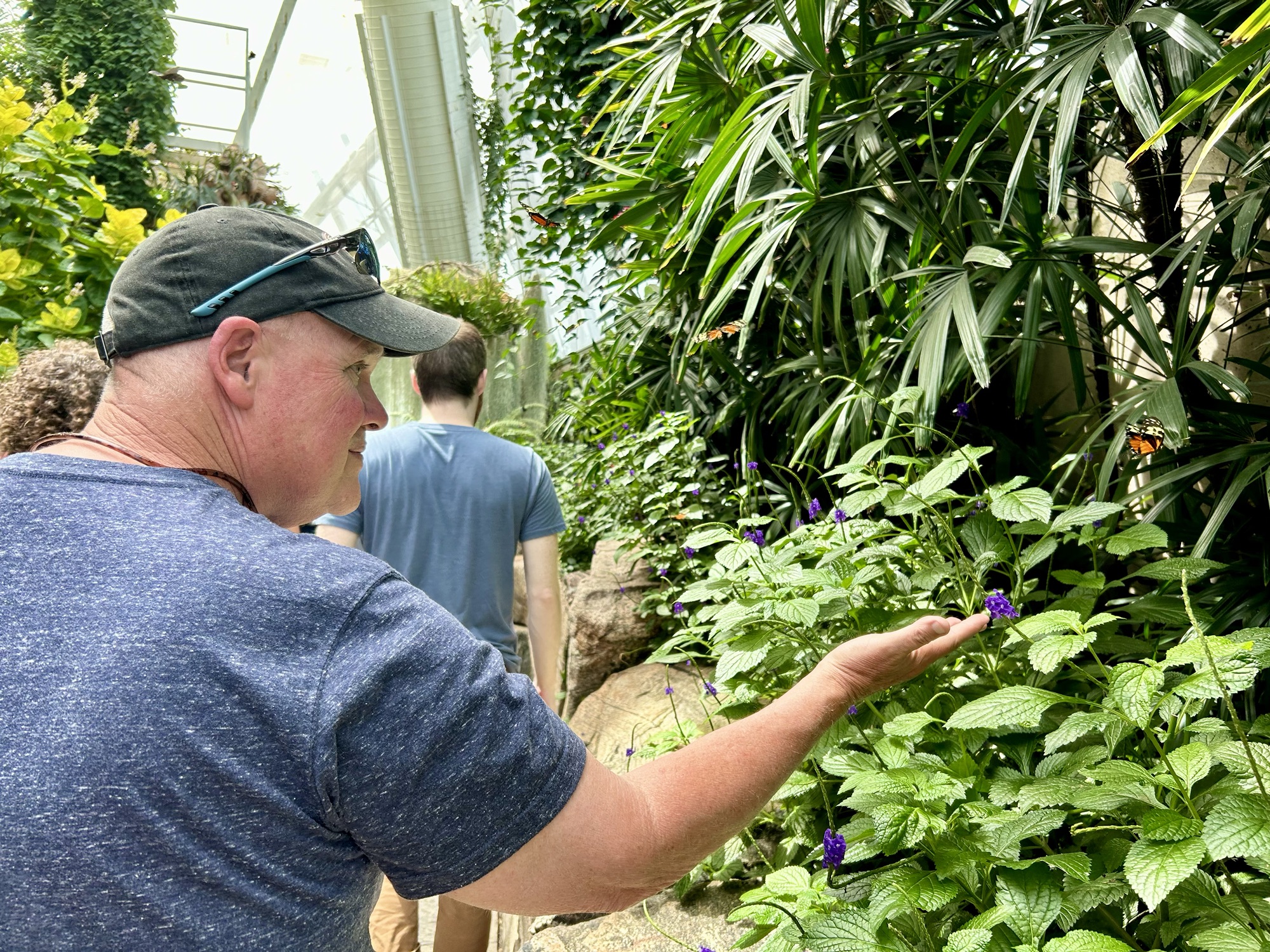
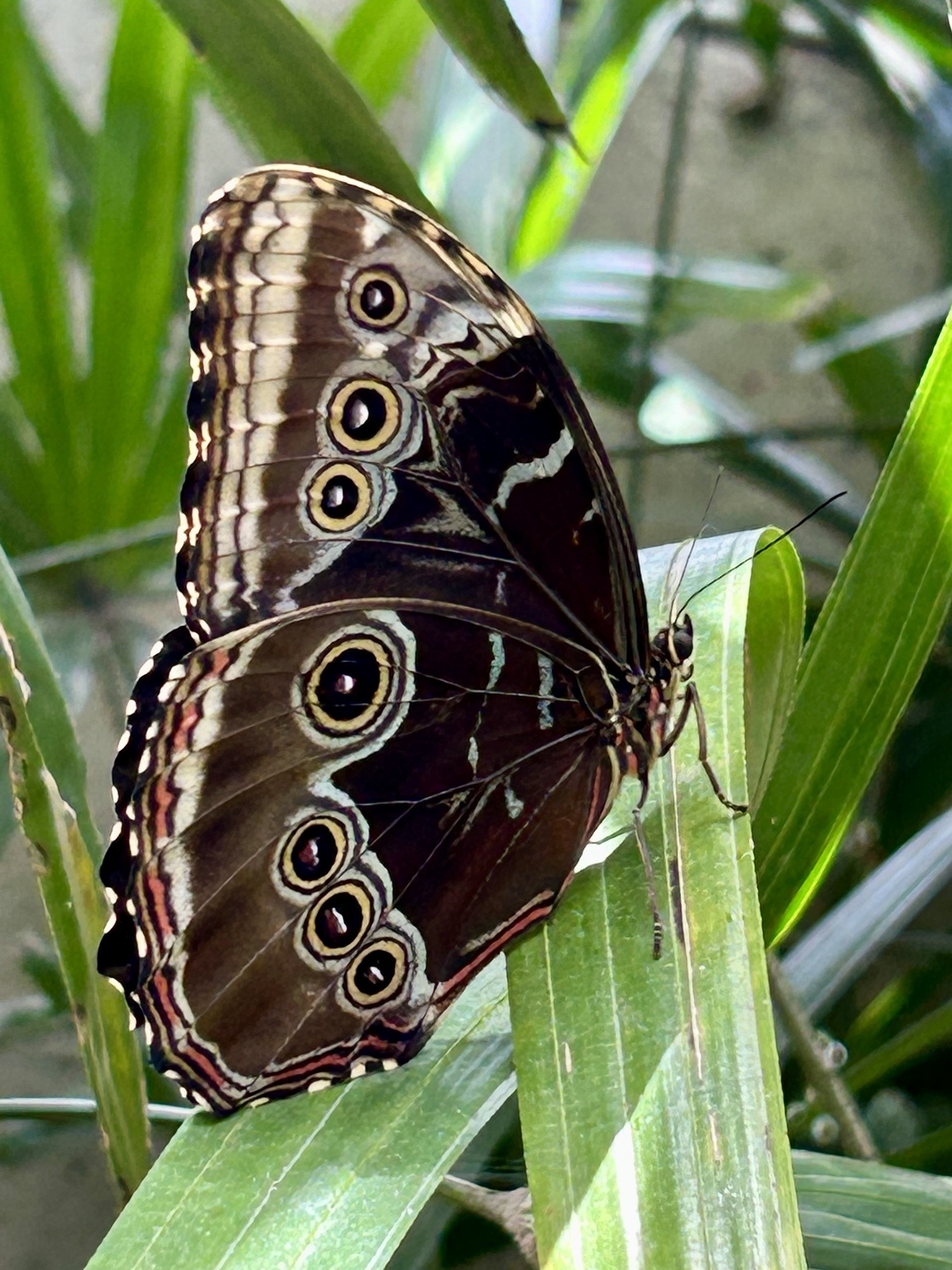
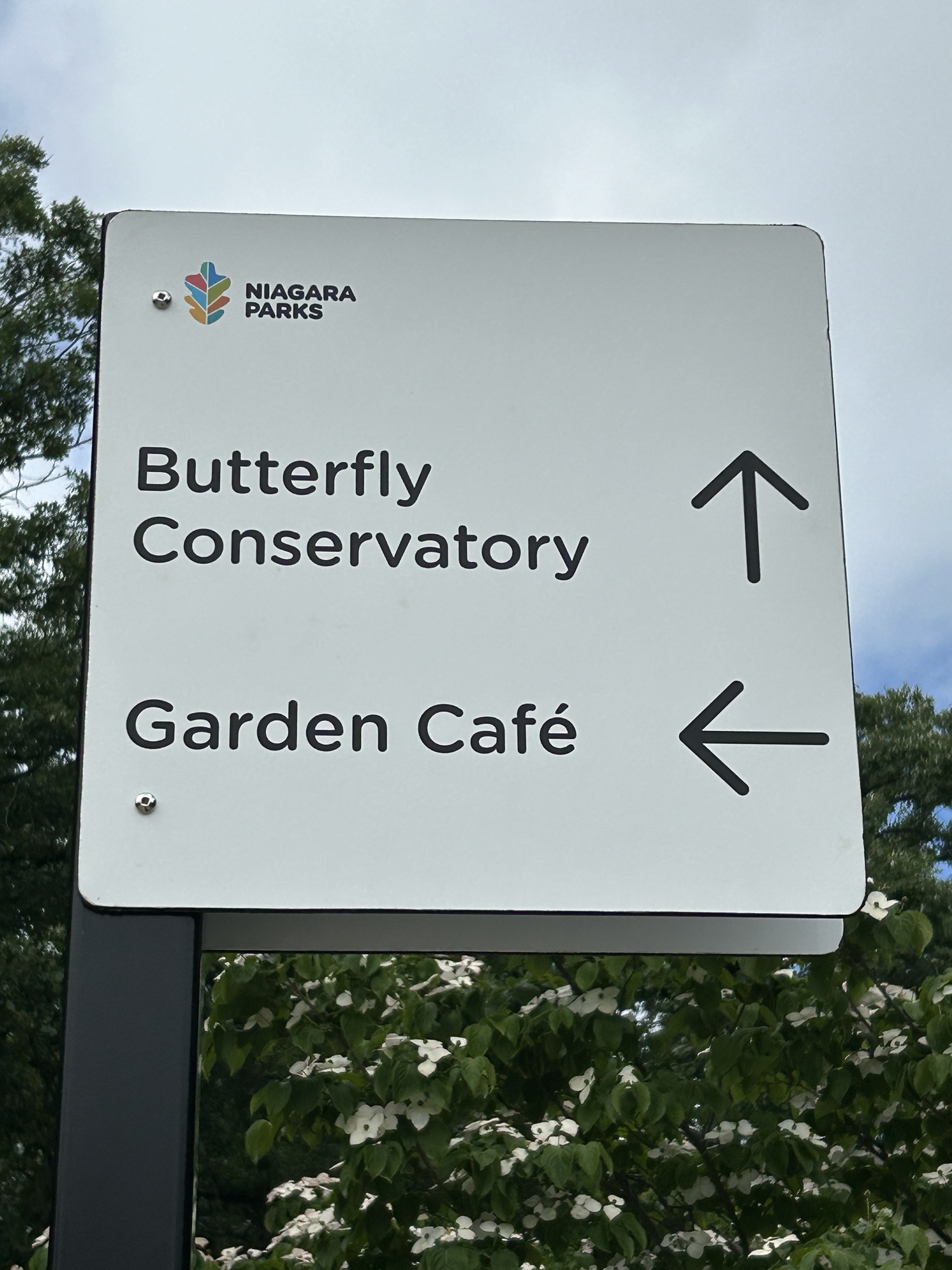
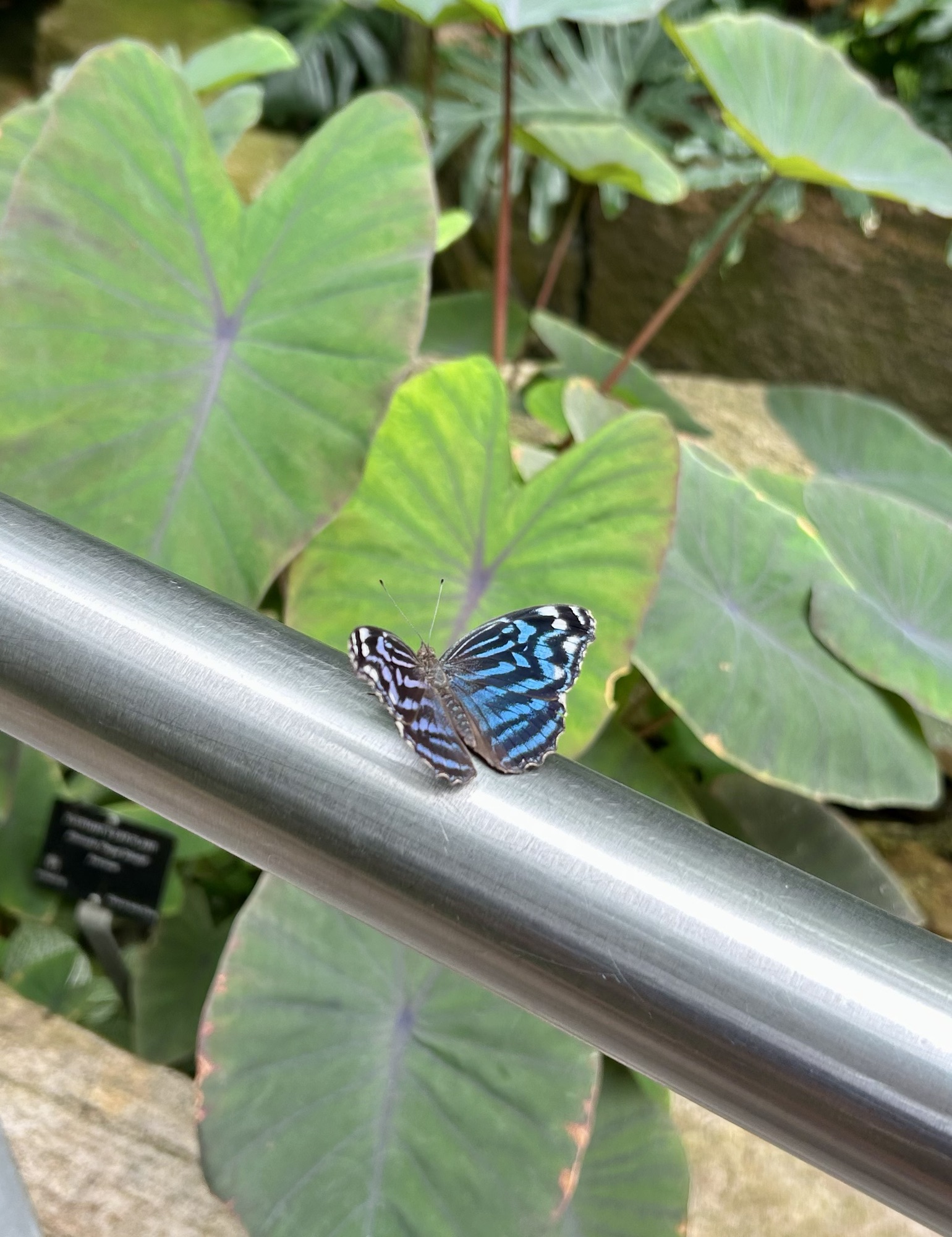
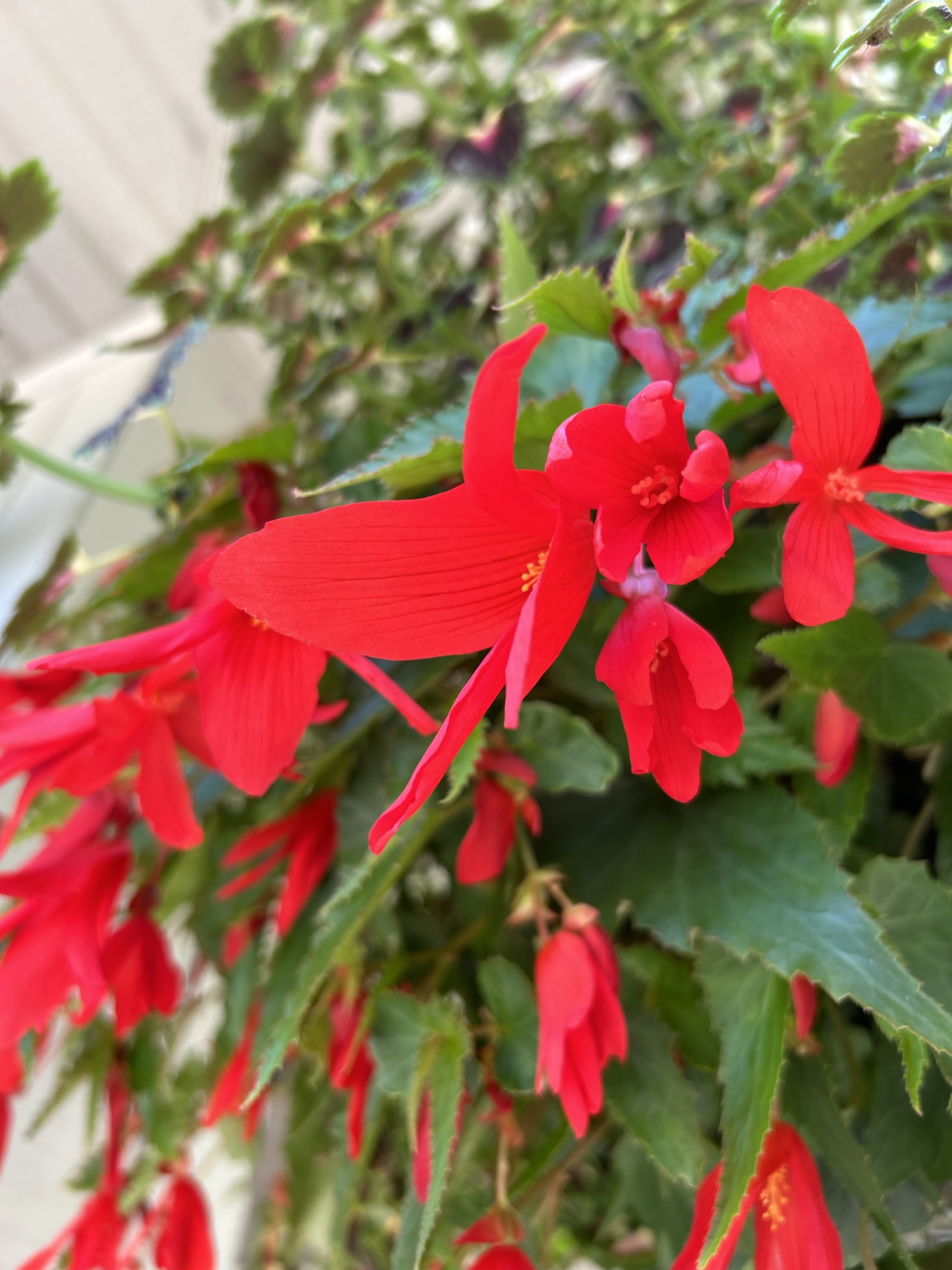
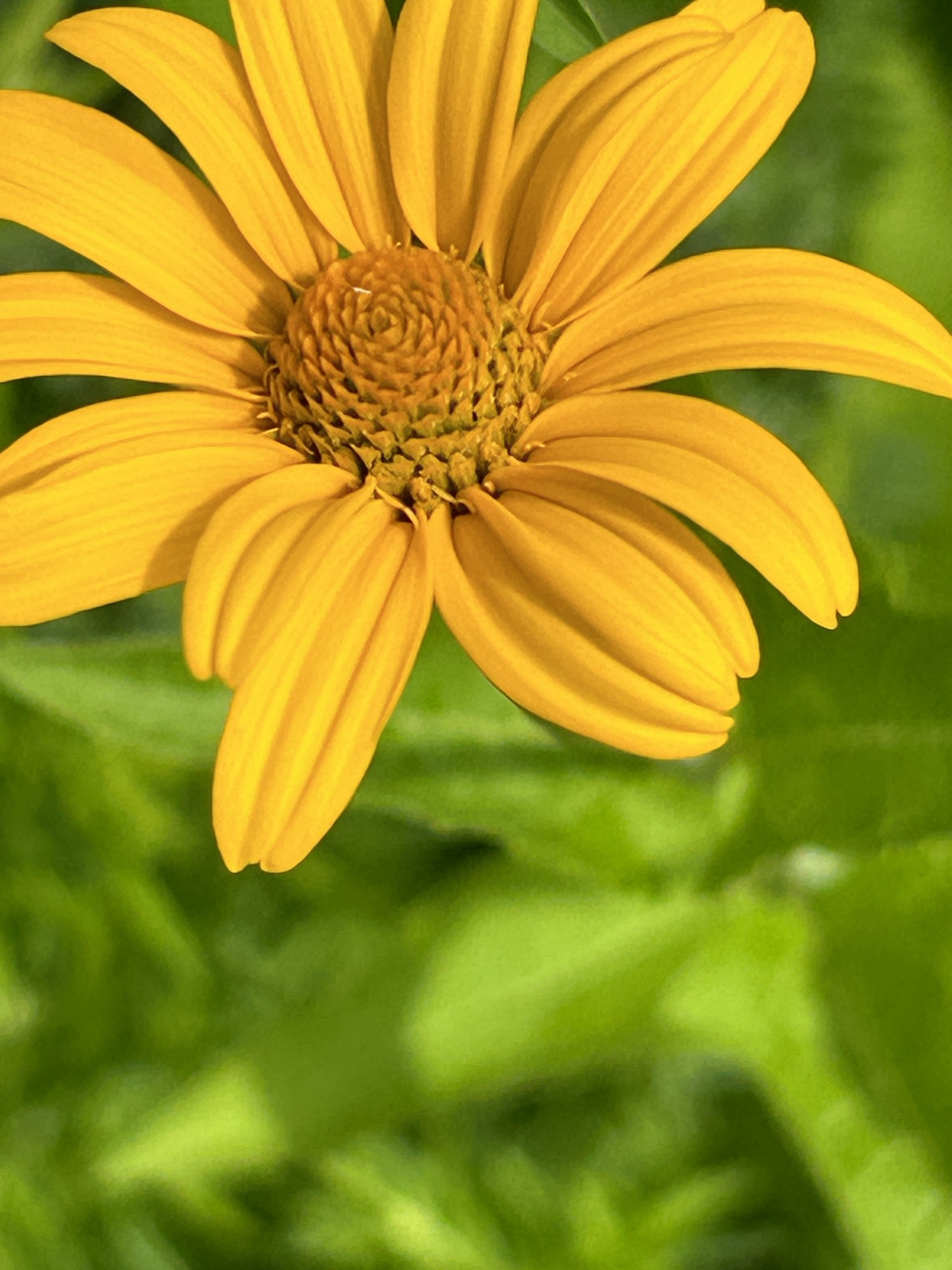
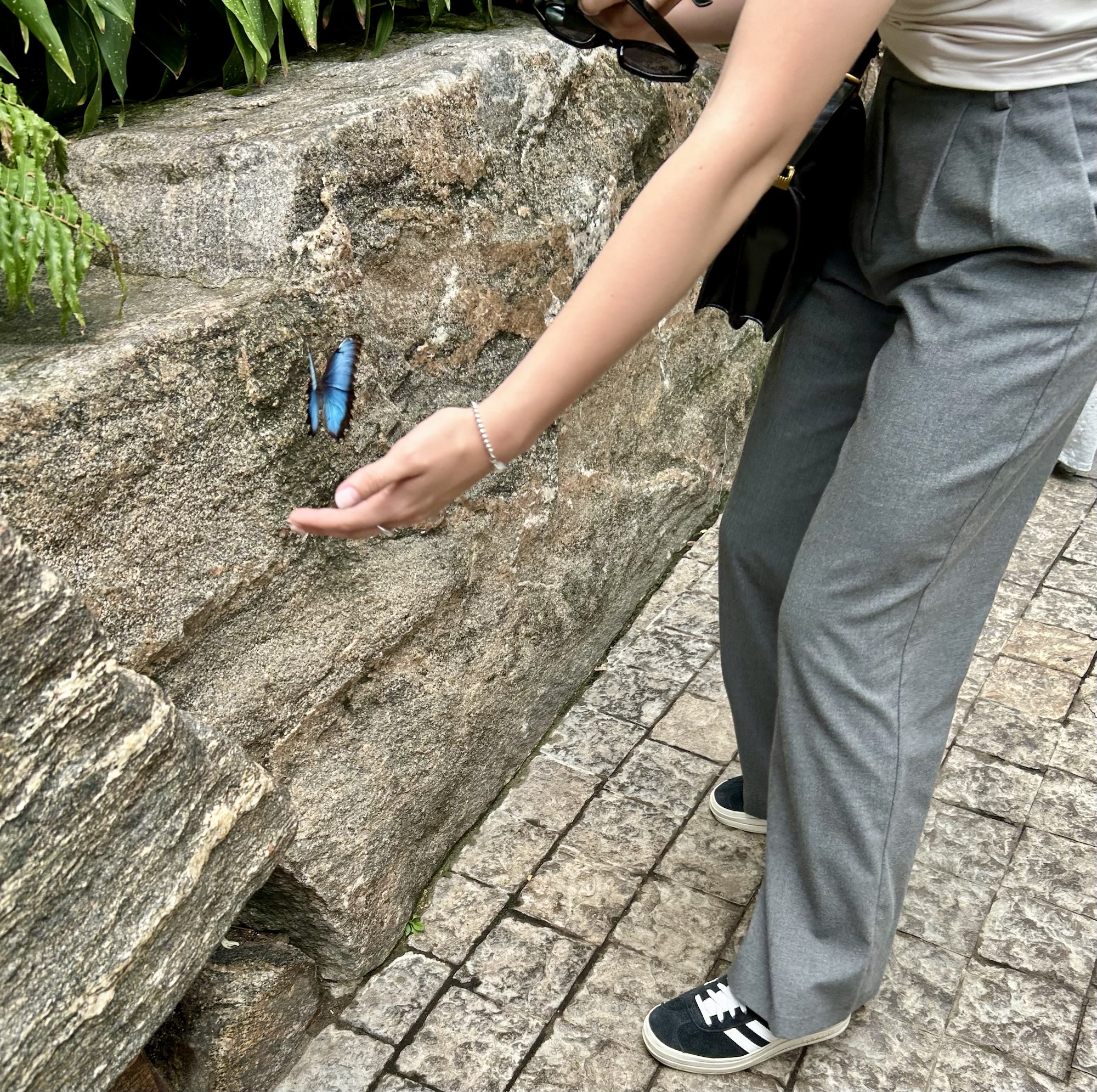
Afterwards, we drove through the verdant countryside, on the Niagara River Parkway towards the Butterfly Conservatory. This was an amazing experience as it boasts the largest glass-enclosed butterfly conservatory in North America, and it was filled with a plethora of prolific tropical vegetation. Within those glass walls were over 2,000 colorful butterflies zipping about the plants, waterfalls, and visitors.  Outside the conservatory, the grounds offered winding paths with benches surrounded by a proliferation of flowers, grasses, shrubs, and other forms vegetation all labeled and identified for visitors   

On the way back from the butterfly conservatory, we stopped by the Centennial Lilac Garden.  This ten acre area of land was overflowing with lilacs in a range of colors as well as a heady variety of fragrances. 

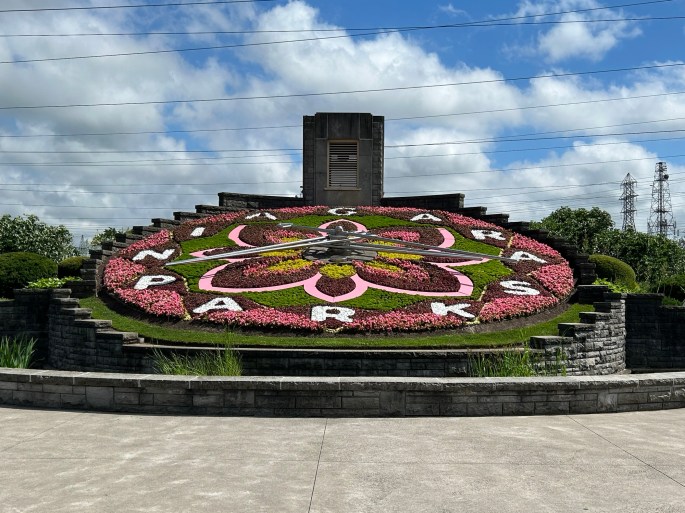
While visiting the lilac garden, we were also able to check out the Floral Clock, a clock made of flowers that keeps time and chimes every quarter hour! According to the official website, the floral design is changed twice per year with 15,000 to 20,000 carpet plants and annuals.  It was quite the impressive attraction!

Good Eats 🍔 🥗

Both nights were filled with delicious dinners. The Grist advertised itself as a “craft kitchen and brewery” with a family-centered atmosphere located in a refurbished barn that was once used as a packing shed.  It was located in St. David’s, about 10 or so minutes outside of NOTL, in the midst of farm/vineyard/orchard country, not far from our B & B.  Their pizzas, burgers, and other eclectic original dishes were clearly favorite fare with local residents as the place was packed. 
Meanwhile, for the second night’s dinner we headed into historic NOTL and dined in The Irish Harp, which had live music. Though the food offerings were completely different from the previous night, our meals were every bit as tasty.  As with the other restaurant, the pub was absolutely packed on the night we visited.

If you are looking for a unique adventure, and you don’t mind traveling, NOTL offers something for everyone–from the shopper, to the outdoors enthusiasts, and from the site-seer to the foodie.  While we happened to visit the area when it was alive with peak produce, flora, and fauna, I have every reason to believe that all seasons in NOTL offer unique and exceptional experiences for travelers.  This is definitely one area I highly recommend visiting if you have never before visited.  I know I hope to return one day!

May There Always Be a June

“Even the prettiest flower will die one day. It’s nature’s way of teaching us that nothing lasts forever.”–unknown

“Hmm . . .” I think, more than say, with a deep inhale as I yawned awake.  It was a rare, cool morning–a break from the typical heat and humidity of early July.  The bedroom windows were open, and I breathed in the fragrance of dewy grass, damp earth, and flowers. It was the lingering sweet floral scent that began a series of reflections regarding the significance of June and its likeness to the human life cycle.

At the time I am writing this, it is the July 4 weekend–marking, in my mind, the midpoint of summer.  Once July 4 begins, it feels like the rest of summer swiftly sails by.  Ah, but June.  June is sanguine–full of enough bright cheer to hold old-man winter at bay.  The early spring blossoms such as daffodils, crocus, and tulips have long passed.  Aromatic honeysuckle begins its fading away as the summer perennials and annuals begin blooming brightly in rapid succession.  July may be full of celebrations, explosive displays–all red, white, and blue–but, I adore June–modest, optimistic, June, and the colorful, unique flowers that blossom and thrive with its invitation to summer.

Photo by Suvan Chowdhury on Pexels.com

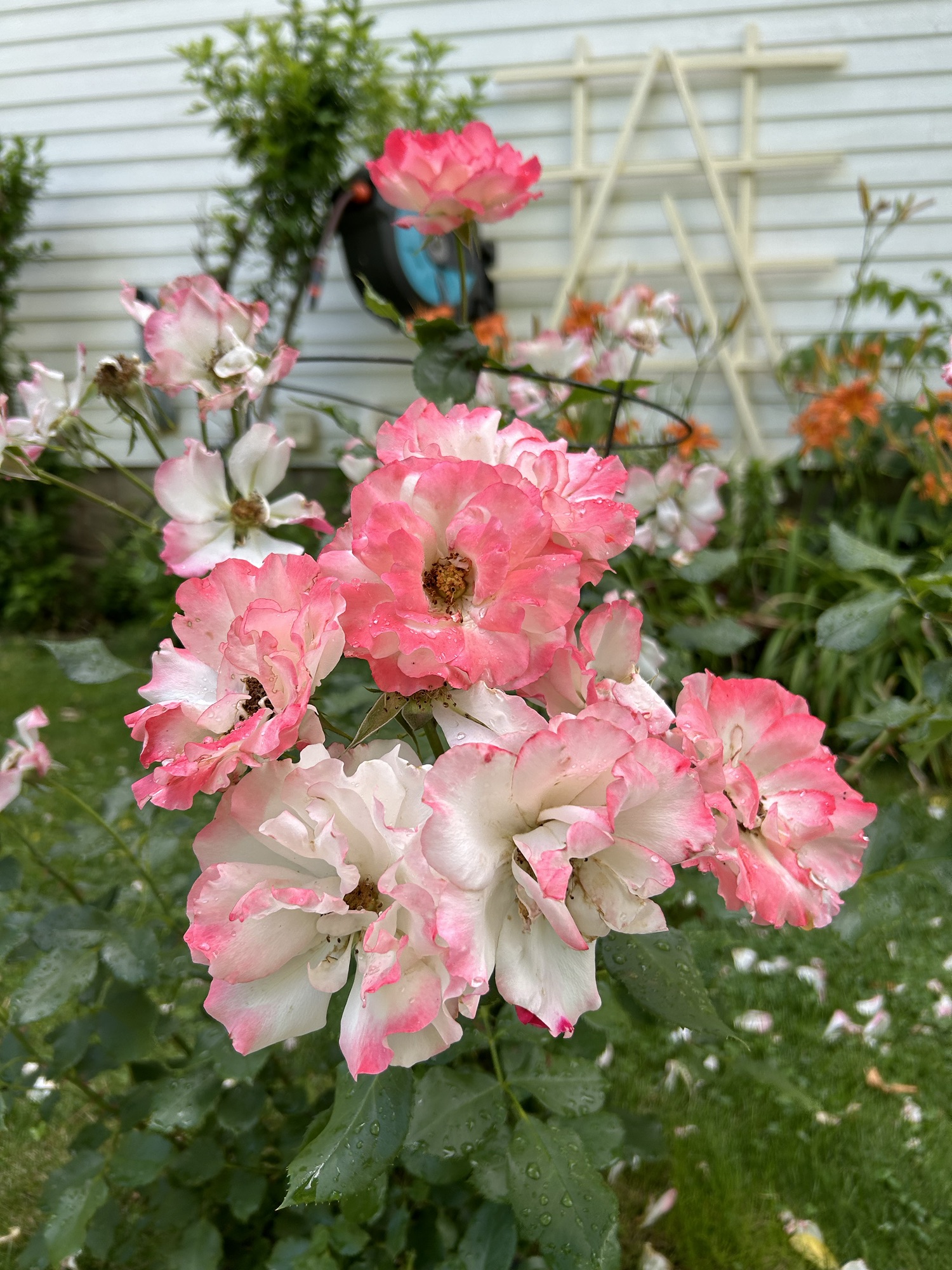
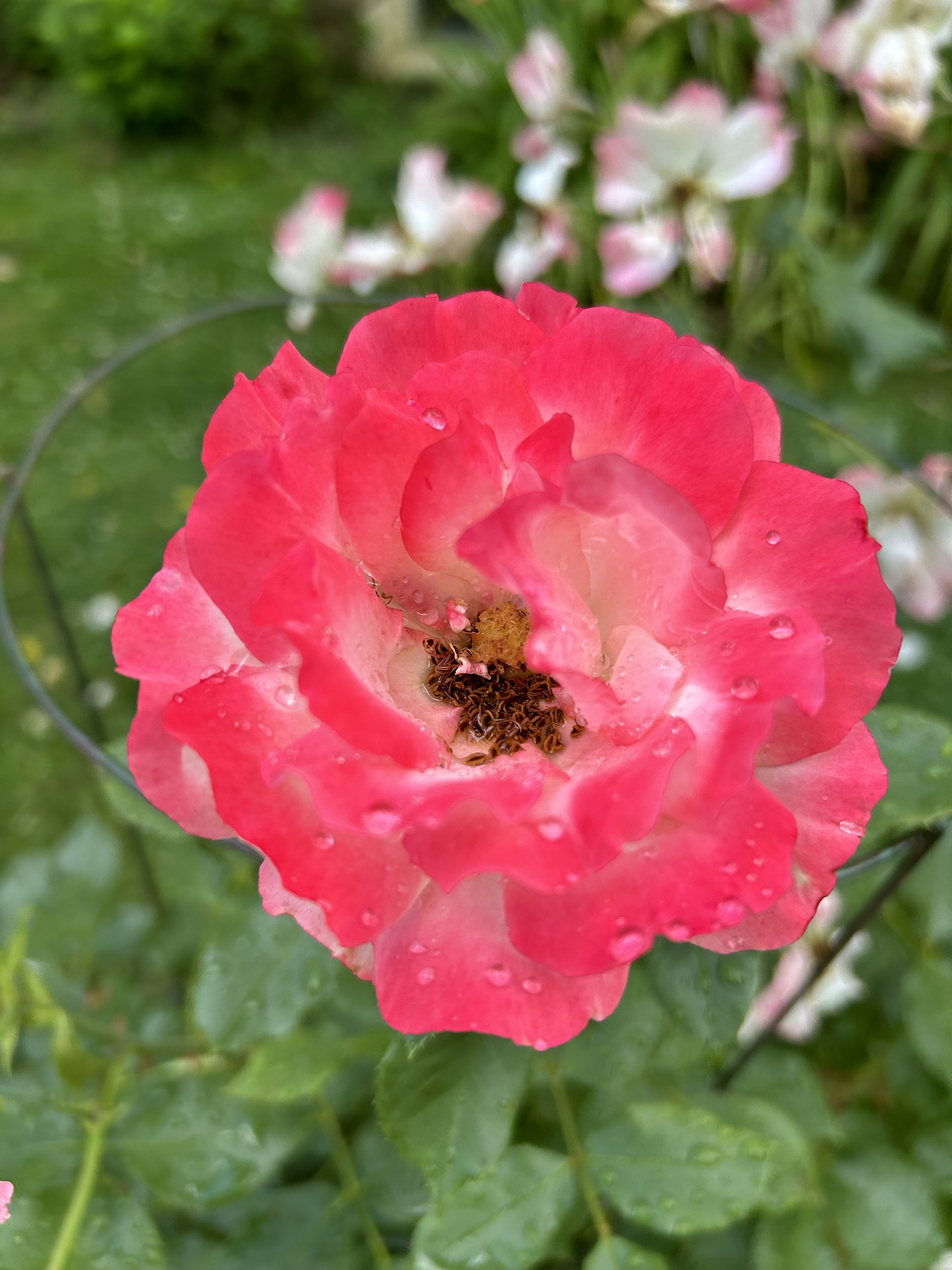
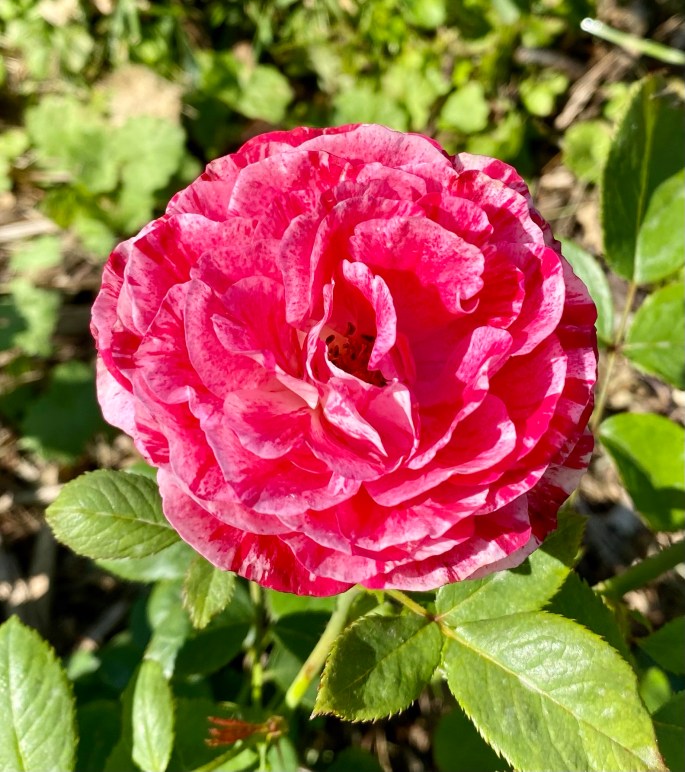
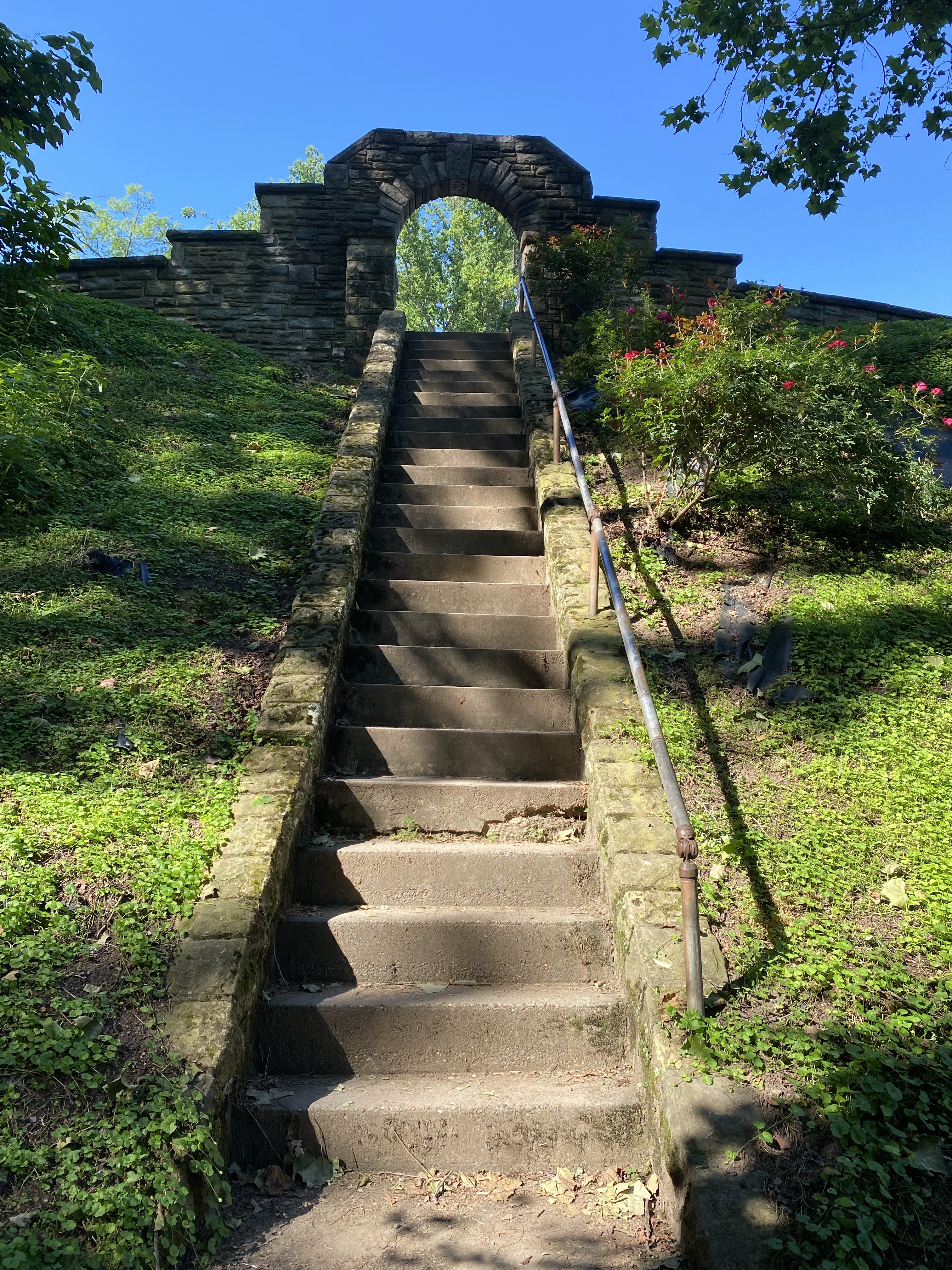
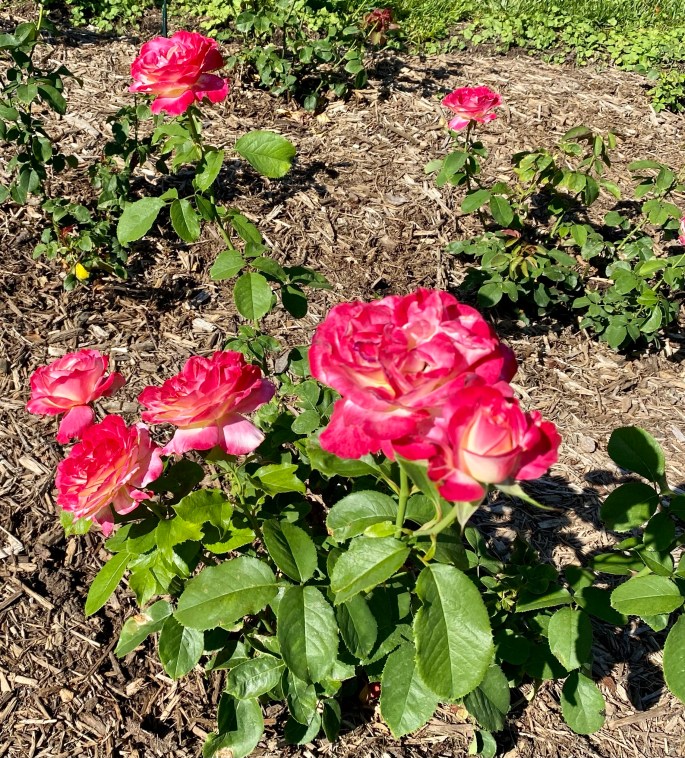
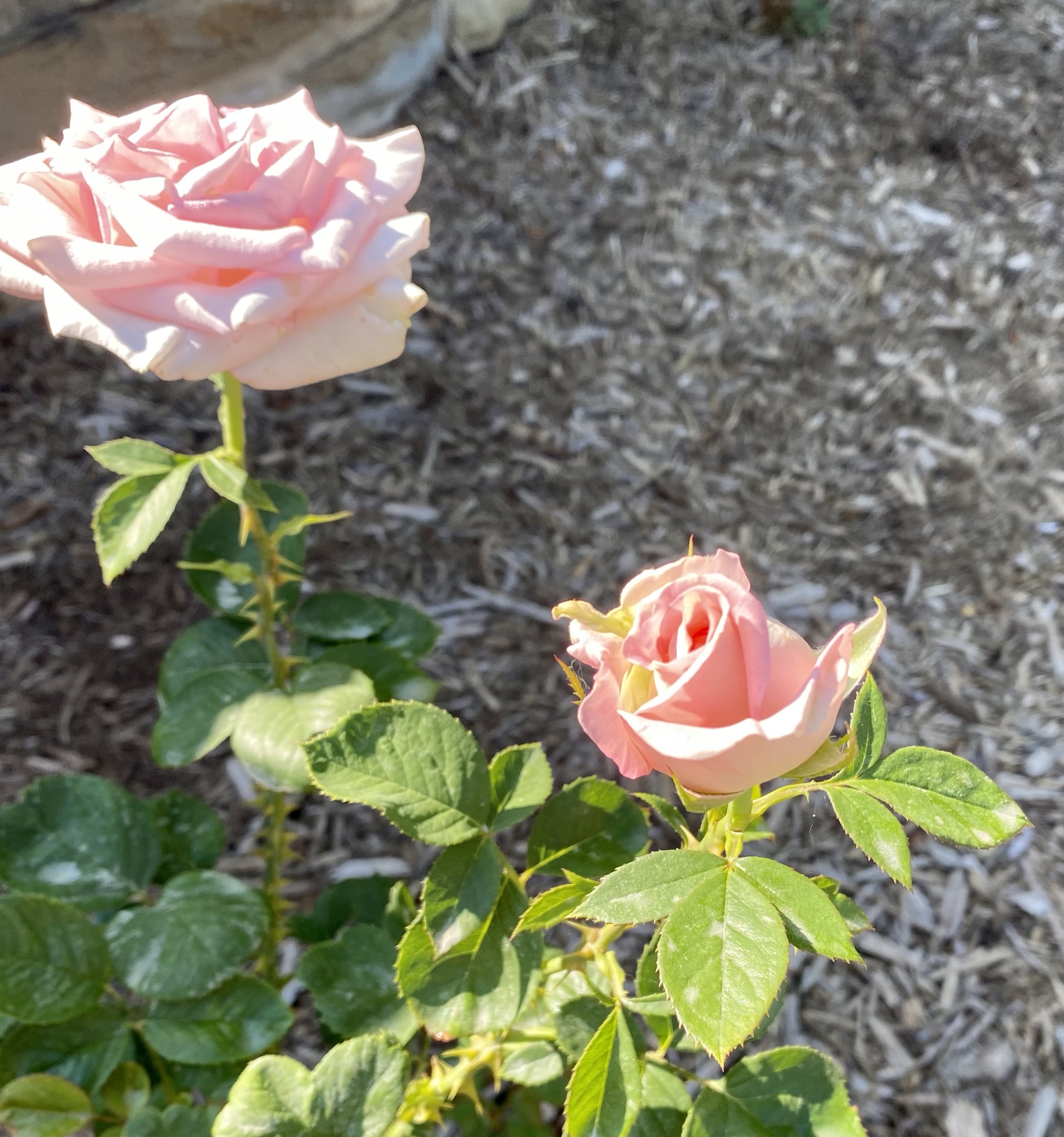
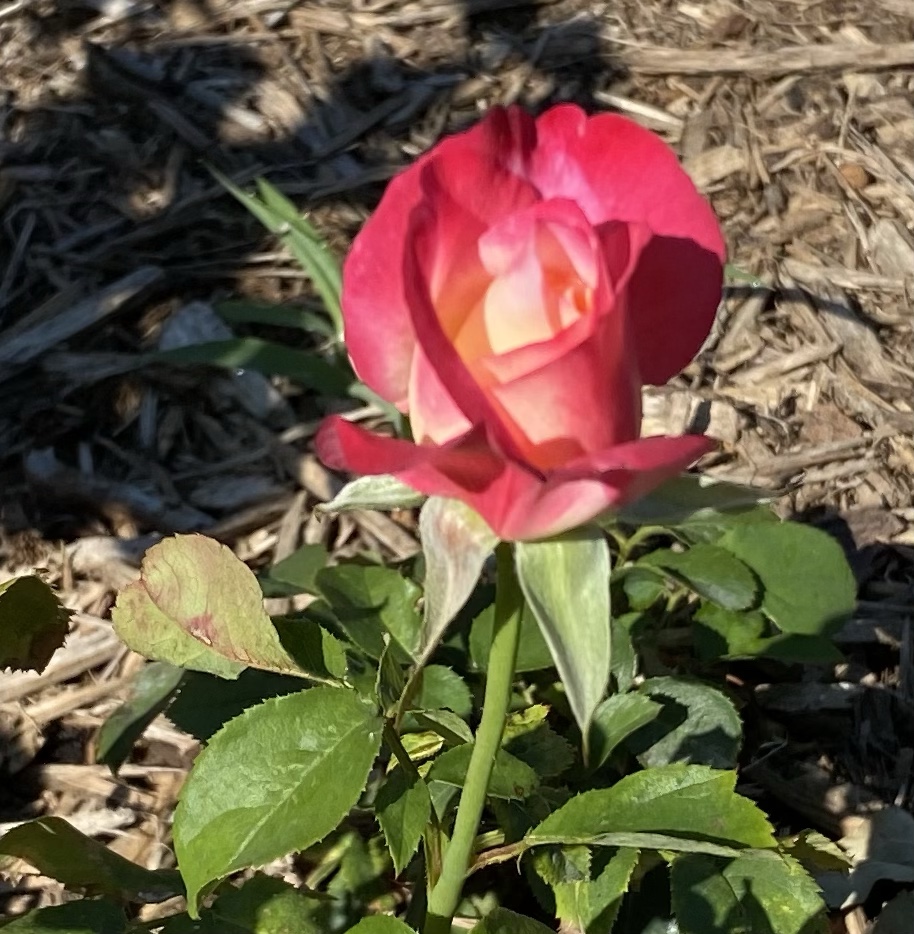
One morning, this past June, I was in Ritter Park to meet a friend for a walk.  However, the friend was running late, so I decided to meander up the old stone steps to the rose garden.  Sunshine, brilliantly glowed in its mid-morning slant, created a kaleidoscope of vivid colors, varying in texture, size, and shape. With no purpose other than to enjoy the moment, I wandered around the garden, drifting from one rose bush to the next, fascinated with all the minute differences not only among the varieties of rose bushes, but also among the flowers within the same bush.  Meanwhile, a gardener attentively tended the blooms.

Examining more closely, I noticed the various insects drawn to the roses. Bees, ants, beetles, moths and butterflies, flies, and even a few mosquitoes crawled, hovered, dove, and darted–busily buzzing about the roses with purposeful missions.  In one of the more isolated sections, closer to the wooded area of the park, I also observed a hummingbird dipping and diving among the various blossoms in a delightful, whirring dance of flight. As I let my gaze wander, my mind relaxed and began to make correlations with June, its flowers, and life.

“A rose can never be a sunflower, and a sunflower can never be a rose. All flowers are beautiful in their own way . . .”–Miranda Kerr

Each flower–from the number of petals to the size of each petal, from the varying life stages of each flower to the variances of color in each blossom–whether it be a rose in the Ritter Park garden or any one of the wide variety of flowers found in resident yards and public spaces–was, and is, a unique creation.  This is similar to the way each person, within the same family, or outside familial ties, is likewise a one-of-a-kind individual.  Flowers go through a dormant and a growing season of varying lengths, but all bloom seasonally, until they come to an end–whatever the life end may be. So it is with June and human life. 

The season of summer officially begins in June.  The air is sweet and heady with the fragrance of flowers. Winds and sunshine warm the air, and rain falls with purpose. Many plants are rooting and establishing while early spring greenery and blossoms are fading away into their dormancy. Daylight reaches its apex in June, while nighttime descends to its lowest point.  

Likewise, several key life events occurred and are honored in my own life each June.  I graduated from Ohio University in June.  Within that same month, I signed my first teaching contract, thus beginning the start of my career as an educator. Two year later, in June, I married my husband, an anniversary we have celebrated for 32 years.  Ten years later, our daughter was born in June.  As educators, my husband and I experience the arrival of each June as the beginning of a dormant period–an opportunity for reflection and renewal before a new school year begins in August.  Births and weddings, ebbs and flows, the highs and lows, and even celebrated endings.  It’s all there in June.

“All the flowers of tomorrow are in the seeds of today.”–Indian Proverb

I am but one person in the garden of many: my family, my work site, my community, and so forth.  All around me, younger lives are taking root, growing, and blossoming into their own personal expressions–making our collective garden more colorful and vibrant–buzzing with energy.  Meanwhile, I can’t help but notice that just as the flowers of June replace spring’s early blossoms, July has taken June’s place.  

Of course, one could argue that like the flowers, humans seem to be planted in dirt and threatened by weeds and all varieties of pestilence. However, when I was visiting the rose garden in June, it was the array of blossoms, in a rainbow of colors, that caught my eye, and made my heart smile.  They too were planted in dirt, confronted by pests and disease, but a gardener was there watching over them just as we have the Ultimate Gardener attending to our needs. 

The flowers offer their seeds and pollen to insects and birds to eat and disperse, ensuring more and different blooms for the future. Likewise, I pray that until my last petal drops, I am offering seeds of hope for others as June does for me.  One day, my memories of past Junes will fade away into permanent dormancy. In the meantime, I will savor the memories made this past June, find nourishment in the full blossoming of the July summer, and, in the weeks to come, accept August as the petals of summer begin to fall away, one by one.  

May there always be a June.