

“On average, a well-maintained pop-up toaster can last anywhere from 5 to 10 years.”–Storeable.com
A toast to Love 🥂 🥯

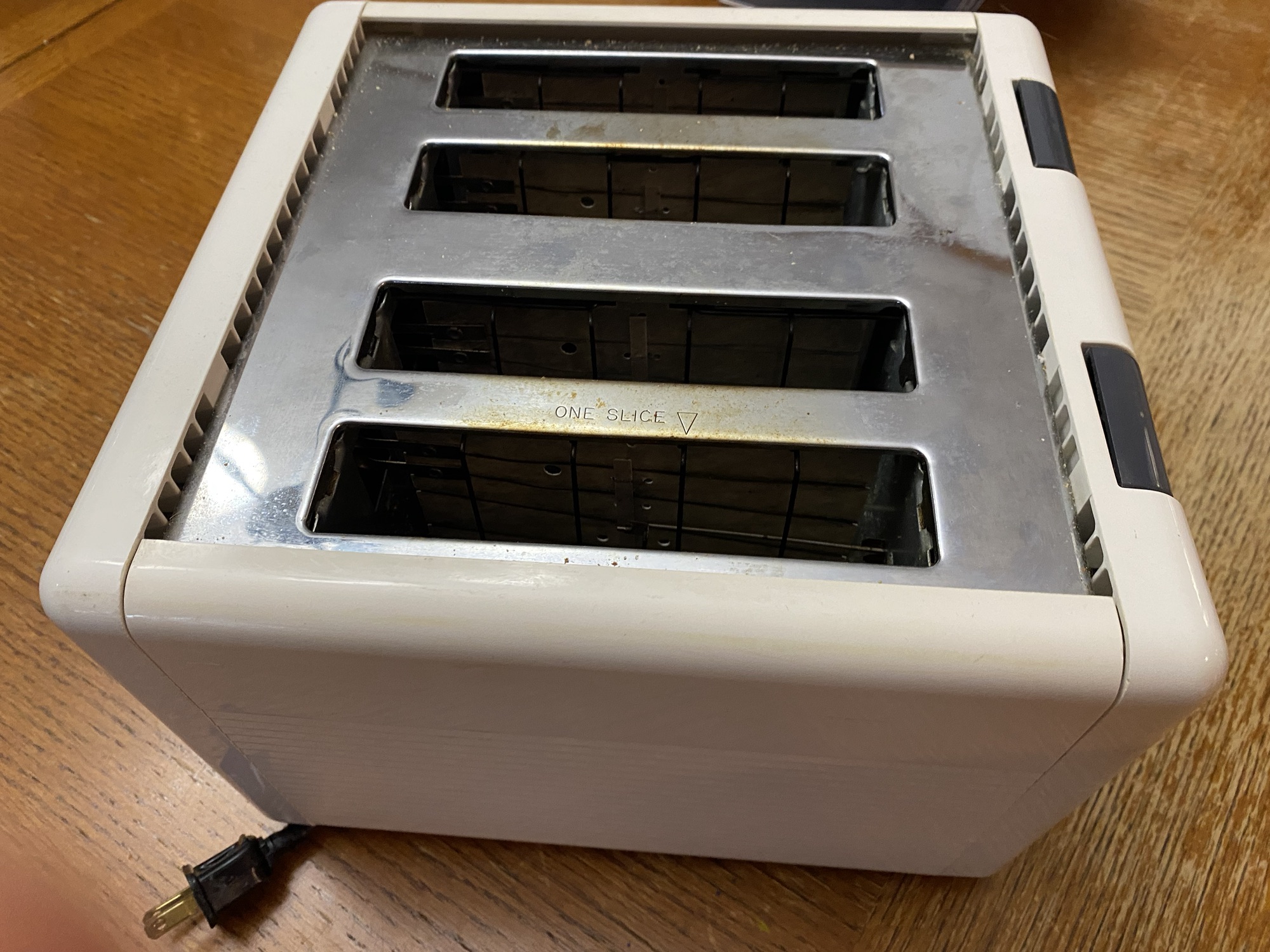
My grandparents gave John, my husband, and me a wide-slotted toaster in 1989. We cannot remember if it was a wedding gift or a Christmas gift during our first year of marriage. Regardless, Grandmother and Papaw were so proud to give it to us because it was just like theirs, white with four slots wide enough for bagels.
Here’s the thing, John and I didn’t use the toaster that often until our own daughter was born ten years later when it became used on a more regular basis. It was one of the last tangible connections to my grandparents. The gift was from a time period before Alzhiemer’s disease overtook Papaw’s brain; therefore, it was more likely the two of them chose the gift together.
Who’s the Center of Attention? 🤩

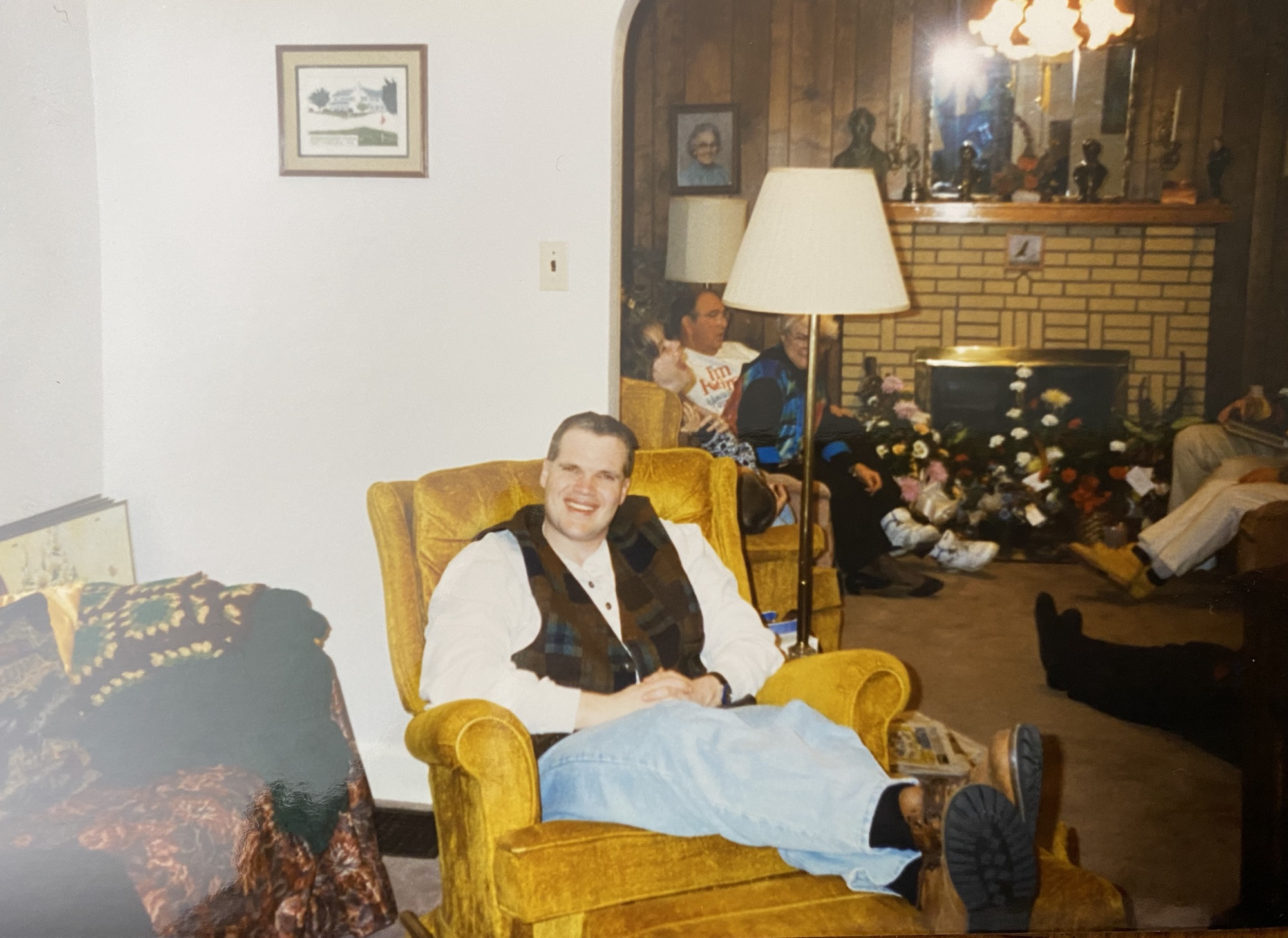
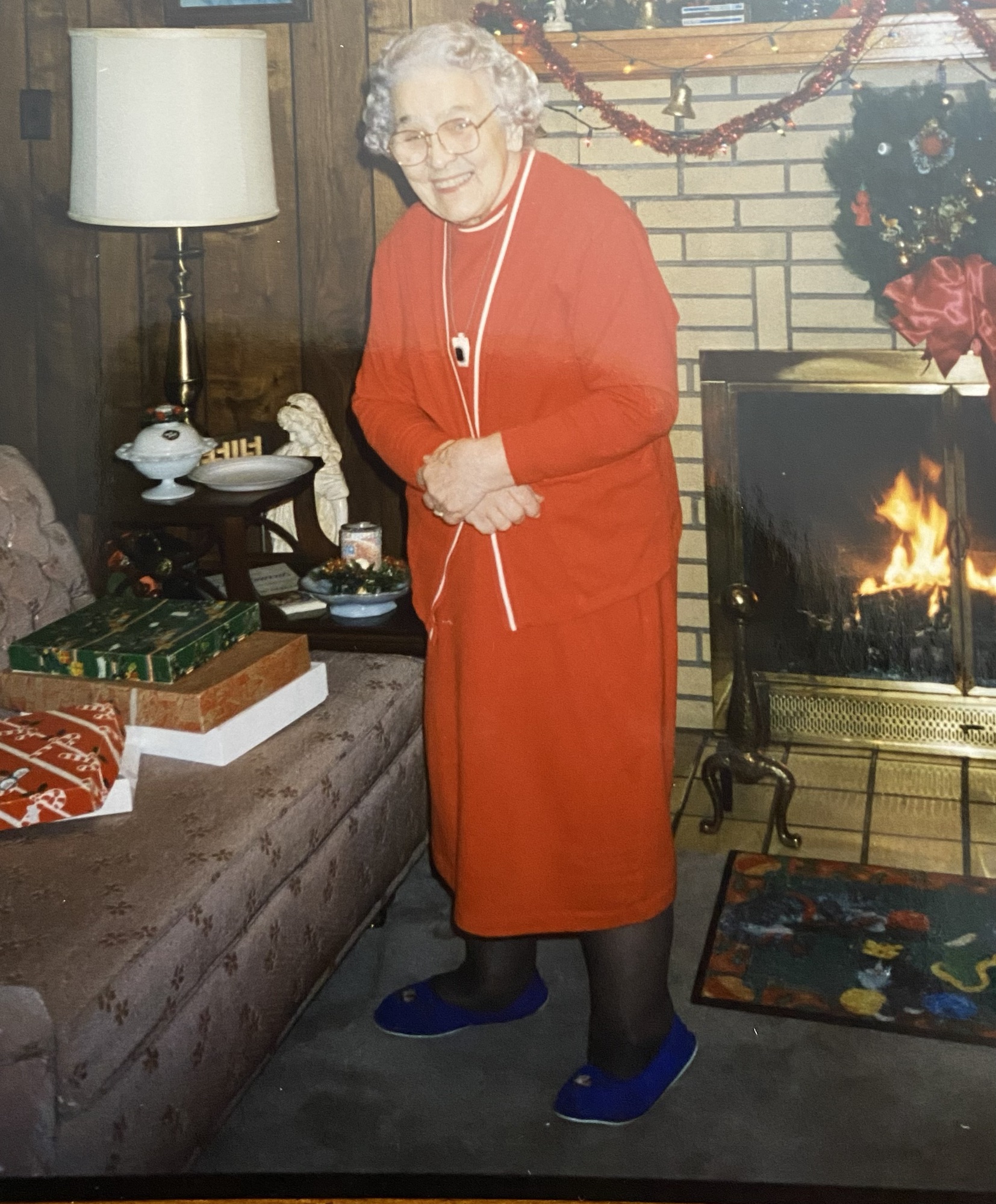
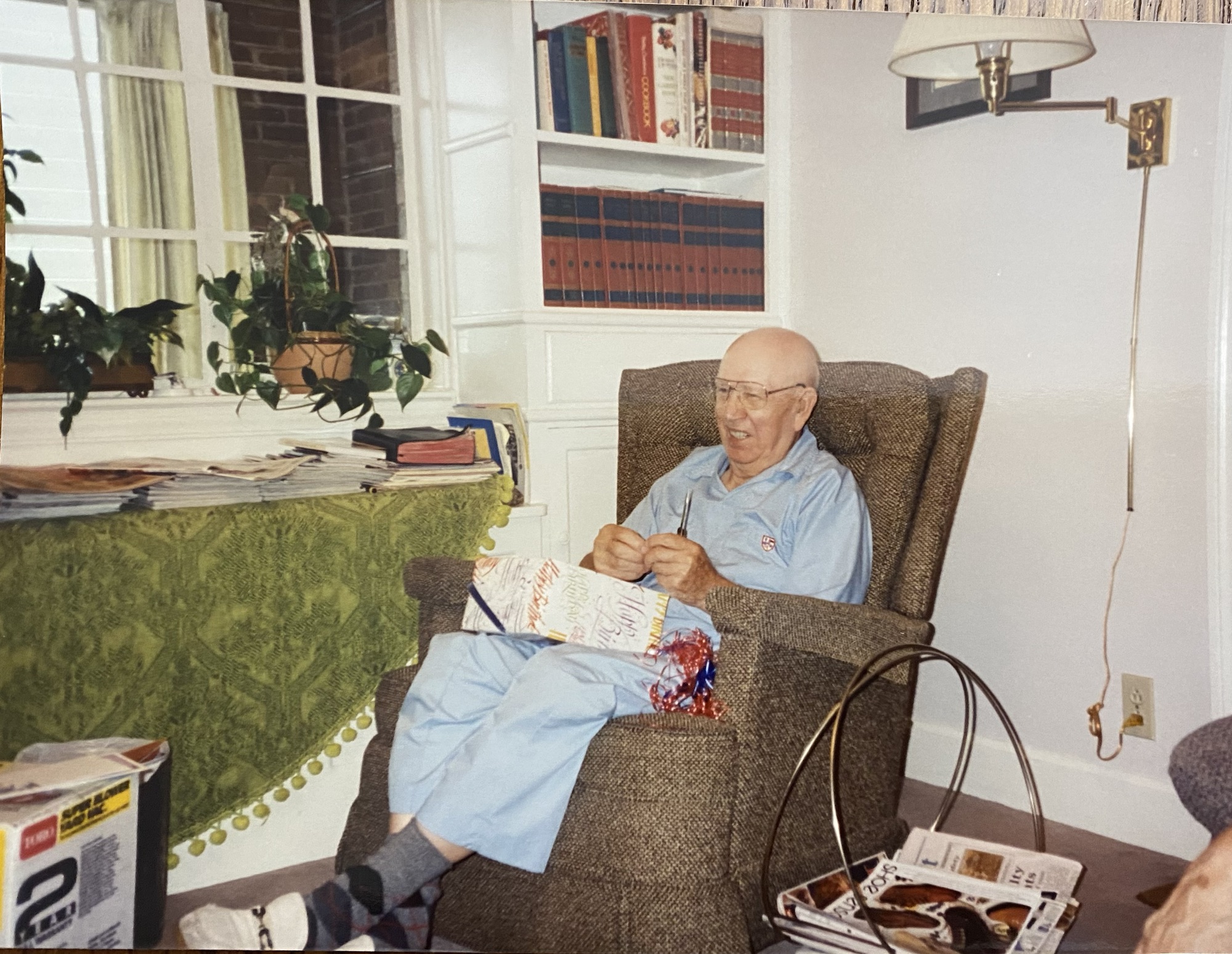
I can remember how Papaw first greeted John. He looked at John, sized him up, and shook his hand. Then, he looked at John’s hair, and asked, “You got all those hairs numbered to get your part so perfect?”
At the time, John had, as Papaw called it, “a head-full-of-hair.” Thus, it became Papaw’s default joke-of-a-greeting with John. That was one of Papaw’s ways–teasing a person to let them know he liked him or her.
Grandmother tended to let Papaw take the spotlight while she remained present, but in the background. She was quite adept at allowing Papaw to soak up all the attention, so she was embarrassed easily–and yet loved it–when attention occasionally turned to her. John knew how to use this to his advantage.
Papaw would give John a hard time about his hair, the way John was dressed, or the shoes John was wearing. In turn, John would banter good-naturedly with Papaw for a few moments. Then, John would pivot and turn his attention to Grandmother, asking her a question such as, “Helen, how do you put up with this man?”
Grandmother’s eyes would light up–probably because she secretly wondered that very thing herself from time-to-time when Papaw was carrying on, but she would usually deflect the comment good naturedly while laughing.
Family dinner Rules 🍽️
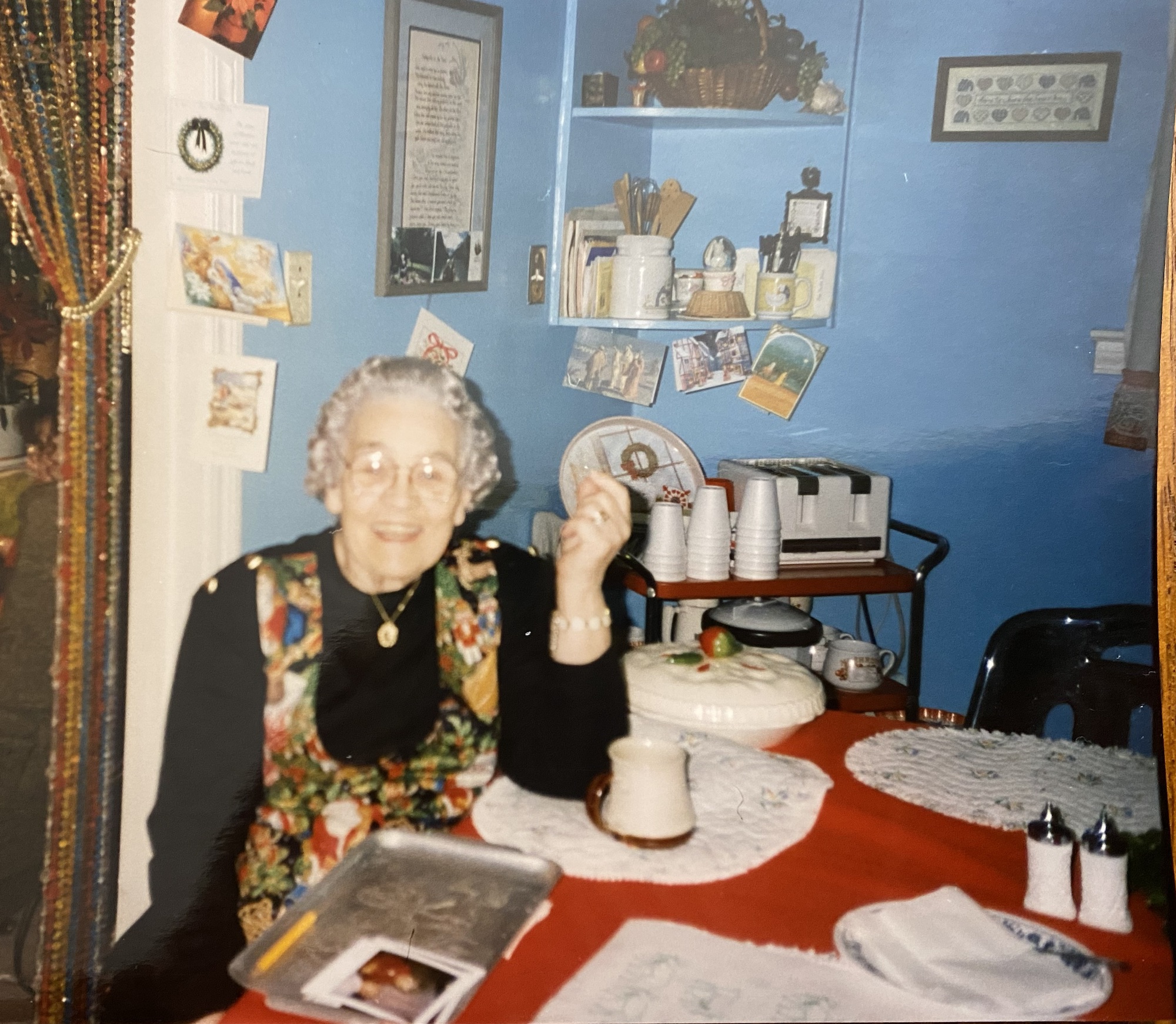

During family dinners, Grandmother still remained in the shadow of Papaw’s entertaining ways; however, her food was center-stage. She was a good cook in that hard-scrabble, Kentucky/Appalachian way–a woman who had been poor during her childhood and continuing through the Great Depression. Therefore, her cooking methodology was a mix of traditional Appalachian-style foods and popular recipes of the time, made in the most cost effective way. (I could probably write a book on her cooking alone.)
Therefore, John would tease her mercilessly about her cooking. One moment he would tell her how much he loved something, and then next he’d quip, “Now, Helen, I am not sure who makes the better __________, you or _________, (He’d usually insert his mother’s or my other grandmother’s names.) so I’d better have some more of that if you don’t mind. It will help me decide who the better cook is.”
Oh, how she basked in that kind of banter. “Now, John . . . ,” she’d say as her face reddened. Then, she’d smile, realize there was food in her teeth, and cover her smile with a napkin. She’d wave her hand as if batting his comment away, but she’d ensure he–and everyone else gathered around the table–got more food.
Clean up and Dish up 👂


After special dinners, Papaw, who usually did help clean up the kitchen, was given “permission,” especially during football season, to go ahead and sit down, with any other men that were present, to “watch” football and/or read the Sunday paper. I put quotes around “watch” because after eating, Papaw would typically doze off part way through the game. Nonetheless, 20 or so minutes later, he’d perk back up, and command the rapt attention of those that remained in the room with him.
Meanwhile, the women would clean up the kitchen, often making more coffee. The conversations were rich as the coffee and somewhat “dishy” about this person or that. Once I was old enough, I would hang out in the kitchen, offering to “help,” but mostly hovering between the TV room and the kitchen, so I could hear the tales from both rooms.
There was an intimacy in Grandmother and Papaw’s kitchen area that was warm and inviting. During winter months, their single-paned windows would thickly frost, and as a child, I felt sheltered and safe in an often chaotic world in that room. Later, when I lived with them for two years as a young adult, I came to realize that even when it was just the two of them, that presence of peace could still be felt in their kitchen.


During those early adult years when I lived with them, they graciously shared their kitchen with me, so I could explore my own cooking interests. Grandmother especially loved it when I cooked with a wok or made homemade pizza, so she could eat something different than her traditional fare. Papaw would just walk out of the kitchen and mutter under his breath about my “concoctions” while Grandmother sat at the kitchen table asking me questions about the recipe as I worked.
It was also during this time period that I observed their steadfast devotion in the early morning hours, when they made breakfast together. Their breakfasts were usually simple, but that didn’t matter. It was how their presence made the space feel.
Their presence remains 👴🏻👵🏼


If I listen hard enough, I can still hear the metallic clank of the toaster popping and the rhythmic perk, splurt, sigh of Grandmother’s percolator, brewing her aromatic coffee, filling the kitchen with an ethereal presence, as they two of them sat side-by-side at their kitchen table, talking about the coming day, current aches and pains, or strategizing for an upcoming, double-coupon, shopping day.
Grandmother shared her love of cooking and baking with me, and Papaw taught me the importance of an appreciative eater. They both offered wisdom on the art of not wasting food and cooking on a budget. They were patient with my presence in their sacred space–the kitchen–when I lived with them for those two years. And they modeled that a kitchen table–and the events around it–are often the heart of a home.
With the toaster they gave me, it felt like a small part of Grandmother and Papaw remained with my own family in our kitchen, but this past Thanksgiving, the toaster quit working–only months after our daughter moved out to begin her career and life as I once did with them.
I know it is a miracle it lasted as long as it did, but I still mourn its loss. However, as I write this piece, I realize that Grandmother and Papaw’s kitchen is not lost, but remains in my heart and in my hands. Their love wraps around me when I bake or cook one of those traditional recipes and even when I explore new ones. The echoes of Papaw making himself an endeared, center-of-attention and his gruntings about my “concoctions” still whisper. Likewise, visions of Grandmother sitting at my own kitchen table, eating with me in spirit, asking about my recipes, and savoring each new taste as her clouded blue eyes shine their light on me seem almost real. I suppose, in the end, these words are written as a toast to their lasting influence.
 Steph Simply