The Weight of Quiet Places

“Pause, stranger, when you pass me by: As you are now, so once was I. As I am now, so you will be.”—variation of a popular epitaph

👧 The Wisdom We Don’t Yet Understand

As a young girl, my Papaw had a habit of taking both my hands into his large, weathered palms, looking directly into my eyes, and telling me something he felt was important. However, most of the time, I was far too young to understand the conviction, intent, or meaning behind his words. What I did understand was that he loved me, and that was all I needed to know.

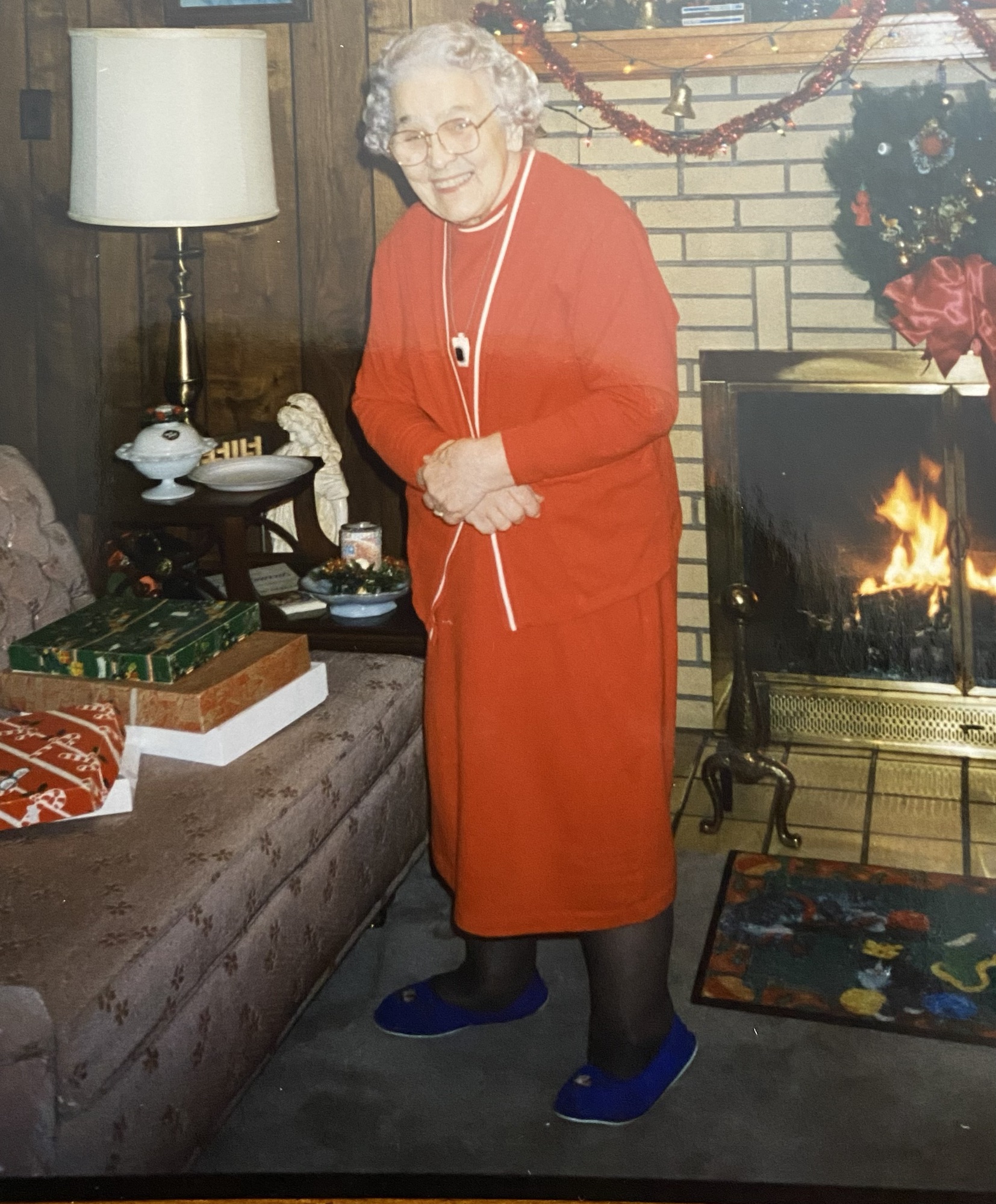
He was especially sentimental whenever we were preparing to leave the house he shared with Grandmother. We would stand near the back door, putting on our coats and waiting for adults to gather things as we went through the traditional long Appalachian goodbyes. My grandmother, redolent with the scents of buttery foods, talcum powder, and Avon Vit-moist face cream, would pull each of us in for a big ol’ hug and wet smooch on the cheek. Papaw would tell us to get some fresh orange slices from the candy jar on our way out the door. It was then that he tended to grab my hands. Sometimes he would tell me something funny or factual, but on other occasions, when I now realize he was feeling particularly sentimental, he would share a bit of “wisdom.”

With great earnestness, he would often say, “Stethie, as you are now, so I once was. As I am now, so you will be.”

His tone was filled with such loving kindness, and in my great wisdom I thought I understood.

“Yeah, yeah, yeah,” I would think in my haughtiness. “One day, I will be old too, and I will be sad.”

It seemed like one of those strange things grandparents say to their grandchildren. I now understand it differently.

📖 When History Becomes Human
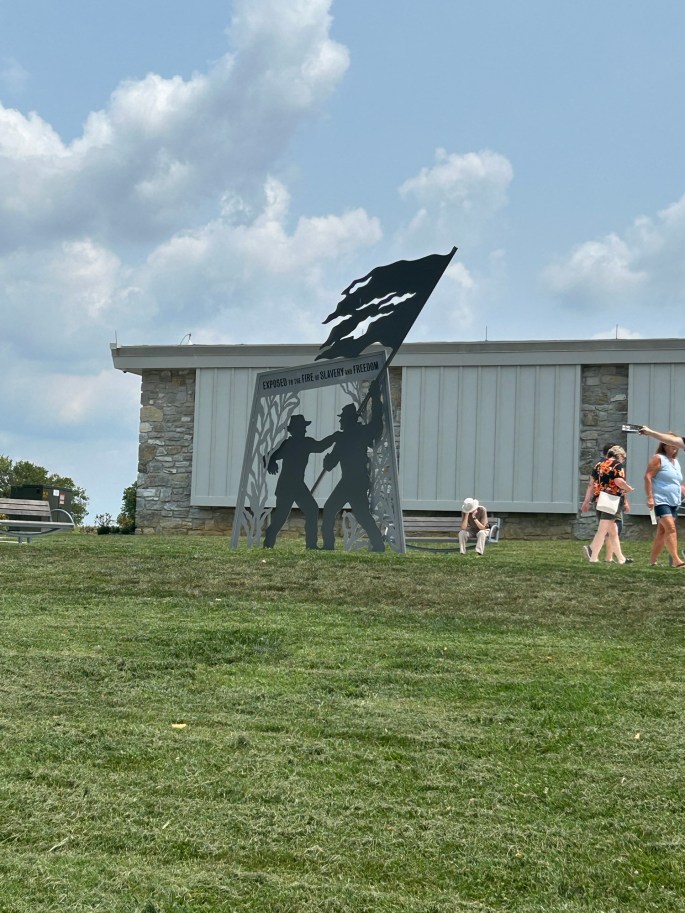
Antietam National Battlefield

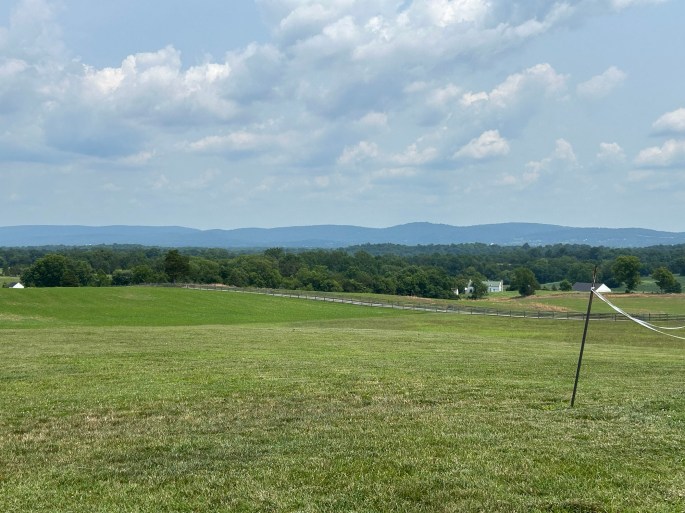
Recently, as I walked the fields at Antietam National Battlefield, Papaw’s words came to mind again. Standing on the grassy knoll behind the Antietam Visitor Center, I took in the beauty of the mountains in the distance, the soft whisper of the breeze through grass, the ordinary beauty of blue skies punctuated by large, billowy clouds, and the random red fire hydrant in the middle of the grass. It seemed impossible that this place of rural beauty was once the site of horror, destruction, and bloodshed.
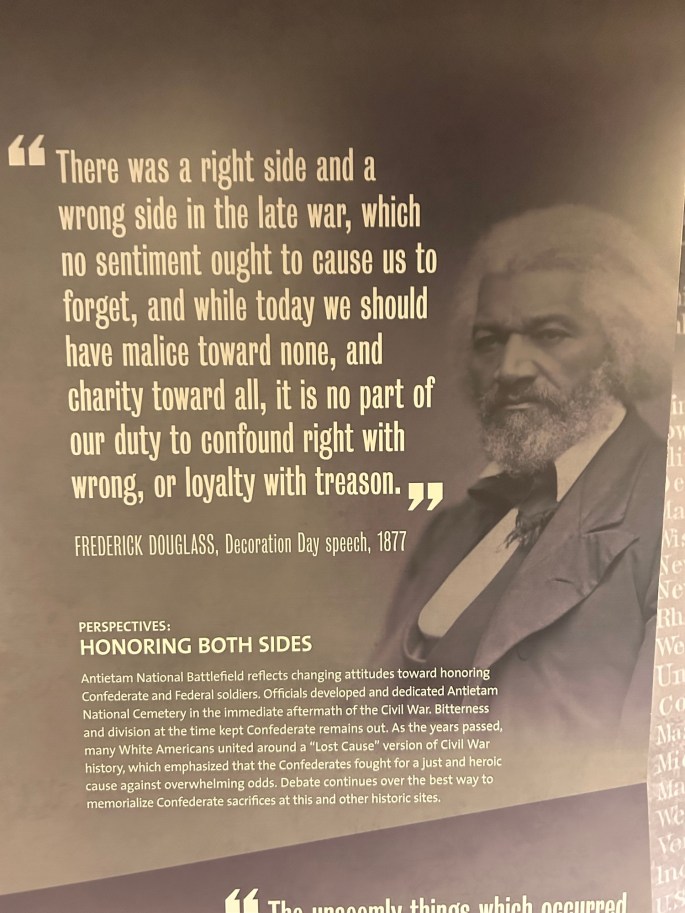
Antietam National Battlefield Visitor Center

Inside the Visitor’s Center I read documents, watched a short documentary, and gazed at displays that emphasized the large loss of life. Those who were lost were someone’s child, grandchild, spouse, or friend. Yet, standing on that knoll, it occurred to me: this was history that happened to people. Not statistics.

Droplets of sweat ran down the middle of my back, bringing me to my senses once more. All around me people walked the grounds with a hushed reverence, drove through the expansive battlefield, listened to online narratives, and took pictures. The fields possessed a heavy quiet, but that silence did not mean nothing happened here. And, perhaps, that was what gives places like Antietam their weight: the landscape remembers what we cannot see.
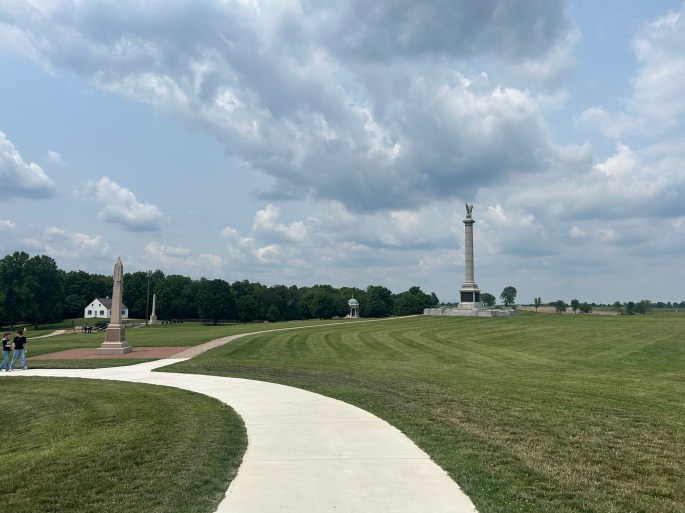
Antietam National Battlefield

While history classes, books, and even documentaries have provided me with knowledge for years, being physically present at Antietam gave that knowledge color, emotion, and context. Visiting places can turn history into a human experience.

The next day I visited Harpers Ferry. While these historically significant sites were different, both forced me to consider the consequences of human choice. At Harpers Ferry, the pictures and placards about John Brown suggested that his mission was driven by deeply held convictions. As I walked through the town, read the historical markers, and walked across the bridge that overlooked both the Shenandoah and Potomac Rivers, I couldn’t help but wonder, “What makes human beings so willing to fight for what they believe to be right?”

🧬 The Inheritance We Carry

History, it seems to me, is not a collection of events that “happened way back when.”  It’s about people—people who made choices. Those choices affected others, and eventually they became part of the inheritance we carry—an inheritance that still affects us today.

I think of Papaw all those years ago and the message he was trying to convey: “As you are now, so I once was. As I am now, so you will be.”
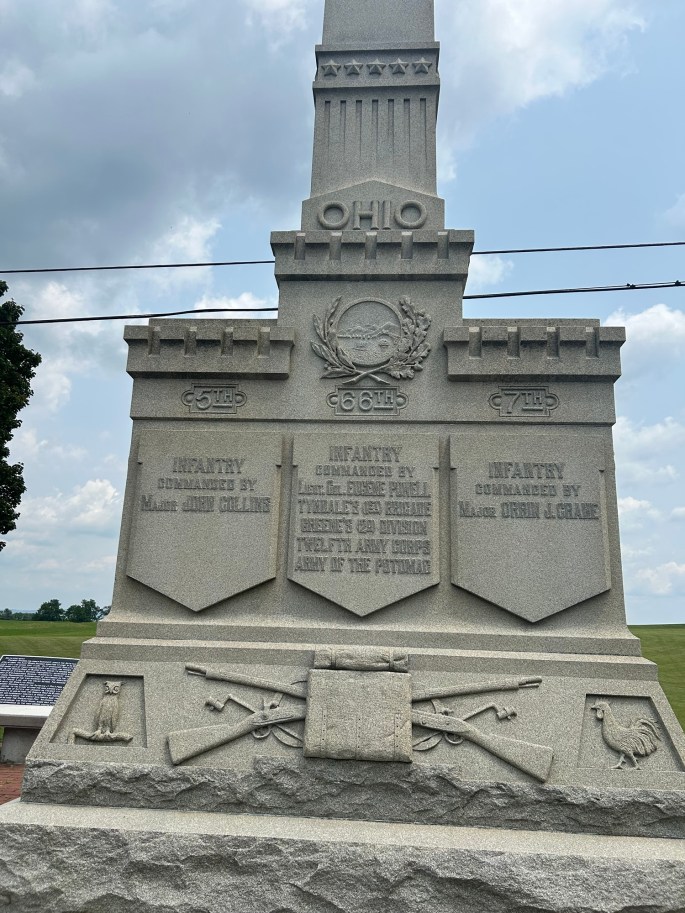
Antietam National Battlefield

When I was younger, I thought the message was about one’s mortality. After visiting those hallowed grounds, I am beginning to think his words were about human continuity. The people who walked those grounds, worked those fields, fought those battles, and died there were once where I was standing. And someday I will be where they are.

We cannot change what happened in history. We can choose to remember it. We can choose whether to allow history to stir greater compassion within us or to allow it to divide us. We can choose to recognize the humanity of those who went before us, whether we agree or disagree with their positions.

Perhaps that is what Papaw was trying to teach me all along: to pause long enough to remember that every person we encounter is living a life that someday will become someone else’s history.
Shepherdstown, WV: More than meets the eye

A charming historic town, an unexpected sense of belonging, and the priceless gift of family time

“Make assumptions if you must, but make not the mistake of assuming that your assumption is always right.”

—Abhijit Naskar

It’s interesting how our minds make assumptions about a place before our feet ever arrive. That certainly happened to me when my husband, John, suggested we visit Shepherdstown this past July. Having spent considerable time traveling through West Virginia, I thought I already knew what to expect. I expected we would find a quiet town nestled among the scenic mountains of West Virginia, with perhaps a couple of quaint shops, a restaurant or two, and a bit of history tossed in for good measure. While all of that proved to be true, Shepherdstown exceeded every expectation I had constructed.

🗺️ Beyond First Impressions

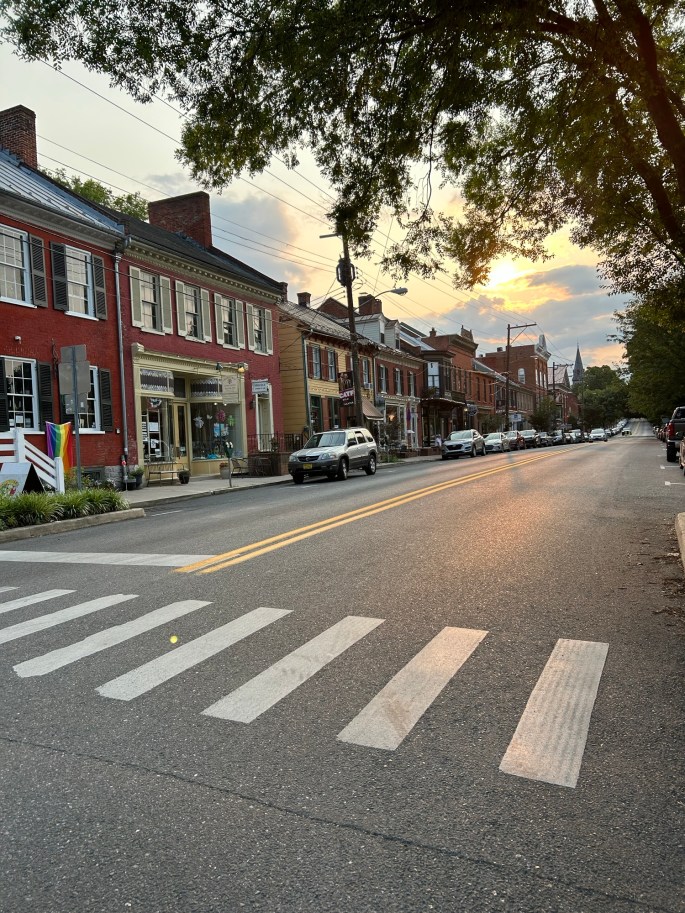
The surprise began before we even reached town. Much of the drive carried us through Pennsylvania and Maryland before finally returning to West Virginia. Entering Shepherdstown, we were pleasantly surprised to see how the town embraces its historic roots while celebrating a vibrant community that warmly welcomes visitors. From flower-lined streets with signage supporting the local theater production and Shepherd University to the restored and well-maintained historic homes and old brick sidewalks, Shepherdstown radiated local pride.

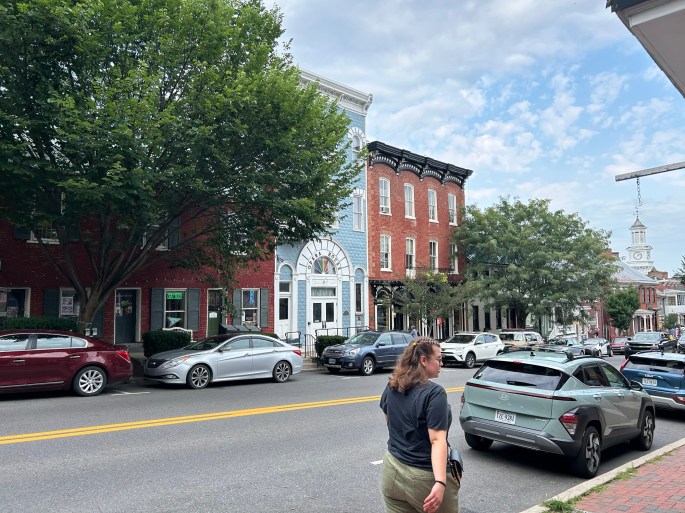
A street scene featuring a woman walking alongside parked cars and historic buildings with varying architectural styles under a partly cloudy sky.
German Street Shepherdstown, WV

Once unpacked and settled into the Airbnb, we headed out to explore West Virginia’s oldest town (a distinction it shares with Romney). Naturally we made our way to German Street, lined with dozens of 18th- and 19th- century colonial homes and buildings. It did not take long for German Street to reveal itself as the historical and commercial heartbeat of the town. While all this history was enough to hold our interest and challenge my assumptions, it was the hospitable warmth of the people that really won my heart.

🏘️ A Community That Welcomes You In

Everywhere we looked, people from different walks of life seemed genuinely comfortable there. It felt like a town where everyone had been invited to the table. The pace was a bit slower, but the businesses seemed intentionally woven into the fabric of  community life rather than existing to attract tourists. By the end of our first evening, after dinner at Blue Moon Cafe, I realized my assumptions had quietly disappeared.

🛍️ The Best Souvenirs Aren’t Things

Another unexpected gift of the trip was having our adult daughter join us while her boyfriend was tied up with taking the bar exam in Massachusetts. Watching her climb into the backseat with her pillow, blanket, and what I used to call a “busy-bag” instantly carried me back to family vacations years ago. We laughed until we cried more than once during the trip.  “Hill Road Trip 2026” became our defining rallying cry as we made our way around the town each day and traveled to the nearby historic sites of Antietam and Harper’s Ferry.

For a few days, we slipped back into the rhythm of family vacations from years ago. We compared ice cream at the two local ice cream shops—yes, both shops had gluten free cones for me! We discovered a hidden gem of a sandwich shop within walking distance of the apartment that looked more like a neighborhood market—another unexpected gluten-free find! We also discovered our daughter still loved to collect rocks as she once did as a little girl—only this time, she did not ask her Dad to carry her “treasures” in his pockets for hours on end as she used to. More than anything, the trip reminded me that the greatest gift of travel isn’t simply discovering new places. It’s discovering new ways to enjoy the people you love.

🏞️ Finding Quiet Along the River

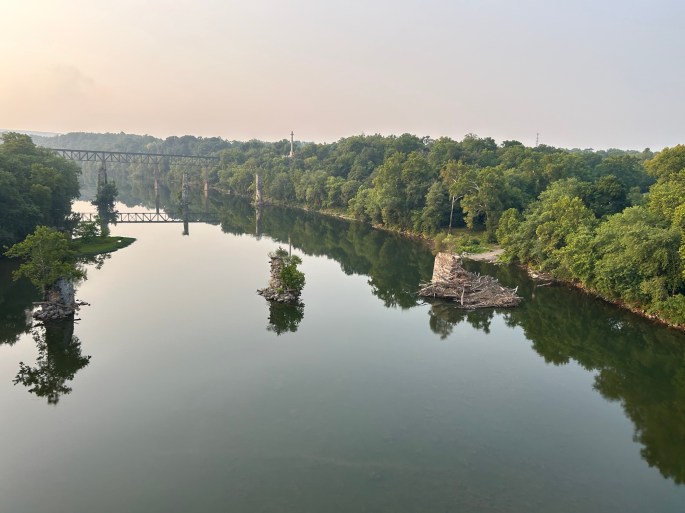
A calm river reflecting the surrounding trees and an old railway bridge in the background, with small rocky outcrops emerging from the water.
Potomac River along the C & O Canal.

One personal appreciation I had for the town was its close proximity to the C & O Canal Trail, a historic 184.5-mile-long trail that stretches from Washington, D.C. to Cumberland, Maryland. Each morning of our stay, I was able to head out to run along the quiet, hilly sidewalks of the town before the start of the business day and then cruise along the flat, crushed limestone trail, enjoying the natural beauty of the Potomac River. There is something magical about beginning the day surrounded by birdsong, rushing water, and deer and squirrels scurrying into the woods upon my approach.

☕️ Where Everyone Has a Place at the Table

On our final morning in town, my daughter and I visited the Shepherdstown Sweet Shop and Bakery for sandwiches, hot beverages, and a few treats for the road. As we waited, I found myself smiling. My daughter struck up a conversation with another customer about the art of cross stitching. The owner of a nearby shop stopped in to pick up coffee for herself and coworkers. A small group of women animatedly discussed a book they were reading. One man quietly worked on his laptop. Four employees—each different from the rest—greeted customers with the same friendliness. It struck me that this wasn’t simply a bakery. It was a gathering place. Each unique person seemed stitched into the same community quilt, different patches held together by threads of kindness and belonging.

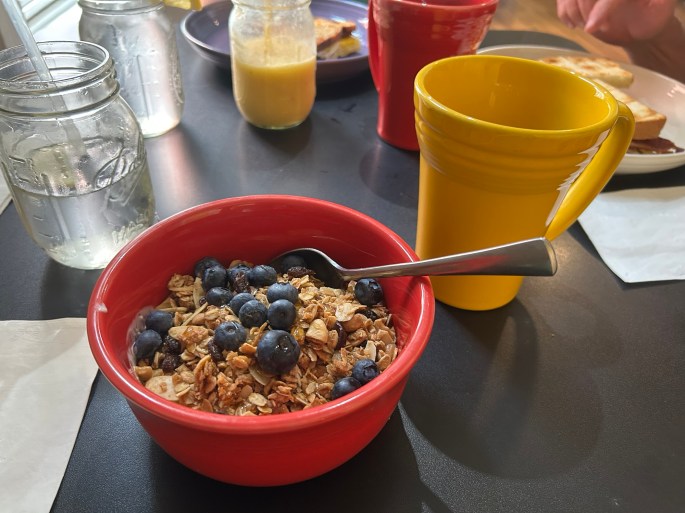
A red bowl filled with granola and fresh blueberries, accompanied by a yellow mug, glass of water, and other breakfast items in the background.
Everyone deserves a seat at the table.

Driving home afterwards, I couldn’t help but reflect that quite often the best souvenirs aren’t purchased in gift shops. They are the things we carry home instead: shared laughter, a deeper appreciation for places that still know how to build community, and the quiet dismantling of one more stereotype. Shepherdstown gently reminded me that the world is almost always more welcoming, kinder, richer, and far more complicated than a simple stereotype.

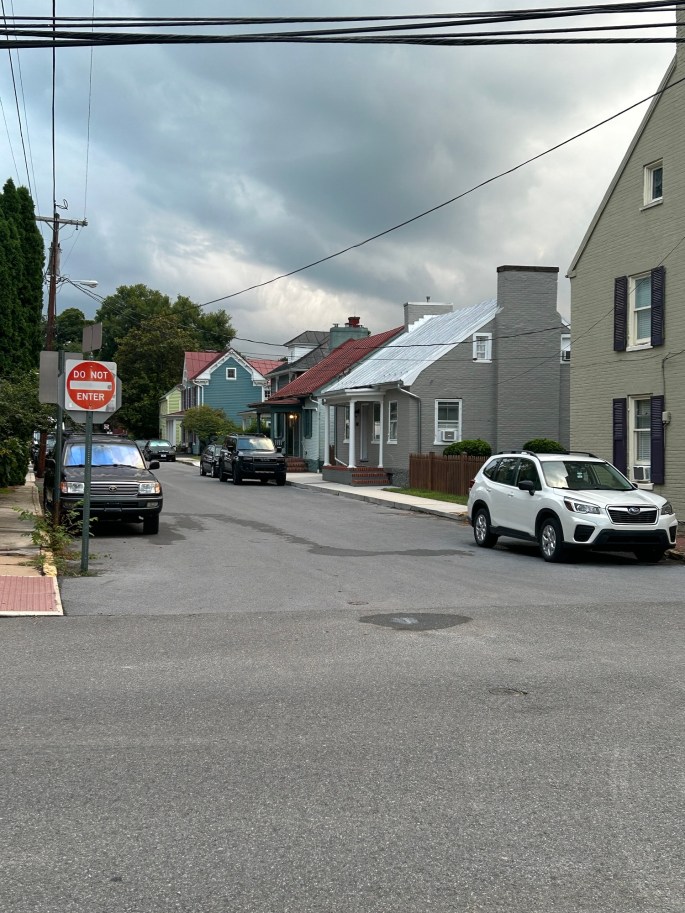
A quiet street scene with several houses on either side, featuring a mix of architectural styles. Parked cars line the road, and a 'Do Not Enter' sign is visible in the foreground. The sky is cloudy, suggesting overcast weather.
A residential street in Shepherdstown, WV

I hope to return to Shepherdstown someday. Some places quietly stitch themselves into the fabric of our own lives, and Shepherdstown has certainly become one of them. If I am fortunate, there will be more “Hill Roadtrips” in the years ahead. No matter how old our children become, the gift of their time remains one of life’s greatest treasures.

Warm and toasty memories of grandparent’s kitchen

“On average, a well-maintained pop-up toaster can last anywhere from 5 to 10 years.”–Storeable.com 

A toast to Love 🥂 🥯

“Bready” to work for 34 years!

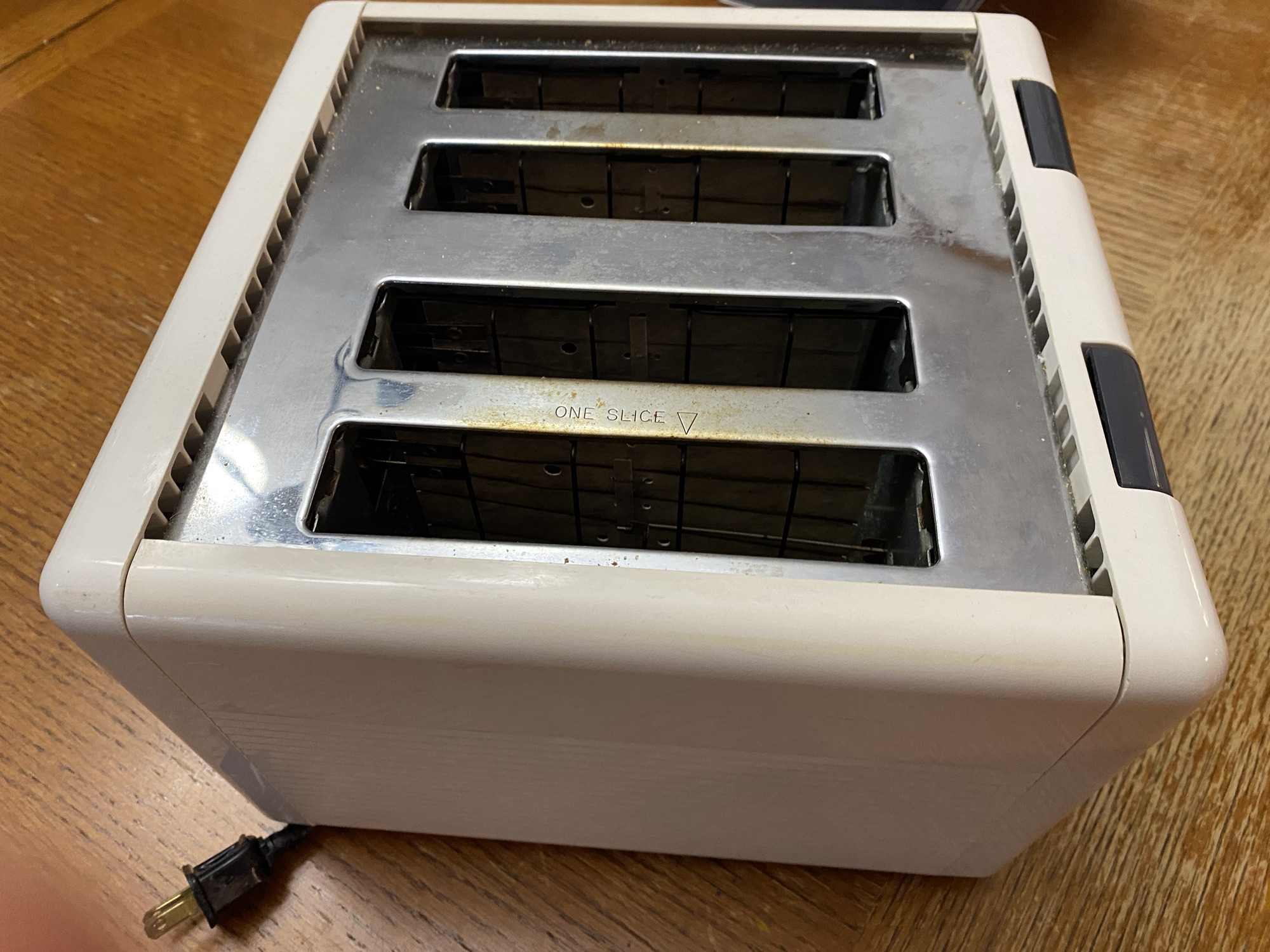
My grandparents gave John, my husband, and me a wide-slotted toaster in 1989. We cannot remember if it was a wedding gift or a Christmas gift during our first year of marriage. Regardless, Grandmother and Papaw were so proud to give it to us because it was just like theirs, white with four slots wide enough for bagels. 

Here’s the thing, John and I didn’t use the toaster that often until our own daughter was born ten years later when it became used on a more regular basis.  It was one of the last tangible connections to my grandparents.  The gift was from a time period before Alzhiemer’s disease overtook Papaw’s brain; therefore, it was more likely the two of them chose the gift together.  

Who’s the Center of Attention? 🤩

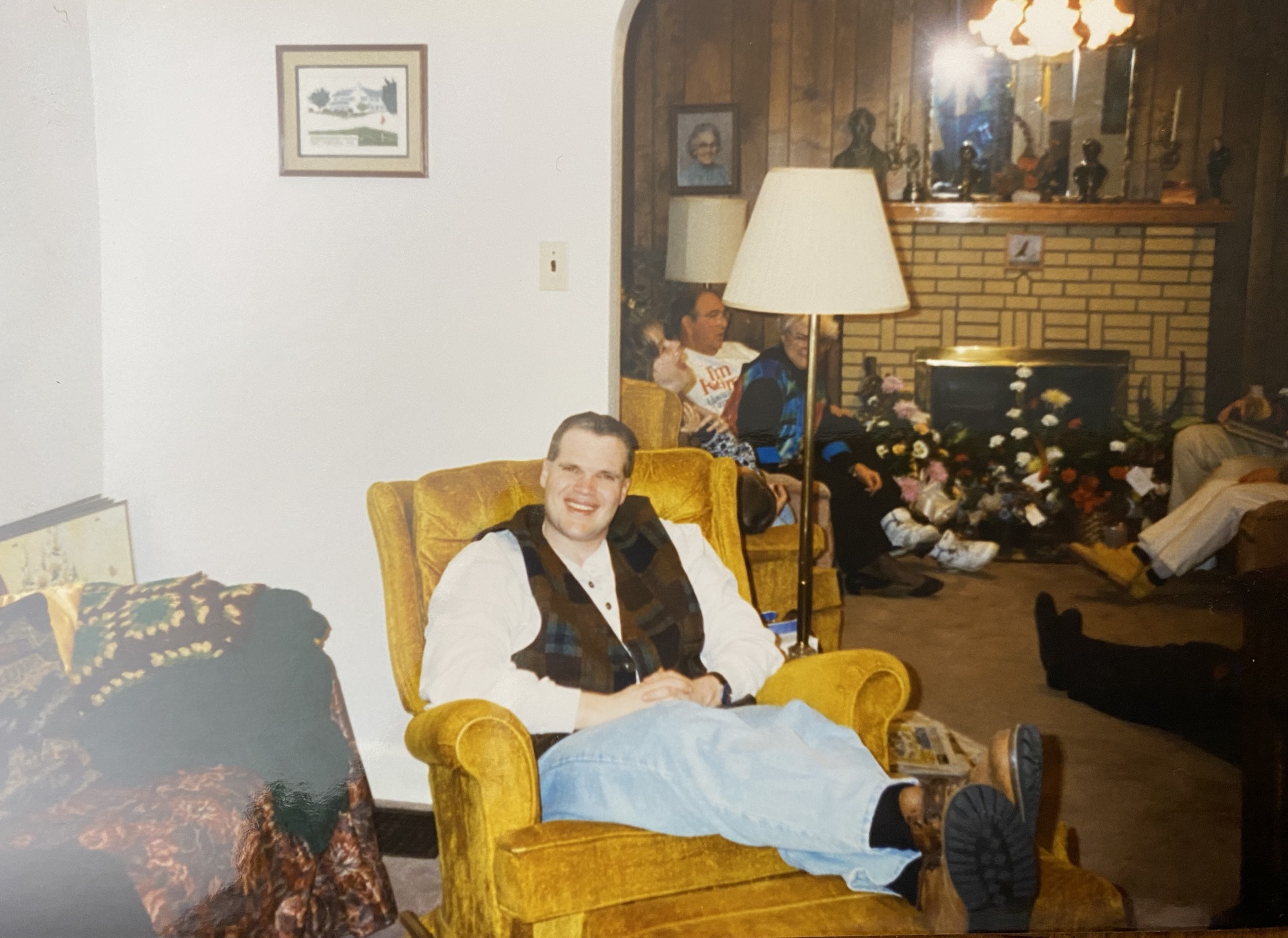
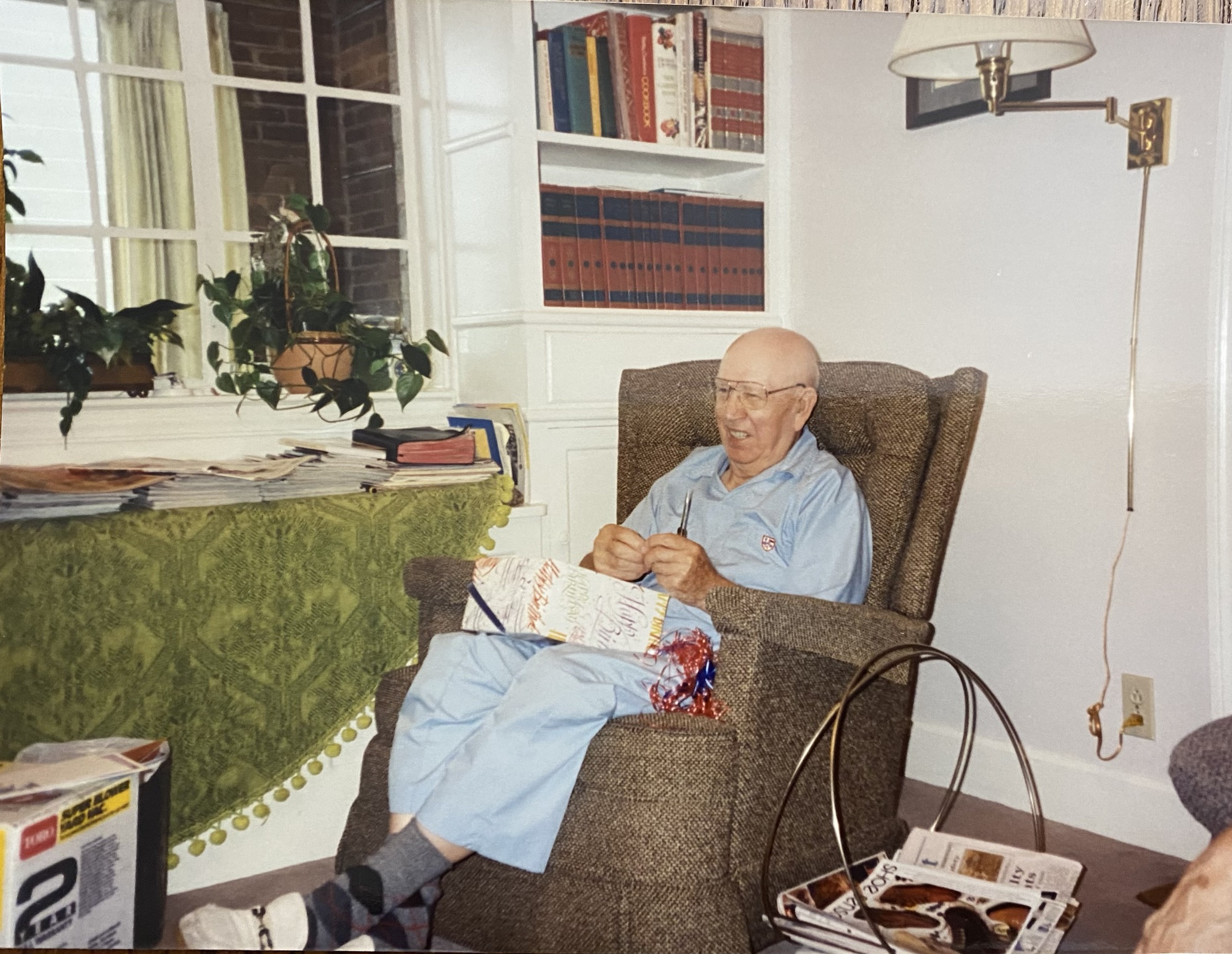
I can remember how Papaw first greeted John.  He looked at John, sized him up, and shook his hand.  Then, he looked at John’s hair, and asked, “You got all those hairs numbered to get your part so perfect?”  

At the time, John had, as Papaw called it, “a head-full-of-hair.” Thus, it became Papaw’s default joke-of-a-greeting with John.  That was one of Papaw’s ways–teasing a person to let them know he liked him or her. 

Grandmother tended to let Papaw take the spotlight while she remained present, but in the background.  She was quite adept at allowing Papaw to soak up all the attention, so she was embarrassed easily–and yet loved it–when attention occasionally turned to her.  John knew how to use this to his advantage.

Papaw would give John a hard time about his hair, the way John was dressed, or the shoes John was wearing.  In turn, John would banter good-naturedly with Papaw for a few moments.  Then, John would pivot and turn his attention to Grandmother, asking her a question such as, “Helen, how do you put up with this man?”

Grandmother’s eyes would light up–probably because she secretly wondered that very thing herself from time-to-time when Papaw was carrying on, but she would usually deflect the comment good naturedly while laughing. 

Family dinner Rules 🍽️

During family dinners, Grandmother still remained in the shadow of Papaw’s entertaining ways; however, her food was center-stage.  She was a good cook in that hard-scrabble, Kentucky/Appalachian way–a woman who had been poor during her childhood and continuing through the Great Depression. Therefore, her cooking methodology was a mix of traditional Appalachian-style foods and popular recipes of the time, made in the most cost effective way. (I could probably write a book on her cooking alone.)

Therefore, John would tease her mercilessly about her cooking.  One moment he would tell her how much he loved something, and then next he’d quip, “Now, Helen, I am not sure who makes the better  __________, you or _________, (He’d usually insert his mother’s or my other grandmother’s names.) so I’d better have some more of that if you don’t mind.  It will help me decide who the better cook is.”

Oh, how she basked in that kind of banter.  “Now, John . . . ,” she’d say as her face reddened.  Then, she’d smile, realize there was food in her teeth, and cover her smile with a napkin.  She’d wave her hand as if batting his comment away, but she’d ensure he–and everyone else gathered around the table–got more food. 

Clean up and Dish up 👂

After special dinners, Papaw, who usually did help clean up the kitchen, was given “permission,” especially during football season, to go ahead and sit down, with any other men that were present, to “watch” football and/or read the Sunday paper.  I put quotes around “watch” because after eating, Papaw would typically doze off part way through the game.  Nonetheless, 20 or so minutes later, he’d perk back up, and command the rapt attention of those that remained in the room with him.

Meanwhile, the women would clean up the kitchen, often making more coffee. The conversations were rich as the coffee and somewhat “dishy” about this person or that.  Once I was old enough, I would hang out in the kitchen, offering to “help,” but mostly hovering between the TV room and the kitchen, so I could hear the tales from both rooms.  

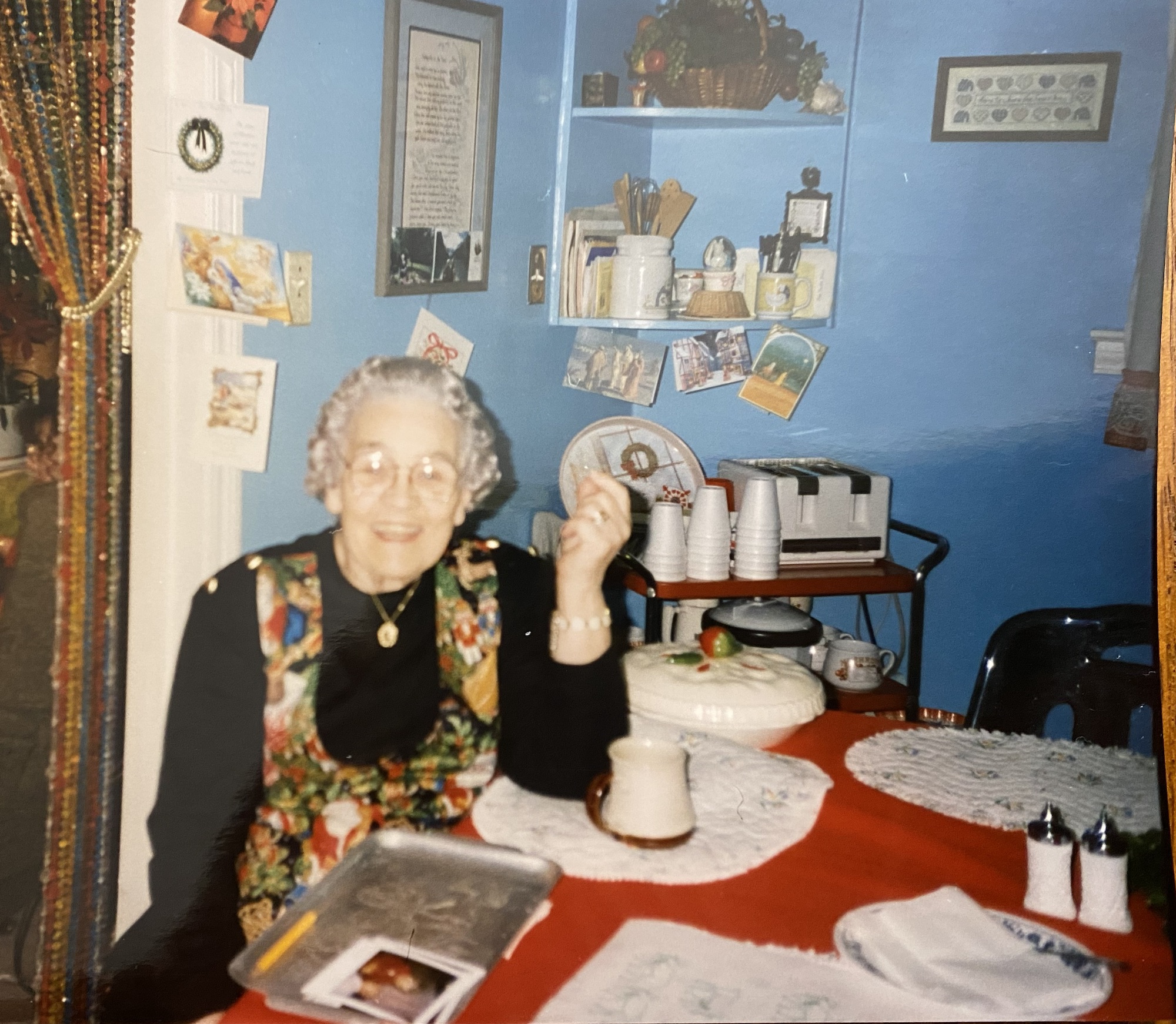
There was an intimacy in Grandmother and Papaw’s kitchen area that was warm and inviting. During winter months, their single-paned windows would thickly frost, and as a child, I felt sheltered and safe in an often chaotic world in that room.  Later, when I lived with them for two years as a young adult, I came to realize that even when it was just the two of them, that presence of peace could still be felt in their kitchen.

During those early adult years when I lived with them, they graciously shared their kitchen with me, so I could explore my own cooking interests. Grandmother especially loved it when I cooked with a wok or made homemade pizza, so she could eat something different than her traditional fare.  Papaw would just walk out of the kitchen and mutter under his breath about my “concoctions” while Grandmother sat at the kitchen table asking me questions about the recipe as I worked.

It was also during this time period that I observed their steadfast devotion in the early morning hours, when they made breakfast together.  Their breakfasts were usually simple, but that didn’t matter.  It was how their presence made the space feel. 

Their presence remains 👴🏻👵🏼

 If I listen hard enough, I can still hear the metallic clank of the toaster popping and the rhythmic perk, splurt, sigh of Grandmother’s percolator, brewing her aromatic coffee, filling the kitchen with an ethereal presence, as they two of them sat side-by-side at their kitchen table, talking about the coming day, current aches and pains, or strategizing for an upcoming, double-coupon, shopping day.

Grandmother shared her love of cooking and baking with me, and Papaw taught me the importance of an appreciative eater.  They both offered wisdom on the art of not wasting food and cooking on a budget.  They were patient with my presence in their sacred space–the kitchen–when I lived with them for those two years.  And they modeled that a kitchen table–and the events around it–are often the heart of a home.

With the toaster they gave me, it felt like a small part of Grandmother and Papaw remained with my own family in our kitchen, but this past Thanksgiving, the toaster quit working–only months after our daughter moved out to begin her career and life as I once did with them. 

I know it is a miracle it lasted as long as it did, but I still mourn its loss.  However, as I write this piece, I realize that Grandmother and Papaw’s kitchen is not lost, but remains in my heart and in my hands.  Their love wraps around me when I bake or cook one of those traditional recipes and even when I explore new ones.  The echoes of Papaw making himself an endeared, center-of-attention and his gruntings about my “concoctions” still whisper.   Likewise, visions of Grandmother sitting at my own kitchen table, eating with me in spirit, asking about my recipes, and savoring each new taste as her clouded blue eyes shine their light on me seem almost real.  I suppose, in the end, these words are written as a toast to their lasting influence.

Thank you for your service, toaster. Rest in peace.