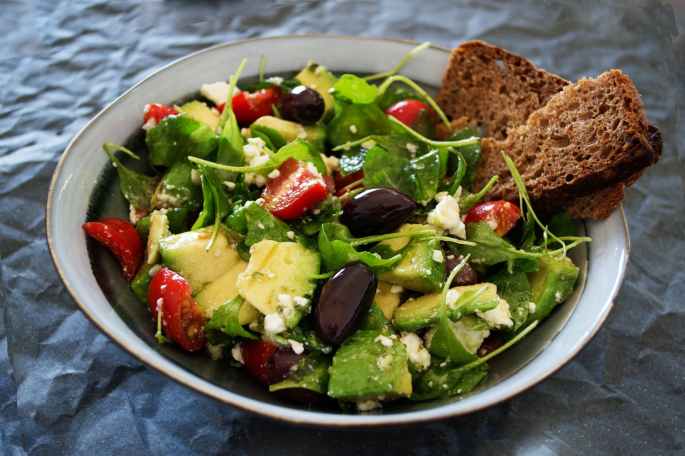
Dress up your salad with a creamy BS salad dressing

“You cannot see the lettuce and the dressing without suspecting a salad.”–Arthur Conan Doyle 
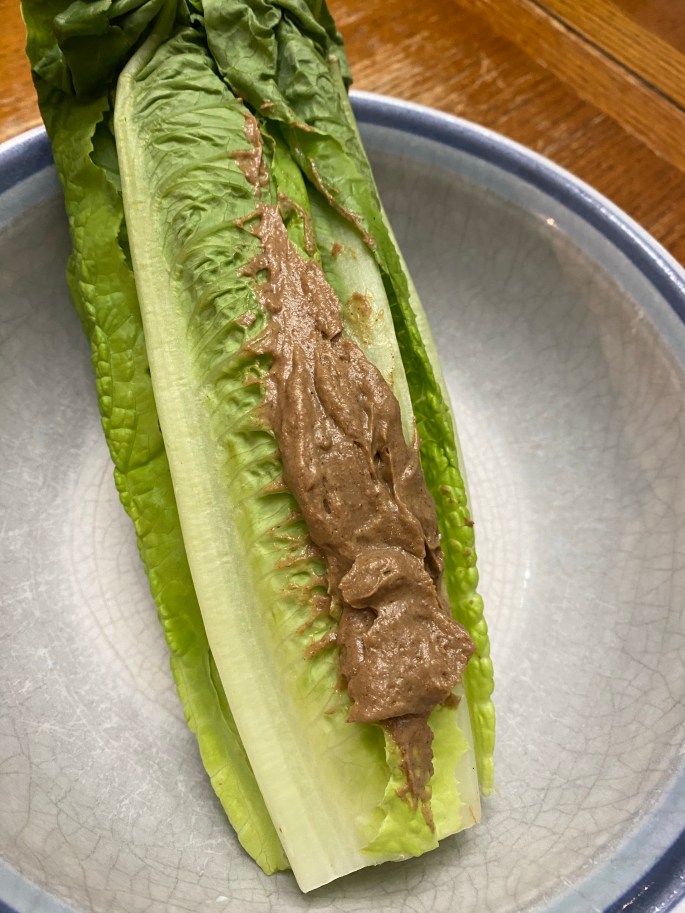
This dressing can be served as thick as a dip, as seen here, or thinned out for a more traditional, pour. Either way, it will be bursting with flavor! 🥗

‘Lettuce’ warm up to salad Greens

Warm weather signals that it is the time for salads filled with wonderfully nutritious greens!  Fresh made salads are great any time of the year, but they are especially delicious during spring and summer. While the word salad can encompass those made with chicken, tuna, macaroni, and so on, I am focusing on salads whose bases consist largely of greens and other plants that can either serve as an appetizer or as a meal. 

When making a fresh salad, it is easy and convenient to buy those bagged, or plastic containers of prepackaged blends.  While I often use them, it can sometimes be more cost effective to purchase a variety of leafy greens, veg, and other ingredients to make your own personalized mix.  During the warmer months, this is especially ideal when you can shop at local farmers’ markets and produce stands.  

Lettuce is a popular base for salads, and there are several main types from which to choose including colorful leaf lettuce varieties; butterhead varieties, including bibb and Boston; crisphead, popularly known as iceberg; and, romaine, king of the Caesar salad.  Kale, spinach, and arugula are also popular ingredients for salads, either as a solo base or part of a mix of greens.  Other colorful and flavorful additions worth considering include radicchio (which is fun to pronounce), escarole, Belgian endive, and frisee as well as mustard greens, watercress, and mesclun–popularly known as spring mix. 

Photo by Michael Burrows on Pexels.com

Mix those Greens

Personally, when it comes to making a salad, I enjoy mixing up textures, colors, and flavors, such as tossing leaf lettuce with some spinach and arugula, or mixing romaine lettuce with kale and radicchio.  If I am mixing a salad with stronger flavors of arugula or kale, I typically keep the rest of the ingredients simple.  In fact, I’d probably add in a fruit (tomato, chopped apple, or dried cranberries) and top it off with lighter dressing, such as a vinaigrette.

Other times, I appreciate the simplicity of filling my bowl with only one type of leafy green; then I’ll mix in a variety of color, texture, and flavor from other fruits and vegetables.  With this kind of salad, I might add chopped broccoli or cabbage, then toss in some mandarin orange sections or tomato, and top it off with a hearty, creamy nut-based dressing, such as the one below.  Then again, I’ve been known to put a large amount of one green as a base in a big bowl, such as spinach or kale, sprinkle it with some lemon juice or vinegar, then top it off with warm and savory toppings, such as brown rice, beans, and sauteed onions and peppers. 

Not only can plant-forward salad be part of a quick and easy lunch or dinner option, but they are also a great way to boost intake of vital nutrients. In fact, The U.S. Department Agriculture states that traditional salad greens, especially those dark leafy types, including kale and spinach, are rich in vitamins A, C, E, and K.  Toss in some mustard greens, chopped up broccoli, or bok choy for an excellent source of B-vitamins.  All those dark, leafy greens and vegetables contain high levels of fiber, iron, magnesium, potassium, and calcium without adding large amounts of sodium, carbohydrates, or cholesterol.  And if that’s not enough food for thought, green vegetables are chock-full of carotenoids-antioxidants that protect cells and ward off early-stages of cancer.
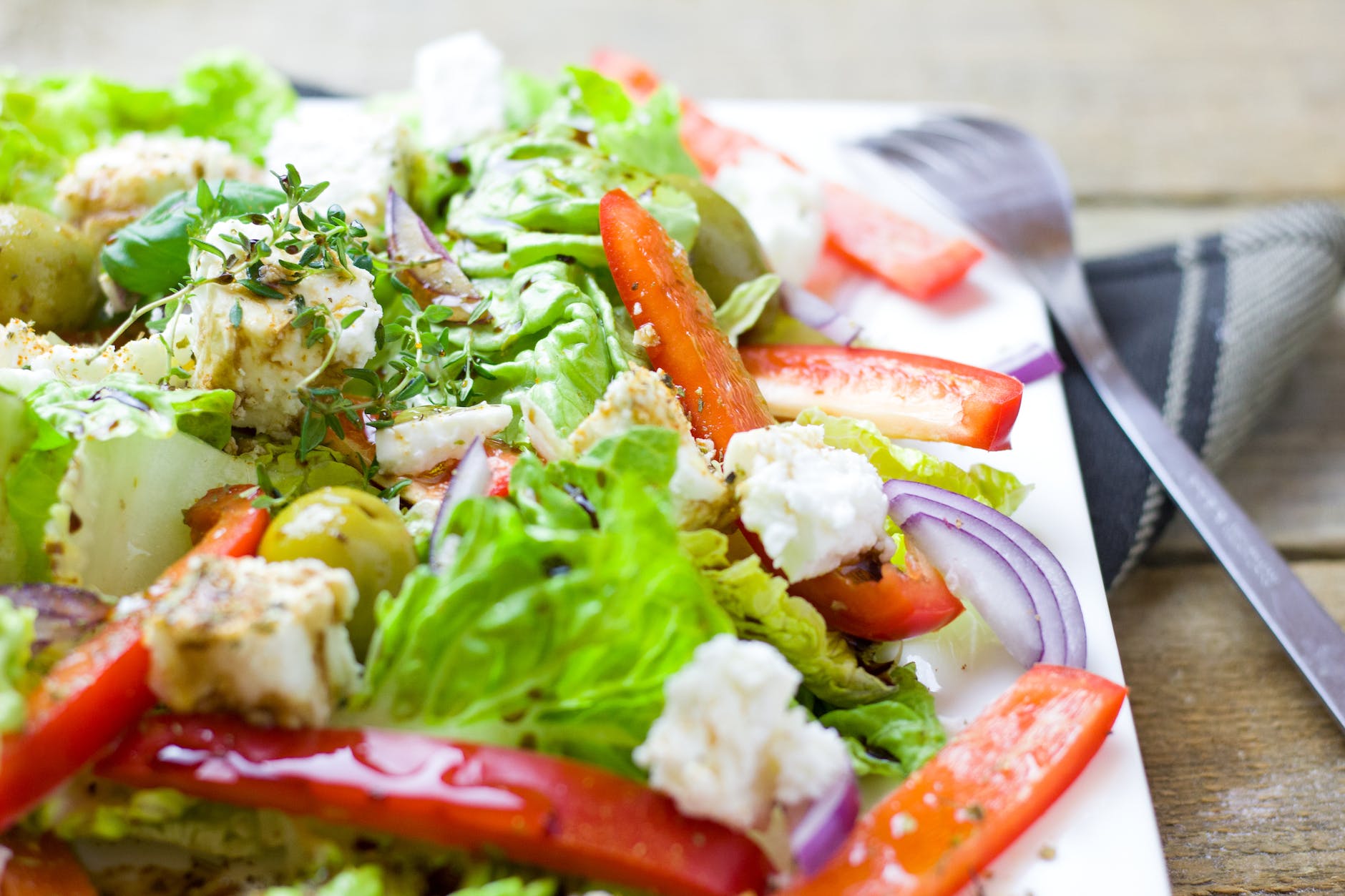
Photo by Pixabay on Pexels.com

Customizable Salad Dressing Fit for a King

Of course, to make a salad even more delectable, it requires a good dressing.  A quality dressing can make a salad taste next-level.  Unfortunately, so many readily available dressings are full of ingredients that are unpronounceable, and often overflowing with too much sodium, sugar, or unhealthy oil variations. Furthermore, commercial dressings often aren’t budget friendly when you consider the cost per ounce, and they aren’t customized to your personal taste preference.  Therefore, it makes sense (and cents) to make your own dressing.

I recently ran across a simple formula for making homemade salad dressings by Sergei Boutenko, a self-proclaimed health nut, that made perfect sense to me.  Boutenko suggests considering five tastes (think *BS salad dressing: 1B + 4Ss)–bitter, sweet, salty, sour, spicy–when making homemade salad dressing, which I did when creating this recipe.  This recipe is also customizable, for example you can trade out balsamic vinegar for apple cider vinegar; or, swap out the raisins for dates or even figs.

I chose not to include any oil, and instead use almond butter as a fat to create that desired creamy dressing mouth feel. Additionally, I used a few of my favorite spices/seasonings.  Again, each ingredient is customizable, including changing the spices.  Additionally, you could trade out almond butter for peanut butter or tahini, and depending on if you’re a garlic fan or not, you can use a little or a lot. Want the dressing thicker or thinner, add more or less water. You get the idea.

Customize your own salad dressing following the BS rules. 😉

The point is to take advantage of the warm weather’s harvest to create your own individualized, delicious way to enjoy the salad days of summer.  Serve up forkfuls of those dark leafy salad greens as well as any other added veg or fruit you want to toss in.  Then, dress up those delectable greens with a dressing suited perfectly to your taste preference–and pocket that extra change you saved.  Your body and your wallet will thank you.

From my home to yours, here’s to eating healthy!

Creamy (and customizable) BS Salad Dressing

Ingredients

½ – 1 cup water (depending upon how thick or thin you like dressing)

⅓ cup balsamic vinegar (sour)

¼ cup almond butter

¼ cup raisins or dates (sweet)

1 teaspoon soy sauce or liquid aminos (salty)

1-3 teaspoons minced garlic, depending upon taste preference (bitter)

1 teaspoon dried oregano

½ teaspoon dried basil

½ teaspoon onion powder

¼ teaspoon black pepper (spicy)

Directions

Blend all ingredients in a food processor or high powered blender.

Store leftovers in a tightly closed container for up to  weeks in the refrigerator.

*Notes: Remember each ingredient can be changed out for equivalent ingredient, choose your favorite flavor of vinegar, use your favorite nut butter and/or dried fruit, and change any of the seasonings as well as their amounts to make your own *BS salad dressing (see reference in article).
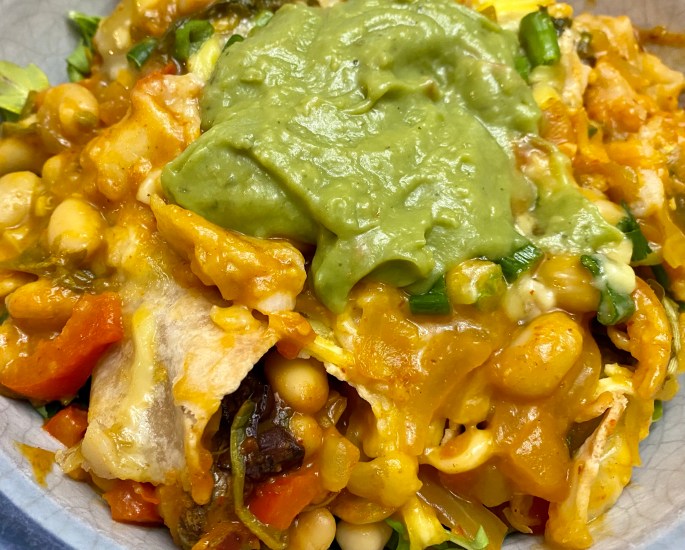
Green and White Enchilada Bake, featuring G-BOMBS, is a powerhouse of delicious nutrition

“Remember the acronym G-BOMBS, which stands for Greens, Beans, Onions, Mushrooms, Berries and Seeds. These foods fuel your body with protective micronutrients and phytochemicals that support your immune defenses and have a wide range of health-promoting effects. And here’s a bonus: They’re delicious!”–Joel Fuhrman, M.D.

Photo by Min An on Pexels.com

Beginning in December, I spent 16 weeks preparing to run, walk, or even crawl a half-marathon.  For those who are natural distance runners, completing a half-marathon is no big deal. However, for someone like me, it was a challenge, but it was an overall positive experience.

While preparing for this half marathon, I was battling an injury–one that did not affect my running, per se, but one that will ultimately require surgery.  Therefore, I knew I wanted my nutrition to solidly support the recovery of my middle-aged body.  However, for the sake of full disclosure, I still indulged my penchant for dark chocolate on a daily basis!

Photo by Pixabay on Pexels.com

I read, and continue to rely upon, the most up-to-date nutritional studies out of respected research institutes such as Harvard, Northwestern University, Cleveland Clinic, Mayo Clinic and so forth.  Additionally, I read more popularized sources of research such as Michael Pollan and National Geographic author/researcher, Dan Buettner, and his study of Blue Zones, as well as a few other noted sources.  The point is, I don’t make my food choices lightly, especially since I must also balance out these choices with my celiac disease and food sensitivities while still consuming food that looks great and tastes even better.

For a whole slew of reasons, I rely on a whole food, plant based diet 90% of the time, and this recipe–that I created during my half-marathon preparation–is an example of this.  I want my meals to be alive with color, texture, and balanced flavor, with a bit of spice thrown in.
Additionally, I try to regularly consume GBOMBS, greens, beans, onions, mushrooms, berries, and seeds, for the most nutritional bang for my buck, and this recipe has four of the six of them.  (I typically eat berries and some form of seeds–flax, chia, or hemp hearts–during an earlier meal of the day.)

Photo by Vanessa Loring on Pexels.com

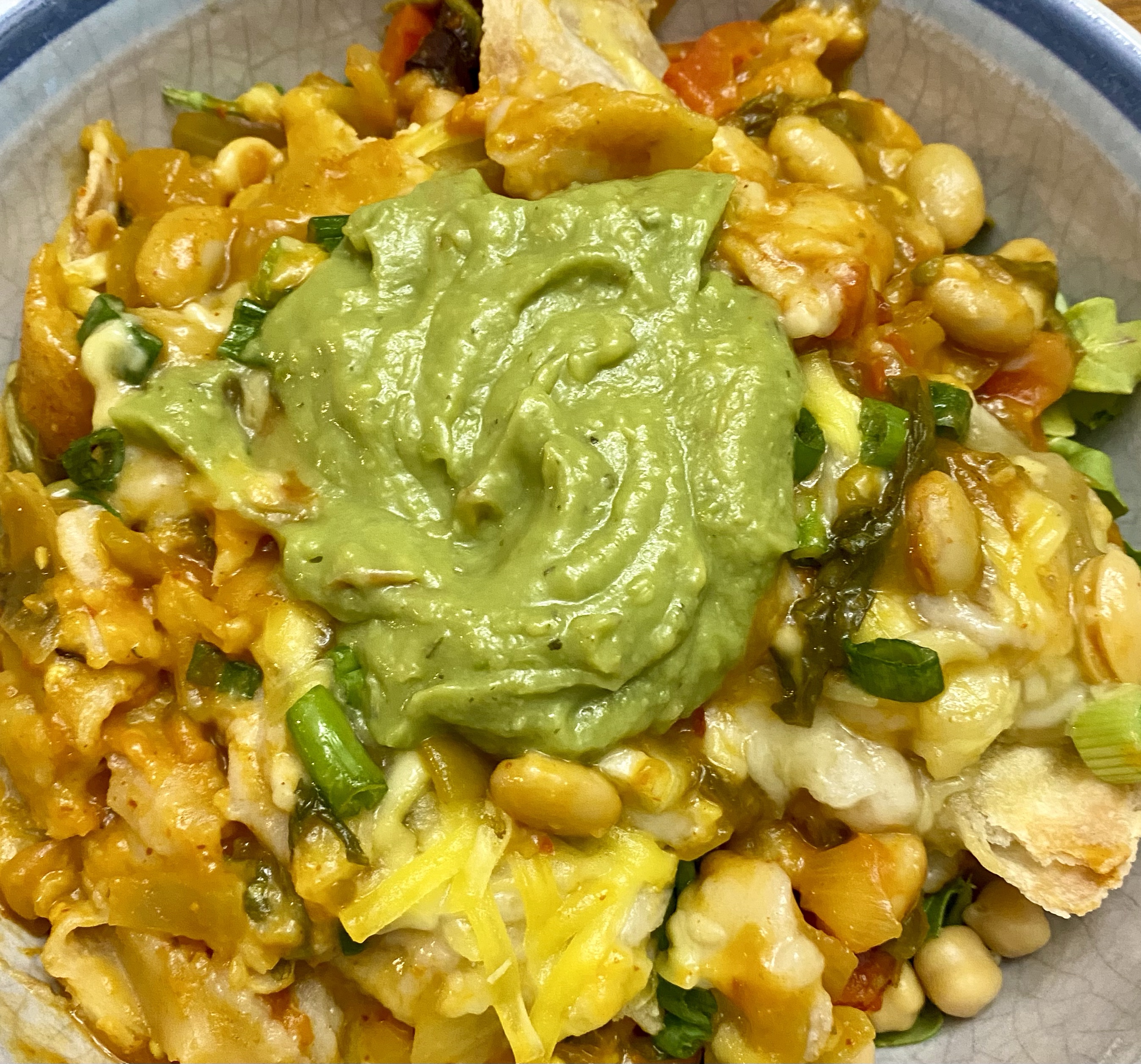
If you prefer to add meat, my recipe can accommodate your preference.  You could choose to replace the beans with chicken or seafood, or keep the beans, and add in meat.  Spices are optional, and I have made a note regarding why I add them.  I typically serve these enchiladas on a bed of leafy-greens and top them with a dollop of guacamole and chopped scallions.  However, you could serve them on top of rice, quinoa, or simply as they are.  Feel free to get a little frisky with the toppings of your choice!

Personal food choices are the N = 1. Therefore, I would never presume to tell anyone what they should or should not eat.  Nonetheless, I think most of us can agree, you can’t go wrong consuming a bit more veg.

From my home to yours, I hope you enjoy this recipe!

Ready to broil a bit.
Add your favorite toppings . . .
Serve it up on a bed of greens and/or grains and add more of your favorite toppings, such as guacamole.

Green and White Enchilada Bake

Ingredients:

½ cup vegetable broth or water

1 teaspoon minced garlic

1 cup chopped onion

½ cup chopped mushrooms, any type, optional 

½ cup chopped red, yellow, or orange bell pepper

2 teaspoons nutritional yeast (can substitute equal amounts of grated parmesan or chickpea flour)

½ teaspoon onion powder

¼ teaspoon crushed *red pepper, optional

¼ teaspoon *turmeric powder, optional 

Dash of *black pepper, optional

1 15 ounce can great northern beans, drained

1 4-ounce can green chiles

1 package low-sodium taco seasoning

8 ounces frozen spinach, thawed and drained

1 can green enchilada sauce

6-8 tortillas, depending upon size (I used gluten-free tortillas.)

2 cups shredded cheese, your choice (I used a vegan substitute for photos, but I’ve also gone without it.)

Directions:

Preheat the oven to 350 degrees.

Prepare a small casserole dish with nonstick cooking spray.

Chop onion and bell pepper, if using.

Heat a saucepan over medium heat.

Add minced garlic and broth, stir.

Add in onion and bell pepper, stir well.

Allow to simmer until vegetables begin to soften, about 3-5 minutes.

While vegetables are cooking, stir in nutritional yeast and onion powder 

If using crushed red pepper, turmeric powder, and dash of black pepper, stir those in as well.

Meanwhile, open, drain, and rinse the beans; stir into the simmering vegetable mixture.

Stir in green chiles and taco seasoning into the simmering vegetable and bean mixture, and allow it all to simmer for another 3-5 minutes, continuing to stir.

While the vegetable/bean mixture is simmering, stir in the spinach and allow it to simmer and wilt into the rest of the ingredients.

While vegetables are simmering, set up all tortillas, taco style, in the casserole dish.

Remove vegetables from heat; then, divide and fill tortillas with vegetable/bean mixture, folding down one side over the other, and using a toothpick, if needed, to keep closed.

If there is any remaining vegetable/bean mixture, pour over the tops of the closed tortillas.

Pour a can of green enchilada sauce over the closed tortillas.

Top with desired cheese, if using.

Bake, uncovered in the oven for approximately 25 minutes until sauce is bubbling at the edges.

Feel free to turn on the broiler for the last minute or two to brown the top of the casserole if desired.

Remove from the oven and allow to cool for 5-10 minutes before serving.

Makes 3-4 servings, two enchiladas per serving.

Top as desired.

Refrigerate any leftovers for up to 5 days.

*Note: Spices are a personal preference, so you choose if you want to add these ingredients.  Here’s why I do.

  • I use turmeric daily as an anti-inflammatory agent.  When cooking with tumeric, I pair with a dash of pepper as the pepper enhances the absorption of turmeric in the body by up to 2,000%.  Together both spices reduce inflammation and improve digestion.
  • I also regularly use crushed red pepper flakes and red pepper for its ingredient, capsaicin, which soothes stomach issues, boosts heart health, and fortifies the immune system.

Shamrock Green Smoothie

“No matter when you start, a diet that is focused on plant foods will help you work toward the prevention of many illnesses and feeling better overall”–Julia Zumpano, RD, LD

Diet choices have long been debated.  From Adkins to Keto, 7-Day Rotation to Whole 30, Paleo to Low Carb, Mediterranean to Pritikin, and all variations in between, regardless of the varying diet trends, there’s no denying that fruits and vegetables are nutritionally sound food choices for promoting health. Experts may argue about which fruits and vegetables are the so-called better choices, but most will agree that eating unadulterated food from the ground is more nutritionally sound than eating chemically enhanced processed foods.

In fact, when going through the research, numerous medical clinics, cancer centers, and disease prevention sites recommend Americans increase their intake of fruits and vegetables.  It makes sense too.  All those different colors offer a wide array of vitamins, minerals, phytonutrients, and anti-inflammatory properties that cannot be found naturally in processed food.  

“Eating healthy food fills your body with energy and nutrients. Imagine your cells smiling back at you and saying: “Thank you!”.” – Karen Salmansohn

Think about it.  Fruits and vegetables don’t need a label that says, “Vitamin-D enriched” or “Fortified with 12 essential vitamins and minerals.”  They don’t need it because they naturally contain a wide array of vitamins and minerals–depending upon which plant you choose to consume.  This is why, “eating the rainbow,” is an often quoted expression.  If you eat a wide variety of colorful plants throughout your day and week, Mother Nature, thanks to the infinite wisdom of our Creator, provides all the nutrition your body needs for healthy functioning and vitality. 

Like many, since March of 2020, I have become increasingly more focused on what I eat.  Keeping my immune system running high, and my inflammation low, seems more important than ever in the era of living in a global pandemic.  While I’ve been a plant based eater for nearly ten years, I find myself more attentive to daily consuming dark leafy greens and/or cruciferous vegetables as part of my desire to remain healthy and avoid COVID.  While I recognize that eating well isn’t the only protective act I need to do when dealing with a highly contagious virus, these vegetables have long been established as possessing cancer and disease preventive properties, reducing oxidative stress, and lowering the risk of cardiovascular disease.  Additionally, they increase bone health, protect eye health, and boost the immune system.  Plus, their varying shades of green are chock full of fiber and a wide array of vitamins and minerals.  

Photo by Toni Cuenca on Pexels.com

“The doctor of the future will no longer treat the human frame with drugs, but rather will cure and prevent disease with nutrition.”–Thomas Ediso

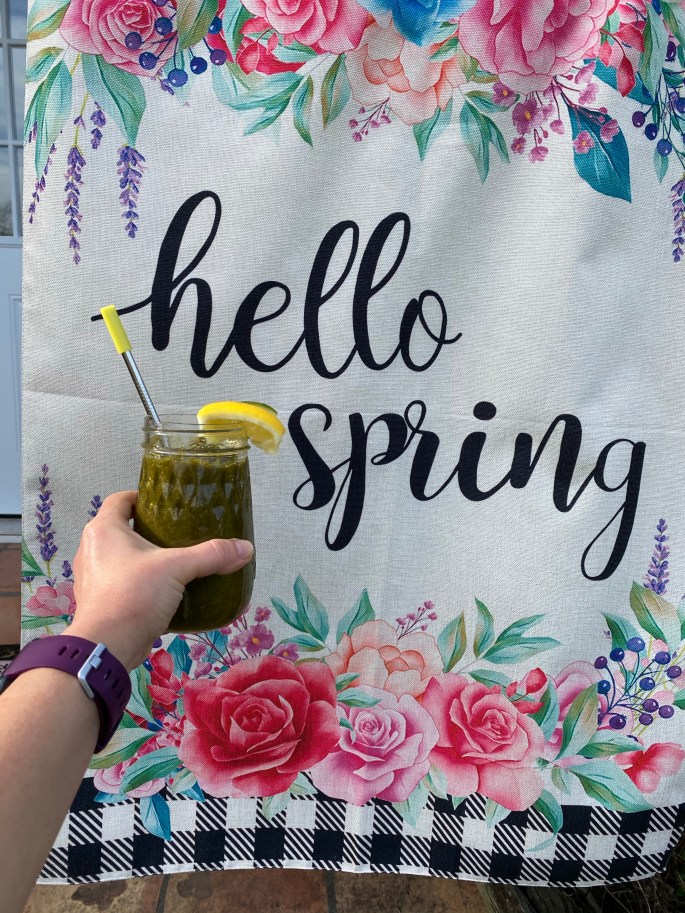
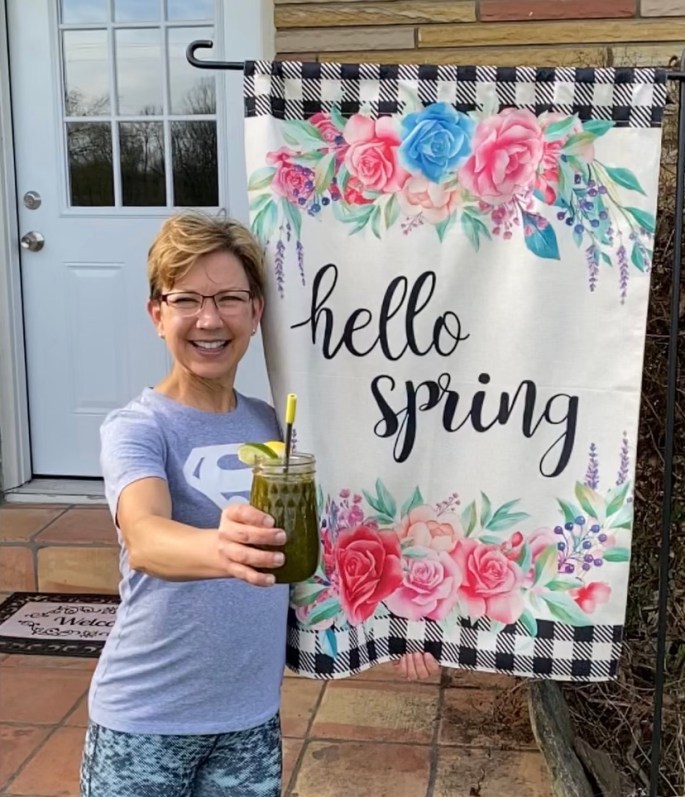
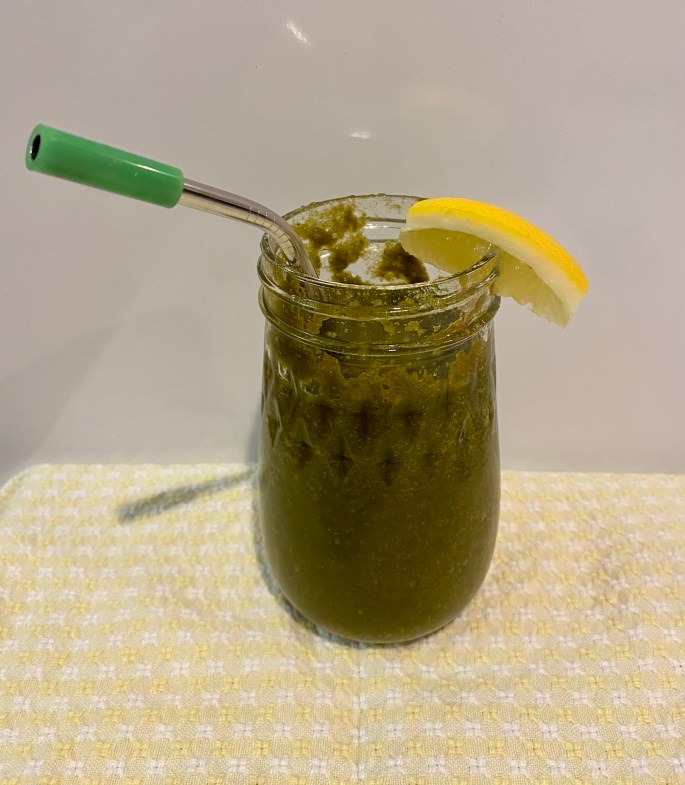
Below is a green smoothie recipe I drank throughout most of March that features leafy greens and cruciferous.  After such an extraordinary winter with snows, ice, and then flooding, drinking a bright green smoothie felt like a personal manifestation of spring. Furthermore, since March was also the month in which I was wrapping up 12-weeks of training for the Virginia Beach Shamrock Marathon, this smoothie felt like extra-nutritional insurance for remaining healthy and ready to run. 

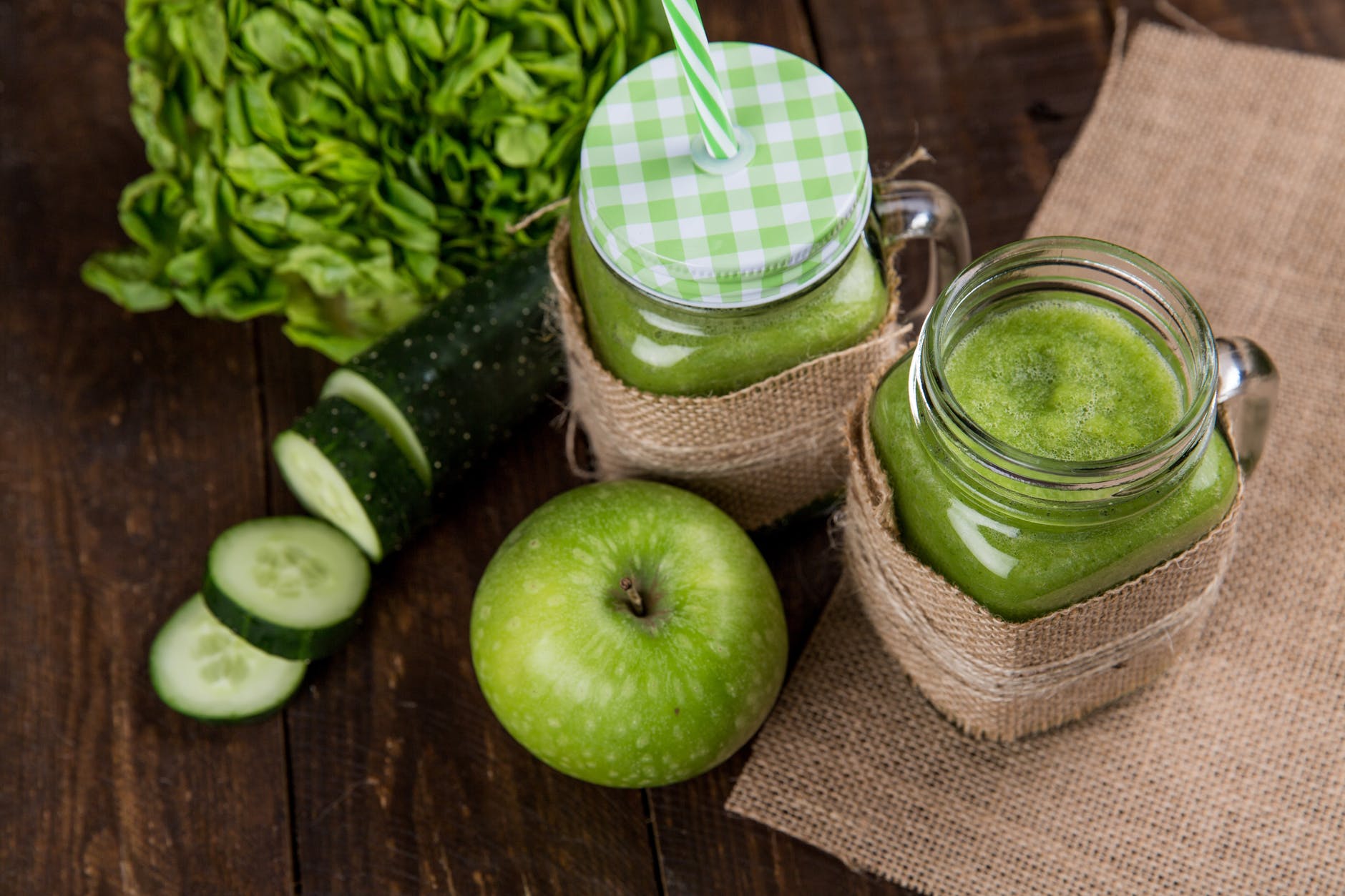
I like to think of smoothies as a blended breakfast salad.  When made fresh at home, I am the controller of ingredients, calories, fiber, and nutrition.  I keep my smoothies whole food and plant based food based in order to start my day off on the right foot–especially since I would otherwise, at least during the work week, skip breakfast.  While I often add healthy fats in the form of nuts or seeds to smoothies, I personally do not with this one, but you could.  Instead, I tend to add a teaspoon of greens powder for an extra boost of concentrated green goodness, and sometimes matcha (ground green tea) if I feel I need a boost of energy and focus.   This smoothie fuels my morning and keeps me full until lunch.  The flavor is bright and tangy, and it’s super refreshing to drink.  

Here few other tidbits and factoids I have learned while refining my smoothies techniques:

*  Put greens and liquid in the blender first and blend well, this is especially important, if, like me, you don’t have a top-of-the-line blender.

* Spinach is always the sweetest greens, which is why I often blend it with other greens such as kale and swiss chard.

* Riced cauliflower, fresh or frozen, works well as a “green” since it’s cruciferous and makes smoothies extra smooth and creamy.

* Lightly peel/cut away any citrus fruit, leaving part of the pith (the white part).  It is high in fiber, vitamin C, flavonoids–which boost the immune system–and it is anti-inflammatory and antimicrobial.

* Ginger and turmeric are both known for their immune boosting properties, reducing inflammation, and decreasing chronic pain.  Fresh ginger and tumeric–both are roots–offer the most benefits, but ground versions are still beneficial.  Therefore, I tend to add both spices to not only nearly all of my smoothies, but also incorporate them throughout the day.

I hope you’ll give this vibrant green smoothie a try. It is an easy way to increase your fruit and vegetable intake.  Plus, you’ll start your day fueled with the power of green!

From my home to your, I wish you health, vibrancy, and vitality.  Be well, and, if you do give this, or any of my other smoothie recipes a try,  I’d love to hear your thoughts.

Shamrock Marathon Green Smoothie

Ingredients:

1 cup water

1 cup of your favorite greens, fresh or frozen, feel free to combine 2 different ones (think spinach, kale, 

½ to 1 apple, quartered (I use granny smith apple.)

1 lemon, peeled, quartered & seeds removed 

1 mini cucumber or ½ large cucumber, quartered

1 stalk celery, quartered

1 ¼ teaspoon ground ginger or 1” fresh piece

¼ teaspoon turmeric or ¼” fresh piece of turmeric 

Dash of salt

Optional add-ins: 1 teaspoon greens powder and/or matcha powder, 1 tablespoon hemp, chia, or flaxseeds, and/or 1 scoop favorite protein powder 

Makes 1 generous serving