Anyone can complete a half-marathon: Tips to help you achieve this goal

Even when you have gone as far as you can, and everything hurts, and you are staring at a specter of self-doubt, you can find a bit more strength deep inside you, if you look closely enough.”–Hal Higdon

Virginia Beach Shamrock 1/2 Marathon 2024

Pace Yourself 👣

“Your pace on the last mile was spectacular.” Siri voiced my husband’s text into my ear. 

I had just passed mile marker 7 of the Virginia Beach Shamrock Half-marathon.  Up until that point, I wasn’t sure how this event would go for me.  While I had been officially training for this event for months, I had undergone fairly major surgery eleven prior, so I had only gradually returned to running beginning in June.  Even then, it was two months of walking/running, gradually increasing the time spent running.

In November, I participated in the Marshall University Half-Marathon.  Completing it felt like a huge victory since I had to start at ground zero, so-to-speak, post-surgery.  After my surgery at the beginning of April, my exercise consisted of walking around my house for 5-10 minutes at a time several times per day. Therefore, going from house-walking to running 13.2 miles, albeit slowly, within several months was a huge personal milestone. 

Ready to start!

Rethink your definition of Who Can finish a half-Marathon 🏁

Here’s the thing to know about me.  I am not what I would consider athletic.  I was the proverbial band-geek in high school.  Not that I define myself by long-ago standards, but I think many of us can get into our heads and define our athletic abilities based upon those past early experiences. The point is you don’t have to consider yourself “athletic” to participate in a half or full marathon. Anyone can do it.

Furthermore, you don’t have to be fast, and you don’t even have to run it.  You can walk the entire route, or you can mix it up, alternating bouts of walking with running. Others, those who I tend to define as “natural” runners, may spout out finish times and pace with a competitive spirit, but many others, like me, are simply proud of crossing that finish line.  That said, I do confess I notice my finish times, but I never let those times define my accomplishment.  Crossing a finish line is always a victory.

Photo by RUN 4 FFWPU on Pexels.com

Realistic Plans for Beginners ✅

To that end, my relationship with running, which began approximately ten years ago, has developed in fits and starts. When I first began, ten years younger, I was a bit faster than I am now, but I was still running at what competitive runners would consider a slow pace. During those early years, I would try to adhere to established standards of publications, and I always fell short.  I wasn’t experienced enough to fully understand those standards weren’t realistic for me. 

Ten years later, and it still seems like many publications and media outlets set unrealistic expectations for those who are TRULY newbies and need a gentle approach to running/walking.  However, that is gradually beginning to change, and I want to be part of those voices who speak to those so-called “nonathletes” who want to participate in a healthy community event, such as a 5K or half-marathon.  I have read and listened to a few authors who speak to that person with no athletic experience; plus, I have amassed my own personal experience. Therefore, I want to share a few tidbits of encouragement.
Photo by Ketut Subiyanto on Pexels.com

Focus on Increasing time on feet, Not Miles 🦶

First of all, nearly anyone can train to walk, walk/run, or run a half-marathon.  I have met too many people who say they’d love to do it, but believe they aren’t capable.  Yes. You. Are.  I have participated in enough events to know that there are numerous participants who walk the entire route.

Here’s the trick I learned, you do need to train and prepare the body for these events, but it doesn’t have to be extreme. It’s all about time spent on your feet engaged in walking and/or running and the weekly long run that gradually increases in length over 12-24 weeks, depending upon your goals and your starting level of fitness.  (Of course, always seek advice/approval from your healthcare provider before embarking on a program.)

For both Shamrock and the Marshall Half-marathon, my longest run was ten miles, and they were walk/run training sessions–run ten minutes, walk two minutes, and then I kept repeating this pattern for a certain length of time, rather than miles.  This took pressure off completing a certain distance, and it allowed me to better respond to how my body was feeling–adjusting the length of time walking or running.  If I felt rested and strong, I ran for longer periods; however, if I felt over-fatigued or not well, I ran for shorter periods and walked more. 

Photo by Kate Trifo on Pexels.com

Never Underestimate walking 🚶🏽‍♀️

As a general rule, true beginners typically start with walking.  Once you can successfully walk for 30 minutes without stopping–and it might take months to work up to that length of time, and that is ok– then you can begin to add a minute or two of easy jogging, such as walk for ten minutes, jog one minute; repeat two more times.  That is honestly how I moved from walking to running after surgery this past spring once I had clearance from the surgeon.

Photo by Ketut Subiyanto on Pexels.com

Intersperse time jogging 🏃‍♀️

Run Your Butt Off  is a great resource for a structured 12+ week  run/walk plan, but I suggest you disregard the diet information! Additionally, the Shamrock Half Marathon/Marathon website offers free training plans for running/walking an 8K, half, and full marathon. I have successfully used both and found them incredibly helpful and encouraging.

Week-by-week, you can slowly decrease your walking time and increase your running time.  Eventually, you may get to a point where you are happy alternating between running and walking, and that is fine!  Many people adhere to a run/walk practice.  In fact, Jeff Galloway has published numerous articles and books on this topic if you are looking for more guidance.  Therefore, if you want to complete a 5K, 8K, half-marathon, or even a full marathon, there are plans available that will fit your level of fitness. 

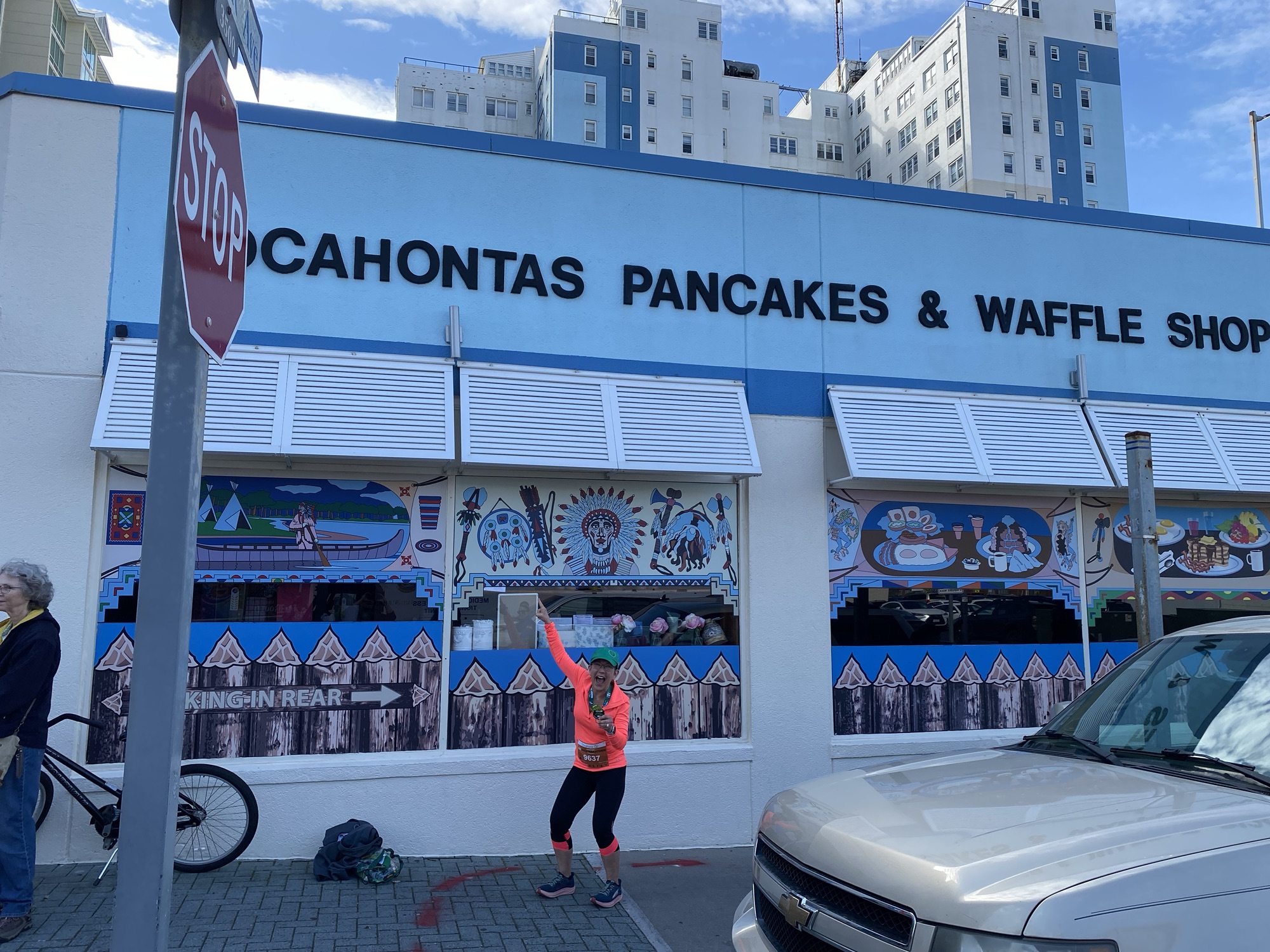
Two thumbs up for a personal best!

Sham-rocked! ☘️

As it turned out, I was ultimately able to finish this half-marathon with a personal best time. Once I passed mile marker 7 and my husband made me aware of my pace, I began to get excited and focus a bit more on maintaining my pace, realizing a PR was within reach.  In fact, I finished ten minutes faster than the previous year!  However, it wasn’t easy.  My mind kept telling me about different parts of my body that were hurting, so I had to keep combatting and replacing those negative thoughts with positive messages, such as  “I am getting stronger,” “I am so close now,” “Focus on the feeling of crossing the finish line,” and so forth. 

While it wasn’t my intention to run a PR, I think changing the way I more realistically approached training after surgery made it possible.  Giving myself permission to walk during my months of preparation and using a training plan appropriate for my skill level made a huge difference. Nonetheless, even if I had finished with a slower time, crossing that finish line is always a victory! 

You can do it! 😃

And, I want you to know, Dear Reader, that if you have ever dabbled with the idea of participating in a half-marathon, you can absolutely do it!  I am cheering for you! 

#runforglutenfreewaffle #bestsupport #pocahontaspancakes&wafflehouse #shamrockfinishline

Almost time to go!
And, we are off and running!
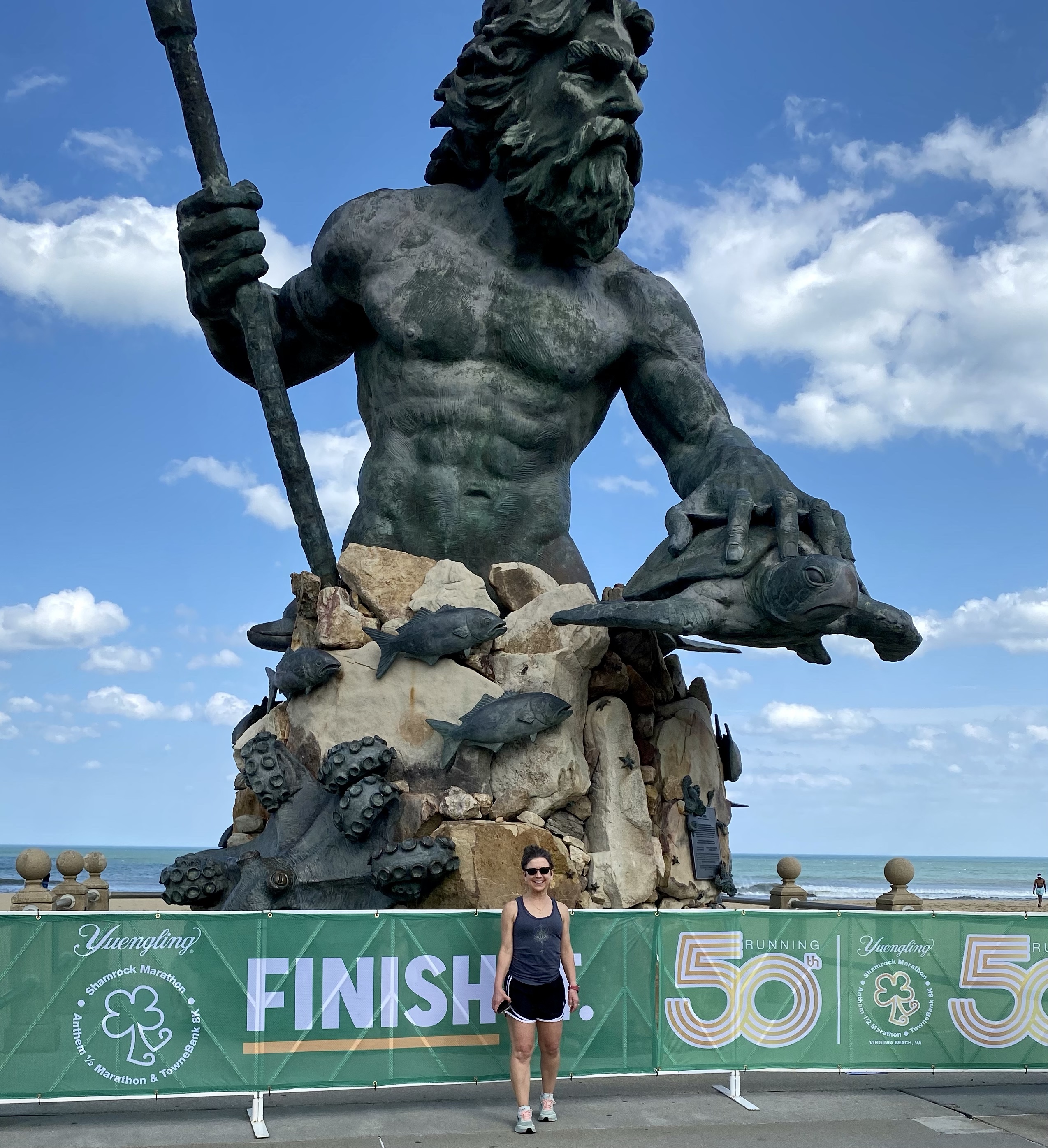
Crossing the finish line is such a feeling of accomplishment!

Five lessons that a post-surgery completion of a half-marathon taught me

. . . For truly I tell you, if you have faith the size of a mustard seed . . . nothing will be impossible for you.”–Matthew 17:20 (NRSVCE) 

Apple seed hopes 🍏

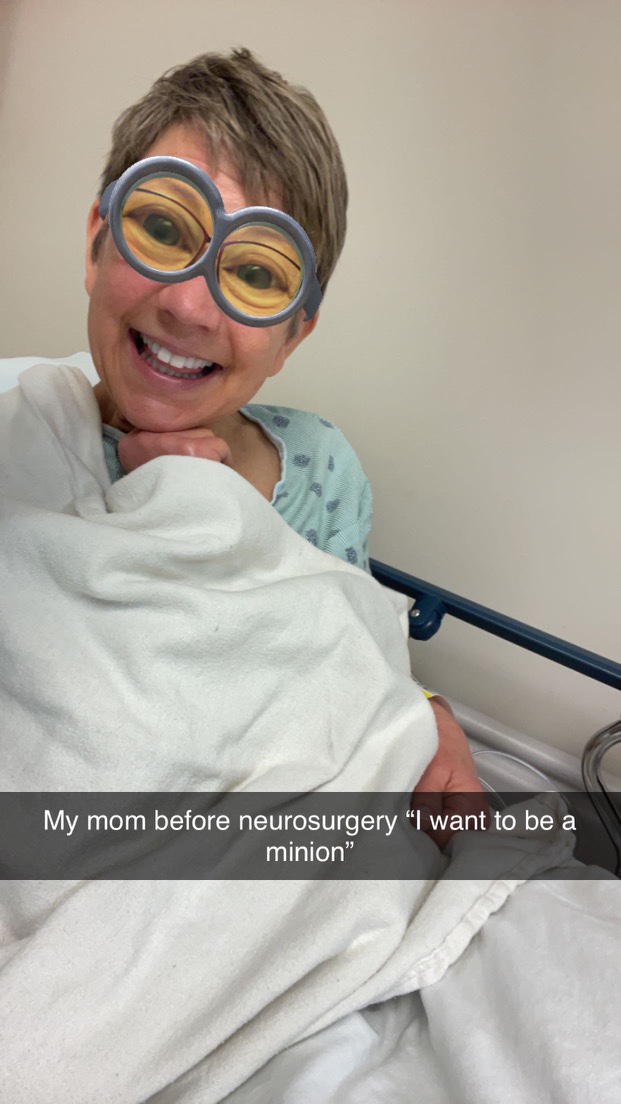
Back in April, my daughter, Maddie was having fun with the camera as we waited in a pre-operation room.

Recently, apples have been in season, and as I cut them up and deseed them, I can’t help but take notice of those small seeds–seeds full of possibility and hope.  And, while the seeds from those apples will no longer yield trees and fruit, the apple itself fuels my body as well as a hopeful attitude.

In fact, by the time you read this, Dear Reader, I can say with feelings of great joy that I completed the Marshall University Half-Marathon.  Albeit, that finish line was not quickly crossed, but because of seeds of hope, faith, and belief, it was nonetheless completed.  Besides, 13.1 miles is still the same distance, no matter the speed it takes to get there.

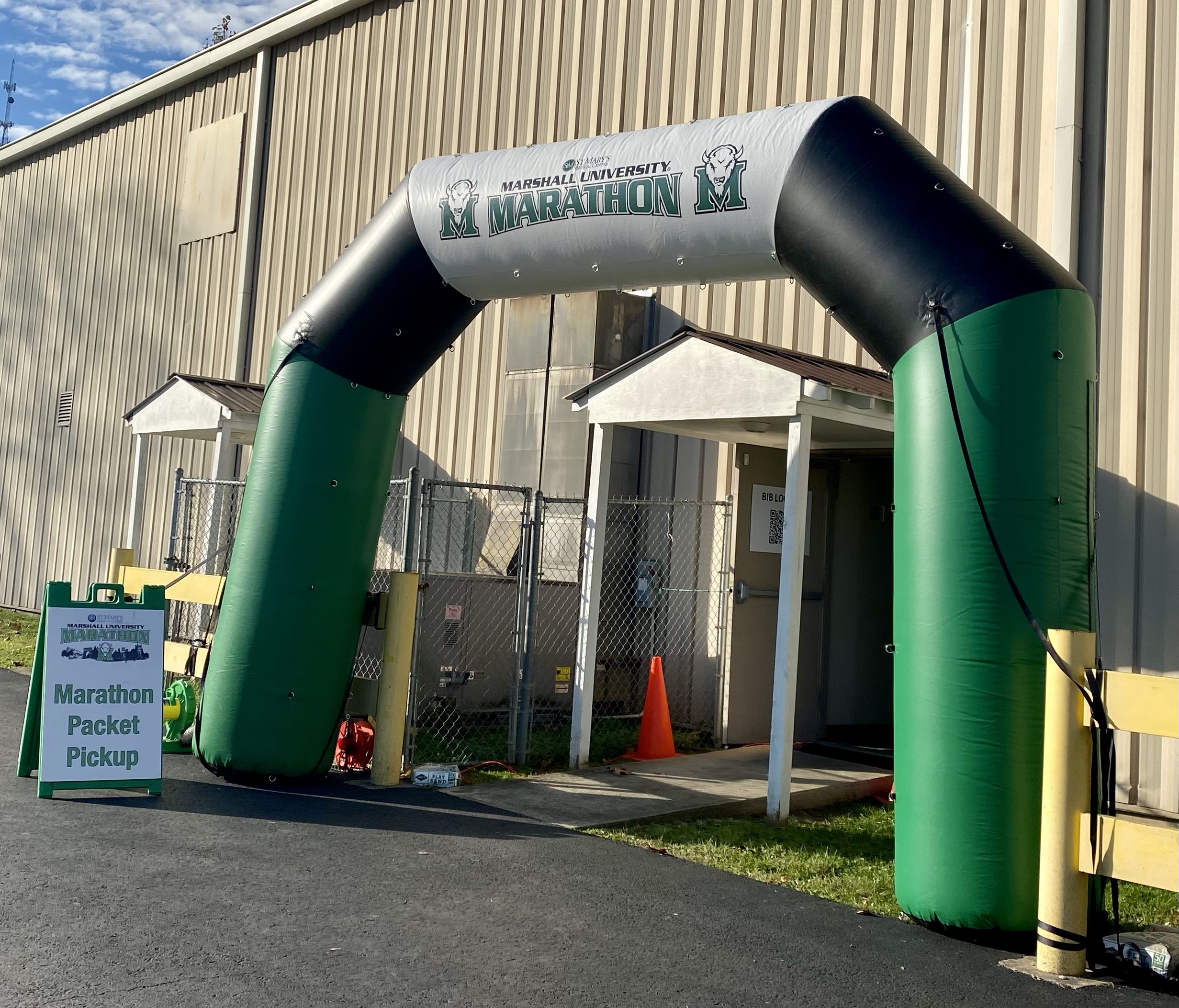
Walking into the pre-race packet pick-up, I was filled with hope.

For the record, I didn’t tell many people about my seed of hope outside of my husband and daughter because it was my own private manifestation of recovery.  In April, it seemed highly improbable.  However, as the months passed and my stamina improved, that seed of hope grew into a seedling and sprouted leaves of possibility.  

Fostering such a dream has taught me a thing, or five, as the case may be, and because running is really a metaphor for life, I thought I’d share those lessons with you.

Five Life Lessons from running 🏃‍♀️

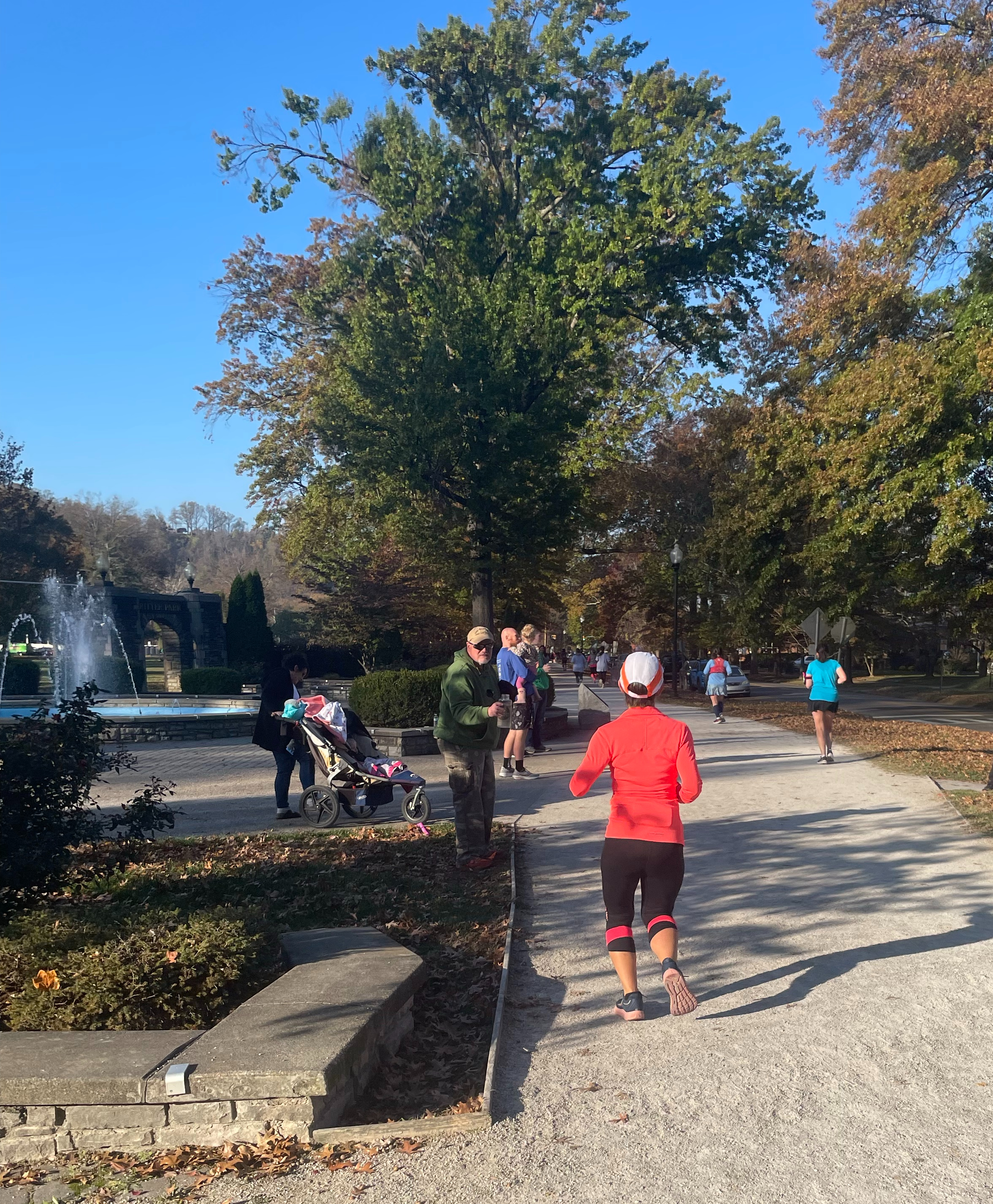
The runners are off and running . . .

Lesson 1: Small beginnings can engender bigger accomplishments.  At the beginning of April, immediately following spinal surgery on my neck, I was told to walk every hour as part of my recovery.  Even “trips around the dining room table” added up, the nurses told me.  The first few days were not easy, but I followed their advice, walking every waking hour, 5-10 minutes.  Eventually, I worked up to 15, 20, and 30 minutes, a few times per day.  Even then, I was dreaming of one day recovering enough to complete another half-marathon, but I didn’t know if it would ever be possible.  Nonetheless, I tucked the dream into the pocket of my heart.

Lesson 2: Savor the good moments, but don’t let the not-so-great ones trip you up.

During recovery there were some pretty rough days.  I tried not to let on, or even name them, lest I give them power over me.  Instead, I kept thinking of Dory, in Finding Nemo, who taught all of us to “just keep swimming.”  And, that is what I did.  I kept swimming, even on the days it felt I was going against the current.  When Dr. Saulle and his staff gave me the green light to slowly, but gradually, add in bouts of running to my walking, I was cautiously optimistic.  Nevertheless, since I had not been running for over three months, it was painfully slow going, but I held fast to the dream tucked into the pocket of my heart.

Run your own race; set your own pace.

Lesson 3: Race your own race; set your own pace. Throughout the late summer, early fall months, I kept plodding-on, alternating bouts of walking with running.  Gradually, the time spent running increased while the time spent walking decreased.  Nonetheless, some days I just didn’t have it in me to run, so I just kept walking. 

By mid-October, only a few weeks before the actual event, I registered for the MU Half-marathon with my fingers crossed.  I continued my own plan of walking and running.  In fact, on the morning of the event, as my husband, John, and I crossed the bridge into town, a strategy came to mind: “Run your own race, Steph, and set your own pace.”  While I did plan to run with a pacing group, I also decided to listen to my body and not force anything once I hit the streets running as I held fast to the dream tucked into the pocket of my heart.

THE BEST SUPPORT TEAM EVER!

Lesson 4:  Allow yourself to be supported. Our daughter, Maddie, met John and me at MU stadium.  They offered to be my team of support early on.  John carried my special hydration mix–my stomach is super sensitive–and Maddie took charge of keeping up with where I was on the course, and ultimately ran mile nine and mile 13 with me.  

Additionally, I ran with pacers Chad Fischer and Aubrey Netzel (names from MU Marathon site) for the first three miles, but I found that I kept moving slightly ahead of them.  Therefore, I decided to take a leap of faith and continue to run on my own at a slightly faster pace. For several miles, I ran with a woman named Angie who was running the full marathon, but eventually, we separated. Therefore, I soaked up all the good energy surrounding the runners, allowing me to always feel supported as I held fast to the dream tucked into the pocket of my heart.  

Feeling grateful for the love and support! 💜

Lesson 5:  Feel and share your gratitude.  Throughout these past months, whenever I felt down or frustrated, I reminded myself to feel grateful.  This was especially true when running the actual event. There were scores of volunteers along the route, and I tried to verbally thank each one I encountered, although I am sure I missed some.  Many of those volunteers would cheer and clap for the runners, even though they had other jobs to do as well. There was an impressive police presence, keeping the runners safe. Plus, there were numerous organizations and clubs providing drink stations along the course.  Additionally, there were some really fun signs to read, such as, “You’re running better than our government,” and “Run like someone just called you a jogger.”  

By the last mile, running side-by-side with Maddie, my heart overflowed with gratitude. In April, I was walking 5-10 minutes at a time. Seven months and two days after the surgery, I ran a half-marathon with only one walk break.  There are so many people for whom I feel grateful who made my recovery and ultimately the half-marathon possible–family, friends, and co-workers. Most of all, I am eternally grateful for John and Maddie who never once doubted the dream tucked in the pocket of my heart.  

Nurturing seeds of hope pays off.

In the end, Dear Reader, if we plant seeds of hope, regularly water them with faith in our True Source, put in the effort and work, and, of course, “just keep swimming” with strokes of belief–even on the hardest of days, we can set our own pace for running our own race, however we define it, and watch as our those seeds of hope blossom into possibilities.

“I have fought the good fight, I have finished the race, I have kept the faith.”–2 Timothy 4:7-8 (NIV)

Run your race, whatever it may be, your way!

I Run, Therefore, I am a Runner

“No matter how slow you go, you are still lapping everybody on the couch,”–Unknown

I try to be careful about how I write/talk/post about my so-called running practice.  When doing so, I typically attempt to lower the expectations of the readers/listener with some sort of self-deprecating humor.  Why?  Beside the fact, that I can’t take myself too seriously, I’ve also had too many encounters with those competitive souls who immediately insist on knowing my stats/pace/race times in order to determine, it seems to me, how to best classify me:  Real competitive runner or the oh-aren’t-you-so-cute-in-your-attempts-to-jog?

Personally, I am not ashamed of my snail-like pace when I run, but I have allowed myself, at times, to feel less-than, especially in conversations with those runners who throw around finishing times and running paces like bodybuilders flexing their muscles in a gym mirror.  If running paces were bicep bulges, then mine would be that proverbial image of a skinny kid with biceps drooping down like a lowercase u.  Okay, maybe not the best illustration, but the point is this: I still cover the same distance and cross the same finish line as any other runner, and I have finally decided to no longer feel like a less-than runner because I am not as fast.

“We are all runners, some are just faster than others. I never met a fake runner.”–Bart Yasso

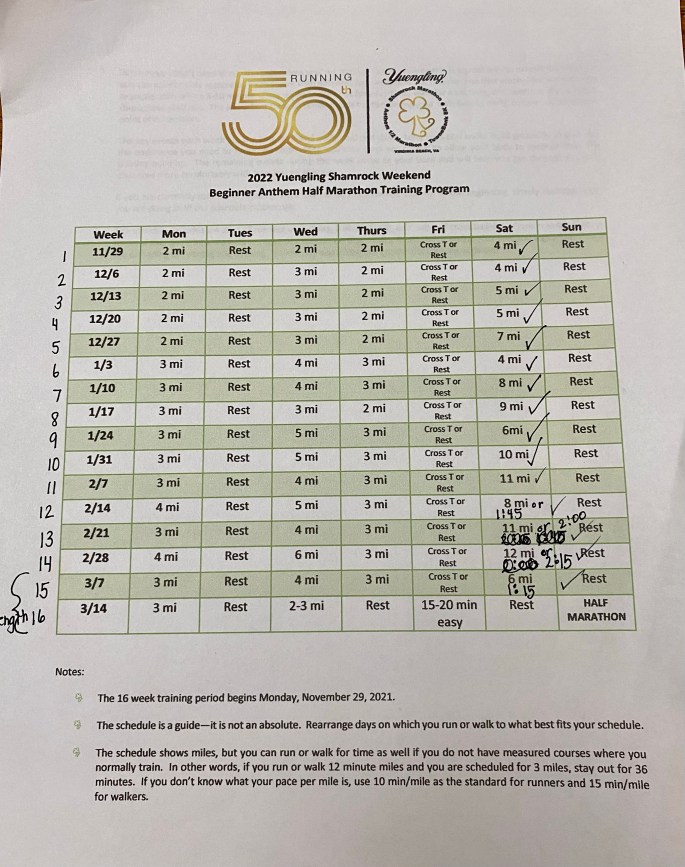
Since the week following Thanksgiving 2021, I followed a training plan for the 2022 Shamrock half marathon/marathon weekend in Virginia Beach.  I had previously trained for and ran this virtual event last year, which was highly restricted due to COVID.  Training, at that time, was challenging, not only because I was returning to running after several years of a hiatus, but also due to the snow, ice storms, flooding, and other winter events that seemed to plague last winter.  Therefore, most of my training, including those all important weekly long runs, were mostly completed on a treadmill.  

During 2021 Shamrock weekend, the Virginia Beach boardwalk was nearly devoid of visitors. This was not the case for 2022

This year, however, I committed to completing as many of my long Saturday runs as possible, outside, despite winter weather with the goal of running in Virginia Beach.  I also made changes to my weekday training, moving my workouts to early morning, before my workday began, as well as incorporating more strength training, stretching, and a weekly yoga session. Since this was the 50th anniversary of the Shamrock, it was sure to be a big event for the town, especially with many of the COVID restrictions of last year lifted.  Nonetheless, runners still had the option to run it virtually. 

Therefore, traveling to Virginia Beach this year, I knew I was ready to give it my best–nothing record breaking, but it was my best, and I was ready to enjoy the fruits of my consistent winter efforts!  Upon Thursday’s arrival, John, my husband, and I could sense the town’s atmosphere–full of anticipation, joy, and celebration.  Signs welcoming visitors were posted throughout, and we met numerous people in the service industry expressing their genuine excitement for the “first event of the season,” especially after the challenges of the past two years. 

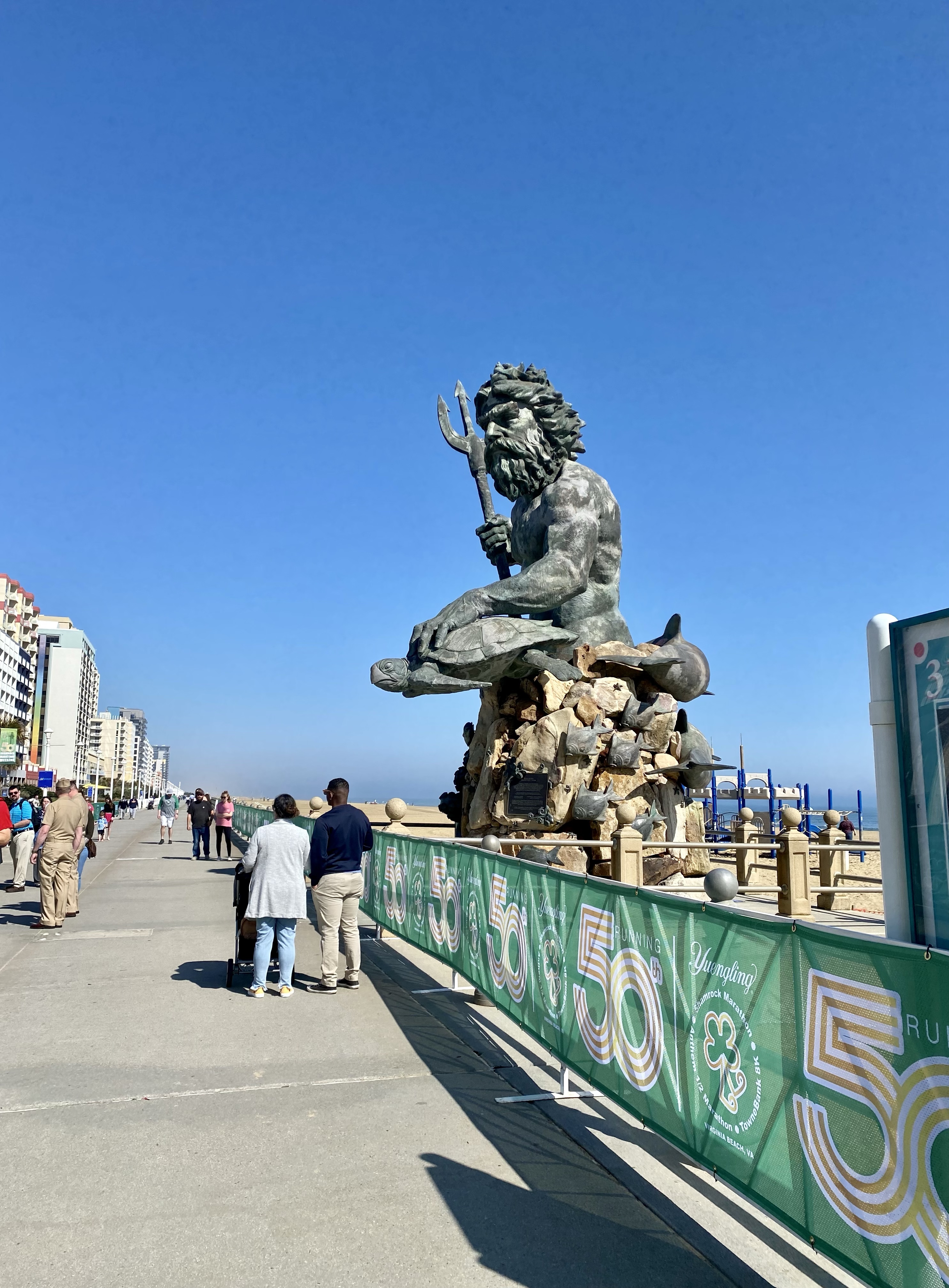
The famous Shamrock sandcarving is safely blocked off until the day of the event.

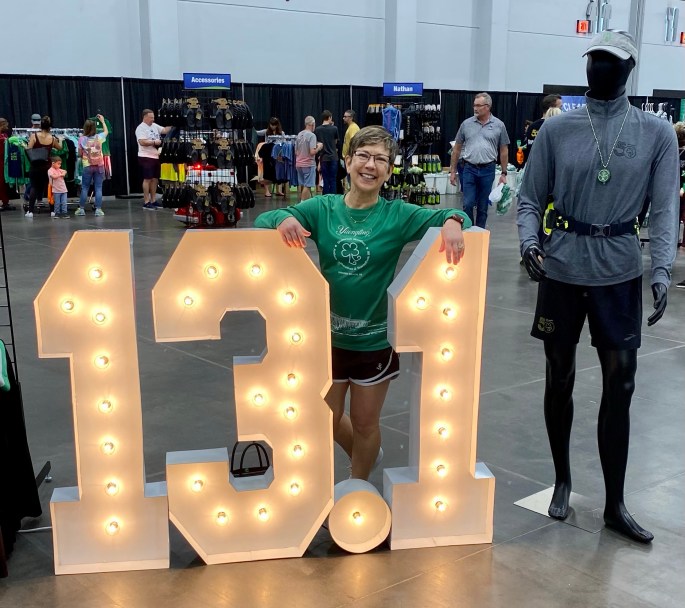
On Friday, John and I interacted with an abundance of the participants while attending the Shamrock Sports and Fitness Expo. Like me, they were there to not only pick up their race day bib and shirt, but also to browse the vendors’ displays and soak up the levity leading up to the event. Walking around the large arena, what surprised me the most was that there were so many other runners who, like me, did not fit the so-called mental construct that is often associated with what it means to be a runner.  All ages, shapes, shades, sizes, and any other manner of differentiation–it seemed–were represented as if every possible background category box was checked. Oh, to-be-sure, there were plenty of competitive runners who obsessively talked to anyone who would listen about finish time, pacing, and other stats, but the majority of runners seemed to be there in order to have fun and relish the experience.

Let’s go!

Perhaps, I always knew this about running, and had not allowed myself to see this, but surrounded by the high spirited energy of all those different types of runners made me rethink my own feelings—so much that I recall telling John, over dinner that night, that I was no longer going to choose to feel less-than because I am not a fast or competitive runner.  

I run, and therefore I am a runner.  

Bottom line, I find joy in any movement, but especially running.  Running is what I do to reduce stress, increase my sense of energy and positivity, it provides me the ability to sleep soundly, and other countless benefits. Furthermore, after years of experiencing the captivity of an injury, I feel grateful for having the ability to recover and move my body freely.

Let’s make friends and have some fun!

Ultimately, this year, I decided to virtually run the half-marathon on Saturday, instead of Sunday, when the actual Shamrock was scheduled.  I made this choice in order to have the rest of Saturday, after my 13.1 mile run, to enjoy beach and relax before making the seven-hour drive home on Sunday.  This meant I would have to slightly modify the route, due to the fact the actual Shamrock course looped through Fort Story, and that section of the course would remain closed to runners the day before the event.  Nonetheless, if I ran the course as an out and back route, I would still cover 13.1 miles.

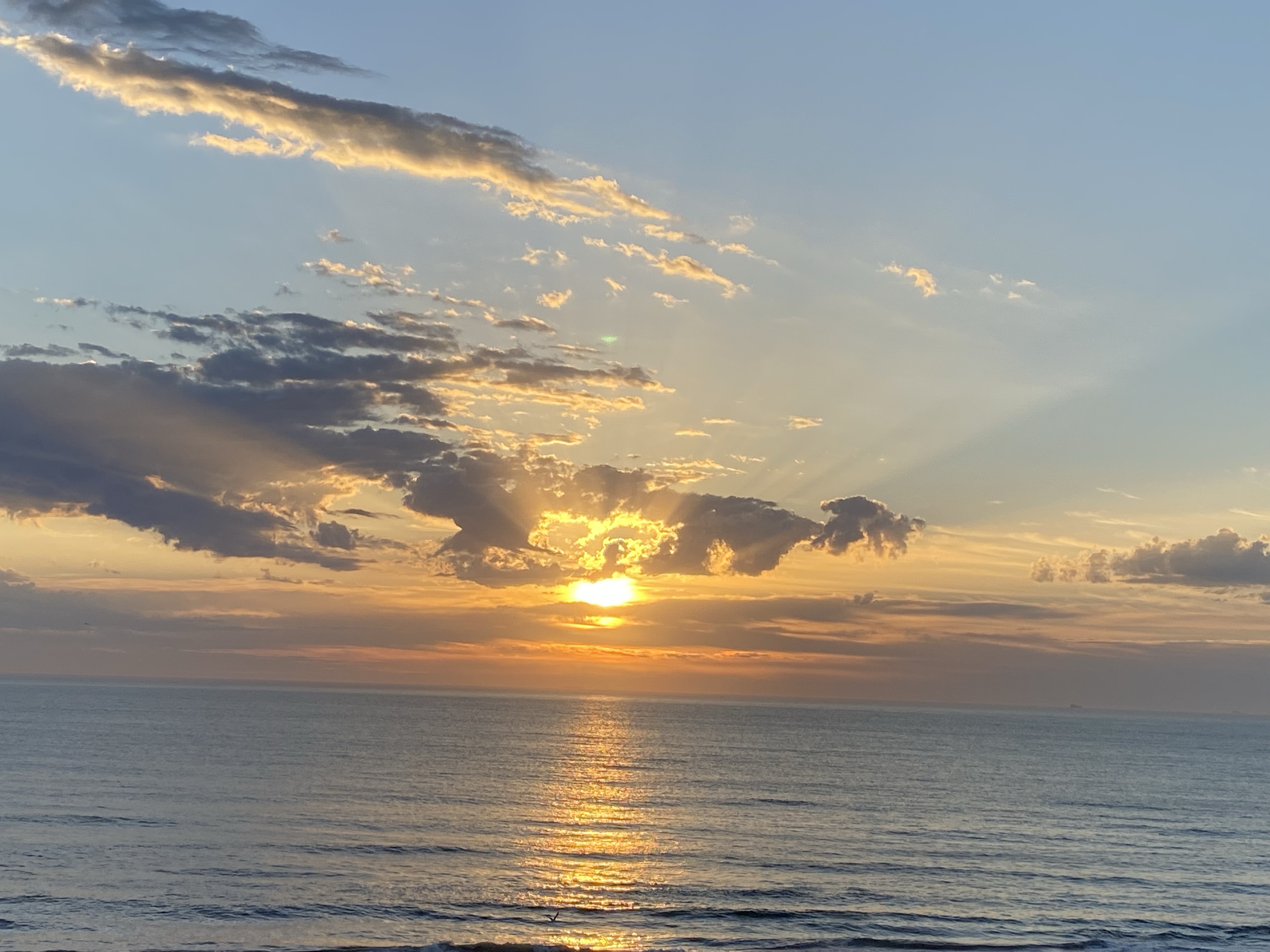
John and I were fortunate to watch a beautiful sunrise over the ocean the morning of my 13.1 mile virtual run.

Saturday morning, I began my personal half-marathon at the starting line area at 7:30, the official start time of the following day.  The roads were not closed, as they would have been during the actual event, so I had to carefully navigate the sidewalks through town and run the bike path section of the isolated, four-lane stretch of Shore Drive.  Fortunately, it was not a work day, so traffic wasn’t as busy as it might have otherwise been. Still, there were a few times in which I had to hop off the lane to make way for curb-hugging cars and/or bikes.  

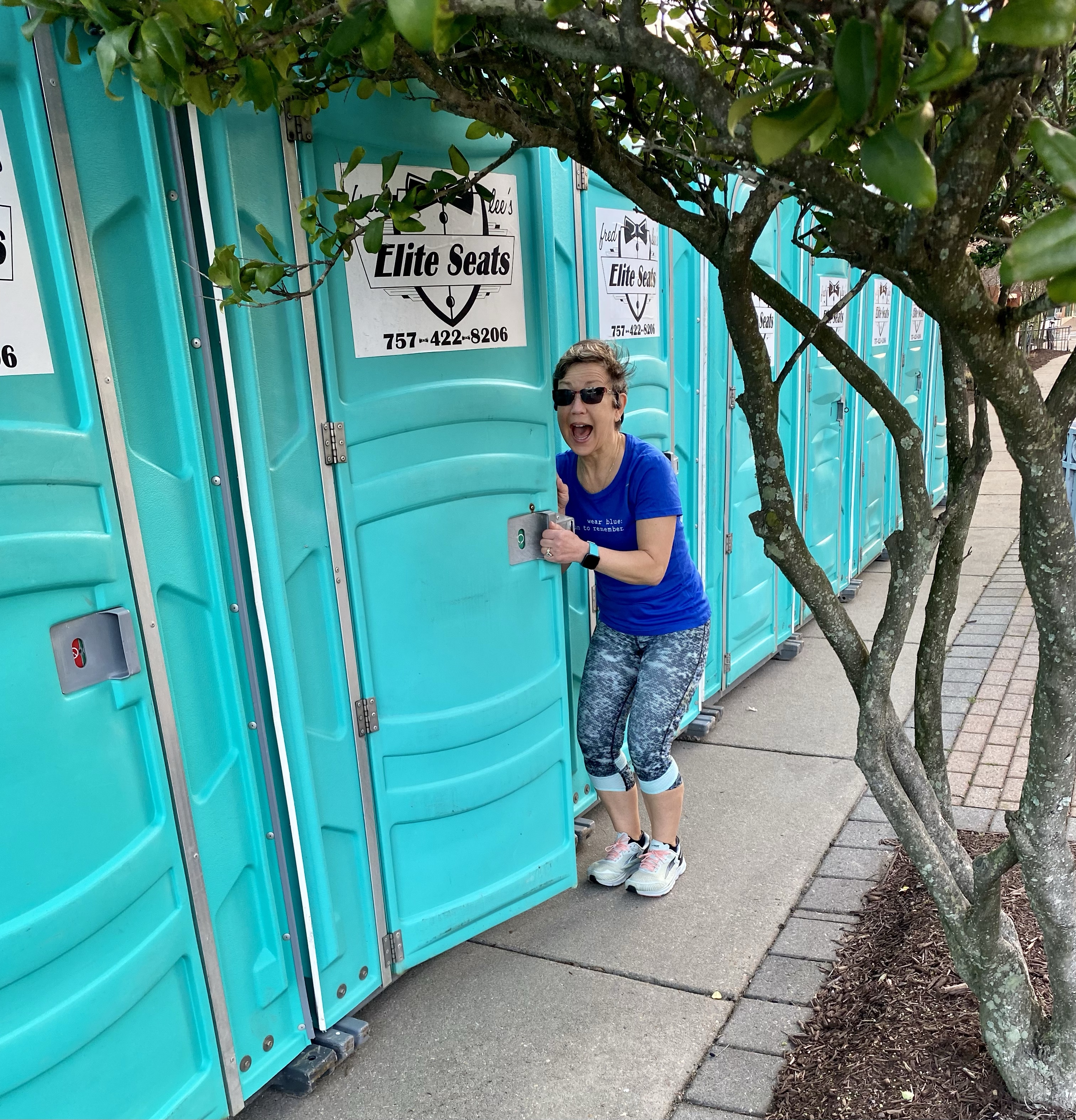
As a runner, especially on those long runs, it’s always good to know where the “Elite Seats” are located!!

All the while, John kept driving in a loop, repeatedly checking on me, and shouting out encouragement through the car window.  As part of the plan, John met up with me at the halfway point.  This allowed me to pause for a quick drink break before turning around and heading back into town.  

Reaching the halfway point, I felt strong. However, since I had trained through winter, I was acclimated to cold temperatures.  It had been months since I had run in the 70 degree temperatures for which I found myself running.  Therefore, my pace began to slow the closer to the end I came.  Still, I finished.  I. Ran.  In fact, I ran slightly over 13.1 miles.

“Running slow isn’t a character flaw: Quitting is.”–Unknown

Dear Reader, I am a runner, and I will never allow myself to again feel slighted by my pace, my age, my stature, or any of those supercilious definitions–AND neither should you–no matter what your endeavors.  God designed our bodies for movement, and we should celebrate and enjoy that ability.  One day, Dear Reader, I may not be able to move freely, but that is not today . . . and so, I will continue to walk, hike, move, stretch, and, yes, even run. 

Time to start!
That feeling when it’s over, and the distance is covered!
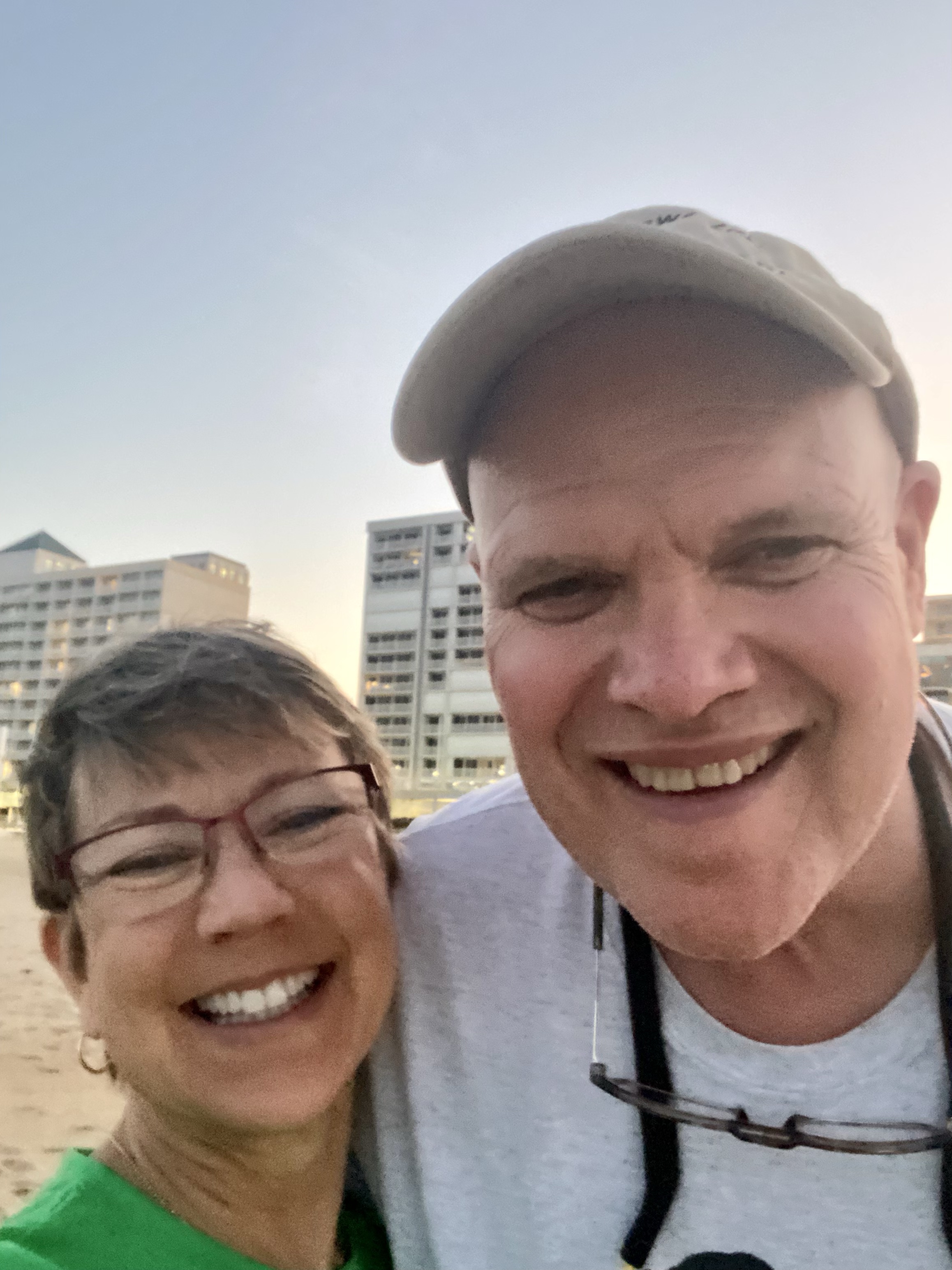
John and I can relax now relax on the beach!

Step into Faith: Mood follows action

“We often can’t see what God is doing in our lives, but God sees the whole picture and His plan for us clearly.”–Tony Dungy

Photo by Jonas Ferlin on Pexels.com

I sat staring, alternating between views of my snowy backyard, a March surprise from Mother Nature, and the white screen.  Minutes ticked by, but nothing happened.  Next, I began pursuing my favorite devotional sites.  Still, nothing there–at least nothing that inspired a writing idea.  Finally, I gave in and looked at my list of writing ideas–the list of ideas that have not yet come to fruition, but still hold potential.  All good candidates, but nothing was immediately striking my writer’s voice.

Typically, throughout the week, I will pause, and allow that still small voice to whisper an idea.  It sounds corny, to see it written, but it is true.  I’ve learned that by asking and trusting, an idea will ultimately arrive.  However, there are times when it seems that my alignment is off with the Ultimate Creator, the invisible hand that pens my stories.

Even now, when I reread those words above, I feel heat rising to my cheeks.  I can hear my inner-critic now reminding me that I am NOT an authority on faith, writing, or any combination of the two.  Simply put, I am one person who believes in God, the Divine Source of all creation and inspiration, but it doesn’t make me an expert on anything.  Therefore, who am I to type and share such bold statements?  All I know is I simply write to understand; and today, Divine Providence was slowly unveiling a lesson for me to learn–only I was not seeing that when I first sat down to write this piece.  

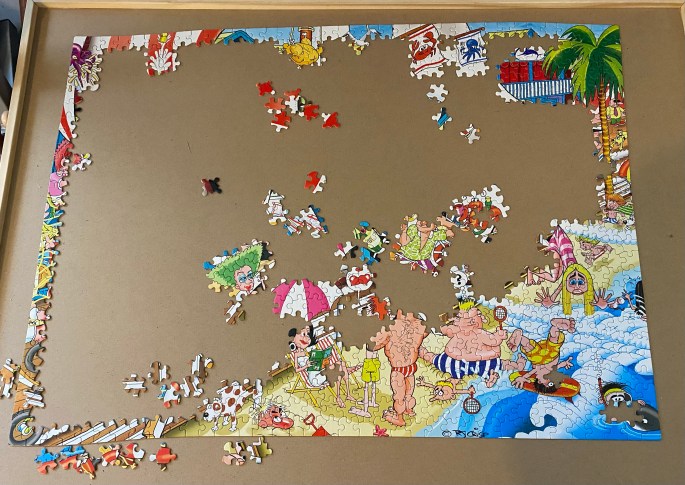
When working a jigsaw puzzle, I begin, like many, by first connecting the edge pieces to not only begin to see the shape of the ultimate goal, but also because it is typically an actionable and achievable first step. Putting together a puzzle can seem overwhelming when first looking at all of the mixed up pieces, especially if there are a large number of them and/or the pieces are tiny.  In fact, initially, it may feel downright impossible to put all of those pieces of the puzzle together to form any sort of image, much less match the image on the puzzle box. Nonetheless, by beginning, by starting with what you can do–the outside frame–piece by piece, your sense of possibility increases.

Likewise, life comes in stages.  Initially, it is a fairly linear process–one stage of development follows another.  However, eventually, often at multiple points throughout adulthood, you encounter an in-between stage–points in life that are not linearly progressive, but rather feel like holding spots.  Often, these holding patterns shift and evolve into new phases, but during the hold, life can feel uncertain and/or even stagnant. There are any variety of in-between stages, depending upon where you are in life and your unique life experiences.  

Conceivable stages could include an in-between stage of marriage and divorce or the aftermath that follows.  Another frequent holding pattern can sometimes occur in careers–the point at which you feel you are no longer upwardly moving or challenged.  Of course, there is the classic empty-nest syndrome–when you try to establish new routines/responsibilities and even renavigate your relationship(s) with your partner and adult-children.  Then, there can tragically be the in-between stage of long-term illness–either of self or care for another.  There are numerous other examples, but the point is this:  There are times in life where you can’t see the full picture–much less, predict the future.  The “next-step” is, quite frankly, not known by anyone other than God–and even that signal can seem crossed, busy, or even disconnected. 

Photo by Andres Ayrton on Pexels.com

These are often the moments that draw us closer to God through prayers for strength and/or answers; other situations can leave us feeling further removed from our faith due to doubt, fear, and uncertainty.  While I am no expert on faith or psychology, I can’t help but believe both responses are very human and very understandable.  What is the answer during these moments? This was my lesson to learn today as I wrote: take a step.  Find your so-called edge-pieces and start working bit-by-bit.

During the week prior to writing this piece, I was speaking with 8th grade students about a project for which they were working for my Reading Language Arts class.  Without going into too much detail, part of this project required that they choose four-plus pieces to write from four different categories of writing for which they were given a list.  They were looking overwhelmed by the project one day; therefore, in order to move them forward, I encouraged them to commit to only one piece of writing for the day.  

“Even if you don’t feel like it, pick what you perceive as an ‘easy’ piece and start.”

I knew, from my own recent 16-week training for a half-marathon, there were many days I, too, felt overwhelmed.  I was either paralyzed by the number of weeks still left on the calendar for training/conditioning, or I was not-feeling up to the run for the day, especially as that mileage increased.  However, the one thing I learned to be true from this round of training, is that mood follows action.  I may not “feel” like running, but if I simply begin without thinking–if I take one small actionable step–the simple act of starting, begins the momentum for continued action. Continued action leads to another training session checked off the plan, and one step closer to the goal. 

This is what I wanted those 8th graders to experience–the power of completing one small step.  Complete one piece of writing one day; then, come back to class the next time, and complete another piece.  One small success begets another small success, boosting confidence and the faith to tackle the next, more challenging step.  Like the large jigsaw puzzle, they didn’t have to see the whole picture in the beginning; their plans could be subject to change, but they had to take that first actionable step.  Then, step-by-step, the vision of their project could come into focus.

The writing of this piece, likewise, began with uncertainty–only the knowledge that I was supposed to write. I did not have a clear picture of how I would do it, or what nugget of understanding would be revealed in the end. I simply had to start typing; taking one small actionable step.  Piece by piece, the edges of the lesson formed first.  By faith, the rest began to gradually come together, until the entirety picture revealed itself to me. 

Dear Reader, like many of you, I, too, am (and have) experienced several versions of those “in-between” time periods of adulthood.  Without a clear picture of what the future holds, I am often unsure in which direction to step.  Therefore, let us continue to step into each day, one moment at a time, trusting that if we whisper and wait, while filling in the edge pieces, the Ultimate Creator will likewise continue to pen our story.

Photo by Pixabay on Pexels.com