Embracing Silence: The Owl’s Call to Mindful Listening

A wise old owl sat on an oak;
The more he saw the less he spoke;
The less he spoke the more he heard.” —old proverb

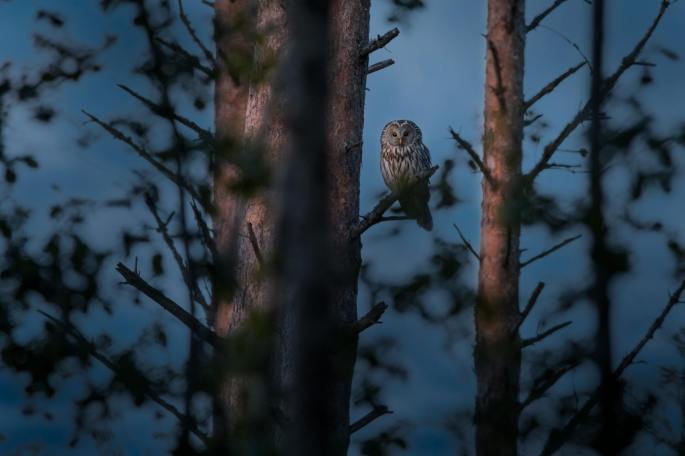
A wise-looking owl perched on a branch in a dark, wooded area, illuminated softly by moonlight.
Photo by Erik Karits on Pexels.com

Listening in the Dark 🌌

I am an early riser, typically awake before the sun. A few weeks ago, my ears perked at the haunting, penetrating call of an owl. Its “Hoo-hoo-hoo, hoo-hoo” echoed around our yard as I looked out into the murky dark. Since then, I intentionally listen for its steadfast call. It has become both a comfort and a mystery—an invitation to listen, reflect, and learn something new.

The owl’s call continues, I am certain, even when I am not listening; yet it requires my full attention in those predawn hours if I hope to notice it regularly. Its presence illustrates the importance of listening and discerning with care and purpose.

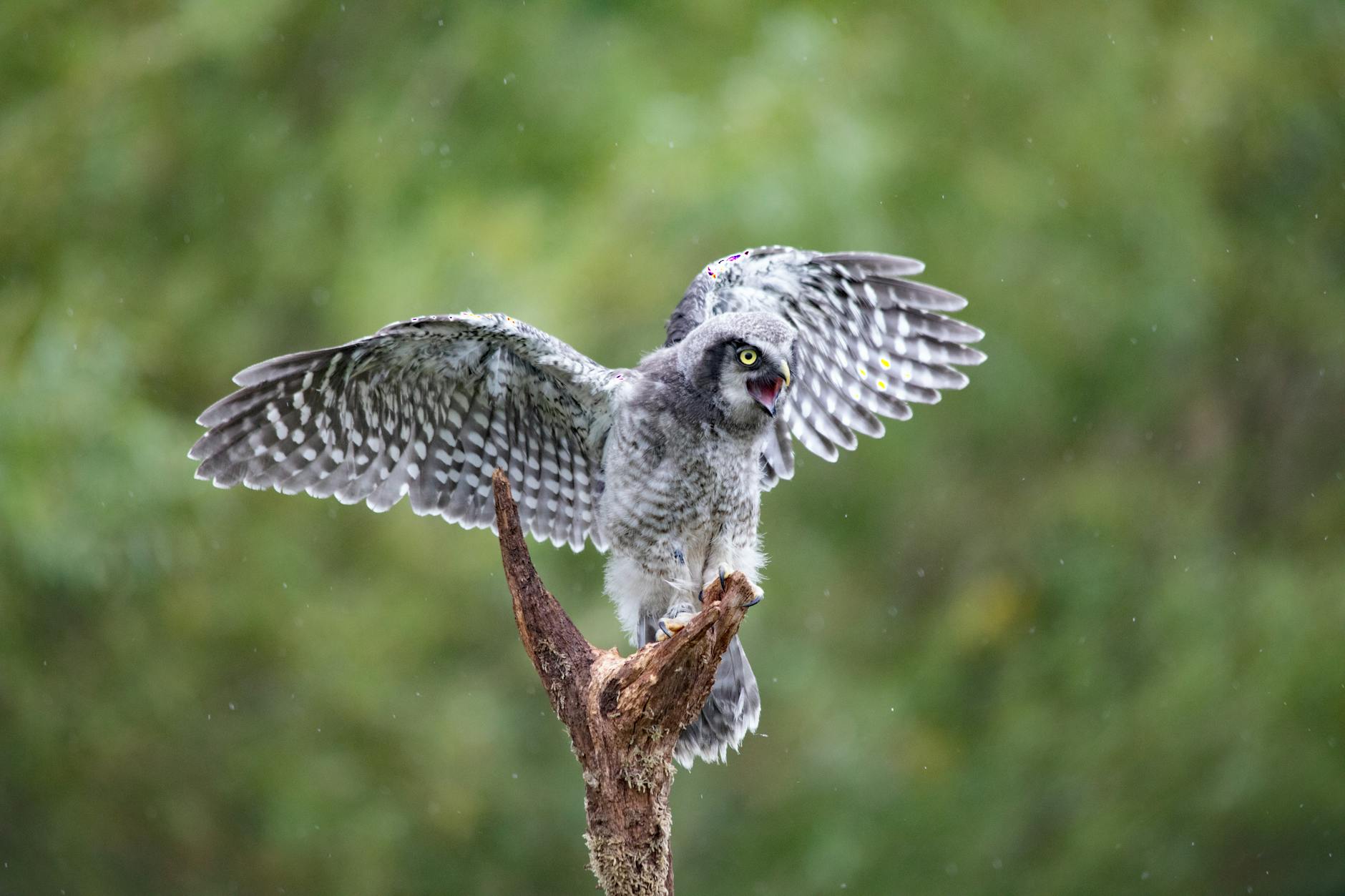
A grey and white owl perched on a branch with wings partially spread, showcasing its feathers and an alert expression against a green blurry background.
Photo by Petra Ryan on Pexels.com

What Owls Teach Us About Voice 🗣️

The autumnal hoots I hear, I learned after a bit of research, are used mostly to communicate territory and to call to potential mates. (It is worth noting that many owl species mate for life, finding another only if a partner dies or becomes separated.) Owls also use distinct calls to warn a mate, their nestlings, or even neighboring owls when danger is near. Only when the threat is imminent do they screech, hiss, or snap their beaks in defense of their young. Like the owl, we, too, can carefully choose when to use our voices amid the noise of the world, saving our own form of “screeching” for the rarest and most necessary moments.

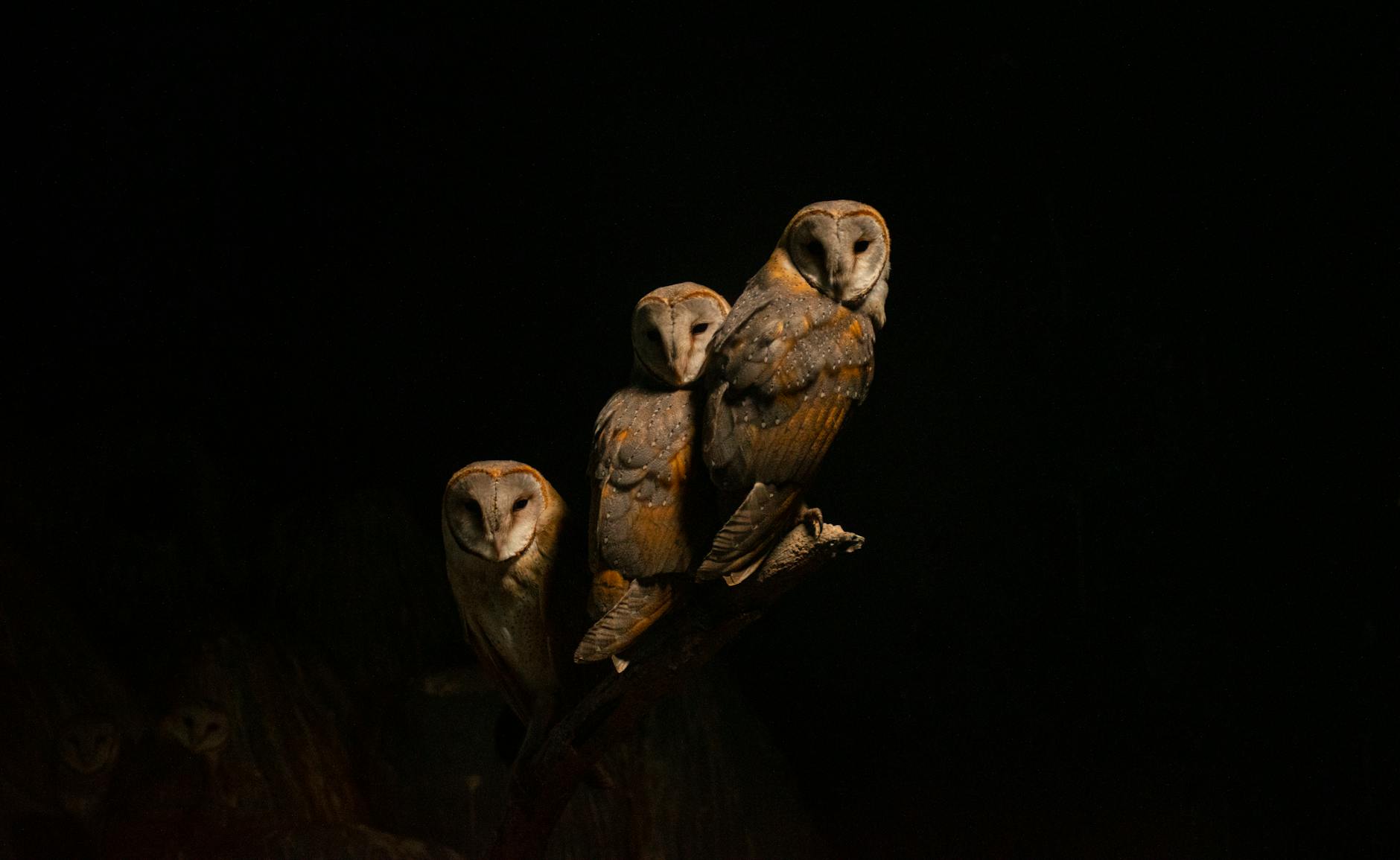
Three barn owls perched on a branch in low light, showcasing their distinctive features against a dark background.
Photo by throughmylife_in_ INDIA on Pexels.com

Signals of Respect and Coexistence 🦉

As I read more, I couldn’t help admiring how owls communicate—practically, respectfully, almost as if to say, “I am here. You are there. Let us coexist with our shared resources and help ward off danger.” To be certain, I am personifying and simplifying their communication, but perhaps there is a lesson for us. In a world that often isn’t equitable in its distribution of resources, space, or power, maybe we can learn the art of signaling like owls—communicating truthfully and transparently without silencing others. What if we approached our conversations with presence, restraint, respect, and a shared awareness of the landscape we inhabit?

Holding Our Ground with Grace 🙏

Hearing the owl’s early morning “Hoo-hoo-hoo, hoo-hoo” reinforces the importance of holding our own ground—our principles, values, beliefs, and even compassions—without becoming loud or defensive. The owl does not insist on being seen; rather, it asserts its message with a reserved dignity. We, too, can claim our “territory” through composed conviction and fairness, standing firm without demeaning others. Faith in our tenets, like my unseen morning owl, calls us to trust what cannot be seen but can be discerned only in stillness.

A tall tree with orange leaves against a clear blue sky, surrounded by a grassy area and a house in the background.
Fall is a time of release and renewal.

Autumn’s Invitation to Adapt 🍂

Autumn is a season of release and preparation. Light softens, signaling leaves to fall as trees ready themselves for winter’s quiet work. Many creatures follow this rhythm, including the owl in my backyard adapting to the shifting season. We, too, are invited to adapt—to let go of what is no longer needed, recalibrate our priorities, and listen more deeply. The natural world thrives on balance, which is different from our human desire for “fairness.” It exists in a subtle harmony in which every being plays a role. I wonder what might happen if we focused more on harmony—the give-and-take of shared ecosystems and resources—paired with the wisdom of knowing when to listen and when to speak.

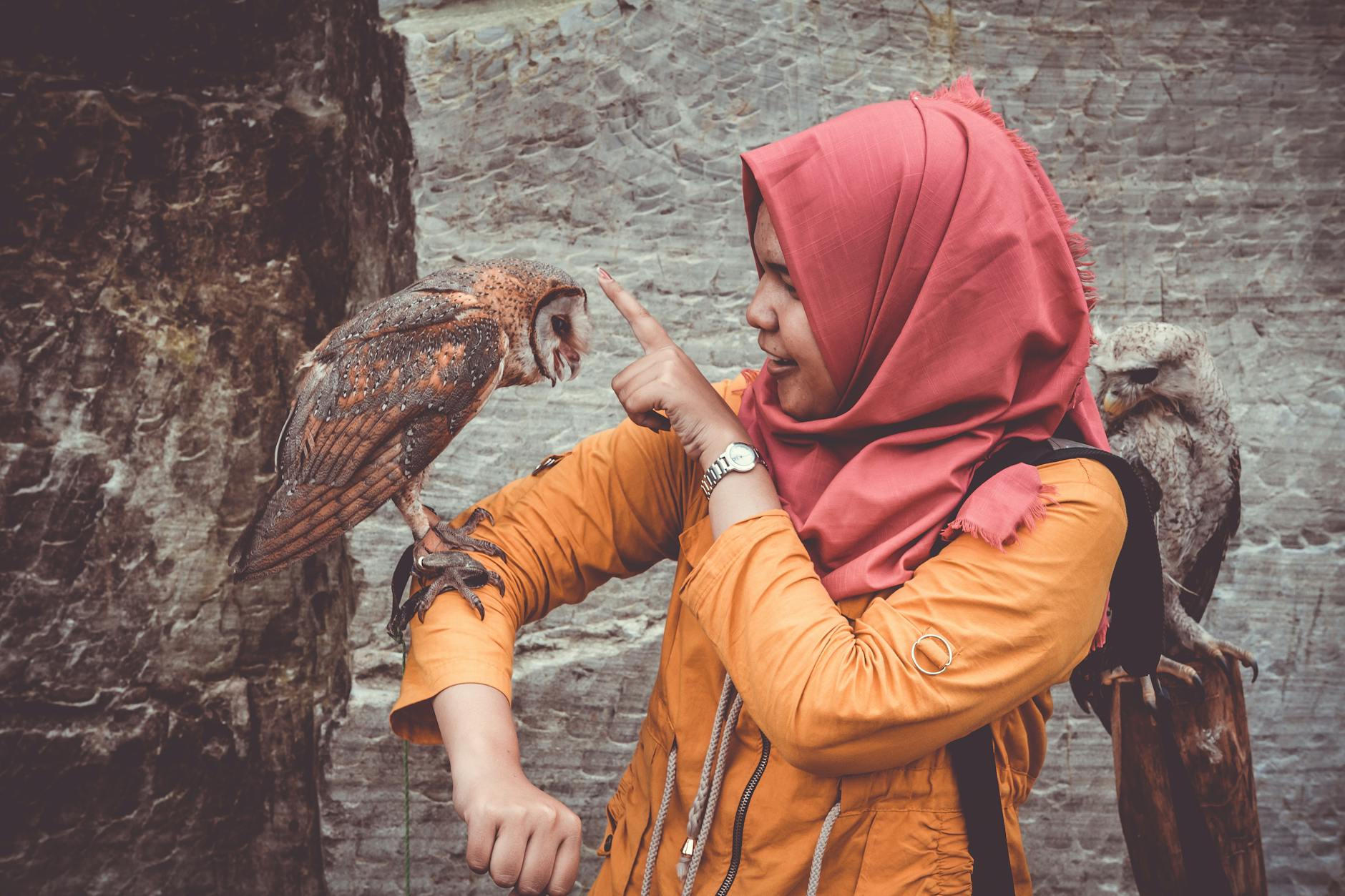
A woman in a pink hijab interacts playfully with a barn owl perched on her arm, pointing towards its face, with another owl visible in the background.
Photo by Rangga Aditya Armien on Pexels.com

The Harmony of Coexistence 🕊️

The autumn owl’s voice in my backyard is solitary, and yet it reflects community. It marks its presence while acknowledging the presence of others, including us. Coexistence, the owl teaches, requires more than hearing what others say; it requires listening to the silences. Of course, human coexistence is complicated, and life often isn’t what we would call fair.

Therefore, it becomes incumbent upon us to listen, act kindly, and withhold judgment—offering small or not-so-small acts of goodness to help restore balance. This may mean choosing gentleness, or even silence, over the need to be “right,” especially when a loved one, friend, or coworker says or posts something unkind or expresses an opinion we strongly oppose. Likewise, offering compassion instead of judgment when someone is rude or ill-behaved can shift a moment for the better, even if only because we have refused to be pulled into energy-sapping negativity.

A serene forest scene with tall trees bathed in soft rays of sunlight filtering through the branches, creating an ethereal atmosphere.
Photo by Atlantic Ambience on Pexels.com

Before the Light Returns 🌅

The owl still calls unseen in the dark predawn hours, reminding us that communication, connection, and hope often begin before the light returns. The owl does not question whether the sun will rise; it simply continues its call, trusting the rhythm of creation. Like my unseen neighbor, I pray we find the courage to speak fairly, listen deeply, and have faith in the unseen process—knowing that every voice lifted in love and fairness echoes far beyond what we can see.

Perhaps that is the heart of the owl’s lesson: when we listen more deeply, we create the conditions for fairness to grow. As I recently read, “Life isn’t fair. It isn’t, which is why people should endeavor to be more fair to one another, not less.” —Kate Quinn.

Take Care of Your Heart–February is Heart Health Awareness month

“You have the power to take action to protect yourself against heart disease.”–National Institutes of Health 

Photo by Pixabay on Pexels.com

The short list 👵🏼

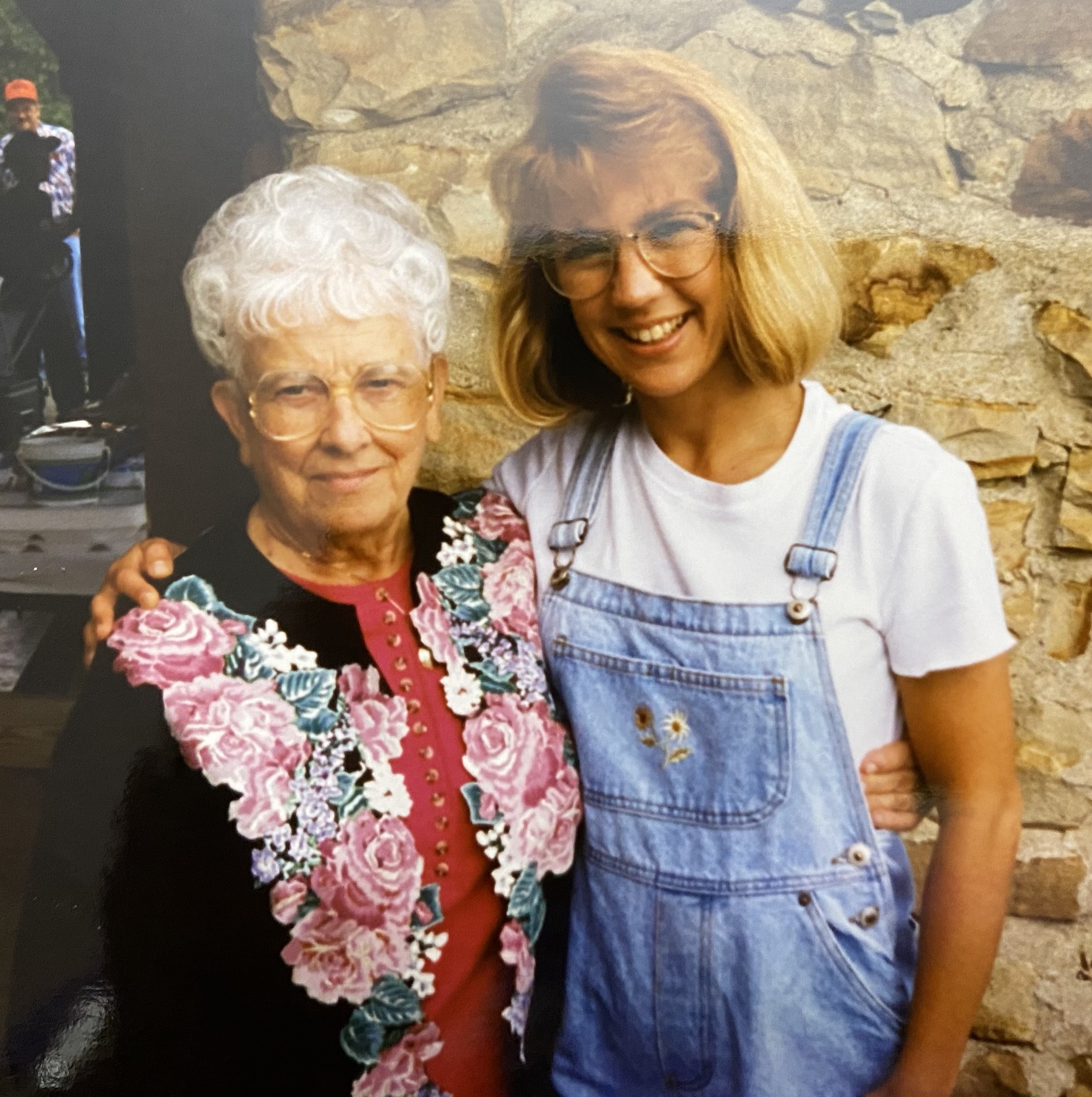
I am often teased for my height.  To be sure, I am easy to overlook, especially with the way gravity and aging are currently in cunning cahoots with their persistent resolve to pull me closer to earth.  However, if you think I am short, you should have seen my Mamaw.

Mamaw was my Dad’s mom, and she was itty-bitty.  I am not sure of her pinnacle height, but once I reached my full, so-called, height, I was taller than her.  That’s ok.  What Mamaw did not have in height, she made up for in moxie.

I can recall spending the night with Mamaw.  Her house was modest, well-organized, and fastidiously tidy. Most guests entered through the backdoor entrance which led into the brightly lit kitchen filled with shades of yellow.  Through the sunny kitchen was a compact TV, or family room, with Mamaw’s sewing machine squarely positioned in front of the room’s only window. 

Mamaw was a quilter. It seemed as if every time I was there, she was working on a quilt.  These vast projects of art typically took her six months to a year–depending upon the size of the quilt.  Therefore, the TV room was often filled with pieces of brightly colored fabric, precisely arranged, laid out on the floor, and pinned together. I loved watching her work, especially once she got the large hoop out that held the fabric taut as her trained fingers worked the needle and thread like a fly buzzing above a soda can at a picnic. 

Photo by Pixabay on Pexels.com

Sweet Remembrances 🏡

In contrast to her diminutive stature, her footsteps came down with a heavy sound. You could hear her coming, no matter what part of the house she was in.  This was especially noticeable in what my kid’s mind perceived as “early morning.”  She tended to rise somewhere between 5:30 and 6:30.  Her size-five, narrow feet sounded as if she were a giant stepping through the house as she went about her morning routine and began making breakfast. 

Breakfast was typically simple most mornings. Sometimes she ate boxed cereal, such as Raisin Bran or Corn Flakes. Other times, she prepared poached eggs with toast.  However, her biggest go-to breakfast that I recall was oatmeal.  She made the oatmeal so thick and creamy that it often stuck to the pan, but boy was it ever good.

As best I can remember, she prepared our breakfast while I was still in bed. (She would check with me the night before to learn my breakfast preference.)  Then she would mix up a cup of Tang for each of us (An orange powder, fortified with Vitamin C that advertisers claimed astronauts drank.) and then heat up water for her cup of Nescafe. By the time I made it to the kitchen, the table was set, and she was waiting for me. Sometimes we talked while we ate; other times, we were quiet.  But there was a comfort just being with her in that bright kitchen, custom built to accommodate her petite size.

Photo by Andrea Piacquadio on Pexels.com

Walk This Way 🚶🏽‍♀️

 Mamaw was active and was known to walk at a local high school track.  I accompanied her on a few walks, and her pace was steady.  Typically, her goal was two laps, which equaled two miles.  If she was feeling good, we might walk a little more.  If the weather was overly hot or humid, we might walk less. 

Mamaw cleaned her own house weekly and cooked her own meals.  She went up and down steps to her basement regularly to do laundry, grab a jar of canned vegetables or fruit, or retrieve another needed item.  Grocery shopping was usually a once a week event–often coinciding with double-coupon day as she managed her budget tightly.  Mamaw attended her Old Regular Baptist Church when she could, and even at her funeral, they still lined their hymns in a mournful melody, a tradition dating back to a time-period when hymnals weren’t readily available. 

Mamaw never drank alcohol, and she never smoked.  And while she often fretted over having a bit of a belly (from which her laughter emanated so joyfully), she overall maintained a consistent and fairly healthy weight for her body type.  

Photo by Pixabay on Pexels.com

Unexpected Event ❤️‍🩹

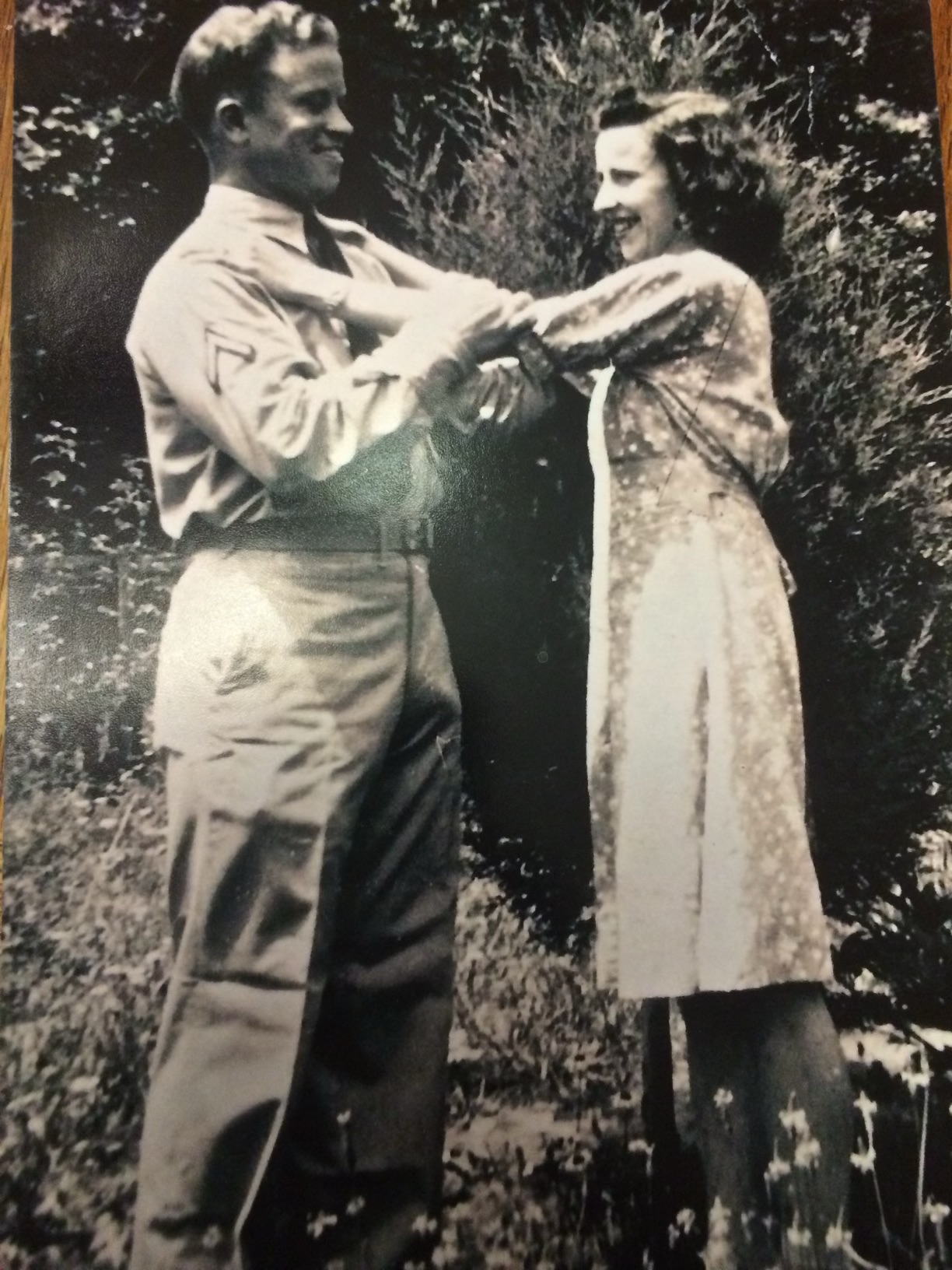
I do imagine there were moments in the span of her life that caused her stress because I can remember her saying she felt “nervous.”  From a kid’s perspective though, she seemed happy enough.  However, I feel certain, after her husband, Papaw Musick, suddenly passed away from a heart attack when I was less than a year old, and she still had a son at home in high school, she must have carried many burdens and worries.

Despite her overall level of daily activity and seemingly determined mindset, many years later, Mamaw also suffered a heart attack at the age of 74.  I recall visiting her in the hospital and being stunned by the way her body had been temporally physically altered from emergency surgery.  She, like her passed husband, was not a person anyone would have thought of as being at-risk for heart attack, and yet, they both suffered from a cardiac event.

Photo by Karolina Grabowska on Pexels.com

February is Heart Health awareness♥️

Therefore, it is in honor of Mamaw and Papaw Musick that I write this piece.  Friday, February 2, 2024 is National Wear Red Day, also known as Go Red for Women as part of the overall campaign for Heart Health Awareness during the month of February. This heart-centered initiative dates back to Lyndon B. Johnson, in 1964, who first established this annual event after he had a heart attack. 

According to the CDC , “Over 60 million women (44%) in the United States are living with some form of heart disease.”  It is the leading cause of death in 1 out of 5 women. 

Regarding men and heart disease, the news is even more grim. The CDC also states that heart disease is the leading cause of death of US men, about 1 out of 4 men.  What’s worse, half of the men who died suddenly had no previous symptoms.  

Photo by Jessica Lewis ud83eudd8b thepaintedsquare on Pexels.com

Steps to maintain Heart Health 💕

Any way you slice it, heart disease is a silent killer of women and men, but there are some actions you can consider initiating this month to prevent heart disease according to the CDC and the Mayo Clinic:

  • Get moving: Aiming for 30+ minutes of movement per day, even short bouts of movement, incorporated throughout your day, are helpful
  • Quit smoking or using tobacco products
  • Moderate alcohol consumption 
  • Know and monitor your blood pressure, and work to control it
  • Eat whole foods that are heart healthy, specifically the Mayo Clinic recommends Dash or Mediterranean style of eating
  • Maintain a weight that is healthy for your unique body
  • Consider annual blood work to monitor cholesterol levels and triglycerides 
  • Manage your stress levels
  • Prioritize quality sleep
  • Take steps to prevent infections
  • Take steps to prevent and/or manage diabetes
Photo by Puwadon Sang-ngern on Pexels.com

take care of your one and only precious heart ❤️

After Mamaw’s cardiac event, she went on to live for nearly two more decades, and for that I am grateful. She was an excellent role model for me in the art of living simply, making due with what you have, and being grateful for it. Mamaw laughed often–a full-belly laugh that seemed to fill her entire body with glee.  Those dainty hands of hers kept busy most hours of the day, and she kept her body moving. Most of all her heart was kind and her spirit was gentle. 

I hope my Mamaw’s story will inspire you to take care of your heart, if not for your sake, for the sake of your loved ones. Your precious heart matters, and YOU make a difference in the life of others, whether you realize it or not, just as my Mamaw did for me.

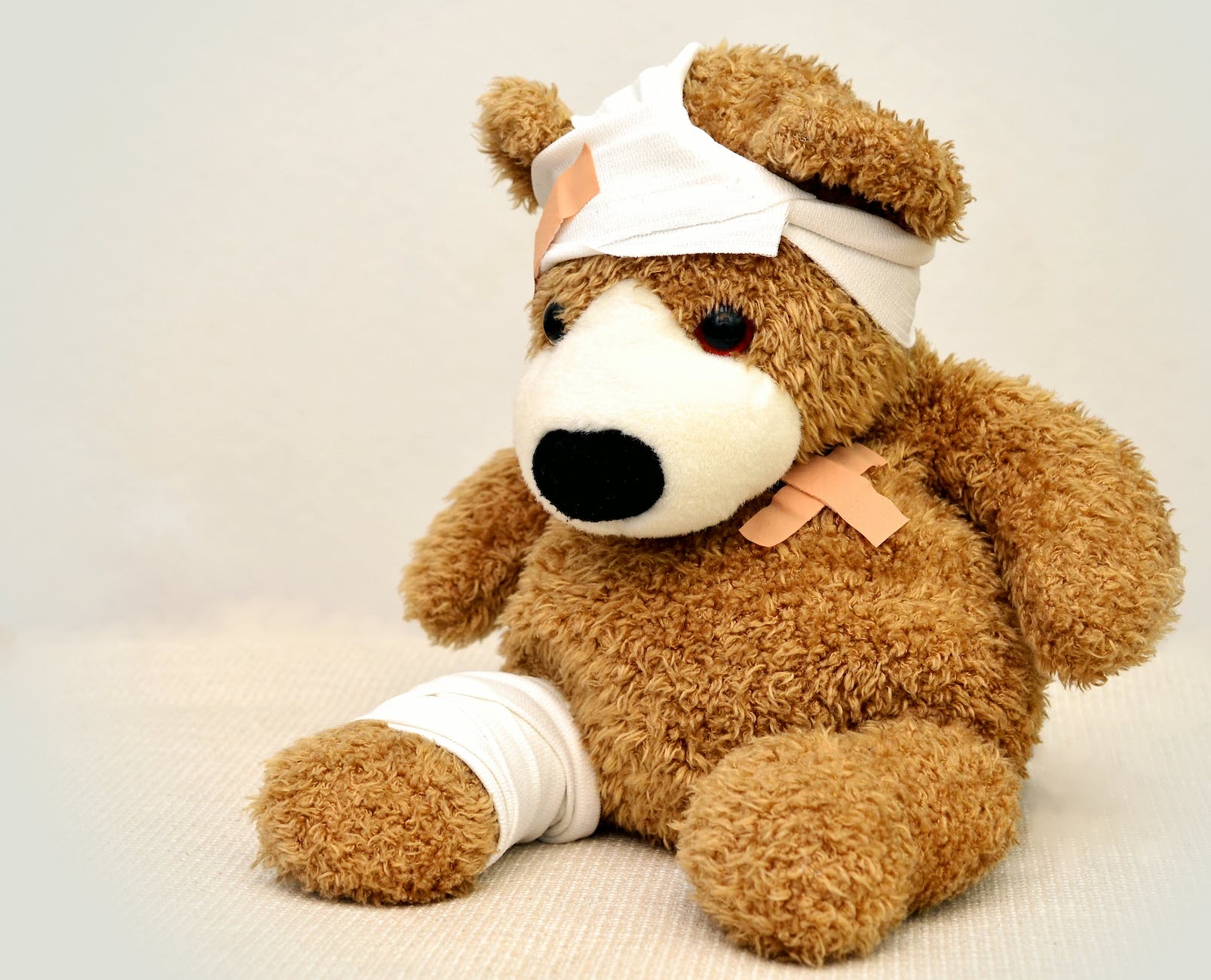
Wounded Light: How our wounds, injuries, and hurts illuminate us

“The wound is the place where the light enters you.” Rumi, Sufi poet

Photo by Anastasiia Chaikovska on Pexels.com

Pain-handler 🔥

My daughter once made an off-hand remark about the way I handle pain. She said something to the effect that my legs could be broken, my hair on-fire, and I’d still claim to be fine because my arms were still working. Of course, she was exaggerating because I am definitely not immune to pain.

Photo by Andrea Piacquadio on Pexels.com

I do, however, possess the ability to distract and/or redirect my focus away from discomfort.  On first glance, this can seem like a good thing, and I suppose, at times, it is.  Tolerating pain and challenges is what allows humans to get through tough times.  And while I could offer plenty of examples of the benefits for “shouldering through the pain/trauma/difficulty,” I think it is important to also recognize that by “shouldering through,” not only is it possible to create a bigger issue, but we are also missing an opportunity to see the Light within.

Photo by Wallace Chuck on Pexels.com

Accepting Limits 🛑

There are times when it is necessary to acknowledge and accept our wounds/injuries.  The pain is signaling that, at least for the time being, we need to accept new limits and boundaries in order to enhance the healing process.  This is true not only for physical pain, but also true for mental health trauma.

However, for many of us, myself included, sitting with and accepting pain is often difficult. Whether it is genetics, environment, or society, many of us would much rather suffer through our pain with a smile painted on our faces, than truly feel and acknowledge that we are hurting.  For some, this is a matter of pride, for others, it may mean admitting defeat and/or imperfections–while for others it is simply an extension of their stoic nature.  

Then, there are those who know that to feel the pain would mean to feel their own brokenness, quite possibly forcing them to name their suffering.  This is often a result of the connotation society has attached to specific words associated with pain.  Words such as, injury, hurt, pain, broken, surgery, depression, anxiety, recovery, often have a negative association attached to them causing many to recoil in fear and resistance at such an identification.  For others, there is an association with weakness if identified as having one of those.

Photo by Kindel Media on Pexels.com

Self-Compassion ❣️

It is with that understanding, I encourage all of us, myself included, to take time to acknowledge our wounds, our injuries, and our mental anguishes, past or present. Additionally, it is important to acknowledge the limitations and/or pain those hurts created.  Finally, it is most important to do these while offering ourselves compassion.  If a loved one was suffering with an injury, we would want to help them in any way we can, so let us begin to treat our own pains with the same level of tender-heartedness.  Taking time for our own healing is not a selfish act, but an act of seeing the Divine Light working within us.

I came across a line in a poem that said, “We are wounded healers,” and it really gave me a moment of pause.  The poet had a point, we have all been injured in some way, from scraped knees and elbows when we were children, to broken bones, illnesses, or a mental health crisis as we moved through our teens years and continuing into our present adulthood. It is important to note that each hurtful event informed and shaped us, whether we realized it or not. Unfortunately, there are many of us who have and/or continue to suffer silently through multiple painful experiences and traumas, past and present. 

 Our bodies and mental health have limits. When pushed past our natural boundaries, our injury or trauma signals us with pain in an attempt to get us to take time to allow the body and/or mind to heal. Given certain situations, there are times, events, and circumstances in which we lack the power to grant time for healing. This is often the case in childhood trauma and abusive relationships.  

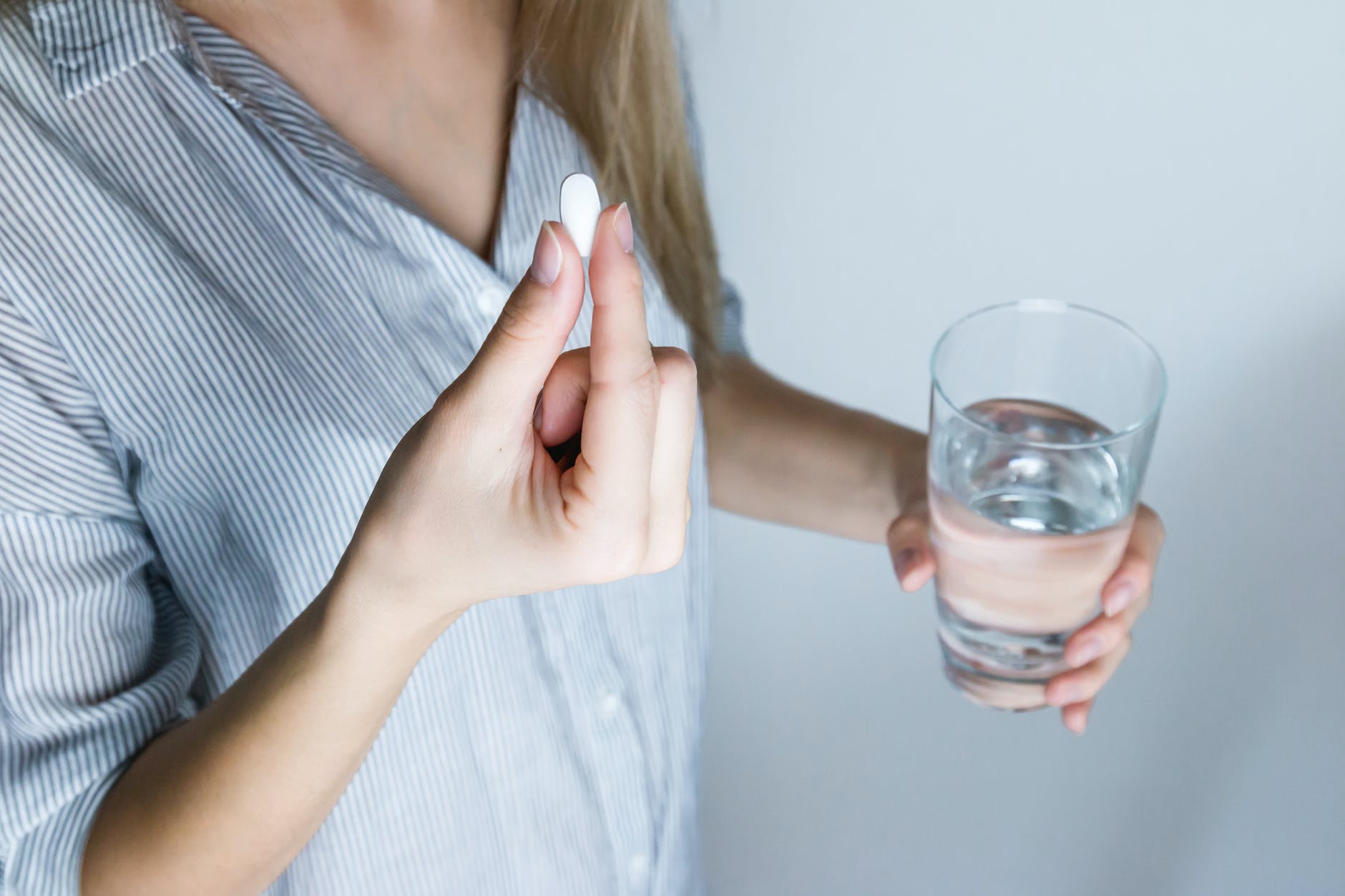
Other times, however, we prefer the quick-fix route–give me a pill and make it stop method–so I can move on with my life. However, quick-fixes don’t always create an optimal environment for healing. Instead, they tend to mask the underlying issue, allowing the injury/pain to fester in silence. 

Photo by JESHOOTS.com on Pexels.com

Wounded Healers ❤️‍🩹

This is regrettable because in those moments of injury, when we allow our bodies or minds time to heal and recover; we begin to bear witness to the miraculous creations that we are.  The same Source that created us is the same Source that can help heal us, in tangent with a healthy dose of prescribed treatment.  Our bodies and minds have been uniquely fashioned with astonishing proportions of resilience, strength, and fortitude.  We can be wounded, but we can be healed.  We are all, in the words of the poet, wounded healers.

Numerous writers and poets have written that our wounds and injuries allow the Light to enter us.  This Light enlightens us.  In fact, the more we have been scared by life’s injuries, the greater our understanding of the fragility and preciousness of life.  Further, our capacity for empathy with those who are suffering also increases, thereby granting us the added insight to words and actions that may provide comfort to those experiencing similar injuries and wounds.

Photo by Pixabay on Pexels.com

The Light within 🕯️

Our many wounds and scars offer us greater illumination from within. Our True Source of strength resides in those areas. Those old wounds serve as reminders of our survival, growth, and our own knowing.  The knowing of how it feels to truly hurt, and the full joy of knowing what it means to heal and recover.  There is the additional  knowing that healing can sometimes hurt as tissue and mental faculties are fashioned together in a new, often more durable manner.  And there is the ultimate knowing that nothing, not injury, not pain, and not even us, lasts forever.

Therefore, the next time injury, pain, or suffering comes calling, can we challenge ourselves to allow it?  Can we learn the lesson it may be offering us? To be sure, the process is not easy, and it requires patience as well as a heaping portion of trust, especially when the other side of healing may not mean a pain free life. However, in the same way sunlight can illuminate even the smallest of cracks, we too can hold tightly to the faith that the Light, our True Source, can heal and shine through our wounded selves. 

Photo by EKATERINA BOLOVTSOVA on Pexels.com