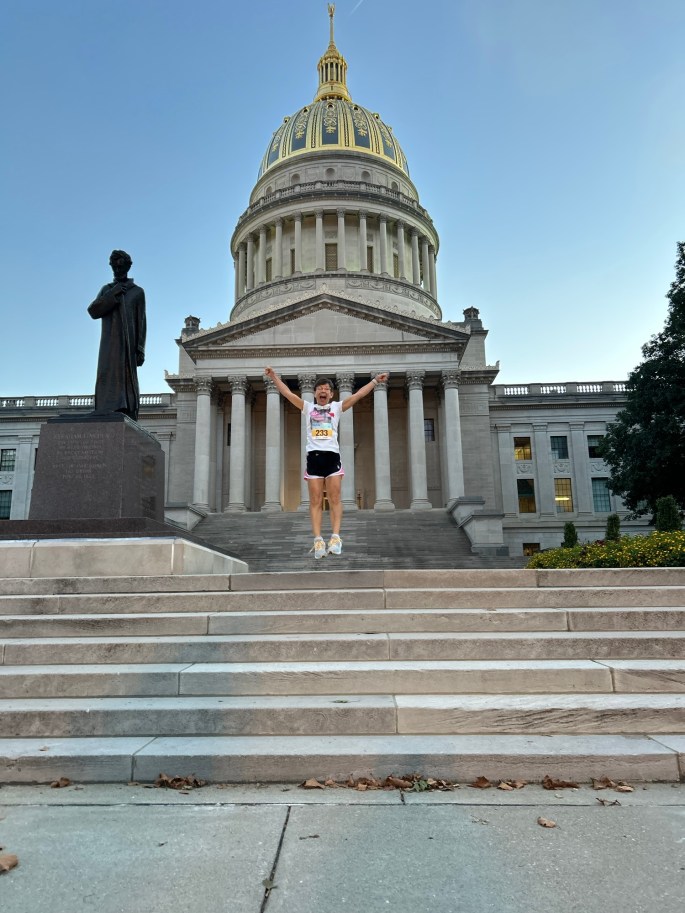

Running with Purpose: The Charleston Distance Classic and My Marathon Journey

The West Virginia State Capitol building with a golden dome, surrounded by trees and a pastel sky at dawn.
The CDC starts in front of the state capitol of WV.

A Quote to Carry Me to the Start

Dean Karnazes is often credited with saying, “Run when you can, walk if you have to, crawl if you must; just never give up.” His words echoed in my mind while I was experiencing a case of collywobbles as my family and I drove to Charleston, WV, in the predawn hours of Labor Day weekend. Only weeks earlier, I had decided I had built enough base fitness to run the Charleston Distance Classic (CDC), “America’s 15-miler.”

A joyful runner in a race, wearing a white shirt with a 13.1 badge and black shorts, excitedly posing with a water bottle while making a peace sign.
Ready to run the CDC!

Returning to the Classic After Ten Years

It had been more than ten years since I last ran it. In my previous two runs of the CDC, the weather was formidable, with the typical August heat wave bringing high heat and humidity. In fact, it wasn’t unusual to see runners collapse on the course—or cross the finish line only to collapse into the arms of medics from heat exhaustion.

Two women pose together smiling in front of a large government building with a golden dome, one wearing a race bib and athletic attire while the other is in casual sportswear.
My daughter was texting me messages of support throughout the race, so Siri could read them to me in my ear as I ran.

How Running Has Changed for Me

Life was different ten years ago. Besides being younger, I was fairly new to running and relied heavily on veteran runners for guidance. On one hand, I was fortunate to have others with whom to train; on the other hand, I didn’t yet have the aerobic base they had built over years. Plus, when I started running, I gave up strength and flexibility exercises, which I now know would have helped me. Instead, I focused on keeping up with others and hitting the weekly mileage goals.

Runner stands on a swing-shaped structure in front of the West Virginia State Capitol, smiling and wearing a race bib, under a clear sky.
Ready to swing into action.

Building Balance and Training for a MarathoN

Over the past decade, I’ve taken breaks from running—first from burnout, when I missed other forms of exercise. I rotated through strength training, yoga, walking, and cycling, always circling back to running. The pandemic brought running back to the forefront, as gyms and studios were closed.

Since then—and one major surgery later—I’ve learned to build a more balanced approach to exercise that includes a wide array of modalities, running among them. I exercise now for the joy of movement, as well as overall wellness. Still, I enjoy the discipline of a challenge. This year, in honor of another decade milestone, I’m training for the Marshall University Marathon (MUM)—the full 26.2 miles. Rather than follow a standard 16-week plan, I began in January, gradually building my aerobic base.
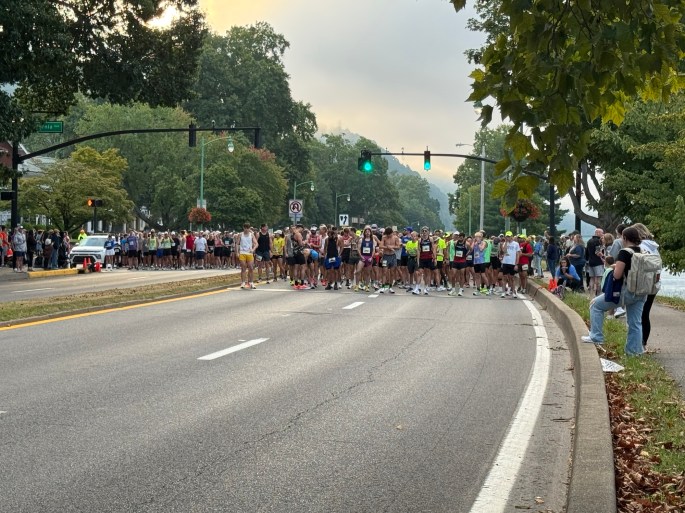
Runners lined up at the starting line of a race on a road, with traffic lights and spectators in the background.
The starting line for the CDC.

A Perfect Day to Race

It was this extended training that gave me confidence to run the CDC again. In addition, the weather worked in my favor. Temperatures were in the 50s when the race began in front of the state capitol. Running along the Kanawha River in the first mile, runners quickly spread out as paces varied.
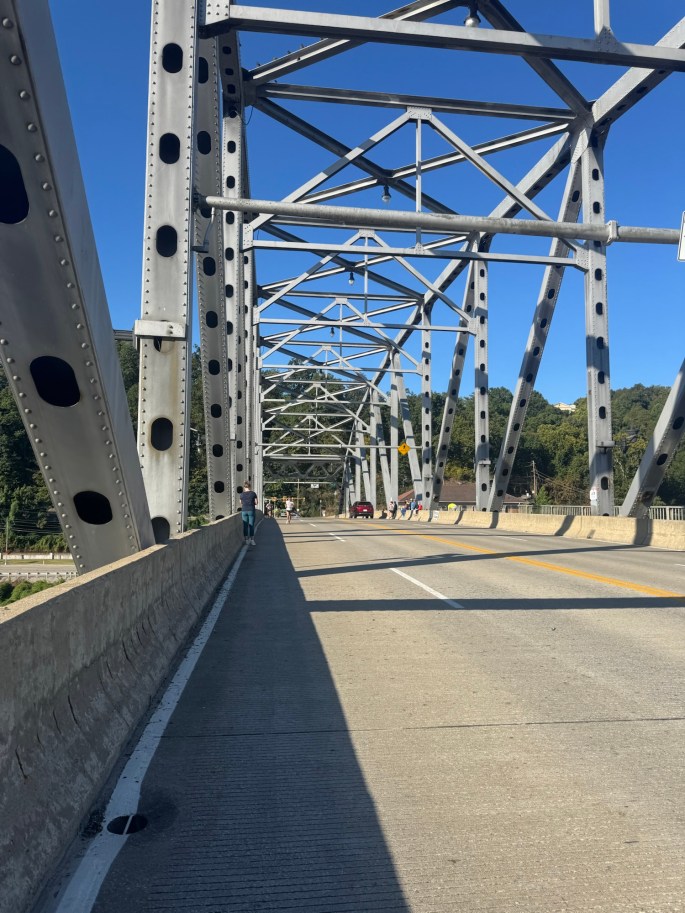
View of a bridge with steel beams and a roadway, featuring a few pedestrians in the distance.
The South Side bridge, which runners crossed twice–near mile 3 and again at mile 8.

“Capital Hill PUnishment” and the Course Challenge

Before long, we crossed the South Side Bridge and began the long trudge up Corridor G, aptly nicknamed “Capital Hill Punishment”—two miles of climbing. As if that weren’t enough, the course then wound through three hilly miles of Charleston’s South Hills neighborhoods. By the time we returned to the South Side Bridge, eight brutal miles were behind us. The final seven were mostly flat, except for one last incline near the end—just when our legs were good and toasted.

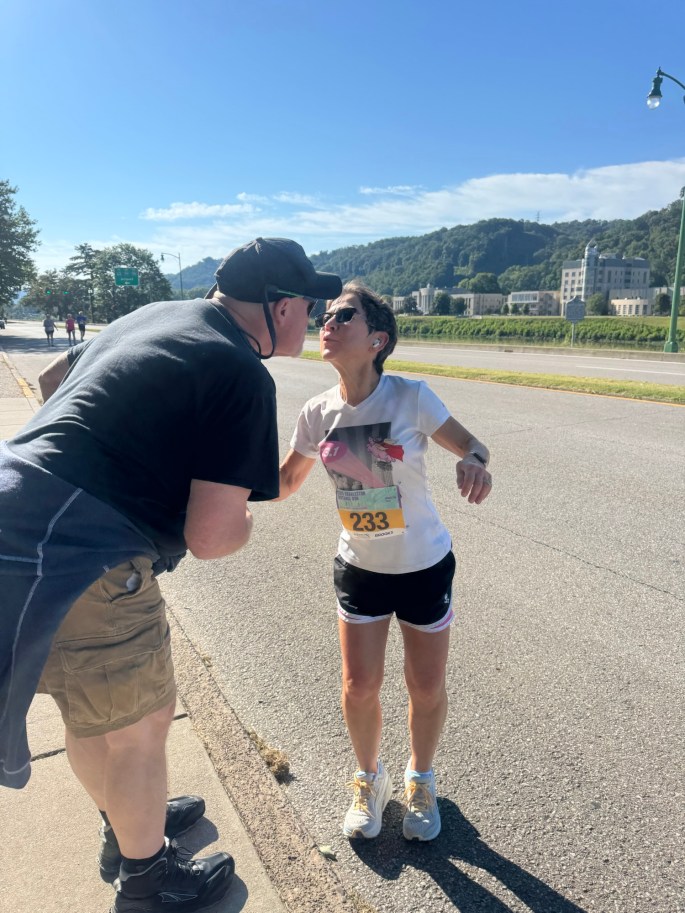
My Cheer Squad: John and Maddie

The CDC is a great spectator race, and I was lucky to have my husband, John, and daughter, Maddie, there. They were tireless cheerleaders, walking all over Charleston to encourage me. At the start, Maddie urged me on with excitement. At mile eight, as I crossed the South Side Bridge for the second time, she even ran alongside me for a short stretch, offering encouragement.

Between miles 11 and 12, they found me again, cheering and taking my empty handheld water bottle—by then more of an annoyance than a help. At Laidley Field, Maddie’s voice carried as soon as I stepped onto the track, her shouts of encouragement giving me the final push.
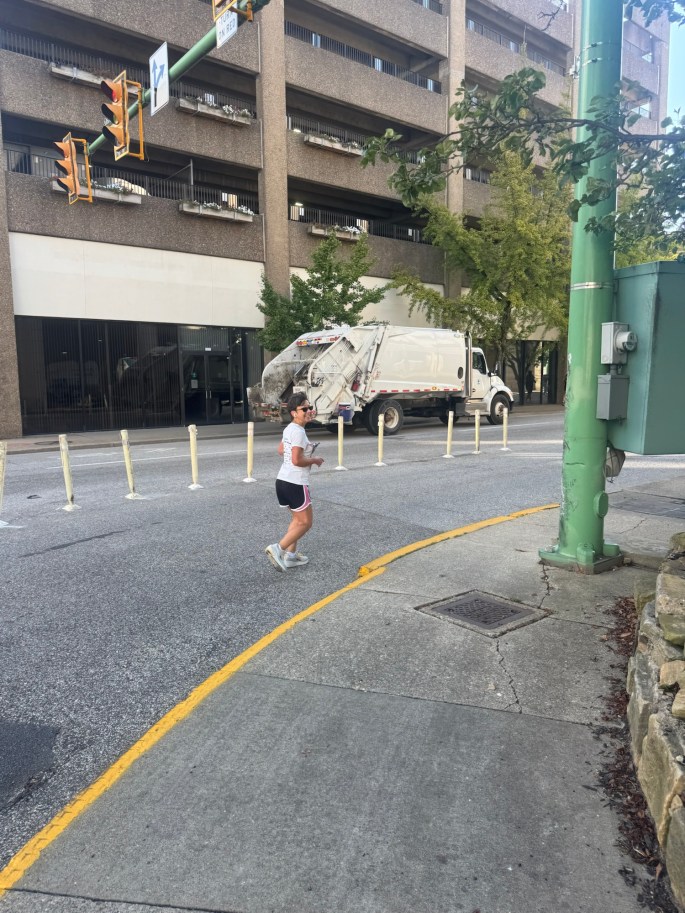
A person jogging on a city street with a garbage truck parked nearby and a multi-story building in the background.
This was mile 8. Afterwards, there was mostly flat course, EXCEPT for a last incline during the very last mile before the finish line. UGH!

Lessons from the Endless Last Mile

Honestly, that last mile seemed endless, and I learned a powerful lesson: even the final mile is still a mile long. My mental discipline slipped, and the fortitude that carried me there begged for rest. I grew whiny and irritable, which only amplified the aches and pains I had managed to ignore until then. It reminded me of my reaction in the last mile of a half marathon I ran this past spring in Asheville, NC.

Scenic view of a riverbank with lush greenery, walking path, and a bridge in the distance under a clear blue sky.
The beautiful Kanawha River that flows through Charleston, WV.

Strengthening My Fortitude

That last mile taught me what I must carry into the last weeks of marathon training: when the long runs get longest, I need to focus on strengthening my fortitude—especially at the very end. This, for me, is the hardest part. I try to follow the advice of Olympian Jeff Galloway (who is also credited with establishing the “Run-Walk-Run” method) to smile at each mile marker—since smiling releases those feel-good chemicals and helps relax the body. He also suggests repeating a mantra or power word. Perhaps I need to lean into this more.

Remembering My “Why”

I also need to remind myself of my “why” when the going gets tough. With the MUM, I hope to raise awareness for Branches Domestic Violence Shelter. Branches provides emergency shelter, legal assistance, counseling, case management, and even meal delivery for domestic violence survivors. Their work saves lives. If my miles can help encourage even a few people to support them, that will mean as much to me as crossing the finish line.
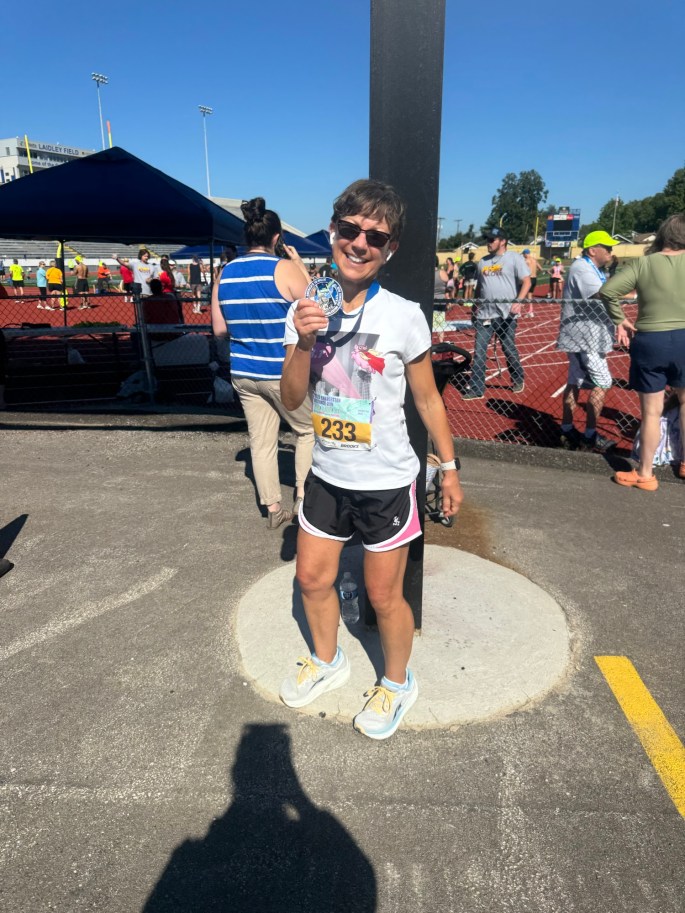
A smiling woman holding a medal, wearing athletic clothing, stands next to a post in a race finish area, with a crowd and tents in the background.
Feeling so grateful for my family, love, and support at the end of the CDC.

Running Differently, Running with Gratitude

Ten years later, I run differently. I take walk breaks when needed, and I’m grateful to still have my health. Running gives me energy, provides structure, and fills me with joy and purpose. Not every run is great, but each mile contributes to my community by keeping me connected to local races and to my own mental, physical, and spiritual well-being. Running also pulls me outdoors, connecting me with the Creator and with the delight of each season.

Never Give Up—In Running or in Life

Running the CDC reinforced the lesson of never giving up. I may be entering a new decade, but that doesn’t mean I have to give up striving for new goals—even if it means crawling to achieve them. Perhaps I’ll see you at the MUM. If not, I hope you’ll create your own journey. Either way, I invite you to celebrate with me—by supporting Branches or by committing to your own goal. Adjust as you must, but never give up. Step by step, with fortitude, tenacity, and a few deep breaths, you can do it.

A running event starting line with an inflatable arch labeled 'Appalachian Timing Group' on a red track, set against a clear blue sky and distant hills.
Never give up! You can cross whatever finish line in life you need to cross!

Move into Health, Part 10: Create a fitness plan that meets you where you are

Photo by MART PRODUCTION on Pexels.com

I came across a quote only days after my recent ACDF surgery by Oprah Winfrey that read, “Challenges are gifts that force us to search for a new center of gravity. Don’t fight them. Just find a new way to stand.” It accurately summed up what I have been trying to do as I recover.  Find new ways to stand, sit, sleep, work, walk, etc. . . Of course, I am blessed that my surgery did not require more than one night’s stay in the hospital, and wasn’t more serious.  Nonetheless, surgery is no joke and recovery is for real.

My movement was limited for days following surgery.  I had to learn to turn at the waist, rather than use my neck. Additionally, I had to focus on using my stomach muscles to get in and out of bed to avoid straining my neck. And, all forms of exercise, except for walking, was eliminated per staunch medical advice that my family took to heart with frequent reminders. (They didn’t need to worry, I truly wasn’t feeling like doing much during those first few days.)

Photo by SHVETS production on Pexels.com

Walking, I was told by the release nurse, was to be completed every hour, even if it meant only completing one lap around the dining room table before I sat back down.  However, I was encouraged, once I got past what the nurse called the “recliner days”–days when swelling and inflammation (aka pain) was at the highest level–to try to walk 10-15 minutes each hour.  I had just completed a half-marathon, albeit slowly, only weeks earlier, and now this was my new fitness plan. What a shift!

So why was walking so important, even on those days when I didn’t feel like moving?  Well, it turns out there are numerous valid reasons according to my doctor and as described in countless studies out of the Mayo Clinic, University of Wisconsin, and in a 2020 US News and World Report article. Here are a few of the reasons cited:

  • Prevention of post-surgery complications
  • Enhances blood flow throughout the body
  • Increases the flow of oxygen throughout the body
  • Accelerates wound healing
  • Strengthens muscles and bones
  • Improves digestion (aka ability to poop) and the function of urinary tract while reducing bloating and gas
  • Reduces risk for blood clots, infections, and lung issues, such as pneumonia
  • Boosts mood and self-esteem  

Why do I share all of this?  To make the point that my old fitness plan was, and currently is, no longer appropriate for me.  I had to adopt a fitness plan that meets my body’s needs where it is.  Therefore, my current movement plan consists of short segments of walking completed throughout the day as I remain home recovering, which complies with medical advice from my doctor and best meets the needs of my body.  

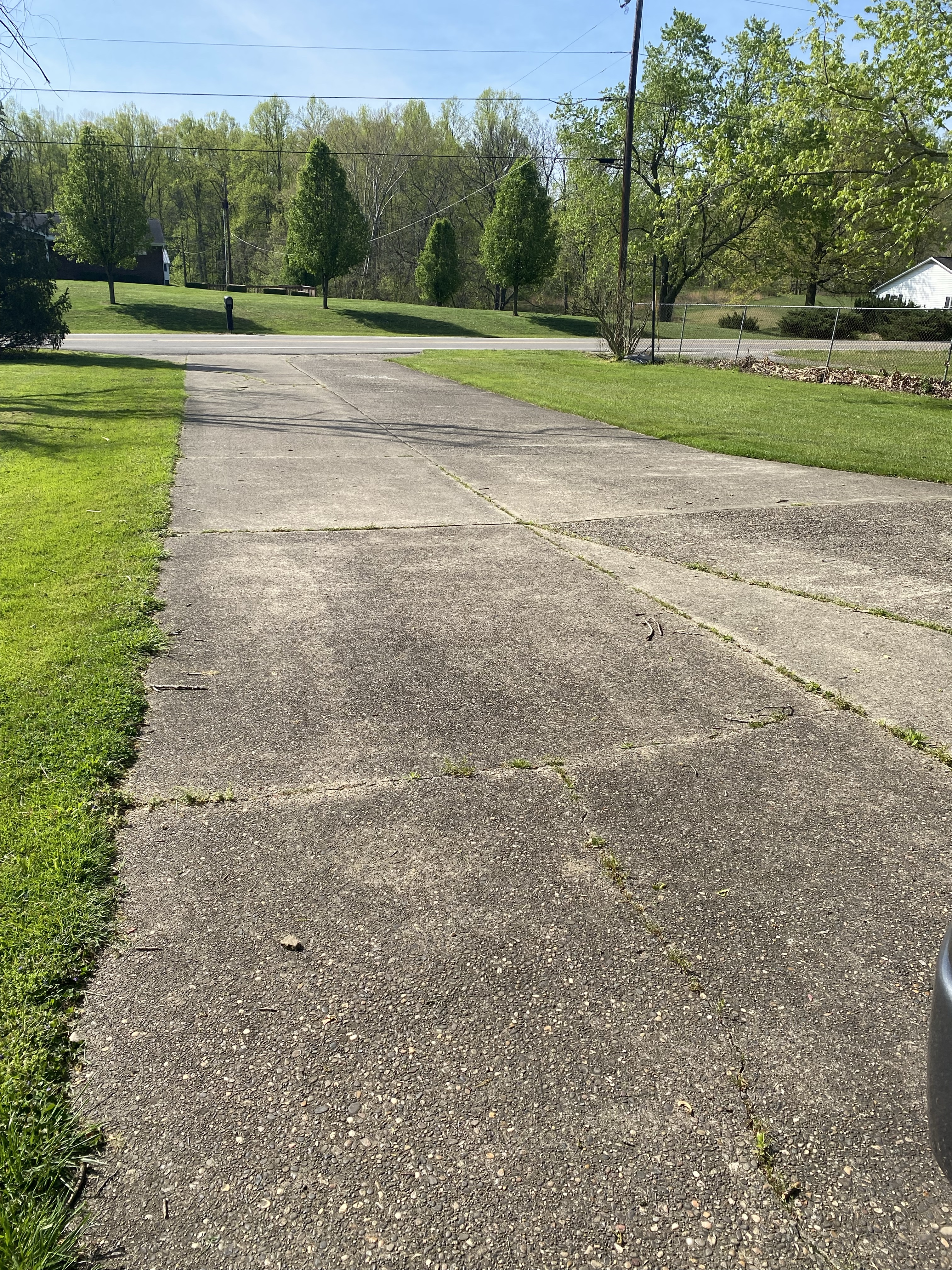
Gentle walking on my driveway or in my house is part of the slow and steady recovery plan.

At the time of writing this, I am entering my third week of recovery. After my two-week, post-operative appointment, I now have permission to begin to gently explore a few  strengthening exercises and stretches that can be completed without forward bending.  Additionally, I can begin to explore my neck range of motion with a few doctor approved neck stretches and strengthening exercises, but nothing more.  Slow and steady helps me find my new center of gravity.

Due to this experience, I want to continue to encourage you, Dear Reader, to carefully plan how you will enter, or reenter, your own exercise/movement plan this spring.  Create a plan that meets your needs, and commit to doing it–even if you don’t “feel like it.”  Personally speaking, I could feel angry and convince myself that if I can’t exercise the way I once did, then I won’t do anything at all. After all, it would be easy for me to sit around all day and use my surgery as an excuse to do nothing.  Conversely, I could try to push too hard with the delusion that, “The staff doesn’t really know ME,” and begin overdoing it with images of former, younger me dancing in my head

Instead, I have accepted the reality of my situation, rather than reject the medical advice I have been given.  They are the professionals, not me.  I have to meet my body where it’s at when it comes to fitness.  Sure, I have dreams of hiking again, walking (or jogging) the entire bike path of Ritter Park, and even practicing yoga with regularity, but none of those will ever happen if I don’t recover first.  And my first step in recovery is walking, so my body can focus on the miraculous work of healing.

Welcome walking into your life! You might be surprised by the benefits!

Therefore, no matter where you are, what shape you are in, or any other personal obstacles that you may be facing unbeknownst to me, I still encourage you to never give up on regularly incorporating movement into your day. Avoid the temptation to make excuses for yourself, but at the same time, don’t start off with a complicated plan.  Talk to your health care provider, and then start.

Start where you are.  If you don’t regularly move, then begin, like me, with short walks around your home, or up and down your driveway or sidewalk.  Do that 3-4 times per week.  The following week, add one more lap, or add five more minutes to your walk, and complete it 3-4 times per week.  Gradually, you will build up your time and the distance covered.  By keeping this up over several weeks, you will create the habit of moving.  Your body, lungs, and heart will be stronger, and I wouldn’t be surprised if you find you are reaping other unexpected benefits!

Think about this, my friends, if walking is scientifically established as one of the best tools for recovery after surgery, what can it do for you?  Don’t beat yourself up because you are no longer what you once were, you didn’t exercise over winter due to the cold weather, you’ve never really tried to exercise previously, or you’re somewhere in between, like me.  Start where you are at, and move one step at a time.  Rome wasn’t built in a day, and neither is fitness, but you have to take the first step, and spring is a great time to start.  

Here we go my friend, take my hand, let’s find that new center of gravity, and cross this bridge together, one healing step at a time.

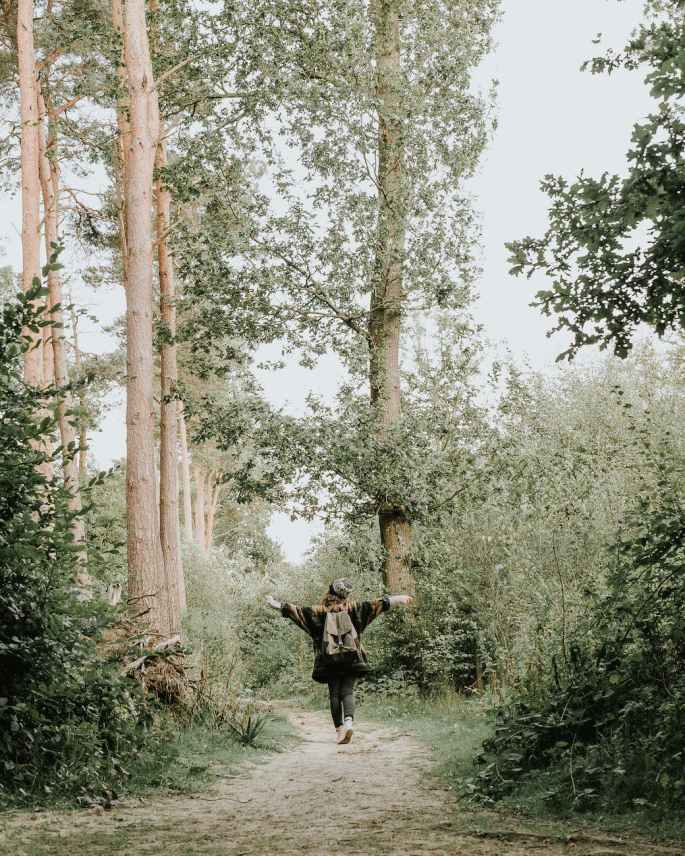
Open the door to spring, and find your new center of gravity one small step at a time!

Find your own way to increased movement: SMART steady steps

“Set goals not for the outcome itself, but for who you get to become in the process.”–Jim Rohn

My husband and daughter recently gifted me with a popular, updated fitness watch to replace the one that I have worn for over ten years. The new watch has numerous bells and whistles that can be quite motivational to encourage movement, healthy sleep, heart health, and so forth.  However, the updated icon, consistent with the former version, tends to focus on unrealistic, outcome-based goals that are not necessarily appropriate for my unique age, gender, body type, and fitness level.  

The gadget, and its programmers, don’t know ME, the individual.  And therein lies the problem in these well-intended gadgets as well as the thousands of fitness plans found, not only on fitness watches, but also found on-line and in-print.  Therefore, in this seventh installment of my “Move into Health” series, my focus is about setting SMART movement goals that focus on your unique health needs and lifestyle.

Photo by Karolina Grabowska on Pexels.com

It is so easy and tempting to be swept away by programs with tantalizing titles such as, “9-weeks to a bikini bod,” or “8-weeks to your fastest 5-K,” or “Walk your way into a new jeans size,” and so forth, often made popular in January.  While there is nothing inherently wrong with any of these types of plans, I have personally found they tend to set us up for failure when our bodies don’t look like the 19-year old willowy model used in the workout plan, our running pace doesn’t match the 5-K plan designed by a former professional runner, or our jeans still fit the same in spite of all of our best efforts.  

Instead, there needs to be a way to personalize plans in order to adapt to individual health goals, interests, schedule, lifestyle, body type, age, and current health circumstances.  Thankfully, there is! 

This year, consider setting SMART goals that focus on the process of promoting your distinct health needs as a way to focus your movement/exercise habit, rather than predetermined outcomes. There’s no need to make outlandish New Year’s resolutions, despite what the exercise industry would have you believe.  We simply need to take steady, SMART steps.

Photo by Leeloo Thefirst on Pexels.com

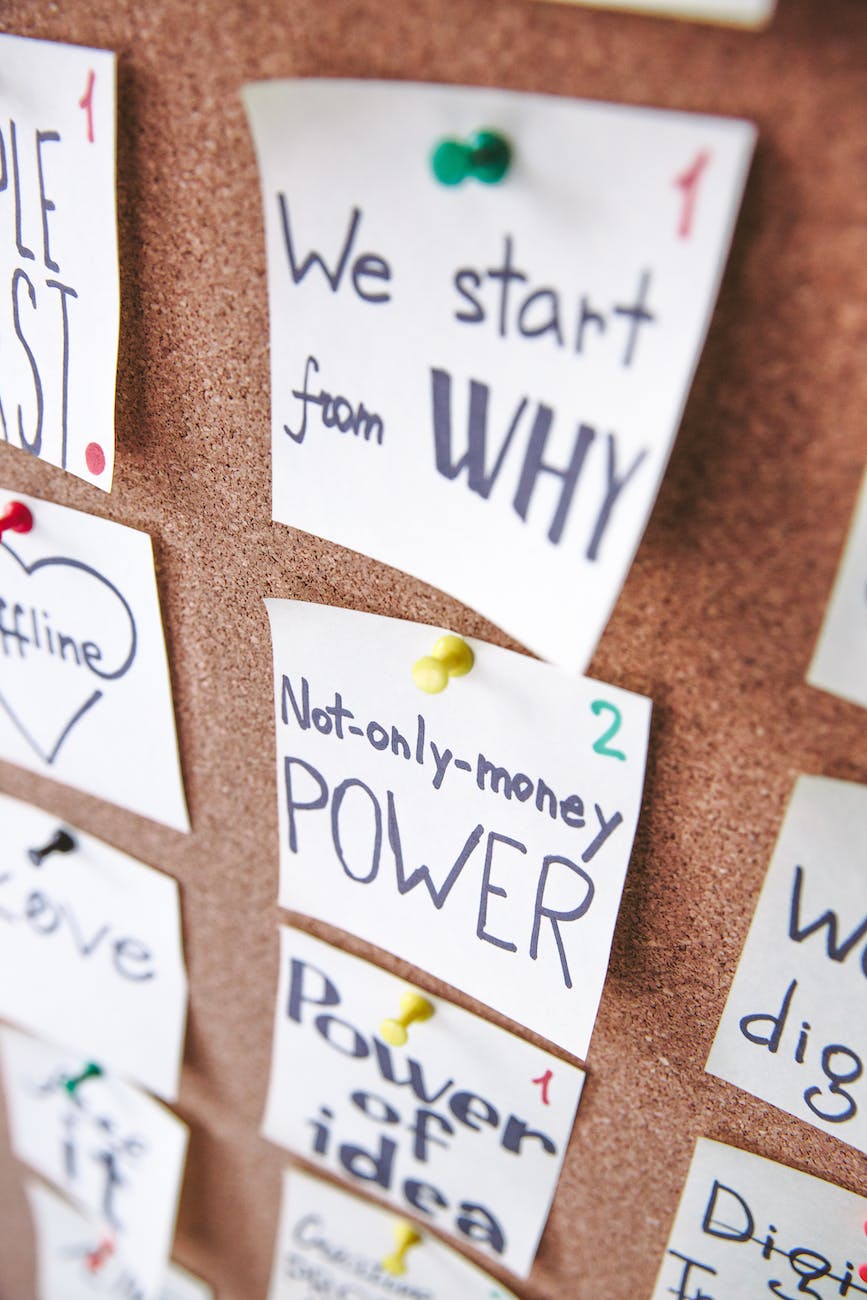
SMART stands for Specific, Measureable, Achievable, Relevant, Time-bound processes.  

This acronym has been used for years across a wide array of disciplines and settings.  However, I find it just as useful as a tool for leaning into personal movement and health processes. Personally, I find far more joy, and little to no guilt-ridden feelings of failure, when I focus on the process of a goal, rather than a specific outcome of that goal. 

For example, I am currently training for a half-marathon in March; however, this year, I’ve adopted a SMART approach.  Completing the half-marathon in March is specific, measurable, and based on my own current level of fitness, is achievable within the 16-weeks for which I have been using to prepare for it.  What my plan is NOT attached to is a specific finish time or whether I will run, walk, skip, or even crawl across the finish line.  Instead, my focus is about the measure of fitness I will gain in the process.  

Photo by Ketut Subiyanto on Pexels.com

I am no longer worrying about the pace of my jogging or walking; instead, the focus is how I FEEL before, during, and after each workout with a close eye on how my heart rate is responding.  If it takes me twice as long as it takes others to complete a certain mileage, I am absolutely ok with that.  This journey is about the scenery along my path as well as improved cardiovascular health, better sleep, reduced anxiety/stress, and the gift of time to listen to great playlists, podcasts, and audiobooks.

Your goal may not look like mine, but that is not the point.  Rather, think about what process you want to embrace?  Increased movement throughout your day? Improved cardiovascular health? Increased flexibility and range of motion?  Maybe a little bit of all three, or maybe something completely different.  Once you have decided, work through the SMART process to develop your approach.  Take time to write it down or type it up.  There is something about the power of slowing down your thinking, and then putting your thoughts down in some form of print that brings clarity to your ideas.

Photo by Polina Zimmerman on Pexels.com

Begin first by simply reflecting on your current health status as well as current lifestyle.  What could YOU realistically do to move the needle towards a gentle process of increased health.  Be honest in your self assessment, but NOT judgemental.  Once your idea is clear, write/type your thoughts using the SMART steps:

  • Be specific:  Is your goal clear and defined?  For example, the ability to walk for ____ minutes without stopping, or increased stamina to finish a 5K, or the strength to carry ____ grocery bags into the house independently.
  • Measurable: Can it be tracked or measured? How do you know if you are making progress? If your goal is to walk without stopping for a certain amount of time, perhaps each week you dedicate three days per week to walking, starting with the length of time you can comfortably walk now, and increasing that time by one minute each successive week as long as your body is comfortably recovering.
  • Achievable: Will the process be challenging but attainable?  This is the sweet spot that only you can determine.  For example, given your age and health status, walking a 5K may not be realistic, but perhaps focusing on the process of walking 15-20 minutes may be attainable with small incremental increases in walking time over several weeks or months.
  • Realistic: Is your goal relevant to your life purpose?  For example, my life purpose is to remain mobile, heart healthy, and mentally agile in order to make a positive contribution to others for as long as I possibly can. Therefore, challenging myself with a process of increased cardiovascular health is one of a handful of processes I can realistically develop.
  • Timely: Can you set a date in order to hold yourself accountable to the process? This is why the process of training for half-marathons works for me.  I can choose an event that fits my schedule, and gradually build towards that goal.  Plus, I make a monetary commitment, which I know will hold me accountable.  Along the way, I find ways to celebrate, enjoy, and embrace each little step in the process.  Once the date has come and gone, I will consider my next SMART process that will further my health and ultimately, life purpose.

You do not have to run/walk a half-marathon like me to embrace the process of SMART goals.  The point is to let go of certain outcomes established by others who don’t know you nor have your same values.  Rather, get clear on your life purpose, then ask yourself what you can do to improve your own health towards achieving that goal.  Don’t beat yourself up with unrealistic expectations of others.  Get quiet, get honest, and get “smart.”  With this clarity, you will be able to come up with the best approach for you.

Here’s to your smart version of healthy in 2023.  May you continue to fulfill your own life purpose with vitality!  And, don’t hesitate to reach out, and let me know how it’s going!  I am cheering for you!

Photo by Andrea Piacquadio on Pexels.com

Exercise your right to JOY

“Around the world, people who are physically active are happier and more satisfied with their lives.”–Kelly McGonigal

“Movement awakes and activates many of our mental capacities.”–Carla Hannaford

Photo by Andrea Piacquadio on Pexels.com

I was going through the movements of getting ready for my work day half-heartedly listening to a podcast whose title had promised much.  Unfortunately, like many podcasts, it ended up being another interview designed to promote the sale of a book. My phone was off to the side, away from my point of focus, so I didn’t immediately stop the interview.  

Despite my lack of focus/interest, my ears perked up when I overhead a nugget of an idea.  Unfortunately, I cannot quote the idea precisely since I wasn’t fully focused.  However, the kernel of its intent resonated with me.  It was the idea that the main focus of exercise should not necessarily be to get “fit,” to maintain or lose weight, sleep better, or any of the other valid reasons.  Instead, the main goal of all exercise/movement should be to increase joy.

This was such an interesting thesis that I had to dive more into the topic, and it turns out science has quite a bit to say about this.  Of course, I nearly always feel better when I can integrate movement into my day.  Plus, I typically felt better after more “formal” exercise sessions.  However, this was all anecdotal.  

Photo by Pixabay on Pexels.com

Before diving into the research a few days later, my mind kept going back to the notion of reframing our relationship with exercise.  Dropping the typical exercise narratives–weight management, fitness goals, therapeutic/emotional release, better sleep and so forth was fascinating. Of course, exercise provides all of those goals and more, but the idea of letting those be the side dishes, and allowing joy to be the main course was intriguing.

After perusing numerous articles, I became super excited; I knew this information needed to be shared with my local community and beyond.  This felt especially important since I have previously written pieces fostering the notion that movement is for every unique body–even those with limitations, and it can be incorporated into daily life even on the busiest of days.  Armed with this information, I was ready to spread the word: More Movement = More Joy!  

Photo by Suzy Hazelwood on Pexels.com

Exercise, even in short bursts of time, improves one mood. A study conducted by West Virginia University found that middle school students who regularly exercise feel overall happier.  This was a no brainer! Ask any educator what their students’ behavior and mood is like on days they don’t have recess versus days they get it, and you’ll most likely get an earful.  Kids instinctively know they need movement, and if they can’t get it via the playground, athletics, dance, etc.–they are going to find ways to move more animatedly in the classroom.  Otherwise, if kept from moving, they become sullen, whiney, moody, or even combative/confrontational. And, this is also true for adults.

Interestingly, in one study, researchers determined specific movements that not only are associated with the feeling of joy, but also enhance the joy when completed.  These include: reaching, swaying, bouncing, shaking, jumping, and an action called, “celebration,” an action that mimics tossing confetti overhead with both hands. One researcher, Kelly McGonigal, writing for the New York Times, created, shared, and posted a video in the article, “The Joy Workout”, based upon these specific movements.  The video is approximately eight minutes long, and can be easily accessed through a quick click of keys.  (It is important to note, after giving it a try myself, not all movements are appropriate for those with limited mobility or injuries; however, movements could be modified or even completed while sitting.)  

Photo by Harsh Raj Gond on Pexels.com

Another interesting study I ran across stated that simply standing, sitting, or moving with a more open posture, as opposed to a closed posture, can likewise increase positive feelings.  Moreover, a smaller 2021 study focused on participants who were asked to go through a series of movements similar to those McGonigal studied.  Once more, movement, even those completed in a seated posture, increased feelings of happiness. Clearly, exercising with the goal of joy in mind is not a crazy notion.

My research continued, including studies from the University of Michigan, University of Iowa, University of Texas, and Northeastern University, just to name a few.  What I found was that scientists tended to agree that all forms of exercise/movement are beneficial when performed safely.  That said, aerobic exercise currently seems to have a slight edge overall in brain boosting potential, but that may be because it appears to be the most researched. However, all conclude that exercise and movement benefit the young, seniors, and all ages in between.  Whether a short burst of activity or a more formal workout, movement ameliorates the effects of depression and anxiety by boosting the production of serotonin, and other feel-good chemicals and decreasing stress-inducing hormones. 

Exercise your right to enJOY movement with friends and family.

When we move, we increase our heart rate, which, in turn, moves more oxygen to the brain. As numerous studies indicate, increased oxygen to the brain mitigates symptoms of anxiety and depression. Furthermore, movement/exercise, when repeated frequently enough, can give rise to new neurons in the hippocampus, the area of the brain responsible for not only emotions, but also memory and learning!  This means that movement/exercise not only affects your brain in the moment in which you are participating, but it also makes positive structural changes over time.

So back to “The Joy Workout.” Does it work?  Well, only you can decide that. I will say that I found it clever, cute, and definitely made me smile.  However, you do not have to do “The Joy Workout” in order to feel joy in movement.  I found multiple, what I like to call, “movement-snacks,” videos and apps that offer 10-minute or less movement breaks if that’s your thing, such as the 7-minute workout, available on-line and in app version.  

Joy can be increased through movement, step-by-step.

Of course, there are so many other ways to increase movement from taking short walk breaks, to parking farther away from your destination, from walking to another floor for a restroom break to simply stretching or walking/marching in place on commercial or pop-up breaks, and so much more. The important thing, researchers noted, is that you find ways to move and/or exercise that you enjoy, that can easily be incorporated into your daily routine, so that you will do them on a regular basis in order to reap all those joyful benefits.

Ultimately, who doesn’t want to feel more joy moving into the new year?  Help boost yourself towards that goal by determining ways you like to move.  The worst movement mistakes you can make are inactivity or repeatedly moving/exercise in a way in which you dread it.  Let’s keep it simple.  Focus on moving more, smiling more, and feeling more joy overall.  It doesn’t have to be any more complicated than that.

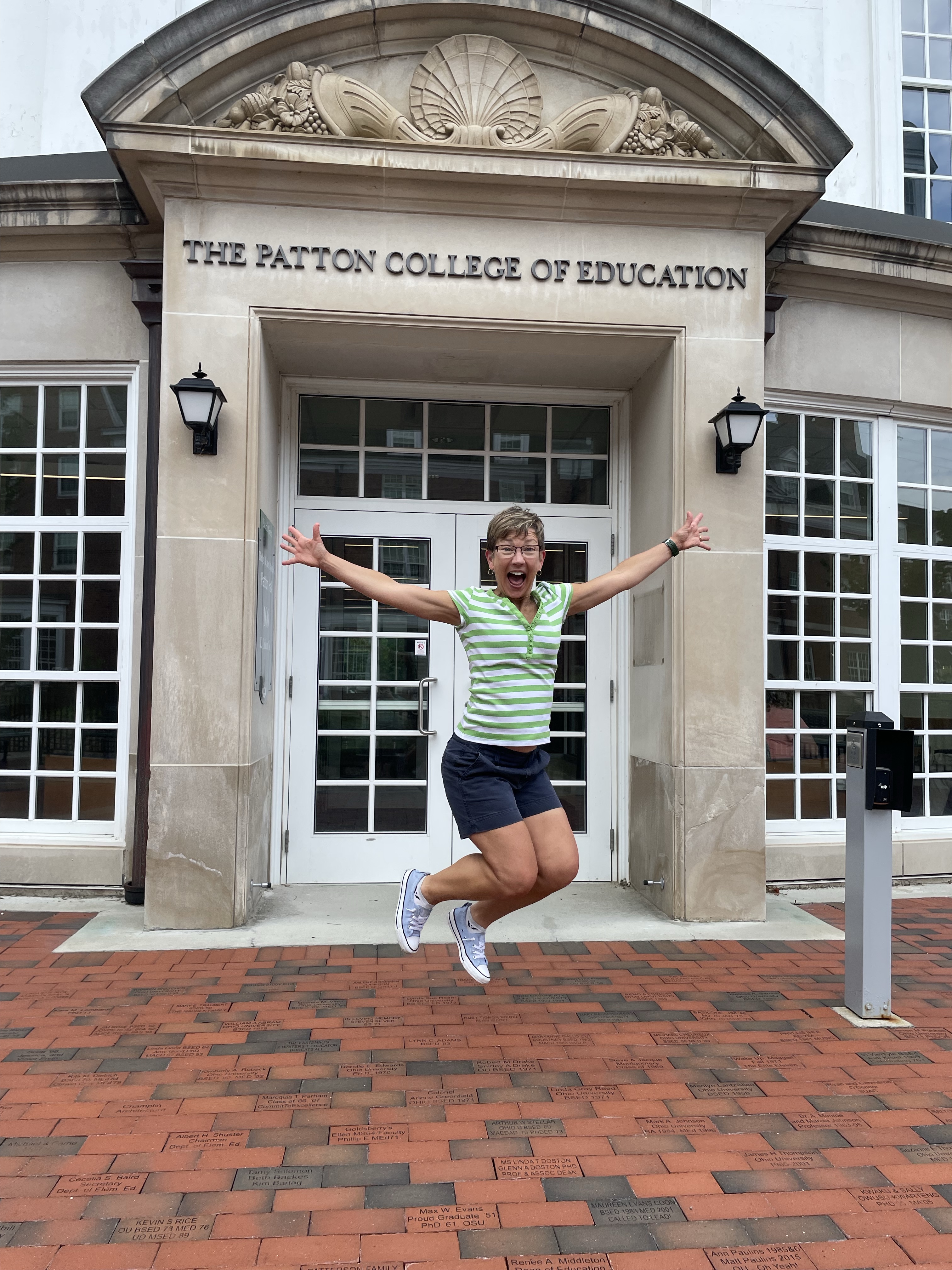
Take a leap of faith, move for joy!