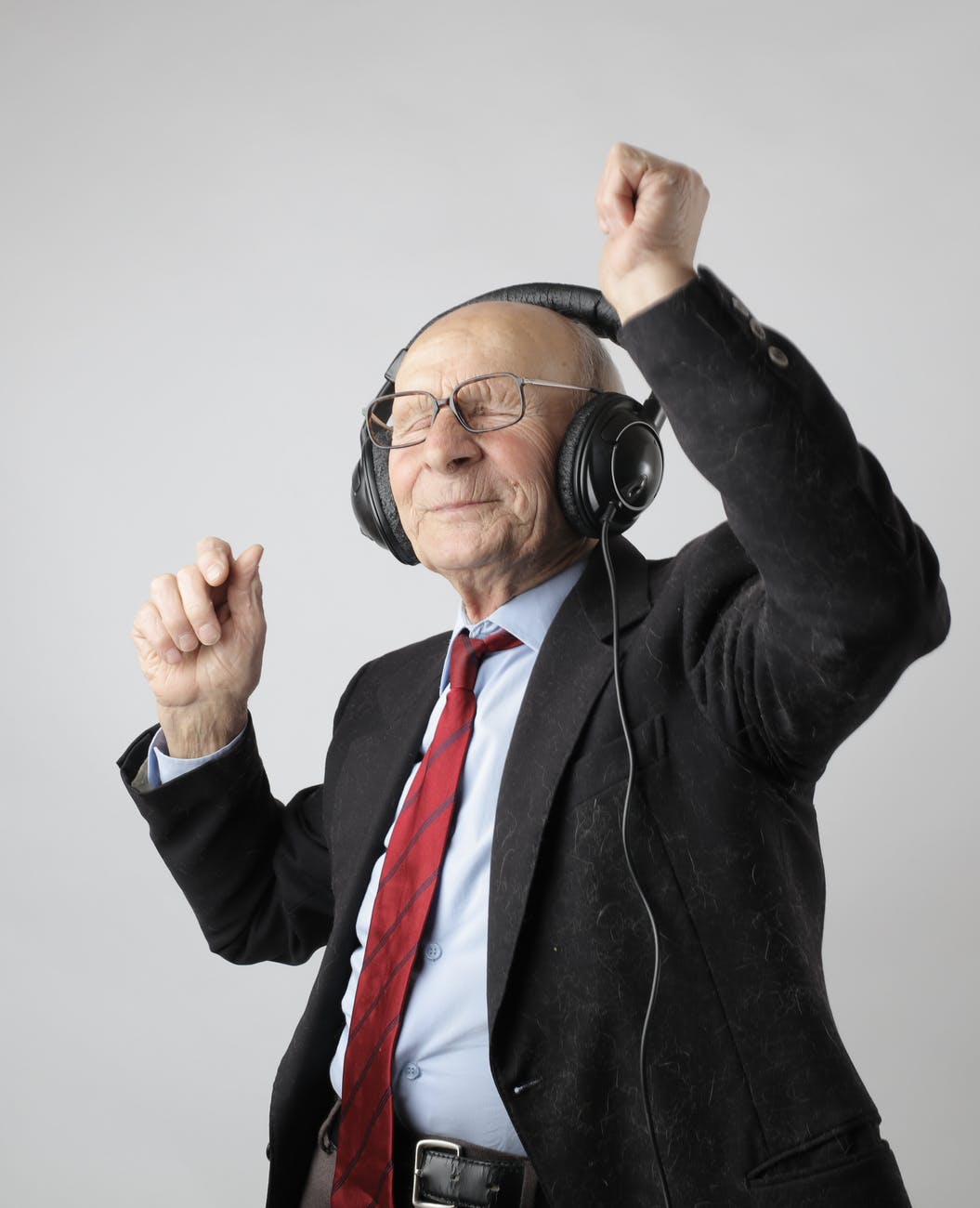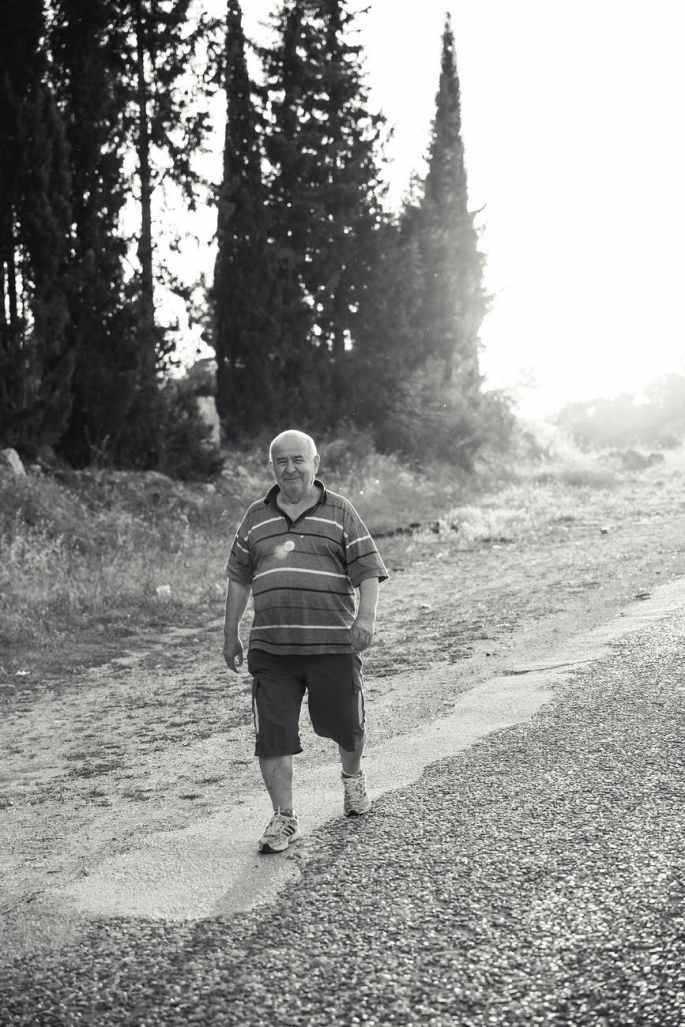
Come on, Let’s get moving!

“When it comes to health and well-being, regular exercise is about as close to a magic potion as you can get”–Thich Nhat Hanh
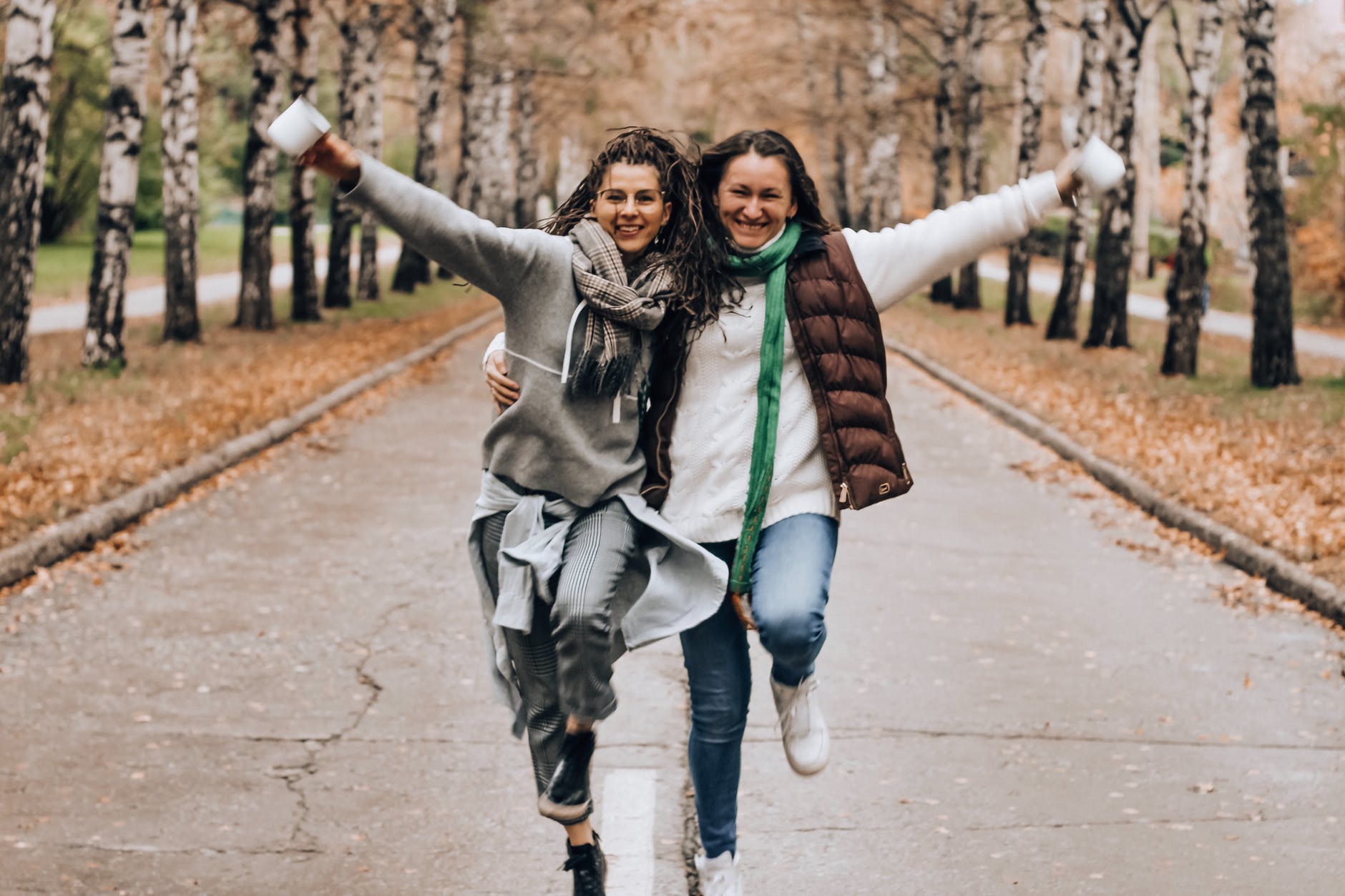
Photo by Asya Cusima on Pexels.com

Over the past few years, I’ve encountered a number of people who say they can’t exercise. This hurts my heart because these are genuine beliefs often imposed upon them at a young age by well-meaning individuals, misinformation, and/or media imaging.  Exercise is free and accessible to all.  No one should feel like, “I can’t exercise.”  We all have an inner-athlete waiting to be freed!  It is how we define athletes, and exercise, for that matter, that needs to be changed.

According to Merriam-Webster.com, there is only one definition for the word, athlete. It reads that an athlete is “a person who is trained or skilled in exercises, sports, or games requiring physical strength, agility, or stamina.”  This is where I think our mindset often goes when we think of starting some form of exercise.  Personally, I know that is where my mind often goes.  
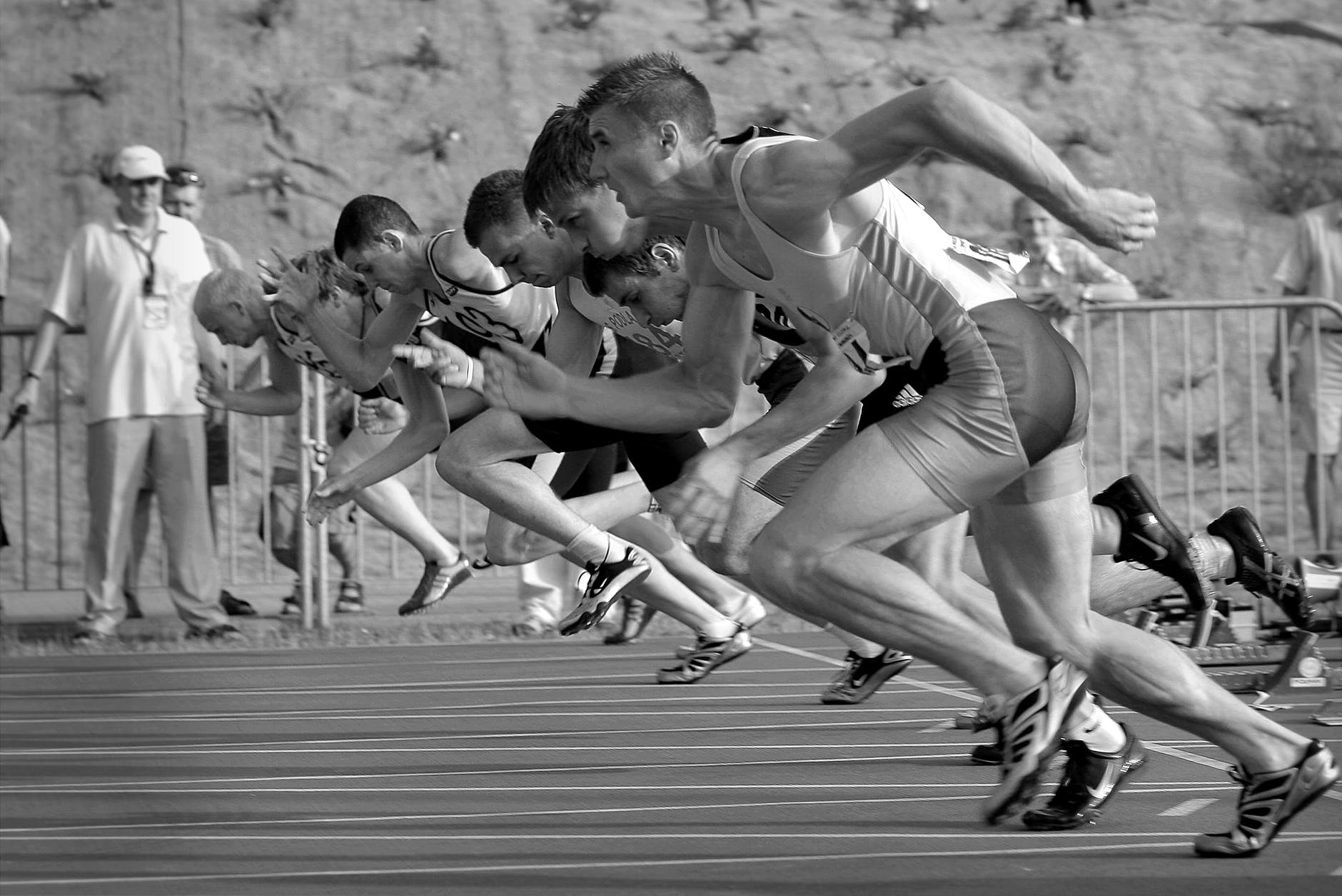
Photo by Pixabay on Pexels.com

I can’t tell you how many times I have thought or said, “Well, I wasn’t athletic in school,” or “I didn’t play sports in school.”  I am pretty sure that I am not the only one who thinks or makes such comments.

Why do we do that? Why do we define ourselves as adults based upon four to eight years of our life?  It would be like me claiming to be a mathematician because I spent so many years during my formative schooling taking math classes. I am no more a mathematician than I am not athletic. 

Photo by nappy on Pexels.com

Here’s where it gets interesting.  Look up the definition of word exercise.  Go on, I’ll wait for you!  Exercise is a fascinating word.  It can be both a noun AND a verb; meaning it can be both a thing and an action–unlike the word, athlete.  Also, unlike the word, athlete, exercise has numerous definitions, such as

  • the act of bringing into play or realizing into action (n)
  • regular or repeated use of a faculty or bodily organ (n)
  • to make effective into action (v)
  • to use repeatedly in order to strengthen or develop (v)

And, the really cool thing is that these were only the first two definitions for the noun and verb form of exercise.  There are several more ways, in fact, to define exercise.  However, the definitions I share here are enough to make the point.  Exercise is nothing more than bringing something–a movement, for example–into action by repeatedly doing it.  Isn’t that excitingly simple?
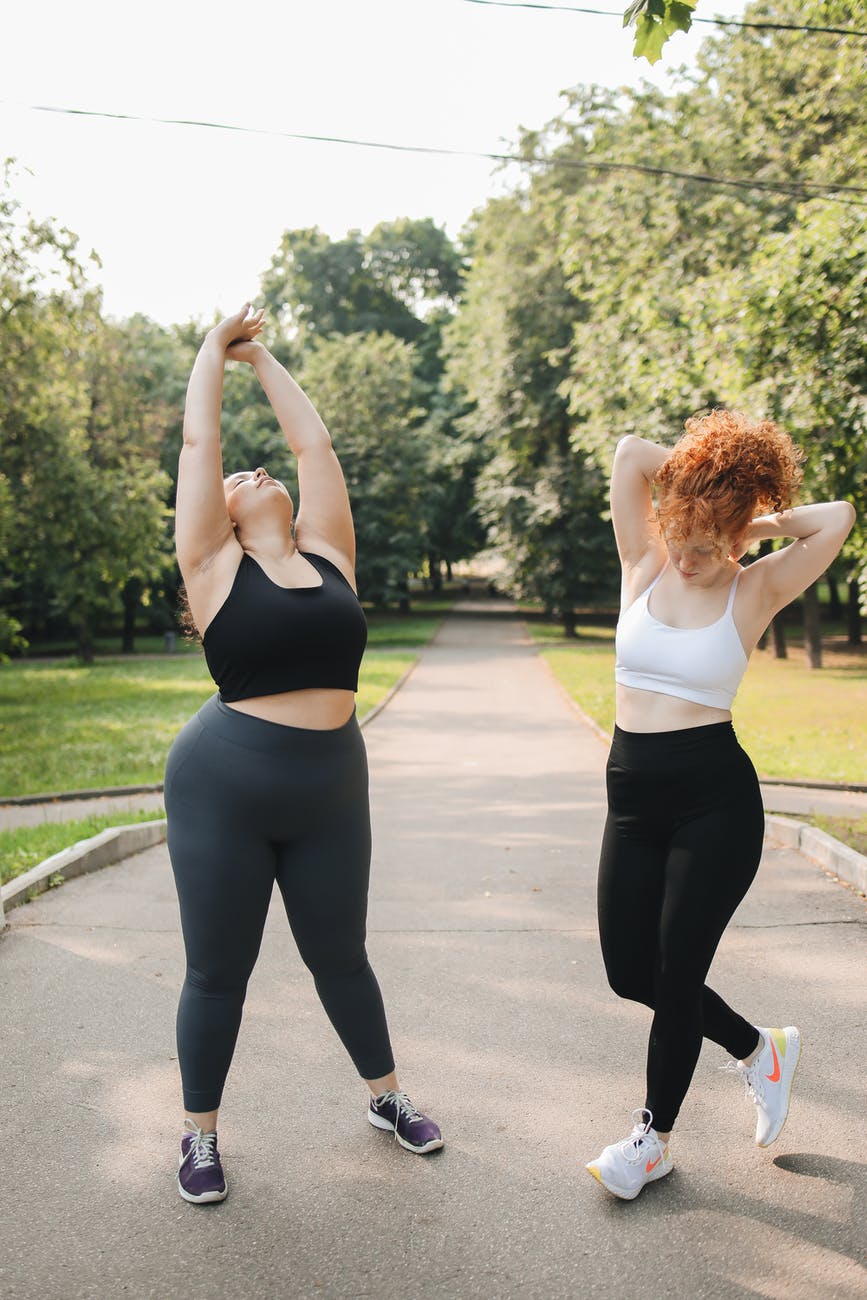
Photo by Polina Tankilevitch on Pexels.com

“Healthy is an outfit that looks different on everybody!”–Unknown

Exercising is for ALL.  Not once, when reading through the complete list of definitions for exercise did I come across the word athlete or athletic.  Nor did I read anything about requirements for age, body type, body size, gender, height, coordination, prior experience, prior injuries/illnesses, prior knowledge, time commitments, cost, or even special clothes/shoes.  In other words, none of those narrow boxes that we use to define ourselves or excuse ourselves can prevent us from exercise!  

I used to say, and still sometimes default to this phrase, “I’m not a real ___________ .” (Fill in the blank with whatever current form of exercise I happen to practice).  It needs to stop.  I say this to myself as much as I write it to you.  If we are moving, then we are doing real exercise. 

Photo by Cliff Booth on Pexels.com

Additionally, there is no one, so-called, “right” way to exercise.  Move. Walk.  Swing your arms.  Dance.  Bounce your leg.  Swing your hair (Doesn’t work for me, but if you have it, swing it!)  Put on some K.C. and the Sunshine Band and, “Shake, shake your booty!” Move from one end of your home to another.  Wave at your neighbor–do it five to ten times, and you’re strengthening the muscles involved in that movement.  The point is, get up, and move.  

Photo by Kampus Production on Pexels.com

Start small, and commit to five minutes of walking or some other form of movement–preferably not sitting, assuming you have no mobility issues.  Sometimes, just committing to a small time, leads to a longer time of effort.  Even if it doesn’t, that is still five minutes in which you weren’t sitting still.  Then, building upon that success, might just be enough to get the ball rolling, or should I say, body moving.

Mood follows action.  You heard it here first.  Actually, I cannot take credit for that assertion, but it is a statement that has proven true for me repeatedly.  In fact, I embrace that declaration like a mantra.  Take a positive action, however small it is, and it elevates your mood, often leading you to either make more of a time commitment to said activity or make another positive choice.  Either way, it’s a win-win.

Photo by Josh Willink on Pexels.com

Exercise has so many positive benefits.  Here are just a few of the research backed benefits in case you need extra motivation:

  • Reduces symptoms of depression and anxiety
  • Releases tension and reduces stress levels
  • Boosts self esteem
  • Increases memory and sharper thinking
  • Improves sleep quality
  • Protects against many chronic disease
  • Lowers blood pressure and improves heart health

Typing that list made me feel a little giddy.  Seriously, stop letting your definition of how an athlete, or so-called exerciser, should look, should dress, should do, or should be–those are all beliefs embedded in your mind that are holding you back.  You have a body.  You can move it.  

Photo by ANTONI SHKRABA production on Pexels.com

Don’t worry about what other people will think of you, because if they are passing judgment on you, that says more about them than it does you!!  You take care of yourself, and get moving.  It is not about losing weight, embodying a certain body type, or even wearing the latest greatest name in shoes, fitness watches/gadgets, and/or athletic wear.  It’s about Y-O-U and your health!  

If you’re not sure where to start, walking is the easiest and most accessible form of exercise.  It doesn’t require any special equipment and can be completed even inside a home/store/work site. My grandfather used to walk around his house for a certain amount of time–well before there were step trackers. Some people walk inside malls, stores, or shopping centers.  I’ve even been known to walk up and down my driveway just to move!

Photo by A Koolshooter on Pexels.com

 Additionally, there are plenty of plans, tutorials, and how-to videos on-line–just make sure you use reputable sites, such as Healthline, Verywell Fit, Exercise Prescription on Internet (ExRx), Livestrong, Bodybuilding.com, The Cooper Institute, and MyFitnessPal to name a few.  Look for beginning tips/routines/plans to get you started.  Bear in mind, these are suggestions, not laws.  The key is to explore, experiment, and find what works best for you.  

Come on, no more excuses.  Move your body; bring it into play/action–even a little bit counts.  Repeat it again tomorrow.  Start small, add more when you can.  Mood–and health–follows action.  You’ve got this! (Feel free to reach out and let me know how it goes! I love seeing others find their own movement/exercise journey!)

Photo by Sarah Chai on Pexels.com

An Ounce of Prevention Goes a Long Way to Preventing Dementia and Alzheimer’s Disease

Currently more than 55 million people live with dementia worldwide, and there are nearly 10 million new cases every year. . . . Alzheimer’s disease is the most common form of dementia and may contribute to 60-70% of cases. . . . Dementia is currently the seventh leading cause of death among all diseases and one of the major causes of disability and dependency among older people globally.”–World Health Organization, 2 September 2021

Photo by Nashua Volquez-Young on Pexels.com

It happens more often than I care to admit–the inability to come up with a particular word while engaged in conversation. In my mind, I can see the shape of the word lurking in the shadows of my brain.  Try as I might to shine a mental flashlight on the word, the word will continue to evade me in a cavernous pit of forgetfulness only to materialize a few hours, or even days, after the conversation has ended.

I have witnessed dementia grip one grandparent’s aging mind and Alzheimer’s disease affect another.  Then again, how many other people can say the same thing?  Therefore, why do I worry, when my brain stutters, sputters, and struggles with a word, misplacing an item, or wondering why I walked into a room?  Answer: because I do not want to be a burden to others.

Photo by Magda Ehlers on Pexels.com

That said, I dearly loved my Mamaw and my Papaw.  Even when they were in the throes of dementia and Alzhiemer’s respectively, I still adored them.  However, I was not responsible for their overall care and well-being.  That responsibility fell squarely upon the shoulders of my parents, their spouses, and their siblings. Instead, I was the grandchild who could visit, help-if asked–and leave as I pleased. I didn’t have to worry about the direct care and multitude of decisions that each diagnosis required–and those decisions, it seemed to me, grew in direct proportion with the disease’s progression.  

Mamaw had two children, and Papaw had three.  Even if one child was the legal guardian, they still had another sibling with whom they could confer regarding decisions, seeking help, or any of the other myriad of responsibilities that accompanies caring for a loved one with a form of dementia.  Whereas, I have one child.  One.  And in the words of Three Dog Night, “One is the loneliest number . . .”  I could cry thinking about putting that sort of responsibility upon her.  

My prayer is that dementia will not be my legacy to my daughter. Therefore, I have become somewhat obsessed with habits that could prevent dementia and Alzheimers. One quick recent search for, “preventing dementia and enhancing brain health,” and, according to Google, precisely, 1,500,000 results appeared in 0.56 seconds, many of which are considered “scholarly articles.”  Additionally, searching “habits that increase risk for dementia,” produced nearly as many results.  The point is that I am not alone in my desire to prevent and reduce risk for dementia.

Photo by Andrea Piacquadio on Pexels.com

Unfortunately, there is no known cure for dementia, and even the currently prescribed therapies and medicines have proven to have little efficacy. This is often due to the fact that developing any of the various types of dementia is believed to be a complex cocktail of factors including age, medical history, lifestyle factors, and genes. Consequently, numerous scholarly sources point to a number of preventative measures since most cases/types of dementia are not directly inherited. 

One of the most cited statistical links and effective measures to prevent dementia is regular participation in movement and exercise. Some sources break down the amount of time devoted to cardiovascular, strength, balance, and flexibility, with 150 minutes/week being gold standard. However, all agree that it is the consistent practice of exercise/movement that matters most.

Photo by Kindel Media on Pexels.com

Another point of agreement is the importance of consuming a healthy diet. In fact, many researchers point to the following diets: MIND, DASH, or Mediterranean as exemplary choices for prevention.  However, there are some research quibbles with regard to best diet practices.  One debate is over how much and/or what meat should, or should not, be eaten, although most seem to agree that fatty fish, such as salmon, is a solid preventative choice.  There is also some contention regarding the use, or disuse, of dairy, but the general consentment is that if you choose to consume dairy, pick low-fat products.  Most research agrees that the consumption of healthy fats–plant oils, seeds, nuts, and avocados– are an excellent choice.  However, the amount needed is not always a point of agreement.  Nonetheless, the research clearly points to an overall consumption of a high fiber diet that heavily emphasizes a wide variety of fresh vegetables, fruits, whole grains, and legumes; AND limits salt, sugar, saturated fats, and processed foods as effective and preventative practices.  

Alcohol consumption and sleep appear to have both positive and negative attributes when it comes to dementia prevention.  It appears that moderate alcohol consumption–no more than two drinks for men and one drink for women–specifically enjoyed with food, appears to be preventative.  However, drinking too much alcohol on a regular basis, seems to increase the likelihood of dementia.  Likewise, getting enough sleep, defined as 7-8 hours, on a regular basis is a preventative measure; conversely, getting too much sleep (10 or more hours), or not enough sleep (less than 6 hours), increases dementia risk. 

Photo by Max Vakhtbovych on Pexels.com

One of the more interesting bits of research centered around the practice of Kirtan Kriya (KK). It is a type of meditation, specifically 12-minutes long, that involves small hand movements, known as mudras. This ancient practice has been cited in several scientific journals as strongly linked to the prevention of dementia. In fact, several Alzheimer’s and dementia research groups offer/sponsor tutorial videos and articles on KK.

There are several other points of agreement among the scientific community for preventing and/or lowering the risk for dementia, including: 

  • Avoid, or quit, smoking
  • Stay mentally active, socially connected, and engaged in meaningful work/tasks
  • Care for mental health 
  • Manage blood pressure and/or diabetes
  • Schedule regular wellness checkups and preventative tests/screenings
  • Maintain a faith/spiritual/meditation practice(s).

While I did not discover anything ground-breaking in my recent research dive, it was clear to me that a few good habits of health go a long way.  Best of all, it’s never too late to increase a healthy habit or two.  Just as following the basic tenets of faith are important applications for spiritual well-being, implementation of basic health practices can go a long way in ensuring the vitality of life.  In the end, we may not be able to avoid dementia or other age-related illnesses, but we can make impactful choices in order to maintain a healthy, active, and balanced lifestyle for as long as possible.   

Photo by Andrea Piacquadio on Pexels.com