
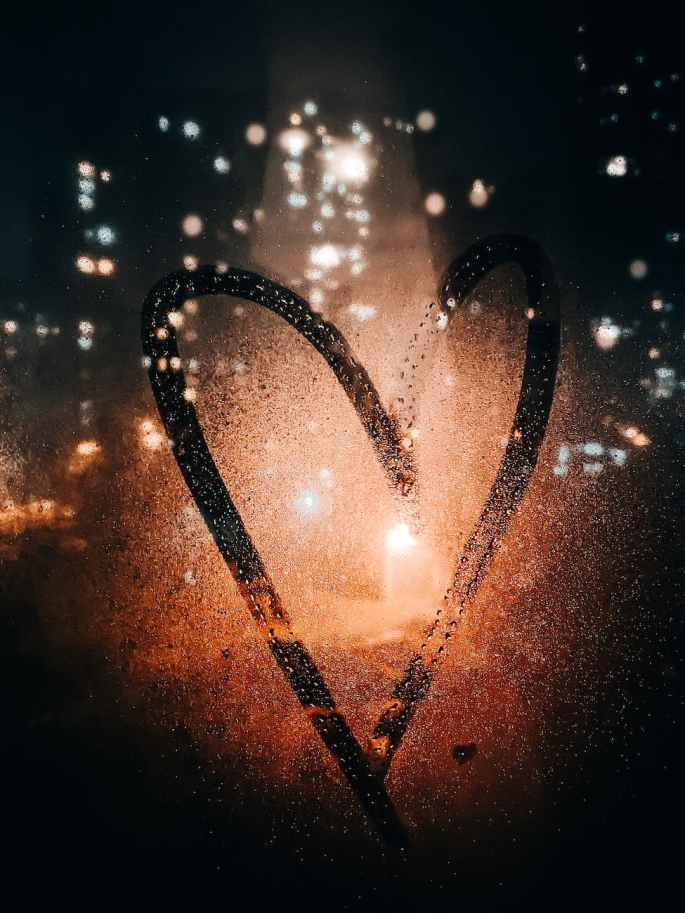
“The wound is the place where the light enters you.” Rumi, Sufi poet

Pain-handler 🔥
My daughter once made an off-hand remark about the way I handle pain. She said something to the effect that my legs could be broken, my hair on-fire, and I’d still claim to be fine because my arms were still working. Of course, she was exaggerating because I am definitely not immune to pain.

I do, however, possess the ability to distract and/or redirect my focus away from discomfort. On first glance, this can seem like a good thing, and I suppose, at times, it is. Tolerating pain and challenges is what allows humans to get through tough times. And while I could offer plenty of examples of the benefits for “shouldering through the pain/trauma/difficulty,” I think it is important to also recognize that by “shouldering through,” not only is it possible to create a bigger issue, but we are also missing an opportunity to see the Light within.

Accepting Limits 🛑
There are times when it is necessary to acknowledge and accept our wounds/injuries. The pain is signaling that, at least for the time being, we need to accept new limits and boundaries in order to enhance the healing process. This is true not only for physical pain, but also true for mental health trauma.
However, for many of us, myself included, sitting with and accepting pain is often difficult. Whether it is genetics, environment, or society, many of us would much rather suffer through our pain with a smile painted on our faces, than truly feel and acknowledge that we are hurting. For some, this is a matter of pride, for others, it may mean admitting defeat and/or imperfections–while for others it is simply an extension of their stoic nature.
Then, there are those who know that to feel the pain would mean to feel their own brokenness, quite possibly forcing them to name their suffering. This is often a result of the connotation society has attached to specific words associated with pain. Words such as, injury, hurt, pain, broken, surgery, depression, anxiety, recovery, often have a negative association attached to them causing many to recoil in fear and resistance at such an identification. For others, there is an association with weakness if identified as having one of those.

Self-Compassion ❣️
It is with that understanding, I encourage all of us, myself included, to take time to acknowledge our wounds, our injuries, and our mental anguishes, past or present. Additionally, it is important to acknowledge the limitations and/or pain those hurts created. Finally, it is most important to do these while offering ourselves compassion. If a loved one was suffering with an injury, we would want to help them in any way we can, so let us begin to treat our own pains with the same level of tender-heartedness. Taking time for our own healing is not a selfish act, but an act of seeing the Divine Light working within us.
I came across a line in a poem that said, “We are wounded healers,” and it really gave me a moment of pause. The poet had a point, we have all been injured in some way, from scraped knees and elbows when we were children, to broken bones, illnesses, or a mental health crisis as we moved through our teens years and continuing into our present adulthood. It is important to note that each hurtful event informed and shaped us, whether we realized it or not. Unfortunately, there are many of us who have and/or continue to suffer silently through multiple painful experiences and traumas, past and present.
Our bodies and mental health have limits. When pushed past our natural boundaries, our injury or trauma signals us with pain in an attempt to get us to take time to allow the body and/or mind to heal. Given certain situations, there are times, events, and circumstances in which we lack the power to grant time for healing. This is often the case in childhood trauma and abusive relationships.
Other times, however, we prefer the quick-fix route–give me a pill and make it stop method–so I can move on with my life. However, quick-fixes don’t always create an optimal environment for healing. Instead, they tend to mask the underlying issue, allowing the injury/pain to fester in silence.

Wounded Healers ❤️🩹
This is regrettable because in those moments of injury, when we allow our bodies or minds time to heal and recover; we begin to bear witness to the miraculous creations that we are. The same Source that created us is the same Source that can help heal us, in tangent with a healthy dose of prescribed treatment. Our bodies and minds have been uniquely fashioned with astonishing proportions of resilience, strength, and fortitude. We can be wounded, but we can be healed. We are all, in the words of the poet, wounded healers.
Numerous writers and poets have written that our wounds and injuries allow the Light to enter us. This Light enlightens us. In fact, the more we have been scared by life’s injuries, the greater our understanding of the fragility and preciousness of life. Further, our capacity for empathy with those who are suffering also increases, thereby granting us the added insight to words and actions that may provide comfort to those experiencing similar injuries and wounds.

The Light within 🕯️
Our many wounds and scars offer us greater illumination from within. Our True Source of strength resides in those areas. Those old wounds serve as reminders of our survival, growth, and our own knowing. The knowing of how it feels to truly hurt, and the full joy of knowing what it means to heal and recover. There is the additional knowing that healing can sometimes hurt as tissue and mental faculties are fashioned together in a new, often more durable manner. And there is the ultimate knowing that nothing, not injury, not pain, and not even us, lasts forever.
Therefore, the next time injury, pain, or suffering comes calling, can we challenge ourselves to allow it? Can we learn the lesson it may be offering us? To be sure, the process is not easy, and it requires patience as well as a heaping portion of trust, especially when the other side of healing may not mean a pain free life. However, in the same way sunlight can illuminate even the smallest of cracks, we too can hold tightly to the faith that the Light, our True Source, can heal and shine through our wounded selves.





 Steph Simply