Movement as Medicine: Staying Active in Your Older Adult Years

“Movement is medicine for creating change in a person’s physical, emotional, and mental states.”–Carol Welch

Photo by Roman Biernacki on Pexels.com

Let’s get Ready to Move! 🏃‍♀️

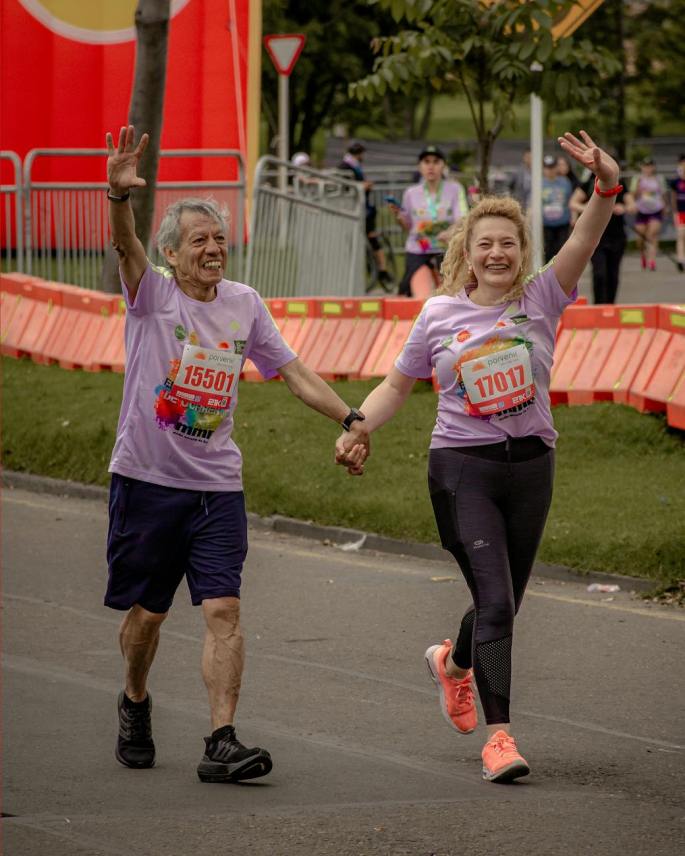
By the time you read this, I will be close to one week out from running (ok, jogging, “slogging”, whatever you want to call it) the Marshall University Half-Marathon. This annual community event motivates and inspires hundreds of locals and nonlocals to train, improve their current fitness level, and participate in the 5K, the half-, or the full-marathon distance.  Plus, it brings together a whole host of volunteers who support participants along the way.

Each year that I’ve participated, I hear numerous stories about those who haven’t trained for MUM, still participate, and do well.  My hats off to them; I appreciate that they can do that.  However, I find the training, and the build-up to the event, are part of the excitement and joy of the journey that includes completing the event.

Photo by RUN 4 FFWPU on Pexels.com

Giving meaning and purpose to Exercise through signing up ✍️

It typically takes weeks, or even months, of deliberation before I decide to sign up for a running event–even an annual event such as the MUM. Therefore, once I make the decision to pay the entry fee for an event, I am fully committed to a training plan. This is not because I have any desire to place or set records, but because signing up for an event is the extra motivation that gives meaning and purpose to my exercise.  Plus, it keeps me simultaneously excited and nervous in a good way.

Photo by RUN 4 FFWPU on Pexels.com

Exercise at any age! 👵🏼

Still, I have those who ask me if running is still safe for someone at “my age.” News alert! There is no milestone-age at which you should cut-off exercise.  In fact, exercise and/or movement can, and probably should, be embraced across all ages, including those of us in the AARP years, which is anyone over the age of 50. That said, you do have to manage your expectations, but movement and/or structured exercise can be a healthy part of the “golden years.”

That said, of course, if you have had an injury or have certain health conditions, you must respect your body’s limits and boundaries, but it doesn’t mean you give up on exercise and/or purposeful movement forever.  By working with a healthcare professional, you can find ways to adapt, modify, and/or create your own exercise plan that fits your body’s unique needs.  
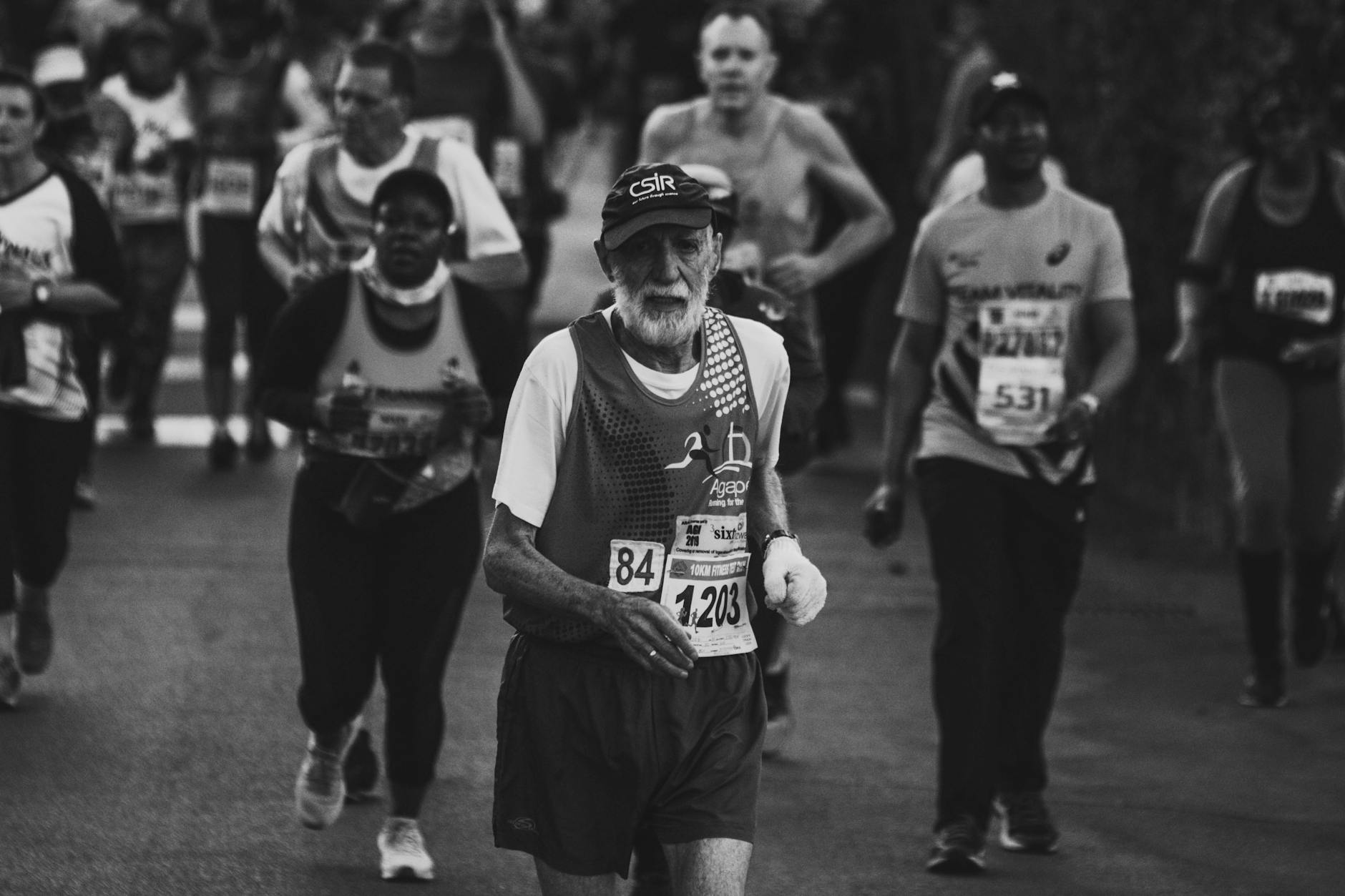
Photo by Vincent Peters on Pexels.com

Tips for moving through those senior years 🚶🏿‍♂️

Here are some key tips and pointers I’ve learned along the way, gathered from other senior exercisers, as well as a few I researched, when thinking about exercise/movement in the, a-hem, “senior” years.

  1. Establish meaningful AND realistic goals appropriate for where your body is now that motivate and excite you.  This is why I enjoy signing up for a half-marathon.  My mantra is: “Set your own pace, and run your race.”  I don’t put pressure on myself that running has to be or look a certain way.  No time is too slow, and I can take as many walk breaks as I need.  That said, you can approach ANY form of exercise in a similar manner 
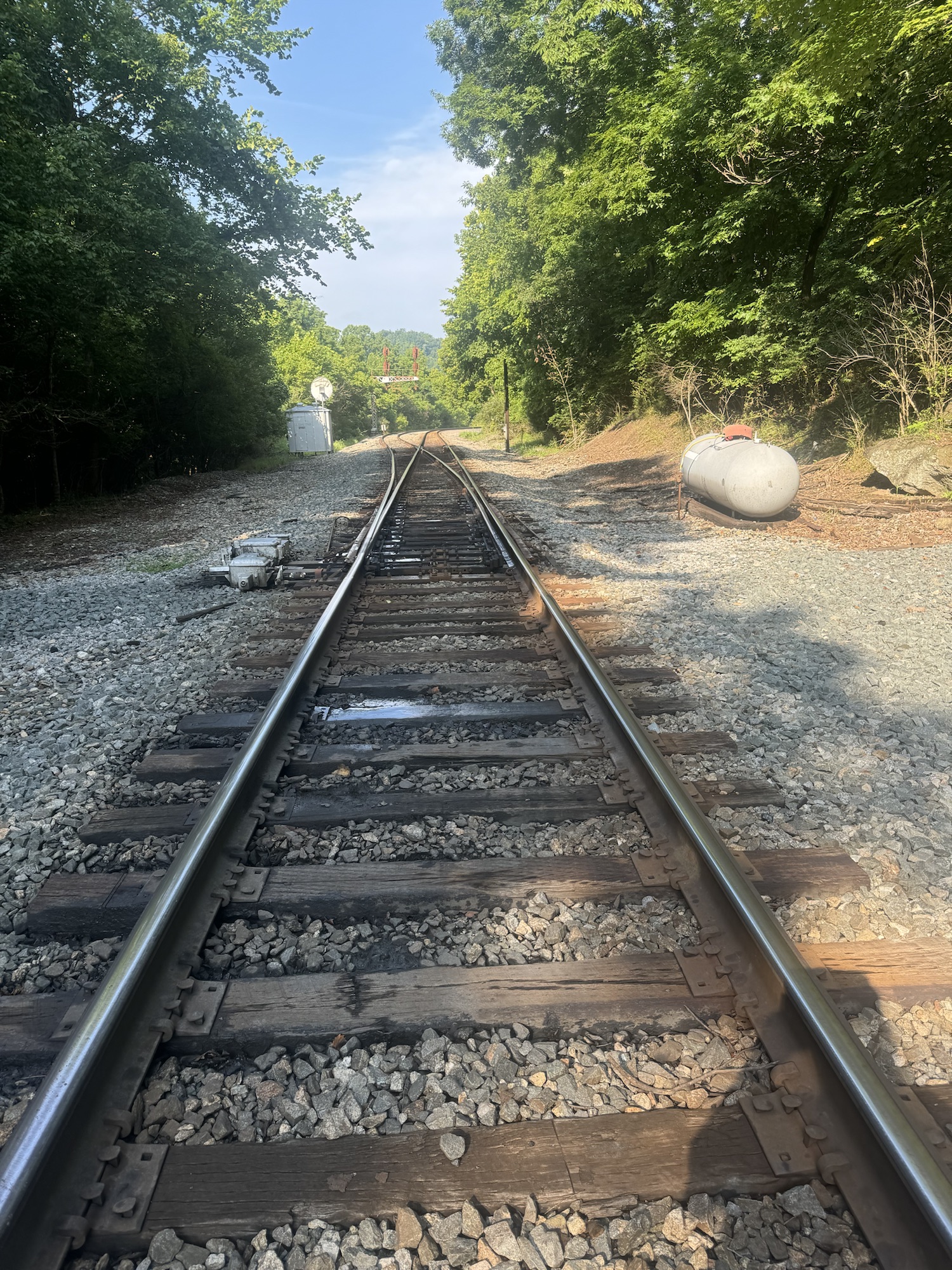
Set off in your own unique direction down the the tracks towards empowering your own health and fitness.
  1. Notice your narratives.  This is something that I have begun to notice more frequently. Reflect on how you talk/think about age with peers/friends/family AND self.  Is there often negative talk and thoughts associated with your current age and/or exercise?  Perhaps, you can begin to reframe those thoughts/chatter by leading by example.  Furthermore, look to role-models that motivate you to move more.  I personally often look at my Dad who still walks or hikes daily anywhere from 2-8 miles per day.
  1.  Find your edge. Whatever form of exercise we choose should challenge us, but not too much.  If something changes, and you sense you can do a little bit more, then do so.  But if doing a bit more causes serious discomfort, then back off, and try again another time. 
Map out your own fitness challenge.
  1. Strength train, stretch, and work on balance through practices such as yoga. The CDC in an article entitled,  “Older Adult Activity: An Overview,” states that in addition to cardiovascular exercise, such as jogging and walking, older adults also need to strength train and work on balance.  In fact, AARP offers a 10-minute, strength-training video that can be completed daily, seated or standing. 
  1. Manage your sleep and nutrition: There is a reason these two are often spoken/written about due to the fact both contribute positively, or negatively, towards your own health.  That said, one bad night’s sleep, one indulgent meal, or a day of eating very little, will not necessarily impact your overall health; however, consistently not getting enough sleep and not consuming proper nutrition will gradually, and negatively, begin to impact your physical and mental well-being. 
  1. Find your support or pave your own way.  There’s no one right fitness plan that works for everyone.  Find the type of movement/exercise that best suits your body and motivates you, which may mean exercising with a group, a friend, or at a club. That said, don’t be afraid to go it alone either and share the experience with others later.

Find your support!
  1. Exercise can be therapy. Personally, I know my mental health greatly benefits from movement. The National Institutes of Health, The Mayo Clinic, Mount Sinai, and numerous other institutions all point to the fact that exercise is a mood and mental health booster.
  1.  Tune in to your body’s needs with honesty and integrity. If you’re sick, tired, and/or run down, then maybe a day or two of rest may be what you need. If a joint, such as knee, elbow, wrist, or ankle begins to feel irritated.  Be curious about it.  Are you pushing a certain exercise too hard, too often? Or, are you not moving enough? Learning to listen to the signals our bodies send us is an important part of the exercise/movement journey.

Photo by RUN 4 FFWPU on Pexels.com

movement is medicine! 💊

When it comes to movement, no matter your age, focus on the positives of the experience–whether it is spending time with friends, benefiting your mental health, or feeling more overall strength, steadiness, and/or energy. To be sure, it is often hard to get started, but it is often that feeling of accomplishment you have afterwards that can keep you going. Finally, for those in the official AARP years, keep in mind, “older” doesn’t have to mean sitting on the sidelines. Becoming and staying active, however you define it, truly is medicine for imbuing well-being: socially, mentally, and emotionally. 

Dad and I pausing for a moment during hike this past summer at Barboursville Park.


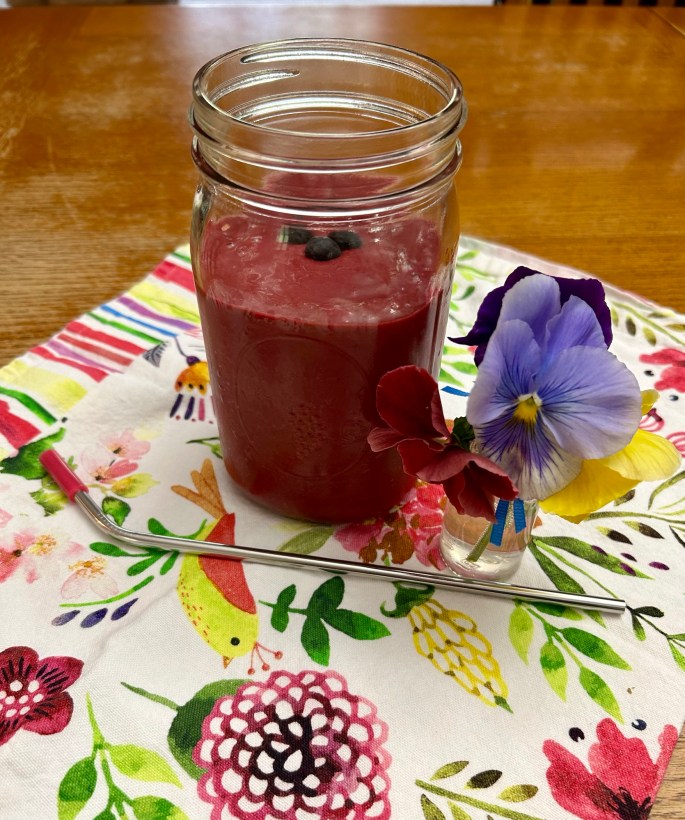
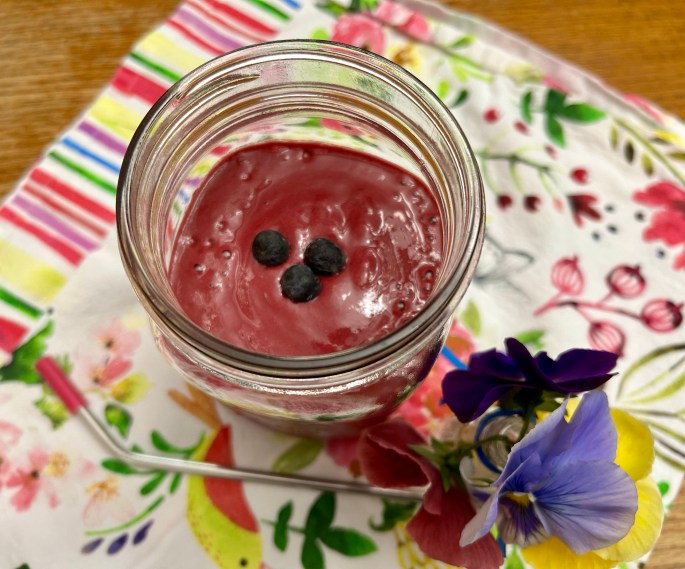
Berry Immunity Boosting Smoothie aka Stress Less Smoothie

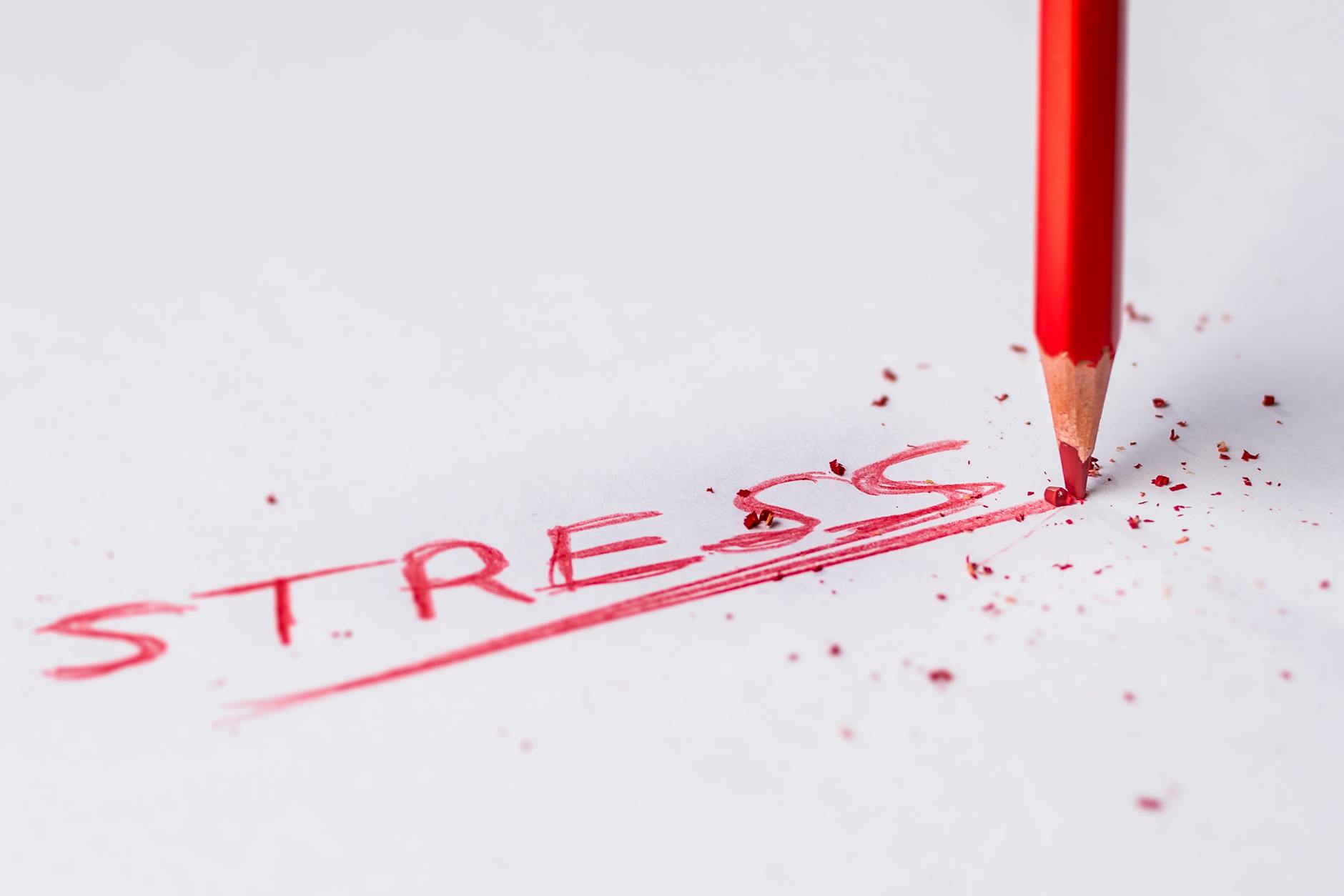
The greatest weapon against stress is our ability to choose one thought over another.”–William James

Photo by Pedro Figueras on Pexels.com

The challenge of work-life balance⚖️

It is not uncommon to engage in conversations centering around stress.  Attempting to balance the demands of work and life can be challenging. The combination of long work hours, while also juggling the needs of family, make it difficult to have time to do the things that would otherwise relieve stress, such as regular exercise, outings with friends, or even a relaxing soak in the tub. 

When stress ramps up, there is a chain-reaction in our bodies.  According to Harvard School of Public Health, when stress is high, the body’s demand for oxygen and energy increases, which in turn increases the demand for key nutrients.  Simultaneously, stress causes the body to eliminate other vital nutrients. This can take a toll on the body’s immune system.

As the chain reaction of stress continues, hormones become affected.  If the stress is acute, the body will secrete adrenaline, which suppresses appetite.  However, when the stress becomes more chronic, cortisol levels begin to rise, instigating food cravings.  Cortisol tends to create cravings for foods that are typically considered “comfort foods,” full of sugar, salt, and fat.  Unfortunately, if cortisol stays elevated, the chain reaction continues to wreak havoc upon our bodies, and this often influences our coping strategies.

Photo by cottonbro studio on Pexels.com

The body’s stress response 😰

Chronic high stress time periods, depletes the body of energy and can often reduce time available for decompression. This can inhibit the desire to prepare healthy, nutritious meals.  Sometimes, chronic stress causes us to skip meals.  The downside to skipping meals is that, as the cortisol levels rise, once there is an opportunity to eat, we tend to reach for those comfort foods that will not replenish the body’s stores of diminished nutrients.

Therefore, how we respond to stress matters.  With some situations, we can identify upcoming stressful time periods before they begin, and thus, we can be more proactive.  However, that isn’t always the case.  Nonetheless, there are a few basic guidelines, according to The University of North Carolina at Chapel Hill that are worth remembering.

Photo by Antoni Shkraba on Pexels.com

Tips for eating during times of stress 😣

  • Keep nutrient-dense grab-and-go snacks on hand at all times.  Foods like baby carrots, celery sticks, hummus cups, guacamole cups, apples, oranges, bananas, popcorn, almonds, walnuts, pistachios, low-sugar yogurt, low-sugar granola, low-sugar oatmeal packets, whole-grain crackers and so forth.
  • Eat at regular intervals when possible.  This will keep blood sugar stable, and keep the brain, which needs glucose, working at its best.
  • Eat high-fiber foods. Foods, such as fruits, vegetables, nuts, seeds, beans, oatmeal, and other whole grains, have been shown to decrease perceived stress levels and increase alertness.
  • Focus on eating fruits and vegetables, especially leafy greens, whenever possible.  These foods are filled with the vitamins and minerals your body needs to neutralize the harmful molecules our bodies produce when under stress. 
  • Foods rich in unsaturated fat also help. Think walnuts, flax seeds, chia seeds, and fish oil to name a few. These foods are associated with increased brain function; however, deficiencies in fatty acids can result in depression and/or anxiety. 
  • Be mindful of caffeine and/or alcohol intake. Both of these can disrupt sleep, which the body desperately needs during times of stress.  Additionally, both can increase blood pressure, which can increase feelings of anxiety.
  • Ensure your body is getting enough quality sleep. Getting enough sleep allows the body to reduce cortisol levels and other stress hormones, increasing the chances of remaining calmer in the face of stress.
  • Employ constructive coping strategies. Whether it is talking to a trusted friend or therapist, journaling, meditating, asking for help, or going for a walk–developing positive coping skills is a lifetime skill set. 
Photo by Wallace Chuck on Pexels.com

The reality of stress 😩

Stress is reality at different points in our lives.  While we cannot control when it will arise, we can control our response to it.  It is easy and understandable to seek comfort during times of stress.  However, when those sources of comfort become unhealthy coping mechanisms, such as over- or undereating, drinking alcohol in excess, going without sleep, and so forth, we risk using short-sighted solutions that could lead to developing long-term problems, creating even more stress.  

Stress less smoothie 🍓

Below is my newest smoothie creation.  It is full of nutrient-rich foods that are high in fiber.  Some of the ingredients may cause you to raise an eye-brow in wonder, but I promise, it does taste great.  That said, feel free to adjust, add to, or eliminate ingredients that don’t suit your palate or dietary needs.

This recipe can be made ahead of time and frozen into individual servings.  They will stay fresh in the freezer for up to three months.  Then, whenever faced with a stressful day, take one smoothie out the night before, set it in the fridge to thaw, and then it’s grab-and-go convenience for the next workday. Sip on it through a lunch meeting, or if more time is available, pour it into a bowl and sprinkle on favorite fruit and nut/seed toppings, along with a bit of granola. 

I can’t promise that this recipe will change the stress around you. However, it does provide a powerful nutritional punch to help stave off the effects of stress, and offers one less thing to worry about.  Plus, it feels good knowing that if everything else goes wrong in the day, at least one small part of your day was stress-free.  

Cheers to one less thing to stress about!

Berry Stress Less Smoothie

Nutrient dense, stress combating meal replacement

Ingredients:

2 cup spinach, riced cauliflower, or kale (can be frozen)

½ cup strawberries, frozen

½ cup raspberries, frozen

½ cup cherries, frozen

1 apple

½ cup lentils

1 parsnips

2 tablespoon flax, chia seeds, or hemp seeds (or combination of any two)

2 tablespoons goji berries, OR 2 medjool dates, OR 2 prunes, optional

2 tablespoons cocoa or cacao powder, optional

2 scoops protein powder, optional

1 cup beet juice (can use pomegranate or cherry juice or simply use water)

1 cup milk  plant or dairy based variation)

½-1 cup of water, if too thick

Directions:

Put all ingredients in high powered blender

Blend until creamy and smooth

Makes 2 large servings 

Early to Bed, Early to Rise

“Morning is an important time of day, because how you spend your morning can often tell you what kind of day you are going to have.” Lemony Snicket

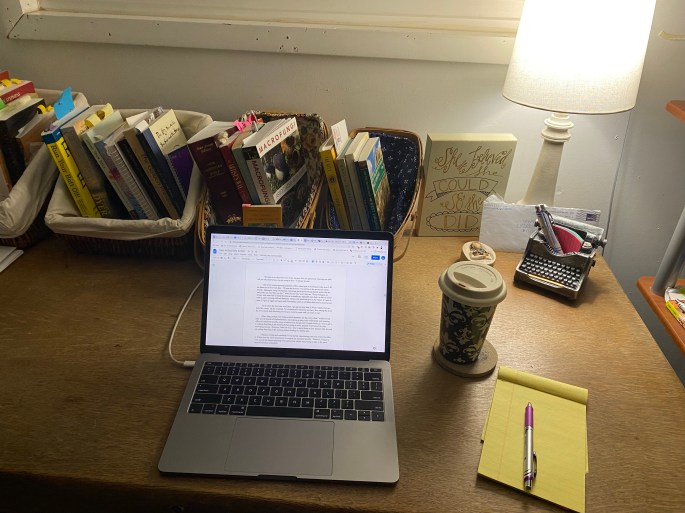
One of my current personal practices of this school year is choosing to wake up at 3:50 am three out of five work days.  I’ll state the obvious:  It’s not fun at the moment the alarm sounds.  Messages, vying for attention, encourage me to hit the snooze button and/or skip the early wake up, “just this one day.”  After all, one time won’t hurt me.  Those messages are strong, loud, and clear as sleep threatens to overtake me, especially now that it is full-on winter with its early morning chill and darkness. I want to be weak and give in, but I know if I give in once, I’ll give in again and again until I ultimately return to old habits that tend to stress me out. 

To be clear, the other two work days, I get up one hour later–4:50 am–which, trust me, feels like a treat.  By the weekend, I’m exceptionally foot-loose and fancy free, setting the alarm for 5:50, which feels like being served up a warm brownie with ice cream on top! 

Okay, okay, perhaps I am being a tad bit dramatic, but the point is that I’ve discovered, after several months of implementation, that waking up early fairly consistently each morning offers me numerous benefits, many of which were unexpected. It began mostly as a way to get in a workout first thing in the morning before going to work, and that is still one of the main motivating reasons.  However, I discovered that I was reaping a few unexpected benefits as well.

Checking off goals in the predawn hours.

I became curious and wondered if I was merely experiencing some sort of placebo effect or if there was any solid data/research to support my anecdotal benefits.  Therefore, I began to nose around the internet gleaning information from various sites, trying to stick to the more reputable sources of research.  

*Early risers tend to be more proactive about their day

One of the first sources I ran across cited Harvard’s Biologist’s (Christoph Randler) work pointing to the fact that early morning risers tend to be more proactive.  This is due to the fact that they must think ahead and organize for the morning the previous evening in an attempt to anticipate and minimize potential issues. I can attest to the fact that I had to learn early in the process the importance of nightly organization in order for the early morning routine to flow efficiently.  

I continued reading on to learn more.  Here are a few more positive benefits to rising early according to those with more expertise than me: 

*Ability to accomplish most important task(s) (or personal goal) first thing

Since the early morning hours are typically the quietest, the mind (and schedule) are  fairly clear, freeing early risers to focus on the most important, or most challenging, goal of the day–in my case, that’s usually some sort of 5-10 minute devotional, followed by 30-40 minutes of writing/editing/revising/updating website, and finally about 2-3 minutes of clearing out junk work emails that accumulate overnight in my inbox and making note of important emails to tackle first thing at work.  I do these few tasks while sipping a cup of coffee allowing me to feel a small sense of accomplishment, even before I head to the gym. In fact, according to the Harvard Review, in a 2010 study, that early morning sense of accomplishment, sets the tone for your day, allowing early risers to feel more agreeable, optimistic, and conscientious.  Who knew?

Empty, or near empty gym, is an added bonus to the early morning wake-up, especially in the age of COVID.

*Morning exercise boosts the brain 

As a general rule, exercise benefits the body and mind, no matter what time of day it is completed.  However, people with busy schedules find that they are better able to stick with an exercise routine by completing it in the morning. As an added bonus, working out in the morning allows early risers to take advantage of all of the feel-good endorphins produced by the brain after exercise.  Plus, exercise reduces heart disease, boosts brain cognition, regulates blood sugar and weight, and tends to improve your mood. Therefore, if completing the workout in the morning ensures that you don’t miss a workout, then early risers are checking several boxes before the start of the official workday. Check, check, and check!

*Outlook and sleep quality improves while risk for depression decreases

Typically, those who wake early, tend to go to bed earlier, and experience overall better sleep quality which can positively increase outlook.  We can all relate to how we feel after a horrible night of tossing and turning, especially on a Sunday night after a weekend of sleeping in, when sleep seems so elusive.  According to the Sleep Foundation, by keeping a fairly consistent daily wake-up time, including the weekends, you can maintain your circadian rhythm, allowing you to fall asleep faster and sleep better.  Additionally, a 2012 study conducted by the Canadian Institutes of Health Research confirms that early risers tend to have more consistent sleep leading to healthy, happy, and overall sense of well-being. Moreover, recent 2021 studies, one published in JAMA Psychiatry and an additional one published in Molecular Psychiatry, point to the fact that rising early can significantly reduce your risk for depression as well as other mental illnesses.

Photo by Lukas Rychvalsky on Pexels.com

*Increased productivity

Rising early has been shown to increase productivity by enhancing one’s ability to problem solve according to the Journal of Sleep Research.  It also turns out that waking up early reduces stress (Think: beating the stress of morning rush hour), increases alertness, and minimizes forgetfulness.  Early risers have more time to acclimate to the day by moving beyond that sleep inertia period–that slower moving time period when thinking can still be foggy and the body is not fully awake–increasing focused concentration upon arrival at work, and thereby potentially increasing productivity.  Additionally, they have time to complete more tasks before becoming overtired, a major culprit of forgetfulness.  

On the way to work as the sun is rising and several daily goals have already been checked!

In the end, most researchers agree that by implementing a fairly consistent bedtime/wake-up routine, it is possible to train your body to wake up early. One thing is for sure, I like my sleep as well as the next person, and I certainly don’t enjoy those first moments of the alarm sounding, especially on those three extra-early days.  However, the benefits I have discovered, and now confirmed, far outweigh those few moments of discomfort.  I am able to meet my daily writing goals, miss fewer workouts while exercising in a fairly empty gym without being dog-tired from work, and I am much more energized and positive, well, most days.  The only caveat: I am typically in bed, no later than 9:00 pm, much to my family’s chagrin–not they really mind.

I won’t claim early rising is for everyone, but it’s working for me.  Nor can I say that I will do it forever, but for the time being, I will continue with my pre-dawn rising.  If it was good enough for Ben Franklin, one of the greatest inventors ever, it should work for a simple school teacher and writer, like me.  Who’s in with me?

Photo by Pixabay on Pexels.com