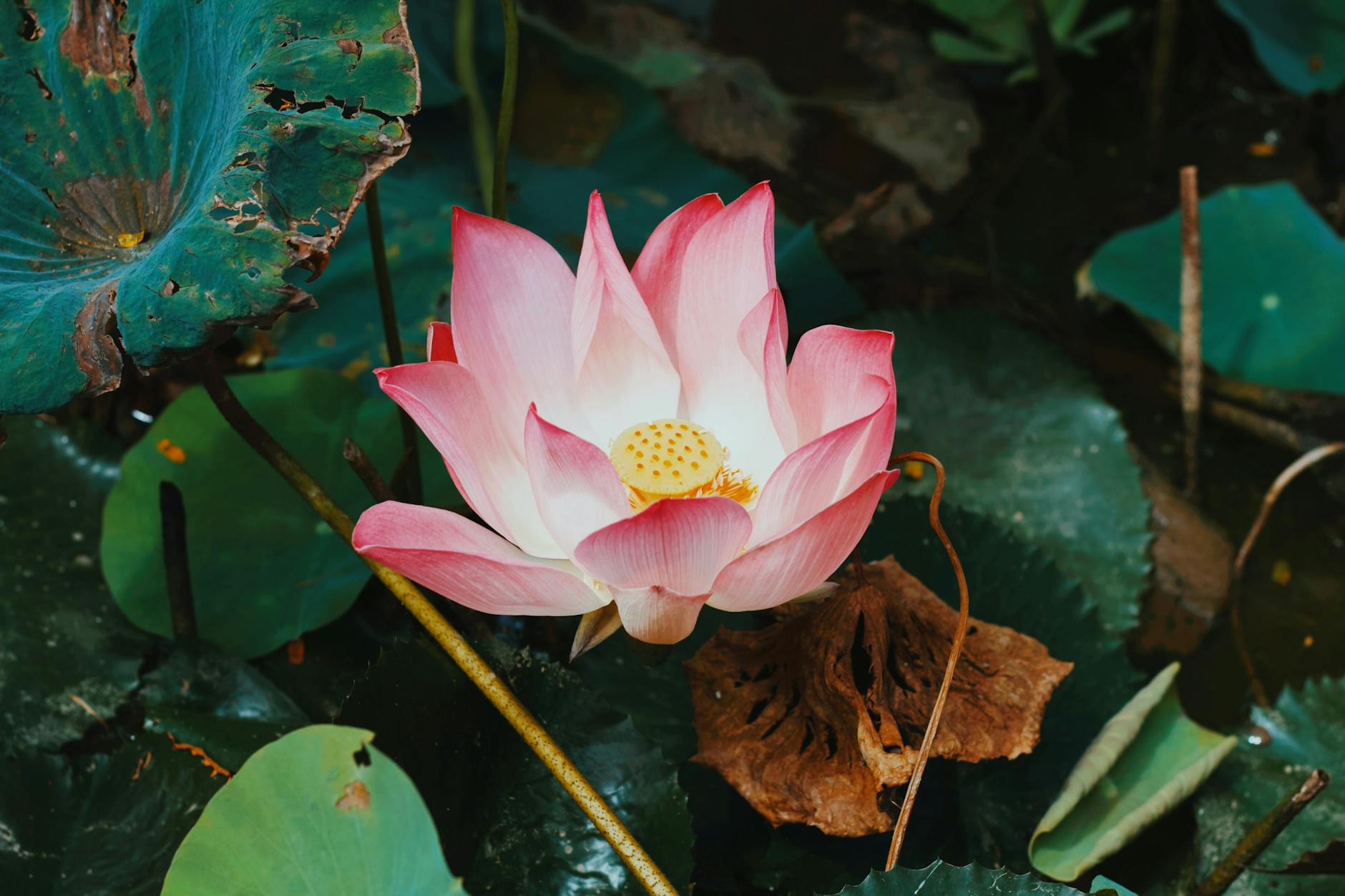
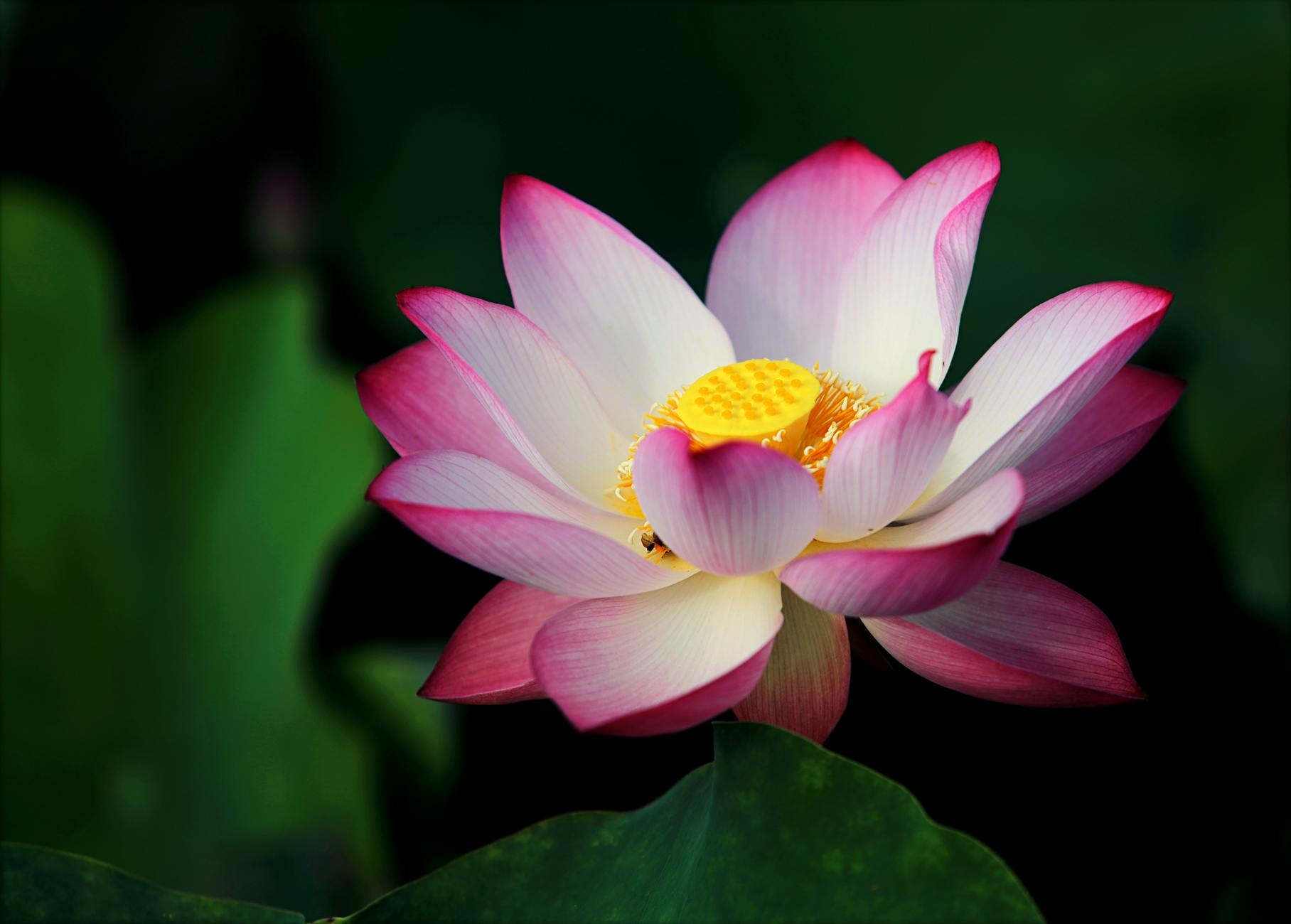
The Power of Kindness: Good Thoughts, Good Words, and Good Deeds

“Be kind whenever possible. It is always possible.”Dalai Lama

Photo by Alexas Fotos on Pexels.com

The shape of kindness ❤️

This past spring I viewed a documentary on various world religions, and one line  from this film really stood out. “Good thoughts, good words, and good deeds” is considered an essential teaching and practice of Zoroastrian faith. As I understand it, doing good deeds is not reward focused, but it’s more about thinking the best of others as well as doing good acts for its own sake. That maxim has remained with me all these months later.

At its core is kindness–kindness to others, and even, kindness to self. Kindness is one of those notions that gets tossed around in cutesy social media quotes and images, such as, “Spreading kindness like confetti!” or “In a world where you can be anything, be kind.”  While I love the intent around these images, it is easy to grow immune to their effects or even cynical.

Still, at the end of the day, kindness truly does matter. How many of us have been impacted by a rude, disrespectful, or all around unkind encounter?  I know I have. I walk or drive away feeling like Pig-Pen, a proverbial cloud of yuckiness clinging to me. Like lint on black pants, it seems that one act of unpleasantness appears to attract more of it. 

Photo by Craig Adderley on Pexels.com

Moods are contagious 🤧

For example, the day may begin with a car cutting you off on your drive into work. Preparing to walk into work, the lid to your new, supposedly, leak-proof coffee cup isn’t quite tight enough, and you end up entering your workplace with brown stains down that new light-colored shirt that, of course, you were wearing. 

After stopping by the restroom to try to blot off the stain as best you can, you open your computer only to find an email from that “thinks-they-are-so-special” client that sends you into another negative spiral. By the time lunchtime rolls around, and you realize you forgot your packed lunch at home that you actually took time to pack the night before, that cloud of negativity has burst open, and you feel soaked through with negative thoughts.

Photo by Christina Morillo on Pexels.com

Here to help 🤝

Kindness, however, often works the same way. What if the drive into work was eventless and traffic was light.  While the coffee still spills, a co-worker offers their Tide-pen to help make the stain less noticeable. When you open your inbox to email, you discover an email that includes words of appreciation from a hard-won client for a job well-done. 

When you discover that you left your packed lunch at home, another coworker offers to pick you up something while they are out on an errand, which gives you a bit of time to get caught up on a few other tasks you’ve been meaning to do. Meanwhile, you make a mental note to think of something nice you can do in return for that coworker later in the week. 

The same day, served up two ways.  Kindness can make a difference like that.  And the best part is that kindness does not require any special talent, money, or resources; we can cultivate it through our “thoughts, words, and deeds” as those of the Zoroastrian faith are encouraged to do.

Photo by Andrea Piacquadio on Pexels.com

Kind words and actions cost nothing but reap dividends 🤩

Offering to help others, saying or writing kind words, or simply being considerate are all ways of intentionally sharing kindness. Those simple acts can benefit others in ways that we may never be directly witnessed, but do not, nonetheless, detract from the worth of the actions. In fact, one small act of deliberate kindness, like its negative counterpart, can initiate a wave of positive events as one act leads to another and on to another.

Even if we offer a kind word or deed to others without expecting anything in return, those acts still benefit us. According to the Mayo Clinic, demonstrating kindness to others positively contributes to our sense of self-esteem, empathy, compassion, and boosts our mood. In the same 2023 article, the Mayo Clinic adds that acts of kindness lowers one’s blood pressure and levels of cortisol, a hormone directly related to stress.  Kindness can boost your mood and increase feelings of connectedness, thereby decreasing feelings of loneliness.  

Photo by Dziana Hasanbekava on Pexels.com

Benefits of Kindness 🧠

Kindness is also good for the mind.  When you do a thoughtful act, even as simple as sharing a pack of gum, offer words of encouragement, or even speak a simple compliment, you create physiological changes in your brain. With each kind act, dopamine and serotonin are released, creating feelings of well-being.  Meanwhile, the pleasure and reward centers of our brains are lit up. Additionally, kind acts and words can flood our bodies with endorphins, those “feel good” chemicals that boost mood and reduce sensations of pain and/or stress.

Kindness doesn’t have to just be focused on others; kind thoughts towards oneself is also as important and just as worthy of an endeavor.  Practicing kind self-talk that is positive and encouraging of self is worth-while, and much more beneficial than the negative loops that too easily circulate in our heads.  In addition to the practice of affirming and loving self-talk, fostering a sense of gratitude goes a long way to feeling kindness towards self and others. 

Photo by Kindel Media on Pexels.com

So many ways to offer Kindness 📝

Of course, there are the obvious kind actions such as volunteering and working/helping out with causes in which you believe.  However, there are other less overt, more subtle ways of generating kindness that are just as beneficial, if not more so!  Consider the following actions:

  • Call that friend or acquaintance that you haven’t seen in weeks 
  • Mail an old-fashioned postcard or letter to someone telling them how much they mean to you or you appreciate them
  • Write a handwritten thank you note the next time someone does something nice for you
  • Get flowers, candy, a cup of coffee, or a some other little treat for someone for no reason
  • Check in or call someone who is either sick or you know is going through a rough patch
  • Offer to take a shut-in to church, to the grocery store, or even to lunch
  • Buy a cake mix or cookie dough. Then, bake and share a treat with a neighbor or friend for no particular reason
  • Keep a gratitude journal to continue to foster good thoughts

Photo by Eva Bronzini on Pexels.com

everyone’s superpower 🦸‍♀️

The list could go on, but the point is, acts of kindness and generosity to others (and self) can be as big or small as you want.  “Good thoughts, good words, and good deeds”  put into actions, no matter the size, will always benefit others in some way.  

In the end, kindness is a big deal.  In fact, it’s a kinda superpower we all have the ability to possess. It merely takes a tad bit of thought and time. 
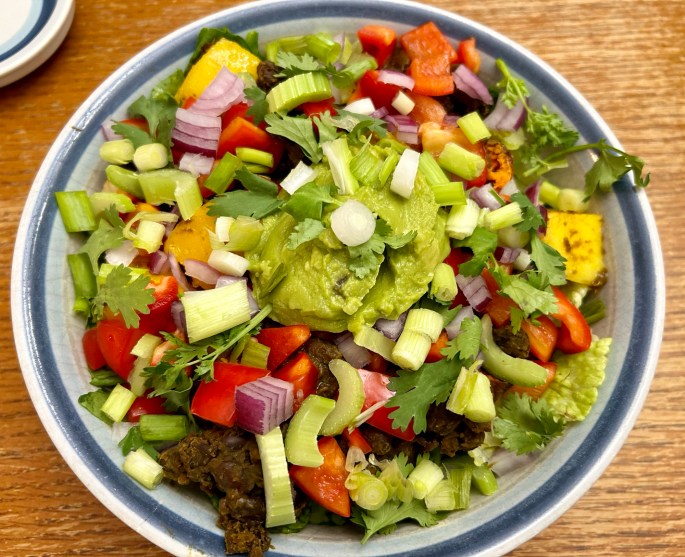
Delicious and Healthy Sweet Potato Mango Bowls: A Nutrient Rich Delight

Mango, often dubbed the king of fruits, isn’t just delicious, it’s full of nutrients and health benefits.”–OhioHealth.com

Photo by Alexander Grey on Pexels.com

Nothing Like Fresh summer Produce 🌽🍅

When I was a girl, mid- to late summer, it seemed to my unfledged mind, was one of grandparents’ favorite times of year. This was because it was the time of year full of fresh garden produce! It wasn’t unusual during this season for them to eat a dinner full of nothing but fresh vegetables: salted, slices of beefsteak tomatoes, pork-flavored half-runner beans, sweet corn on the cob slathered with sweet butter, and dinner rolls spooned over with sorghum syrup.  Sometimes, they’d toss in fresh melon for dessert, with or without ice cream, or some sort of fruit cobbler! 

Oh, how intoxicatingly fragrant those kitchens were! To this day, I can’t smell a good garden tomato without being reminded of one of their kitchens. It didn’t matter which house I happened to be visiting, my maternal grandparents or my paternal grandmother–their kitchens had similar earthy aromas during the end of summer.  To be sure, they’d vary the menu with tomato, bacon, and lettuce sandwiches or wilted lettuce with bacon drippings.  Sometimes they might fry up hamburgers and top them off with a fresh slice of tomato, serve a salad with freshly picked cucumbers and chopped garden “mangoes,” and of course, have more sliced and salted tomatoes on the side.  They might even bake up a meatloaf with chopped, fresh “mangoes,” or they might stuff the freshly picked “mangoes” with a meatloaf-like mixture.

Photo by Pixabay on Pexels.com

Mangoes are a Tropical Fruit 🥭

It was years later, when I was stunned to learn that what my grandparents called “mangoes” were actually called bell peppers.  I was further surprised to learn that mango was a tropical orange fruit grown in trees!  In fact, it’s only been in the past decade that I’ve really come to embrace and regularly eat mangoes, due to their availability now in both the produce and freezer aisles in most local stores. 

Mangoes have a delicious, creamy peach-like flavor and juiciness, and they pack a nutritional punch. They are chock full of vitamin C, and they are full of soluble fiber–known for binding with fat and cholesterol in the digestive tract before they get absorbed. Mangoes are also a good source of vitamins A and E.  Overall, mangoes benefit your immune system, eyes, skin, gut health, and even have anticancer properties.  Plus, they taste great.  What’s not to like about that?

Photo by Nancy Folgmann on Pexels.com

Mangoes and Bell Peppers 🫑🥭

Although mangoes taste nothing like a bell pepper, they are both nutritionally beneficial and a versatile addition to a wide array of recipes, such as the one I am sharing with you today. This recipe is a super easy, quick recipe for dinner or lunch. While it is an older recipe from a plant-based cookbook, by Rip Esselstyn, you don’t have to be vegetarian to enjoy this recipe.  Plus, for those with allergies, it is gluten-, dairy-, and nut-free.

It’s bursting with nutrients and plenty of fiber to fill you up and benefit your health.  However, I know all of that doesn’t matter if the recipe doesn’t look and taste great, and this sweet and savory recipe certainly does! As my Grandmother Helen taught me to remember, “We eat first with our eyes,” and this recipe makes one vividly vibrant plate, full of colors and flavors that will lead to full tummies and clean plates around your table!  

This recipe will “Bowl” you over! 🥣

While I know my papaw would have NEVER tried this recipe, I’d like to think both of my grandmothers would have given this mango-forward dish a try. Therefore, I hope you will try this recipe out in their honor, and, of course, feel free to serve up a side of salted, sliced tomatoes, corn on the cob, and/or some rolls with sorghum syrup from the local farmer’s market!

From my home to yours, I wish you new and old recipes that are full of family connections and stories!

Sweet Potato and Mango Bowls

Gluten-free, nut-free, dairy-free

Serves 2, but recipe can be doubled or tripled

Ingredients:

2 large sweet potatoes

1 (15-ounce can) black beans, drained and rinsed

¼ teaspoon ground cumin

¼ teaspoon garlic powder

¼ teaspoon onion powder

¼ teaspoon chili powder

4 cups of my favorite salad greens, i. e. spinach or spring mix

4 to 6 green onions, chopped

1 fresh mango, chopped or 1 cup frozen mango chunks

1 red bell pepper, chopped

½ avocado, mashed or diced, depending upon preference

¼ cup chopped cilantro (optional)

Lime juice

Salsa

Directions:

Bake sweet potatoes (microwave or oven)

In microwave safe bowl add black beans and spices, stir and heat for 60 or so seconds in microwave (Can also mix and heat on stove top if preferred)

Divide greens between two bowls

Top with sweet potato, which can be cut in half or cubed, your preference

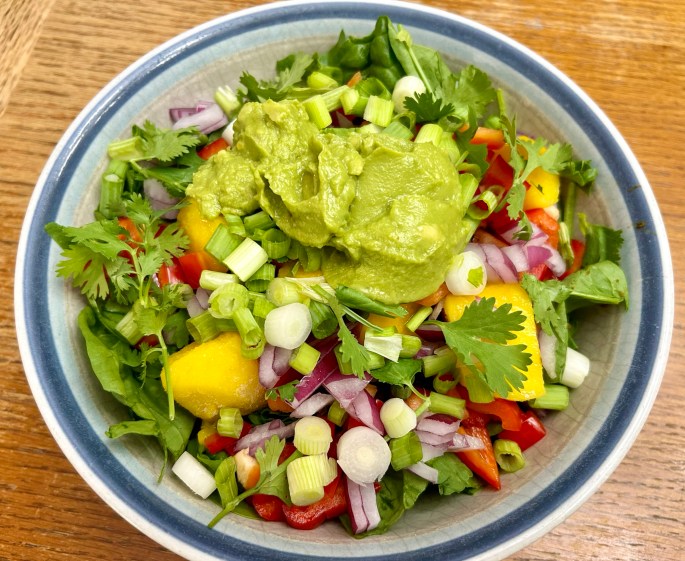
On top of sweet potato, add beans, green onion, mango, red pepper, avocado & cilantro, if using

Drizzle with lime juice and add desired amount of salsa

Red-Tailed Hawk: Symbolism and Lessons for School Success

“A bird sitting on a tree is never afraid of the branch breaking, because its trust is not on the branch, but on its own wings.”–Charles Wardle

Photo by Jen Healy on Pexels.com

Frequent Encounters 👀

Lately, it seems I am regularly noticing red-tail hawks.  Sometimes I spy a hawk during my runs or walks, and other times, I will notice one while I am driving. I often see one perched on a pole or electric line. The neck tilts and turns this way and that as they take in the area, 180 degrees at a time, under their watchful eyes.  

Other times, I am able to observe the flick of a hawk’s red tail as it lifts into flight with an expansive, majestic wing span.  It will circle and soar on air currents, rising high as it gains a new perspective on the landscape below. Occasionally, I have the opportunity to watch one, with graceful power, dive, and in one fell swoop, swiftly scoop up its prey.  

Photo by Skyler Ewing on Pexels.com

Hawk-eyed facts 📝

Seeing hawks never fails to fill me with delight, no matter how frequently I catch a glimpse of one.  I often joke that the hawk is my “spirit animal,” my guide to admirable qualities. After all, hawks have excellent vision.  They can see five to eight times better than most humans.  Therefore, when they are sailing on the ocean of air currents, their accurate vision enables them to see the bigger picture.

In addition to their clear-eyed view, a red-tailed hawk can dive at speeds of up to 120 mph.  Combine a hawk’s speed with its visual acuity, a prey stands very little chance of escape.  Thus, a hawk has the ability to clearly see its goal and attain it.

Hawks are known for their ability to hunt and capture prey that can weigh as much as the hawk itself, anywhere from two to four pounds. That’s a strong lift, especially once in flight.  However, hawks mostly focus on small rodents, reptiles, amphibians, fish, and even insects. This means the hawk is realistic about the load it can carry.

The wingspan of an adult hawk is over four feet wide because hawks are meant to soar. In the book of Job, the 26th verse of chapter 39 reads, “Does the hawk take flight by your wisdom and spread its wings towards the south?” And, while this is a conversation between God and Job, it does seem to emphasize, to my untrained eyes, that there are times, when, like a hawk, we, too, have been gifted with the ability to spread our wings widely and leave an area/situation that no longer supports us.

Red-tailed hawks mate for life.  They build their nests together–each one gathering leafy branches and sticks. When it comes to having babies, they likewise co-parent.  Typically, the female will sit and incubate the eggs, while the male hunts and brings back food to her. Once the chicks hatch, the male continues to hunt and bring back food to the female.  In turn, she will then distribute the food in small pieces among the babies. In this way, hawks demonstrate the importance of dividing and sharing the load with one another.

Photo by Oleksandr P on Pexels.com

Lessons of the Hawk

Throughout the local area, students, teachers, administrators, and staff are returning, or will soon be returning, to school. Shelves of school supplies at popular stores have been wiped clean of their wares, and first day outfits or uniforms have been selected with care for annual back-to-school photos. All the while parents marvel at the rate at which their kids are growing as students–and teachers–wonder where summer went.

With the ringing of the school bells, it is worth remembering the lessons provided by the red-tailed hawk whether a parent, student, educator, or simply interested in supporting those in education.

Photo by Marko Klaric on Pexels.com

Focus on Big picture 🔎

 First, may we remember to focus on the bigger picture.  It is so easy, and even tempting, to get wrapped up in the minutiae of daily dramas.  Instead, let us be reminded of the hawk and soar above all of the little irritants that don’t add up to much of anything, and instead focus on the goal: education, growth, improvement, and so forth

Photo by Skitterphoto on Pexels.com

Clear goals 🎯

Along those same lines, by focusing on the bigger picture, let us be hawk-like and develop clear goals/intentions for the school year–tangible and measurable targets for success. By keeping a clear vision of these goals, students, parents, and teachers alike can adapt and adjust accordingly as we work towards them. It’s easy to get side-tracked, and it’s sometimes tempting to waiver or become distracted by some flash-in-the-pan idea.  However, by continuously circling back to the actual long-term goals, we can keep our aim true.

Photo by Tim Durgan on Pexels.com

Avoid overcommitting 😮

While all those target goals are important, it’s important to be realistic about the load we can carry. Just as the hawk can only hunt and capture predators weighing no more than it does, we too must be careful not to bite off more than we can chew.  Over-volunteering or overcommitting to too many teams/committees/clubs/events can weigh down students, educators, and parents alike.  Just because we can do something, doesn’t mean we should do it all.  Instead, it is more important to focus on what you love, what will stretch you best, and/or will leave time for recovery and rest in order to put our best foot forward.

Photo by RF._.studio on Pexels.com

Divide and Conquer ➗

One way to do this is to remember to divide and share the load.  Students can benefit from helping one another or working with a tutor.  Parents can divide and share the responsibilities of their kids’ school activities, sports, and all the home/care responsibilities that go with that.  Educators can likewise collaborate with one another and make use of resources designed to support learning.  We all benefit from helping each other make a school year successful.

Photo by Alexas Fotos on Pexels.com

Change can be Good 👍

However, it is important for us to recognize when we have bitten off more than we can chew. Burn-out for students, parents, and teachers is a very real thing and must be guarded against.  Therefore, learn to identify and recognize those times when you need to spread your wings and leave or change a situation.  

May this school year be the year of the red-tail hawk. May students, parents, educators, coaches, and anyone else involved have hawk-like vision and acuity. May wings spread on the currents of hope, compassion, empathy, and knowledge. May our aim be true, and may educational communities around the globe support and help one another in a spirit of kinship and joy.  Most of all, may we nourish our students with small bites of knowledge and success, so that they may ultimately one day, independently soar on their own air currents of success, however they define it.

Ready for the new school year!

Discovering Niagara-on-the-Lake: A Hidden Gem of Ontario 🌟

Nestled in the corner of the Niagara Region just beyond Niagara Falls, the picturesque Niagara-on-the-Lake epitomizes old town charm.”–niagarafallstourism.com

Hidden Gem 💎

Green Oaks Bed & Breakfast

Niagara Falls is a popular travel destination with good reason.  John, my husband, and I visited the falls last year for the first time. However, not far from the falls, and to the north, is an often overlooked gem-of-a-destination: Niagara-on-the-Lake. John and I traveled to the idyllic NOTL after spending a week in Charlton Lake Camp in the northern part of Ontario. 
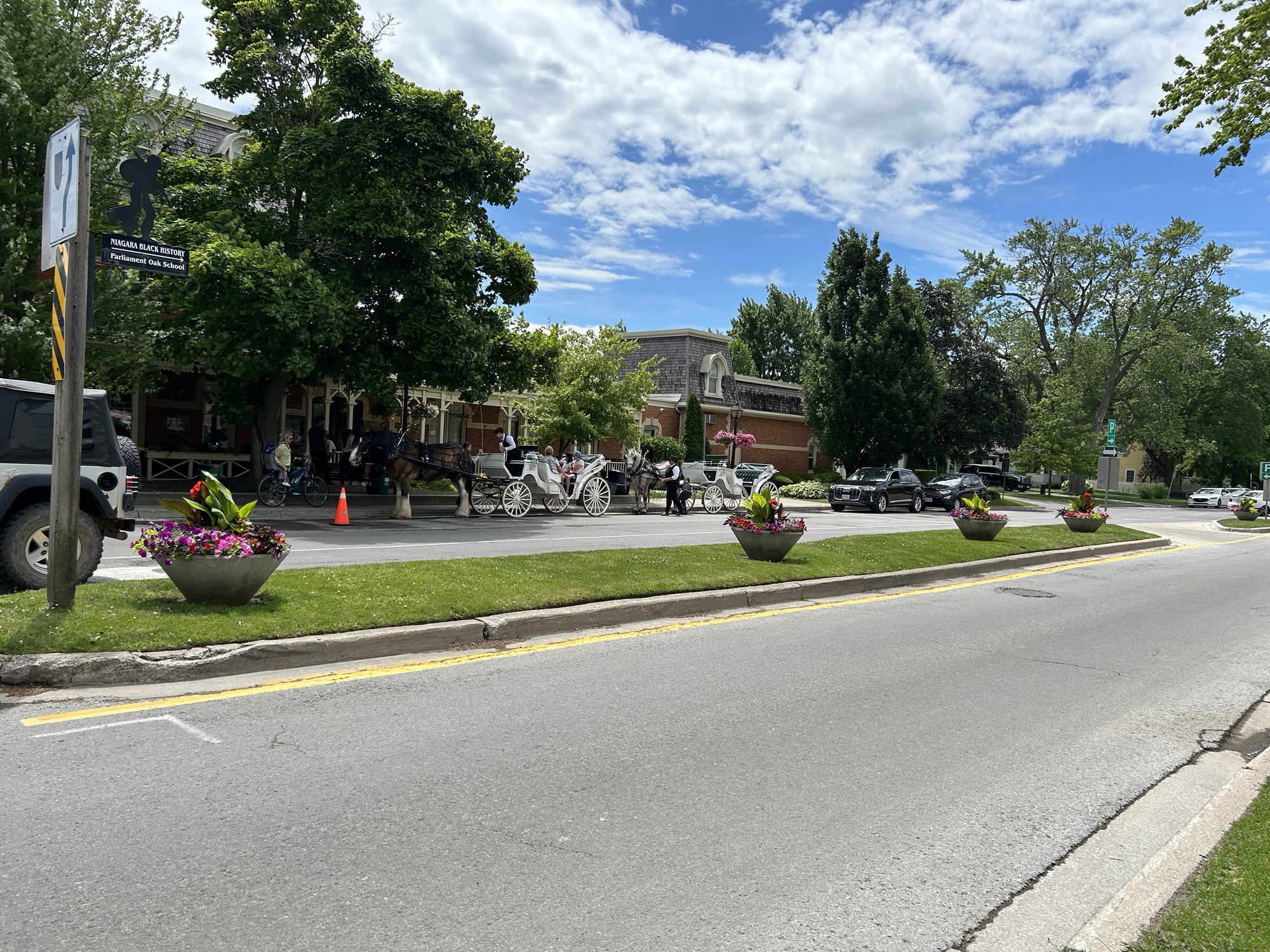
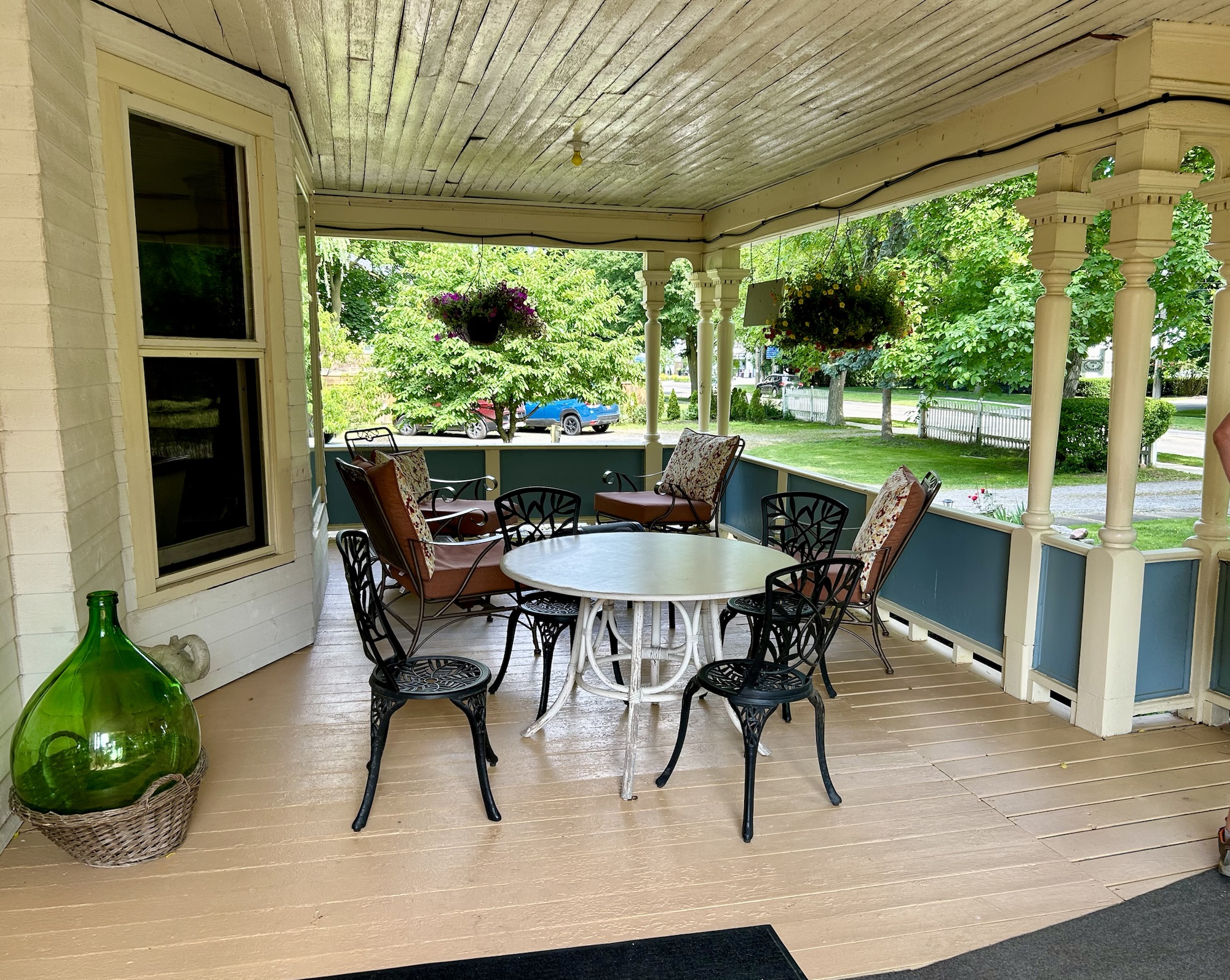
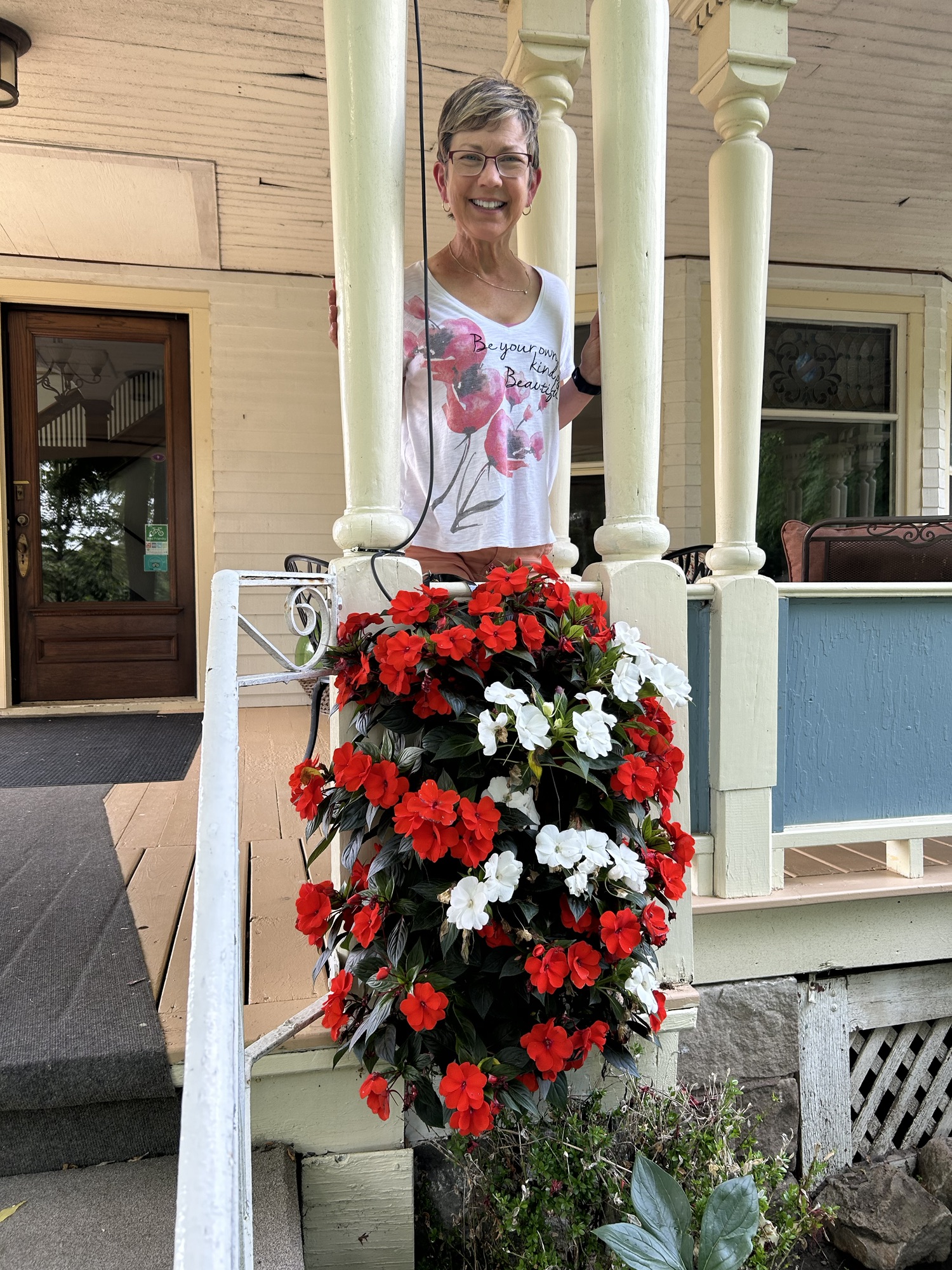
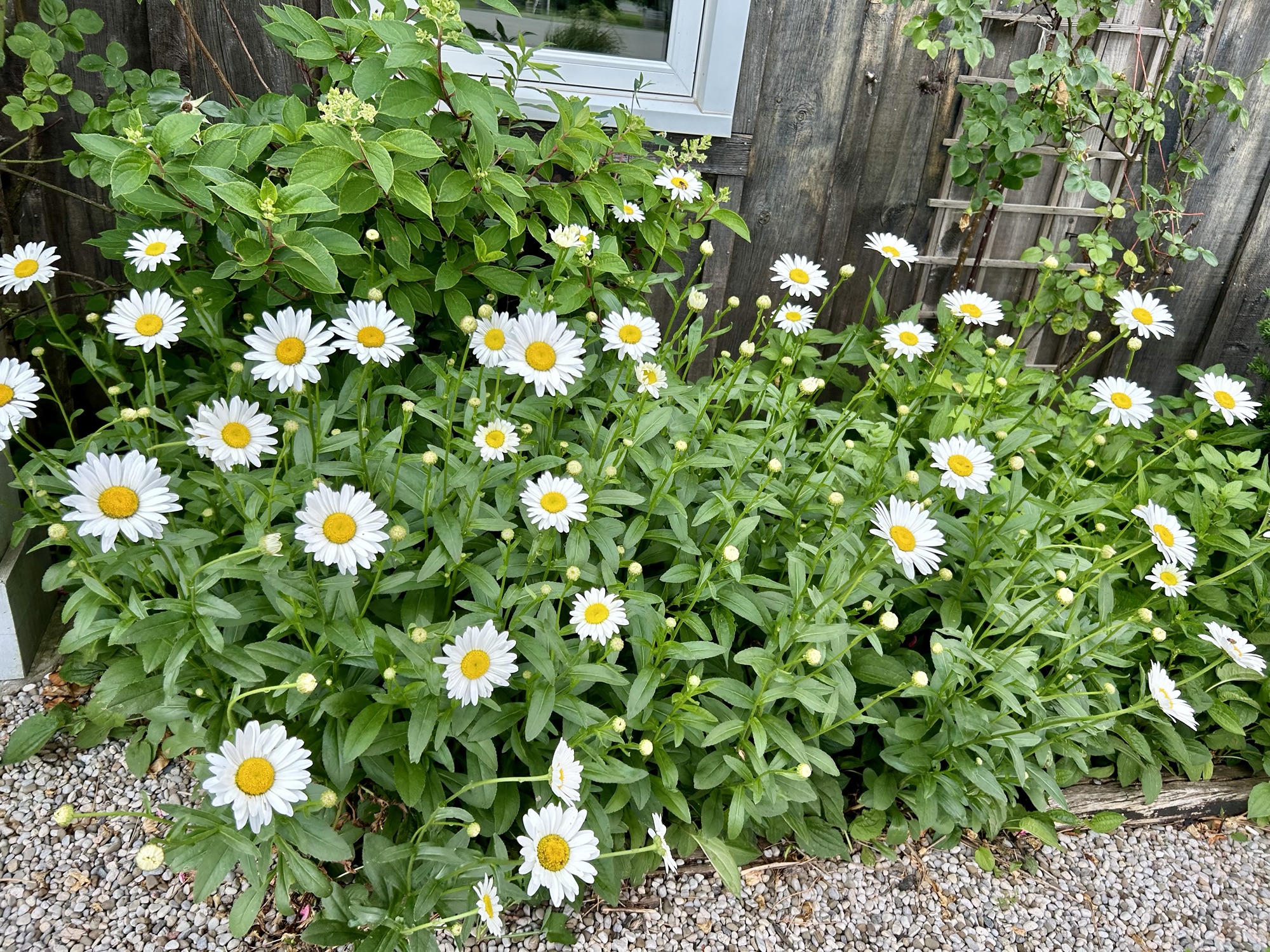
We had the good fortune of booking a couple of nights at Green Oaks Bed and Breakfast, conveniently located to all things Niagara. Surrounded by vineyards, farms, orchards, and scenic views, our B & B was located in St. David’s, not far from Niagara-on-the-Lake (NOTL). As we arrived, we took note of the B & B’s picturesque setting: draping willow trees, flower-lined walks, the expansive front porch with a patio off to one side, a large vegetable garden in the back, and chickens–as well as a few rogue squirrels–roaming a side yard. 

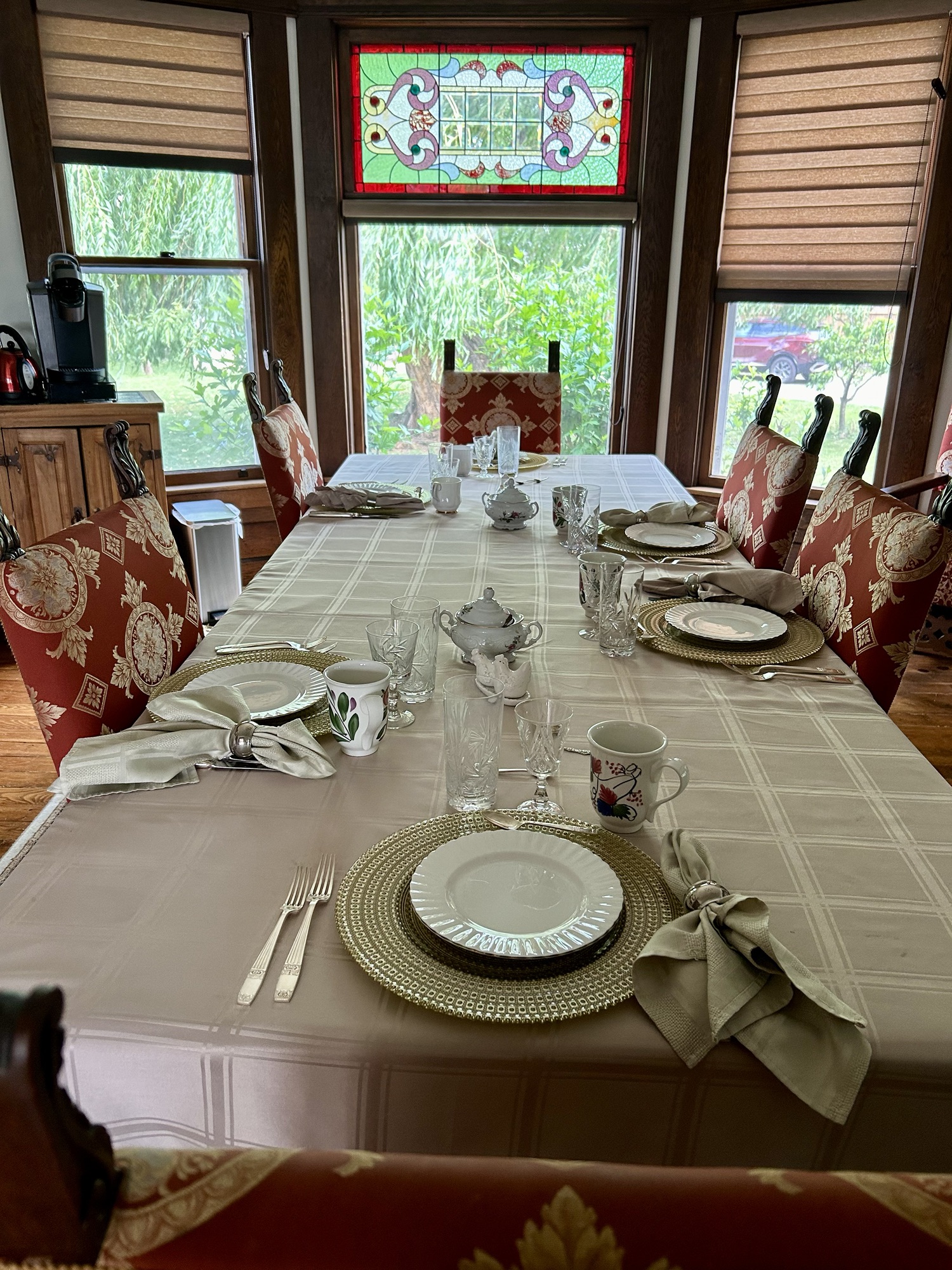
 Trish, our host at Green Oaks B & B, was  warm, welcoming, and quite engaging in her beautifully appointed home, circa 1908-1910. Her B & B sits on a winery, Ravine Vineyard Estates, and it is located 15 minutes from Niagara Falls and 10 minutes from NOTL. Numerous wineries, restaurants, and biking/walking paths are all around it, so upon our arrival, Trish set us up with a map of the area and offered tips and advice for our stay. I should further add that her “country breakfast” proved to be wonderfully delicious, and she even accommodated my dietary restrictions.

Charming and Historic 🌆

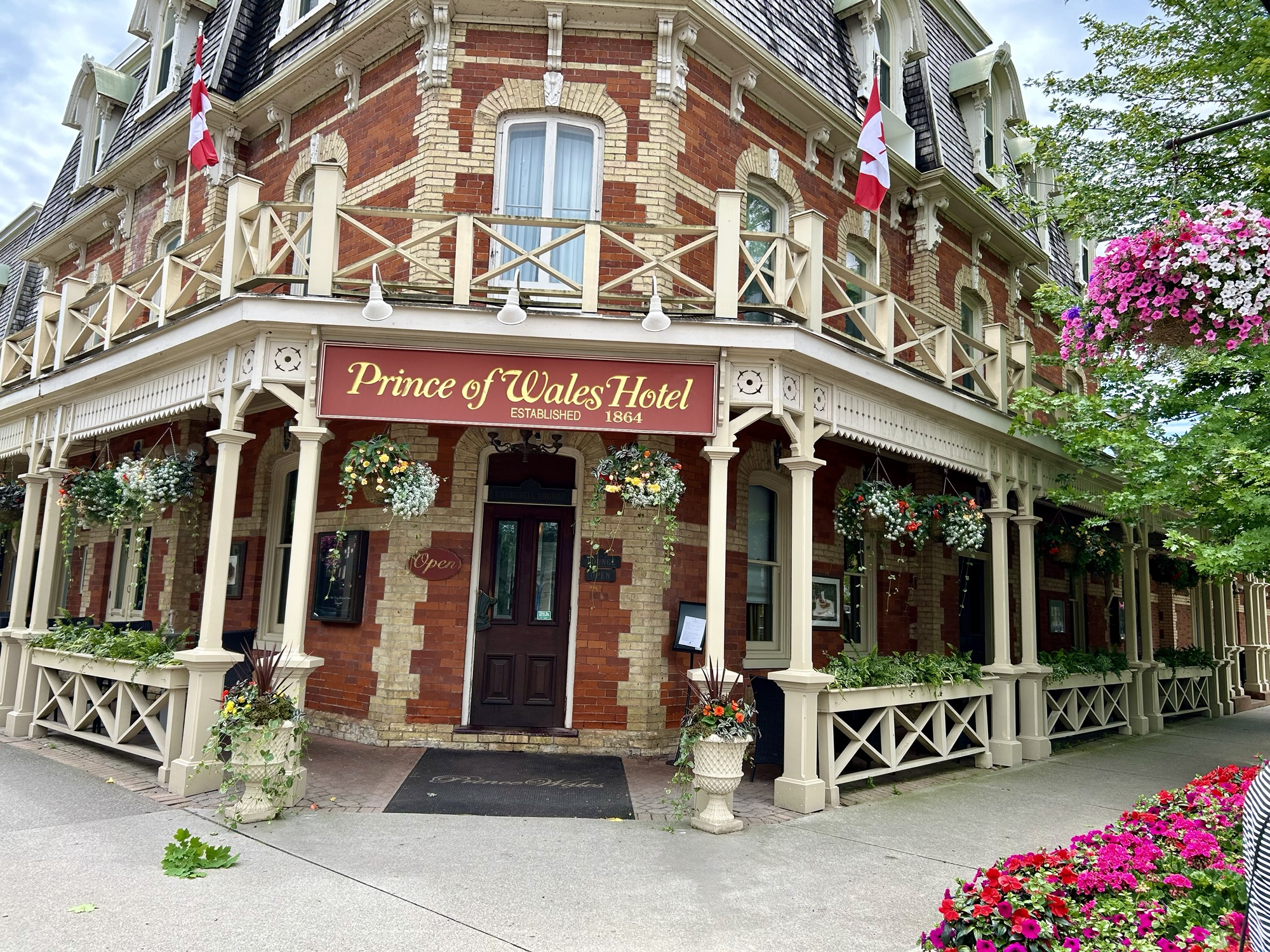
 “Old Town” NOTL, we discovered, maintains its historic, 19th-century charm.  It is often described, with good reason, as the “prettiest town in Ontario.” It is located in the heart of Ontario’s wine country.  In fact, there are nearly 100 wineries in the NOTL and Niagara Escarpment.  While the area boasts around 40 different grape varieties, the area is well-known for its Riesling, Chardonnay, Cabernet Franc, and Pinot Noir.  However, it is best-noted for its Icewine and traditional method sparkling wines. 

In fact, the availability of wine, fresh produce, and stunning floral gardens are a large part of the area’s appeal.  Wine tastings and tours are easy to schedule and quite popular.  Roadside stands and markets dot the countryside, brimming with fresh fruit, vegetables, honey, and cheeses. Some orchards and farms even advertise, “Pick your own _______,” depending upon the season, and all throughout the thoroughfares are flowers galore.

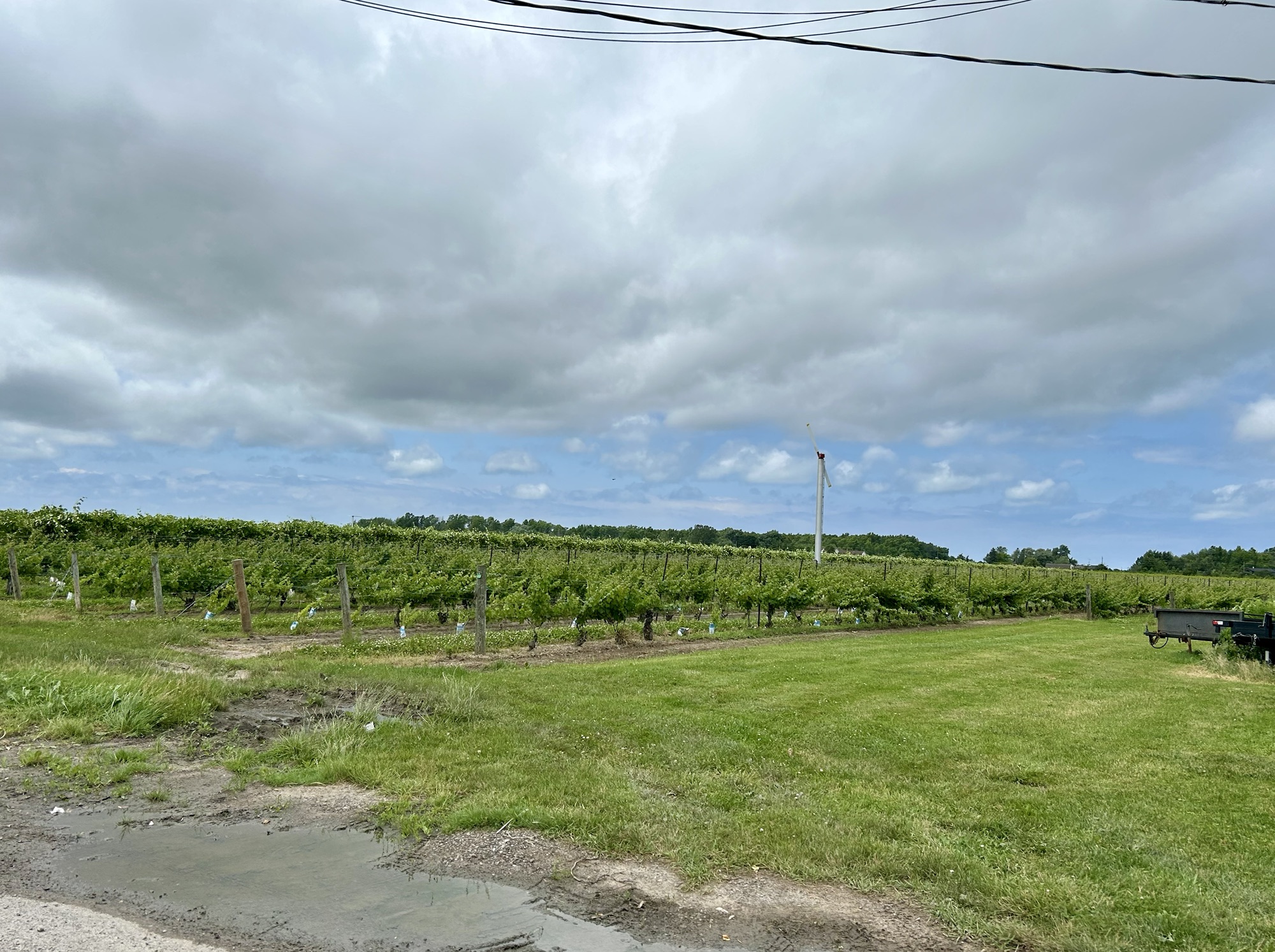
According to several sources, 90% of Ontario’s tender fruit is produced in what is known as the Niagara peninsula.  And most of that fruit is grown in orchards in and around NOTL, which John and I witnessed first hand.  We drove by miles and miles of orchards and vineyards. Specifically, we noticed the area focused on its local peaches with numerous peach-centered dishes as well as peach wine varieties in many shops and restaurants during the time we visited.

Flowers, vineyards, and orchards . . .oh my!

Places to go 🚗

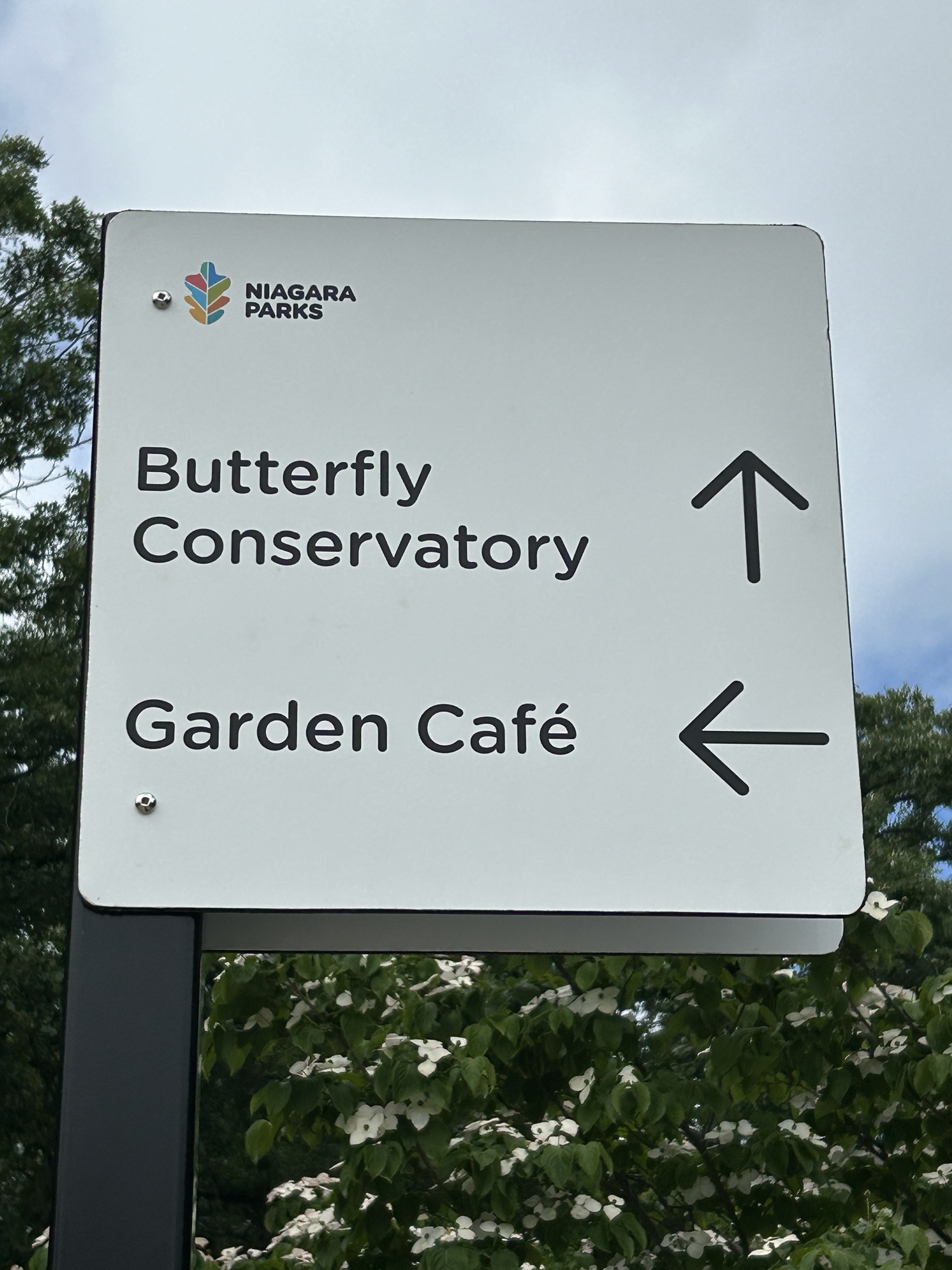
While in NOTL, John and I visited a few sites, including spending a good deal of our time strolling through the historic area of NOTL on both days of our stay.  We also visited a small, local winery, Niagara Parks Butterfly Conservatory, and  Centennial Lilac Garden.  Additionally, we had dinner at local favorites, The Grist and The Irish Harp

The Old Town of NOTL is picturesque. The streets are lush with flower gardens and lined with quaint shops.  Horse drawn carriages clip-clop through the streets, and numerous bistros and restaurants can be found interspersed between shops. Historic buildings can be seen throughout the town, while throngs of tourists mingle about the sidewalks. Honestly, simply walking along the streets and side streets was a fascinating experience for John and I as we listened to multiple languages being spoken all around us. 

Wine Country 🍷

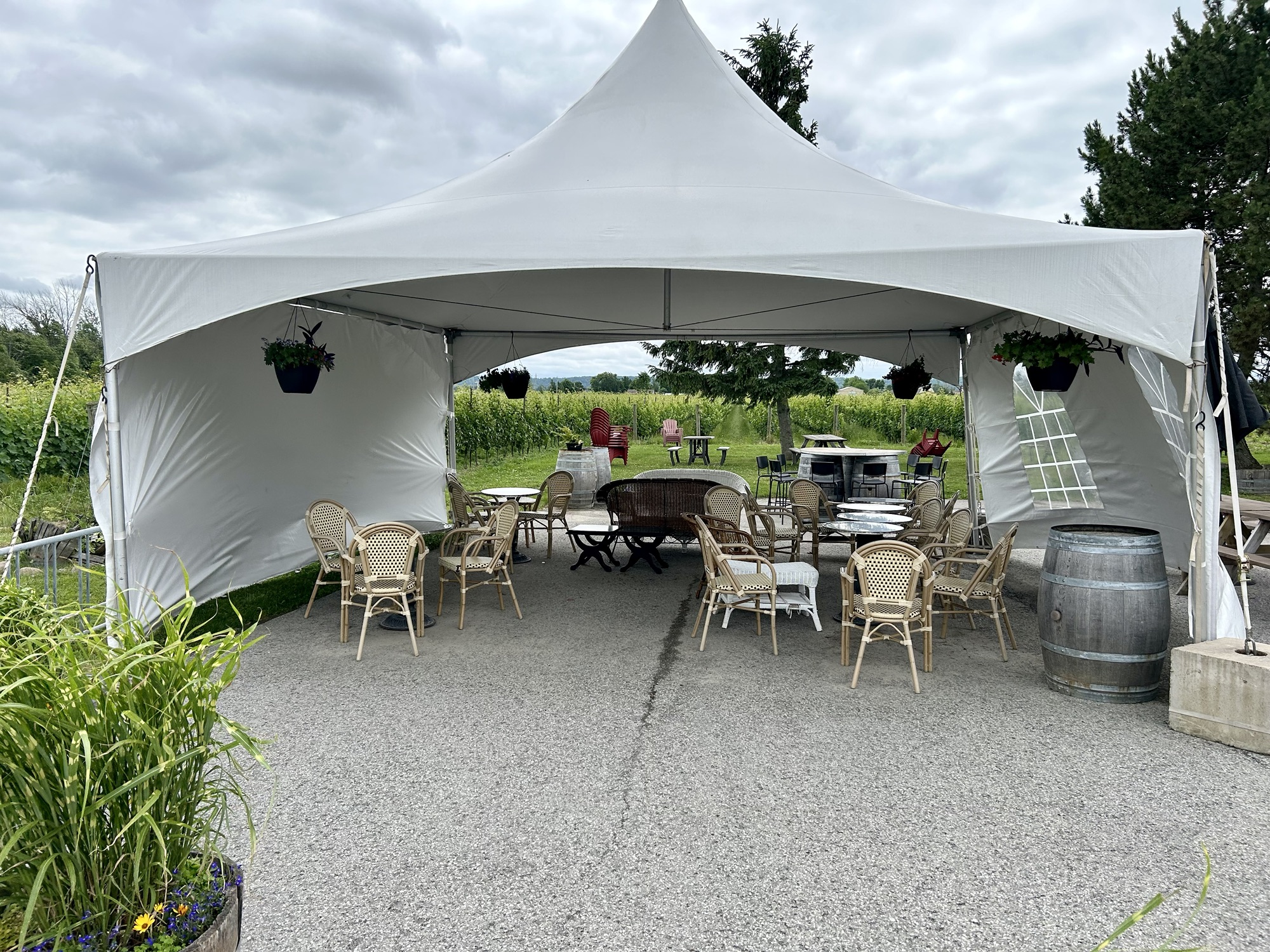
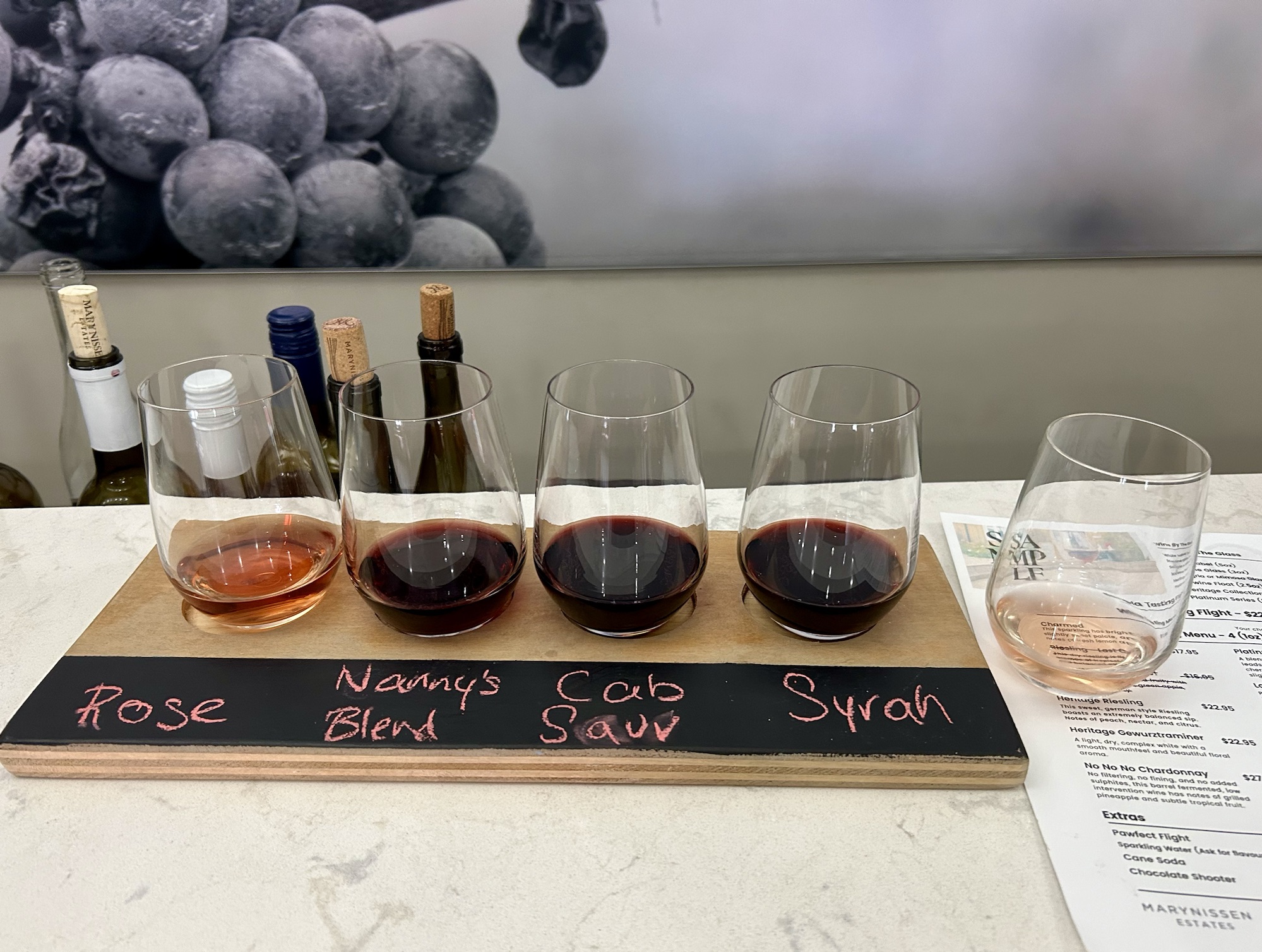
The local winery we visited was Marynissen Estates. This winery was not far from our B & B.  This estate focuses on “small-lot winemaking.”  A former pig-farm, the Marynissen Estates’ land was purchased in 1953 by founders, John and Adrianna Marynissen, and it has the oldest commercial planting of Cabernet Sauvignon in Canada. This vineyard offered tastings or a by-the-glass experience.  John and I opted for a tasting flight while learning about the estate’s winemaking process and history. 

butterflies and flowers

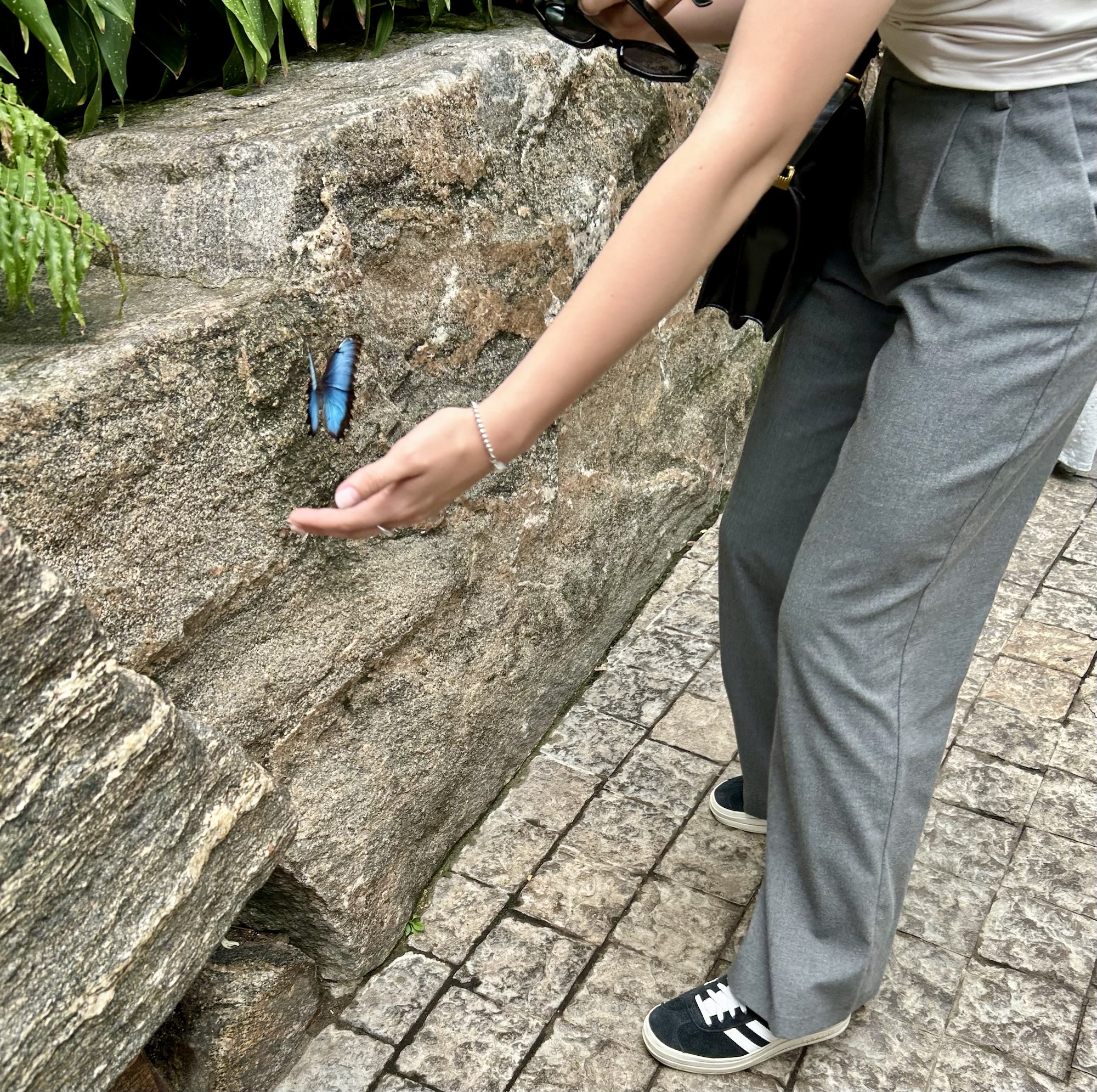
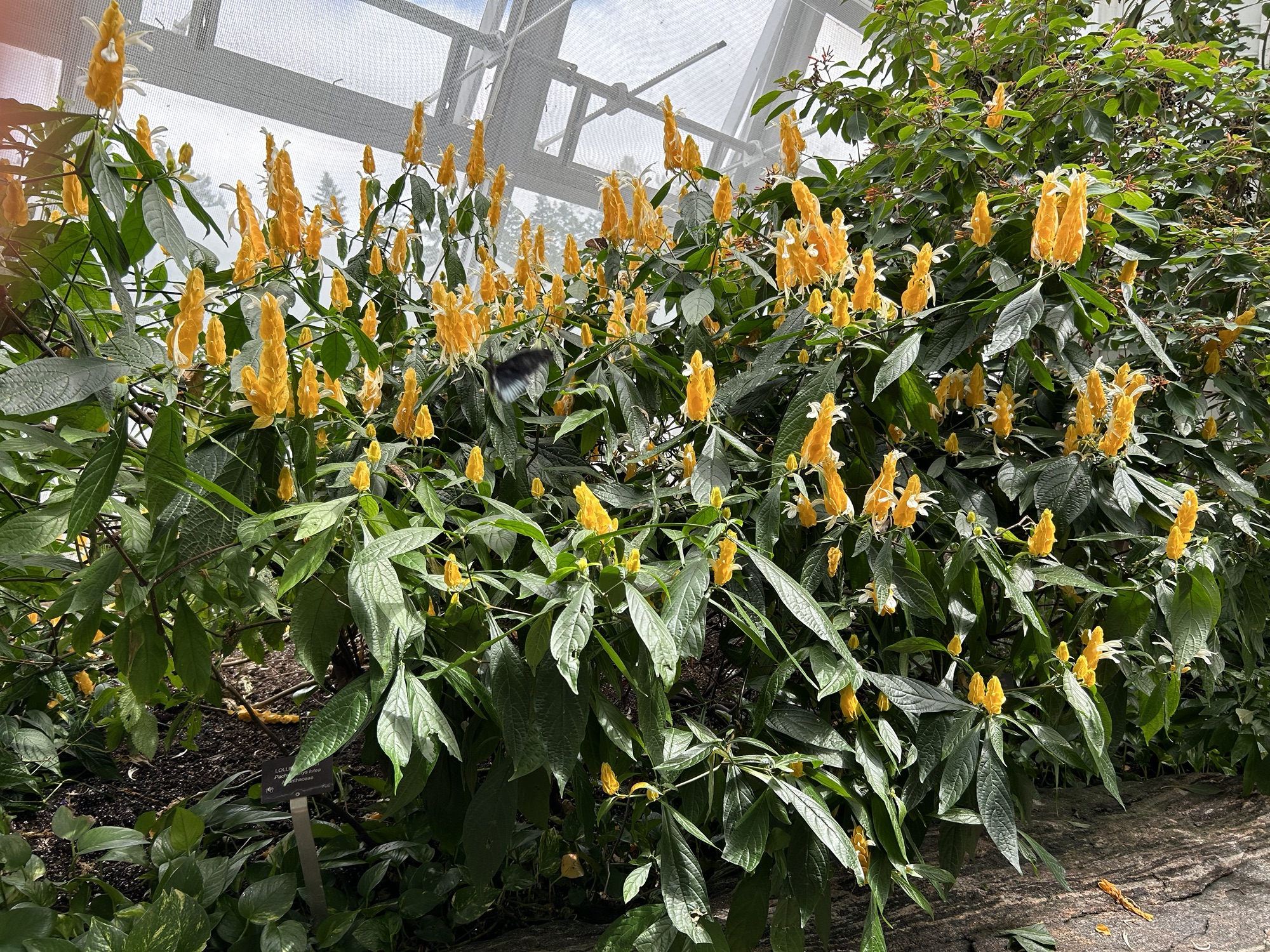
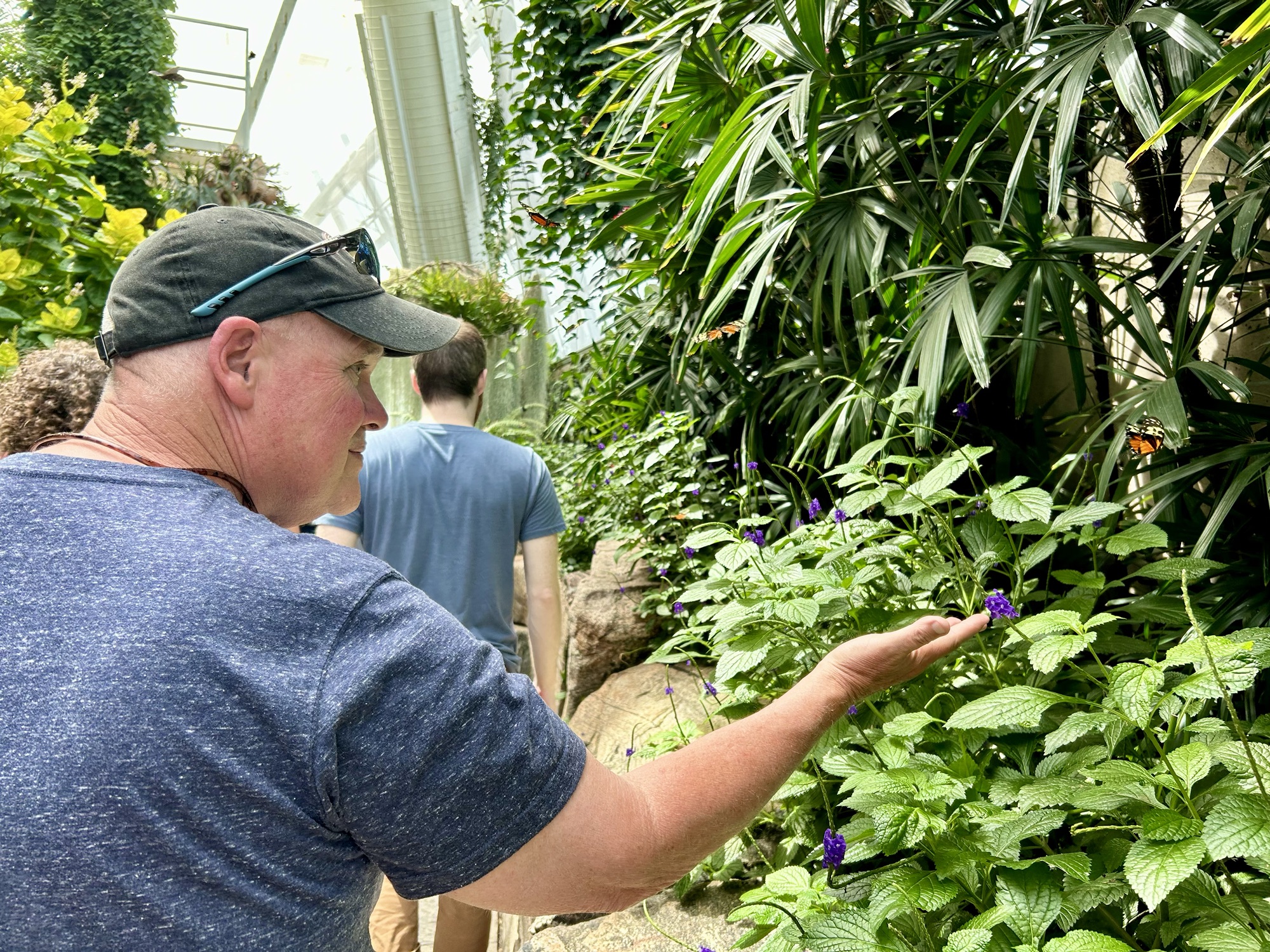
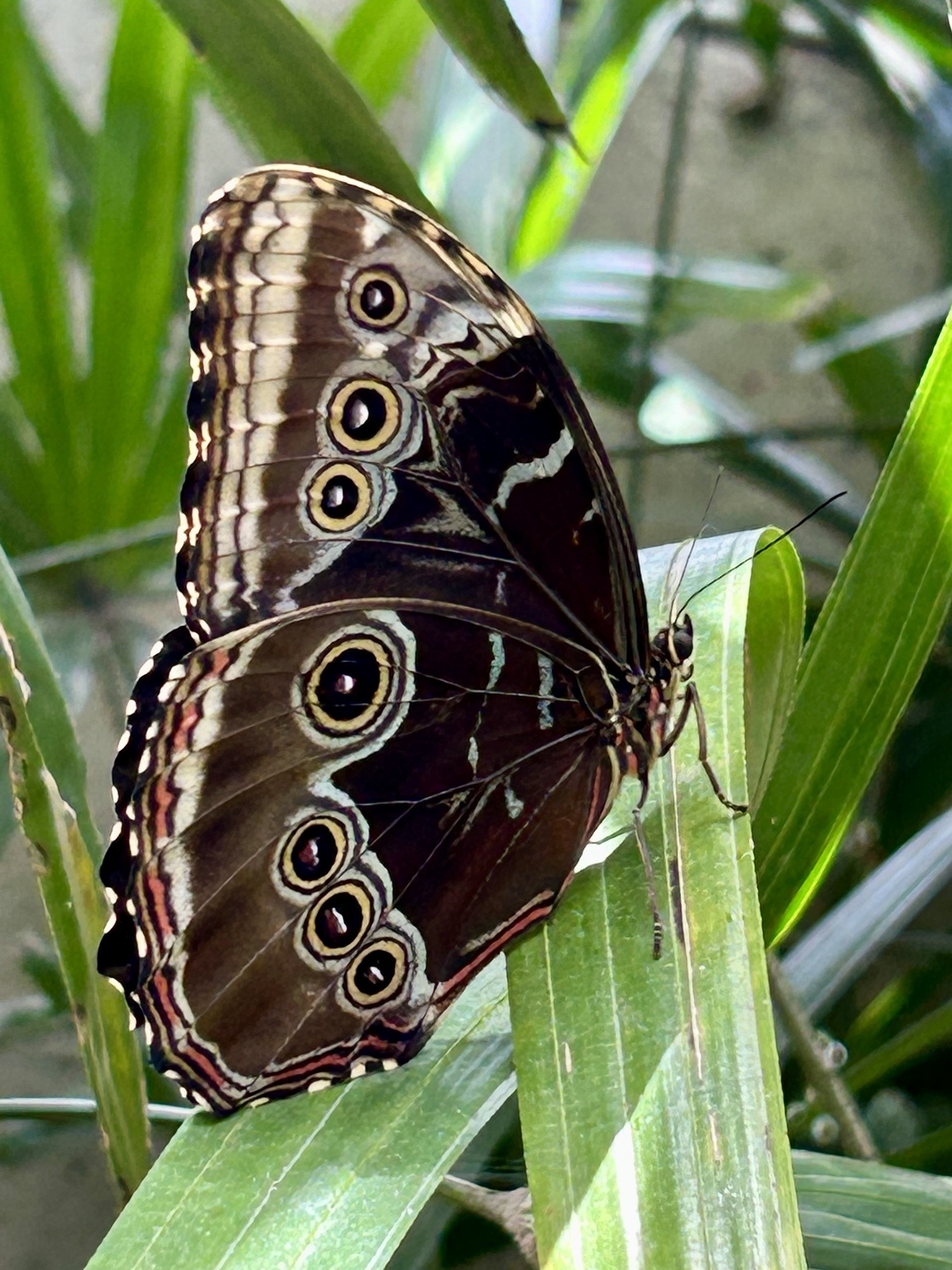
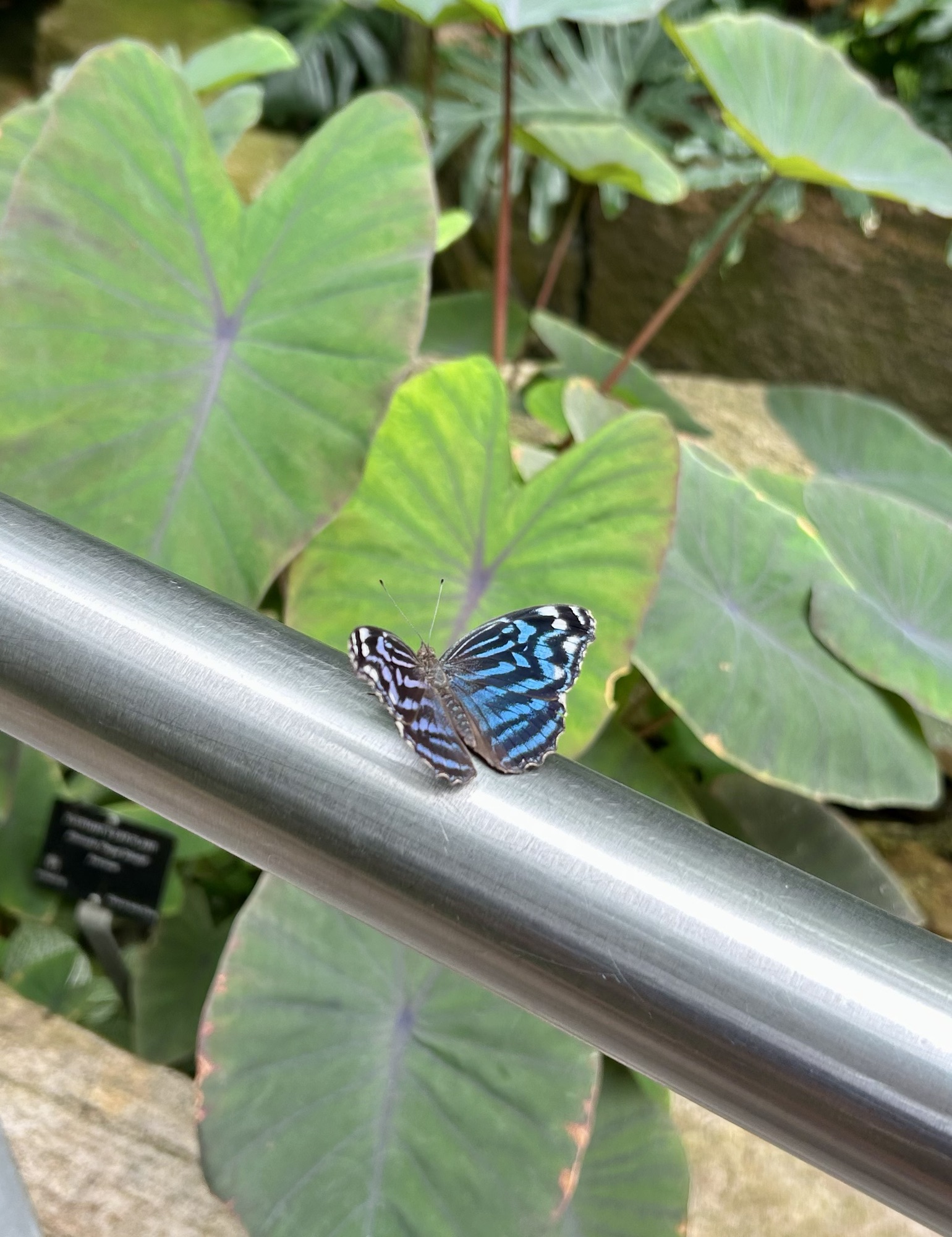
Afterwards, we drove through the verdant countryside, on the Niagara River Parkway towards the Butterfly Conservatory. This was an amazing experience as it boasts the largest glass-enclosed butterfly conservatory in North America, and it was filled with a plethora of prolific tropical vegetation. Within those glass walls were over 2,000 colorful butterflies zipping about the plants, waterfalls, and visitors.  Outside the conservatory, the grounds offered winding paths with benches surrounded by a proliferation of flowers, grasses, shrubs, and other forms vegetation all labeled and identified for visitors   

On the way back from the butterfly conservatory, we stopped by the Centennial Lilac Garden.  This ten acre area of land was overflowing with lilacs in a range of colors as well as a heady variety of fragrances. 

While visiting the lilac garden, we were also able to check out the Floral Clock, a clock made of flowers that keeps time and chimes every quarter hour! According to the official website, the floral design is changed twice per year with 15,000 to 20,000 carpet plants and annuals.  It was quite the impressive attraction!

Good Eats 🍔 🥗

Both nights were filled with delicious dinners. The Grist advertised itself as a “craft kitchen and brewery” with a family-centered atmosphere located in a refurbished barn that was once used as a packing shed.  It was located in St. David’s, about 10 or so minutes outside of NOTL, in the midst of farm/vineyard/orchard country, not far from our B & B.  Their pizzas, burgers, and other eclectic original dishes were clearly favorite fare with local residents as the place was packed. 

Meanwhile, for the second night’s dinner we headed into historic NOTL and dined in The Irish Harp, which had live music. Though the food offerings were completely different from the previous night, our meals were every bit as tasty.  As with the other restaurant, the pub was absolutely packed on the night we visited.

If you are looking for a unique adventure, and you don’t mind traveling, NOTL offers something for everyone–from the shopper, to the outdoors enthusiasts, and from the site-seer to the foodie.  While we happened to visit the area when it was alive with peak produce, flora, and fauna, I have every reason to believe that all seasons in NOTL offer unique and exceptional experiences for travelers.  This is definitely one area I highly recommend visiting if you have never before visited.  I know I hope to return one day!

Embracing Darkness: The Lotus Flower’s Lesson of Hope and Resilience

“Most people are afraid of suffering. But suffering is a kind of mud to help the lotus flower of happiness grow.  There can be no lotus flower without mud.”–Thích Nhất Hạnh

FAcing Difficult Days 😟

How many of us have endured through difficult and murky situations?  How many more of us have observed/supported a loved one undergoing a dark and/or dire situation?  Whether it is personal suffering or suffering of a loved one, we have all either experienced or observed painfully dark days; I know I have. 

Sometimes the difficulty can create so much suffering, it feels as if a pack of wolves have hunted us down, snipped and yipped at our heels, and are now chewing away at our insides.  Sleep may no longer feel like an escape, and even if part of the difficulty causes physical pain, it is often the pain caused by our own minds and heart that can hurt the most. 

Photo by Pixabay on Pexels.com

Quotes to Get you Through 📝

There are a couple of quotes and an image I have come to appreciate over the years. They tend to come to mind when I feel knocked down by life. I think of them as a mental antidote for counteracting my fear when facing down a difficult situation.

Keep getting up no matter how many times you fall.

One quote is a Japanese proverb: “Fall down seven times, stand up eight.” This saying is hope-centric, and it means a great deal to me.  It serves as a reminder that no matter how many times we make a mistake or life events knock us down, we must still find a way to get back up.  This doesn’t mean it’s easy.  Sometimes, all we can do is claw, crawl, and clatter until we find the resolve and strength to stand once more.

Rise like the sun

Another inspiring quote by Maya Angelou: “Still I rise.”  While the author writes of her oppressive and challenging experiences as a black woman, the phrase’s universal theme of resilience in the face of struggles can speak to all of us. Those three words are filled with a bold defiance in the face of suffering.
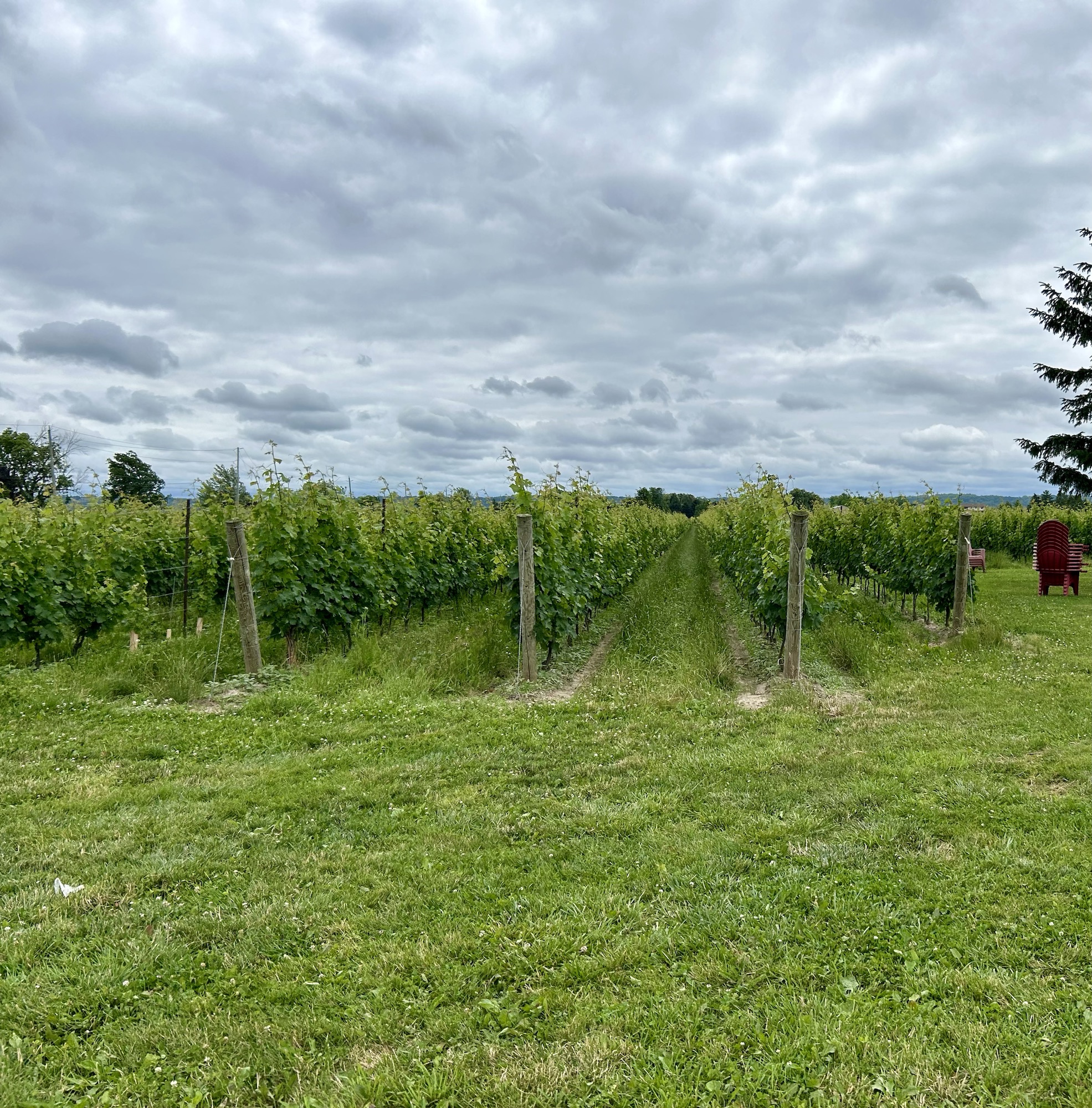
Photo by Celeste 2305 on Pexels.com

Lotus are Adaptable 🪷

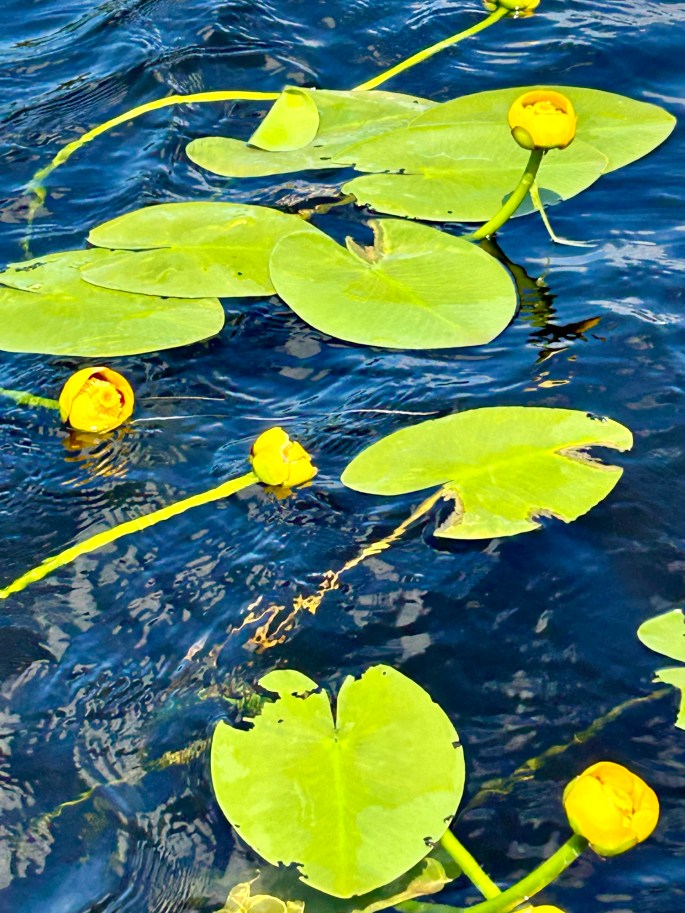
Both of those quotes culminate in the symbol of the lotus, the ultimate emblem of perseverance and tenacity. This aquatic flowering plant has been admired and a part of lore for centuries.  The more colorful lotus are tropical in nature and are most notably found in Asian countries.  However, the lotus plant is quite adaptable, and an American variation can be found along the east coast in waters ranging from Ontario, Canada to Florida. 

Lotus Persist 🌱

Because the lotus plant grows in a variety of environments, it has developed a method of ensuring its continuation. Once pollinated, the lotus releases large quantities of seeds into the environment. Many of these seeds will be eaten by aquatic life; however, the seeds, as I understand it, are quite durable.  Some lotus’ seeds can get up to 1.5 inches in size, surviving for several years, long past the life of the flower.  In fact, the seeds can persist in conditions that would prevent many other types of seeds from germinating. 

Lotus Aren’t AFraid of The Dark 🌑

Once germinated, the seeds begin sprouting in the mud, sending roots down even deeper into the muck.  Depending upon the plant and the depth of water, it can take from two weeks to two months for the plant to grow up to six feet tall through the murky water. As the round leaves reach the top of the water they can fan out in width up to 36+ inches wide. Once the plant has fully surfaced, the flower will begin to grow and ultimately bloom. 

Short life, Deeply rooted 🙏

Each American Lotus flower, with its butter yellow petals and fragrant aroma, will only last a few days, opening its petals during the day and closing the petals at night. The blossom appears to be free floating, but it remains rooted in the mud. During its short duration, the flower will bear seed pods that resemble the end of a watering can or shower head, ensuring multiple seeds from each flower will be dispersed back into its environment.

Lotuses ShaRe 🫱 🫲

Both the seeds and roots can be eaten, and parts of the plant can be used for medicinal purposes. Seeds pods can be dried and used in flower arrangement.  Additionally, due to the fact that lotus flourish easily in a variety of areas, even in the murkiest of waters, these plants provide shelter, habitat, and food for a variety of aquatic wildlife.  Each fall, however, the plants die away.

Gifts can arise from dark places

Therefore, the lotus is a prime example of the way in which gifts can rise from the darkest of places. Despite the fact the lotus is born in the mud, it rises to stand victoriously every spring.  Upon rising, its blossoms bear seeds to ensure it has a way to stand back up.

Seeds of hope, help, and healing

Beyond the fact the lotus has planned for its inevitable fall, it also offers seeds of hope and nourishment for others. Each flower produces an overabundance of seeds, many of which will settle into the mud for rebirth, but many more of those seeds will provide food for other living creatures. Additionally, those mud-buried lotus roots also provide nourishment not only to the plant itself, but can also nourish others.  Not to mention that the plant has medicinal qualities, offers shelter to others within its aquatic community, and beautifies a variety of environments.

Photo by Hiu1ebfu Hou00e0ng on Pexels.com

Lotus Life 𑁍

Let us live like the lotus flower. When we experience those dark and difficult times in our life, let us root down into the loam of our soul and allow faith to germinate a seed of hope. By rooting through the muck and into the nourishment of our faith, we can rise. It may take weeks, months, or even years, but we can rise and blossom once more.

Once on the surface, it is our job to produce good seeds of hope and help for others.  Even if our calm waters fade away and we find ourselves sinking into the inky dark once more, still we can rise.  We have done it before; we can do it again.  And with each new revival, our blooms can continue to offer more gifts to the world.  No matter how darkly rooted our past or present was/is, no matter the number of times it occurs, we can stand up, we can rise, we can bloom, and we can embody the lotus, offering shelter, nourishment, and healing hope to others.