Chocolate Cherry Berry Smoothie

“If you’re one of the many people who struggle to eat enough fruits and vegetables each day, adding smoothies to your diet may help.”–WebMD

Photo by PNW Production on Pexels.com

Why Make a smoothie? 🍓🍒🫐🥬

I love a good smoothie, but I am often questioned about why make a smoothie when I could eat the same foods for your breakfast or lunch? It’s a fair question. Personally, I enjoy eating a good meal.  However, if, like me, your morning is busy, the day’s schedule is packed, and even your lunch time is a working lunch, a smoothie might be one way to ensure a healthy dose of nutrition for at least one meal.

The key to a balanced and nourishing smoothie is whole food ingredients, with heavy emphasis on fruits and vegetables, in order to get a healthy mix of carbohydrates, protein, and fats.  This ensures your smoothie is full of fiber, has a wide variety of vitamins, minerals, antioxidants, and other beneficial nutrients. This is why I advocate for making your own smoothie, rather than buying it, so that you can control the ingredients.

customize your own creation 🍎🥭🍌
Photo by T Leish on Pexels.com

Smoothies are customizable; therefore, even though I am sharing my latest smoothie recipe, you can feel free to swap out one whole food ingredient for another.  For example, if you need to avoid seeds in your diet, but you want to maintain a dose of healthy fats, swap the seeds for an avocado. (Some grocery stores sell frozen bags of avocado cubes.)  If you don’t have one of the fruits on hand the recipe calls for, use what you have on hand. (I do this all of the time.) 

Sure, switching one ingredient for another, may somewhat vary the taste, texture, or nutritional content.  However, as long as you’re swapping out one fruit for another, one vegetable for another, and so forth, you are still overall increasing the consumption of fruits, vegetables, and other healthy nutrients–which is the goal. 

Smoothie benefits✨
Photo by Milada Vigerova on Pexels.com

Here are the benefits (the pixie dust) of the ingredients in this recipe:

Spinach or cauliflower:  These cruciferous vegetables are chock full of essential nutrients that are associated with lowering risk of chronic disease, such as cancer and heart disease.

Cherries: This fruit is full of polyphenol antioxidants which can protect our heart from cell damage and may reduce inflammation.

Blueberries: Full of flavonoids, especially anthocyanins which gives the fruit its gorgeous hue, blueberries are associated with reducing oxidative stress that can lead to inflammation among numerous other benefits. 

Banana: In addition to being an excellent source of potassium, bananas, especially when frozen, lend a creamy texture to smoothies.

Prunes: These luscious orbs are full of fiber, potassium, vitamin K, and boron.  The latter two ingredients are key to bone building health.

Cinnamon: The National Institutes of Health describes cinnamon as a “multifaceted medicinal plant that is “an antioxidant, anti-inflammatory, antidiabetic, antimicrobial, anticancer, lipid-lowering, and cardiovascular-disease-lowering compound, cinnamon has also been reported to have activities against neurological disorders, such as Parkinson’s and Alzheimer’s diseases.”

Cocoa powder:  This much beloved ingredient is also full of flavonoids, which have been shown to lower blood pressure and increase blood flow to heart and brain.

Protein powder: Obviously, this ingredient increases the protein content of your smoothie, but it affects texture by making it creamier.

Seeds: These tiny, but mighty ingredients, contain alpha linolenic acid (omega-3 fatty acid) which may increase brain function and boost the immune system.  In addition, they are full of fiber, protein, and a variety of minerals. 

Beet juice: Beets are rich in nitrates that the body converts to nitric oxide which helps with blood flow and lowers blood pressure.  Additionally, beets are full of other beneficial nutrients as they are also part of the cruciferous family. ( I rarely include juice in my smoothie recipes, but this is one juice I will add.)

Whole Food ingredients that can even be made ahead of time! 🍍🥝🍑
Photo by Lisa Fotios on Pexels.com

As you can see from the nutritional deconstruction of this recipe, smoothies made with whole food ingredients can be a healthy part of your daily dietary intake. They can be easily made from frozen fruits and vegetables, so you don’t have to waste what you don’t use. 

Furthermore, smoothies can be made ahead of time, such as the night before.  They can even be made several days ahead of time and frozen, which is what I often do.  Then, it’s simply a matter of removing one from the freezer the night before and placing it in the refrigerator.  The next morning, grab the container and go. It can either be sipped on the way to work or saved for later time in the day.   All that is required is to give the smoothie container a good shake, and you have a perfectly chilled, thick, and creamy delight that is not only tasty but is also contributing to the body’s overall health and well being.

High Quality Blenders can’t be beat 🍐🍇🍊

Photo by Mikhail Nilov on Pexels.com

One caveat I will mention is that it is worth investing in a quality, high powered blender if you are one who frequently makes smoothies as I do.  I actually purchased a certified reconditioned model, directly from the factory.  It automatically came with a five-year warranty, and the company’s customer service has been outstanding.  This is not only a cost-effective way to get a quality, high-powered blender, but it also promotes sustainability. Win. Win.  

From my home to yours, I wish you health, happiness, and peace.
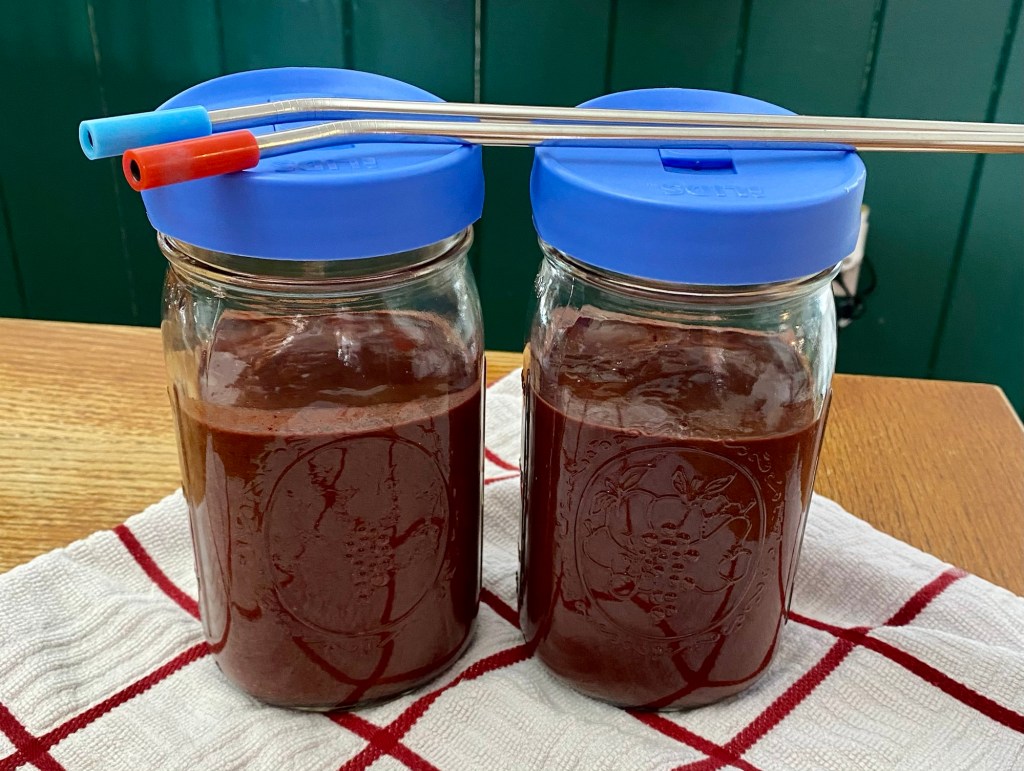
Blend two at a time. Drink one, share one, or freeze for another day!

Chocolate Cherry Berry Smoothie

Ingredients:

2 cups frozen spinach or riced cauliflower 

1 cup frozen cherries

1 cup blueberries

1 ripe banana, frozen if possible

¼  lemon with its peel (remove seeds)

 2-4 prunes (can substitute medjool dates)

2 tablespoons cocoa powder

1 teaspoon cinnamon

vanilla protein powder

2-4 tablespoons flax, hemp, or chia seeds

2 cups water OR 1 cup beet juice + 1 cup water (Can substitute pomegranate juice for beet juice.)

Directions:

Place all ingredients in the order listed in a high powered blender and blend from one minute or until smooth and creamy.

Serves 2

Cranberry Smoothie: Say “Cheers” to your health

“Packed with antioxidants, this fruit can help keep your teeth, heart, and gut healthy.”clevelandclinic.org

What a Saucy Idea💡

Over Thanksgiving week, I purchased fresh cranberries with the intention of cooking up some homemade cranberry sauce.  However, I never got around to making it, and I wondered if I could, instead, add them to a smoothie.  Turns out, not only could I add them to my morning smoothie, but by adding them, I could amp up my own nutrition! 

Okay, so I tried to eat them raw, and they are really tart, like suck-the-saliva-out-of-my-mouth-tart! Nonetheless, I wasn’t deterred, especially once I read numerous current articles about all their healthful benefits. In fact, cranberries are often classified as a superfood due to their high nutritional value and antioxidants properties. 

Are Cranberries a Berry?🍓🫐

Cranberries are related to blueberries, but grow on vine-like plants similar to strawberries. Like blueberries, cranberries, by definition, are not true berries.  Instead, they are what scientists call a “false berry” because their fruits grow below the flower.  Nonetheless, it appears that the food industry still tends to classify cranberries (and blueberries) in the same categories as other berries.  As a group, according to nutritionfacts.org, berries “average ten times more antioxidants than any other fruit or vegetable.” Specifically, cranberries have “the highest fresh weight concentration of polyphenols (a strong antioxidant that complements and adds to the function of antioxidants) among commonly consumed fruit in the U.S.,” according to The National Library of Medicine.

This concentration of polyphenols may be why cranberries possess beneficial properties unique to them.  Research  has shown that cranberries lower the risk of urinary tract infections (UTIs).  This may be due to their high levels of proanthocyanidins (PACs), which prevents certain types of bacteria from sticking to the walls of the urinary tract.  These same PACs may protect against a type of bacteria that causes tooth decay. Additionally, cranberries have been linked to reducing risk for certain types of cancer.  They are also known to boost the immune system, reduce inflammation, and improve blood pressure.  

Given these facts, it is clear to see why cranberries should be incorporated as part of a healthy diet.  This brings me full circle to my motivation for now incorporating them as part of the regular rotation of a variety of whole food ingredients I incorporate into my daily smoothies.  When using cranberries, I have learned to blend their tangy taste with other flavor profiles to round out their taste and also gain the most nutritional bang for the buck.   

Sippin’ up the goodness🥤

Below is a recipe I now blend up repeatedly as part of my weekly smoothie rotation–usually twice per week. It incorporates other berries too since, as a whole, berries are a solid nutritional choice.  My recipe  also incorporates the creamier and sweeter tastes of mango and banana–both of which are nutritious in their own right. I also like to add vanilla protein powder to not only round out the flavor, but to also boost my protein intake–an important consideration at my age. There are further ingredients–mostly spices–that I use for their unique and beneficial properties, but they are optional as they don’t enhance or detract from the overall taste.

Remember, most nutritionists encourage us to eat the rainbow when it comes to fruits and vegetables. Cranberries, with their dark red color, can definitely be one of those colorful choices.  Furthermore, smoothies are one easy way to contribute to your overall daily intake of that rainbow-array of fruits and vegetables as part of a well-rounded diet.  They can be made ahead of time, if desired, and refrigerated for up to three days, or frozen in tightly sealed containers for up to three months.

Manifest Good Health✨

Smoothies, like this one, are my own private health manifestation.  While I know they are not the end-all, be-all when it comes to nutrition, I do know the whole food, plant based ingredients that I put in mine are high in quality nutrition and not full of artificial ingredients or sweeteners.  They are also full of fiber to keep the digestive system operating, well, “smoothly.” Plus, they are an easy way to get a serving of both vegetables and fruit in one tasty, fell swoop.  

From my home to yours, I toast my smoothie glass to yours and wish you much health and happiness this holiday season. 

Drinking up the goodness!

The Recipe📝

Cranberry Smoothie

1 cup frozen riced cauliflower (You won’t taste it!)

1 cup frozen strawberry, mango, blueberry mix (or any other berry mix)

1 whole banana, can be frozen

½ fresh cranberries

1 whole medjool date, or other natural sweetener 

½ teaspoon cinnamon

2 scoops vanilla protein powder

2 cups water

Optional anti-inflammatory and immunity add-ins:

2 teaspoons black elderberry syrup

½  teaspoon ground ginger

½  teaspoon ground turmeric

⅛  teaspoon black pepper (only if adding tumeric)

Put everything in a high powered blender in the order listed.

Blend for one minute.

Serves 2
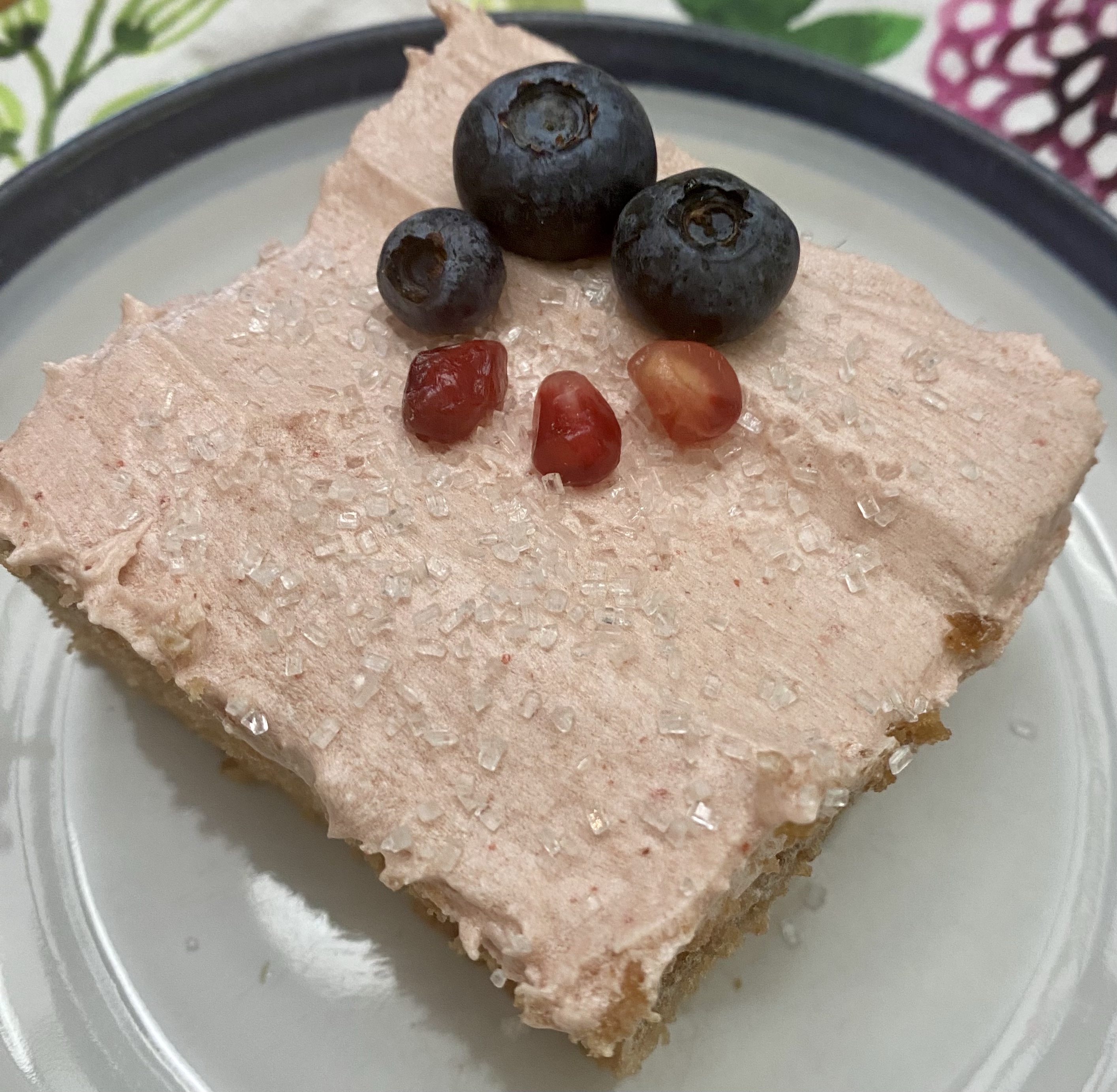
Aunt Patty’s overflowing-with-goodness pound cake

Pound cake is so named because its original recipe called for a pound of each of its four ingredients: sugar, eggs, flour, and butter.”–Britannica 

Pounds of Appreciation 👩‍🏫

When I was a very young child, my mom would bake pound cakes for my siblings’ and my elementary teachers during the holidays.  I honestly do not remember for how long she kept this tradition going, since there were four of us kids.  What I do recall is carrying the cake into my classroom with great pride.  It was a family favorite recipe, so I felt like I was giving a grand prize to my teachers–a whole cake. 

sweet tooth cravings 🦷

As a young adult, I asked my mom for the recipe, which is when I discovered it came from my Aunt Patty, my mom’s oldest brother’s wife.  It was one of those recipes I made a couple of times before it became relegated to my recipe basket filled with index cards of recipes seldom used.  However, strangely enough this summer, I got a hankering for pound cake, and I dug out the recipe.

As soon as I read it, I realized that the recipe was back when I was ignorant to my celiac diagnosis.  Now I know why my stomach hurt every time I ate it!  I decided to try to create a gluten-free version of it.  It was NOT easy.

overflowing with love 🥮

My first adaptation overflowed into the oven.  It was a mess!  The good news was that the remaining batter that fully baked in the pan tasted good, so I was on the right track.  After spending a good hour, and then some, cleaning the oven, I was back to the drawing board.

I did more research and visited three sites for whom I have found reliable baking information in the past.  These sites helped with adapting the ingredient amounts of Aunt Patty’s original recipe to a gluten-free version. Mama Know Gluten Free confirmed my addition of vinegar to the original recipe.  King Arthur’s website inspired the idea of making the cake more decadent by adding a glaze to the top.  Finally, Land O Lakes helped me get clear on the correct cake pan size. 

The taste of sweet success 🍰

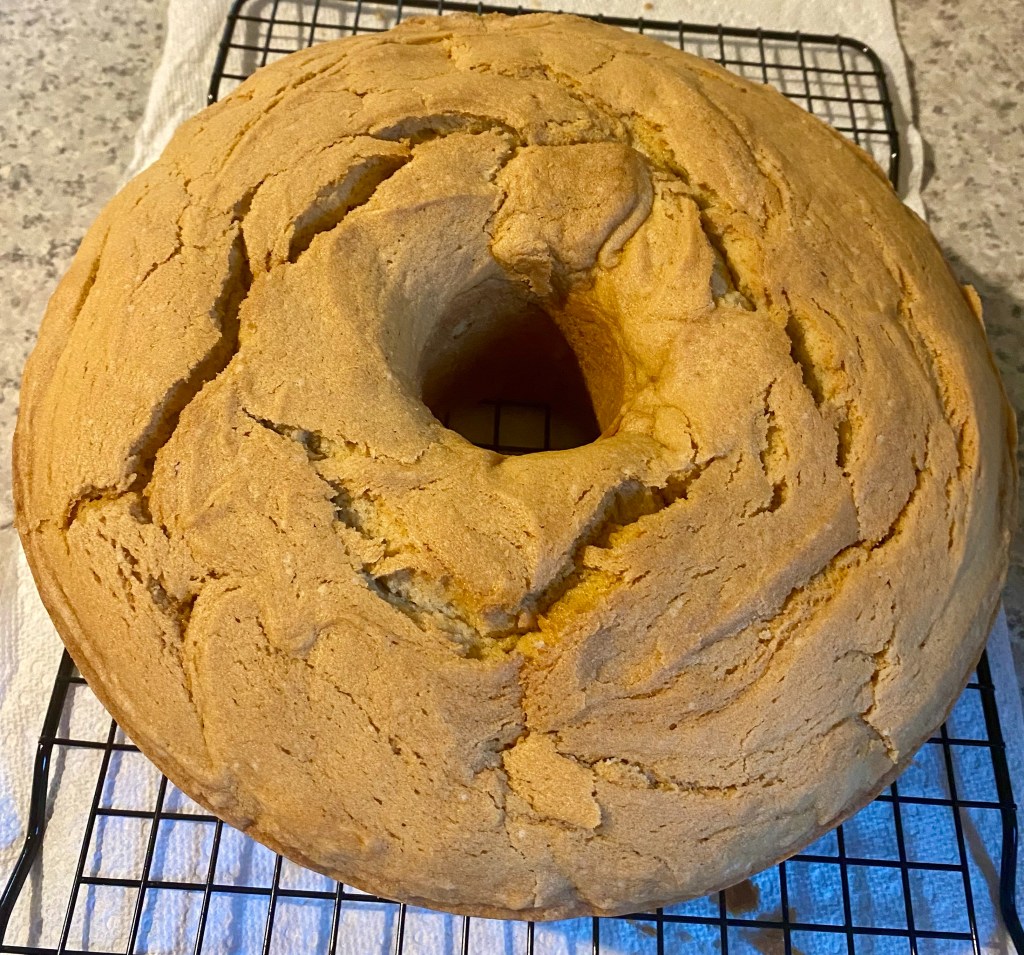
Cool on a rack first

Once success was attained, I knew I had to channel my former inner-child and share this gluten-free variation of Aunt Patty’s pound cake recipe. I’ve noted several adaptations/modifications that anyone can choose to bake a pound cake that meets dietary needs and/or taste preferences.  My mom often baked hers with cocoa powder, but for my gluten-free variation, I have not yet tried it, but I do plan to try that in the near future.

The gift of homemade goodness 👩‍🍳

Drizzle with glaze if desired.

In the meantime, as the holiday season is now upon us, give yourself, or someone special, the gift of decadent simplicity that can result when you mix and bake flour, eggs, sugar, butter, and few other simple ingredients!  From my home to yours, I wish a healthy and happy holiday season filled with “overflowing” homemade goodness from the kitchen!

Pounds of Saucy Goodness 🍯

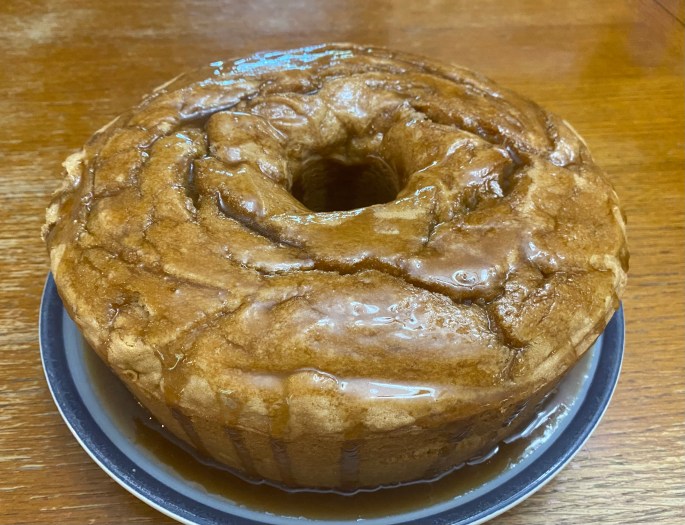
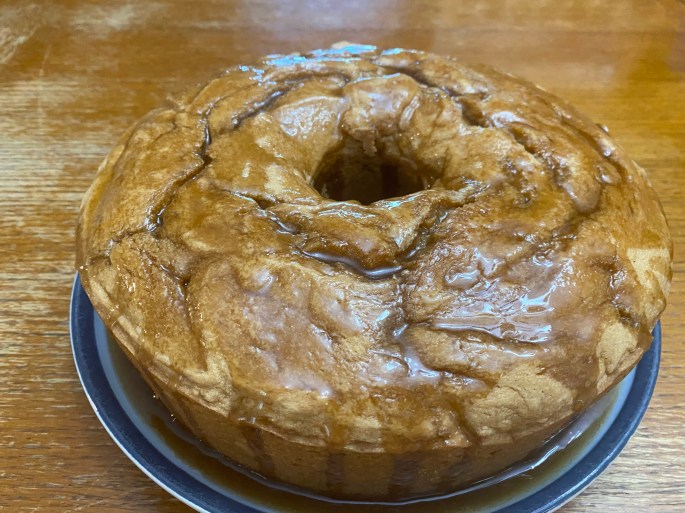
Drizzling with good taste

Serve it up! 🥮

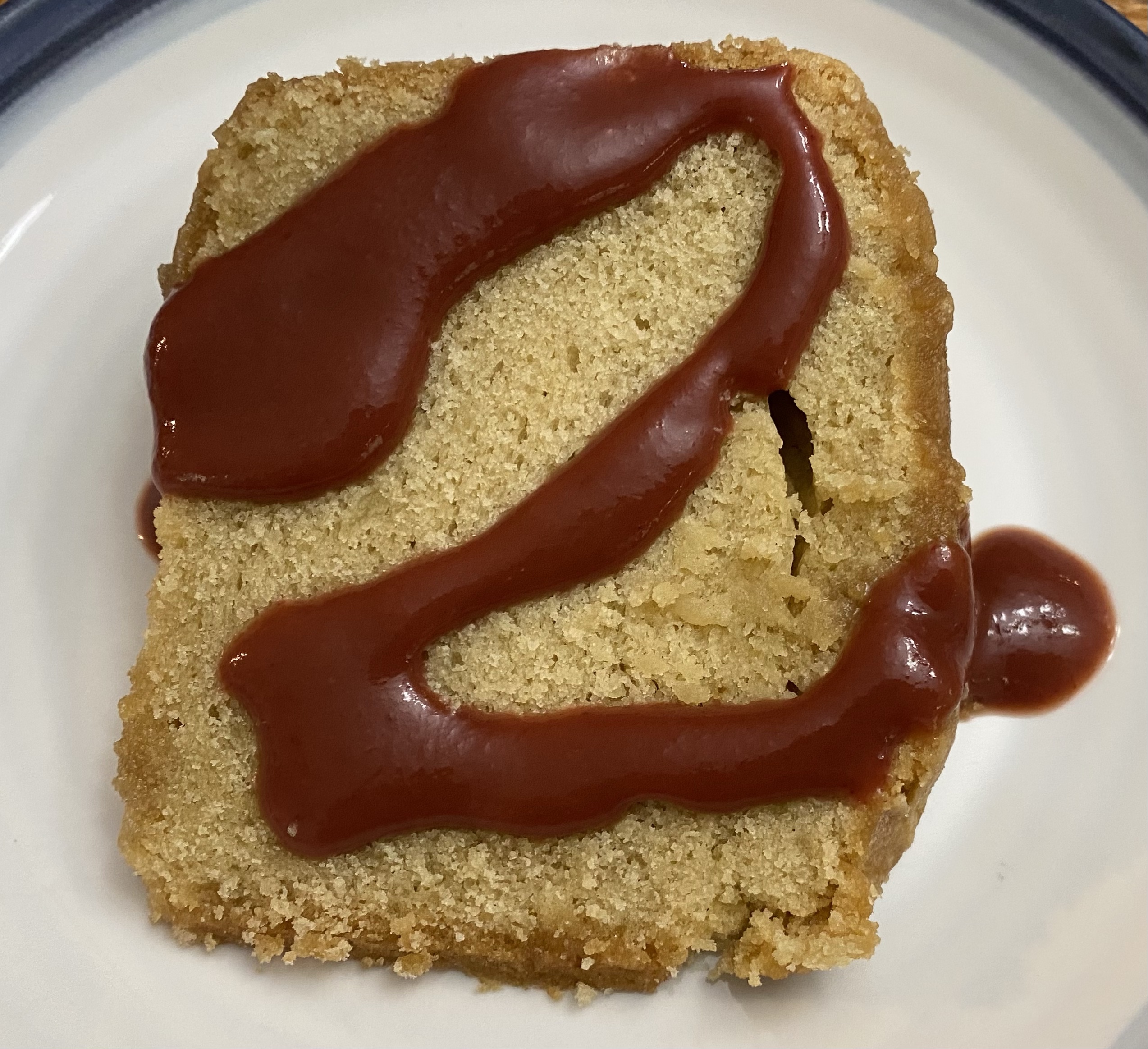
Add some extra sauce, like this strawberry sauce.

Aunt Patty’s Pound Cake, with optional Brown Butter Glaze

gluten-free and plant-based variations included

 Ingredients

1 cup milk, or non-dairy alternative

1 tablespoon vinegar

2 sticks (1 cup) room temperature butter, or non-dairy alternative

½ cup shortening

1 ½  cups sugar 

½ cup brown sugar

5 eggs, room temperature, or egg-free replacement 

3 cups of all purpose flour, or gluten-free alternative

(⅓ cup cocoa, optional if desiring a subtle chocolate flavor)

1 teaspoon baking powder

½ teaspoon baking soda

½ teaspoon salt

1 tsp almond extract

1 tsp coconut extract 

(Can replace almond and coconut extract with 2 teaspoons vanilla extract)

Brown Butter Glaze, optional

Ingredients

4 tablespoons butter, cut into small pieces

¼ cup brown sugar

¼ cup confectioner sugar

½  teaspoons pure vanilla extract

1-2 tablespoons milk

Directions

*Note:  It takes 3-5 hours for butter and eggs to come to room temperature

Preheat oven to 350 degrees

Prepare 12” (14.5 cups) bundt or 10” (16 cups) angel cake (tube) pan

Add vinegar to milk, and set aside in fridge 

Cream together butter, shortening, and sugar until light and fluffy

Add in eggs, one at a time mixing well between each addition

Gradually add in flour, baking powder, baking soda, salt, cocoa (if using) alternately with milk

Mix in extract(s), but do not overmix batter

Pour batter into cake pan

Bake approximately 1 hour or until toothpick inserted in the center comes out clean

Allow cake to cool in pan 15 minutes before turning onto cooling rack to completely cool

Serve as is or with desired toppings such as fruit or ice cream; or top with glaze (see below)

Directions to make glaze:

Place cut up butter in pan over medium heat

Continually stir butter until you begin to see brown bits

Remove from heat and whisk in brown sugar until incorporated

Whisk in confectioner sugar and vanilla extract

Gradually whisk in milk, 1 tablespoon at a time, until glaze is smooth and sugar fully dissolves

Poke hole with toothpick in cracks and crevices of cake top, and drizzle glaze over top of cake.

Store cake at room temperature in an airtight container for 3-4 days.

Can also freeze for up to 6 months.

Each loaf makes approximately 10 slices

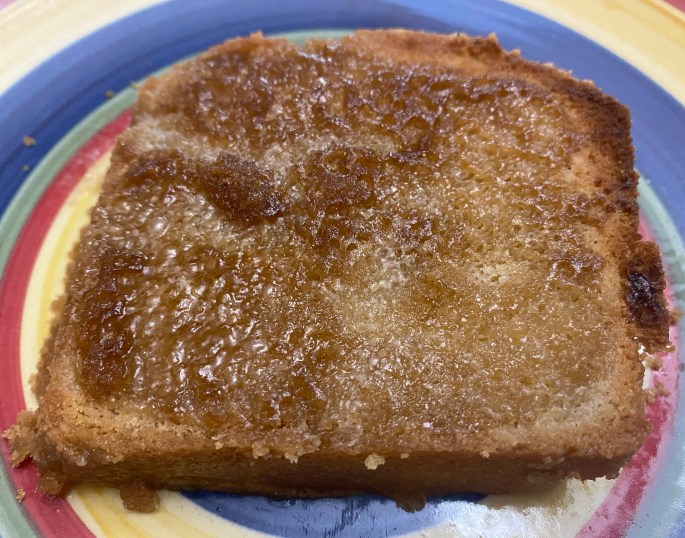
*Pound cake is great toasted in a skillet or oven with butter and sprinkled with brown sugar, cinnamon, and sugar.

*It is also excellent served warm with favorite toppings such as berries, cherries, sauces, whipped cream, and/or ice cream. 

Toast it up in oven with butter, Brown Sugar, and cinnamon

Double Dark Chocolate Muffins

with gluten free and vegan options

“All you need is love.  But a little chocolate now and then doesn’t hurt.”–Charles M. Schulz

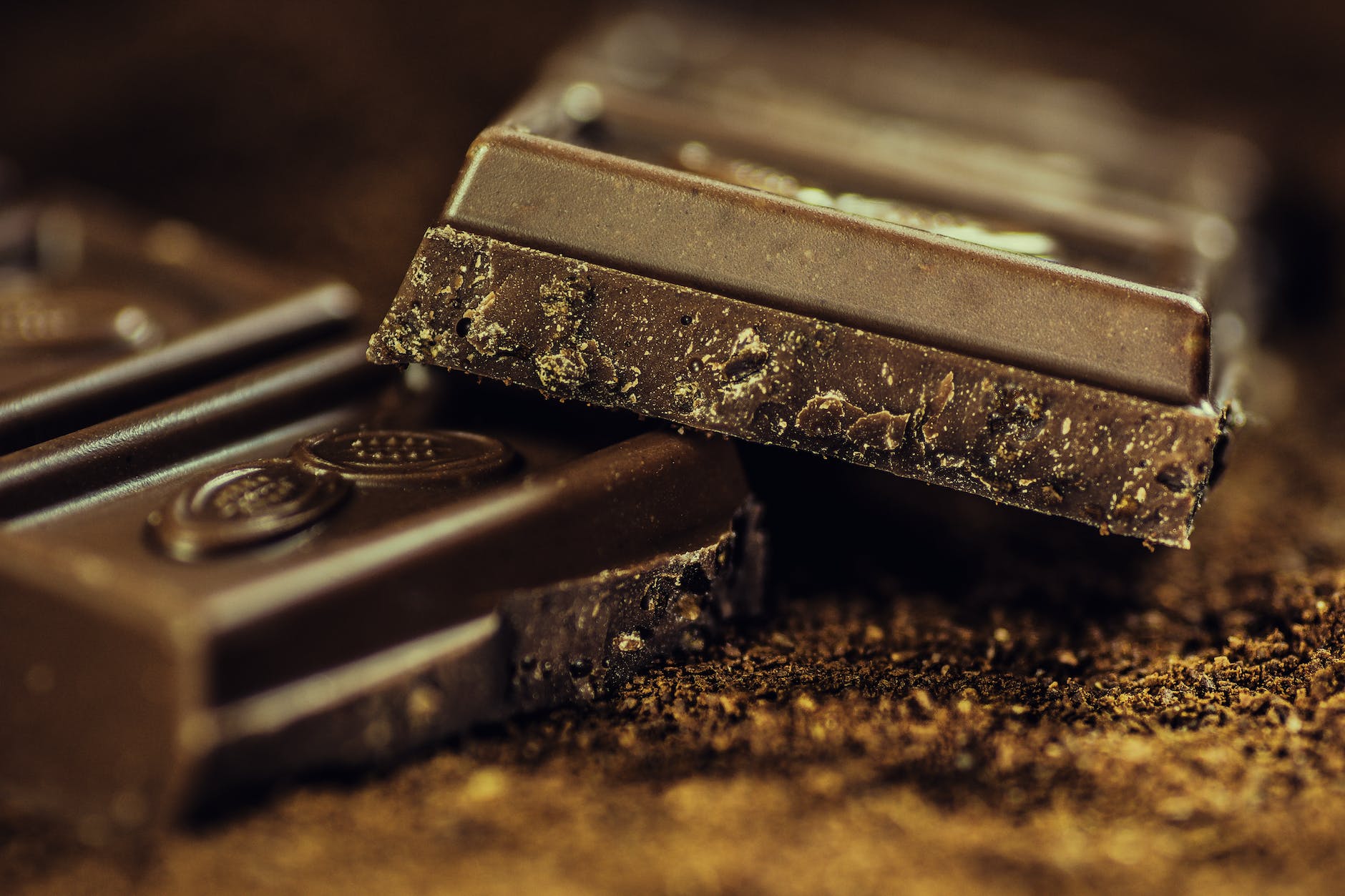
Photo by Pixabay on Pexels.com

Dark Chocolate Love 🍫❤️

My love for dark chocolate is no secret.  Even as a kid, on the rare occasion, typically around Christmas, when those Hershey miniature chocolates were given as part of Christmas presents, I would trade my milk chocolate for the special dark bar.  Now, I know that bar is only made of about 45% dark chocolate, but at the time, it was the darkest chocolate for which I was aware.  

Back then, I didn’t eat dark chocolate because it was good for me–who knew in the 70s?  I just liked that bittersweet taste.  Plus, we rarely had candy as a kid, so eating a Hershey’s bar, even the miniature kind, was a real treat.  

As an adult, I still like the bittersweet taste of dark chocolate, but I had to learn to develop a healthy relationship with food, especially chocolate, and it wasn’t always easy.  Who doesn’t love good food, especially tasty sweets?  Over the decades, however, I have decided what our grandparents taught us was right all along.  Eat your fruits and vegetables first, but always save a little space for a sweet treat!

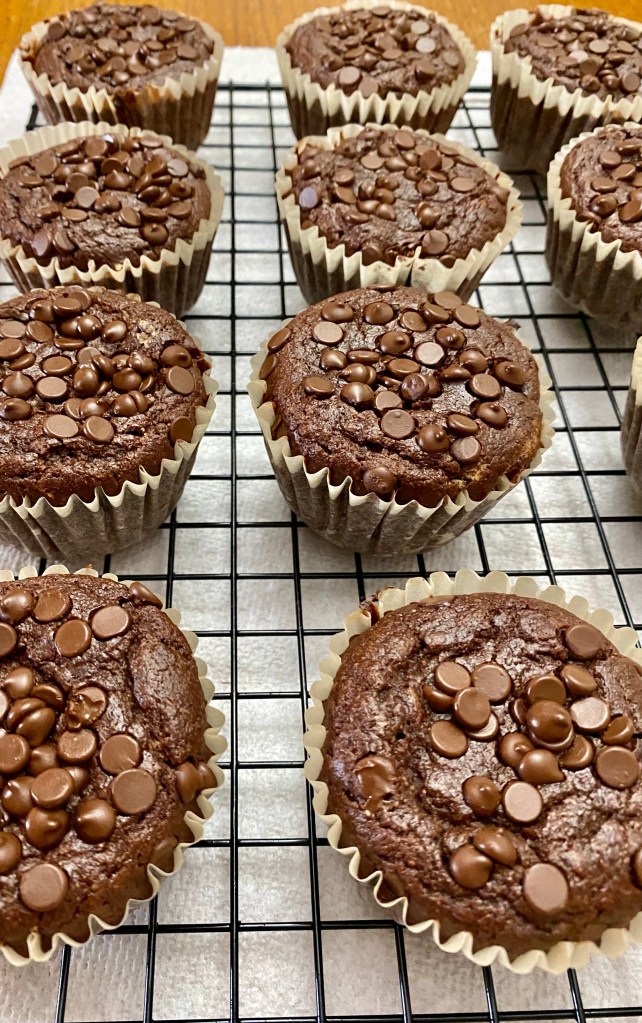
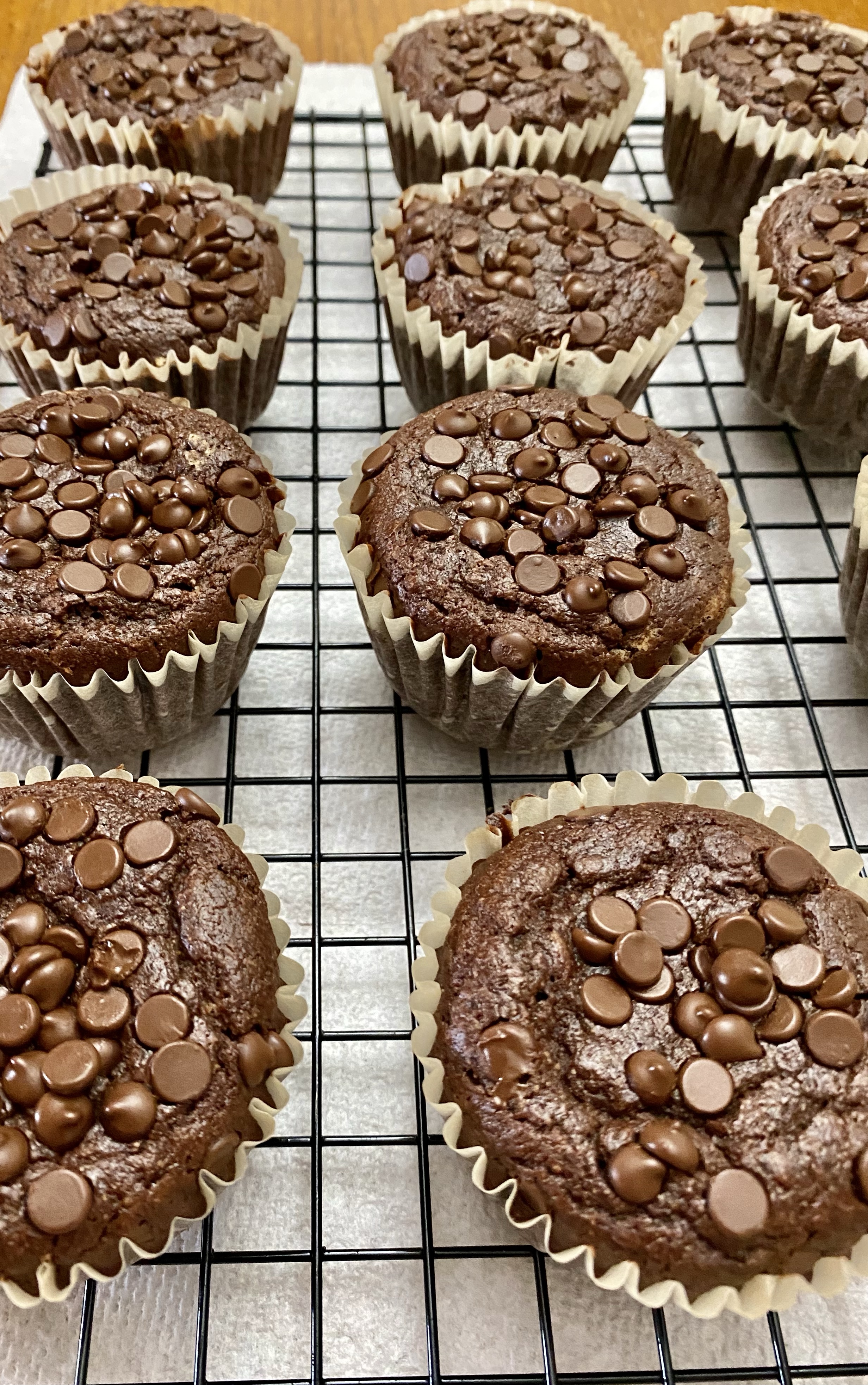
Make a batch and share the chocolate joy!

I don’t bake desserts weekly like my grandmother used to do, but I do enjoy baking when my time allows.  And, if I am baking something with dark chocolate in it, well, that’s all the more fun.

  My sister-in-law, Jacki, recently sent me a recipe she found in a Woman’s World magazine which is very similar to a variation I found on the website, It Doesn’t Taste Like Chicken. My recipe adaptation, listed below, is a hybrid of the two recipes based upon my own personal dietary needs as I have to eat gluten-free due to celiac disease, but I also choose to eat plant-based.  Therefore, feel free to adjust and tweak ingredients based upon your family’s preferences.

While I recognize, this recipe probably isn’t the most healthy choice for everyday, it does offer several benefits, making it a justifiable splurge.  First, there is oat flour, which is full of fiber, protein, vitamins, and nutrients, and it can help lower cholesterol.  Secondly, there is both cacao powder–an unprocessed version for cocoa powder, but you can always use cocoa powder–and dark chocolate chips, both of which contain magnesium, antioxidants, and flavonols.. The antioxidants can help lower cholesterol, and the flavonols offer numerous benefits such as supporting heart health, balancing the immune system, and boosting brain function to name a few of the benefits.  

Double the chocolate; double your pleasure!

Flexible and Adaptable REcipe 💜

Lastly, I forgo eggs and oil in baking when possible due to the fact that fats cause me reflux issues–and that’s no fun!  The cider vinegar makes a great egg replacement and helps the muffins rise.  Plus, you won’t even taste it once baked!  While the apple sauce retains the muffins’ moisture content without adding saturated fat.  

Even with all of these adaptations, please do not think I am saying this is an ultra-healthy breakfast recipe because oatmeal with fresh fruit, or avocado on whole grain toast, are probably healthier choices.  However, for a special weekend or holiday treat, or even as a dessert, these muffins are full of a rich chocolatey flavor and texture that is oh-so-yummy!  Serve them warm and drizzle your favorite topping over them or eat them plain.  These muffins freeze well–for up to three months in an airtight container–for future weekend treats, so you can be sure none of your muffins go to waste. 

From my home to yours, as always, I wish you (mostly) healthy, happy, and homemade fun!  Let me know what you think of these!

Make a batch and share the chocolate joy! 💖

Double Dark Chocolate Muffins

Ingredients:

1 ¼ cup oat flour (Can substitute all-purpose flour or gluten-free all purpose flour)

¾ sugar

½ cup cacao or cocoa powder 

2 teaspoons baking powder

1 teaspoon instant espresso powder, optional

½ teaspoon salt

1 cup favorite milk (I use plant-based)

½ cup applesauce (Can use equal amount of oil, if preferred)

2 tablespoons almond or peanut butter, melted 

1 tablespoon apple cider vinegar

¾ + ¼  cup dark chocolate chips (I used plant-based and gluten-free version)

Directions:

Preheat oven to 400 degrees

Line 12 muffin tins with cupcake cups

In large bowl, whisk together flour, sugar, cacao powder, baking powder, and salt

Melt peanut butter in microwave for 20-30 seconds

Fold in milk, applesauce, peanut butter, and vinegar

Stir in ¾ cup chocolate chips

Divide batter evenly among cups

Top cupcakes with remaining chocolate chips (I like to use mini chocolate chips on top.)

Bake 18-22 minutes or until toothpick inserted in center comes out clean

Allow to cool 10 or so minutes before serving

Makes 12 muffins which can be stored at cool room temperature for up to three days, or frozen in an airtight container for quick reheated treats

Feel free to dunk!

Grapefruit Smoothie: Refreshingly, tasty nutrition on the go

“In 1993, Texas chose the red grapefruit as its state fruit. The red grapefruit was chosen because it was the first fruit ‘invented’ in Texas, and grapefruit trees have built more revenue than any other fruit tree in Texas!”–Wintersweetz.com 

Photo by Laker on Pexels.com

The forbidden Fruit🏝️

I was absolutely surprised to learn that the grapefruit was once named the “forbidden fruit” in the mid-1700s by a reverend searching for the identity of the original tree of good and evil from the Garden of Eden in the Caribbean Sea.  Years later, that same “forbidden fruit” tree was brought to Texas by Spanish missionaries in the late 1800s and given to local farmers in the southern area of the state.  Little did those Texas missionaries know that the Rio Grande Valley possessed fertile soil and subtropical weather, creating ideal growing conditions for grapefruits. Now, Texas is the third largest citrus producer in the United States, and it is especially known for its red varieties of grapefruits, such as Rio Star and Ruby Sweet. 

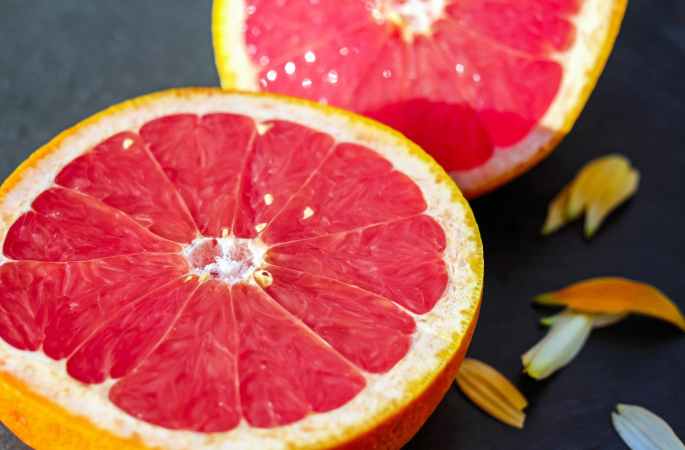
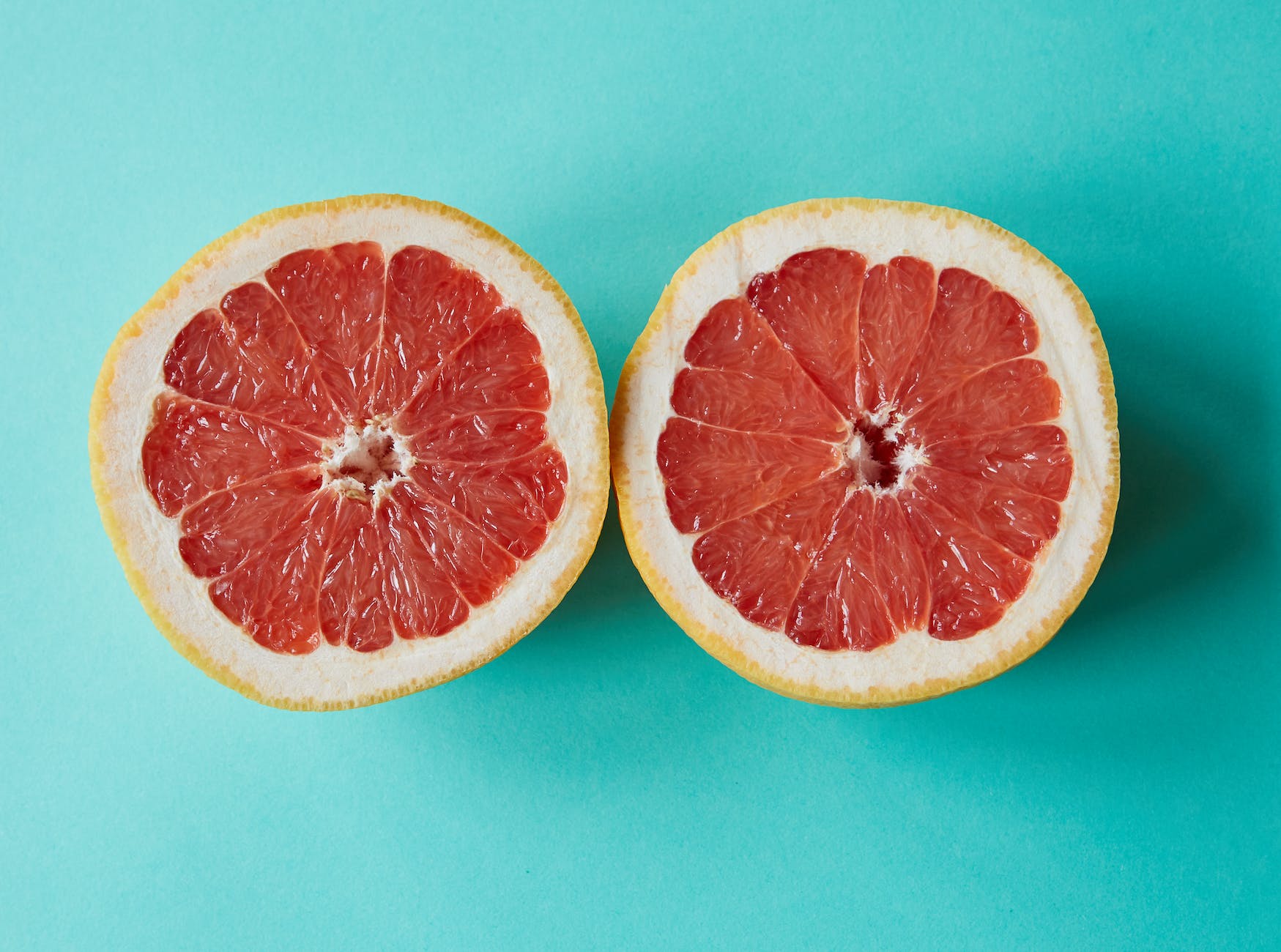
Personally, ruby red grapefruit is one of my favorite fruits.  I especially appreciate its sweet tangy flavor.  Red grapefruit seems to bring my tastebuds to life with its clean, refreshing, and light taste.  

It is that sweet tart taste that adds extra zing when combined with other flavor profiles in recipes.  For example, spread ricotta cheese over toast, add a few slices of ruby red grapefruit, then drizzle a bit of honey over that, and you’ve got a light refreshing summer breakfast.  Toss slices of grapefruit, along with walnuts, goat cheese and a few slices of roasted beets, into a salad of leafy greens with a light vinaigrette, and you’ve got a tasty lunch or light dinner. You can even make delicious light desserts and baked goods with grapefruit, such as grapefruit buttermilk muffins, grapefruit bars, or even chocolate covered grapefruit slices!  

Photo by Nicola Barts on Pexels.com

Smooth Nutrition 🍍🍌🥝

Then again, grapefruit can be added to smoothie recipes for an instant burst of flavor AND nutrition.  I created the recipe I am sharing with you today during the weeks following neck surgery this past spring.  Despite the fact I am fully recovered, this is one smoothie recipe that I still frequently make.  

During my recovery process, I was hyper-fixated on the nutritional content of the foods to enhance healing, but I was having difficulty swallowing.  Smoothies, therefore, became a go-to source of nutrition, and this recipe is uber-refreshing and jam-packed vitamin, mineral, and fiber content.  Specifically, it combine the goodness of grapefruit, which is packed with vitamin C and fiber, with strawberries and one of three fruits–frozen pineapple, banana, or kiwi–depending upon what I have on hand at home.  

One half of a grapefruit contains six grams of fiber and the total daily amount of vitamin C needed by our bodies. The grapefruit gets tossed into a blender with strawberries, which are also high in vitamin C and fiber as well as antioxidants, magnesium and phosphorus.  Then, I take my pick of pineapple, banana, or kiwi, and pitch one of those into the blender. No matter which of the three of those fruits I choose, they are all full of potassium, fiber, and a whole slew of vitamins and minerals. 

Light and refreshing, grapefruit smoothies are perfect for nutrition on the go!

Blend and Go nutrition🥛

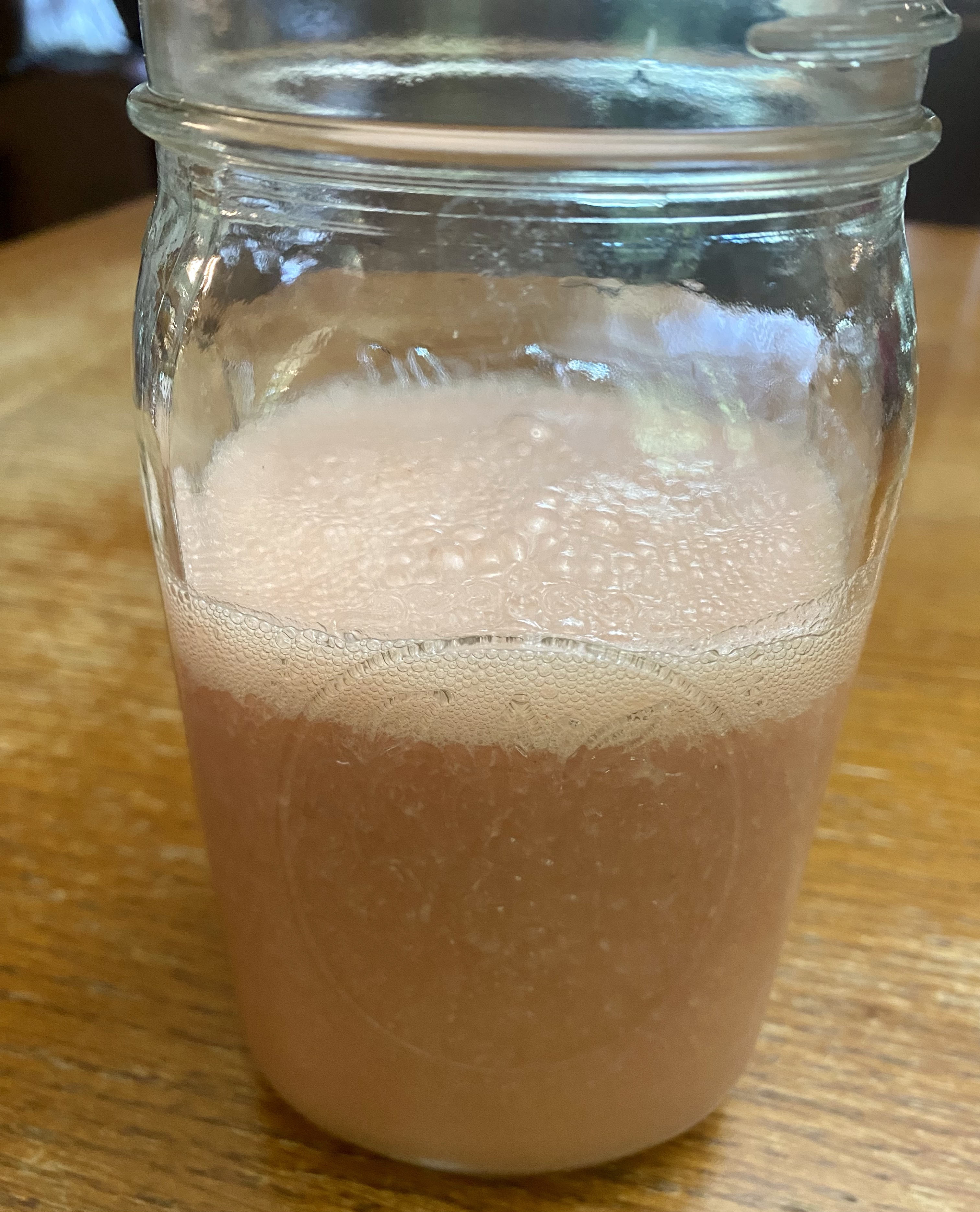
Sometimes, for a touch of sweetness, I add in a medjool date, a bit of maple syrup, or pomegranate juice as well as a bit of ginger for its antiinflammatory properties. Depending upon what I am eating that day, I may also add vanilla protein powder, which gives the smoothie a creamy, zesty-sweet taste.  Once all desired ingredients are in the blender, I give it a whirl for about one minute and divide between wide-mouth mason jars or smoothie containers.  And in less than five minutes, I have two refreshing, nutritionally dense smoothies.  Perfect for on-the-go nutrition or a quick, healthy snack.

While grapefruit was once known as the “forbidden fruit,” there is nothing forbidden or evil about it!  Grapefruit is budget friendly, full of tangy zest, and nutritional goodness for your body.  I hope you’ll give this recipe a try!  You just might be surprised!

Zesty sweet, budget-friendly goodness, bursting with flavor AND nutrition, in less than five minutes!

Grapefruit Smoothie

Serves 2

Ingredients:

1 cup frozen riced cauliflower 

1 large ruby red grapefruit, peeled (with some pith remaining), quartered 

1 cup strawberries, fresh or frozen

1 cup pineapple, fresh or frozen (or 1 banana or 2 kiwi)

1 medjool date (or 1 teaspoon maple syrup or ¼ cup pomegranate juice) for added sweetness 

¼  teaspoon ginger powder, if desired 

2 cups water (or other favorite liquid)

Optional: 1-2 servings favorite protein powder

Combine ingredients in a high powered blender, adding water last.

Blend for one minute.

Divide between two large smoothie containers or jars.

Can be stored in the refrigerator for up to 3 days; shake well before drinking.

Can also be frozen for up to 3 months, set in the refrigerator overnight to thaw ahead of time.

Sweet Summer Strawberry Cake

“Every cake has a story to tell.”–unknown

Sweet treat, strawberry cake

Family traditions🧑‍🍳

When I married into my husband’s family some thirty years ago, it was the merging of two families who enjoyed cooking, tried-and-true recipes, handed down from one generation to the next, typically accompanied by a story or two.  On my husband’s side, there were several excellent cooks, especially his mother, his sister, and her husband.  Whereas, in my own extended family, I grew up around three women–my grandmother, my mamaw, and my mom–who were great cooks in their own right.  Therefore, between the two families, there was a wealth of inspiration, ideas, and sources for recipes.  

To this day, many of those family recipes remain favorites.  However, since being diagnosed with celiac disease over ten years ago, I have been on a culinary quest to adapt many of those beloved recipes so that I can, forgive the pun, “have my cake and eat it too”! 

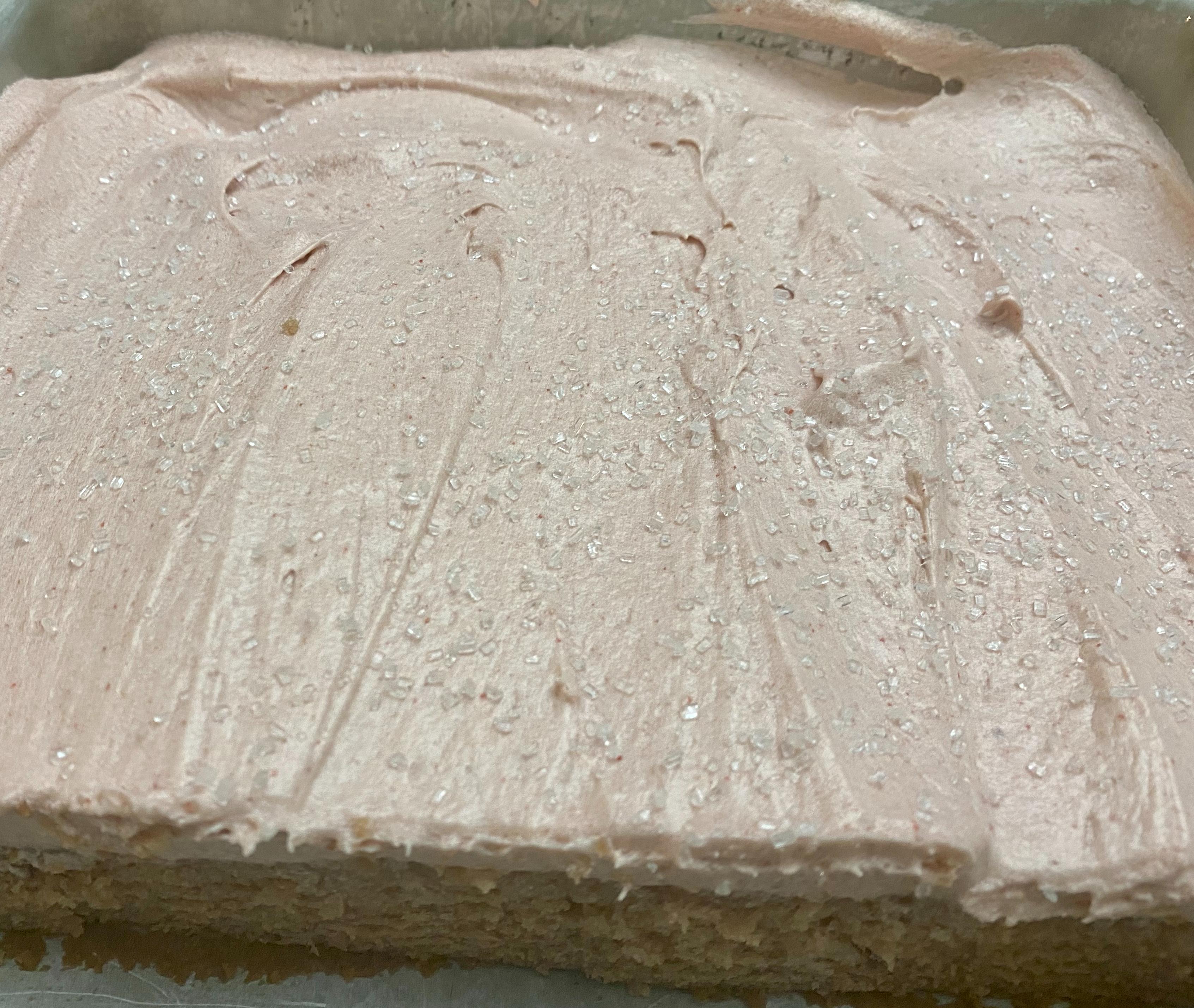
When I first saw my mother-in-law’s version of this recipe, I could help but notice the how thick and creamy the icing looked.

But First . . .🍰

The original Strawberry Cake recipe came from my mother-in-law, Colleen.  She and my grandmother were very similar when it came to their approach to cooking.  They both believed in the right to serve large portions, and both embraced the notion of going their own way instead of following recipes, step-by-step.  Therefore, when my grandmother, or Colleen, would share a written recipe, there was sure to be additional verbal directions and advice for best preparing the recipe.

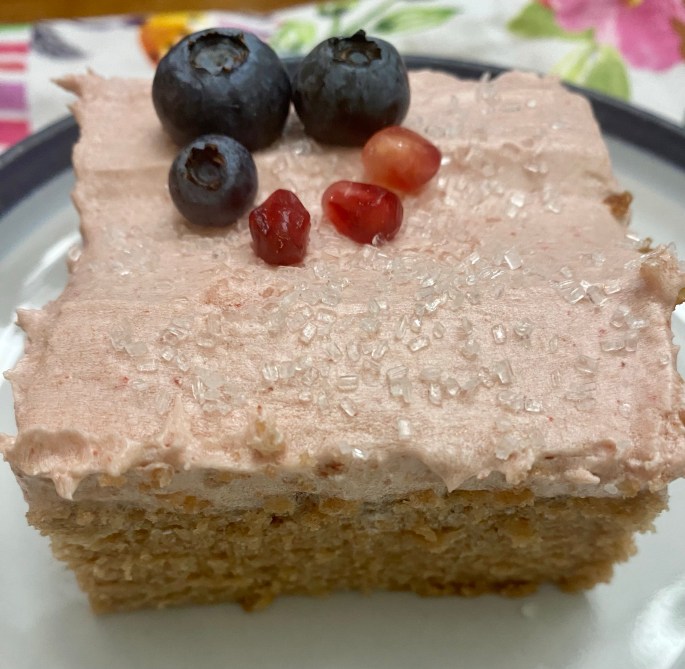
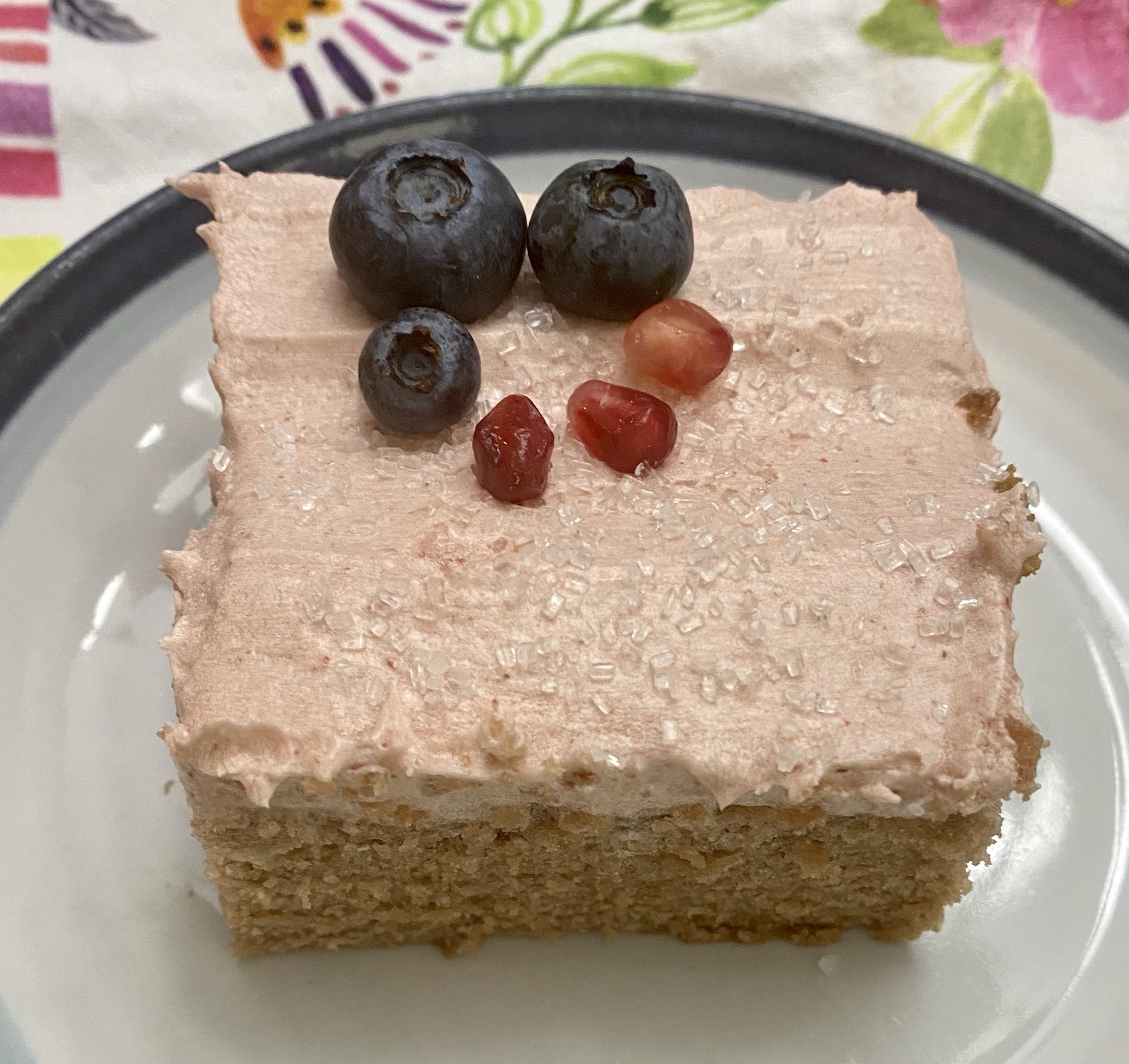
Dressing it up with sprinkles and blueberries if desired.

Never shy away from making a recipe your own🥣

It is that familial cooking spirit of never shying away from the right to make a recipe uniquely your own that continues to inspire me. Gluten-free baking wasn’t a “thing” when Grandmother and Colleen were living, so if I want to still enjoy those cooking stories from my past, I have to forge my own cooking path.  Nonetheless, I think they would have enjoyed many of my modified recipes, including this one. 

Add some pomegranate arils, for a bit more color contrast!

The eyes have it first👀

I recall the first time I ate this cake at Colleen’s house.  It was a Sunday family dinner, and I immediately noticed this beautiful, thickly frosted pink cake.  Now, my grandmother taught, “Your eyes eat things before your mouth,” and from the first look at that cake until the last bite, my eyes and mouth were in agreement: the cake was every bit the tasty confection it looked to be.  

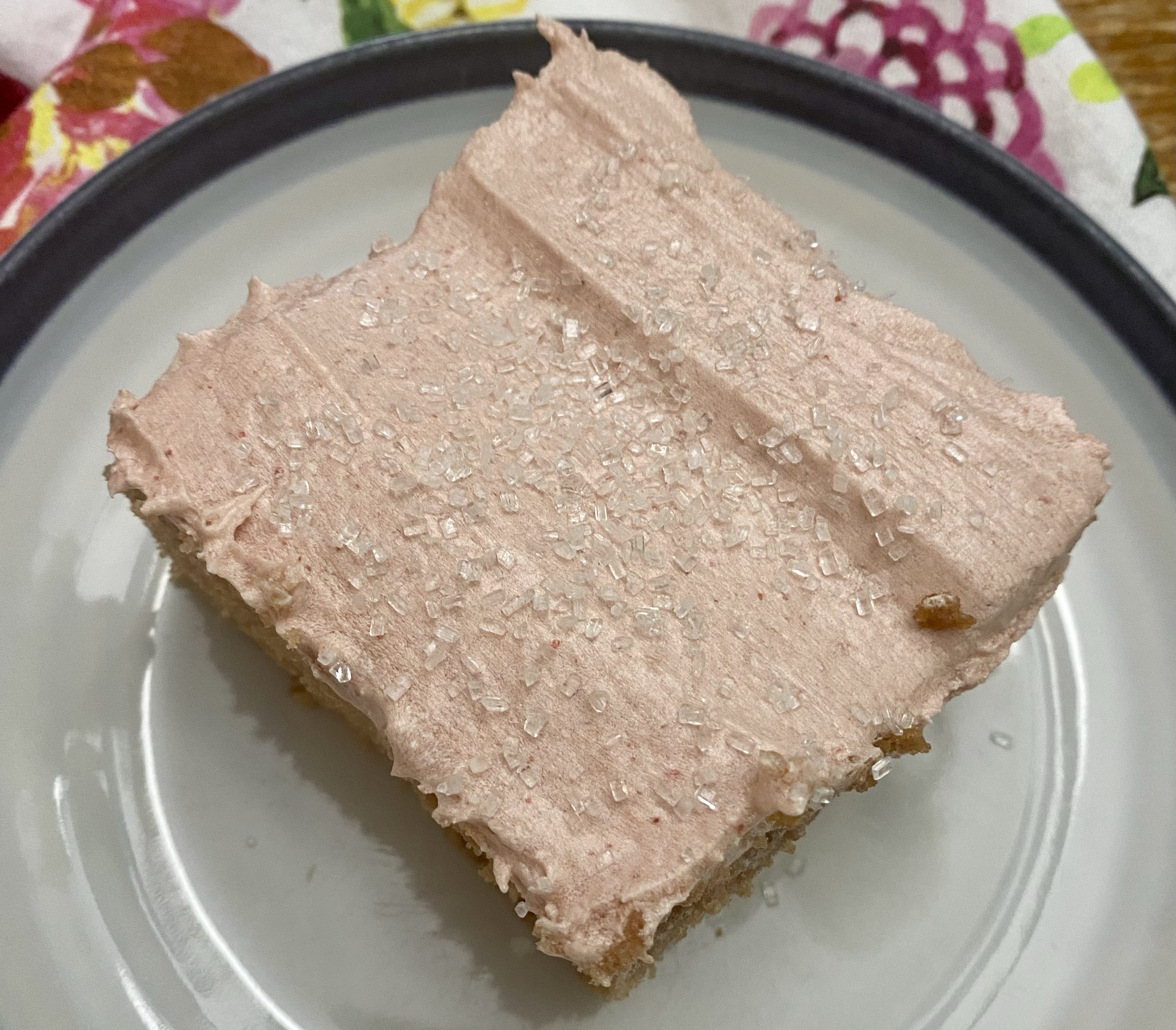
The icing is thick and rich

Make it Gluten-free if you want🥮

I am not sure if my recipe adaptation is on-par with Colleen’s, but I do know that my own family loved it.  In fact, my adult daughter, one who typically, and quickly, discerns if I have made something gluten-free, asked if the cake was really gluten-free because she could not taste the difference.  Even more telling was the fact that she told me she thought that it was my best gluten-free recipe to date, and I could “bake it for her anytime.”  

Homemade strawberry reduction takes a bit more time, but it is so worth the effort! And, the leftovers of this reduction can used as you would any other fruit sauce or jelly.

Strawberry Reduction🍓

In addition to making the recipe gluten-free, I eliminated strawberry gelatin as a main ingredient, and instead, I made a strawberry reduction with double the amount of strawberries the original recipe called for.  My variation is also dairy-free, as I used non-dairy milk and butter; however, I did use real eggs.  That said, if you need this recipe to be egg-free, there are plenty of egg-replacement products available.  

The cake is light and spongy.

Cupcake Crazy?🧁

I’ve included directions for baking cupcakes and several cake variations, so the recipe can be baked and assembled in a variety ways.  Additionally, any leftover strawberry reduction tastes terrific spread over toast, stirred into oatmeal, or added to a smoothie.  

From my Family to Yours🏠

From my home to yours, I hope this recipe allows you to create your own cake story and recipe lineage.  Who knows, maybe one day, your grandkids will make their own version of Strawberry Cake! 

Any way you slice it up, this strawberry cake is sure to please!

Strawberry Cake (or Cupcakes) 🍰

Ingredients

½  cup milk (plant-based, if desired)

2 teaspoons white or apple cider vinegar

1 package white or yellow cake mix (gluten free, if needed)

3 tablespoons all purpose flour (gluten free, if needed)

3 eggs or equivalent egg-replacement

⅓ cup oil, melted butter, or applesauce

½ water

1 teaspoon pure vanilla extract

1 ½ cup strawberry reduction, completely cooled (see below)

*Strawberry Reduction

Ingredients

2 pounds fresh or frozen strawberries (If frozen, be sure to thaw for at least 20 minutes)

4 tablespoons sugar

1 tablespoon lemon juice

Strawberry Buttercream Frosting

Ingredients

1 stick butter, softened (plant-based, if desired)

¼-½ cup strawberry reduction, depending upon how much flavor you want

1 teaspoon vanilla extract

⅛ teaspoon salt

4-6 cups confectioners sugar

Up to 4 tablespoons milk, if needed for creaminess

Directions

*Make Strawberry Reduction 12-24 hours+ in advance

Thaw and/or remove stems from strawberries, then cut in half

Puree strawberries, sugar, and lemon juice in food processor or blender

Pour into medium saucepan and bring to low boil over medium heat

Reduce heat, but continue to simmer over low heat for 30 or so minutes, stirring occasionally

Allow strawberries to reduce to texture similar to that of tomato sauce

Allow to cool, then store in an airtight container in the refrigerator until completely cooled and/or ready to use.

Make Cake or cupcakes

Add vinegar to milk, set in fridge for five minutes (making “buttermilk”)

Meanwhile, preheat oven to 350 degrees

Coat cake pan(s) with nonstick cooking spray or line muffin tins with parchment paper

In a large mixing bowl, stir together cake mix and flour

Beat in eggs, one at a time.

Then, stir in “buttermilk,” water, oil (or butter or applesauce), and vanilla extract.

Next, fold in strawberry reduction, scraping down the sides as needed

For cupcakes:  divide batter among cupcakes, using a greased ice cream scoop, if desired, filling cup ½ – ⅔  full

For cake:  pour batter into one 9 x 13 cake pan, a 10-cup bundt pan, or divide between two 8” or 9” inch round pans

Baking time:  Cupcakes = 20-25 minutes; 9 x 13 pan = 30-35 minutes; Bundt pan = 45-48 minutes; Two round pans = 30-35 minutes or until toothpick inserted in center comes out clean

Allow cake or cupcakes to cool completely before frosting (I even put mine in the refrigerator for a couple of hours before frosting.)

Make the Frosting

In a large bowl, cream butter, strawberry reduction, vanilla extract and salt

Add in confectioner sugar, one cup at a time, until icing is firm

Then, add in milk, one tablespoon at a time, whipping in between each addition until desired consistency is reached.

Pipe or spread over cake or cupcakes.

Decorate tops of cake or cupcakes with red, white, or pink sugar sprinkles or freshly sliced strawberries

Store in airtight container and refrigerate

Makes 24 cupcakes or 1 cake of your choosing

Dress up your salad with a creamy BS salad dressing

“You cannot see the lettuce and the dressing without suspecting a salad.”–Arthur Conan Doyle 

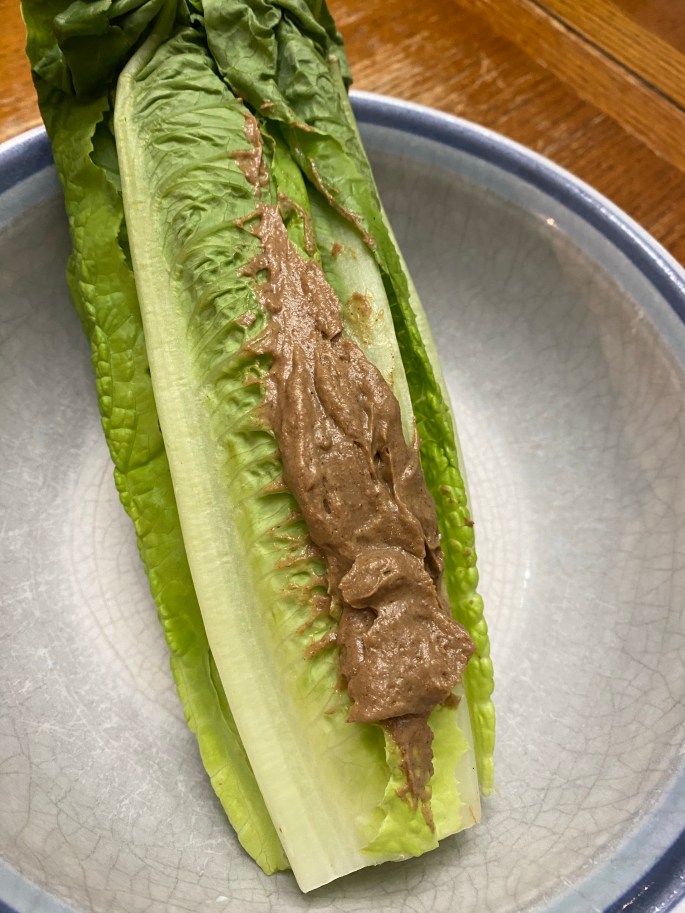
This dressing can be served as thick as a dip, as seen here, or thinned out for a more traditional, pour. Either way, it will be bursting with flavor! 🥗

‘Lettuce’ warm up to salad Greens

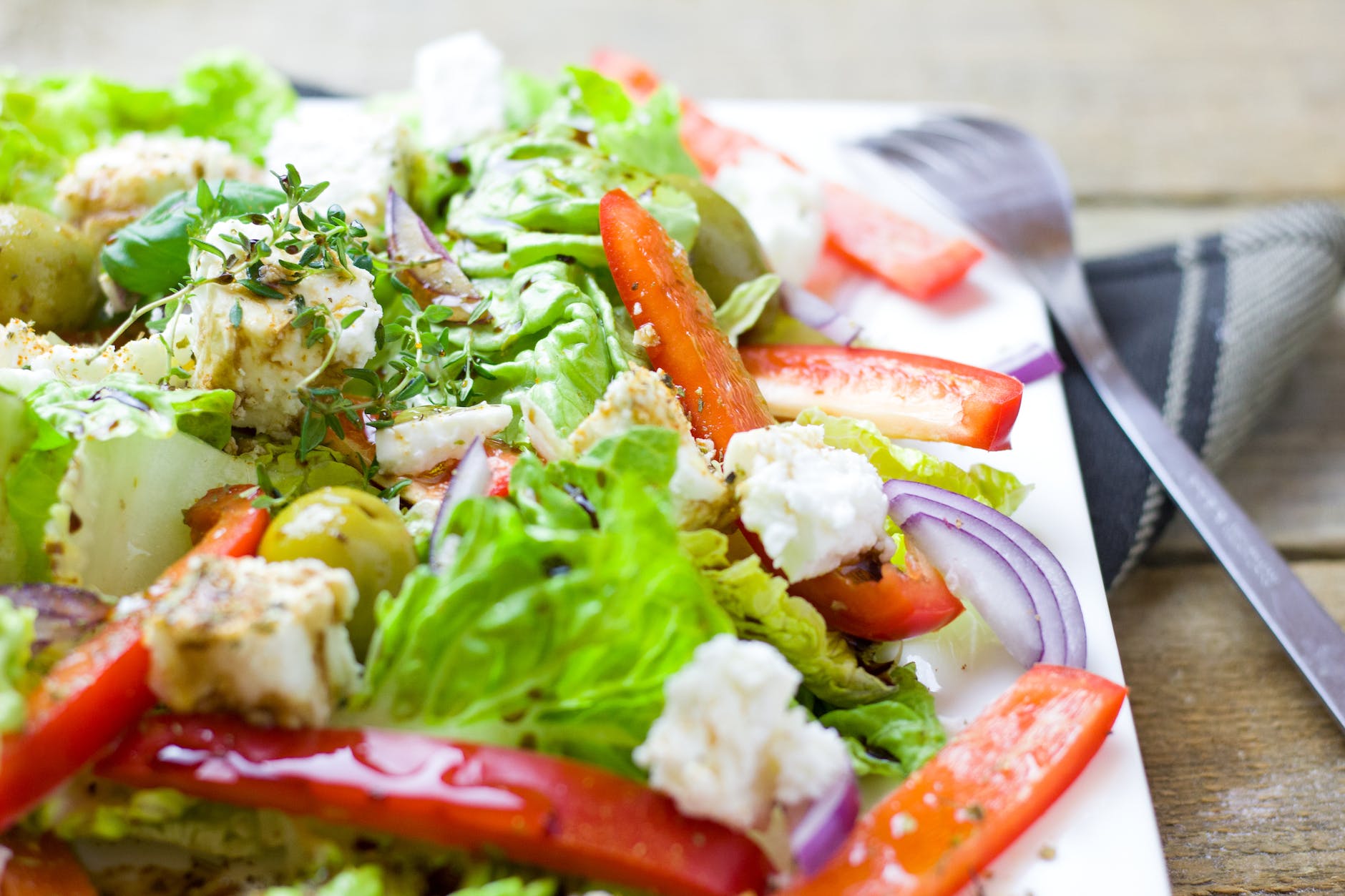
Warm weather signals that it is the time for salads filled with wonderfully nutritious greens!  Fresh made salads are great any time of the year, but they are especially delicious during spring and summer. While the word salad can encompass those made with chicken, tuna, macaroni, and so on, I am focusing on salads whose bases consist largely of greens and other plants that can either serve as an appetizer or as a meal. 

When making a fresh salad, it is easy and convenient to buy those bagged, or plastic containers of prepackaged blends.  While I often use them, it can sometimes be more cost effective to purchase a variety of leafy greens, veg, and other ingredients to make your own personalized mix.  During the warmer months, this is especially ideal when you can shop at local farmers’ markets and produce stands.  

Lettuce is a popular base for salads, and there are several main types from which to choose including colorful leaf lettuce varieties; butterhead varieties, including bibb and Boston; crisphead, popularly known as iceberg; and, romaine, king of the Caesar salad.  Kale, spinach, and arugula are also popular ingredients for salads, either as a solo base or part of a mix of greens.  Other colorful and flavorful additions worth considering include radicchio (which is fun to pronounce), escarole, Belgian endive, and frisee as well as mustard greens, watercress, and mesclun–popularly known as spring mix. 

Photo by Michael Burrows on Pexels.com

Mix those Greens

Personally, when it comes to making a salad, I enjoy mixing up textures, colors, and flavors, such as tossing leaf lettuce with some spinach and arugula, or mixing romaine lettuce with kale and radicchio.  If I am mixing a salad with stronger flavors of arugula or kale, I typically keep the rest of the ingredients simple.  In fact, I’d probably add in a fruit (tomato, chopped apple, or dried cranberries) and top it off with lighter dressing, such as a vinaigrette.

Other times, I appreciate the simplicity of filling my bowl with only one type of leafy green; then I’ll mix in a variety of color, texture, and flavor from other fruits and vegetables.  With this kind of salad, I might add chopped broccoli or cabbage, then toss in some mandarin orange sections or tomato, and top it off with a hearty, creamy nut-based dressing, such as the one below.  Then again, I’ve been known to put a large amount of one green as a base in a big bowl, such as spinach or kale, sprinkle it with some lemon juice or vinegar, then top it off with warm and savory toppings, such as brown rice, beans, and sauteed onions and peppers. 

Not only can plant-forward salad be part of a quick and easy lunch or dinner option, but they are also a great way to boost intake of vital nutrients. In fact, The U.S. Department Agriculture states that traditional salad greens, especially those dark leafy types, including kale and spinach, are rich in vitamins A, C, E, and K.  Toss in some mustard greens, chopped up broccoli, or bok choy for an excellent source of B-vitamins.  All those dark, leafy greens and vegetables contain high levels of fiber, iron, magnesium, potassium, and calcium without adding large amounts of sodium, carbohydrates, or cholesterol.  And if that’s not enough food for thought, green vegetables are chock-full of carotenoids-antioxidants that protect cells and ward off early-stages of cancer.

Photo by Pixabay on Pexels.com

Customizable Salad Dressing Fit for a King

Of course, to make a salad even more delectable, it requires a good dressing.  A quality dressing can make a salad taste next-level.  Unfortunately, so many readily available dressings are full of ingredients that are unpronounceable, and often overflowing with too much sodium, sugar, or unhealthy oil variations. Furthermore, commercial dressings often aren’t budget friendly when you consider the cost per ounce, and they aren’t customized to your personal taste preference.  Therefore, it makes sense (and cents) to make your own dressing.

I recently ran across a simple formula for making homemade salad dressings by Sergei Boutenko, a self-proclaimed health nut, that made perfect sense to me.  Boutenko suggests considering five tastes (think *BS salad dressing: 1B + 4Ss)–bitter, sweet, salty, sour, spicy–when making homemade salad dressing, which I did when creating this recipe.  This recipe is also customizable, for example you can trade out balsamic vinegar for apple cider vinegar; or, swap out the raisins for dates or even figs.

I chose not to include any oil, and instead use almond butter as a fat to create that desired creamy dressing mouth feel. Additionally, I used a few of my favorite spices/seasonings.  Again, each ingredient is customizable, including changing the spices.  Additionally, you could trade out almond butter for peanut butter or tahini, and depending on if you’re a garlic fan or not, you can use a little or a lot. Want the dressing thicker or thinner, add more or less water. You get the idea.

Customize your own salad dressing following the BS rules. 😉

The point is to take advantage of the warm weather’s harvest to create your own individualized, delicious way to enjoy the salad days of summer.  Serve up forkfuls of those dark leafy salad greens as well as any other added veg or fruit you want to toss in.  Then, dress up those delectable greens with a dressing suited perfectly to your taste preference–and pocket that extra change you saved.  Your body and your wallet will thank you.

From my home to yours, here’s to eating healthy!

Creamy (and customizable) BS Salad Dressing

Ingredients

½ – 1 cup water (depending upon how thick or thin you like dressing)

⅓ cup balsamic vinegar (sour)

¼ cup almond butter

¼ cup raisins or dates (sweet)

1 teaspoon soy sauce or liquid aminos (salty)

1-3 teaspoons minced garlic, depending upon taste preference (bitter)

1 teaspoon dried oregano

½ teaspoon dried basil

½ teaspoon onion powder

¼ teaspoon black pepper (spicy)

Directions

Blend all ingredients in a food processor or high powered blender.

Store leftovers in a tightly closed container for up to  weeks in the refrigerator.

*Notes: Remember each ingredient can be changed out for equivalent ingredient, choose your favorite flavor of vinegar, use your favorite nut butter and/or dried fruit, and change any of the seasonings as well as their amounts to make your own *BS salad dressing (see reference in article).

Heal and Recover Smoothie

“Our food should be our medicine, and our medicine should be our food. “– Hippocrates.

Photo by Jane Doan on Pexels.com

As I’ve recently written about, I have been recovering from a surgical procedure of the spine, specifically my neck. Prior to this surgery, I spent time talking with the doctor’s nurse about not only what to expect, but how to appropriately prepare.  One point of preparation was to plan for soft foods as part of the recovery process.  This is because I would most likely experience dysphagia, difficult/painful swallowing.  

Reflecting on this point later, I knew that most traditional soft foods that were suggested would not, from a nutritional standpoint, promote healing.  Therefore, I began to research foods that would promote healing after surgery. Surprisingly, there was not only abundant information, but most articles agreed on the same basic food groups: healthy fats; foods high in vitamins A and C as well as fiber; dark leafy greens and cruciferous vegetables; berries; and healthy sources of protein. 

Photo by cottonbro studio on Pexels.com

As I read through various articles, one piece, written by a spinal health center, emphasized the importance of using smoothies as a way to consume soft foods that would nutritionally promote healing and help with recovery.  However, I had already blown through two blenders–literally. Each one, a budget friendly investment with the promise of high speed, power blending, had already crossed over to the great appliance graveyard.

That’s when I recalled reading about the pocket-friendliness of higher-end, refurbished blenders.  In passing, I mentioned this idea to my brother.  Unbeknownst to me, he used, and still has, at least one refurbished kitchen appliance.  He attested to their value and performance.

One week out from my surgery, after pouring through product reviews, I selected and ordered my American made, refurbished blender that came with a five-year warranty.  Since then, I have powered through fruit and vegetable blends like a professional smoothie maker.  No overheating, no smoking, no waiting for the blender to cool down. 

Photo by Polina Tankilevitch on Pexels.com

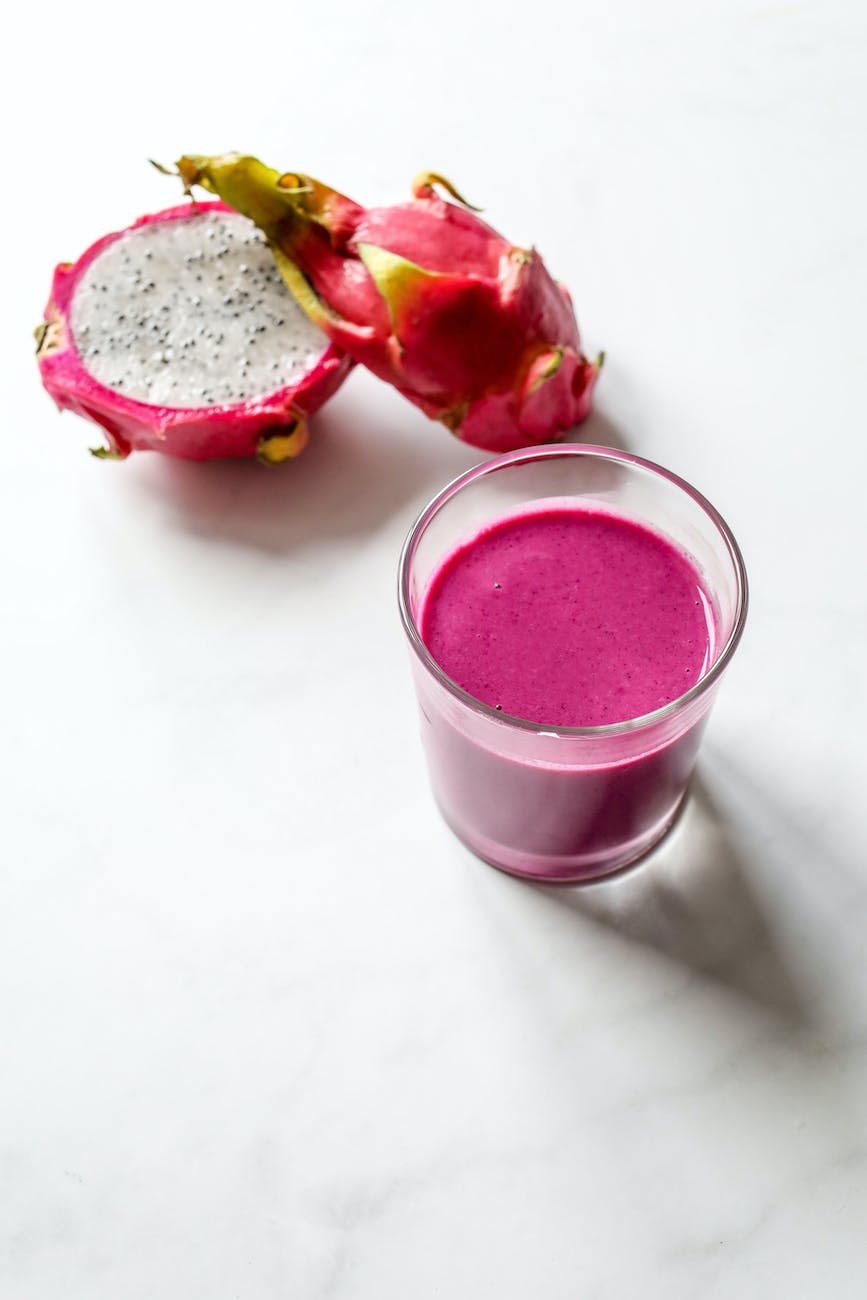
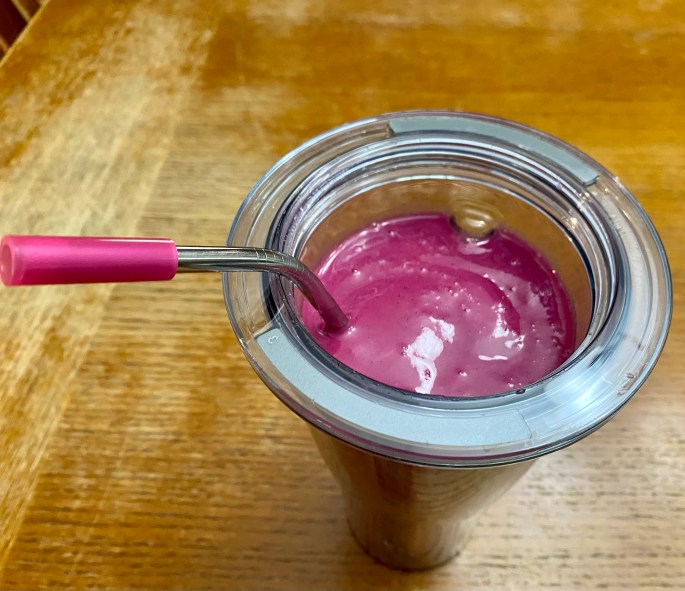
In fact, I’ve enjoyed rotating through several smoothie recipes, but the one I am sharing with you today is one of my current favorites because the color is so stunning.  However, don’t let the gorgeous, magenta color fool you; it is chock full of foods designed to promote, protect, and heal the body from the inside.

In fact, the first ingredient, riced cauliflower is a cruciferous vegetable that reduces inflammation.  It is naturally high in fiber, B-vitamins, phytonutrients and antioxidants.  Mango and dragon berries are high in vitamins, packed with fiber, polyphenols, and antioxidants that protect the body, reduce inflammation, and boost the immune system.  Whereas, elderberry syrup has long been touted for hundreds of years as part of traditional folk medicine remedies for boosting the immune system and shortening the duration of respiratory viruses, which may be due to its high in Vitamin C and antioxidant content. 

Then, I added in a bit of ground ginger to aid in digestion and as a natural pain reliever.  I also included a scoop of vanilla protein powder, high in amino acids to assist in the healing of my incision and the rebuilding of muscle tissue. Sometimes I used other berries, in lieu of dragon berries, and occasionally, I tossed in some ground seeds as a source of healthy fats and more protein.  I have even added a stalk of celery and part of a cucumber on some days–just to add in a few more vegetables. Additionally, I used mostly frozen fruits and vegetables, which meant nothing went to waste due to an expiration date.

All told, my simple, tasty smoothies, along with my daily bowl of oatmeal, and a few other carefully selected and prepared foods, helped me through the time period in which swallowing was difficult.  They provided my body with key nutrients to promote healing and reduced my risk for falling prey to a respiratory illness.  As an added bonus, the fiber kept my guy happy and chugging right along.  Plus, I now have a fantastic blender that is reliable and will be a source of inspiration for all sorts of nutritional and fun concoctions for future recipes.

From home to yours I hope this delightfully vibrant, refreshing, nutrition filled smoothie will boost you through allergy season or any other time your immune system needs a little extra umph. 

Wishing you the best of health . . .

Heal and Recover Smoothie

Ingredients:

1 cup frozen riced cauliflower 

½  lime

1 cup liquid 

½ to 1 cup mango (dependent upon caloric and/or taste needs)

1 cup dragon berries (or other favorite berries)

2 teaspoons elderberry syrup 
Optional add-ins:

1 stalk celery, cut into chunks

½ medium cucumber, peeled

¼  teaspoon ground ginger 

1-2 scoops favorite protein powder 

1-2 tablespoons favorite ground seed: chia, hemp hearts, flax

Directions:

Add in all ingredients into blender and blend until smooth

Notes & Substitutions:

*Can eliminate all veggies, if you prefer only fruit

*Can eliminate lime, if not a fan.

*Can substitute kale, romaine lettuce, or spinach (However, your smoothie will look more brown than magenta.)

*Liquids can include: favorite type milk, water, coconut water

*Banana, or even pineapple, can be substituted for mango

* Up to 2 tablespoons pomegranate or tart cherry juice can be substituted for elderberry syrup 

*Finely chopped, ¼ inch long, fresh ginger for ground ginger

Green and White Enchilada Bake, featuring G-BOMBS, is a powerhouse of delicious nutrition

“Remember the acronym G-BOMBS, which stands for Greens, Beans, Onions, Mushrooms, Berries and Seeds. These foods fuel your body with protective micronutrients and phytochemicals that support your immune defenses and have a wide range of health-promoting effects. And here’s a bonus: They’re delicious!”–Joel Fuhrman, M.D.

Photo by Min An on Pexels.com

Beginning in December, I spent 16 weeks preparing to run, walk, or even crawl a half-marathon.  For those who are natural distance runners, completing a half-marathon is no big deal. However, for someone like me, it was a challenge, but it was an overall positive experience.

While preparing for this half marathon, I was battling an injury–one that did not affect my running, per se, but one that will ultimately require surgery.  Therefore, I knew I wanted my nutrition to solidly support the recovery of my middle-aged body.  However, for the sake of full disclosure, I still indulged my penchant for dark chocolate on a daily basis!

Photo by Pixabay on Pexels.com

I read, and continue to rely upon, the most up-to-date nutritional studies out of respected research institutes such as Harvard, Northwestern University, Cleveland Clinic, Mayo Clinic and so forth.  Additionally, I read more popularized sources of research such as Michael Pollan and National Geographic author/researcher, Dan Buettner, and his study of Blue Zones, as well as a few other noted sources.  The point is, I don’t make my food choices lightly, especially since I must also balance out these choices with my celiac disease and food sensitivities while still consuming food that looks great and tastes even better.

For a whole slew of reasons, I rely on a whole food, plant based diet 90% of the time, and this recipe–that I created during my half-marathon preparation–is an example of this.  I want my meals to be alive with color, texture, and balanced flavor, with a bit of spice thrown in.
Additionally, I try to regularly consume GBOMBS, greens, beans, onions, mushrooms, berries, and seeds, for the most nutritional bang for my buck, and this recipe has four of the six of them.  (I typically eat berries and some form of seeds–flax, chia, or hemp hearts–during an earlier meal of the day.)

Photo by Vanessa Loring on Pexels.com

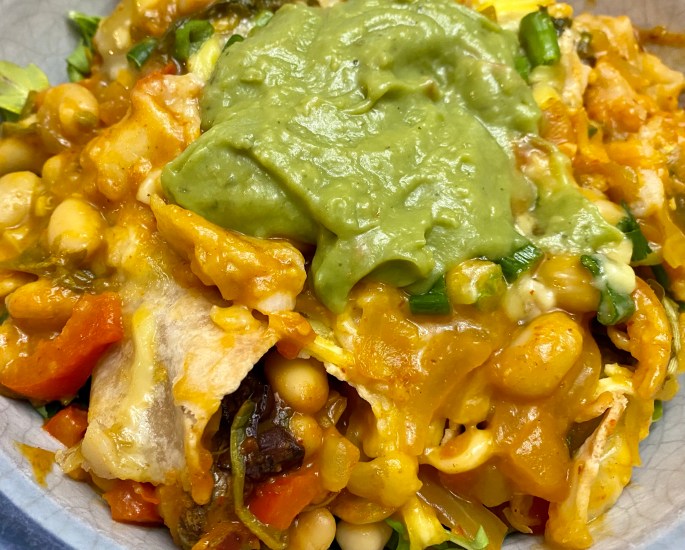
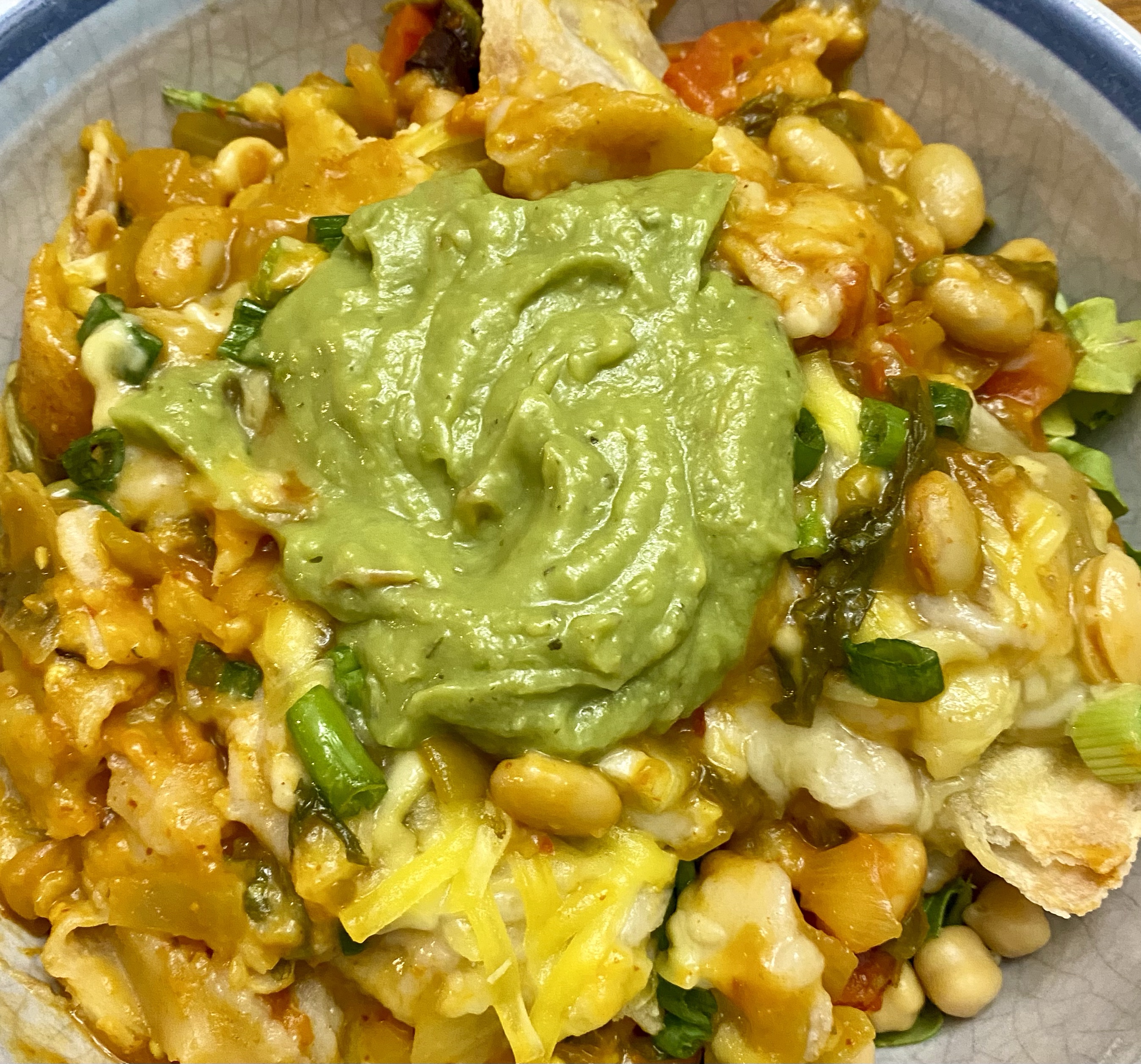
If you prefer to add meat, my recipe can accommodate your preference.  You could choose to replace the beans with chicken or seafood, or keep the beans, and add in meat.  Spices are optional, and I have made a note regarding why I add them.  I typically serve these enchiladas on a bed of leafy-greens and top them with a dollop of guacamole and chopped scallions.  However, you could serve them on top of rice, quinoa, or simply as they are.  Feel free to get a little frisky with the toppings of your choice!

Personal food choices are the N = 1. Therefore, I would never presume to tell anyone what they should or should not eat.  Nonetheless, I think most of us can agree, you can’t go wrong consuming a bit more veg.

From my home to yours, I hope you enjoy this recipe!

Ready to broil a bit.
Add your favorite toppings . . .
Serve it up on a bed of greens and/or grains and add more of your favorite toppings, such as guacamole.

Green and White Enchilada Bake

Ingredients:

½ cup vegetable broth or water

1 teaspoon minced garlic

1 cup chopped onion

½ cup chopped mushrooms, any type, optional 

½ cup chopped red, yellow, or orange bell pepper

2 teaspoons nutritional yeast (can substitute equal amounts of grated parmesan or chickpea flour)

½ teaspoon onion powder

¼ teaspoon crushed *red pepper, optional

¼ teaspoon *turmeric powder, optional 

Dash of *black pepper, optional

1 15 ounce can great northern beans, drained

1 4-ounce can green chiles

1 package low-sodium taco seasoning

8 ounces frozen spinach, thawed and drained

1 can green enchilada sauce

6-8 tortillas, depending upon size (I used gluten-free tortillas.)

2 cups shredded cheese, your choice (I used a vegan substitute for photos, but I’ve also gone without it.)

Directions:

Preheat the oven to 350 degrees.

Prepare a small casserole dish with nonstick cooking spray.

Chop onion and bell pepper, if using.

Heat a saucepan over medium heat.

Add minced garlic and broth, stir.

Add in onion and bell pepper, stir well.

Allow to simmer until vegetables begin to soften, about 3-5 minutes.

While vegetables are cooking, stir in nutritional yeast and onion powder 

If using crushed red pepper, turmeric powder, and dash of black pepper, stir those in as well.

Meanwhile, open, drain, and rinse the beans; stir into the simmering vegetable mixture.

Stir in green chiles and taco seasoning into the simmering vegetable and bean mixture, and allow it all to simmer for another 3-5 minutes, continuing to stir.

While the vegetable/bean mixture is simmering, stir in the spinach and allow it to simmer and wilt into the rest of the ingredients.

While vegetables are simmering, set up all tortillas, taco style, in the casserole dish.

Remove vegetables from heat; then, divide and fill tortillas with vegetable/bean mixture, folding down one side over the other, and using a toothpick, if needed, to keep closed.

If there is any remaining vegetable/bean mixture, pour over the tops of the closed tortillas.

Pour a can of green enchilada sauce over the closed tortillas.

Top with desired cheese, if using.

Bake, uncovered in the oven for approximately 25 minutes until sauce is bubbling at the edges.

Feel free to turn on the broiler for the last minute or two to brown the top of the casserole if desired.

Remove from the oven and allow to cool for 5-10 minutes before serving.

Makes 3-4 servings, two enchiladas per serving.

Top as desired.

Refrigerate any leftovers for up to 5 days.

*Note: Spices are a personal preference, so you choose if you want to add these ingredients.  Here’s why I do.

  • I use turmeric daily as an anti-inflammatory agent.  When cooking with tumeric, I pair with a dash of pepper as the pepper enhances the absorption of turmeric in the body by up to 2,000%.  Together both spices reduce inflammation and improve digestion.
  • I also regularly use crushed red pepper flakes and red pepper for its ingredient, capsaicin, which soothes stomach issues, boosts heart health, and fortifies the immune system.

Crab Cake Delight with gluten-free option

“Do not be the proverbial crab in a bucket and make war with those around you! Work together and grow! Love! Live Life!”–Marvin Gaye 

I know, I know!  Why am I writing a piece about crab cakes when I personally don’t eat meat?  Furthermore, why would I create a recipe that not only has meat, but also has “glutinous” bread crumbs, when I have celiac disease? I have several valid reasons, but the biggest of all is that I live in a world with a wide-array of taste/dietary preferences.  

Besides, I do not have the proverbial “crab mentality” that says, “If I can’t have it, you can’t have it.”  Goodness gracious, not eating meat is my personal choice; whereas, avoiding gluten is a necessity.  Regardless, my choices and restrictions do not dictate my ability to create recipes and share.  What’s more, I am already fast at work, creating my own plant-based, gluten free version of the following recipe, but I am getting ahead of myself.

Photo by Mark Stebnicki on Pexels.com

John, my husband, recently said to me, “You know what I’ve been craving that you haven’t made in years?  Crab cakes.”

I was delighted to make them for him, but I had to first hunt up the 20+ year old recipe.  When it wasn’t saved on my computer, I thought I was in trouble.  Nevertheless, I persisted and found my original recipe for crab cakes tucked inside an old Longaberger recipe basket, given to us as a wedding gift, nearly 34 years old.

I created this recipe when our daughter, now an adult, was a toddler, before I had decided to give up meat, and well before I knew I had celiac disease.  The recipe was now faded, yellowed with age, and full of stains from heaven-knows-what ingredients as I tend to multitask while cooking.  Looking at the neatly penned recipe, I recalled the chicken-scratched incarnations of the recipe as I originally crafted it.  Once I settled on the final variation, it was a recipe I frequently made–I even made it, a time or two, using salmon.  Then, like so many family foods, the recipe faded into the past, and it was replaced with other family meal-time favorites.

The yellowed card covered with the stains of cooking ingredients, speaks to its original creation of over 20+ years.

How was it this time?  Well, I didn’t taste them. What I can say is the cakes were super easy to make, and baked to a golden perfection, filling the house with the redolent scent of a seaside bistro. I did, however, make them with gluten-free Italian bread crumbs because I would be handling the ingredients. (Many people with celiac disease cannot touch/handle wheat products, or they break out in hives.  I typically don’t, but it wasn’t worth the risk.)  Nonetheless, John ate those crispy cakes with gusto throughout the week, often questioning why I ever stopped making them in the first place.

 Whether a person eats meat, or gluten for that matter, is a personal choice.   While I do sincerely believe that we all benefit from eating more whole plant-based foods, it is up to each individual to determine what foods are personally right for their unique body and life circumstances.  Regardless of dietary practices, I wholeheartedly believe that good food should be savored and enjoyed.  And, as a creative person who relishes the process of cobbling together new recipes, it is incredibly gratifying to see others smiling and enjoying the foods I create.

With that said, I hope you enjoy this recipe–whether for a Lenten supper or for lighter dinner fare.  Serve these crab cakes up with some grilled asparagus (as it will be coming into season soon), mango salsa, air-fried peppers and onions, rice pilaf or any number of side favorites.  The choice is yours!

Eat. Good. Food. Made. With. Love.

Steph’s No oil Crab Cakes

Ingredients:

1 egg (or liquid egg substitute)

1/4 cup ranch dressing

2 (6 oz) cans lump crab meat drained, flaked*

4 teaspoons lemon juice (juice from about half a lemon)

½ cup Italian breadcrumbs (gluten free, if needed)

⅓ cup shredded parmesan, romano, or asiago cheese

1 teaspoon dried minced onion (can substitute ground onion powder)

¼ teaspoon ground red pepper

Directions for oven:

Preheat the oven to 350 degrees.

Line a baking sheet with parchment paper.

Beat egg lightly with a fork in a medium bowl.

Stir the remaining ingredients until mixed well.

Divide mixture into six equal portions.

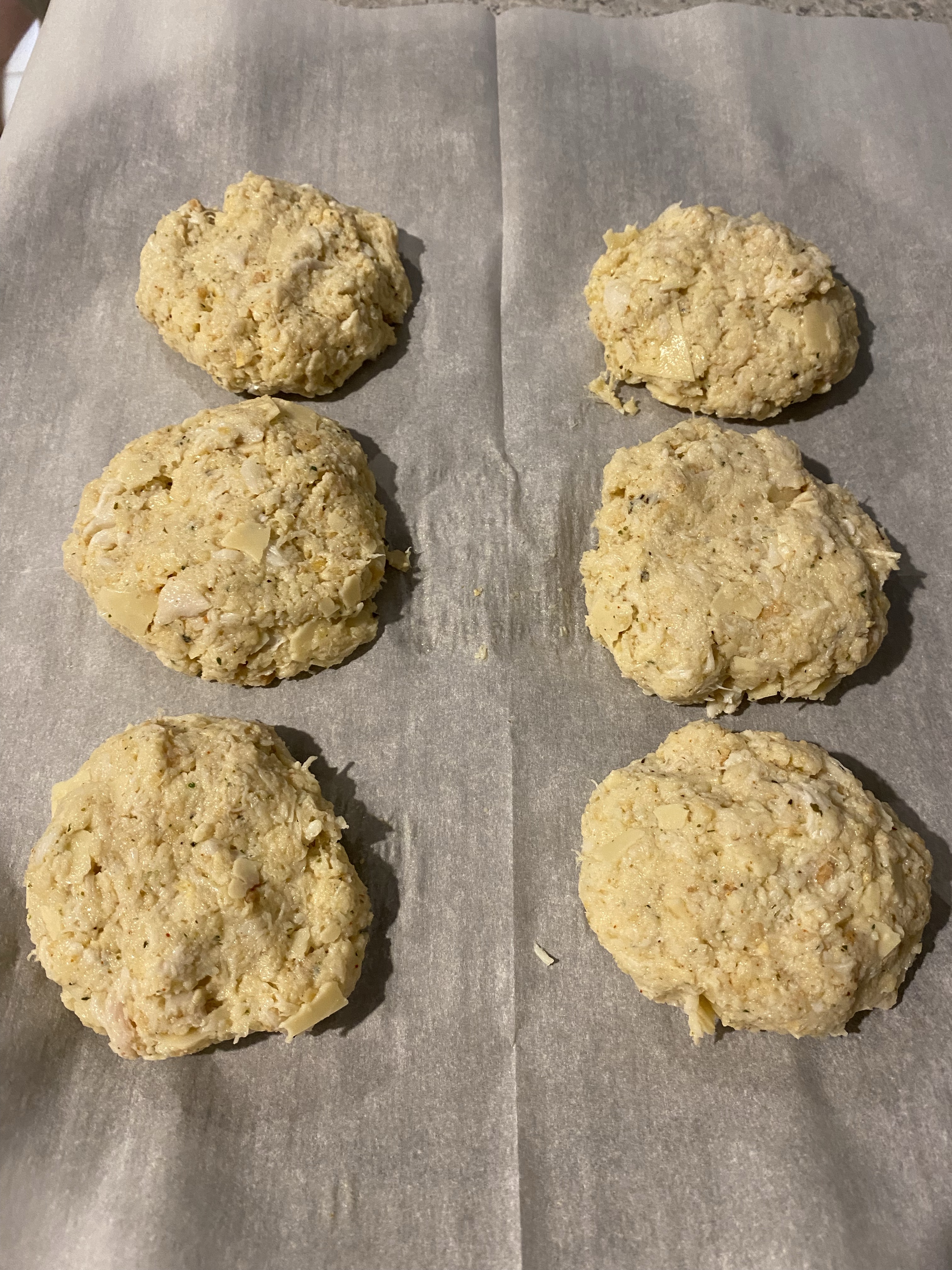
Roll each portion of crab mixture into a ball, flatten into a patty, and set on parchment paper.

Repeat process, allowing an inch or two of space between each crab cake patty.

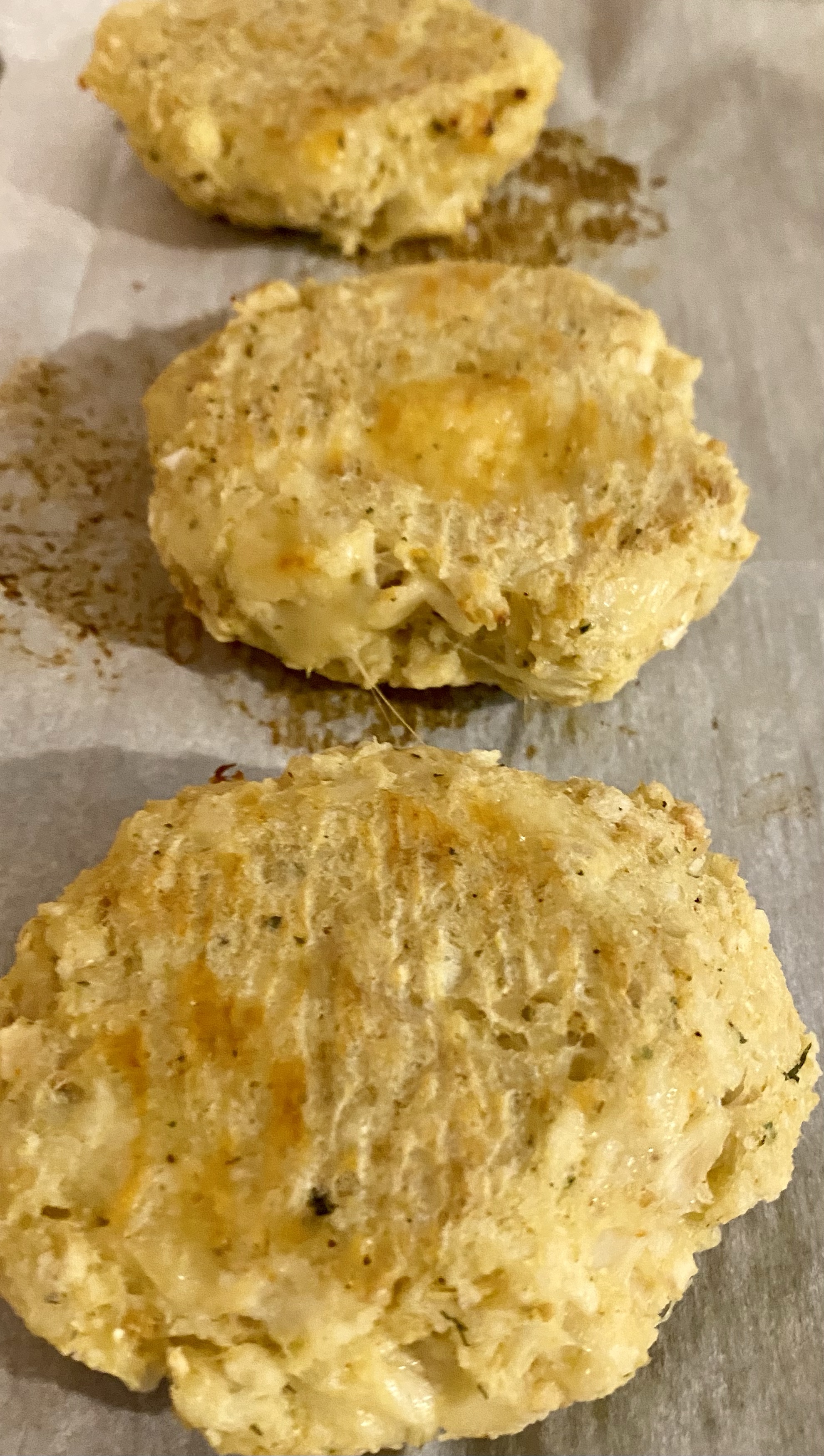
Place in the oven and bake for 10-15 minutes on each side, or until golden brown.

Directions for air fryer:

Follow directions above for mixing and dividing crab mixture.

Lightly spray the air fryer basket with cooking spray.

Set the air-fryer to 375 degrees.

Place crab cakes, three to four at a time, in an air fryer, lightly spraying the top of each with cooking spray.

Cook approximately 8 minutes on each side.

Serve immediately or keep warm until ready to serve.

Makes six cakes.

Leftovers can be stored in the refrigerator for up to five days, and reheated as needed. 

Leftover crab cakes make great sandwiches and/or wraps.

Stir together all ingredients into a bowl. I didn’t have have shredded parmesan on hand, so I used freshly shaved parmesan instead.
Mix well until ingredients are well-incorporated.
Divide into six approximately equal sections.
Form each section into a ball, press into a patty, and place on parchment lined paper.
Bake them up, being sure to cook on both sides, until golden brown.
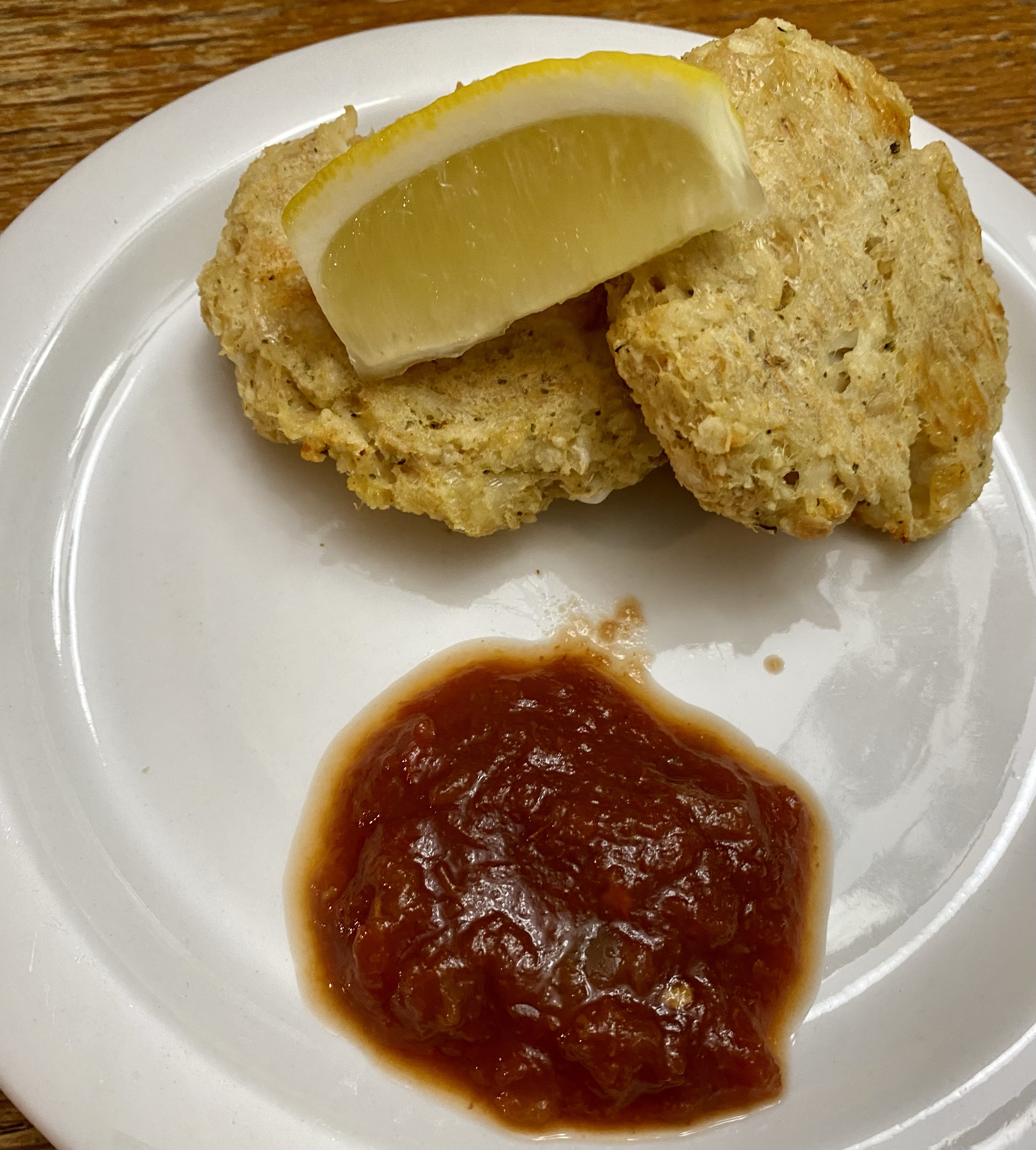
Serve them with fresh lemon and your favorite side or dip! You can also use them to make sandwiches or wraps!