“Fear: False Evidence Appearing Real

“We are often more frightened than hurt; and we suffer more from imagination than reality.”–Seneca 

“Of all the liars in the world, sometimes the worst are our own fears.”–Rudyard Kipling

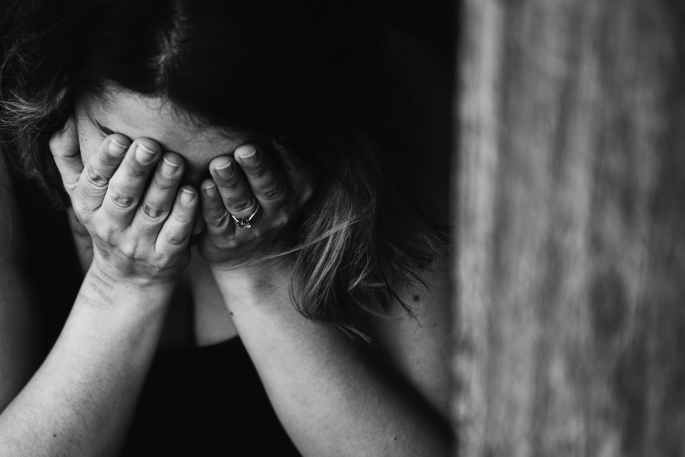
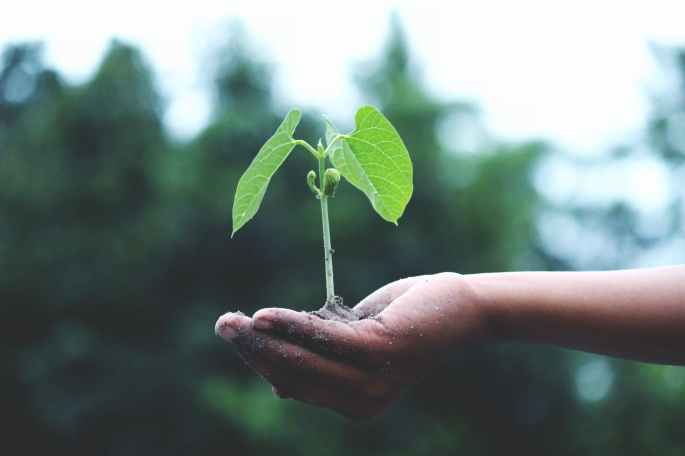
Photo by Kat Jayne on Pexels.com

FEAR:  False Evidence Appearing Real.  But is it really false?  Does the body truly know what is real versus perceived? 

Panic, anxiety, stress, depression, lethargy, mania . . . this is the vocabulary that describes very real reactions to F. E. A. R. 

Fight. Flight. Freeze.  Three words that seem perfectly harmless . . .until linked with the word, fear.

There are other words too:  cancer, stroke, heart disease, COVID, Rheumatoid arthritis, muscular dystrophy, aging, dying, murder, divorce, accident, fire, flood, hurricane . . .  and even the word, change–when viewed in isolation–not attached to oneself or a loved one–are words that can seem likewise benign, or at the very least, distant.

What do all of these words have in common?  They all have the potential to strike fear in both the recipient(s) and/or the supporting loved one(s) often triggering the fight, flight, or freeze response.  

Fear is a four-letter word that is often the king or queen of many minds, including my own, if left unchecked.  It can often be the source of increased heart rate, elevated blood pressure, racing thoughts, sleepless nights, shortness of breath, tightness in chest or other parts of the body, excessive worry, loss or increase of appetite, fatigue, headaches, and the list goes on.  None of us are immune.  Sometimes the fear is real and valid, other times, while it is still valid, it is often exacerbated by one’s mind.

Lack. Of. Control.  Fear creates a threat, and when the body/mind feels threatened, our nervous systems (sympathetic and parasympathetic) respond automatically in one of three ways:  fight, flight, or freeze. Fight-flight-or-freeze is not a conscious decision.  It is an automatic reaction for which you have little to no control. 

Photo by Suzy Hazelwood on Pexels.com

Recently, I viewed the documentary, Robin’s Wish.  This short film, a little over an hour long, alternates scenes of honoring/remembering Williams the actor and friend, as well as reflections/responses to his decline.  Ultimately, it wraps up with events from his tragic death, and the discovery that what was initially diagnosed as Parkinson’s disease was actually Lewy body dementia, the third most common type of dementia according to the Alzheimer’s Association, shedding new light and greater understanding for William’s untimely death.  It concludes with a note of hope:  Robin’s wish . . .

“I want to help people be less afraid,”–Robin Williams

As the film revealed, Williams battled various forms of fear his entire life.  Thus, learning that he wanted to help others be less afraid struck a heart note within me.  Williams brought laughter, joy, and mirth to audiences throughout the entirety of his prodigious career.  Through his comedic words and actions, Williams helped many feel less fearful–even if only for a short moment.

Personally, I understand battling fears as I am often filled with many sundry fears.  It is hard for me to recall being without them–although I have been told that I was fearless as a youngster.  Perhaps, it is my overactive imagination, my sensitive nature, or the unique hard-wiring of my brain, but feeling fearful has been a large part of my life.  

Most days, I “fake it ‘til I make it,” moving throughout life as if I don’t possess one single shred of fearfulness; and, it usually works.  I am able to take the fearful part of myself, box it, bound it up tightly, and store it far away in the attic of my inner world in hopes that it won’t escape.  Days, weeks, sometimes, months can go by, and not a tremor of fear is felt.  Then, like unexpected heavy rains in the middle of the night, the drip, drip, drip of fear begins to leak into my life.

It is those very fears that inspired me to write.  Beginning in those angsty middle school years, when I was fearful or did not understand something, I wrote.  Over those young years of my life, pages of journals and notebooks were filled; and then, I stopped.  My writing began to feel meaningless, trite, and purposeless; and therefore, not worth the effort. 

Photo by Dom J on Pexels.com

Decades later, my fears grew heavy once more, threatening to consume me if I didn’t do something.  I attempted to keep boxing them, rewrapping them, and shelving them here and there within the messy recesses of my being, but they kept slipping their binds.  Ironically, I could not give them a voice–I could not articulate them–just felt them in my body:  deep belly aches/flutters, pounding heart, accelerated thoughts, and worries–constant, constant worries.

Then, at the gentle, but dogged, nudging of a friend, I began writing again.  I wrote for no one in particular–just to work out the kinks, find my voice, and learn to once more articulate–at least through the written word. Sure enough, the fears began to loosen–not per se, leave, but at least they were becoming more tame–most days!

Reading Williams’ succinctly summed up quote, I realized that my own drive to not only write, but to share my words with others, is because I, too, want to help people feel less afraid and more focused on the positive.  In fact, I realize that was an underlying factor for likewise becoming an educator–to help children feel less afraid.  I am not sure if I have achieved either of these goals, and I know for certain that I have not, nor will not achieve to the level of Williams’ success.  Still, I can try to make a difference.  Even if I am only able to help one reader, or one student, feel they are not alone–reassure someone that they can “do hard things,” they can persevere, and they can live with fear without it ruling their life–then, I have achieved my goal.  While my writing, or teaching, will not earn an academy award, nor lead to fame or fortune, if it leaves a small mark within a life or two, then that is enough reward.

Photo by Mark Neal on Pexels.com

Recently, I was making my way down the Ritter Park path.  It was riddled with puddles after days of rain.  Unless you like mud-soaked shoes and ankles, you had to work with others to navigate through and around the numerous soggy patches of earth.  That is what life is about, working with others to get through the sloppy times.  Some of us do that on a large-scale, such as Robin Williams, and the rest of us have opportunities and moments in life in which we can help one another navigate through and around rough patches, using whatever gifts God has given us. 

Don’t ever think you are alone in your fears, Dear Reader.  You are not, and you can persist in spite of them. 

Photo by eberhard grossgasteiger on Pexels.com

A Good Morning Goodbye to Summer

“ . . . Goodnight mush

And goodnight to the old lady whispering “hush” 

Goodnight stars

Goodnight air

Good night noises everywhere”–Margaret Wise Brown from the book, Goodnight Moon, illustrated by Clement Hurd

When my daughter, Madelyn, aka “Maddie,” was a toddler, she had several favorite books with which she played, banged, tugged, and, eventually, pretended to read. One of those favorite titles was Margaret Wise Brown’s, Goodnight Moon.  Of course, as with most children, we went through several phases of “favorite books” that were the bedtime default for, “one more story,” before lights were out.  However, Goodnight Moon was an on again, off again favorite for a couple of years.  There is a reason this 1947 classic children’s story has sold millions of copies and has been translated into numerous languages.

I was reflecting upon those sweet, long ago reading-bedtime-stories-memories and comparing those times within the current context as I made my way through Ritter Park on what was my final week day workout of the summer . . .

Maddie in her extra soft jammies, smelling mildly of soap, her hair slightly damp, her skin soft, pink, and warm, as she wriggled a little closer, imploring me to read, “one more story.”  Reaching for Goodnight Moon for what felt like the thousandth time, I would often change the words of the story to reflect our house, her bedroom, and her surroundings, creating a more personal narrative.  Quite often, Maddie would join in with her own improvisation as well.  

Reading to my daughter is one of those memories that brings tears to my eyes because time seems to have transpired so swiftly.  It feels as if only last week that I was reading those stories, and numerous others, with her.  I didn’t realize then, that as quickly as those page-turning moments were occurring, they were likewise being replaced in the same way Maddie’s bedtime books were changing and evolving. The time of childhood kept moving forward like the plot of her stories. For unlike her storybooks that could be paused or stopped by simply closing the book, time did not then, nor does not now, allow me to stop the story of life from progressing.  Goodnight, Maddie, as a toddler.  

Miss Maddie grew, and with every page turn of life came a new image, a new stage, a new way of saying goodnight.  Giggle-filled toddlerhood seamlessly turned into the carefree days of preschool age, and soon enough the plot evolved into the pleasant days of kindergarten.  As life progressed, cheery days of elementary years were followed by those angsty years of middle school. Next came the plot-twists that belong to the high school years.  Presently, a new page has been turned, with more COVID-related turn-of-events occurring that continue to promote both her personal and academic growth as she makes her way through the challenging college years, especially within today’s state-of-affairs.  

Time just keeps cascading, drumming along, pattering out rhythmic beats of memories.  These snapshot moments of life with our daughter are like the bubbles she created in those early bygone years. Maddie would blow the bubbles into life and then chase those bubbles, trying to “catch” them, but bubbles tend to pop when you try to grasp them.  Instead bubbles are best enjoyed while savoring the creation of each one and then enjoying their flight as they glide through air as shiny kaleidoscopes of joyful color.  However, like my toddler daughter of all those years ago, we often give chase to life, trying to hold onto bubble-like moments of the past or bubbles that might be created in the future, often unaware that current bubbles of life-moments are floating within our view with little personal awareness.  

In some ways, though the pandemic has forced many of us to be more aware of the preciousness of life.  When life as we knew it, came to a screeching halt, or at the very least, drastically slowed down, time spent driving hither and thither was reduced to a bare minimum.  Spending most, to nearly all, of your time at home became the new normal.  The hands of life’s clock tick-tocked to the same rhythm, and yet, felt s-l-o-w-e-r.  Working from home in comfy clothes was the new cool.  John, Maddie, and me, like many that were lucky enough to remain employed or in school, worked from our home battling for wifi and dealing with the imperfection technology; and, truth-be-told, imperfect people since neither John nor I are tech savvy.   Somehow, though, we managed to keep turning those pages of work, school, and life, but it was different, and it seemed to revive the age-old theme for the desire of work-life balance and the importance of spending time with family and loved ones.

Now, as we return to new variations and designs of our work worlds, I have to wonder/worry if we are returning to the proverbial rat race.  While there were, and continue to be, many negatives of living with COVID-19, there were (and are) advantages to quarantining at home.  One of my big takeaways from the experience is that growing desire to strike a greater balance between work life, family, and time spent in meaningful, personal pursuits and/or expressions. COVID has revealed there is more to life than career, and there is likewise much value in time spent with people. While being able to financially support oneself is important, COVID has repeatedly reminded me, and many others, that our time on earth is like those bubbles of Maddie’s youth, elusive, colorful, but short-lived.  I want time to create and savor more meaningful bubbles of life moments.

As I continued down memory lane on that Ritter Park run of last week, I was reminded of the certain situations for which I am/was happy to say goodbye and others for which I am/was glad to say hello with regards to COVID, quarantine, and working from home as well as the positives and negatives of returning to work (school), albeit, with a new way of working and thinking about education and work-life in general.  In my head, Maddie’s Goodnight Moon’s simple verse informed thought bubbles of random rhymes and personal prose . . .

On a great big earth

There was a virus

And a numerous people of worth

And a picture of–

Distractions of media birth

And there were numerous world leaders sitting on chairs

And there were markets

And there were targets

And people were moving

And the bug was stewing

And there was more spread that grew in a rush

And there were even some men who were proclaiming, “hush”

Goodnight school

Goodnight need for much fuel

Goodnight countless people of worth

Hello time at home

Hello best-not-to-roam

Hello extra family time

Hello singing wind chime

Hello work from the table

Hello time for evening cable

Hello bedtime at dark

Hello paths of local parks

Hello time spent in nature

Hello medical danger

Hello life with COVID-19

Hello people on a virtual scene

Goodbye summer months that went by fast

Hello school bells ringing at last

Hello to the students I will see

Hello to the in-person teacher I will be

Goodbye warm lunch peacefully eaten alone.

Goodbye work from home

Hello continued work-friend, Google Chrome

Goodbye quarantine that abounds

Hello, the virus is still around

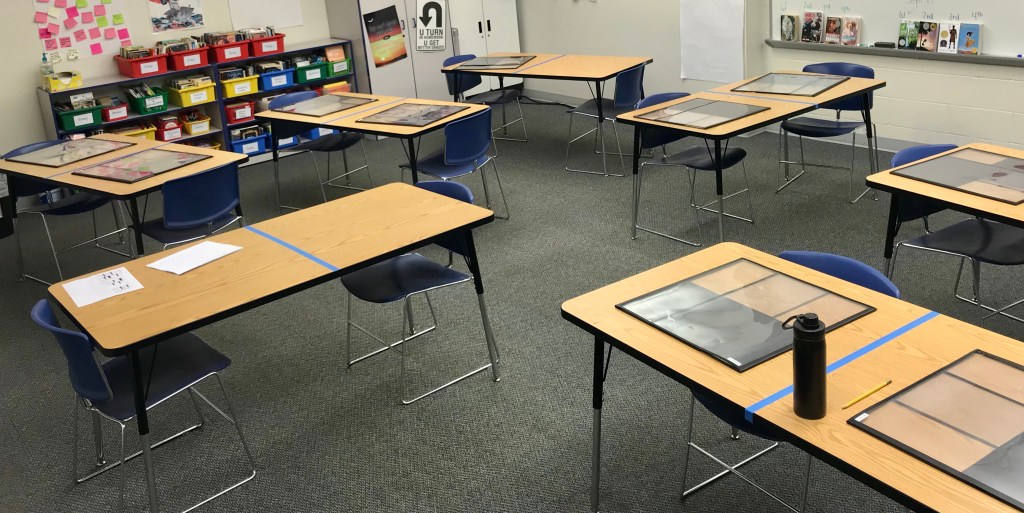
Hello to spaced out chairs

Hello to continued and fervent prayers

Goodbye work day morning run

Goodbye savoring dawn’s sun

And there’s still no goodbye to men proclaiming, “hush”

Goodbye sweatpants

Goodbye, my growing green plants

Goodbye quarantine life . . .

May this school year and fall 

be safe for all 

Goodbye, fellow morning exerciser, Deborah Garrett who walks an hour and forty minutes most mornings at Ritter Park. She says she “just loves it in Ritter Park.” I hope that I see you from time to time on the weekends. In the meantime, keep on stepping into life!

Becoming

“To be what we are, and to become what we are capable of becoming, is the only end of life.”–Robert Louis Stevenson

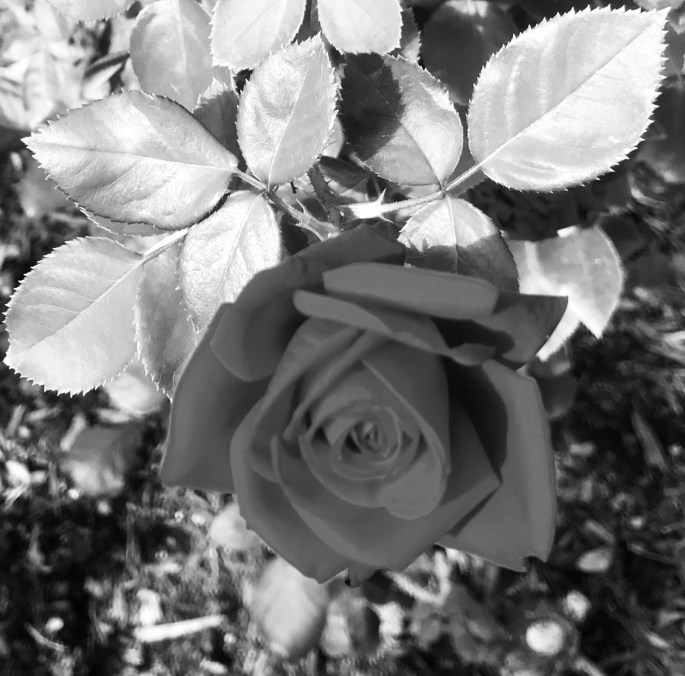
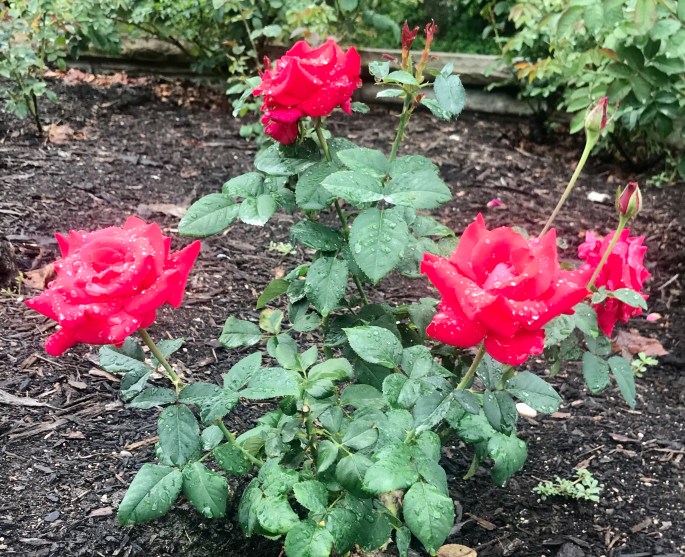
Standing on the crest of a small hill, my senses were heightened.  I could feel the weight and seemingly taste the moisture in the air. Scents of earth, rain, and floral encompassed me.  Dewy variations of pink, red, and coral stood out in contrast to the overcast dawn. Meanwhile, the unmistakable melody of creekwater rushing over rock, bed, and banks provided additional ambiance to the unfolding morning. There could be no mistaking it, this was a brief interlude before the showers once more resumed.

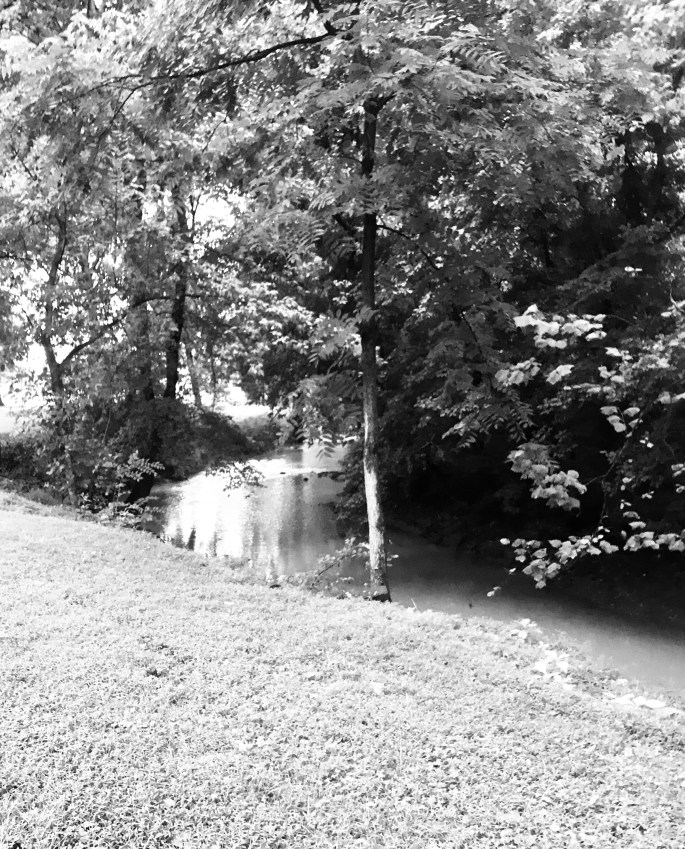
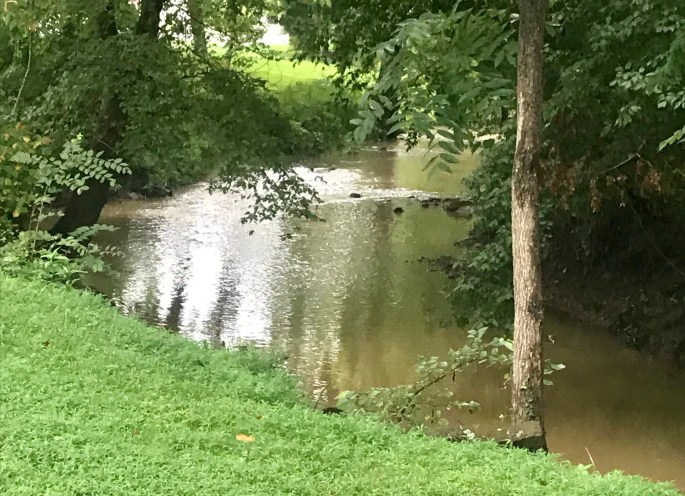
Down the hill I trotted, past the pristine rows of roses and on towards my companion for the next hour or so, Four Pole Creek, or “Four,” as I have come to think of it.  

“The more I run, the more I want to run, and the more I live a life conditioned and influenced and fashioned by running.  And the more I run, the more I am certain I am heading for my real goal:  to become the person I am.”–George Sheehan

Hello Friend.  My heavens, but you are swollen today, full as a tick bug, as my Papaw used to say, from the feast of overnight rain.  It’s good to see you looking lively today.  Your rhythmic song will be a welcome distraction from the noise in my mind.  

You see, a stunning new realization has recently taken root in my mind.  It whispers conspiratorially to me that I have reached a point in my life in which the years ahead are more likely to be less than the years I have lived.  What am I to do with this information, I ask you?  It is such a staggering revelation.

What’s more, my aqueous friend, the image reflected in my bathroom mirror no longer matches the image in my head.  There are these white hairs at my left temple and even more sprinkled throughout the parting of my hair.  Likewise, there are lines, especially when I smile, that run from the top of my cheekbone down towards my jaw line!   Tiny versions of those lines romp across the top of my lip, corners of my eyes, and all along my forehead.  How am I to be with this?

It seems I am not the only one changing.  I keep running across pictures from previous years in which family and friends look different.  They look incredibly young in those pictures–like unfledged, inexperienced youth.  I don’t recall that image.  In my mind, they are ever the responsible, mature, and wise people who never age, but remain frozen in time–never too young or old. 

Oh, and Four, there are all of these nagging aches and pains.  They niggle me awake during the night or flare up in the middle of work.  Sometimes, I down right hurt all over, and I can’t determine the cause.  However, I can tough out these minor hurts.  I can.  It’s the suffering of my loved ones that trouble me more.

I see my loved ones injured, battle-scarred, aging, and/or struggling.  You see, I want to help, to make them better, to help them feel whole again.  Even more than their ailing physical beings, I want to offer peace to the emotional wars waging within their minds and hearts.  I try.  I do try to help in small ways, but I am not a doctor–I don’t even play one on TV.  Thus, at times, I feel limited in what I can do to ease their burdens, pains, and sorrows.  

Still, it encourages me to see you full of vitality.  For a couple of weeks, you have been waning.  Your shallow flow lacked its usual energy and zip.  It is good to see your waters revived once more.

By the way, did you take care of the terrapin that I sent your way recently?  It was headed away from the safety of boundaries of your banks towards the traffic rolling alongside you.  I picked it up, even though it seemed offended by my action, and placed it carefully within your borders.  Hopefully, you were able to redirect its journey to safer ground.

As I was taking this picture, a couple days later, I was able to catch this image of a walnut falling into the water from the tree above.

Back to my original point, Four.  Have you any thoughts, ideas, or insight you can offer?  It seems as if your soundscape is whispering commentary.  Perhaps, if I quiet my head, I will hear it. 

“Life is a lively process of becoming.”–Douglas MacArthur

Four, I can’t help but notice that you have more riffles, rapids, and runs today. It’s nature’s way of breathing oxygen into your waters.  In return, your waters can give support to the life in, below, and around you.  

Earlier in the week, your waters were different.  They slowly glided from one pool to another. Of course, it was quite hot outside.  I couldn’t help but laugh at the number of neighborhood dogs splashing around or sitting in the cool shallows of those pools.  You remain ever the friend to the creatures in need, no matter levels and speed of your waters. 

 I have to ask though, do you ever hurt? Do pollutants irritate you?  What about those pesky people trying to reconfigure earth around you in order to build in the name of progress? Does that cause you pain as the drainage of rainwater and groundwater shift, ultimately influencing the levels and speed of your flow?  Do you mourn for your former self or for the forested neighbors that must have once lined your banks?  Regardless of those things for which you cannot control, it seems to me that you keep going, keep giving, keep supporting life to those in need of water.

Your waters are gathered from different sources. There are times, like today, when your waters are swift, becoming deep and darkened with the mud of debris, rocks, and earth.  Other times, like this past week, your waters are nearly still as you become shallow and more clear.  No matter what you are becoming, though, Dear Four, you remain ever Four Pole Creek, part of the Ohio River Watershed that feeds into the grand Mississippi River, and empties into the Gulf of Mexico flowing into the Atlantic Ocean.  Along the way, some of your water is evaporated into the air, cooled, condensed, and eventually returned to the earth–molecule by sweet molecule–a single droplet that is all part of the larger body of creation.

Four, in spite of your continuous changes, from the levels of your water, to the shapes you take; from the color of your waters, to the speed at which it flows; and from the lives that your waters support, to the beauty you offer the landscape, you are constantly evolving, ever changing, and continuously becoming.  Yet, you remain a creek, one creek in the great cycle of water.

“By being yourself, you put something wonderful into this world that was not there before.”–Edwin Elliot

Like you, Four, I am changing, and so is the life around me.  Some of my loved ones have flowed on to their heavenly shores, while many others remain bound to the earthly waters of life.  Like you, no matter my shape, my hurts, the gray at my temples, the lines of my face, or the pace at which I move . . . I am still me.  I will remain me–becoming, evolving, and adapting to the changes within and all around.

One day, I will dance among the ether of your molecules.  Together, joined by those who slipped ahead, we will become part of the Great cycle–the ever more and ever was. 

Thank you, Four.  Your song returned me to the hill of roses.  Back to where I started.  This running cycle is complete.  You were a fine companion.

Container Gardening: A Lesson in Parach (Thriving)

“Love and work are to people what water and sunshine are to plants.”–Jonathan Haidt

Photo by Stokpic on Pexels.com

Since March of 2020, I have experienced a few bouts with melancholy.  I suspect that I am not unique in experiencing these moments of sadness.  In fact, I feel as if these lugubrious time periods are a normal reaction given the amount of drastic change that is (and continues) to occur.  Like others, I have found various ways of battling the blues that have mostly worked, such as exercising outside, following a meditation program, reading for pleasure, and so forth. However, the most surprising coping mechanism–at least for me–has been container gardening.

Photo by cottonbro on Pexels.com

“The glory of gardening: hands in the dirt, head in the sun, heart with nature.  To nurture a garden is to feed not just the body, but the soul.”–Alfred Austin

To be certain, my husband, John, and I have tried our fair share of gardening in the past.  Our reasons for attempting were well-intended; however, in the end, we lacked the stick-to-it-ness that a large-scale garden requires.  Ultimately, the continuous ebb and flow of life demanded our attention, and gardening fell away.  

Thus, based upon those past experiences, my foray into container gardening has been modest.  Still, nurturing my few flowering plants and vegetables has provided a positive point of focus.  Walking out my kitchen and front doors each day to bear witness to the growth of these plants has cultivated within me a renewed sense of hope and purpose.  The plants’ growth and ability to thrive depend upon not only my actions, but also the right ingredients. 

Photo by Markus Spiske on Pexels.com

Container plants require regular exposure to light.  That said, each plant’s needs for light vary, so I had to become a keen observer in order to determine the ideal location for each plant. I quickly learned that my current selection of herbs, begonias, and mums will turn yellow, brown, and even look burned if given too much light, causing their leaves, and ultimately blossoms, to dwindle and die off.  Therefore, placing these plants in areas that only received  morning light and/or partial shade allowed them to flourish.  Contrastly, my vegetables, a modest variety of tomatoes, peppers, and onions, grow spindly, turn yellow, and simply don’t grow without enough sunlight.  Therefore, they needed to be placed in an area that receives six or more hours of direct sunlight in order to produce.    

These red peppers are thriving in the abundant sunshine.

Growing plants in containers also requires regular intervals of watering.  Like sunlight needs, different plants have different watering requirements.  The morning-sun/partial shade plants typically need watered every other day during excessive heat periods, but less frequent waterings during more moderate temperatures.  In direct contrast, the vegetable producing plants need daily watering.  Go one day without water, and the vegetable leaves begin to wilt, droop, and even fall off.  However, too much water can be just as deadly I discovered during a mid-June rainy period.  During this time period, the vegetables, I determined with a bit of research, developed something called blossom rot caused by the depletion of calcium in the container’s soil from too much rain.  Therefore, I had to find a way to add calcium back into the soil.  Unfortunately, I also learned, the hard way, that applying too much of the calcium based product can burn the leaves–nearly killing the plant. 

Photo by Karolina Grabowska on Pexels.com

Therefore, regular intervals of fertilizer, in the right combination/amounts, is also critical to the plants ability to thrive.  Thankfully, I chose to start each of my plants in potting soil that already had been enriched with the correct combination/amount of fertilizer.  I purchased one type for flowering plants and another type for the vegetable producing plants.  Additionally, with a bit more research, I settled on a couple of different fertilizers to use several weeks into summer, and within days of adding them, the plants seemed to double in size.  In fact, this growth period taught me the importance of pruning–taking time to periodically cut back excessive growth, remove withering leaves, or pinch back fading blossoms in order to maintain the health of the plants.

I am so glad that I started these tasty herbs–oregano, basil, and lemon thyme–off in a quality potting soil with the right type of fertilizer.

One final point of interest that I also learned this summer was the size of the plant determines the size of the container–which of course, makes sense.  However, any container can serve as a vessel for a plant as long as it has hole for water drainage, so the plant doesn’t become waterlogged from too much rain or unintentional overwatering.  Afterall, heavy rains and/or summer storms often occur during the humid summer months.

Without proper drainage holes, these beauties–begonias–would have drowned in some of the heavy rains of June and July.

Therefore, these experiences have provided a poignant life lesson.  A month or so ago, I came across a reference to the Bible in which the author wrote that the word thrive is often used as a translation of the Hebrew verb, parach.  When I searched to confirm this definition, I discovered that parach has three meanings, one of which is to bud (sprout, bloom, shoot).  Therefore, like my container garden, if we want our lives to “parach,” we must fill them with the right ingredients.  Much will depend on our current circumstances, life-history, age, status, perhaps gender, and other life markers.  Just as any container can produce a beautiful plant, there is no one size fits all for individual growth and vibrancy.  However, there are a few common denominators.

Photo by Mahmudul Hasan Rifat on Pexels.com

First, while plants will wilt, wither, and wane without sunlight, each variation does have its own requisite levels when it comes to the amount of daily light needed. Likewise, our lives must be rooted in The Light, the great Creator of the pure essence of our spirit and soul.  This may look different from one person’s faith systems and/or practices to another.  For example, consider all the differences that are often seen among styles of worship within one church denomination, such as Baptist, much less all of the other variations/interpretations of worship and faith practices from one denomination or religion to another.  Nonetheless, we all need a source for hope, faith, and light.

Rooted in the true heavenly Source allows one to weather the storms.

Secondly, our lives must be watered regularly.  There is no getting around the rainy seasons of life.  Without the stormy times of life, there is no growth.  If there is no growth, then there is no sense of joy, no need to celebrate or savor special moments/accomplishments.  The old adage,“Into every life a bit of rain must fall,” is a maxim for reason!  Furthermore, like my vegetables experiencing blossom rot from too much rain, there are times in which we may become waterlogged by the storms of life. Those are the times in which we must develop and learn to rely on life’s proverbial drain holes in order to unload some of the sadnesses that are part of life. These so-called drain holes can take on numerous forms depending upon personal preferences/needs, such as talking to a trusted friend/family member, exercising, crafting, gardening, therapy, and so forth. All can encourage movement toward some form of homeostasis

As seen on Instagram at heartcenteredrebalancing.

Finally, each person needs a unique combination of fertilizer and soil mixture.  What enriches one life, may not be the spark that boosts another’s. What’s more, the very practice or habit(s) that lit you up at an earlier point in your life may not provide the same enhancement later on in years–or if it does, it may need modification.  Furthermore, like my plants that needed pruning, there may be poor or unproductive habits that need reformed, remediated, or removed in order to further facilitate quality growth. The point is that in order to increase one’s vibrancy, one needs some source of positive inner joy, interest, or motivation that creates the spark in life.  

Photo by cottonbro on Pexels.com

Unlike my plants, a human life typically lives through multiple seasons.  However, no matter the number of seasonal changes through which we live, life is still short.  Therefore, it is worth taking time to cultivate the right conditions in order to parach.  If quality does not go into your life, you can’t expect to get quality in return.  In the end, when our growing season comes to a close, we will not be remembered for the container in which we lived, but by the fruits that we shared with others.  May your harvest be bountiful.

As seen on Instagram at mylifesbt.
As seen in Instagram at myliftsbt

Volunteer Seeds of Kindness

“A tree is known by its fruit; a man by his deeds.  A good deed is never lost; he who sows courtesy reaps friendship, and he who plants kindness gathers love.”–Saint Basil 

“Good Morning!” I say to people I pass along the path of my morning run.   Typically, my greeting is echoed back.   Occasionally, I will encounter someone who is busy talking on the phone. Likewise, there are a few who appear to ignore my greeting, but perhaps they don’t hear me, aren’t a morning person, or they are having a bad moment–at least they aren’t, per se, rude.

One particularly hot and humid morning, I observed a young couple running ahead of me, but when they took a walking break, I happened to pass by them.  I warned them that I was, “passing on the left,” as a courtesy in case they did not hear my approach and also to encourage social distancing.  As they moved over to allow me to proceed, I thanked them and wished them a good day.

“Thanks! You’re looking strong, by the way! Keep it up,” was the female’s response.

As seen on Instagram at mylifebt.

Now, if there was one thing I was NOT feeling at that moment was “strong.”  In fact, I am fairly certain that strong was not on the spectrum of emotions I was experiencing at the time.  Regardless, her kindness was enough to plant a tiny seed of positivity into my morning exercise and offered a nice boost of energy that was much appreciated.  Since then, this young woman’s random act of encouragement has remained with me, reminding me of the importance of taking time to offer a smile, kind word, or gesture to others with whom I come into contact–especially in the age of COVID.

“A single act of kindness throws out roots in all directions and the roots spring up and make new trees.”–Amelia Earhart

In direct contrast, on another muggy morning, I was making my way along the path, dodging and side-stepping mud, puddles, and oozy sections that looked like an invitation, at least for me, to fall or wrench a limb.  The grass alongside the path was especially slick with moisture because the previous evening had been filled with numerous downpours.  Most pedestrians were following an unspoken courtesy of passing one another at a socially appropriate distance without forcing anyone off into the sopping turf bordering the path.   This sometimes meant pausing, slowing down, or jogging in place behind someone in order to let another person advance from the opposite direction.  Certainly, it might temporarily slow down one’s pace, but if you were really in that big of a hurry, you could choose to step off into the wet grass–and I certainly saw a few faster runners make this decision.

I was approaching an older couple from behind as I continued along the path. I slowed down and moved to the outer edge of the path on my right as there was also a group of three women walking towards the couple from the opposite direction.  The three women formed a single file line, moving to the opposite edge, preparing to go by the couple, leaving plenty of safe space.  The man in front of me moved behind his female companion, so I jogged in place at a respectable distance behind the pair to allow the three ladies to progress by before I passed the couple.  

As seen on Headspace app.

Suddenly, from behind me, I heard the pounding of footsteps and someone huffing swear words under his breath loud enough for all of us to hear.  As I turned my head in his direction, I instantly recognized the cursing man.  When I had previously passed him earlier in my workout, he did not acknowledge my morning greeting.  In fact, having encountered him on a number of previous occasions along the same path, he has never once acknowledged my greeting.  Still, I had written off those encounters to the fact he was a focused runner, despite the fact that his running companion, who was currently at a significant distance behind the cursing man, always spoke.  

Meanwhile, the three women continued walking past the couple in front of me, and the huffy man drew up beside me at an uncomfortable closeness, barely leaving enough space for the women to pass at a safe distance.  He looked down at his watch, uttered more harsh swear words, and then quickly dashed between the last woman in line and the couple in front of me, nearly knocking down the woman and startling the older gentleman.  Meanwhile, his companion froze in place and appeared to look at the fast trotting man with a mix of bewilderment and resentment.  Afterwards, for what seemed like a long moment, though it was probably only mere seconds, the six of us glanced from one person to another as if collectively trying to recover from the near collision caused by the man’s aggressive and angry energy that was still hovering in the air as if he had run a red traffic light and escaped, but we were left with the wreckage of his actions

As seen on Instagram at meditation_and_mindfulness.

“We all have the right to be here,” I impulsively blurted out to no one in particular.

The three women nodded in agreement and added a few choice comments.

“Well, I hope you guys have a good day anyway,” I added as a moment of closure hoping to bring about a more positive tone.  However, I wondered if my words sounded hollow like attempting to give a child a lollipop after they have been given a vaccination shot.

Reflecting on my statement later, I realized the depth of what I had said, “We ALL have the right to share the path”–even cursing, impatient runners.  Oh, boy!

As seen on Instagram at positiveenergyalways.

We live in a finite space called Earth in the community of our collective humanity.  Currently, around the globe, we are faced with issues, problems, and crises–the likes of which most of us have not experienced in our lifetimes. Meanwhile, we have those, like the female runner, offering up encouragement to others in spite of his or her weariness; and, there are still others, like the antagonistic runner, pushing aside those who get in the way of his or her wants/desires.  

If I am to be honest, I have regrettably behaved like the cursing runner, so I do not want to pretend to be something that I am not.  However, both of these recent encounters have served as a reminder and object lesson to me.  First, every person has the right to share the path, aka, Earth–even those with whom whose actions I find aversion.  Secondly, I can only control my actions and my words–not others.  Finally, I have a choice, each day–and really, each moment, to decide what my actions, my responses, and my words will foster; and, so do you, Dear Reader.  

“Kind hearts are the gardens.  Kind thoughts are the roots.  Kind words are the blossoms.  Kind deeds are the fruits.”–Kirpal Singh

Sometimes plants sprout through the soil that were not intentionally planted.  They seem to grow by some unseen magical power.  In reality, those plants are caused by seeds floating in the wind, dropped by birds, or inadvertently mixed into compost/fertilizer.  In gardening terms, these surprise flowers and plants are called volunteers.  They are independently defiant, complete, and thriving in the midst of less than ideal circumstances.  

Like the unknown female I encountered, her volunteered words planted an unintentional seed of kindness in me, that even now as I write this, continues to grow and blossom.  It was such a small act, but it left me feeling uplifted with a sensation that I desire to pass on to others.  

Imagine what could blossom in our world if the winds of thoughtful engagement became the norm?  Picture seeing tolerant words printed, spoken, and displayed on social media with greater frequency than narrow-mindedness?  Envision sympathetic, sensitive, and open-minded gestures and actions mixed more often into dialogue, documents, and declarations than overt or subversive hatred, anger, and aggression?  That is the garden for which I hope to help nurture, one volunteered seed of kindness at a time. What kind of garden will you cultivate?

As seen on Instagram at heartcenteredrebalancing.
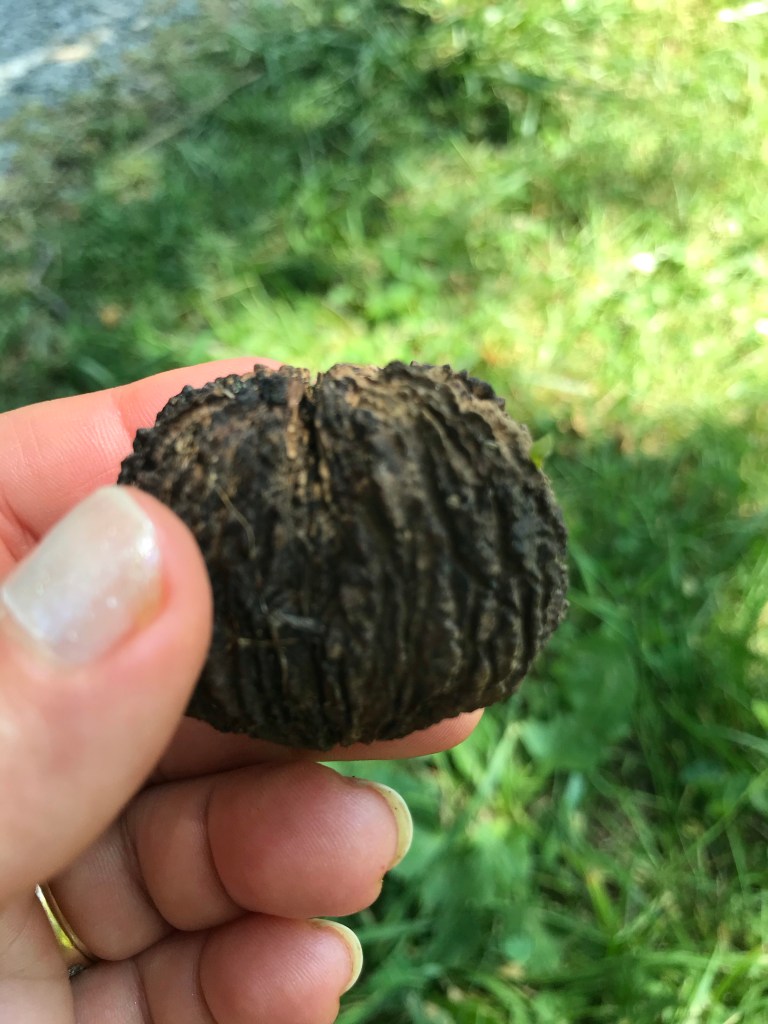
Just as this black walnut seed hold within it the potential for growth, so too do kind words, actions, and gestures. Pass one on today.

It Only Takes a Spark: Words Ignite

“Our brightest blazes of gladness are commonly kindled by unexpected sparks.”–Samuel Johnson

Photo by Pixabay on Pexels.com

Many of my recollections are beginning to take on a dream-like quality, such as the time I was home with Madelyn, our daughter, who was a toddler at the time.  Maddie was sick with a virus.  Continuously, I trotted Maddie to the bathroom, so she could throw up or upstairs to change her diaper.  It seemed impossible that a human so small could continuously produce so much vomit and repeatedly fill diapers.

Things had calmed momentarily, and we were cuddled up together on the couch, when I could feel her stomach begin its heavings.  On instinct, I began my rapid try-not-to-jar-her trot, but still boot-scoot-hurry to the bathroom, so Maddie could once more throw up.  Unfortunately, I could tell there was no stopping the oncoming rush of fluid.  I halted at the kitchen sink, the closest receptacle I could think of, and held her tiny, shaking body there, as she retched into the sink.  (Not the most sanitary choice, I know, but I chalk it up to sleep deprivation.)

Photo by icon0.com on Pexels.com

That’s when I felt the primal niggle.  My brain had noticed something important.  Glancing out the kitchen window, I saw flames spewing forth from the roof of our neighbor’s home.  Orange, red, blue, and yellow flames licked hungrily at the sky.  Black ashes rimmed with orange and red sparks soared toward our house.  I am sure if this had been a movie, the camera would have zoomed in on my widening eyes as the recognition of what was happening began to sink in.  

Fortunately, our neighbor’s were not harmed, their house, though damaged, was repairable, and our house was fine.  The sparks fell silently like dark, angry snowflakes, and without fuel, their brightly burning edges dwindled on the gray concrete on our driveway. 

Photo by Daria Shevtsova on Pexels.com

As a teenage girl, I loved the song, “Pass It On.”  

“It only takes a spark/ to get a fire going/ and soon all those around/ can warm up to its glowing/That’s how it is with God’s love . . .you want to pass it on.”–Kurt Kaiser

Photo by Tomáš Malík on Pexels.com

Words are sparks.  Tiny, miniscule notations of black and white either written or unleashed as phonemes by the tongue, teeth, and lips of a speaker. Eyes or ears take in the message.  Brain receives the message, attaches it to the current mental scaffolding of the reader or listener, and the process of comprehension and interpretation begins.  Input, analysis, and potentially, output.  Information computed, more sparks formed, knowledge is available to pass on.

Photo by Polina Zimmerman on Pexels.com

Words can be exhilarating.  Finding just the right words increases one’s ability to express a more precise and exact message.  Communication, I would argue, can be down right intoxicating.  Babies can spend countless moments babbling for pure pleasure. Once babies  grasp a few words, however, and realize that those few intonations can command the attention of another human, they want more.  Like a fire blazing in the hearth, the flames of linguistic command demand more fuel in their desire to communicate and exert some measure of control.

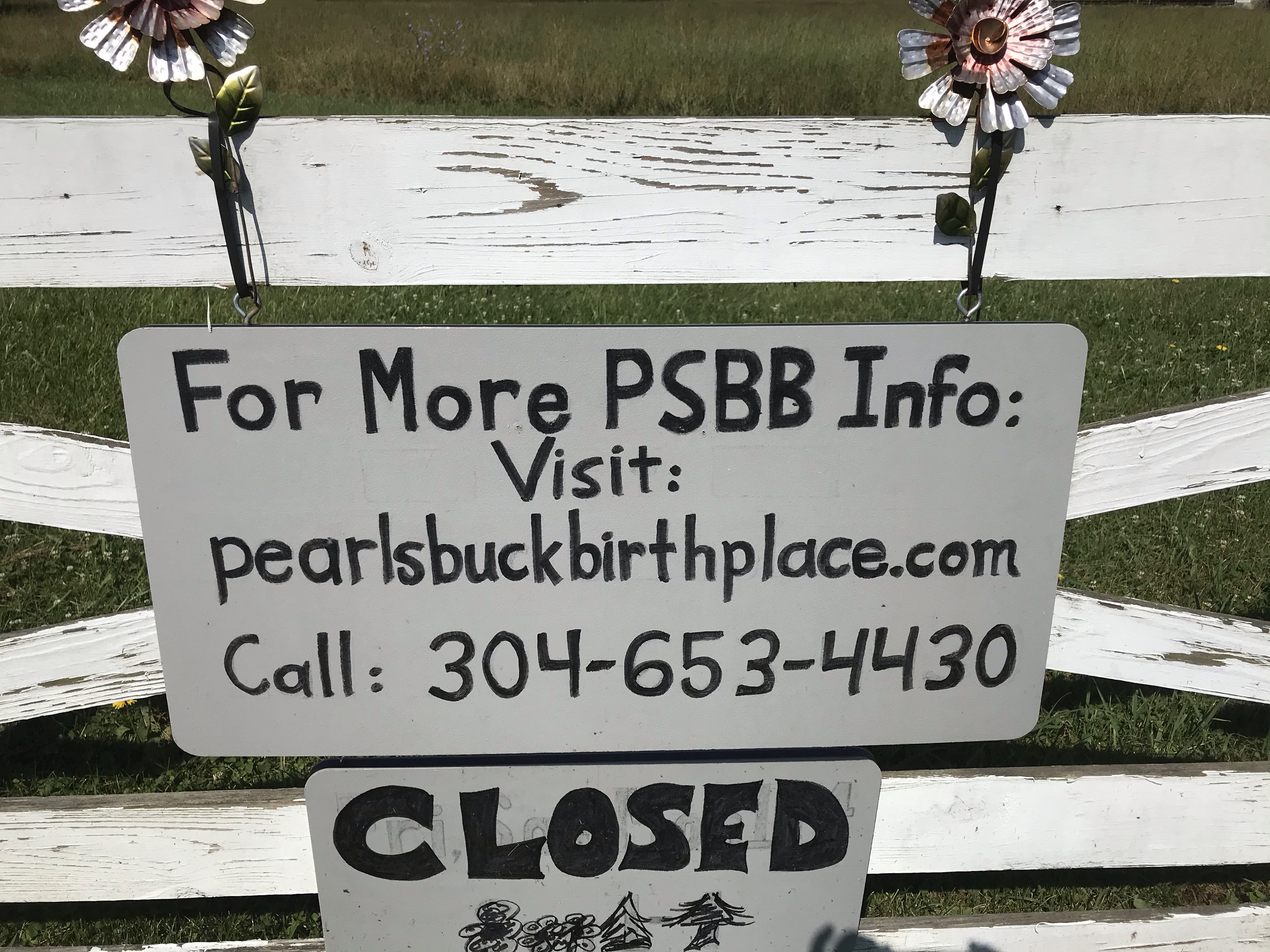
The birthplace of Pearl S. Buck, Hillsboro, WV.

Recently, I had the opportunity to visit the birthplace of Pearl S. Buck.  The site itself was closed, but as I stood along the old homestead’s fence line, I imagined Pearl as a baby within those walls.  As I understand it, Buck and her family lived in that home for only a few months.  Nonetheless, my inner narrator could envision her mom singing to her as diapers were changed, and I could hear the voices of both parents talking to baby Pearl throughout the day.  Her parents could not have known that one day Pearl would become a prolific writer, winning both a Pulitzer Prize and the Nobel Peace Prize for the way her writing promoted empathy, compassion, and understanding. They were simply passing on to their daughter the power of communication, and through their ultimate missionary work, modeling beneficial ways words can be used.

Like the floating sparks of the long ago house fire, ashes can soar fiery red, greedily seeking fuel for which to consume, or they can burn down into a pile of harmless ash.  In fact, an accumulation of ash, such as that left over from burning wood in a hearth, can be used as fertilizer for plants as it is full of lime, potassium, and other trace minerals that promote plant production.  Likewise is the potential for the messages we speak and write–fuel for the fire or fertilizer for nourishment.

Tweet. News. Memo. Email. Instagram. Facebook. Snapchat. Tik Tok. Rumors. Innuendo. Gossip. Reporting. Posting. Blog. Website. Novel. Novella. Fiction. Nonfiction.  The list goes on.  Big words. Little words. Powerful words. Meaningless words. Hurtful. Helpful. Salacious. Compassionate. Implication. Understanding. There is no end in the ways in which words can be conveyed.  

All of us contain a divine, expressive spark, a creative candle intended to light our path and that of our fellows.”–Julia Cameron

Photo by Gantas Vaiu010diulu0117nas on Pexels.com

It’s not only the words, but the intent behind those words that has power.  The heart of the message; the heart of the speaker; the heart of the writer; the heart of the listener.  We were all Divinely created from a Source I still struggle to understand; but I can tell you this, Dear Reader.  The more I understand about the amazing, resilient human body and its magnificent potentiality, the more I believe, with all my heart, that we were each lovingly created for a Divinely designed purpose.  Those purposes are unique as each individual, but all of us have the same potential as Pearl S. Buck.  It all comes down to our hearts.

But the wisdom from above is first pure, then peaceable, gentle, open to reason, full of mercy and good fruits, without uncertainty or insincerity.  And the harvest of righteousness is sown in peace by those who make peace.–James 3:17-18

Wildflowers peacefully swaying in the WV breeze.

While we may not all possess the ability to win prizes as Buck once did, we can all pray and focus on increasing what Christians call, the fruits of the spirit, that all major religions likewise focus: love, joy, peace, patience, kindness, goodness, faithfulness, gentleness, and self-control.  With these as kindling within the heart, we can be lit from within.  Our words, both written and spoken, can then be used to either light the way for others, warming them with the glow of thoughtfulness, or used as a tool for harm–burning bridges that otherwise could have been crossed through effective and empathetic communication.

Photo by Elina Sazonova on Pexels.com

I am reminded of the 15 or so years in which I taught Kindergarten aged students.  At the time, the practice was for the parents of soon-to-be-entering-school kindergartners to attend an orientation meeting.  During this meeting, each Kindergarten educator discussed with parents the classroom policies and procedures and addressed any concerns shared by parents. At some point during this meeting, we talked with the parents about the importance of their word choice and attitude towards beginning school.

We explained the power of possessing a positive, enthusiastic disposition towards this major childhood milestone by displaying an aren’t-you-a-big-kid-now attitude, rather than sharing sad tales of I-can’t-believe-my-baby-is-going-to-leave-me.  Parents were reminded that their child tended to mimic the parents’ perspective. As with most forms of communication, it is not only the word choice that creates influence, but also the intent behind those words that is often passed on.

Photo by Magda Ehlers on Pexels.com

As I write these words, I am challenging myself as well as you, Dear Reader, to kindle those fruits of the spirit, so that our words may be more reflective of those ideals.  I fear that without sensitive hearts, we will all suffer the rapid burn of uncontrolled tongues or dashing fingers and thumbs across keyboards. 

 As the saying goes, “be the change you wish to see in the world.”  And, while my individual words may never win any literary recognition or publication, I pray to improve so that my writing, my social accounts, and my day-to-day interactions reflect more of a positive light.

Photo by Suzy Hazelwood on Pexels.com

Fertilizer or fire.  Peace or Agitation.  Forgiveness or resentment.  Upliftment or downtrodden.  Written or spoken, our words matter. 

With human’s ability to create fire, darkness was shaken, and life was Divinely elevated, but at the flames’ edge remains the darkness.  

May our words pass on light, warmth, and illuminate a path out of darkness. 

Photo by Suzy Hazelwood on Pexels.com

Embrace Your Inner Oak

“Tell your heart to beat again/ Close your eyes and breathe it in/ Let the shadow fall away . . .Say goodbye to where you’ve been/ and tell your heart to beat again.”–as sung by Danny Gookey, written by Bernie Herms, Randy Phillips, and Matthew West

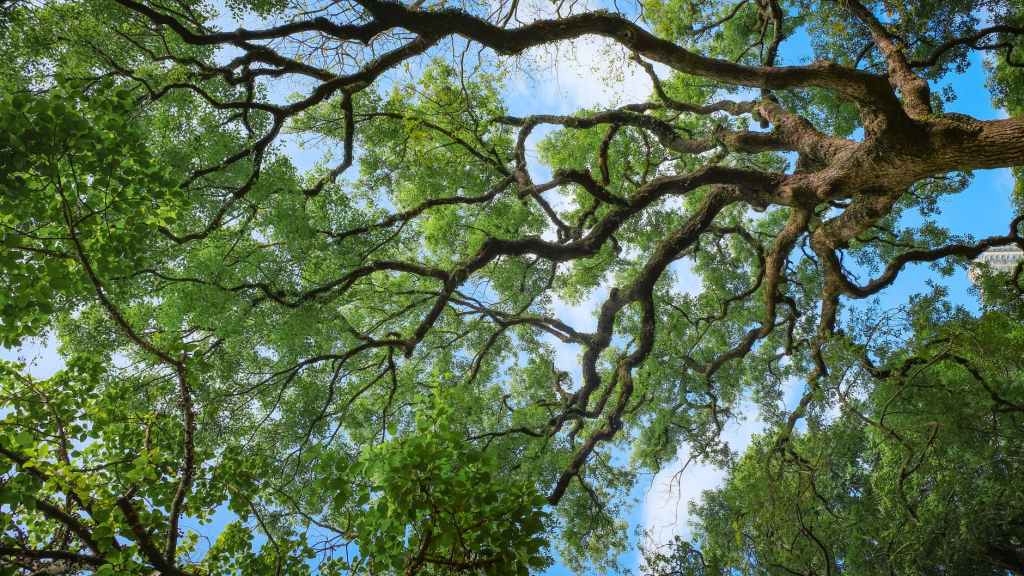
Branches splayed, offering glimpses of bluebird skies

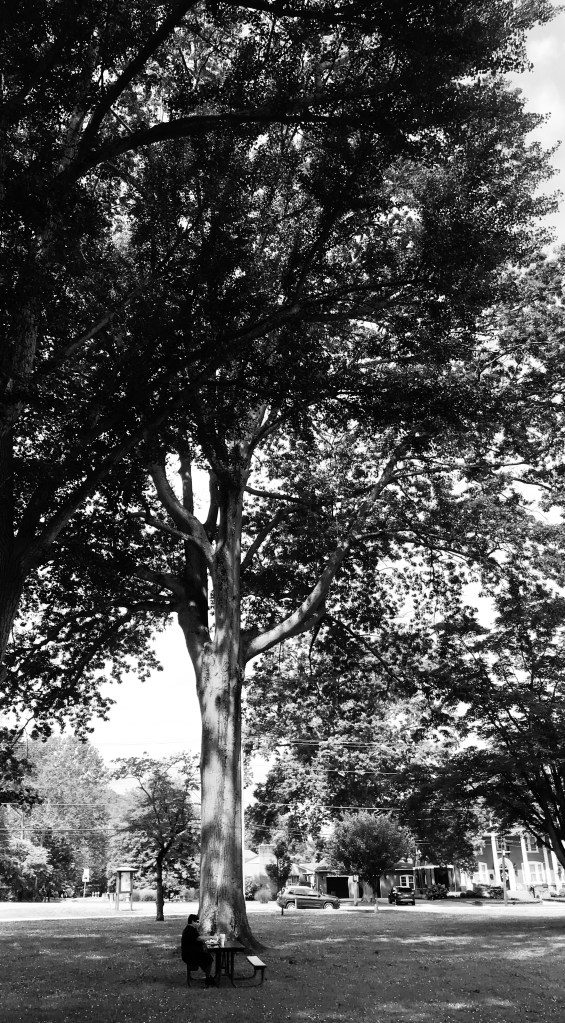
I listened to my companion.  Behind the person talking, an old oak tree stood proud and erect, sheltering us in her arms of shade.  The tree’s hefty roots thrust muscularly above and through the earth’s surface, foundational tentacles of nourishment and steadfastness, outstretched, ready to ensure the old sentinel’s position for future decades. The person spoke of loss, heartbreak, and missing the one who had provided a source of inner strength.

Photo by Magda Ehlers on Pexels.com

“You’ve lost your tree,” I impulsively stated.  “You no longer have a tree, like the one behind you, on which to lean.”

Later, I chastised myself.  What a stupid thing to say.  Why hadn’t I been more encouraging?  Even choosing to remain quiet and supportively listening would have been better than saying something like, “You’ve lost your tree.”  Open palm.  Insert face.  Think, Steph, think . . .

And so I thought.  I thought about my friend, I thought about life, and I thought about that grand oak whose shade in which we sheltered on that beautiful morning.  I pondered loss, heartbreak, life changes, aging, illness, changes in the world, changes in society, change, change, change . . . 

As seen on Instagram at andrew.w.fischer.

Oak trees.  Roots, trunk, branches, leaves, acorns, canopy, crown, greens and browns, weather and wind, sunshine and rain, hail and storms, dry and wet seasons, changing temperatures, changing weather, changing levels of groundwater . . . change, change, change.  In spite of it all, a typical oak tree has an average life span of 100-300 years, some may even live 700 or more years.  During that time, how many acorns must one tree produce–all with the potential to become another oak tree?

Acorns. A tiny nut, dense with nutrients, capable of feeding a wide array of woodland creatures, such as bear, moose, mice, deer, squirrels, chipmunks and so on.   What’s more?  Acorns, with proper germination, can produce trees of 40-80 feet in height and with wing-spans of 60-100 feet across.  While that is certainly no small feat, the root system of a mature oak tree can span up to hundreds of miles–and most of these roots remain unseen!  

One mature oak tree can potentially produce 10,000 acorns.

“For a seed to achieve its greatest expression, it must come completely undone.  The shell cracks, its insides come out and everything changes.  To someone who doesn’t understand growth, it would look like complete destruction.”–Cynthia Occelli

As I best as my non-science mind understands, when an acorn is planted, like many plants, most of its energy is used to begin the growth of the root system.  Starting with the tap root that grows and burrows deeply into the soil in search of a reliable source of water.  During this time period, very little growth above ground can be observed; however, once the taproot is established, branches and leaves begin to sprout with more regularity.  

Before much growth occurs above the ground, the tap root must develop thoroughly into its source.

Meanwhile, approximately 18 or so inches below the soil, where the eye cannot witness, roots are growing, expanding, spreading over a space four to seven times wider than the crown of the tree.  These roots, more gangly in shape and size than the tap, seek out moisture and essential nutrients, sending them circulating back through the root system in order to nourish the growth that is visible above the ground. Silently, lateral roots slither and probe through the soil, supplying continuous sustenance to all parts of the oak.  If these oak roots encounter roots of another oak tree, the roots will graft together to help one another. Still, it is each oak’s individual taproot that remains the principal form of support.

Hefty, muscular roots thrust through the earth in order to support the tree.

The taproot, combined with the ranging root system, is the oak tree’s source of health, or potential illness, and gives it the ability to weather all types of harsh environmental conditions and changes, including the ability to withstand the most severe storms of life.  It was this basic lesson in biology that I began to contemplate as I thought of my friend, myself, and all those in my life, present and past, who have suffered loss, stormy seasons, and major life changes/shifts. Finding that inner taproot and expanding that root system is key to not only withstanding turbulent times, but also to the ability to offer shelter, strength, and plant seeds of hope for others.

“When your heart is broken, you plant seeds in the crack and pray for rain.”–Andrea Gibson

As seen on Instagram at positiveenergyalways.

To be certain, mild, temperate weather in the shade of an old oak tree is splendid, and I could spend the rest of my life there in the vast, comforting blanket of its shade, gazing upward through splayed branches of green, spying glimpses of dappled sunlight and bluebird skies while a gentle breeze nuzzles my cheek.  While those sorts of moments are what I wish everyday could be like; life offers us a meteorological spectrum of experiences.  Therefore, like those expansive tree branches, we must embrace it all–the wonderful, the not-so-wonderful, and the downright heartbreaking.

Delighting in the dappled sunlight in the shade of an old oak.

We, like the oaks, have space in the soil of our soul for a taproot and a root system; and like the oak, this system is keenly connected to Divine Providence.  When we are small, others develop and influence the establishment of our roots–for better or worse–depending upon one’s childhood circumstances.  Eventually, however, we all reach a point of maturity in life in which it is up to each individual to nurture the inner self, foster personal strength (grit, if you will), and fortify our faith.  While it is a wonderful blessing to have our root system grafted with that of another’s, in the end, it is our individual tap root connection that must be our anchor, our mainstay of strength.  

As seen on Instagram at positiveaffirmations101.

Therefore, just as the rain waters the oak, so too must we water our inner taproot, encouraging it to delve deeply into that which cannot be seen or touched, but which offers a wellspring of strength, resiliency, and renewal.  With a taproot strongly secured to the Divine, our true source, we can persevere throughout the vicissitudes of life.  Winds may tear at your branches, bite off your leaves, and even snap off pieces of your life.  Lightening may crash all around as tears stream down like rainfall, and still, like the oak, you can withstand it all.  You, my friend, can continue to rise, and as your roots spread, so too will your reach. 

An oak tree, with a healthy root system, has an average life span of 100-300 years, but some can live as long as 700 years!

“You never quite know what you do in life that leaves a seed behind that grows into an oak tree.”–Michael Portillo

As many as 10,000 acorns can be produced in one year from one mature oak tree.  Acorns fall to the ground–even when there is no one to witness.  Some acorns feed wildlife.  Other seeds decay into organic matter that feeds and enriches the soil.  Finally, there are acorns that take root–perhaps carried off by an animal, blown by the wind, or gathered by human hands–and new life is formed  . . . 

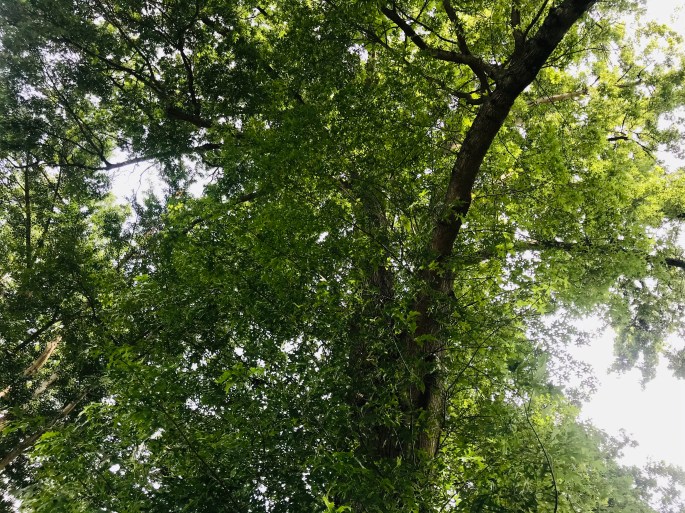
Sheltered in the shade of the canopy.

 Meanwhile, underneath the canopy of the towering oak, shade is proffered for those in need, spots for seasonal nests abound, roots continue to sink and spread, and the crown continuously reaches for the heavens.  Alone, but rooted; quiet, but engaged; humble, but life-giving; falling, but rising; yielding; but tenacious, and ever reliant upon The Source.  

May my life be more like that of an oak.

Photo by Felix Mittermeier on Pexels.com
As seen on Instagram at positiveenergyalways

The Nature of Outdoor Exercise

“The sky is the daily bread of the eyes.”–Ralph Waldo Emerson

“If you are seeking creative ideas, go out walking. Angels whisper to man when he goes for a walk.”–Raymond Inmon

Photo by Retha Ferguson on Pexels.com

If you have worked from home during this quarantine period, you have most likely experienced some form of frustration, isolation, emotional upheaval, or perhaps even anger, depression, and/or anxiety.  Add to the pandemic crisis a strong sentiment of public unrest due to social injustices and inequalities, as well as high unemployment, and it is no wonder that mental health issues are on the rise.  How does one cope with all of these stressors in a healthy manner?  Based upon my research, there is no one right answer.

Many mental health experts tend to agree on the fact that we should all maintain and/or create a routine for sleeping and waking, hydrating, eating healthy food, and some experts will even emphasize the importance of taking a daily shower and not working in pajamas all day–which is amusing to me on a number of levels. Others suggest the importance of finding a creative outlet, reading those been-meaning-to-read books, gardening, cooking, organizing closets, and so forth–anything that feels productive and useful.  Still, others highlight the importance of exercise and spending time in nature as ways to maintain and/or strengthen mental health.  While all of those are noteworthy and worth exploring, due to the months-long quarantine period, I rediscovered the soul-healing power of exercising in the great outdoors.  

I’ll be honest, Dear Reader, and I suspect I am not alone when I write this, I have a history of battling bouts of depression, or my dark side as I humorously like to call it.  Usually, it’s seasonal or situational, never long lasting, and fairly easy from which to recover.  However, the quarantine period was different.  In fact, the months of March, April, and May, felt dark, difficult, and downright disheartening, and I was employed!  I have to wonder how much more devastated I would have felt if I had lost my job.

Initially, I would joke that as an introvert, I had been preparing to quarantine my whole life.  However, I quickly discovered that the new demands of trying to integrate work into home life, along with a couple of other major life shifts, made it hard to establish a routine, much less stick to one. I tried meditating every morning; then I tried practicing yoga every morning.  Still, no tangible routine ever formed that significantly pushed away the mental darkness. 

Photo by Burst on Pexels.com

One event that nudged away a few clouds were the days in which my husband, John, and I cut off the work day by a certain time, and then drove to a local walking path for a 30-40 minute walk. Unfortunately, so much of our local spring was, more often than not, wet, rainy, cloudy, and cool–exceptionally cool given the time of the year– for these afternoon excursions.   This was compounded by the fact, like many Tri-State residents, that we do not live in a neighborhood conducive to walking, we always had (have) to drive to a path.  

Image from St. Mary’s Proctorville Walking Path

One day, I began randomly googling exercises for back injuries as well as walking-to-running training plans for those recovering from a back injury.  Nearly ten years ago, I had begun running as a form of exercise and found that while I was not particularly fast, I thoroughly enjoyed being outside on trails, paths, or sometimes side-walks as well as following goal-setting plans.  In fact, I loved it so much that I ultimately ran several half-marathons, a couple of 15-milers, and even completed two marathons–one in honor of my 50th birthday.  All of that came to a screeching halt when I injured three discs in my lower back.  

Image from Kanawha Trestle Rail-Trail.

It had been nearly four years since I last ran, but as I sat there that day, reading on-line, I began to wonder if perhaps I could run again.  Maybe slower and for shorter distances than last time, but what if . . . .
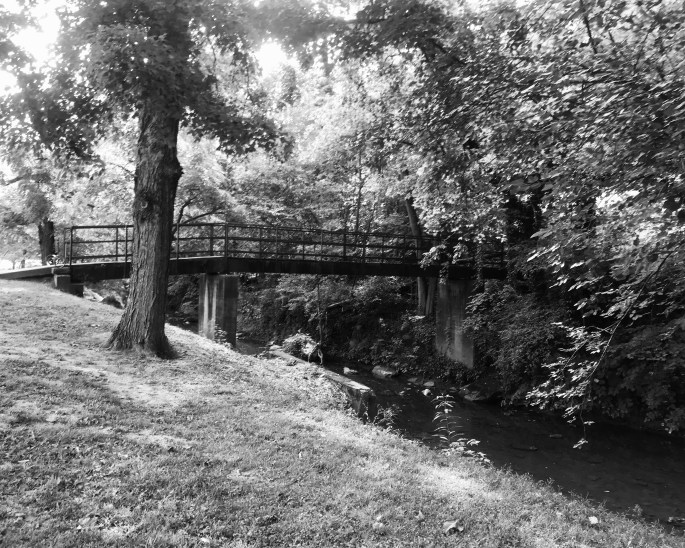
Images from Kanawha Trestle Rail-Trail

While researching, I also found a wealth of information regarding the benefits of exercising outside–especially as a way to cope with stress.  Some of the benefits of outdoor exercise include:  improvement of sleep; increased absorption of Vitamin D, increased productivity, creativity, and problem solving; alleviation of stress; reduced anxiety; boosted mood, and lowered blood pressure. Furthermore, for me, a training plan provides some semblance of a routine as well as the sense of accomplishment with each completed workout, especially when everything else in life feels chaotic. 

Images from Kanawha Trestle Rail-Trail

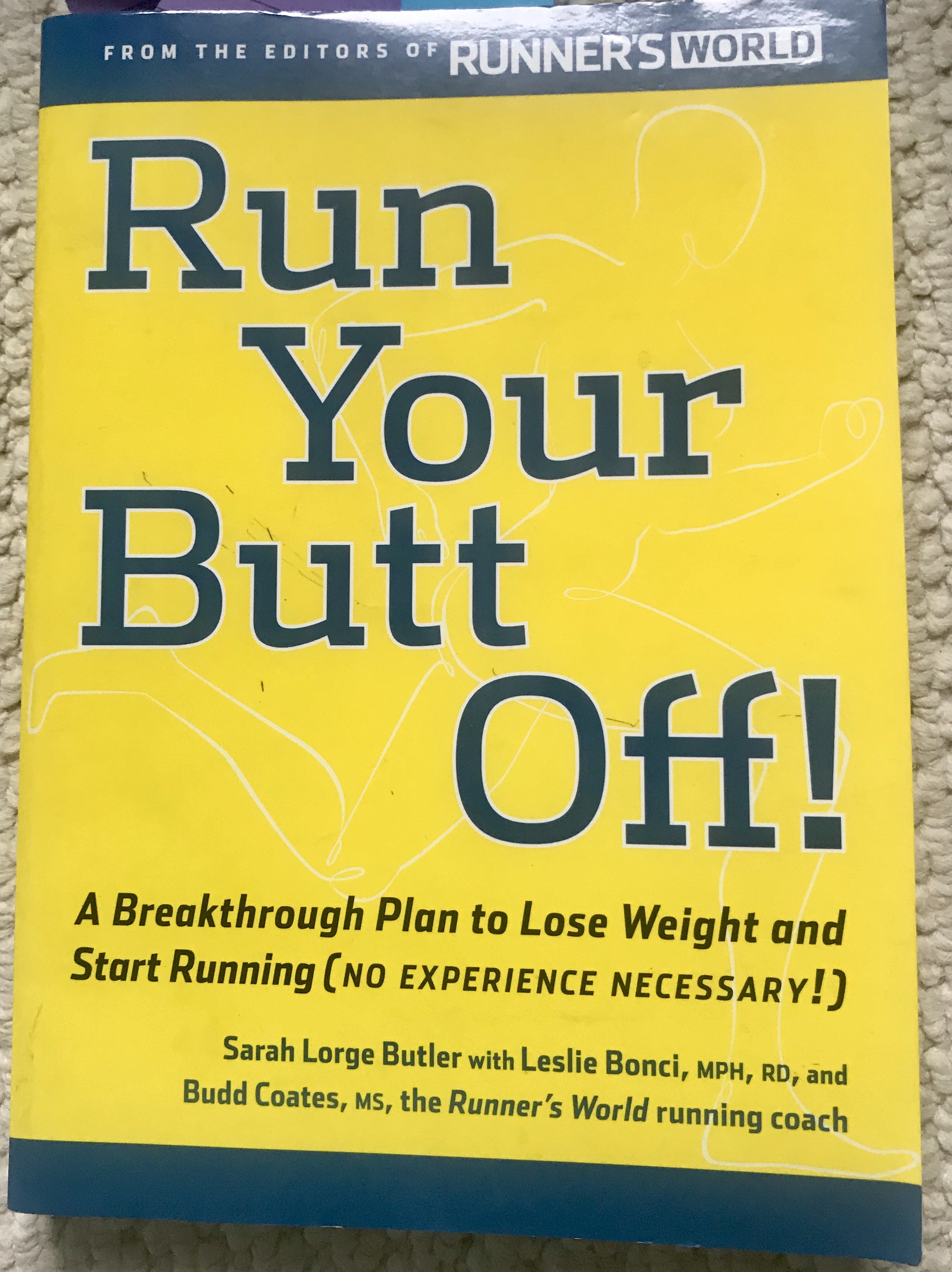
Then, as serendipity would have it, I ran across an on-line board that answers questions and provides reading material that solely focuses on recovering, healing, and preventing back injuries.  In one post, I read an article that referred to a book and walk-to-run training plan from 2011 called, Run Your Butt Off.  Quickly searching for it, I found and read the plan as well as the author’s notes.  This plan is fully available on-line; you do not have to buy the book, although I did purchase a used one later. 

The gentle and positive words of the authors of this plan have inspired my butt to get outside for exercise.

As I read the kind and encouraging words of the plan’s author, I  began to believe I might have stumbled onto something doable. While it is a 12-week plan, the author strongly and repeatedly encourages exercisers to work through the plan at their own pace, stating that most newbies take longer than 12-weeks.  With those heartening and gentle words, I decided to give the plan an honest try. (Full disclosure, the book also focuses on good eating habits, but who couldn’t benefit from a little nutritional 101, especially with the quarantine pounds many of us, myself included, have packed on.)

Images from Kanawha Trestle Rail-Trail

Without belaboring the details, those proverbial clouds are thinning, and the mental clarity is brightening once more. Sure, the gradual progression from walking to running feels good, but it’s the getting outside in nature and the people/critter-watching that are really at the heart of it.  Yes, I keep my distance from others, and I do have my mask nearby, but I typically do not wear it while exercising.  (The research seems to be mixed regarding whether one should or should not wear a mask, but all agree that social distancing is still the rule regardless.)  Seeing trees, smelling grass, feeling the uneven surface of a path under my feet, hearing the call of the red-winged black-bird, and even tasting the fresh air of each inhalation–I feel a renewed connection.

Image from WWI Memorial Path, Ritter Park, Huntington, WV

Several years ago, I learned that each person’s heartbeat is unique.  No two people’s hearts beat at the same rhythm. Add to that tidbit, the wonder and magnificence of each creature, each blade of grass, each birds’ song, each rock’s shape–all are distinctive and all are connected by the universal pulse of the Divine Creator.  Being outside and immersed in nature, I am reminded that I am connected to a bigger picture.  I am in awe of the wide-screen image of mankind, all of God’s creatures, Mother Earth, and the universe beyond; and in those moments, my mind is as free as the pitter patter of my own heart and two feet. 

Photo by Daniel Reche on Pexels.com

Whether walking, running, biking, kayaking, fishing, or simply enjoying a cool breeze in the shade, I hope you make time to get outside and soak up some of the sweetness of the natural wonder that is our world.

As seen on positiveaffirmations101 on Instagram

P.S.

Dear Reader,

Word Press, the company with which I use to produce this website/blog, recently updated, and I don’t quite have the hang of how to edit and arrange pictures. Please bear with me over the upcoming weeks as I learn to re-navigate this wonderful platform.

Common Ground

“Whether we like it or not, we have all been born into this world as part of one big human family. Rich or poor, educated or uneducated, belonging to one nation or another, to one religion or another, adhering to this ideology or that, ultimately each of us is just a human being like everyone else.  We all desire happiness and do not want suffering.”–Dalai Lama


“The bond of our common humanity is stronger than the divisiveness of our fears and prejudices.”–Jimmy Carter


person gather hand and foot in center
Photo by Pixabay on Pexels.com


Like many of you reading these words, I have been experiencing a great deal of turbulence of the mind and heart.  From COVID-19 to the seemingly never ending struggle for racial equality, the world–from both the macro to the micro–is feeling a bit upside down and sideways.  There is so much political and societal divide that I cannot pretend to fully comprehend it all.


img_1743


In my early adulthood, my grandmother shared a story about a time my papaw and she came to my elementary school to pick me up.  Since this did not occur with any regularity, I must have eagerly anticipated this event.  Grandmother did not remember why they were picking me up, so I can only assume it was to help my parents.


It is my understanding that I exited school skipping in excitement and holding hands with another girl.  Grandmother explained that, as she took my hand, she asked a question.


“Why were you holding hands with that colored girl?”  


According to my grandmother, I replied, “What color was she?”  I was around seven years of age, and up until that moment, I had not noticed the shading of skin.


photo of girls wearing dress while holding hands
Photo by cottonbro on Pexels.com


What a marvelous thing to realize that kids are not born with innate prejudices.  As a professional educator, I have spent all of my adult life devoted to the classroom.  From Kindergarten to grade 12, and every grade in between, I have spent over 30 years instructing children, ages 5-20, and I can tell you that kids, especially the younger ones, do not make assumptions about skin color, or other dividing factors unless it has been taught/modeled by someone or something.  


img_1745
As seen on jayshetty on Instagram.


Specifically, 15 years of my career were spent with kindergartners, the overall most eager, curious, and loving age group as a whole.  While I can only speak to my experience, the majority of five year olds that I encountered were too focused upon themselves, and who or what they were going to play at recess, than to care about so-called differences.  However, they were certainly curious about what they perceived as differences for which they may not have been exposed, such as when a fellow classmate began to wear glasses, had to wear an insulin pump, or was sporting a cast.  However, if as the teacher, I allowed for both structured and organic conversations about the change to occur, within less than a day, the so-called difference became inconsequential. 


That is not to imply that the conversation of skin color, or other differences, never came up because kids are observant and inquisitive by nature.  For example, one school year, a white male kept playing with the hair of one of his black female classmates.  She always wore it in braids with colorful beads, and he often chose to sit beside her when he could.  This shy, quiet girl did not like him touching her hair, and I often had to remind him to keep his hands to himself, and I encouraged her to use her words to tell him to stop.  On and on this boy’s obsession with the girl’s hair continued as he specifically loved to take his hand, place it gently on the top of her head, and “pet” the braids from top to bottom in a repetitive motion.


Finally, the girl had had enough one morning, and blurted out during opening circle activities, “Stop it! Why you always touchin’ my hair?”


The boy burst into tears, covering his eyes with his hands. Eventually, he explained to her with great gulps of breath in between each word, “I like your hair.  It’s not like mine.”


True enough, the boy had medium brown hair that was closely cropped to his head except for his bangs that hung straight over his freckled forehead.


A few days later, I overheard the same two students talking as they practiced writing their names with scented markers.


“Do you want me to see if my mom can fix your hair like mine?”


The boy emphatically nodded his head and added, “Ask her when you get home.”


Reflecting upon my own family, specifically my nine nieces and nephews, they reflect a variety of appearances, interests, and beliefs. From very dark skin to the palest pale; from light blue eyes to black; from curvy to trim body shapes; from pink to black, brown to blonde, curly to straight hair; from conservative to liberal views, and all variances in between, these special family members reflect a wide cross-section of young adults.  Yet, when we gather together, whether it’s in person or virtual, the only thing that matters is mutual respect and love.  


We certainly do not see eye-to-eye on all subjects.  We do not have the same interests, jobs, hobbies, and so forth. Differences abound.  What we do possess, though, is a bond–the humankind connection, with emphasis on kind.  Sure, we are linked by family, but we are also woven into the web of humanity.  And like all webs, the resiliency of it is dependent upon the strength of every strand–and each strand of this human network, it is worth remembering, is a unique creation of God.


Neither my nieces and nephews, nor my past and current students had any control over who would be their parents.  They did not get to choose their address, their family income, their family make-up, their family circumstances, much less control the color of their skin, eyes, hair, and so forth. In fact, none of us could, so why should we judge one another by circumstances for which we can not control?  


img_1744


Why should I be more likely, as a white, middle-aged female, to be given a warning if stopped by the police for a traffic violation?  Why should my white, 58-year old husband be stopped by police over 14 times during the course of his life and not be ticketed?  It wasn’t until his 15th violation–forgetting to turn on his turn signal at the foot of a local bridge–that he actually received more than a warning.  


I’ve watched Spanish speaking, brown skinned students play side-by-side their mostly white peers.  While they weren’t able to verbally communicate, they were still able to construct the “tallest, most awesome block building ever!” Similarly, I observed a student, originally from Jordan, with only rudimentary English, being taught to dance by his English-speaking cross-country teammates. This year, I further observed a group of middle school boys notice a new Chinese student standing by himself during an extra recess.  Eventually, despite the fact he did not speak the same language, the boys were able to coax him into playing basketball with them.  While he did not participate for the entire game, for the ten or so minutes that he did play, the smiles and high-fives abounded. My point?  Children find a way to discover common ground.  Why can’t adults?


img_1753
As seen on Instagram at stephsimply. I posted this pictures years ago of my daughter, Maddie, playing dress-up one Christmas, with her cousins, Lexi and Naomi. They hadn’t been around one another in a couple of years at the time of the photo, and yet, they found common ground within minutes of being together.


In the words of Dr. Martin Luther King, Jr. . . 


“I have a dream that my four little children will one day live in a nation where they will not be judged by the color of their skin but by the content of their character.


I have a dream today.”


So do I, Dear Reader, so do I, for all the world’s children, including the newest members of our family, my great-nieces and nephews.


img_1747
As seen on heartcenteredrebalancing on Instagram.

Power of Kind Words: Reciprocity is not Mandatory

Kind words can be short and easy to speak, but their echoes are truly endless.”–Mother Teresa 


“Act with kindness, but do not expect gratitude.”–Confucius


img_1639
As seen on Instagram @mylifesbt.


Oh no, not again.  Surely, my memory is mistaken.


I stood patiently.  Waiting my turn to enter the aisle.  I needed an item directly in front of a man standing in the middle of the aisle examining all of the choices.  I get it.  Looking at all of the available choices (or alternate choices, if your favorite is unavailable) can be overwhelming.  Plus, add in the new directional rules that are in effect at some stores as well as shortages of certain items, shopping can now take more time than ever. 


“What’s your problem?”


Oh, no, here we go again.  It. Is. The. Same. Man. 


“I’m just waiting.  Take your time,” and I added a smile, but then realized, unless I was also smiling with my eyes, he couldn’t see my mouth due to my mask.


That’s when I noticed he wasn’t wearing a mask, nor gloves as I am used to doing when now going out to shop.  However, wearing personal protective gear is a choice.  I get, honor, and respect personal choice.  My own choice stems from my desire to err on the side of caution.  Regardless, everyone views things differently.


“Well, here you go,” he said in a voice rich with sarcasm as he feigned a gallant bow extending an arm in a sweeping gesture.


Oh boy, apparently, he thought I was waiting to go through and past him.  Why didn’t I communicate more effectively?  


“It’s ok.  I can wait.”


Again, I try to smile, but of course, it’s not visible.


That’s when it happened.  The very thing for which I was afraid.  Expletives exploded from his mouth, his face contorted into a fiery red emoji worthy expression.  He tried to march past me, saw there wasn’t any room, said some more finely selected words, and stomped around a display that was arranged in the center of an aisle.


woman wearing mask in supermarket
Photo by Anna Shvets on Pexels.com


I am fairly certain this was the same man, who only three weeks ago, I had encountered in this same store–only in a different aisle.  At that time, he was offended, I think, because I stepped aside to let him pass six feet away from me, despite the fact he was not following the store’s directional arrows.  He took one long look at me then and about-faced with a nearly purple visage, spewing curse words for all to hear.  


This time, I momentarily froze, shaken once more by the negative emotional energy left in his wake.  It was almost as if I wanted to let his surrounding Pig-pen-like dark cloud of anger dissipate before I walked on.


grocery cart with item
Photo by Oleg Magni on Pexels.com


Later, as I moved through the store, I kept encountering a woman who appeared to be just off work based upon her tired, but kind, eyes, scrubs, and hospital lanyard.  It always seemed as if wherever I pushed my cart, she ended up right behind me waiting as I made my choice and moved on.  She never said a word, never indicated a hint of impatience. 


In the freezer section, I was taking an exceptionally long time as I thoroughly searched for bags of frozen chopped peppers and onions, which had not been in-stock for weeks.  Not finding them, I slid down to the next set of freezer doors to grab a few bags of frozen vegetables that were in stock.  That’s when I noticed the same woman was behind me.


“I am so sorry if I was holding you up,” I sincerely stated.


“No, no, no. Not at all.  In fact, I was going to offer to hand something to you in case it was out of reach.”


Of course she’s significantly taller than me.


“Aw, thank you, but no.  There’s nothing.  They’ve been out of frozen chopped peppers and onions for weeks now. I was just double checking to make sure I wasn’t overlooking them.”


We chatted a few more minutes, both of us keep a safe distance, but still continuing to shop.


“Listen, just so you know, I figure it like this.  I’m going to let you take your time picking out what you need because I sure plan to take my time when it’s my turn.”


Exchanging polite farewells, I moved on and wrapped up my shopping.


img_1641
As seen on Instagram at heartcenteredbalancing.


Some days later, I reflected on the two experiences within the context of COVID-19.  The man’s anger, despite the fact I did not know him, had bothered me.  It was an irrational response, I know, but I tend to struggle with shaking off any form of strong emotion, but especially those of a negative nature.  However, the unknown woman’s words were like the sip of nice wine or bite of good chocolate at the end of a hard day–you don’t need or want a lot–just enough to calm the nerves.


Which led me to the renewed lesson of the power of words. Kind words, spoken or written, are never wasted.  Never.  In fact, my mom has often advised me to etch sweetly spoken words–or any positive moment for that matter–into my heart’s memory for those times when there seems to be void.  


make this day great quote board
Photo by Alexas Fotos on Pexels.com


Unfortunately, my encounters with this man most likely reflect his level of frustration and/or anger at the COVID-19 situation.  Perhaps, he has lost his job, is isolated from loved ones and/or friends, and he doesn’t have an outlet–a viable way to deal with his disappointment.  Of course, he could be reacting to any number of things, and I just happen to be in the wrong place, at the wrong time–although I suspect I am not the only one with whom he’s blown up.  Bottom line, I don’t know his story, but he is clearly suffering some form of anguish, and I sincerely hope some form of ease enters his life–preferably before I encounter him again.


pexels-photo-4031867.jpeg
Photo by Edward Jenner on Pexels.com


About a month ago, my 8th grade students and I considered a quote from a novel that stated, “Reciprocity is not mandatory.” These words refer to an idea that when giving a gift, one should give it freely without any expectations. Thus, my students and I, through virtual means, discussed the notion of whether or not it is possible to give without expectations. It was a lively debate and inspired thoughtfully written responses which ran the gamut of opinions.


img_1644
I love it when a business takes time to personalize and offer kindness for an on-line order. We began ordering from this locally owned and operated coffee shop, Cup of Joe, in Cedar Rapids, Iowa. I always look forward to the personalized notes we receive from the owner, Dawn.


Personally, I fall on the side of freely giving simple acts of kindness without expectations.  Smile at a stranger.  Thank the employees who help you check-out groceries.  Hold the door for a person whose hands are loaded.  Offer heart-felt compliments.  Help an elderly/disabled (or short LOL) person grab something from a top shelf or rack.  Call or text a loved one. Write a letter.  Send a card.  There are so many free, nearly free, or inexpensive ways to spread kindness.  


photo of confetti on person s hand
Photo by cottonbro on Pexels.com


It is my sincere belief that while reciprocity is not mandatory–eventually, all that goodness you put out in the world makes it way back to you in some form–even if you don’t recognize its original source.  Thus, don’t let the negative behavior of some override the good that is out there because . . . IT. IS. THERE.  It’s like glitter.  
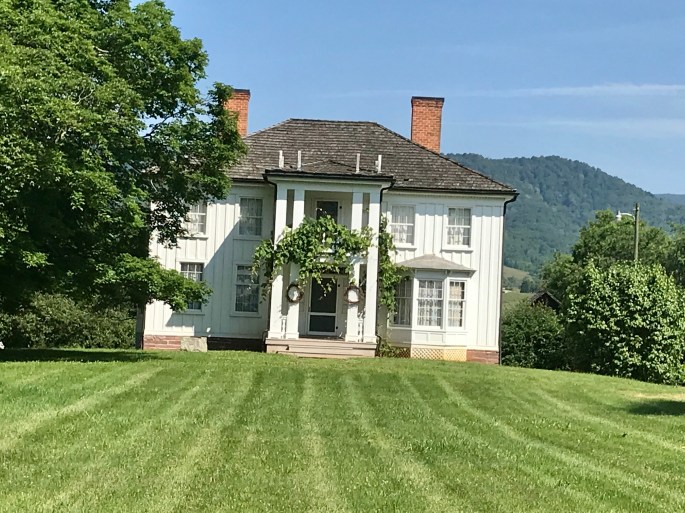
 

Remember making a craft with glitter in school?  Hours, why, even days later, you could still find a bit of sparkle in the darndest places.  That’s what kindness is like. And, if you don’t see it, then by golly get out your proverbial bottle of kindness glitter and start sprinkling bits of it here and there.  Just like that glitter from that long ago art project, you’ll soon find a few random sparkles returning right back to you in the most unpredicted ways.


assorted color sequins
Photo by Sharon McCutcheon on Pexels.com

img_1638
As seen on Instagram @ postiveenergyalways.