That’s not the sky! That’s the clouds–Lessons in the 90-second rule

“You are not your thoughts.  You are the observer of your thoughts.”–Amit Ray

Photo by Pixabay on Pexels.com

Feelings Come and Go ☁️

It was between classes on a Friday afternoon. A male student entered my classroom, set his books down, and sauntered across the room towards the windows that line the wall of our third floor room. 
He looked as if he was preparing for a quick chat with his buddy when he randomly exclaimed, “Wow, look at that.  The sky looks flat.”

“Dude, that’s not the sky.  That’s the clouds!” a girl retorted.

A debate then ensued as to whether or not the sky and the clouds were one in the same. Several other students joined in the conversation until one student added with great authority that the clouds aren’t always in the sky, but the sky is always there. 

Listening to the student’s debate reminded me of a saying attributed to Thich Nhat Hanh, “Feelings come and go like clouds in a windy sky.”  Hanh taught this, in part, to demonstrate that we have the ability to be an observer of our mind’s thoughts.  I often phrase it like this, “Just because you think it, doesn’t mean it’s true.”

Photo by Yan Krukau on Pexels.com

The 90-second Rule ⏰

In fact, I ran across an interesting fact regarding the duration of emotions.  Neuroscientist and best selling author, Dr. Jill Bolte Taylor, Harvard trained and published, established that emotions only last for approximately 90 seconds.  According to Taylor, “When a person has a reaction to something in their environment,” she says, “there’s a 90-second chemical process that happens in the body; after that, any remaining emotional response is just the person choosing to stay in that emotional loop.”

Upon reading that fact, I almost felt called out, especially with regards to any emotional response after 90-seconds is personal choice.  Wow! That notion is super-charged with opportunities for self-regulation.  However, we all know that regulating emotions isn’t always easy. In fact, I suspect this requires practice for most of us.

Therefore, I want to step back to the clouds and sky scenario. Identifying and recognizing when our mind has gone off into what I call “thinking or story mode” due to an emotional reaction requires a certain level of mindfulness.  This is where knowing the rest of Hanh’s quote is important. “Feelings come and go like clouds in a windy sky. Conscious breathing is my anchor.”

Photo by Stas Knop on Pexels.com

Time for a Mindful Break ⏳

Learning to breathe through difficult moments in order to allow the emotion(s) to pass requires the ability to self-select the pause button. This also requires a certain level of awareness.  Practicing mindfulness can increase this awareness. 

Therefore, let’s play a game.  Come on, what have you got to lose, but a few more seconds added to reading this piece?

Softly close your eyes for 20-30 seconds and listen. Notice what you hear? The hum of the refrigerator? Birds chirping? Heater running? After perceiving and identifying the sounds you hear, open your eyes.  Notice you were able to identify the sounds, but that did not make you the sounds.

Now that you are warmed up, let’s do another one.  This time, take a good look at your surroundings. Pick one item near you and focus on it for a few seconds. What color is it?  Describe its shape. Identify its size.  Describe its function. Bring awareness to the fact you are identifying what you see, but you are separate from it.

Let’s try one more.  (I promise it’s the last one.) Gently close your eyes. Focus on the sensations in your body.  Do you feel air moving against your skin? Is there a part of your skin that is itchy, warm, cold, etc.? How does the fabric against your skin feel? After about 20-30 seconds, open your eyes.  There were numerous sensations you were able to name in those few seconds, but those sensations are separate from who YOU are.

 Practicing aspects of mindfulness is as simple as those three exercises–fostering an awareness of a “something,” giving it a name, and then observing it without judging it as good or bad.  When you do this, you are engaging your “observer mind,” which is an important skill for taking advantage of the 90-second rule. 

Photo by Keenan Constance on Pexels.com

Swatting away those negative thoughts 🙇‍♀️

 I don’t know about you, but I happen to have a mind that, when triggered, is very good at sending waves of negative thoughts and messages.  These antagonistic ideas can quickly commandeer my mind, and it can sometimes take significant time for me to become aware, much less observe those emotions objectively. Once I finally do, I try to imagine that my difficult feelings/thoughts are a pesky mosquito or bee buzzing around in my mind.
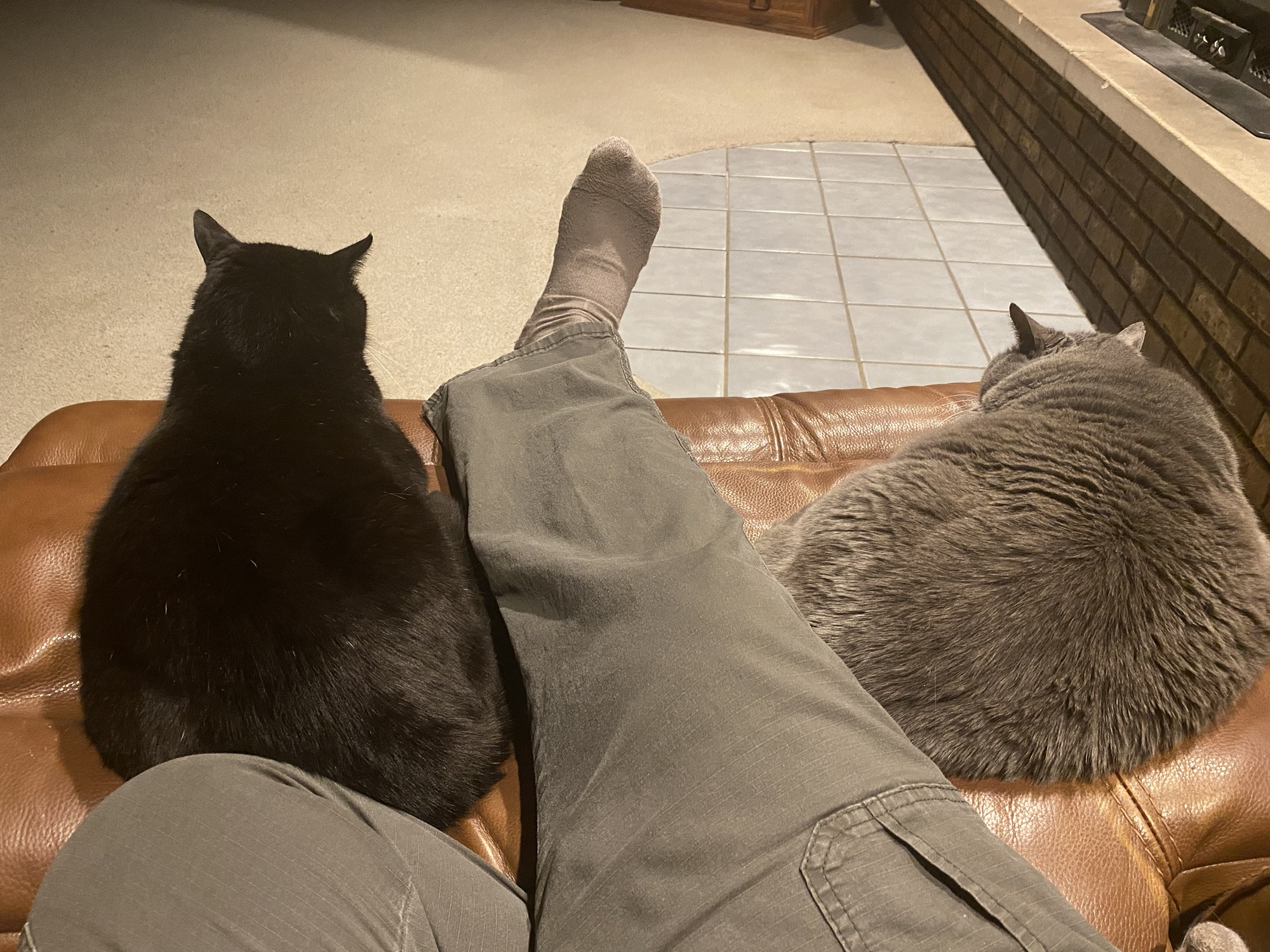
  The image encourages me to gently swat away challenging thoughts or feelings by reminding myself that even if I am thinking a certain way, it doesn’t mean it’s true.  Sometimes, I stay trapped in the loop of emotions, and I am reminded that I am a work in progress.  Other times, I can name the story or feelings, and I have the ability to send it on its way. 

I usually have to remind myself to stop judging the experience as good or bad–which I also tend to do. Then, I have to engage my curiosity and ask myself why am I thinking/feeling/reacting a certain way.  This can take a long period of time, and sometimes, I have to tell myself to accept the feeling/thought for the time being, and I can figure out the reason for the feeling later.  

I often find, through reflection, that many of my emotional responses are often caused by certain triggers or trained reactions from long ago.  I am especially prone to messaging that tends to make me feel “less than” others, but everyone has their own unique triggers. I also find I am more likely to be sent into a negative spiral if I am especially fatigued. 

Other common triggers may include, patronizing behavior, micro-management, someone not pulling their weight, someone criticizing you or your work, and so forth.  The thing is to begin to get curious and see if you can begin to identify your personal triggers. 

Photo by Liza Summer on Pexels.com

Tools for Dealing with Difficult Emotions 🔨🪛🔧

In the end, when it comes to emotions, we have 90-seconds in which our bodies chemically react to our triggers and attempts to send us into the “flight, fight, or freeze ” mode.  After that, we have the power to continue with one of those modes, or choose another direction, but it won’t be as easy as snapping a finger.

Knowledge of the 90-second rule does not allow us to avoid challenging emotions.  Instead, it is my hopes that it gives you (and me) the power to:

  • Identify what you are feeling (tight stomach, red face, rising heat, etc.) 
  • Gently ask yourself why you are experiencing it (What was the trigger?)
  • Name the emotion(s) (fear, anger, embarrassment, resentment, etc.)
  • Accept and allow those feelings
  • Offer yourself compassion and see if you can redirect your energy into a more positive endeavor.

Remembering that you have a choice when feeling strong emotions can be empowering, but it is not all rainbows, sunshine, and unicorns. Nonetheless, having tools to navigate through challenging emotions can make a difference, allowing us to eventually see through our cloudy and distorted thinking and perhaps get to the other side with a bit more grace and equanimity.  

Take Care of Your Heart–February is Heart Health Awareness month

“You have the power to take action to protect yourself against heart disease.”–National Institutes of Health 

Photo by Pixabay on Pexels.com

The short list 👵🏼

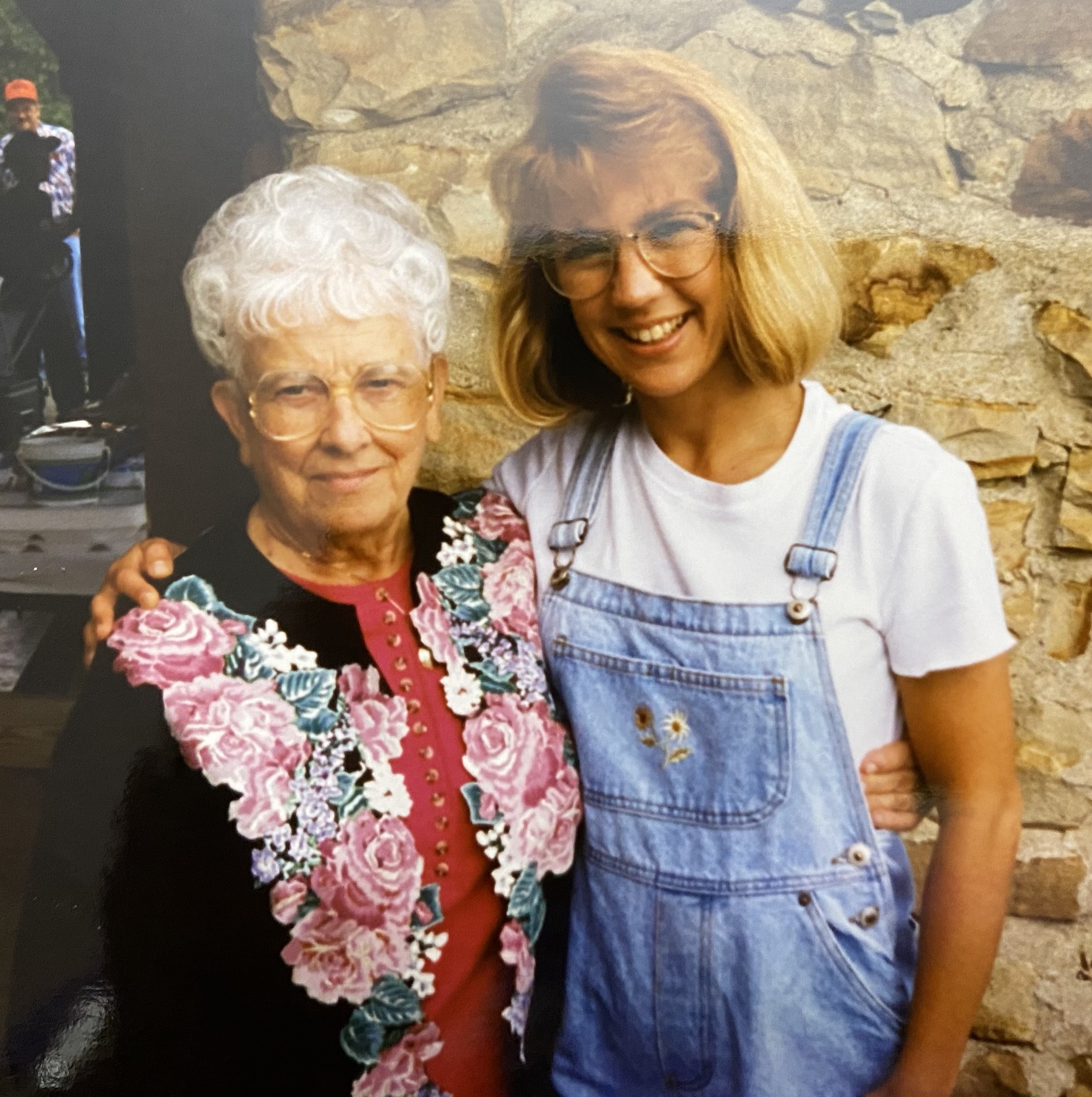
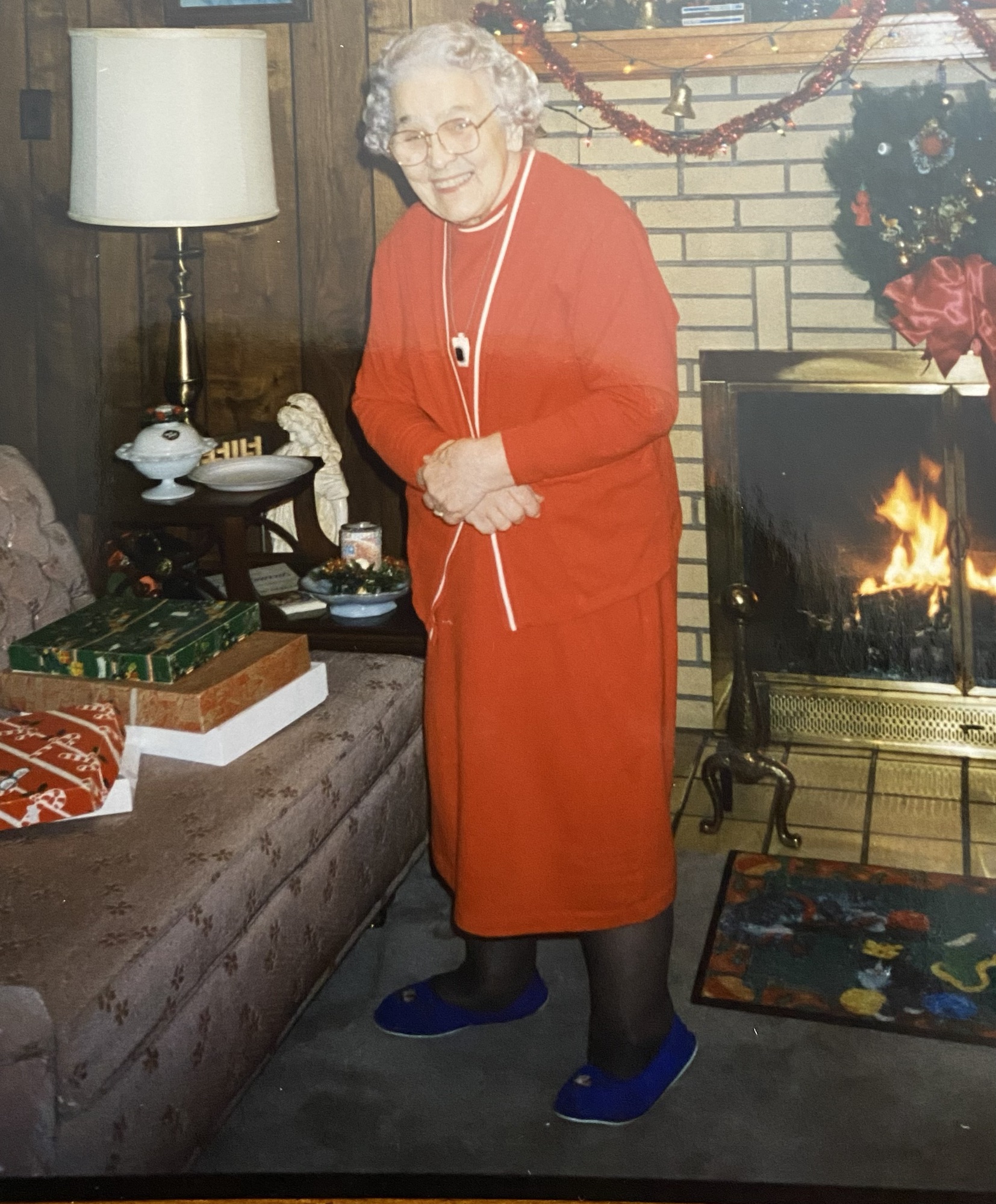
I am often teased for my height.  To be sure, I am easy to overlook, especially with the way gravity and aging are currently in cunning cahoots with their persistent resolve to pull me closer to earth.  However, if you think I am short, you should have seen my Mamaw.

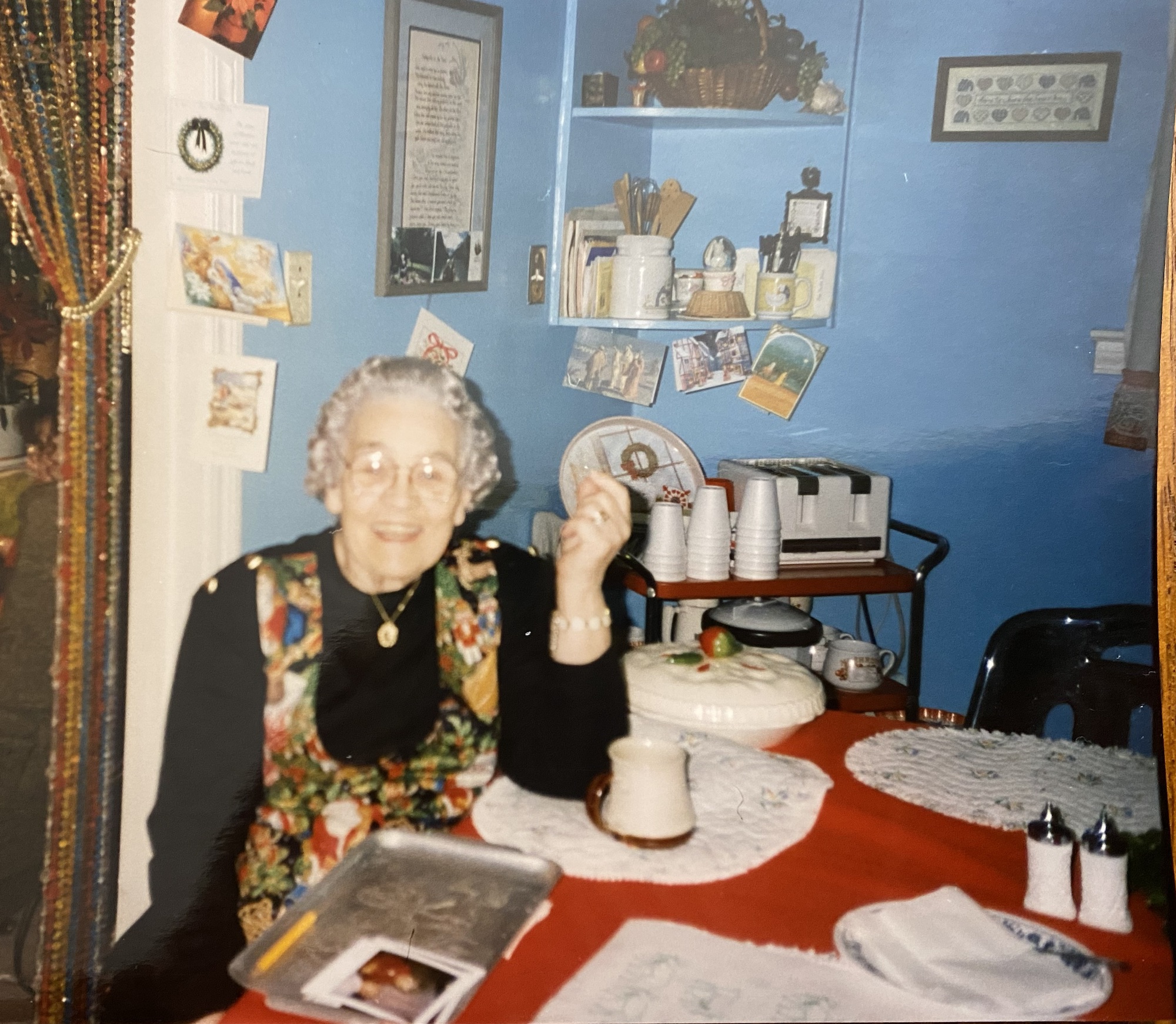
Mamaw was my Dad’s mom, and she was itty-bitty.  I am not sure of her pinnacle height, but once I reached my full, so-called, height, I was taller than her.  That’s ok.  What Mamaw did not have in height, she made up for in moxie.

I can recall spending the night with Mamaw.  Her house was modest, well-organized, and fastidiously tidy. Most guests entered through the backdoor entrance which led into the brightly lit kitchen filled with shades of yellow.  Through the sunny kitchen was a compact TV, or family room, with Mamaw’s sewing machine squarely positioned in front of the room’s only window. 

Mamaw was a quilter. It seemed as if every time I was there, she was working on a quilt.  These vast projects of art typically took her six months to a year–depending upon the size of the quilt.  Therefore, the TV room was often filled with pieces of brightly colored fabric, precisely arranged, laid out on the floor, and pinned together. I loved watching her work, especially once she got the large hoop out that held the fabric taut as her trained fingers worked the needle and thread like a fly buzzing above a soda can at a picnic. 

Photo by Pixabay on Pexels.com

Sweet Remembrances 🏡

In contrast to her diminutive stature, her footsteps came down with a heavy sound. You could hear her coming, no matter what part of the house she was in.  This was especially noticeable in what my kid’s mind perceived as “early morning.”  She tended to rise somewhere between 5:30 and 6:30.  Her size-five, narrow feet sounded as if she were a giant stepping through the house as she went about her morning routine and began making breakfast. 

Breakfast was typically simple most mornings. Sometimes she ate boxed cereal, such as Raisin Bran or Corn Flakes. Other times, she prepared poached eggs with toast.  However, her biggest go-to breakfast that I recall was oatmeal.  She made the oatmeal so thick and creamy that it often stuck to the pan, but boy was it ever good.

As best I can remember, she prepared our breakfast while I was still in bed. (She would check with me the night before to learn my breakfast preference.)  Then she would mix up a cup of Tang for each of us (An orange powder, fortified with Vitamin C that advertisers claimed astronauts drank.) and then heat up water for her cup of Nescafe. By the time I made it to the kitchen, the table was set, and she was waiting for me. Sometimes we talked while we ate; other times, we were quiet.  But there was a comfort just being with her in that bright kitchen, custom built to accommodate her petite size.

Photo by Andrea Piacquadio on Pexels.com

Walk This Way 🚶🏽‍♀️

 Mamaw was active and was known to walk at a local high school track.  I accompanied her on a few walks, and her pace was steady.  Typically, her goal was two laps, which equaled two miles.  If she was feeling good, we might walk a little more.  If the weather was overly hot or humid, we might walk less. 

Mamaw cleaned her own house weekly and cooked her own meals.  She went up and down steps to her basement regularly to do laundry, grab a jar of canned vegetables or fruit, or retrieve another needed item.  Grocery shopping was usually a once a week event–often coinciding with double-coupon day as she managed her budget tightly.  Mamaw attended her Old Regular Baptist Church when she could, and even at her funeral, they still lined their hymns in a mournful melody, a tradition dating back to a time-period when hymnals weren’t readily available. 

Mamaw never drank alcohol, and she never smoked.  And while she often fretted over having a bit of a belly (from which her laughter emanated so joyfully), she overall maintained a consistent and fairly healthy weight for her body type.  

Photo by Pixabay on Pexels.com

Unexpected Event ❤️‍🩹

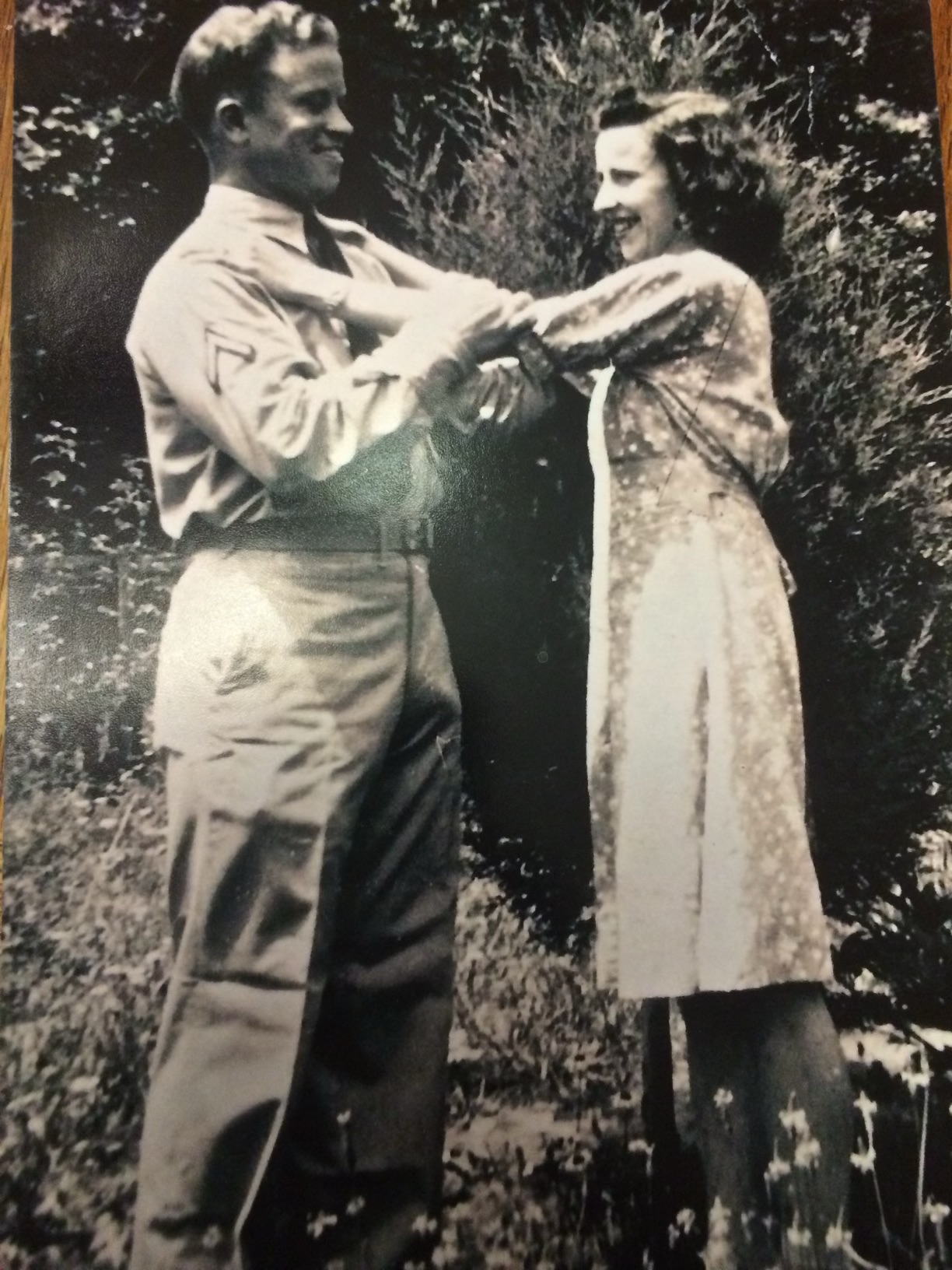
I do imagine there were moments in the span of her life that caused her stress because I can remember her saying she felt “nervous.”  From a kid’s perspective though, she seemed happy enough.  However, I feel certain, after her husband, Papaw Musick, suddenly passed away from a heart attack when I was less than a year old, and she still had a son at home in high school, she must have carried many burdens and worries.

Despite her overall level of daily activity and seemingly determined mindset, many years later, Mamaw also suffered a heart attack at the age of 74.  I recall visiting her in the hospital and being stunned by the way her body had been temporally physically altered from emergency surgery.  She, like her passed husband, was not a person anyone would have thought of as being at-risk for heart attack, and yet, they both suffered from a cardiac event.

Photo by Karolina Grabowska on Pexels.com

February is Heart Health awareness♥️

Therefore, it is in honor of Mamaw and Papaw Musick that I write this piece.  Friday, February 2, 2024 is National Wear Red Day, also known as Go Red for Women as part of the overall campaign for Heart Health Awareness during the month of February. This heart-centered initiative dates back to Lyndon B. Johnson, in 1964, who first established this annual event after he had a heart attack. 

According to the CDC , “Over 60 million women (44%) in the United States are living with some form of heart disease.”  It is the leading cause of death in 1 out of 5 women. 

Regarding men and heart disease, the news is even more grim. The CDC also states that heart disease is the leading cause of death of US men, about 1 out of 4 men.  What’s worse, half of the men who died suddenly had no previous symptoms.  

Photo by Jessica Lewis ud83eudd8b thepaintedsquare on Pexels.com

Steps to maintain Heart Health 💕

Any way you slice it, heart disease is a silent killer of women and men, but there are some actions you can consider initiating this month to prevent heart disease according to the CDC and the Mayo Clinic:

  • Get moving: Aiming for 30+ minutes of movement per day, even short bouts of movement, incorporated throughout your day, are helpful
  • Quit smoking or using tobacco products
  • Moderate alcohol consumption 
  • Know and monitor your blood pressure, and work to control it
  • Eat whole foods that are heart healthy, specifically the Mayo Clinic recommends Dash or Mediterranean style of eating
  • Maintain a weight that is healthy for your unique body
  • Consider annual blood work to monitor cholesterol levels and triglycerides 
  • Manage your stress levels
  • Prioritize quality sleep
  • Take steps to prevent infections
  • Take steps to prevent and/or manage diabetes
Photo by Puwadon Sang-ngern on Pexels.com

take care of your one and only precious heart ❤️

After Mamaw’s cardiac event, she went on to live for nearly two more decades, and for that I am grateful. She was an excellent role model for me in the art of living simply, making due with what you have, and being grateful for it. Mamaw laughed often–a full-belly laugh that seemed to fill her entire body with glee.  Those dainty hands of hers kept busy most hours of the day, and she kept her body moving. Most of all her heart was kind and her spirit was gentle. 

I hope my Mamaw’s story will inspire you to take care of your heart, if not for your sake, for the sake of your loved ones. Your precious heart matters, and YOU make a difference in the life of others, whether you realize it or not, just as my Mamaw did for me.

Warm and toasty memories of grandparent’s kitchen

On average, a well-maintained pop-up toaster can last anywhere from 5 to 10 years.”–Storeable.com 

A toast to Love 🥂 🥯

“Bready” to work for 34 years!

My grandparents gave John, my husband, and me a wide-slotted toaster in 1989. We cannot remember if it was a wedding gift or a Christmas gift during our first year of marriage. Regardless, Grandmother and Papaw were so proud to give it to us because it was just like theirs, white with four slots wide enough for bagels. 

Here’s the thing, John and I didn’t use the toaster that often until our own daughter was born ten years later when it became used on a more regular basis.  It was one of the last tangible connections to my grandparents.  The gift was from a time period before Alzhiemer’s disease overtook Papaw’s brain; therefore, it was more likely the two of them chose the gift together.  

Who’s the Center of Attention? 🤩

I can remember how Papaw first greeted John.  He looked at John, sized him up, and shook his hand.  Then, he looked at John’s hair, and asked, “You got all those hairs numbered to get your part so perfect?”  

At the time, John had, as Papaw called it, “a head-full-of-hair.” Thus, it became Papaw’s default joke-of-a-greeting with John.  That was one of Papaw’s ways–teasing a person to let them know he liked him or her. 

Grandmother tended to let Papaw take the spotlight while she remained present, but in the background.  She was quite adept at allowing Papaw to soak up all the attention, so she was embarrassed easily–and yet loved it–when attention occasionally turned to her.  John knew how to use this to his advantage.

Papaw would give John a hard time about his hair, the way John was dressed, or the shoes John was wearing.  In turn, John would banter good-naturedly with Papaw for a few moments.  Then, John would pivot and turn his attention to Grandmother, asking her a question such as, “Helen, how do you put up with this man?”

Grandmother’s eyes would light up–probably because she secretly wondered that very thing herself from time-to-time when Papaw was carrying on, but she would usually deflect the comment good naturedly while laughing. 

Family dinner Rules 🍽️

During family dinners, Grandmother still remained in the shadow of Papaw’s entertaining ways; however, her food was center-stage.  She was a good cook in that hard-scrabble, Kentucky/Appalachian way–a woman who had been poor during her childhood and continuing through the Great Depression. Therefore, her cooking methodology was a mix of traditional Appalachian-style foods and popular recipes of the time, made in the most cost effective way. (I could probably write a book on her cooking alone.)

Therefore, John would tease her mercilessly about her cooking.  One moment he would tell her how much he loved something, and then next he’d quip, “Now, Helen, I am not sure who makes the better  __________, you or _________, (He’d usually insert his mother’s or my other grandmother’s names.) so I’d better have some more of that if you don’t mind.  It will help me decide who the better cook is.”

Oh, how she basked in that kind of banter.  “Now, John . . . ,” she’d say as her face reddened.  Then, she’d smile, realize there was food in her teeth, and cover her smile with a napkin.  She’d wave her hand as if batting his comment away, but she’d ensure he–and everyone else gathered around the table–got more food. 

Clean up and Dish up 👂

After special dinners, Papaw, who usually did help clean up the kitchen, was given “permission,” especially during football season, to go ahead and sit down, with any other men that were present, to “watch” football and/or read the Sunday paper.  I put quotes around “watch” because after eating, Papaw would typically doze off part way through the game.  Nonetheless, 20 or so minutes later, he’d perk back up, and command the rapt attention of those that remained in the room with him.

Meanwhile, the women would clean up the kitchen, often making more coffee. The conversations were rich as the coffee and somewhat “dishy” about this person or that.  Once I was old enough, I would hang out in the kitchen, offering to “help,” but mostly hovering between the TV room and the kitchen, so I could hear the tales from both rooms.  

There was an intimacy in Grandmother and Papaw’s kitchen area that was warm and inviting. During winter months, their single-paned windows would thickly frost, and as a child, I felt sheltered and safe in an often chaotic world in that room.  Later, when I lived with them for two years as a young adult, I came to realize that even when it was just the two of them, that presence of peace could still be felt in their kitchen.

During those early adult years when I lived with them, they graciously shared their kitchen with me, so I could explore my own cooking interests. Grandmother especially loved it when I cooked with a wok or made homemade pizza, so she could eat something different than her traditional fare.  Papaw would just walk out of the kitchen and mutter under his breath about my “concoctions” while Grandmother sat at the kitchen table asking me questions about the recipe as I worked.

It was also during this time period that I observed their steadfast devotion in the early morning hours, when they made breakfast together.  Their breakfasts were usually simple, but that didn’t matter.  It was how their presence made the space feel. 

Their presence remains 👴🏻👵🏼

 If I listen hard enough, I can still hear the metallic clank of the toaster popping and the rhythmic perk, splurt, sigh of Grandmother’s percolator, brewing her aromatic coffee, filling the kitchen with an ethereal presence, as they two of them sat side-by-side at their kitchen table, talking about the coming day, current aches and pains, or strategizing for an upcoming, double-coupon, shopping day.

Grandmother shared her love of cooking and baking with me, and Papaw taught me the importance of an appreciative eater.  They both offered wisdom on the art of not wasting food and cooking on a budget.  They were patient with my presence in their sacred space–the kitchen–when I lived with them for those two years.  And they modeled that a kitchen table–and the events around it–are often the heart of a home.

With the toaster they gave me, it felt like a small part of Grandmother and Papaw remained with my own family in our kitchen, but this past Thanksgiving, the toaster quit working–only months after our daughter moved out to begin her career and life as I once did with them. 

I know it is a miracle it lasted as long as it did, but I still mourn its loss.  However, as I write this piece, I realize that Grandmother and Papaw’s kitchen is not lost, but remains in my heart and in my hands.  Their love wraps around me when I bake or cook one of those traditional recipes and even when I explore new ones.  The echoes of Papaw making himself an endeared, center-of-attention and his gruntings about my “concoctions” still whisper.   Likewise, visions of Grandmother sitting at my own kitchen table, eating with me in spirit, asking about my recipes, and savoring each new taste as her clouded blue eyes shine their light on me seem almost real.  I suppose, in the end, these words are written as a toast to their lasting influence.

Thank you for your service, toaster. Rest in peace.

The Joys (and benefits) of Exercising Outside in the Winter

  • “The only other sound’s the sweep, Of easy wind and downy flake.”–Robert Frost
Photo by Julia Larson on Pexels.com

It begins with the First step 👣

My daughter and I began Thanksgiving morning with a run, and I was surprised by how invigorated I felt afterwards.  We were participating in a local 5K that raised money for a local non-profit that provides emergency assistance to those in need. The route was scenic and engaging as we made our way through a historic railroad town along the Ohio River. Fluffy pillows of white clouds floated on a canvas of cerulean with intermittent rays of golden sunshine warming the otherwise brisk air. 

When Christmas morning rolled around with temperatures in the mid-thirties and milky sunlight filtering through the clouds, I decided to once more begin that day with a run in a nearby park. This time I was alone, but I did encounter small clutches of people here and there, many with dogs.  With little traffic, and so few people, it was an idyllic opportunity to bask in an appreciation of my surroundings. 

The creek flowing alongside the path gurgled a peaceful tune. The rhythm of my own two feet kept time as my breathing matched their relaxed beat.  There were numerous animated squirrels, performing their own countermelody, scurrying across and along the path, mouths stuffed wide with nuts and other random fodder. Exposed trees revealed secrets they hide throughout the other seasons.

New Year’s morning was full of gunmetal gray clouds and snow flurries, but I wasn’t to be deterred. I once more donned my running shoes and headed to the park.  Energetic wind gusts embraced me once more, as I pitter-pattered along, keeping the beat–one-two, one-two–finding an easy pace. Only a few people stirred, and most of them were accompanied by their canine companion.   Traffic was nearly nonexistent. All was quiet.  My face was repeatedly pecked by diminutive flakes, and I was filled anew with a deep peace that comes from nature immersion.

Photo by Tim Gouw on Pexels.com

The Joy of being outside ❄️

There is joy in being outside with nature, and there is joy in movement.  Combine nature and movement together, and therein lies a sweet spot–a compatible coupling of energy. It doesn’t matter if you run, walk, bike, ski, snowboard, or hike, but getting outside in the winter is beneficial to body, mind, and, yes, soul.  

One of the more obvious benefits of moving outside is giving to your own health and wellness. Even if you are only out for 5-10 minutes, those few minutes can clear your mind, increase circulation, and, of course, increase calorie burn because the body has to work harder in cold weather.  However, there is so much more than the obvious.

Exercising brings a sense of camaraderie, even if you’re solo. I typically encounter other exercisers during my outings, and there is always a collective sense of “we’re in this cold weather together.”  Most will speak or wave in greeting, which I try to emulate, and I personally find a sense of connection in such a simple act.  However, if you have a buddy who can join you, then exercise is always more fun, goes by quicker, and both of you benefit from holding one another accountable!

Photo by cottonbro studio on Pexels.com

Benefits of Exercising Outdoors 👟

Outdoors exercise can reduce levels of cortisol, which in turn, reduces feelings of stress. Moving outside in the colder temperatures can boost your mood by increasing levels of serotonin, which can help alleviate symptoms of seasonal affective disorder. Winter exercise boosts the immune system, which may in turn prevent or reduce viruses, such as cold and flu. 

Being outside, even during the winter months, is a wonderful opportunity to practice mindfulness.  We can engage all five senses by observing your environment: listening to the sounds; feeling the rush of chilly air brushing against our cheeks; inhaling scents of winter; and, even tasting the frosty air. It provides our minds an opportunity to to slow down and clear the mental cobwebs or perhaps still incessant chatter of our thoughts.  

As I have discovered, there is a quiet in the winter months that isn’t present at other times of the year and not just the kind of hush I experienced on those holiday runs. It is a special stillness that allows me to feel connected with our Creator. Every step I am fortunate to make, every tree I am able to observe, the chirping of the winter birds, the  air, and the nippy air bring me closer to the Source of all that is.  God is ever-present, and I feel closest to that presence best when I am out-of-doors and in nature.

Photo by Yaroslav Shuraev on Pexels.com

It’s all about Mindset 🧠

The hardest part of getting outdoors in the winter is mindset. Our thoughts will tell us it’s too cold, it’s too uncomfortable, it will be miserable, and so forth.  However, if we can push past the resistance, dress for the weather, and step outside, we find that our bodies will adapt. Once past the first 5-15 minutes, depending upon what we’re doing and our own unique system, our bodies warms up, those endorphins kick in, and we begin to feel much better and warmer!

In fact, I often find that once I’m outside and moving, I wonder why I didn’t want to do it in the first place.  Still, I often have to fight past my own resistance in order to not “flake” out. (Get it? Snowflake; flake.) 

Photo by cottonbro studio on Pexels.com

Dress for the weather, but adjust for activity level 🧤🧣

Keep in mind that when we are engaged in activity outside, according to an NPR article, it will feel 15 to 20 degrees warmer than it actually is. Therefore, I personally saved a 2018 article from NBC  on my phone that breaks down the temperatures into zones–from the 40s-50s, 30s-40s, 20s-30s, and even 0-20s–and makes suggestions regarding what to wear, which I use as a dressing guide. I compared that 2018 article to a 2023 piece from the Mayo clinic, and found that both offered similar advice for dressing. The point is, there is plenty of information/advice with the stroke of a few keys.

Most experts advise dressing in layers made of dry-wicking fabric which can be taken off, if needed, as the body warms. Hats and gloves/mittens are also important, as is appropriate footwear. It is also advised to warm up the body for a longer period of time, and use caution, especially during dicey weather conditions.  

If it’s icy out, raining heavily, or temperatures are in the teens or lower, it may be advisable to avoid exercising outside during those time periods–especially if you do not have the proper gear/clothing. Therefore, it’s a good idea to check the weather forecast before heading out, so that you can ensure it’s safe and know how to dress for the conditions.  If your work schedule permits, consider switching up the time of day you exercise as temperatures can be significantly warmer in the afternoon hours. 

Photo by Ron Lach on Pexels.com

Dress Appropriately, Get outside, and get moving ⛄️

In the end, don’t allow the cold temperatures to keep you inside. Head outside when you can. Connecting with nature and moving outside is a great way to appreciate not only the wonders of creation all around us, but also appreciate the wonder that YOU are.  Of course, use caution and basic wisdom when deciding what temperatures and weather conditions are right for your unique circumstances.  Whether it’s a short jaunt to your mailbox or car, or a full exercise session, taking time to soak up the fresh air with a few extra steps could benefit you in surprising ways!

Wishing you health and happiness in 2024.  

Reflect on my runs on Christmas, New Years Day and so forth. 

A “Bear-able” story: The ‘safe’ car that was an accident magnet

“All sorrows can be borne if you put them in a story or tell a story about them.”–Isak Dinesen

It was May 2016, and safety ruled supreme

STatistic Tell a Story 📊

It was 2016, and my husband, John, texted me photos of a previously owned car he discovered for sale on a local lot.  The former owner rarely drove the car, and it was in pristine condition. However, it was white, a color that seemed bland to me. However, the price was right, and after a few test drives and conversations, we decided to buy it.

Turns out, it was a vehicle often used by police officers, a 2013 Ford Taurus SHO, a model no longer made. However, if you’re a car enthusiast, you will know the car.  It was only through driving the SHO and encountering car aficionados, that I began to appreciate what a following the car has due to its powerful and uniquely designed engine.  

In addition to the car’s engine, another advantage of the SHO, John explained, was its color. According to Autolist’s “Guide to Safest Cars,” AAA, and numerous large law firms, white is the safest car color. Statistics indicate white vehicles are 12-percent less likely to be in an accident because the color is such a contrast to its colorful surroundings.. Hmm. . . in the words of a former British politician,“There are three kinds of lies: lies, damned lies, and statistics.”

Tippi Tail needed a check-up. Little did she know that an evil force would find us there.

 “Oh well, bears will be bears.”–Michael Bond 🧸

Case in point, 2021.  I took our cat to a local veterinarian for her annual check up.  I parked away from other cars, farthest from the door.  Moments later, I was inside an interior exam room with the cat when the door popped open. “Do you own a white Ford SHO?”  

Turns out, another client, driving a full size SUV with a camper hitch, somehow managed to back into my car, despite my parking precautions.  The entire trunk area of the SHO was wrecked, seriously damaged by the hitch and size of her vehicle.  Did my white car, parked as far away from the entrance as possible, really safely stand out?  

Now consider 2023 . . . 

Off to the body shop, again and again!

“The best way of being kind to bears is not to be very close to them.”–Margaret Atwood

I was driving on a winding country state route on my way to a local gym around 4:45 on a cold February morning.  THWACK! A large buck, spooked–perhaps by my car–darted out from the woods onto the road behind me and collided into the driver-side rear bumper.  If my car was such a contrast, why did Mr. Bambi decide to leap towards it? 

This time it took months before the SHO was fully repaired due to an incredibly bad experience with a well-known, car repair shop.  Once we finally did get it back, a little over a week later, we were rear-ended in Charleston, WV by a person without insurance who transparently reported, “I don’t know if I fell asleep, or I zoned out when I hit you.” Back to the original, much more reliable, local body repair shop. who made the repairs after the veterinarian parking lot debacle.

Photo by Aaron Brewer on Pexels.com

“Bears are masters of survival.”–Catherine Lukas

All was right in the world once more.  Our car was repaired in a timely fashion, but we decided to search for a new vehicle–an HEV model similar to one we owned many years ago.  A few days before Thanksgiving 2023, we went to a local dealership, where I met a young, respectful sales associate named Austen, and I completed a test drive of a vehicle similar to the HEV model John and I researched.  After some back and forth, I sat down with Mr. Austen to order a 2024 “Dawning Red ” compact SUV that was an HEV with ALL of the top-of-the-line, high-tech safety features.  After my experiences with a white vehicle, I determined I might as well get a color I love AND be able to defend from would-be “assassins.” Unfortunately, it wasn’t slated to arrive until January or February 2024.  

Mid-December, 2023, John and I left Snowshoe Mountain Resort where we attended a wedding. We were driving along WV-39 when we entered the scenic Monongahela National Forest. We were listening to music and chatting, when suddenly, John and I both screamed, “BEAR!” 

A large black bear had “barreled” out from the woods and was running across the road in front of us. John braked hard, but there was no avoiding it.  In a split instance, I quickly did a survey of our circumstances. We were in the middle of nowhere with little to no cell phone service, night was falling quickly, and there was no traffic on the roadWe were doomed.

 THWACK! That sickening sound of impact, and perhaps, impending demise as we both exhaled, bracing ourselves for the worst.  However, by a Source greater than us, we were still driving.  In the rearview mirror, the bear was seen shaking its head and ambling back towards the side of the road from which it had originally darted.  

In a note of irony, and almost “unbearable” humor, the Maps App’s image revealed we were driving on “Bear Run Rd.”  It was at this point, John and I burst out laughing. Our cachinnation continued momentarily as tension slowly diffused into gratitude. We were safe. The car was still functioning with minor damage to the front, driver-side bumper, and the black bear appeared to be alive.

In the light of a convenient mart 50 or so miles away, we were able to photograph the damage the bear “bearly” made.

I once more contacted the local body repair shop regarding my damaged white vehicle.  However, before I could get it to the shop, Austen, the young sales associate, reached out to me.  The newly ordered vehicle, with all those safety features, had arrived early at the local dealership.  I could “bear-ly” contain my joy as Austen explained the new vehicle would have sensed the bear and automatically braked before we could have reacted!

In the same way the sun’s rise and fall creates beginning, middle, and end to the day, so too do stories bring structure to life events.

Stories can bring sense, structure, and sometimes, humor, to a world that I often struggle to fully understand.  Disjointed events rise in an arc of plot developments and somehow come full circle in the resolution of the narrative.  I have been fortunate to share these stories with you. By writing, I hope I am contributing to the understanding of our shared humanity as well as your own unique life story.  It is my hope to continue to share the untold stories yet to come as, together, we move into a new year. 

For those of you who take time out of your busy schedule to send emails, cards, letters, and messages to me, please know that I am sincerely appreciative for your kind words, generous spirit, thoughtful advice, and even corrections when I am wrong.  A writer needs a reader just as a cook needs someone to feed.  Thank you for being that reader for me.  You are why I write.  May the new year be gracious to you and yours; may it be filled with peace and, of course, stories!

P.S. Thank you Austen, Mark, Jacob, Gavin, Marvin, and all the other friendly guys at the local dealership.  You made our purchase feel like the beginning of the next adventurous chapter in our life story . . .

Here’s to the “dawning” of a new day.
“Dawning red” indeed!
Even though my eyes were shut for the picture, they were wide open with gratitude and joy for the new vehicle and the easy process with had with Austen, Mark, and all the other guys in Barboursville!

Be Like Mary: Welcome Everyone

“There is little in life so reassuring as a genuine welcome.”–Robin Hobb

Photo by Pixabay on Pexels.com

Country Roads ⛰️

The sun was sighing its light in surrender to the day as our vehicle threaded through the twists and turns of the mountainous route of US 219 beyond the town of Marlinton, WV.  John, my husband, and I were heading home after attending a beautiful wedding in St. Bernard’s Chapel on top of a mountain in Snowshoe Mountain Resort.  The road was mostly abandoned and the scenery was miles of iconic rural farm pastures framed by ancient mountains.

Bales of hay were in the fields. Abandoned homesteads that whispered of once large families were slouching in the stiff breeze here and there.  Cows of fading earth tones grazed about pastures nonplussed as we passed by.  Deer dotted the brown fields foraging for food, but no signs of human life along this section of rural road.  

As we rounded a sharp bend of yet more pasture, there stood a church on the left side of the road.  It was an aging one-level, white-wash wooden church with two entry doors, reflecting that practice of men sitting on one side with women and children entering and sitting on the other.  In front of the church, clearly visible for cars passing by to read, was a white sign for which you could attach and rearrange black letters.  The top line read, “Mary’s Church,” and the bottom line stated, “Everyone is welcome.”

Photo by Arvid Knutsen on Pexels.com

Mary’s Church: Everyone is Welcome ⛪️

There was no obvious community near this church, and yet, it stood by the road as a welcome to “everyone.” The thin winter sunset bathed the church in a peachy-pink glow, giving it an ethereal, but inviting look. Had it been earlier in the day, it would have been one of those places I might have asked John to pull off the road, so I could walk around it and take pictures.  Unfortunately, time and daylight was not on my side, yet the image of that church left an impression–especially the line “Everyone is welcome.”

I began to contemplate the church and its sign within the context of the Biblical story of Mary, mother of Jesus. I began to ponder the words, “Everyone is welcome,” within the circumstances of being a mother.  And that is when it hit me:  Welcoming all with a mother’s love.

For the sake of my point, I am focusing on the concept of mother at its most ideal state.  As a mom, I have certainly made hundreds, if not thousands, of mistakes and errors in parenting, but at my heart, at my highest self, I unequivocally love my child.  And, that is the love for which I am writing.

A Mother’s Love 👩‍🍼

As a general practice, a mother will wash, feed, clothe, and comfort a child in need. Mothers celebrate their child’s joys, and cry with their child at their sorrows.  When a mother sees a child enter her home, she smiles and welcomes them in an embrace.  If a child calls, a mother answers the call. 

A mother is willing to meet her child where they are, provide a loving space for that child to express their individuality, but she will also gently nudge and nurture her child along an honorable path of living. A mother will pray and hope for the best for her child, but love the child no matter what.  Even if there are times in the relationship when a mother may not agree with the child’s choices, the mother looks beyond that choice, sees the child inside, and still loves the child. 

Mary’s Church.  Everyone is welcome.  As the Christmas story goes, at the birth of Christ, Mary had to accept many challenging realities with regards to her child.  Within the first year of her son’s birth, Mary had to welcome foreign men who traveled from another country.  These men probably spoke a different language, dressed and looked differently, and may have even had different faith backgrounds than Mary and her husband, Joseph. Nonetheless, Mary welcomed them.

Photo by cottonbro studio on Pexels.com

A Mother’s Concern 😧

Later, Mary had to accept her son’s precocious nature as he wandered away from his parents in order to hang out with the teachers of the temple.  Can you imagine her worry during those three days?  God gave her one job.  Raise a kid to bring good news to the world, and she lost him?  Imagine how relieved she must have been to find him, even if he didn’t stay close to his parents as he was most likely directed to do. She had to love him enough to welcome his behavior as part of the process of his development.

Consider her anxiety, when years later, rumors and gossip circulated about her son losing his temper–as young men often do–at temple.  She must have felt a knot in her stomach as gossip focused solely on Jesus’ actions–publically shouting and up-turning tables of money changers.  As I put myself in her mom’s shoes, I would have been thinking such thoughts as: He could have been hurt.  Worse yet, he could have been killed.  What was he thinking?  Nonetheless, for better or worse, Mary still loved him. 

Later, as his reputation grew, I can envision the suggestive stories Mary had to hear, full of implications and imputations, that her son was hanging out with a wide-array of so-called “low-lifes.” Still, I am certain that Mary’s love never waivered.  She would have always welcomed her son, along with any of his new acquaintances–no matter their background–into her home because that is what mothers do. 

Photo by Angela Chacu00f3n on Pexels.com

A Mother’s Welcome 🫂

As Jesus continued his travels between Galilee and Judea, continuing to mix with people from all walks of life, Mary, I am confident, still loved and accepted him.  If Jesus, or anyone with him, was dirty, poorly clothed, hungry, or wearing sandals worn thin from the road, I also believe as a mother, she would have welcomed him and any traveling companions into her home, offering what comforts she could provide.

Mary must have marveled at her son’s charismatic ability to interact with people of all walks of life. She loved her son through it all–even watching him die a cruel, inhumane death. Mary accepted and fulfilled her role as Christ’s mother, and loved him fiercely. This familial love (including Joseph), provided a solid foundation for Jesus’ role as an evangelizer of hope and love to “everyone”.

Everyone’s welcome. Nobody’s perfect. Anything’s possible.” This popular quote best sums up not only how I view the role of Mary as a mother, but also the impression I had driving past “Mary’s Church” where “Everyone is welcome.”  

Photo by Ave Calvar Martinez on Pexels.com

All are WElcome ♥️

In a world full of discord, dissension, and division, it is worth remembering Mary’s love and Christ’s example.  Everyone should be welcome.  None of us are perfect, but anything is possible through listening and love.  Yes, I am writing in the ideal, and yes, I took imaginative liberties in my writing, but isn’t that what the stories of the New Testament are trying to teach us-–All are welcome.  

Be a mother: Meet people where they are. Listen. Learn. Love.  

How to capture those perfect holiday images and still remember the event

“Taking photos can help us remember certain things, but if we are completely reliant upon them, it can also impair and spoil our memories.”–Susan Blackmore for BBC Science Focus

Oh Those Annual HOliday Pics 🎞️

As the holiday season is now upon us, I am reminded of those annual childhood photographs my parents, like many, used to take of us.  There was always one of my three siblings and me holding our empty Christmas stockings on Christmas Eve.  Snapshots of us dressed up before some sort of Christmas performance, and pictures of us in our pajamas, rubbing the sleep out of our eyes before we opened our presents were also part of the mix.  Throw in a few more shots of Christmas brunch, one of us opening a “big” present, or another one riding a new bike, and it is clear that my family took pictures to memorialize special holiday moments.

I grew up in the era of cameras with film, now referred to as “vintage”. Film was not cheap, nor was the price to pay for developing it, which often required the film to be mailed away in a special envelope to a developing center with a one to two week wait period before the pictures arrived back to you.  As a result, it seemed to me that photography was more precious because the act of taking pictures was mostly saved for special occasions, such as birthdays, graduations, vacations, holidays, and so forth.  Plus, by the time an entire roll of film was used, sent off to the developers, and returned, it often made for a great surprise to see the time-line range of images on one roll of film.

How and Why We Now Take Photos 📸

Photo by Nicole Michalou on Pexels.com

All of that has changed in the current era of digital photography.  According to a 2022 BBC article , many older adults like me, still tend to use photos to commemorate special events and document special family/friend events.  However, younger generations tend to take many more photos and use them as a way to “communicate with peers, form identity, and bolster social bonds.” 

Additionally, the article added that many young people snap pictures to make a statement about how they are feeling at the moment.  However, I would argue that given the age of social media, people of all ages take more pictures than ever for the explicit purpose of instantly sharing a moment on various platforms. Therefore, taking photos is more than a tool of memorialization of events.

However, this comes with a bit of downside.  According to a 2021 NPR article, research as early as 2014 and conducted again in 2022 , has firmly established that “snapping too many pictures can actually harm the brain’s ability to retain memories.” Thus, while you instantly have access and the ability to share all the photos we want, the downside is loss of memory of the actual event.

Offloading our recollections?

Photo by RDNE Stock project on Pexels.com

It seems as if our brain will either offload the responsibility of remembering the moment because we are taking the photo, or we are so distracted by the process of taking and/or posting photos that we aren’t soaking up the moment in order to form or retain memories.  Therefore, this is a bit of a cautionary tale as we approach annual traditional gatherings of which many of us participate in one form or another.  

If we spend most of an event photographing and posting on social media, our brains are not cognitively engaged in gathering information about the event–the sounds, the sights, the textures, and so forth.  Despite the fact we might have scores of pictures from the occurrence, it turns out that we will not remember many of the details.  This is because those cognitive skills typically used for storage of memories were disengaged from the actual event and surroundings in order to focus on the photos and the media posts.

However, all is not lost. A 2017 study indicated that while the act of taking pictures is distracting to the brain, the preparation of the photo, framing the picture, zooming in and out on details, can sometimes enhance memory.  By contrast, according to a 2022 article published by the British Psychology Society, taking too many pictures impairs the memory due to attentional disengagement.  The trick, it seems, is to find the middle ground.

Photo by Any Lane on Pexels.com

How to Prevent memory Offload 🧠

For the sake of our memories, I’ve gathered a few helpful tips for navigating those holiday gatherings of family and friends in which you may want to balance the art of taking pictures and still recall the event while also capturing the perfect post for social media. 

  • If possible, have someone take the photos for you, allowing you to be more immersed in the moment, such as a designated friend or spouse.
  • If it’s not possible for someone else to take the photos, then take a few key photos, and put your phone away.  For example, take pictures at the beginning of the gathering and/or at the end, focusing the majority of your time enjoying the moment.
  • Additionally, be deliberate about what and when you take photos.  For example, think about the key moments ahead of time, to the degree possible, that you plan to photograph, and stick to your plan.
  • Focus on details when photographing a scene, instead of randomly snapping shots.  Research indicates that when you take time to focus and frame to capture the moment, you help the brain remember events better.
  • Wait until the event is over before you post. This serves two purposes.  First, it allows you to be more present during the actual gathering, soaking up the details that form memories.  Secondly, the act of closely examining and selecting photos to post AFTER the event will further strengthen your memory 

Photographic memory 📷

In the end, we all want nice photos we can look back on with fondness, commemorating those special moments.  However, we also need to spend time engaged and immersed in the gathering around us in order to establish those memories in the first place.

Therefore, make this a holiday season of “presence” and not just presents and photos.  Consider taking a few key pictures to preserve these special times, but then challenge yourself to put down the phones and feel the pleasure of full immersion and connection with those around you. After all, it’s time you may never again get.

Saint Nicholas of Myra, a story of service and generosity

“The giver of every good and perfect gift has called upon us to mimic His giving, by grace, through faith, and this is not of ourselves.”–St. Nicholas of Myra

Photo by Andrea Piacquadio on Pexels.com

Heart-warming Stories . . . 📖

I have always appreciated heart-warming stories–you know the type.  The wronged protagonist, our underdog hero, faces one insurmountable challenge after another.  Just when you think the bad guys are truly going to get him or her, the protagonist finds a way to persevere, inspiring mere-mortals that we too can be like the protagonist.  

Those comforting stories are like cotton-candy, light, sweet, and sticky. Instead of needing to clean your hands, it’s the story that sticks around in your mind, inspiring you to perhaps make a change in your own life.  That sums up the legend of Saint Nicholas of Myra.

My interest in the story of Saint Nicholas was piqued when our school pastor, Rev. Monsignor Dean G. Borgmeyer, spoke of the upcoming Feast of Saint Nicholas at a school church service.  I wanted to learn a bit more about him and conducted a brief search. From Britannica to Farmer’s Almanac and from the Cincinnati Enquirer to National Today and a few others, my gleanings yielded a variety of lore associated with St. Nicholas.

By the time this is published, the Feast of Saint Nicholas will have already occurred in Western Christian countries on December 6, including the United States; however, it won’t occur in the Eastern Christian countries until December 19. Nonetheless, his legend, and all the variations of it, is a heartening story.  In fact, it inspired many of our current traditions and notions centered around the present-day conception of Santa Claus.

Photo by Andrea Piacquadio on Pexels.com

. . . Get Into your Head . . . 🧐

Some sources say that Nicholas was born to wealthy parents in the 3rd or 4th century in the Lycian seaport village of Patra, Turkey. It is believed that he traveled to Egypt and Palestine during his youth.  Tragically, however, according to one account, his parents died when he was quite young due to an epidemic sweeping the area.  This same report added that because he was raised Christian, Nicholas ultimately sold his belongings, dedicated his life to one of service, and then used his inheritance to help others.  At some point during his years of service to the church, he returned to Lycia, and there, he was made Bishop of Myra, one of the youngest men to be named bishop. 

Most sources emphasize his dedication to helping children in particular.  In fact, the one most often repeated stories are variations of how he helped a poor father keep his three daughters from a life of poverty, slavery, or prostitution by providing each of them with a dowry.  One account stated that stockings filled with gold coins were lobbed through a window of the family’s home and landed in shoes near the hearth.  Another account simply stated that gold coins were mysteriously found in their shoes.  In a similar fashion, unrelated to the three daughters, it is also claimed that children would find gold coins in their stockings that were left outside to dry after washing, and it was a widely held belief that this was the work of Bishop Nicholas.  

All sources agree that Nicholas was imprisoned for his good works and probably tortured during the Roman persecutions of Christians. Most likely he was released during the reign of Constantine the Great and continued his life devoted to helping those in need.  He was supposedly declared a saint on the same day he died at an estimated age of 73.

Photo by RDNE Stock project on Pexels.com

. . . Melt your heart . . . ♥️

His reputation for kindness and generosity grew because it is believed most of his gifts to others were given anonymously, and as a result, there are many wildly, unbelievable legends and miracles associated with Saint Nicholas. One such miracle was of a crazed butcher who chopped up three young kids and hid them in brine.  Supposedly, Nicholas was able to fully restore the lives of all three children and return them whole and healthy to their parents. Another story tells of a kidnapped son being returned to his family one year later, guided by Bishop Nicholas, years after his death. 

However, for me the greatest takeaway of the story of Saint Nicholas is the idea of practicing generosity and kindness to others, not just through the holiday season, but throughout the year–especially in an anonymous or low-key manner as part of a regular practice. In fact, during the recent funeral of Rosalynn Carter, her pastor talked about the fact that she understood the message of living a life of faith and service intellectually in her head.  That intellectual seed of understanding became planted in her heart, and the desire to share and love others grew from that planted seed of faith.  From her heart, a passion for generosity and service moved to her hands via actions.  Over time, these acts of service and kindness became a regular practice, thus creating a habit.  Head. Heart. Hands. Habit.

The story of St. Nicholas is quite similar, and you don’t have to believe all parts of his legend to get the message.  The protagonist understood at a young age the importance of faith and serving others.  Due to this belief, he soon learned to embrace and embody the idea of service into actions.  Then, the act of kindness and generosity became so ingrained in him that service, kindness, and generosity became the habit of his life–even if it meant facing persecution for it.  Head. Heart. Hands. Habit.

Photo by Brett Jordan on Pexels.com

. . .And move your hands to action 🤝

As 2023 winds down with the holiday season, it is so easy to get wrapped up (honestly, no pun intended, but it does fit) in commercial, marketing hype, which can lead to stress, over-obligating, and overspending–which creates even more stress and anxiety which is self-focused. While I am not saying you should not participate and enjoy the holiday season, rather I encourage all of us to also take time to reflect on our own head, heart, hands, and habits of 2023.  

How can we more often incorporate acts of service? Can we find ways to practice generosity and kindness regularly and/or anonymously? Can we carry that spirit of Saint Nicholas beyond the holiday season and look for ways to continue in 2024.  If we can intellectually convince ourselves of the value of service to others, however small, then maybe our hearts would soften and open to the idea. From that softened heart, we might find the audacity to commit our hands in 2024 to some form of humble service–not because we want others to know, or we want a tax-write off, but because it is simply the right thing to do. Could it, would it, become a habit?  What would happen if there were more people like Mrs. Carter or like the legendary St. Nicholas?   

The gift of single-mindedness–we tap into the present moment

“This very moment is the perfect teacher, and, lucky for us, it’s with us wherever we are.”–Pema Chödrön

REsistance is Futile🤯

I heard the thud and subsequent scattering of parts.  Then, I heard John, my husband, enunciate a few choice words.  Since I wasn’t in the same room of the house, I wasn’t sure what had happened.  Soon enough, John walked into the kitchen-dining room area and set an open socket and driver kit on the table.  Pieces of varying sizes were scattered around the kit like a collage of autumn leaves covering a walkway.

As a few more select words were uttered, John went to work. Watching him work reminded me of those long ago hidden picture pages in Highlights magazine that would entertain me as a young child anytime I visited the pediatrician’s office.  John focused intently as he matched pieces to their corresponding recessed area for storage.  Observing his level of attentiveness to the task at hand, I was struck by the fact he was exemplifying the power of single-minded focus.

Single-minded attention is not myopic 🔎

Bringing single-minded attention to a task is different than being so myopic on one thing, you fail to see the bigger picture of life.  Rather, single-mindedness is the ability to prioritize tasks, and then focusing solely on the most important task before moving on to the next.  This level of concentration requires the self-discipline to remove distractions and remain present with the task at hand.  By removing distractions and avoiding the temptation to multitask, the brain can more easily slip into a flow-state of productivity and/or presence. 

Sure enough, I noticed that in the beginning, when John was resisting the moment, as we have all done, by giving into anger and frustration–as evidenced by the colorful language–he was unable to correctly match the parts to their corresponding depressions.  However, as he let go of the resistance, surrendered to the task at hand, he began to more easily match each part to its recess.  A few moments later, John was into a flow-type state, with each successive match, the quicker the next match came.  Soon enough, albeit probably not soon enough for John, the kit was fully assembled, all parts righted into their nesting spot.

Photo by William Fortunato on Pexels.com

There’s nothing wrong with Mutli-tasking, but . . . 🎧

Many of us multi-task, and our busy, fast-paced world tends to promote multitasking as a regular practice. Obviously, there are merits to multitasking to “kill two birds with one stone” as the old expression goes.  However, there are limits to our focus.  When we are engaged with several tasks at once, no one task gets our full attention.  This is fine in the case of listening to a podcast or book while doing something else where the stakes are low–after all you don’t need to focus on every detail of the book or podcast to glean the overall message/meaning. Thus, nothing is majorly lost if we are not fully focused, and if it is, that’s what the rewind button is for.

In life, however, we don’t always get a rewind button.  Therefore, there are times when it is important to only focus on one thing at a time.  Most of us understand this.  For example, you most likely wouldn’t take a phone call during an important meeting at work or complete work tasks while attending an important doctor’s visit. (Well, maybe in the waiting room, but definitely not when the doctor or staff is in the room with you!)  Likewise, you would be offended and feel short-changed if you encountered either of these scenarios during an important work meeting or an urgent doctor’s appointment.  Nonetheless, how many other moments do we short-change by multitasking?

Photo by Andres Ayrton on Pexels.com

Single-mindedness can be applied to any moment in life 🍏

Any moment in life can be met with single-minded attention, and I do believe there is value in also practicing it.  Eating an apple, going for a walk, talking with a spouse, child, or loved one, even washing dishes after an evening meal can be completed with single-mindedness.  When we take time to solely and fully focus on one event, we are taking time to honor its importance in our lives.  For example, when eating a green apple, as we take a bite, we notice the crunch of the apple, the juice that seeps from the tender fruit with each successive bite, the sweet and tart taste on our tongue as our own mouth begins to dance with saliva.  As we fully taste the apple we can appreciate the nuance of flavors and texture experiencing pleasure, and perhaps, gratitude.

During the act of single-mindedly washing dishes, we are more readily able to take in the scent of the detergent bubbles filling our sink.  We notice the blue and red hues that skim the surface of each bubble.  Our hands warm and turn pink as we immerse them repeatedly in the silky water of soap.  Each dirty dish frees itself from the remains of the meal under the guidance of our hands, and it is rinsed shiny clean under a stream of water from our faucet.  As your mind enters into the flow of washing dishes, there might even be a moment when it occurs to you how fortunate you are to have running water and the opportunity to own enough dishes for everyone in your family.

Obviously, not every moment can be that idyllic, but I do think that practicing single-mindedness can offer numerous benefits.  When it comes to work productivity, focusing on one task well before moving onto the next, increases both productivity and accuracy.  For those in creative fields, single-mindedness can guide the brain into a desired flow-state where ideas begin to stream with ease.  Additionally, when applied to a conversation, single-mindedness not only conveys importance and value of the other person, but it also allows both parties to hear and be heard. 

Photo by Anna Shvets on Pexels.com

sprinkle it throughout your life like spice to enhance specific moments 🧂

Our time and energy for each day is limited. Thus, there will always be a time and a place for multitasking.  However, it is also important to recognize the preciousness of life. Therefore, it is a worthwhile endeavor to consider and prioritize certain tasks and events for which we will single-mindedly focus our attention. 

When we take time to give something or someone our full attention, we are also giving it our full appreciation. Giving an event our full appreciation leaves us open to feelings of gratitude. Our ability to perceive and appreciate details increases, and the event becomes more sacred as corny as that sounds. 

Practicing single-mindedness is not an all or nothing attitude.  It is a practice we can apply to specific moments in our daily lives.  The more we practice it, the more it is possible to feel the richness of our lives.  We have been endowed with special attributes, talents, and blessings, and it is only for a length of our short life on earth. Why not occasionally and single-mindedly take time to fully immerse ourselves in those gifts?

Five lessons that a post-surgery completion of a half-marathon taught me

. . . For truly I tell you, if you have faith the size of a mustard seed . . . nothing will be impossible for you.”–Matthew 17:20 (NRSVCE) 

Apple seed hopes 🍏

Back in April, my daughter, Maddie was having fun with the camera as we waited in a pre-operation room.

Recently, apples have been in season, and as I cut them up and deseed them, I can’t help but take notice of those small seeds–seeds full of possibility and hope.  And, while the seeds from those apples will no longer yield trees and fruit, the apple itself fuels my body as well as a hopeful attitude.

In fact, by the time you read this, Dear Reader, I can say with feelings of great joy that I completed the Marshall University Half-Marathon.  Albeit, that finish line was not quickly crossed, but because of seeds of hope, faith, and belief, it was nonetheless completed.  Besides, 13.1 miles is still the same distance, no matter the speed it takes to get there.

Walking into the pre-race packet pick-up, I was filled with hope.

For the record, I didn’t tell many people about my seed of hope outside of my husband and daughter because it was my own private manifestation of recovery.  In April, it seemed highly improbable.  However, as the months passed and my stamina improved, that seed of hope grew into a seedling and sprouted leaves of possibility.  

Fostering such a dream has taught me a thing, or five, as the case may be, and because running is really a metaphor for life, I thought I’d share those lessons with you.

Five Life Lessons from running 🏃‍♀️

The runners are off and running . . .

Lesson 1: Small beginnings can engender bigger accomplishments.  At the beginning of April, immediately following spinal surgery on my neck, I was told to walk every hour as part of my recovery.  Even “trips around the dining room table” added up, the nurses told me.  The first few days were not easy, but I followed their advice, walking every waking hour, 5-10 minutes.  Eventually, I worked up to 15, 20, and 30 minutes, a few times per day.  Even then, I was dreaming of one day recovering enough to complete another half-marathon, but I didn’t know if it would ever be possible.  Nonetheless, I tucked the dream into the pocket of my heart.

Lesson 2: Savor the good moments, but don’t let the not-so-great ones trip you up.

During recovery there were some pretty rough days.  I tried not to let on, or even name them, lest I give them power over me.  Instead, I kept thinking of Dory, in Finding Nemo, who taught all of us to “just keep swimming.”  And, that is what I did.  I kept swimming, even on the days it felt I was going against the current.  When Dr. Saulle and his staff gave me the green light to slowly, but gradually, add in bouts of running to my walking, I was cautiously optimistic.  Nevertheless, since I had not been running for over three months, it was painfully slow going, but I held fast to the dream tucked into the pocket of my heart.

Run your own race; set your own pace.

Lesson 3: Race your own race; set your own pace. Throughout the late summer, early fall months, I kept plodding-on, alternating bouts of walking with running.  Gradually, the time spent running increased while the time spent walking decreased.  Nonetheless, some days I just didn’t have it in me to run, so I just kept walking. 

By mid-October, only a few weeks before the actual event, I registered for the MU Half-marathon with my fingers crossed.  I continued my own plan of walking and running.  In fact, on the morning of the event, as my husband, John, and I crossed the bridge into town, a strategy came to mind: “Run your own race, Steph, and set your own pace.”  While I did plan to run with a pacing group, I also decided to listen to my body and not force anything once I hit the streets running as I held fast to the dream tucked into the pocket of my heart.

THE BEST SUPPORT TEAM EVER!

Lesson 4:  Allow yourself to be supported. Our daughter, Maddie, met John and me at MU stadium.  They offered to be my team of support early on.  John carried my special hydration mix–my stomach is super sensitive–and Maddie took charge of keeping up with where I was on the course, and ultimately ran mile nine and mile 13 with me.  

Additionally, I ran with pacers Chad Fischer and Aubrey Netzel (names from MU Marathon site) for the first three miles, but I found that I kept moving slightly ahead of them.  Therefore, I decided to take a leap of faith and continue to run on my own at a slightly faster pace. For several miles, I ran with a woman named Angie who was running the full marathon, but eventually, we separated. Therefore, I soaked up all the good energy surrounding the runners, allowing me to always feel supported as I held fast to the dream tucked into the pocket of my heart.  

Feeling grateful for the love and support! 💜

Lesson 5:  Feel and share your gratitude.  Throughout these past months, whenever I felt down or frustrated, I reminded myself to feel grateful.  This was especially true when running the actual event. There were scores of volunteers along the route, and I tried to verbally thank each one I encountered, although I am sure I missed some.  Many of those volunteers would cheer and clap for the runners, even though they had other jobs to do as well. There was an impressive police presence, keeping the runners safe. Plus, there were numerous organizations and clubs providing drink stations along the course.  Additionally, there were some really fun signs to read, such as, “You’re running better than our government,” and “Run like someone just called you a jogger.”  

By the last mile, running side-by-side with Maddie, my heart overflowed with gratitude. In April, I was walking 5-10 minutes at a time. Seven months and two days after the surgery, I ran a half-marathon with only one walk break.  There are so many people for whom I feel grateful who made my recovery and ultimately the half-marathon possible–family, friends, and co-workers. Most of all, I am eternally grateful for John and Maddie who never once doubted the dream tucked in the pocket of my heart.  

Nurturing seeds of hope pays off.

In the end, Dear Reader, if we plant seeds of hope, regularly water them with faith in our True Source, put in the effort and work, and, of course, “just keep swimming” with strokes of belief–even on the hardest of days, we can set our own pace for running our own race, however we define it, and watch as our those seeds of hope blossom into possibilities.

“I have fought the good fight, I have finished the race, I have kept the faith.”–2 Timothy 4:7-8 (NIV)

Run your race, whatever it may be, your way!