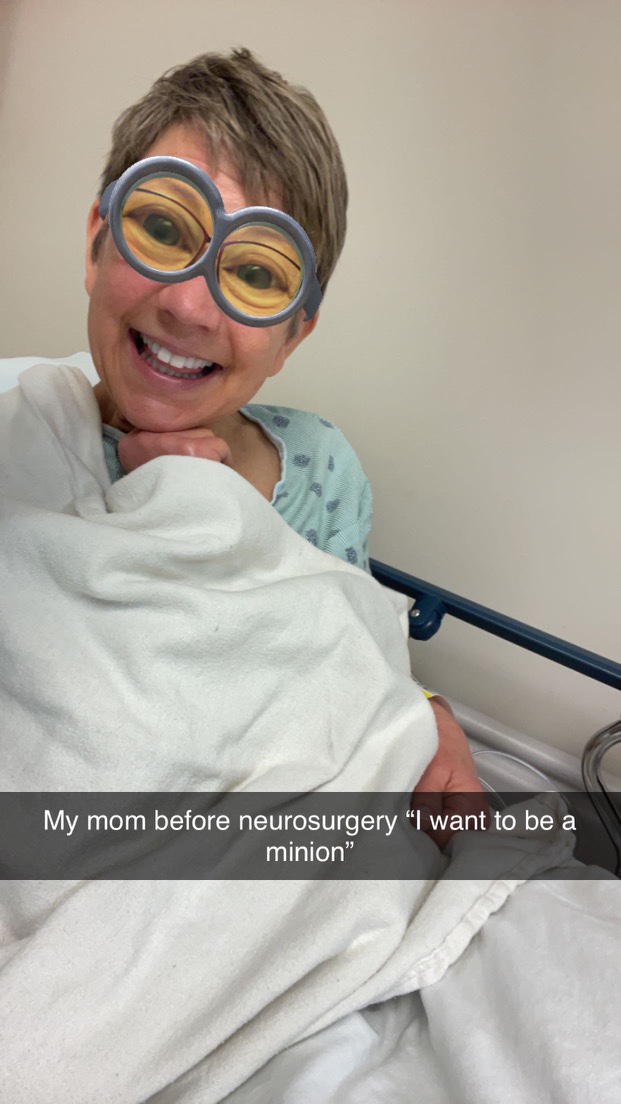
Move into Health, Part 10: Create a fitness plan that meets you where you are

Photo by MART PRODUCTION on Pexels.com

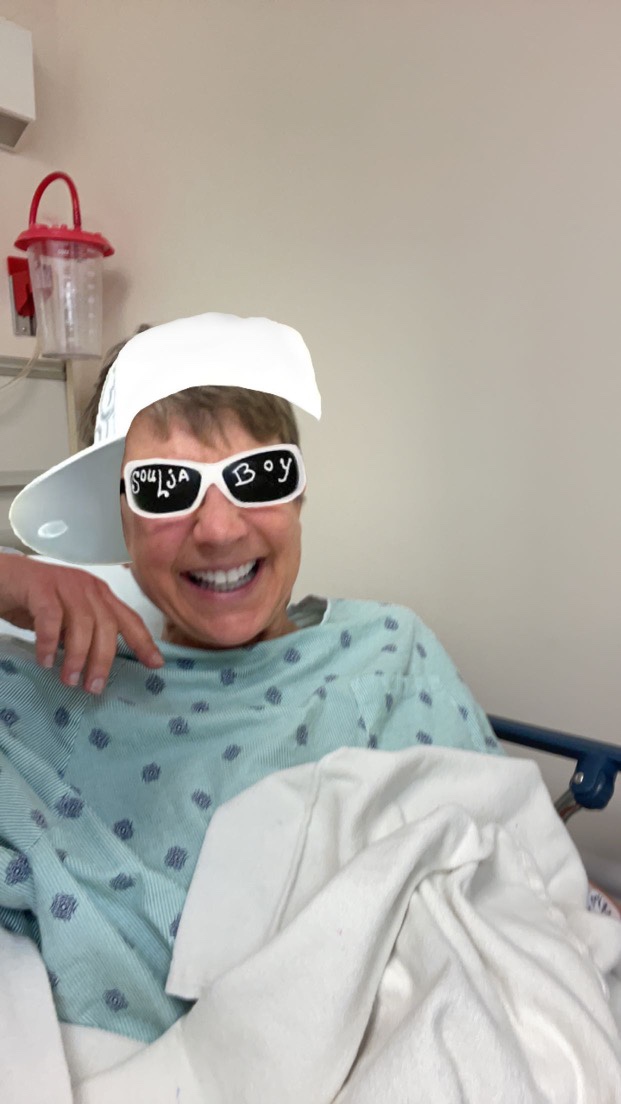
I came across a quote only days after my recent ACDF surgery by Oprah Winfrey that read, “Challenges are gifts that force us to search for a new center of gravity. Don’t fight them. Just find a new way to stand.” It accurately summed up what I have been trying to do as I recover.  Find new ways to stand, sit, sleep, work, walk, etc. . . Of course, I am blessed that my surgery did not require more than one night’s stay in the hospital, and wasn’t more serious.  Nonetheless, surgery is no joke and recovery is for real.

My movement was limited for days following surgery.  I had to learn to turn at the waist, rather than use my neck. Additionally, I had to focus on using my stomach muscles to get in and out of bed to avoid straining my neck. And, all forms of exercise, except for walking, was eliminated per staunch medical advice that my family took to heart with frequent reminders. (They didn’t need to worry, I truly wasn’t feeling like doing much during those first few days.)

Photo by SHVETS production on Pexels.com

Walking, I was told by the release nurse, was to be completed every hour, even if it meant only completing one lap around the dining room table before I sat back down.  However, I was encouraged, once I got past what the nurse called the “recliner days”–days when swelling and inflammation (aka pain) was at the highest level–to try to walk 10-15 minutes each hour.  I had just completed a half-marathon, albeit slowly, only weeks earlier, and now this was my new fitness plan. What a shift!

So why was walking so important, even on those days when I didn’t feel like moving?  Well, it turns out there are numerous valid reasons according to my doctor and as described in countless studies out of the Mayo Clinic, University of Wisconsin, and in a 2020 US News and World Report article. Here are a few of the reasons cited:

  • Prevention of post-surgery complications
  • Enhances blood flow throughout the body
  • Increases the flow of oxygen throughout the body
  • Accelerates wound healing
  • Strengthens muscles and bones
  • Improves digestion (aka ability to poop) and the function of urinary tract while reducing bloating and gas
  • Reduces risk for blood clots, infections, and lung issues, such as pneumonia
  • Boosts mood and self-esteem  

Why do I share all of this?  To make the point that my old fitness plan was, and currently is, no longer appropriate for me.  I had to adopt a fitness plan that meets my body’s needs where it is.  Therefore, my current movement plan consists of short segments of walking completed throughout the day as I remain home recovering, which complies with medical advice from my doctor and best meets the needs of my body.  

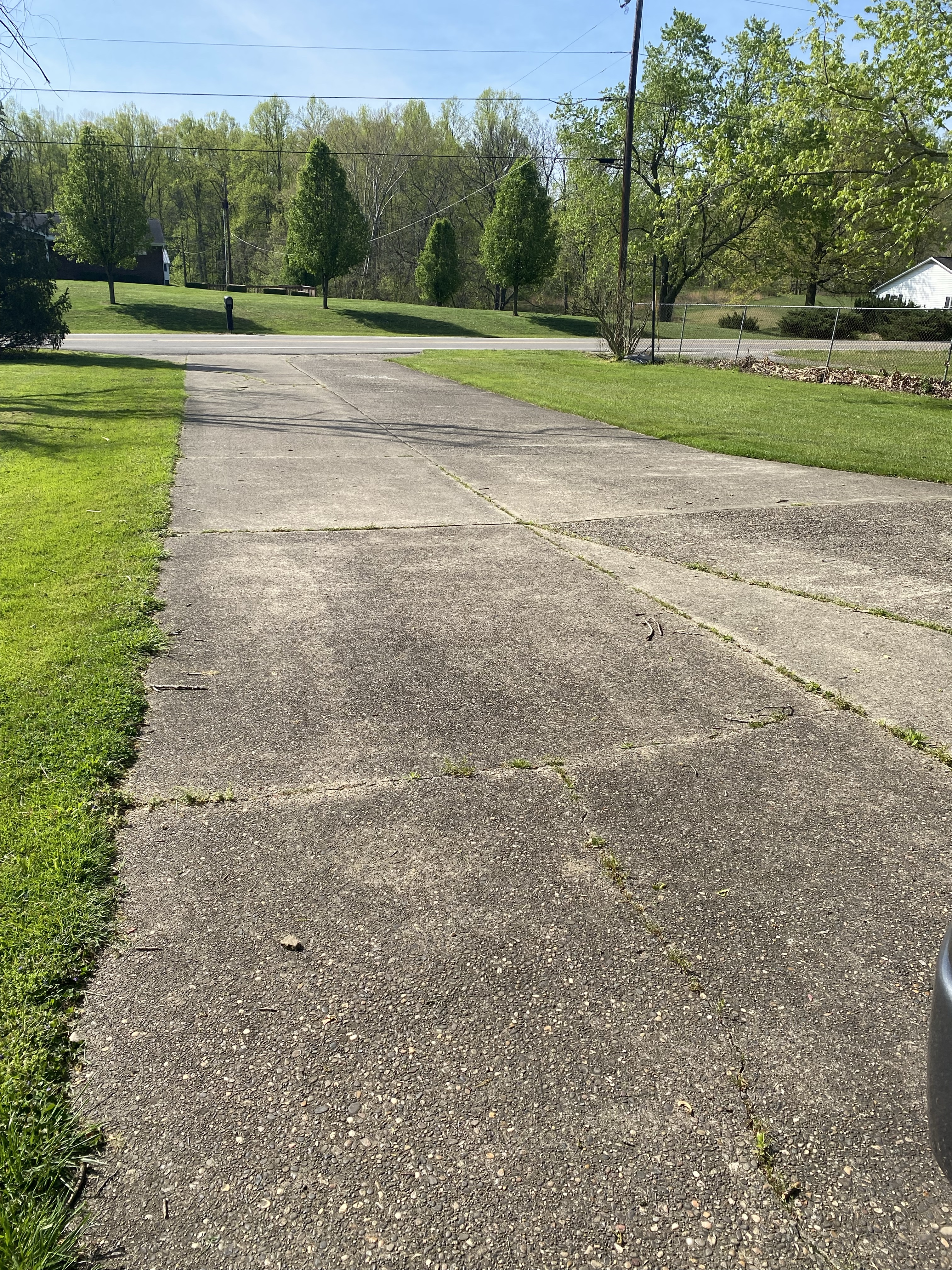
Gentle walking on my driveway or in my house is part of the slow and steady recovery plan.

At the time of writing this, I am entering my third week of recovery. After my two-week, post-operative appointment, I now have permission to begin to gently explore a few  strengthening exercises and stretches that can be completed without forward bending.  Additionally, I can begin to explore my neck range of motion with a few doctor approved neck stretches and strengthening exercises, but nothing more.  Slow and steady helps me find my new center of gravity.

Due to this experience, I want to continue to encourage you, Dear Reader, to carefully plan how you will enter, or reenter, your own exercise/movement plan this spring.  Create a plan that meets your needs, and commit to doing it–even if you don’t “feel like it.”  Personally speaking, I could feel angry and convince myself that if I can’t exercise the way I once did, then I won’t do anything at all. After all, it would be easy for me to sit around all day and use my surgery as an excuse to do nothing.  Conversely, I could try to push too hard with the delusion that, “The staff doesn’t really know ME,” and begin overdoing it with images of former, younger me dancing in my head

Instead, I have accepted the reality of my situation, rather than reject the medical advice I have been given.  They are the professionals, not me.  I have to meet my body where it’s at when it comes to fitness.  Sure, I have dreams of hiking again, walking (or jogging) the entire bike path of Ritter Park, and even practicing yoga with regularity, but none of those will ever happen if I don’t recover first.  And my first step in recovery is walking, so my body can focus on the miraculous work of healing.

Welcome walking into your life! You might be surprised by the benefits!

Therefore, no matter where you are, what shape you are in, or any other personal obstacles that you may be facing unbeknownst to me, I still encourage you to never give up on regularly incorporating movement into your day. Avoid the temptation to make excuses for yourself, but at the same time, don’t start off with a complicated plan.  Talk to your health care provider, and then start.

Start where you are.  If you don’t regularly move, then begin, like me, with short walks around your home, or up and down your driveway or sidewalk.  Do that 3-4 times per week.  The following week, add one more lap, or add five more minutes to your walk, and complete it 3-4 times per week.  Gradually, you will build up your time and the distance covered.  By keeping this up over several weeks, you will create the habit of moving.  Your body, lungs, and heart will be stronger, and I wouldn’t be surprised if you find you are reaping other unexpected benefits!

Think about this, my friends, if walking is scientifically established as one of the best tools for recovery after surgery, what can it do for you?  Don’t beat yourself up because you are no longer what you once were, you didn’t exercise over winter due to the cold weather, you’ve never really tried to exercise previously, or you’re somewhere in between, like me.  Start where you are at, and move one step at a time.  Rome wasn’t built in a day, and neither is fitness, but you have to take the first step, and spring is a great time to start.  

Here we go my friend, take my hand, let’s find that new center of gravity, and cross this bridge together, one healing step at a time.

Open the door to spring, and find your new center of gravity one small step at a time!

A Lesson on the Power of Positivity

Lift up your two hands; remember one is for helping others while the other is for helping you.”–Israelmore Ayivor

“So, what do you do?”

Her name was Pam.  I did not get her last name, but she was one of several nurses with whom I came into contact during my recent stay in a local hospital due to a surgical procedure.  Pam was a competent, no-nonsense, veteran nurse, and she was asking me this question on my second day when my thinking was a bit less clouded by anesthesia and pain meds. 

“I am a teacher, and I write,” was my simple response.

She asked several more polite questions regarding teaching while taking my vitals and dispensing meds; in turn, I asked about her work experience.  

Photo by RF._.studio on Pexels.com

Then, she asked what I wrote about it.  I tried to describe the various topics about which I most often wrote, and I ultimately summed it up by explaining that I tried to focus my writing on the positive topics, especially the ways in which readers can positively impact themselves and/or others.

My response really got her talking about the fact she believed there was too much negativity put out into the world.  Pam then invited John, my husband, and me to imagine what would happen if people would take time to say one nice thing to another person?  She went on to ask us to further envision those people, in turn, saying one nice thing to another person, and the way in which the chain of positivity would most likely continue.  

 Then, she looked at me and implored, “That’s what I want you to write about next.”

Photo by Binti Malu on Pexels.com

Pam made an excellent point. There is way too much negativity in the world, and I do not want to disappoint Pam.  That is because she, along with Jennifer, Natalie and Brittany took excellent care of me immediately following surgery.  However, Pam spent the longest amount of time with me over those two days, so this piece is written, not only in honor of Pam, but also in honor of all those who positively impacted my recovery.

 Based upon my interactions with Pam, her professional conduct exemplifies what she was preaching to me. Specifically, when Pam first took charge of my care, when I was transferred from the post-surgery area to a hospital room, she insisted that I walk from the stretcher to the bed in the room.  Of course, she guided and steadied me, as I was still strongly under the influence of anesthesia and pain meds, but her insistence established a positive tone for my recovery: the affirming belief that I could take ownership of my recovery.

Pam urged me to walk within the first 30 minutes of arriving on the floor.  Again, she steadied me.  When I asked how far I was supposed to go, she did not limit me.  In fact, she told me to choose my directions and go as far as I wanted to go within the confines of the floor.  Therefore, I felt compelled to go the full length of my boundaries, albeit ever-so-slowly and on wobbly legs initially.

Photo by Brett Jordan on Pexels.com

Those first walking efforts were then met with praise and encouragement.  Phrases like, “You’re doing great,” or “That’s good,,” buoyed my bruised spirit.  Furthermore, when I apologized for moving slowly, she kept encouraging me.  When I worried about being so unsteady, she instructed me to look straight ahead in the direction in which I was moving.  

Furthermore, Pam (and the rest of the nurses) insisted I do as much as I could on my own.  She did not hold onto me long, once my muscle memory of walking returned.  To be sure, her hands were at the ready each time I waivered a bit, but she always maintained a stance that facilitated as much independence as I could muster.  

Of course, I fully admit several of my memories are veiled under a haze of postoperative fog.  Nonetheless, the ones that remain, I believe, are stored there because of the positive efforts of nursing staff, family, and friends.  

In fact, several studies validate that the way in which a person reacts to specific events or situations determines, not only one’s ability to commit to memory what happened, but also affects one’s ability to recall that event/situation later.  What’s even more interesting is that memories of emotional events are more vivid and remain more accurate as time passes.

Photo by Anna Shvets on Pexels.com

This explains why, when I was first separated from John and my daughter and taken to a pre-operative area, I began to feel real tinges of fear.  I was left alone in a curtained off corner with operating staff moving all around while other patients were being wheeled by for surgery.  Furthermore, I did not have my glasses on, so my vision was not clear. Panic began to set in, and slow tears began to trickle out of my eyes. 

Two distinct and separate memories remain from that time-period.  First, there was a female who kept looking at me from across the room.  I have no idea her position, but suddenly she walked over to me with a small box of hospital-issued tissues.  I do not remember precisely what she said, but her voice was soothing, her eyes were kind, and her gentle pat with her gloved palm communicated understanding.

In contrast, several long moments later, the anesthesiologist arrived with a nonplussed look that quickly turned into a look of frustration when he heard that I had Raynaud’s disease, which could potentially affect the arterial line he needed to draw for the surgery.  While I knew it wasn’t my fault, as I had repeatedly shared this information throughout the numerous paperwork, somehow the information had missed him.  Immediately, my level of fear increased, not only because I irrationally felt he was angry with me, but also because my brain began to overthink about the two IVs, arterial line in my wrist, and a slew of other needles that would be involved during the procedure.

The unknown female in the pre-op room actions versus the aggrieved attitude of the anesthesiologist, perfectly illustrate Pam’s point.  If you spread negativity, even unintentionally, it lingers with others, and can potentially spread.  Likewise, when you offer others kindness, generosity, patience, and positivity it ripples out in waves across humanity; however, instead of stirring up little fires of fear, those positive qualities quell the fears and anxieties of troubled hearts, and perhaps, offer hope to those in need.

Thank you, for the exemplary reminder, Pam.  Wherever you are, may your day be filled with positive moments worth remembering in the same way I will remember you, and the rest of the nurses, who not only cared for me, but chose, and continue to choose, to positively impact lives.  Thank you.

Photo by alleksana on Pexels.com

Trusting before a surgery

Photo by Jonathan Borba on Pexels.com

A quote attributed to voice actor, Billy West, states, “Life is for living.  I was a little scared before surgery ‘cause of the release you sign that says there’s always a very small percent chance that you’ll die during the operation.”  This quote pretty much sums up how I feel as I write this piece the morning before I have a fairly common neck surgery.  I am a little scared, but I am going to trust.  Trust my surgeon; trust that Divine Providence will guide his hands, eyes, and mind; trust the surgical team that will be in there with me; and be at ease knowing I am loved and supported by a community of family and friends.

As fate would have it, I was recently listening to a guided meditation designed to focus on my breathing in order to reduce anxiety. The meditation teacher ended the session by explaining that if you mix up the letters of TRUST, you can create the word, strut.  Therefore, by trusting in the Divine, you can “strut” into the future in the confidence that you are held and beloved.  Needless to say, I love word-play, so that idea grabbed my attention, leading me down a further path of thought . . . 

Photo by Sharefaith on Pexels.com

It led me to reflect on a popular acronym for the word, FEAR: false evidence appearing real.  The closer to the date of my surgery, the more real the fear has felt, which seems so silly to the logical part of my mind.  Honestly, I think a large part of it has had to do with the overwhelming task of preparing to be out of commission for at least four weeks.  This is due to the fact that I am not naturally organized, so to try to think through all the different details that needed to be addressed, especially with regards to my classroom as well as several other items, seemed daunting.

Another reason I think the feelings of fear increased was because well-intentioned friends and family members began asking, the week before my procedure, how I felt.  Up until they started asking, I hadn’t really felt/thought too much about the procedure.  I mean, after all, if you don’t think about it, it can’t hurt you, right?!?!

Photo by Pixabay on Pexels.com

Seriously, I knew that those who asked were sincerely trying to connect with me, or let me know they cared and/or were interested in my well-being.  For that, I am eternally grateful.  Which led me to create my own word-play-acronym for FEAR:  friendly embrace affecting (my) resistance. 

For weeks, I had resisted thinking/dwelling upon the impending procedure.  Heart-felt questions expressed by loved ones allowed me to face my resistance to the surgery, express my feelings (fairly) openly and honest, and offered me a metaphorical embrace of support, care, and/or love–which is often hard to accept when you are used to being the one who gives it to others.

In fact, this FEAR–friendly embrace affecting (my) resistance–has allowed me to see that if I am going to give to others, I have to humbly accept when others give to me, even if it feels uncomfortable.  For example, I had a student stop me after class and ask me to not worry about them while I was gone.  She offered me a note, along with a beautifully handwritten prayer from her Baháʼí faith.

 “Let us pray for you now,” she said.  I was moved to tears.

A beautiful prayer from the Bahá’í faith written by a student for me.

Our school and church priest stopped me to say that he would be praying for me.  I didn’t even know he knew!

A parent filled a paper box to the brim with individually wrapped items for my post-surgery care, complete with four night shirts with buttons up the front, so as to avoid having to pull clothes over my neck incision.  There were teas, chocolates, books, a coloring meditation book created by her son’s uncle, colored pencils, a massaging tool, cold/hot pack, and several other considerate touches that I would not have thought of.  Plus, she showered me with messages of encouragement.  This was yet another example of a friendly embrace affecting (my) resistance.

A very thoughtful care package.

My daughter asked the university in which she is enrolled in a 12-month, fast-track graduate program, for permission to be absent for a couple days to help me out.  John, my husband of nearly 34 years, took the entire week off work, something he would never do under normal circumstances.  My parents have been praying, my siblings have been texting/sending funny memes, friends have been reaching out and sending both text and video messages.  All friendly embraces affecting (my) resistance.

So about the fear . . . yes, it is present as I write these words.  Yes, I feel it in my gut and in my slightly elevated heart rate.  However, by the time you have read this, Dear Reader, I will have TRUST(ed) the Divine and the many guided, well-trained hands of the surgical room, and I will have STRUT(ed) into my recovery phase.  It will not be an easy process, most likely; however, any kind of healing process is slow and full of challenges.  Nonetheless, “I will FEAR no evil,” and I will continue to try my best to allow those friendly embraces to affect (my likely) resistance along the recovery route. 

Photo by Andres Ayrton on Pexels.com

Grateful memories of Virginia Beach, Shamrock Marathon 2023

“We should learn to savor some moments to let time feel worth existing.”–Munia Khan

One of the Cape Henry Lighthouses, situated on Fort Story.

“How do you feel about tomorrow?”  my husband, John, asked me as we sat at a corner table for two in Mannino’s Italian Bistro in Virginia Beach, a hidden gem we had discovered during last year’s visit.  

We had arrived around 5:40, hoping to beat the crowd for an early dinner the night before I participated in the 51st annual Shamrock Half Marathon. Clearly, we were not the only ones who had thought of that!  The restaurant was positively packed with runners and their family and/or friends.  Therefore, I mulled over my answer to the animated vibe of enthusiastic and celebratory conversations.

“I will let it be.  See how it unfolds and just . . . enjoy and be grateful.”

Looking back over the twelve months prior to that weekend, March 17-19, we had withstood several unforeseen challenges, and still had more face upon returning home.  However, for this weekend, we took a time-out.  We took time to breathe in that salty air of renewal, watch the waves caress the shoreline, feel the warmth of the sun as it kissed our cheeks, and soak up as much joy as our hearts could hold. No rush; no hurry; few worries.

One of the highlights of our trip was discovering the Virginia Museum of Contemporary Arts.  This contemporary, non-collecting museum is a vibrant and welcoming space.  During the weekend in which we were there, the museum’s exhibition galleries were brimming with a wide-variety of collections, including stunning quilted art from 54-40 African American Quilters Guild of Virginia. 

Additionally, it was Virginia MOCA’s annual celebration of youth art month, so there was a multitude of student art on display.  Additionally, we were able to take in a kaleidoscope of blown-glass color from the museum’s only permanent work of art, Mille Colori, by Dale Chihuly. Virginia MOCA is a gallery that appears to be a local favorite for good reason, and I encourage anyone visiting VB, who loves art, to visit it!

Immediately within the doors of Virginia MOCA, is an adorable, independent bookshop called, Read Books, which I recommend checking out while pursuing the museum.  It was while we were visiting this space that we learned that both the bookshop and the museum are part of the ViBe Creative District. This walkable designated area of VB is the heart of over 100 artists and creative businesses. Unfortunately, we didn’t have time to further explore this district, but we’ve added it to the top of the list of areas to explore next time we visit VB.

These discoveries reflect the joy of revisiting a diverse location, such as VB.  We get to return to those experiences that we previously relished; and yet, there remains an abundance of new sights with which to enjoy on future visits.  Two favorite VB spots for which John and I delighted in returning were Side Street Cantina and Pocahontas Pancakes and Waffle House. 

John and I love Mexican food, and the Peruvian-inspired Mexican food of Side Street Cantina always delivers.  This is our third year visiting this site, and the service and food remained consistently excellent.  In fact, their personable staff goes out of their way to make us feel like one of their regulars.  This establishment is worth experiencing if you are vacationing in VB. 

As for my all time favorite breakfast/lunch restaurant, it is Pocahontas Pancakes and Waffle House, and we made sure to eat there twice. This is because this quintessential eatery–in addition to having an expansive novel-like, made-to-order menu–offers a wide-array of gluten-free options. It was clear from the crowd over the weekend of events, this is a favorite dining experience for both locals and visitors like us who return year after year.  

 Whereas, a new VB dining establishment we discovered on this trip was the Mellow Mushroom.  Sure it’s a chain, but it was within close walking distance to the hotel in which we stayed, and it was newly opened as of fall of 2022.  It made for the perfect place for a gluten-free pizza in the evening for which I ran the half-marathon.  Fans of the Mellow Mushroom establishment will not be disappointed.

Meanwhile, back to the morning of the half marathon. John and I stayed at a hotel conveniently located near the starting line.  That said, John and I had a good laugh at my corral number.  We kept walking, and walking, to find the group with which I would start based upon estimated finish time.  My corral was nearly at the back of the line!  Nonetheless, I proudly joined my corral group and waited as each group was given their own individual countdown.  

The anticipation grew. 3, 2, 1!  We were off on an adventure!  And what an exhilarating adventure it was!

This is the first time I actually ran the event in-person, rather than virtually, so I was all-smiles taking in the sights.  Runners of all shapes, sizes, colors, genders, and ethnicities were supporting one another as we made our way along the northern end of Atlantic Ave.; up the creeping incline of Shore Drive; through Fort Story with special event permission; alongside Cape Henry Lighthouses; back down Atlantic Ave with the wind blessedly out our backs, and finally turning left on 37th street as we traversed the VB boardwalk during the final part of the last mile alongside of the Atlantic ocean, past the iconic King Neptune, to cross the finish line nearest to 30th street.

I simply could not stop smiling.  The sun was shining, and the temperatures were great for running (high 30s to low 40s).  As I crossed the finish line, tears came to my eyes; my heart was overflowing  with joy.  John was waiting at the finish line with our daughter, Maddie, on Facetime to join in the finish-line fun.   

It was a glorious day and soul-renewing weekend. I am grateful to the friendly folks at J&A Racing (and VB) who believe in creating a safe, well-organized event that offers a sense of community for runners, walkers, and their families/friends of all stages of life and all levels of fitness–from walking to sprinting, and everyone in between.  This event does precisely what the organization sets out to do, make memories!

Green and White Enchilada Bake, featuring G-BOMBS, is a powerhouse of delicious nutrition

“Remember the acronym G-BOMBS, which stands for Greens, Beans, Onions, Mushrooms, Berries and Seeds. These foods fuel your body with protective micronutrients and phytochemicals that support your immune defenses and have a wide range of health-promoting effects. And here’s a bonus: They’re delicious!”–Joel Fuhrman, M.D.

Photo by Min An on Pexels.com

Beginning in December, I spent 16 weeks preparing to run, walk, or even crawl a half-marathon.  For those who are natural distance runners, completing a half-marathon is no big deal. However, for someone like me, it was a challenge, but it was an overall positive experience.

While preparing for this half marathon, I was battling an injury–one that did not affect my running, per se, but one that will ultimately require surgery.  Therefore, I knew I wanted my nutrition to solidly support the recovery of my middle-aged body.  However, for the sake of full disclosure, I still indulged my penchant for dark chocolate on a daily basis!

Photo by Pixabay on Pexels.com

I read, and continue to rely upon, the most up-to-date nutritional studies out of respected research institutes such as Harvard, Northwestern University, Cleveland Clinic, Mayo Clinic and so forth.  Additionally, I read more popularized sources of research such as Michael Pollan and National Geographic author/researcher, Dan Buettner, and his study of Blue Zones, as well as a few other noted sources.  The point is, I don’t make my food choices lightly, especially since I must also balance out these choices with my celiac disease and food sensitivities while still consuming food that looks great and tastes even better.

For a whole slew of reasons, I rely on a whole food, plant based diet 90% of the time, and this recipe–that I created during my half-marathon preparation–is an example of this.  I want my meals to be alive with color, texture, and balanced flavor, with a bit of spice thrown in.
Additionally, I try to regularly consume GBOMBS, greens, beans, onions, mushrooms, berries, and seeds, for the most nutritional bang for my buck, and this recipe has four of the six of them.  (I typically eat berries and some form of seeds–flax, chia, or hemp hearts–during an earlier meal of the day.)

Photo by Vanessa Loring on Pexels.com

If you prefer to add meat, my recipe can accommodate your preference.  You could choose to replace the beans with chicken or seafood, or keep the beans, and add in meat.  Spices are optional, and I have made a note regarding why I add them.  I typically serve these enchiladas on a bed of leafy-greens and top them with a dollop of guacamole and chopped scallions.  However, you could serve them on top of rice, quinoa, or simply as they are.  Feel free to get a little frisky with the toppings of your choice!

Personal food choices are the N = 1. Therefore, I would never presume to tell anyone what they should or should not eat.  Nonetheless, I think most of us can agree, you can’t go wrong consuming a bit more veg.

From my home to yours, I hope you enjoy this recipe!

Ready to broil a bit.
Add your favorite toppings . . .
Serve it up on a bed of greens and/or grains and add more of your favorite toppings, such as guacamole.

Green and White Enchilada Bake

Ingredients:

½ cup vegetable broth or water

1 teaspoon minced garlic

1 cup chopped onion

½ cup chopped mushrooms, any type, optional 

½ cup chopped red, yellow, or orange bell pepper

2 teaspoons nutritional yeast (can substitute equal amounts of grated parmesan or chickpea flour)

½ teaspoon onion powder

¼ teaspoon crushed *red pepper, optional

¼ teaspoon *turmeric powder, optional 

Dash of *black pepper, optional

1 15 ounce can great northern beans, drained

1 4-ounce can green chiles

1 package low-sodium taco seasoning

8 ounces frozen spinach, thawed and drained

1 can green enchilada sauce

6-8 tortillas, depending upon size (I used gluten-free tortillas.)

2 cups shredded cheese, your choice (I used a vegan substitute for photos, but I’ve also gone without it.)

Directions:

Preheat the oven to 350 degrees.

Prepare a small casserole dish with nonstick cooking spray.

Chop onion and bell pepper, if using.

Heat a saucepan over medium heat.

Add minced garlic and broth, stir.

Add in onion and bell pepper, stir well.

Allow to simmer until vegetables begin to soften, about 3-5 minutes.

While vegetables are cooking, stir in nutritional yeast and onion powder 

If using crushed red pepper, turmeric powder, and dash of black pepper, stir those in as well.

Meanwhile, open, drain, and rinse the beans; stir into the simmering vegetable mixture.

Stir in green chiles and taco seasoning into the simmering vegetable and bean mixture, and allow it all to simmer for another 3-5 minutes, continuing to stir.

While the vegetable/bean mixture is simmering, stir in the spinach and allow it to simmer and wilt into the rest of the ingredients.

While vegetables are simmering, set up all tortillas, taco style, in the casserole dish.

Remove vegetables from heat; then, divide and fill tortillas with vegetable/bean mixture, folding down one side over the other, and using a toothpick, if needed, to keep closed.

If there is any remaining vegetable/bean mixture, pour over the tops of the closed tortillas.

Pour a can of green enchilada sauce over the closed tortillas.

Top with desired cheese, if using.

Bake, uncovered in the oven for approximately 25 minutes until sauce is bubbling at the edges.

Feel free to turn on the broiler for the last minute or two to brown the top of the casserole if desired.

Remove from the oven and allow to cool for 5-10 minutes before serving.

Makes 3-4 servings, two enchiladas per serving.

Top as desired.

Refrigerate any leftovers for up to 5 days.

*Note: Spices are a personal preference, so you choose if you want to add these ingredients.  Here’s why I do.

  • I use turmeric daily as an anti-inflammatory agent.  When cooking with tumeric, I pair with a dash of pepper as the pepper enhances the absorption of turmeric in the body by up to 2,000%.  Together both spices reduce inflammation and improve digestion.
  • I also regularly use crushed red pepper flakes and red pepper for its ingredient, capsaicin, which soothes stomach issues, boosts heart health, and fortifies the immune system.

Move Into Health, Part 9: The Long Game

“ . . . To me, old age is always 15 years older than I am.”–Francis Bacon

I recently ran across an inspirational story that was being shared across a multitude of media outlets.  Jean Bailey, a 102-year old resident and fitness coach of Elk Ridge Senior Living in Omaha, Nebraska, has been leading fitness classes there, four times a week, for the past three years.  

 Bailey’s classes consist of exercises that go through a wide range of motion, designed to get every part of the body moving, including activities such as overhead reach, arm circles, neck rotations, and seated toes touches to name a few.  Her classes last about 30 minutes.  Bailey realizes that, like her, many of her fellow exercisers have mobility limitations or their bodies are different from day to day; however, she believes that everyone, including herself, can benefit from doing what they can do.  

102 year old Jean Bailey leading an exercise class at Elk Ridge Senior Living in Omaha, Nebraska.

Bailey is redefining what it means to age.  She proudly proclaimed in a recent interview, “If you don’t keep your mind and body busy, then why are you here?” Friendships have blossomed and flourished since she first began leading the classes during the pandemic when Bailey invited her neighbors to bring chairs into the hall and exercise with her at a socially safe distance.  

Since COVID restrictions were lifted, Bailey has also been known to treat fellow exercisers with baked goods after class, especially in honor of someone’s birthday.  This is because, as Bailey points out, birthdays at their age are noteworthy. When asked if she’ll ever quit, she replied, “When I get old, I’ll quit!”

I share this story as part of the 9th installment of the “Move Into Health” series. Bailey’s story serves as a direct contrast to those limiting beliefs, which can easily entrap any one of us, regarding adopting or changing certain healthy lifestyle habits as we age. However, even though our bodies change with age, according to numerous scientific studies, there is very little difference between an 18-year old brain and a 100-year old brain from a cerebrovascular perspective; thus establishing, we are never too old to mentally adopt new habits or overcome poor habits that may have crept in over the years.

Bailey is most likely an example of what scientists call SuperAgers, those living into their eighth decade, and beyond, who possess cognitive function similar to that of a middle-aged adult.  In fact, neuroscientists at Northwestern University in Chicago have identified four specific habits of SuperAgers. Adopting these four SuperAgers’ healthy habits may help slow down the aging process within the brain (and the body), potentially staving off Alzheimer’s disease or other forms of dementia, while boosting overall health; thereby, spending less time at the doctor’s office and more time doing the things you love.  

Photo by Wellness Gallery Catalyst Foundation on Pexels.com

The four habits of SuperAgers are listed below. While I am not a proponent of changing everything all at once, I do sincerely believe that taking small steps towards any of these habits can have a positive impact upon personal health.

Daily Movement/Activity. You know the old adage, “Move it or lose it.”  Incorporating daily movement increases oxygen and blood flow–both of which benefit the brain.  Regular bouts of exercise, even as few as twice per week, strengthen not only the heart and lungs but can also strengthen muscles required for stability to avoid falling, help maintain a healthy weight, and reduce the risk for Alzheimer’s disease. As an added bonus, exercise can reduce the symptoms of depression and anxiety and lower your risk for heart disease, type 2 diabetes, high blood pressure, and even some cancers.

Photo by Tirachard Kumtanom on Pexels.com

Challenge yourself. Adopt habits of reading, puzzle solving, and learning. Experiencing the mild to moderate stress that often accompanies learning a new skill is good for creating and/or maintaining healthy neural pathways. Take classes, learn a new language, or choose any number of activities that get you out of your comfort zone.  Mental challenges are good for you and your brain.

Photo by Mathias Reding on Pexels.com

Get social.  Meeting regularly with friends, engaging with others via group settings, or partaking in family gatherings allow for the maintenance of healthy social relationships.  In fact, autopsies of SuperAgers reveals that the attention area of their brain has four to five times the amount of neurons responsible for social processing and awareness, when compared to others who lived into their 80s or later.

Photo by Kampus Production on Pexels.com

Drink, but in moderation. Moderate drinkers are less likely to develop memory issues, including Alzheimer’s disease.  However, too much alcohol creates the opposite effect on memory as well as increased belly fat (the most dangerous type), increased blood pressure, and numerous other health conditions.

Photo by cottonbro studio on Pexels.com

Two other beneficial habits worth considering that are also associated with aging well:

Adopt a MIND diet.  MIND, in addition to being a huge buzz word in current medical research for the prevention of Alzheimer’s disease and cognitive delays, is an acronym for Mediterranean-DASH Intervention for Neurodegenerative Delay.  It is a plant-based diet that combines the Mediterranean Diet and the DASH Diets. The MIND diet encourages the daily consumption of plenty of fruits (specifically berries), and vegetables (especially leafy greens), whole grains, legumes, nuts, as well as limited amounts of poultry, fish, and olive oil.  Not only are these foods good for overall brain health and cognitive function, but they also reduce inflammation and oxidative stress, two actions strongly associated with chronic health illnesses and disease. 

Photo by Yaroslav Shuraev on Pexels.com

Quit smoking. While I cannot pretend to know how hard it is to stop this habit, I do remember a nurse telling my mother-in-law during an emergency room visit that within 24 hours of quitting smoking, she would begin to reduce her risk of a heart-attack by 50% or more.  It still took her several more years before she quit; however, I will forever admire the way in which she finally gave up the habit at age 71. Although health issues related to a lifetime of smoking remained with her until the end, because she did quit, she added years to her life.  

Photo by Irina Iriser on Pexels.com

Who among us will be the next SuperAger?  No one can know for sure. To be certain, any one of us could follow all the so-called rules, and still develop Alzheimer’s disease, cancer, or other detrimental condition.  Nonetheless, watching Jean Bailey lead her exercise classes on Youtube and Twitter videos certainly persuades me to keep moving into my own health, and her story further motivates me to continue to share this valuable information. Adopting any or all of these healthy habits can’t hurt any of us, and they just might add a bit more quality to the quantity of years we have remaining.  Here’s to your health!

Photo by Jessica Lewis Creative on Pexels.com

Detaching from the illusions our attachments create

“Time is an illusion.  Lunchtime doubly so.–Douglas Adams

A coworker and I were talking after school one day about plans for the work week, the schedule, and what we were planning.  It was a brief exchange as he was preparing to leave for the day, and I was settling into grading papers. 

 I jokingly said, as he headed out of the door, “You know it’s all an illusion.  We can plan all we want, but who knows how it will really unfold.”  

Photo by energepic.com on Pexels.com

This made us both laugh and shake our heads because we both know as teachers no matter how much thought, effort, and time we put into planning for our students, things rarely go as predicted.  Schedules can change and/or students’ level of attention, understanding, or even behavior can completely alter our well–intended plans, creating the need to pivot quickly, adapt and modify plans.

Sure enough, the very next day, plans for the week had changed.  We rethought and restructured our plans.  The next day arrived with another change.  Before long, how the week actually turned out was very different from how it was originally conceived.

Photo by Kobe – on Pexels.com

I share this, not as a point of negativity, but rather as a point of reality.  Rarely does life unfold as we plan for it. Nonetheless, I still tend to cling to schedules and routines since I am not naturally organized.  However, I have learned to embrace the word “flux” over the years. In fact, I am realizing that my attachment to “how things should be” is all just one big illusion.

Furthermore, my illusion is due to my attachment to “control,” which, in fact, is also an illusion.  The desire for control is a gripping cycle for many of us.  Our attachment to ______ (how things were, how they should be, or how they could be) reflects our wish for control.  It also helps to create the illusion that we will be happy if everything “goes according to plans.”  However, when things don’t go as we had hoped, we can feel downhearted or disappointed. 

Photo by Ketut Subiyanto on Pexels.com

However, it’s not just schedules and outcomes to which we attach ourselves.  We can attach ourselves to friends, family, groups, teams, circumstances, positions, things and so forth.  We begin to identify with those people, those groups, those situations, and so forth.  Even our address becomes a point of attachment.  

Unfortunately, these attachments can sometimes allow stress to enter our lives when/if we lose one of these identifiers, things, or when circumstances change.  Sometimes a change can become nearly debilitating due to our grief and sense of loss.  Other times, our anxiety spirals out of control from the pressure we feel as a result of expectations caused by our attachments.

Photo by Suzy Hazelwood on Pexels.com

Again, none of this is inherently bad.  We are all human beings, experiencing the very human need for belonging, validation, and contribution.  However, it might be helpful to also allow for some amount of detachment as we move through life.  This is because when we attempt to only hold on to what feels familiar and comfortable, we can sometimes prevent ourselves from experiencing a newfound way to experience joy and happiness.  Therefore, it is worth remembering the importance of letting go, or at the very least, holding loosely, in order to allow for new, unimagined life experiences.

I was thinking more about this attachment-control-illusion cycle as I went for my weekly long run one morning along the tree lined paths of Ritter park. Jogging alongside those noble limbed sentinels, I realized that trees are not attached to one another.  Instead, they function independently, even though they are part of a collective landscape.  

Photo by Artur Roman on Pexels.com

Numerous dogs, people, and other creatures move in all directions under the shelter of the branches.  Chunky squirrels and round robins flit up, down, and all around outstretched tree arms. All the while, neither do the trees attach their identity to or make plans for any of this, nor do they try to control it.

The trees did not seek my attention, and yet I couldn’t help but notice them.  Neither did the trees seem to need my praise or approval.  Nonetheless, my mind kept marveling at the way their leaves were beginning to bud while at the same time birds were creating neighborhoods of  nestled nests. Likewise, without being attached to a certain group, I could still identify the various types of trees. 

The park trees, like all trees, are independently rooted in the soil and work with the circumstances in which they find themselves planted.  They do not, per se, have expectations or plans for how their growing season should unfold.  In fact, they can’t even count on predictable circumstances from year to year, so changeable is the weather.  

Photo by Mauriciooliveira109 on Pexels.com

No matter their situation, and without any attachments or attempts to control, trees still manage to contribute. They act as a refuge for food and shelter for birds and other animals/insects.  During warmer months, their well-dressed branches provide cooling shade for people and creatures alike. Trees even offer opportunities for raucous fun as squirrels chase one another all around their trunks and branches while birds play hide and seek, singing songs of tidings.

Near the end of my jog, the sun began to burn through the tapestry of clouds.  As the glistening light gradually emerged, the overcast dullness gave way.  Instantly, I felt less encumbered by tired legs, and a renewed vigor filled my heart and lungs.  

Photo by Adam Kontor on Pexels.com

I was then reminded of how cloudy our thinking can become when we fall prey to our self-inflicted illusions. Furthermore, I began to see that there is no pushing through attachments and the illusions our attachments create.  Rather, it is a practice we must intentionally pursue through patience, perseverance, and most of all gentleness, which is not easy. However, the more we can recognize when we are attaching, the more often we may be better able to lightly detach. 

Personally, I still like predictable plans as well as my coworker.  Nonetheless, similarly to the way the sunlight lifted my spirits as I jogged, I know that the more we can detach or grasp less to our so-called illusory plans/attachments, the more we can experience unexpected, and dare I say, unplanned, moments of joy! 

Photo by Sebastian Arie Voortman on Pexels.com

Use the RAINDROP technique to weather life’s emotional storms

“Peace is this moment without thinking that it should be some other way, that you should feel some other thing, that your life should unfold according to your plans.”–Dorothy Hunt

Several months ago, during the fall of the year, I was walking on a local, circular path.  Suddenly, I heard the loud rev of an engine.  VROOM!  I saw a large SUV type vehicle, careening, plowing, and then swerving off the road, straight towards the path over which I walked.   

My heart began to race, and my thoughts quickened, trying to process what I was witnessing.  The SUV drove along the slope that forms a ditch line surrounding the path.  KREECH! The sound of metal collapsing was ear-splitting as the vehicle crashed into a heavily staked, metal line, thick and entwined like a rope, that supported a power line pole.  Fear raced through my veins as I ran towards the vehicle to see if the person inside was ok while grabbing my phone to call 911.

Photo by Mike B on Pexels.com

I find this event to be an excellent illustration of what it means to witness.  I was the bystander.  My senses heard, saw, and even felt this scene as it unfolded in a surreal manner.  This same skill of witnessing as a bystander is a tool we can use to help navigate difficult emotions/feelings when they come crashing into our life path.  And, let’s be honest, difficult emotions can be a regular occurrence at all stages of life.

From anxiety to depression to life event stressors and work stressors, I daresay none of us are immune to challenging emotions such as anger, insecurity, sadness, fear, and numerous other less-than-kind emotions.  This is where tapping into the bystander part of the brain can help us navigate through the mental storm clouds with a technique called RAIN and its counterpart DROP, acronyms first coined by Michele McDonald, a mindfulness teacher.

Photo by Ron Lach on Pexels.com

There are times when we may not initially recognize that our emotions/feelings are impacting our thinking, but with a bit of practice, we can begin to recognize that they are.  Actions such as, lack of focus/feeling distracted; binge eating/drinking/scrolling/watching; avoidance/procrastination, and so forth can be indicators that something is awry.  Even seemingly positive actions can be a side effect of not-so-great feelings trying to bubble to the surface, such as busyness; continuously working; over-exercising; frequent napping, and so on.

This is when the RAIN technique can be effective.  RAIN gently asks us to become a bystander in our minds to determine what we are feeling or perhaps trying to avoid feeling.  Then, it takes us through a process of reflection to bring us to a point of compassionate self-awareness.  Like all techniques, however, it takes practice, and it is not a one-stop-fix-all solution. However, it can be one more tool in life’s toolkit for managing difficulties and suffering.

Here are the steps, based upon my interpretation and personal application of the technique. However, it is worth noting that there are numerous free apps, videos, books, and websites that offer guided versions of this technique that can be quite helpful, especially in the beginning.

Recognize what is going on and name it. “I’m feeling angry, hurt, lonely, sad . . . .”  Then you might also notice if you’re judging those feelings or feeling guilty for having the feelings in the first place.

Acknowledge and Allow. Once you’ve named it, begin to witness your feelings as a bystander would at the scene of an accident. If thoughts pop up that tell you that “shouldn’t feel this way,” gently tell yourself that it is ok to have this feeling.  

Investigate your emotion/feeling with curiosity and interest minus judgment or blaming self or others. What are you feeling and where are you feeling? Similarly to the way I experienced the accident–first in my heart, next in my mind, and finally in my body–where in your body do you feel this emotion? How is it affecting you?  Do you want to cry, eat, move, hide, nap, and so on?

Natural Awareness, Non-identification and Nurture.  This is where you can tell yourself that just because you feel it, doesn’t mean it defines who you are.  Instead, use this as a lesson for how ________ (name the emotion) feels like, similar to the way you feel symptoms of a cold, the flu and so on. Then, take time to offer yourself compassion just as you do when experiencing a cold or flu. You could even place a hand on your heart center or gently pat your cheek as an act of self-compassion.

Contrastly, each stage (letter) of DROP to a corresponding, often knee-jerk, reaction to each step (letter) of the RAIN process.  It creates a greater understanding of those monkey mind tendencies that want to interrupt or impede the RAIN process in order to confuse the bystander role of our brain. 

Distraction and Delusion. Our brains would often rather distract or delude us from the truth of the matter instead of allowing us to recognize and name what we are really experiencing. 

Resistance. Sometimes, this means, we have to push past our mind’s initial resistance in order to allow and accept the emotion we are experiencing.

Obliviousness. When you take time to honestly investigate a so-called negative feeling, you are overcoming the self-obliviousness, the “I lie to myself all the time, but I never believe me” habit, so many of us unwittingly practice.

Personalization. Your feelings do not have to be the narrative of your life.  You might feel angry, but it doesn’t mean you’re an angry person. You might cry when you feel insecure, but it doesn’t mean you’re unworthy.  In other words, don’t make the emotion/feeling personal, it just is.

Raindrops are going to come and go in life, and some time periods are cloudier than others. There are times when it seems those rain-filled clouds will not leave.  And so it can be with our emotions.  We cannot always control the stormy feelings and thoughts that we encounter throughout life’s ups and downs, but we can choose to change our relationship to them. With the RAIN practice, we can tap into our brain’s ability to witness the impending storm clouds and offer ourselves an umbrella of self-compassion and understanding to help us weather the storms of life with a greater sense of resilient grace.  

Rain and Umbrella by Fu00e9lix Hilaire Buhot (French, 1847u20131898) is licensed under CC-CC0 1.0

Crab Cake Delight with gluten-free option

“Do not be the proverbial crab in a bucket and make war with those around you! Work together and grow! Love! Live Life!”–Marvin Gaye 

I know, I know!  Why am I writing a piece about crab cakes when I personally don’t eat meat?  Furthermore, why would I create a recipe that not only has meat, but also has “glutinous” bread crumbs, when I have celiac disease? I have several valid reasons, but the biggest of all is that I live in a world with a wide-array of taste/dietary preferences.  

Besides, I do not have the proverbial “crab mentality” that says, “If I can’t have it, you can’t have it.”  Goodness gracious, not eating meat is my personal choice; whereas, avoiding gluten is a necessity.  Regardless, my choices and restrictions do not dictate my ability to create recipes and share.  What’s more, I am already fast at work, creating my own plant-based, gluten free version of the following recipe, but I am getting ahead of myself.

Photo by Mark Stebnicki on Pexels.com

John, my husband, recently said to me, “You know what I’ve been craving that you haven’t made in years?  Crab cakes.”

I was delighted to make them for him, but I had to first hunt up the 20+ year old recipe.  When it wasn’t saved on my computer, I thought I was in trouble.  Nevertheless, I persisted and found my original recipe for crab cakes tucked inside an old Longaberger recipe basket, given to us as a wedding gift, nearly 34 years old.

I created this recipe when our daughter, now an adult, was a toddler, before I had decided to give up meat, and well before I knew I had celiac disease.  The recipe was now faded, yellowed with age, and full of stains from heaven-knows-what ingredients as I tend to multitask while cooking.  Looking at the neatly penned recipe, I recalled the chicken-scratched incarnations of the recipe as I originally crafted it.  Once I settled on the final variation, it was a recipe I frequently made–I even made it, a time or two, using salmon.  Then, like so many family foods, the recipe faded into the past, and it was replaced with other family meal-time favorites.

The yellowed card covered with the stains of cooking ingredients, speaks to its original creation of over 20+ years.

How was it this time?  Well, I didn’t taste them. What I can say is the cakes were super easy to make, and baked to a golden perfection, filling the house with the redolent scent of a seaside bistro. I did, however, make them with gluten-free Italian bread crumbs because I would be handling the ingredients. (Many people with celiac disease cannot touch/handle wheat products, or they break out in hives.  I typically don’t, but it wasn’t worth the risk.)  Nonetheless, John ate those crispy cakes with gusto throughout the week, often questioning why I ever stopped making them in the first place.

 Whether a person eats meat, or gluten for that matter, is a personal choice.   While I do sincerely believe that we all benefit from eating more whole plant-based foods, it is up to each individual to determine what foods are personally right for their unique body and life circumstances.  Regardless of dietary practices, I wholeheartedly believe that good food should be savored and enjoyed.  And, as a creative person who relishes the process of cobbling together new recipes, it is incredibly gratifying to see others smiling and enjoying the foods I create.

With that said, I hope you enjoy this recipe–whether for a Lenten supper or for lighter dinner fare.  Serve these crab cakes up with some grilled asparagus (as it will be coming into season soon), mango salsa, air-fried peppers and onions, rice pilaf or any number of side favorites.  The choice is yours!

Eat. Good. Food. Made. With. Love.

Steph’s No oil Crab Cakes

Ingredients:

1 egg (or liquid egg substitute)

1/4 cup ranch dressing

2 (6 oz) cans lump crab meat drained, flaked*

4 teaspoons lemon juice (juice from about half a lemon)

½ cup Italian breadcrumbs (gluten free, if needed)

⅓ cup shredded parmesan, romano, or asiago cheese

1 teaspoon dried minced onion (can substitute ground onion powder)

¼ teaspoon ground red pepper

Directions for oven:

Preheat the oven to 350 degrees.

Line a baking sheet with parchment paper.

Beat egg lightly with a fork in a medium bowl.

Stir the remaining ingredients until mixed well.

Divide mixture into six equal portions.

Roll each portion of crab mixture into a ball, flatten into a patty, and set on parchment paper.

Repeat process, allowing an inch or two of space between each crab cake patty.

Place in the oven and bake for 10-15 minutes on each side, or until golden brown.

Directions for air fryer:

Follow directions above for mixing and dividing crab mixture.

Lightly spray the air fryer basket with cooking spray.

Set the air-fryer to 375 degrees.

Place crab cakes, three to four at a time, in an air fryer, lightly spraying the top of each with cooking spray.

Cook approximately 8 minutes on each side.

Serve immediately or keep warm until ready to serve.

Makes six cakes.

Leftovers can be stored in the refrigerator for up to five days, and reheated as needed. 

Leftover crab cakes make great sandwiches and/or wraps.

Stir together all ingredients into a bowl. I didn’t have have shredded parmesan on hand, so I used freshly shaved parmesan instead.
Mix well until ingredients are well-incorporated.
Divide into six approximately equal sections.
Form each section into a ball, press into a patty, and place on parchment lined paper.
Bake them up, being sure to cook on both sides, until golden brown.
Serve them with fresh lemon and your favorite side or dip! You can also use them to make sandwiches or wraps!

Mind Over Matter: Mental Strategies to Push Towards Your Movement Goals

“Put all excuses aside and remember this:  You are capable.”–Zig Ziglar

During my Saturday morning run this past week, there were numerous times I wanted to quit. It had taken me nearly two hours to complete, and it had not felt nearly as good as my last run at the exact same distance.  Nonetheless, I kept employing different mental strategies I’ve learned over the years and, ultimately, completed my goal.

Photo by Volker Meyer on Pexels.com

That run got me thinking about the importance of mindset and the mental strategies/techniques we sometimes need to employ to incorporate more movement and exercise into our lives.  Therefore, in this 8th installment of my “Move into Health” series, I will share several research based mental strategies for exercise/movement for those days when we “aren’t feeling it.”  Moreover, many of these tips can be applied to other areas of life, such as tackling difficult tasks.

The mind-body connection is powerful. Whether discussing exercise, or tackling a difficult/challenging project, it is important to recognize the influence of the mind-body connection.  From having a churning stomach in response to an upside routine change, such as shift workers, to coming down with a cold after prolonged exposure to a stressful event, our bodies respond to the changes in our mind.  Therefore, by understanding this connection, we can unleash its potential to positively influence our attitudes and choices, especially with regards to movement goals.

Photo by SHVETS production on Pexels.com

Be patient; remember the long game, and avoid comparison: As my decades continue to stack, the long-game is most often at the forefront of my thoughts.  By prioritizing the fact that I want to remain injury free, healthy, mentally engaged, and purpose-driven for years to come, I’ve had to slow down, make moderation a priority, and avoid comparisons to my past self, previous workouts, and definitely not to others.  It’s important to be clear on long-term life goals and determine how movement/exercise can benefit that plan.  When we see how exercise and movement can contribute to and enhance our bigger life picture, it provides a bit more motivation to get out there, even when we don’t “feel like it.”

  Let go of attachments, especially to perfection and the all or nothing mindset: Our mind can be a bit of a trickster and convince us that exercise and movement should feel, be, or look a certain way. That’s all nonsense. Sometimes, it doesn’t feel great, but if nothing is hurt or injured, we have to keep going.  Other times, we may have little in the tank or reduced time. Rather than throw in the towel, try another workout or shorten your workout time.  Some form of added movement is always better than nothing!

Photo by SHVETS production on Pexels.com

Embrace the unknown, including discomfort: Along with letting go of attachments to how exercise/movement should be, it is important to embrace the unknown.  Whether it is going to a new gym, a new exercise class, or walking in a new area, accept that it will feel uncomfortable and new for the first few times.  Likewise, it is important to understand that with muscle growth comes some discomfort, including sore muscles.  This is where it is important to discern the good pain from the “I-might-be injured” pain.  Most of our pain is the good kind, but we do need to pay attention to unusual or persistent pain.

Muscle has memory:  The more we exercise/move, the fitter we become, and the “easier” it is for the body to move.  This is important for those of us who are not “naturally” gifted athletes, or no longer spring chicks for that matter!  As our fitness levels increase, our likewise energy increases, making even everyday movement tasks feel easier.  Now that’s motivating!

Photo by Timothy on Pexels.com

Break “large” workouts into smaller tasks and start easy: When I am faced with a long run, I think about it in chunks, and I start slowly with a walk to build success.  With each successfully completed chunk, I mentally celebrate, “One-third down, only two-thirds left to go!”  I continue in this manner until I attain my goal mileage.  Additionally, I’ve applied this mindset across a multitude of workouts and projects unrelated to exercise.  

Visualize the feeling of success that comes with finishing, and don’t underestimate the potency of a smile:  This is a tool I employ before and during a workout.  I think about how good it will feel to know I accomplished whatever it is I set out to do.  By focusing on that feeling, I automatically smile.  Smiling starts a chain reaction of positive feelings coursing throughout my body, but especially my brain.  It is those good vibes that keep me going, and they can keep you going too!

Photo by Pixabay on Pexels.com

Adapt a “no-fail” mindset.  Since we do have that mind-body connection, we can harness the power of words to move our bodies. Create a mantra, or saying, for when your workout or movement gets tough.  I often talk to myself during, especially hard workouts.  I’ll use phrases like, “You can do this, Steph.”  “You’ve got this, Steph.” Other times, I use one word, such as, “Fortitude,” “Perseverance,” and “Tenacity,” which are a few of my favorites.  The key is finding the motivating word(s) that strengthen your resolve.

Power up with music and songs: Music doesn’t motivate everyone, but it certainly does a large number of us.  The right playlist can motivate and move you into action.  

Photo by Ketut Subiyanto on Pexels.com

Create a reward system: I call it the if-then principal.  If you do this, then you get to do this. Have some sort of reward system in place for yourself, and focus on it during those challenging workouts.

Have a purpose for your run:  I often have a prayer/meditation that I repeatedly say.  Other times, I run in honor of a veteran (Team Red White & Blue and Wear Blue) by writing the name of a veteran on my hand, or creating a list of several vets and tucking the list into a tiny pocket in my tights.  The point is that by adding a higher purpose to my workout, I attach greater meaning to a workout that increases my motivation.

Everyday may not offer ideal situations for movement; therefore, having a toolkit of mental “hacks” can help us push past our own resistance and/or excuses.  Exercise not only works only our muscles, but also our mental strength and, ultimately, our overall well-being. Combining the power of the mind-body connection, especially over time, improves both our physical well being and creates a more disciplined and determined mind.  So grab your toolbelt, and learn to attach and switch out any of these various tools to motivate you to move into health, so you never have a reason to give up.

Photo by RUN 4 FFWPU on Pexels.com