Great Go-togethers: The Power of Habit-stacking

Coming together is a beginning, staying together is progress, and working together is success.Henry Ford

Photo by Suzy Hazelwood on Pexels.com

Great Go-togethers

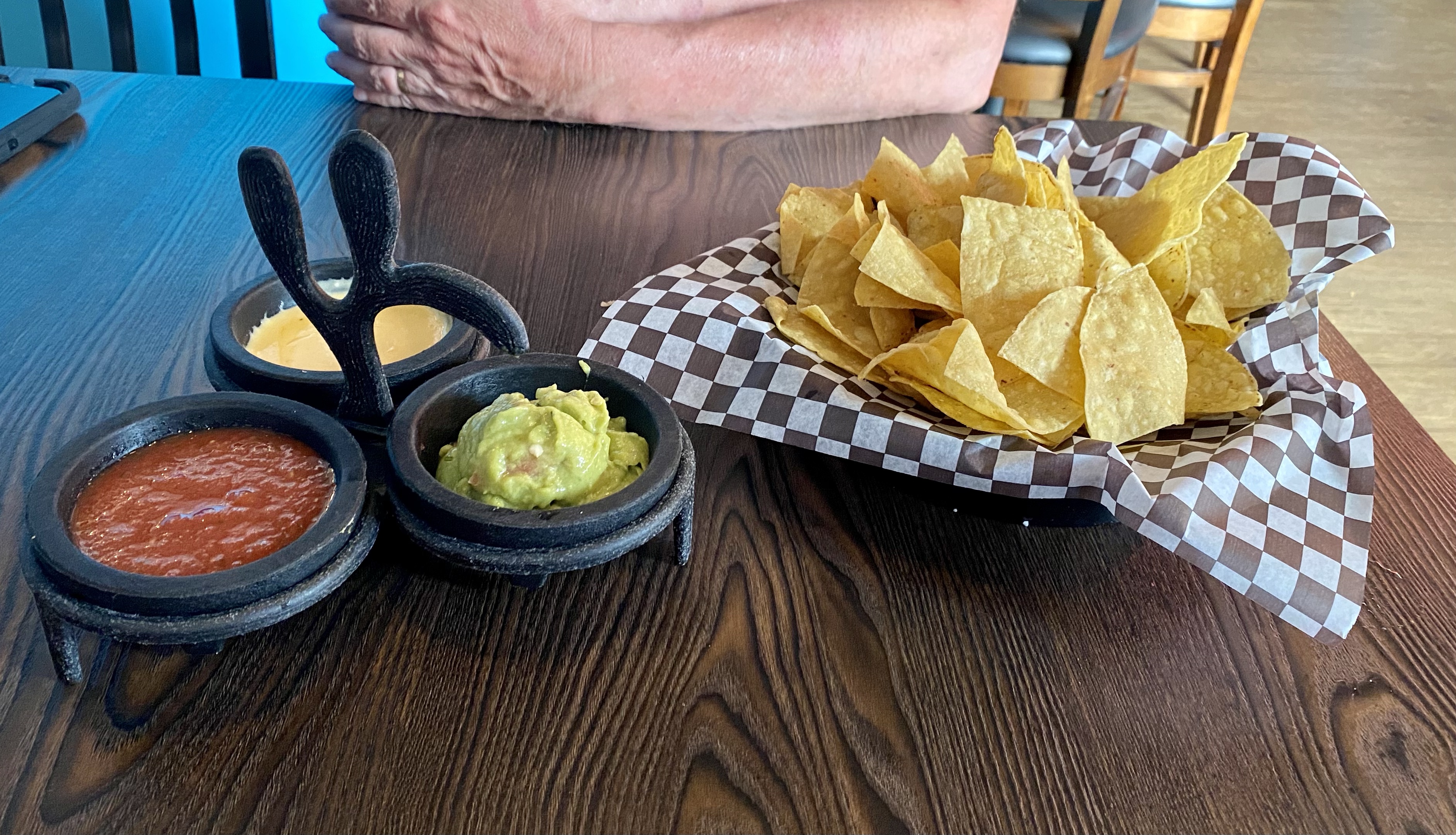
Let’s talk about great go-togethers.  Think: peanut butter and jelly, salsa and chips, holidays and fireworks, summer and picnics . . .  In life, there are certain things that go together, and often, one item “triggers” the desire for the other.  For some, coffee might trigger the desire for cream, while for others, that morning cup of java triggers the desire to read the morning news.  Most of us utilize the power of pairings without realizing it due to some positive association between the two linked items or habits.

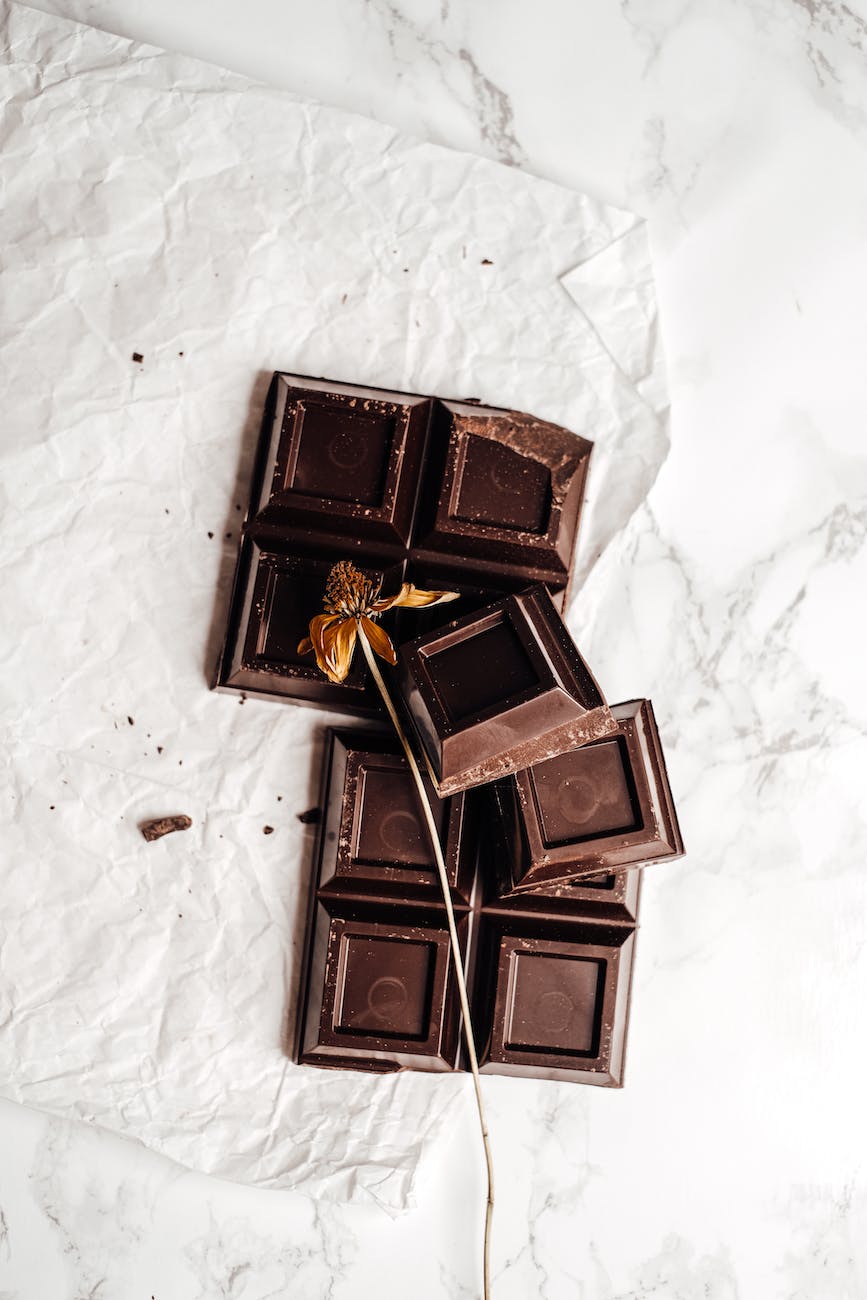
Some paired items or habits are beneficial, such as soap and water or athletic shoes and walking.  While others may be less beneficial, or possibly detrimental, such as smoking and socializing or ice cream and fudge sauce. Paradoxically, consider how hard it can be to start a new desirable behavior/habit, but how easily poor habits can creep into our lives.  For example, what was once an ‘occasional’ chocolate indulgence has now evolved into a nightly routine after dinner.

I was reminded of the power of pairings when traveling with my husband, John, recently.  We began our trip with a cooler of fresh veggies, fruit, sandwiches, dried fruit, seeds, and oatmeal, but by the end of the trip, most of this was consumed. I couldn’t help but notice how hard it was on the return trip home to find fresh vegetables–part of my mid-day meal pairing.  Travel plazas were loaded with chips, candy, sodas, and so forth, but no veggies. 

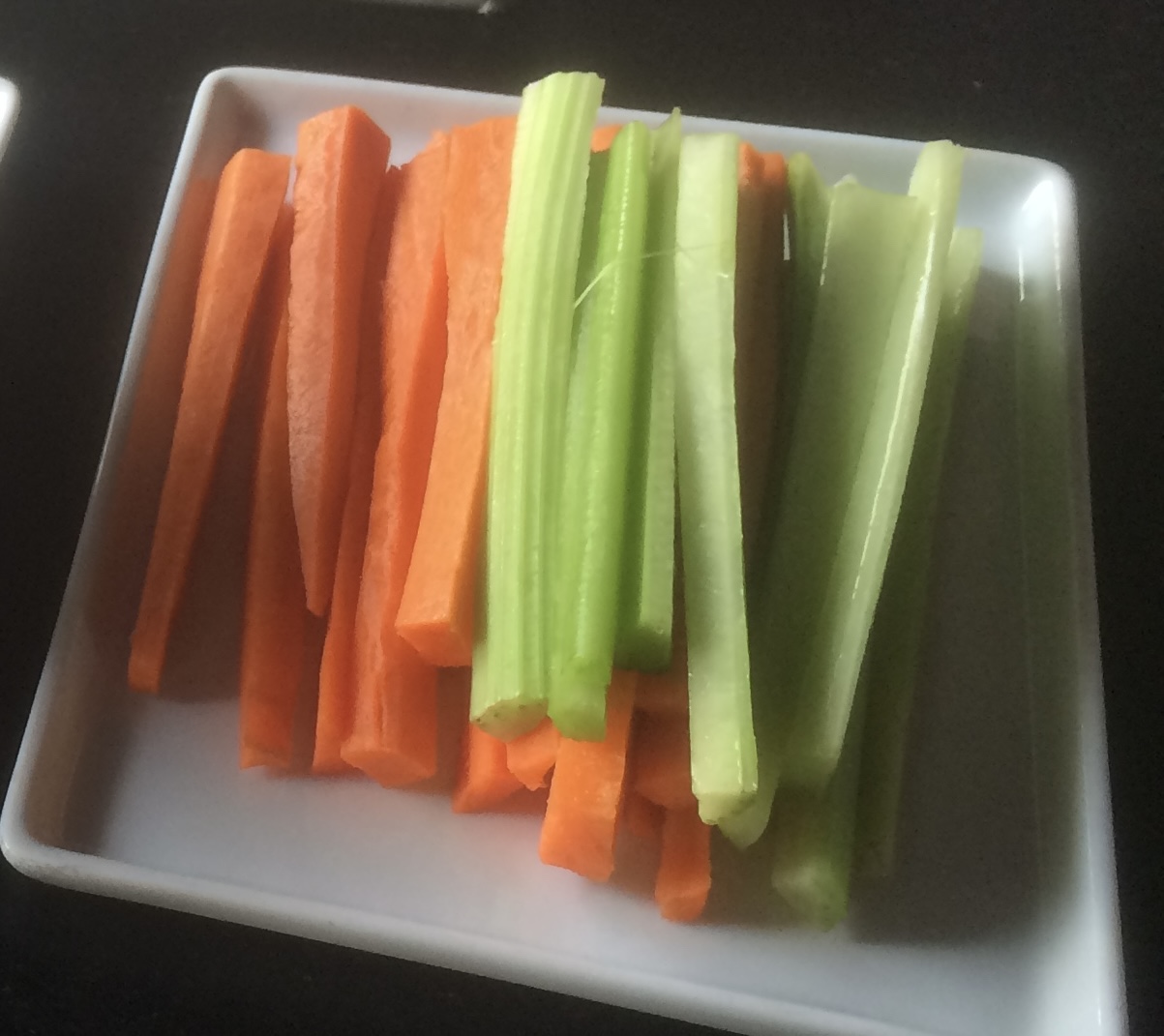
Trying to find veggie sticks, part of my mid-day meal habit-stack, was difficult when recently traveling.

Another travel observation was the larger number of people who paired smoking with social situations.  I grew up in an era when smoking was still widely accepted and promoted; however, social smoking has been dramatically reduced, or so I thought until visiting an internationally popular tourist destination in which smoking appeared an ingrained part of the social setting among certain cultural groups.

The Power of Association, aka, the trigger

I share these examples to illustrate the power of association.  Sometimes, we acquire habits, for better or worse, because one habit reinforces, or triggers, another habit.  In other words, we’ve paired, or stacked, one habit with another.   And, that to me, is the key to acquiring new desired habits.

If there is one positive habit we are trying to do more of, why not try pairing it with one habit we are already doing daily?  Habit stacking, as it is popularly known, whether it is linking a new desired habit to an old habit, adding a beneficial behavior to an already established daily sequence or routine, or pairing two habits together, is an effective way to create, reinforce, and maintain a new desired behavior.  This is because the new habit is triggered by a current habit or becomes part of an already established routine, which helps you remain consistent without feeling overwhelmed.  The key is to start small.  

Set out two pieces of fruit in the morning while drinking your morning cup of joe as a habit-stacked reminder to eat those pieces of fruit by day’s end as way to increase your fruit intake.

Choose one desired beneficial habit and determine your trigger or the anchor habit to which you want to attach it. Then, remind yourself–even if this means using a post it note–.  “Before/after/during I ________ (current habit), I will ________ (new habit).”  However, make sure it is realistic. It is important that both your anchor/triggering habit and your new desired habit fit the realities of your daily life.  For example, if you have kids who are early risers, then trying to add a new habit to your morning routine may not be advisable.  Likewise, if you’re repeatedly kept late after work, then trying to add in a new habit at this time of day is probably not the best choice.

Examples of Habit stacking

Nonetheless, for many of us, the morning routine is typically the strongest routine of our day.  Therefore, morning may be the perfect place to start.  For example, if you know you already drink coffee every morning, but want to increase your water intake, why not set a glass or water bottle in front of the coffee pot as a reminder to start drinking more water first thing in the morning before sipping your morning cup of joe. Other examples throughout the day could include:

  • Use the time that it takes for the coffee or tea to brew or steep to read a scripture, sacred writing, or inspirational quote to start your day on a positive note.
  • Likewise, use that same brew/steep time for a few morning stretches or basic exercises such as squats, heel raises, wall push-ups, etc.
  • If you desire to cultivate a more grateful heart, consider using the time it takes to shower or brush your teeth, as the trigger for thinking of one to three things for which you feel grateful 
  • Want to increase your daily steps, but have to make a lot of phone calls throughout your work day? Consider using those calls as opportunities to walk or pace.
  • Use your morning or evening commute to listen to podcasts you’ve been meaning to listen to. 
  • After dinner clean-up, take 15 or so minutes to set up for the next day (pack lunch, set out clothes, organize commute bag, fill water bottle, and so forth)
  • Not getting enough fruits and veg, but pack your lunch daily? Why not start adding one piece of fruit or fresh vegetable to your daily lunch bag?
  • Already have a daily walking/running habit, but want more time to read?  Consider listening to audiobooks while walking/running.
Set your water bottle in front of your coffee station as a reminder to start your day with water, before coffee, and continue to drink more water throughout the day.

Unleash The Power of Habit STacking

If the power of association, or go-togethers, works for slowly incorporating less desirable behaviors, then it can certainly work for incorporating beneficial new habits.  Like anything else, however, it takes time, so take that into consideration.  You may successfully incorporate your new habit for several days in a row, only to “fall off the wagon” for a few days.  Therefore, be flexible and forgiving with yourself in those moments, and try again the next day.  With a fair amount of flexibility tempered with a dose of determination, it is possible to create a few beneficial go-togethers.  

Habit-stacking can be an effective way to use existing behaviors to trigger, and hopefully establish, new beneficial habits. Remember to start small, choose a realistic anchor behavior/routine, and give it your best shot.  Then, reap the benefits of your newly formed routine!

Wishing you the best in health! 

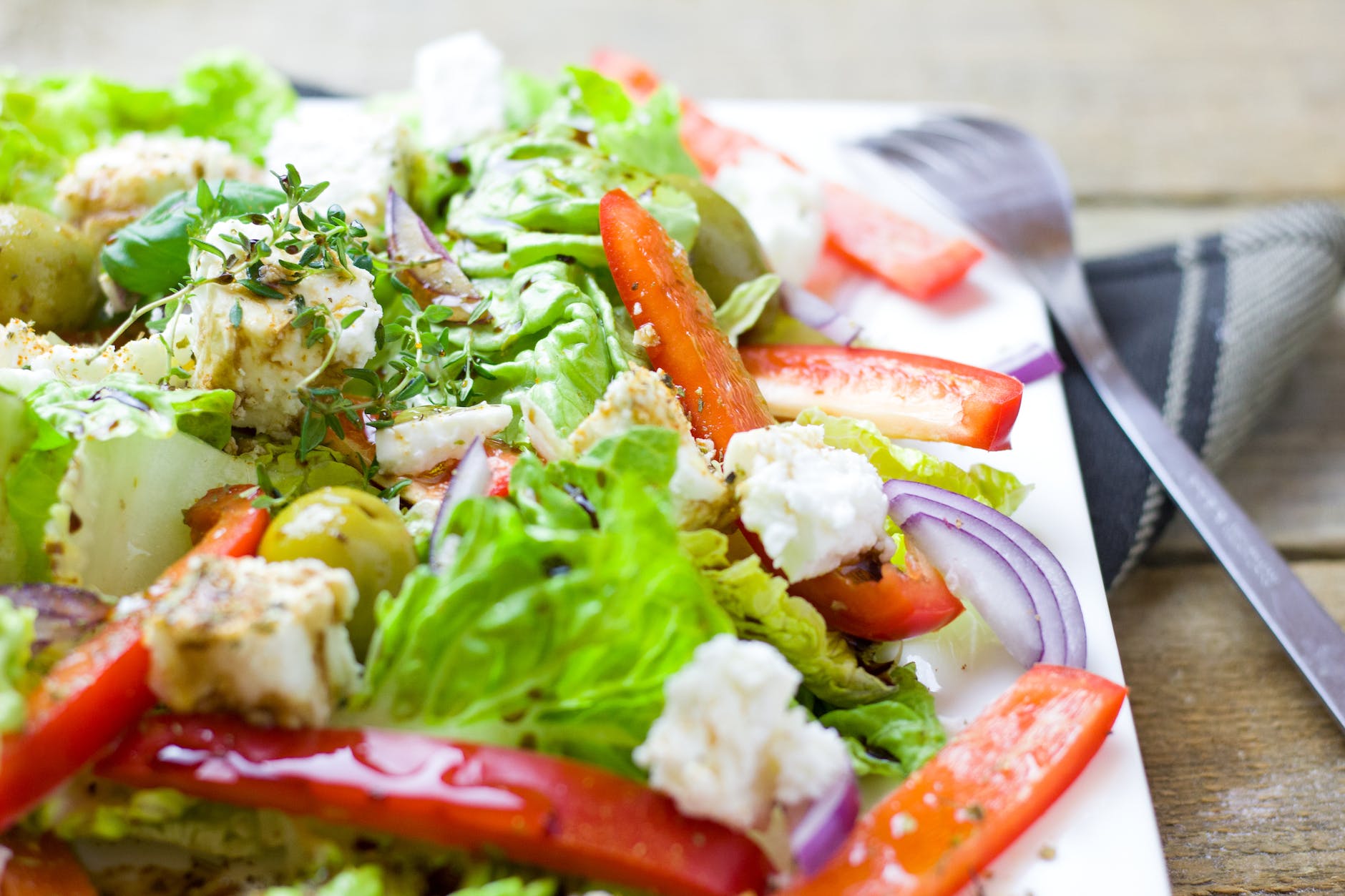
Photo by Mikhail Nilov on Pexels.com

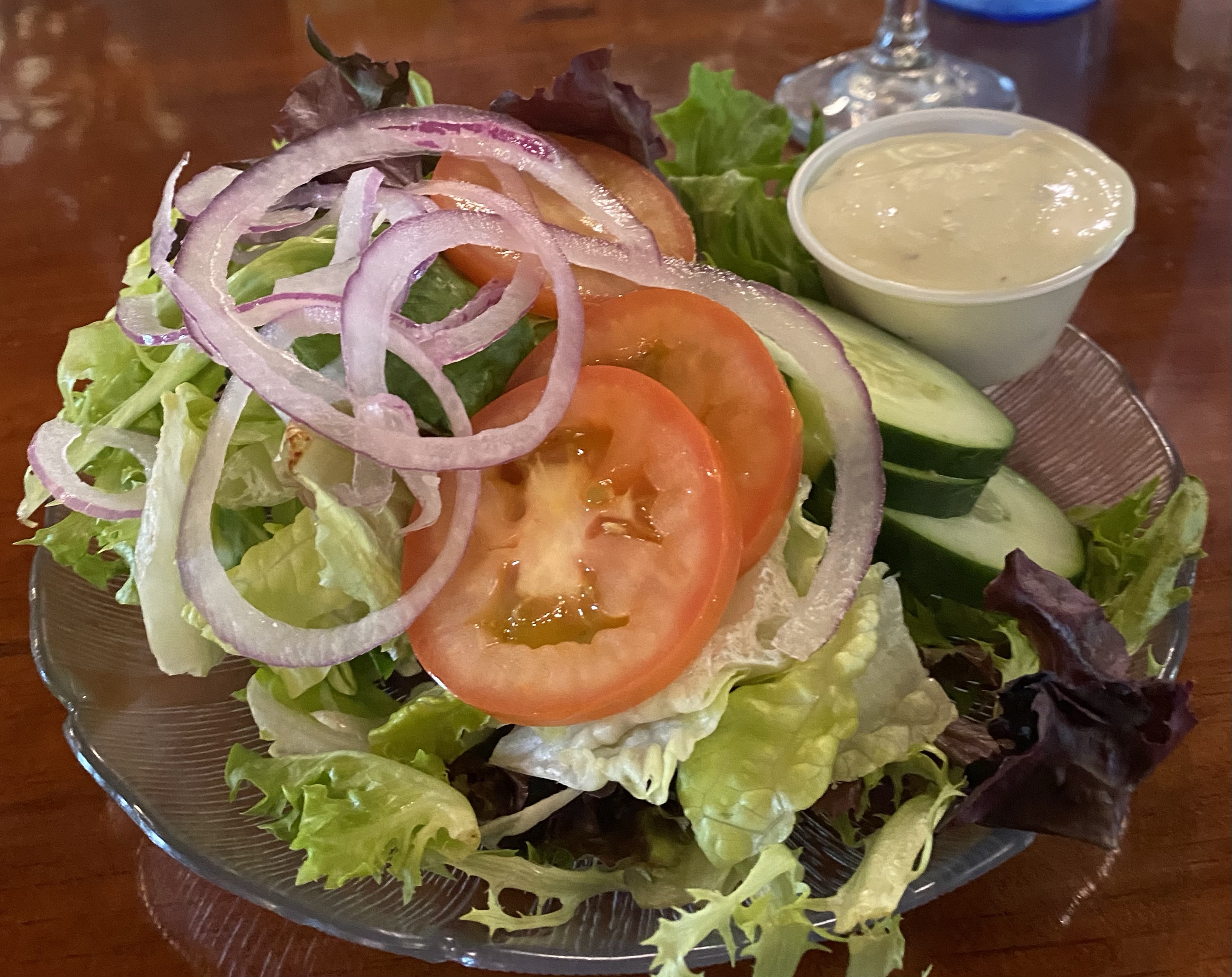
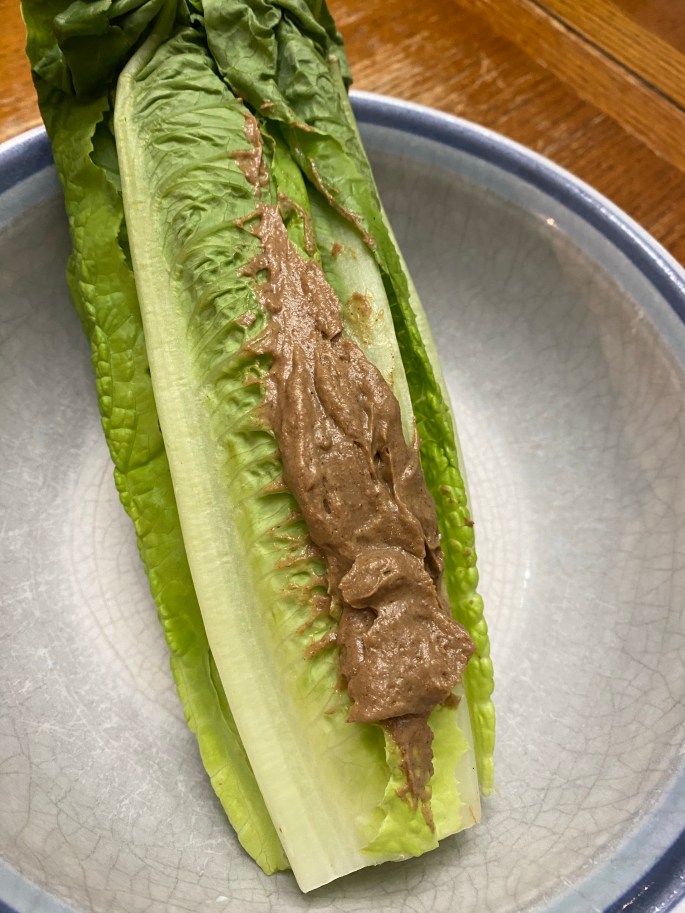
Dress up your salad with a creamy BS salad dressing

“You cannot see the lettuce and the dressing without suspecting a salad.”–Arthur Conan Doyle 

This dressing can be served as thick as a dip, as seen here, or thinned out for a more traditional, pour. Either way, it will be bursting with flavor! 🥗

‘Lettuce’ warm up to salad Greens

Warm weather signals that it is the time for salads filled with wonderfully nutritious greens!  Fresh made salads are great any time of the year, but they are especially delicious during spring and summer. While the word salad can encompass those made with chicken, tuna, macaroni, and so on, I am focusing on salads whose bases consist largely of greens and other plants that can either serve as an appetizer or as a meal. 

When making a fresh salad, it is easy and convenient to buy those bagged, or plastic containers of prepackaged blends.  While I often use them, it can sometimes be more cost effective to purchase a variety of leafy greens, veg, and other ingredients to make your own personalized mix.  During the warmer months, this is especially ideal when you can shop at local farmers’ markets and produce stands.  

Lettuce is a popular base for salads, and there are several main types from which to choose including colorful leaf lettuce varieties; butterhead varieties, including bibb and Boston; crisphead, popularly known as iceberg; and, romaine, king of the Caesar salad.  Kale, spinach, and arugula are also popular ingredients for salads, either as a solo base or part of a mix of greens.  Other colorful and flavorful additions worth considering include radicchio (which is fun to pronounce), escarole, Belgian endive, and frisee as well as mustard greens, watercress, and mesclun–popularly known as spring mix. 

Photo by Michael Burrows on Pexels.com

Mix those Greens

Personally, when it comes to making a salad, I enjoy mixing up textures, colors, and flavors, such as tossing leaf lettuce with some spinach and arugula, or mixing romaine lettuce with kale and radicchio.  If I am mixing a salad with stronger flavors of arugula or kale, I typically keep the rest of the ingredients simple.  In fact, I’d probably add in a fruit (tomato, chopped apple, or dried cranberries) and top it off with lighter dressing, such as a vinaigrette.

Other times, I appreciate the simplicity of filling my bowl with only one type of leafy green; then I’ll mix in a variety of color, texture, and flavor from other fruits and vegetables.  With this kind of salad, I might add chopped broccoli or cabbage, then toss in some mandarin orange sections or tomato, and top it off with a hearty, creamy nut-based dressing, such as the one below.  Then again, I’ve been known to put a large amount of one green as a base in a big bowl, such as spinach or kale, sprinkle it with some lemon juice or vinegar, then top it off with warm and savory toppings, such as brown rice, beans, and sauteed onions and peppers. 

Not only can plant-forward salad be part of a quick and easy lunch or dinner option, but they are also a great way to boost intake of vital nutrients. In fact, The U.S. Department Agriculture states that traditional salad greens, especially those dark leafy types, including kale and spinach, are rich in vitamins A, C, E, and K.  Toss in some mustard greens, chopped up broccoli, or bok choy for an excellent source of B-vitamins.  All those dark, leafy greens and vegetables contain high levels of fiber, iron, magnesium, potassium, and calcium without adding large amounts of sodium, carbohydrates, or cholesterol.  And if that’s not enough food for thought, green vegetables are chock-full of carotenoids-antioxidants that protect cells and ward off early-stages of cancer.

Photo by Pixabay on Pexels.com

Customizable Salad Dressing Fit for a King

Of course, to make a salad even more delectable, it requires a good dressing.  A quality dressing can make a salad taste next-level.  Unfortunately, so many readily available dressings are full of ingredients that are unpronounceable, and often overflowing with too much sodium, sugar, or unhealthy oil variations. Furthermore, commercial dressings often aren’t budget friendly when you consider the cost per ounce, and they aren’t customized to your personal taste preference.  Therefore, it makes sense (and cents) to make your own dressing.

I recently ran across a simple formula for making homemade salad dressings by Sergei Boutenko, a self-proclaimed health nut, that made perfect sense to me.  Boutenko suggests considering five tastes (think *BS salad dressing: 1B + 4Ss)–bitter, sweet, salty, sour, spicy–when making homemade salad dressing, which I did when creating this recipe.  This recipe is also customizable, for example you can trade out balsamic vinegar for apple cider vinegar; or, swap out the raisins for dates or even figs.

I chose not to include any oil, and instead use almond butter as a fat to create that desired creamy dressing mouth feel. Additionally, I used a few of my favorite spices/seasonings.  Again, each ingredient is customizable, including changing the spices.  Additionally, you could trade out almond butter for peanut butter or tahini, and depending on if you’re a garlic fan or not, you can use a little or a lot. Want the dressing thicker or thinner, add more or less water. You get the idea.

Customize your own salad dressing following the BS rules. 😉

The point is to take advantage of the warm weather’s harvest to create your own individualized, delicious way to enjoy the salad days of summer.  Serve up forkfuls of those dark leafy salad greens as well as any other added veg or fruit you want to toss in.  Then, dress up those delectable greens with a dressing suited perfectly to your taste preference–and pocket that extra change you saved.  Your body and your wallet will thank you.

From my home to yours, here’s to eating healthy!

Creamy (and customizable) BS Salad Dressing

Ingredients

½ – 1 cup water (depending upon how thick or thin you like dressing)

⅓ cup balsamic vinegar (sour)

¼ cup almond butter

¼ cup raisins or dates (sweet)

1 teaspoon soy sauce or liquid aminos (salty)

1-3 teaspoons minced garlic, depending upon taste preference (bitter)

1 teaspoon dried oregano

½ teaspoon dried basil

½ teaspoon onion powder

¼ teaspoon black pepper (spicy)

Directions

Blend all ingredients in a food processor or high powered blender.

Store leftovers in a tightly closed container for up to  weeks in the refrigerator.

*Notes: Remember each ingredient can be changed out for equivalent ingredient, choose your favorite flavor of vinegar, use your favorite nut butter and/or dried fruit, and change any of the seasonings as well as their amounts to make your own *BS salad dressing (see reference in article).

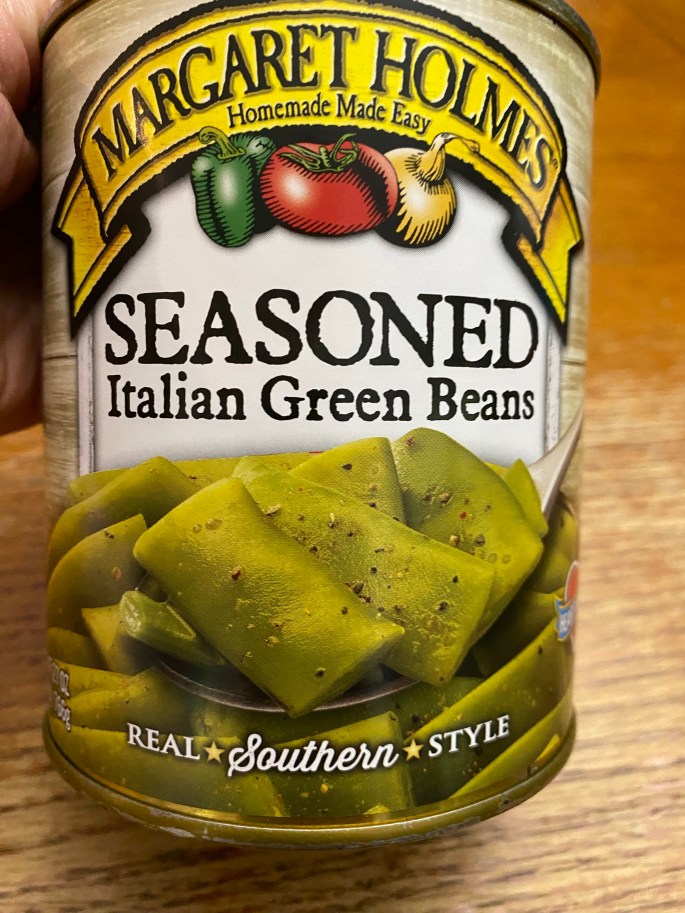
Are you seasoned? Appreciating the finer points of aging

“It’s important to have a twinkle in your wrinkle.”–Anonymous

Green beans Days of summers past

Photo by Ravi Kant on Pexels.com

During the summer months, my grandparents typically made a weekly trip to the local produce market to buy fresh green beans.  Once home, they sat kitty-corner from one another, an open width of newspaper in front of each of them, a pile of green beans in the center of each, and a large bowl between them.  Then, they went to work.

Over an advertisement or yesterday’s news, they would string each side of a bean, break each one into two or three pieces, and toss the broken beans into the bowl. 

“Pinch, zip, crack, plink. Pinch, zip, crack, plink.” 

The bean strings would pile high like tangled pieces of a preschooler’s hair on the floor of a barber shop after their first haircut, and the bowl would gradually fill with broken, strung beans. Sometimes Grandmother and Papaw talked; other times, they simply tuned into the percussive beat of their efforts, but never for long.

Once Chessie, their large, solidly gray, and very temperamental cat, heard the pinch, zip, crack, plink of the beans, her head would raise from her designated napping spot, and she would come trip, trop, trotting into the kitchen, tail raised, and voice meowing. Grandmother and Papaw would both talk to Chessie in that unique sing-song quality used only with pets and children.  She would meow incessantly, rubbing and darting in and out of their ankles until given an unstrung bean with which to play.  Bean gently held between her upper and lower jaw, she pranced to the center of the kitchen, plopped the bean onto the floor, and proceeded to bat it around between her front paws, then pounce on it, pick it up in her mouth again, carry it to another area, drop it onto the floor again, and repeat the entire process enthusiastically entertaining herself for long periods of time.

Photo by cottonbro studio on Pexels.com

Once the beans were strung and rinsed, they were placed into a large pressure cooker pot on the stove, and the cooking commenced.  Steam would belch and burp out of the “jiggler,” aka the weighted valve that released pressure.  All the while, Chessie still toyed with her bean, often pausing to rest with her front paws on top of the bean, as if it were a treasure, while the redolent aroma of beans filled the air.

The scent saturation grew even stronger once the lid was removed and Grandmother  seasoned the beans, adding this and that from an unseen recipe forged into her mind over the years. Those green beans cooked all day, and by the time supper rolled around, Grandmother and Papaw made a meal that mostly consisted of those beans.  

What is ‘real’ seasoning?

Real magic occurred, according to my grandmother, once the beans were cooled and stored in the refrigerator.  That’s when the real seasoning began–over time.  I would see them eat on those beans all week long, heating them up each time, and diligently returning the leftovers to the fridge, declaring that the beans were better tasting as the week progressed.  

“They’re good and seasoned now,” Grandmother would say mid-way through the week.

Nothing like seasoned green beans when I am feeling a bit nostalgic for those seasoned summer green beans of my grandparents’ kitchen.

Meanwhile, Chessie’s green bean also became “seasoned.”  That bean would be hidden, seemingly lost, only to be found again, looking more ragged as the week progressed, but it appeared to grant her the same pleasure nonetheless.

I found myself smiling recently, reflecting on those green bean days of summer so long ago, when I heard someone say, “Oh, I am proud to say I’m a seasoned bean, I mean, seasoned being.  My gray hair and wrinkles remind me that I am seasoned like the best food on the table.”

The Gifts of Seasoning

I had stumbled across a podcast discussing the finer points of aging with the overall premise being that the definition and understanding of aging is changing.  The speaker pointed to the shifting of retirement age to later years for many healthy adults.  She further promoted the importance of wellness, preventative care, and longevity practices as a valid part of this cultural evolution in work life.  

Honestly, I tuned out a large portion of the podcast because I was so wrapped up in remembrances of Grandmother, Papaw, Chessie, and seasoned green beans.  Even so, the speaker had a point, wrinkles and gray hair don’t hurt–at least not physically.  Sure, the body does not respond like it once did–parts shift, aches and random discomforts are more frequent visitors–but would I really want to go back to my former self with all her insecurities and self-doubt?  Nah!  

Therefore, I must take the good with the not-so-good, and find the sweet-spot for which to be grateful. Afterall, the longer those beans were from their “birth” in a pressure cooker, the better their taste, and that, my friend, is true of so much in life.  

When I reflect over the years, and recall long-ago moments that will never return, such as time spent in my grandparents’ kitchen, I appreciate the seasoning that got me to this point–the good, the bad, and the oh-so-ugly. Each moment provided lessons–many of which I am still learning, but that’s part of the process–similar to the way in which Grandmother’s beans got better over time. With each year of seasoning, the more our knowledge, understanding, and patience expands.

Photo by Andrea Piacquadio on Pexels.com

Sure, not every day of life can be idyllic, but I find that with age, I want to capitalize on days, or even moments, that are good because I now better appreciate the value and rare exquisiteness of such moments.  I accept–most of the time–that there are going to be bad days and moments, sometimes as high pressure as that old pan of green beans cooking on Grandmother’s stove, but it’s the part of the seasoning process, albeit, sometimes wrinkles and gray hairs are sure to be a byproduct of those moments! 

The point of being a seasoned human-being is to realize and appreciate what we have been given, move on from mistakes of the past, and focus-forward on the goals still to be achieved.  Depending upon our stage in life, Dear Reader, some of us are more seasoned than others, but we can all use our current level of seasoning to help/mentor others, enjoy the way that extra-seasoning often enhances our understanding of numerous situations, and continue to sip enthusiastically from the life for which we are still living.

Here’s to our continued seasoning, my friend!

Photo by Mehmet Turgut Kirkgoz on Pexels.com

Let’s not allow adjectives to divide us: The lesson of bananas

“The adjective is the banana peel of the parts of speech.”–Clifton Fadiman

Photo by u042eu043bu0438u044f u0420u044fu0431u0447u0438u043du0441u043au0430u044f on Pexels.com

The Big Banana🍌

You don’t have to be in the grocery retail business to understand that when it comes to fruit, bananas are typically among the top three choices of American consumers. Sure, bananas are often the subject of jokes and pranks; nonetheless, there is something, well, a-peeling, about them.

Worldwide, it is believed that more than 100 billion bananas are consumed per year!  Depending upon the year, the average American consumes 22-27 pounds of this sweet, smiling fruit.  Clearly, this fruit is–I can’t help myself–top-banana!  

As I learned more about bananas, I began to contemplate some shared similarities it has with people. Now, don’t, a-hem, go bananas.  Just hang in there with me.

Bananas 101

Photo by Yoann Lechaux on Pexels.com

Bananas are harvested unripe when the individual fruits are dressed alike in the same dull, green color.  Each one is part of a huge cluster, called a hand–around 200–and separated into groups of 10-20, known as fingers.  This reminds me of people who live in or belong to a specific community, organization, or group of people that look, behave, and think alike.  

Once picked for market, green bananas begin to ripen throughout the process of traveling, and the hotter the temperature, the faster they ripen. 

How many of us are guilty of this?  We maintain that we will stand firm in our beliefs/convictions, and never fall prey to this thing or that  And, yet, when life gets hot, really desperately hot, we often reach for the low-hanging fruit, the quickest way to find relief.  Sometimes, these heated events pass without much effect.  Other times, life’s fire truly transforms us–sometimes for the better, and sometimes for the worse, depending upon the person and/or the situation.  

Pick of the Bunch

Photo by Eduardo Soares on Pexels.com

Once the bananas arrive in stores, they are often still green, albeit a lighter shade, and the inside fruit is often too firm and not yet sweet enough to be palatable.  By this point, bananas have been broken into smaller bunches to sell to consumers, who may break them into even smaller groups. Meanwhile, the ripening continues, slowly transforming the fruit inside. Funny, how, like bananas, we can sometimes allow others to define, divide, and transform us from the inside out, whether we realize it or not.

It is through this breaking apart and traveling to consumers’ homes that the final transformation occurs.  Many bananas will be individually peeled and used as a source of nutrition.  Peels may become part of the compost pile used to fertilize new plant life. Either way, bananas, and their peels, have left their look-alike world to fuel a life or inspire recipes.  How many of us are willing to break away from the group mentality in order to fuel new innovation, or feed a floundering heart?

Ripe for the Picking

Photo by ROMAN ODINTSOV on Pexels.com

Which leads me to the banana’s ultimate transformation–the mostly black/brown banana.  Often found in a grocer’s produce clearance section, reduced for quick sale, these ugly, soft bananas are often maligned as waste. However, those of us who bake, know that for the sweetest banana breads and muffins, you need the darkest, blackest banana.  

How alike overripe bananas are to those sweet souls society often writes-off or overlooks based upon how they look, where they live, the family/neighborhood/country they come from, the language they speak (or don’t speak), or any of the other number of ways in which we separate ourselves from those deemed “others.”  It is so easy to do when people seem so different from us.  What could we possibly have in common?  And, yet, what gem of knowledge, friendship, or alternative vision are we missing by writing off even one person, much less several groups?

Ripe with potential

 Looking in my fridge, there are often one or two dark bananas.  This is because once bananas reach a desired level of ripeness, I purposely store them in the refrigerator to slow the ripening process of the fruit on the inside.  Meanwhile, the skin will continue to darken, but the fruit inside will remain sweet and tasty with just the right texture for days to come.  If I still don’t use the banana(s), I peel and store them in the freezer to use in later recipes.  Sounds a lot like aging.  Our outside may change, but inside, we remain full of insight–a contributing part to a proverbial family/friend/community recipe.

Appealing Facts

Photo by FRANK MERIu00d1O on Pexels.com

There are more than 1,000 types of bananas, subdivided into 50 groups.  However, the bananas most often bought/sold in grocery stores essentially come from the same plant called the Cavendish.  When corporate farms need to grow more bananas, they remove part of another established tree by cutting off shoots, called suckers, or removing part of an underground root, called a corm. These cuttings are planted, and establish new plants genetically identical to the previous Cavendish tree, keeping the price low.  No wonder each generation seems to replicate the previous!  Sounds similar to ingrained generational human behaviors.

Isn’t it interesting to note that despite the available variety, most commercial farms continue producing the same type of banana.  There are some varieties known for their honey-like taste while others possess a sweet, creamy vanilla flavor. There is a variety with a tangy, lemon flavor and another that is described as tasting like apple.  However, unless we actually taste one, we will never know or understand them by continuously choosing the Cavendish. This also sounds similar to how some humans go through life.

Better nature Appeal

Photo by Diva Plavalaguna on Pexels.com

 We use adjectives to describe people, places, things, and even bananas.  Those words can divide us and cause us to stay divided unless we are willing to break apart from the bunch.  There is a rainbow world around–full of a wide variety of people, certainly more diverse than bananas, and yet we often limit our perspectives, our associations, and/or our actions to a small cluster of those most similar to us.  We can do better.  We must do better.  Let us not allow partisanship, divisiveness, ethnicity, religion, skin color, or any words, to create otherness.  

In the world of humanity, we are all offshoots from one origin–the same bunch, if you will. We may look, sound, speak, and act differently, but we are one.  At times, parts of humanity may look as bleak and dark as those ripe bananas sitting inside my fridge, but peel back the skin, and we are the same: cells, tissues, organs, and systems.  We are one, and we have only one life to live.  Will we let adjectives keep us bunched up and contribute to the continuation of the divide, or will we look beyond the adjectives and under the skin, see the oneness, and choose to make a sweet difference?  

Photo by RDNE Stock project on Pexels.com

The importance of fostering self-efficacy at any age

“Believe in yourself! Have faith in your abilities! Without a humble but reasonable confidence in your own powers you cannot be successful or happy.” –Norman Vincent Peale

Photo by William Fortunato on Pexels.com

Early in my career as an educator, I decided to complete a program that would increase my level of certification.  As part of this program, there was an expectation to complete a semester of student-teaching, however, I was already a full-time educator.  Therefore, the university “powers-that-be” decided that as an alternative, I would spend two days in a classroom and school outside of my own teaching district where I would be evaluated by a university representative and the cooperating classroom teacher.

It was established that on the first full day, I would observe the teacher and students.  Then, on the second full day, I would be in charge of all instruction while the university representative and the classroom teacher evaluated my performance. 

At first, I celebrated this plan.  I had been successfully teaching for over ten years.  My career, up to that point, had been exclusively completed in challenging classroom settings with students of multiple grade levels and various identities, such as ADHD, intellectual disabilities, as well as emotional and behavioral disability.  How hard could the evaluation be? Then, I read the fine print.

Photo by Pavel Danilyuk on Pexels.com

 This two-day evaluation period would occur mid-May. (You don’t have to be an educator to imagine what a May classroom is like.)  And, if I did not receive high marks on this evaluation, I would have to forgo my teacher salary fall semester in order to student-teach in another district.

The closer the evaluation date, the more my inner critic’s voice grew.  What if you and the unknown classroom teacher have diametrically opposed philosophies of teaching? What if the teacher doesn’t welcome/like you?  What if the students don’t like you? You know how students tend to behave with a substitute teacher. 

 On the day of the evaluation, my heart pounded, my stomach churned, and my nerves were tightly wound.  I soaked my clothes with sweat, not only because there was no air conditioning in this school, but also due to the immense pressure I felt.  By the end of the second day, I was physically exhausted from the stress.  Fortunately, I passed with flying colors, but what if I failed?  Where would I be now, and how would it have affected my future trajectory?

Photo by cottonbro studio on Pexels.com

Life is full of challenges similar, if not greater, to this experience.  I can’t help but wonder about the importance of self-esteem, self-confidence, and self-efficacy in determining the outcomes of such events.  While each term represents different concepts of “self,” the interplay of the three is one of the keys to personal growth throughout our adult years.

Specifically, self-esteem is more about personal feelings of value and worth. Self-confidence, in contrast, is a person’s overall belief in self across a wide-array of settings; whereas, self-efficacy is more context-specific. For example, a person can have a high degree of self-confidence in their role as a student, professional, or athlete, but have much lower levels of self-confidence when it comes to social situations or other areas of life.  Nonetheless, this same person could still overall have a fairly high level of self-esteem.  Why is that?

Photo by Alexander Suhorucov on Pexels.com

What is self-efficacy?

Research indicates that those with an overall higher sense of self-efficacy tend to have higher self-esteem, but what is self-efficacy? Self-efficacy, as defined by Abert Bandura, “is the belief in one’s capabilities to organize and execute the courses of action required to manage prospective situations.”  This belief in an individual’s own abilities plays a significant role in how one thinks, behaves, and feels about their place in the world.

A person with a high sense of self-efficacy:

  • Views challenges as something to be mastered rather than feared
  • Recovers faster from failure 
  • Believes they can control threatening situations   
  • Develops deep interests and stronger sense of commitment to their interests/activities
  • Are less likely to experience depression and typically have lower levels of stress.

Whereas, a person with a low sense of self-efficacy:

  • Views difficult tasks as threats, increasing their desire to avoid them  
  • Sees challenges as tasks that demonstrate their deficiencies rather than their strengths 
  • Lose faith in their own abilities after a perceived failure
  • Experience higher levels of depression, anxiety, and stress
Photo by Ketut Subiyanto on Pexels.com

Four Ways Self-Efficacy Develops


Therefore, it is important to find ways to boost self-efficacy, especially during those formative teen and young adult years.  Bandura identified four ways this can be accomplished:

  • Mastery experiences: Successfully completing challenging tasks.  While it is important to experience and learn from failure, successes boost self-confidence.
  • Vicarious experiences or social modeling: Watching another person, similar to you, complete a challenging task, increases a person’s belief that they can accomplish the same task modeling after that person
  • Social/verbal persuasion: Receiving sincere verbal encouragement raises a person’s belief that they can accomplish a challenge
  • Psychological and emotional responses: Negative emotions, physical responses, emotional state, mood, stress can all impact a person’s abilities to complete new tasks.  However, it is more how the responses are interpreted and perceived that can be a determining factor in successfully completing a difficult task.
Photo by Vlada Karpovich on Pexels.com

How to Strengthen Self-efficacy at Any age

For educators and parents, these are important considerations when interacting with children, teens, and young adults.  However, it is still important to strengthen one’s self-efficacy, even as we age, in order to better deal with new life challenges as they arise. 

Here are some suggested ways to foster self-efficacy at any age:

  •  Celebrate Successes no matter how small. Work on setting goals that force you to stretch, but are realistically achievable.  With each goal achieved, a stronger belief in your abilities is forged. 
  • Observe and connect with others. Seeing, engaging with, and modeling others who are either working towards similar goals as you, or who have completed similar goals, increases your belief that you can accomplish similar results.
  • Monitor mental health, thoughts, and emotions. Some people may need to work with a professional to manage positive mental health, while others simply need to hone a few mindfulness skills to manage thoughts and emotions. Determine tools and techniques that help manage feelings of anxiety and stress that arise during difficult tasks in order to feel more confident to achieve desired outcomes.
  • In a similar vein, practice self-compassion and positive self-talk. Words matter, even the ones silently spoken in our heads. Work on quieting the inner critic when it rears its ugly head with words, phrases, and mantras that promote self-belief.
  • Surround yourself with a solid support system who will offer genuine positive affirmations.  This can be tricky as you don’t want insincerity, flattery, and words spoken out of a sense of obligation.  Instead, connect with a few key mentors, friends, and allies who are reliable, know you, and will offer authentic feedback and affirmations.
Photo by Rebrand Cities on Pexels.com

Final Thoughts on Self-Efficacy

Traversing life’s ups and downs isn’t always easy, and it’s made more difficult for those with lower levels of self-efficacy.  By continuously developing a stronger sense of self-efficacy, the more we are able to handle life’s proverbial curve balls.  In fact, it might allow us to handle them with a bit more grace and equanimity. 

Photo by Andrea Piacquadio on Pexels.com

One pot walnut and mushroom penne, with gluten free option

“One pot meals make a lot of sense . . . because so much of what people hate about cooking is really the clean-up, the mess, the grease.”–Tom Douglas

Photo by Teona Swift on Pexels.com

Autoimmune diseases, according to John Hopkins University, unbelievably affect about 23.5 million Americans, 80% of which are women, of which I am one. While scientists are busy trying to understand the biological gender differences that contribute to this higher prevalence among females, one unexpected discovery is the contributions of the intestinal (gut) microbiome as a driver for these excessive numbers according to Scientific America. Furthermore, those identified with gut-centered autoimmune diseases, including irritable bowel disease (IBD), irritable bowel syndrome (IBS), ulcerative colitis, Crohn’s disease, and celiac disease, tend to have micronutrient deficiencies, in particular iron, folic acid, zinc, vitamins B6 and B12, copper, zinc, and vitamin D–which can really put the microbiome in dysbiosis.  

If left untreated, nutritional deficiencies can lead to an array of other health concerns, such as neurological complications, psychiatric symptoms, cancer, and bone health issues.  This is particularly of concern if adults have not been properly diagnosed.  For example, symptoms of celiac disease often vary from person to person; therefore, it is possible to go decades without identification as was the case with me.  I was in my late forties experiencing numerous unexplained, uncomfortable symptoms before one doctor finally suggested an endoscopy along with a blood test and a colonoscopy.  As it turned out, the endoscopy and blood work both identified celiac disease.

This dramatically changed my life, especially the way in which I eat.  In addition to eliminating gluten, the doctor advised a nutrient-rich, whole food diet, heavily emphasizing fruits, vegetables, whole grains (without wheat, barley, and rye), as well as legumes.  This is because I spent most of my life with malabsorption issues due to the damage of the lining of my small intestine as well as the inflammation and atrophying of the villi that absorb nutrients and minerals. Hence, the reason I was often sick as a young child.

Photo by Pixabay on Pexels.com

Specifically, vitamin D deficiencies are especially high with those who have celiac disease, which is crucial for growth of bones.  Chronic deficiency of vitamin D can lead to cancer, cardiovascular disease, and osteoporosis to name a few. Additionally, zinc is another nutrient often deficient in those with celiac disease. This nutrient promotes wound healing, virus recovery, growth, and development. 

Therefore, how I now choose to cook and eat is heavily influenced by this knowledge.  While, I can’t, per se, play catch up, I am aware of my need to focus on healthy eating and supplementing with a few key vitamins. The recipe below, based upon recipes by Simple Veganista and California Walnuts is reflective of this focus as it is chock full of nutritionally dense plant foods. 

In particular, this recipe emphasizes foods high in zinc, such as walnuts, mushrooms, spinach, and legumes as the pasta I use is made out of chickpea flour.  Mushrooms, especially those grown under UV light, are one of the few non-animal sources of vitamin D. Additionally, walnuts benefit gut, heart, and brain health while spinach (or other green vegetable I may use) is rich in flavonoid antioxidants and vitamins and possesses anti-inflammatory properties. 

With or without an autoimmune issue, we can all benefit from eating more healthy, homemade meals.  These meals don’t have to be complicated or time consuming and can even be completed in one pot as demonstrated in this recipe. Feel free to swap out the chopped walnuts with your favorite ground meat or meat alternative.  Don’t want spinach? Replace it with another favorite green vegetable. The point is eating healthfully doesn’t have to be hard, tasteless, or make clean-up challenging.  One pot and you’re done! 

From my home to yours, I wish you the best in health!

One pot Walnut and Mushroom Penne (with gluten free option)

Ingredients:

1 tablespoon olive oil

1 cup chopped onion

2 teaspoons minced garlic

1 pound mushrooms

1 tablespoon tomato paste

1 tablespoon balsamic vinegar

1 tablespoon dried oregano

1 tablespoon dried basil

¼ teaspoon black pepper

¼ red pepper

½ teaspoon fennel seed, options

1 28-ounce can crushed tomatoes

1 cup chopped walnuts*

1 cup chopped fresh or 14.5 ounce canned tomatoes

4 cups low sodium vegetable broth

1 pound penne pasta (I use gluten-free, chick-pea pasta.)

2 cups fresh spinach or other favorite green vegetable

Directions:

In a large pot, heat oil over medium heat. (Can also use ¼ cup water if you prefer oil-free cooking.)

Add in onion and garlic, saute until translucent. (If using water, you may need to add more water to prevent sticking.)

Stir-in mushrooms and cook until soft, stirring occasionally.

Stir-in tomato paste, balsamic vinegar, oregano, basil, black pepper, red pepper, and fennel, if using.

Add crushed tomatoes, walnuts, and chopped tomatoes and bring to a boil.

Reduce heat and stir in vegetable broth and pasta.

Allow to simmer and gently bubble for 15-20 minutes, stirring occasionally.

Remove from heat, stir in spinach or other green vegetable.

Allow to rest 3-5 minutes, then divide between 4 serving bowls.

Sprinkle with your favorite topping, such as parmesan or pecorino cheese, fresh parsley, and/or chopped scallions. 

Notes: 

*Walnuts can be swapped out with your favorite ground meat or meat alternative.

Surrender and Accept Change

“And when the night is cloudy, there is still a light that shines on me, shine until tomorrow, let it be.”–Paul McCartney

Photo by Zeeshaan Shabbir on Pexels.com

During the height of the pandemic, I cultivated the habit of a daily meditation practice.  In particular, I often used an app that was free of charge for those in the service careers, including educators.  In addition to offering guided meditations, it also offered short (3-5 minute) video clips designed to bolster spirits, inspire courage, and calm feelings of anxiousness.

While I can’t say I was a regular viewer of those videos, I did enjoy, and often learn, from the ones I did watch.  One video in particular, used time-lapse photography to demonstrate the ways in which light changes throughout the day.  It was one of my favorites, so much so, that I saved the link to my laptop to rewatch from time-to-time

During this video, the narrator explains the way our experience of color changes over the course of a day and the science behind it. Beyond the obvious point of light brightening at the beginning of the day and darkening at the end of the day, there is a daily light progression that we may not perceive.  It allows us to experience every color of the light spectrum within one 24 hour period.  Much of this progression has to do with the nitrogen and oxygen in the atmosphere scattering the light waves coming from the sun and making the sky appear blue.

Photo by Skitterphoto on Pexels.com

At sunrise, we see more reds and oranges, while other colors, like greens, blues, and purples, appear darker and more muted.  Then, as the morning progresses, yellow light becomes the dominant color we tend to associate with sunlight. Meanwhile, the “yellow” sunlight reflected upon the so-called blue of the sky intensifies the color of anything that is green up until noon.  Then this same light/color progression begins to reverse itself throughout the remainder of the day until the sun sets.  As the sun returns to its lowest point on the horizon, the light returns to a red-orange hue, and then gradually fades into the blues and violets associated with night, illuminated by what we perceive as the white light of the moon. 

And so it is with life. Change happens daily, from moment to moment, and life never stays the same.  Like the changing of light rays throughout the day, many of these changes are so subtle, they are often not observed in the moment, such as the growth of our children, or our own aging process.  For example, a parent may not clearly see the day-to-day growth occurring within the physical development of their own child, until one day, they happen to notice the child’s clothes are suddenly too short/small.   Likewise, we may not discern our own aging process until we see a picture of ourself from as few as five years prior, and suddenly we are face-to-face with our own change.  

As an educator, I sometimes measure life in terms of an August to July school year, rather than the typical January to December calendar year, depending upon what is being measured.  Nonetheless, I recognize, now more than ever, that time is fluid, and it matters not how I measure time because it continues to flow and stream like the daily progression of light.

That being said, these past 12 months have been full of joys, changes, and of course, challenges. Many of these changes were immediately as visible as a bright sunrise over the Ohio River. While others shifts were less visible, but nonetheless impactful. Then there were those challenging dull hue moments that accompany the colors of night that felt as long as evening shadows.  In fact, there were moments when it felt like I was riding life’s carousel, returning, again and again, to the same point as if progress was at a standstill.

And yet, now I can look back and see that, indeed, even if I wasn’t directly observing it, change was occurring.  While my eyes may not directly witness every sunrise, nor catch sight of all of  night’s blues and violets, these events still occur–without or without my direct detection. An invisible force, a guiding hand, if you will, greater than you and I can comprehend, maintains this on-going, ever-moving cycle of change.  It is ever present, even during those darkest, bluest nights when we often feel alone with the shadow-side of life and wonder if the darkness will ever abate.  

Ultimately, the darkness ebbs, and the light does begin to flow, but precisely as the light/colors of the day must go through their unique progression, so too must the solutions and resolutions to those dark and lonely life challenges.  Life, like light, will go on and will continue, along with the Source, the maker of light and life.  Therefore, we must surrender to this knowledge.  Surrender to the what is, and to what will be; surrender to the notion that we are not in-control.

The lesson for me this 2022-2023 year, and it is a tough morsel to swallow, is that the only guarantee of life, like the light progression of our day, is change.  While I can try to control certain factors, such as schedule and routine, the choices I make, or even how I measure time, for the most part, what will be, will be. 

Thus, as long as I wake up, whether I rise with the cool dark blue of the predawn hours, or I get up with the bright orange and red light of sunrise, there is a Source shining, not only within me, but throughout all of life.  Therefore, as the light surrenders, rather than falls, to its daily course of change, it is likewise my job to see the illuminated gift of each day as I ride the ups and downs of this carousel called life.  

Teachers Matter: Welcome to the Next Generation of Educators

“So enter that daily thou mayest grow in knowledge, wisdom, and love.” –Alumni Gateway, Ohio University, entrance view.

May 2017.  Upon high school graduation, like many, my daughter, Madelyn (Maddie), thought she had an idea regarding the direction of her adult path.  However, once immersed in the pursuit of this path, biochemistry/chemistry, despite excelling at it, she was miserable. Midway through her undergraduate studies, after much reflection, discussion, and contemplation, Maddie bravely decided to pivot.

Her decision to change course was not a simple one.  And while I do not want to speak for Maddie’s experience during this process, I do recall her stating that the one class that truly brought her joy during her first two years of undergraduate work was an art course.  Art was her minor, but in the decision to switch, art became her major, and biochemistry/chemistry became her minor.  

Like all change, there was some catching up to do and several adjustments, especially since she switched locations of study. Then COVID, and the ensuing pandemic, hit, impeding progress as the railways of education greatly slowed in an attempt to switch tracks.  This meant virtually navigating coursework meant to be completed in an art studio.

As the pandemic’s impact grew, the staggering blow of life-interrupted affected all, especially those between 18-25 years.  Daily living went upside down and sideways for this age group as the so-called normal way of interacting and connecting with friends, family, and mentors was often lost during times of isolation.  Even as restrictions gradually eased, those last two years of undergraduate study, while simultaneously working part-time, were not the typical college-age experiences for Maddie and her peers.

In the shadow of the COVID cloud, Maddie was also reflecting, examining, and embracing a greater understanding of herself to best determine what her next steps into adulthood would look like.  Again, I cannot speak to her internal experience, but from the outside, her contemplation process appeared deep, honest, and, at times, painful.  I wanted to help ease the discomfort of this transitional process, but as with any metamorphosis, only the person within the cocoon can undergo the change.

Beside a bright green cap, you will see Madelyn looking up at us with a glowing face of pride.

May 2023. John, my husband, and I waited as the candidates for Doctoral and Master’s degrees from Ohio University, our alma mater, made their way into the Convocation Center.  It was a long procession with Patton College of Education entering as the next-to-last school of candidates. Finally, we spied Maddie with a smile for miles, waving at us, face glowing with pride.  She had not only emerged victorious from the cocoon of young adult transition, but also, she had successfully earned a Master of Education degree during this transformation and appeared ready to take flight.  I hoped that like a sponge, she soaked up all the joy, hope, and satisfaction relegated to such a momentous occasion.

Celebratory milestone moments of life are few and far between.  These cherished junctures of life mark a moment in time when one can say, “I did it.  I put in the work.”  Or, as Maddie likes to say, “Nevertheless, she persisted.”  And persist, she did.

And so, as John and I sat there, tears frequently slipping out of our eyes, I reflected over the ways in which this moment could potentially impact her life.  You see, our daughter is now a fourth generation educator, the ninth teacher of our collective families.  Education is not an easy career, and often the rewards are not, per se, tangible–at least if you measure monetarily.  Instead, the rewards are more intrinsic.  It is a calling to go forth and make a difference in the lives of others.

It struck John and me that these hundreds of candidates, no matter their field, present in full regalia, were there, in part due to their past teachers.  In fact, though teachers are often at the bottom of the pay scale, there isn’t a single adult, or child over the age of five, whose lives have not been impacted by a teacher.  As with any field, there are always going to be some bad apples, but the dynamic teacher, the teacher who cares, who is passionate about his or her students and subject matter can truly make a difference, and, in some cases, be transformational.  Call me biased, but there is not a doubt in my mind that Maddie will be the latter.

I have often shared a story about my Papaw.  He once pulled me aside and said, “Stethie,” (that is how he said Stephie), “Your ol’ Papaw only got a 5th grade education.”  

Papaw then spoke proudly of his sister who had gone to college, earned her degree, and went on to become a teacher. 

“Don’t be dumb like your ol’ Papaw.  Get your education.  Go as far as you can with it.” 

He went on to encourage me to be a teacher, like his sister, and later, his daughter, my mother.  

“There’s no greater job.”

Papaw and me when I was around two years old in his backyard in front of his garden.

Little did he know that I would not only go on to become a teacher, but also marry an educator who was from a family of teachers.  Therefore, I can only imagine the smile on Papaw’s heavenly face, knowing his belief about education still inspires and motivates today.

This story will be published in May on the final day of National Teacher Appreciation Week. Numerous colleges and universities will be graduating more educators around this same time period, but the fact remains that the long-standing shortage of teachers that has been increasing since before the pandemic, will continue to grow. In fact, according to the Economic Policy Institute, this is not a result of the number of qualified candidates as much as it is the working conditions and lack of compensation.  

I am hopeful this will change for my daughter and her educational peers, but I am often discouraged by current political culture and societal trends, especially with regards to the importance of education.  Nonetheless, Madelyn comes from a long line of people who knew, know, and believe(d) in the merit of quality education and the impact of a positive teacher. My prayer is that she, along with the newest class of teachers entering the field, will proudly stand on the shoulders of those who came before them, and bless this world and its children, with their many gifts in even greater and more innovative ways than their predecessors could have ever dreamed.

“So depart that daily thou mayest better serve thy fellow man, thy country, and thy God.”–Alumni Gateway, Ohio University, exit view.

Sawubona: How this one word could change the world

“Every individual matters. Every individual has a role to play. Every individual makes a difference.”–Jane Goodall

Photo by Savvas Stavrinos on Pexels.com

Listening to a podcast recently, a word piqued my curiosity.  Sawubona.  The speaker stated that this term had a moment of notoriety in the 1990s in the business world based upon a book written to encourage companies to solve group problems through various systems of learning.  This may explain why I never heard of it up until now as I was, and still am, in the field of education as opposed to business.

As I understand it, at its most basic level, it is a Zulu expression of greeting, another way of saying “hello.”  However, as heard in the podcast, and confirmed in later reading, its meaning is far from a common greeting.

Depending upon the source read, Sawubona, means “I see you,” or “We see you.”  In response–again, depending upon the source–the other person greets, “Yebo, Sawubona,” (Yes, I/we see you too), or “Shiboka” (I exist for you).  Regardless, it is the seeing of the other person and acknowledgement of existing to help the other, that most stood out to me. 

Photo by Sora Shimazaki on Pexels.com

Quite often, in our morning rush, our greetings and responses are typically short, polite, and given with a smile as we promptly move on to our work and/or day at hand.  Certainly, there are occasions when we pause long enough to ask about a specific event or person, but as our schedule often demands, we listen, long enough to be polite before moving quickly on, without really looking.  

I know I do this, and I feel fairly certain that I am not the only one.  Therefore, I do not want the thesis of this piece to be interpreted as finger wagging or shaming.  Instead, I hope to provoke some thought regarding the importance of seeing our shared humanity in one another and existing in a state of respect –even if we don’t see eye-to-eye with everyone with whom we meet.

Photo by Yan Krukau on Pexels.com

Respect, according to Merriam-Webster, is derived from the Latin root, respectus, which means, looking back (at), refuge, regard, and consideration. The beauty, to me, of Sawubona is in the underlying message of regard for the other person. I SEE you is such a powerful acknowledgement. It is a way of communicating that I SEE (regard/consider) your uniqueness, your talents, and your gifts, no matter the differences we may have.

I once heard a story of a farmer who espoused hate towards a certain political figure.  As it turned out, the politician asked to visit the farmer for a conversation.  The farmer told the politician’s team that he felt reluctant for the politician’s visit because the farmer espoused a certain faith, and given the public servant’s political status, the farmer assumed the politician could not possibly have a faith affiliation.  Nevertheless, a meeting was arranged, and the two men of opposing sides walked the farmer’s land together as the farmer talked and shared his concerns about his way of living.  The political figure looked and listened. 

Later, as the conversation progressed, the two men ended up in the farmer’s house, drinking coffee and learning more about one another.  When the farmer realized that he, indeed, shared the same faith practices as the politician, he called a few of his friends to join in the conversation.  As the story goes, upon the politician’s departure, the two men shook hands, but the farmer made it clear that he still would not vote for this political figure.  However, he added that he was surprised to learn the two of them had more in common than he realized.  He further invited the politician to return to his home at a later date, so that they could continue their conversation.

Photo by Kamaji Ogino on Pexels.com

Some might ask what is the point of the story if the farmer was not convinced to vote for the politician. Instead, I think it makes a case for the idea of Sawubona. Two men, on opposite sides of the political fence, spending time with one another, asking questions, listening, learning, and finding some common ground in their shared human experience is a way of conveying consideration or regard for one another. They didn’t have to agree on all points in order to respectfully get along.  In fact, as it turned out, the politician would later reach out to the same farmer when certain legislation was being considered that would have affected the farmer and his community in order to gain a greater understanding of the potential impact.

Reflecting on Sawubona is a lesson of seeing others and being seen by others. It is understanding that we do exist together for one another.  We may have our differences, but it is those collective differences that can create a community of support.  Each individual has their own gifts and talents that we bring to the proverbial community table.  And, thank heavens, because there are so many skill sets of others upon which I rely in order to live, work, and participate in many other daily activities. 

When we truly take time to see others, we can see the common struggles, celebrations, and life experiences. We can feel compassion for another’s suffering, and we can feel the joy of their milestone celebrations. Furthermore, we can appreciate the gifts and talents of others, even those with whom we may disagree on certain subjects. 

Photo by fauxels on Pexels.com

In the end, I am not suggesting that the idea behind Sawubona is easy. Instead, I encourage us to think of Sawubona as a practice. A practice in which we take time to look others in the eye more frequently when greeting in order to make others feel seen.  Additionally, it is a practice for when we find ourselves feeling angry or incensed by an opinion different from our own, to challenge us to pause, and look more closely for the common human thread shared with that person of opposition.  

One word cannot solve all problems, but if we begin to look for more Sawubona moments, it might allow for more opportunities–like the farmer and the politician–for listening, learning, and finding common ground.  When we feel seen/heard by another person, it makes us feel respected, and that feels good.  Therefore, imagine the positive reverberations that could be created within our own local communities if we began to offer that same Sawubona feeling to even one person per day.  It is certainly worth considering. 

Photo by Pixabay on Pexels.com

Heal and Recover Smoothie

“Our food should be our medicine, and our medicine should be our food. “– Hippocrates.

Photo by Jane Doan on Pexels.com

As I’ve recently written about, I have been recovering from a surgical procedure of the spine, specifically my neck. Prior to this surgery, I spent time talking with the doctor’s nurse about not only what to expect, but how to appropriately prepare.  One point of preparation was to plan for soft foods as part of the recovery process.  This is because I would most likely experience dysphagia, difficult/painful swallowing.  

Reflecting on this point later, I knew that most traditional soft foods that were suggested would not, from a nutritional standpoint, promote healing.  Therefore, I began to research foods that would promote healing after surgery. Surprisingly, there was not only abundant information, but most articles agreed on the same basic food groups: healthy fats; foods high in vitamins A and C as well as fiber; dark leafy greens and cruciferous vegetables; berries; and healthy sources of protein. 

Photo by cottonbro studio on Pexels.com

As I read through various articles, one piece, written by a spinal health center, emphasized the importance of using smoothies as a way to consume soft foods that would nutritionally promote healing and help with recovery.  However, I had already blown through two blenders–literally. Each one, a budget friendly investment with the promise of high speed, power blending, had already crossed over to the great appliance graveyard.

That’s when I recalled reading about the pocket-friendliness of higher-end, refurbished blenders.  In passing, I mentioned this idea to my brother.  Unbeknownst to me, he used, and still has, at least one refurbished kitchen appliance.  He attested to their value and performance.

One week out from my surgery, after pouring through product reviews, I selected and ordered my American made, refurbished blender that came with a five-year warranty.  Since then, I have powered through fruit and vegetable blends like a professional smoothie maker.  No overheating, no smoking, no waiting for the blender to cool down. 

Photo by Polina Tankilevitch on Pexels.com

In fact, I’ve enjoyed rotating through several smoothie recipes, but the one I am sharing with you today is one of my current favorites because the color is so stunning.  However, don’t let the gorgeous, magenta color fool you; it is chock full of foods designed to promote, protect, and heal the body from the inside.

In fact, the first ingredient, riced cauliflower is a cruciferous vegetable that reduces inflammation.  It is naturally high in fiber, B-vitamins, phytonutrients and antioxidants.  Mango and dragon berries are high in vitamins, packed with fiber, polyphenols, and antioxidants that protect the body, reduce inflammation, and boost the immune system.  Whereas, elderberry syrup has long been touted for hundreds of years as part of traditional folk medicine remedies for boosting the immune system and shortening the duration of respiratory viruses, which may be due to its high in Vitamin C and antioxidant content. 

Then, I added in a bit of ground ginger to aid in digestion and as a natural pain reliever.  I also included a scoop of vanilla protein powder, high in amino acids to assist in the healing of my incision and the rebuilding of muscle tissue. Sometimes I used other berries, in lieu of dragon berries, and occasionally, I tossed in some ground seeds as a source of healthy fats and more protein.  I have even added a stalk of celery and part of a cucumber on some days–just to add in a few more vegetables. Additionally, I used mostly frozen fruits and vegetables, which meant nothing went to waste due to an expiration date.

All told, my simple, tasty smoothies, along with my daily bowl of oatmeal, and a few other carefully selected and prepared foods, helped me through the time period in which swallowing was difficult.  They provided my body with key nutrients to promote healing and reduced my risk for falling prey to a respiratory illness.  As an added bonus, the fiber kept my guy happy and chugging right along.  Plus, I now have a fantastic blender that is reliable and will be a source of inspiration for all sorts of nutritional and fun concoctions for future recipes.

From home to yours I hope this delightfully vibrant, refreshing, nutrition filled smoothie will boost you through allergy season or any other time your immune system needs a little extra umph. 

Wishing you the best of health . . .

Heal and Recover Smoothie

Ingredients:

1 cup frozen riced cauliflower 

½  lime

1 cup liquid 

½ to 1 cup mango (dependent upon caloric and/or taste needs)

1 cup dragon berries (or other favorite berries)

2 teaspoons elderberry syrup 

Optional add-ins:

1 stalk celery, cut into chunks

½ medium cucumber, peeled

¼  teaspoon ground ginger 

1-2 scoops favorite protein powder 

1-2 tablespoons favorite ground seed: chia, hemp hearts, flax

Directions:

Add in all ingredients into blender and blend until smooth

Notes & Substitutions:

*Can eliminate all veggies, if you prefer only fruit

*Can eliminate lime, if not a fan.

*Can substitute kale, romaine lettuce, or spinach (However, your smoothie will look more brown than magenta.)

*Liquids can include: favorite type milk, water, coconut water

*Banana, or even pineapple, can be substituted for mango

* Up to 2 tablespoons pomegranate or tart cherry juice can be substituted for elderberry syrup 

*Finely chopped, ¼ inch long, fresh ginger for ground ginger