Heal and Recover Smoothie

“Our food should be our medicine, and our medicine should be our food. “– Hippocrates.

Photo by Jane Doan on Pexels.com

As I’ve recently written about, I have been recovering from a surgical procedure of the spine, specifically my neck. Prior to this surgery, I spent time talking with the doctor’s nurse about not only what to expect, but how to appropriately prepare.  One point of preparation was to plan for soft foods as part of the recovery process.  This is because I would most likely experience dysphagia, difficult/painful swallowing.  

Reflecting on this point later, I knew that most traditional soft foods that were suggested would not, from a nutritional standpoint, promote healing.  Therefore, I began to research foods that would promote healing after surgery. Surprisingly, there was not only abundant information, but most articles agreed on the same basic food groups: healthy fats; foods high in vitamins A and C as well as fiber; dark leafy greens and cruciferous vegetables; berries; and healthy sources of protein. 

Photo by cottonbro studio on Pexels.com

As I read through various articles, one piece, written by a spinal health center, emphasized the importance of using smoothies as a way to consume soft foods that would nutritionally promote healing and help with recovery.  However, I had already blown through two blenders–literally. Each one, a budget friendly investment with the promise of high speed, power blending, had already crossed over to the great appliance graveyard.

That’s when I recalled reading about the pocket-friendliness of higher-end, refurbished blenders.  In passing, I mentioned this idea to my brother.  Unbeknownst to me, he used, and still has, at least one refurbished kitchen appliance.  He attested to their value and performance.

One week out from my surgery, after pouring through product reviews, I selected and ordered my American made, refurbished blender that came with a five-year warranty.  Since then, I have powered through fruit and vegetable blends like a professional smoothie maker.  No overheating, no smoking, no waiting for the blender to cool down. 
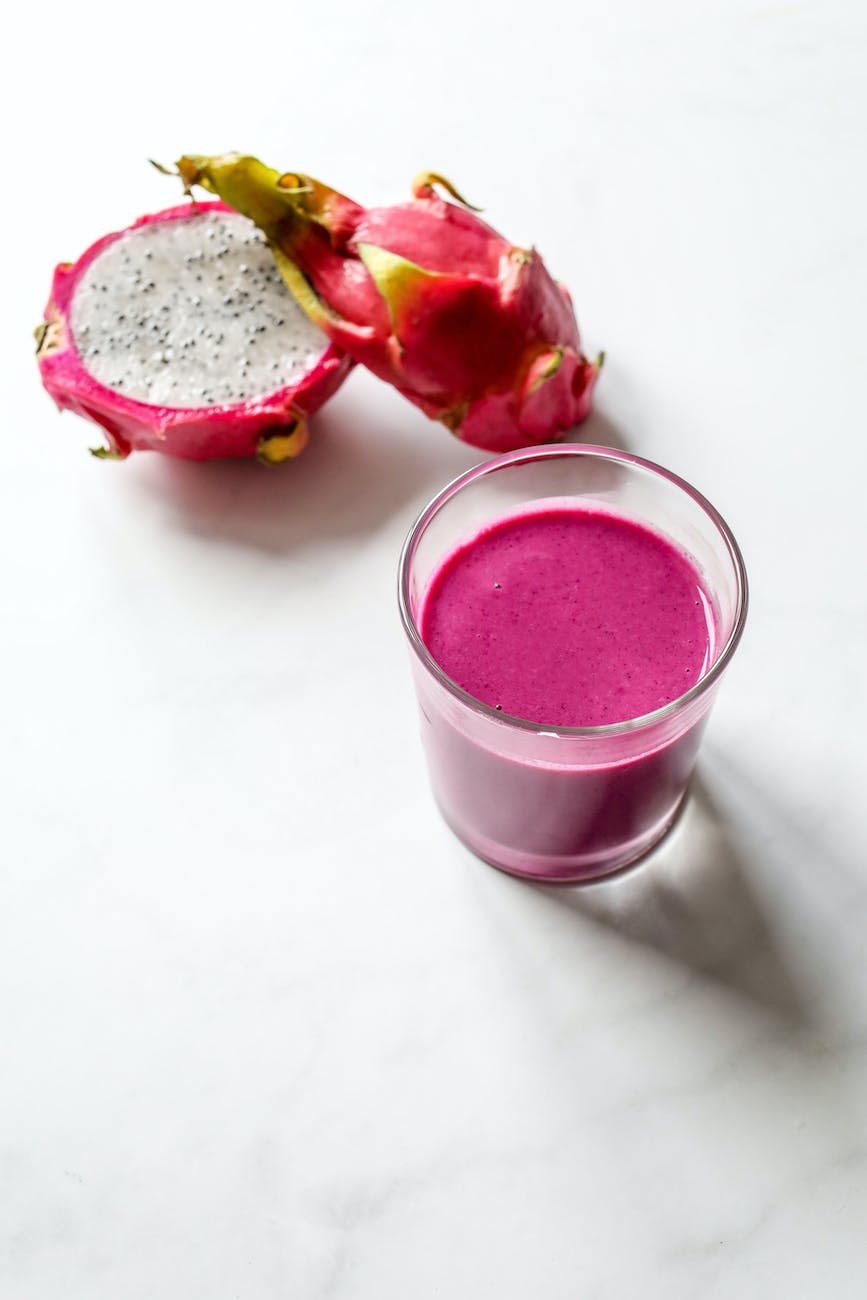
Photo by Polina Tankilevitch on Pexels.com

In fact, I’ve enjoyed rotating through several smoothie recipes, but the one I am sharing with you today is one of my current favorites because the color is so stunning.  However, don’t let the gorgeous, magenta color fool you; it is chock full of foods designed to promote, protect, and heal the body from the inside.

In fact, the first ingredient, riced cauliflower is a cruciferous vegetable that reduces inflammation.  It is naturally high in fiber, B-vitamins, phytonutrients and antioxidants.  Mango and dragon berries are high in vitamins, packed with fiber, polyphenols, and antioxidants that protect the body, reduce inflammation, and boost the immune system.  Whereas, elderberry syrup has long been touted for hundreds of years as part of traditional folk medicine remedies for boosting the immune system and shortening the duration of respiratory viruses, which may be due to its high in Vitamin C and antioxidant content. 

Then, I added in a bit of ground ginger to aid in digestion and as a natural pain reliever.  I also included a scoop of vanilla protein powder, high in amino acids to assist in the healing of my incision and the rebuilding of muscle tissue. Sometimes I used other berries, in lieu of dragon berries, and occasionally, I tossed in some ground seeds as a source of healthy fats and more protein.  I have even added a stalk of celery and part of a cucumber on some days–just to add in a few more vegetables. Additionally, I used mostly frozen fruits and vegetables, which meant nothing went to waste due to an expiration date.
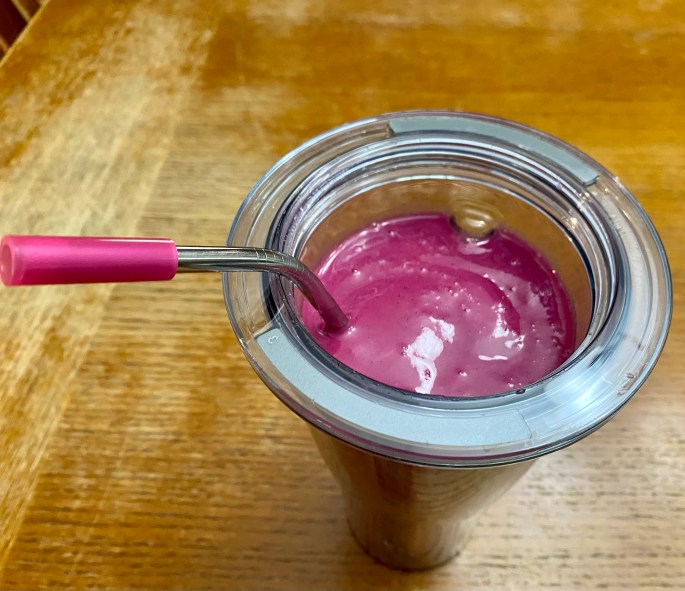
All told, my simple, tasty smoothies, along with my daily bowl of oatmeal, and a few other carefully selected and prepared foods, helped me through the time period in which swallowing was difficult.  They provided my body with key nutrients to promote healing and reduced my risk for falling prey to a respiratory illness.  As an added bonus, the fiber kept my guy happy and chugging right along.  Plus, I now have a fantastic blender that is reliable and will be a source of inspiration for all sorts of nutritional and fun concoctions for future recipes.

From home to yours I hope this delightfully vibrant, refreshing, nutrition filled smoothie will boost you through allergy season or any other time your immune system needs a little extra umph. 

Wishing you the best of health . . .

Heal and Recover Smoothie

Ingredients:

1 cup frozen riced cauliflower 

½  lime

1 cup liquid 

½ to 1 cup mango (dependent upon caloric and/or taste needs)

1 cup dragon berries (or other favorite berries)

2 teaspoons elderberry syrup 

Optional add-ins:

1 stalk celery, cut into chunks

½ medium cucumber, peeled

¼  teaspoon ground ginger 

1-2 scoops favorite protein powder 

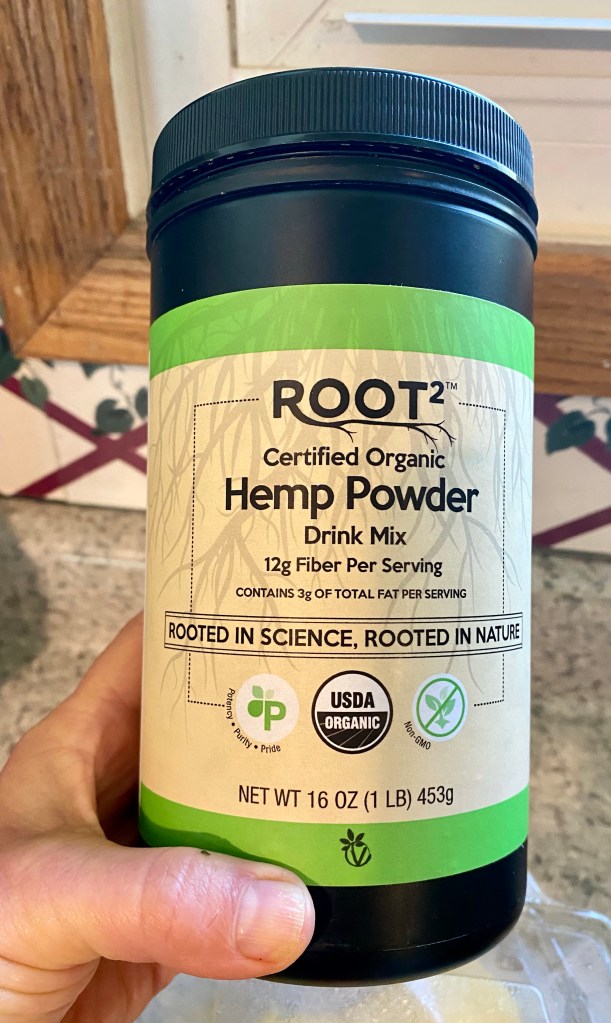
1-2 tablespoons favorite ground seed: chia, hemp hearts, flax

Directions:

Add in all ingredients into blender and blend until smooth

Notes & Substitutions:

*Can eliminate all veggies, if you prefer only fruit

*Can eliminate lime, if not a fan.

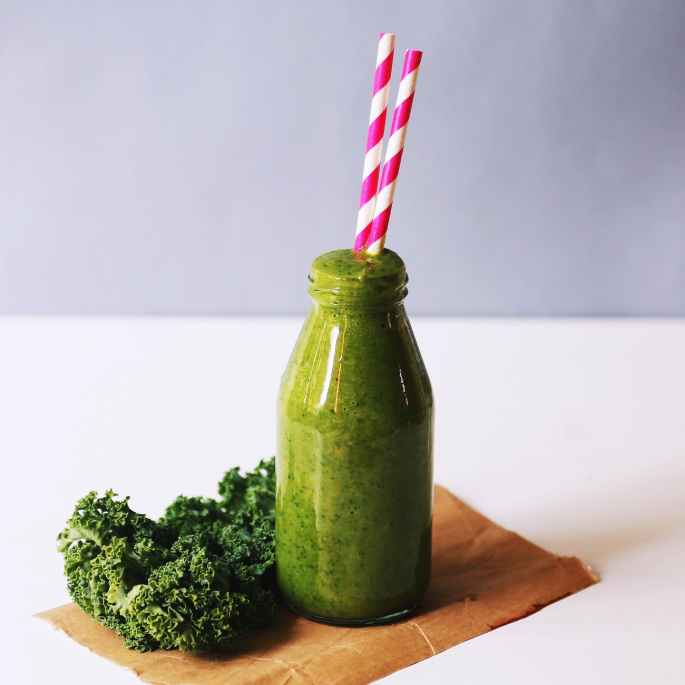
*Can substitute kale, romaine lettuce, or spinach (However, your smoothie will look more brown than magenta.)

*Liquids can include: favorite type milk, water, coconut water

*Banana, or even pineapple, can be substituted for mango

* Up to 2 tablespoons pomegranate or tart cherry juice can be substituted for elderberry syrup 

*Finely chopped, ¼ inch long, fresh ginger for ground ginger
Steph’s Super Immunity Smoothie

“Ms. Hill, is that a green smoothie?”

Due to COVID restrictions, the school for which I work offers early drop off for students in order to stagger their arrival times; therefore, students begin entering my classroom at 7:30 am.  Until 8:05, students in my middle school homeroom class gradually fill the room while I am typically setting up Google Classroom and other platforms that we use throughout the school day.  Meanwhile, the students use this time to finish homework, study, read, or quietly chat with friends.  

While going about my morning tasks as students arrive, I typically drink a homemade smoothie.  I had not realized any of the students had noticed my habit until a few weeks ago when one of the earliest arrivals asked the question above.  When I confirmed her question, she followed it up with another.

“Why do you drink that?  Is it like a protein drink?”

I briefly explained the whole food ingredients, including leafy greens and fruit, and how otherwise I don’t make time for breakfast; she nodded in understanding.  Then the same student explained that one of her friends also drinks green smoothies, but that she, the student talking to me, never gets up early enough to make one.  At this point, another classmate came in, and the inquisitive girl’s attention was drawn away.

I used to feel the same way driven by authors who touted that smoothies must be blended and consumed within an hour of being made or vital nutrients would be lost.  Then again, I used to feel guilty for even consuming smoothies due to other authorities who insisted that all food must be chewed.  Eventually, I tossed both views aside and found my own nutritional middle ground that works best for me. 

Smoothies, made with whole food ingredients that I control, are my nutritional bombshells.  They may not work for others, but they work for me.  These breakfast cocktails are loaded with a serving of dark leafy greens (or riced cauliflower), a serving of fruit, and whatever nuts, seeds, and/or protein I choose to add–depending upon what nutritional need I want to address.  I think of them as a blended breakfast salad.

Last month I began to wonder if I couldn’t freeze smoothies in order to make them in advance, and still keep them fresh.  With a quick bit of research, I found several valid websites that shared the ins and outs of this technique!  Therefore, this past month I began freezing my smoothies.  On Sunday afternoons, I gathered all of my ingredients and blended enough smoothies for the upcoming week.  I put one in the refrigerator for Monday morning and the rest were stowed away in the freezer. Then, each morning, as I packed for work, I grabbed in one thawed smoothie from the fridge, and took another one down from the freezer to thaw for the next work day. As one who loves to food prep for the week ahead, this was a dream come true!

According to several manufacturing websites, when freezing smoothies, wide mouthed glass jars, like canning jars, work well.  Be sure to leave a gap at the top of the jar to allow for expansion.  Smoothies can safely remain frozen for up to three months and still retain their nutritional value.  When ready to use, simply take one out of the freezer the day/evening before, and allow it to thaw overnight.  

“All berries and their juices—including blueberries, blackberries, raspberries, acai berries, goji berries, elderberries, and strawberries—are superfoods.”–Joel Fuhrman

Reading through my list of ingredients, keep in mind that I am a petite, older woman whose calories and nutritional needs are on the lower end.  Additionally, I do not have one of the top of the line blenders, like a Vitamix or Blendtec.  Therefore, if you are larger and/or younger, and have a top-notch blender, feel free to double any of the ingredients according to your nutritional needs or taste preferences. (Personally, if my blender could handle it, I’d add a full cup of both fruits instead of ½ cup of each!)

“Indian gooseberry (amla powder) may promote heart health, provide anti-aging effects, improve immune function, and reduce heartburn severity and cancer risk.”–SaVanna Shoemaker, MS, RDN, LD

I call this recipe my super immunity smoothie because every ingredient serves multiple nutritional purposes. Dark leafy greens, amla powder, and spices are important for heart/vascular health and anti-inflammatory properties.  Aloe gel is excellent for digestive/gut health, skin, and maintains blood sugar levels. Walnuts and flaxseeds are healthy sources of omega-3 fatty acids which are good for heart health and cholesterol regulation. Berries and other fruits are full of fiber, antioxidants, and vitamins.  Additionally, many of the ingredients are loaded with Vitamin C,  improve brain function, lower one’s risk for cancer, and boost the immune system.  Plus, the recipe is versatile when it comes to swapping out choices of fresh or frozen fruits and greens, nuts/seeds, and spices.  Change up the amounts, swap out the ingredients, and even add your protein powder if desired!

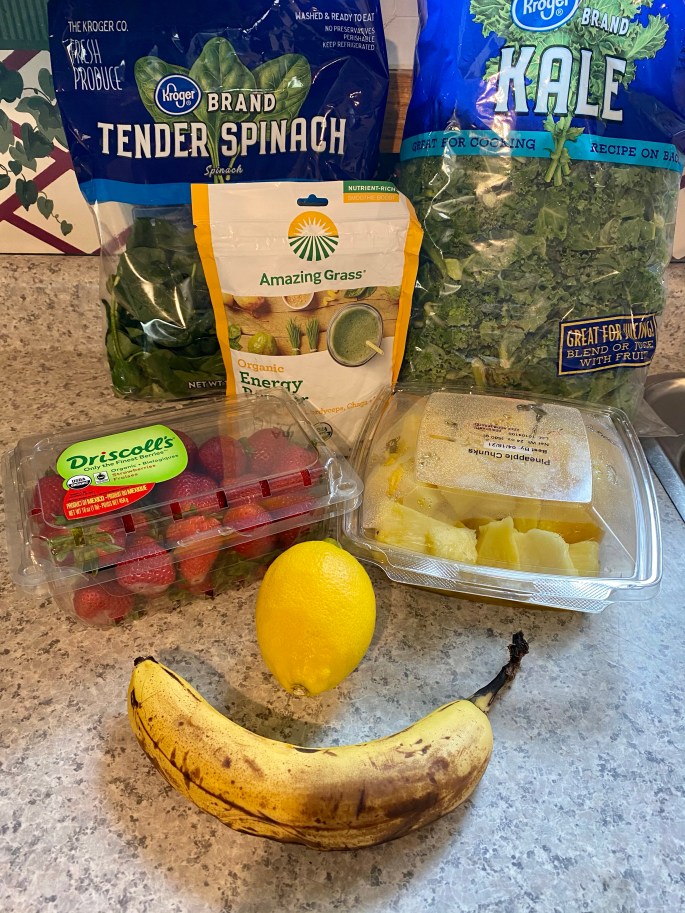
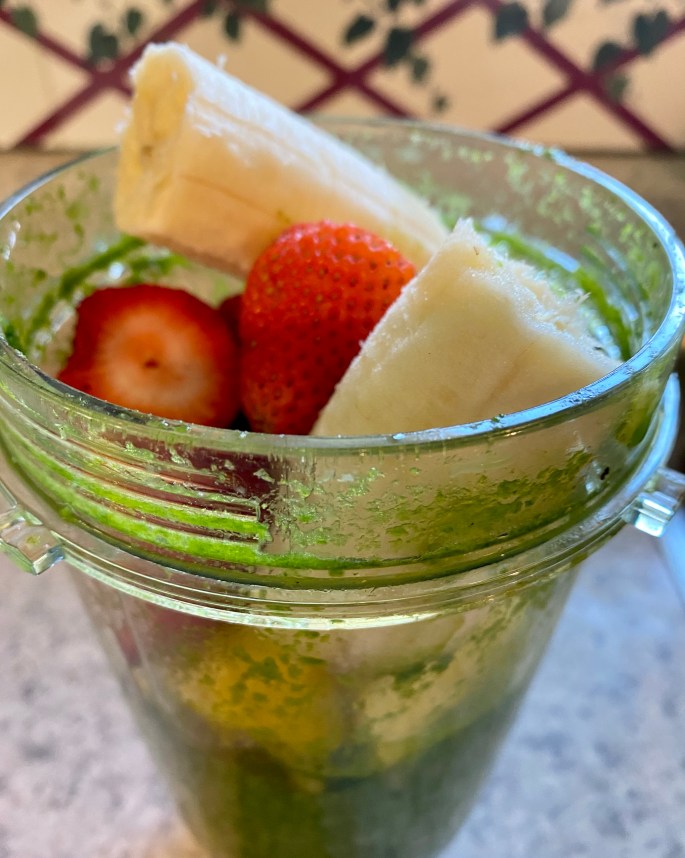
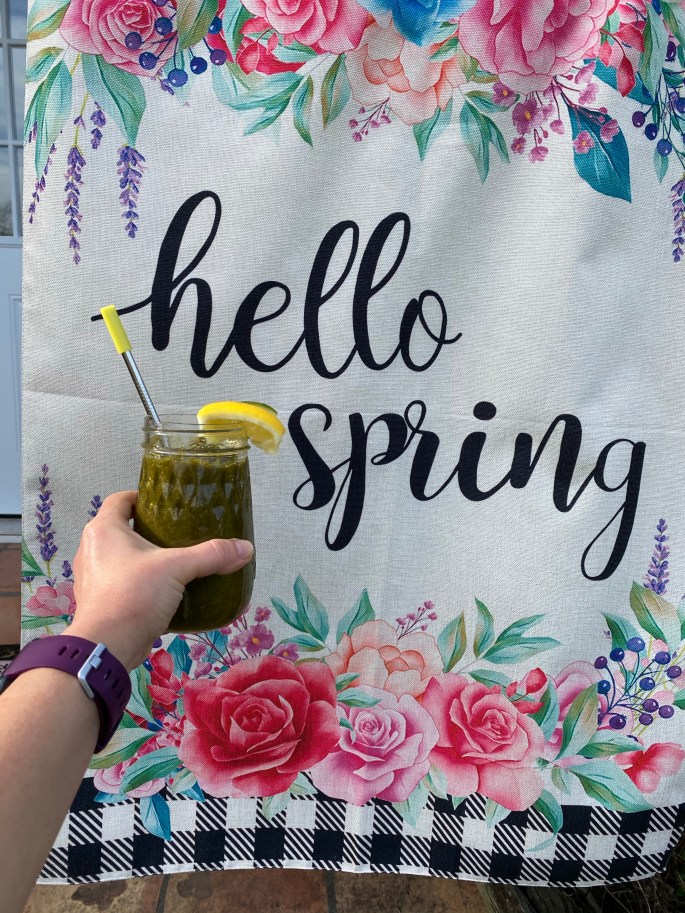
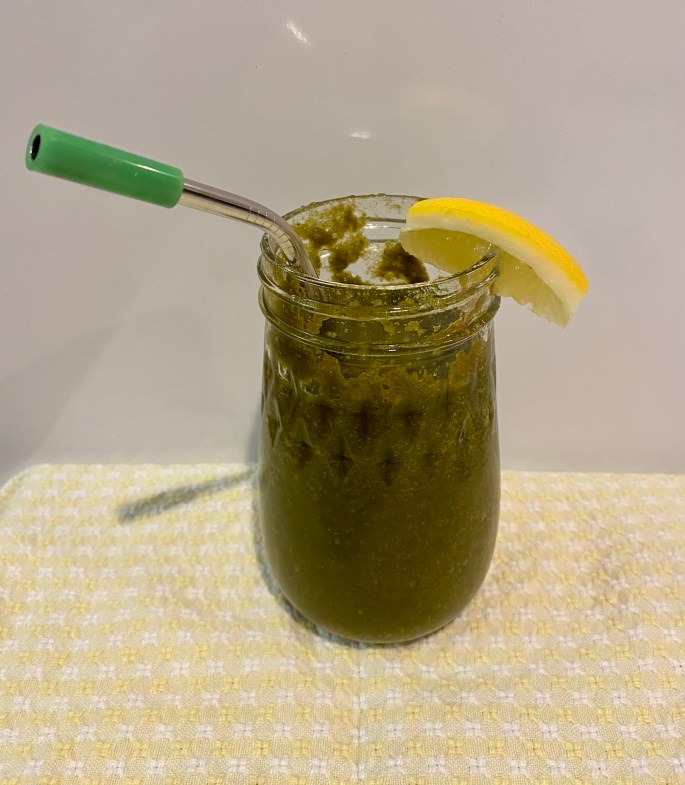
These bright green smoothies were made with riced cauliflower, spinach, strawberries, pineapple and so forth which given them their bright green color as I stow them away in the freezer!

“Dark leafy greens have been shown to help the endothelial lining of your blood vessels, cutting inflammation, and helping blood cells to glide through your arteries.”–Dr. Caldwell Esselstyn

I’ve said it before, and I’ll keep on saying it, if you don’t have time for a sit-down breakfast, then make your own whole-food smoothie.  You can control the contents, you can make them ahead of the time needed, there are no unpronounceable additives/chemicals, and no added ingredients that you don’t want or aren’t good for your body.  Best of all, you can make them in batches, freeze them, and have portable punch of nutrition at the ready.  Homemade green smoothies check all the boxes for nutritional well-being.  Even on the most hectic, crazy days, you can start your day with a smoothie and know that if everything else goes wrong, at least one step towards your well-being was accomplished!

From my home to yours, I wish you healthy, vibrant, and nutrition filled mornings!

Notice these smoothies, stowed away in the freezer, are darker due to the fact that they were made with kale, spinach, mixed berries, cherries, and so forth. They still taste fabulous when they are thawed!

Steph’s Super Immunity Smoothie

Ingredients:

1 ¼  cups of favorite liquid ( I typically use water, but if you can afford the calories, pomegranate, blueberry, or cherry juice makes this recipe super sweet and full of antioxidants.)

2 cups of favorite leafy greens (I typically combine kale and spinach, but any dark leafy green works!)

¼ cup aloe gel (preferably from inner fillet)

1-2 tablespoons chopped walnuts

1-2 tablespoons flax seeds (Can use chia, hemp or combination thereof.)

1-2 tablespoon alma, if you have it (powdered Indian gooseberries)

1 teaspoon pure vanilla extract or vanilla bean powder

1 teaspoon cinnamon

1 teaspoon matcha, contents of a cut-open green tea bag, or other favorite greens powder

1 ½ inch fresh or ½ teaspoon powdered turmeric, ginger, or both

¼ teaspoon black pepper (Activates turmeric, but feel free to leave out if you don’t like its taste.)

1 medjool date (Optional addition for sweetness, fiber, and other nutritional benefits.)

½-1 cup strawberries or other favorite berry/berry combination mix

½-1 cup pineapple or fruit of choice!

½-1 banana (I keep these cut up and frozen. You could also replace it with ½ an avocado.) 

Squeeze of fresh lemon juice (I keep sliced lemons on hand and toss in a couple of slices since the pith is full of fiber and vitamin C.)

Dash of salt. (I use ground pink himalyan.)

Add liquid, aloe gel, and greens first; then, blend well. (Blending greens and liquid first works well for less pricey blenders, but may not be necessary if you own a top of the line model.)

Add the rest of the ingredients in the blender in the order listed, and blend until smooth.

Divide between glasses.

Can be drunk immediately or stored in the refrigerator for up to two days, or freeze for up to 3 months in a jar with a wide mouth–be sure to leave some empty space at top to allow for expansion.   

Makes 1 extra large serving or nearly fills 2, 16-ounce bell jar size servings.

Shamrock Green Smoothie

“No matter when you start, a diet that is focused on plant foods will help you work toward the prevention of many illnesses and feeling better overall”–Julia Zumpano, RD, LD

Diet choices have long been debated.  From Adkins to Keto, 7-Day Rotation to Whole 30, Paleo to Low Carb, Mediterranean to Pritikin, and all variations in between, regardless of the varying diet trends, there’s no denying that fruits and vegetables are nutritionally sound food choices for promoting health. Experts may argue about which fruits and vegetables are the so-called better choices, but most will agree that eating unadulterated food from the ground is more nutritionally sound than eating chemically enhanced processed foods.

In fact, when going through the research, numerous medical clinics, cancer centers, and disease prevention sites recommend Americans increase their intake of fruits and vegetables.  It makes sense too.  All those different colors offer a wide array of vitamins, minerals, phytonutrients, and anti-inflammatory properties that cannot be found naturally in processed food.  

“Eating healthy food fills your body with energy and nutrients. Imagine your cells smiling back at you and saying: “Thank you!”.” – Karen Salmansohn

Think about it.  Fruits and vegetables don’t need a label that says, “Vitamin-D enriched” or “Fortified with 12 essential vitamins and minerals.”  They don’t need it because they naturally contain a wide array of vitamins and minerals–depending upon which plant you choose to consume.  This is why, “eating the rainbow,” is an often quoted expression.  If you eat a wide variety of colorful plants throughout your day and week, Mother Nature, thanks to the infinite wisdom of our Creator, provides all the nutrition your body needs for healthy functioning and vitality. 

Like many, since March of 2020, I have become increasingly more focused on what I eat.  Keeping my immune system running high, and my inflammation low, seems more important than ever in the era of living in a global pandemic.  While I’ve been a plant based eater for nearly ten years, I find myself more attentive to daily consuming dark leafy greens and/or cruciferous vegetables as part of my desire to remain healthy and avoid COVID.  While I recognize that eating well isn’t the only protective act I need to do when dealing with a highly contagious virus, these vegetables have long been established as possessing cancer and disease preventive properties, reducing oxidative stress, and lowering the risk of cardiovascular disease.  Additionally, they increase bone health, protect eye health, and boost the immune system.  Plus, their varying shades of green are chock full of fiber and a wide array of vitamins and minerals.  

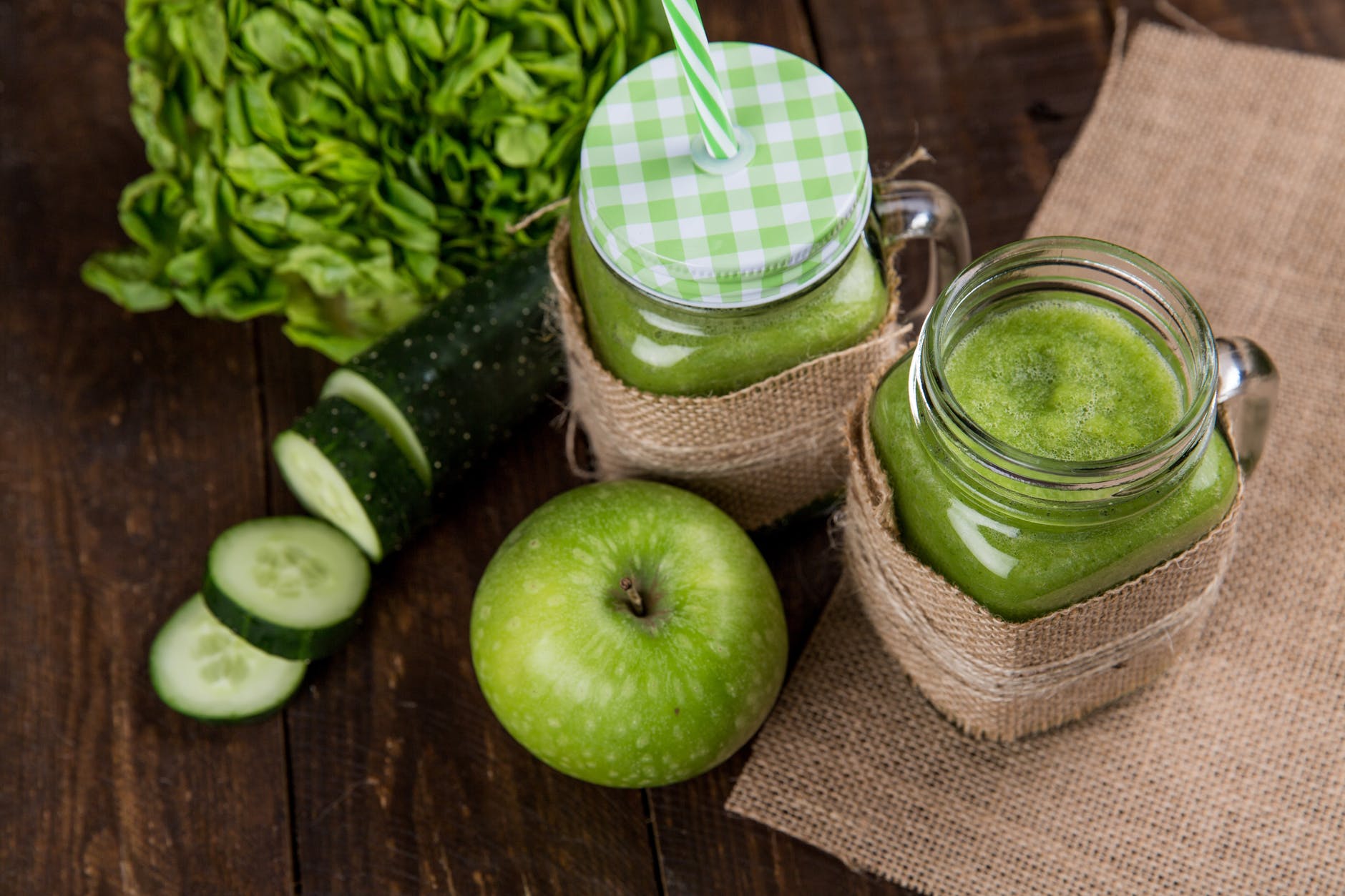
Photo by Toni Cuenca on Pexels.com

“The doctor of the future will no longer treat the human frame with drugs, but rather will cure and prevent disease with nutrition.”–Thomas Ediso

Below is a green smoothie recipe I drank throughout most of March that features leafy greens and cruciferous.  After such an extraordinary winter with snows, ice, and then flooding, drinking a bright green smoothie felt like a personal manifestation of spring. Furthermore, since March was also the month in which I was wrapping up 12-weeks of training for the Virginia Beach Shamrock Marathon, this smoothie felt like extra-nutritional insurance for remaining healthy and ready to run. 

I like to think of smoothies as a blended breakfast salad.  When made fresh at home, I am the controller of ingredients, calories, fiber, and nutrition.  I keep my smoothies whole food and plant based food based in order to start my day off on the right foot–especially since I would otherwise, at least during the work week, skip breakfast.  While I often add healthy fats in the form of nuts or seeds to smoothies, I personally do not with this one, but you could.  Instead, I tend to add a teaspoon of greens powder for an extra boost of concentrated green goodness, and sometimes matcha (ground green tea) if I feel I need a boost of energy and focus.   This smoothie fuels my morning and keeps me full until lunch.  The flavor is bright and tangy, and it’s super refreshing to drink.  

Here few other tidbits and factoids I have learned while refining my smoothies techniques:

*  Put greens and liquid in the blender first and blend well, this is especially important, if, like me, you don’t have a top-of-the-line blender.

* Spinach is always the sweetest greens, which is why I often blend it with other greens such as kale and swiss chard.

* Riced cauliflower, fresh or frozen, works well as a “green” since it’s cruciferous and makes smoothies extra smooth and creamy.

* Lightly peel/cut away any citrus fruit, leaving part of the pith (the white part).  It is high in fiber, vitamin C, flavonoids–which boost the immune system–and it is anti-inflammatory and antimicrobial.

* Ginger and turmeric are both known for their immune boosting properties, reducing inflammation, and decreasing chronic pain.  Fresh ginger and tumeric–both are roots–offer the most benefits, but ground versions are still beneficial.  Therefore, I tend to add both spices to not only nearly all of my smoothies, but also incorporate them throughout the day.

I hope you’ll give this vibrant green smoothie a try. It is an easy way to increase your fruit and vegetable intake.  Plus, you’ll start your day fueled with the power of green!

From my home to your, I wish you health, vibrancy, and vitality.  Be well, and, if you do give this, or any of my other smoothie recipes a try,  I’d love to hear your thoughts.

Shamrock Marathon Green Smoothie

Ingredients:

1 cup water

1 cup of your favorite greens, fresh or frozen, feel free to combine 2 different ones (think spinach, kale, 

½ to 1 apple, quartered (I use granny smith apple.)

1 lemon, peeled, quartered & seeds removed 

1 mini cucumber or ½ large cucumber, quartered

1 stalk celery, quartered

1 ¼ teaspoon ground ginger or 1” fresh piece

¼ teaspoon turmeric or ¼” fresh piece of turmeric 

Dash of salt

Optional add-ins: 1 teaspoon greens powder and/or matcha powder, 1 tablespoon hemp, chia, or flaxseeds, and/or 1 scoop favorite protein powder 

Makes 1 generous serving