Your Health Journey: It’s more than just taking a pill

“Take care of your body.  It’s the only place you have to live.”–Jim Rohn

Photo by nappy on Pexels.com

Listen to your Gut-Instincts🙇‍♀️

It’s been a little over a decade since I received the medical diagnosis that dramatically changed my life. I spent years battling upset stomach, gas, bloating, heartburn, and lower belly pain that only got worse with age. Pills had always been the answers.  In fact, at one point in my life, I had multiple timers set on my phone to remind me to take prescribed medications before and after eating.  

During a vacation near Boone, North Carolina, with my husband and daughter in which we had to plan our days around the timing of my medication, I finally decided I had had enough.  Call it “gut-instinct”, but I knew that whatever was going on inside my body, the prescriptions were not the answer.
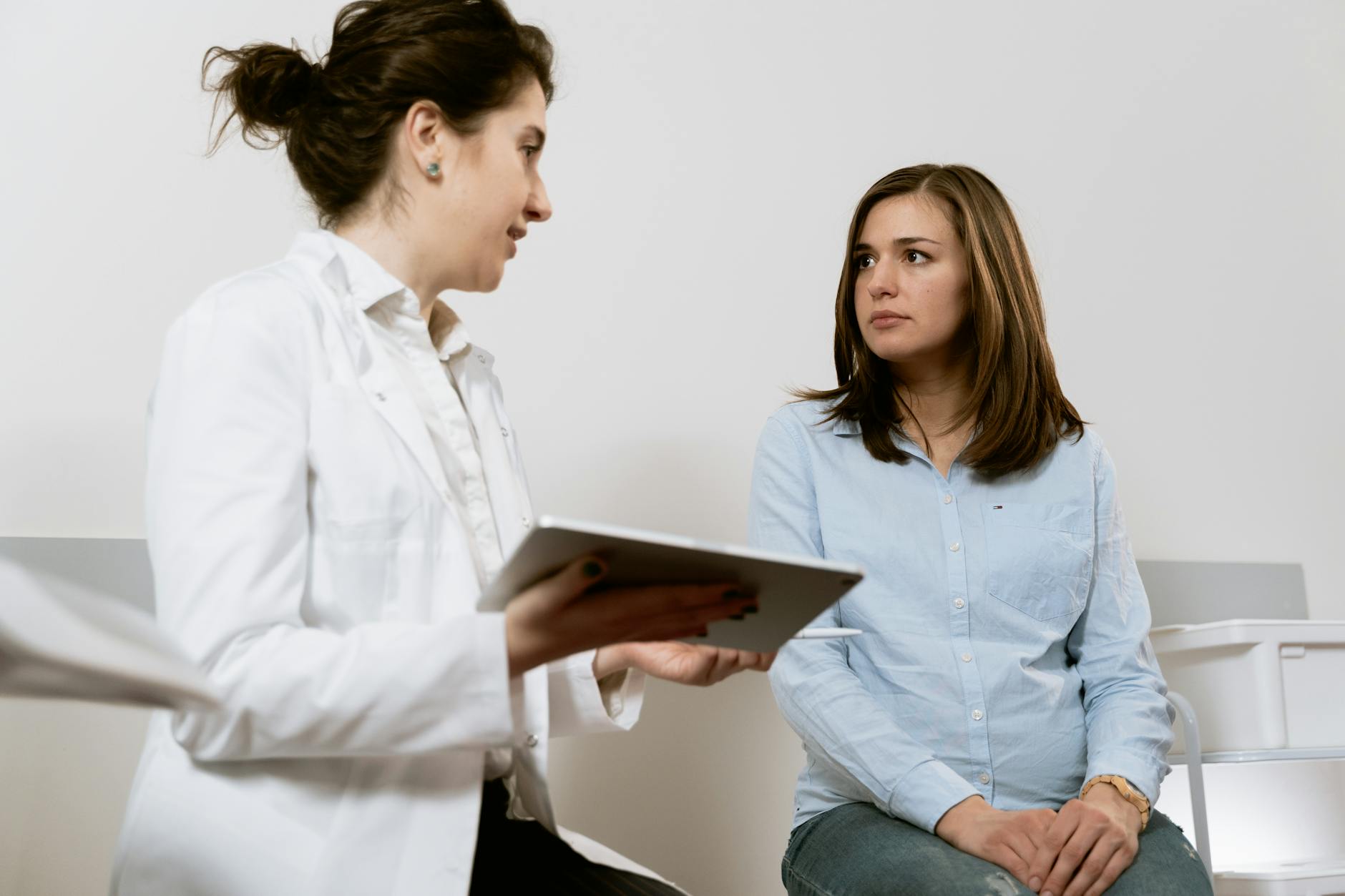
Photo by MART PRODUCTION on Pexels.com

Finding a Doctor to listen 👂

Fortunately, I had a doctor at the time who took me seriously and listened. Together, we discussed a plan of action. Still, it took several months of waiting for tests and lab work to be completed, and more time waiting for results–the “hurry-up-and-wait” shuffle–as I fondly call it.  

I am not sure what I expected the results to be. However, when the letter arrived at my house stating I needed to schedule a follow-up appointment with my doctor (which was already on the books) due to indications of celiac disease and hiatal hernia, I was initially upset due to the dramatic lifestyle changes to manage both.
Photo by Alexas Fotos on Pexels.com

Change is Not Easy 😬

To state the obvious, change is not easy, so I faced a fair amount of challenges as I adjusted my diet.  Ultimately, though, as my symptoms subsided, and, one-by-one, the medications fell by the wayside, my motivation to continue increased.  I also came to see that compared to other potential prognosis, changing my diet was a minor task compared to invasive treatments, therapies, and surgeries.  

I’ve learned much, and continue to learn, along my health journey. Therefore, I share my experience as a point of encouragement when dealing with medical issues. 

Photo by Christina Morillo on Pexels.com

Advocate for Yourself 🗣️

First, I encourage you to trust your instincts, and advocate for yourself, especially if you are a person of color, a woman, a person with a higher BMI, or a LGBTQ+ person.  Unfortunately, as with any field, there are those medical professionals with internalized biases.  While I am confident not all doctors are bad actors, my own personal experience–and that of several others I know–have certainly informed me that if you belong to one of those categories, your complaints may not be given serious and thoughtful consideration. Therefore, you MUST advocate for yourself, even if it means changing doctors or traveling out of the area in which you live.

Photo by Pixabay on Pexels.com

Not every Health Issue requires a Pill

Secondly, sometimes medication is absolutely necessary; however, prescriptions are not end-all-be-all for every situation.  While I did have a doctor who truly listened to me, it still took me advocating for myself and not settling for what he prescribed based upon the medical system in which he worked. I am fortunate that when I questioned the medicine, that this doctor did not take it personally or as an assault on his professional judgment.  Nor did he try to use shame, or blame-the-patient tactics, as I had previously experienced.  He heard me out, asked numerous questions, and based upon those answers, set up a series of diagnostic tests. 
Photo by Brett Sayles on Pexels.com

Be Gentle with yourself as you navigate lifestyle changes 😊

Thirdly, be gentle with yourself if you have to make lifestyle changes. Once I received my results, overhauling my diet was scary–do you know how many things have gluten in them and/or cause reflux? I felt a huge amount of internal resistance to those changes in the beginning because it seemed like such an overwhelming task. 

Lifestyle changes are not easy, and it takes time to make the adjustments.  There are going to be setbacks, slipups, and mistakes along the way.  I know; I experienced them.  Completely changing the way I ate was a steep learning curve, and it was an eye-opening experience. Nonetheless, at the end of the day, I wanted to feel better and not live my life on a series of timers and pills.

Photo by Jack Sparrow on Pexels.com

Find your support 👯‍♀️

Enlist support for your changes. Join Facebook communities or other support groups to help you transition and navigate through the changes. Thankfully, I had support in the form of my family and friends.  Of course, they did not have to necessarily change the way they ate, but they absolutely made, and still continue to make, accommodations for my dietary needs.  This is especially true for when we dine out.  I have a limited number of restaurants in which I can safely eat.  Therefore, if I can’t eat at a certain location, friends and family will nearly always choose another option, so I can also enjoy the meal with them.

Photo by Krivec Ales on Pexels.com

health is a constant series of adjustments along the way 🛣️

Finally, know that your health journey is a continuous process.  Because I spent over four decades without a proper diagnosis, I am still encountering health difficulties.  One of the biggest obstacles I now face is a result of undiagnosed celiac disease.  Celiac causes the villi that make up the lining of the small intestines where nutrients are absorbed to become damaged. Over time, the villi atrophy and flatten due to inflammation from eating products that contain gluten.  

Despite overall healthy eating and consistent exercise, until I cleared the gluten in order to reduce the inflammation in my body, I was not able to absorb enough nutrients, specifically calcium, Vitamin D, and Vitamin K.  Additionally, due to  acid-reflux, I took proton-pump inhibitors for several years, which are also known to deplete magnesium, calcium, and other important minerals.  

Thus, I now have osteopenia.  As a result I have already had one surgery and may later need another one. However, I am doing all I can to keep that from happening, including completing the prescribed exercises, lifestyle changes, and appropriate supplementation of key nutrients.  Additionally, of course, I continue to maintain lifestyle changes with regards to a gluten-free diet, low-acid diet, and I am now more motivated to continue consistent weight-bearing exercise to keep my bones as healthy and strong as I can. 

Our health is truly a source of personal wealth.  Therefore, learning to advocate our own health needs is critical.  To be sure, doctors are highly educated, but that doesn’t mean they are fully educated when it comes to YOUR BODY and YOUR unique HEALTH needs.  
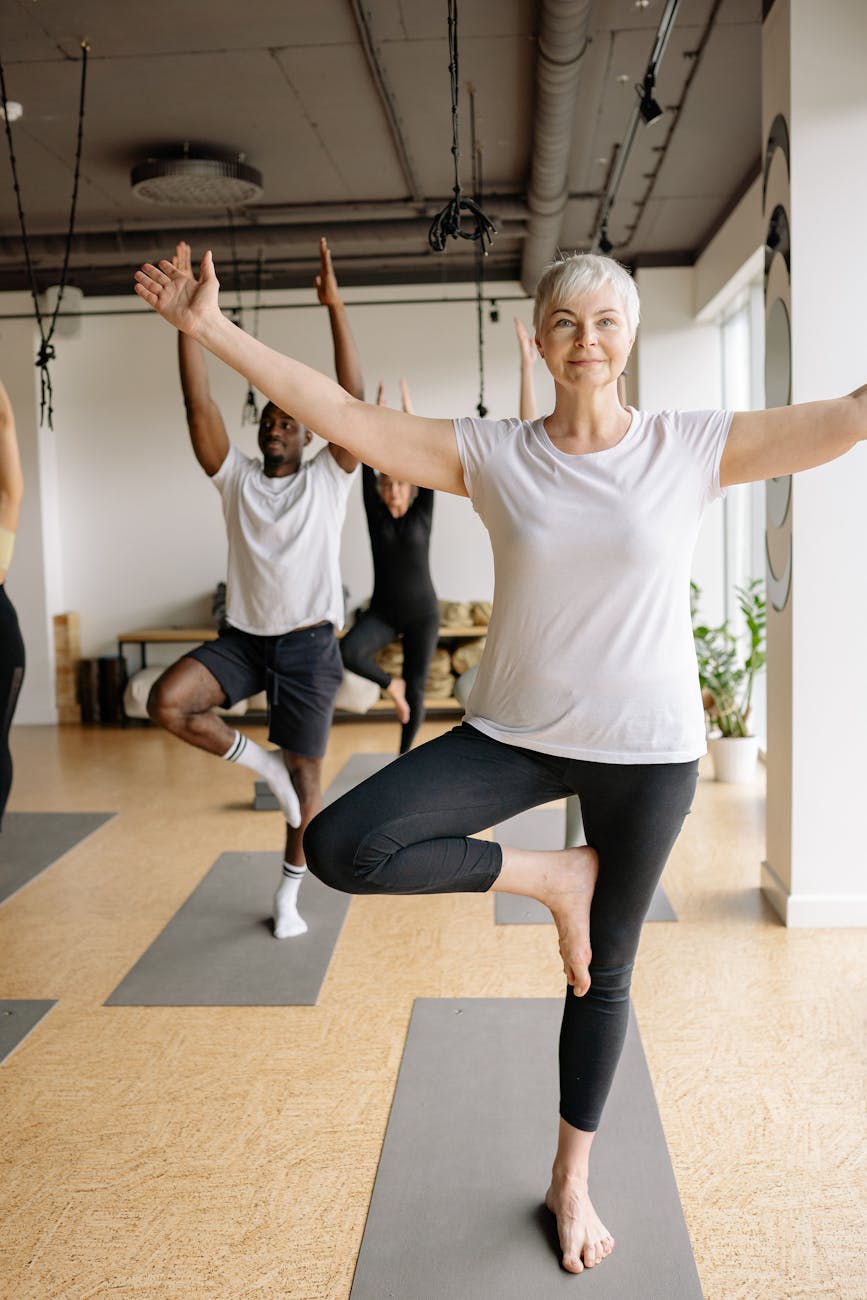
Photo by Yan Krukau on Pexels.com

IT’s your body. Treat it Well.

Speak up for yourself.  Trust your instincts.  If you need medication, take it, but don’t overlook lifestyle habits as well.  Educate yourself on lifestyle habits that can positively (and negatively) impact your health and make adjustments as needed.  Don’t be afraid to ask for support, and forgive yourself if you slip-up along your health journey.  

At the end of the day.  It is your body.  It is the only one you have.  Treat it like the sacred, precious gift that it is.

Great Go-togethers: The Power of Habit-stacking

Coming together is a beginning, staying together is progress, and working together is success.Henry Ford

Photo by Suzy Hazelwood on Pexels.com

Great Go-togethers

Let’s talk about great go-togethers.  Think: peanut butter and jelly, salsa and chips, holidays and fireworks, summer and picnics . . .  In life, there are certain things that go together, and often, one item “triggers” the desire for the other.  For some, coffee might trigger the desire for cream, while for others, that morning cup of java triggers the desire to read the morning news.  Most of us utilize the power of pairings without realizing it due to some positive association between the two linked items or habits.

Some paired items or habits are beneficial, such as soap and water or athletic shoes and walking.  While others may be less beneficial, or possibly detrimental, such as smoking and socializing or ice cream and fudge sauce. Paradoxically, consider how hard it can be to start a new desirable behavior/habit, but how easily poor habits can creep into our lives.  For example, what was once an ‘occasional’ chocolate indulgence has now evolved into a nightly routine after dinner.

I was reminded of the power of pairings when traveling with my husband, John, recently.  We began our trip with a cooler of fresh veggies, fruit, sandwiches, dried fruit, seeds, and oatmeal, but by the end of the trip, most of this was consumed. I couldn’t help but notice how hard it was on the return trip home to find fresh vegetables–part of my mid-day meal pairing.  Travel plazas were loaded with chips, candy, sodas, and so forth, but no veggies. 

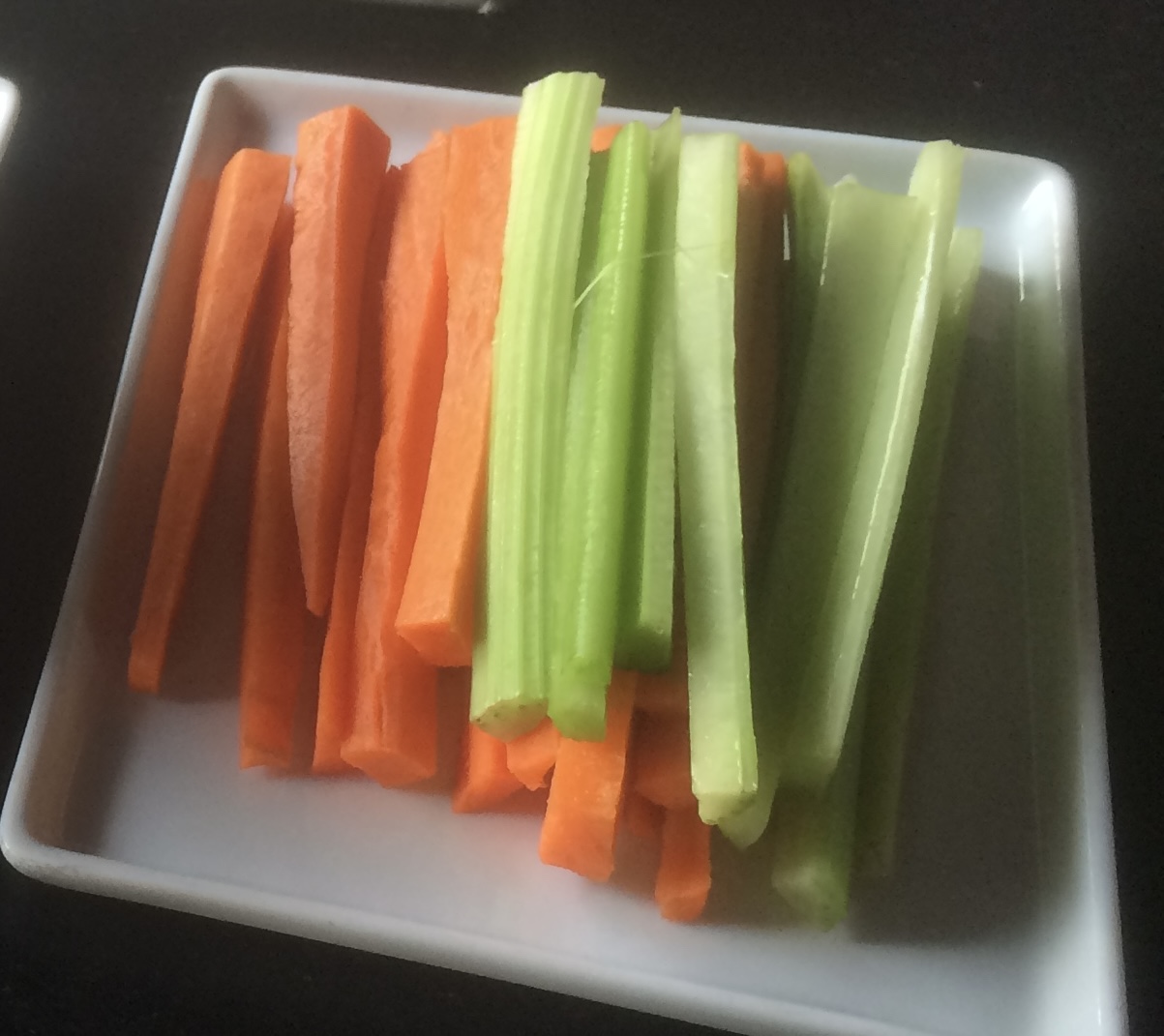
Trying to find veggie sticks, part of my mid-day meal habit-stack, was difficult when recently traveling.

Another travel observation was the larger number of people who paired smoking with social situations.  I grew up in an era when smoking was still widely accepted and promoted; however, social smoking has been dramatically reduced, or so I thought until visiting an internationally popular tourist destination in which smoking appeared an ingrained part of the social setting among certain cultural groups.

The Power of Association, aka, the trigger

I share these examples to illustrate the power of association.  Sometimes, we acquire habits, for better or worse, because one habit reinforces, or triggers, another habit.  In other words, we’ve paired, or stacked, one habit with another.   And, that to me, is the key to acquiring new desired habits.

If there is one positive habit we are trying to do more of, why not try pairing it with one habit we are already doing daily?  Habit stacking, as it is popularly known, whether it is linking a new desired habit to an old habit, adding a beneficial behavior to an already established daily sequence or routine, or pairing two habits together, is an effective way to create, reinforce, and maintain a new desired behavior.  This is because the new habit is triggered by a current habit or becomes part of an already established routine, which helps you remain consistent without feeling overwhelmed.  The key is to start small.  

Set out two pieces of fruit in the morning while drinking your morning cup of joe as a habit-stacked reminder to eat those pieces of fruit by day’s end as way to increase your fruit intake.

Choose one desired beneficial habit and determine your trigger or the anchor habit to which you want to attach it. Then, remind yourself–even if this means using a post it note–.  “Before/after/during I ________ (current habit), I will ________ (new habit).”  However, make sure it is realistic. It is important that both your anchor/triggering habit and your new desired habit fit the realities of your daily life.  For example, if you have kids who are early risers, then trying to add a new habit to your morning routine may not be advisable.  Likewise, if you’re repeatedly kept late after work, then trying to add in a new habit at this time of day is probably not the best choice.

Examples of Habit stacking

Nonetheless, for many of us, the morning routine is typically the strongest routine of our day.  Therefore, morning may be the perfect place to start.  For example, if you know you already drink coffee every morning, but want to increase your water intake, why not set a glass or water bottle in front of the coffee pot as a reminder to start drinking more water first thing in the morning before sipping your morning cup of joe. Other examples throughout the day could include:

  • Use the time that it takes for the coffee or tea to brew or steep to read a scripture, sacred writing, or inspirational quote to start your day on a positive note.
  • Likewise, use that same brew/steep time for a few morning stretches or basic exercises such as squats, heel raises, wall push-ups, etc.
  • If you desire to cultivate a more grateful heart, consider using the time it takes to shower or brush your teeth, as the trigger for thinking of one to three things for which you feel grateful 
  • Want to increase your daily steps, but have to make a lot of phone calls throughout your work day? Consider using those calls as opportunities to walk or pace.
  • Use your morning or evening commute to listen to podcasts you’ve been meaning to listen to. 
  • After dinner clean-up, take 15 or so minutes to set up for the next day (pack lunch, set out clothes, organize commute bag, fill water bottle, and so forth)
  • Not getting enough fruits and veg, but pack your lunch daily? Why not start adding one piece of fruit or fresh vegetable to your daily lunch bag?
  • Already have a daily walking/running habit, but want more time to read?  Consider listening to audiobooks while walking/running.
Set your water bottle in front of your coffee station as a reminder to start your day with water, before coffee, and continue to drink more water throughout the day.

Unleash The Power of Habit STacking

If the power of association, or go-togethers, works for slowly incorporating less desirable behaviors, then it can certainly work for incorporating beneficial new habits.  Like anything else, however, it takes time, so take that into consideration.  You may successfully incorporate your new habit for several days in a row, only to “fall off the wagon” for a few days.  Therefore, be flexible and forgiving with yourself in those moments, and try again the next day.  With a fair amount of flexibility tempered with a dose of determination, it is possible to create a few beneficial go-togethers.  

Habit-stacking can be an effective way to use existing behaviors to trigger, and hopefully establish, new beneficial habits. Remember to start small, choose a realistic anchor behavior/routine, and give it your best shot.  Then, reap the benefits of your newly formed routine!

Wishing you the best in health! 

Photo by Mikhail Nilov on Pexels.com