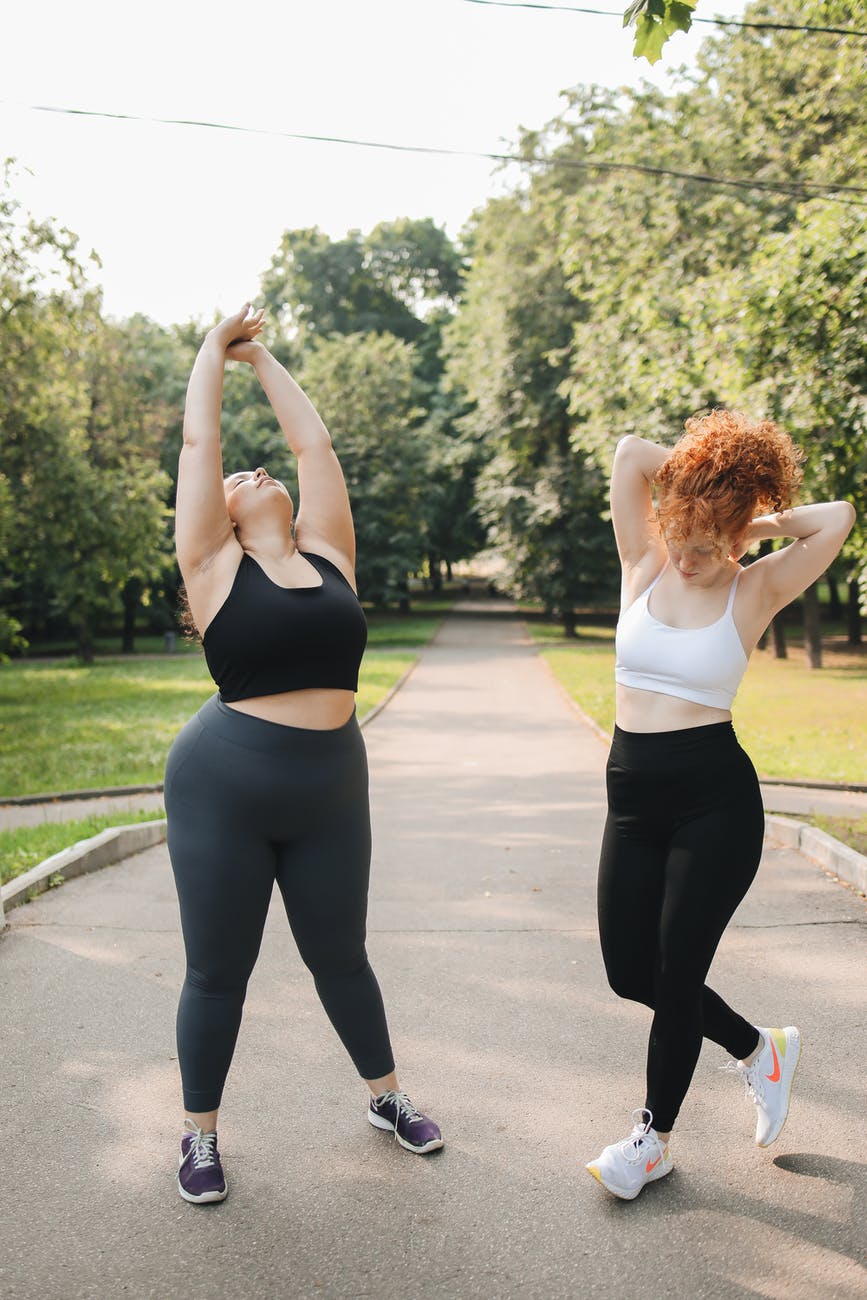
Move into Health, Part 10: Create a fitness plan that meets you where you are

Photo by MART PRODUCTION on Pexels.com

I came across a quote only days after my recent ACDF surgery by Oprah Winfrey that read, “Challenges are gifts that force us to search for a new center of gravity. Don’t fight them. Just find a new way to stand.” It accurately summed up what I have been trying to do as I recover.  Find new ways to stand, sit, sleep, work, walk, etc. . . Of course, I am blessed that my surgery did not require more than one night’s stay in the hospital, and wasn’t more serious.  Nonetheless, surgery is no joke and recovery is for real.

My movement was limited for days following surgery.  I had to learn to turn at the waist, rather than use my neck. Additionally, I had to focus on using my stomach muscles to get in and out of bed to avoid straining my neck. And, all forms of exercise, except for walking, was eliminated per staunch medical advice that my family took to heart with frequent reminders. (They didn’t need to worry, I truly wasn’t feeling like doing much during those first few days.)

Photo by SHVETS production on Pexels.com

Walking, I was told by the release nurse, was to be completed every hour, even if it meant only completing one lap around the dining room table before I sat back down.  However, I was encouraged, once I got past what the nurse called the “recliner days”–days when swelling and inflammation (aka pain) was at the highest level–to try to walk 10-15 minutes each hour.  I had just completed a half-marathon, albeit slowly, only weeks earlier, and now this was my new fitness plan. What a shift!

So why was walking so important, even on those days when I didn’t feel like moving?  Well, it turns out there are numerous valid reasons according to my doctor and as described in countless studies out of the Mayo Clinic, University of Wisconsin, and in a 2020 US News and World Report article. Here are a few of the reasons cited:

  • Prevention of post-surgery complications
  • Enhances blood flow throughout the body
  • Increases the flow of oxygen throughout the body
  • Accelerates wound healing
  • Strengthens muscles and bones
  • Improves digestion (aka ability to poop) and the function of urinary tract while reducing bloating and gas
  • Reduces risk for blood clots, infections, and lung issues, such as pneumonia
  • Boosts mood and self-esteem  

Why do I share all of this?  To make the point that my old fitness plan was, and currently is, no longer appropriate for me.  I had to adopt a fitness plan that meets my body’s needs where it is.  Therefore, my current movement plan consists of short segments of walking completed throughout the day as I remain home recovering, which complies with medical advice from my doctor and best meets the needs of my body.  
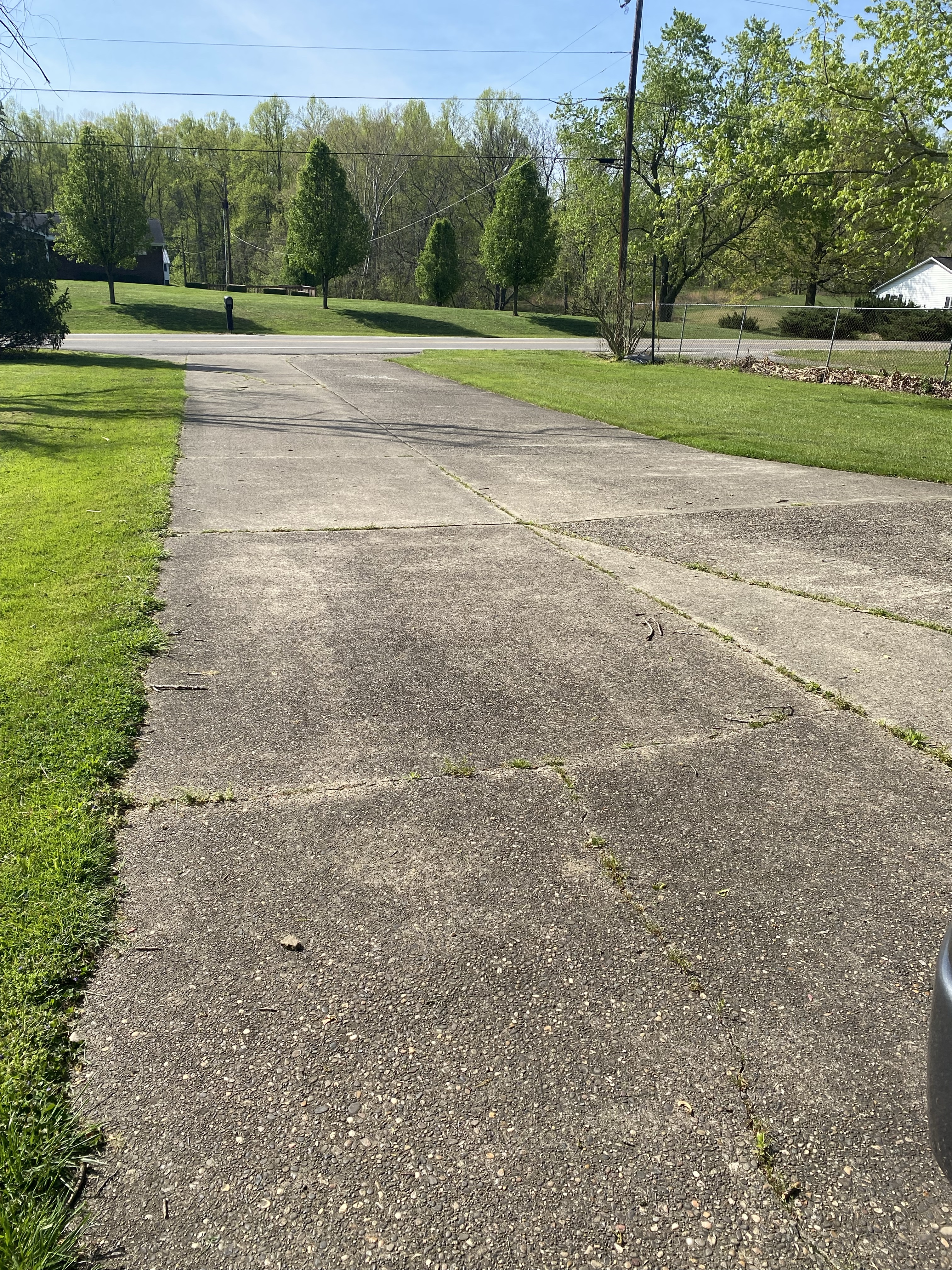
Gentle walking on my driveway or in my house is part of the slow and steady recovery plan.

At the time of writing this, I am entering my third week of recovery. After my two-week, post-operative appointment, I now have permission to begin to gently explore a few  strengthening exercises and stretches that can be completed without forward bending.  Additionally, I can begin to explore my neck range of motion with a few doctor approved neck stretches and strengthening exercises, but nothing more.  Slow and steady helps me find my new center of gravity.

Due to this experience, I want to continue to encourage you, Dear Reader, to carefully plan how you will enter, or reenter, your own exercise/movement plan this spring.  Create a plan that meets your needs, and commit to doing it–even if you don’t “feel like it.”  Personally speaking, I could feel angry and convince myself that if I can’t exercise the way I once did, then I won’t do anything at all. After all, it would be easy for me to sit around all day and use my surgery as an excuse to do nothing.  Conversely, I could try to push too hard with the delusion that, “The staff doesn’t really know ME,” and begin overdoing it with images of former, younger me dancing in my head

Instead, I have accepted the reality of my situation, rather than reject the medical advice I have been given.  They are the professionals, not me.  I have to meet my body where it’s at when it comes to fitness.  Sure, I have dreams of hiking again, walking (or jogging) the entire bike path of Ritter Park, and even practicing yoga with regularity, but none of those will ever happen if I don’t recover first.  And my first step in recovery is walking, so my body can focus on the miraculous work of healing.
Welcome walking into your life! You might be surprised by the benefits!

Therefore, no matter where you are, what shape you are in, or any other personal obstacles that you may be facing unbeknownst to me, I still encourage you to never give up on regularly incorporating movement into your day. Avoid the temptation to make excuses for yourself, but at the same time, don’t start off with a complicated plan.  Talk to your health care provider, and then start.

Start where you are.  If you don’t regularly move, then begin, like me, with short walks around your home, or up and down your driveway or sidewalk.  Do that 3-4 times per week.  The following week, add one more lap, or add five more minutes to your walk, and complete it 3-4 times per week.  Gradually, you will build up your time and the distance covered.  By keeping this up over several weeks, you will create the habit of moving.  Your body, lungs, and heart will be stronger, and I wouldn’t be surprised if you find you are reaping other unexpected benefits!

Think about this, my friends, if walking is scientifically established as one of the best tools for recovery after surgery, what can it do for you?  Don’t beat yourself up because you are no longer what you once were, you didn’t exercise over winter due to the cold weather, you’ve never really tried to exercise previously, or you’re somewhere in between, like me.  Start where you are at, and move one step at a time.  Rome wasn’t built in a day, and neither is fitness, but you have to take the first step, and spring is a great time to start.  

Here we go my friend, take my hand, let’s find that new center of gravity, and cross this bridge together, one healing step at a time.

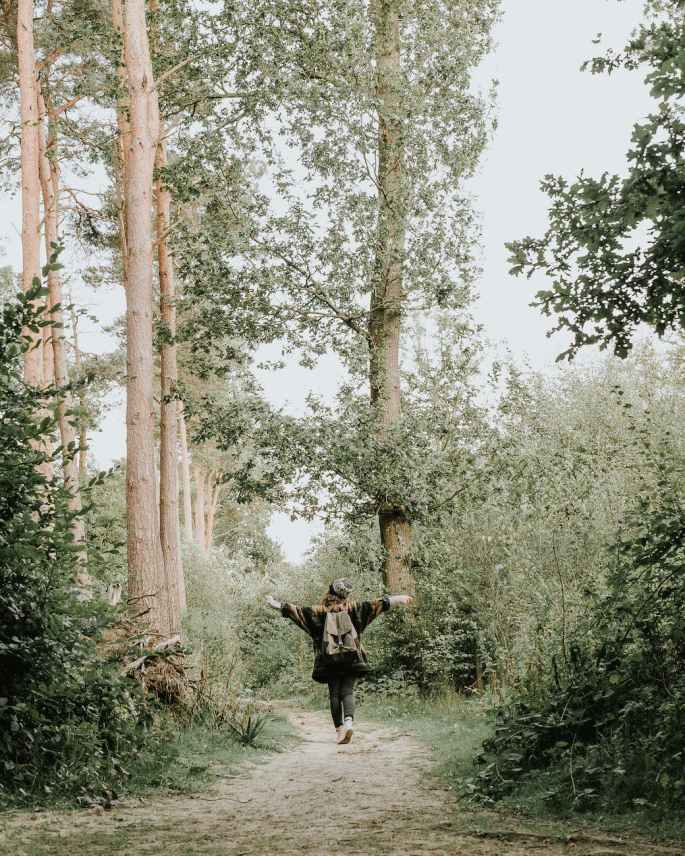
Open the door to spring, and find your new center of gravity one small step at a time!

Find your own way to increased movement: SMART steady steps

“Set goals not for the outcome itself, but for who you get to become in the process.”–Jim Rohn

My husband and daughter recently gifted me with a popular, updated fitness watch to replace the one that I have worn for over ten years. The new watch has numerous bells and whistles that can be quite motivational to encourage movement, healthy sleep, heart health, and so forth.  However, the updated icon, consistent with the former version, tends to focus on unrealistic, outcome-based goals that are not necessarily appropriate for my unique age, gender, body type, and fitness level.  

The gadget, and its programmers, don’t know ME, the individual.  And therein lies the problem in these well-intended gadgets as well as the thousands of fitness plans found, not only on fitness watches, but also found on-line and in-print.  Therefore, in this seventh installment of my “Move into Health” series, my focus is about setting SMART movement goals that focus on your unique health needs and lifestyle.

Photo by Karolina Grabowska on Pexels.com

It is so easy and tempting to be swept away by programs with tantalizing titles such as, “9-weeks to a bikini bod,” or “8-weeks to your fastest 5-K,” or “Walk your way into a new jeans size,” and so forth, often made popular in January.  While there is nothing inherently wrong with any of these types of plans, I have personally found they tend to set us up for failure when our bodies don’t look like the 19-year old willowy model used in the workout plan, our running pace doesn’t match the 5-K plan designed by a former professional runner, or our jeans still fit the same in spite of all of our best efforts.  

Instead, there needs to be a way to personalize plans in order to adapt to individual health goals, interests, schedule, lifestyle, body type, age, and current health circumstances.  Thankfully, there is! 

This year, consider setting SMART goals that focus on the process of promoting your distinct health needs as a way to focus your movement/exercise habit, rather than predetermined outcomes. There’s no need to make outlandish New Year’s resolutions, despite what the exercise industry would have you believe.  We simply need to take steady, SMART steps.

Photo by Leeloo Thefirst on Pexels.com

SMART stands for Specific, Measureable, Achievable, Relevant, Time-bound processes.  

This acronym has been used for years across a wide array of disciplines and settings.  However, I find it just as useful as a tool for leaning into personal movement and health processes. Personally, I find far more joy, and little to no guilt-ridden feelings of failure, when I focus on the process of a goal, rather than a specific outcome of that goal. 

For example, I am currently training for a half-marathon in March; however, this year, I’ve adopted a SMART approach.  Completing the half-marathon in March is specific, measurable, and based on my own current level of fitness, is achievable within the 16-weeks for which I have been using to prepare for it.  What my plan is NOT attached to is a specific finish time or whether I will run, walk, skip, or even crawl across the finish line.  Instead, my focus is about the measure of fitness I will gain in the process.  

Photo by Ketut Subiyanto on Pexels.com

I am no longer worrying about the pace of my jogging or walking; instead, the focus is how I FEEL before, during, and after each workout with a close eye on how my heart rate is responding.  If it takes me twice as long as it takes others to complete a certain mileage, I am absolutely ok with that.  This journey is about the scenery along my path as well as improved cardiovascular health, better sleep, reduced anxiety/stress, and the gift of time to listen to great playlists, podcasts, and audiobooks.

Your goal may not look like mine, but that is not the point.  Rather, think about what process you want to embrace?  Increased movement throughout your day? Improved cardiovascular health? Increased flexibility and range of motion?  Maybe a little bit of all three, or maybe something completely different.  Once you have decided, work through the SMART process to develop your approach.  Take time to write it down or type it up.  There is something about the power of slowing down your thinking, and then putting your thoughts down in some form of print that brings clarity to your ideas.

Photo by Polina Zimmerman on Pexels.com

Begin first by simply reflecting on your current health status as well as current lifestyle.  What could YOU realistically do to move the needle towards a gentle process of increased health.  Be honest in your self assessment, but NOT judgemental.  Once your idea is clear, write/type your thoughts using the SMART steps:

  • Be specific:  Is your goal clear and defined?  For example, the ability to walk for ____ minutes without stopping, or increased stamina to finish a 5K, or the strength to carry ____ grocery bags into the house independently.
  • Measurable: Can it be tracked or measured? How do you know if you are making progress? If your goal is to walk without stopping for a certain amount of time, perhaps each week you dedicate three days per week to walking, starting with the length of time you can comfortably walk now, and increasing that time by one minute each successive week as long as your body is comfortably recovering.
  • Achievable: Will the process be challenging but attainable?  This is the sweet spot that only you can determine.  For example, given your age and health status, walking a 5K may not be realistic, but perhaps focusing on the process of walking 15-20 minutes may be attainable with small incremental increases in walking time over several weeks or months.
  • Realistic: Is your goal relevant to your life purpose?  For example, my life purpose is to remain mobile, heart healthy, and mentally agile in order to make a positive contribution to others for as long as I possibly can. Therefore, challenging myself with a process of increased cardiovascular health is one of a handful of processes I can realistically develop.
  • Timely: Can you set a date in order to hold yourself accountable to the process? This is why the process of training for half-marathons works for me.  I can choose an event that fits my schedule, and gradually build towards that goal.  Plus, I make a monetary commitment, which I know will hold me accountable.  Along the way, I find ways to celebrate, enjoy, and embrace each little step in the process.  Once the date has come and gone, I will consider my next SMART process that will further my health and ultimately, life purpose.

You do not have to run/walk a half-marathon like me to embrace the process of SMART goals.  The point is to let go of certain outcomes established by others who don’t know you nor have your same values.  Rather, get clear on your life purpose, then ask yourself what you can do to improve your own health towards achieving that goal.  Don’t beat yourself up with unrealistic expectations of others.  Get quiet, get honest, and get “smart.”  With this clarity, you will be able to come up with the best approach for you.

Here’s to your smart version of healthy in 2023.  May you continue to fulfill your own life purpose with vitality!  And, don’t hesitate to reach out, and let me know how it’s going!  I am cheering for you!

Photo by Andrea Piacquadio on Pexels.com

Good Fitness Doesn’t Have to Cost an Arm and a Leg

To enjoy the glow of good health, you must exercise.”–Gene Tunney

For the past two months I have written a couple of pieces focused on the importance of incorporating movement into your life.  It is my belief that movement benefits everyone and can add years to your life and life to years.  Therefore, this month, I’d like to blow open the myth that fitness requires a gym or club membership and/or requires special, and often, expensive equipment.  Rather, I’d like to shed light on free, nearly free, and budget friendly ways to increase movement and exercise.

Remember, in a capitalistic society, corporations and businesses want to make money.  Not that there’s anything inherently wrong with that, but my point is that you do not have to buy into all the slick and pretty packaged marketing!  As a consumer, you DO have choice.  So when those social media pop-up ads try to convince you that you need this “exclusive, just-for-you, one-time only offer” for a studio/gym membership or the “latest, greatest, in-debt-til-die exercise equipment, you absolutely have my permission to walk away—for real.

Photo by Liliana Drew on Pexels.com

In fact, walking, according to both the Mayo Clinic and University Hospitals 

Network is considered, “just as good as any other form of exercise.”  Of course, walking at a steady pace for a given period of time is the best, but all forms of walking count towards your overall health.  Walking for exercise is free, all you need is a supportive, comfortable pair of shoes.  It can be completed solo or with friends.  Plus, it can be completed in a multitude of  indoor and outdoor sites.  However, walking isn’t the only inexpensive way to increase movement and exercise into your life.

You can do housework or yard work as a workout.  Cue your favorite up-tempo tunes, set a timer, if you’d like, and get to work.  Keep moving until the job is done or the timer rings–whichever works best for you. 

Photo by RODNAE Productions on Pexels.com

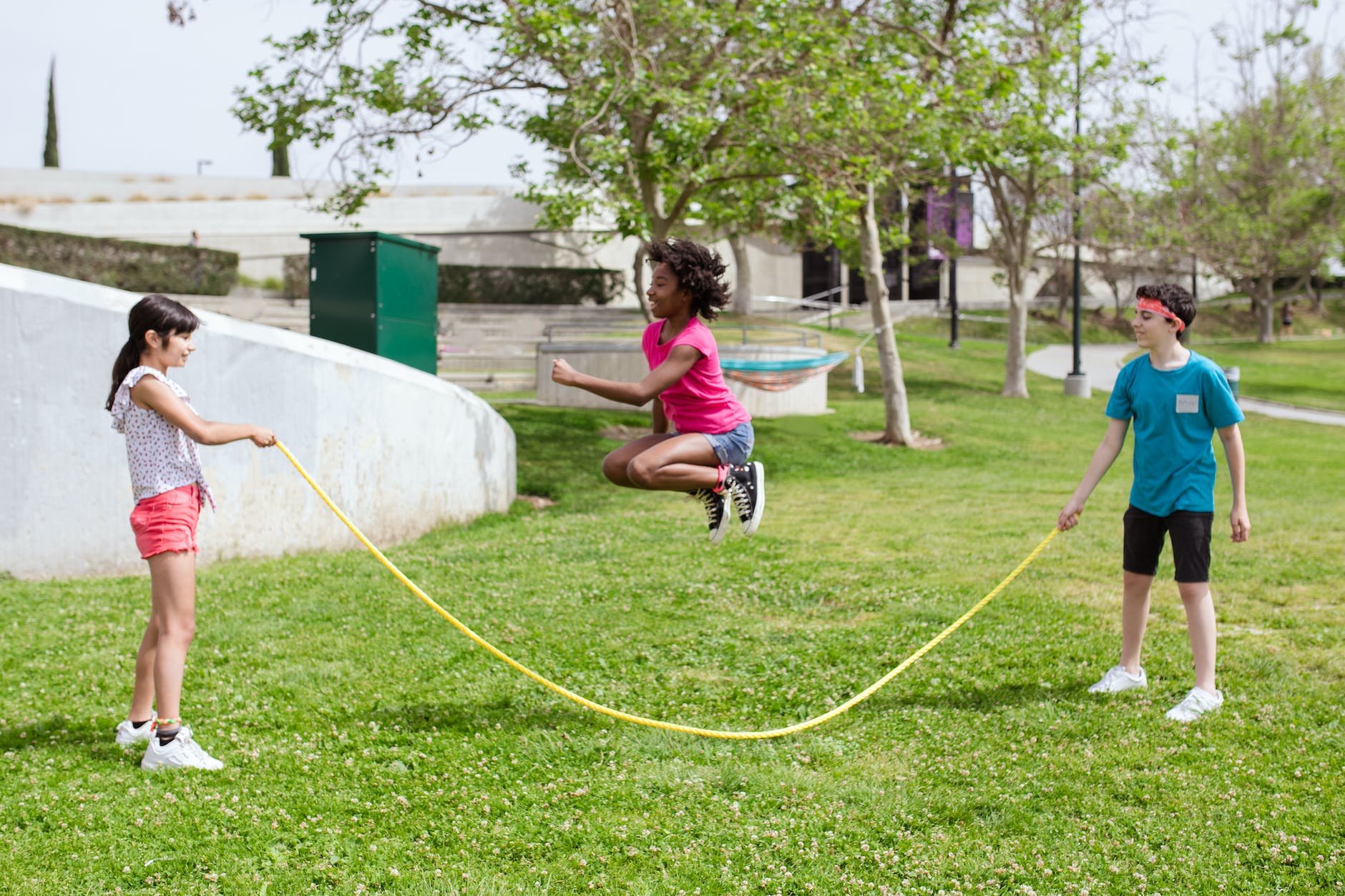
If you have younger kids or grandkids, play with them.  Take them to a park if you don’t have access to a yard.  Better yet, ask them to join you while you walk, bike, hike a trail, or jog.  Play soccer, shoot some hoops, throw frisbee, toss a baseball or softball.  Other options include, but are not limited to, volleyball, pickleball, tennis, golf (make sure you’re walking if you want the full workout), badminton, and so on.  There are so many ways to move, play, and enjoy your kids/grandkids and even get to know some of their friends. Of course, all of these activities can also be enjoyed with friends!

Free workout options include walking, pushups, planks and walking up and down the steps of your house.”–Joe Cannon, MS, certified strength and conditioning specialist, NSCA certified personal trainer

Photo by Nathan Cowley on Pexels.com

Make use of equipment at home and youtube videos (or other sites to which you may have access).  With just your body weight, a chair, and stool, you can get a whole body strength workout. You can even use canned goods and water bottles/jugs as “weights.”  Honestly, there are so many free workouts available online that require little to no equipment that can provide fantastic cardio and/or strength workouts.

Two worthwhile items I do regularly use are a quality yoga mat and athletic shoes.  Both of these are versatile and worthwhile investments.  The yoga mat not only can be used for yoga, but it can also be used for any type of exercise that requires time on one’s back, belly, hands, and/or knees.  This one time investment is portable; it can be used on a back deck or patio, carried to the park, or taken along when traveling.  Similarly, a pair of good-fitting shoes are just as versatile.  Personally, I am always willing to invest a bit more for personal service to determine a proper fit for a supportive workout shoe from my local neighborhood running/walking store. (Shout out to Robert’s Running and Walking Shop!) 

Photo by Tirachard Kumtanom on Pexels.com

Other pieces of inexpensive equipment to consider:

  • Exercise bands and/or tubing (love these inexpensive items!)
  • Free weights, kettlebells, and/or medicine ball (in light, medium, and “heavier” variations)
  • Jumprope
  • Step bench (can be used both for cardio and strength training)
  • Fitness ball (can be used for a variety of core exercises)
  • Exercise DVD or apps (many apps are free or a low-cost)

Learn to be a savvy shopper.  You don’t automatically have to buy from one place, nor do you need to purchase items all at once.  Gradually add pieces, and consider purchasing used items on Amazon, eBay, Facebook market, Goodwill, and consignment shops.  I am often amazed at what I find at both Goodwill and consignment shops for next to nothing.

Budget friendly pieces of exercise equipment can be gradually added to your collection. You can even build your own step bench.

Personally, I love to find free fitness plans on-line, and modify them to fit my age/fitness level.  There are so many good sites, many of which I outlined in a previous article.  Once you find a plan you like, there are no decisions to make.  Simply follow the outlined plan for the set-number of days/weeks.  Your heart, mind, and body will thank you.  One word of caution, however, be sure the plan is appropriate for your level of fitness.  You want to set yourself up for success, so choose wisely.

Other budget-friendly tips include:

  • Split a gym membership with a friend.  Many gyms offer a payment plan that allows you to bring a friend for “free” for x-number of workouts. 
  • Join walking or running clubs.  Many parks, walking/running shoe stores, and even some malls offer these for little to no cost
  •  Join community gyms.  Many religious centers and some communities offer gym memberships for little cost to no cost.
  • Try donation based classes.  Many yoga studios and community centers offer weekly donation classes that are paid as or if you can.

Bottom line, you absolutely do not have to pay much, if anything, for a quality workout.   Other than perhaps quality footwear, you can absolutely get an excellent workout without spending any of your hard earned money.  Therefore, don’t let budgetary restrictions keep you from putting a little pep in your step and vitality in your years. Exercise your right to ignore those money-mongering marketers, and take charge of your own health AND budget! 

Photo by Andres Ayrton on Pexels.com

Moving into health for every body: Tips for fitting additional movement into your routine

“Changing ‘exercise’ to ‘movement’ was a game changer for me . . ..” –@brittanilancaster (Tik Tok)

Last month, I wrote about the importance of rethinking exercise and the benefits of incorporating movement into your daily activity.  Nevertheless, it isn’t always easy to plan, begin, and stick with a program.  You may have the best of intentions, only to be derailed by life.  Don’t feel guilty or ashamed by this–many of us, including myself, have been there on more than one occasion. Consequently, I am not writing to preach or make you feel bad. Guilt is not, in my opinion, a sustainable motivator; however, as I have previously stated, mood does follow action.  Therefore, this month will focus on actionable steps to starting, or returning, to a routine plan of movement.  

Photo by Bich Tran on Pexels.com

 Honestly, the best form of movement is the one YOU will enjoy doing, but in case you’re not sure, here are a few considerations. 

  • Solo or buddy/group system. Personally, I think it’s important to know if you’re a solo-type of exerciser or one who would stick to a program better with a buddy or a group.  Some people prefer, and are more likely to follow through, with an exercise buddy or group.  While others tend to like more solo endeavors.  Knowing your preference may increase your chances of a more positive movement experience.
  • Choose an activity that you like.  It goes without saying, but I am going to state it again, if you dread exercise, you are probably not going to stick with it.  Ideally, find a form of exercise that makes you feel happy, empowered, and/or confident.  Do you love talking and/or sharing the latest juicy tidbits with a friend?  Then, choose an activity that allows you to do that while moving, such as walking.  Do you crave alone or quiet time?  There are many types of exercise that can lend you that much needed head-space for “me-time,” such as walking, biking, or strength training to name a few.  Are you motivated by instructors or group energy? Try one of the myriad of group fitness classes offered by gyms, fitness centers, or studios. And by all means, if you try one form of exercise, and you don’t like it, don’t throw in the proverbial sweat towel, try something else! 
  • Be realistic and start small.  In an ideal world, we would all follow the Department of Health and Human Services guidelines and exercise moderately 150 minutes per week–typically divided into five days for 30 minutes per day.  However, your schedule may only allow for three or four days and/or 15-20 minutes per day.  That’s okay.  Commit to a realistic routine and time.  Better to work within your schedule and be consistent with lesser amounts, than to do nothing at all.
  • Make it part of your weekly routine. Brainstorm ways to reduce or eliminate barriers.  Schedule exercise times into your smart calendar and set reminders, so nothing else can be scheduled during this time period. Schedule workouts with a friend in advance to build accountability, or use smart watches and/or fitness apps that allow you to link with friends, during workouts. Set out clothes, water bottles, equipment, snacks, and so forth, ahead of time. (I actually lay out all of my workout clothes for the week, set them in one stack by the bathroom, so I can grab and go quickly each morning.) 
  • Remember to reward yourself.   “If I do this, then I can do this.” Think about what really motivates you, and then set mini-goals towards that reward. It could be as simple as giving yourself permission to watch your favorite guilty-pleasure TV series for thirty minutes after completing a workout, or heading to your favorite local coffee or smoothie shop with a friend after completing a week’s worth of goal workouts. With consistency, health rewards will also naturally begin to occur, such as, sleeping better, greater sense of self-esteem, reduction of stress, lowered blood pressure, etc.
Photo by Polina Tankilevitch on Pexels.com

“Day 29 of exercising for mental health. Finally feeling like myself again.  I can’t believe I’ve gone my whole life without this.  Love watching my heart and lungs get stronger so quickly.  Getting my appetite for life back.”–@claraandherself (Tik Tok)

Barring any health issues, here are a few ideas for working around common obstacles that often occur when starting and/or maintaining an exercise program.

  • Have flexible expectations. Sure, we’d all like to look and move like a Marvel or DC superhero, but that’s not realistic, especially when first starting a new exercise routine or new form of exercise.  As the saying goes, “Rome wasn’t built in a day,” and any exercise program takes time.  However, little-by-little, improvements do occur, including moving with greater ease, less fatigue, feeling overall better/stronger, or even sleeping better.  It won’t happen overnight, but with a fair amount of consistency, improvements will occur.
  • Self-kindness and self-compassion always. Nobody is perfect. Kick ideas of perfection out of your head. Setbacks, illness, injuries, and other unplanned interruptions are going to happen.  If you miss a day here or there or if you have a time span in which your workout plan went out the window, don’t let it derail your overall goal of lifelong wellness. Offer yourself the same compassion and understanding that you would offer a friend.  Then, as soon as you can, get back to it–even if it means easing back into it or changing/adjusting your plan
  • Avoid the all or nothing attitude. You do not need to spend hours each day engaged in exercise to reap the benefits.  Even modest amounts of time will benefit your physical and mental well-being, and that could even include 5-10 minute movement breaks interspersed throughout your busy day!
  • Slide day mentality. Don’t get me wrong.  I am not giving you permission to let exercise slide.  Instead, while you may have certain days/time you prefer exercise, be willing to slide a workout to another time or day of the week in order to accommodate week to week schedule fluctuations.  Likewise, if you’re short on time, reduce your total workout time.  A short workout is still better than no workout at all!

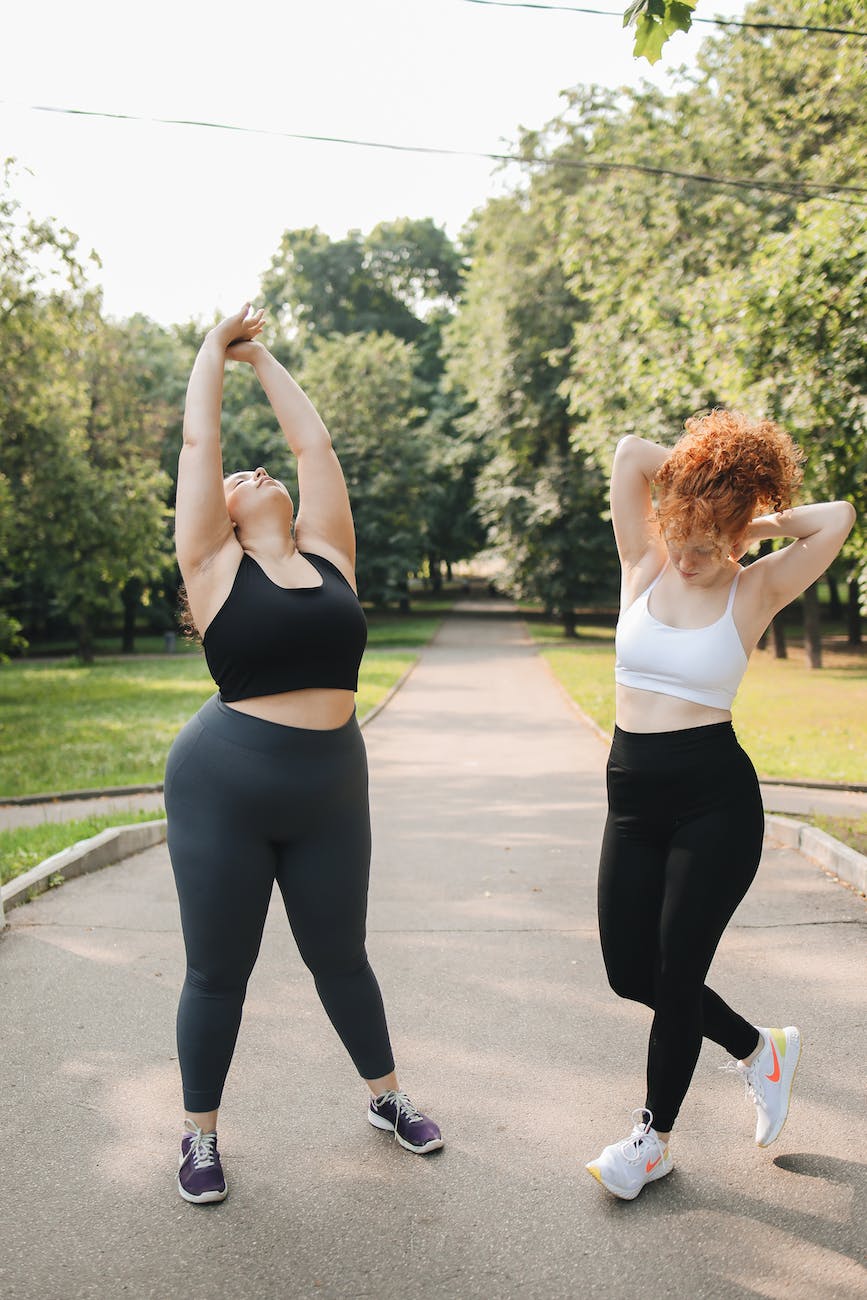
I encourage you to banish those limiting beliefs about movement and exercise.  Ignore the toxic, guilt-inducing, body-shaming misinformation about exercise circulating on social media.  Exercise movement is all-inclusive and should be a positive experience for EVERY BODY.   

Photo by Mikhail Nilov on Pexels.com

Of course, I am not a medical professional, as such, it’s always best to talk to your family health provider before beginning a new movement program.  That said, as a so-called “non-athlete,” exercise has made a huge impact on my own physical and well-being, and I’ve watched it do the same for so many other dear ones in my life.  It is my hope that if you are not currently incorporating much movement into your life, you will consider starting today.  If you  already embrace exercise, keep it up, and while you’re at it, grab a friend to move with you!

Wishing you the best health, Dear Reader!

Banish any limiting beliefs you have about exercise.  Ignore the toxic perfect perfect body images of exercise as well as misinformation.  Exercise is all-inclusive and should be a positive experience for EVERY BODY!
Photo by PNW Production on Pexels.com

Come on, Let’s get moving!

“When it comes to health and well-being, regular exercise is about as close to a magic potion as you can get”–Thich Nhat Hanh

Photo by Asya Cusima on Pexels.com

Over the past few years, I’ve encountered a number of people who say they can’t exercise. This hurts my heart because these are genuine beliefs often imposed upon them at a young age by well-meaning individuals, misinformation, and/or media imaging.  Exercise is free and accessible to all.  No one should feel like, “I can’t exercise.”  We all have an inner-athlete waiting to be freed!  It is how we define athletes, and exercise, for that matter, that needs to be changed.

According to Merriam-Webster.com, there is only one definition for the word, athlete. It reads that an athlete is “a person who is trained or skilled in exercises, sports, or games requiring physical strength, agility, or stamina.”  This is where I think our mindset often goes when we think of starting some form of exercise.  Personally, I know that is where my mind often goes.  

Photo by Pixabay on Pexels.com

I can’t tell you how many times I have thought or said, “Well, I wasn’t athletic in school,” or “I didn’t play sports in school.”  I am pretty sure that I am not the only one who thinks or makes such comments.

Why do we do that? Why do we define ourselves as adults based upon four to eight years of our life?  It would be like me claiming to be a mathematician because I spent so many years during my formative schooling taking math classes. I am no more a mathematician than I am not athletic. 

Photo by nappy on Pexels.com

Here’s where it gets interesting.  Look up the definition of word exercise.  Go on, I’ll wait for you!  Exercise is a fascinating word.  It can be both a noun AND a verb; meaning it can be both a thing and an action–unlike the word, athlete.  Also, unlike the word, athlete, exercise has numerous definitions, such as

  • the act of bringing into play or realizing into action (n)
  • regular or repeated use of a faculty or bodily organ (n)
  • to make effective into action (v)
  • to use repeatedly in order to strengthen or develop (v)

And, the really cool thing is that these were only the first two definitions for the noun and verb form of exercise.  There are several more ways, in fact, to define exercise.  However, the definitions I share here are enough to make the point.  Exercise is nothing more than bringing something–a movement, for example–into action by repeatedly doing it.  Isn’t that excitingly simple?

Photo by Polina Tankilevitch on Pexels.com

“Healthy is an outfit that looks different on everybody!”–Unknown

Exercising is for ALL.  Not once, when reading through the complete list of definitions for exercise did I come across the word athlete or athletic.  Nor did I read anything about requirements for age, body type, body size, gender, height, coordination, prior experience, prior injuries/illnesses, prior knowledge, time commitments, cost, or even special clothes/shoes.  In other words, none of those narrow boxes that we use to define ourselves or excuse ourselves can prevent us from exercise!  

I used to say, and still sometimes default to this phrase, “I’m not a real ___________ .” (Fill in the blank with whatever current form of exercise I happen to practice).  It needs to stop.  I say this to myself as much as I write it to you.  If we are moving, then we are doing real exercise. 

Photo by Cliff Booth on Pexels.com

Additionally, there is no one, so-called, “right” way to exercise.  Move. Walk.  Swing your arms.  Dance.  Bounce your leg.  Swing your hair (Doesn’t work for me, but if you have it, swing it!)  Put on some K.C. and the Sunshine Band and, “Shake, shake your booty!” Move from one end of your home to another.  Wave at your neighbor–do it five to ten times, and you’re strengthening the muscles involved in that movement.  The point is, get up, and move.  

Photo by Kampus Production on Pexels.com

Start small, and commit to five minutes of walking or some other form of movement–preferably not sitting, assuming you have no mobility issues.  Sometimes, just committing to a small time, leads to a longer time of effort.  Even if it doesn’t, that is still five minutes in which you weren’t sitting still.  Then, building upon that success, might just be enough to get the ball rolling, or should I say, body moving.

Mood follows action.  You heard it here first.  Actually, I cannot take credit for that assertion, but it is a statement that has proven true for me repeatedly.  In fact, I embrace that declaration like a mantra.  Take a positive action, however small it is, and it elevates your mood, often leading you to either make more of a time commitment to said activity or make another positive choice.  Either way, it’s a win-win.

Photo by Josh Willink on Pexels.com

Exercise has so many positive benefits.  Here are just a few of the research backed benefits in case you need extra motivation:

  • Reduces symptoms of depression and anxiety
  • Releases tension and reduces stress levels
  • Boosts self esteem
  • Increases memory and sharper thinking
  • Improves sleep quality
  • Protects against many chronic disease
  • Lowers blood pressure and improves heart health

Typing that list made me feel a little giddy.  Seriously, stop letting your definition of how an athlete, or so-called exerciser, should look, should dress, should do, or should be–those are all beliefs embedded in your mind that are holding you back.  You have a body.  You can move it.  

Photo by ANTONI SHKRABA production on Pexels.com

Don’t worry about what other people will think of you, because if they are passing judgment on you, that says more about them than it does you!!  You take care of yourself, and get moving.  It is not about losing weight, embodying a certain body type, or even wearing the latest greatest name in shoes, fitness watches/gadgets, and/or athletic wear.  It’s about Y-O-U and your health!  

If you’re not sure where to start, walking is the easiest and most accessible form of exercise.  It doesn’t require any special equipment and can be completed even inside a home/store/work site. My grandfather used to walk around his house for a certain amount of time–well before there were step trackers. Some people walk inside malls, stores, or shopping centers.  I’ve even been known to walk up and down my driveway just to move!

Photo by A Koolshooter on Pexels.com

 Additionally, there are plenty of plans, tutorials, and how-to videos on-line–just make sure you use reputable sites, such as Healthline, Verywell Fit, Exercise Prescription on Internet (ExRx), Livestrong, Bodybuilding.com, The Cooper Institute, and MyFitnessPal to name a few.  Look for beginning tips/routines/plans to get you started.  Bear in mind, these are suggestions, not laws.  The key is to explore, experiment, and find what works best for you.  

Come on, no more excuses.  Move your body; bring it into play/action–even a little bit counts.  Repeat it again tomorrow.  Start small, add more when you can.  Mood–and health–follows action.  You’ve got this! (Feel free to reach out and let me know how it goes! I love seeing others find their own movement/exercise journey!)

Photo by Sarah Chai on Pexels.com