Embracing Limitations: Lessons from the Asheville Half Marathon

God, grant me the serenity to accept the things I can not change, the courage to change the things I can, and the wisdom to know the difference.”–Prayer for serenity

The Blue Ridge Mountains outside of Asheville, NC.

“the mountains are Calling . . .” ⛰️

I had been training for months, despite the challenges winter threw at me. Cold? I can handle it. Snow? I can run in it. Gusty wind? I can run that too. However, after my husband, John, and I crested hill after hill making our way into Asheville, North Carolina, I knew the town’s half marathon would offer a whole new level of challenge. 

To be clear, participating in the Asheville Half Marathon was an insignificant hurdle compared to what the people in Asheville, and all of the other residents of the surrounding areas/towns along US 23, have been facing as they deal with the aftermath of Hurricane Helene.

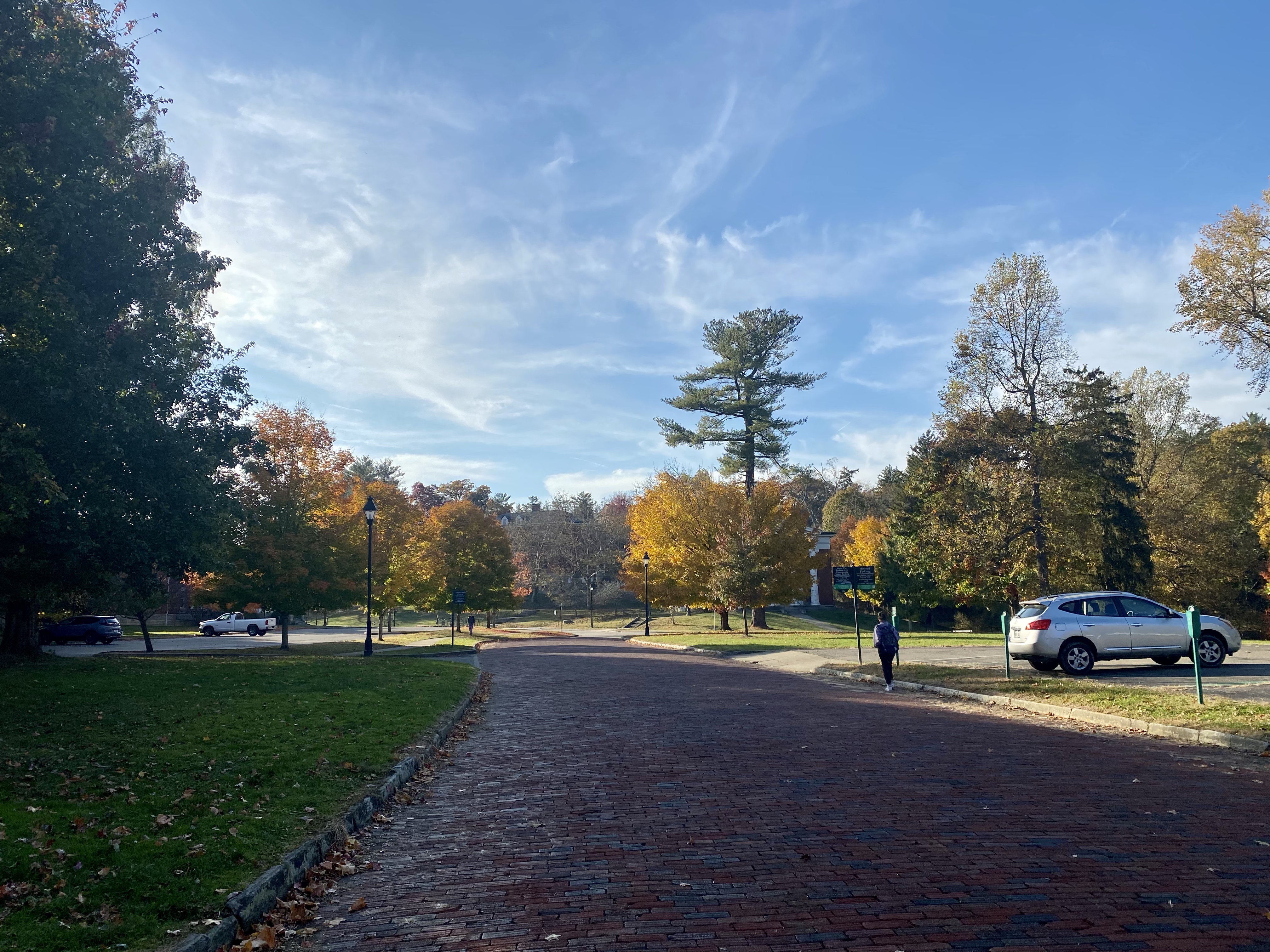
Driving along US 23, John, and I were able to witness that six months after Hurricane Helene angrily chewed through a large portion of the western Appalachian region, the recovery is still ongoing. However, the willful, and not-to-be-deterred, spirit of the residents was unmistakable. 

Rooftop view from Asheville of surrounding Blue Ridge Mountains.

A Tale of Two Sisters 👧 👧

This past fall, not long after Helene hit, the high school in which John and I work, welcomed two sisters into the student body.  They were from the Asheville area and were staying with relatives while their parents and older brother dealt with the devastation and destruction back home.

The girls were engaging and well-poised, especially considering their circumstances. Over the course of a couple months, I got to know them–not well due to the short duration of their stay–but well enough to swap personal stories from time to time. 

When they learned that like their dad, I often trained for half marathons, they immediately invited me to run the Asheville Half Marathon in March. They explained that by the time spring rolled around, the community would not be fully recovered, but the local economy would need the boost that runners and the accompanying spectators could bring. 

“You should definitely come, Ms. Hill.  You’d like the people of Asheville, especially the running community.” 

Once Asheville High School opened, the girls returned back home. And though I haven’t heard from them since, they planted a seed that grew into a shoot of curiosity. 
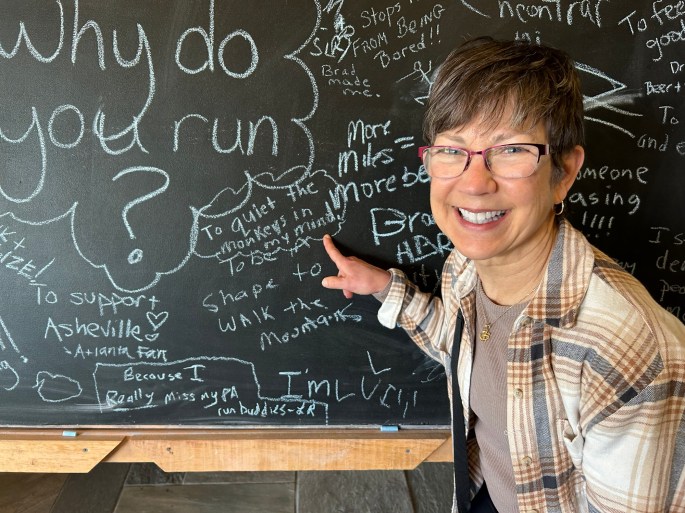
Runners were asked to sign the board stating why they ran.

Sign me up! 📝

Around Christmas, I checked the Asheville Marathon/Half Marathon website, and the powerful and persuasive prose describing the event increased my interest. The website’s editors artfully articulated the community’s belief in the significance of the annual running event. They stated the course’s route would not be “pristine or predictable.” Therefore, the event was for those who “thrive on resilience.” However, the line that sealed the deal stated, “If you’re ready to run in the face of adversity and be a part of Asheville’s comeback story, we can’t wait to see you on the start line!” 

John and I at gathering with other runners and spectators at the starting line before the race began.

Ready, set, Go! 🏁

Soon enough, on a chilly, dark March morning, I waited at the starting line with approximately 2,200 runners from 40 states and three countries who also heeded the call to help support Asheville, according to The Weather Channel. The positive vibe was palpable as runners mingled with spectators. Nonetheless, I was feeling a bit nervous as I recalled the half-marathon route’s elevation gain was nearly 800 feet, and its elevation loss was over 900.  

And, it was hilly.  From start to finish, there were no flat stretches. In the beginning, I read spectator signs claiming, “It’s all downhill from here,” with hope. It didn’t take long to realize those signs lied!  Even the finish line required running uphill, but I am “running” ahead of myself.

Running is a metaphor for living life, and it is always whispering (or sometimes shouting, as this event seemed to do) lessons to those of us willing to listen. Accepting limitations–was the lesson those relentless hills of Asheville taught me. Which makes sense since this is what many of the residents of Asheville and the western Appalachian area had to do during, and now after, the storm–accept and deal with limitations. 

Whether literal or metaphorical, storms of life cause us to suffer. As I repeatedly tried to power through those uphills during the first half, my ego kept telling me to push harder, creating suffering. However, as a late-in-life runner lacking inherent running talent, the reality is that race events for me are more about creating motivation and structure to consistently get me out the door to exercise. At the end of the day, I am not about to set any records; I am not even close to winning my age group, so why was I pushing so hard?

And so, it was on a hill, not long after milepost seven, that I decided to accept my limitations. Sure, I had trained on hills at home, but nothing like this. Why not power walk up the rest of the hills, and then run the downhill portions?
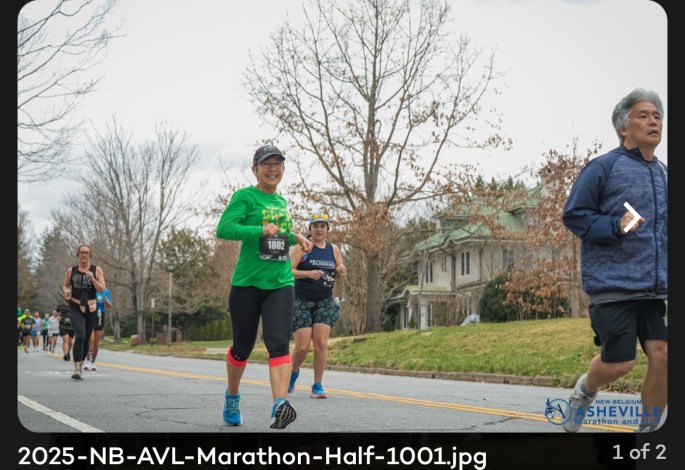
Asheville taught me to accept my limitations.

There is a newfound freedom in accepting one’s limitations 🏃‍♀️

Once I accepted my limitations, there was freedom. I had a new way of being present with the race challenges as they unfolded. This acceptance gave me permission to slow down, take in the sites, and feel a sense of gratitude for my health and ability to make this trip. 

Additionally, by walking the hills, I had more energy to offer encouragement to fellow runners I encountered who also seemed to be struggling. (After all, I run at the back of the pack, where we could all benefit from a little encouragement.) Furthermore, I was also able to offer thanks to the spectators who manned drink stations, rang cowbells, or waved motivating signs with clever phrases such as, “Touch here for power,” “You’re stronger than any storm,” or “You’re running better than our government.” 

By the time I crossed the uphill finish line, tears filled my eyes as I raised my hands in the air.  No, I wasn’t celebrating a personal record, but instead, I was able to celebrate that I crossed the finish line with grace, humility, and a lesson learned. 
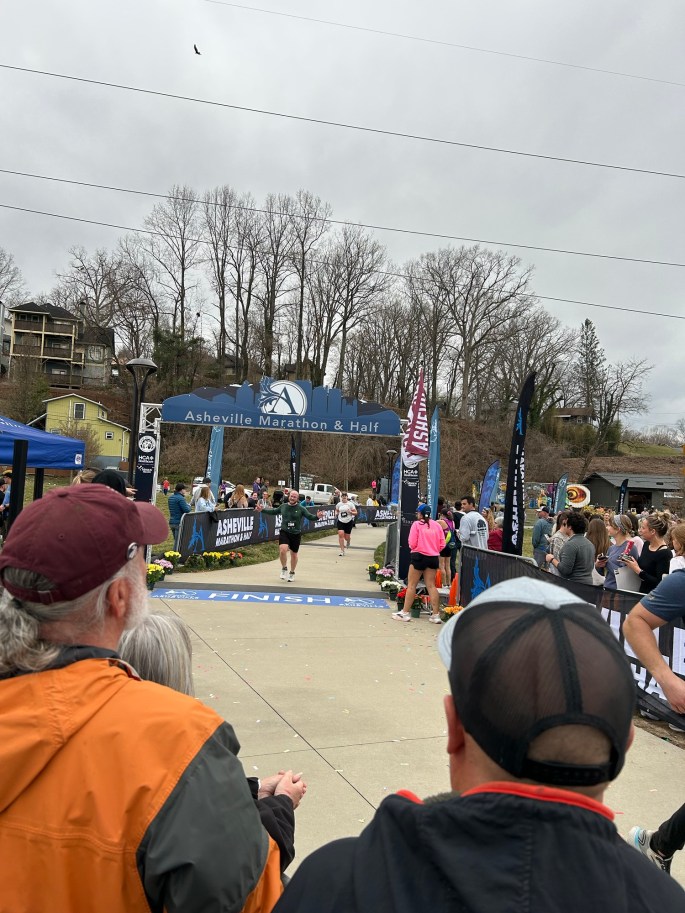
The AVL finish line of through which I would later cross humbled, and grateful, by another lesson running once more provided me.

The lesson? Transforming suffering can only occur if we are willing to be with it and accept the limitations it creates. Accepting limitations can be transformatively freeing, allowing us to lean into newly created possibilities we may not have been able to previously envision. I am not saying that accepting our limitations is not easy. However, once we let go of ego and embrace humility, it is possible to embrace the freedom that comes with focusing on what we CAN do.

Thank you , Asheville! I walk away from the finish line with grateful heart and a lesson learned. Furthermore, thank you, Hannah and Allison! I wish your family the best! 💜

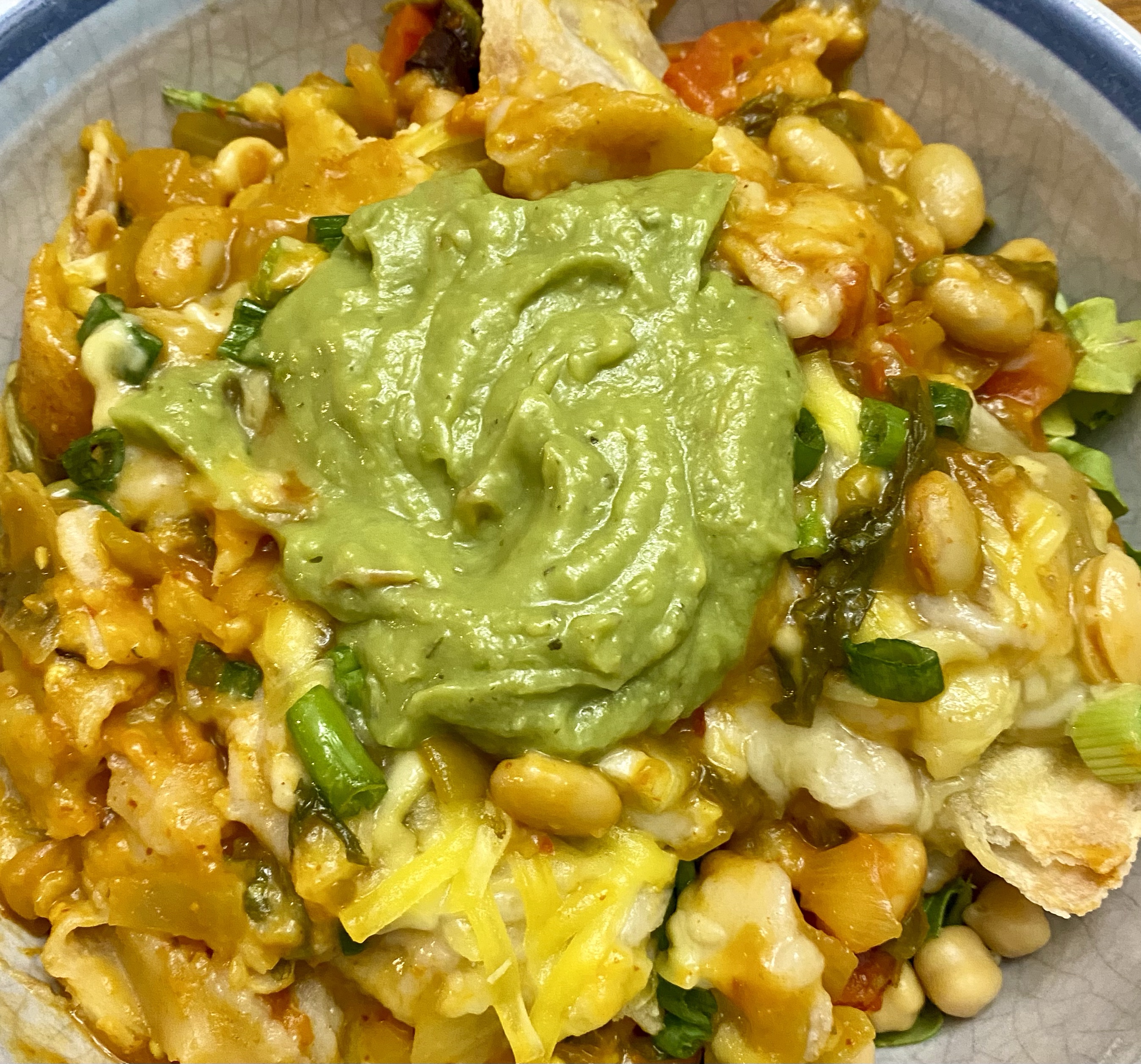
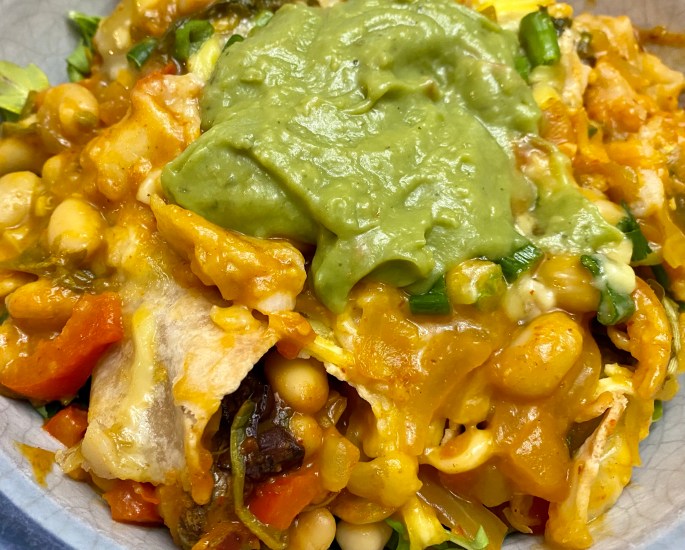
Green and White Enchilada Bake, featuring G-BOMBS, is a powerhouse of delicious nutrition

“Remember the acronym G-BOMBS, which stands for Greens, Beans, Onions, Mushrooms, Berries and Seeds. These foods fuel your body with protective micronutrients and phytochemicals that support your immune defenses and have a wide range of health-promoting effects. And here’s a bonus: They’re delicious!”–Joel Fuhrman, M.D.

Photo by Min An on Pexels.com

Beginning in December, I spent 16 weeks preparing to run, walk, or even crawl a half-marathon.  For those who are natural distance runners, completing a half-marathon is no big deal. However, for someone like me, it was a challenge, but it was an overall positive experience.

While preparing for this half marathon, I was battling an injury–one that did not affect my running, per se, but one that will ultimately require surgery.  Therefore, I knew I wanted my nutrition to solidly support the recovery of my middle-aged body.  However, for the sake of full disclosure, I still indulged my penchant for dark chocolate on a daily basis!

Photo by Pixabay on Pexels.com

I read, and continue to rely upon, the most up-to-date nutritional studies out of respected research institutes such as Harvard, Northwestern University, Cleveland Clinic, Mayo Clinic and so forth.  Additionally, I read more popularized sources of research such as Michael Pollan and National Geographic author/researcher, Dan Buettner, and his study of Blue Zones, as well as a few other noted sources.  The point is, I don’t make my food choices lightly, especially since I must also balance out these choices with my celiac disease and food sensitivities while still consuming food that looks great and tastes even better.

For a whole slew of reasons, I rely on a whole food, plant based diet 90% of the time, and this recipe–that I created during my half-marathon preparation–is an example of this.  I want my meals to be alive with color, texture, and balanced flavor, with a bit of spice thrown in.
Additionally, I try to regularly consume GBOMBS, greens, beans, onions, mushrooms, berries, and seeds, for the most nutritional bang for my buck, and this recipe has four of the six of them.  (I typically eat berries and some form of seeds–flax, chia, or hemp hearts–during an earlier meal of the day.)

Photo by Vanessa Loring on Pexels.com

If you prefer to add meat, my recipe can accommodate your preference.  You could choose to replace the beans with chicken or seafood, or keep the beans, and add in meat.  Spices are optional, and I have made a note regarding why I add them.  I typically serve these enchiladas on a bed of leafy-greens and top them with a dollop of guacamole and chopped scallions.  However, you could serve them on top of rice, quinoa, or simply as they are.  Feel free to get a little frisky with the toppings of your choice!

Personal food choices are the N = 1. Therefore, I would never presume to tell anyone what they should or should not eat.  Nonetheless, I think most of us can agree, you can’t go wrong consuming a bit more veg.

From my home to yours, I hope you enjoy this recipe!

Ready to broil a bit.
Add your favorite toppings . . .
Serve it up on a bed of greens and/or grains and add more of your favorite toppings, such as guacamole.

Green and White Enchilada Bake

Ingredients:

½ cup vegetable broth or water

1 teaspoon minced garlic

1 cup chopped onion

½ cup chopped mushrooms, any type, optional 

½ cup chopped red, yellow, or orange bell pepper

2 teaspoons nutritional yeast (can substitute equal amounts of grated parmesan or chickpea flour)

½ teaspoon onion powder

¼ teaspoon crushed *red pepper, optional

¼ teaspoon *turmeric powder, optional 

Dash of *black pepper, optional

1 15 ounce can great northern beans, drained

1 4-ounce can green chiles

1 package low-sodium taco seasoning

8 ounces frozen spinach, thawed and drained

1 can green enchilada sauce

6-8 tortillas, depending upon size (I used gluten-free tortillas.)

2 cups shredded cheese, your choice (I used a vegan substitute for photos, but I’ve also gone without it.)

Directions:

Preheat the oven to 350 degrees.

Prepare a small casserole dish with nonstick cooking spray.

Chop onion and bell pepper, if using.

Heat a saucepan over medium heat.

Add minced garlic and broth, stir.

Add in onion and bell pepper, stir well.

Allow to simmer until vegetables begin to soften, about 3-5 minutes.

While vegetables are cooking, stir in nutritional yeast and onion powder 

If using crushed red pepper, turmeric powder, and dash of black pepper, stir those in as well.

Meanwhile, open, drain, and rinse the beans; stir into the simmering vegetable mixture.

Stir in green chiles and taco seasoning into the simmering vegetable and bean mixture, and allow it all to simmer for another 3-5 minutes, continuing to stir.

While the vegetable/bean mixture is simmering, stir in the spinach and allow it to simmer and wilt into the rest of the ingredients.

While vegetables are simmering, set up all tortillas, taco style, in the casserole dish.

Remove vegetables from heat; then, divide and fill tortillas with vegetable/bean mixture, folding down one side over the other, and using a toothpick, if needed, to keep closed.

If there is any remaining vegetable/bean mixture, pour over the tops of the closed tortillas.

Pour a can of green enchilada sauce over the closed tortillas.

Top with desired cheese, if using.

Bake, uncovered in the oven for approximately 25 minutes until sauce is bubbling at the edges.

Feel free to turn on the broiler for the last minute or two to brown the top of the casserole if desired.

Remove from the oven and allow to cool for 5-10 minutes before serving.

Makes 3-4 servings, two enchiladas per serving.

Top as desired.

Refrigerate any leftovers for up to 5 days.

*Note: Spices are a personal preference, so you choose if you want to add these ingredients.  Here’s why I do.

  • I use turmeric daily as an anti-inflammatory agent.  When cooking with tumeric, I pair with a dash of pepper as the pepper enhances the absorption of turmeric in the body by up to 2,000%.  Together both spices reduce inflammation and improve digestion.
  • I also regularly use crushed red pepper flakes and red pepper for its ingredient, capsaicin, which soothes stomach issues, boosts heart health, and fortifies the immune system.

The realness of depression and anxiety

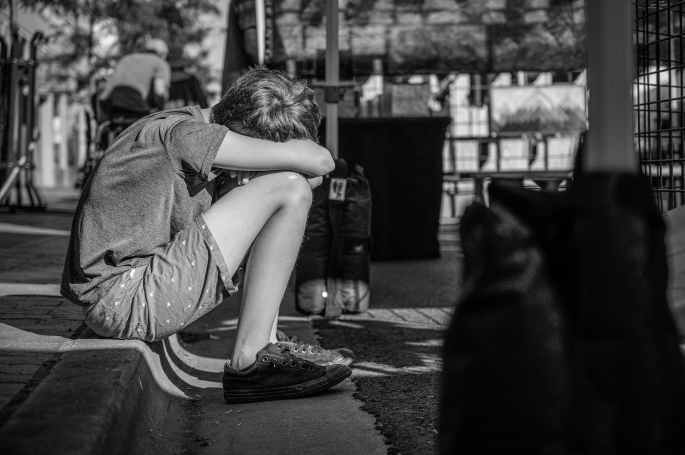
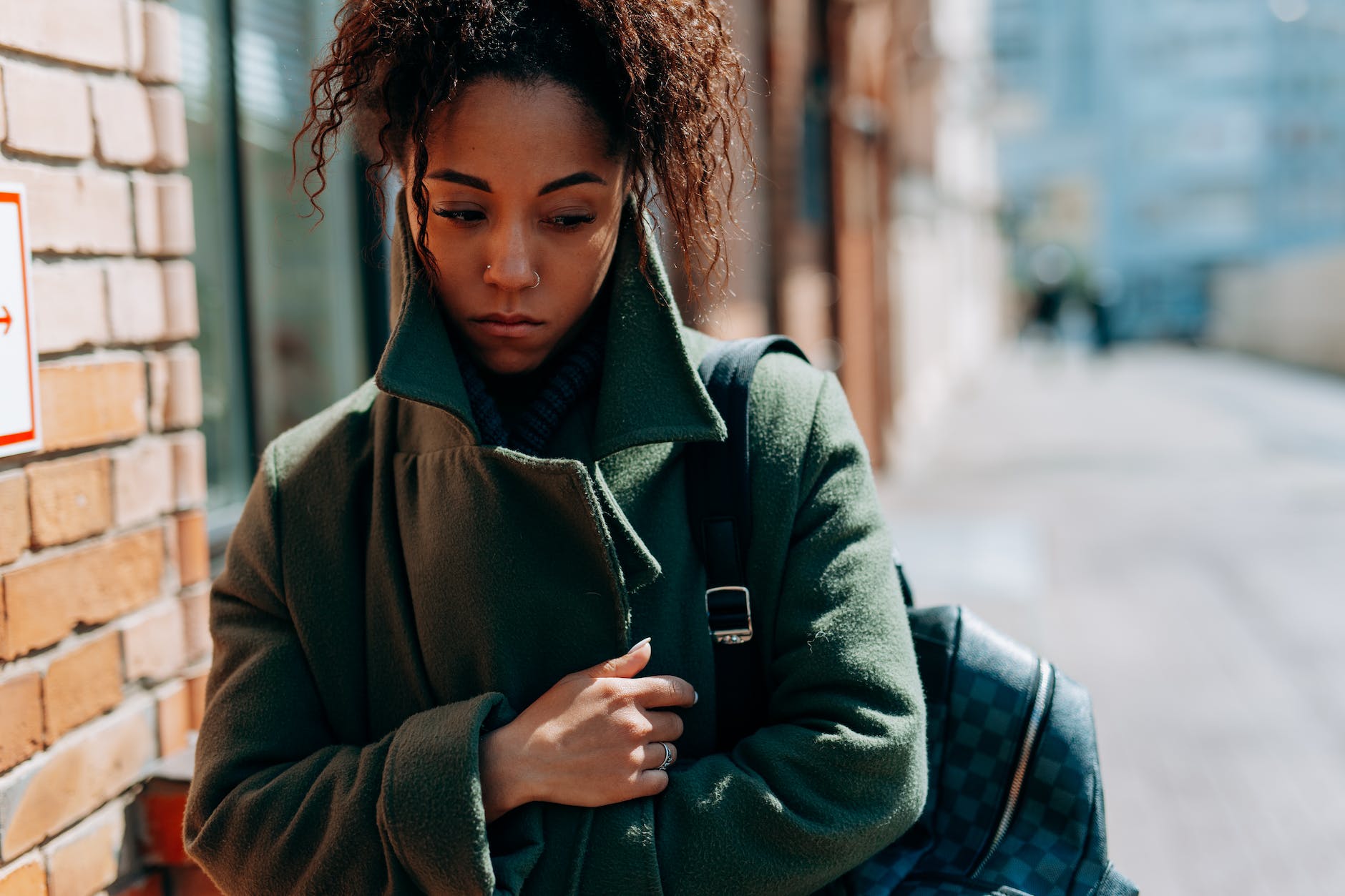
Speaking with a child recently, she spoke to me of the very real pain she felt from her depression and anxiety.  She shared that one of her parents was embarrassed by her need for medication and therapy.  My heart broke for her, and I wished I could make her pain go away.  However, it is not that simple, and all I could do at the time was listen, so she felt heard.   

Photo by Mikhail Nilov on Pexels.com

The pain of depression, combined with the constant worry of anxiety is very real.  In fact, most of us have felt depressed at some point to a lesser or greater degree, depending upon circumstances.  In fact, my own experiences have been fairly short-lived, no more than 1-2 years, and I was able to continue on with work/life/education, albeit with great difficulty.  For some, it is a challenging seasonal event, tied to the anniversary of an event, holiday, or winter months. However, for many, depression, and its side-kick anxiety, is pervasive, lasting two or more years.

According to a March 2022 World Health Organization report, since the pandemic, there has been a 25% increase in the prevalence of depression and anxiety world wide, with young people and women having been most affected.  In addition, the National Institute of Mental Health adds that young people, aged 18-25, currently have the highest prevalence of mental illness, a whopping 30.6%.  Furthermore, in another WHO report, globally speaking, one in seven adolescents, aged 10-19, are currently experiencing some form of mental illness. Specifically, in the US, the American College of Obstetrician and Gynecologists reports that one in five youth, aged 9-17 years, are experiencing a diagnosable mental illness.  More sobering, acccording to the same report, suicide is the second leading cause of death among those aged 15-24 years old.

Photo by Pixabay on Pexels.com

As an educator, parent, and most of all, as a fellow human being, my heart breaks reading these statistics.  It only confirms what I am witnessing and encountering on a daily basis.  More teens and young adults with whom I come into contact on a regular basis are in real pain–whether I am aware of their mental anguish or not.  The most common mental illness among teens and young adults according to several health organizations include generalized anxiety, phobias, and depression.

However, it is not all grim.  Mental illness, especially among teens and young adults, is very treatable and manageable.  There are a wide-array of techniques and support systems designed to address the unique needs of each individual case, no matter the age. 

Treatment often starts with some form of psychotherapy, also known as counseling or therapy.  Therapy may last for only a short period, or over several years, depending upon the person.  It may focus on thoughts and feelings regarding current life, issues in the past, as well as concerns about the future.  Through therapy, the person not only feels supported and less isolated, but typically develops strategies and coping skills designed to address current mental health issues.  Additionally, therapy may also include ways to develop/strengthen specific relationships, overcome fears/insecurities, address past traumas, increase self-compassion and understanding, as well as create a plan for moving forward.

Photo by Polina Tankilevitch on Pexels.com

Medication is often another form of treatment used in tandem with therapy, but it does require monitoring of a psychiatrist or other trained medical doctor.  The most commonly used medications prescribed for depression and anxiety are safe and effective ways to treat mental illness.  Unfortunately, the wait times for such professionals, especially in recent times, can be months long.  

As a result, many school counselors, universities, family doctors, and churches/civic/community centers are stepping up their support for those in need of mental health support. Many universities offer access to free, or nearly, services via in-person, videolink, or phone.  Some church, civic, and community leaders are pooling services to likewise offer hotlines, group therapies, or other activities designed to promote and support mental health. 

Even once a person is diagnosed and in-treatment, progress takes time, and there can set-backs, as well as ups and downs, in the process; however, certain factors do help facilitate treatment/recovery.  These include:

  • Positive support from friends and family
  • Self-direction in determining own direction and goals for recovery
  • Positive environment living/working/educational setting
  • Financial stability
  • Self-responsibility to administer self care needs
The road for treatment, therapy, and recovery may be long and winding with ups and down, but with the right support and environment, a positive outcome can be achieved.

It is worth remembering that the therapy process is unique to each individual.  Those in therapy may not return to where they were before the illness.  Rather, the typical goal of therapy/medication is to increase a person’s ability to manage their own mental health using positive methods/coping strategies while still engaging with life.  

In the meantime, what can mere mortals do to foster and improve our own mental health? Ireland’s Public Health Agency offers five simple ways worth considering in order to maintain and improve our mental well being.  These include:

  • Connect-invest time in building relationships with family, friends, colleagues, and/or neighbors.
  • Be active– this doesn’t necessarily mean joining a gym, although it could, rather the focus is to move more, especially throughout your day, including walking
  • Keep learning-this boosts self-esteem and self-confidence as well as keeps the mind actively engaged
  • Take notice-increase awareness of the present moment; observe–without judgment–how thoughts and feelings fluctuate throughout the day, and how they may, or may not, affect the physical body
  • Give to others-acts of kindness, no matter how big or small, go a long way in helping others and positively impact personal mental well-being.

Mental illness is a very real thing, affecting nearly 50 million people in the United States, but there is hope. If you are experiencing mental health issues, do not be afraid to seek or ask for help.  And, please know that you are NOT alone. 

Furthermore, if you know someone who is suffering from a mental health issue, support them, offer forms of encouragement, and above all, let them know you care.  With so many silent sufferers in the world, it is more important than ever for us to be the light for one another.  

Now, more than ever, it is important to be the light for others with kind gestures, words, and deeds. ✨

Rest, recovery, and self-care: All important aspects of fitness

Self-care is never a selfish act–it is simply good stewardship of the only gift I have, the gift I was put on this earth to offer to others.”–Parker Palmer

Photo by Madison Inouye on Pexels.com

In previous writings, I have written to encourage reluctant movers/exercisers to find ways to increase movement, mobility, and/or exercise into their daily routine.  I absolutely and wholeheartedly believe in the importance of moving more and sitting less.  There is a vast array of scientific evidence that demonstrates movement and gentle exercise increases mental and physical well-being, decreases diseases, and furthers longevity.  While it doesn’t make you bulletproof, there’s not denying its benefits.  That being said, there is also a time and place for self-care AND rest and recovery days as they are known in the fitness industry.

   Let’s first differentiate between the two as both are worthy and valuable tools.  Technically, self-care can be defined as anything you do to take care of yourself.  Self-care can, and should, include a wide range of activities that nurture your physical, mental, and spiritual well-being.  In an ever-evolving world in which more and more value is placed upon hustle, productivity, and work along with the expectation to either pass on vacation days, or if you do, then there is the pressure to continue to work on those days–taking time to care for self is more important than ever.  Plain and simple, self care is vital to the integrity of our own health, so we are more effective both in and out of the work-setting.

Photo by Hassan OUAJBIR on Pexels.com

Self care is a practice that can occur on any day of the week or at any time of day. It can be as simple as offering yourself kind words of praise or encouragement when you do something well, such as thinking, “I am proud of you for choosing to do this.”  However, it can also be an entire day, away from work and/or stress, filled with activities that feed your soul, mind, and body.  The point is, self care will vary from person to person and can encompass a variety of actions.

In fact, according to many health experts, areas for which self-care can occur includes many dimensions. Some of the more obvious areas comprise of spiritual, emotional, occupational, and physical well-being.  However, less obvious areas for self-care include intellectual, social, financial, and environmental.  Given these diverse facets for self-care, it creates a vast array of opportunities for self-care activities.  Here are a just a few ideas to get you thinking, but by no means are definitive:

  • Journaling, writing, drawing, creating
  • Spending time outside, gentle walks with pet, hike
  • Spending less and paying down credit cards
  • Reading/listening to books; watching a documentary
  • Change jobs/careers; Clean up that resume
  • Exercise; prioritize sleep; regular medical checkups
  • Volunteer; regularly scheduled social or family events
  • Pray, meditate; read inspirational scriptures; attend the worship service of your choice
Photo by Zen Chung on Pexels.com

Leaning into daily self-care activities leads to a healthier, more well-rounded life. Just as regular movement/exercise can vary from person to person, and from day to day, self-care will too.  Even when/if current life situations limit time for self-care, a little can go a long way in contributing to our overall well being.

Likewise, rest and recovery days can be part of the self-care plan, and should be essential part of your movement/exercise plan.  Adequate rest and a day or two devoted to recovery offers the body numerous benefits. While our muscles, heart, and lungs become more efficient when we repeatedly complete the same action, such as walking, running, cycling, weightlifting, playing tennis/golf/basketball, or any other sport/activity, it also places stress on those same areas.  Resting and/or a day away from those activities, allow the muscles, lungs, and heart to take a break and recover, allowing you to actually make more progress. 

Photo by Pixabay on Pexels.com

Recovery can include completing movements/exercises that are outside of one’s regular routine, such as walkers taking a day to bike, those who play specific sports taking a day to practice yoga, or runners taking a day to swim.  However, recovery can also be a day devoted to rest, or at the very least, a day in which exercise is avoided.  Both types of recovery, in addition to a regular sleep schedule and nutritious eating habits, benefit the body in numerous ways.

Recovery days reduce the likelihood of injury and allow the muscles to rest and repair.  It also reduces muscle fatigue that can decrease performance and reduces muscle pain and soreness. Adding an active recovery day, allows our bodies and minds to experience and try out new forms of exercise. While days completely devoid of exercise allows the body and mind to rest.  Both types of recovery improve your ability to sleep soundly, promote longevity, and reduce stress. 

Photo by Anastasia Shuraeva on Pexels.com

In the end, increasing daily movement and activity as well as the implementation of a regularly scheduled form of exercise are important, but more isn’t always better, especially for those who are competitive or prone to over-doing it.  As with most things in life, the key to any wellness program is finding the right balance that works for Y-O-U, and that may change from season to season and from decade to decade.  

Taking care of your body, mind, and spirit are important and worthwhile investments.  After all, each of us is a creation of the Divine, but we are only given this one life.  Let’s honor our Creator by respecting the unique creation that is each of us, and live our lives to the fullest, imbued with the vitality of a healthy mind, body, and spirit!

Photo by Barbara Olsen on Pexels.com

Shamrock Green Smoothie

“No matter when you start, a diet that is focused on plant foods will help you work toward the prevention of many illnesses and feeling better overall”–Julia Zumpano, RD, LD

Diet choices have long been debated.  From Adkins to Keto, 7-Day Rotation to Whole 30, Paleo to Low Carb, Mediterranean to Pritikin, and all variations in between, regardless of the varying diet trends, there’s no denying that fruits and vegetables are nutritionally sound food choices for promoting health. Experts may argue about which fruits and vegetables are the so-called better choices, but most will agree that eating unadulterated food from the ground is more nutritionally sound than eating chemically enhanced processed foods.

In fact, when going through the research, numerous medical clinics, cancer centers, and disease prevention sites recommend Americans increase their intake of fruits and vegetables.  It makes sense too.  All those different colors offer a wide array of vitamins, minerals, phytonutrients, and anti-inflammatory properties that cannot be found naturally in processed food.  

“Eating healthy food fills your body with energy and nutrients. Imagine your cells smiling back at you and saying: “Thank you!”.” – Karen Salmansohn

Think about it.  Fruits and vegetables don’t need a label that says, “Vitamin-D enriched” or “Fortified with 12 essential vitamins and minerals.”  They don’t need it because they naturally contain a wide array of vitamins and minerals–depending upon which plant you choose to consume.  This is why, “eating the rainbow,” is an often quoted expression.  If you eat a wide variety of colorful plants throughout your day and week, Mother Nature, thanks to the infinite wisdom of our Creator, provides all the nutrition your body needs for healthy functioning and vitality. 

Like many, since March of 2020, I have become increasingly more focused on what I eat.  Keeping my immune system running high, and my inflammation low, seems more important than ever in the era of living in a global pandemic.  While I’ve been a plant based eater for nearly ten years, I find myself more attentive to daily consuming dark leafy greens and/or cruciferous vegetables as part of my desire to remain healthy and avoid COVID.  While I recognize that eating well isn’t the only protective act I need to do when dealing with a highly contagious virus, these vegetables have long been established as possessing cancer and disease preventive properties, reducing oxidative stress, and lowering the risk of cardiovascular disease.  Additionally, they increase bone health, protect eye health, and boost the immune system.  Plus, their varying shades of green are chock full of fiber and a wide array of vitamins and minerals.  

Photo by Toni Cuenca on Pexels.com

“The doctor of the future will no longer treat the human frame with drugs, but rather will cure and prevent disease with nutrition.”–Thomas Ediso

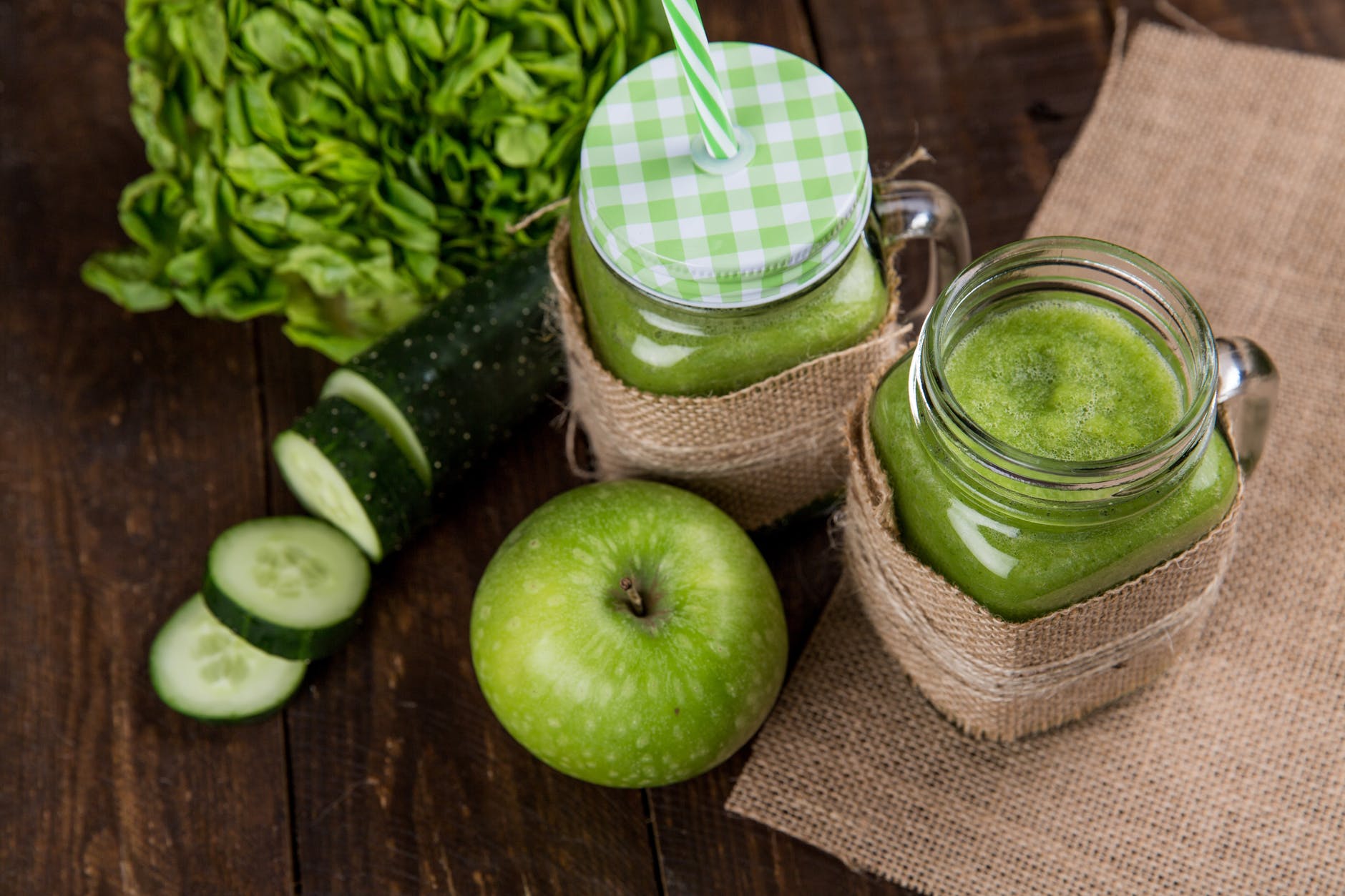
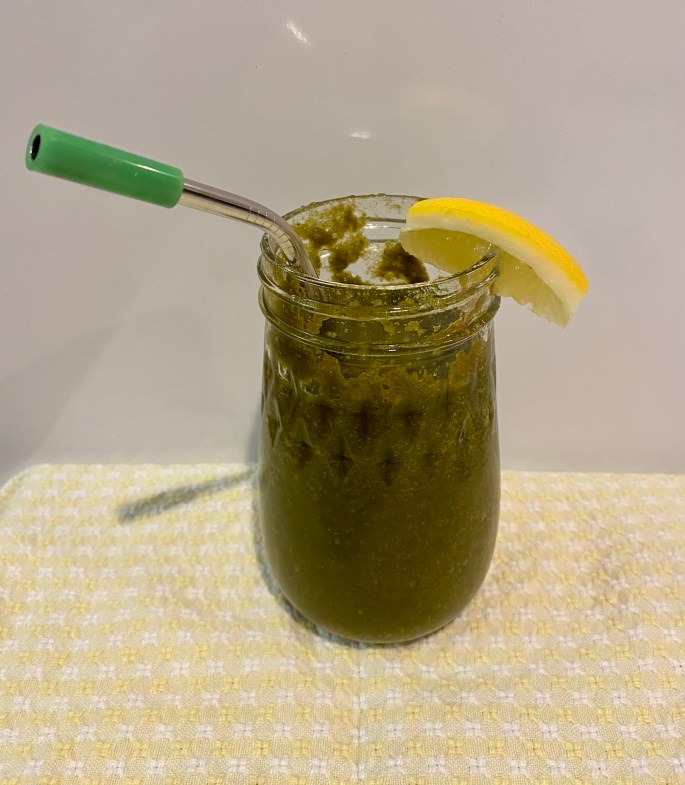
Below is a green smoothie recipe I drank throughout most of March that features leafy greens and cruciferous.  After such an extraordinary winter with snows, ice, and then flooding, drinking a bright green smoothie felt like a personal manifestation of spring. Furthermore, since March was also the month in which I was wrapping up 12-weeks of training for the Virginia Beach Shamrock Marathon, this smoothie felt like extra-nutritional insurance for remaining healthy and ready to run. 

I like to think of smoothies as a blended breakfast salad.  When made fresh at home, I am the controller of ingredients, calories, fiber, and nutrition.  I keep my smoothies whole food and plant based food based in order to start my day off on the right foot–especially since I would otherwise, at least during the work week, skip breakfast.  While I often add healthy fats in the form of nuts or seeds to smoothies, I personally do not with this one, but you could.  Instead, I tend to add a teaspoon of greens powder for an extra boost of concentrated green goodness, and sometimes matcha (ground green tea) if I feel I need a boost of energy and focus.   This smoothie fuels my morning and keeps me full until lunch.  The flavor is bright and tangy, and it’s super refreshing to drink.  

Here few other tidbits and factoids I have learned while refining my smoothies techniques:

*  Put greens and liquid in the blender first and blend well, this is especially important, if, like me, you don’t have a top-of-the-line blender.

* Spinach is always the sweetest greens, which is why I often blend it with other greens such as kale and swiss chard.

* Riced cauliflower, fresh or frozen, works well as a “green” since it’s cruciferous and makes smoothies extra smooth and creamy.

* Lightly peel/cut away any citrus fruit, leaving part of the pith (the white part).  It is high in fiber, vitamin C, flavonoids–which boost the immune system–and it is anti-inflammatory and antimicrobial.

* Ginger and turmeric are both known for their immune boosting properties, reducing inflammation, and decreasing chronic pain.  Fresh ginger and tumeric–both are roots–offer the most benefits, but ground versions are still beneficial.  Therefore, I tend to add both spices to not only nearly all of my smoothies, but also incorporate them throughout the day.

I hope you’ll give this vibrant green smoothie a try. It is an easy way to increase your fruit and vegetable intake.  Plus, you’ll start your day fueled with the power of green!

From my home to your, I wish you health, vibrancy, and vitality.  Be well, and, if you do give this, or any of my other smoothie recipes a try,  I’d love to hear your thoughts.

Shamrock Marathon Green Smoothie

Ingredients:

1 cup water

1 cup of your favorite greens, fresh or frozen, feel free to combine 2 different ones (think spinach, kale, 

½ to 1 apple, quartered (I use granny smith apple.)

1 lemon, peeled, quartered & seeds removed 

1 mini cucumber or ½ large cucumber, quartered

1 stalk celery, quartered

1 ¼ teaspoon ground ginger or 1” fresh piece

¼ teaspoon turmeric or ¼” fresh piece of turmeric 

Dash of salt

Optional add-ins: 1 teaspoon greens powder and/or matcha powder, 1 tablespoon hemp, chia, or flaxseeds, and/or 1 scoop favorite protein powder 

Makes 1 generous serving

Steph’s Blues Busting Chocolate Green Smoothie

“If you have a chronic disease — such as heart disease, diabetes, asthma, (arthritis, cancer, dementia) or back or joint pain — exercise can have important health benefits.”— “Exercise and chronic disease: Get the Facts,” Mayo Clinic Staff

Photo by Yaroslav Danylchenko on Pexels.com

COVID has taken away many so-called practices and habits that were once societal norms.  I think it is fair to say that many of us, from time to time, have felt weighed down, a bit angry, and even bereaved over the loss of the “way things used to be.”  In fact, now that we’ve begun traveling down this new road of living, I suspect there may be many things that will never return.  However, on the positive side, there are a few things that have evolved from this swift shifting of life.

One such personal benefit began during the quarantine period of 2020 as I reflected on my own health.  As I recently shared in other pieces, I have a genetic predisposition to colon cancer and heart disease.  Therefore, in an attempt to boost my immune system against these two inherited threats as well as COVID, I began to dial in my focus on the benefits of cardiovascular exercise and plant based eating, while still continuing some strength/flexibility/mindfulness practices.  None of these attempts have been perfect, but they do provide a sense of personal empowerment–a worthwhile feeling in a world that often feels out of control.

Photo by Karolina Grabowska on Pexels.com

Of particular focus for me was a renewed desire for out-of-doors exercise; however, the ever-present battle with two bulging discs and an extra vertebrae was/is a never-ending reality.  Therefore, towards the middle of May 2020, I began researching ways to strengthen my back and core muscles while simultaneously gradually working my way from walking to running in order to increase my cardiovascular fitness level. While there is nothing wrong with walking–in fact, I love it, and I honestly believe it is one of the safest and best forms of exercise–there is something about the heart pumping vigor of running that leaves me, well, breathless!

All kidding aside, I do not want to give the illusion that I run fast.  Speed is not, per se, part of my goal; instead, I focus on increased endurance.  In particular, I put greater emphasis on my resting heart rate.  The lower my resting heart rate, the better I sleep, and the less stress affects me–especially at bed time.  

Photo by Ketut Subiyanto on Pexels.com

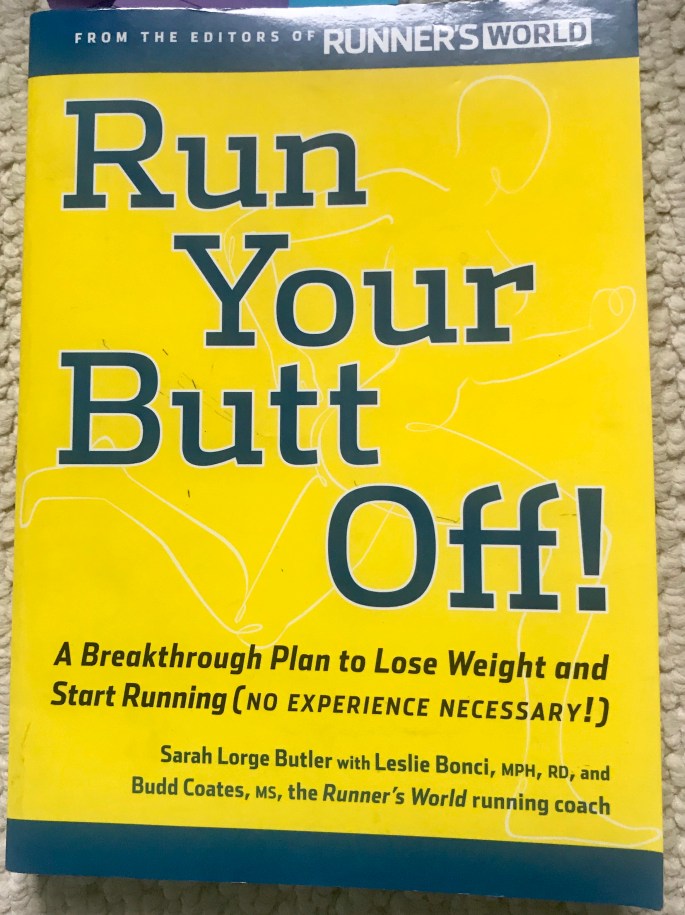
Therefore, without belaboring the point, I found a program for strengthening the back and core called, the Mckenzie Method.  Using some of the exercises from this back method and combining them with exercises from my time spent in physical therapy and practicing yoga, I cobbled together my own DIY daily back/core care routine.  Additionally, while researching this method, I ran across (See what I did there?) a book/training entitled, Run Your Butt Off, about which I have previously written.  This running program offers a plan to help a walker go from walking for 30 minutes, to running for the same length of time in 12 weeks (or however many weeks you decide to take it).  

Since completing the Run Your Butt Off plan, I have continued running 3-4 times per week. On the days that I run, I sleep much better–even if I don’t have the time to sleep long.  Even more exciting is that I have signed up to run a virtual half marathon.  Due to this, I have put greater emphasis on personal nutrition for the purposes of reducing inflammation and fostering recovery as the running mileage increases each week.

“Choosing plants will help all your body’s systems work the best they can.”–Heather Alexander, The University of Texas, MD Anderson Cancer Center

One way I am doing this is by continuing to eat plant-based.  While plant based eating does not have to mean that you will completely forgo meat and dairy, it does mean that those foods are dramatically reduced.  However, my personal choice, other than my occasional indulgence of black bean nachos, I choose not to consume meat and dairy products.  Additionally, I have (once again) committed to breakfast smoothies during this time period rather than skipping breakfast.  These smoothies are whole food, plant based powerhouses with no added sugar.  Every ingredient contained within them is full of fiber and a solid source of nutrition.  

I know that many people are opposed to drinking calories, and I understand abiding by that rule. However, I simply do not have time to commit to a sit-down breakfast, plus my stomach is often a queasy mess in the mornings.  A premade smoothie that I make ahead of time is a portable package of sound nutrition that my stomach can tolerate a couple of hours after rising.  They fuel me through my morning, and by lunch, I find I am not, per se, ravenously hungry.  

Additionally, by the time I head for my after-work runs, even if I am mentally exhausted, once I force myself to my running destination, I have plenty of fuel in the tank to complete the run.  Afterwards, I ALWAYS feel better, and even if everything else about the day seemed like it went wrong, at least I did two positive things for myself: fed my body good nutrition and exercised.  In my book, that’s a win. COVID changes be danged.

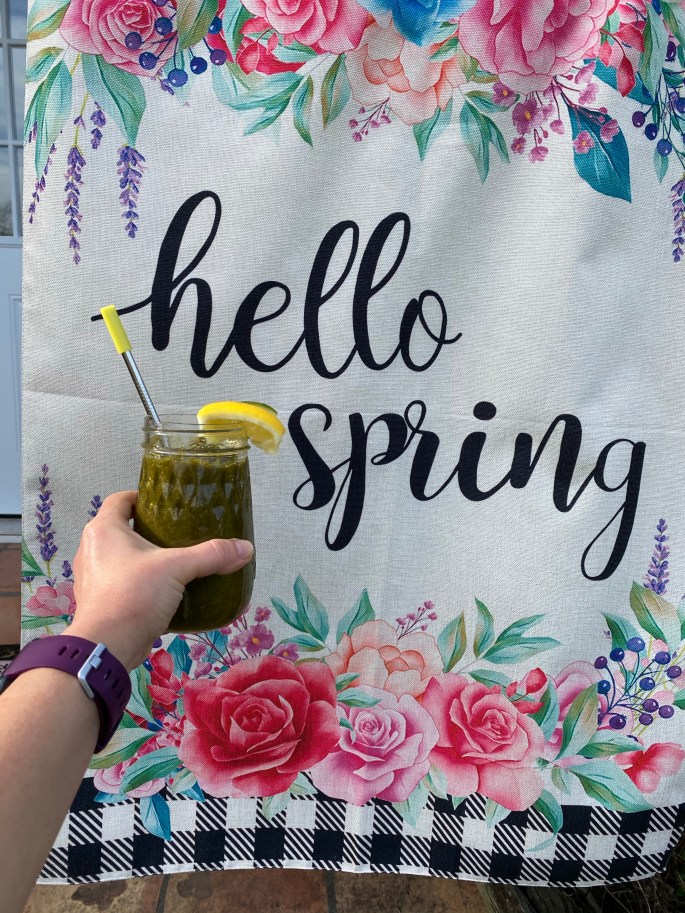
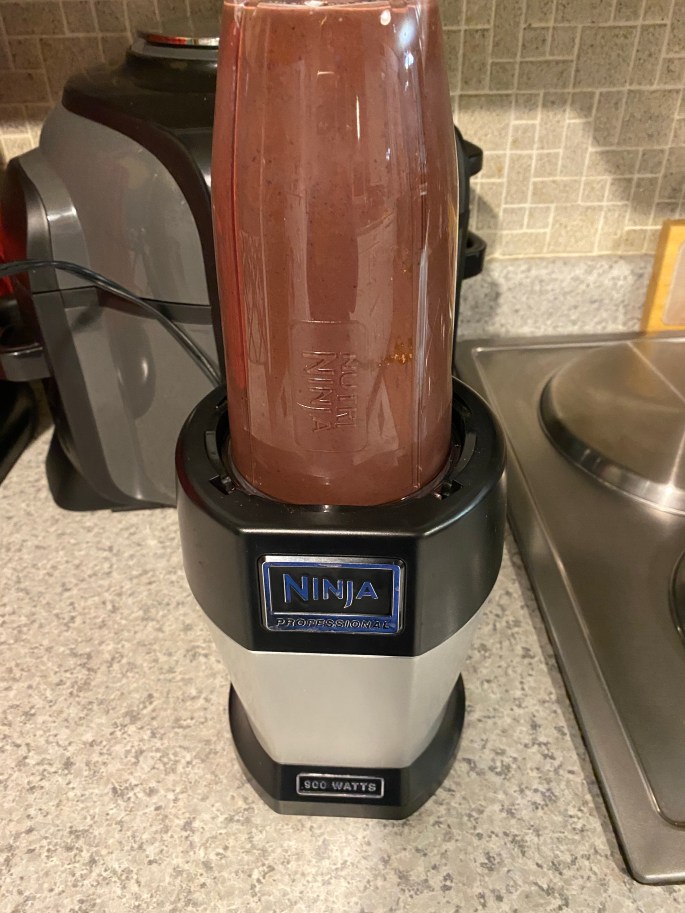
What follows below is one of my newest smoothie creations. (I’ve got a few more recipes I’m refining!)  No matter how frazzled, frustrated, or dissatisfied I may feel with external situations, this recipe has a way of mentally picking me up with its bright flavors and hint of chocolatey goodness.  Feel free to play around with and/or change the ingredients and/or the amounts to meet your personal dietary needs and taste preference.  Additionally, serve it up in a nice glass or even canning jar, and don’t be ashamed if using a straw (I use metal, reusable straw.) to slurp up all of the goodness at the bottom of the glass!  

From my home to yours, I wish you much happiness, health, and harmony even during these challenging times.  

Steph’s Blues Busting Chocolate Green Smoothie

Ingredients:

½ cup favorite milk or water (I use plant based milk.)

1 cup (75 grams) chopped romaine lettuce

1/2 ripe banana (I buy them ahead of time and freeze once ripe.)

2 tablespoons flax seed (Can use hemp or chia seeds.)

**2-4 tablespoons of Dutched cocoa powder, depending upon how chocolatey you want it.

1 teaspoon pure vanilla extract or vanilla bean powder

1 ½  cup (45 grams frozen; 85 grams fresh) chopped spinach 

1  cup blueberries (Can use frozen.)

½ cup cherry, pomegranate, or pomegranate/cherry juice

Dash of salt (I use a twist of ground pink himalyan.)

Optional: Add 1-2 teaspoons of favorite sweetener if desired, such as pure maple syrup, molasses, or honey (I do NOT add any sweetener, but I know others prefer a sweeter smoothie.)

Place in a blender in the order listed and blend until smooth.

Divide between two glasses.

Can be served immediately or stored for later use in the fridge.

Makes 2 servings.

**If you are not a fan of chocolate, you can skip the cocoa powder altogether.  However, you may want to consider adding, at the very least, 1 tablespoons of it.  Cocoa powder has numerous health and nutritional benefits.