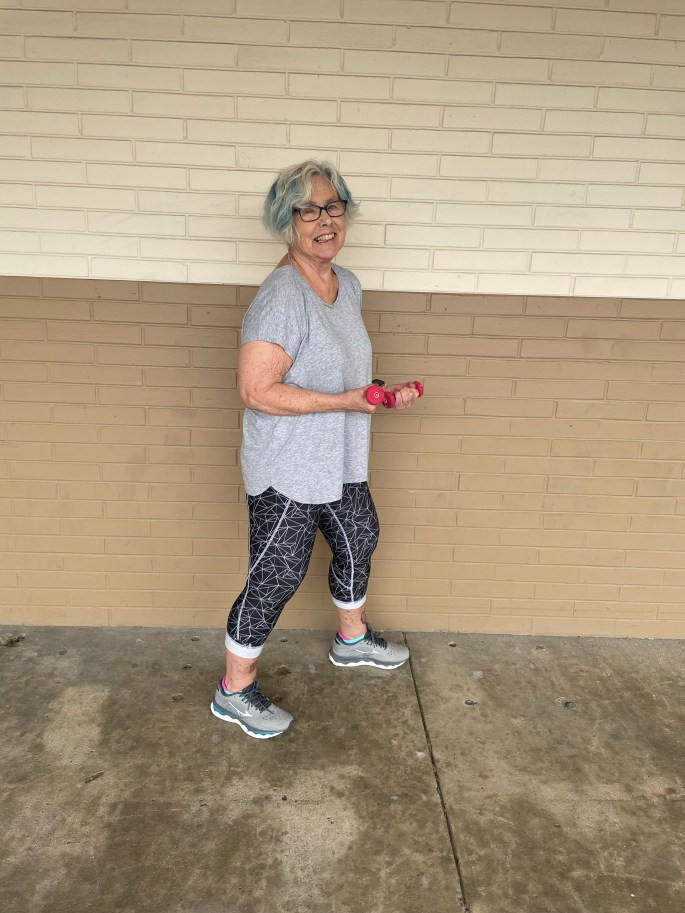
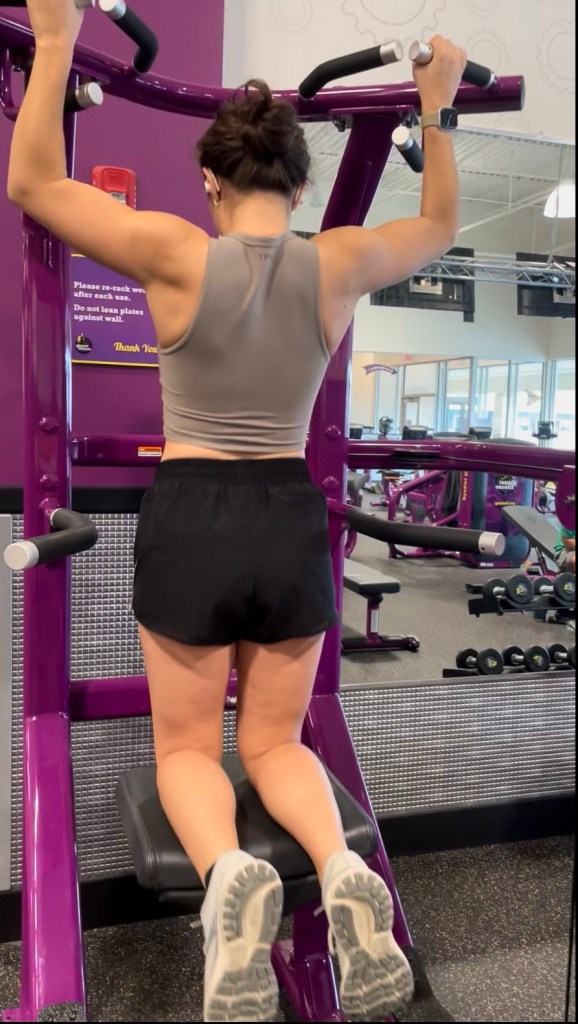
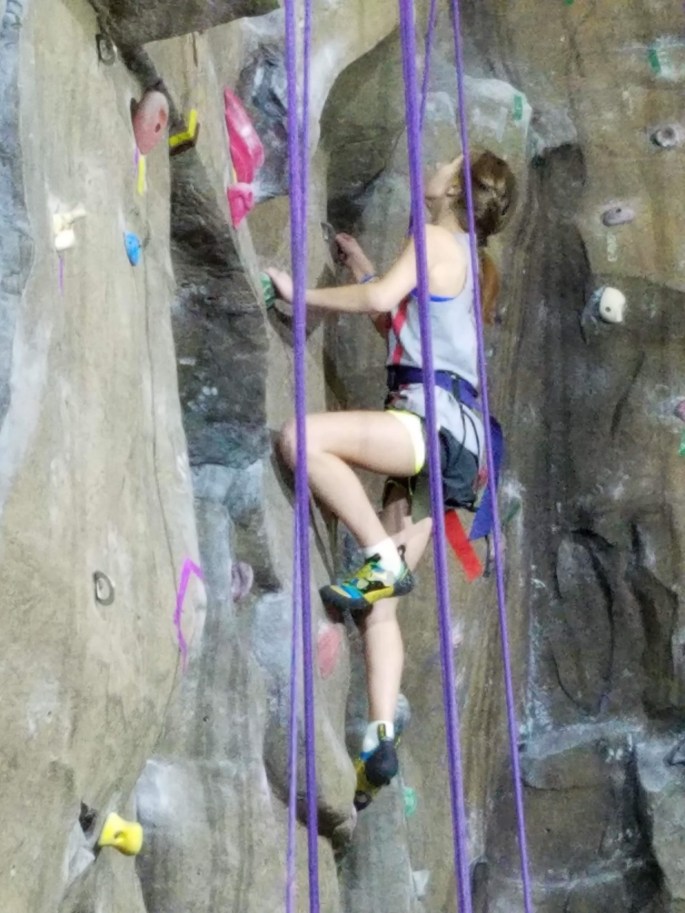
Moving into health for every body: Tips for fitting additional movement into your routine

“Changing ‘exercise’ to ‘movement’ was a game changer for me . . ..” –@brittanilancaster (Tik Tok)

Last month, I wrote about the importance of rethinking exercise and the benefits of incorporating movement into your daily activity.  Nevertheless, it isn’t always easy to plan, begin, and stick with a program.  You may have the best of intentions, only to be derailed by life.  Don’t feel guilty or ashamed by this–many of us, including myself, have been there on more than one occasion. Consequently, I am not writing to preach or make you feel bad. Guilt is not, in my opinion, a sustainable motivator; however, as I have previously stated, mood does follow action.  Therefore, this month will focus on actionable steps to starting, or returning, to a routine plan of movement.  

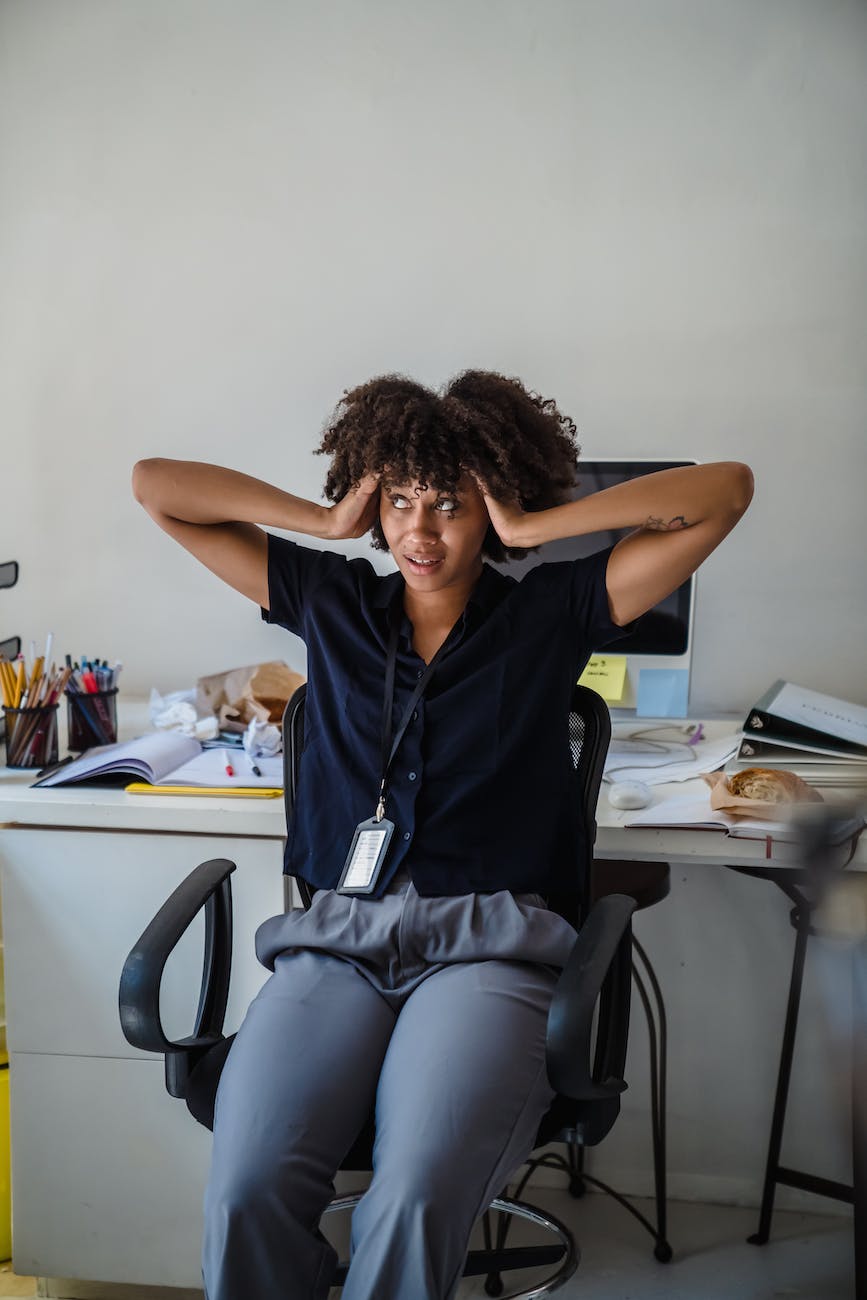
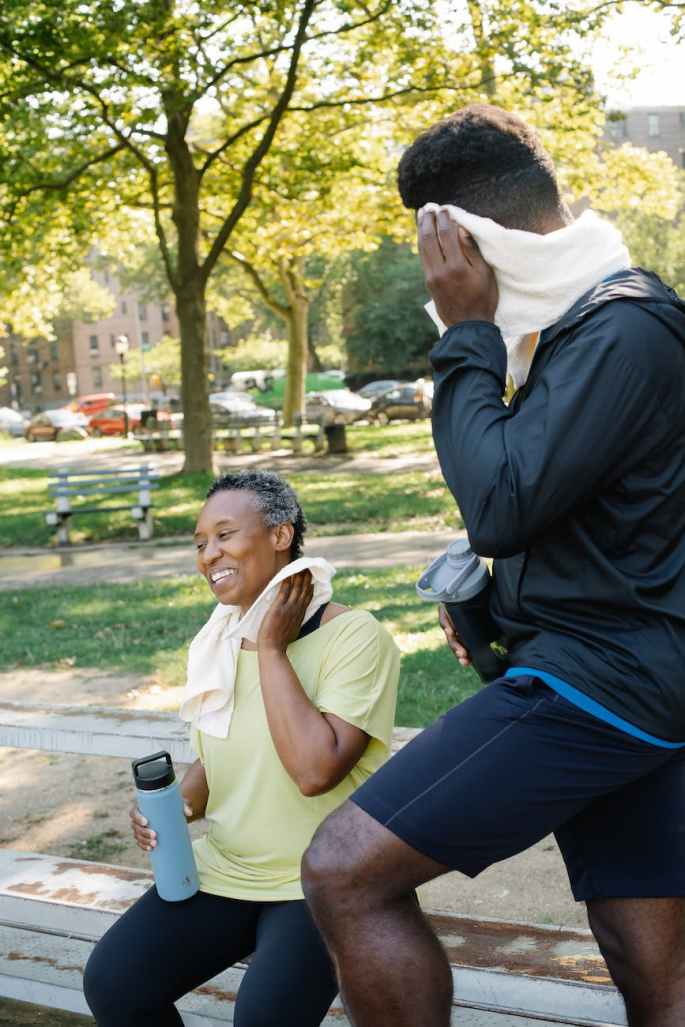
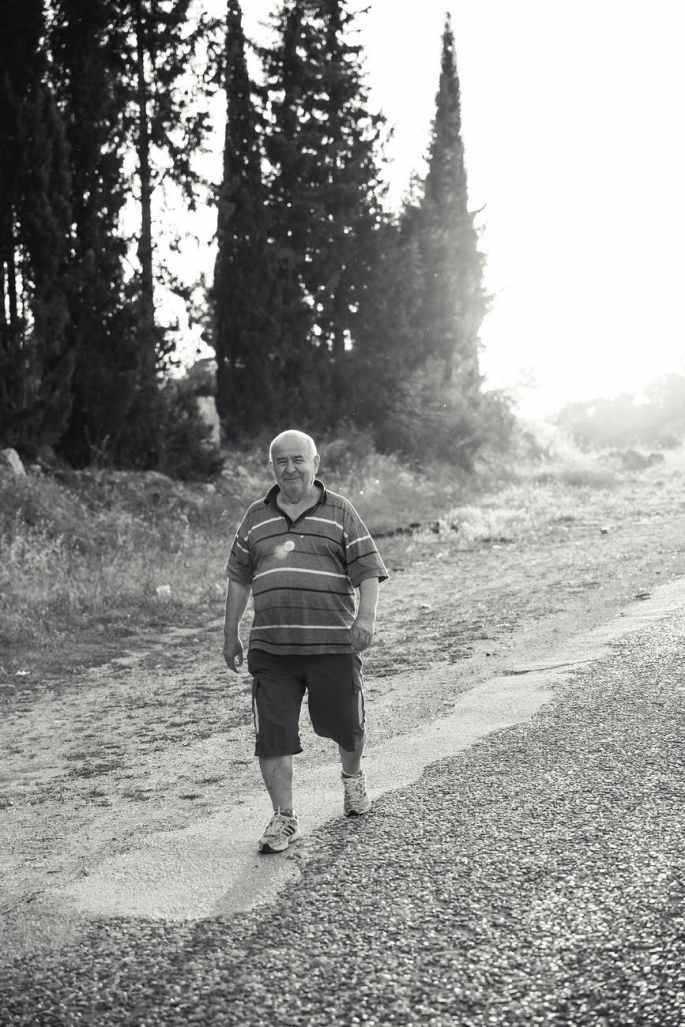
Photo by Bich Tran on Pexels.com

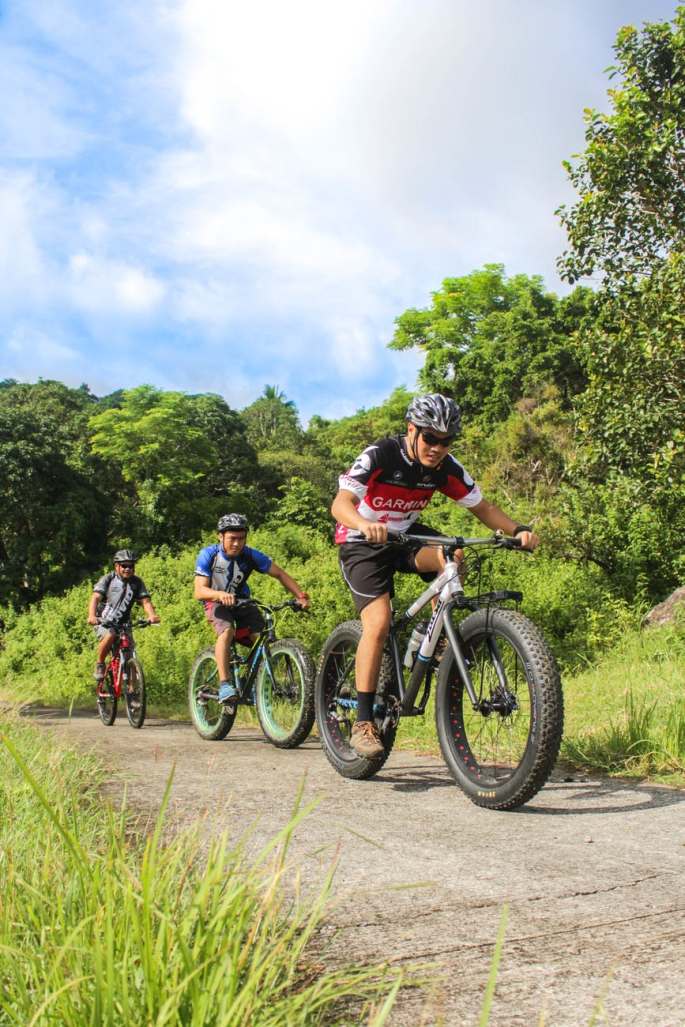
 Honestly, the best form of movement is the one YOU will enjoy doing, but in case you’re not sure, here are a few considerations. 

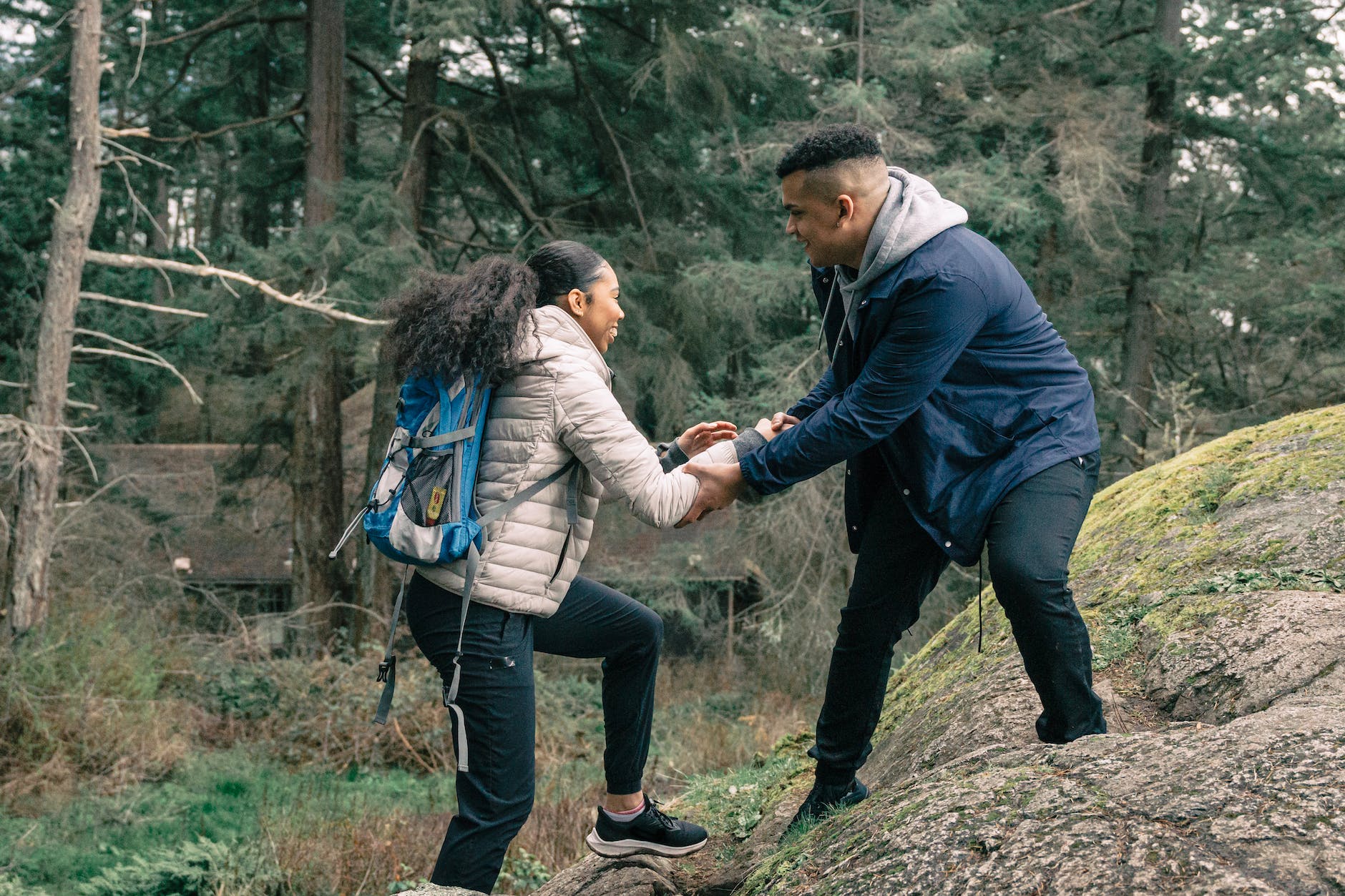
  • Solo or buddy/group system. Personally, I think it’s important to know if you’re a solo-type of exerciser or one who would stick to a program better with a buddy or a group.  Some people prefer, and are more likely to follow through, with an exercise buddy or group.  While others tend to like more solo endeavors.  Knowing your preference may increase your chances of a more positive movement experience.
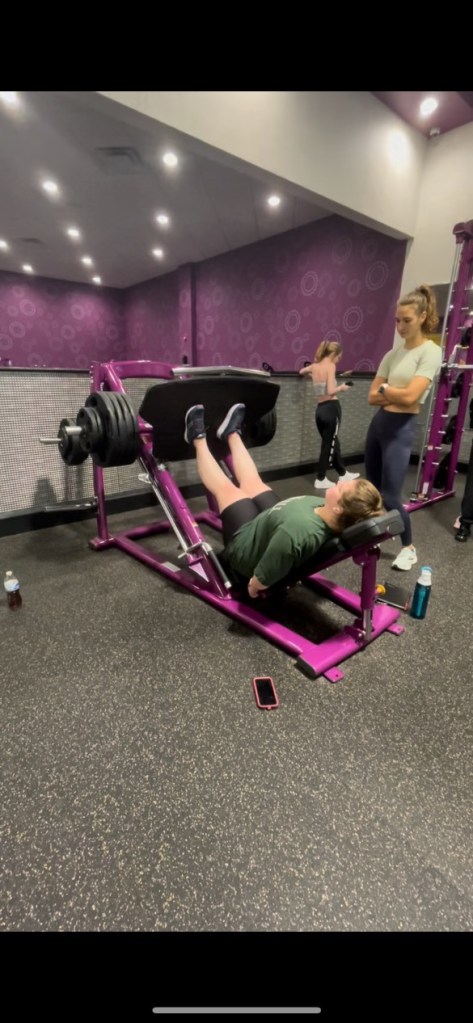
  • Choose an activity that you like.  It goes without saying, but I am going to state it again, if you dread exercise, you are probably not going to stick with it.  Ideally, find a form of exercise that makes you feel happy, empowered, and/or confident.  Do you love talking and/or sharing the latest juicy tidbits with a friend?  Then, choose an activity that allows you to do that while moving, such as walking.  Do you crave alone or quiet time?  There are many types of exercise that can lend you that much needed head-space for “me-time,” such as walking, biking, or strength training to name a few.  Are you motivated by instructors or group energy? Try one of the myriad of group fitness classes offered by gyms, fitness centers, or studios. And by all means, if you try one form of exercise, and you don’t like it, don’t throw in the proverbial sweat towel, try something else! 
  • Be realistic and start small.  In an ideal world, we would all follow the Department of Health and Human Services guidelines and exercise moderately 150 minutes per week–typically divided into five days for 30 minutes per day.  However, your schedule may only allow for three or four days and/or 15-20 minutes per day.  That’s okay.  Commit to a realistic routine and time.  Better to work within your schedule and be consistent with lesser amounts, than to do nothing at all.
  • Make it part of your weekly routine. Brainstorm ways to reduce or eliminate barriers.  Schedule exercise times into your smart calendar and set reminders, so nothing else can be scheduled during this time period. Schedule workouts with a friend in advance to build accountability, or use smart watches and/or fitness apps that allow you to link with friends, during workouts. Set out clothes, water bottles, equipment, snacks, and so forth, ahead of time. (I actually lay out all of my workout clothes for the week, set them in one stack by the bathroom, so I can grab and go quickly each morning.) 
  • Remember to reward yourself.   “If I do this, then I can do this.” Think about what really motivates you, and then set mini-goals towards that reward. It could be as simple as giving yourself permission to watch your favorite guilty-pleasure TV series for thirty minutes after completing a workout, or heading to your favorite local coffee or smoothie shop with a friend after completing a week’s worth of goal workouts. With consistency, health rewards will also naturally begin to occur, such as, sleeping better, greater sense of self-esteem, reduction of stress, lowered blood pressure, etc.
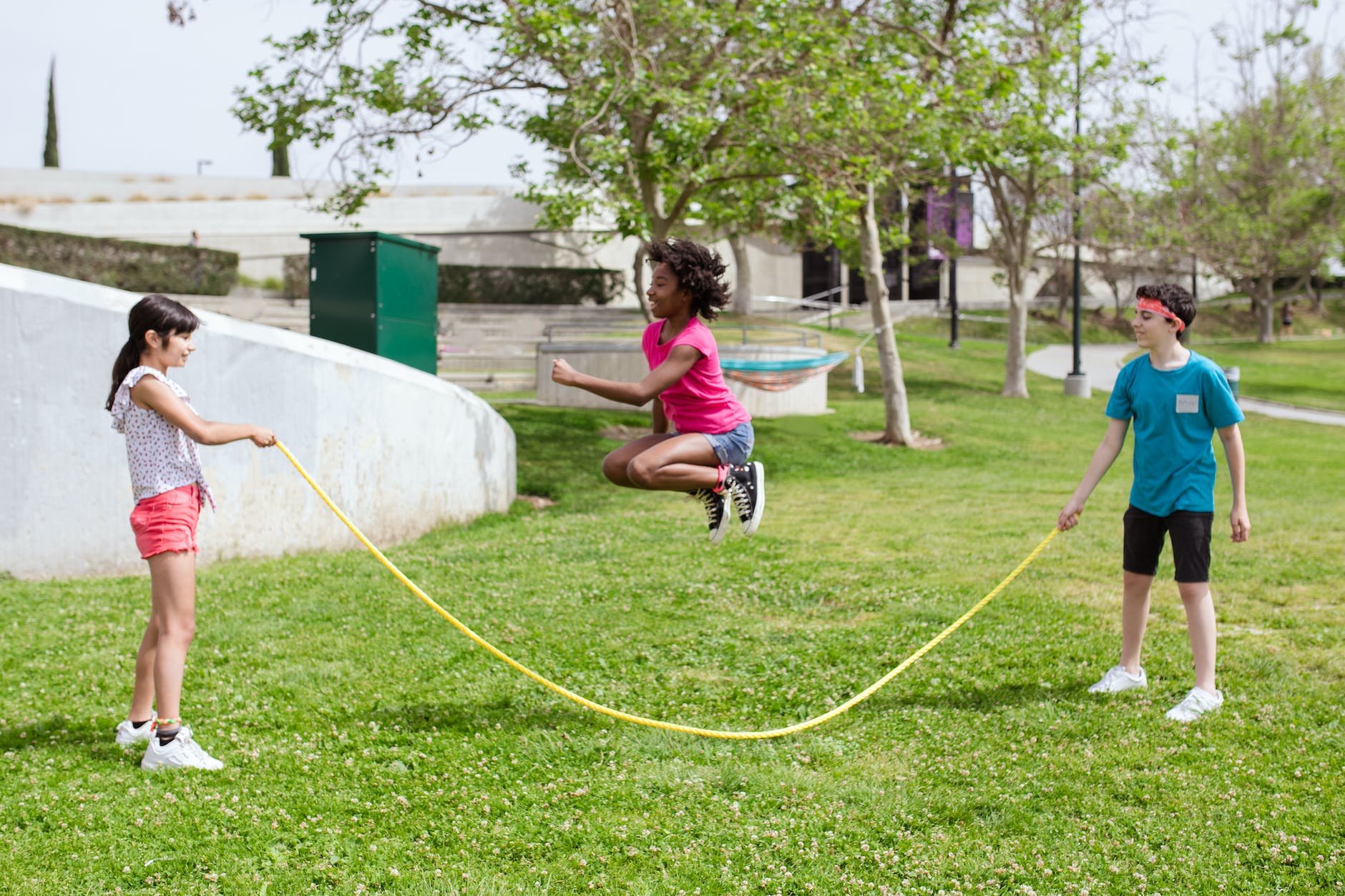
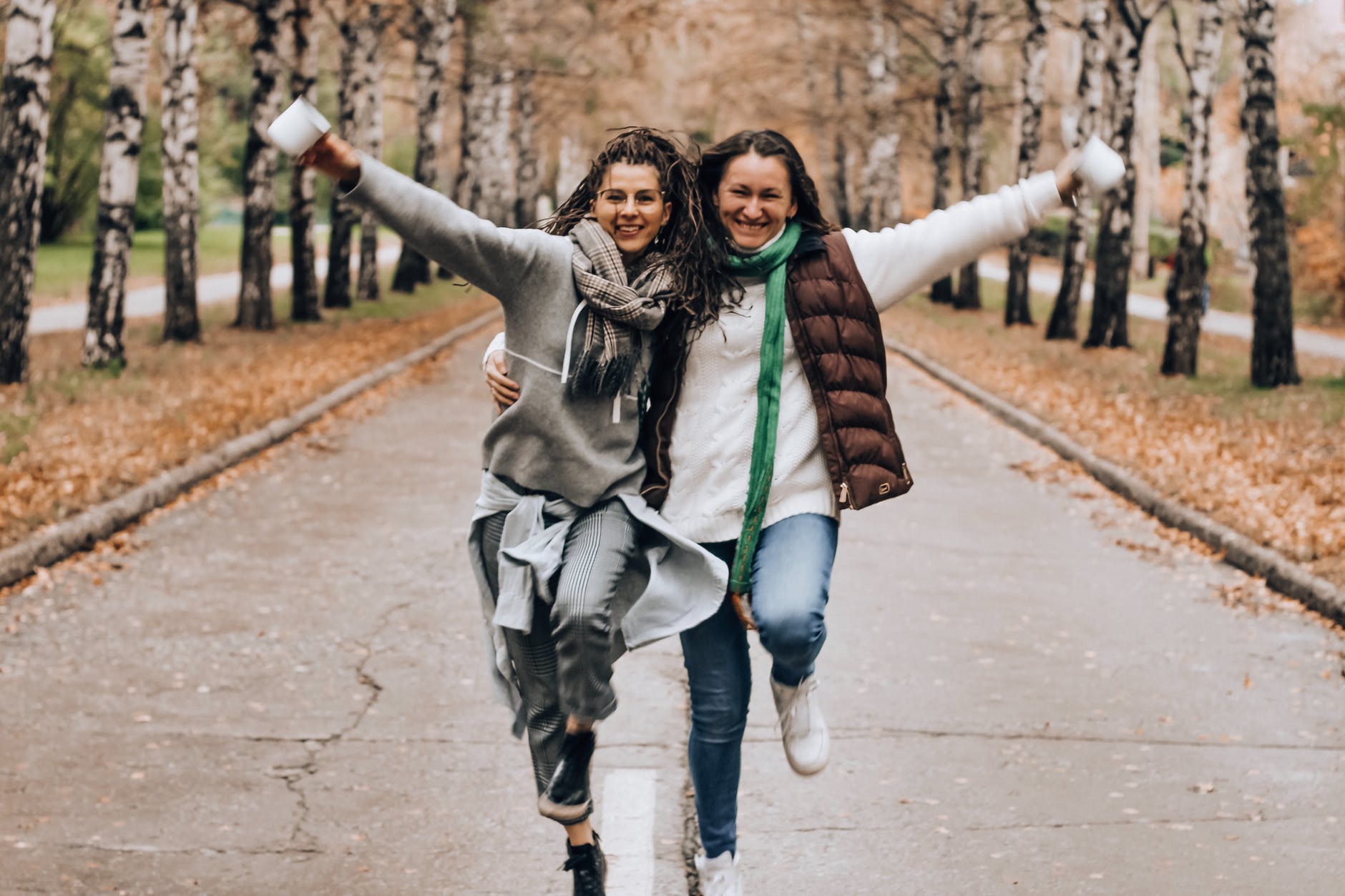
Photo by Polina Tankilevitch on Pexels.com

“Day 29 of exercising for mental health. Finally feeling like myself again.  I can’t believe I’ve gone my whole life without this.  Love watching my heart and lungs get stronger so quickly.  Getting my appetite for life back.”–@claraandherself (Tik Tok)

Barring any health issues, here are a few ideas for working around common obstacles that often occur when starting and/or maintaining an exercise program.

  • Have flexible expectations. Sure, we’d all like to look and move like a Marvel or DC superhero, but that’s not realistic, especially when first starting a new exercise routine or new form of exercise.  As the saying goes, “Rome wasn’t built in a day,” and any exercise program takes time.  However, little-by-little, improvements do occur, including moving with greater ease, less fatigue, feeling overall better/stronger, or even sleeping better.  It won’t happen overnight, but with a fair amount of consistency, improvements will occur.
  • Self-kindness and self-compassion always. Nobody is perfect. Kick ideas of perfection out of your head. Setbacks, illness, injuries, and other unplanned interruptions are going to happen.  If you miss a day here or there or if you have a time span in which your workout plan went out the window, don’t let it derail your overall goal of lifelong wellness. Offer yourself the same compassion and understanding that you would offer a friend.  Then, as soon as you can, get back to it–even if it means easing back into it or changing/adjusting your plan
  • Avoid the all or nothing attitude. You do not need to spend hours each day engaged in exercise to reap the benefits.  Even modest amounts of time will benefit your physical and mental well-being, and that could even include 5-10 minute movement breaks interspersed throughout your busy day!
  • Slide day mentality. Don’t get me wrong.  I am not giving you permission to let exercise slide.  Instead, while you may have certain days/time you prefer exercise, be willing to slide a workout to another time or day of the week in order to accommodate week to week schedule fluctuations.  Likewise, if you’re short on time, reduce your total workout time.  A short workout is still better than no workout at all!

I encourage you to banish those limiting beliefs about movement and exercise.  Ignore the toxic, guilt-inducing, body-shaming misinformation about exercise circulating on social media.  Exercise movement is all-inclusive and should be a positive experience for EVERY BODY.   

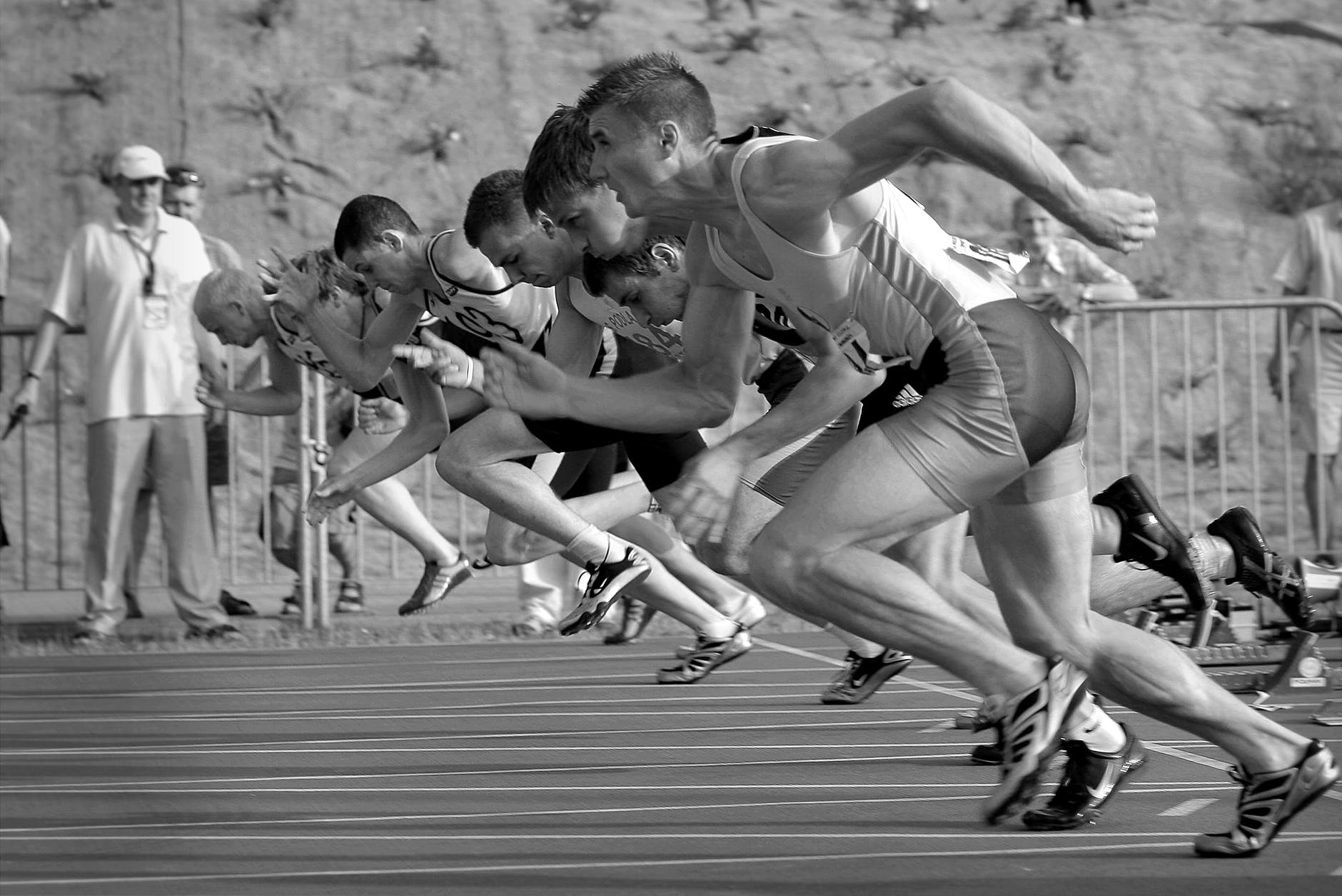
Photo by Mikhail Nilov on Pexels.com

Of course, I am not a medical professional, as such, it’s always best to talk to your family health provider before beginning a new movement program.  That said, as a so-called “non-athlete,” exercise has made a huge impact on my own physical and well-being, and I’ve watched it do the same for so many other dear ones in my life.  It is my hope that if you are not currently incorporating much movement into your life, you will consider starting today.  If you  already embrace exercise, keep it up, and while you’re at it, grab a friend to move with you!

Wishing you the best health, Dear Reader!

Banish any limiting beliefs you have about exercise.  Ignore the toxic perfect perfect body images of exercise as well as misinformation.  Exercise is all-inclusive and should be a positive experience for EVERY BODY!
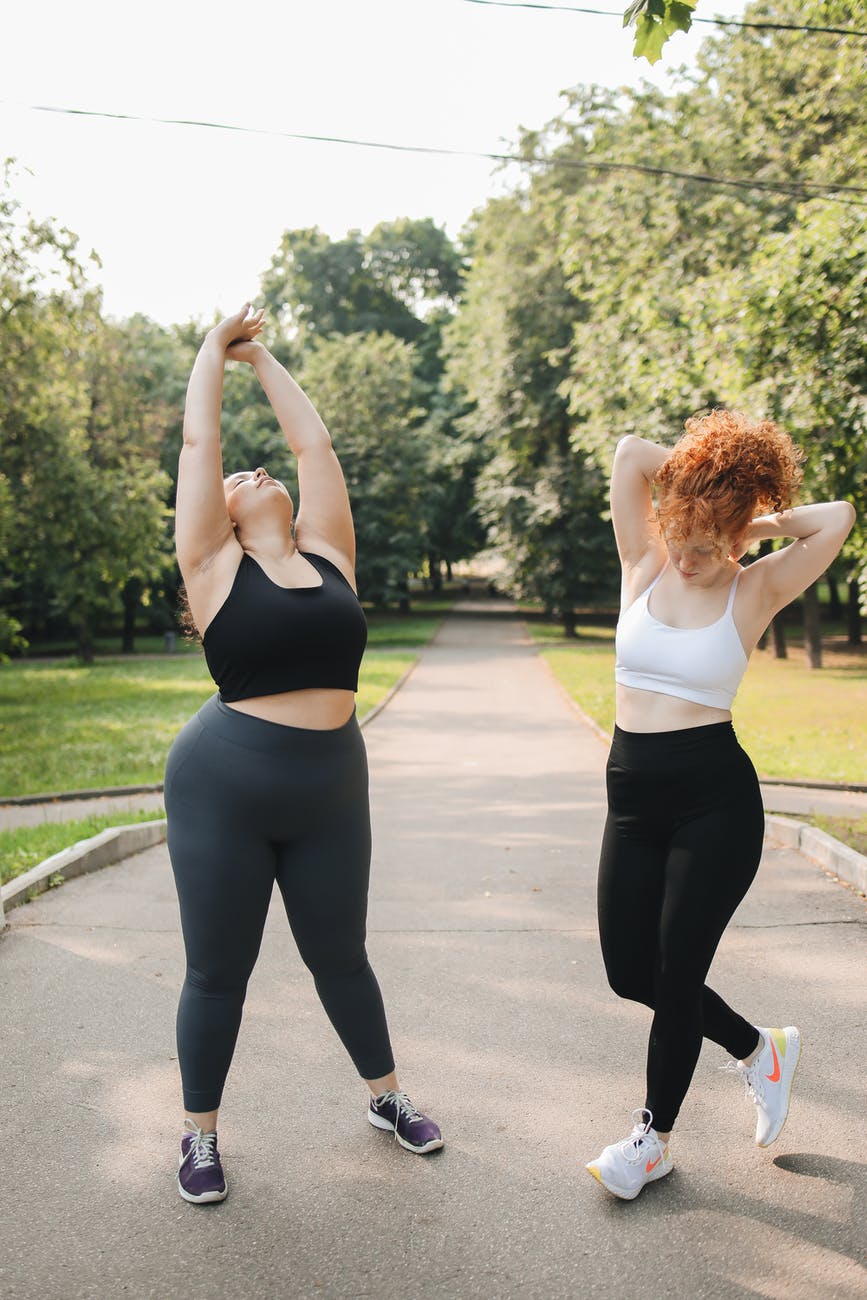
Photo by PNW Production on Pexels.com

Let your Life Be a Work of Art

“Make your lives a masterpiece, you only get one canvas.”–E. A. Bucchianeri, Brushstrokes of a Gadfly

Photo by Ana vu00ea Ana Fotografa on Pexels.com

I recently came across the line, “Let your life be a work of art.”  These words were spoken by the late Thich Nhat Hanh, and they inspired me to reflect upon their deeper meaning.  As often happens, I could feel the tendrils of my brain entwining around this notion and exploring all of its complexities.  In fact, the next day, I found myself in meditation asking myself how to “live artfully” and contribute more beauty to the world.

It seems to me that all lives are pregnant with possible ways to share unique artistry with others. While I know, as Bucchianeri once wrote, we only get one life canvas, I’d like to think, that with the gift of each new day, we are each bequeathed a new canvas on which to create. Therefore, how do we bring about awareness and intention to our daily opportunity to create quality life art? 

Photo by Steve Johnson on Pexels.com

I think many great religious and thought leaders would point to nourishing your innerworld as a start. Initially this may sound self-centered.  However, I am reminded of the repeated directive instructing passengers, when flying on an airline, “put the oxygen mask on yourself first before helping others.”  This is because you cannot be of assistance to another person, if you don’t have a one true source for life. 

Therefore, it makes sense to foster a rich, more faith-filled inner life in order to create a more inspired and productive outer life.  Personally, I know when I mindfully start my day with time set aside for thoughtful devotion and contemplation, my actions are apt to be more harmonious and positive with others.  In fact, I find that if my inner world is unclouded, my actions and choices are more thoughtful and in better service to others.  

Photo by Kelvin Valerio on Pexels.com

That said, I don’t think it’s a linear or perfect process, but a gentle ebb and flow. When we seek, pray, read, meditate, and/or focus upon living more peacefully, as described in most major religions, we can then draw from a wellspring of faith, purposely seeking guidance for serving others.  However, that doesn’t mean we always remember to do that.  Mistakes, stress, anxiety, emotional overload, and so forth, can take us off our A-game for a span of time, but like a swing responding to gravity, our faith can draw us back to the path. 

The more we return to cultivating that inner-world, the more we begin to live in closer alignment with our higher purpose.  Life, it seems, begins to evolve and flow with greater ease, enhancing our ability to constructively contribute to the world and others around us. The greater the sense of ease, the less resistance and/or friction in life, thereby allowing for more effective and productive communication and actions.  Thus, the “art” we hope to create in life, organically continues to evolve and spread to others.  

Photo by Kampus Production on Pexels.com

 In fact, at least based upon my current reflections on the subject, it seems to me, the more we get clear in our inner world, the more we learn to accept responsibility for our own actions and choices.  As we assume more responsibility for our own actions, we can begin to also foster more responsible reactions as well.  In fact, when our reactions become more moderated and considered, the more effectively we can generate a sense of calm, creating less distress in our own lives and the lives of those around us. 

Of course, writing about “life as art” is easier said than done. Nonetheless, I do believe it is worth trying. As with any work of art, the process is often filled with struggle, but as any artist can tell you, the process of creation can often be messy and imperfect.  Therefore, learning to artfully live with more intentionality and tempered reactivity is a process also permeated with struggle as it takes awareness, time, and a large quantity of patience with self and those around us. 

Photo by Afta Putta Gunawan on Pexels.com

However, by repeatedly returning to the cultivation of our inner life, our hearts and minds are gently reminded to remain in alignment with the higher purpose of our faith.  Even after those less-than-stellar days, that we all experience, we can return to our practice and consciously redirect.  In the end, this not only benefits you, but others also profit by your choices, and even more so, by your example.  This give and take of constructive and purposeful living creates a dynamic design of a colorful criss-cross of actions and interactions.

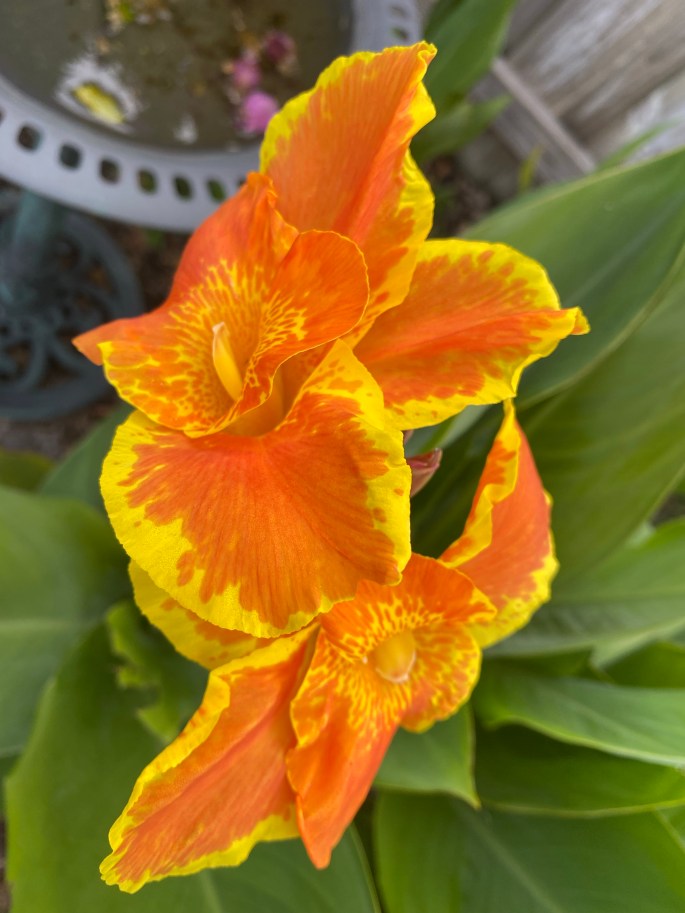
Admiring the beauty of a large pot of flowers, vincas, on my front porch brought me full circle in this “living artfully” thought exploration.  The flowers began as four tiny individual plants. In spite of all the crazy weather, the vincas have multiplied ten-fold, it seems, with eye popping color. The vincas are a reminder that our lives can flourish in similar fashion. 

Our Creator designed us with the ability to withstand dry times, heavy rains, and even stormy seasons. However, the more often we return to nurturing our inner world, the better able our True Source can work through us. By more frequently listening and surrendering to that deeper voice of God, the more we allow our lives to become the design of the Creator’s hands; and like the vincas on my porch, our lives can become unique and colorful works of art to which Hanh encouraged so many years ago. 

By creating the practice of cultivating our inner world, we can become aligned with our higher purpose.  Through the ebb and flow of practice, we learn to accept responsibility for actions, consider our reactions, and allow the "art" of our life to flow with greater ease.
Photo by Jennifer Murray on Pexels.com

Good or bad, this too shall pass

“There are some things you learn best in calm, and some in the storm.”–Willa Cather, The Song of the Lark

Photo by Josh Sorenson on Pexels.com

“This too shall pass.” 

How often have we been told and/or likewise used that phrase?  Typically, this phrase is spoken during times of trouble, stress, or suffering.  However, what about during the good times– those really sweet, special moments?  Why don’t we say those same words then?  Wouldn’t it be worth acknowledging that this wonderful time period cannot last forever either?  Now, before you think I am writing like a Negative Ned or Donavan Downer, cast your rod alongside my line of thinking, so we can fully explore these open waters.  

In life, good, bad, and temperate moments will rain down upon us.  Sometimes life serves up a spring storm, blowing in fast and furious, momentarily soaking us, but then moving on quickly, no worse for the wear.  These are those momentarily stressful times, usually only lasting a few hours, or at the very least, no longer than a day.  Typically, with a good night’s sleep, the negativity is released, and by morning light, you’re gifted with the start of a new day, refreshed enough to handle any remaining raindrops of the previous day.

Photo by cottonbro on Pexels.com

However, there are times when it seems like one day of storms follows another day.  I am often reminded of these times during the summer when there are consecutive days of hot and humid weather with afternoon storms that can be quite fierce.  Sometimes, this type of weather pattern can go on for weeks, much like troubling circumstances life can serve up. 

We’ve all experienced those periods.  For example, the car breaks down, the air conditioning unit goes out, all while trying to navigate a daunting unforeseen health, personal, or professional crises.  News headlines add further stress, and even the most mundane of tasks begins to feel like, “one more thing I have to do.”

Photo by Brett Sayles on Pexels.com

Personally, it is during these difficult times that I am reminded of how I take normal for granted. The grind of the day-to-day work routine may often have us looking forward to the weekend. However, when a crisis strikes, I’d give anything to go back to that so-called grind again without the outside drama, distress, and distraction.  

Similarly, we can often take our health for granted, complaining about aches, pains, stiff joints, and the like.  However, when tossed into the throes of a serious illness, our outlook may seem different. We find that we long for the days when our only complaints are stiff hips, low back ache, or overall fatigue. 

Photo by Nikolett Emmert on Pexels.com

At the beginning of the month of July, a week of hot, humid, stormy weather swept through the area in which I live.  Each afternoon or early evening, severe storm alerts were posted in the area. One particular evening, a severe storm warning was posted with a strong wind advisory, and a potential for power outages. This was the third such weather alert in as many days.

Within the hour, rumblings of distant thunder could be heard.  Minutes passed as the thunder grew louder, and rain drops began to fall.  Gradually, the intensity of the rain began to grow. It wasn’t long until window shaking thunder was reverberating throughout our home with luminous lightning bolts crashing towards earth as the rain intensified. As gales of strong winds swept through the valley in which I live, the power went out. 

Photo by Pixabay on Pexels.com

Sitting there in the fading light, surrounded by the storm, I began my usual grumbling about the power going out. However, in the middle of my spouting, it occurred to me.  I was dry.  Our roof was not leaking.  Food was in my cupboard and refrigerator–although, I was keeping it closed for the time being. We had plenty of clean water.  My family was safe.  There was a mode of transportation outside our home if, for some reason, we needed leave.  

What more could I ask for?  Besides, the storm would pass, and eventually, the power would be restored–even if it took days–which, thankfully for us, it didn’t.  It was in this moment of reflection that an often repeated phrase, “This too shall pass,” crossed my mind.  

Photo by Martijn Adegeest on Pexels.com

Storms pass.  While we may not be able to see when they are going to pass, they ultimately do move on.  It may take days, weeks, months, or even a year or more, but the downpours of life do fade.  Therefore, why don’t we more frequently push the pause button during calm-after-the-storm moments and appreciate them?  Why don’t we take more time to feel and express gratitude for the sweet, exciting, and even average times of life–really savor the fullness of those less challenging moments because they, too, shall pass. 

Both calm and stormy times can offer us lessons–lessons of strength, stamina, perseverance, appreciation, gratitude, and even acceptance. For many of us, myself included, it takes the challenging moments to teach and/or remind us how to weather and ride out storms.  These times of intensity bring us face to face with the present moment as life storms cannot be ignored–they demand our attention.  Unfortunately, it is the calm, steady-as-it-goes time periods of life which can all too often be overlooked and not appreciated nearly enough.

Photo by Jaggi on Pexels.com

Next time, a storm moves through the area in which you live, observe it closely.  Tune in to all of the chaos and turmoil that accompanies it.  AND THEN, intentionally discern the calm that follows. Take notice of the birds as they resume their singing, the return of insects buzzing, and resumption of all those surrounding precious life sounds that create the uncelebrated mundane muzak of life.  

Allow those opposing meteorological moments to serve as a reminder that no matter what type of weather life serves up, it all passes.  Storms of life may vie for our attention, providing us with numerous lessons of fortitude and resilience with each experience for which we can be grateful (at least afterwards). However, let’s remember to enjoy and appreciate those moderate to mild days.  They, too, provide valuable lessons, quietly dishing up the joy and peace that can be found even in the most monotonous routines of life. 

Photo by Nicholas Githiri on Pexels.com

Come on, Let’s get moving!

“When it comes to health and well-being, regular exercise is about as close to a magic potion as you can get”–Thich Nhat Hanh

Photo by Asya Cusima on Pexels.com

Over the past few years, I’ve encountered a number of people who say they can’t exercise. This hurts my heart because these are genuine beliefs often imposed upon them at a young age by well-meaning individuals, misinformation, and/or media imaging.  Exercise is free and accessible to all.  No one should feel like, “I can’t exercise.”  We all have an inner-athlete waiting to be freed!  It is how we define athletes, and exercise, for that matter, that needs to be changed.

According to Merriam-Webster.com, there is only one definition for the word, athlete. It reads that an athlete is “a person who is trained or skilled in exercises, sports, or games requiring physical strength, agility, or stamina.”  This is where I think our mindset often goes when we think of starting some form of exercise.  Personally, I know that is where my mind often goes.  

Photo by Pixabay on Pexels.com

I can’t tell you how many times I have thought or said, “Well, I wasn’t athletic in school,” or “I didn’t play sports in school.”  I am pretty sure that I am not the only one who thinks or makes such comments.

Why do we do that? Why do we define ourselves as adults based upon four to eight years of our life?  It would be like me claiming to be a mathematician because I spent so many years during my formative schooling taking math classes. I am no more a mathematician than I am not athletic. 

Photo by nappy on Pexels.com

Here’s where it gets interesting.  Look up the definition of word exercise.  Go on, I’ll wait for you!  Exercise is a fascinating word.  It can be both a noun AND a verb; meaning it can be both a thing and an action–unlike the word, athlete.  Also, unlike the word, athlete, exercise has numerous definitions, such as

  • the act of bringing into play or realizing into action (n)
  • regular or repeated use of a faculty or bodily organ (n)
  • to make effective into action (v)
  • to use repeatedly in order to strengthen or develop (v)

And, the really cool thing is that these were only the first two definitions for the noun and verb form of exercise.  There are several more ways, in fact, to define exercise.  However, the definitions I share here are enough to make the point.  Exercise is nothing more than bringing something–a movement, for example–into action by repeatedly doing it.  Isn’t that excitingly simple?

Photo by Polina Tankilevitch on Pexels.com

“Healthy is an outfit that looks different on everybody!”–Unknown

Exercising is for ALL.  Not once, when reading through the complete list of definitions for exercise did I come across the word athlete or athletic.  Nor did I read anything about requirements for age, body type, body size, gender, height, coordination, prior experience, prior injuries/illnesses, prior knowledge, time commitments, cost, or even special clothes/shoes.  In other words, none of those narrow boxes that we use to define ourselves or excuse ourselves can prevent us from exercise!  

I used to say, and still sometimes default to this phrase, “I’m not a real ___________ .” (Fill in the blank with whatever current form of exercise I happen to practice).  It needs to stop.  I say this to myself as much as I write it to you.  If we are moving, then we are doing real exercise. 

Photo by Cliff Booth on Pexels.com

Additionally, there is no one, so-called, “right” way to exercise.  Move. Walk.  Swing your arms.  Dance.  Bounce your leg.  Swing your hair (Doesn’t work for me, but if you have it, swing it!)  Put on some K.C. and the Sunshine Band and, “Shake, shake your booty!” Move from one end of your home to another.  Wave at your neighbor–do it five to ten times, and you’re strengthening the muscles involved in that movement.  The point is, get up, and move.  

Photo by Kampus Production on Pexels.com

Start small, and commit to five minutes of walking or some other form of movement–preferably not sitting, assuming you have no mobility issues.  Sometimes, just committing to a small time, leads to a longer time of effort.  Even if it doesn’t, that is still five minutes in which you weren’t sitting still.  Then, building upon that success, might just be enough to get the ball rolling, or should I say, body moving.

Mood follows action.  You heard it here first.  Actually, I cannot take credit for that assertion, but it is a statement that has proven true for me repeatedly.  In fact, I embrace that declaration like a mantra.  Take a positive action, however small it is, and it elevates your mood, often leading you to either make more of a time commitment to said activity or make another positive choice.  Either way, it’s a win-win.

Photo by Josh Willink on Pexels.com

Exercise has so many positive benefits.  Here are just a few of the research backed benefits in case you need extra motivation:

  • Reduces symptoms of depression and anxiety
  • Releases tension and reduces stress levels
  • Boosts self esteem
  • Increases memory and sharper thinking
  • Improves sleep quality
  • Protects against many chronic disease
  • Lowers blood pressure and improves heart health

Typing that list made me feel a little giddy.  Seriously, stop letting your definition of how an athlete, or so-called exerciser, should look, should dress, should do, or should be–those are all beliefs embedded in your mind that are holding you back.  You have a body.  You can move it.  

Photo by ANTONI SHKRABA production on Pexels.com

Don’t worry about what other people will think of you, because if they are passing judgment on you, that says more about them than it does you!!  You take care of yourself, and get moving.  It is not about losing weight, embodying a certain body type, or even wearing the latest greatest name in shoes, fitness watches/gadgets, and/or athletic wear.  It’s about Y-O-U and your health!  

If you’re not sure where to start, walking is the easiest and most accessible form of exercise.  It doesn’t require any special equipment and can be completed even inside a home/store/work site. My grandfather used to walk around his house for a certain amount of time–well before there were step trackers. Some people walk inside malls, stores, or shopping centers.  I’ve even been known to walk up and down my driveway just to move!

Photo by A Koolshooter on Pexels.com

 Additionally, there are plenty of plans, tutorials, and how-to videos on-line–just make sure you use reputable sites, such as Healthline, Verywell Fit, Exercise Prescription on Internet (ExRx), Livestrong, Bodybuilding.com, The Cooper Institute, and MyFitnessPal to name a few.  Look for beginning tips/routines/plans to get you started.  Bear in mind, these are suggestions, not laws.  The key is to explore, experiment, and find what works best for you.  

Come on, no more excuses.  Move your body; bring it into play/action–even a little bit counts.  Repeat it again tomorrow.  Start small, add more when you can.  Mood–and health–follows action.  You’ve got this! (Feel free to reach out and let me know how it goes! I love seeing others find their own movement/exercise journey!)

Photo by Sarah Chai on Pexels.com

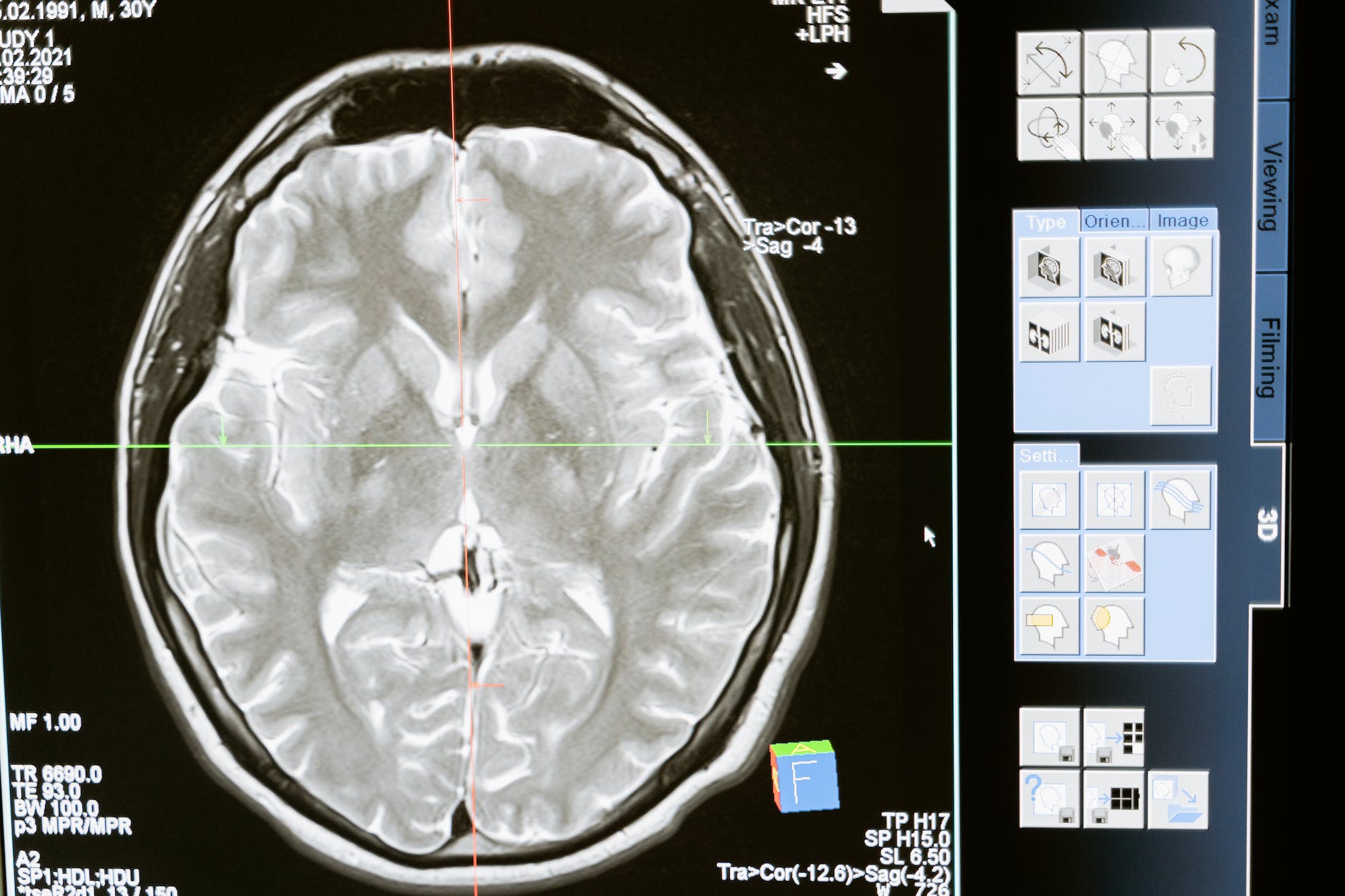
An Ounce of Prevention Goes a Long Way to Preventing Dementia and Alzheimer’s Disease

Currently more than 55 million people live with dementia worldwide, and there are nearly 10 million new cases every year. . . . Alzheimer’s disease is the most common form of dementia and may contribute to 60-70% of cases. . . . Dementia is currently the seventh leading cause of death among all diseases and one of the major causes of disability and dependency among older people globally.”–World Health Organization, 2 September 2021
Photo by Nashua Volquez-Young on Pexels.com

It happens more often than I care to admit–the inability to come up with a particular word while engaged in conversation. In my mind, I can see the shape of the word lurking in the shadows of my brain.  Try as I might to shine a mental flashlight on the word, the word will continue to evade me in a cavernous pit of forgetfulness only to materialize a few hours, or even days, after the conversation has ended.

I have witnessed dementia grip one grandparent’s aging mind and Alzheimer’s disease affect another.  Then again, how many other people can say the same thing?  Therefore, why do I worry, when my brain stutters, sputters, and struggles with a word, misplacing an item, or wondering why I walked into a room?  Answer: because I do not want to be a burden to others.

Photo by Magda Ehlers on Pexels.com

That said, I dearly loved my Mamaw and my Papaw.  Even when they were in the throes of dementia and Alzhiemer’s respectively, I still adored them.  However, I was not responsible for their overall care and well-being.  That responsibility fell squarely upon the shoulders of my parents, their spouses, and their siblings. Instead, I was the grandchild who could visit, help-if asked–and leave as I pleased. I didn’t have to worry about the direct care and multitude of decisions that each diagnosis required–and those decisions, it seemed to me, grew in direct proportion with the disease’s progression.  

Mamaw had two children, and Papaw had three.  Even if one child was the legal guardian, they still had another sibling with whom they could confer regarding decisions, seeking help, or any of the other myriad of responsibilities that accompanies caring for a loved one with a form of dementia.  Whereas, I have one child.  One.  And in the words of Three Dog Night, “One is the loneliest number . . .”  I could cry thinking about putting that sort of responsibility upon her.  

My prayer is that dementia will not be my legacy to my daughter. Therefore, I have become somewhat obsessed with habits that could prevent dementia and Alzheimers. One quick recent search for, “preventing dementia and enhancing brain health,” and, according to Google, precisely, 1,500,000 results appeared in 0.56 seconds, many of which are considered “scholarly articles.”  Additionally, searching “habits that increase risk for dementia,” produced nearly as many results.  The point is that I am not alone in my desire to prevent and reduce risk for dementia.

Photo by Andrea Piacquadio on Pexels.com

Unfortunately, there is no known cure for dementia, and even the currently prescribed therapies and medicines have proven to have little efficacy. This is often due to the fact that developing any of the various types of dementia is believed to be a complex cocktail of factors including age, medical history, lifestyle factors, and genes. Consequently, numerous scholarly sources point to a number of preventative measures since most cases/types of dementia are not directly inherited. 

One of the most cited statistical links and effective measures to prevent dementia is regular participation in movement and exercise. Some sources break down the amount of time devoted to cardiovascular, strength, balance, and flexibility, with 150 minutes/week being gold standard. However, all agree that it is the consistent practice of exercise/movement that matters most.

Photo by Kindel Media on Pexels.com

Another point of agreement is the importance of consuming a healthy diet. In fact, many researchers point to the following diets: MIND, DASH, or Mediterranean as exemplary choices for prevention.  However, there are some research quibbles with regard to best diet practices.  One debate is over how much and/or what meat should, or should not, be eaten, although most seem to agree that fatty fish, such as salmon, is a solid preventative choice.  There is also some contention regarding the use, or disuse, of dairy, but the general consentment is that if you choose to consume dairy, pick low-fat products.  Most research agrees that the consumption of healthy fats–plant oils, seeds, nuts, and avocados– are an excellent choice.  However, the amount needed is not always a point of agreement.  Nonetheless, the research clearly points to an overall consumption of a high fiber diet that heavily emphasizes a wide variety of fresh vegetables, fruits, whole grains, and legumes; AND limits salt, sugar, saturated fats, and processed foods as effective and preventative practices.  

Alcohol consumption and sleep appear to have both positive and negative attributes when it comes to dementia prevention.  It appears that moderate alcohol consumption–no more than two drinks for men and one drink for women–specifically enjoyed with food, appears to be preventative.  However, drinking too much alcohol on a regular basis, seems to increase the likelihood of dementia.  Likewise, getting enough sleep, defined as 7-8 hours, on a regular basis is a preventative measure; conversely, getting too much sleep (10 or more hours), or not enough sleep (less than 6 hours), increases dementia risk. 

Photo by Max Vakhtbovych on Pexels.com

One of the more interesting bits of research centered around the practice of Kirtan Kriya (KK). It is a type of meditation, specifically 12-minutes long, that involves small hand movements, known as mudras. This ancient practice has been cited in several scientific journals as strongly linked to the prevention of dementia. In fact, several Alzheimer’s and dementia research groups offer/sponsor tutorial videos and articles on KK.

There are several other points of agreement among the scientific community for preventing and/or lowering the risk for dementia, including: 

  • Avoid, or quit, smoking
  • Stay mentally active, socially connected, and engaged in meaningful work/tasks
  • Care for mental health 
  • Manage blood pressure and/or diabetes
  • Schedule regular wellness checkups and preventative tests/screenings
  • Maintain a faith/spiritual/meditation practice(s).

While I did not discover anything ground-breaking in my recent research dive, it was clear to me that a few good habits of health go a long way.  Best of all, it’s never too late to increase a healthy habit or two.  Just as following the basic tenets of faith are important applications for spiritual well-being, implementation of basic health practices can go a long way in ensuring the vitality of life.  In the end, we may not be able to avoid dementia or other age-related illnesses, but we can make impactful choices in order to maintain a healthy, active, and balanced lifestyle for as long as possible.   

Photo by Andrea Piacquadio on Pexels.com

Nailing down your vision

“Privilege blinds, because it’s in its nature to blind. Don’t let it blind you too often. Sometimes you will need to push it aside in order to see clearly.”–Chimamanda Ngozi Adichie

Driving along a familiar major state route, I noticed a car was in front of me, and observed that no one was behind me. My mind began to wander while we maintained the legal, steady-as-she goes speed limit.  I took in the sights along the familiar route, then back to the car in front of me.  I took in the blueness of the sky with no puffs of white, and went back to the car in front of me. I glanced at the steadily flowing river, and back to the car in front . . .Wait, the car was suddenly braking! It was only then I noticed the turn signal.  It was not turning at an expected later point, such as one of several roads that connect to the route, but instead, it was turning into a random location. I had to brake fairly hard, grateful no one was behind me.

What caused my inability to not see the obvious turn signal? In fact, what causes us to overlook seemingly obvious items. I think I’ve lost my phone, only to have my daughter point out that it was right in plain view.  Of course, the reverse also occurs, such as when my husband, or daughter, think they have misplaced a particular object. I go to the same places they have already looked, and I find it for them.

Photo by Mike B on Pexels.com

There are several theories/notions about why/how this happens.  Some of it is steeped in science, while some of it is more theoretically. Two, more scientifically studied reasons, include inattentional blindness and change blindness.  Based on my preliminary research, these phenomena are closely related because they are both failures of visual awareness. However, inattentional blindness is described as the inability to notice an unexpected, but fully visible, object because your focus is diverted to other items within your field of vision, such as when I was driving and did not notice the turn signal.  Whereas, change blindness is a surprising failure to notice significant visual changes. 

Thought leaders, conversely, might say that a failure to see an obvious object has more to do with a mental scotoma, or mental blind spot due to personal bias, beliefs, stress, or even pressure.  (As a point of reference, scotoma is actually a health condition of the eye in which there is a fully diminished or partially diminished area within one’s field of vision.)  Thus, in a similar vein, many of us, knowingly or unknowingly, have blind spots about ourselves, others, and/or the world around us.  Personally, I think we can fail to see something for any one of those reasons, it may just depend upon the situation. 

Photo by Pixabay on Pexels.com

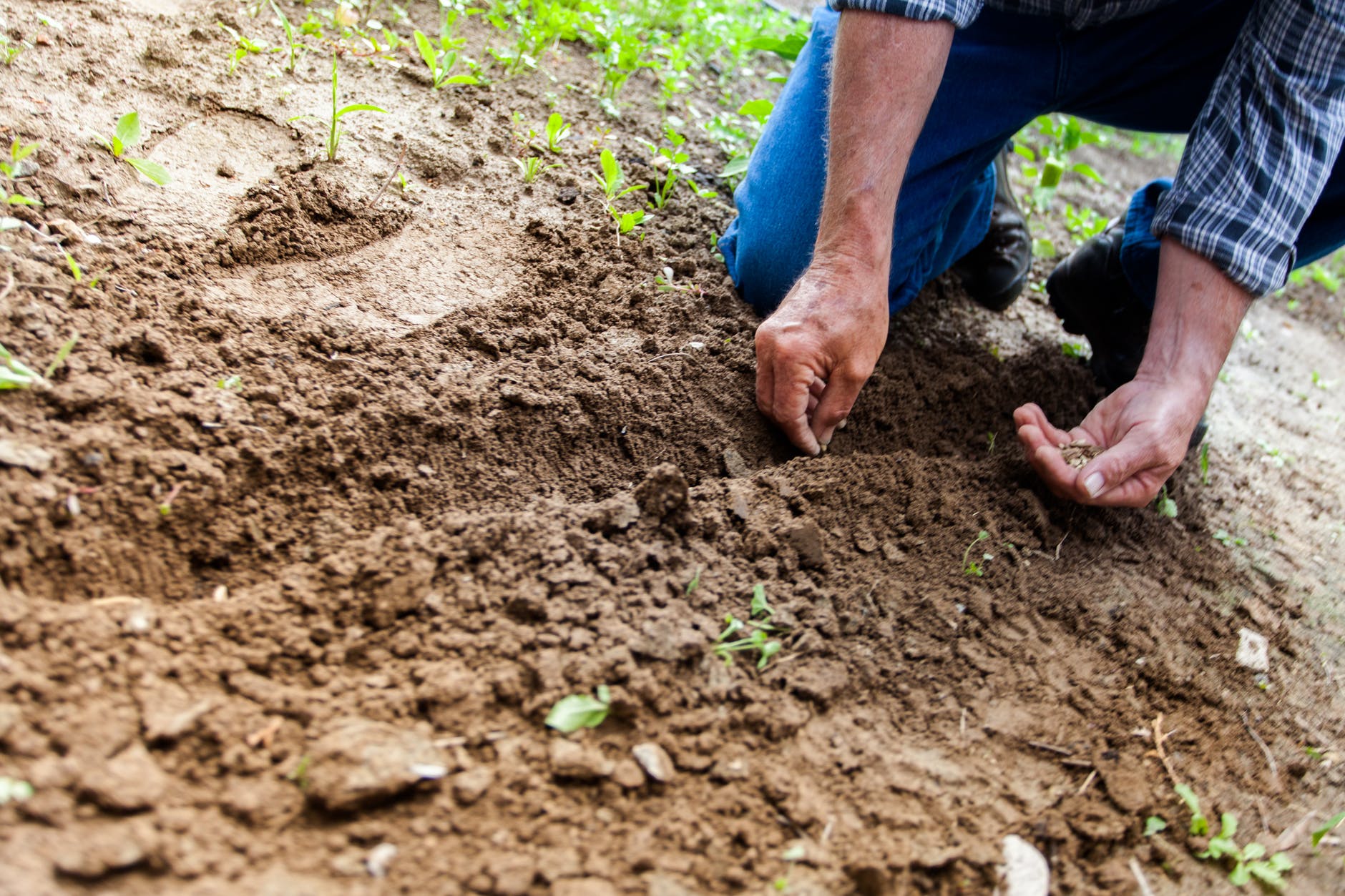
This past weekend, for example, I was weeding an area in front of my house in which I am trying to fill in with one of my favorite flowering ground covers.  Stooped in the bright sunshine of the afternoon, I was weeding a bare section of soil, when I noticed a pair of roofing nails–remnants of a late fall roof replacement.  They had partially rusted and, quite frankly, looked like twigs. I removed them, and went back to work.  Low and behold, I noticed two more roofing nails, then one more, then three more, then two more, and so it went for the better part of an hour. My eyes were no longer blind to nails, aided by the clear, bright light and angle of the sun. 

How many times had I previously weeded this bed since the start of spring and never noticed the nails?  While I worked, my brain dumped other notions, such as how many times do I overlook my own flaws, but not those of others.  Likewise, how many times have I done the reverse, picking myself apart and quickly absolving others who may have the same so-called, “flaws.” As my field of vision became more agile in finding nails, my brain dump also grew larger.  

The collection of roofing nails grew as my vision became more clear.

I thought of the poem about a louse, a poem both my mom and dad would quote at different points of my youth.  How did it go?  Something about a woman feeling so self-pious as she sat in church with all of her privilege and status that she didn’t notice the louse crawling on her fancy bonnet.  There was a particular line my parents would especially quote with frequency–a turn of phrase such as–what a gift it would be if we could truly see ourselves as others see us.

Then, my mind meandered to the scriptural story of Jesus speaking in the Sermon on the Mount in the book of Matthew, when he warns hypocrites to remove the beam out of their own eye in order to clearly see before removing a speck from another’s eye.  As best I understand this section of Christ’ sermon, believers are warned to admit and address our own sins first, before attempting to pass judgment on others.  However, even then, as the book of Matthew continues, Christ did not want us to condemn another person for their flaws, but instead offer help/support and grace as they work through their own issues. 

The more nails I gathered, the more my mind expanded into the understanding that we, myself included, often do not see the full picture–not of ourselves, of others, or even on larger, broad-scale, societal issues. Without this full scope of understanding, we make snap-decisions, fall prey to false information/doctrine/beliefs, or worse yet, become apathetic.  It is all too easy to be lulled by the seas of a busy life–caught up in the minutia in order to get through the day/week/month. When this happens, our vision is blinded because our attention is distracted, our focus is narrow, and/or our scope of vision is limited. Thus, we may not realize how comfortable we’ve become with our illusions, our biases, our knowledge/understanding and even what we perceive as truth.

The point is that it is easy to elevate our views/positions/ beliefs and overlook our own issues.  It is also easy to overlook/ignore points of disagreement and/or so-called flaws with others for whom we may hold in esteem; and yet, have no trouble identifying “others”–however you define them–as being wrong, bad, or even, the enemy.  Left unchecked, the busyness of life can create a pernicious way to cloud, distract, and even blind our perceptions.  Therefore, it is worth the time to regularly pause from the distractions and noise of life, and allow the Universal Light to reveal to us the nails in our own life beliefs/actions that need to be removed.  They may be disguised as good-intentions, but once a light shines upon them, their sharp edges, like the nails in my flower bed, could hurt someone, including ourselves, or worse yet, those whom we love. 

Photo by Lukas on Pexels.com

Prayer for Uvalde, Texas

“There is no pain so great as the memory of joy in present grief.”–Aeschylus

Photo by Caleb Oquendo on Pexels.com

I walked through the strangely-quiet darkened hall, down the familiar stairwell, and exited under a leaden sky with light rain falling.  Students had left an hour or so earlier, and I was heading to a meeting regarding the next school year. Nonetheless, shouldn’t there be some magical feeling for the start of summer break?  Instead, all ranges of emotions churned within my gut. How could I feel celebratory when my heart was reeling from ANOTHER school shooting?  Meanwhile, the intensity of the rain increased . . .

Thinking back to the previous week’s events, I realize that powerful sentiments, including grief, were coming together like the confluence of several rivers vying for dominance as their waters merge.  35 years in education, and yet, all I could truly focus upon was the Uvalde community.  What hopes and dreams were savagely snatched forever–even from those who survived–while terror reigned supreme inside the school and confusion, disorganization, and unbelievable anguish surrounded the school?

What about the two Robb Elementary educators?  Between them, they had 40 years of teaching experience. Years of service to the community that were also brutally wrenched away.  They too had children, spouses, parents, and loved ones.  Their hopes and dreams were likewise vanquished.

Once more, a lone male–psychologically hurting–legally accessed weapons of war and played out his own private warfare on innocent victims.  While we can state the school was at fault for having a door open, as an educator, I know the reality of schools.  A door left open can happen (At the time of writing this, the report had not yet come out that, indeed, the teacher DID close the door, and the door’s lock malfunctioned).  However, an open door at a school, or any community building for that matter, should not be considered an implicit invitation to mortal combat.

I was teaching and pregnant with my daughter when the Columbine shooting occurred.  John, my husband, who is also an educator, and I sat in our modest house, silent tears streaming down our faces as we watched the news story unfold.  How could that happen?  Little did we know we were bearing witness to the start of what would become a terrifying trend in education. 23 years later, names of schools, nowhere near me geographically speaking, are as familiar as names of past students–Red Lake Senior High School, Virginia Tech, Sandy Hook Elementary School, and Stoneman Douglas High School; and the list continues.  Countless schools with families and communities forever changed and affected.

Several years after Columbine, I was teaching Kindergarten, and it was the first time for the school to practice an “Active Shooter Response Drill.”  Given the fact that I had advance notice, I talked with my young students about the notion of “bad guys” and how the school had to practice what to do if a bad guy came to school– just like they practiced what to do in case of a fire.   

Per procedure, the coded announcement came over the intercom, and I quickly ran to lock my classroom door and instructed my students to hide and cover as we had previously practiced.  A well-meaning sheriff deputy repeatedly knocked on my classroom door stating things in an attempt to trick me to unlock the door.  One student began to softly cry, followed by another, and another as I crept from one student to another trying to allay their fears and reassure them that this was pretend.  Nonetheless, they were scared.

I share that memory to say, if those few moments of hiding in a darkened classroom evoked such a fear response in my former students, what terrors were experienced by those blameless children trapped in Robb Elementary School?  What conflicting emotions must the teachers and staff members have experienced as they tried to keep their students safe and calm, while thinking about their own families, and watching one of their very own Uvalde youth massacre beloved students and colleagues? 

Children are a sacred part of society, and the schools they attend are the heart of the community. When children and educators are in school, they should be active participants in learning, engagement, and educational problem-solving, rather than passive participants in a disturbed soul’s personal anger campaign. Parents, children, and educators should have the peace of mind that the school is valued, supported, and always protected by community leaders, policy makers, and societal structures, including local law enforcement 

I am sickened by the politicians, community leaders, and even some journalists, who use the Uvalde event as an opportunity to point fingers, grow their audience, and puff up themselves with haughty righteousness.  Their pandering, grandstanding, and virtue signaling are NOT solving the problem–which is multifaceted and requires multiple types of community interventions.  To them I say, get off your soap box, get into communities and listen–I mean really listen with both ears–and then, work for real solutions rather than sound bites.  Endeavor to genuinely serve your community, instead of posturing for cameras looking for the next crisis-opportunity for which you can preen and pose.

I end where I began this piece. Summer is starting, and schools have, or will soon be, dismissed for another academic year. Meanwhile, the blood of more children and more educators weaves and seeps into the soil and rubble of another school.  There will be no more summers for them.  No more new beginnings.

I once wrote about the importance of threading a needle when sewing. All the fibers of the thread must be concentrated and twisted together to go through the eye of the needle.  Like the fibers of thread, it is easy for one fiber to get distracted, and when that happens, the thread will not go through.  Once more, we, as a nation, are being asked to go through the eye of the needle.  This is an opportunity to bind the ties that connect us–schools, children, communities–and sew together the common ground on both sides of the aisle.  Can we avoid distractions, remain tightly focused, and come together in order to thread this needle?  The silenced victims of the Uvalde classrooms beg us to do that.

Photo by Robin McPherson on Pexels.com

The Path

“Every flood has its ebb.”–variation of an old expression

Photo by Wendelin Jacober on Pexels.com

The rains began in the dark of the night, like so many foreboding events.  At times, the light showers seemed harmless and a normal part of spring. Unfortunately, there were the dark underbelly periods too, with intermittent downpours spewing from inky, looming clouds determined to demonstrate their dominance.  Within the confines of the classroom in which I teach, instructional flow was periodically interrupted, as my students and I turned towards the wall of windows to stare with wide-eyed wonder, due to the showers thunderously pounding the roof above. Rain reverberated as if threatening to break through with the strength and precision of a military special operations force. 

Lunch came and went, then one by one, like a slow trickle of water, students began to be called for an early dismissal. The trickle turned into a steady stream of children leaving school as flood warnings resounded throughout the local area.  Rumors began to circulate among the staff that waters were rising rapidly. Young children, I was told, in one local day-care school were all being moved from their first floor classrooms to higher levels, and parts of town near and around my beloved park were completely submerged under water.  A state of emergency had been declared by the mayor’s office.

Photo by Valeria Boltneva on Pexels.com

As my school emptied, my mind drifted to those young day-care children trapped at school, but safely remaining on a higher floor until the waters subsided.  I was reminded of a nearly-forgotten event of my childhood.  While I do not recall my exact age/grade level, I know I was quite young.  At the time, the creek that ran beside the main road leading to the tiny subdivision on which I lived frequently flooded.  There was a day, quite similar to this past week’s event, when during the school day, the road was completely flooded, and all of the kids who lived along that bus route were unable to get home.

We were all taken to our elementary school’s tiny gymnasium.  I remember it was a bit loud and chaotic at first, and I felt very fearful, in the way only a young could, worried that we would be stuck at school all night.  I vaguely recollect a few adults with us, most likely the principal and a teacher or two.  Eventually, a few of the older students became too loud and raucous, and we were made to stop talking and asked to sit still.  For whatever reason, it is the image that is imprinted in my mind.  In kid logic, if the adult was angry, there was something out of control about the situation; therefore, I should be really afraid.  I could not quell the heat of fear rising within me, and I leaned my head back against the blue cushioned mat that hung against the wall closing my eyes in hopes of making it all go away.

Photo by Chris F on Pexels.com

Eventually, of course, just as it happened a few days prior to writing this piece, the waters did subside, and I was able to be picked up by my dad, still in his suit from his day at work.  He looked tired, the growth shadow of a long day was lining his face.  Looking out of the car’s window as we traversed the wet roads home, I vaguely recall seeing debris–gravel, branches, leaves, and trash–all tumbled and messy, spot-lighted by the car’s headlights. It is more of the feeling that I recall rather than precise imagery, but in that moment I felt relief, fatigue, and the remnants of fear still gnawing around the edges of my gut.  What if it happened again?

And, of course, it did, and it does.

Looking at those recent images of Ritter Park and the entire area surrounding it, I am astounded and wonderstruck.  I understand the basic science of the connection between watersheds and weather events.  Nonetheless, it was an unimaginable event, one that is often described as “a once per generation event.”  Many of those homeowners/renters, I am sure, never dreamed of, much less experienced, flood damage.  It seemed unthinkable, and yet, it happened.  

Photo by Brett Sayles on Pexels.com

The ebb and flow.  Today, as I write, the sunshine is luminously abundant, a light breeze is tossing about newly formed spring leaves, and the skies are a brilliant blue! Isn’t that life?  As it was written in the book of Ecclesiastes, “There is a time for everything, and a season for every activity under the heavens . . . .” 

Looking at those images of the Ritter Park area, I am reminded of the pedestrian path below the waters that cannot be seen.  Instead, the lens of the camera could only capture the murky brown waters filled with floating bits of flotsam that covered it over.  Bottom portions of vehicles, fire hydrants, mail boxes, park benches and so forth can be seen submerged in the rising waters with no visible way through.

Photo by Robin Ramos on Pexels.com

How often in life do those times occur?  Times filled with fear, wondering how much higher the waters of trouble will rise.  Moments spent wondering if the showers of bad fortune will ever stop?  Day upon horrible day, moment after nerve-wracking moment, fear, like a vice, squeezing your gut, and anxiety, like a noose, threatening to cut off your breath.  

Somehow, in due time, the clouds begin to shift.  Not quickly, it seems, but enough to allow a glimpse of hope for tomorrow.  The path is there.  You cannot see it, as I cannot see Ritter’s path in those on-line images, but you know it is there.  

Like the child I once was, flooded in at school, I had to bide my time, sit with my fear, and wait for the waters to recede. Sometimes, that is all we can do. In those dark moments, life requires that we tread water, and sit with our fear.  Our legs get tired and our bodies ache, but faith beckons us to stay afloat.  

Photo by Inzmam Khan on Pexels.com

It will happen.  It may take longer than ever dreamed, but the waters will recede, and the path will emerge, albeit still covered with the remains of the havoc that once was.  It takes work and effort to clean it up, piece by piece, part by part, and step by precious step, but eventually, you are free of the wreckage and strong enough to forge ahead. 

Dear Reader, if it looks dark now, if your path is hidden, if it is buried deep below the rising flood waters, keep treading, keep the faith.  The path ahead is still there–just temporarily covered over.  It’s not easy, it never is, but every flood has its ebb. One day, it may not be soon, but one day, the path will be revealed once more.  May you be reunited with its peace soon.

Photo by Johannes Plenio on Pexels.com

Aging with Serenity

God, grant me the serenity to accept the things I cannot change, courage to change the things I can, and wisdom to know the difference.”–Serenity Prayer

Photo by Harshi Rateria on Pexels.com

After writing humorously about the aging process a few weeks ago, I ran across an article written by Paula Span, focusing on the research and work of Becca Levy, a psychologist, epidemiologist, and professor at the Yale School of Public Health. Part of Levy’s work specifically points to 7.5 years that can be added or subtracted from a person’s life based upon personal and societal attitudes towards aging.  Since then, my brain has picked up Levy’s thesis, as if it were an object of study, and has been manipulating it from all angles as I consider its premise with what I thought I knew and what I hope to understand/apply. 

And what do I know? I know that I definitely won’t be retiring during my 50s as I once believed. At one time, I harbored some resentment about this.  Then, we went through the pandemic, and I experienced the heat of transformation with millions of other people, like sand particles melting into glass.

Photo by Pixabay on Pexels.com

It was during the pandemic that I slowly began to observe many of my attachments to “how things should be,” such as my retirement age, and I began to undergo a practice of  learning to say “yes” more often to things that weren’t, “how they should be.”  It was, and continues to be, a very imperfect practice.  Learning to accept AND surrender to the things that I cannot change is NOT my natural inclination.  

In addition to my belief about retirement age, nearly ten years ago–I battled low back pain due to three bulging discs and an extra vertebra.  Without belaboring the topic, the pain led me down a meandering path of chiropractic care, regular epidural steroid injections, and ultimately two 12-week rounds of physical therapy.  Both well-meaning doctors and physical therapists, told me that I should never participate in any form of high intensity exercise, including running again.  I accepted this theory because, after all, they were the professionals, and besides I was getting to “that age”–whatever that means.  

Photo by Karolina Grabowska on Pexels.com

Fortunately, one physical therapist disagreed, suggesting that I should strengthen the weak muscles that were causing imbalances that led to my injury in the first place.  Then, if I continued to work on maintaining that strength and listen to my body, he believed that I could gradually resume running and other forms of exercise I had been told to avoid. His advice later proved to be spot-on.

Therefore, as the pandemic continued, work changed, living conditions changed, and exercise changed as we said goodbye to gyms and group exercise.  Work meant sitting for hours. Low back, hip pain, depression, and sleep disruption escalated. I learned that I was not made to sit for long periods, and I began to realize that in-person work was more beneficial to my life than I realized. 

Photo by Peter Olexa on Pexels.com

Through trial and error during the pandemic, I began to resume various forms of exercise that I had once abandoned, including running, and I began to rethink my belief system about my own aging process.  I started approaching my life, and my physical body, with a bit more curiosity–making observations, asking questions, forming hypotheses, testing them, and making adjustments. This continues today.

The pandemic forced me to make peace with the fact that I will work longer than I had originally planned because it is still beneficial for me. Furthermore, I have embraced my need for movement; I cannot sit for hours, and even if I could, it is NOT good for me physically or mentally.  Additionally, I need interaction with others, even if I am an introvert at heart.  However, I still value and honor my need for downtime, introspection, reflection, and quiet. 

Span’s article, combined with the pandemic experience, inspires me to seek the courage in the coming years to continue to change what I can, but to also hone my ability to know when I can’t.  This is only possible through the wisdom that comes with life experience, aka, aging.  Aging is not a point for which to attach shame, negative stereotyping, or embarrassment.  Instead, the process of aging should celebrate one’s life experiences and provide us with opportunities to not only apply the knowledge gained from these experiences to our own lives, but to also use them for the benefit of those with whom we interact and/or mentor.

Photo by Andrea Piacquadio on Pexels.com

To be certain, aging brings unavoidable changes in the physical body and in the way in which we think (and forget), but it is not necessarily a time for stopping, like much of our cultural cues teach us by celebrating youthful beauty, prowess, and achievement. In fact, after reading about Levy’s work, I realize there’s plenty of money to be made.  In fact, according to Span’s article, Dr. Levy and her colleagues estimate that “age discrimination, negative age stereotypes, and negative self-perceptions of aging lead to $63 billion in excess annual spending on common health conditions like cardiovascular disease, diabetes, and injuries,” not to mention all of the money made from products promising to turn back the clock. 

One of the most compelling examples of psychological absorption and damage of cultural ageism in Span’s article occurred when Levy took her 70-something grandmother shopping in a Florida grocery store and her grandmother fell over a crate left in an aisle. The grandmother’s injury was superficial, but it did bleed profusely.  When the grandmother suggested to the store owner that crates should not be left in an aisle, the store owner replied that “old people fall all the time, and maybe they shouldn’t be walking around.”  After that point, Levy observed that her once lively grandmother began to ask others to do tasks for her that she once regularly completed.  It was as if her grandmother began to subconsciously view the grocery store incident as her cue that she was old and incapable of caring for herself.

Photo by Eduardo Soares on Pexels.com

Meanwhile, in Blue Zone parts of the world, geographical locations in which people live the longest and are the healthiest, centenarians are celebrated as if they were highly acclaimed celebrities.  If these parts of the world can encourage, foster, and honor a culture where aging is not only accepted, but highly valued, why can’t we?  

Maybe I cannot change the current culture, but I can change my own personal view on the maturing process.  Wrinkles capture the adventures in the sun as well as countless moments of smiling. Gray hair celebrates the continuation of our inner child wanting to roam free and wild, and body aches/pains are a reminder to care for the vessel God gave us. 

I now know that phrases such as, “that age,” reflect cultural and social programmed attitudes that marketers, business, and the healthcare industry prefer is an ingrained part of our vocabulary.  While not every business or healthcare provider is personally invested in this ageism, I no longer desire to accept those marketers’ money-making, psychological damaging propaganda. What about you?

Photo by Chevanon Photography on Pexels.com

The Ceaseless Wonder and Amusement of Aging

“You don’t stop laughing when you grow old, you grow old when you stop laughing.”–George Bernard Shaw

Aging is a funny thing.  Only last week, I looked in the mirror at the end of a work day and thought I saw a streak of eyeliner running up the center of my brow bone toward an eyebrow–which seemed odd.  With a shrug, I thought, “Who knows?” as I tried to wipe it off.  Then, I just had to switch my gaze to the magnifying mirror, an addition whose assistance I seem to require on a daily basis. I should have realized–since this is not the first time it happened–what I thought was a makeup streak, turned out to be a new wrinkle.  Geesh!  Another serving of Fun-for-all Aging Humble Pie, whipped up by the Chef Life.

Photo by Lisa Fotios on Pexels.com

Heaven forbid, if I make comments about my age to my parents, they merely make jokes about it and offer encouraging comments, such as, “Just you wait,” or “You don’t know the half of it yet.”  Nonetheless, there are seemingly preternatural changes that are beginning to occur that give me pause.

For example, at work I am (along with my husband, John) in the top 5-10 oldest employees on staff; and in all honesty, we’re probably in the top five.  On the bright side, I am pretty sure it’s the first time in my life I can claim to have ever been ranked so highly! On the downside, I often pinch myself, wondering if I am in a dream state, when coworkers ask when/if I am close to retirement; or better yet, when they can have my job. It feels otherworldly to now be one of the teachers that is perceived as “old.” Of course, in my oh-so-ignorant early career years, I also thought I would be able to retire early in my 50s, and would already be working a not-so-serious retirement job. Ha! 

Photo by Nataliya Vaitkevich on Pexels.com

In addition to my recent elevation in work rankings, there are other insidious signs that I could be aging.  It seems my skin is now changing at an alarming rate as it thins, folds, hangs, and forms once unimaginable cavernous crevices and fanciful spots.  In fact, I am pretty sure I’ve spotted (pun-intended) a miniature Australian continent currently forming on one of my cheeks and Antarctica on the other! 

Then, there are body parts that are beginning to rearrange themselves in entertaining and unprecedented ways.  Who knew cellulite could be so shifty?  And, of course, the new found plot twists of balance, digestion, sleep, and the ever elusive recovery.  I mean, my goodness, aging is an amusement park of fun–no need to pay for the Tilt-a-whirl, Bumper cars, or Scrambler here–the aging body gratefully provides this amusement for free!  

Photo by Mariana Kurnyk on Pexels.com

In the midst of all this wholesome clean fun is a bit of good cheer! Since John is only a couple years older than me, he probably hasn’t noticed ANY of these so-called changes in me.  Right? After all, the changes in vision, as we age, is like walking through life in a perpetual tunnel of Funhouse mirrors.  I’m sure he’s never noticed my thinning, gray hair or any of the other deviant developments gifted to me by life.

Oh, and then there’s the shrinking height.  I can not begin to express the sheer amount of joy that GROWS within my heart, with each annual checkup, swelling my head to new proportions, as I am reminded that I have already scaled to my highest height of  4’11”, and I will never conquer anything taller. Instead, I have the good fortune of experiencing other parts of me that are now growing, like my ear lobes, nose, and jowls! Those are nasty rides of nonsense I’d rather put a stop to–the sooner the better! Sigh, I guess I am going to finally have to set aside runway model as potential retirement gig! 

Photo by SHVETS production on Pexels.com

Another fun fact? Getting lucky has a new definition.  I can’t tell you how many times I have had the titillating experience of walking into a room only to wonder, “Why am I here?”  If I remember BEFORE leaving the room, I think, “Yeah, Baby, I just got lucky.”  If, however, I start walking back and remember mid-path; well, that’s at least making it to third base.  If I return all the way to my original starting point, but then remember, I’ve at least scored a single or a double. If it is the middle of the night, or the next day, before I remember, that is a definite strike-out since it probably means I’ve left the ice cream or the cheese in the car to melt into a gelatinous gooey heap of spillage that I now need to clean up. 

While I don’t seem to have yet acquired some of my acquaintances and friends’ talents, I am told that with age, they now possess an even greater ability to multitask.  One friend claims she can sneeze, pass gas, pee, and laugh all at the same time.  Meanwhile, another person states that, like George Burns, when they bend down to tie their shoes, they look around to see if there’s anything else they could do while they are down there.  In fact, I can recall my Papaw once telling me that he was living in a haunted house with my grandmother as he claimed there were lots of unexplained sounds and smells floating around the place!

Photo by Arianna Tavaglione on Pexels.com

Recently, one of my 6th grade students asked me if I ever tried to rewind movies on Netflix after I finished them.  Before I could answer, another student jumped in and asked if I ever had to step over dinosaur dung when I was a kid.  While they were on this downward spiral of frivolity, another student, inspired by their knowledge of the Holy Land, asked if the Dead Sea was only sick when I was their age.  Youth, along with its pernicious sense of humor, is indeed wasted on the young!

In the meantime, I’ll keep plucking those gray hairs sprouting in random places like spring onions in a flower bed.  I’ll continue to write-off forgetful moments to, “Sometimers,” and I’ll continue to be grateful that cellphones and social media were NOT things when I was coming of age.  In fact, I am pretty sure in bourbon or wine years, I haven’t even begun to reach perfection, but I’m leaning closer!

Photo by Los Muertos Crew on Pexels.com

 So good news, Dear Readers, if you’re reading this, the best is yet to come–no matter your age.  It’s like riding a roller coaster, as our age keeps climbing, so does our sense of humor and our sense of humility as we watch other things start sliding. Besides, I prefer to think I’ll never be “over the hill”; after all, I’ll forget where the dog-gone hill is, or I’ll be too tired to climb it!

Here’s to life! With age comes wisdom, so I am eagerly anticipating my rise to near-genius level! In the meantime, as once suggested by the great Will Rogers, if we could perhaps get Congress to take issue with aging, we could at least be guaranteed that the aging process would be slowed down for years to come! 

Photo by Gagan Cambow on Pexels.com