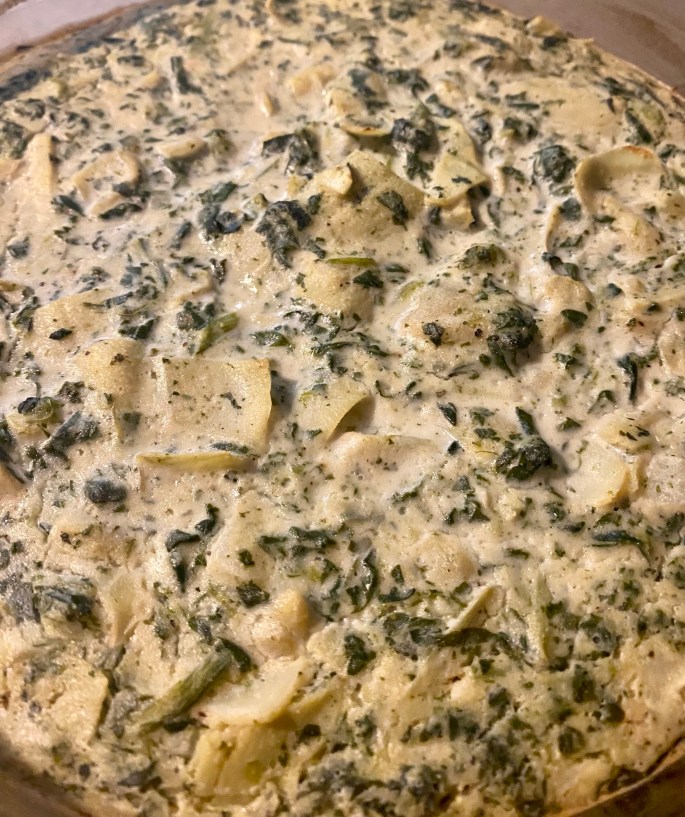
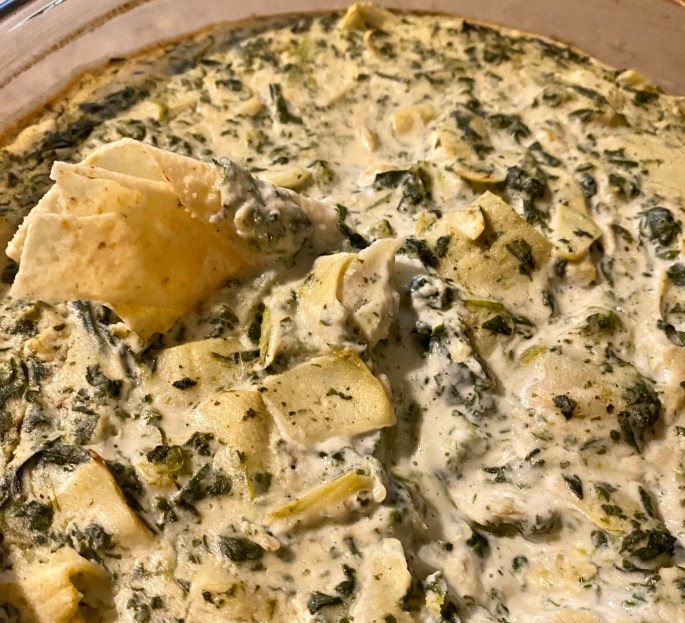
Spinach-Artichoke Dip with plant-based and gluten-free options

“Popeye was right about spinach: dark green, leafy vegetables are the healthiest food on the planet. As whole foods go, they offer the most nutrition per calorie.”–Michael Gregor
“You’re not going to believe what I ate, Mom!”

I was talking with my daughter, Madelyn, on the phone.  She is attending graduate school, and she was describing a dinner that a friend had prepared for one evening during a break from her studies.  

“Spinach and artichoke dip!  Not only that, Mom, but it was vegan, and it was surprisingly good . . . and you know how funny I am about texture and taste.”

Maddie went on to insist that I would have to make this dip when she was home for the holidays.  In fact, she had already asked her friend to share the recipe with her, so she could send it to me.  She went on to explain how her friend has lupus, and eats an anti-inflammatory diet that focuses heavily on fruits, vegetables, nuts, seeds, and a few select whole grains in order to reduce her inflammation.  

As I listened to her continue to describe the dip, my mind was already thinking about the ways I could adapt the recipe.  I was eager to, ahem, dip into reading various plant forward recipes and techniques in order to create my own version.  Not only did I want to make the dip in honor of my daughter’s request, but also because the dip is largely made up of two of my favorite vegetables: spinach and artichokes.
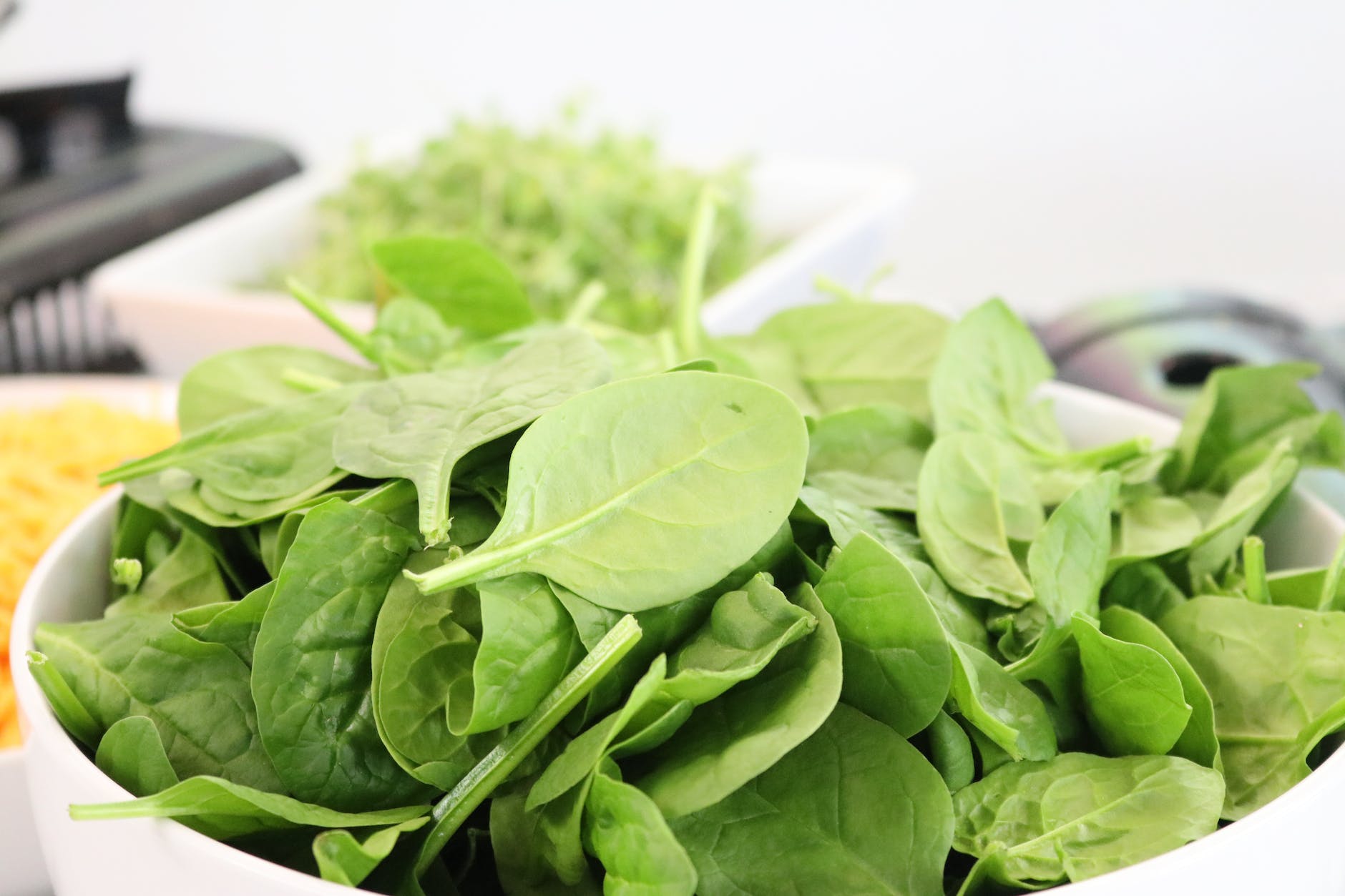
Photo by Jacqueline Howell on Pexels.com

Maddie’s friend was on to something.  Both artichokes and spinach are highly anti-inflammatory.  Spinach, specifically, is chock full of vitamins, such as A, K and C, and it also contains folate, magnesium, iron, potassium, calcium, and small amounts of other B vitamins. It is high in fiber and low in calories.  Spinach is also high in antioxidants, supports brain and eye health, has been shown to protect against certain diseases, and helps to lower blood pressure when regularly consumed.  
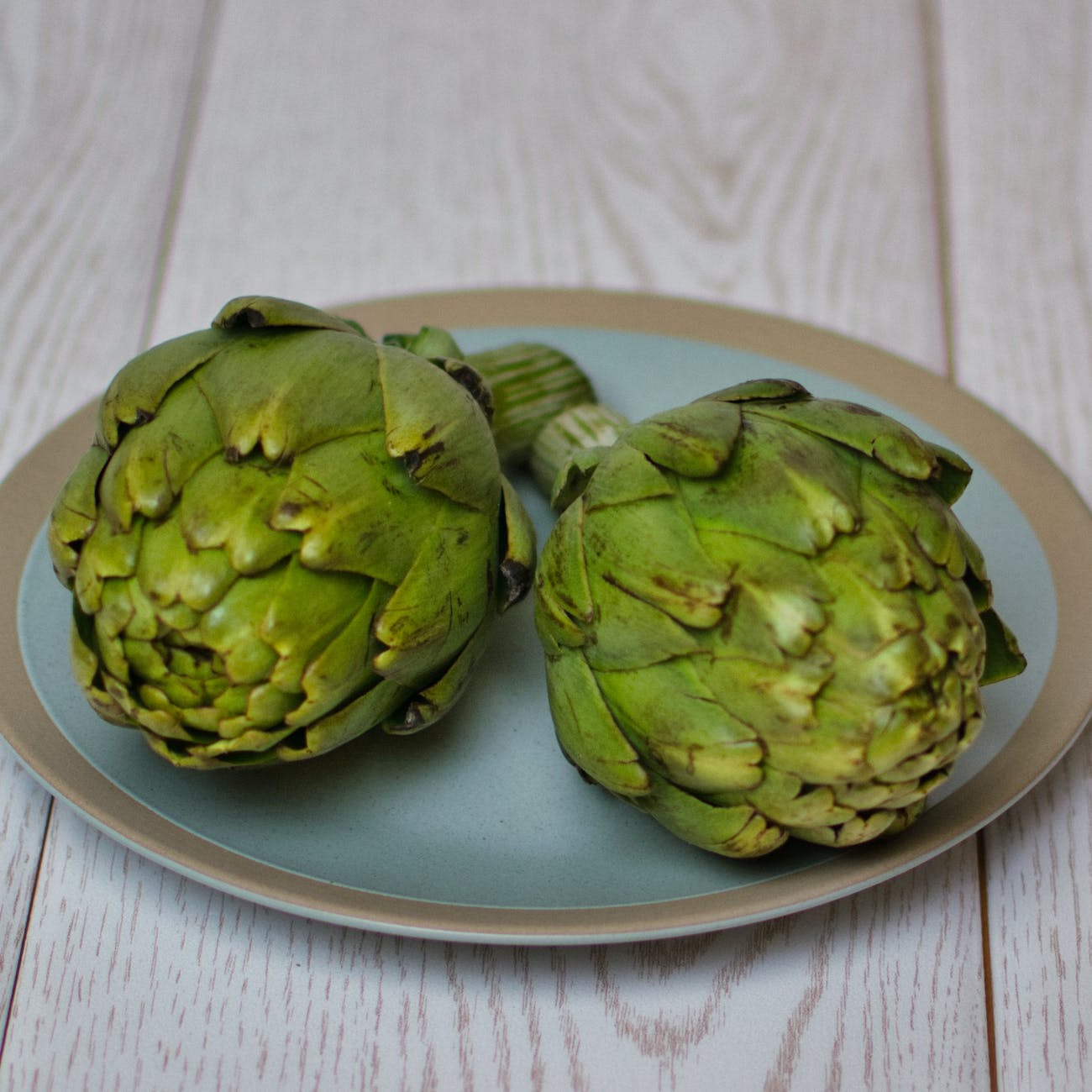
Photo by Andie on Pexels.com

Artichokes are no joke either. They, too, are full of vitamins, including folate, magnesium, manganese, potassium, as well as vitamins K and C.  Like spinach, artichokes are high in fiber, full of antioxidants, and have been shown, when consumed daily, to help regulate blood pressure. Additionally, artichokes promote liver health and are a unique source of prebiotics, which are beneficial gut bacteria that can boost immunity, assist in digestion, and benefit mood.

Of course, I can share all the benefits of these two nutritional, anti-inflammatory powerhouses, but let’s be honest, for most people, myself included, it’s all about the taste. Does this dip taste good, in addition to being made with beneficial ingredients?  Is it worthy of being shared with others?   
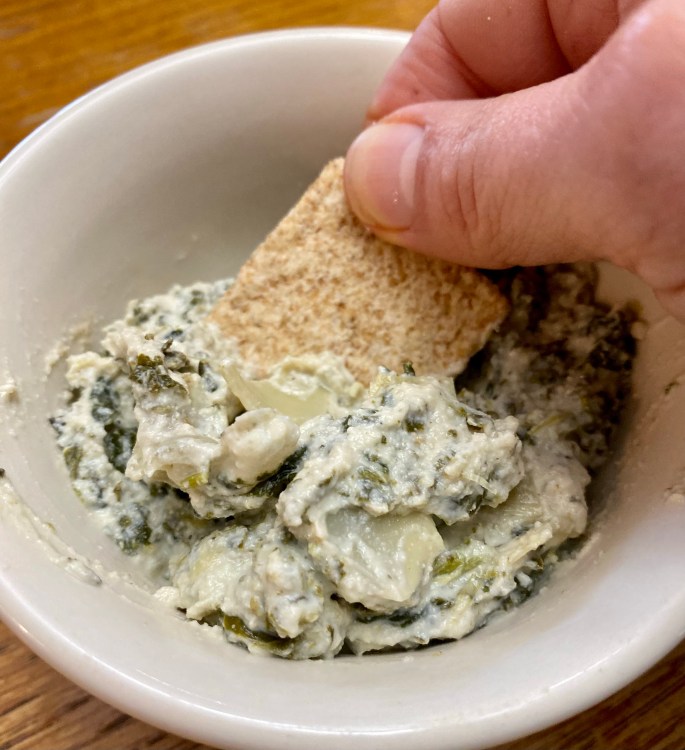
I had my favorite taste tasters, and pickiest eaters, Maddie, and my husband, John, taste the dip, and miracle of all miracles, they both liked it!  Maddie, the pickiest of the two, said she loved it just as I made it.  Her only wish was that we had baguette crackers like her friend served it with.  John, typically not as picky, filled up and ate a big soup bowl worth of dip; however, he added both parmesan and mozzarella cheese to his bowl because he, “wouldn’t want to eat too healthy over the holidays!”  Meanwhile, I served up the dip on a plain baked potato for my dinner, and let me just say that was one tasty dish!

Whether you make it with, or without dairy, you’re still packing a healthy punch of powerful, propitious plants. Serve it up for your next favorite gathering and watch it disappear.  No one ever has to know the dip benefits their health too! 

From my home to yours, may you have a prosperous and healthy 2023.

Spinach Artichoke Dip

Plant-based with dairy-free and gluten-free options

Ingredients

1 cup (raw) cashews, soaked overnight or at least 4+ hours

1 ¼  cup Greek or plant-based Greek yogurt (can substitute with mayonnaise)

¼ cup water

12-16 ounces (1 package) frozen spinach, thawed and drained

1 14 ounce can artichokes, drained and chopped

⅓ cup finely chopped onion

2 teaspoons minced garlic

1 tablespoon freshly squeezed lemon

1 teaspoon braggs liquid aminos (or soy sauce, if don’t need gluten free)

 ½ teaspoon salt, or to taste

½ teaspoon onion powder

½ teaspoon pepper

Optional additions: Mix in up to 4 ounces or ½  cup of any of the following ingredients:

cream cheese (or vegan variation), parmesan/romano/pecorino cheese, soft goat cheese, and/or mozzarella cheese, if desired

Directions

Preheat oven to 400 degrees

Coat a small casserole dish with cooking spray (2 quart size).

In a food processor or high speed blender, blend cashews, yogurt and water until creamy, about 1-2 minutes.

Add cashew mixture to a large mixing bowl and stir in the rest of the ingredients.

Spread dip evenly in the casserole dish.

*Bake 20-30 minutes, or until top turns golden brown

Serve warm with veggies, tortilla chips, crackers, smear over your favorite toasted bread, or even a baked potato.

Store leftovers in an airtight container and refrigerate.

Serve warm with crackers, tortilla chips, or baguette chips

*Serves 6-10 as appetizer

Through the eyes of a child

“Chin up, chin up. Everybody loves a happy face.’–E. B. White, Charlotte’s Web

“If in our daily life we can smile, if we can be peaceful and happy, not only we, but everyone will profit from it. This is the most basic kind of peace work.”–Thich Nhat Hanh

Landon and Grayson often greet me in the morning with bright-eyed smiles and plenty of discoveries about the morning.

One of the special joys in my life are the smiles of toddlers and young children at the school in which I work.  As an educator working on a school campus setting that provides care/education for children, ages 6-weeks through 12th grade in different buildings, I often see parents and other educators dropping off their children for daycare or preschool.  Some of the little ones are sleepy in the morning, others are crying, some are shy, and others walk in–or are carried in—with a smile on their face and a twinkle in their eye.  They jabber, babble, talk, or even sing with joy, depending upon their age/stage of development.  

I could be having a rough start to my day, but if I happen to walk through the campus parking lot alongside a staff member’s bright-eyed child, smile as wide as the sky itself, I can’t help but smile too.  Before long, the child has engaged me into a conversation, and all the previous negative energy of the morning fades.  I share in the delight of their discovery of a rock or a piece of mulch, and smile back enthusiastically when they show me their shoes, their mittens, or their hat.  They find happiness in the very things I tend to overlook or take for granted.

Then there are the babies–wrapped, swaddled, and layered into their parent’s arms.  Face peeking out over their caretaker’s shoulder, eyes blinking in the morning air.  Those large round orbs, of all shades, take me in, and then, as if I were a royal subject, reward me with a smile.  I can’t help but smile back.

Photo by Shanice McKenzie on Pexels.com

The babies, toddlers, and young children look at me and the scenario unfolding around them with fresh eyes and innate good cheer.  Eyes that are free from judgment.  Eyes that do see my age, my skin color, my size, or care about my socioeconomic status, religious/political affiliation, and so forth.  They only see me smiling back at them and hear my affirming voice.  

Possessing the ability to look at the world and others without motive is a powerful concept.  This is the lesson young children and babies teach, but because we are so busy, or our lives are so removed from young children, we miss the lesson.  Imagine, looking at each new day, event, person, even the great outdoors with fresh eyes.  What magic, what wonders, what friendly people do we miss because our brains have a tendency to be drawn to to-do lists, work, worries, irritations, conflicts, gossip, bad news, and so forth. 

However, children, until we teach them otherwise, are inherently open and accepting. They have no preconceptions about all the things we, as adults, begin to define, discern, and draw lines of division around.  A dog’s tail is a thing of wonder to a child.  Common dandelions are flower puffs to be plucked, sniffed, touched, and held as an object of fascination.  Birds are special creatures who fly and sing for their amusement. Time is of no consequence, and space is meant to be explored–be the space a sidewalk, yard, a floor, or even cabinets of a kitchen.

Miss Evalynn often greets me in the morning with bright, inquisitive eyes.

Of course, as adults, we cannot conduct ourselves exactly in the same manner as young children.  However, there are certain behaviors for which we can adopt and put into practice more often.  The first of which is smiling.  

The late Thich Nhat Hahn was once asked why someone should smile when they weren’t feeling happy.  He responded that smiling was a practice.  Hahn went on to explain that when we smile, we release tension from our face muscles which in turn releases body tension.  The less tension we have, the more we smile. And the more we smile, the more others notice, and in turn, they smile back, often initiating a chain event of others smiling too.  A smile, he explained, is “an ambassador of goodwill”.

The act of smiling is contagious, as Hahn pointed out, and a sincere smile has the potential to change the trajectory of a moment.  Imagine the power of one person smiling, which triggers another person to smile in response.  Then that person’s smile causes another person to smile, and so the chain continues.  This is the first lesson of young children.

Photo by Atsahyel Aaron on Pexels.com

Another lesson of young children is viewing the world and others with an open mind:  Looking widely, listening carefully, and taking in your surroundings without jumping to conclusions and immediately passing judgment.  Obviously, there are certain situations in which quick judgements/decisions are required; however, by remaining a calm, lucid, and observant presence, the more likely a pragmatic outcome can be achieved.  

Appreciation for the small things is another lesson provided by children.  When my own daughter was young, we would sometimes walk through the woods.  Her dad’s pant’s pockets would get weighed down from all of the “treasures” she would find along the way.  From sparkling rocks to a kaleidoscope of leaves–crimson, gold, and burnt orange, and from a discarded snail shell to a special stick perfect for digging, it was those little delights that added up to big pockets of joy!  The world continues to be full of small treasured moments that we too can collect along life’s path, if we view the world as a child. 

Photo by Ron Lach on Pexels.com

Finally, there is the lesson of the restorative power of laughter and the healing power of love.  One needs only to observe–or recall–the ease with which a child can transition from tears to laughter with the embrace of a trusted loved one, and then the way in which they can explode into laughter, when afterwards, an adult gives them a raspberry.  Laughter and love are also contagious, and as the children demonstrate to me on a regular basis, can be the salve to a world full of hurt and sorrow.

Therefore, I encourage you to try, if only for one day, or part of a day, to practice viewing the world with the eyes of a child.  Smile at others and even to yourself.  Observe events and others with openness and without motive.  Notice and gather the small blessings. Enjoy a good belly laugh, or five, and, like a child offering you a flower, offer love to others (think: generosity, gentleness, patience . . .), and see what happens.  Who knows how many lives/situations your child-like focus will affect . . . including your own!  

Photo by Darina Belonogova on Pexels.com

Exercise your right to JOY

“Around the world, people who are physically active are happier and more satisfied with their lives.”–Kelly McGonigal

“Movement awakes and activates many of our mental capacities.”–Carla Hannaford

Photo by Andrea Piacquadio on Pexels.com

I was going through the movements of getting ready for my work day half-heartedly listening to a podcast whose title had promised much.  Unfortunately, like many podcasts, it ended up being another interview designed to promote the sale of a book. My phone was off to the side, away from my point of focus, so I didn’t immediately stop the interview.  

Despite my lack of focus/interest, my ears perked up when I overhead a nugget of an idea.  Unfortunately, I cannot quote the idea precisely since I wasn’t fully focused.  However, the kernel of its intent resonated with me.  It was the idea that the main focus of exercise should not necessarily be to get “fit,” to maintain or lose weight, sleep better, or any of the other valid reasons.  Instead, the main goal of all exercise/movement should be to increase joy.

This was such an interesting thesis that I had to dive more into the topic, and it turns out science has quite a bit to say about this.  Of course, I nearly always feel better when I can integrate movement into my day.  Plus, I typically felt better after more “formal” exercise sessions.  However, this was all anecdotal.  

Photo by Pixabay on Pexels.com

Before diving into the research a few days later, my mind kept going back to the notion of reframing our relationship with exercise.  Dropping the typical exercise narratives–weight management, fitness goals, therapeutic/emotional release, better sleep and so forth was fascinating. Of course, exercise provides all of those goals and more, but the idea of letting those be the side dishes, and allowing joy to be the main course was intriguing.

After perusing numerous articles, I became super excited; I knew this information needed to be shared with my local community and beyond.  This felt especially important since I have previously written pieces fostering the notion that movement is for every unique body–even those with limitations, and it can be incorporated into daily life even on the busiest of days.  Armed with this information, I was ready to spread the word: More Movement = More Joy!  

Photo by Suzy Hazelwood on Pexels.com

Exercise, even in short bursts of time, improves one mood. A study conducted by West Virginia University found that middle school students who regularly exercise feel overall happier.  This was a no brainer! Ask any educator what their students’ behavior and mood is like on days they don’t have recess versus days they get it, and you’ll most likely get an earful.  Kids instinctively know they need movement, and if they can’t get it via the playground, athletics, dance, etc.–they are going to find ways to move more animatedly in the classroom.  Otherwise, if kept from moving, they become sullen, whiney, moody, or even combative/confrontational. And, this is also true for adults.

Interestingly, in one study, researchers determined specific movements that not only are associated with the feeling of joy, but also enhance the joy when completed.  These include: reaching, swaying, bouncing, shaking, jumping, and an action called, “celebration,” an action that mimics tossing confetti overhead with both hands. One researcher, Kelly McGonigal, writing for the New York Times, created, shared, and posted a video in the article, “The Joy Workout”, based upon these specific movements.  The video is approximately eight minutes long, and can be easily accessed through a quick click of keys.  (It is important to note, after giving it a try myself, not all movements are appropriate for those with limited mobility or injuries; however, movements could be modified or even completed while sitting.)  

Photo by Harsh Raj Gond on Pexels.com

Another interesting study I ran across stated that simply standing, sitting, or moving with a more open posture, as opposed to a closed posture, can likewise increase positive feelings.  Moreover, a smaller 2021 study focused on participants who were asked to go through a series of movements similar to those McGonigal studied.  Once more, movement, even those completed in a seated posture, increased feelings of happiness. Clearly, exercising with the goal of joy in mind is not a crazy notion.

My research continued, including studies from the University of Michigan, University of Iowa, University of Texas, and Northeastern University, just to name a few.  What I found was that scientists tended to agree that all forms of exercise/movement are beneficial when performed safely.  That said, aerobic exercise currently seems to have a slight edge overall in brain boosting potential, but that may be because it appears to be the most researched. However, all conclude that exercise and movement benefit the young, seniors, and all ages in between.  Whether a short burst of activity or a more formal workout, movement ameliorates the effects of depression and anxiety by boosting the production of serotonin, and other feel-good chemicals and decreasing stress-inducing hormones. 

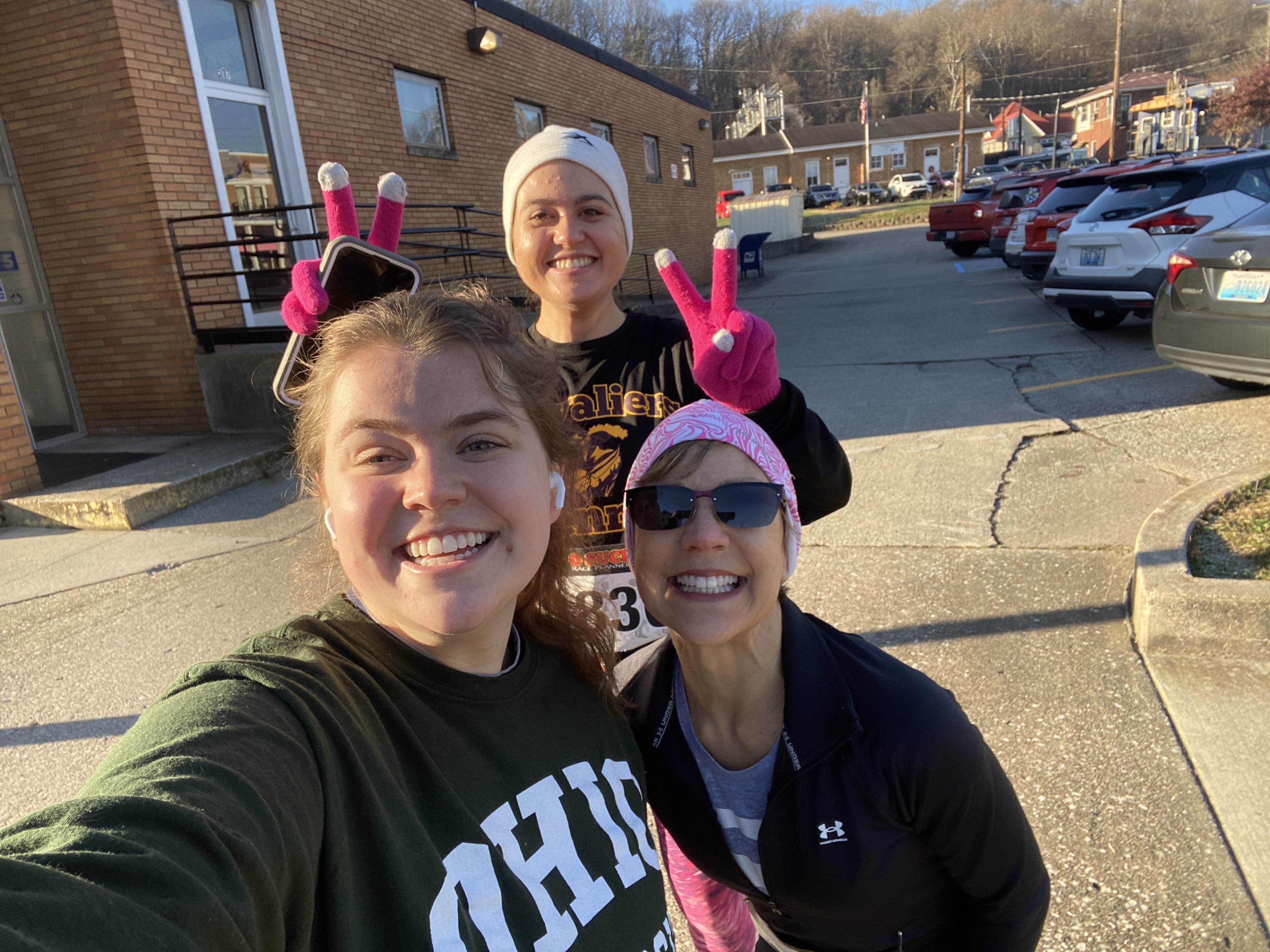
Exercise your right to enJOY movement with friends and family.

When we move, we increase our heart rate, which, in turn, moves more oxygen to the brain. As numerous studies indicate, increased oxygen to the brain mitigates symptoms of anxiety and depression. Furthermore, movement/exercise, when repeated frequently enough, can give rise to new neurons in the hippocampus, the area of the brain responsible for not only emotions, but also memory and learning!  This means that movement/exercise not only affects your brain in the moment in which you are participating, but it also makes positive structural changes over time.

So back to “The Joy Workout.” Does it work?  Well, only you can decide that. I will say that I found it clever, cute, and definitely made me smile.  However, you do not have to do “The Joy Workout” in order to feel joy in movement.  I found multiple, what I like to call, “movement-snacks,” videos and apps that offer 10-minute or less movement breaks if that’s your thing, such as the 7-minute workout, available on-line and in app version.  

Joy can be increased through movement, step-by-step.

Of course, there are so many other ways to increase movement from taking short walk breaks, to parking farther away from your destination, from walking to another floor for a restroom break to simply stretching or walking/marching in place on commercial or pop-up breaks, and so much more. The important thing, researchers noted, is that you find ways to move and/or exercise that you enjoy, that can easily be incorporated into your daily routine, so that you will do them on a regular basis in order to reap all those joyful benefits.

Ultimately, who doesn’t want to feel more joy moving into the new year?  Help boost yourself towards that goal by determining ways you like to move.  The worst movement mistakes you can make are inactivity or repeatedly moving/exercise in a way in which you dread it.  Let’s keep it simple.  Focus on moving more, smiling more, and feeling more joy overall.  It doesn’t have to be any more complicated than that.

Take a leap of faith, move for joy!

Do you disturb the peace, or perpetuate it?

  “If in our daily life we can smile, if we can be peaceful and happy, not only we, but everyone will profit from it. This is the most basic kind of peace work.”–Thich Nhat Hanh

The tail twitches and crouching ensues. Hips raised, ears flattened, the tail twitches more rapidly.

“LJ, stop!”

He remains immobile and continues his focus.

“LJAAAY,” said with slow emphasis on the A-sound.

A look is tossed over his lowered shoulders, signaling he doesn’t feel like listening.

Hand reaches for the spray bottle, and John, my husband, walks towards LJ, trigger aimed.  That is all it took. LJ, our solidly black cat, takes off in an attempt to avoid being squirted, but he’s not to be conquered.  Not yet. 

He circles back around the dining room table and reenters the same room through another entry point as if we can not see him.  Meanwhile, the desire of his pouncing antics, Tippi (Tail), our 14 year old gray cat, with the exceptions of tuxedo white on her chest and tufts of white on the tips of her paws and tail, sits peacefully undisturbed.  The only sign that she is aware of his shenagings is the very slow whishing of her tail along the top of the carpet.

LJ prepares to pounce once more; however, John rapidly squirts water in LJ’s direction.  Although John isn’t trying to precisely hit LJ, the sound and sight of the water sends LJ scuttingly out of the room.

Tippi looks towards where the water missed its target, turns her head back to its original position as her body sighs towards the floor in a perfect cat loaf.  Her tail encircles her body once more.

Throughout LJ’s attack, Tippi remained peaceful, never hissing or spewing.  While her tail signaled her awareness, she did not otherwise bring attention to LJ’s negativity.  Instead, she chose to remain at peace with it.  Vigilant, but non-reactive.  

John and I have watched this play out repeatedly, yet no matter how many times LJ attempts to attack Tippi Tail, she rarely responds out of anger. To be sure, Tippi will occasionally respond if he corners her. Mostly, though, she remains peaceful and at ease.  

LJ is a bit younger than Tippi and has not moved from the self-absorbed stage of life.  He wants to be the center of attention on his terms.  If the humans in his home, family members or visitors, aren’t paying attention to him, he finds ways to draw attention to himself.

For example, if Tippi decides to sit with one of us, due to her arthritis, we find ways to offer her assistance to climb up beside us, such as slightly lowering the reclining portion of a chair or couch.  As she tries to lift herself up to position, LJ will haughtily cross the room and attempt to “beat” her to the desired person.  If we move a step stool near the bay window, in order to assist Tippi’s assent to the cat beds in the window, LJ will try to block her attempts in order to claim the bay window area for himself.

Nonetheless, Tippi Tail finds ways to persist with grace and equanimity.  Her peace remains (mostly) unflappable.  Neither does she appear to hate LJ, nor does she appear to be jealous of his presence.  Instead, she seems to understand with a sense of compassion and patience that he can’t help what is inside him–his tendencies to compete, invade, dominate and exploit perceived weakness.  

Due to her serene perseverance, there reigns an unspoken peace between the two cats . . . most moments.  The more peaceful and tolerant Tippi becomes, the more LJ is learning to become that way.  It has taken years, but there are times I will wake up in the morning to find both cats sleeping at the foot of the bed–not necessarily near each other–but in the same approximate area. Furthermore, it is not unusual during cold days to find both of them soaking up the morning sun in the same room and within the same area, albeit, not touching each other.  

Sometimes, upon waking, I am surprised to discover, after I turn on the bedroom lamp, that both LJ and Tippi Tail had been peacefully sleeping at the foot of the bed.

Thich Nhat Hanh once wrote that, “When another person makes you suffer, it is because he suffers deeply within himself, and his suffering is spilling over.” When LJ sees Tippi with one of us, he suffers jealousy because he perceives that she is getting all the attention and love.  If he sees that Tippi wants to be in one of the cat beds in the bay window, he suffers fear because he is afraid there isn’t enough secure space for him in the sunlight to cozy for a nap.  

While they both lived their early lives as stray cats, it is possible that something happened in LJ’s past that causes him to remain stunted and insecure.  Then, again, due to the fact, Tippi is older, and lived with us longer; perhaps, she feels solidly secure with her position in our family.  It could also be that she remembers a time when she was the younger cat in the house, competitively trying to exploit the weakness of one of our former cats, in order to gain our attention.  Possibly, she has simply outgrown those impulsive years. 

Whatever the reason(s), Tippi seems to understand that within LJ are potential seeds of love, compassion, playfulness and peace.  However, she also appears to sense that LJ is dominated by seeds of willfulness, anger, fear, and insecurity.  Due to age, circumstances, and/or experience, she is mindful of these seeds both within herself and within LJ.  Therefore, it often appears that she uses this insight to mindfully choose her actions–modeling peaceful behaviors, and only fighting back in order to keep from getting hurt when he corners her.  

Of course, I have personified my cats in order to make a point. To live in peace and harmony with others, we must recognize that all humans have similar needs/desires:  food, water and shelter, safety, esteem/value, love/belonging and so forth.  There is often fear and/or a feeling of lack when humans sense one of these is missing.  Additionally, everyone has the potential to develop and foster seeds of insight, self-awareness, and self-control, but not everyone focuses on developing these, much less developing them at similar rates.  

As the story of Tippi and LJ illustrates, it is important to be aware of our own insecurities, fears, and impulses in order to exercise self-control.  Recognizing our own proclivities with compassion and understanding, allows us to offer that same consideration and empathy for others.  

While this is never easy, and it takes practice, by learning to be less-reactive and modeling more appropriate ways of speaking, engaging, and responding to others, the more we can reduce conflict.  Of course, this is not to say we passively agree or accept all behavior and actions; rather, it is important to recognize that not every word, action, and deed with which we disagree needs a response.  Furthermore, if a response is required, how much more productive and beneficial they can be when given with considered insight/thought, self-control, and discipline   

Wouldn’t the world be a better place if we could all learn to do what Tippi does with LJ– pursue patience, tolerance, and think before acting.  

The more Tippi practices patience and tolerance with him, the more LJ is becoming more at peace with her.

Combating SAD and those winter blues

Dawn is one of my favorite times of the day.  All is quiet and peaceful.  The colors of indigo, purple, and blue gently fade into shades of boldness– cantaloupe and blood orange. Ultimately, such an audacious start cannot last, and those bold colors melt into a subtle blush.  It is as if all of nature is holding its breath.  There is a hush that can be felt, rather than heard. This quiet sweetness is often intercepted by the temerity of a bird singing, “Chip-a-we, chip-a-we.”  Soon other birds echo their harmonies–little melodies of hope.

As the sun rise wipes away the darkness from the skies, yesterday is officially rinsed away.  Lifelong teacher that she is, Mother Nature, hands each of us a new canvas.  We can begin again.  

Photo by Micah Boerma on Pexels.com

But what about those days, when skies are blanketed with the clouds of fall and winter?  When the morning doesn’t possess the grandeur of the symbolic gesture of a slate cleaned.  When, instead, all those burgeoning clouds seem overflowing with all of the errors and mishaps of the previous day, and the sorrows and pains of the future appear to hang low on the horizon of inky darkness.  When the mind, like a glass bottle tossed into the sea, drifts from one fret to another.

Another winter looms larger than ever.  The past feels forever chained to the soul, and the future, oh-the-future, what more frets could it hold?  Our thoughts begin to plague us. We are held in bondage to our thoughts.  Bondaged to the what-ifs, the how will I be able to, and the weight of the unseen dangers lurking within every charcoal layer of gloominess.

Photo by Alex Conchillos on Pexels.com

It is not uncommon for many of us to fight this sort of mental tug-of-war as cozy, amber autumnal hues dissipate under winter’s drab, gray overcoat.  An affable cook with whom I worked during my long-passed college days, named Shirley, would say, “Ah, honey, that ain’t nothin’ but them winter blues.”  She’d tell me to be grateful for my life, praise God more, and, “Bundle up, git outside, girl! Go for a walk, and git ya sum fresh a’r. A little cold won’t harm ya, and it’ll chase them ol’ blues away!”   Turns out, Ms. Shirley was on to something.

Photo by Ayu015fenur on Pexels.com

According to the Cleveland Clinic, seasonal affective disorder (SAD), is a form of depression, triggered by the change in seasons, typically beginning in fall, and worsening throughout the winter months until the days begin to lengthen at some point in spring.  It more commonly occurs in young people and women, but men are by no means immune to it.  The National Institute of Mental Health estimates that about 15 million adults, or 7.1%, of the US population experience SAD, with another 10% – 20% of the population experiencing some form of the winter blues.  

With so much of the population already experiencing depression, anxiety, and/or phobias, it felt important to share a few established practices, according to several leading medical institutions, for coping with SAD and the winter blues.  

Go outside. One of the most common techniques is getting outside for a walk, even for a few minutes, like Ms. Shirley suggested all those years ago.  Even on cold and cloudy days, getting outside provides multiple benefits.  It exposes you to light, and the movement increases blood flow and oxygenation, all of which are good for producing those feel good hormones.  

Photo by Matheus Bertelli on Pexels.com

Regular exercise.  Along those same lines, according to Helpguide.org International, regular exercise–whether you are doing it inside or outside–can be as effective as medication, without the worrisome side effects. Choose a form that is rhythmic and continuous and also incorporates both arms and legs, such as weightlifting, walking, swimming, tai chi, dancing, and so forth, as this provides the most benefit to mental wellbeing.  Regular exercise and/or continuous movement boosts serotonin, endorphins, and other mood enhancing brain chemicals.  Furthermore, exercise and/or movement improves sleep and boosts self esteem. 

Light exposure. Expose yourself to as much light as possible. Open up drapes and blinds during the day.  Sit and work, if possible, near sources of natural light.  Walk outside, and if you can tolerate the temperature, sit outside, even for a few moments.  Natural light is another way to boost serotonin.  Additionally, consider bright light therapy–special lamps or daylight simulation light bulbs–to use while reading, eating, working, and so forth. 

Photo by Vincent Rivaud on Pexels.com

Be social.  Reach out to family and friends.  Volunteer your time.  Meet friends for lunch, dinner, or coffee.  Join a support group.  It doesn’t matter so much what you choose to do, rather it’s about making social connections.  Even if you don’t feel like it, being social is a mood elevator.

Eat right.  Depression causes sufferers to crave starchy carbs, which leads to lethargy, lack of motivation, and even greater mood swings.  However, choosing fresh fruits and vegetables, along with complex carbohydrates, such as whole grain bread, brown rice, oatmeal, and even bananas, can boost that ever desired serotonin, without the sugar crash. Additionally, omega rich foods, such as oily fish, soybeans, walnuts, and flaxseeds, are known mood boosters, and, if taking antidepressants, may increase their effectiveness.

Keep a regular sleep schedule and engage in stress reduction practices.  Both are beneficial to ameliorating SAD symptoms.   Avoiding naps, or limiting their length, prevents the sluggishness that can often accompany them. Managing or reducing stress through various techniques, such as yoga, prayer, meditation, gratitude journals, and other mindfulness activities may be beneficial.  Other related tips include, completing one activity/thing you love to do daily, and even watching videos, shows, and/or movies that make you laugh are beneficial to reducing symptoms associated with SAD or those winter blues.

Wint-o-green mints.  Ok, so this isn’t an established practice.  However, it is my technique for using mints to remind me that if I “wint” int-o the present mo-mint, I can stop borrowing tomorrow’s troubles.  While I can’t say it’s great practice for my teeth, those round orbs of refresh-mint offer a sweet signal for my brain to slow down my monkey mind, breathe slower, and focus on one moment/thing at time.  Mint = Mind In Now-Time.

Acknowledging that winter can make many of us feel a little sadder is important.  Not only does it allow us to feel more compassion and empathy for those experiencing SAD, but it also gives us permission to recognize those feelings within ourselves, should we begin to experience them.  I can’t say I am a fan of colder temperatures, but I still get outside most days of the week, like it or not.  In the meantime, I can’t help but think Ms. Shirley would be pleased to know science now proves her sage advice to be true.

Get into the holiday baking mood with Banana Strawberry Bread with optional chocolate chips–with gluten-free and vegan options

“As long as you know how to bake, life is sure to be sweet!”–Unknown

One Sunday afternoon this past summer, I was talking with my Dad via phone as he now lives in Florida.  He shared that after church service, a fellow worshiper shared slices of homemade strawberry bread with others.  Listening to Dad, I decided to add “strawberry bread” to my list of writing/cooking ideas.  Of course, Dad was not surprised.

It took some trial and error, but I think I found the sweet spot.  Of course, when I bake, I am trying to meet unique dietary needs.  Selfishly, I prefer baking recipes that have the ability to be gluten free due to my celiac disease; however, I also like to find versatile ingredient scaffolding for those that can safely consume wheat.  Furthermore, I choose to eat plant-based; therefore, I also like to play with ingredients that offer that option as well.  Bottom line, however, if it tastes good and is easy to make, most people don’t care if it’s gluten-free and/or plant-based. 

Photo by solod_sha on Pexels.com

The recipe all came together after picking up a grocery order one day only to discover I was given extremely ripe, fully brown bananas instead of bright yellow.  Once I saw those bananas, I knew how I wanted to create my own version of strawberry bread.  I took further inspiration from The Big Man’s World website.  

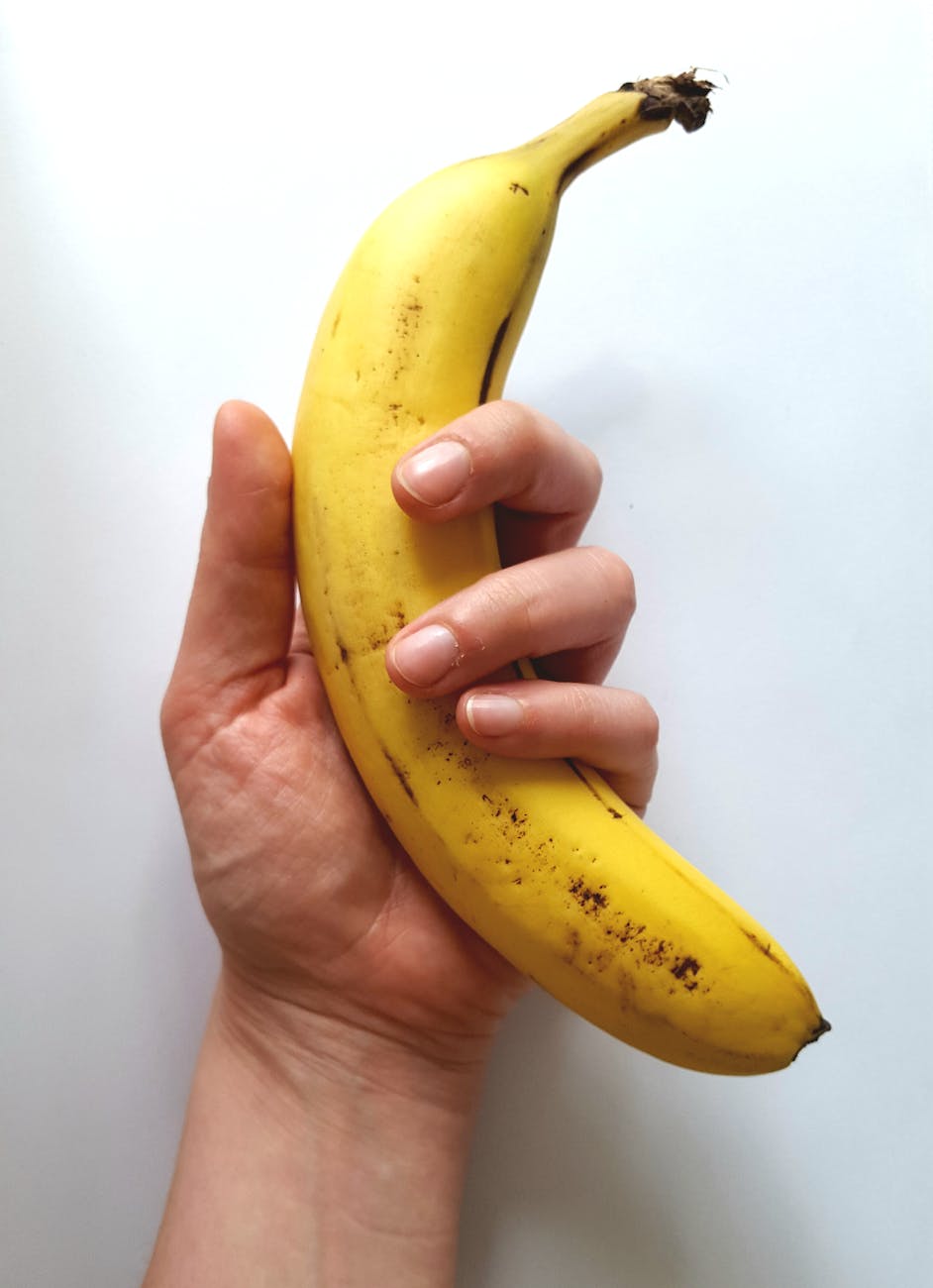
Strawberries and bananas are complementary and commonly paired in many food items, such as drink mixes, smoothies, yogurts, fruit-cups, and so forth.  Additionally, bananas are one way to bake without eggs to bind ingredients together into a batter with a creamy texture and balanced moisture composition.  Furthermore, bananas add a subtle sweetness to baking recipes that tends to compliment many ingredients.  

Photo by Kimona on Pexels.com

When baking without eggs, I also add a tablespoon of vinegar.  This depression era egg replacement reacts with the baking soda to create carbon dioxide that helps baked goods rise as they bake.  Plus, vinegar overall improves bread texture, whether baking with or without eggs.

You may notice that I use date sugar in this recipe, although it can be replaced with your preferred form of sugar. Date sugar is considered less processed due to the fact that it is made from dried dates pulverized into a powder; therefore, it retains much of its fiber and nutrients.  That said, don’t be fooled, it is still sugar, and like any sweetener, it should be consumed in moderation.

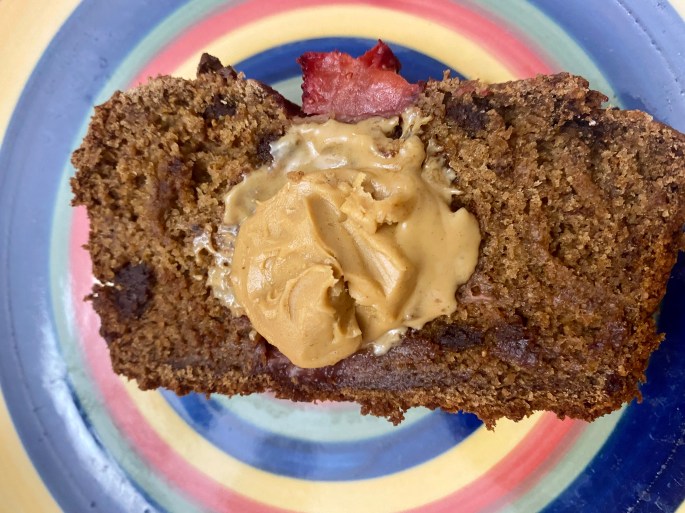
If you like to bake for the holiday season, this bread will lend itself to potluck gatherings, as it can be made a day or two ahead of time.  It would also make a nice holiday gift or simply a fun weekend addition to brunch.  It stores well, becoming more moist with age. I have toasted leftover slices of it in my air-fryer and reheated it in the microwave–either way works.  Plus, you can substitute your favorite chopped nuts in lieu of the chocolate chips–I just happen to like chocolate!  It’s tasty plain or smeared with butter or cream cheese as my daughter and husband  do or with your favorite nut butter, as I like to do.

This recipe is versatile, using fresh or frozen fruit. (Hint: I save all over-ripe bananas–and even strawberries–in a freezer bag in my freezer and pull out what I need anytime I’m baking!) Notice all the ways I offer substitutions for the original ingredients I used, so that you can meet your own individual needs/taste preferences.  Sprinkle the top of the batter with crystallized or festive-colored sugar before baking if desired and find ways to make this recipe your own!

From my home to yours, here’s to holiday baking!

Banana Strawberry Bread with optional chocolate chips

 with gluten free and vegan options

Ingredients

2 cups oat flour, can replace with all-purpose or gluten free flour

1/2 cup date sugar, can replace with regular or brown sugar

¾ teaspoon baking soda

¼ teaspoon salt

1 ½ cup mashed banana (about 2 bananas)

1/4 cup applesauce, can replace with oil or melted butter

1 teaspoon vanilla extract

¼ cup milk, dairy or non-dairy work

1 tablespoon apple cider vinegar

½ + ¼  cup + sliced strawberries, frozen or fresh

¼  cup + 1 tablespoon chocolate chips, gluten free and/or vegan; 

(can replace chocolate chips with chopped nuts)

Directions

Preheat oven to 350 degrees

Prepare loaf by spraying with nonstick cooking spray

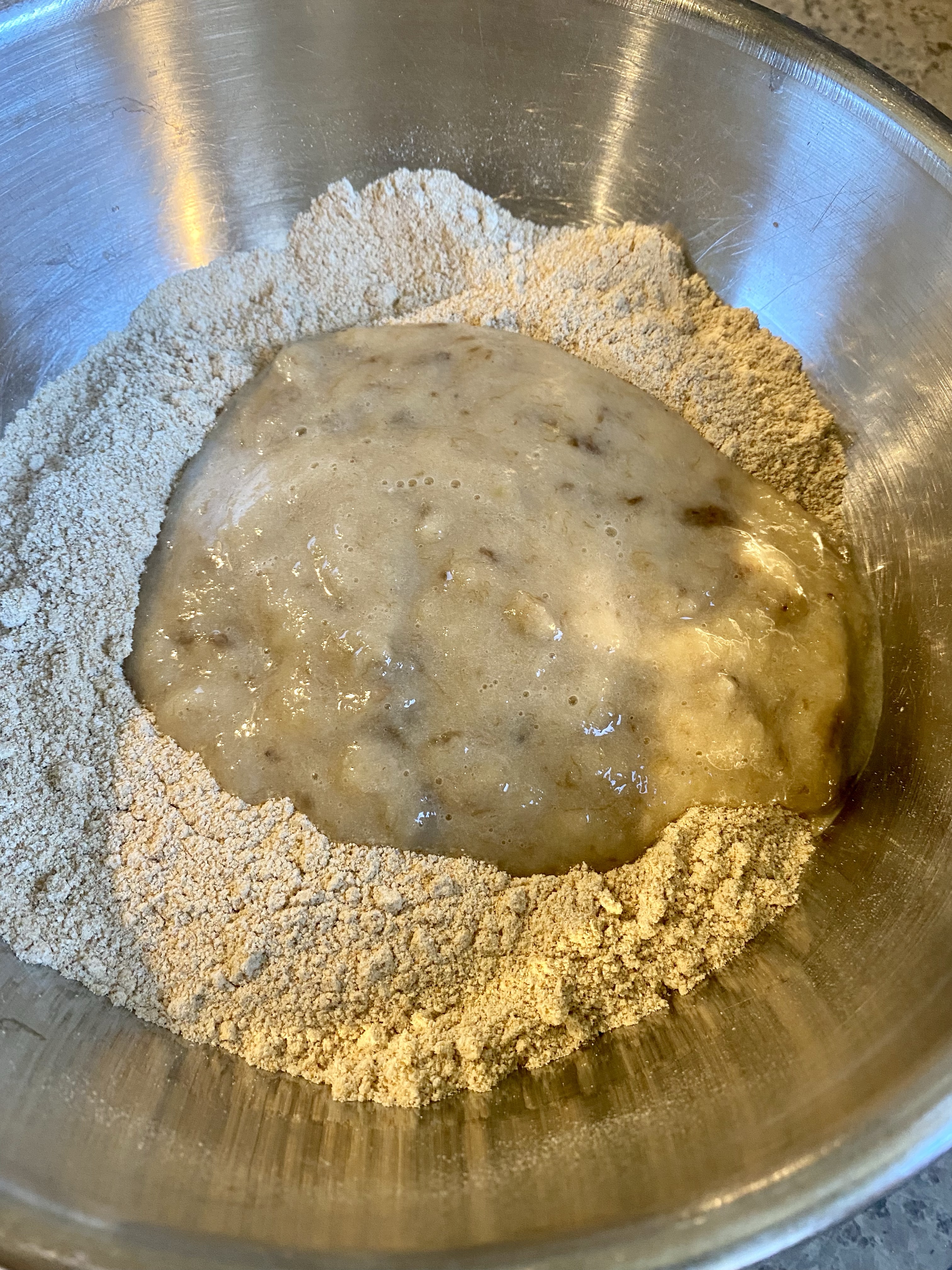
Mash banana and set aside

In a large mixing bowl, stir together dry ingredients

Make a well in the center of the dry ingredients

Stir in remaining ingredients, including banana, into the dry EXCEPT for strawberries and chocolate chips

Fold in ½ cup of sliced strawberries and ¼ cup of chocolate chips

Pour batter into loaf pan

Top with remaining strawberries and chocolate chips

Bake for 50-70 minutes or until a toothpick inserted in the center comes out clean

Cool in pan for 10 or so minutes, use spatula to gently lift out of the loaf pan.

Finish cooling on wire rack

Slice to serve.

Can be kept in an airtight container, once completely cooled, in the fridge for up to five days.

Can also be stored in a ziplock freezer bag and frozen for up to 3 months.

In a large bowl stir together dry ingredients and make a well in the center. Then set aside.
In a medium bowl, stir together wet ingredients.
Pour wet ingredients into the center of dry ingredients and mix with spoon until blended.
Finally, stir in sliced (or chopped, if preferred) strawberries and chocolate chips or nuts.
Bake in oven, and allow it to cool in pan at least 10 minutes before using a spatula to gently lift out loaf. Set loaf on cooling rack, and allow it to continue to cool.
Slice it up and eat it plain or with your favorite toppings, such as maple syrup, honey, nut butter, butter, or cream cheese to name a few.
Personally, I love nut butter smeared on a heated slice and allow the warmth of the bread to melt it.

Unwrap your best holiday health: Ways to keep moving from Thanksgiving through those New Year’s Celebration

“Take care of your body. It’s the one place you have to live.”–Jim Rohn

This is my fifth installment of celebrating and encouraging movement for everyone.  If you’ve read my previous pieces, you already know that my goal is fairly simple.  I want to encourage everyone to move more in whatever manner works best for you, your body, and your schedule.  I do not believe in one-size fits all when it comes to fitness and health goals.  Instead, I am writing to explore techniques, habits, and motivations for incorporating more movement into life, even during the upcoming holiday season.

Why should you consider maintaining your movement/exercise routine during the weeks of Thanksgiving through the New Year celebration?  There are many possible reasons, but only you can decide your why(s).  Personally, it allows me to feel as if I have accomplished one positive thing for the day.  If everything else derails throughout the day, at least I exercised–even if it had to be for a reduced amount of time.  However, there are so many more valid reasons.

Photo by Julia Larson on Pexels.com

Increased movement and exercise is one positive way to combat the stress that often accompanies this season.  Although stress isn’t a disease, per se, it is the body’s physical, mental, and emotional responses to external events, especially change, which often occur from Thanksgiving through the New Year celebrations. High levels of holiday stress can detrimentally impact mental health.  However, being physically active throughout the holidays is a proven technique to significantly reduce stress levels.

Along the same lines, exercise during the holiday season can provide structure to your schedule. If you have already committed to moving more throughout your day/week, and you have already been consistently applying it, then continuing to follow through with that plan builds at least a sense of familiarity and comfort.  Even if you have to reduce your time and/or days for physical activity, there is at least that semblance of reassurance that you are choosing to still take care of yourself, which can increase the likelihood of making another healthier choice throughout your day/week.

Photo by Barbara Olsen on Pexels.com

As counterintuitive as it may seem, exercise gives you more energy during the holidays.  Harvard Health explains it this way. Increased movement and exercise increases oxygen circulation, which in turn, allows your body to energy more efficiently and therefore function better.  Furthermore, exercise increases cellular level changes, including augmenting the production of mitochondria inside your muscle cells. Having more mitochondria translates to your body possessing an adequate energy supply.  Plus, exercise boosts the production of the feel-good hormones that likewise make you feel more energetic.

Exercise and increased movement is a proven way to combat anxiety and depression, often associated with the holiday season. Let’s be honest, for many people, the holidays often serve as a reminder of loved ones and traditions lost to the past.  For others, the increased requirements for more socialization, or so-called holiday-expectations, can trigger the desire to curl up in a fetal position and hide until the season is over.  Furthermore, increased levels of darkness often precipitate seasonal affective disorders (SAD), a form of depression that affects approximately 10 million people annually. Physical activity is a proven method for reducing symptoms by releasing endorphins that increase positive feelings.  

Physical activity can reduce increased sedentary behavior associated with late fall and winter months. Colder and/or inclement weather can reduce motivation to get outside and move. It’s only natural to want to stay in and watch sporting events, stream series, or watch old movies while noshing your way through comfort food snacks and often calorie laden beverages.  While there’s nothing inherently wrong with these behaviors, too much inactivity is not beneficial to the body, mind, and even spirit.  A commitment to physical activity, even if it is laps around your house on commercial breaks during sporting events or between streaming episodes will go a long way promoting your overall well-being.

Photo by Andres Ayrton on Pexels.com

In spite of all of these benefits, it can still feel challenging to maintain that fitness plan or movement goals you have established for yourself in previous months.  However, there are ways that can help you overcome obstacles.  The key is finding the ones that work for you as no one method/approach works for everyone.

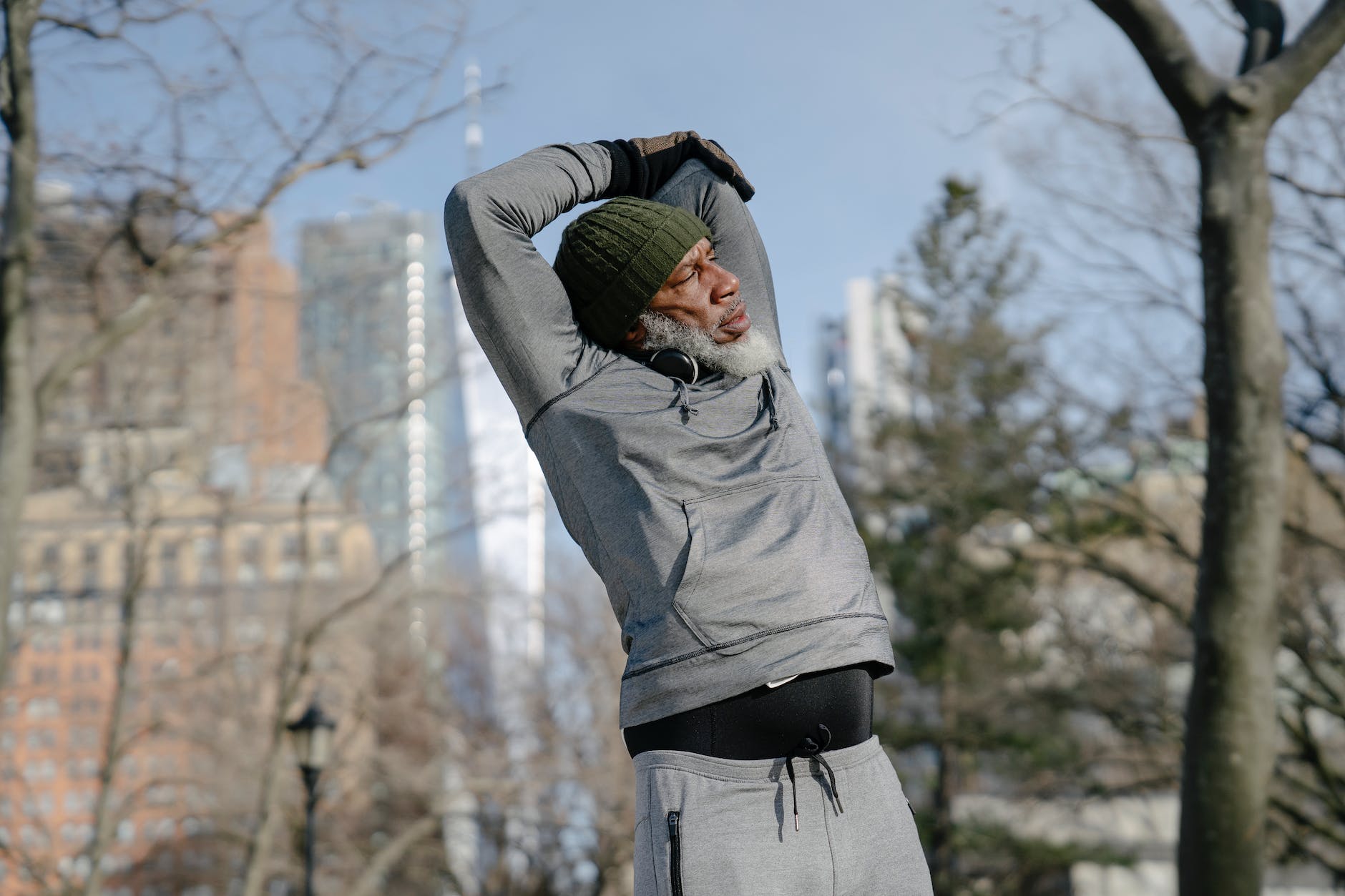
Walk, march, or even jog around the neighborhood, if weather permits, or inside your house.  Even walking, marching, or jogging in place is beneficial!  If you don’t have time for your usual amount of time, such as 20 or 30 minutes, break it up into smaller time periods spread throughout the day.  If that isn’t possible, even one shorter burst of activity is better than none!

Consider exercising with an app, DVD, or streaming platform.  There are numerous apps and platforms that are free or reasonably priced.  In fact, you can even look up “holiday themed workouts” on Youtube lasting anywhere from 10-30+ minutes!

Inexpensive, portable exercise equipment are the perfect solution when traveling.

Invest in personal, home exercise equipment for use during inclement weather, traveling, or when short on time. Resistance bands and tubing, jump ropes, and exercise mats  are inexpensive, and easy to transport when traveling and/or visiting family/friends. The bands/tubing come in different sizes and resistant levels and require little training.  In fact, most come with a workout plan or can be found online.

Think outside the box, but keep it simple: 

  • Wake up 15-20 minutes earlier for a short movement period.  
  • Be mindful of the number of steps you take throughout the day, and challenge yourself to complete more than the day before.  
  • Wear exercise shoes when shopping and add power walk breaks in between stores or consider more frequent walks to your parked car after a store visit to stow away bags. 
  • Rethink your lunchtime, if your job allows, and use it as an opportunity for a short walk.
  • Challenge a fitness buddy to hold each other accountable to a realistic daily or weekly goal.
  • Complete bodyweight exercises throughout the day, such as push-ups against desk, body weight squats and lunges, chair tricep dips, twists, stretch, and so forth.  You might get a whole body workout by the day’s end!
  • Set realistic expectations and plan accordingly.  Consider reducing time/numbers of days per week, and then make a commitment to those.
  • Make movement part of the family/friend traditions if possible.  A family walk or dance session after a big holiday meal can not only improve digestion, but take the edge of any accumulated stress.
  • Make a holiday playlist.  It doesn’t have to be holiday music.  Instead, create a special playlist that motivates you when your energy is low.
  • Make sleep a priority too.  A well rested body moves with greater ease.
  • Hydrate consistently.  (Think of all the added sodium in those holiday treats.)

The holidays do not have to derail your exercise/movement routine.  There’s only one you and one body in which you live.  Therefore, think of physical activity during the holidays as the one gift you can give to yourself.  With a bit of flexibility, creative thinking, and determined mindset, you can continue to unwrap better health, one step, or choice of movement, at a time. 

Photo by Pavel Danilyuk on Pexels.com

Fall for The uniqueness of your own heartbeat

“There are days I drop words of comfort on myself like falling leaves and remember that it is enough to be taken care of by myself.”–Brian Andreas

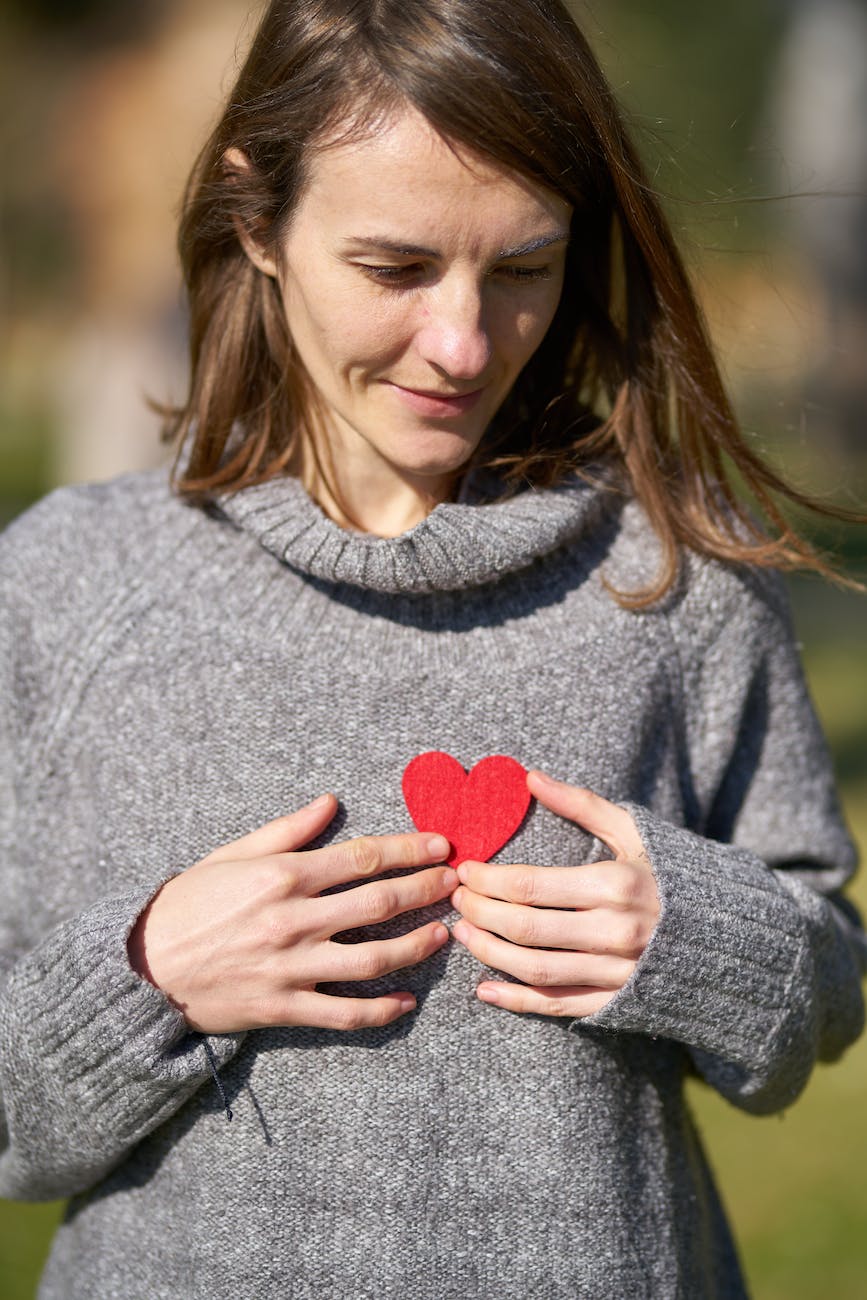
Several years ago, I had the privilege of taking classes in order to become a certified yoga teacher. YTT, as it is often referred, was a year-long process that involved much reading, studying, and, of course, yoga practice. One of the more fascinating facts that I learned during this process was that each person has a unique heartbeat. It is a point of awe for which I find myself contemplating at times when I am in need of self-comfort/reassurance.

Driving home recently on a golden fall lit afternoon with gilded leaves swirling and whirling in a dance down to Mother Earth, I thought of our Creator and the unique gifts of creation all around. Ahead of me were the rolling hills of southern Ohio and beneath my road was a ribbon of river, sunlight glinting off its glassy flow.  Cracking the window and turning off the radio, I inhaled the crisp fall air as it glided through the car’s interior embracing me like an old friend.  Instinctively, one hand went to the heartspace of my chest, and in the moment, I felt the pulse of gratitude and sighed with peace.

Now, to be honest, it was also a sigh of relief.  I was more than happy to have the challenging work week behind me! However, that simple moment of gratitude and relief served as a reminder of the uniqueness of my heartbeat, and hence, the uniqueness of my own life.  Which led to my mind’s meanderings of the singularity of each individual life.

Photo by Darshak Pandya on Pexels.com

It turns out that national agencies, such as NASA and The Pentagon (at the request of US Special Forces) , as well as private technology companies, such as Bionym, a Toronto based company, recently acquired by Inominds out of San Jose, have been researching and harnessing the technology around the unique heartbeats of individuals. According to Andrew D’Souza, the one time president of Bionym, the original maker of Nymi, a wearable device that the uses an ECG to identify the wearer, each one of us has a unique heartbeat that is based upon the size and shape of our hearts as well as the orientation of our heart valves and our unique physiology.  This individualized rhythm can slightly change with age, about every five years, and can also be altered if a person suffers a major cardiac event, such as a heart attack. Nonetheless, even with age or a cardiac event, our heartbeat remains unique to each person. Even when our heart rate is elevated from exercise, stress, or anxiety, D’Souza explains that electrically speaking, our heart waves still look the same. 

Without going into further scientific depth my rabbit-hole deep dive produced, an overall message kept emerging, each person’s heartbeat is definitively different and unquestionably unique to each individual.  The power of this knowledge brought me back to that sense of awe and wonder that I felt on the autumnal afternoon drive home.  Even after an exhausting week in which I felt like one lone worker ant in a colony of ants, each with our own humble roles, knowing that my heartbeat was not like that of anyone else was a comforting reminder that I am, indeed, a uniquely Divine creation. And so are you Dear Reader!

In a world where divisiveness and partisan language seeks to divide, separate, and categorize us into opposing factions, it is worth remembering that each one of us is a unique creation, a child of our Creator.  Our individual heartbeats can serve as a reminder that we are here to, as the saying goes, march to the beat of a different drummer and not necessarily to conform to any one group or one way of being. We were not created to be the same.  Indeed, each one of us is unparalleled, designed to offer our special gifts and talents to the world.  No one else can be me, and no one else can be you!

Photo by Karolina Grabowska on Pexels.com

Therefore, on days when you’re feeling out of sorts, overlooked, or overwhelmed, place your hand on your heart center.  Feel the one-of-a-kind rhythm of your own heart.  Allow its individualized cadence to serve as a reminder that you do matter.  No one else can be you.  You, and you alone, were created to follow your own beat, and offer your own rhythms to the world.  

Your heartbeat demonstrates that you are special, and YOU ARE.  Know it.  Believe it.  Act on it in a positive way by caring for yourself and your heart, so in turn, you can walk to the beat of your own drumming heart, blessing the world in the unique ways in which only can do. 

Photo by Engin Akyurt on Pexels.com

The realness of depression and anxiety

Speaking with a child recently, she spoke to me of the very real pain she felt from her depression and anxiety.  She shared that one of her parents was embarrassed by her need for medication and therapy.  My heart broke for her, and I wished I could make her pain go away.  However, it is not that simple, and all I could do at the time was listen, so she felt heard.   

Photo by Mikhail Nilov on Pexels.com

The pain of depression, combined with the constant worry of anxiety is very real.  In fact, most of us have felt depressed at some point to a lesser or greater degree, depending upon circumstances.  In fact, my own experiences have been fairly short-lived, no more than 1-2 years, and I was able to continue on with work/life/education, albeit with great difficulty.  For some, it is a challenging seasonal event, tied to the anniversary of an event, holiday, or winter months. However, for many, depression, and its side-kick anxiety, is pervasive, lasting two or more years.

According to a March 2022 World Health Organization report, since the pandemic, there has been a 25% increase in the prevalence of depression and anxiety world wide, with young people and women having been most affected.  In addition, the National Institute of Mental Health adds that young people, aged 18-25, currently have the highest prevalence of mental illness, a whopping 30.6%.  Furthermore, in another WHO report, globally speaking, one in seven adolescents, aged 10-19, are currently experiencing some form of mental illness. Specifically, in the US, the American College of Obstetrician and Gynecologists reports that one in five youth, aged 9-17 years, are experiencing a diagnosable mental illness.  More sobering, acccording to the same report, suicide is the second leading cause of death among those aged 15-24 years old.

Photo by Pixabay on Pexels.com

As an educator, parent, and most of all, as a fellow human being, my heart breaks reading these statistics.  It only confirms what I am witnessing and encountering on a daily basis.  More teens and young adults with whom I come into contact on a regular basis are in real pain–whether I am aware of their mental anguish or not.  The most common mental illness among teens and young adults according to several health organizations include generalized anxiety, phobias, and depression.

However, it is not all grim.  Mental illness, especially among teens and young adults, is very treatable and manageable.  There are a wide-array of techniques and support systems designed to address the unique needs of each individual case, no matter the age. 

Treatment often starts with some form of psychotherapy, also known as counseling or therapy.  Therapy may last for only a short period, or over several years, depending upon the person.  It may focus on thoughts and feelings regarding current life, issues in the past, as well as concerns about the future.  Through therapy, the person not only feels supported and less isolated, but typically develops strategies and coping skills designed to address current mental health issues.  Additionally, therapy may also include ways to develop/strengthen specific relationships, overcome fears/insecurities, address past traumas, increase self-compassion and understanding, as well as create a plan for moving forward.

Photo by Polina Tankilevitch on Pexels.com

Medication is often another form of treatment used in tandem with therapy, but it does require monitoring of a psychiatrist or other trained medical doctor.  The most commonly used medications prescribed for depression and anxiety are safe and effective ways to treat mental illness.  Unfortunately, the wait times for such professionals, especially in recent times, can be months long.  

As a result, many school counselors, universities, family doctors, and churches/civic/community centers are stepping up their support for those in need of mental health support. Many universities offer access to free, or nearly, services via in-person, videolink, or phone.  Some church, civic, and community leaders are pooling services to likewise offer hotlines, group therapies, or other activities designed to promote and support mental health. 

Even once a person is diagnosed and in-treatment, progress takes time, and there can set-backs, as well as ups and downs, in the process; however, certain factors do help facilitate treatment/recovery.  These include:

  • Positive support from friends and family
  • Self-direction in determining own direction and goals for recovery
  • Positive environment living/working/educational setting
  • Financial stability
  • Self-responsibility to administer self care needs
The road for treatment, therapy, and recovery may be long and winding with ups and down, but with the right support and environment, a positive outcome can be achieved.

It is worth remembering that the therapy process is unique to each individual.  Those in therapy may not return to where they were before the illness.  Rather, the typical goal of therapy/medication is to increase a person’s ability to manage their own mental health using positive methods/coping strategies while still engaging with life.  

In the meantime, what can mere mortals do to foster and improve our own mental health? Ireland’s Public Health Agency offers five simple ways worth considering in order to maintain and improve our mental well being.  These include:

  • Connect-invest time in building relationships with family, friends, colleagues, and/or neighbors.
  • Be active– this doesn’t necessarily mean joining a gym, although it could, rather the focus is to move more, especially throughout your day, including walking
  • Keep learning-this boosts self-esteem and self-confidence as well as keeps the mind actively engaged
  • Take notice-increase awareness of the present moment; observe–without judgment–how thoughts and feelings fluctuate throughout the day, and how they may, or may not, affect the physical body
  • Give to others-acts of kindness, no matter how big or small, go a long way in helping others and positively impact personal mental well-being.

Mental illness is a very real thing, affecting nearly 50 million people in the United States, but there is hope. If you are experiencing mental health issues, do not be afraid to seek or ask for help.  And, please know that you are NOT alone. 

Furthermore, if you know someone who is suffering from a mental health issue, support them, offer forms of encouragement, and above all, let them know you care.  With so many silent sufferers in the world, it is more important than ever for us to be the light for one another.  

Now, more than ever, it is important to be the light for others with kind gestures, words, and deeds. ✨

Rice Krispie Air Fryer French Toast

“What does the best man at a French wedding do?”

“Make French toast!”

“Why is the French Toast the best team in the baseball game?”

“Because they have the best batter!”

Rice Krispie french toast sticks with melted peanut butter. Gluten-free and vegan options available!

Okay, I’ll try to stop, but in my defense, it’s way past my breadtime as I write this. My mind is crumbling, but I am not toast yet. There are still some ideas left in me, although I think they may be a bit stale. Perhaps, I should settle down, wrap up in a blanket, get warm and toasty, and go to bed to stop all this syrupy humor!

In all seriousness, National French Toast Day is November 28, 2022.  So why write about it in October?  Because I began playing with this recipe in September to, well, toast my birthday! It took several incarnations to get the recipe right, and I wanted to give you, Dear Reader, ample time to experiment with this recipe before the big toasty day.

You say you haven’t heard of National French Toast day?  Well, you’re in good company because neither had I until recently.  How did this obscure holiday come to be?  Based upon my research, no one source seems to know.  However, I did learn some interesting facts about a sweet and savory dish that is a weekend favorite food for many.

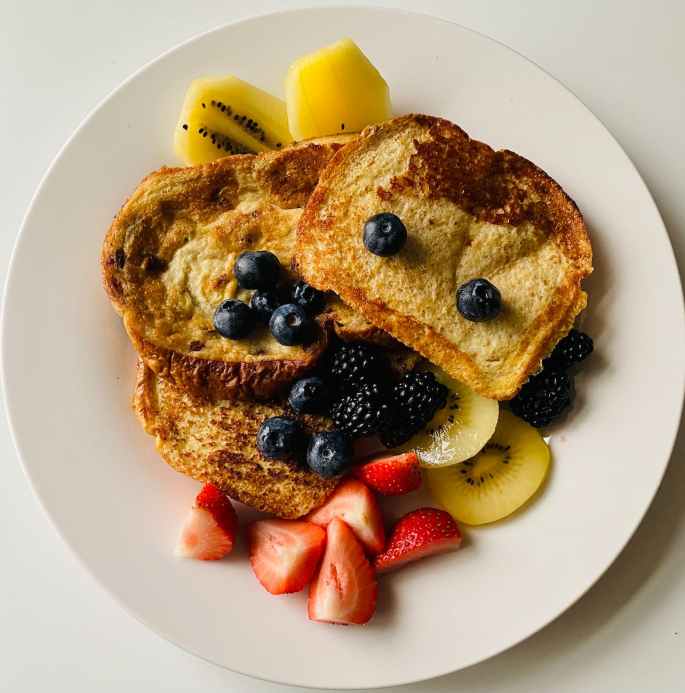
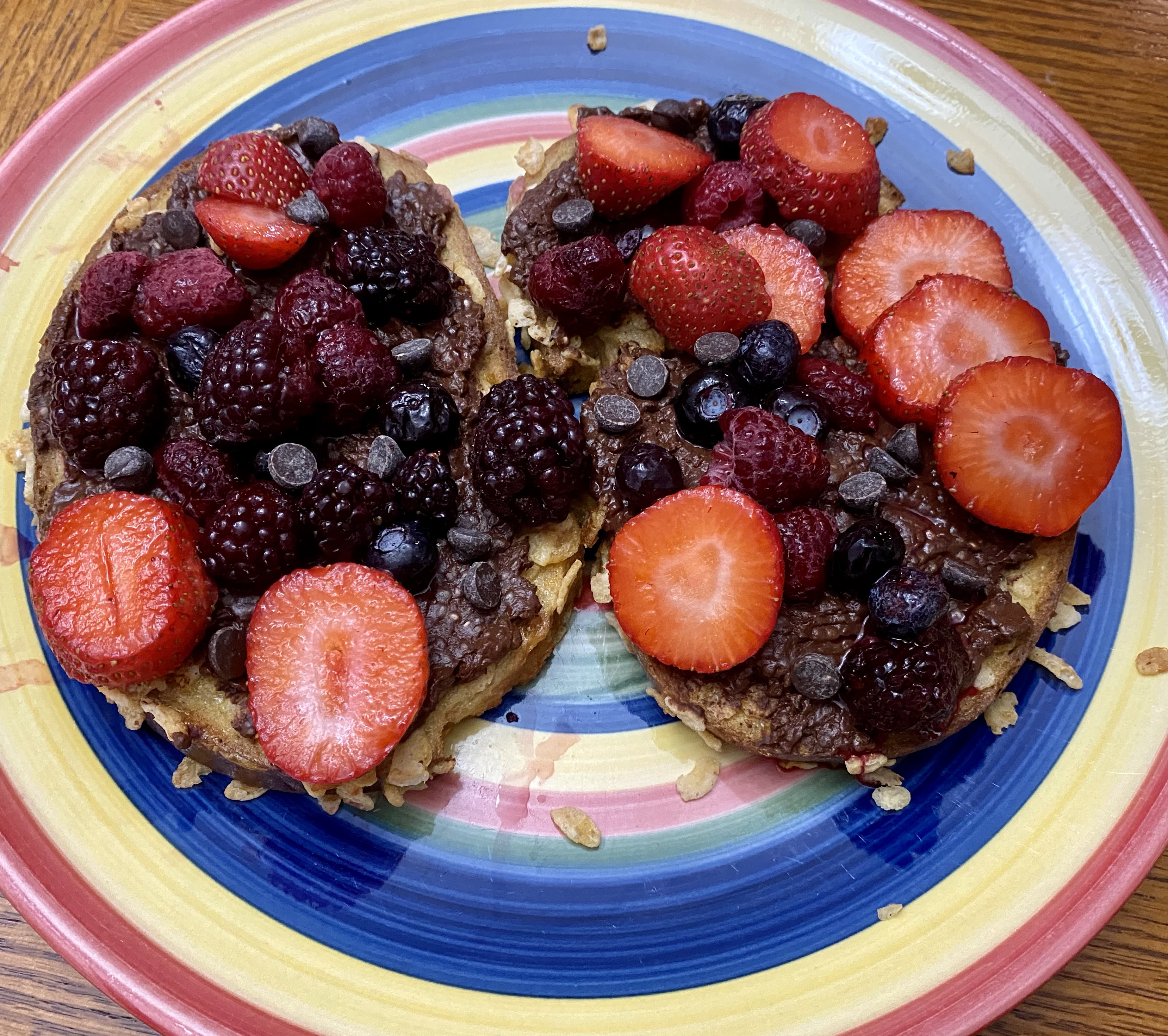
Rice Krispie French toast sticks smeared with chocolate powdered peanut butter, topped with strawberries, mixed berries, and chocolate chips!

The origin of French toast is debatable.  One source dated it back to a collection of 4th or 5th century Latin recipes.  While another source dated this eggcellent dish back to sixteenth century Europe. Additionally, the French were historically known for reclaiming old, stale bread, dipping it in egg batter, and frying it up.

It’s been known under a wide variety of names such as, “poor knights pudding,” “pain perdu,” “eggy bread,” and “French fried bread” to name a few.  The name, “French toast,” according to one popular Maryland breakfast restaurant, first appeared in American print in 1871, in the Encyclopedia of American Food and Drink. Regardless of its origins, or name given to this recipe, most of us can agree, French toast is one delicious dish of tasty goodness.

There are many variations for making French toast, but the basic formula includes bread, dipped in batter, typically made out of eggs and milk, and fried in a pan.  Some recipes call for added seasonings such as vanilla and nutmeg, while others call for rich cream and egg yolks with a dash of cinnamon.  Other recipes insist on thick bread, while others aren’t as picky.  

While reading through numerous recipes for French toast, I saw variations in cooking methodology.  Some cooks swear by frying in oil, while others enthusiastically endorse butter.  There were several variations of baked French toast, and even recipes that call for frying up the batter-dipped bread, then dipping it again in the batter, and baking it up.  I even found several French toast casserole recipes that made my mouth water.

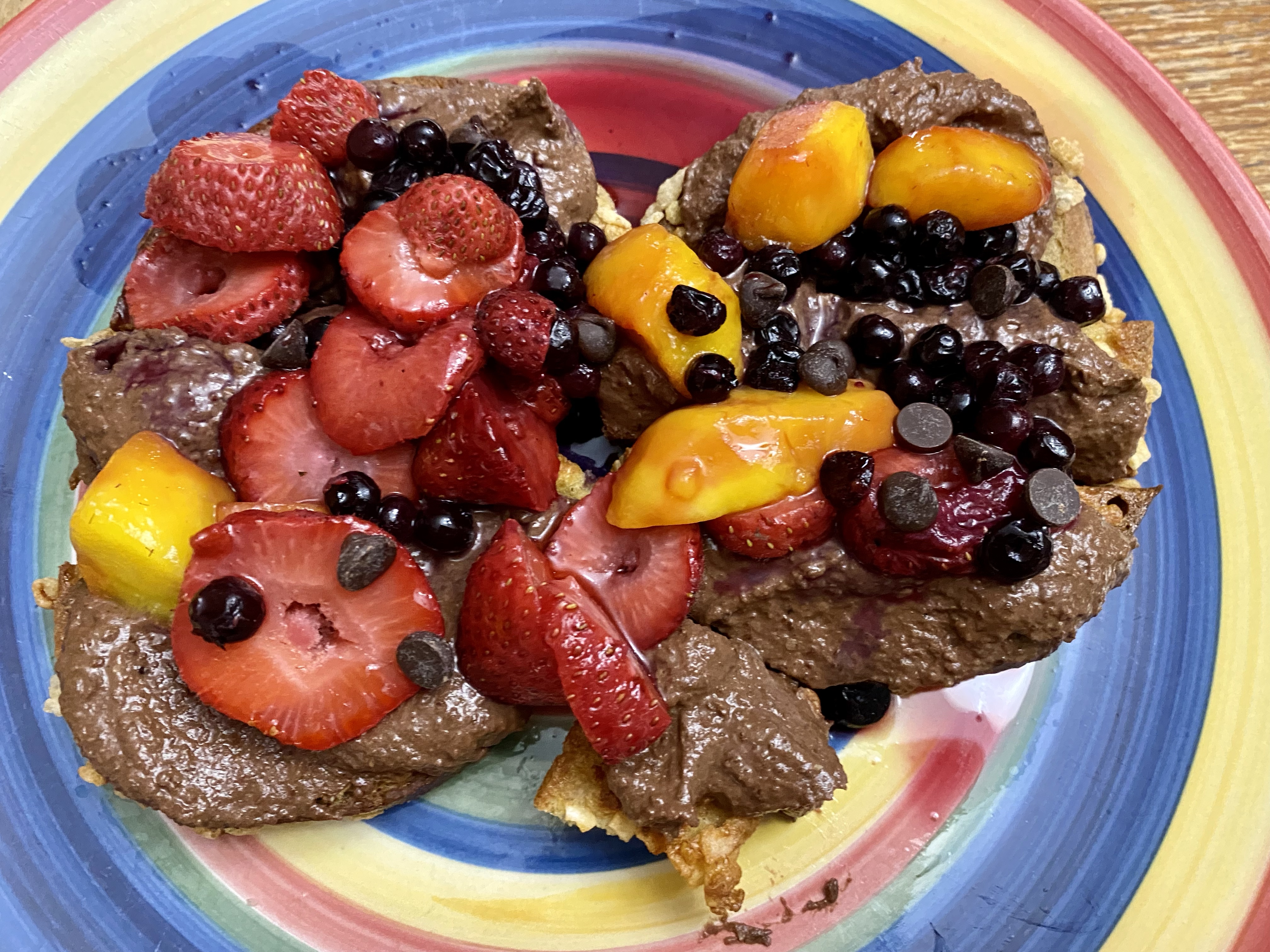
Rice Krispie French toast smeared with chocolate powdered peanut butter and topped with strawberries, blueberries, mango, and chocolate chips.

This recipe uses an airfryer, and it offers variations for those with Celiac disease like me (hence the use of gluten free bread and crispy rice cereal).  I personally made this plant based as well by using non-dairy milk and a plant based liquid egg replacement, but that is a highly personal choice that may not be your preference.  The point is, the recipe is flexible and can meet a wide variety of dietary needs.  Plus, using the airfryer, rather than a butter or oil, can be a healthier option for those needing to cut back on dietary fat.  That being said, this recipe can be prepared in the traditional frying manner with butter or oil.

The use of Rice Krispies was intentionally designed for fun; after all, I created this recipe in honor of my own birthday.  I personally loved the way it added extra texture, visual interest, and the taste did not detract from the overall flavor of the batter.  In fact, the cereal gave the recipe a fun and festive vibe that made my inner-child, who needed to be honored on her birthday, smile!

Rather than wait for National French Toast day, why not give this recipe a try?

From my home to yours, I toast to your health and cooking endeavors! 

Rice Krispie Airfryer French Toast sticks

with gluten free and vegan options

Ingredients:

3 large eggs or plant based equivalent

½ cup favorite milk, dairy or non-dairy

1 tablespoon maple syrup

½  teaspoon vanilla extract

¼  teaspoon nutmeg, optional

⅛ teaspoon salt

1 cup Rice Krispies 

4 slices of thicker bread, cut into “sticks” (gluten free if needed)

Directions:

In a small shallow pan, stir together egg, milk, maple syrup, vanilla extract, nutmeg (if using), and salt.  

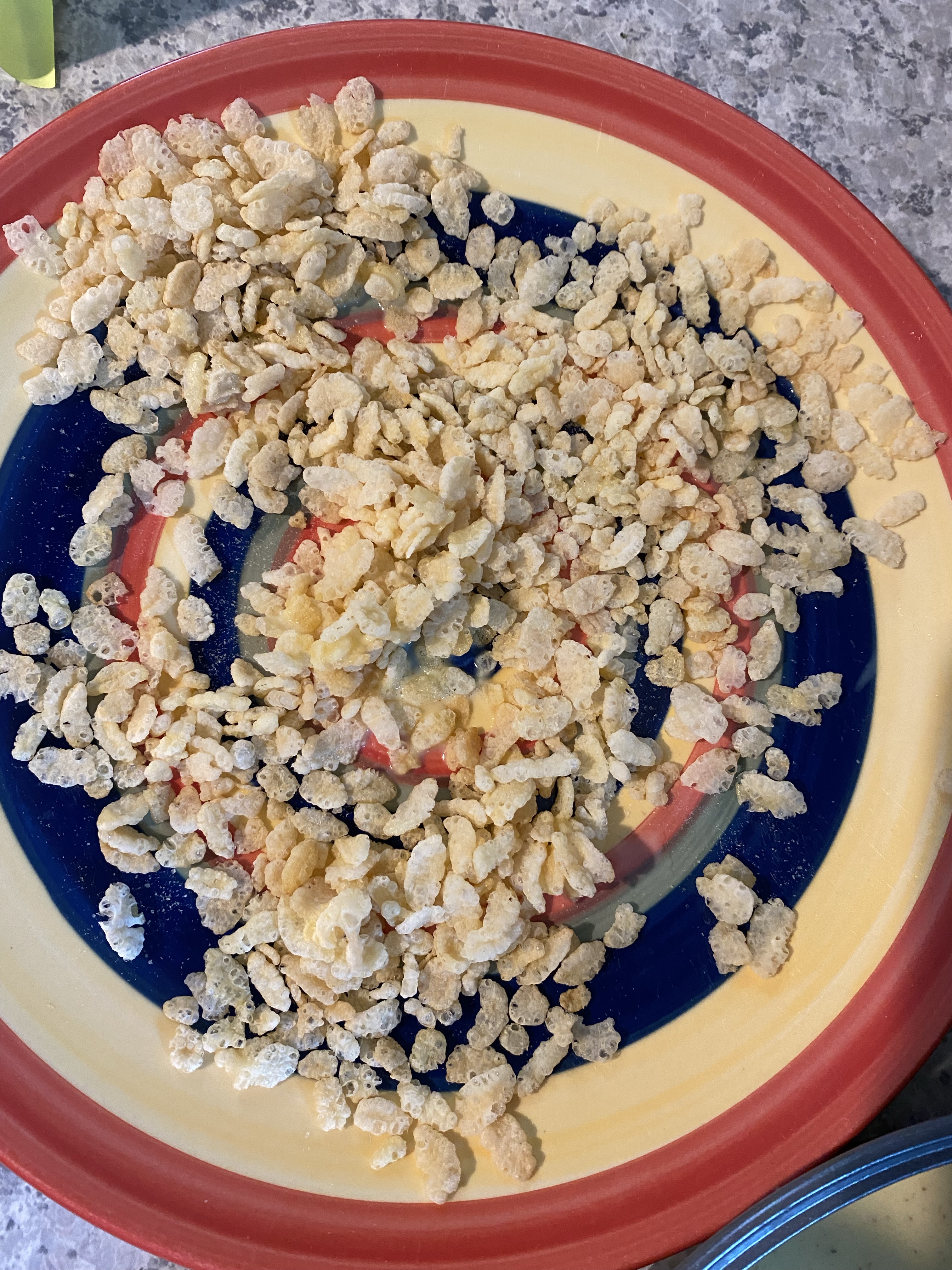
On a separate plate or shallow dish, spread out Rice Krispies.

Dip bread into batter mixture.

Press battered bread into cereal twice, coating both sides.

Place battered and coated bread sticks into the airfryer, without overlapping, into a single layer.

Turn the airfryer on 375 degrees and cook for 7-8 minutes. 

Repeat the process, if needed, until all “sticks” are cooked.

Keep “sticks” warm until ready to serve.

Top with favorite toppings, syrups, spreads, and/or fruits.

Serve immediately. 

Serves 2.

Recipes can be doubled or tripled if needed.

Refrigerate leftovers for up to three days.

Cut your bread into “sticks”.

You’ll need a few basics to make this gluten and plant based if needed/desired.

First, dip bread into batter.
Next, pressed batter-dipped bread onto Rice Krispies.
Cook up in an air-fryer for 7-8 minutes, or until desired brownness and texture reached. Then add your favorite toppings and enjoy!