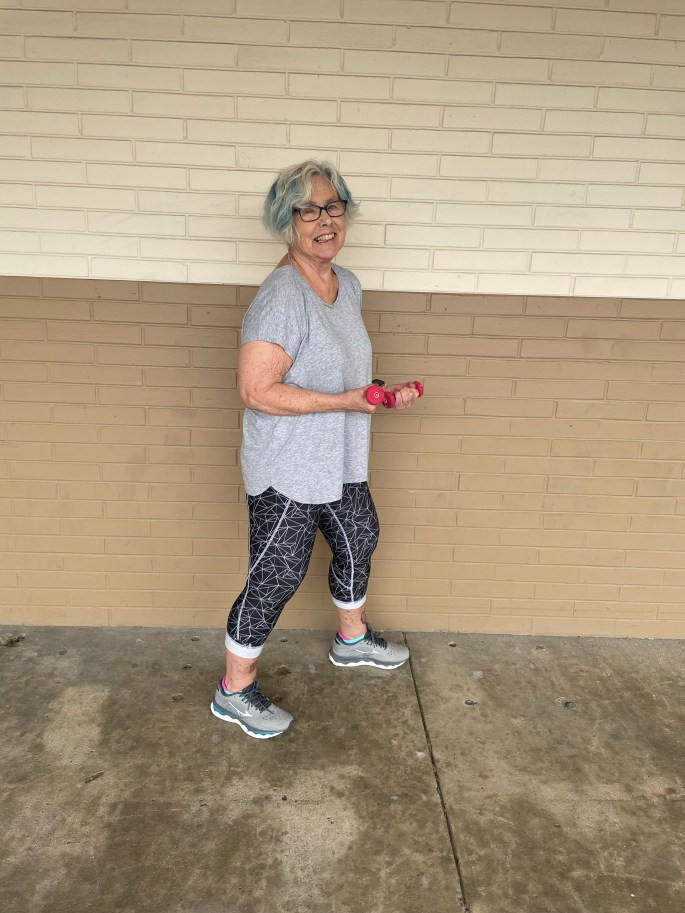
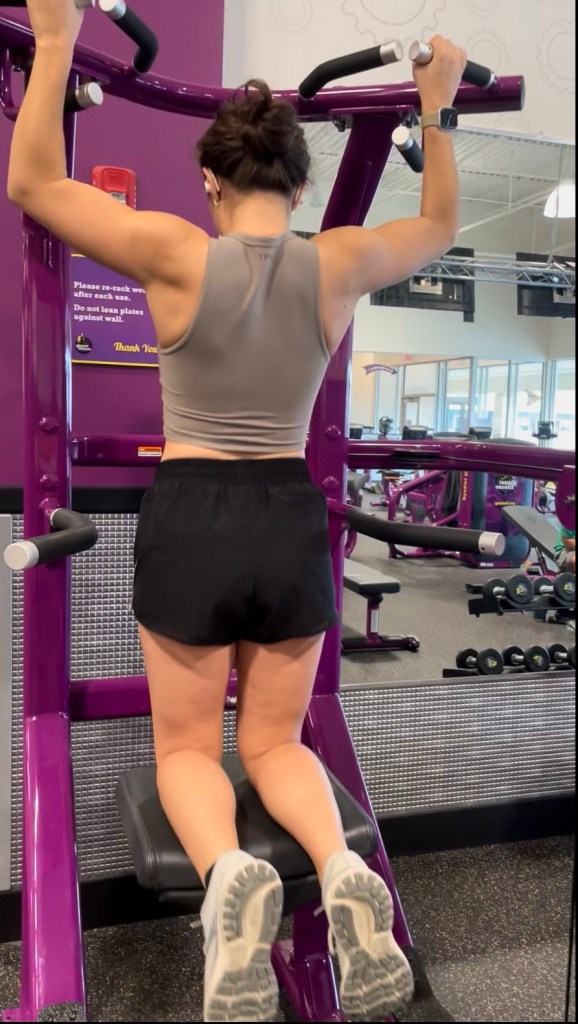
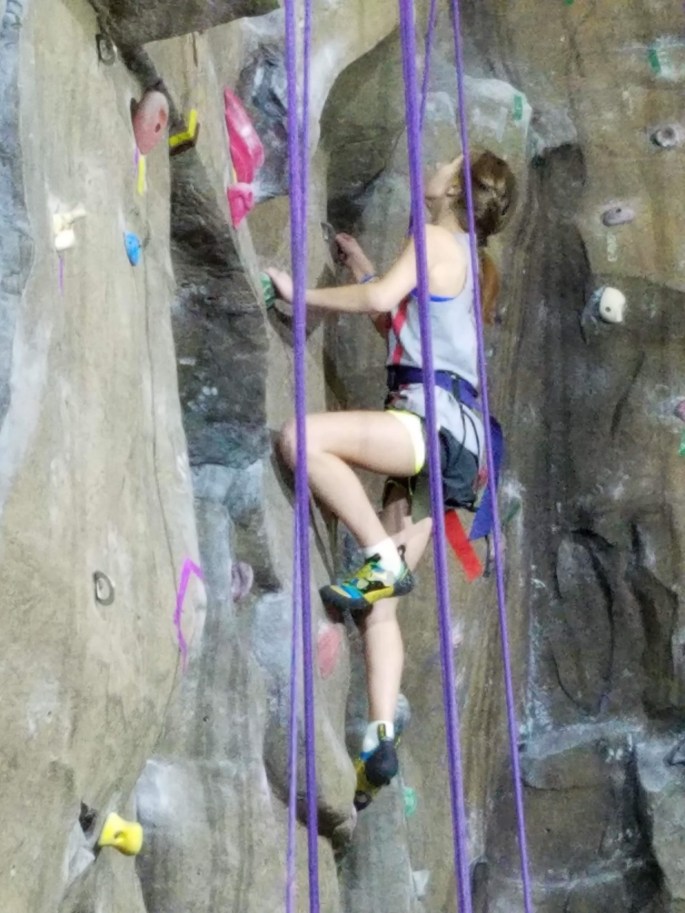
Moving into health for every body: Tips for fitting additional movement into your routine

“Changing ‘exercise’ to ‘movement’ was a game changer for me . . ..” –@brittanilancaster (Tik Tok)

Last month, I wrote about the importance of rethinking exercise and the benefits of incorporating movement into your daily activity.  Nevertheless, it isn’t always easy to plan, begin, and stick with a program.  You may have the best of intentions, only to be derailed by life.  Don’t feel guilty or ashamed by this–many of us, including myself, have been there on more than one occasion. Consequently, I am not writing to preach or make you feel bad. Guilt is not, in my opinion, a sustainable motivator; however, as I have previously stated, mood does follow action.  Therefore, this month will focus on actionable steps to starting, or returning, to a routine plan of movement.  

Photo by Bich Tran on Pexels.com

 Honestly, the best form of movement is the one YOU will enjoy doing, but in case you’re not sure, here are a few considerations. 

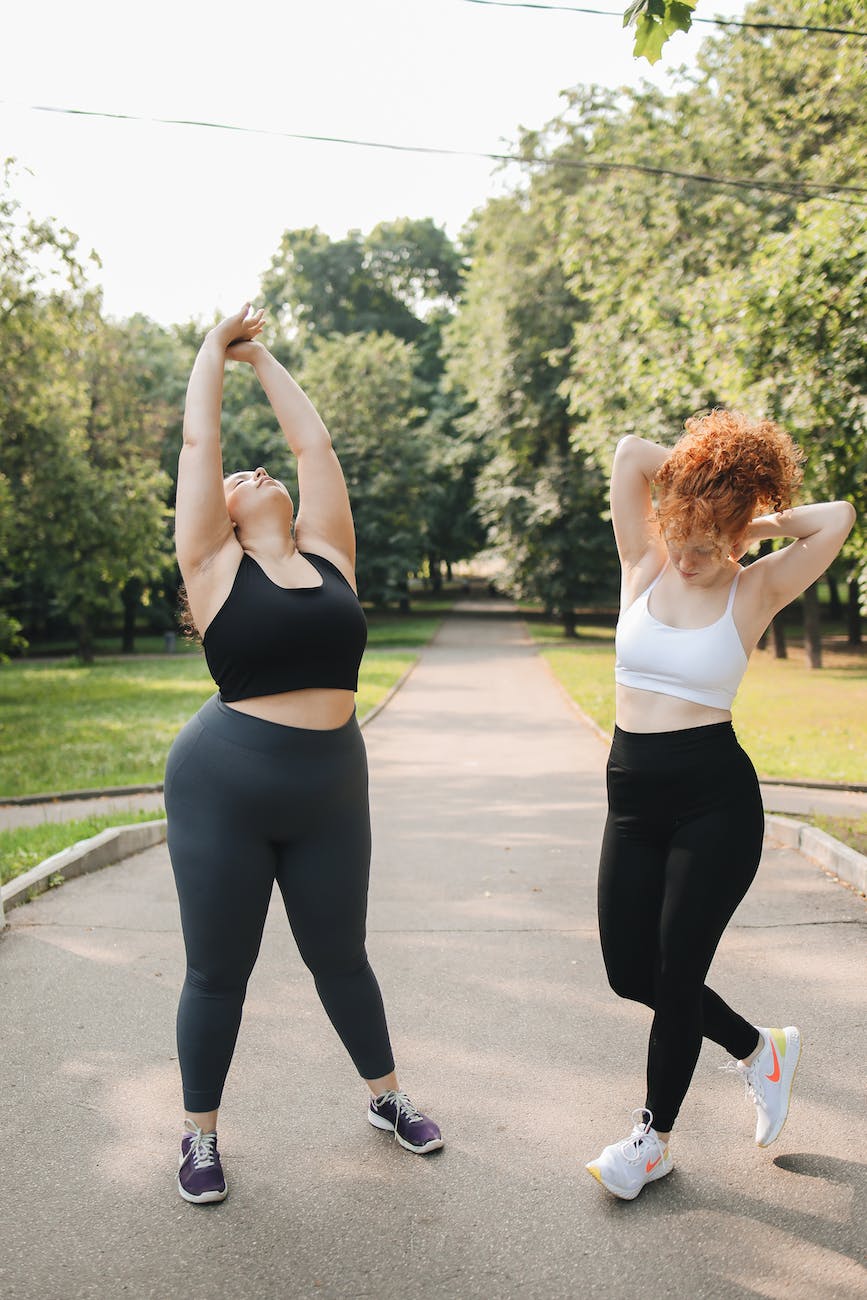
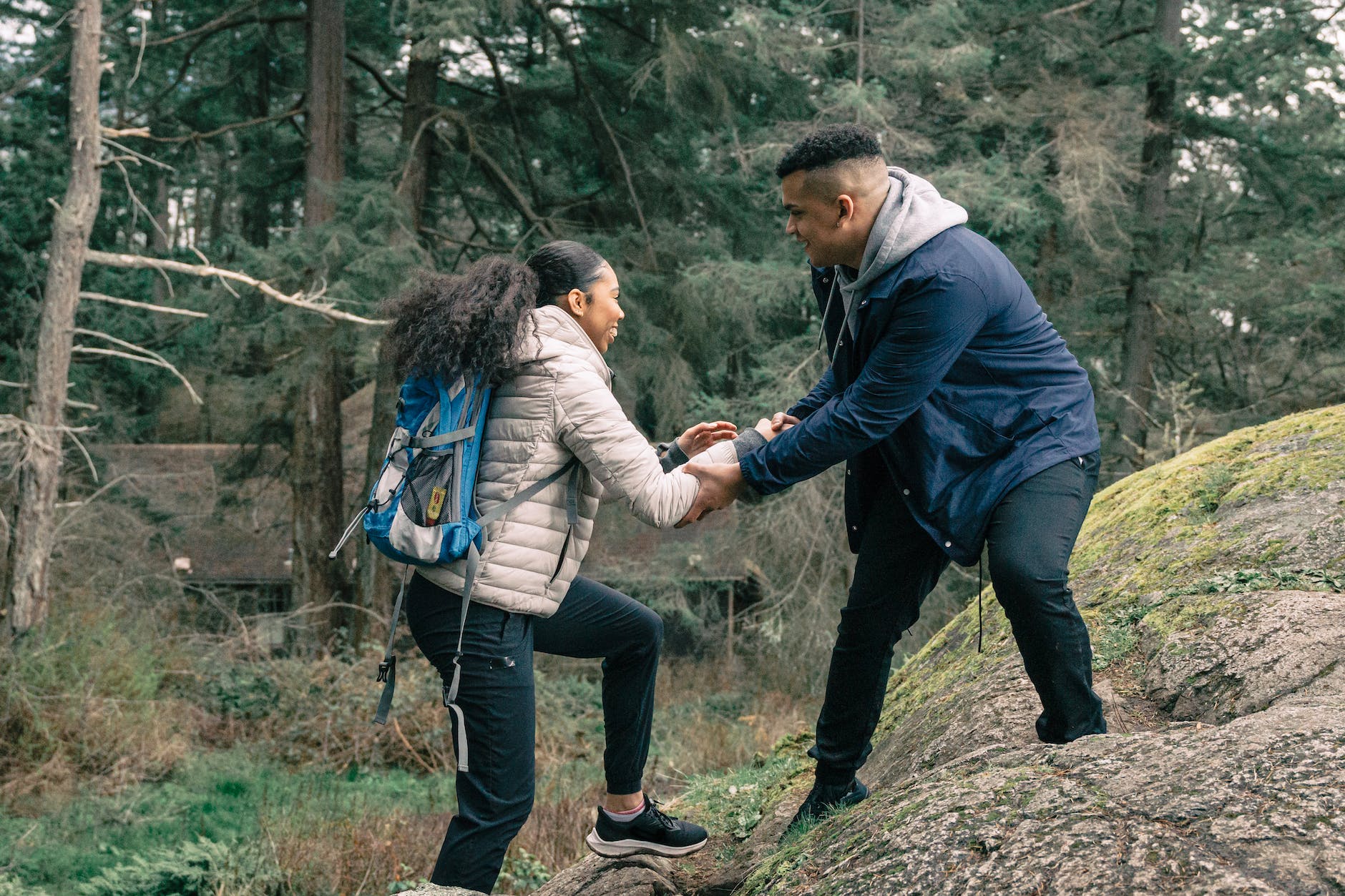
  • Solo or buddy/group system. Personally, I think it’s important to know if you’re a solo-type of exerciser or one who would stick to a program better with a buddy or a group.  Some people prefer, and are more likely to follow through, with an exercise buddy or group.  While others tend to like more solo endeavors.  Knowing your preference may increase your chances of a more positive movement experience.
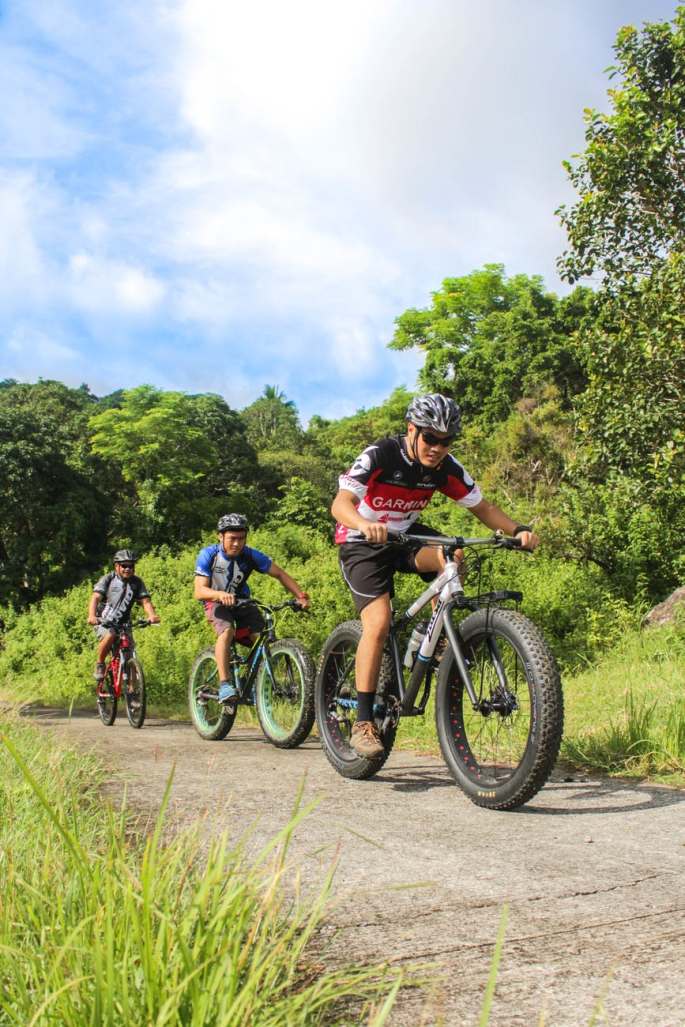
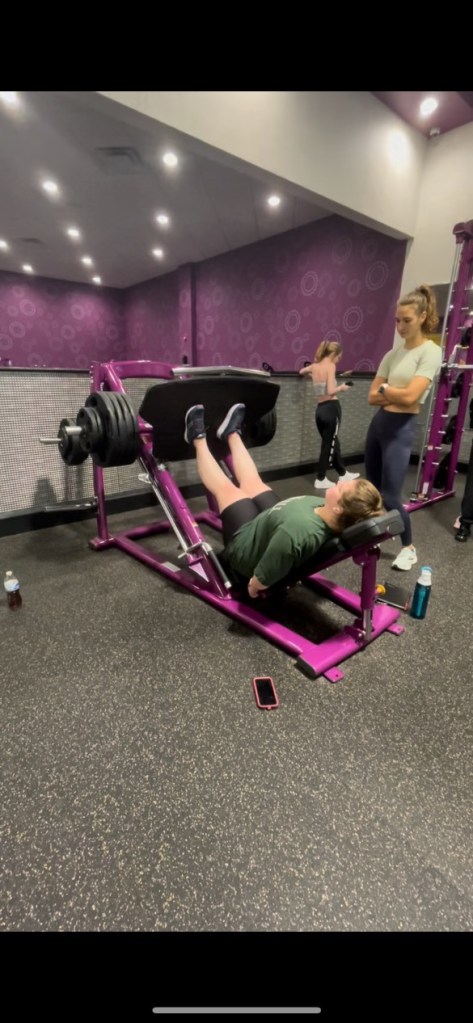
  • Choose an activity that you like.  It goes without saying, but I am going to state it again, if you dread exercise, you are probably not going to stick with it.  Ideally, find a form of exercise that makes you feel happy, empowered, and/or confident.  Do you love talking and/or sharing the latest juicy tidbits with a friend?  Then, choose an activity that allows you to do that while moving, such as walking.  Do you crave alone or quiet time?  There are many types of exercise that can lend you that much needed head-space for “me-time,” such as walking, biking, or strength training to name a few.  Are you motivated by instructors or group energy? Try one of the myriad of group fitness classes offered by gyms, fitness centers, or studios. And by all means, if you try one form of exercise, and you don’t like it, don’t throw in the proverbial sweat towel, try something else! 
  • Be realistic and start small.  In an ideal world, we would all follow the Department of Health and Human Services guidelines and exercise moderately 150 minutes per week–typically divided into five days for 30 minutes per day.  However, your schedule may only allow for three or four days and/or 15-20 minutes per day.  That’s okay.  Commit to a realistic routine and time.  Better to work within your schedule and be consistent with lesser amounts, than to do nothing at all.
  • Make it part of your weekly routine. Brainstorm ways to reduce or eliminate barriers.  Schedule exercise times into your smart calendar and set reminders, so nothing else can be scheduled during this time period. Schedule workouts with a friend in advance to build accountability, or use smart watches and/or fitness apps that allow you to link with friends, during workouts. Set out clothes, water bottles, equipment, snacks, and so forth, ahead of time. (I actually lay out all of my workout clothes for the week, set them in one stack by the bathroom, so I can grab and go quickly each morning.) 
  • Remember to reward yourself.   “If I do this, then I can do this.” Think about what really motivates you, and then set mini-goals towards that reward. It could be as simple as giving yourself permission to watch your favorite guilty-pleasure TV series for thirty minutes after completing a workout, or heading to your favorite local coffee or smoothie shop with a friend after completing a week’s worth of goal workouts. With consistency, health rewards will also naturally begin to occur, such as, sleeping better, greater sense of self-esteem, reduction of stress, lowered blood pressure, etc.
Photo by Polina Tankilevitch on Pexels.com

“Day 29 of exercising for mental health. Finally feeling like myself again.  I can’t believe I’ve gone my whole life without this.  Love watching my heart and lungs get stronger so quickly.  Getting my appetite for life back.”–@claraandherself (Tik Tok)

Barring any health issues, here are a few ideas for working around common obstacles that often occur when starting and/or maintaining an exercise program.

  • Have flexible expectations. Sure, we’d all like to look and move like a Marvel or DC superhero, but that’s not realistic, especially when first starting a new exercise routine or new form of exercise.  As the saying goes, “Rome wasn’t built in a day,” and any exercise program takes time.  However, little-by-little, improvements do occur, including moving with greater ease, less fatigue, feeling overall better/stronger, or even sleeping better.  It won’t happen overnight, but with a fair amount of consistency, improvements will occur.
  • Self-kindness and self-compassion always. Nobody is perfect. Kick ideas of perfection out of your head. Setbacks, illness, injuries, and other unplanned interruptions are going to happen.  If you miss a day here or there or if you have a time span in which your workout plan went out the window, don’t let it derail your overall goal of lifelong wellness. Offer yourself the same compassion and understanding that you would offer a friend.  Then, as soon as you can, get back to it–even if it means easing back into it or changing/adjusting your plan
  • Avoid the all or nothing attitude. You do not need to spend hours each day engaged in exercise to reap the benefits.  Even modest amounts of time will benefit your physical and mental well-being, and that could even include 5-10 minute movement breaks interspersed throughout your busy day!
  • Slide day mentality. Don’t get me wrong.  I am not giving you permission to let exercise slide.  Instead, while you may have certain days/time you prefer exercise, be willing to slide a workout to another time or day of the week in order to accommodate week to week schedule fluctuations.  Likewise, if you’re short on time, reduce your total workout time.  A short workout is still better than no workout at all!

I encourage you to banish those limiting beliefs about movement and exercise.  Ignore the toxic, guilt-inducing, body-shaming misinformation about exercise circulating on social media.  Exercise movement is all-inclusive and should be a positive experience for EVERY BODY.   

Photo by Mikhail Nilov on Pexels.com

Of course, I am not a medical professional, as such, it’s always best to talk to your family health provider before beginning a new movement program.  That said, as a so-called “non-athlete,” exercise has made a huge impact on my own physical and well-being, and I’ve watched it do the same for so many other dear ones in my life.  It is my hope that if you are not currently incorporating much movement into your life, you will consider starting today.  If you  already embrace exercise, keep it up, and while you’re at it, grab a friend to move with you!

Wishing you the best health, Dear Reader!

Banish any limiting beliefs you have about exercise.  Ignore the toxic perfect perfect body images of exercise as well as misinformation.  Exercise is all-inclusive and should be a positive experience for EVERY BODY!
Photo by PNW Production on Pexels.com

Let your Life Be a Work of Art

“Make your lives a masterpiece, you only get one canvas.”–E. A. Bucchianeri, Brushstrokes of a Gadfly

Photo by Ana vu00ea Ana Fotografa on Pexels.com

I recently came across the line, “Let your life be a work of art.”  These words were spoken by the late Thich Nhat Hanh, and they inspired me to reflect upon their deeper meaning.  As often happens, I could feel the tendrils of my brain entwining around this notion and exploring all of its complexities.  In fact, the next day, I found myself in meditation asking myself how to “live artfully” and contribute more beauty to the world.

It seems to me that all lives are pregnant with possible ways to share unique artistry with others. While I know, as Bucchianeri once wrote, we only get one life canvas, I’d like to think, that with the gift of each new day, we are each bequeathed a new canvas on which to create. Therefore, how do we bring about awareness and intention to our daily opportunity to create quality life art? 

Photo by Steve Johnson on Pexels.com

I think many great religious and thought leaders would point to nourishing your innerworld as a start. Initially this may sound self-centered.  However, I am reminded of the repeated directive instructing passengers, when flying on an airline, “put the oxygen mask on yourself first before helping others.”  This is because you cannot be of assistance to another person, if you don’t have a one true source for life. 

Therefore, it makes sense to foster a rich, more faith-filled inner life in order to create a more inspired and productive outer life.  Personally, I know when I mindfully start my day with time set aside for thoughtful devotion and contemplation, my actions are apt to be more harmonious and positive with others.  In fact, I find that if my inner world is unclouded, my actions and choices are more thoughtful and in better service to others.  

Photo by Kelvin Valerio on Pexels.com

That said, I don’t think it’s a linear or perfect process, but a gentle ebb and flow. When we seek, pray, read, meditate, and/or focus upon living more peacefully, as described in most major religions, we can then draw from a wellspring of faith, purposely seeking guidance for serving others.  However, that doesn’t mean we always remember to do that.  Mistakes, stress, anxiety, emotional overload, and so forth, can take us off our A-game for a span of time, but like a swing responding to gravity, our faith can draw us back to the path. 

The more we return to cultivating that inner-world, the more we begin to live in closer alignment with our higher purpose.  Life, it seems, begins to evolve and flow with greater ease, enhancing our ability to constructively contribute to the world and others around us. The greater the sense of ease, the less resistance and/or friction in life, thereby allowing for more effective and productive communication and actions.  Thus, the “art” we hope to create in life, organically continues to evolve and spread to others.  

Photo by Kampus Production on Pexels.com

 In fact, at least based upon my current reflections on the subject, it seems to me, the more we get clear in our inner world, the more we learn to accept responsibility for our own actions and choices.  As we assume more responsibility for our own actions, we can begin to also foster more responsible reactions as well.  In fact, when our reactions become more moderated and considered, the more effectively we can generate a sense of calm, creating less distress in our own lives and the lives of those around us. 

Of course, writing about “life as art” is easier said than done. Nonetheless, I do believe it is worth trying. As with any work of art, the process is often filled with struggle, but as any artist can tell you, the process of creation can often be messy and imperfect.  Therefore, learning to artfully live with more intentionality and tempered reactivity is a process also permeated with struggle as it takes awareness, time, and a large quantity of patience with self and those around us. 

Photo by Afta Putta Gunawan on Pexels.com

However, by repeatedly returning to the cultivation of our inner life, our hearts and minds are gently reminded to remain in alignment with the higher purpose of our faith.  Even after those less-than-stellar days, that we all experience, we can return to our practice and consciously redirect.  In the end, this not only benefits you, but others also profit by your choices, and even more so, by your example.  This give and take of constructive and purposeful living creates a dynamic design of a colorful criss-cross of actions and interactions.

Admiring the beauty of a large pot of flowers, vincas, on my front porch brought me full circle in this “living artfully” thought exploration.  The flowers began as four tiny individual plants. In spite of all the crazy weather, the vincas have multiplied ten-fold, it seems, with eye popping color. The vincas are a reminder that our lives can flourish in similar fashion. 

Our Creator designed us with the ability to withstand dry times, heavy rains, and even stormy seasons. However, the more often we return to nurturing our inner world, the better able our True Source can work through us. By more frequently listening and surrendering to that deeper voice of God, the more we allow our lives to become the design of the Creator’s hands; and like the vincas on my porch, our lives can become unique and colorful works of art to which Hanh encouraged so many years ago. 

By creating the practice of cultivating our inner world, we can become aligned with our higher purpose.  Through the ebb and flow of practice, we learn to accept responsibility for actions, consider our reactions, and allow the "art" of our life to flow with greater ease.
Photo by Jennifer Murray on Pexels.com

Good or bad, this too shall pass

“There are some things you learn best in calm, and some in the storm.”–Willa Cather, The Song of the Lark

Photo by Josh Sorenson on Pexels.com

“This too shall pass.” 

How often have we been told and/or likewise used that phrase?  Typically, this phrase is spoken during times of trouble, stress, or suffering.  However, what about during the good times– those really sweet, special moments?  Why don’t we say those same words then?  Wouldn’t it be worth acknowledging that this wonderful time period cannot last forever either?  Now, before you think I am writing like a Negative Ned or Donavan Downer, cast your rod alongside my line of thinking, so we can fully explore these open waters.  

In life, good, bad, and temperate moments will rain down upon us.  Sometimes life serves up a spring storm, blowing in fast and furious, momentarily soaking us, but then moving on quickly, no worse for the wear.  These are those momentarily stressful times, usually only lasting a few hours, or at the very least, no longer than a day.  Typically, with a good night’s sleep, the negativity is released, and by morning light, you’re gifted with the start of a new day, refreshed enough to handle any remaining raindrops of the previous day.

Photo by cottonbro on Pexels.com

However, there are times when it seems like one day of storms follows another day.  I am often reminded of these times during the summer when there are consecutive days of hot and humid weather with afternoon storms that can be quite fierce.  Sometimes, this type of weather pattern can go on for weeks, much like troubling circumstances life can serve up. 

We’ve all experienced those periods.  For example, the car breaks down, the air conditioning unit goes out, all while trying to navigate a daunting unforeseen health, personal, or professional crises.  News headlines add further stress, and even the most mundane of tasks begins to feel like, “one more thing I have to do.”

Photo by Brett Sayles on Pexels.com

Personally, it is during these difficult times that I am reminded of how I take normal for granted. The grind of the day-to-day work routine may often have us looking forward to the weekend. However, when a crisis strikes, I’d give anything to go back to that so-called grind again without the outside drama, distress, and distraction.  

Similarly, we can often take our health for granted, complaining about aches, pains, stiff joints, and the like.  However, when tossed into the throes of a serious illness, our outlook may seem different. We find that we long for the days when our only complaints are stiff hips, low back ache, or overall fatigue. 

Photo by Nikolett Emmert on Pexels.com

At the beginning of the month of July, a week of hot, humid, stormy weather swept through the area in which I live.  Each afternoon or early evening, severe storm alerts were posted in the area. One particular evening, a severe storm warning was posted with a strong wind advisory, and a potential for power outages. This was the third such weather alert in as many days.

Within the hour, rumblings of distant thunder could be heard.  Minutes passed as the thunder grew louder, and rain drops began to fall.  Gradually, the intensity of the rain began to grow. It wasn’t long until window shaking thunder was reverberating throughout our home with luminous lightning bolts crashing towards earth as the rain intensified. As gales of strong winds swept through the valley in which I live, the power went out. 

Photo by Pixabay on Pexels.com

Sitting there in the fading light, surrounded by the storm, I began my usual grumbling about the power going out. However, in the middle of my spouting, it occurred to me.  I was dry.  Our roof was not leaking.  Food was in my cupboard and refrigerator–although, I was keeping it closed for the time being. We had plenty of clean water.  My family was safe.  There was a mode of transportation outside our home if, for some reason, we needed leave.  

What more could I ask for?  Besides, the storm would pass, and eventually, the power would be restored–even if it took days–which, thankfully for us, it didn’t.  It was in this moment of reflection that an often repeated phrase, “This too shall pass,” crossed my mind.  

Photo by Martijn Adegeest on Pexels.com

Storms pass.  While we may not be able to see when they are going to pass, they ultimately do move on.  It may take days, weeks, months, or even a year or more, but the downpours of life do fade.  Therefore, why don’t we more frequently push the pause button during calm-after-the-storm moments and appreciate them?  Why don’t we take more time to feel and express gratitude for the sweet, exciting, and even average times of life–really savor the fullness of those less challenging moments because they, too, shall pass. 

Both calm and stormy times can offer us lessons–lessons of strength, stamina, perseverance, appreciation, gratitude, and even acceptance. For many of us, myself included, it takes the challenging moments to teach and/or remind us how to weather and ride out storms.  These times of intensity bring us face to face with the present moment as life storms cannot be ignored–they demand our attention.  Unfortunately, it is the calm, steady-as-it-goes time periods of life which can all too often be overlooked and not appreciated nearly enough.

Photo by Jaggi on Pexels.com

Next time, a storm moves through the area in which you live, observe it closely.  Tune in to all of the chaos and turmoil that accompanies it.  AND THEN, intentionally discern the calm that follows. Take notice of the birds as they resume their singing, the return of insects buzzing, and resumption of all those surrounding precious life sounds that create the uncelebrated mundane muzak of life.  

Allow those opposing meteorological moments to serve as a reminder that no matter what type of weather life serves up, it all passes.  Storms of life may vie for our attention, providing us with numerous lessons of fortitude and resilience with each experience for which we can be grateful (at least afterwards). However, let’s remember to enjoy and appreciate those moderate to mild days.  They, too, provide valuable lessons, quietly dishing up the joy and peace that can be found even in the most monotonous routines of life. 

Photo by Nicholas Githiri on Pexels.com

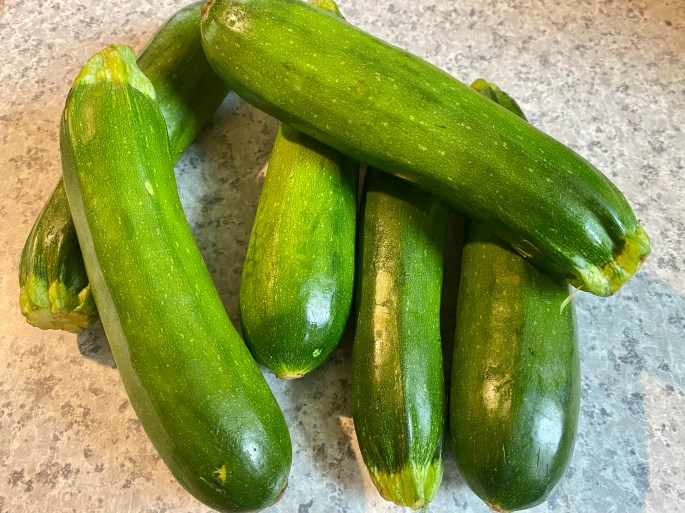
I Can’t Believe It’s Not Apple Crisp: A sneaky and sweet way to use an overabundance of zucchini

Summertime Farmer’s Market Dessert

“Vegetables are a must on a diet. I suggest carrot cake, zucchini bread, and pumpkin pie.”–Jim Davis

There is an oft repeated cautionary tale reminding parishioners to lock their car doors during the summer months when attending worship services.  Otherwise, when you return after service, your car will have been gifted all the extra, and unwanted, zucchinis from a neighbor’s garden!  

My mom recently repeated that story to me, and it made me think of my grandmother, her mother, Helen.  As a child, my siblings and I often stayed with my maternal grandparents during the summer months, and we came to know much of the ins and outs of their life.  This understanding of their life grew even greater during a two year stint in which I lived with them, as a young adult.  And, that day-to-day life revolved around projects/chores around the house, their church community, family, and most importantly, mealtimes–with special emphasis on summertime produce for freezing, canning, and, of course, eating! 

Photo by Kampus Production on Pexels.com

For example, during the summer months as a child, Pappaw grew a garden, as did all of their neighbors and fellow church community. Throughout the summer Pappaw gave extra vegetables to neighbors and friends.  In return, they reciprocated with their bounty.  Their in-home summer diet was supplemented with regular trips to a nearby produce stand, one town over from the little community in which they lived.  

Therefore, even though, as a young child, I grew up surrounded by distinct aromas, vibrant colors, and a wide variety of shapes of summer produce.  Half-runner beans, strung and broken into pieces cooking on the stove in a pressure cooker; sweet ears of corn on the cob, shucked, boiled and ready to be served up with tubs of “oleo;” glass jars of a neighbor’s sorghum syrup ready to be drizzled over biscuits, fresh bell peppers–although they called them “mangos”–chopped and ready for salads, sauces, or other recipes, and thinly sliced beefsteak tomatoes sprinkled with salt were common weekly summer meal features. Summer desserts featured strawberry shortcakes and blackberry cobblers, as each of those fruits came into season.  Other summertime desserts included watermelon wedges cold and salted, along with fresh summer melons, cut in half, and filled with ice cream or cottage cheese.

Photo by Quintin Gellar on Pexels.com

Then came the two years that I lived with them.  No longer were my grandparents able to grow, manage, and maintain their garden, but it didn’t stop their neighbors and community members from sharing the bounty of their gardens with them.  Cue stage right, enter the oversized zucchini–countless oversized zucchini covering the kitchen counter from well-meaning garden-growing church community members!

Grandmother would cut up those zucchinis with fresh peppers, onion, and tomatoes.  Then, she’d season them and cook ‘em all up together–sometimes on the stovetop, like a stew, and sometimes in the oven with cheese and bread crumbs on top.  Her favorite variation was something she called zucchini boats in which she sliced large zucchinis in half, smothered each half in spaghetti sauce, sprinkled the sauce with parmesan, and baked them until golden brown in the oven. Finally, Grandmother Helen also baked zucchini breads and zucchini cakes–sheet or layer with cream cheese or buttercream icing.  Therefore, I absolutely believe that she would have loved the recipe that follows.

Photo by Les Bourgeonniers on Pexels.com

Here’s to my grandparents’ summer time vegetable meal memories. And remember, if life gives you lemons, I mean zucchinis, then here’s a way to turn them into a sweet, summertime dessert!  It may have you saying, “I can’t believe it’s not apple crisp!”  

P.S. Be sure to tag me on social media, or reach out to me via email if you make this!

I Can’t Believe It’s Not Apple Crisp:

Summertime Farmer’s Market Dessert

Gluten-Free and Vegan Options

Ingredients:

Filling:

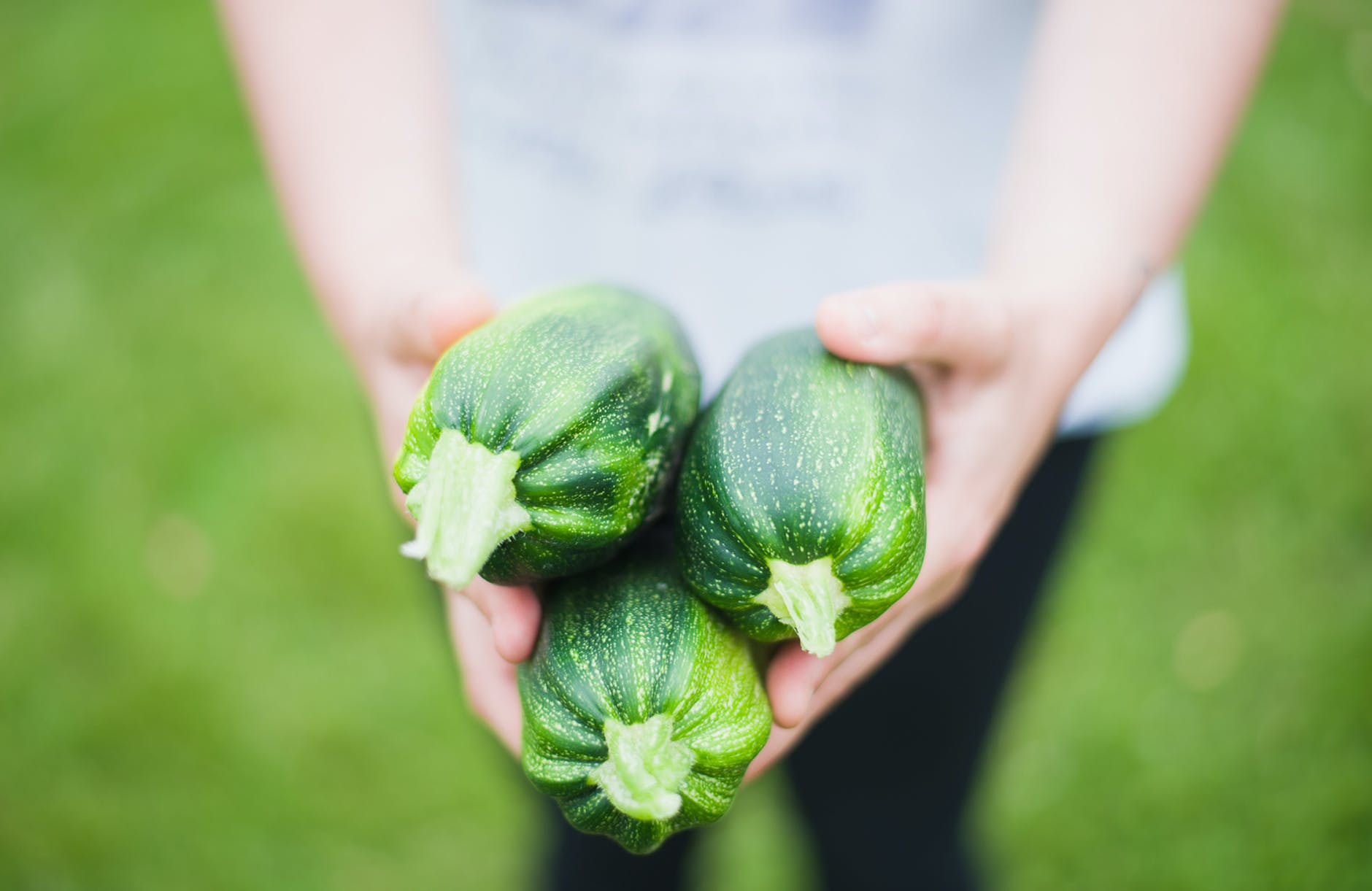
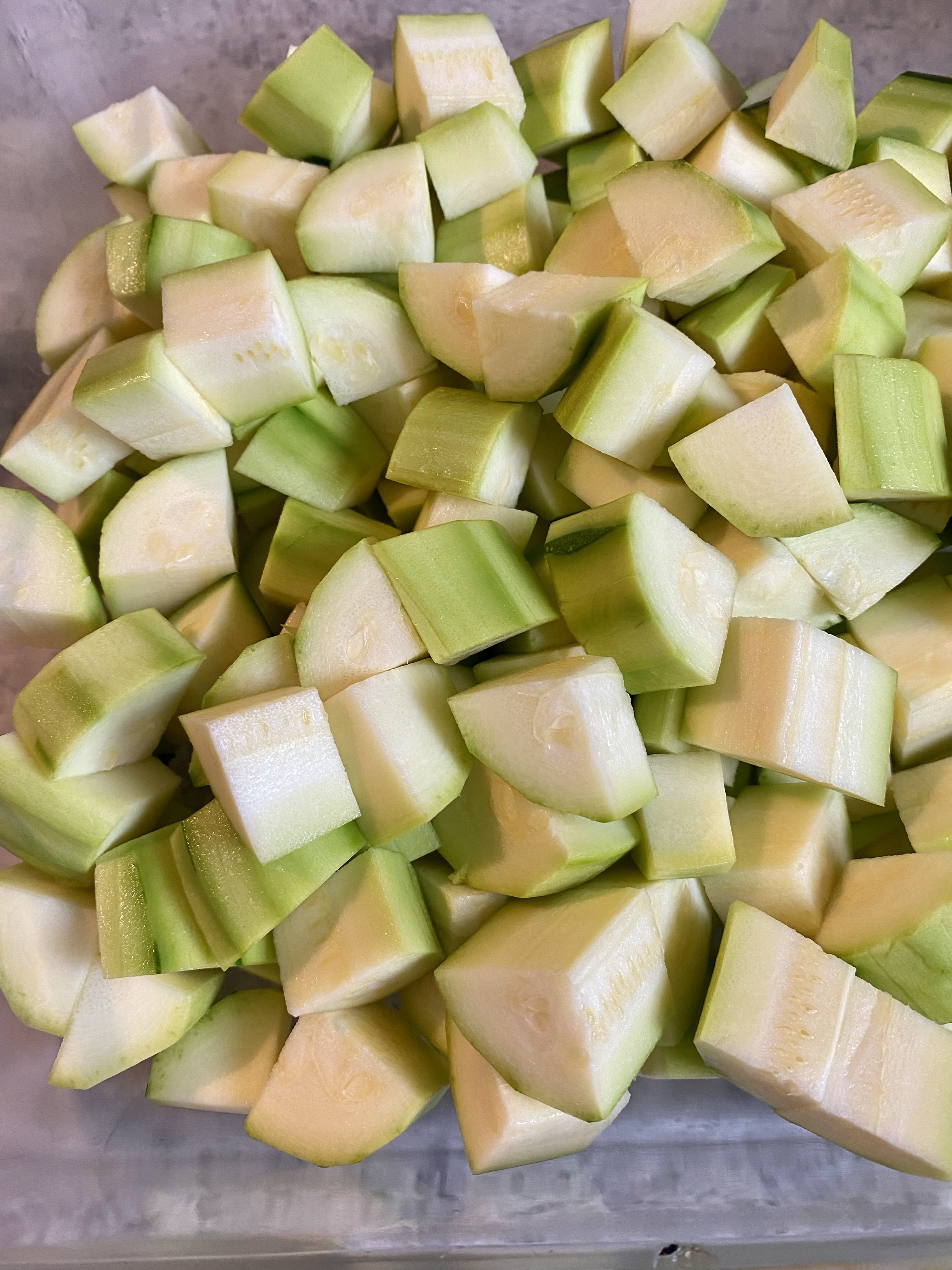
6 cups peeled, deseeded (if large) and cubed (think thick pineapple chunks) zucchini* (About 5 medium store-sized zucchini/squash)

½ cup sugar or pure maple syrup

¼ cup lemon juice

1 ½  teaspoon apple pie spice (Can substitute with 1 teaspoon cinnamon, ¼  teaspoon nutmeg, & ⅛ teaspoon allspice)

2 tablespoons all purpose flour, gluten-free if needed

Streusel Topping:

1 cup oats

¾ cup all-purpose flour, gluten-free if needed

¾ cup brown sugar

½ teaspoon cinnamon

½ cup cold butter, cut into pieces (can use vegan variety)

Directions:

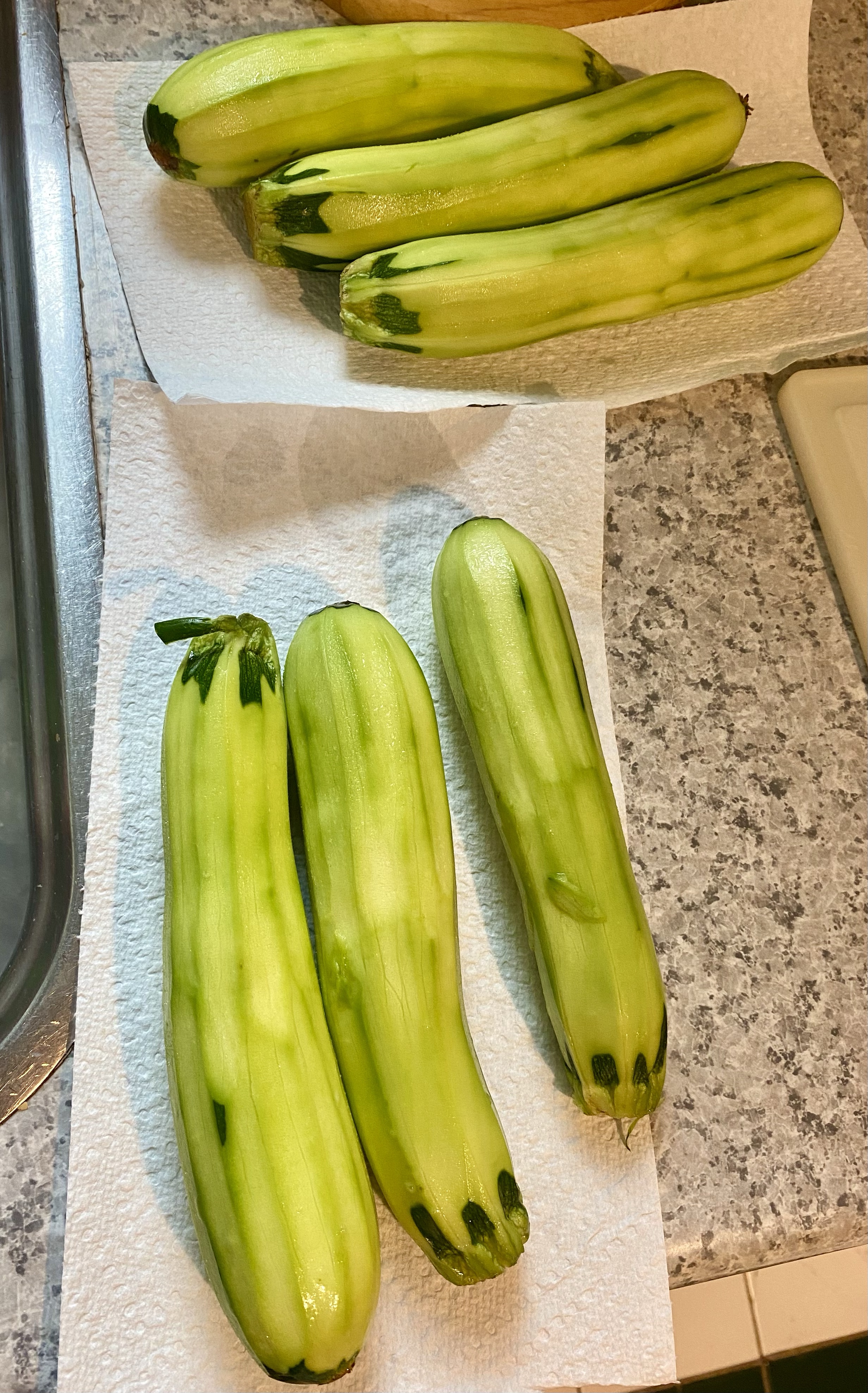
Peel and cube zucchini.

Over medium heat, add prepared zucchini and all filling ingredients EXCEPT flour.

Allow to cook down, approximately 10-20 minutes, or until zucchini chunks are super soft when pressed with a spoon.   

Stir in flour and allow to cook 3-5 more minutes, or until flour has been well incorporated and filling has thickened.  

Meanwhile, preheat oven to 375 degrees.

Spray 8×8 or 9×9 square baking dish with nonstick cooking spray.

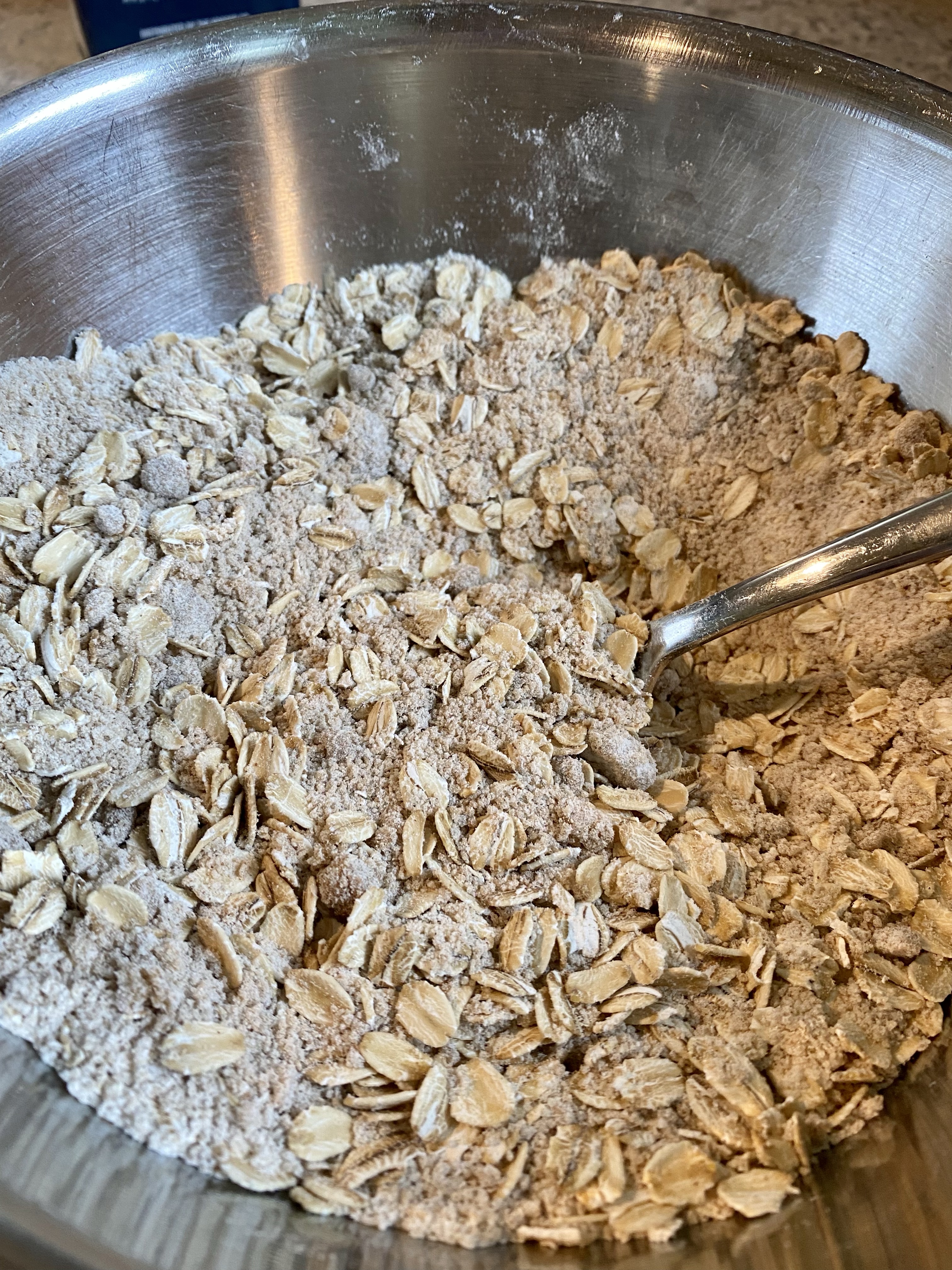
In a medium bowl, mix together oats, flour, brown sugar, and cinnamon until well blended. 

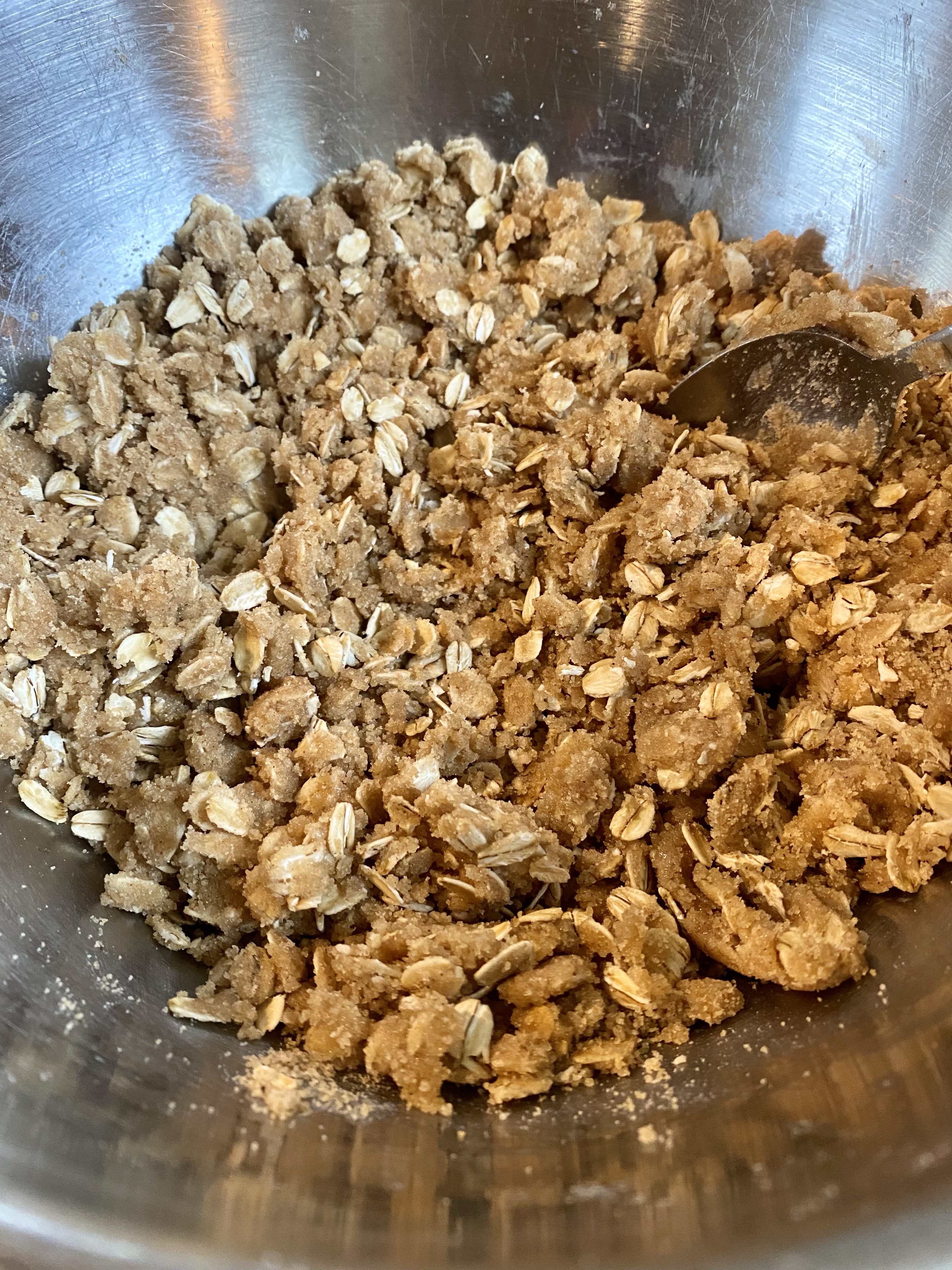
Cut in cold butter into mixture, using a fork or pastry blender, until crumbly, careful not to overmix. Set aside.

Spread zucchini filling mixture evenly into prepared baking pan.

Sprinkle with streusel topping mixture.

Bake 30-45 minutes, or until topping is crispy, golden brown and juices are bubbling along edges.

Allow to cool 15-20 minutes before serving.

Makes 6 generous servings or 9 smaller servings.

Feel free to top with favorite ice cream or whipped topping if desired.

*Feel free to experiment with other summer squashes, such as, yellow squash, crookneck squash, pattypan, cousa squash, and zephyr varieties 

Peel zucchini 🥒

Cut them up into pineapple chunk size.
MIx the filling up, add it to pot, and cook it down.
MIx together dry ingredients for streusel.
Cut cold butter into streusel mixture.
Bake it up until top is crispy and golden brown, and the juices are bubbling around the edges/sides.
Serve it up, once cooled!

Here's a sweet way to get a serving of vegetables in, and it will also help you use up all of those zucchinis your neighbors love to share! 🥒
With or without topping, you won’t believe it’s not apple crisp!

Come on, Let’s get moving!

“When it comes to health and well-being, regular exercise is about as close to a magic potion as you can get”–Thich Nhat Hanh

Photo by Asya Cusima on Pexels.com

Over the past few years, I’ve encountered a number of people who say they can’t exercise. This hurts my heart because these are genuine beliefs often imposed upon them at a young age by well-meaning individuals, misinformation, and/or media imaging.  Exercise is free and accessible to all.  No one should feel like, “I can’t exercise.”  We all have an inner-athlete waiting to be freed!  It is how we define athletes, and exercise, for that matter, that needs to be changed.

According to Merriam-Webster.com, there is only one definition for the word, athlete. It reads that an athlete is “a person who is trained or skilled in exercises, sports, or games requiring physical strength, agility, or stamina.”  This is where I think our mindset often goes when we think of starting some form of exercise.  Personally, I know that is where my mind often goes.  

Photo by Pixabay on Pexels.com

I can’t tell you how many times I have thought or said, “Well, I wasn’t athletic in school,” or “I didn’t play sports in school.”  I am pretty sure that I am not the only one who thinks or makes such comments.

Why do we do that? Why do we define ourselves as adults based upon four to eight years of our life?  It would be like me claiming to be a mathematician because I spent so many years during my formative schooling taking math classes. I am no more a mathematician than I am not athletic. 

Photo by nappy on Pexels.com

Here’s where it gets interesting.  Look up the definition of word exercise.  Go on, I’ll wait for you!  Exercise is a fascinating word.  It can be both a noun AND a verb; meaning it can be both a thing and an action–unlike the word, athlete.  Also, unlike the word, athlete, exercise has numerous definitions, such as

  • the act of bringing into play or realizing into action (n)
  • regular or repeated use of a faculty or bodily organ (n)
  • to make effective into action (v)
  • to use repeatedly in order to strengthen or develop (v)

And, the really cool thing is that these were only the first two definitions for the noun and verb form of exercise.  There are several more ways, in fact, to define exercise.  However, the definitions I share here are enough to make the point.  Exercise is nothing more than bringing something–a movement, for example–into action by repeatedly doing it.  Isn’t that excitingly simple?

Photo by Polina Tankilevitch on Pexels.com

“Healthy is an outfit that looks different on everybody!”–Unknown

Exercising is for ALL.  Not once, when reading through the complete list of definitions for exercise did I come across the word athlete or athletic.  Nor did I read anything about requirements for age, body type, body size, gender, height, coordination, prior experience, prior injuries/illnesses, prior knowledge, time commitments, cost, or even special clothes/shoes.  In other words, none of those narrow boxes that we use to define ourselves or excuse ourselves can prevent us from exercise!  

I used to say, and still sometimes default to this phrase, “I’m not a real ___________ .” (Fill in the blank with whatever current form of exercise I happen to practice).  It needs to stop.  I say this to myself as much as I write it to you.  If we are moving, then we are doing real exercise. 

Photo by Cliff Booth on Pexels.com

Additionally, there is no one, so-called, “right” way to exercise.  Move. Walk.  Swing your arms.  Dance.  Bounce your leg.  Swing your hair (Doesn’t work for me, but if you have it, swing it!)  Put on some K.C. and the Sunshine Band and, “Shake, shake your booty!” Move from one end of your home to another.  Wave at your neighbor–do it five to ten times, and you’re strengthening the muscles involved in that movement.  The point is, get up, and move.  

Photo by Kampus Production on Pexels.com

Start small, and commit to five minutes of walking or some other form of movement–preferably not sitting, assuming you have no mobility issues.  Sometimes, just committing to a small time, leads to a longer time of effort.  Even if it doesn’t, that is still five minutes in which you weren’t sitting still.  Then, building upon that success, might just be enough to get the ball rolling, or should I say, body moving.

Mood follows action.  You heard it here first.  Actually, I cannot take credit for that assertion, but it is a statement that has proven true for me repeatedly.  In fact, I embrace that declaration like a mantra.  Take a positive action, however small it is, and it elevates your mood, often leading you to either make more of a time commitment to said activity or make another positive choice.  Either way, it’s a win-win.

Photo by Josh Willink on Pexels.com

Exercise has so many positive benefits.  Here are just a few of the research backed benefits in case you need extra motivation:

  • Reduces symptoms of depression and anxiety
  • Releases tension and reduces stress levels
  • Boosts self esteem
  • Increases memory and sharper thinking
  • Improves sleep quality
  • Protects against many chronic disease
  • Lowers blood pressure and improves heart health

Typing that list made me feel a little giddy.  Seriously, stop letting your definition of how an athlete, or so-called exerciser, should look, should dress, should do, or should be–those are all beliefs embedded in your mind that are holding you back.  You have a body.  You can move it.  

Photo by ANTONI SHKRABA production on Pexels.com

Don’t worry about what other people will think of you, because if they are passing judgment on you, that says more about them than it does you!!  You take care of yourself, and get moving.  It is not about losing weight, embodying a certain body type, or even wearing the latest greatest name in shoes, fitness watches/gadgets, and/or athletic wear.  It’s about Y-O-U and your health!  

If you’re not sure where to start, walking is the easiest and most accessible form of exercise.  It doesn’t require any special equipment and can be completed even inside a home/store/work site. My grandfather used to walk around his house for a certain amount of time–well before there were step trackers. Some people walk inside malls, stores, or shopping centers.  I’ve even been known to walk up and down my driveway just to move!

Photo by A Koolshooter on Pexels.com

 Additionally, there are plenty of plans, tutorials, and how-to videos on-line–just make sure you use reputable sites, such as Healthline, Verywell Fit, Exercise Prescription on Internet (ExRx), Livestrong, Bodybuilding.com, The Cooper Institute, and MyFitnessPal to name a few.  Look for beginning tips/routines/plans to get you started.  Bear in mind, these are suggestions, not laws.  The key is to explore, experiment, and find what works best for you.  

Come on, no more excuses.  Move your body; bring it into play/action–even a little bit counts.  Repeat it again tomorrow.  Start small, add more when you can.  Mood–and health–follows action.  You’ve got this! (Feel free to reach out and let me know how it goes! I love seeing others find their own movement/exercise journey!)

Photo by Sarah Chai on Pexels.com

Visit Phoenix, Arizona, fifth largest state in the U.S.

“You know you live in Phoenix when the four seasons are: tolerable, hot, really hot, and are you freakin’ kidding me?”–Unknown

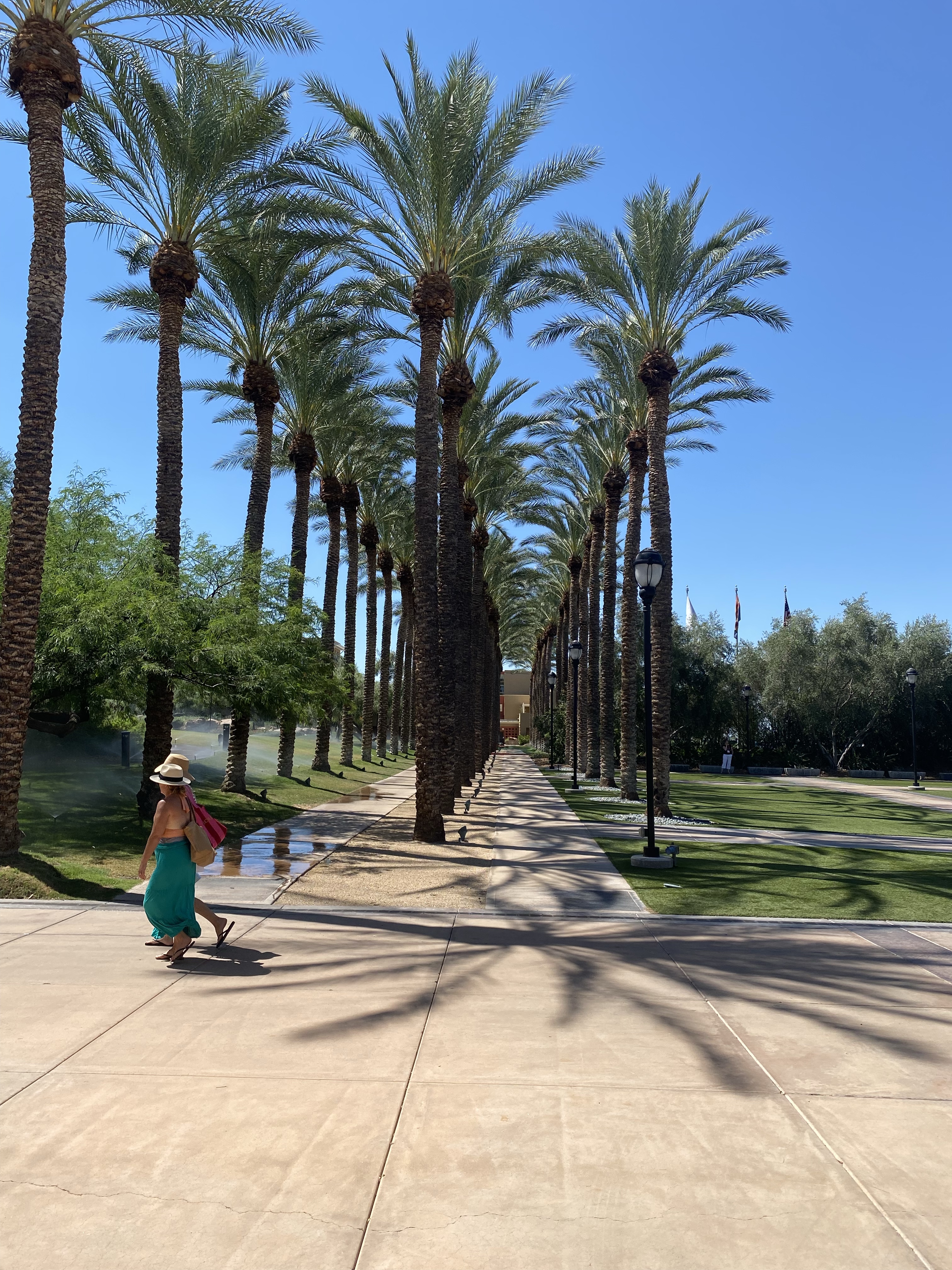
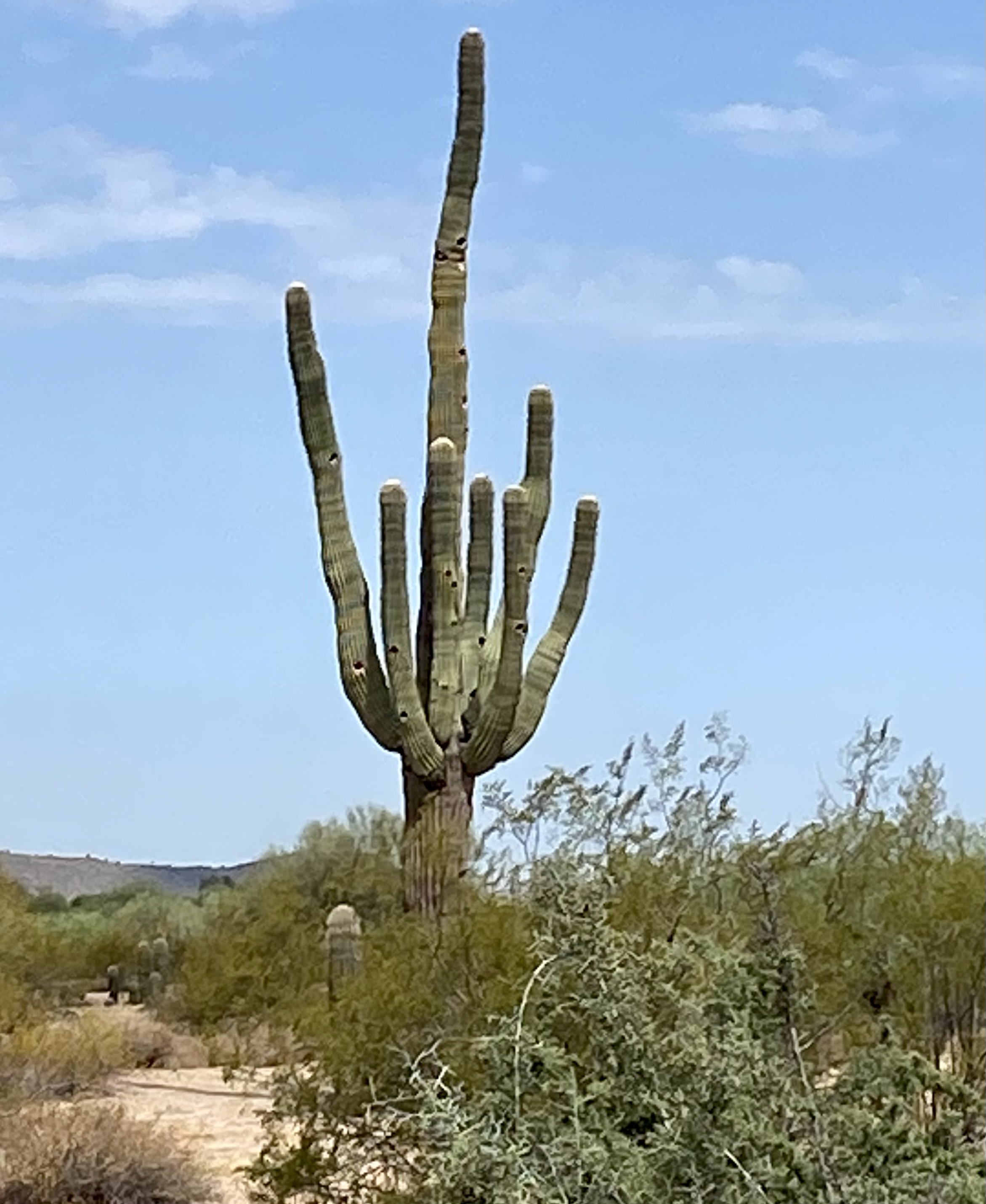
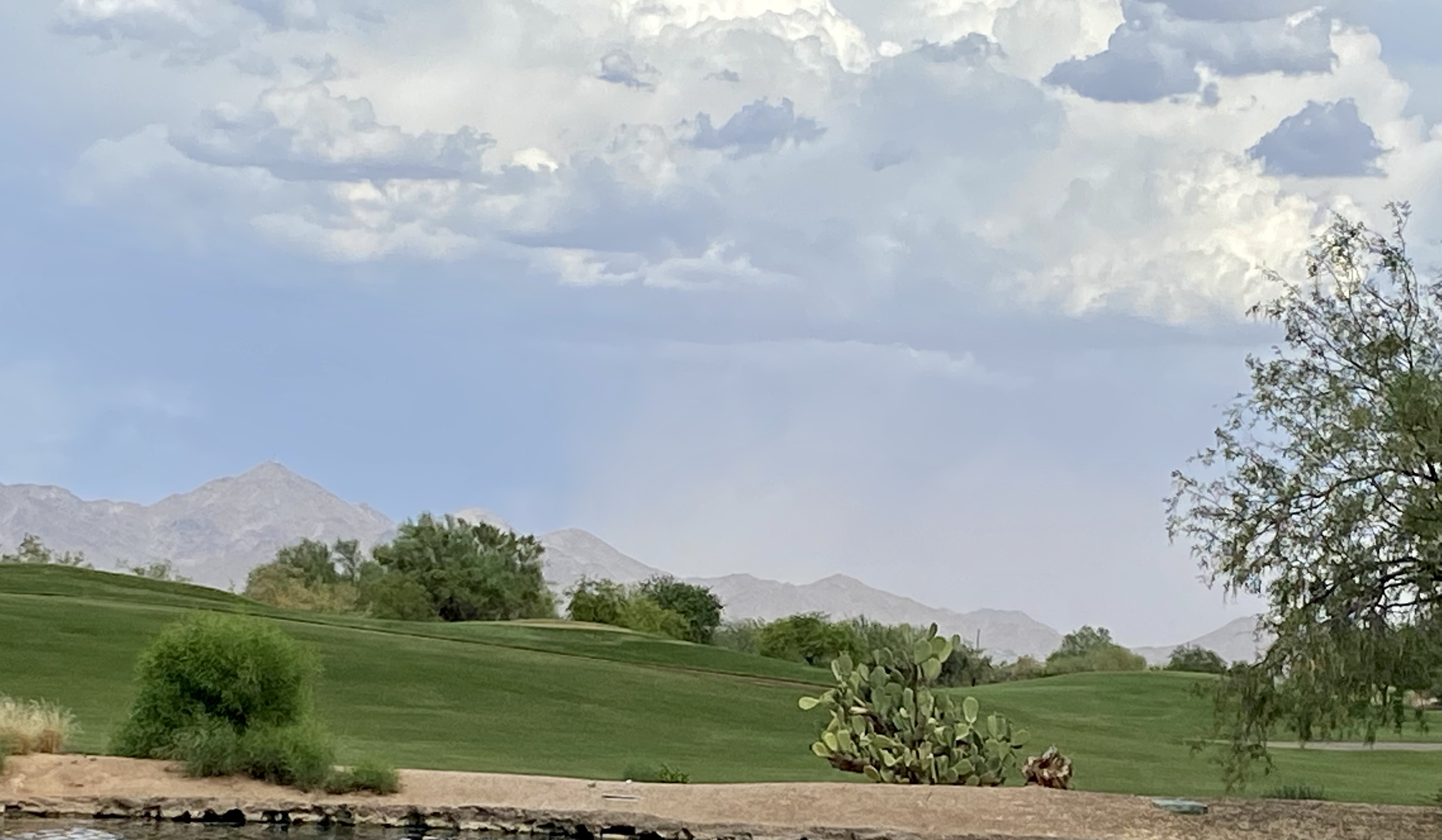
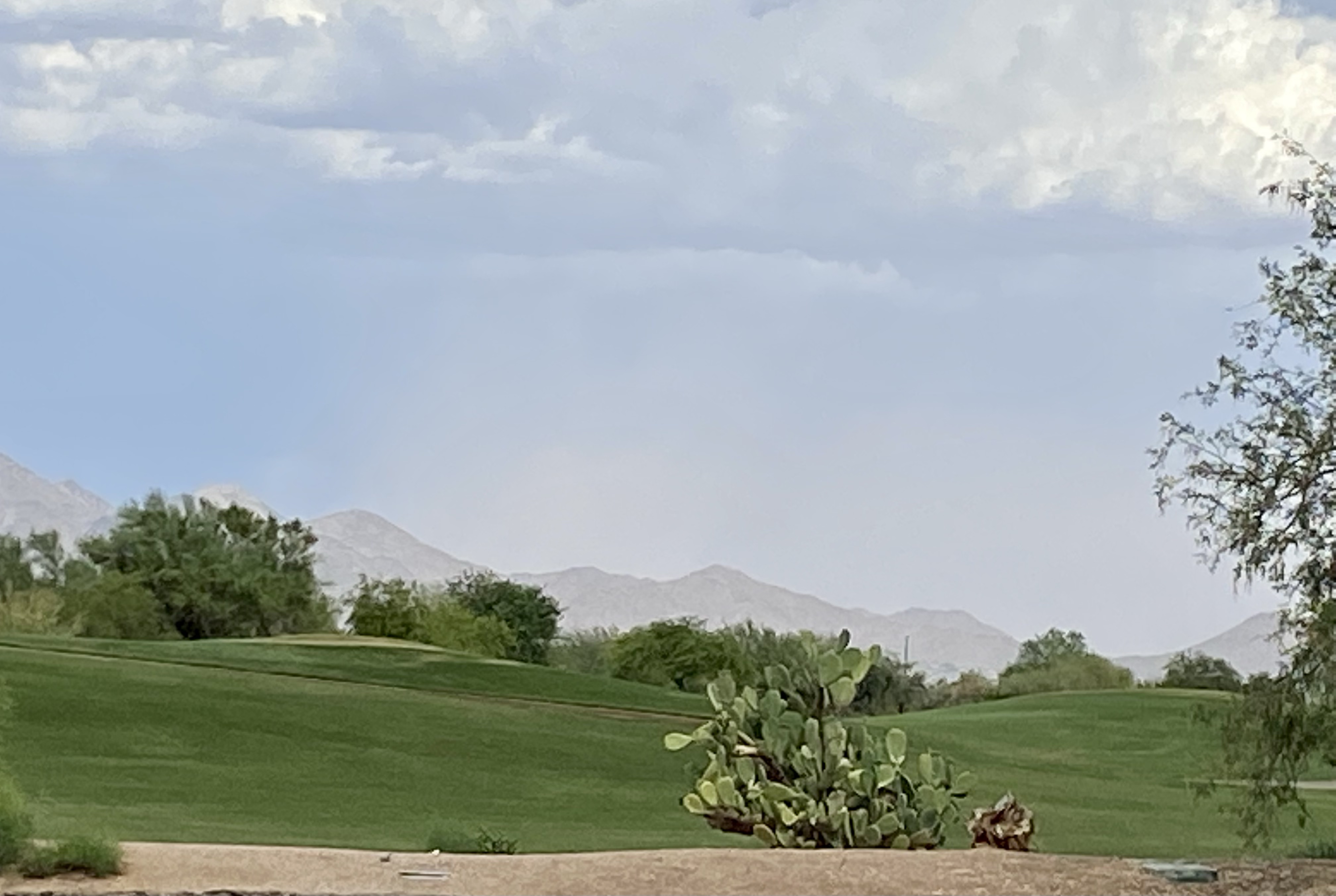
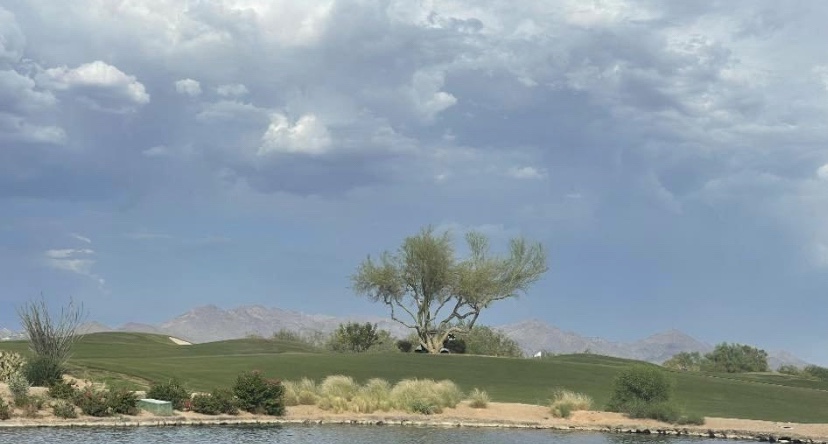
View of the surrounding mountains from our room in the Marriott.

If you would have asked me what the fifth largest city in the U.S. was a week ago, I would not have been able to guess.  In fact, I would have not even come close.  Now, I know.  In fact, I can say I have been there.  

Phoenix, Arizona is the fifth largest city in the United States. It’s geographically bigger than Los Angeles as it covers 500 square miles.  This desert city’s population is over 1.6 million, and, according to The New York Post, Phoenix has recorded the fastest growth of any major US city.  Although there is a growing tech industry, much of the attraction of Phoenix comes from its number of resorts, golf courses, and retirement locations.  

Entrance to the JW Marriott Phoenix Desert Ridge Resort and Spa

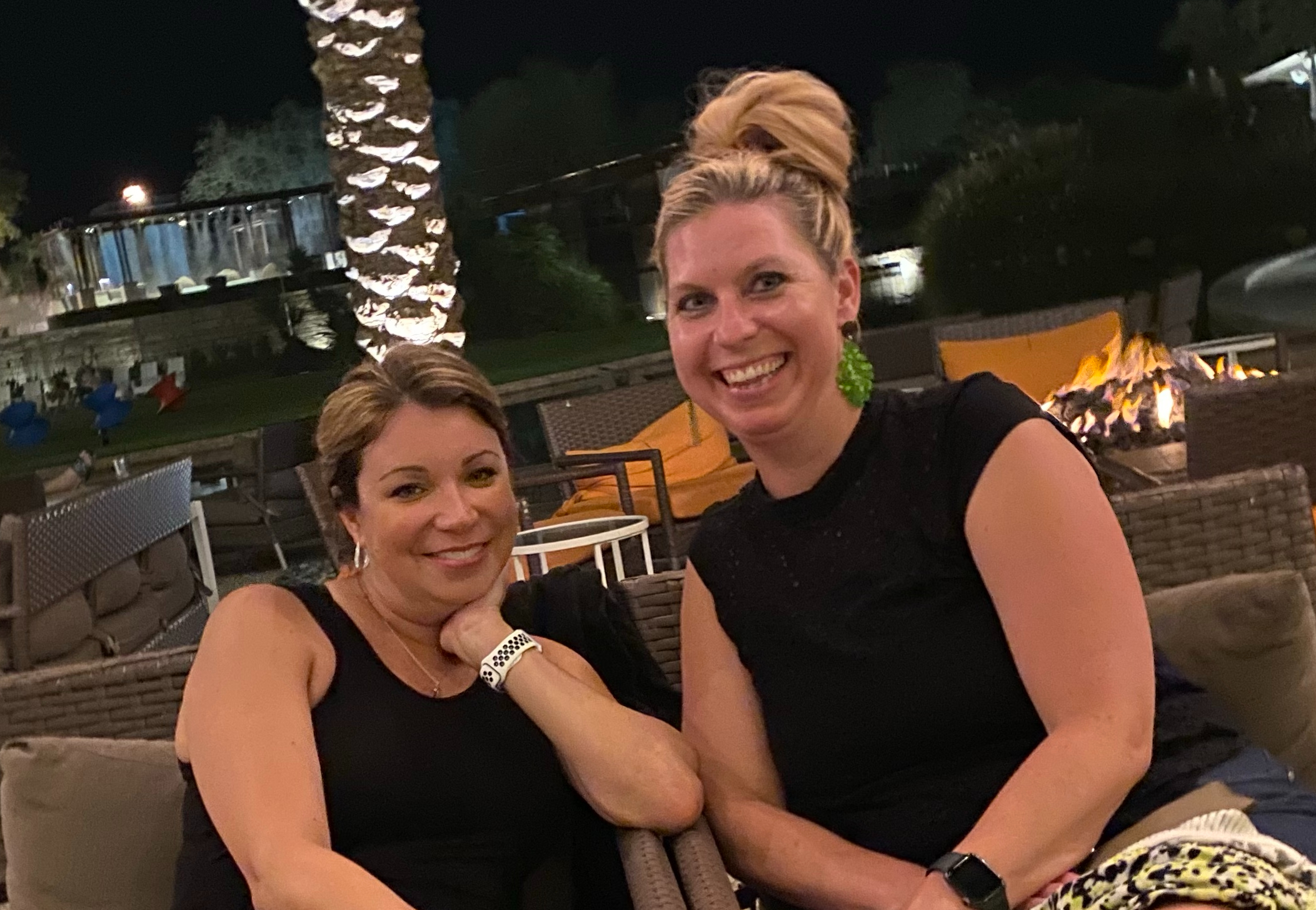
I had the good fortune, along with my husband, John, to visit one of those Phoenix resorts, the JW Marriott Phoenix Desert Ridge Resort and Spa, located in Sonoran Desert Region, the hottest desert in both Mexico and the US.  We were there for the NWEA Fusion 2022 Conference, along with our school’s principal, Dr. Carol Templeton, and Jennifer “Jenn” Hornyak, Associate Superintendent of Technology and Accreditation of the Department of Catholic Schools, Diocese of Wheeling-Charleston (WV).  

Entering the Conference Center early in the morning before thing began to heat up!

And, hot it was–both the weather and the conference itself, especially the featured speakers, Michael Bonner, Hamish Brewer, and Marli Williams!  While the temperatures were climbing towards 110 degrees outside, along with a smattering of dust storms rolling in the afternoons, these amazing consultants were heating things up inside the conference center at the start of day.  Each of these talented, charismatic, and socially connected speakers brought the roof down, reinvigorating school personnel after what has been an unquestionably challenging period during these past COVID pandemic years.

Bonner, an influencer and educator currently Ron Clark Academy in Atlanta

Bonner, an animated, inspiring educator at the Ron Clark Academy in Atlanta, kicked off the week. His good-humored, side-splitting, affirming discourse was filled with a series of inspiring stories, ideas, and catch-phrases.  In the end, he created an atmosphere of palpable motivation for the pursuit of creating innovative, effective, and relevant classroom environments.  

Brewer, a thought leader, known as the skateboarding principal, in northern Virginia. Brewer is also featured in the skateboarding humanitarian documentary Humanity Stoked.

Brewer, a fearless, engaging, skateboarding principal in northern Virginia, followed up the second morning.  His break-the-status-quo, love-up your students, high-octane presentation had the audience on its feet dancing and cheering.  Brewer delivered the goods by filling minds with sparks of creative, colorful, and impactful ideas for retooling, reimagining, and rethinking school culture.  

Marli Williams, a popular thought-leader and self-described “joy instigator”

Finally, Marli Williams, an enthusiastic, empowering, self-described “joy instigator,” wrapped up the conference.  Her vivacious, go-get ‘em tiger delivery wowed those in attendance.  She emboldened the audience to give themselves permission to explore more joy, and show-up, not only for your school community, but also for your own well-being, while exploring a more playful attitude–within both the educational setting and within one’s personal life.

 The conference setting for Fusion 2022 was spectacular, and its stunning design seemed to rise from the desert.  Covering 316 acres, the Marriott is surrounded by an arresting array of desert life and stately mountains.  Additionally, there is an abundance of activities that can be explored both on and off-site, including golfing, swimming, biking, shopping, hiking, sightseeing, horseback riding, and so much more.

Numerous peaks abound for hiking as seen from the airplane!

Initially, we had hoped to hike both nearby Pinnacle Peak Park and Camelback Mountain, but we were unable to complete exploration of either site due to the extreme late afternoon heat that we would have experienced at the end of each day’s conference sessions.  In fact, we were strongly warned by local residents that newcomers to the area have a tendency to hike in the high temperatures of the afternoon/evening only to suffer heat exhaustion or heat stroke.  It was further explained that countless visitors, unfamiliar with the fact that sweat evaporates quickly in dry heat, don’t realize they’re overheating until it’s too late.

However, we did go off-site for dinners to soak up some local atmosphere. On our first evening, we visited a popular chain establishment, BJ’s Restaurant and Brewhouse, that is not available in our home area, for a relaxing dinner while we planned out the coming days.  By the next night, we were ready to explore more local establishments.

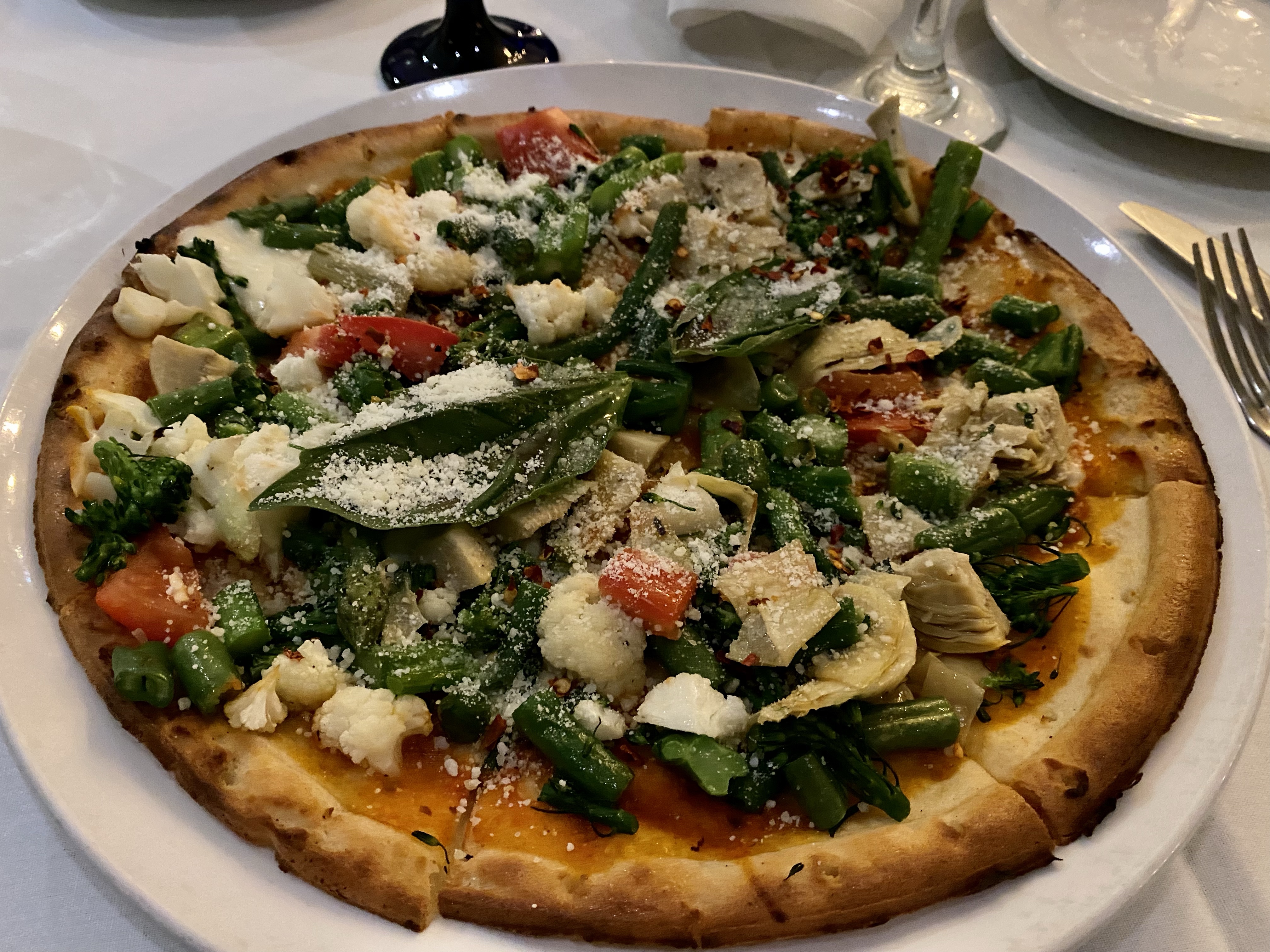
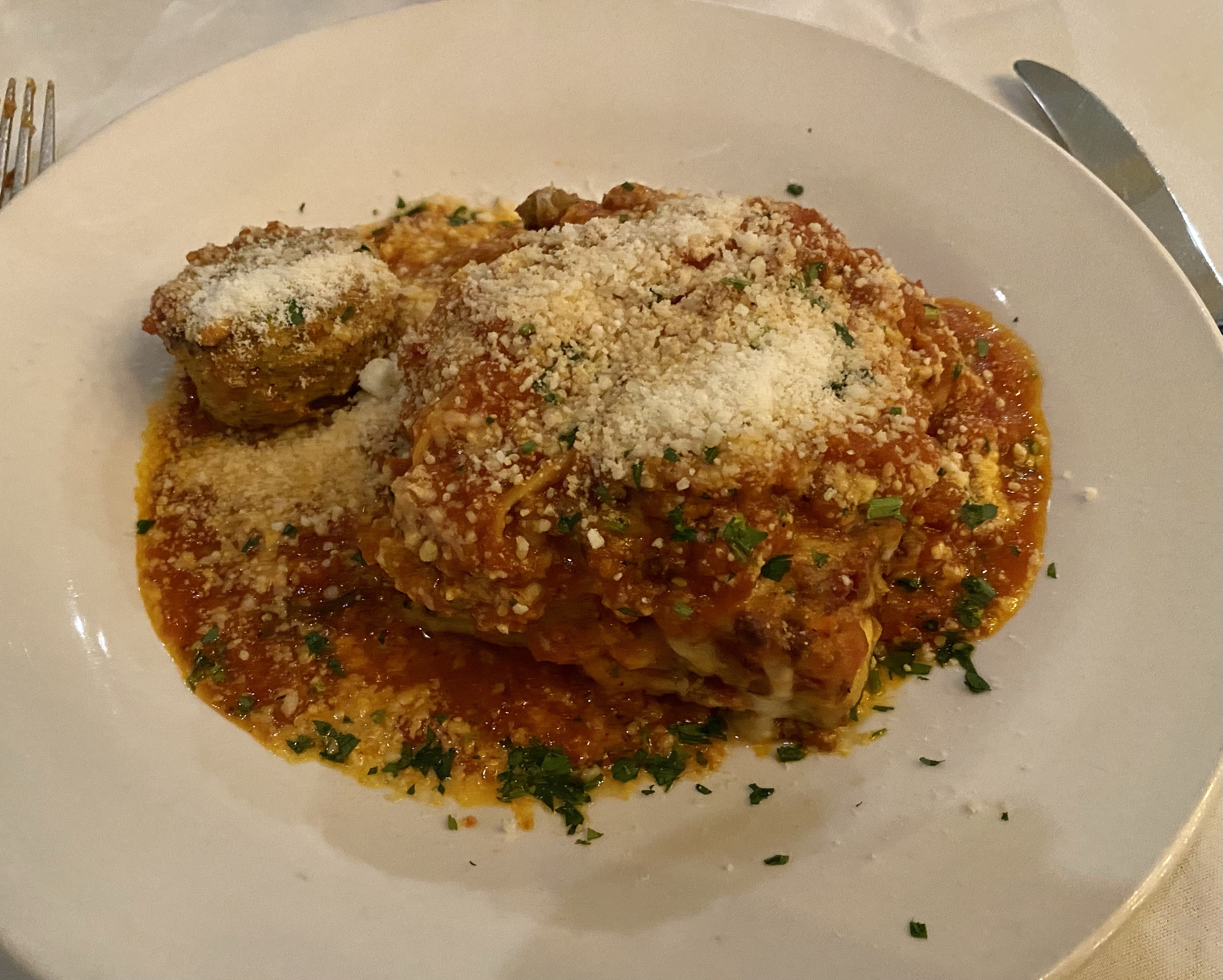
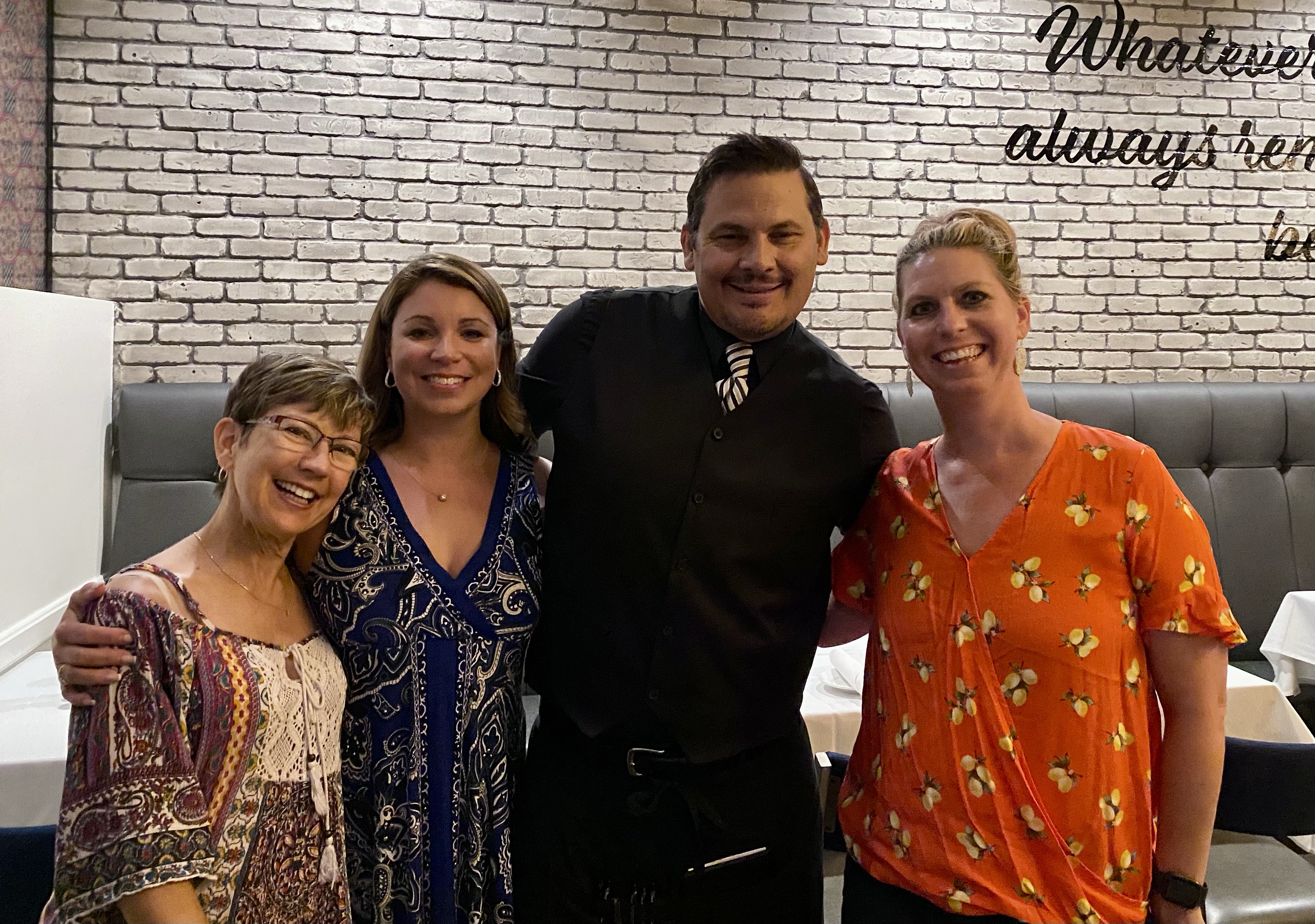
The first local restaurant we visited was The Italian Daughter located in Scottsdale, Arizona.  Our watier, Bobby, offered extraordinary service with his vivacious personality and his experienced attention to detail.  All pastas, pizzas, and dishes were made to order with accepting and easy accommodations for those with special dietary needs, food allergies, or any other meal modifications.  We spent a lovely evening at this location, and I would highly recommend it if you are ever in the area.

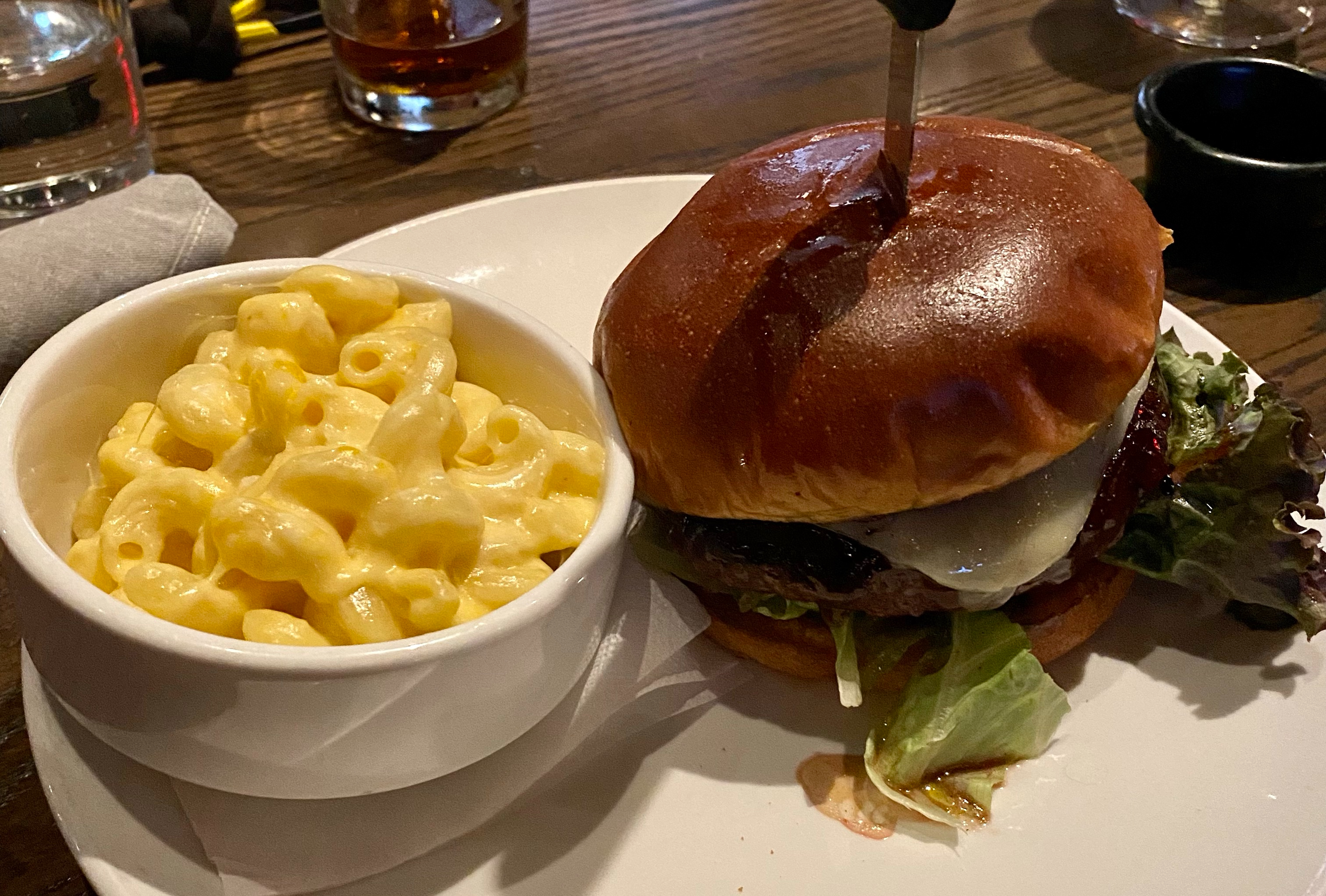
Another restaurant we visited was Thirsty Lion Gastropub.  While this is not technically local, since they do have a few locations in Texas, Arizona, Colorado, and Oregon, it was local-enough for us!  Given the name, we initially expected more traditional English food.  Instead, we discovered an eclectic variety of multicultural cuisine, made from scratch, and an accommodating attitude to special dietary requests/modifications.  This was another evening full of belly laughs and good food.  I would absolutely recommend it when traveling in the West.

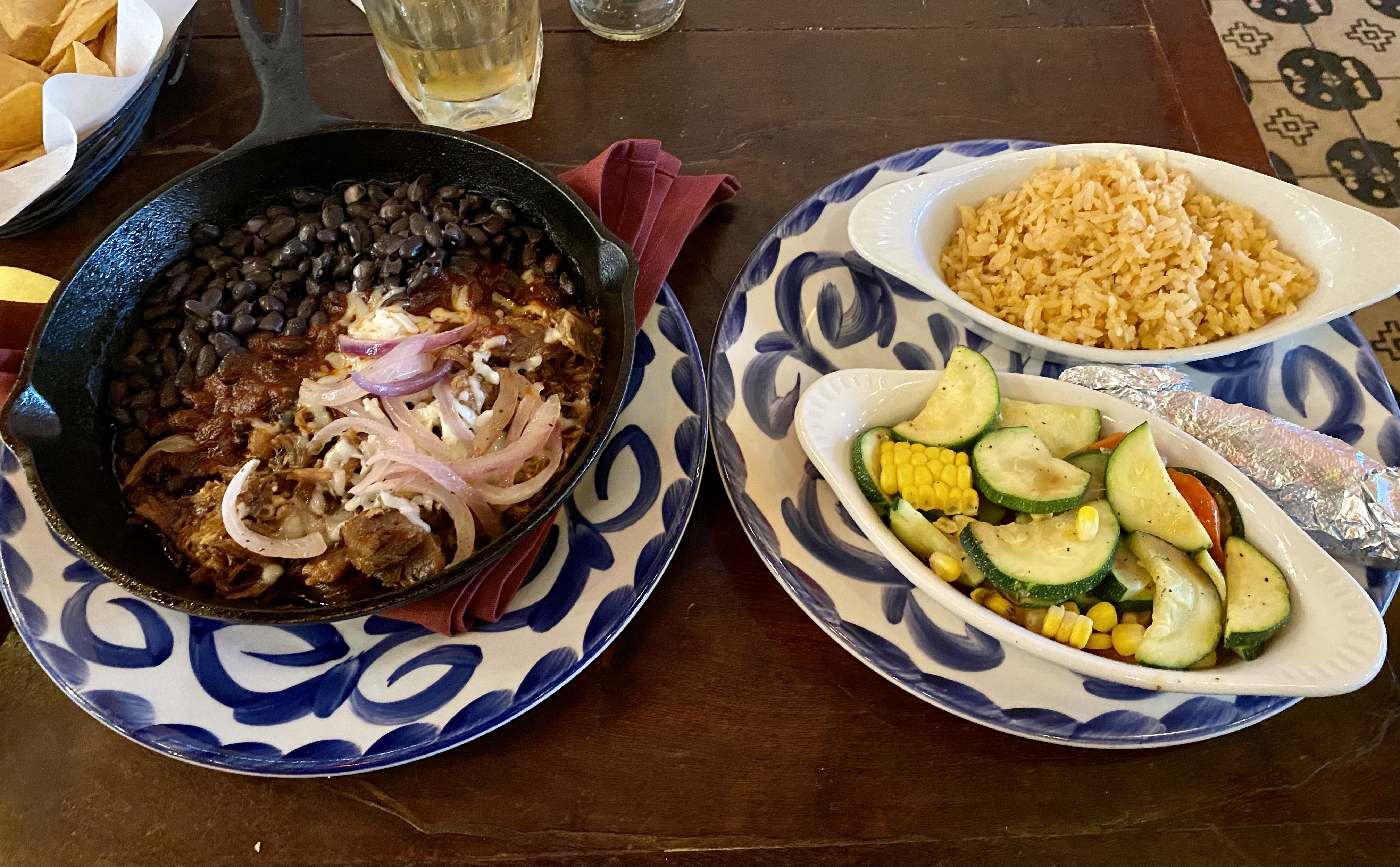
For our final night’s dining stop, we visited Barrio Queen.  With three Arizona locations, this establishment offered a menu full of regional, authentic southern Mexican dishes based upon family recipes.  Our waiter, Carl, was extremely knowledgeable of each dish, and quick to make helpful recommendations.  On a fun note, he was familiar with the Tri-State local area as he grew up in a community just north of Pittsburg.  If you ever visit Arizona, and you like quality Mexican food, this is your place!   

Overall, traveling to the Phoenix area and attending the NWEA Fusion 2022 conference felt like a once-in-a lifetime opportunity.  Still, if given the chance, I would love to return to the area once more, but during a cooler time of the year.  There was so much distinctive surrounding beauty I feel certain I would have enjoyed  exploring under other circumstances.  One thing is for sure though, I now know, and can say, I have visited the fifth largest city in the US!

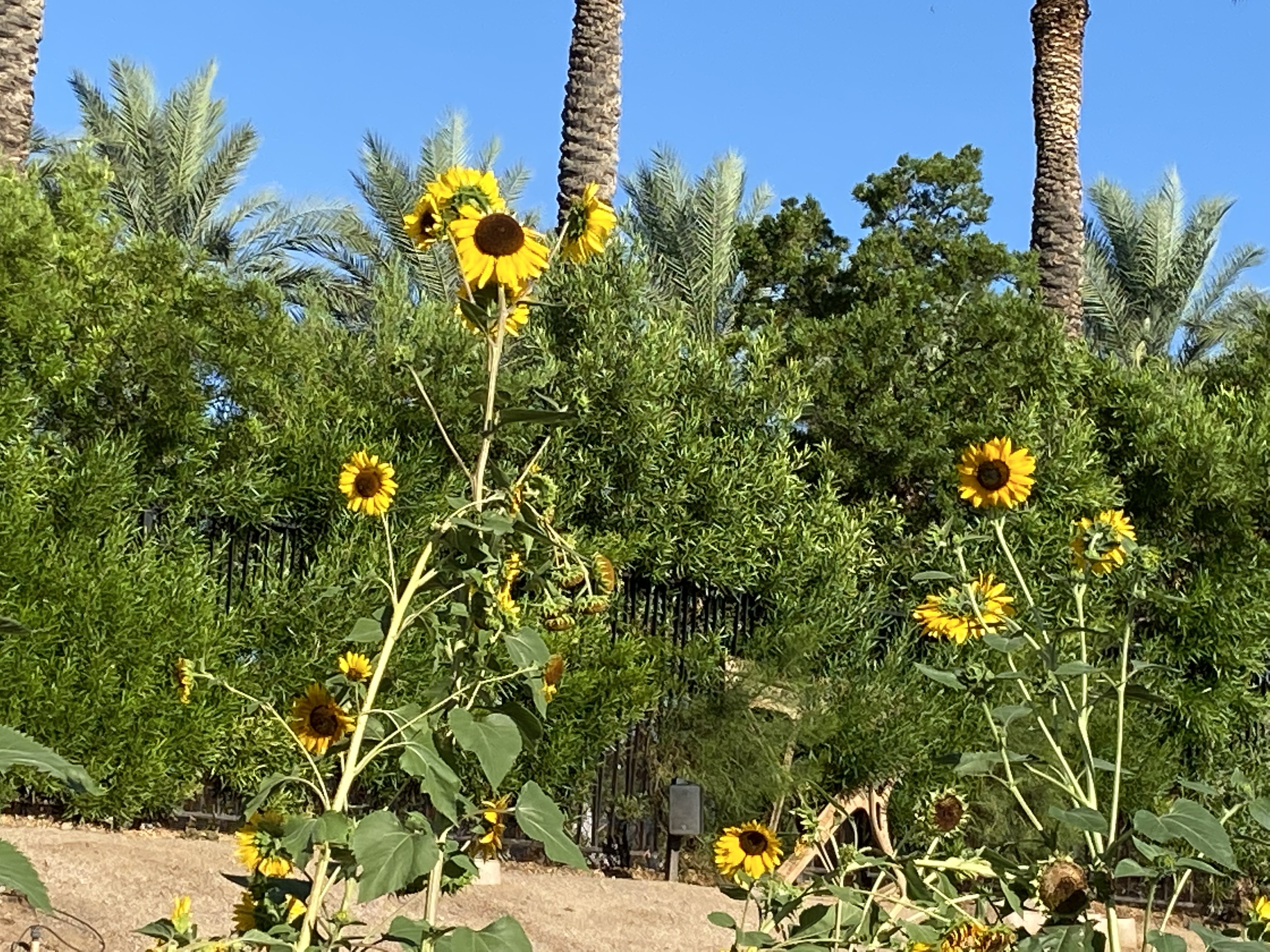
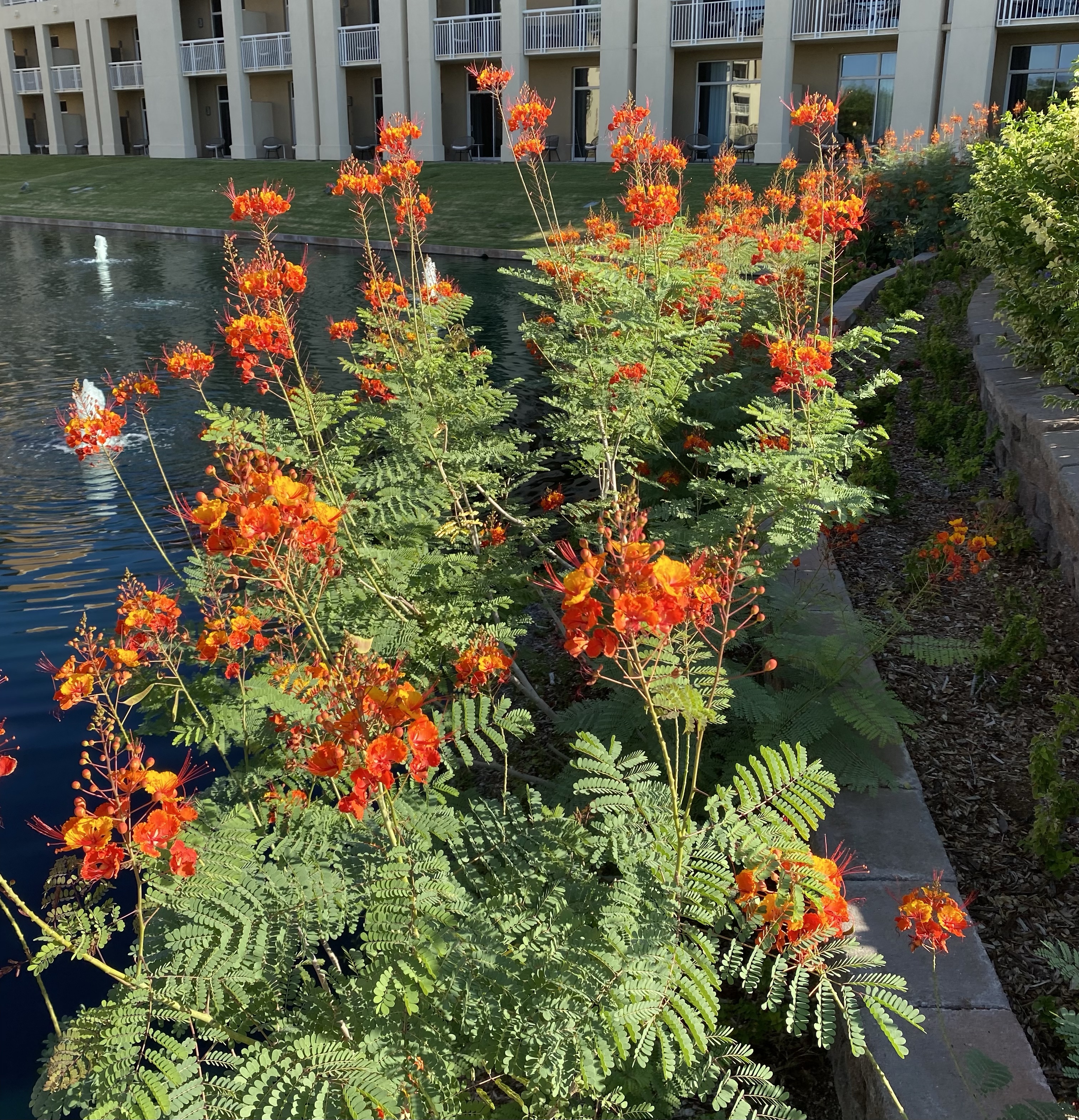
Desert Flowers and if you look closely at the last sunflower pictures, you see native AZ green birds (I just don’t know their names!)

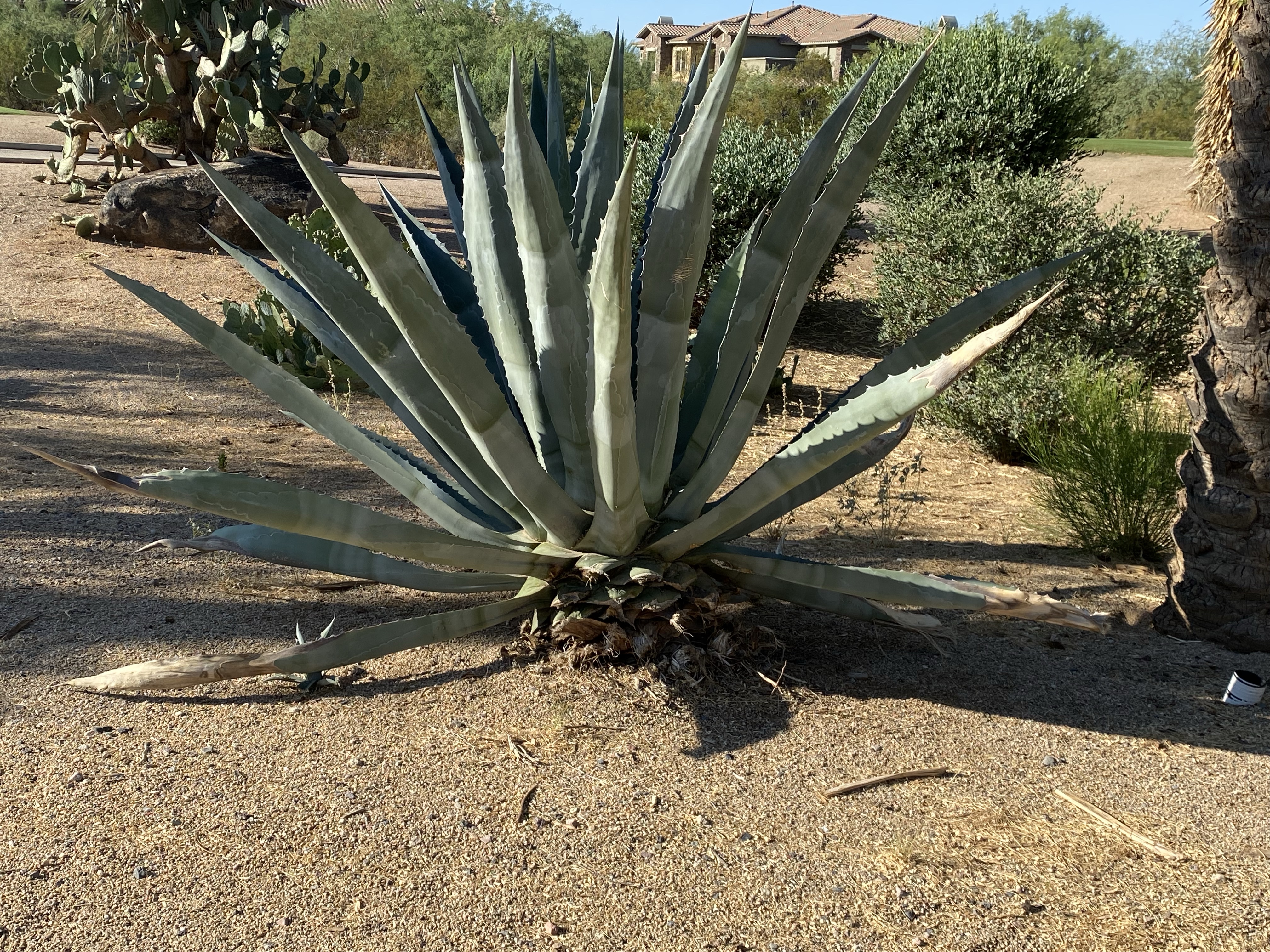
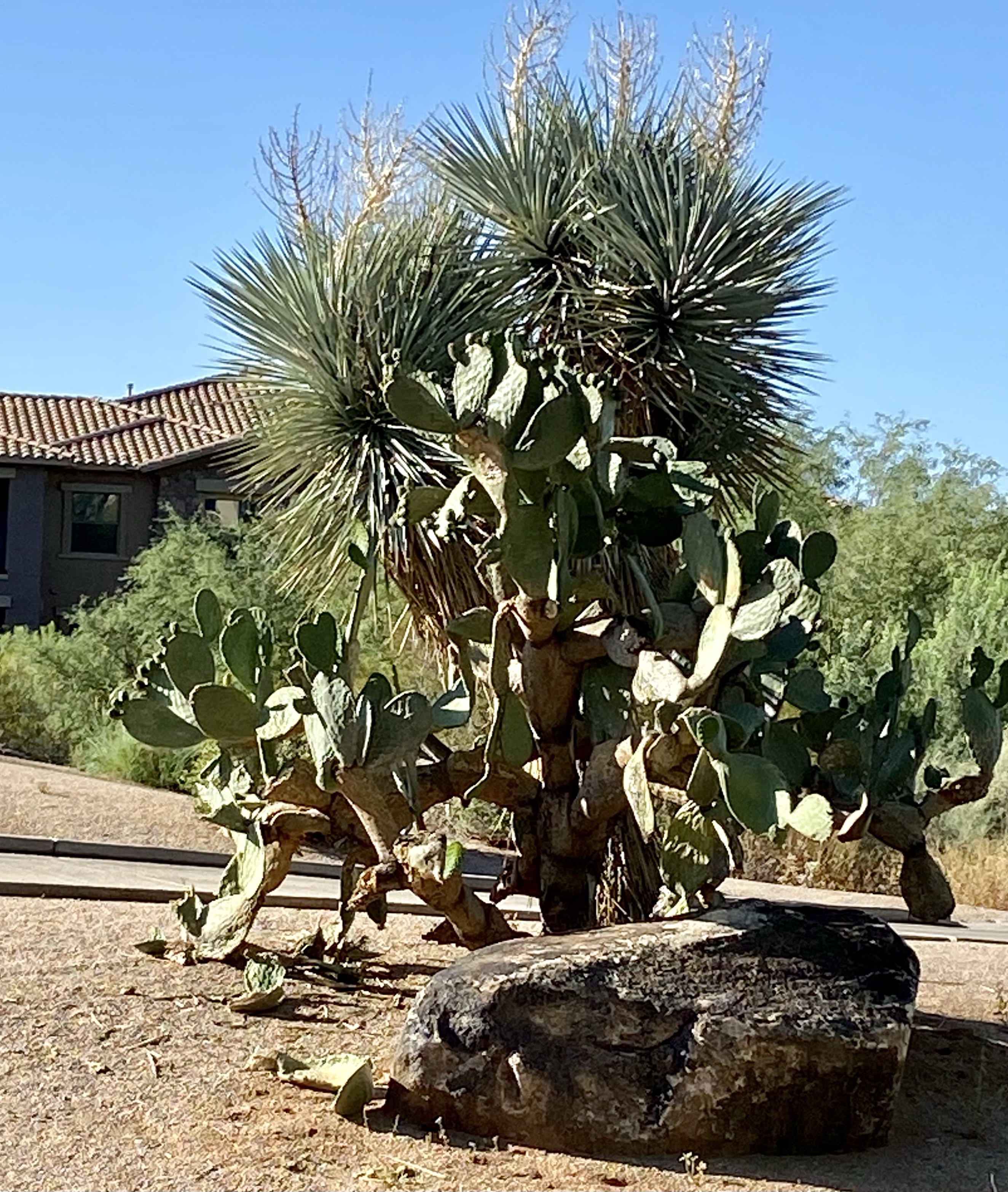
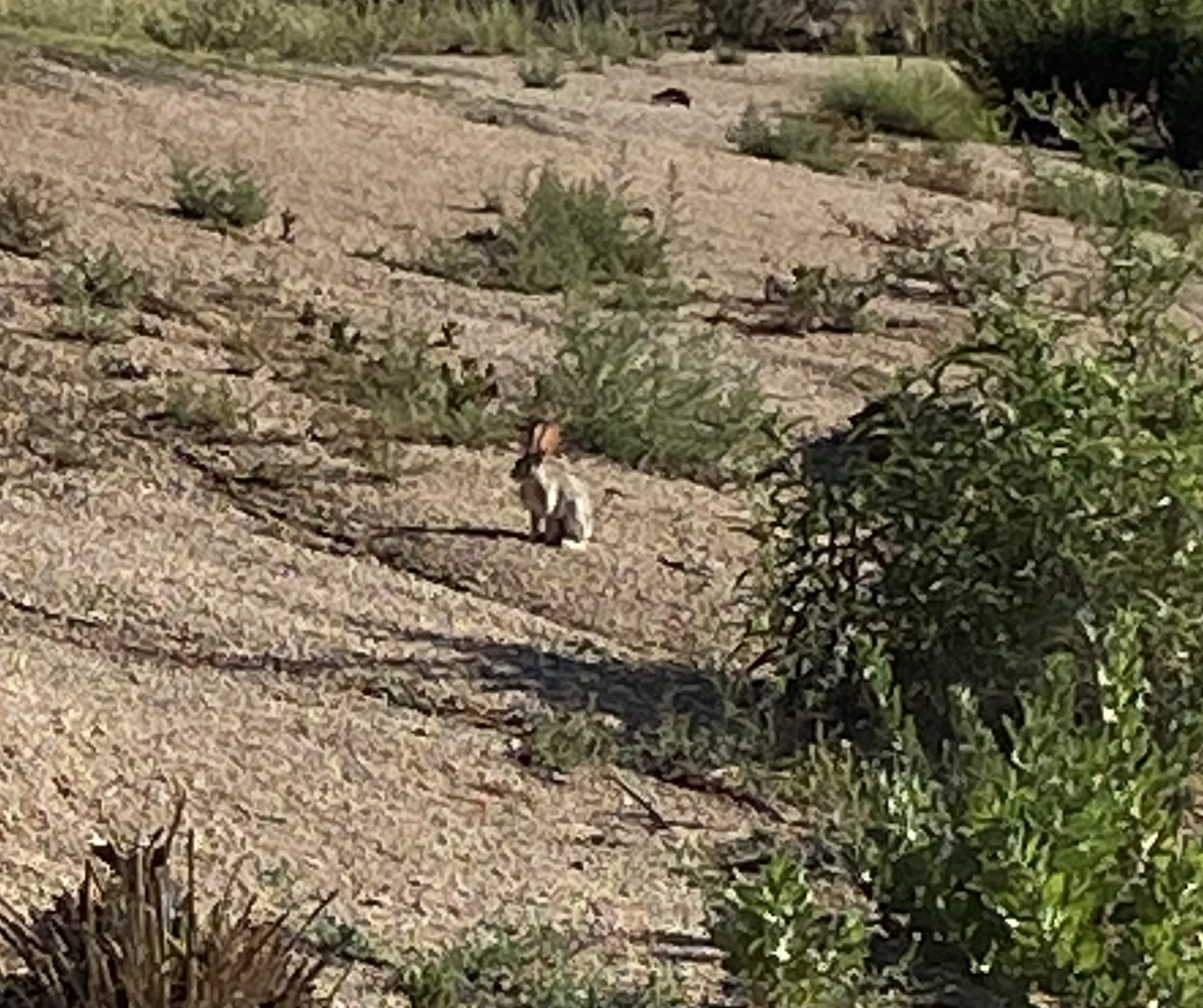
Cactus Life and with a couple of hares

Stirring up afternoon dust storms

Majestic Mountains were the daily backdrop

A few more images shot from the airplane

Hello and Goodbye to Phoenix AZ

Reese of Mind Donuts (gluten-free, egg-free, & dairy-free options)

“Fresh popcorn is near impossible to resist, second only to fresh donuts.”–Shannon Wiersbitzky, What Flowers Remember 

For years, I watched with glazed eyes as others enjoyed donuts. 

Donut go breaking my heart!” I would say to friends and family as they enjoyed their orbs of confectionary perfection. 

Donut worry, be happy!” They would reply, driving me glazy as they handed me a gluten free granola bar. “It’s hole-some.”  While I donut want to be ungrateful for their thoughtfulness, a granola bar donut really have a hole of my taste buds.  

I donut have to circle around these orbs of deliciousness.

After years of circling around all of those boxes of glaziness, watching others enjoy those holesome spheres of sweetness, I declared to myself, “Donut let them kill your vibe, Steph!  You can simply create your own glaze-of-glory confection!

Away in the solitude of my home work space, feeling glazed and confused, I did what any self-respecting donut-deprived punster would do, scroll the internet for recipe inspiration.  I donut, I mean, would not, stop believin’ that I could create a glazy alternative–one that was as close to being as hole food as possible with gluten-free, plant based ingredients.  Donut tell me I can’t! 

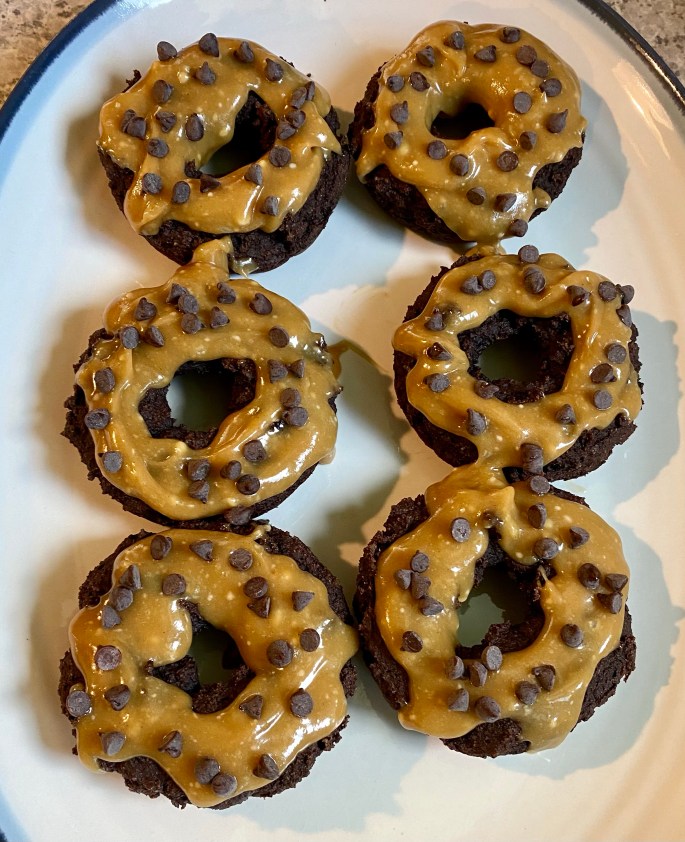
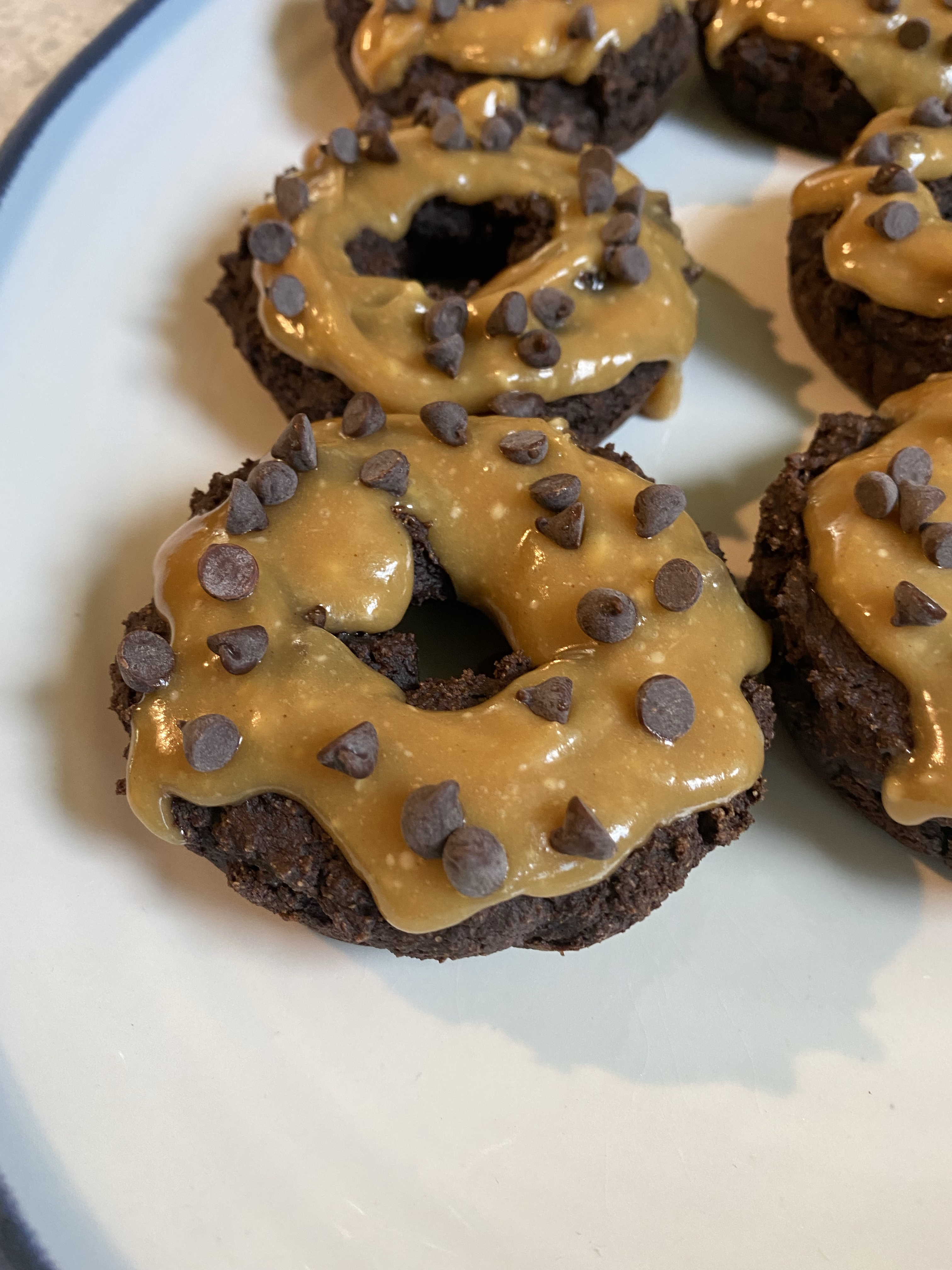
Ooey-gooey peanut buttery goodness!!

Thus, my holesome quest began.  Since then, I have created recipes for Blueberry Lemon-drop donuts and Chocolate donuts with chocolate glaze.  So what makes this recipe different from the previous chocolate donut recipe?  This recipe comes with the reese of mind that the ingredients are all holesome AND has the added benefit of protein and oats. 

Well, maybe the chocolate chips and powdered sugar aren’t particularly as healthy as some of the other ingredients?  But holey-moley, donut judge me.  You can just glaze over that part! Besides I am fairly certain I sense reesent traces of confectioners sugar on your lips!

Enjoy this gluten-free, egg-free, dairy-free wonder without any worry of stomach upset!

While these donuts may not bring world reese, they may have your taste buds singing, “Hole me closer, tiny donut.”  May this recipe, or should I say, reese-ipe really get a hole of you, and may you love them a hole lot!

P. S. Reese and desist from blaming me for all of the bad puns, I may have eaten one too many drunkin’ donuts! 

Donut cry anymore when the donut box gets passed around, fellow celiacs. You can make your own!

Reese of Mind Donuts  (gluten-free, egg-free, & dairy-free options)

Donut Ingredients:

¾ cup oat flour (Can use regular oats and used food processor to make it flour)

1 serving chocolate protein powder (I use plant protein.) 

2 tablespoons cocoa powder

1 tablespoon ground flax seed

2-3 tablespoons sugar

1 teaspoon baking soda

¼ teaspoon salt

¼ cup applesauce or yogurt

½ cup milk (I use plant based.)

1 tablespoon vinegar

1 teaspoon vanilla extract

Optional: ¼ cup chopped Reese’s pieces 

Glaze Ingredients:

1 tablespoon melted butter or coconut oil (I use plant based butter.)

3 tablespoon natural peanut butter, melted

½  teaspoon vanilla extract

¼ – ½ + cup powdered sugar

2+ tablespoons milk (I use plant based.) 

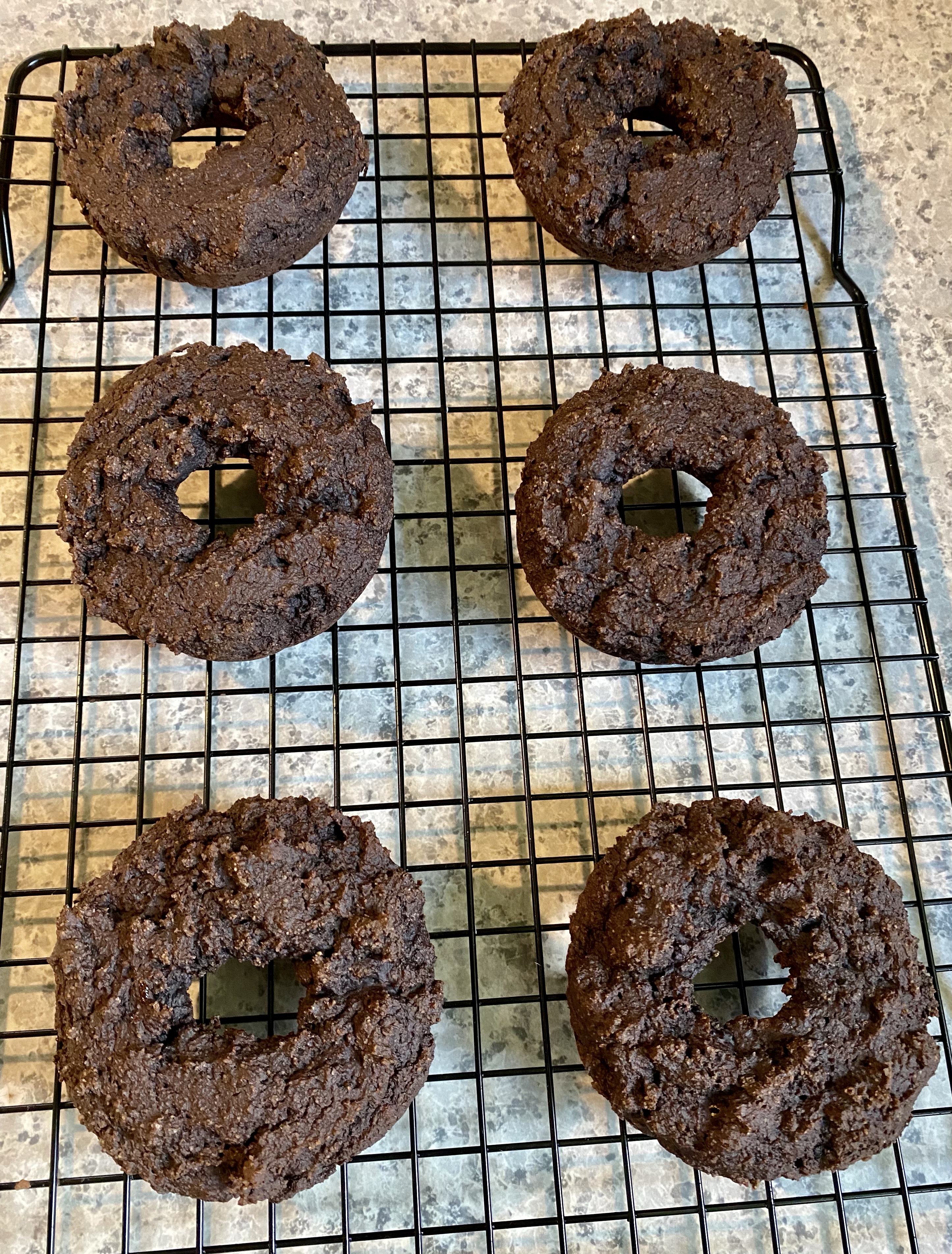
Batter will be thick, but easy to spoon into donut molds.

Donut Directions:

Preheat oven to 350 degrees and coat 6-donut pan with nonstick spray.

In a large bowl, combine dry ingredients (flour, protein powder, cocoa powder, flax seed, sugar, baking soda and salt) until well combined.

In a small bowl, whisk together wet ingredients (vinegar, applesauce, milk, and vanilla).

Fold wet ingredients into dry ingredients, being careful not to overmix–batter should look/feel thick.  If using chopped Reese’s pieces, gently stir them with wet ingredients.

Divide batter evenly among donut molds.

Bake for 15-20 minutes or until a toothpick inserted in the center comes out clean.

Allow to cool 5-10 minutes before turning over onto cooling rack.

They’re actually tasty without any glaze or chopped reese’s pieces stirred in and with less sugar! However, feel free to drizzle a bit of melted peanut butter on the top if you choose not to glaze!

Glaze Directions:

In a medium microwave safe bowl, combine butter (or oil) and peanut butter.

Warm in microwave until melted and smooth, stirring occasionally to incorporate.

Stir in vanilla and powdered sugar, stir to combine, adding more powdered sugar if desired.

Gradually stir in milk, 1 tablespoon at a time, until desired glaze consistency is achieved.

Using a spoon, drizzle glaze over cooled donuts.

Feel free to top donuts with chopped peanuts, mini chocolate chips, chocolate sprinkles, or crushed Reeses pieces.

Serve immediately.  Can be stored for up to a week in the refrigerator, or frozen for up to three months.

These are so easy to make. They will give you gluten-free reese of mind!

Raven Rock Nature Preserve–A Great Place to Hike in Southeastern Ohio

With its dramatic overlook, Raven Rock has long been an attraction for area residents and visitors. Its history is legendary, with some stories placing, at various moments in time, Daniel Boone and Tecumseh at its edge, 500 feet above the Ohio River.”–Andrew Lee Feight, Ph.D. 

He asked me, but if my answer surprised him, he didn’t show it. 

Our 33rd wedding anniversary was fast approaching, and John, my husband, asked what I wanted to do in honor of it.  Go hiking, of course!  I know, not the most logical, or necessarily romantic choice, but it is something special we typically do out-of-town.  If we love hiking at destination locations, why not also start hiking more often closer to home? After all, after 33 years together, as the saying goes, “We’re not getting any younger!”  

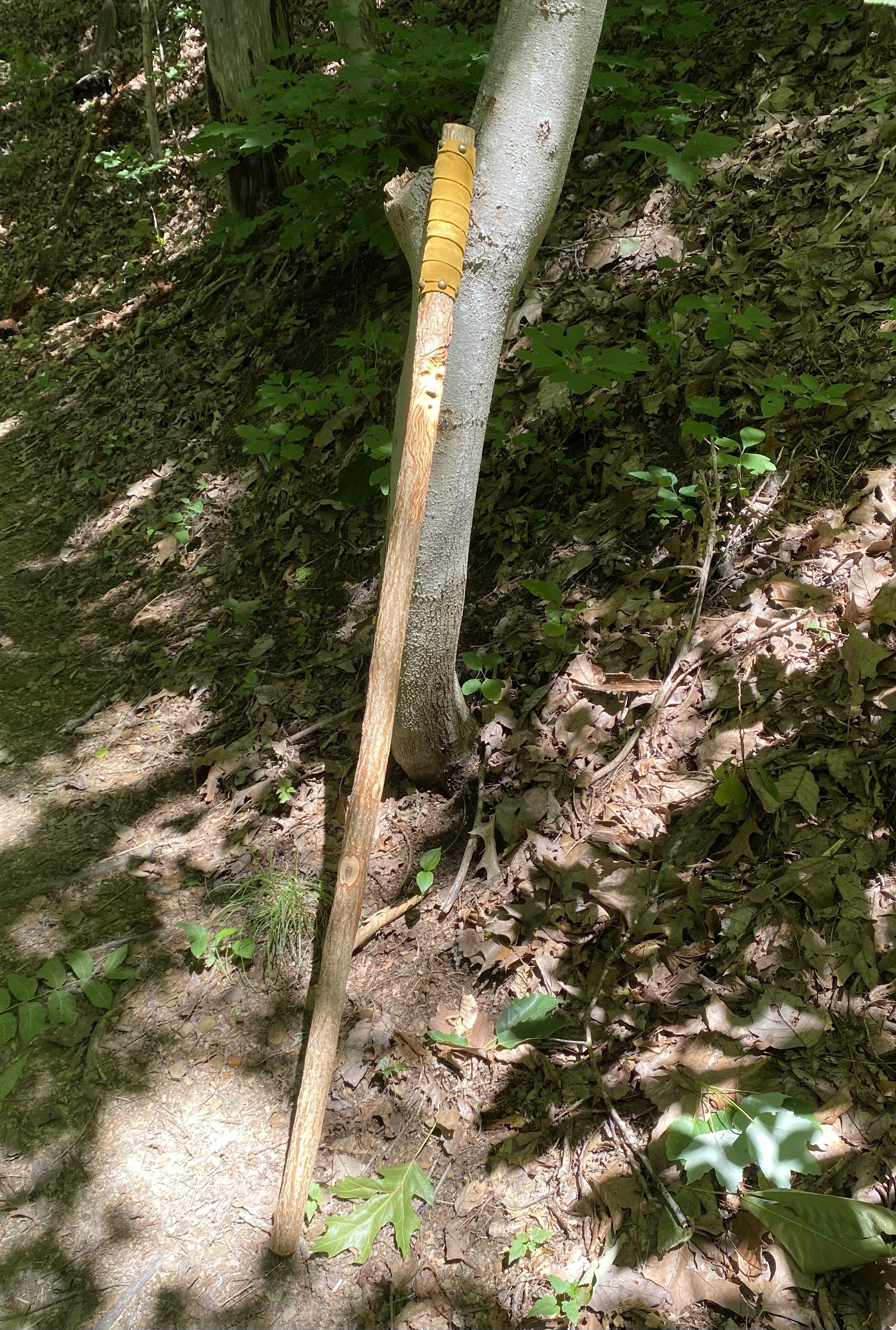
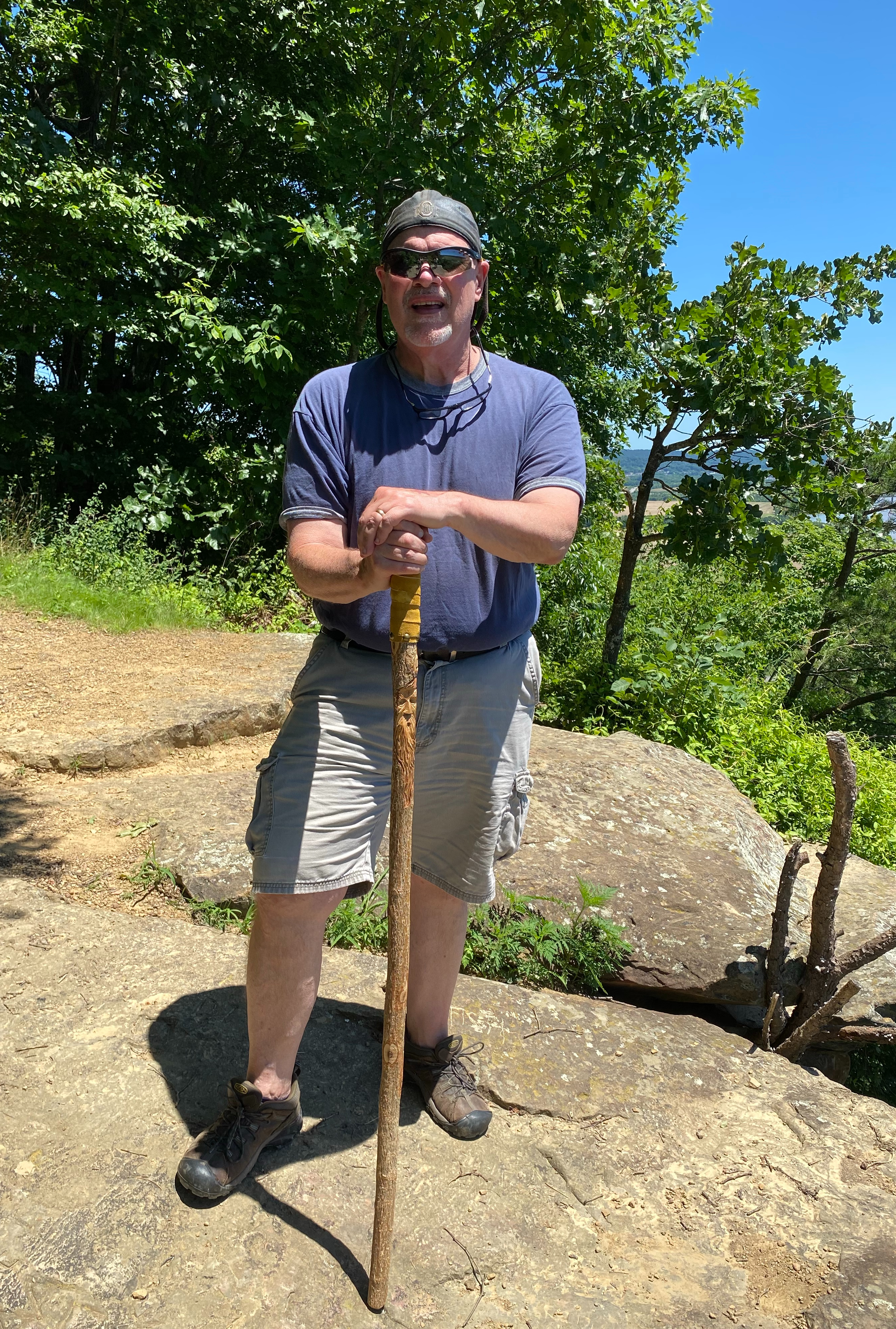
John was able hike, in spite of the meniscectomy, with the help of this hand carved hiking sticking, a gift from a beloved student.

The more we talked about it, the more we embraced the idea.  Within an hour to two drive of our home, there are an abundance of trails that we have not explored.  Why not take more frequent mini-staycations and enjoy the great outdoors together?   While there is definitely some cost in gas, especially given the current prices, hiking closer to home is an overall more cost effective experience when compared to traveling hundreds of miles. 

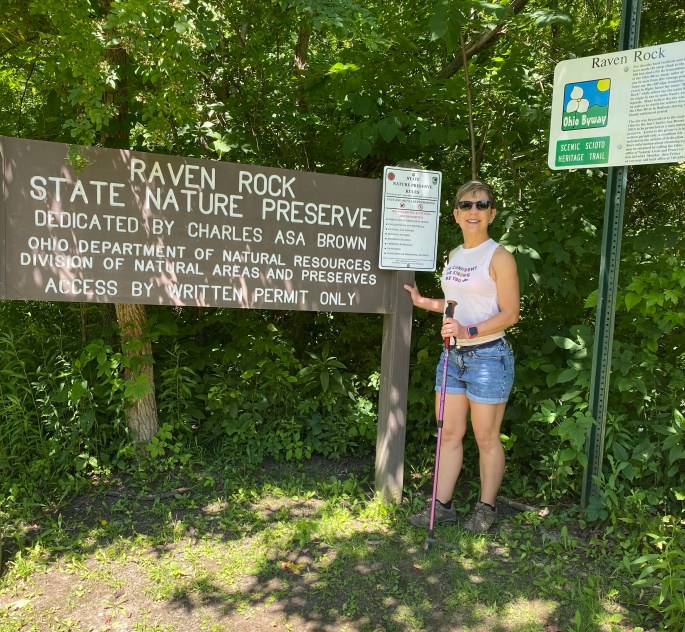
Once owned by Charles Brown, this 98 acre preserve was donated to the state of Ohio in the early 1990s.

Our destination?  Raven Rock State Nature Preserve.  This was a trail I had previously hiked a few years ago with my dad as seen here  Ravens Rock Trail, Portsmouth, OH – Steph Simply. The thing I remembered most about it was the rewarding spectacular view at the top of this trail after a strong uphill effort.  If I remember correctly, Dad and I walked to the edge of the rock, collectively inhaled, and exclaimed, “Wow!”  I hoped John would have that kind of experience too. 

Rumors abound that the now closed former trail was a gut-wrenching, vomit inducing, path that challenged even the most experienced hikers.

Unfortunately, John had a meniscectomy in August, so I knew his knee would be fragile on this trail.  I wasn’t sure if he would feel up to it, but he gladly agreed to the hike as long as he could take as many breaks as his knee demanded.  Breaks, schmakes, I don’t mind those when I get to hang out with Mother Nature!  

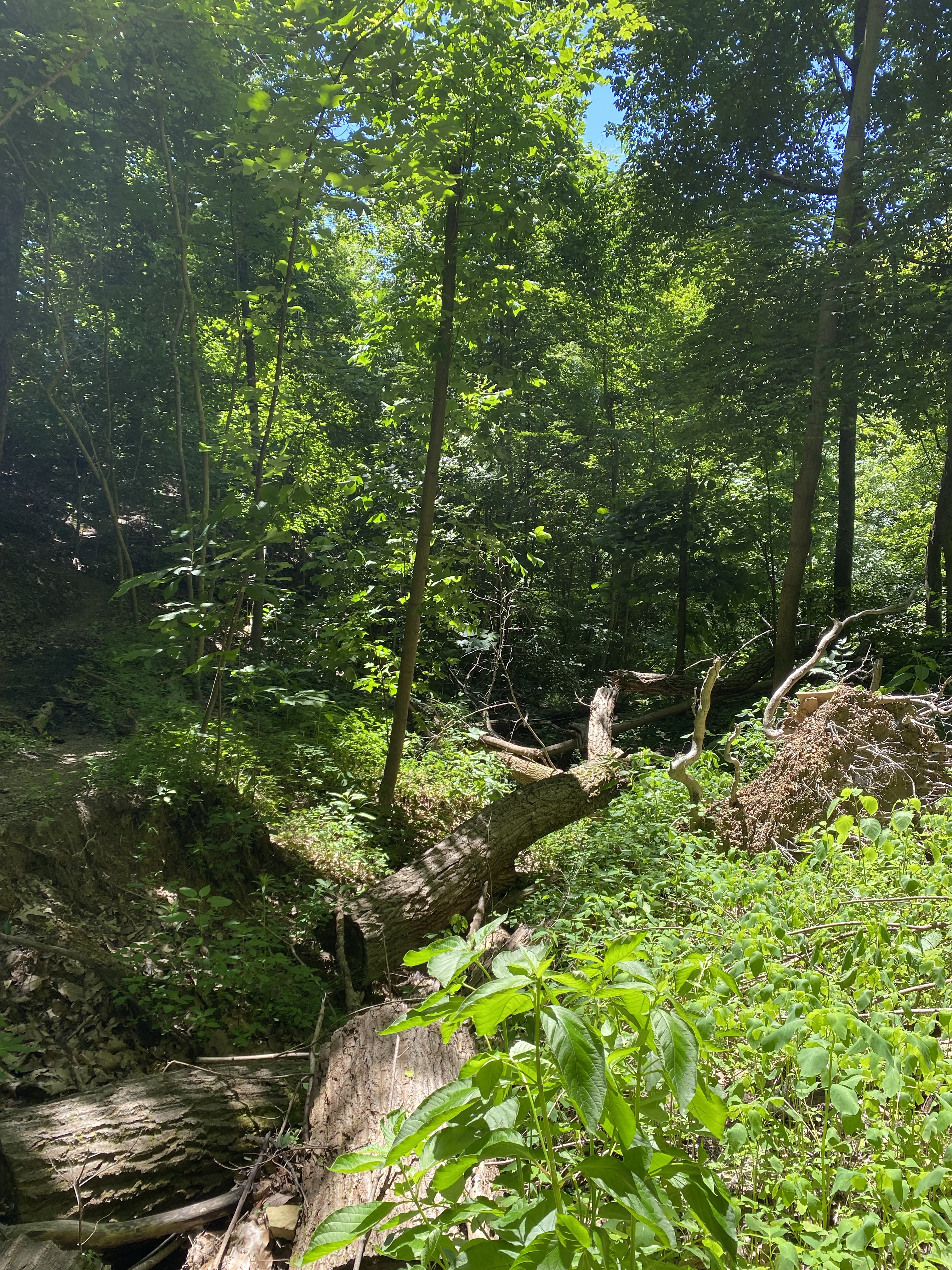
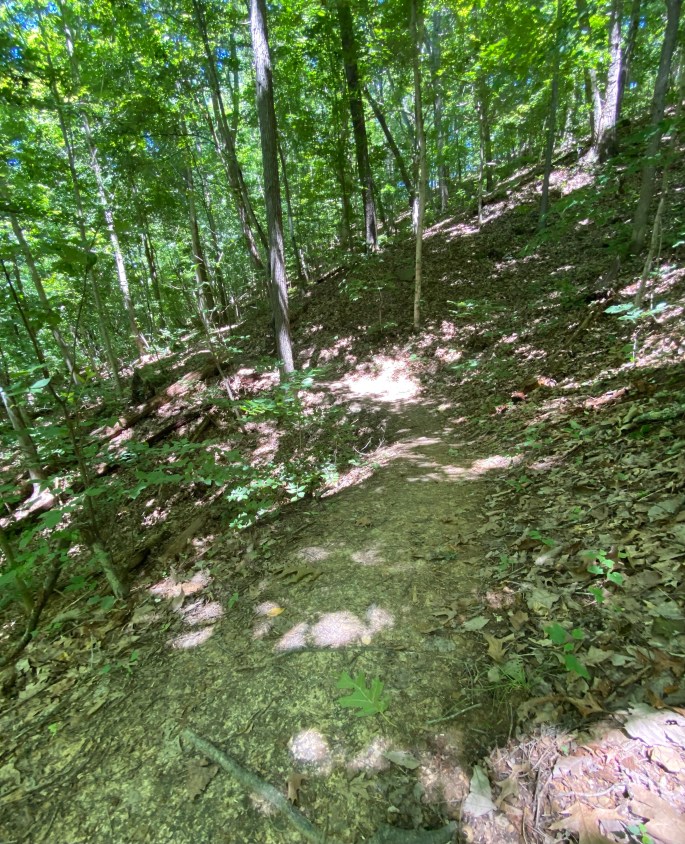
A few images of Mother Nature along the way.

That said, the trail involves several switchbacks with anywhere from an 8% grade to a 28% grade in some parts of the heavily forested trail. In fact, according to Natural Ohio Adventures, Raven Rock trail may be the only trail in Ohio that has an elevation gain similar to a Rocky Mountain trail. The same website also states that no other known Ohio overlook is more elevated than Raven Rock.

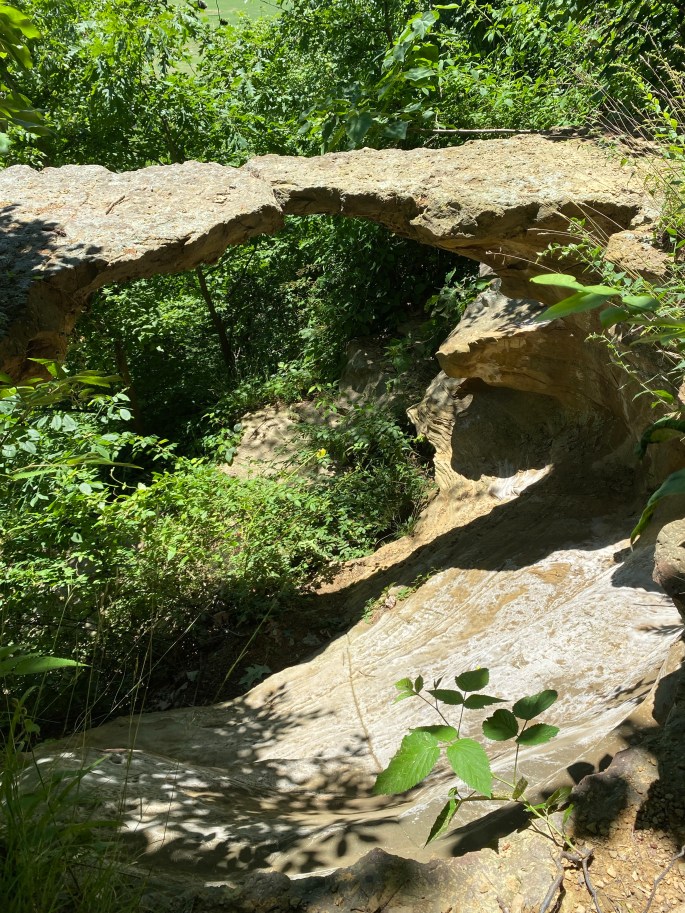
Here’s one arch!

Depending upon the source, there are a couple of different reasons as to why Raven Rock was named as such.  One account, according to an article by Andrew Lee Feight, Ph.D., describes the romantic tale that a long ago native warrior, named Raven, once jumped to his death from the rock ledge, rather than surrender to enemy hands.  However, most sources note that when looking at the rock from above, the central overhanging rock looks like that of a raven’s head and beak while the rest of the rock appears to be its outstretched wings.

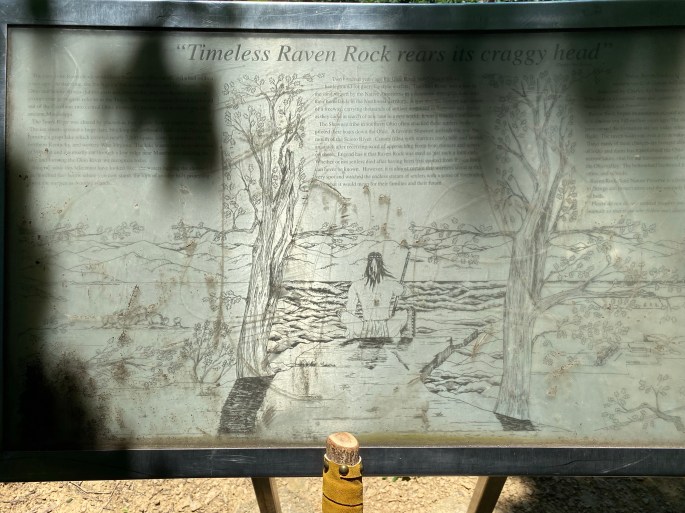
You’ll find this faded sign at the top of the trail explaining the Raven Rock’s past.

Historically speaking, there seems to be general consensus that Raven Rock would have been an overlook used by native people, such as the Cherokee and Shawnee.  As the faded marker at the top of the trail indicates, there must have been countless natives who observed European settlers traveling on the river encroaching upon their original lands.  What must these unknown original people have felt?  Did they, in fact, use that overlook as a place for planning attacks in an attempt to prevent these strangers from taking land that rightfully belonged to them?  One can only speculate.

Hello in there!

Raven Rock, according to the Ohio Department of Natural Resources, is composed of Missisiipian age sandstone. The weathering of the sandstone over the years has created three naturally occurring rock arches. The largest arch, Raven Rock Arch, is over ten feet long.  

Mother Nature is an artist.

Raven Rock preserve is home to the rare and potentially threatened Blackjack Oak tree (Quercus Marilandica) and a state endangered plant, Small-flowered Scorpionweed – Phacelia dubia.   Therefore, this trail, and the land around it, is considered quite fragile.  Ohio requests that hikers obtain a permit before exploring the trail which can be completed online in advance. I did read that hikers can also obtain permits at Shawnee State Park, but I am not sure about this point. 

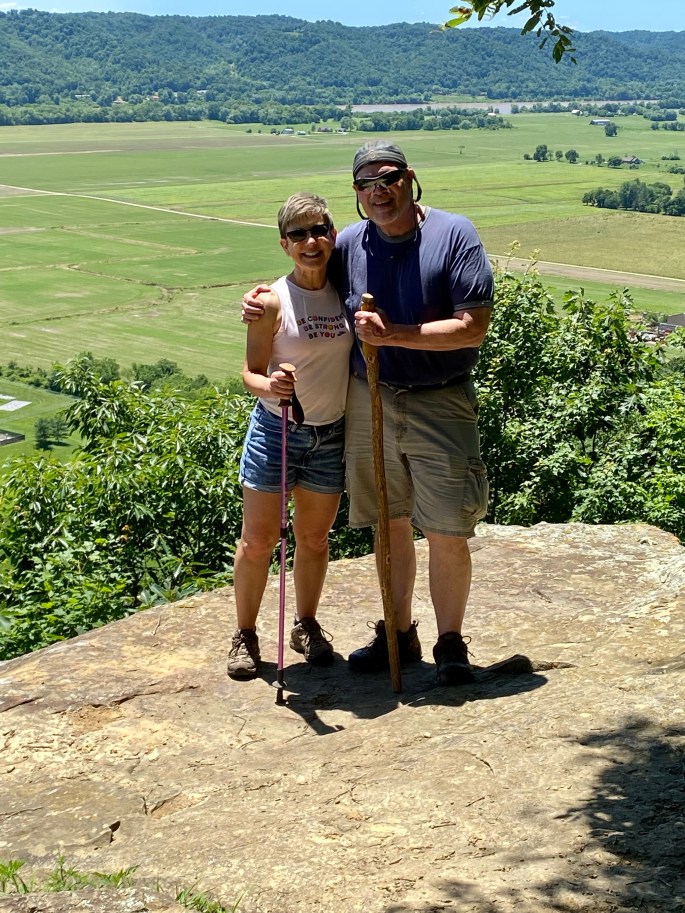
We made it to the top! 500 feet above the confluence of the Ohio and Scioto River.

As John and I headed up the trail, the skies were bluebird clear, and the temperatures were pleasant. There had been strong thunderstorms that had moved through the area the night before, which had fortunately broken a heat wave, but had unfortunately left thick, muddy sections along the path.  Those slippery, mucky spots, however, were few and far between, mostly located near the bottom of the trail.

It’s all uphill to get to the top with varying grades of inclines.

We both hiked with walking stick/pole for the first time, and we found them to be quite helpful for balance in several of the more rocky and steep areas.  They were also helpful both moving uphill and downhill as well as for creating an awareness of the edge of the trail/cliff.   

The trail can be quite narrow and rocky in places.

There were no trail markers that we could see, aside from the entrance sign, but the trail was easy enough to follow as it was a well-worn path.  A couple sections of the trail, we noticed, were beginning to wash away, but there were no confusing portions leaving us wondering which way to go.  Even though the trail is steep, it does seem to alternate between segments that are less steep and more steep, giving hikers ample time to catch your breath on the 1.25 mile ascent. 

Check out this view.

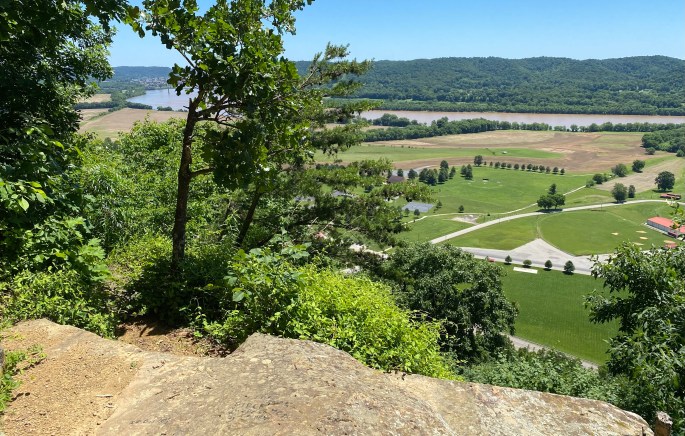
The view was as spectacular as I remembered it!  Overlooking the confluence of the Scioto and Ohio Rivers, as well as all the surrounding hills, farmland, and community, the panoramic view was spectacular, especially on this clear day.  John and I discussed how gorgeous the precipice must be in full autumn colors or even in the winter, once the leaves have fallen.  

And another view

One safety point:  There is no guard rail, so hikers must be careful walking the edge of Raven Rock.  Nonetheless, you can stand or sit at a safe distance from the edge and take in miles of landscape and riverview.  However, for those with a healthy fear of heights, there is a bench, at a safe distance, on which you can sit and take in most of the vantage point. 

Don’t want to get on the rock? Have no fear, a bench is here!

If you like to hike and appreciate a scenic perspective, then Raven Rock Nature Preserve is a trail John and I recommend you explore.  According to two respected hiking sites, the trail is rated as an intermediate or moderate level due to its inclines.  While we do agree with that assessment, we also believe it would be doable for any level of hikers as long as you take breaks as needed and definitely bring a bottle of water–uphill hiking makes you very thirsty!  

Here’s to the wonders of the trail and Mother Nature!

Another perspective from the top
In this photo, you can clearly see the edge of Raven Rock as we look out over the land and rivers below.
When you look up and feel the Divine Source of all creation.
Standing of Raven’s Rock!
Playing around along the path.

An Ounce of Prevention Goes a Long Way to Preventing Dementia and Alzheimer’s Disease

Currently more than 55 million people live with dementia worldwide, and there are nearly 10 million new cases every year. . . . Alzheimer’s disease is the most common form of dementia and may contribute to 60-70% of cases. . . . Dementia is currently the seventh leading cause of death among all diseases and one of the major causes of disability and dependency among older people globally.”–World Health Organization, 2 September 2021

Photo by Nashua Volquez-Young on Pexels.com

It happens more often than I care to admit–the inability to come up with a particular word while engaged in conversation. In my mind, I can see the shape of the word lurking in the shadows of my brain.  Try as I might to shine a mental flashlight on the word, the word will continue to evade me in a cavernous pit of forgetfulness only to materialize a few hours, or even days, after the conversation has ended.

I have witnessed dementia grip one grandparent’s aging mind and Alzheimer’s disease affect another.  Then again, how many other people can say the same thing?  Therefore, why do I worry, when my brain stutters, sputters, and struggles with a word, misplacing an item, or wondering why I walked into a room?  Answer: because I do not want to be a burden to others.

Photo by Magda Ehlers on Pexels.com

That said, I dearly loved my Mamaw and my Papaw.  Even when they were in the throes of dementia and Alzhiemer’s respectively, I still adored them.  However, I was not responsible for their overall care and well-being.  That responsibility fell squarely upon the shoulders of my parents, their spouses, and their siblings. Instead, I was the grandchild who could visit, help-if asked–and leave as I pleased. I didn’t have to worry about the direct care and multitude of decisions that each diagnosis required–and those decisions, it seemed to me, grew in direct proportion with the disease’s progression.  

Mamaw had two children, and Papaw had three.  Even if one child was the legal guardian, they still had another sibling with whom they could confer regarding decisions, seeking help, or any of the other myriad of responsibilities that accompanies caring for a loved one with a form of dementia.  Whereas, I have one child.  One.  And in the words of Three Dog Night, “One is the loneliest number . . .”  I could cry thinking about putting that sort of responsibility upon her.  

My prayer is that dementia will not be my legacy to my daughter. Therefore, I have become somewhat obsessed with habits that could prevent dementia and Alzheimers. One quick recent search for, “preventing dementia and enhancing brain health,” and, according to Google, precisely, 1,500,000 results appeared in 0.56 seconds, many of which are considered “scholarly articles.”  Additionally, searching “habits that increase risk for dementia,” produced nearly as many results.  The point is that I am not alone in my desire to prevent and reduce risk for dementia.

Photo by Andrea Piacquadio on Pexels.com

Unfortunately, there is no known cure for dementia, and even the currently prescribed therapies and medicines have proven to have little efficacy. This is often due to the fact that developing any of the various types of dementia is believed to be a complex cocktail of factors including age, medical history, lifestyle factors, and genes. Consequently, numerous scholarly sources point to a number of preventative measures since most cases/types of dementia are not directly inherited. 

One of the most cited statistical links and effective measures to prevent dementia is regular participation in movement and exercise. Some sources break down the amount of time devoted to cardiovascular, strength, balance, and flexibility, with 150 minutes/week being gold standard. However, all agree that it is the consistent practice of exercise/movement that matters most.

Photo by Kindel Media on Pexels.com

Another point of agreement is the importance of consuming a healthy diet. In fact, many researchers point to the following diets: MIND, DASH, or Mediterranean as exemplary choices for prevention.  However, there are some research quibbles with regard to best diet practices.  One debate is over how much and/or what meat should, or should not, be eaten, although most seem to agree that fatty fish, such as salmon, is a solid preventative choice.  There is also some contention regarding the use, or disuse, of dairy, but the general consentment is that if you choose to consume dairy, pick low-fat products.  Most research agrees that the consumption of healthy fats–plant oils, seeds, nuts, and avocados– are an excellent choice.  However, the amount needed is not always a point of agreement.  Nonetheless, the research clearly points to an overall consumption of a high fiber diet that heavily emphasizes a wide variety of fresh vegetables, fruits, whole grains, and legumes; AND limits salt, sugar, saturated fats, and processed foods as effective and preventative practices.  
Alcohol consumption and sleep appear to have both positive and negative attributes when it comes to dementia prevention.  It appears that moderate alcohol consumption–no more than two drinks for men and one drink for women–specifically enjoyed with food, appears to be preventative.  However, drinking too much alcohol on a regular basis, seems to increase the likelihood of dementia.  Likewise, getting enough sleep, defined as 7-8 hours, on a regular basis is a preventative measure; conversely, getting too much sleep (10 or more hours), or not enough sleep (less than 6 hours), increases dementia risk. 

Photo by Max Vakhtbovych on Pexels.com

One of the more interesting bits of research centered around the practice of Kirtan Kriya (KK). It is a type of meditation, specifically 12-minutes long, that involves small hand movements, known as mudras. This ancient practice has been cited in several scientific journals as strongly linked to the prevention of dementia. In fact, several Alzheimer’s and dementia research groups offer/sponsor tutorial videos and articles on KK.

There are several other points of agreement among the scientific community for preventing and/or lowering the risk for dementia, including: 

  • Avoid, or quit, smoking
  • Stay mentally active, socially connected, and engaged in meaningful work/tasks
  • Care for mental health 
  • Manage blood pressure and/or diabetes
  • Schedule regular wellness checkups and preventative tests/screenings
  • Maintain a faith/spiritual/meditation practice(s).

While I did not discover anything ground-breaking in my recent research dive, it was clear to me that a few good habits of health go a long way.  Best of all, it’s never too late to increase a healthy habit or two.  Just as following the basic tenets of faith are important applications for spiritual well-being, implementation of basic health practices can go a long way in ensuring the vitality of life.  In the end, we may not be able to avoid dementia or other age-related illnesses, but we can make impactful choices in order to maintain a healthy, active, and balanced lifestyle for as long as possible.   

Photo by Andrea Piacquadio on Pexels.com

Nailing down your vision

“Privilege blinds, because it’s in its nature to blind. Don’t let it blind you too often. Sometimes you will need to push it aside in order to see clearly.”–Chimamanda Ngozi Adichie

Driving along a familiar major state route, I noticed a car was in front of me, and observed that no one was behind me. My mind began to wander while we maintained the legal, steady-as-she goes speed limit.  I took in the sights along the familiar route, then back to the car in front of me.  I took in the blueness of the sky with no puffs of white, and went back to the car in front of me. I glanced at the steadily flowing river, and back to the car in front . . .Wait, the car was suddenly braking! It was only then I noticed the turn signal.  It was not turning at an expected later point, such as one of several roads that connect to the route, but instead, it was turning into a random location. I had to brake fairly hard, grateful no one was behind me.

What caused my inability to not see the obvious turn signal? In fact, what causes us to overlook seemingly obvious items. I think I’ve lost my phone, only to have my daughter point out that it was right in plain view.  Of course, the reverse also occurs, such as when my husband, or daughter, think they have misplaced a particular object. I go to the same places they have already looked, and I find it for them.

Photo by Mike B on Pexels.com

There are several theories/notions about why/how this happens.  Some of it is steeped in science, while some of it is more theoretically. Two, more scientifically studied reasons, include inattentional blindness and change blindness.  Based on my preliminary research, these phenomena are closely related because they are both failures of visual awareness. However, inattentional blindness is described as the inability to notice an unexpected, but fully visible, object because your focus is diverted to other items within your field of vision, such as when I was driving and did not notice the turn signal.  Whereas, change blindness is a surprising failure to notice significant visual changes. 

Thought leaders, conversely, might say that a failure to see an obvious object has more to do with a mental scotoma, or mental blind spot due to personal bias, beliefs, stress, or even pressure.  (As a point of reference, scotoma is actually a health condition of the eye in which there is a fully diminished or partially diminished area within one’s field of vision.)  Thus, in a similar vein, many of us, knowingly or unknowingly, have blind spots about ourselves, others, and/or the world around us.  Personally, I think we can fail to see something for any one of those reasons, it may just depend upon the situation. 

Photo by Pixabay on Pexels.com

This past weekend, for example, I was weeding an area in front of my house in which I am trying to fill in with one of my favorite flowering ground covers.  Stooped in the bright sunshine of the afternoon, I was weeding a bare section of soil, when I noticed a pair of roofing nails–remnants of a late fall roof replacement.  They had partially rusted and, quite frankly, looked like twigs. I removed them, and went back to work.  Low and behold, I noticed two more roofing nails, then one more, then three more, then two more, and so it went for the better part of an hour. My eyes were no longer blind to nails, aided by the clear, bright light and angle of the sun. 

How many times had I previously weeded this bed since the start of spring and never noticed the nails?  While I worked, my brain dumped other notions, such as how many times do I overlook my own flaws, but not those of others.  Likewise, how many times have I done the reverse, picking myself apart and quickly absolving others who may have the same so-called, “flaws.” As my field of vision became more agile in finding nails, my brain dump also grew larger.  

The collection of roofing nails grew as my vision became more clear.

I thought of the poem about a louse, a poem both my mom and dad would quote at different points of my youth.  How did it go?  Something about a woman feeling so self-pious as she sat in church with all of her privilege and status that she didn’t notice the louse crawling on her fancy bonnet.  There was a particular line my parents would especially quote with frequency–a turn of phrase such as–what a gift it would be if we could truly see ourselves as others see us.

Then, my mind meandered to the scriptural story of Jesus speaking in the Sermon on the Mount in the book of Matthew, when he warns hypocrites to remove the beam out of their own eye in order to clearly see before removing a speck from another’s eye.  As best I understand this section of Christ’ sermon, believers are warned to admit and address our own sins first, before attempting to pass judgment on others.  However, even then, as the book of Matthew continues, Christ did not want us to condemn another person for their flaws, but instead offer help/support and grace as they work through their own issues. 

The more nails I gathered, the more my mind expanded into the understanding that we, myself included, often do not see the full picture–not of ourselves, of others, or even on larger, broad-scale, societal issues. Without this full scope of understanding, we make snap-decisions, fall prey to false information/doctrine/beliefs, or worse yet, become apathetic.  It is all too easy to be lulled by the seas of a busy life–caught up in the minutia in order to get through the day/week/month. When this happens, our vision is blinded because our attention is distracted, our focus is narrow, and/or our scope of vision is limited. Thus, we may not realize how comfortable we’ve become with our illusions, our biases, our knowledge/understanding and even what we perceive as truth.

The point is that it is easy to elevate our views/positions/ beliefs and overlook our own issues.  It is also easy to overlook/ignore points of disagreement and/or so-called flaws with others for whom we may hold in esteem; and yet, have no trouble identifying “others”–however you define them–as being wrong, bad, or even, the enemy.  Left unchecked, the busyness of life can create a pernicious way to cloud, distract, and even blind our perceptions.  Therefore, it is worth the time to regularly pause from the distractions and noise of life, and allow the Universal Light to reveal to us the nails in our own life beliefs/actions that need to be removed.  They may be disguised as good-intentions, but once a light shines upon them, their sharp edges, like the nails in my flower bed, could hurt someone, including ourselves, or worse yet, those whom we love. 

Photo by Lukas on Pexels.com