Embracing Silence: The Owl’s Call to Mindful Listening

A wise old owl sat on an oak;
The more he saw the less he spoke;
The less he spoke the more he heard.” —old proverb

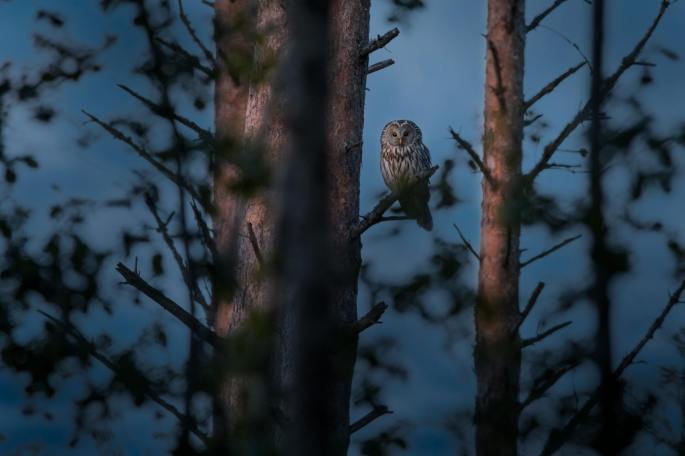
A wise-looking owl perched on a branch in a dark, wooded area, illuminated softly by moonlight.
Photo by Erik Karits on Pexels.com

Listening in the Dark 🌌

I am an early riser, typically awake before the sun. A few weeks ago, my ears perked at the haunting, penetrating call of an owl. Its “Hoo-hoo-hoo, hoo-hoo” echoed around our yard as I looked out into the murky dark. Since then, I intentionally listen for its steadfast call. It has become both a comfort and a mystery—an invitation to listen, reflect, and learn something new.

The owl’s call continues, I am certain, even when I am not listening; yet it requires my full attention in those predawn hours if I hope to notice it regularly. Its presence illustrates the importance of listening and discerning with care and purpose.
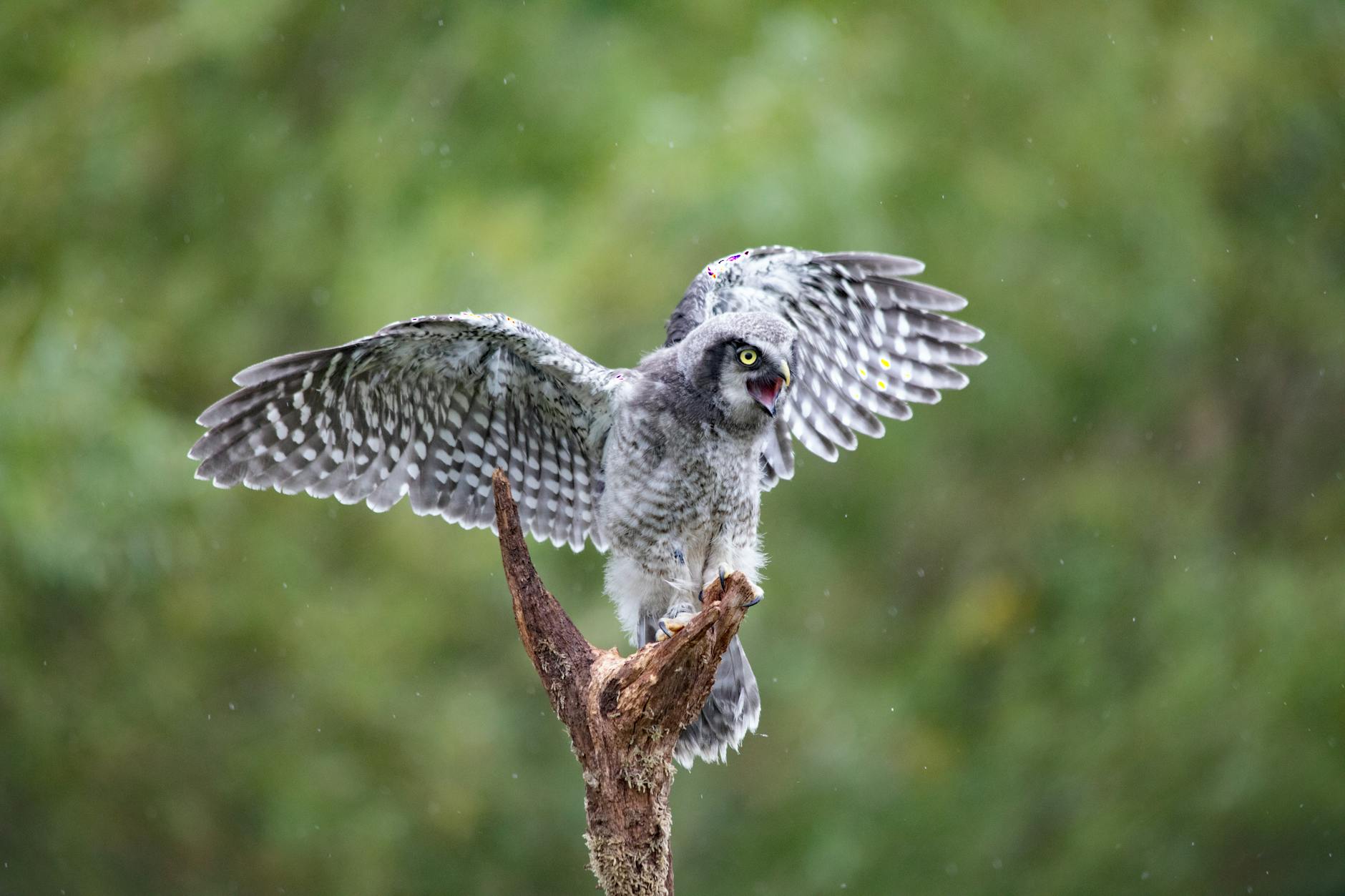
A grey and white owl perched on a branch with wings partially spread, showcasing its feathers and an alert expression against a green blurry background.
Photo by Petra Ryan on Pexels.com

What Owls Teach Us About Voice 🗣️

The autumnal hoots I hear, I learned after a bit of research, are used mostly to communicate territory and to call to potential mates. (It is worth noting that many owl species mate for life, finding another only if a partner dies or becomes separated.) Owls also use distinct calls to warn a mate, their nestlings, or even neighboring owls when danger is near. Only when the threat is imminent do they screech, hiss, or snap their beaks in defense of their young. Like the owl, we, too, can carefully choose when to use our voices amid the noise of the world, saving our own form of “screeching” for the rarest and most necessary moments.
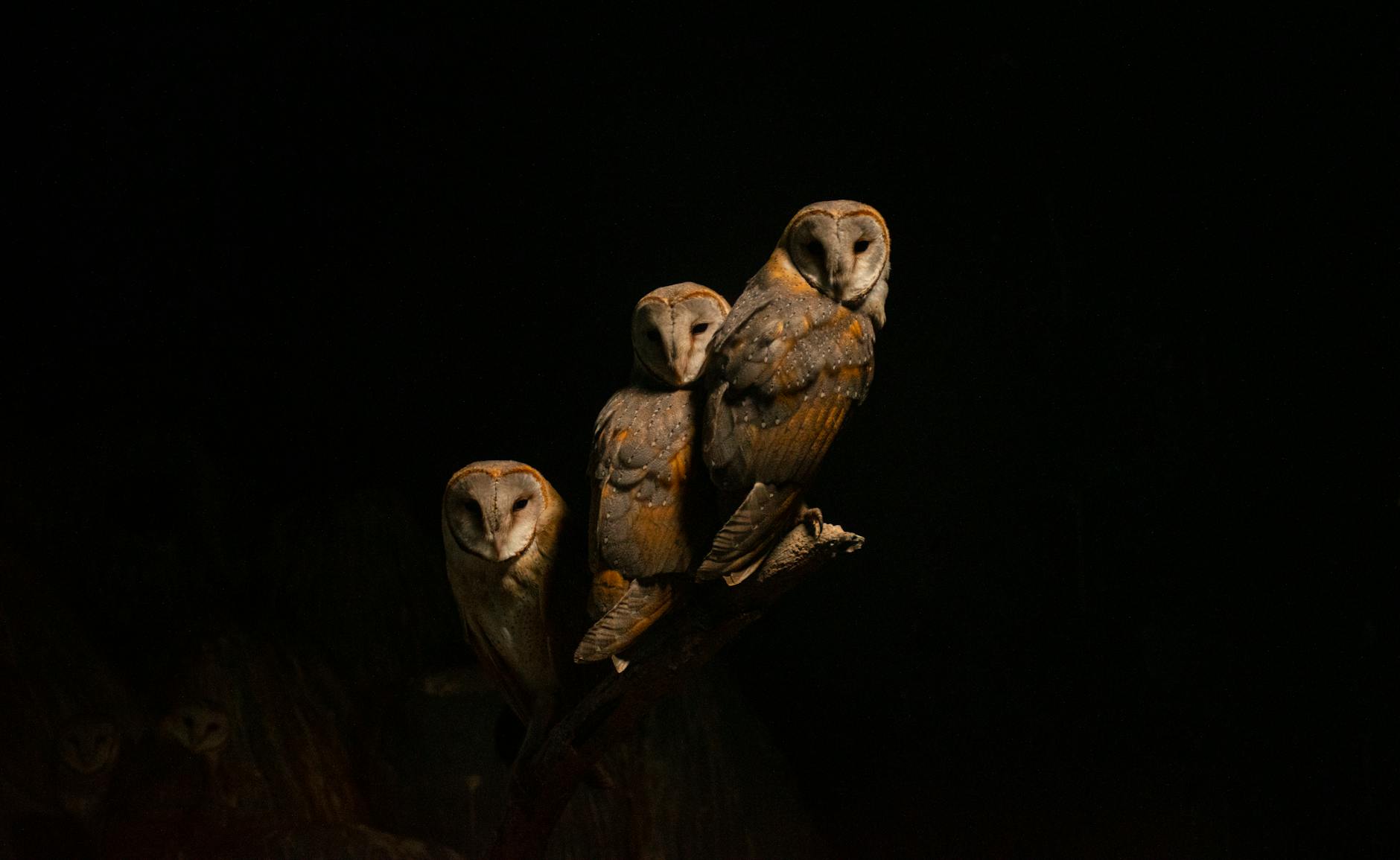
Three barn owls perched on a branch in low light, showcasing their distinctive features against a dark background.
Photo by throughmylife_in_ INDIA on Pexels.com

Signals of Respect and Coexistence 🦉

As I read more, I couldn’t help admiring how owls communicate—practically, respectfully, almost as if to say, “I am here. You are there. Let us coexist with our shared resources and help ward off danger.” To be certain, I am personifying and simplifying their communication, but perhaps there is a lesson for us. In a world that often isn’t equitable in its distribution of resources, space, or power, maybe we can learn the art of signaling like owls—communicating truthfully and transparently without silencing others. What if we approached our conversations with presence, restraint, respect, and a shared awareness of the landscape we inhabit?

Holding Our Ground with Grace 🙏

Hearing the owl’s early morning “Hoo-hoo-hoo, hoo-hoo” reinforces the importance of holding our own ground—our principles, values, beliefs, and even compassions—without becoming loud or defensive. The owl does not insist on being seen; rather, it asserts its message with a reserved dignity. We, too, can claim our “territory” through composed conviction and fairness, standing firm without demeaning others. Faith in our tenets, like my unseen morning owl, calls us to trust what cannot be seen but can be discerned only in stillness.

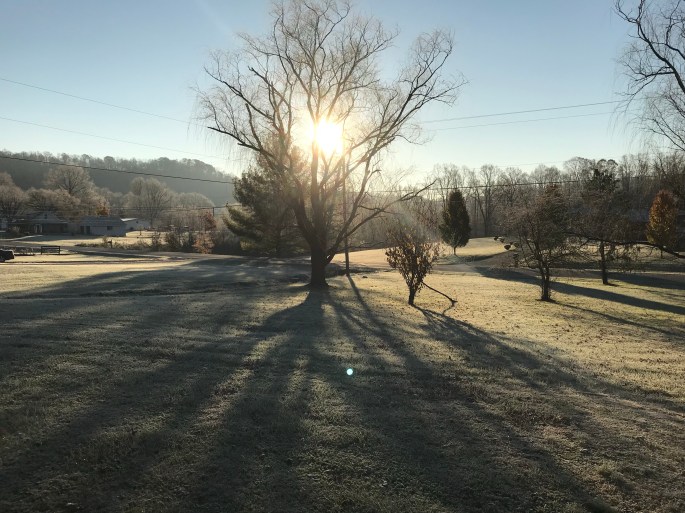
A tall tree with orange leaves against a clear blue sky, surrounded by a grassy area and a house in the background.
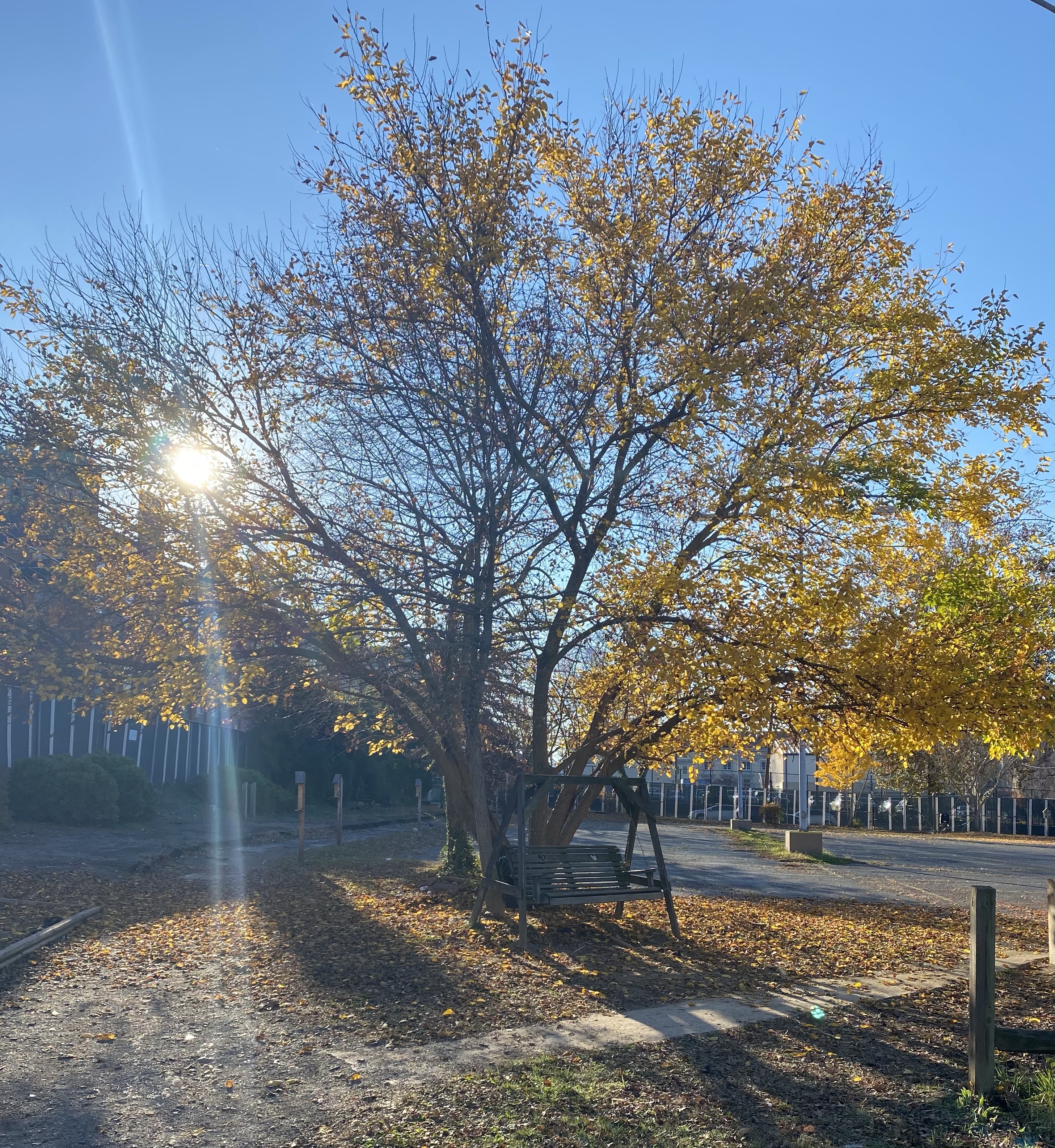
Fall is a time of release and renewal.

Autumn’s Invitation to Adapt 🍂

Autumn is a season of release and preparation. Light softens, signaling leaves to fall as trees ready themselves for winter’s quiet work. Many creatures follow this rhythm, including the owl in my backyard adapting to the shifting season. We, too, are invited to adapt—to let go of what is no longer needed, recalibrate our priorities, and listen more deeply. The natural world thrives on balance, which is different from our human desire for “fairness.” It exists in a subtle harmony in which every being plays a role. I wonder what might happen if we focused more on harmony—the give-and-take of shared ecosystems and resources—paired with the wisdom of knowing when to listen and when to speak.

A woman in a pink hijab interacts playfully with a barn owl perched on her arm, pointing towards its face, with another owl visible in the background.
Photo by Rangga Aditya Armien on Pexels.com

The Harmony of Coexistence 🕊️

The autumn owl’s voice in my backyard is solitary, and yet it reflects community. It marks its presence while acknowledging the presence of others, including us. Coexistence, the owl teaches, requires more than hearing what others say; it requires listening to the silences. Of course, human coexistence is complicated, and life often isn’t what we would call fair.

Therefore, it becomes incumbent upon us to listen, act kindly, and withhold judgment—offering small or not-so-small acts of goodness to help restore balance. This may mean choosing gentleness, or even silence, over the need to be “right,” especially when a loved one, friend, or coworker says or posts something unkind or expresses an opinion we strongly oppose. Likewise, offering compassion instead of judgment when someone is rude or ill-behaved can shift a moment for the better, even if only because we have refused to be pulled into energy-sapping negativity.

A serene forest scene with tall trees bathed in soft rays of sunlight filtering through the branches, creating an ethereal atmosphere.
Photo by Atlantic Ambience on Pexels.com

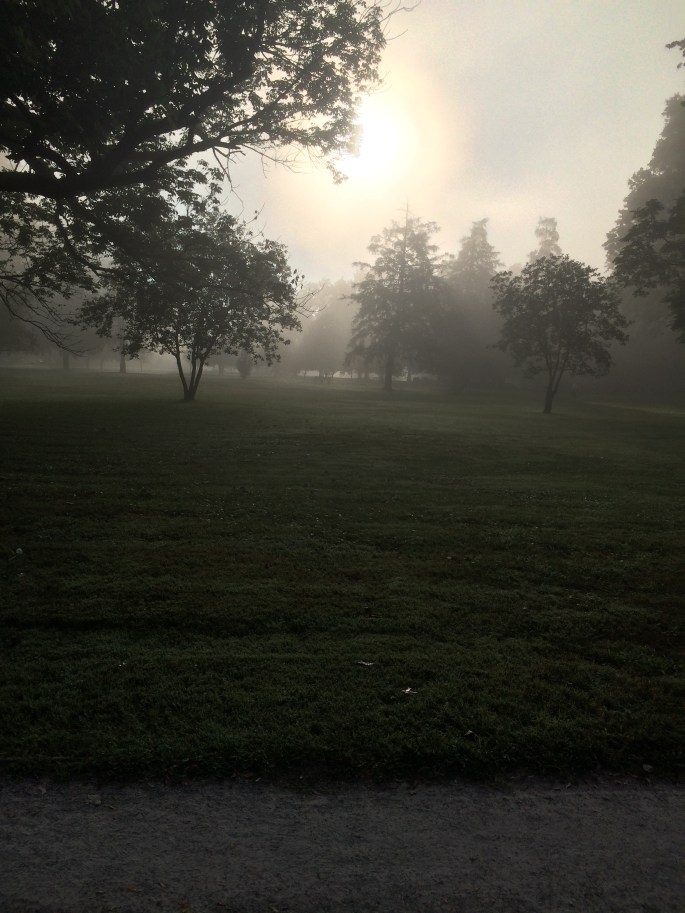
Before the Light Returns 🌅

The owl still calls unseen in the dark predawn hours, reminding us that communication, connection, and hope often begin before the light returns. The owl does not question whether the sun will rise; it simply continues its call, trusting the rhythm of creation. Like my unseen neighbor, I pray we find the courage to speak fairly, listen deeply, and have faith in the unseen process—knowing that every voice lifted in love and fairness echoes far beyond what we can see.

Perhaps that is the heart of the owl’s lesson: when we listen more deeply, we create the conditions for fairness to grow. As I recently read, “Life isn’t fair. It isn’t, which is why people should endeavor to be more fair to one another, not less.” —Kate Quinn.

Why Eat Apples Daily? Discover Their Surprising Benefits

“A diet rich in plant protein, fiber, and nuts lowers cholesterol and improves blood pressure.”–Chiavaroli, L, Nishi, SK, Khan, TA, et al. 

Photo by Mark Stebnicki on Pexels.com

Fall FAvorite 🍎

September brings the official start to fall, and this seasonal shift means apples are coming into season. Even though apples tend to be available year-round, the advent of fall means local apples are available, and the prices of apples at supermarkets will be their best.  Therefore, it’s a great time to take advantage of apples’ versatility and nutritional benefits.

Personally, apples are one of my favorite fruits.  I embrace the many varieties of apples for their various flavor profiles and textures, although I do tend to prefer the crisp varieties. What I especially appreciate about apples is that they can be a tasty part of any meal–breakfast, lunch, dinner–or simply as a snack.   

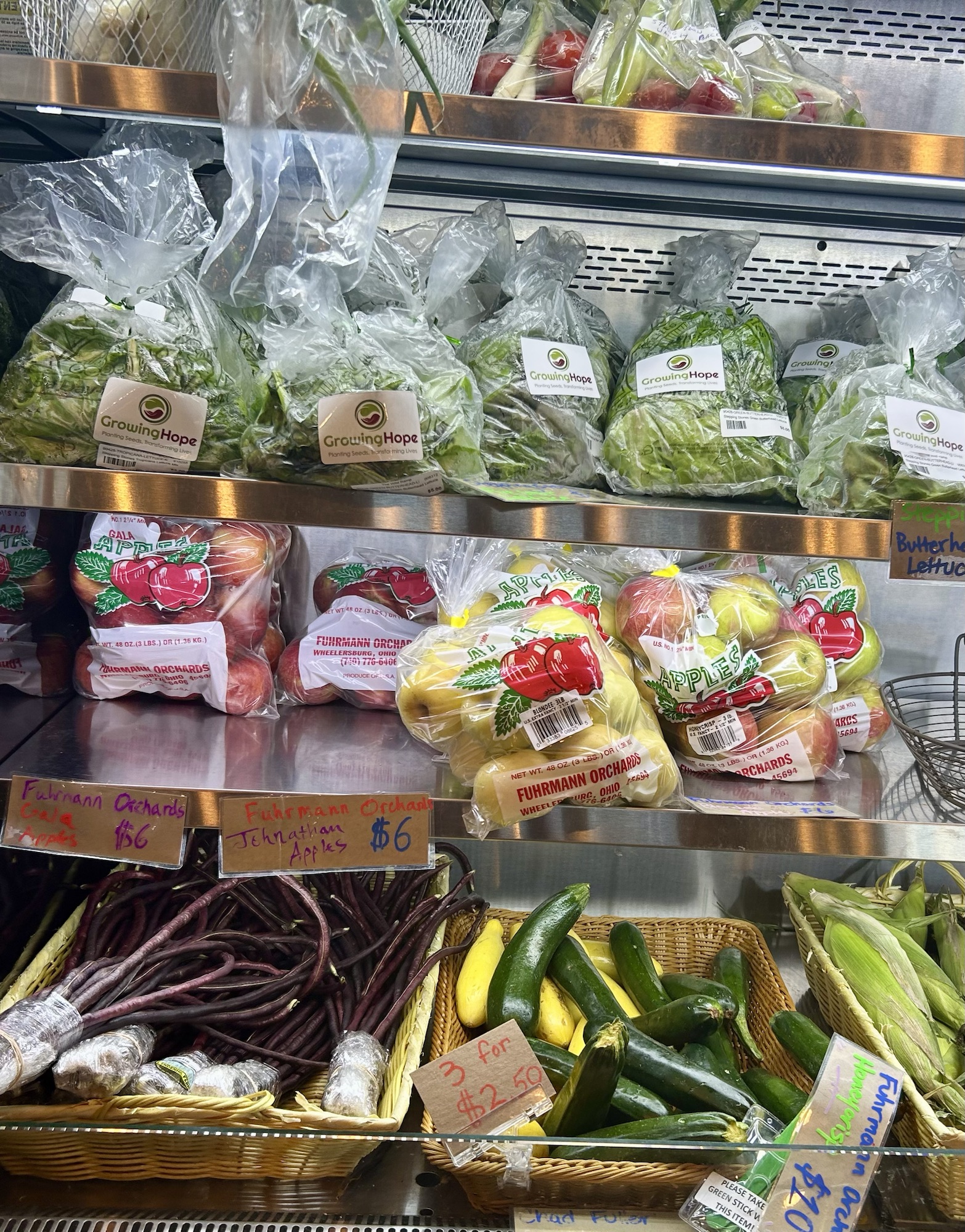
Fall is the perfect time to visit local market, such as The Wild Ramp, to pick up deals on locally grown, fresh apples.

Researched backed foods 🥦 🍓 🫑 🥕

Over the past couple of months, I have been preparing more recipes/meals based upon the latest research found in Alzheimer’s Research and Therapy. This study demonstrated that eating a plant-based diet can prevent and/or slow the progression of dementia due to Alzheimer’s Disease. Plus, eating this way can lower cholesterol and improve blood pressure. Since apples are definitely a plant, they fit right into this way of eating.

Now, for those of you who love your meat, I am not here to preach that it shouldn’t be eaten.  Personal diet preferences are not for me to decide, but I think we can all agree that fruits and vegetables benefit our health.  Therefore, why not lean into adding more plants into meals?  It doesn’t have to be an either/or thing!

Photo by Polina Tankilevitch on Pexels.com

Apple Benefits 🍏

Plus, who can argue against the humble apple? After all, there is a reason the old adage, “An apple a day keeps the doctor away,” is still around today. The Cleveland Clinic, in a post from August 2023, calls apples a “nutritional powerhouse.” The article’s author wrote that regularly consuming apples offers numerous health benefits because they are high in antioxidants–specifically quercetin–as well as fiber and water. In fact, a recent piece on Yahoo!Life stated that “Eating two apples a day may lower cholesterol.”  

Apples offer the following benefits:

  • Help meet daily fiber needs, which will stabilize blood sugar and creating a sense of fullness longer
  • Antioxidants that fight inflammation, which can lower risk for heart disease and dementia caused by Alzheimer’s
  • Help lower cholesterol and reduce blood pressure
  • Benefits the microbiome as they are full of pectin as well as both soluble and insoluble fiber
  • Promotes longevity by reducing risk for heart disease
Photo by RDNE Stock project on Pexels.com

A-peel-ing benefits 🍏🍎

Keep in mind that the skin of the apple is the most nutritionally dense part. A 2023 article on Healthline, states that the peel is the part of the apple with the most fiber.  Additionally, an apple with its skin intact has more vitamin K, vitamin, A, vitamin C, more calcium, and potassium than a peeled apple. 

So why not eat an apple or two per day?  It’s an easy and tasty way to get more plants into your diet. With all the varieties and flavor profiles, you’re sure to find one you like!  Head to your local farmer’s market or grocery store, stock up on your favorite varieties, and take advantage of their best pricing. The versatility of apples lend it to a wide range of recipes, such as the one I am sharing with you today. Then again, there’s no shame in eating at them as they are, which is my favorite way of enjoying an apple.

From my home to yours, I wish you a healthy and happy fall season!

This recipe was inspired by the following sites: Gimme Some Oven, Cait’s Plate, and Engine 2 Cookbook. Feel free to “doctor it up,” as my Grandmother Helen used to call it by adding and/or deleting ingredients that fit your tastes preferences!

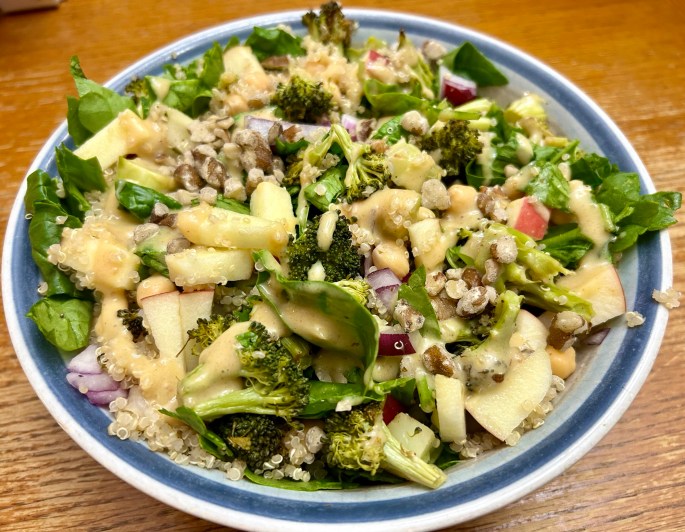
Quinoa Broccoli Apple Bowl with Sweet and Spicy Dressing

Gluten-free, dairy-free

Serves 2, but recipe can be doubled or tripled

Salad ingredients:

½ cup dry quinoa

1 cup vegetable broth

1 small head of broccoli, chopped into bite-size pieces

¼  teaspoon garlic powder

¼ teaspoon onion powder

Salt and pepper to taste

1 can (15 ounce) chickpeas, rinsed & drained

4 cups favorite salad greens, i.e. spinach, arugula, spring mix, etc

½ small red onion, chopped

1 apple, diced (favorite type)

¼ cup slivered almonds, chopped walnuts, or other favorite nut/seeds

Dressing ingredients:

½ cup unflavored, plant based milk

¼ cup Dijon mustard

¼ cup pure maple syrup

¼-½ ground red pepper (depending on level of desired heat)

⅛ teaspoon smoked paprika

⅛ teaspoon xanthan gum (a gluten-free thickener), optional

Directions:

Preheat oven 425 degrees

Coat baking dish (cookie sheet) with nonstick cooking spray or line a baking sheet with parchment paper

Clean and cut broccoli

Lightly spritz with olive oil and sprinkle seasonings (garlic powder, onion powder, salt, pepper)

Bake for 30+ minutes, stirring halfway through

Meanwhile, prepare quinoa according to package directions, using broth as the cooking liquid

While quinoa is cooking, prepare salad dressing by placing all ingredients in a glass jar and shaking well.  

Store dressing in refrigerator until ready to serve

To serve, divide salad greens and diced apple between 2 serving bowls

Divide and top salad with quinoa, broccoli, chickpeas, and onion

Drizzle with desired amount of dressing and top with nuts

Store unused dressing in sealed container in refrigerator for 2-3 weeks

Fall for The uniqueness of your own heartbeat

“There are days I drop words of comfort on myself like falling leaves and remember that it is enough to be taken care of by myself.”–Brian Andreas

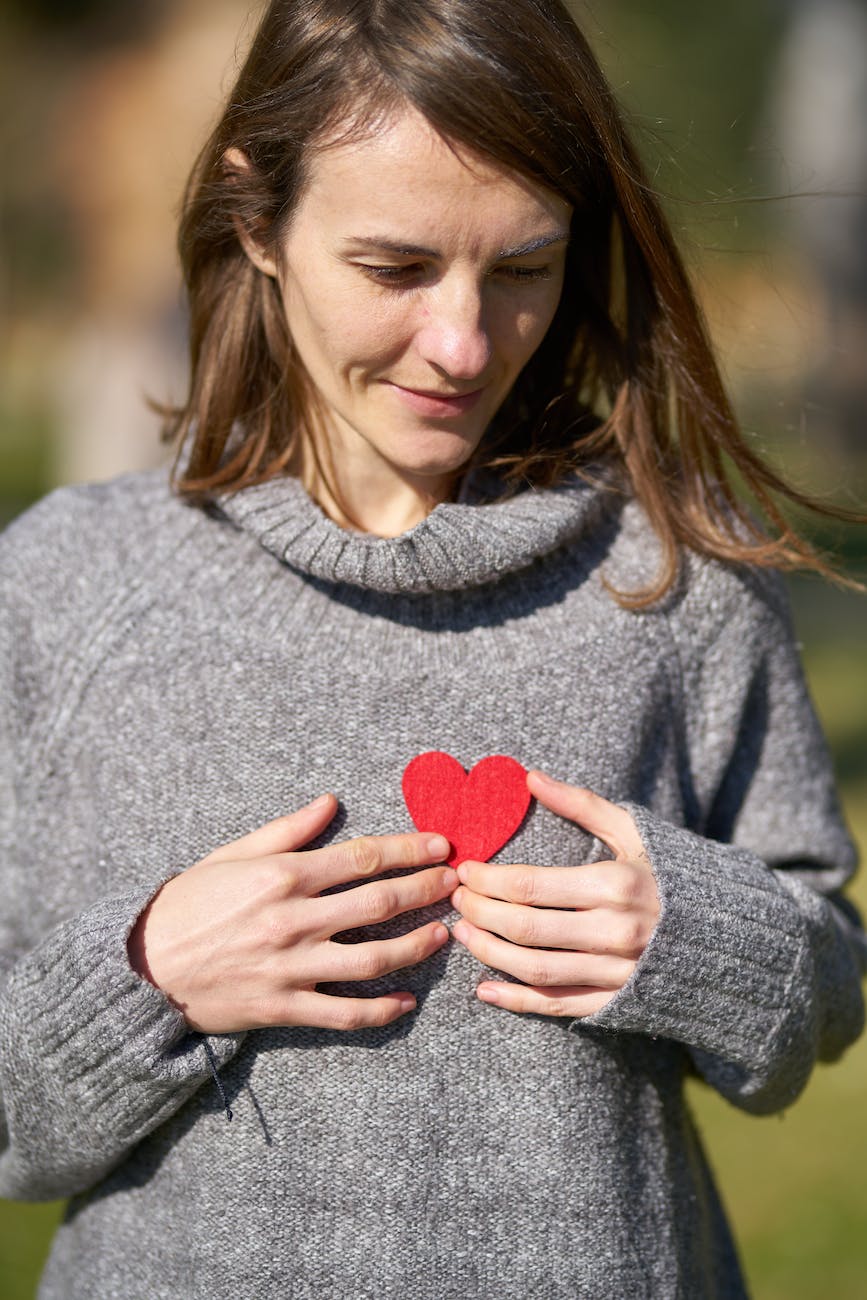
Several years ago, I had the privilege of taking classes in order to become a certified yoga teacher. YTT, as it is often referred, was a year-long process that involved much reading, studying, and, of course, yoga practice. One of the more fascinating facts that I learned during this process was that each person has a unique heartbeat. It is a point of awe for which I find myself contemplating at times when I am in need of self-comfort/reassurance.

Driving home recently on a golden fall lit afternoon with gilded leaves swirling and whirling in a dance down to Mother Earth, I thought of our Creator and the unique gifts of creation all around. Ahead of me were the rolling hills of southern Ohio and beneath my road was a ribbon of river, sunlight glinting off its glassy flow.  Cracking the window and turning off the radio, I inhaled the crisp fall air as it glided through the car’s interior embracing me like an old friend.  Instinctively, one hand went to the heartspace of my chest, and in the moment, I felt the pulse of gratitude and sighed with peace.

Now, to be honest, it was also a sigh of relief.  I was more than happy to have the challenging work week behind me! However, that simple moment of gratitude and relief served as a reminder of the uniqueness of my heartbeat, and hence, the uniqueness of my own life.  Which led to my mind’s meanderings of the singularity of each individual life.

Photo by Darshak Pandya on Pexels.com

It turns out that national agencies, such as NASA and The Pentagon (at the request of US Special Forces) , as well as private technology companies, such as Bionym, a Toronto based company, recently acquired by Inominds out of San Jose, have been researching and harnessing the technology around the unique heartbeats of individuals. According to Andrew D’Souza, the one time president of Bionym, the original maker of Nymi, a wearable device that the uses an ECG to identify the wearer, each one of us has a unique heartbeat that is based upon the size and shape of our hearts as well as the orientation of our heart valves and our unique physiology.  This individualized rhythm can slightly change with age, about every five years, and can also be altered if a person suffers a major cardiac event, such as a heart attack. Nonetheless, even with age or a cardiac event, our heartbeat remains unique to each person. Even when our heart rate is elevated from exercise, stress, or anxiety, D’Souza explains that electrically speaking, our heart waves still look the same. 

Without going into further scientific depth my rabbit-hole deep dive produced, an overall message kept emerging, each person’s heartbeat is definitively different and unquestionably unique to each individual.  The power of this knowledge brought me back to that sense of awe and wonder that I felt on the autumnal afternoon drive home.  Even after an exhausting week in which I felt like one lone worker ant in a colony of ants, each with our own humble roles, knowing that my heartbeat was not like that of anyone else was a comforting reminder that I am, indeed, a uniquely Divine creation. And so are you Dear Reader!

In a world where divisiveness and partisan language seeks to divide, separate, and categorize us into opposing factions, it is worth remembering that each one of us is a unique creation, a child of our Creator.  Our individual heartbeats can serve as a reminder that we are here to, as the saying goes, march to the beat of a different drummer and not necessarily to conform to any one group or one way of being. We were not created to be the same.  Indeed, each one of us is unparalleled, designed to offer our special gifts and talents to the world.  No one else can be me, and no one else can be you!

Photo by Karolina Grabowska on Pexels.com

Therefore, on days when you’re feeling out of sorts, overlooked, or overwhelmed, place your hand on your heart center.  Feel the one-of-a-kind rhythm of your own heart.  Allow its individualized cadence to serve as a reminder that you do matter.  No one else can be you.  You, and you alone, were created to follow your own beat, and offer your own rhythms to the world.  

Your heartbeat demonstrates that you are special, and YOU ARE.  Know it.  Believe it.  Act on it in a positive way by caring for yourself and your heart, so in turn, you can walk to the beat of your own drumming heart, blessing the world in the unique ways in which only can do. 

Photo by Engin Akyurt on Pexels.com

Hiking Forward Into the Season of Now

“There is something in October sets the gypsy blood astir: we must rise and follow her , when from every hill of flame she calls, and calls each vagabond by name.”–William Bliss

Fall is the perfect time for hiking, walking, or simply heading out-of-doors for any sort of physical activity.  The changing landscape, crisp air, and the earthy scents of damp soil, decaying plant matter, and the musky-sweet scent of drifted piles of discarded leaves invigorate the soul.  After sluggish months of heat and humidity, autumn’s sudden drop in temperature is enough to not only add bounce to our step and inspire movement, but also create stirrings within.

Fresh air has a way of plowing the mental landscape into a bucolic pasture of peace and positivity–if only for a short while.  What miraculous logic lies in this seasonal change.  It is as if, by Divine design, that fall provides us with an opportunity to elevate the spirit, boost the body, and clear the consciousness in preparation for the impending darkness of winter months.  

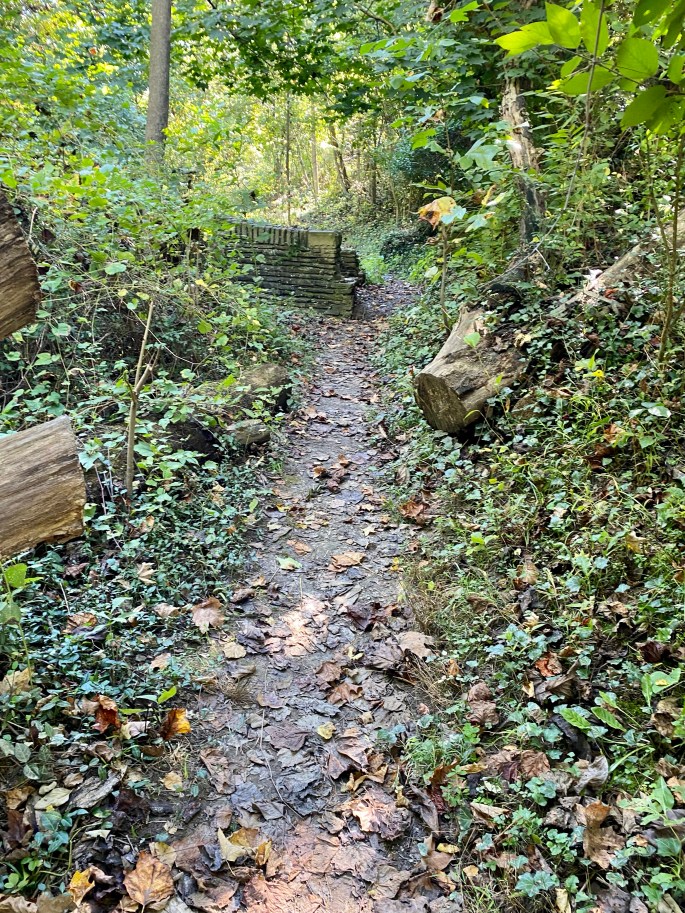
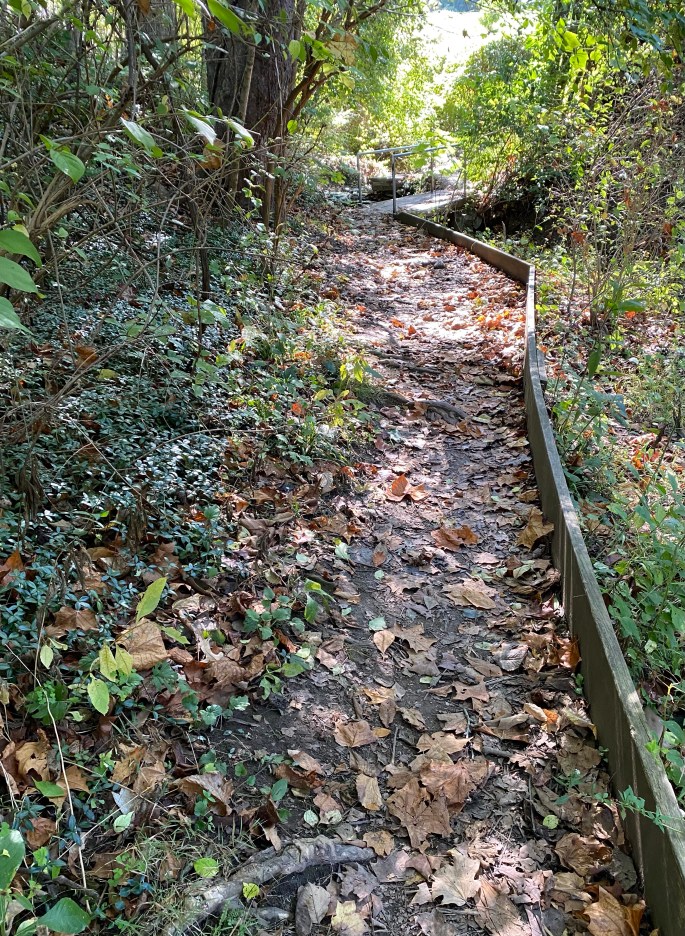
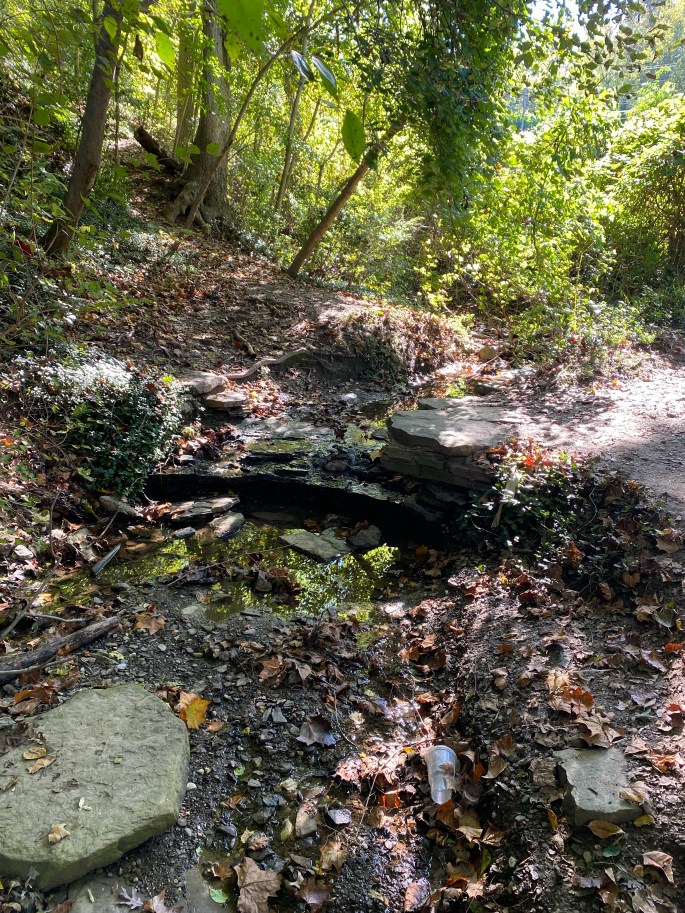
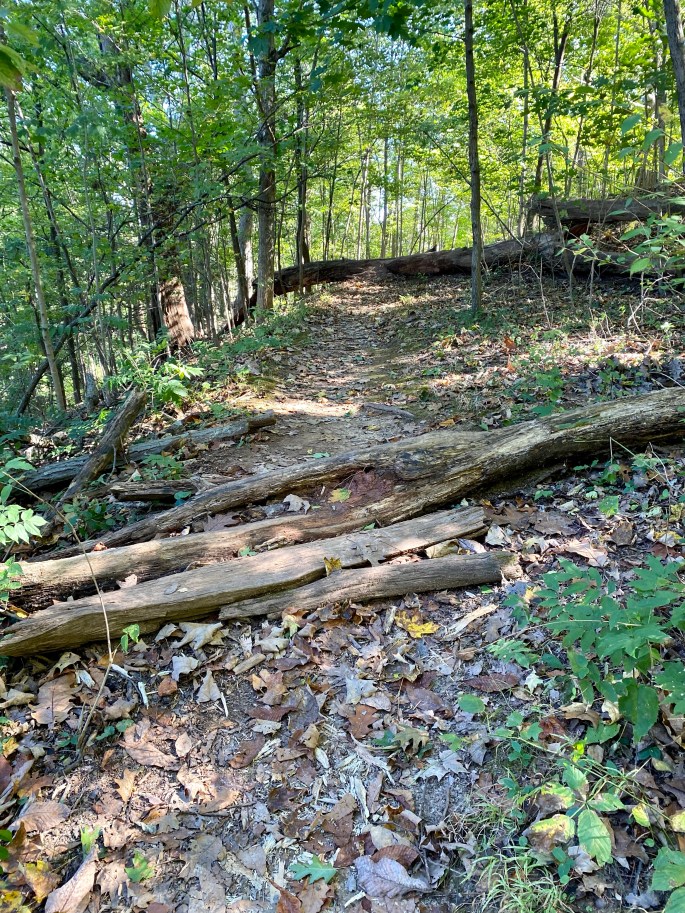
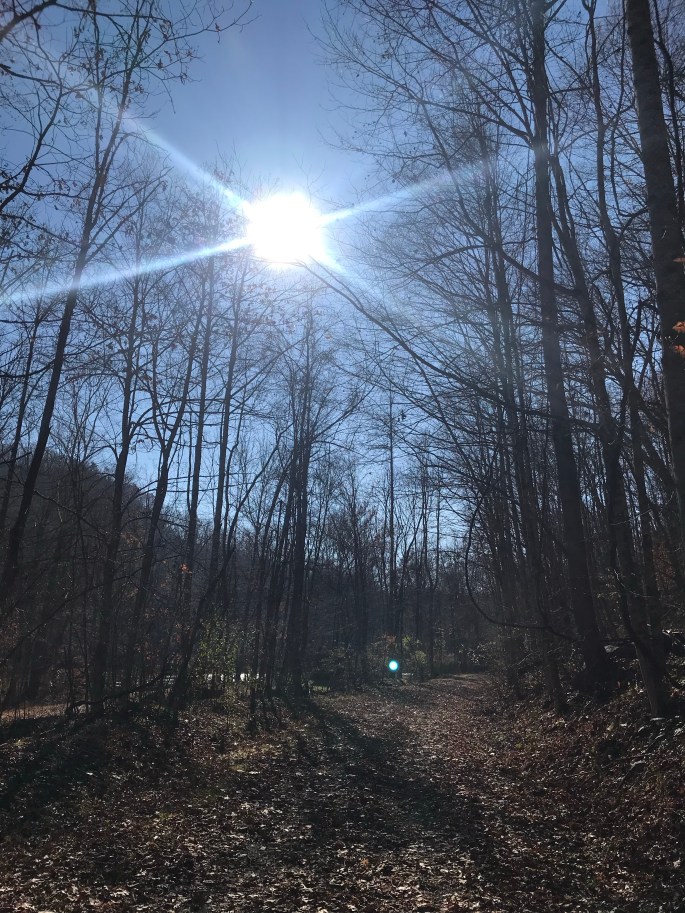
Walking this weekend along a favorite wooded path, I couldn’t help but follow these seasonal musings of my mind.  After a long, exceptionally challenging week, it felt both cleansing and healing to immerse myself in the quietude of nature.  No headset, nor blathering talk; no tedious tasks, nor irksome situations.  Like soaking in a warm, scented bubble bath, stepping onto the wooded path, I immediately felt submerged in the tranquil bathwater of autumn.

Before long, I was lost in the sounds of restless tree branches bouncing in the fall breeze, the humus scent of mulched debris, and the changing hues of leaves and grass.  Of course, my mind does not like to be quiet for long, and soon enough, childlike tantrums for attention interrupted my equanimity.  Without any warning, my mind began stumbling and bumbling through past events instead of anchoring to the present and peace of the surrounding natural world.

“I cannot endure to waste anything so precious as autumnal sunshine by staying in the house.”–Nathaniel Hawthorne

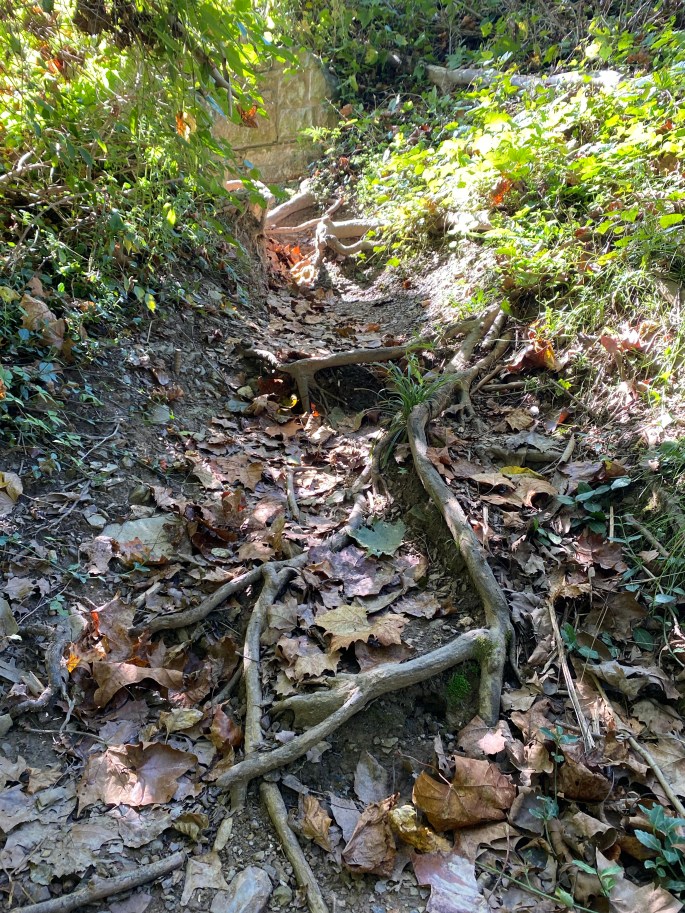
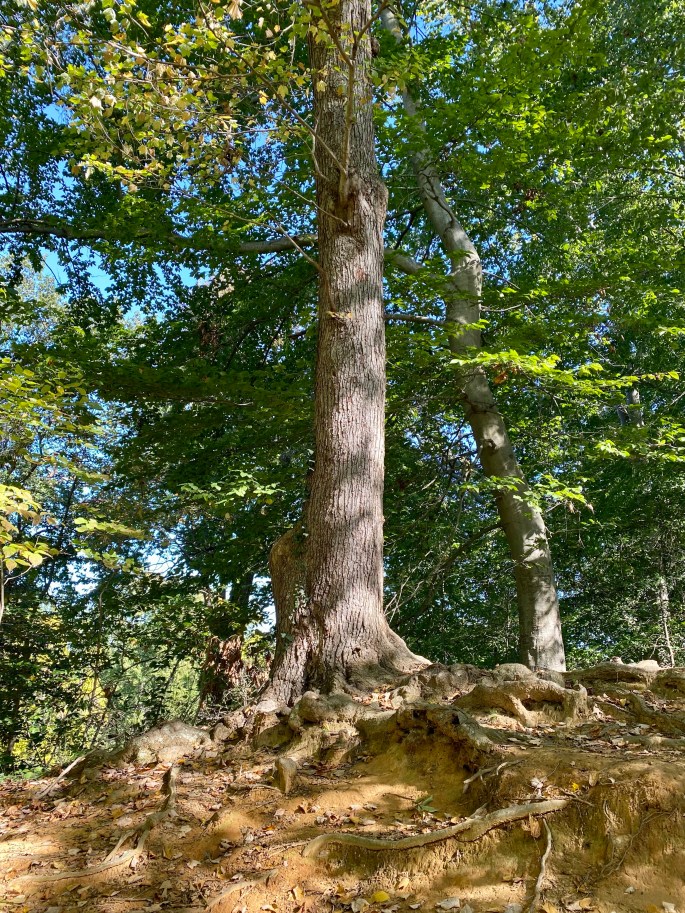
Isn’t memory a curious process?  You can forget about an event, experience, or moment. Then suddenly, as if tripping over a tree root along a smooth forest pathway, you tumble head first right into the past.  Like the long roots of trees, past episodes can be found along our life path, but often we are so focused on moving forward, we overlook those rooted memories that make up the tree of our life. This isn’t necessarily a bad thing, unless we haven’t made peace with certain past events.

In the ideal world, falterings into the past can be easily side-stepped, allowing us to keep moving ahead with ease.  Like the broken limb of a tree, these past happenings may have left us feeling as if a piece of our life was fragmented.  Sometimes, these can be small, mendable, events. Other times they are life-altering occurrences that sever ties with a friend, love, or even family member.  Divorce, death, loss of job/home/income, and other hurts can all leave us feeling as splintered as a proverbial tree trunk. 

At the time, it feels as if we will never be whole again; never able to grow, much less thrive.  However, like the maple tree that lost a major branch in a winter ice storm, our hearts, given time, do heal at the source of the break.  It may take several seasons to fully recover, but similarly to the mighty maple, once recovered, we find we can tap into the sweetness of life again.

Some triggered memories, like a fallen log across the path, can seemingly be foreseen well ahead of time.  It could be a special celebration, a family or friend gathering/reunion, a party, or other organized event.  We see it well in advance–the potential to bump into branches of our past.  Therefore, we deliberate, strategize, and plan how we will not allow ourselves to be tripped up, to fall into past, negative behaviors, or other self-defeating notions.  If we’re fortunate, we trek through the event without a single obstacle tripping us up, and we wonder why we wasted all that time worrying. At other moments, we repeatedly flounder through multiple encounters without ever gaining a steady foothold due to overthinking or over-efforting.

Other memories we stumble across can be simple knee and/or palm scrapers–just a little momentary scuffle.  They are the unforeseen life encounters in which we come face-to-face with our past.  Like that hidden rock along a regular walking path, unearthed by heavy rainfall, we’re confidently moving forward when suddenly a buried memory triggers a brief, but sharp tumble.  Momentarily we are once more wounded, lost in the temporary feeling of pain, but quickly rise, wipe off the proverbial dirt of the past, and keep hiking on.

Then there are those rocky memories.  Those awkward, cringe-worthy moments of impulse, illogical, or otherwise preposterous life hiccups.  Like the rough part of a well-worn rocky path, all lives have these times. In fact, these memories, when randomly run across, can sometimes leave you doubled over with laughter as you fumble through recollections of those bumpy reminiscences. 

Aw, the path of life, like any good hike in the woods, is full of thorny patches, toppling obstructions, and adversarial pitfalls.  Nonetheless, our trails also meander through lush fields of golden moments, wound ‘round bends of colorful times, and over walkways of unexpected joy and bliss.  Through the seasons of memories, all the good and the bad, our life paths keep moving us forward. Thrusting us into the now of our lives. 

Clearing my mind, and shaking out its detritus of the past, I once more returned to the present moment of the autumnal walk. I felt the air brush softly against my cheek and watched a chubby, round-eyed raccoon waddle away from me. I left the past behind on that trail, decided to let the future take of itself, and began to once more soak up the present moment of the fall goodness, one glorious step at a time.  Oh, how I love October.

“I’m so glad we live in a world where there are Octobers.”–L. C. Montgomery, Anne of the Green Gables

Mom told us to get out outside and play!

Cricket’s Song

“When the cricket’s song is the only song you hear, how peaceful the whole earth seems.”–Marty Rubin

My face masks were washed from the previous week of work.  The sun had already kissed the horizon’s forehead before slipping away into the dusk, but it was not yet full dark.  I headed towards the garage of our home with the clean masks in hand in order to stow them away with the others in a large ziplock baggie I keep in my car.  Stepping down onto the concrete pad, I was struck by the singing of a lone, unseen cricket.

Photo by NO NAME on Pexels.com

Goodbye, goodbye, goodbye . . .goodbye, goodbye, goodbye . . .goodbye, goodbye, goodbye . . .”  sang the hidden insect.

It seems as if it is a rite of seasonal passage for one cricket to find itself trapped in our garage. Even as a child, I seem to recall a single cricket trapped in my family’s garage, and later, the laundry room. In fact, I can once recall sitting on the step to the laundry room during a summer stay at home from college, listening to a lone cricket chirp its tune of summer’s end, and feeling both the mix of anticipation and sadness at the changing of seasons within my own life.  

Later in the week, having temporarily forgotten the guest residence of the cricket in our garage, my husband, John, and I exited out of our car after a dinner out, and we were greeted by the sound of our guest once more.

Photo by Neale LaSalle on Pexels.com

Goodbye, goodbye, goodbye . . .” our guest continued its mournful solo concert.

Even as I closed the garage door and turned off the light, I could still hear its song of summer’s end continuing despite no longer having an audience.  

Early the next morning, I walked out to the garage to once more stow away another item into the car.  The sun had not yet made its morning ascent, and the garage was filled with shadows and predawn edginess. As I reached for the garage door handle, I paused. The cricket was still singing its melancholic song.  I had to wonder at the miracle of this creature’s voice and sense of perseverance.  How could it continue to sing throughout the night–even if no one was there to appreciate it’s fine farewell chirrupings?

Entering the garage, its piping paused momentarily.  Then when no harm came its way, its singing resumed full strength as I made my way to the car with my belongings. Returning to the house, its trilling continued even as I shut the garage door.  

Goodbye, goodbye, goodbye . . .”  

“The crickets felt it was their duty to warn everybody that summertime cannot last forever.”–E.B. White

The cricket’s reminder that change is coming.  Summer’s warmth will soon be passing.  Leaves will soon slip the bondages of tree limbs, grasses will fade, and wintry winds will whir their chilly thoughts soon enough.  Silky time slips slowly through a faucet of seasons, drip by drip, slowly weathering away the husks of our bodies like water gradually wearing down a rock, eventually returning it to the dust of our Creator.

Photo by Vlad Bagacian on Pexels.com

Shortened days and longer nights, 

Football and band songs

Sweaters and caps, 

Bonfires and marshmallows 

Amber and red swirl over 

A ribbon of black  

Soon the first kiss of frost.

“Goodbye, goodbye, goodbye . . .  

It’s been a week since the unseen cricket took up residence in the collections that fill the garage. Since then another loved one has left the earth; perhaps he sings for him.

Life is short

Life is sweet

Love is a river of time

Filled and flowing 

With the rhythm of

Seasonal rains and

Periods of drought 

Through, over, and around

Ultimately, returning to the Source

Goodbye, goodbye, goodbye . . .”

The cricket bids you adieu, my friend. 

Dusk has slipped into night

Your tortured time 

Filled with shouts of pain

Has ceased into a timeless song of peace

Yet

Your imprint abides

Through students and players

O’er fields of dreams and

Work sites unseen

Through sons and grandchildren

And even four greats

Your legacy endures

May your hands be still at last

“Goodbye, goodbye, goodbye . . .” trills the cricket once more.

The cricket's song is a reminder that change is coming.  Goodbye warm summer days. Hello frosty autumn starts.  Soon we all will rest.


Birdsong: A Harbinger of Hope

“Faith is the bird that feels the light and sings when the dawn is still dark.” –Rabindranath Tagore

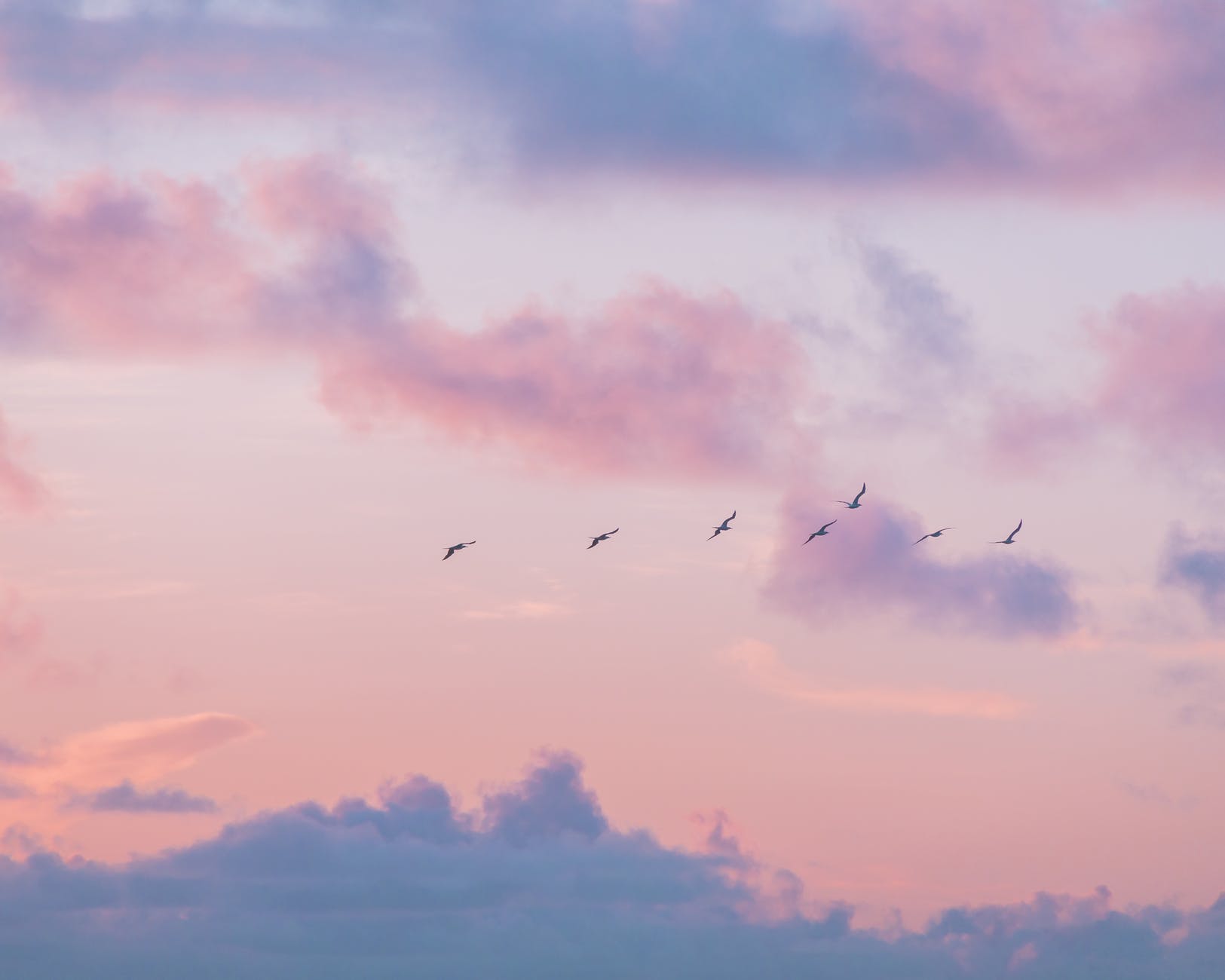
It is typically during the seventh hour of the day at some point in February, when there is a noticeable shift in the time the sun rises, that I become aware of their return.  Upon first hearing their growing morning melodies, while walking into the school in which I am an educator, their sweet sounds encourage me that winter will not last forever. With the arrival of March, there is a gradual shift in the start of their chorus as it begins earlier like the daylight.  As March melts into April, and April fades into May, their symphonious soundings continue to advance, in sync with the brightening of the sky.  Softly their voices appear, as darkness begins lifting its veil, until the cacophony of their songs reaches full crescendo with the rising of the sun.

“Birdsong brings relief

to my longing.

I am just as ecstatic as they are,

but with nothing to say!

Please, universal soul, practice

some song, or something, through me!”–Rumi

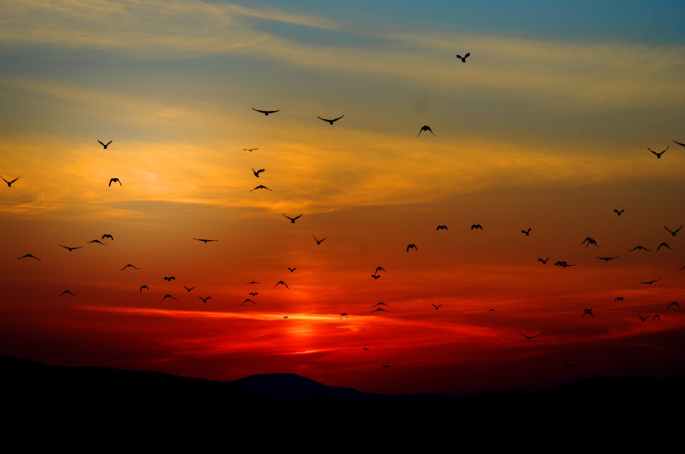
As one who rises well before dawn, but does not necessarily enjoy such premature risings, I do, nonetheless, appreciate the moments before the brightening of the sky:  birdsong.  These hopeful melodies, it seems to me, offer praise and thanksgiving for the arrival of the new day.  Birds sing regardless of the temperatures, whether there is frost or dew on the ground, or whether there is a bitter bite of the wind or the air is utter stillness.  Their animated voices echo among and around the hills of our area, playing a sort of hide and seek with the give and take of the various songs of each species.

I once read that because King Solomon understood what the birds were saying in their chirpings, they often remained near him.  Supposedly, St. Francis’ presence was so calm and reassuring that songbirds frequently alighted upon his shoulders.  While I am not sure that either of these accounts are much more than lore, they are certainly lovely images to contemplate in the midst of a morning birdsong performance.

Photo by Jess Vide on Pexels.com

This year, it seems to me that the birdsong of sunrises is a metaphor not only signifying the arrival of spring, but also life after the pandemic–at least for those of us fortunate enough to live where those affected by COVID seem to be decreasing.  Like a great collective exhalation, the birds’ songs reflect the hope and freedom that is life after quarantine.  The freedom for humans to flit, flutter, and fly from place to place, as if riding on the wings of these birds, seems as welcome as the spring weather.  Of course, I would not yet throw caution to the wind, but it does seem, at least for now, the worst is behind us.

This weekend, for the first time in months, I met a friend, and we walked together on a local walking path.  In spite of the early morning chill, the give and take of conversation while exercising felt as victorious as the first blossom of crocus emerging through a crust of white snow in late February or early March. As we walked and talked, birds offered a euphonious soundtrack, better than any store muzak, as they chattered, called, and chirped from limbs, lines, and landscape, tilting their small heads this way and that; our great guardians of the walk.

As the birds awakened my later weekend slumberings on the morning of this writing, I couldn’t help but wonder, as I wiped the sleep out of my eyes, at the birds’ optimism.  Even in the darkest days of quarantine, those harmonious fowls kept up their song.  In fact, they never ceased, not for one day.  No matter the restrictions, the overwhelm, the confusion, and the fear that existed among the human population, especially in the early stages of the pandemic, the birds held fast to their habit of daily, lyrical praise.

There is a scientific theory loosely held by a few scientists that the songs of birds, especially in the early dawn hours, vibrate at an ideal frequency to promote plant growth and yield.  It is theorized that when exposed to bird song, the stomata–the mouth-like opening found on the bottoms of leaves–open wider.  This widening allows for a greater exchange of air–expelling more oxygen–and also permits greater absorption of water and nutrients.  

Photo by Dariusz Grosa on Pexels.com

I can’t help but wonder if that is what the birds are likewise trying to do for humans.  In an act of Divine Instrumentation, a bird’s song is not only to aid in the growth of plants, but likewise in the swelling of the human soul.  Perhaps, those songs occur, in the birth of the day, when all is fresh and renewed from a night of rest, at an optimal time to widen the human heart, providing a greater opening for an exchange and absorption of optimism and aspiration from these winged creatures.  

In fact, one could think of each lifted note sung by feathered friends as a harbinger of the positive possibilities each gift of sunrise brings us–if only we allow our souls to remain open to them.  Working symbiotically with the oxygen expelled from the stomata of a plant, we too, can increase our own personal growth and yield by remaining unrestricted to the promising potential each day offers.  Even though the sky is still dark, the birds faithfully start their singing.  We can choose to do the same. 

 “ . . . . Birds make great sky-circles of their freedom.

How do they learn it?

They fall, and falling,

They’re given wings.–Rumi

Photo by Jou00e3o Jesus on Pexels.com