Movement as Medicine: Staying Active in Your Older Adult Years

“Movement is medicine for creating change in a person’s physical, emotional, and mental states.”–Carol Welch

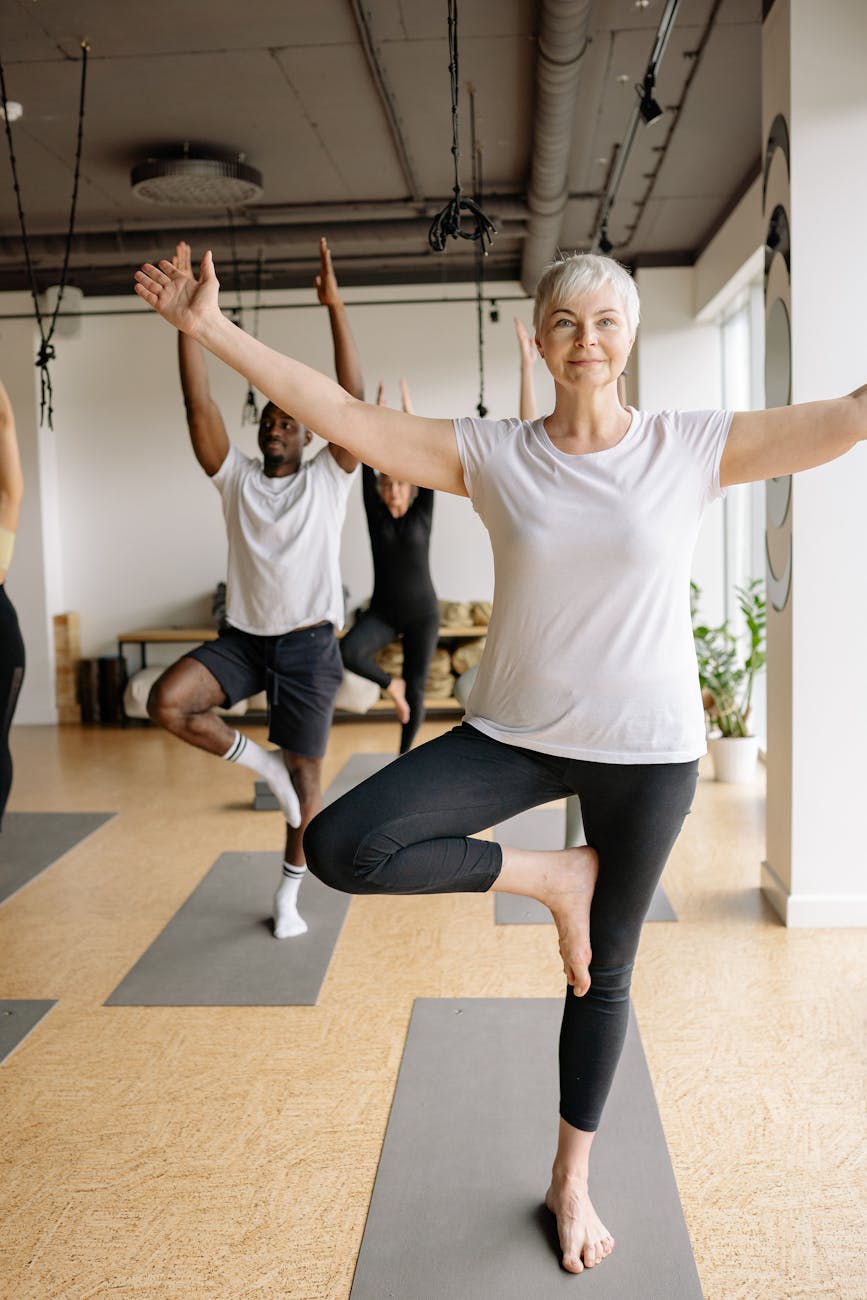
Photo by Roman Biernacki on Pexels.com

Let’s get Ready to Move! 🏃‍♀️

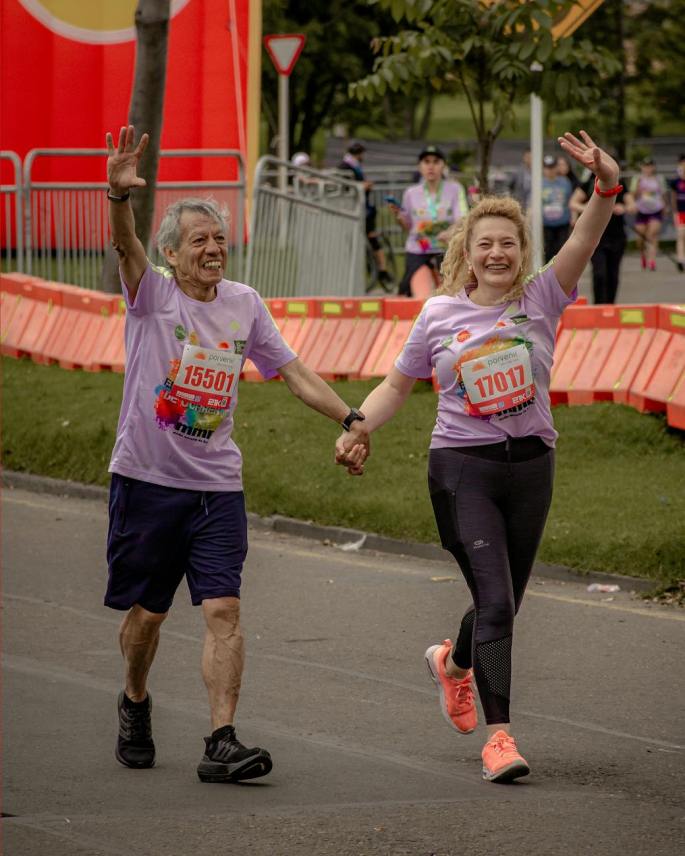
By the time you read this, I will be close to one week out from running (ok, jogging, “slogging”, whatever you want to call it) the Marshall University Half-Marathon. This annual community event motivates and inspires hundreds of locals and nonlocals to train, improve their current fitness level, and participate in the 5K, the half-, or the full-marathon distance.  Plus, it brings together a whole host of volunteers who support participants along the way.

Each year that I’ve participated, I hear numerous stories about those who haven’t trained for MUM, still participate, and do well.  My hats off to them; I appreciate that they can do that.  However, I find the training, and the build-up to the event, are part of the excitement and joy of the journey that includes completing the event.

Photo by RUN 4 FFWPU on Pexels.com

Giving meaning and purpose to Exercise through signing up ✍️

It typically takes weeks, or even months, of deliberation before I decide to sign up for a running event–even an annual event such as the MUM. Therefore, once I make the decision to pay the entry fee for an event, I am fully committed to a training plan. This is not because I have any desire to place or set records, but because signing up for an event is the extra motivation that gives meaning and purpose to my exercise.  Plus, it keeps me simultaneously excited and nervous in a good way.
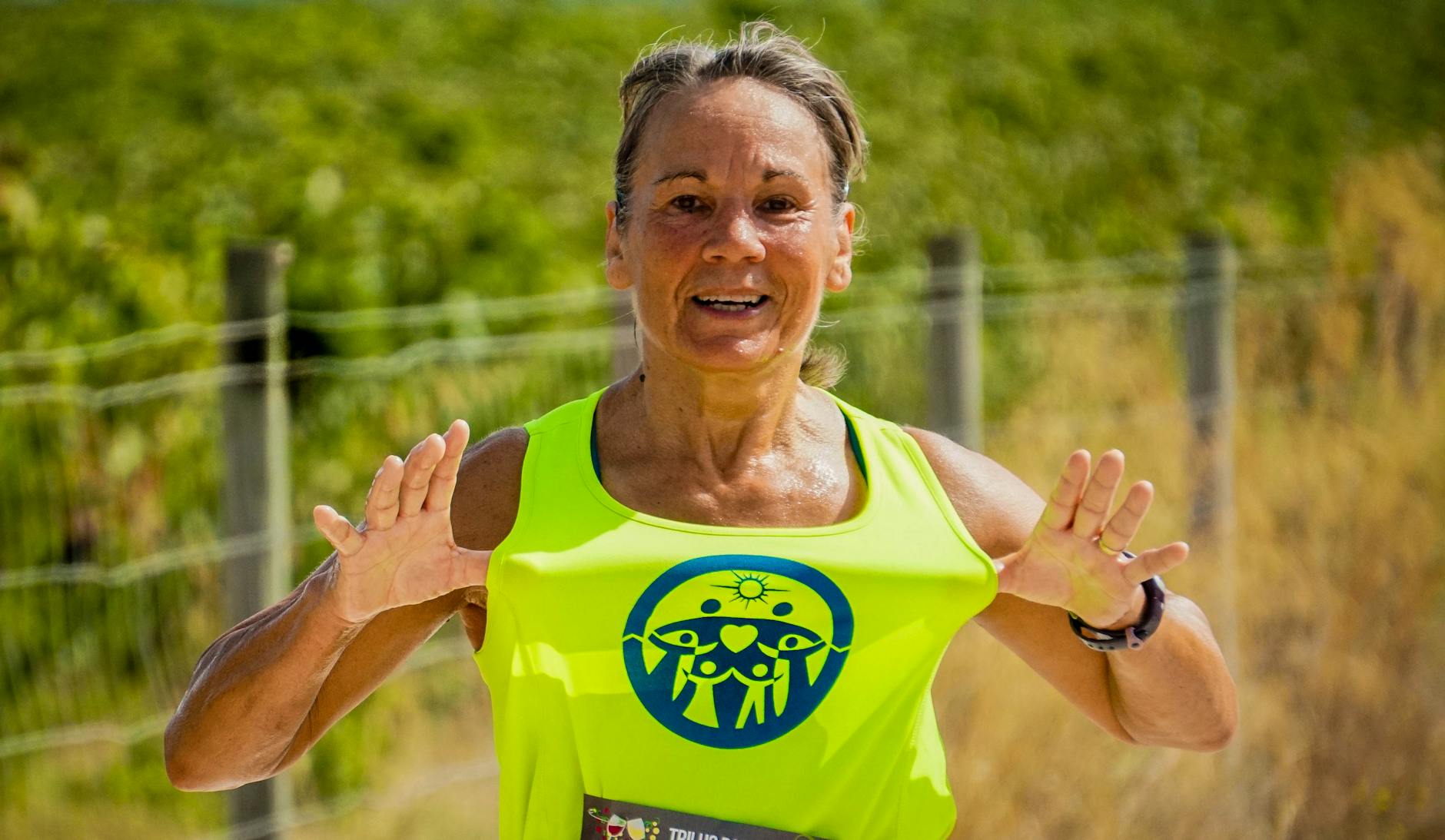
Photo by RUN 4 FFWPU on Pexels.com

Exercise at any age! 👵🏼

Still, I have those who ask me if running is still safe for someone at “my age.” News alert! There is no milestone-age at which you should cut-off exercise.  In fact, exercise and/or movement can, and probably should, be embraced across all ages, including those of us in the AARP years, which is anyone over the age of 50. That said, you do have to manage your expectations, but movement and/or structured exercise can be a healthy part of the “golden years.”

That said, of course, if you have had an injury or have certain health conditions, you must respect your body’s limits and boundaries, but it doesn’t mean you give up on exercise and/or purposeful movement forever.  By working with a healthcare professional, you can find ways to adapt, modify, and/or create your own exercise plan that fits your body’s unique needs.  
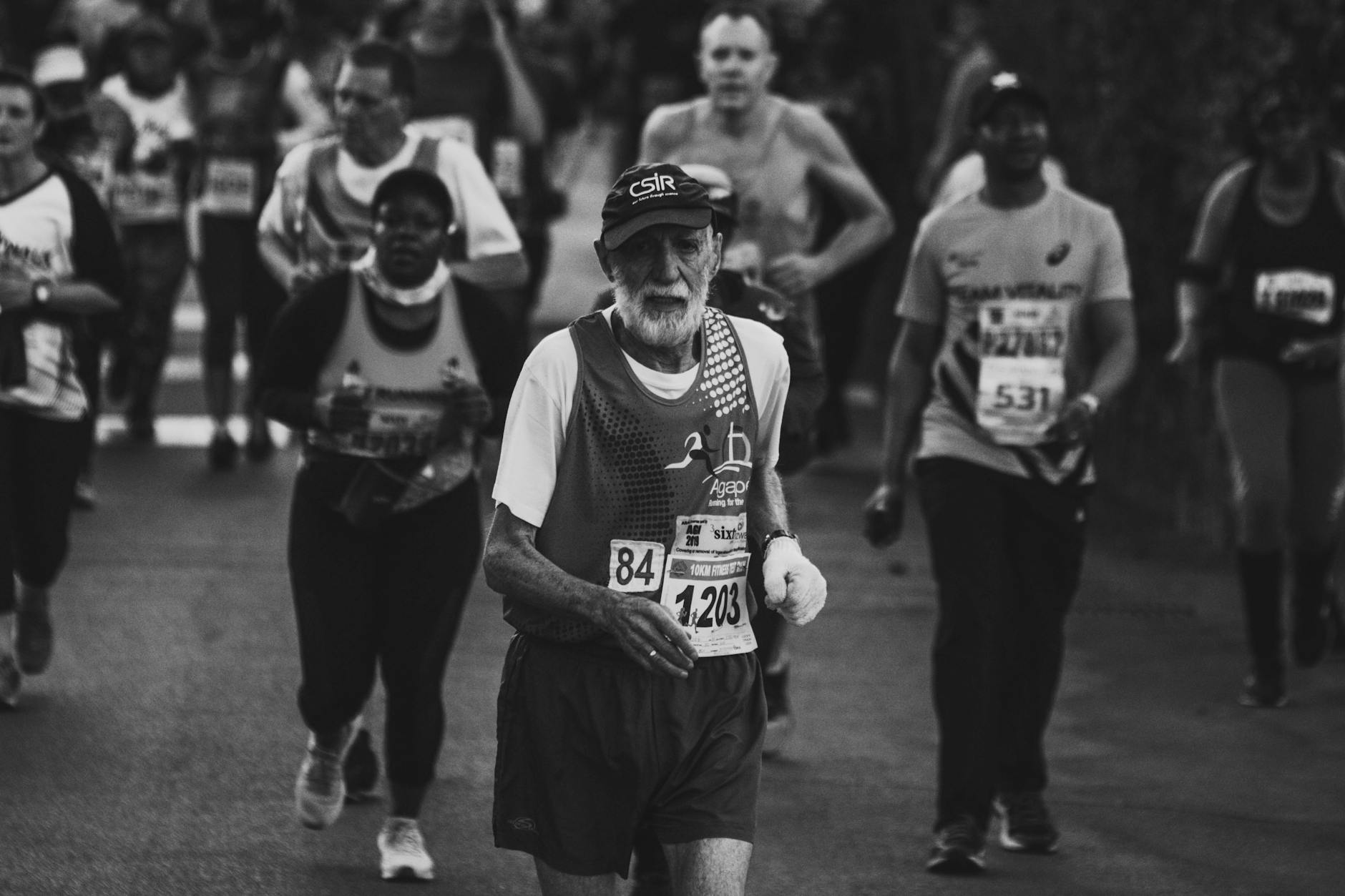
Photo by Vincent Peters on Pexels.com

Tips for moving through those senior years 🚶🏿‍♂️

Here are some key tips and pointers I’ve learned along the way, gathered from other senior exercisers, as well as a few I researched, when thinking about exercise/movement in the, a-hem, “senior” years.

  1. Establish meaningful AND realistic goals appropriate for where your body is now that motivate and excite you.  This is why I enjoy signing up for a half-marathon.  My mantra is: “Set your own pace, and run your race.”  I don’t put pressure on myself that running has to be or look a certain way.  No time is too slow, and I can take as many walk breaks as I need.  That said, you can approach ANY form of exercise in a similar manner 

Set off in your own unique direction down the the tracks towards empowering your own health and fitness.
  1. Notice your narratives.  This is something that I have begun to notice more frequently. Reflect on how you talk/think about age with peers/friends/family AND self.  Is there often negative talk and thoughts associated with your current age and/or exercise?  Perhaps, you can begin to reframe those thoughts/chatter by leading by example.  Furthermore, look to role-models that motivate you to move more.  I personally often look at my Dad who still walks or hikes daily anywhere from 2-8 miles per day.
  1.  Find your edge. Whatever form of exercise we choose should challenge us, but not too much.  If something changes, and you sense you can do a little bit more, then do so.  But if doing a bit more causes serious discomfort, then back off, and try again another time. 
Map out your own fitness challenge.
  1. Strength train, stretch, and work on balance through practices such as yoga. The CDC in an article entitled,  “Older Adult Activity: An Overview,” states that in addition to cardiovascular exercise, such as jogging and walking, older adults also need to strength train and work on balance.  In fact, AARP offers a 10-minute, strength-training video that can be completed daily, seated or standing. 
  1. Manage your sleep and nutrition: There is a reason these two are often spoken/written about due to the fact both contribute positively, or negatively, towards your own health.  That said, one bad night’s sleep, one indulgent meal, or a day of eating very little, will not necessarily impact your overall health; however, consistently not getting enough sleep and not consuming proper nutrition will gradually, and negatively, begin to impact your physical and mental well-being. 
  1. Find your support or pave your own way.  There’s no one right fitness plan that works for everyone.  Find the type of movement/exercise that best suits your body and motivates you, which may mean exercising with a group, a friend, or at a club. That said, don’t be afraid to go it alone either and share the experience with others later.

Find your support!
  1. Exercise can be therapy. Personally, I know my mental health greatly benefits from movement. The National Institutes of Health, The Mayo Clinic, Mount Sinai, and numerous other institutions all point to the fact that exercise is a mood and mental health booster.
  1.  Tune in to your body’s needs with honesty and integrity. If you’re sick, tired, and/or run down, then maybe a day or two of rest may be what you need. If a joint, such as knee, elbow, wrist, or ankle begins to feel irritated.  Be curious about it.  Are you pushing a certain exercise too hard, too often? Or, are you not moving enough? Learning to listen to the signals our bodies send us is an important part of the exercise/movement journey.

Photo by RUN 4 FFWPU on Pexels.com

movement is medicine! 💊

When it comes to movement, no matter your age, focus on the positives of the experience–whether it is spending time with friends, benefiting your mental health, or feeling more overall strength, steadiness, and/or energy. To be sure, it is often hard to get started, but it is often that feeling of accomplishment you have afterwards that can keep you going. Finally, for those in the official AARP years, keep in mind, “older” doesn’t have to mean sitting on the sidelines. Becoming and staying active, however you define it, truly is medicine for imbuing well-being: socially, mentally, and emotionally. 

Dad and I pausing for a moment during hike this past summer at Barboursville Park.


Why Eat Apples Daily? Discover Their Surprising Benefits

“A diet rich in plant protein, fiber, and nuts lowers cholesterol and improves blood pressure.”–Chiavaroli, L, Nishi, SK, Khan, TA, et al. 

Photo by Mark Stebnicki on Pexels.com

Fall FAvorite 🍎

September brings the official start to fall, and this seasonal shift means apples are coming into season. Even though apples tend to be available year-round, the advent of fall means local apples are available, and the prices of apples at supermarkets will be their best.  Therefore, it’s a great time to take advantage of apples’ versatility and nutritional benefits.

Personally, apples are one of my favorite fruits.  I embrace the many varieties of apples for their various flavor profiles and textures, although I do tend to prefer the crisp varieties. What I especially appreciate about apples is that they can be a tasty part of any meal–breakfast, lunch, dinner–or simply as a snack.   

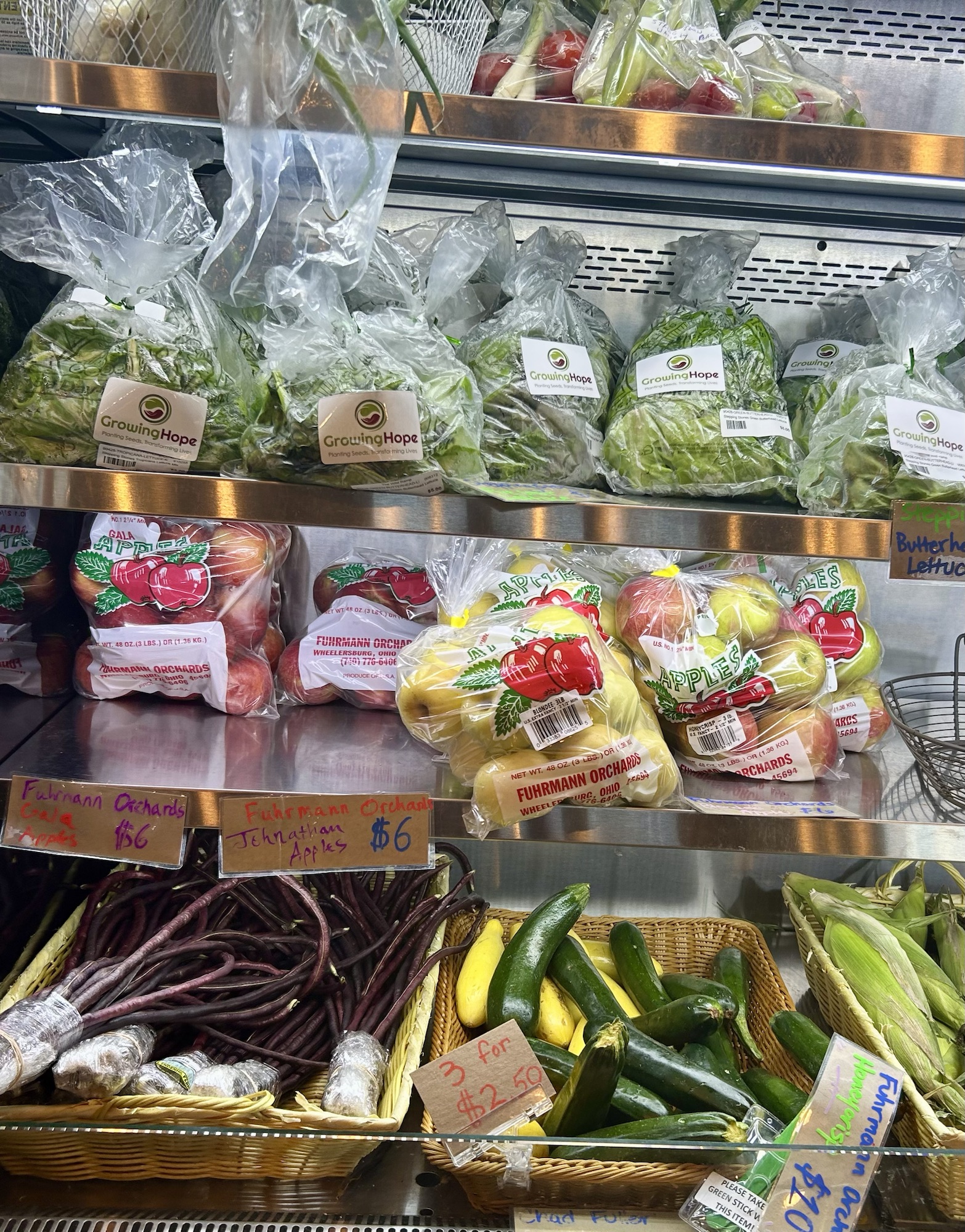
Fall is the perfect time to visit local market, such as The Wild Ramp, to pick up deals on locally grown, fresh apples.

Researched backed foods 🥦 🍓 🫑 🥕

Over the past couple of months, I have been preparing more recipes/meals based upon the latest research found in Alzheimer’s Research and Therapy. This study demonstrated that eating a plant-based diet can prevent and/or slow the progression of dementia due to Alzheimer’s Disease. Plus, eating this way can lower cholesterol and improve blood pressure. Since apples are definitely a plant, they fit right into this way of eating.

Now, for those of you who love your meat, I am not here to preach that it shouldn’t be eaten.  Personal diet preferences are not for me to decide, but I think we can all agree that fruits and vegetables benefit our health.  Therefore, why not lean into adding more plants into meals?  It doesn’t have to be an either/or thing!

Photo by Polina Tankilevitch on Pexels.com

Apple Benefits 🍏

Plus, who can argue against the humble apple? After all, there is a reason the old adage, “An apple a day keeps the doctor away,” is still around today. The Cleveland Clinic, in a post from August 2023, calls apples a “nutritional powerhouse.” The article’s author wrote that regularly consuming apples offers numerous health benefits because they are high in antioxidants–specifically quercetin–as well as fiber and water. In fact, a recent piece on Yahoo!Life stated that “Eating two apples a day may lower cholesterol.”  

Apples offer the following benefits:

  • Help meet daily fiber needs, which will stabilize blood sugar and creating a sense of fullness longer
  • Antioxidants that fight inflammation, which can lower risk for heart disease and dementia caused by Alzheimer’s
  • Help lower cholesterol and reduce blood pressure
  • Benefits the microbiome as they are full of pectin as well as both soluble and insoluble fiber
  • Promotes longevity by reducing risk for heart disease
Photo by RDNE Stock project on Pexels.com

A-peel-ing benefits 🍏🍎

Keep in mind that the skin of the apple is the most nutritionally dense part. A 2023 article on Healthline, states that the peel is the part of the apple with the most fiber.  Additionally, an apple with its skin intact has more vitamin K, vitamin, A, vitamin C, more calcium, and potassium than a peeled apple. 

So why not eat an apple or two per day?  It’s an easy and tasty way to get more plants into your diet. With all the varieties and flavor profiles, you’re sure to find one you like!  Head to your local farmer’s market or grocery store, stock up on your favorite varieties, and take advantage of their best pricing. The versatility of apples lend it to a wide range of recipes, such as the one I am sharing with you today. Then again, there’s no shame in eating at them as they are, which is my favorite way of enjoying an apple.

From my home to yours, I wish you a healthy and happy fall season!

This recipe was inspired by the following sites: Gimme Some Oven, Cait’s Plate, and Engine 2 Cookbook. Feel free to “doctor it up,” as my Grandmother Helen used to call it by adding and/or deleting ingredients that fit your tastes preferences!

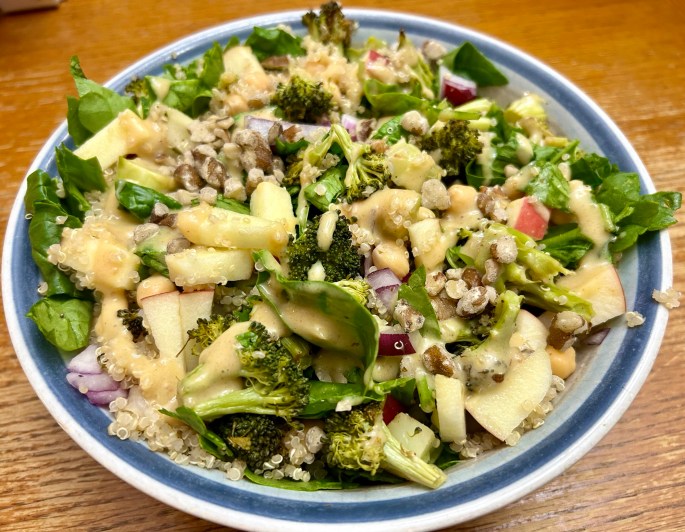
Quinoa Broccoli Apple Bowl with Sweet and Spicy Dressing

Gluten-free, dairy-free

Serves 2, but recipe can be doubled or tripled

Salad ingredients:

½ cup dry quinoa

1 cup vegetable broth

1 small head of broccoli, chopped into bite-size pieces

¼  teaspoon garlic powder

¼ teaspoon onion powder

Salt and pepper to taste

1 can (15 ounce) chickpeas, rinsed & drained

4 cups favorite salad greens, i.e. spinach, arugula, spring mix, etc

½ small red onion, chopped

1 apple, diced (favorite type)

¼ cup slivered almonds, chopped walnuts, or other favorite nut/seeds

Dressing ingredients:

½ cup unflavored, plant based milk

¼ cup Dijon mustard

¼ cup pure maple syrup

¼-½ ground red pepper (depending on level of desired heat)

⅛ teaspoon smoked paprika

⅛ teaspoon xanthan gum (a gluten-free thickener), optional

Directions:

Preheat oven 425 degrees

Coat baking dish (cookie sheet) with nonstick cooking spray or line a baking sheet with parchment paper

Clean and cut broccoli

Lightly spritz with olive oil and sprinkle seasonings (garlic powder, onion powder, salt, pepper)

Bake for 30+ minutes, stirring halfway through

Meanwhile, prepare quinoa according to package directions, using broth as the cooking liquid

While quinoa is cooking, prepare salad dressing by placing all ingredients in a glass jar and shaking well.  

Store dressing in refrigerator until ready to serve

To serve, divide salad greens and diced apple between 2 serving bowls

Divide and top salad with quinoa, broccoli, chickpeas, and onion

Drizzle with desired amount of dressing and top with nuts

Store unused dressing in sealed container in refrigerator for 2-3 weeks

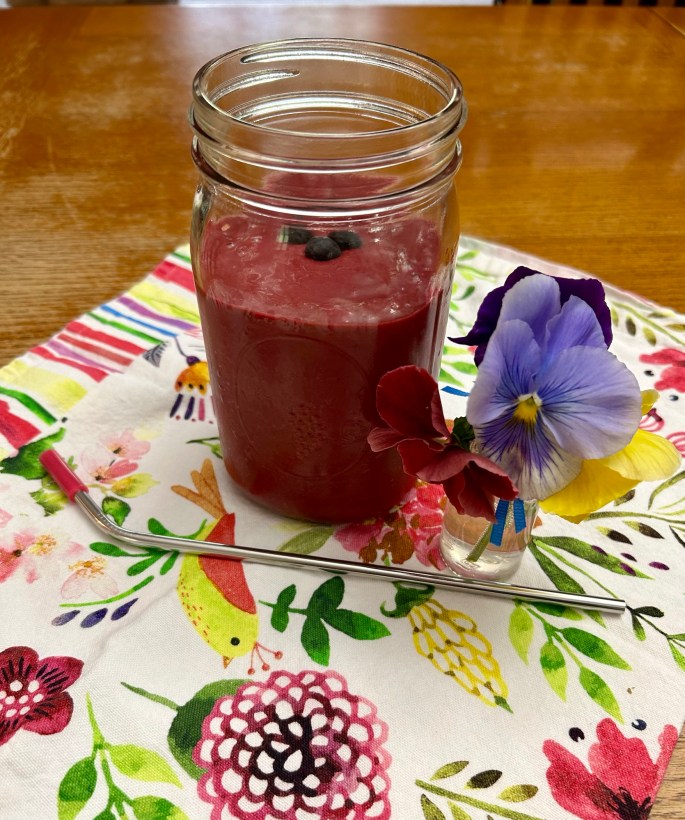
Berry Immunity Boosting Smoothie aka Stress Less Smoothie

The greatest weapon against stress is our ability to choose one thought over another.”–William James

Photo by Pedro Figueras on Pexels.com

The challenge of work-life balance⚖️

It is not uncommon to engage in conversations centering around stress.  Attempting to balance the demands of work and life can be challenging. The combination of long work hours, while also juggling the needs of family, make it difficult to have time to do the things that would otherwise relieve stress, such as regular exercise, outings with friends, or even a relaxing soak in the tub. 

When stress ramps up, there is a chain-reaction in our bodies.  According to Harvard School of Public Health, when stress is high, the body’s demand for oxygen and energy increases, which in turn increases the demand for key nutrients.  Simultaneously, stress causes the body to eliminate other vital nutrients. This can take a toll on the body’s immune system.

As the chain reaction of stress continues, hormones become affected.  If the stress is acute, the body will secrete adrenaline, which suppresses appetite.  However, when the stress becomes more chronic, cortisol levels begin to rise, instigating food cravings.  Cortisol tends to create cravings for foods that are typically considered “comfort foods,” full of sugar, salt, and fat.  Unfortunately, if cortisol stays elevated, the chain reaction continues to wreak havoc upon our bodies, and this often influences our coping strategies.

Photo by cottonbro studio on Pexels.com

The body’s stress response 😰

Chronic high stress time periods, depletes the body of energy and can often reduce time available for decompression. This can inhibit the desire to prepare healthy, nutritious meals.  Sometimes, chronic stress causes us to skip meals.  The downside to skipping meals is that, as the cortisol levels rise, once there is an opportunity to eat, we tend to reach for those comfort foods that will not replenish the body’s stores of diminished nutrients.

Therefore, how we respond to stress matters.  With some situations, we can identify upcoming stressful time periods before they begin, and thus, we can be more proactive.  However, that isn’t always the case.  Nonetheless, there are a few basic guidelines, according to The University of North Carolina at Chapel Hill that are worth remembering.

Photo by Antoni Shkraba on Pexels.com

Tips for eating during times of stress 😣

  • Keep nutrient-dense grab-and-go snacks on hand at all times.  Foods like baby carrots, celery sticks, hummus cups, guacamole cups, apples, oranges, bananas, popcorn, almonds, walnuts, pistachios, low-sugar yogurt, low-sugar granola, low-sugar oatmeal packets, whole-grain crackers and so forth.
  • Eat at regular intervals when possible.  This will keep blood sugar stable, and keep the brain, which needs glucose, working at its best.
  • Eat high-fiber foods. Foods, such as fruits, vegetables, nuts, seeds, beans, oatmeal, and other whole grains, have been shown to decrease perceived stress levels and increase alertness.
  • Focus on eating fruits and vegetables, especially leafy greens, whenever possible.  These foods are filled with the vitamins and minerals your body needs to neutralize the harmful molecules our bodies produce when under stress. 
  • Foods rich in unsaturated fat also help. Think walnuts, flax seeds, chia seeds, and fish oil to name a few. These foods are associated with increased brain function; however, deficiencies in fatty acids can result in depression and/or anxiety. 
  • Be mindful of caffeine and/or alcohol intake. Both of these can disrupt sleep, which the body desperately needs during times of stress.  Additionally, both can increase blood pressure, which can increase feelings of anxiety.
  • Ensure your body is getting enough quality sleep. Getting enough sleep allows the body to reduce cortisol levels and other stress hormones, increasing the chances of remaining calmer in the face of stress.
  • Employ constructive coping strategies. Whether it is talking to a trusted friend or therapist, journaling, meditating, asking for help, or going for a walk–developing positive coping skills is a lifetime skill set. 
Photo by Wallace Chuck on Pexels.com

The reality of stress 😩

Stress is reality at different points in our lives.  While we cannot control when it will arise, we can control our response to it.  It is easy and understandable to seek comfort during times of stress.  However, when those sources of comfort become unhealthy coping mechanisms, such as over- or undereating, drinking alcohol in excess, going without sleep, and so forth, we risk using short-sighted solutions that could lead to developing long-term problems, creating even more stress.  

Stress less smoothie 🍓

Below is my newest smoothie creation.  It is full of nutrient-rich foods that are high in fiber.  Some of the ingredients may cause you to raise an eye-brow in wonder, but I promise, it does taste great.  That said, feel free to adjust, add to, or eliminate ingredients that don’t suit your palate or dietary needs.

This recipe can be made ahead of time and frozen into individual servings.  They will stay fresh in the freezer for up to three months.  Then, whenever faced with a stressful day, take one smoothie out the night before, set it in the fridge to thaw, and then it’s grab-and-go convenience for the next workday. Sip on it through a lunch meeting, or if more time is available, pour it into a bowl and sprinkle on favorite fruit and nut/seed toppings, along with a bit of granola. 

I can’t promise that this recipe will change the stress around you. However, it does provide a powerful nutritional punch to help stave off the effects of stress, and offers one less thing to worry about.  Plus, it feels good knowing that if everything else goes wrong in the day, at least one small part of your day was stress-free.  

Cheers to one less thing to stress about!

Berry Stress Less Smoothie

Nutrient dense, stress combating meal replacement

Ingredients:

2 cup spinach, riced cauliflower, or kale (can be frozen)

½ cup strawberries, frozen

½ cup raspberries, frozen

½ cup cherries, frozen

1 apple

½ cup lentils

1 parsnips

2 tablespoon flax, chia seeds, or hemp seeds (or combination of any two)

2 tablespoons goji berries, OR 2 medjool dates, OR 2 prunes, optional

2 tablespoons cocoa or cacao powder, optional

2 scoops protein powder, optional

1 cup beet juice (can use pomegranate or cherry juice or simply use water)

1 cup milk  plant or dairy based variation)

½-1 cup of water, if too thick

Directions:

Put all ingredients in high powered blender

Blend until creamy and smooth

Makes 2 large servings 

Your Health Journey: It’s more than just taking a pill

“Take care of your body.  It’s the only place you have to live.”–Jim Rohn

Photo by nappy on Pexels.com

Listen to your Gut-Instincts🙇‍♀️

It’s been a little over a decade since I received the medical diagnosis that dramatically changed my life. I spent years battling upset stomach, gas, bloating, heartburn, and lower belly pain that only got worse with age. Pills had always been the answers.  In fact, at one point in my life, I had multiple timers set on my phone to remind me to take prescribed medications before and after eating.  

During a vacation near Boone, North Carolina, with my husband and daughter in which we had to plan our days around the timing of my medication, I finally decided I had had enough.  Call it “gut-instinct”, but I knew that whatever was going on inside my body, the prescriptions were not the answer.

Photo by MART PRODUCTION on Pexels.com

Finding a Doctor to listen 👂

Fortunately, I had a doctor at the time who took me seriously and listened. Together, we discussed a plan of action. Still, it took several months of waiting for tests and lab work to be completed, and more time waiting for results–the “hurry-up-and-wait” shuffle–as I fondly call it.  

I am not sure what I expected the results to be. However, when the letter arrived at my house stating I needed to schedule a follow-up appointment with my doctor (which was already on the books) due to indications of celiac disease and hiatal hernia, I was initially upset due to the dramatic lifestyle changes to manage both.

Photo by Alexas Fotos on Pexels.com

Change is Not Easy 😬

To state the obvious, change is not easy, so I faced a fair amount of challenges as I adjusted my diet.  Ultimately, though, as my symptoms subsided, and, one-by-one, the medications fell by the wayside, my motivation to continue increased.  I also came to see that compared to other potential prognosis, changing my diet was a minor task compared to invasive treatments, therapies, and surgeries.  

I’ve learned much, and continue to learn, along my health journey. Therefore, I share my experience as a point of encouragement when dealing with medical issues. 

Photo by Christina Morillo on Pexels.com

Advocate for Yourself 🗣️

First, I encourage you to trust your instincts, and advocate for yourself, especially if you are a person of color, a woman, a person with a higher BMI, or a LGBTQ+ person.  Unfortunately, as with any field, there are those medical professionals with internalized biases.  While I am confident not all doctors are bad actors, my own personal experience–and that of several others I know–have certainly informed me that if you belong to one of those categories, your complaints may not be given serious and thoughtful consideration. Therefore, you MUST advocate for yourself, even if it means changing doctors or traveling out of the area in which you live.

Photo by Pixabay on Pexels.com

Not every Health Issue requires a Pill

Secondly, sometimes medication is absolutely necessary; however, prescriptions are not end-all-be-all for every situation.  While I did have a doctor who truly listened to me, it still took me advocating for myself and not settling for what he prescribed based upon the medical system in which he worked. I am fortunate that when I questioned the medicine, that this doctor did not take it personally or as an assault on his professional judgment.  Nor did he try to use shame, or blame-the-patient tactics, as I had previously experienced.  He heard me out, asked numerous questions, and based upon those answers, set up a series of diagnostic tests. 

Photo by Brett Sayles on Pexels.com

Be Gentle with yourself as you navigate lifestyle changes 😊

Thirdly, be gentle with yourself if you have to make lifestyle changes. Once I received my results, overhauling my diet was scary–do you know how many things have gluten in them and/or cause reflux? I felt a huge amount of internal resistance to those changes in the beginning because it seemed like such an overwhelming task. 

Lifestyle changes are not easy, and it takes time to make the adjustments.  There are going to be setbacks, slipups, and mistakes along the way.  I know; I experienced them.  Completely changing the way I ate was a steep learning curve, and it was an eye-opening experience. Nonetheless, at the end of the day, I wanted to feel better and not live my life on a series of timers and pills.

Photo by Jack Sparrow on Pexels.com

Find your support 👯‍♀️

Enlist support for your changes. Join Facebook communities or other support groups to help you transition and navigate through the changes. Thankfully, I had support in the form of my family and friends.  Of course, they did not have to necessarily change the way they ate, but they absolutely made, and still continue to make, accommodations for my dietary needs.  This is especially true for when we dine out.  I have a limited number of restaurants in which I can safely eat.  Therefore, if I can’t eat at a certain location, friends and family will nearly always choose another option, so I can also enjoy the meal with them.

Photo by Krivec Ales on Pexels.com

health is a constant series of adjustments along the way 🛣️

Finally, know that your health journey is a continuous process.  Because I spent over four decades without a proper diagnosis, I am still encountering health difficulties.  One of the biggest obstacles I now face is a result of undiagnosed celiac disease.  Celiac causes the villi that make up the lining of the small intestines where nutrients are absorbed to become damaged. Over time, the villi atrophy and flatten due to inflammation from eating products that contain gluten.  

Despite overall healthy eating and consistent exercise, until I cleared the gluten in order to reduce the inflammation in my body, I was not able to absorb enough nutrients, specifically calcium, Vitamin D, and Vitamin K.  Additionally, due to  acid-reflux, I took proton-pump inhibitors for several years, which are also known to deplete magnesium, calcium, and other important minerals.  

Thus, I now have osteopenia.  As a result I have already had one surgery and may later need another one. However, I am doing all I can to keep that from happening, including completing the prescribed exercises, lifestyle changes, and appropriate supplementation of key nutrients.  Additionally, of course, I continue to maintain lifestyle changes with regards to a gluten-free diet, low-acid diet, and I am now more motivated to continue consistent weight-bearing exercise to keep my bones as healthy and strong as I can. 

Our health is truly a source of personal wealth.  Therefore, learning to advocate our own health needs is critical.  To be sure, doctors are highly educated, but that doesn’t mean they are fully educated when it comes to YOUR BODY and YOUR unique HEALTH needs.  

Photo by Yan Krukau on Pexels.com

IT’s your body. Treat it Well.

Speak up for yourself.  Trust your instincts.  If you need medication, take it, but don’t overlook lifestyle habits as well.  Educate yourself on lifestyle habits that can positively (and negatively) impact your health and make adjustments as needed.  Don’t be afraid to ask for support, and forgive yourself if you slip-up along your health journey.  

At the end of the day.  It is your body.  It is the only one you have.  Treat it like the sacred, precious gift that it is.

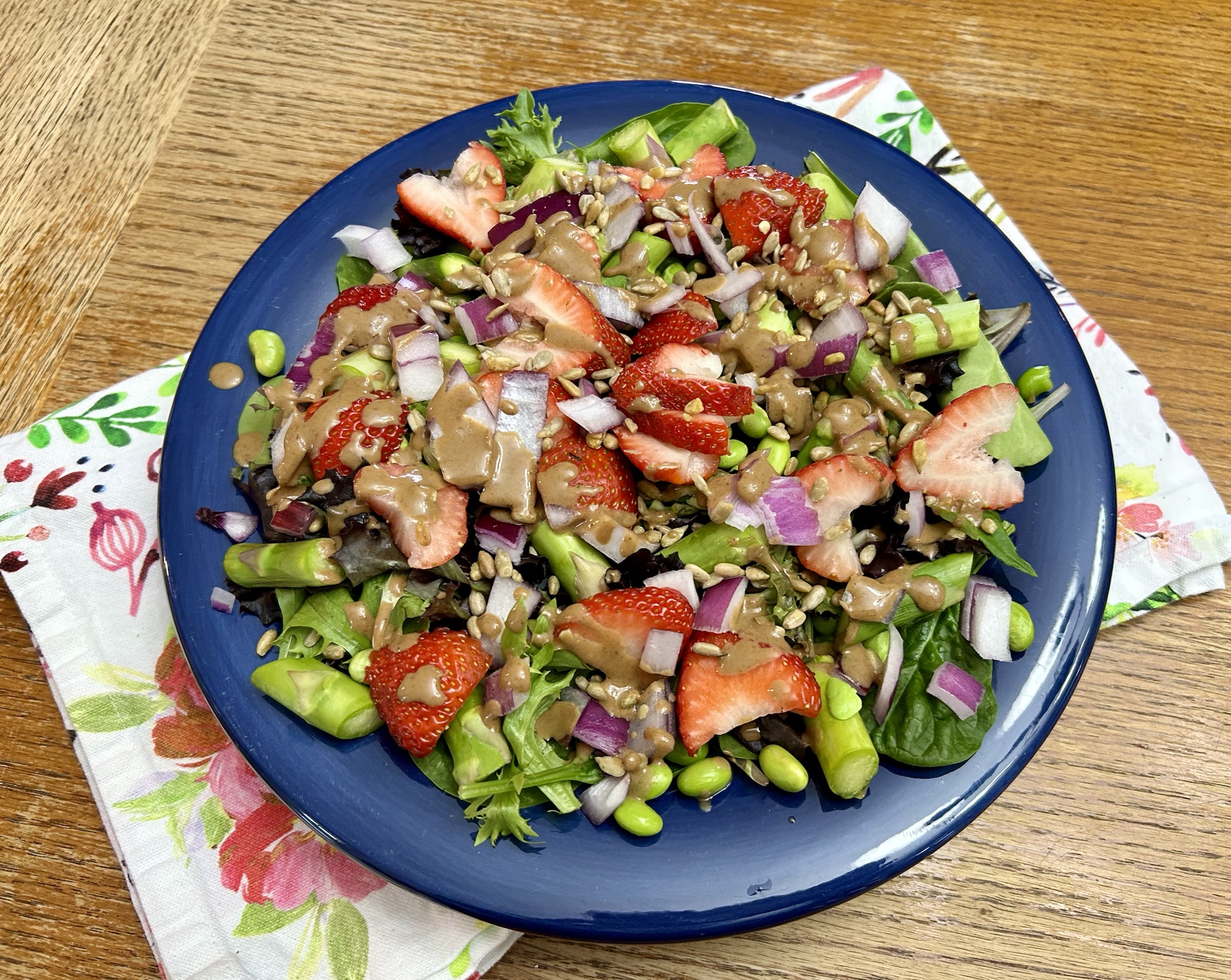
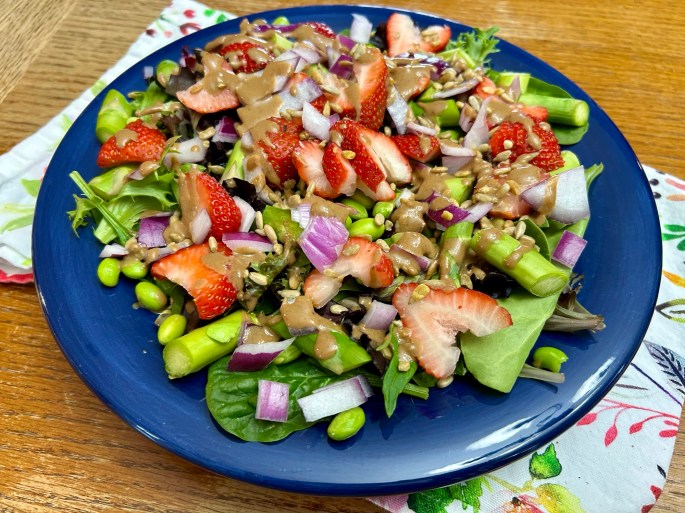
Springtime Celebration Salad with Walnut Vinaigrette

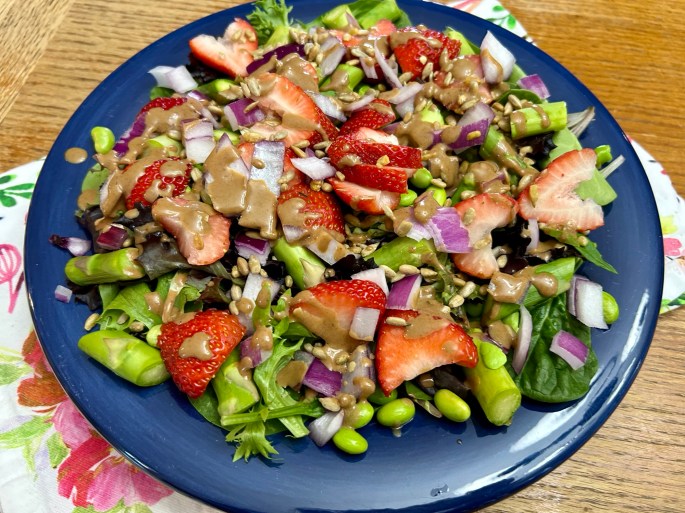
Featuring asparagus, strawberries, spring mix, and spinach

“Mother Nature’s powers cannot be stuffed into a pill.”–Dr. Micheal Gregor

Photo by Anna Shvets on Pexels.com

pill popping 💊

My husband, John, and I can’t help but giggle every time we see commercials touting the benefits of taking a certain brand of daily vitamins.  This company claims their product provides vitamins and minerals found in fruits and vegetables that we, the lowly consumer, don’t have time to eat.  It especially targets those of us who are older, espousing that by taking these pills, as many as six per day, we will infuse our frail, feeble frames with the vigor and vitality of our former, younger self. 

While there is nothing inherently wrong with taking a multivitamin and/or other key supplements, they should never replace our need for daily consumption of fruits and vegetables.  According to multiple sources, such as,  The Better Health Channel, National Institutes of Health, and Harvard’s T.H. Chan School of Public Health, regularly consuming fruits and vegetables provides the body with important vitamins, minerals, plant chemicals, and a significant source of fiber.  Furthermore, a diet rich in fruits and vegetables have been linked to “lowered blood pressure, reduced risk of heart disease and stroke, prevention of some types of cancers, lowered risk of eye and digestive problems, and have a positive effect on blood sugar . . . .”   These are benefits that can’t be bottled into a pill.

Photo by Pixabay on Pexels.com

Planted in Health 🌱

Of course, I am preaching to the choir, my dear readers.  If you are reading this, you are keenly aware of the benefits fruits and veggies offer.  And, yet, due to clever and slick marketing tactics, Americans have been spending billions in recent years on vitamins and other supplements according to Northwestern Now and Harvard Medical School.  While there are those who do need a few key supplements due to specific health issues, such as those with Crohn’s disease, celiac disease, and ulcerative colitis to name a few, the average healthy adult can get all the vitamins and minerals they need through a well-balanced diet.  Besides, there are numerous tasty and simple ways to incorporate fruit and veggies into your diet.

Photo by Michael Burrows on Pexels.com

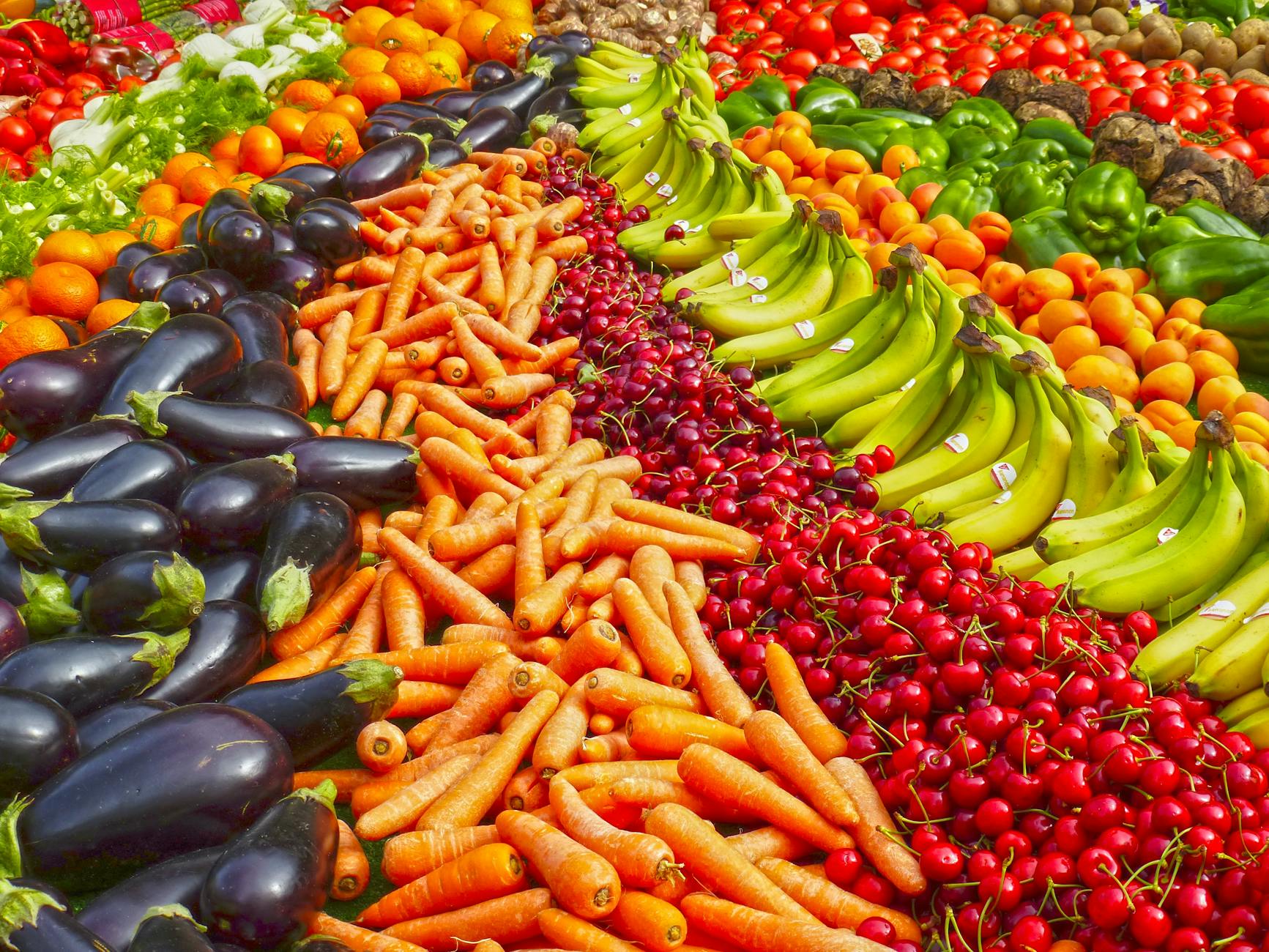
Spring produce 🥬

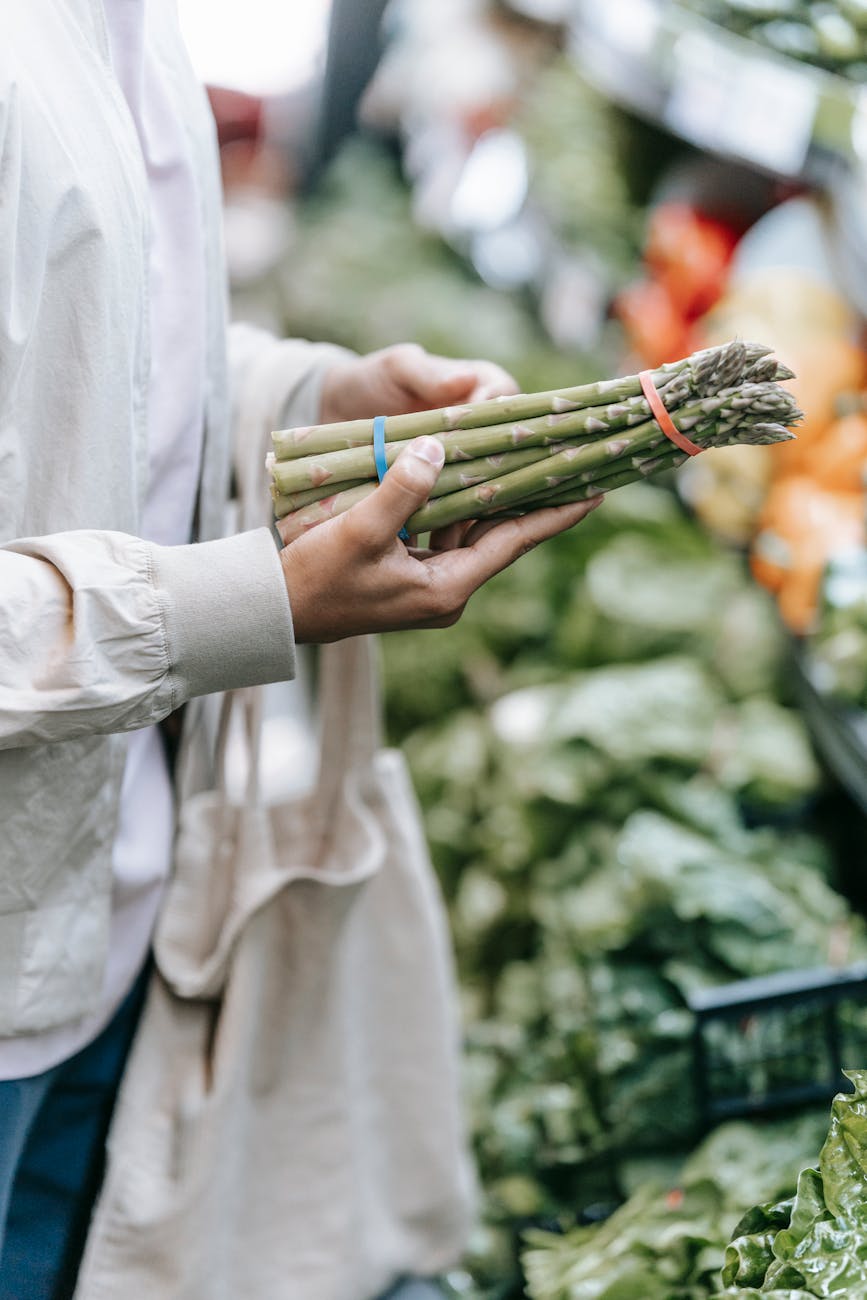
Spring is the perfect time to take advantage of the fruits and vegetables that come into season early, such as greens, asparagus, and strawberries.  Many of these items are often available at local produce stands and markets.  Plus, they can also be found, usually at discounted prices when in-season, at local grocery stores.  Either way, from now until early June, is the perfect time to grab up these produce deals.

Springtime celebration salad

The salad recipe I am sharing with you is one delicious way to incorporate a variety of spring vegetables and at least one fruit into your day.  It is a bright and colorful salad, bursting with complimentary flavors and textures, and it can be made as a light main dish or a bright start to a meal.  Feel free to play with this recipe by using your favorite dressing, replacing the strawberries with another fruit, changing up the greens and vegetables, or by adding in a favorite protein, bean, or even a grain, such as quinoa.

Make it ahead of time 🥗

I made this salad recipe ahead of time without the fruit and dressing, divided it among Tupperware-type bowls, placed the fruit and poured the dressing into separate, small containers to add to the salad just before eating.  This allowed grab-and-go convenience for lunch.  In the morning, I popped open my lunch bag, filled it with salad, dressing, sliced fruit, and tossed in a handful of whole grain, gluten-free crackers. As I head out the door,  I can rest assured I have packed a nutritionally balanced lunch to fill my afternoon with energy, and I won’t need to worry about spending extra money on overpriced and over-advertised pills.

Celebrate Early Spring produce 🎉

Consider adding this salad into your weekly rotation of spring meals.  Serve it as a meal or as a side.  Toss it up ahead of time if you like– simply add in the fruit and pour on the dressing just before serving.  However and whenever you decide to make it, you are sure to reap the nutritional benefits of delicious spring produce without a pill!

Springtime Celebration Salad with Walnut Vinaigrette, 

Featuring: asparagus, strawberries, spring mix, and spinach

Make 2 large meal sized salads or 4 small dinner salads.

Ingredients for dressing:

½ cup water

½ cup balsamic vinegar

¼ cup chopped walnuts

¼ cup raisins or chopped dates

1 clove garlic or 1 teaspoon garlic powder

1 teaspoon dijon mustard

¼ teaspoon dried oregano (optional)

Salt and pepper to taste

Ingredients for salad:

10 asparagus spears, roughly cut

10 strawberries, sliced (can substitute chopped apple, blueberries, red grapes, or mandarin orange slices if preferred)

4 tablespoons chopped red onion

6 cups spring greens (I used 50/50 blend of spring mix and spinach)

½ cup (or more, depending on preference) shelled edamame beans, called mukimame or thawed frozen peas

½ cup shredded carrots (optional)

½ cup sliced celery (optional)

2-4 tablespoons raw sunflower seeds (or other favorite nut/seed)

½-1 cup feta or goat cheese (omit if vegan)

Directions for salad dressing:

Combine all ingredients in a high powered blender and blend approximately one minute or until smooth.

Store in a container until needed.  Will keep in the refrigerator for two or more weeks.

Directions for salad:

Set out shelled edamame (mukimame) beans or peas to thaw

Cut ends of asparagus, rinse, and then rough cut remaining. Lightly steam asparagus on a covered microwave dish, approximately 30-50 seconds.  (You want them bright green and crisp.)

Rinse and slice strawberries, set aside.

Chop red onion, set aside.

Arrange greens in a large salad bowl, adding in carrots and celery if using.

Top with asparagus, strawberries, and edamame or peas.

Sprinkle with chopped red onion, sunflower seeds (or nuts), and cheese, if using.

Drizzle with desired amount of dressing and serve.

Serve with whole grain baguette slices or whole grain crackers, if desired.

Chocolate Cherry Berry Smoothie

“If you’re one of the many people who struggle to eat enough fruits and vegetables each day, adding smoothies to your diet may help.”–WebMD

Photo by PNW Production on Pexels.com

Why Make a smoothie? 🍓🍒🫐🥬

I love a good smoothie, but I am often questioned about why make a smoothie when I could eat the same foods for your breakfast or lunch? It’s a fair question. Personally, I enjoy eating a good meal.  However, if, like me, your morning is busy, the day’s schedule is packed, and even your lunch time is a working lunch, a smoothie might be one way to ensure a healthy dose of nutrition for at least one meal.

The key to a balanced and nourishing smoothie is whole food ingredients, with heavy emphasis on fruits and vegetables, in order to get a healthy mix of carbohydrates, protein, and fats.  This ensures your smoothie is full of fiber, has a wide variety of vitamins, minerals, antioxidants, and other beneficial nutrients. This is why I advocate for making your own smoothie, rather than buying it, so that you can control the ingredients.

customize your own creation 🍎🥭🍌

Photo by T Leish on Pexels.com

Smoothies are customizable; therefore, even though I am sharing my latest smoothie recipe, you can feel free to swap out one whole food ingredient for another.  For example, if you need to avoid seeds in your diet, but you want to maintain a dose of healthy fats, swap the seeds for an avocado. (Some grocery stores sell frozen bags of avocado cubes.)  If you don’t have one of the fruits on hand the recipe calls for, use what you have on hand. (I do this all of the time.) 

Sure, switching one ingredient for another, may somewhat vary the taste, texture, or nutritional content.  However, as long as you’re swapping out one fruit for another, one vegetable for another, and so forth, you are still overall increasing the consumption of fruits, vegetables, and other healthy nutrients–which is the goal. 

Smoothie benefits✨

Photo by Milada Vigerova on Pexels.com

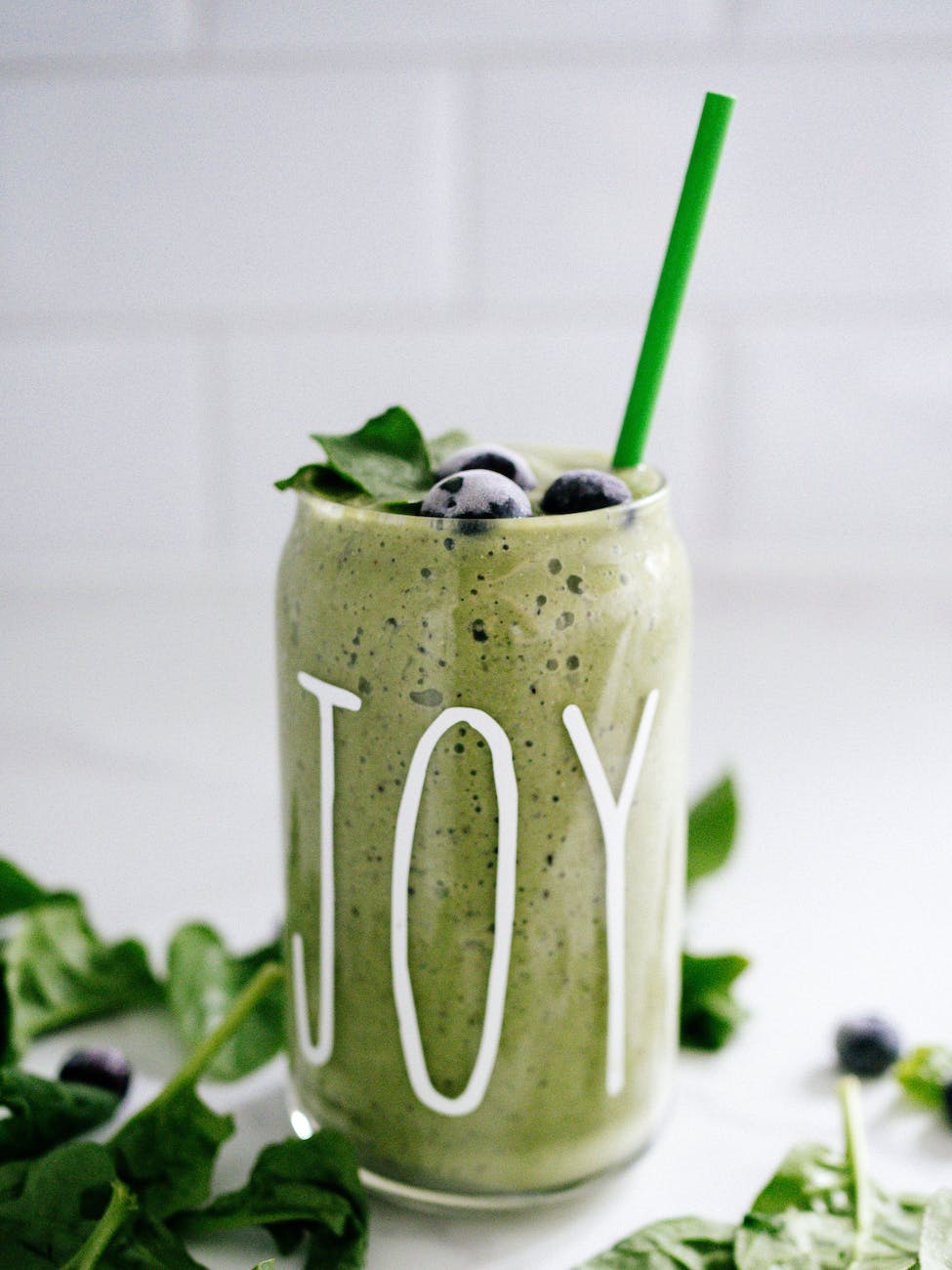
Here are the benefits (the pixie dust) of the ingredients in this recipe:

Spinach or cauliflower:  These cruciferous vegetables are chock full of essential nutrients that are associated with lowering risk of chronic disease, such as cancer and heart disease.

Cherries: This fruit is full of polyphenol antioxidants which can protect our heart from cell damage and may reduce inflammation.

Blueberries: Full of flavonoids, especially anthocyanins which gives the fruit its gorgeous hue, blueberries are associated with reducing oxidative stress that can lead to inflammation among numerous other benefits. 

Banana: In addition to being an excellent source of potassium, bananas, especially when frozen, lend a creamy texture to smoothies.

Prunes: These luscious orbs are full of fiber, potassium, vitamin K, and boron.  The latter two ingredients are key to bone building health.

Cinnamon: The National Institutes of Health describes cinnamon as a “multifaceted medicinal plant that is “an antioxidant, anti-inflammatory, antidiabetic, antimicrobial, anticancer, lipid-lowering, and cardiovascular-disease-lowering compound, cinnamon has also been reported to have activities against neurological disorders, such as Parkinson’s and Alzheimer’s diseases.”

Cocoa powder:  This much beloved ingredient is also full of flavonoids, which have been shown to lower blood pressure and increase blood flow to heart and brain.

Protein powder: Obviously, this ingredient increases the protein content of your smoothie, but it affects texture by making it creamier.

Seeds: These tiny, but mighty ingredients, contain alpha linolenic acid (omega-3 fatty acid) which may increase brain function and boost the immune system.  In addition, they are full of fiber, protein, and a variety of minerals. 

Beet juice: Beets are rich in nitrates that the body converts to nitric oxide which helps with blood flow and lowers blood pressure.  Additionally, beets are full of other beneficial nutrients as they are also part of the cruciferous family. ( I rarely include juice in my smoothie recipes, but this is one juice I will add.)
Whole Food ingredients that can even be made ahead of time! 🍍🥝🍑

Photo by Lisa Fotios on Pexels.com

As you can see from the nutritional deconstruction of this recipe, smoothies made with whole food ingredients can be a healthy part of your daily dietary intake. They can be easily made from frozen fruits and vegetables, so you don’t have to waste what you don’t use. 

Furthermore, smoothies can be made ahead of time, such as the night before.  They can even be made several days ahead of time and frozen, which is what I often do.  Then, it’s simply a matter of removing one from the freezer the night before and placing it in the refrigerator.  The next morning, grab the container and go. It can either be sipped on the way to work or saved for later time in the day.   All that is required is to give the smoothie container a good shake, and you have a perfectly chilled, thick, and creamy delight that is not only tasty but is also contributing to the body’s overall health and well being.
High Quality Blenders can’t be beat 🍐🍇🍊

Photo by Mikhail Nilov on Pexels.com

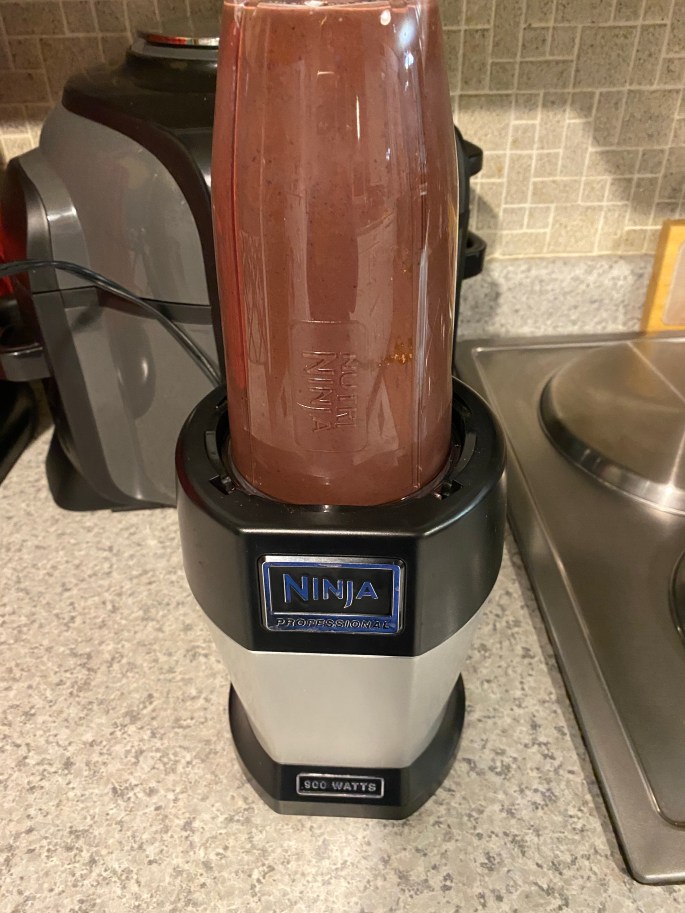
One caveat I will mention is that it is worth investing in a quality, high powered blender if you are one who frequently makes smoothies as I do.  I actually purchased a certified reconditioned model, directly from the factory.  It automatically came with a five-year warranty, and the company’s customer service has been outstanding.  This is not only a cost-effective way to get a quality, high-powered blender, but it also promotes sustainability. Win. Win.  

From my home to yours, I wish you health, happiness, and peace.

Blend two at a time. Drink one, share one, or freeze for another day!

Chocolate Cherry Berry Smoothie

Ingredients:

2 cups frozen spinach or riced cauliflower 

1 cup frozen cherries

1 cup blueberries

1 ripe banana, frozen if possible

¼  lemon with its peel (remove seeds)

 2-4 prunes (can substitute medjool dates)

2 tablespoons cocoa powder

1 teaspoon cinnamon

vanilla protein powder

2-4 tablespoons flax, hemp, or chia seeds

2 cups water OR 1 cup beet juice + 1 cup water (Can substitute pomegranate juice for beet juice.)

Directions:

Place all ingredients in the order listed in a high powered blender and blend from one minute or until smooth and creamy.

Serves 2

Steph’s Blues Busting Chocolate Green Smoothie

“If you have a chronic disease — such as heart disease, diabetes, asthma, (arthritis, cancer, dementia) or back or joint pain — exercise can have important health benefits.”— “Exercise and chronic disease: Get the Facts,” Mayo Clinic Staff

Photo by Yaroslav Danylchenko on Pexels.com

COVID has taken away many so-called practices and habits that were once societal norms.  I think it is fair to say that many of us, from time to time, have felt weighed down, a bit angry, and even bereaved over the loss of the “way things used to be.”  In fact, now that we’ve begun traveling down this new road of living, I suspect there may be many things that will never return.  However, on the positive side, there are a few things that have evolved from this swift shifting of life.

One such personal benefit began during the quarantine period of 2020 as I reflected on my own health.  As I recently shared in other pieces, I have a genetic predisposition to colon cancer and heart disease.  Therefore, in an attempt to boost my immune system against these two inherited threats as well as COVID, I began to dial in my focus on the benefits of cardiovascular exercise and plant based eating, while still continuing some strength/flexibility/mindfulness practices.  None of these attempts have been perfect, but they do provide a sense of personal empowerment–a worthwhile feeling in a world that often feels out of control.

Photo by Karolina Grabowska on Pexels.com

Of particular focus for me was a renewed desire for out-of-doors exercise; however, the ever-present battle with two bulging discs and an extra vertebrae was/is a never-ending reality.  Therefore, towards the middle of May 2020, I began researching ways to strengthen my back and core muscles while simultaneously gradually working my way from walking to running in order to increase my cardiovascular fitness level. While there is nothing wrong with walking–in fact, I love it, and I honestly believe it is one of the safest and best forms of exercise–there is something about the heart pumping vigor of running that leaves me, well, breathless!

All kidding aside, I do not want to give the illusion that I run fast.  Speed is not, per se, part of my goal; instead, I focus on increased endurance.  In particular, I put greater emphasis on my resting heart rate.  The lower my resting heart rate, the better I sleep, and the less stress affects me–especially at bed time.  

Photo by Ketut Subiyanto on Pexels.com

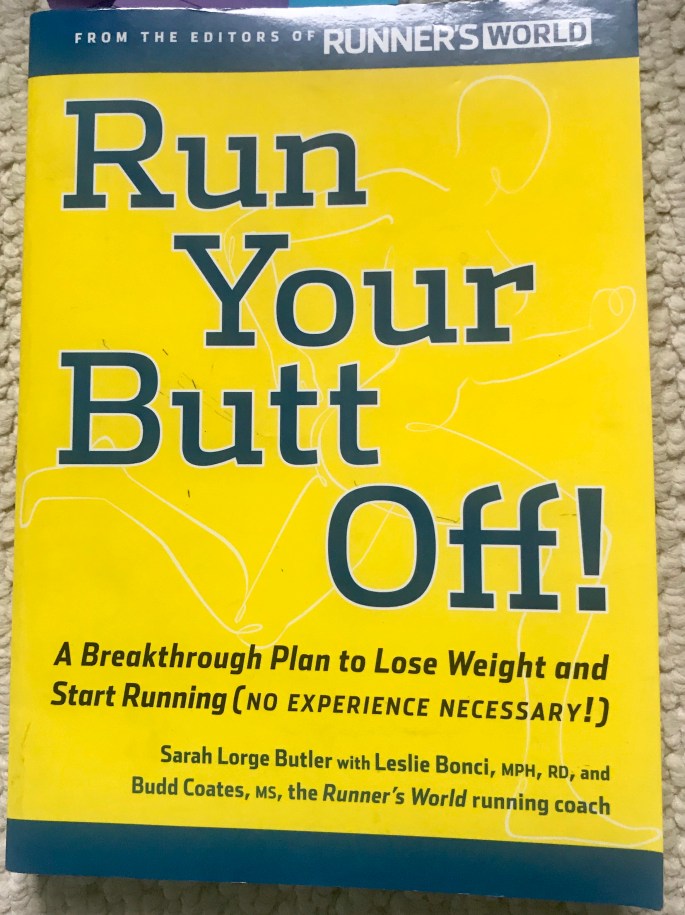
Therefore, without belaboring the point, I found a program for strengthening the back and core called, the Mckenzie Method.  Using some of the exercises from this back method and combining them with exercises from my time spent in physical therapy and practicing yoga, I cobbled together my own DIY daily back/core care routine.  Additionally, while researching this method, I ran across (See what I did there?) a book/training entitled, Run Your Butt Off, about which I have previously written.  This running program offers a plan to help a walker go from walking for 30 minutes, to running for the same length of time in 12 weeks (or however many weeks you decide to take it).  

Since completing the Run Your Butt Off plan, I have continued running 3-4 times per week. On the days that I run, I sleep much better–even if I don’t have the time to sleep long.  Even more exciting is that I have signed up to run a virtual half marathon.  Due to this, I have put greater emphasis on personal nutrition for the purposes of reducing inflammation and fostering recovery as the running mileage increases each week.

“Choosing plants will help all your body’s systems work the best they can.”–Heather Alexander, The University of Texas, MD Anderson Cancer Center

One way I am doing this is by continuing to eat plant-based.  While plant based eating does not have to mean that you will completely forgo meat and dairy, it does mean that those foods are dramatically reduced.  However, my personal choice, other than my occasional indulgence of black bean nachos, I choose not to consume meat and dairy products.  Additionally, I have (once again) committed to breakfast smoothies during this time period rather than skipping breakfast.  These smoothies are whole food, plant based powerhouses with no added sugar.  Every ingredient contained within them is full of fiber and a solid source of nutrition.  

I know that many people are opposed to drinking calories, and I understand abiding by that rule. However, I simply do not have time to commit to a sit-down breakfast, plus my stomach is often a queasy mess in the mornings.  A premade smoothie that I make ahead of time is a portable package of sound nutrition that my stomach can tolerate a couple of hours after rising.  They fuel me through my morning, and by lunch, I find I am not, per se, ravenously hungry.  

Additionally, by the time I head for my after-work runs, even if I am mentally exhausted, once I force myself to my running destination, I have plenty of fuel in the tank to complete the run.  Afterwards, I ALWAYS feel better, and even if everything else about the day seemed like it went wrong, at least I did two positive things for myself: fed my body good nutrition and exercised.  In my book, that’s a win. COVID changes be danged.

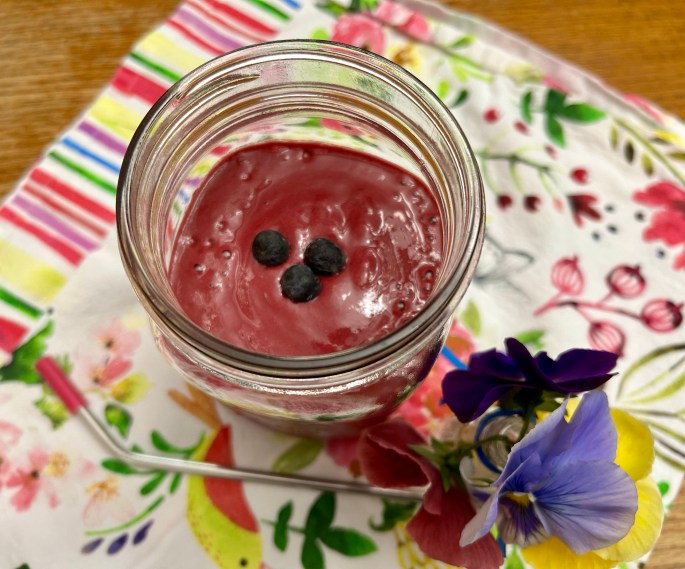
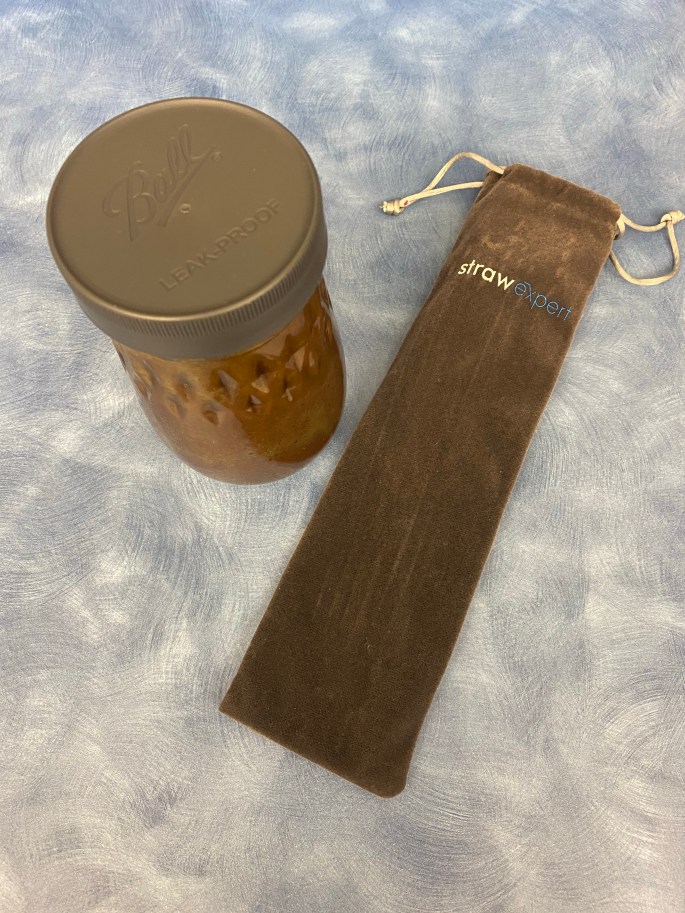
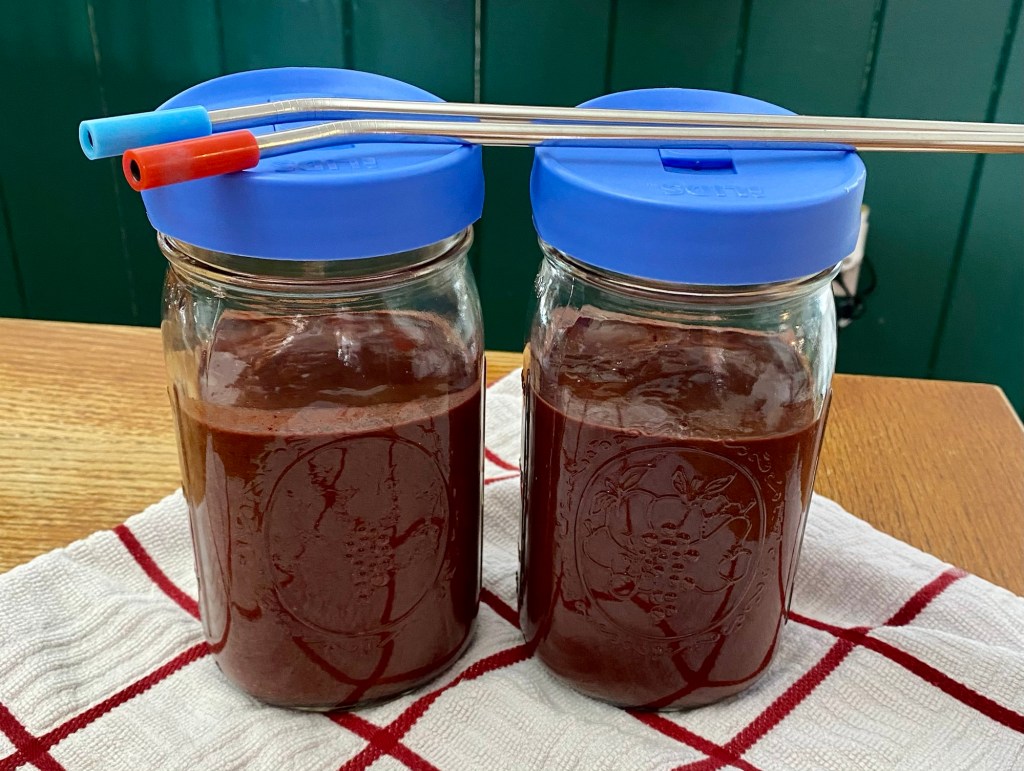
What follows below is one of my newest smoothie creations. (I’ve got a few more recipes I’m refining!)  No matter how frazzled, frustrated, or dissatisfied I may feel with external situations, this recipe has a way of mentally picking me up with its bright flavors and hint of chocolatey goodness.  Feel free to play around with and/or change the ingredients and/or the amounts to meet your personal dietary needs and taste preference.  Additionally, serve it up in a nice glass or even canning jar, and don’t be ashamed if using a straw (I use metal, reusable straw.) to slurp up all of the goodness at the bottom of the glass!  

From my home to yours, I wish you much happiness, health, and harmony even during these challenging times.  

Steph’s Blues Busting Chocolate Green Smoothie

Ingredients:

½ cup favorite milk or water (I use plant based milk.)

1 cup (75 grams) chopped romaine lettuce

1/2 ripe banana (I buy them ahead of time and freeze once ripe.)

2 tablespoons flax seed (Can use hemp or chia seeds.)

**2-4 tablespoons of Dutched cocoa powder, depending upon how chocolatey you want it.

1 teaspoon pure vanilla extract or vanilla bean powder

1 ½  cup (45 grams frozen; 85 grams fresh) chopped spinach 

1  cup blueberries (Can use frozen.)

½ cup cherry, pomegranate, or pomegranate/cherry juice

Dash of salt (I use a twist of ground pink himalyan.)

Optional: Add 1-2 teaspoons of favorite sweetener if desired, such as pure maple syrup, molasses, or honey (I do NOT add any sweetener, but I know others prefer a sweeter smoothie.)

Place in a blender in the order listed and blend until smooth.

Divide between two glasses.

Can be served immediately or stored for later use in the fridge.

Makes 2 servings.

**If you are not a fan of chocolate, you can skip the cocoa powder altogether.  However, you may want to consider adding, at the very least, 1 tablespoons of it.  Cocoa powder has numerous health and nutritional benefits.