Perfect Pear-Crisp Recipe for Fall

“There are only ten minutes in the life of a pear when it is perfect to eat.”–Ralph Waldo Emmerson

Photo by ML ARANDA on Pexels.com

The seasons of Pears 🍐

Pears are in-season locally.  For those who grow these fruit trees, this is a once a year celebration of those sweet, juicy fruits.  Ironically, for all their sweetness, pears are one fruit that do not, and should not, fully ripen on the tree. In fact, pears need to be harvested when mature, but not ripe. If left on the tree too long, pears become mealy.

Across the United States, pears come into season anywhere from August to October, depending upon what part of the country they are grown.  Most pears–about 95%–found in the stores, are grown in California, Washington, and Oregon according to Food Network. That said, it’s not too late to find home grown pears at local farmers markets and roadside stands. 

Photo by u7d20u6750u738bu56fd Footage Kingdom on Pexels.com

How to to Know when Pears are ripe 🍐

When buying pears, keep in mind that they do take a while to ripen enough for eating. In order to determine if a pear is ripe enough to eat, gently press on the neck of a pear with your thumb. If your thumb gives, the fruit is ripe, if the fruit doesn’t yield, it needs more time to ripen.  However, it is worth noting that slightly under-ripe pears can still be used for baking and recipes that require some form of cooking.  The heat allows the fruits’ sweet juices to release into your favorite recipes. 

I am fortunate enough to have a neighbor, Sandra Patterson, who is generous when her pear trees bear their fruit.  For the past several years, she has offered to share her harvested fruit with those around her, and they are always a tasty, seasonal delight.  Unfortunately, pears are so versatile, I have a hard time choosing how I want to prepare them.  From salads to main dishes, from sweet breads to delightful sauces, and from luscious desserts to slicing them up and eating them fresh, pears lend themselves to a wide array of recipes. 

Pears are versatile ✨

In the past, I have made pear butter, which is similar to apple butter.  I have made quinoa pear salad and microwavable “baked” pears.  I have sliced them up and added them to garden salads with dried cranberries and walnuts, or put them on toast with peanut butter, raisins, and a sprinkle of cinnamon.  While I don’t eat meat, I know that one of my coworkers adds freshly sliced pears to the pan when baking pork loin.  And these ideas are only the tip of the recipe-iceberg for fresh pears.

This year, however, I decided to go with one of my favorite simple treats: pear crisp.  I love any kind of bakeable fruit with a hearty, crunchy oat topping, and the ease of these types of “crumble” desserts is one I especially appreciate.  Additionally, for those with celiac disease or gluten intolerance, fruit crisps, when made with gluten-free ingredients, such as oats and oat flour, make a delightful replacement for gluten-laden fruit pies.  

Easy to bake up, and rich in fall taste!

Pear Crisp Anyone? 🙌

I chose to use maple syrup in this recipe instead of the traditional brown sugar because it offers a comforting fall scent and flavor. When baking with maple syrup, it lends a caramel-like taste to baked goods that I believe “pears” well with traditional fall spices such as cinnamon, nutmeg, and allspice—all of which are found in the apple-pie spice that I incorporated into this recipe.

That said, you can replace the maple syrup with brown sugar as noted in the recipe. And, you can also replace the apple pie spice with cinnamon, if preferred. Other recipe modifications could include replacing the pears with an equivalent amount of apples or using half apples/half pears. Furthermore, if you like raisins or dried cranberries, sprinkle ¼ to ½ cup of those over the fruit before adding the topping.

Regardless of how you adapt this recipe to suit your taste preferences, it is my hope that it inspires you to bake up some “pear-fect” homemade goodness in your home for a fall treat. As it bakes, your house will overflow with fragrant autumnal scents sure to make your belly growl. Brew some tea or coffee and soften up your favorite ice cream variation to serve up along with this dessert, and enjoy!

From my home to yours, I wish health, happiness, and homemade eats!

Chock-full of sweet, seasonal pears and topped with a maple-rich oat-and-walnut crunchy topping, pear crisp makes for a simple, but luscious fall treat.

Easy Pear Crisp Recipe 🧑‍🍳

Easy Pear Crisp, Gluten-free and plant based 

(Thank you, Sandra, for the “pear-amount” inspiration for this recipe.)

Ingredients

6-7 ripe pears

1 teaspoon apple pie spice (Can substitute with cinnamon)

¾ cup rolled oats

¾ cup oat-flour flour (Can substitute all-purpose flour.)

½ cup chopped walnuts and/or pecans, optional

1 teaspoons of cinnamon

1 teaspoon baking powder

¼ teaspoon salt

 ⅔ cup pure maple syrup (Can substitute 1 cup brown sugar)

1 teaspoon vanilla extract

½ cup cold butter, cut into pieces (I use vegan variation.)

Directions

Preheat oven to 375 degrees

Coat square baking dish with cooking spray  (Mine was 9 x 9)

Core and deseed pears, then slice or chop fruit, depending upon preference (I left peel on, but you can peel pears)

Place fruit in prepared baking dish

Sprinkle with apple pie spice

In a large bowl, mix together oats, flour, cinnamon, nuts (if using), baking powder, and salt.

Cut in maple syrup, vanilla extract, and butter pieces using a pastry blender, forks, or large, firm spoon. (Mixture will be thick and slightly crumbly if using syrup; it will be mostly crumbly if using brown sugar.)

Sprinkle oat mixture over fruit

Bake for 30-35 minutes or until the top is golden brown.

Serve warm.  It makes 6-9 servings.  Leftovers can be stored in covered containers in the refrigerator for up to a week. It can also be frozen for up to three months. 

Conquering Perfectionism: Tips for a Balanced Life

“Perfectionists strive to never make mistakes. Excellence is striving high but offering yourself grace for mistakes made and things you don’t know yet.”–Sharon Martin

Photo by RDNE Stock project on Pexels.com

imperfect pressure 😰

I watched in horror before school began as a student began pulling at their hair so hard, strands of it landed on the table. I quietly walked over to offer help/support. The child was a known perfectionist and quickly angered if they were unable to complete their work with total accuracy. As it turned out, they were completing math homework that was due at 8:00 a.m., which was less than ten minutes away. It was homework they had procrastinated completing and were feeling the pressure of not having the time needed to complete the work “perfect.”  
As a teacher, I encounter both students–and adults–that appear to strive (either intrinsically or extrinsically), for “perfection.” However, the idea of perfectionism is a human-construct. When we look at the natural world, we can see multiple examples of this.  Think of any three-legged animal you may have encountered.  One could argue that those creatures are not “perfect” specimens, but they are still able to function “perfectly.”  Another example is the number of plants that are classified as “imperfect” because they do not have both the male and female parts needed to produce flowers.  However, through adaptation, they are able to produce flowers.

Photo by Fox on Pexels.com

Intrinsic vs. extrinsic “perfectionism” 🗂️

Perfectionistic behavior in humans can manifest itself in various ways. So-called “perfectionism,” for some, can be intrinsically-driven. These are people who hold themselves and their work/performance to higher standards. They are self-motivated and often view mistakes as setbacks from which they can learn.  Their goals are realistic and achievable. Overall, this type of “perfectionism” can be healthy unless it evolves–either from internal or external forces–to an unhealthy, maladaptive state.

An “unhealthy” state of perfectionism can often be attributed to others–cultural and/or societal cues, well-intended friends, or even family. In fact, think about how often the word “perfect” sneaks into day-to-day interactions and conversations.  Even sports’ analysis is rife with its use of “perfect”–perfect pass, perfect catch, perfect save, perfect pitch and so on.  Similarly, from many outward appearances, one could argue life rewards those who are “perfect.”

Unfortunately, perfectionism can become problematic when people begin to set standards that are extreme and often unattainable. This can lead to a sense of “failure,” a constant feeling of stress, and/or develop procrastination/avoidance habits because the tasks/work can seem so overwhelming because it can’t be completed “perfectly.”  Perfectionism can reduce feelings of joy/happiness, diminish one’s self-esteem, and often leads to burnout. It is worth further noting that perfectionism can sometimes evolve as an extension of anxiety, OCD, ADHD, and/or depression.

Photo by energepic.com on Pexels.com

Downside to perfectionism 😫

Perfectionism, when left unchecked, is beyond “trying to be your best.”  It’s more about setting standards that are so high, they are either difficult to maintain or unrealistic to achieve. Many people think that perfect work/performance is the only way to be accepted and/or valued, often because they have a fear of not being good enough or worry about how others perceive them. 

In particular, I have noticed that students (and adults) with perfectionistic tendencies place extreme amounts of pressure on themselves to perform “perfectly.”  Then, if their work/performance misses the high-mark they have established in their mind, their self-talk becomes highly critical and often leads to self-loathing that can spiral into depression and harmful coping mechanisms.  Sometimes, this need to be perfect can spill over into their relationships in which friends and acquaintances who don’t meet “perfect standards” are berated, belittled, and shamed for not having the ability to perform at a specific level.

Photo by Christina Morillo on Pexels.com

Reframing the way we talk 🗣️

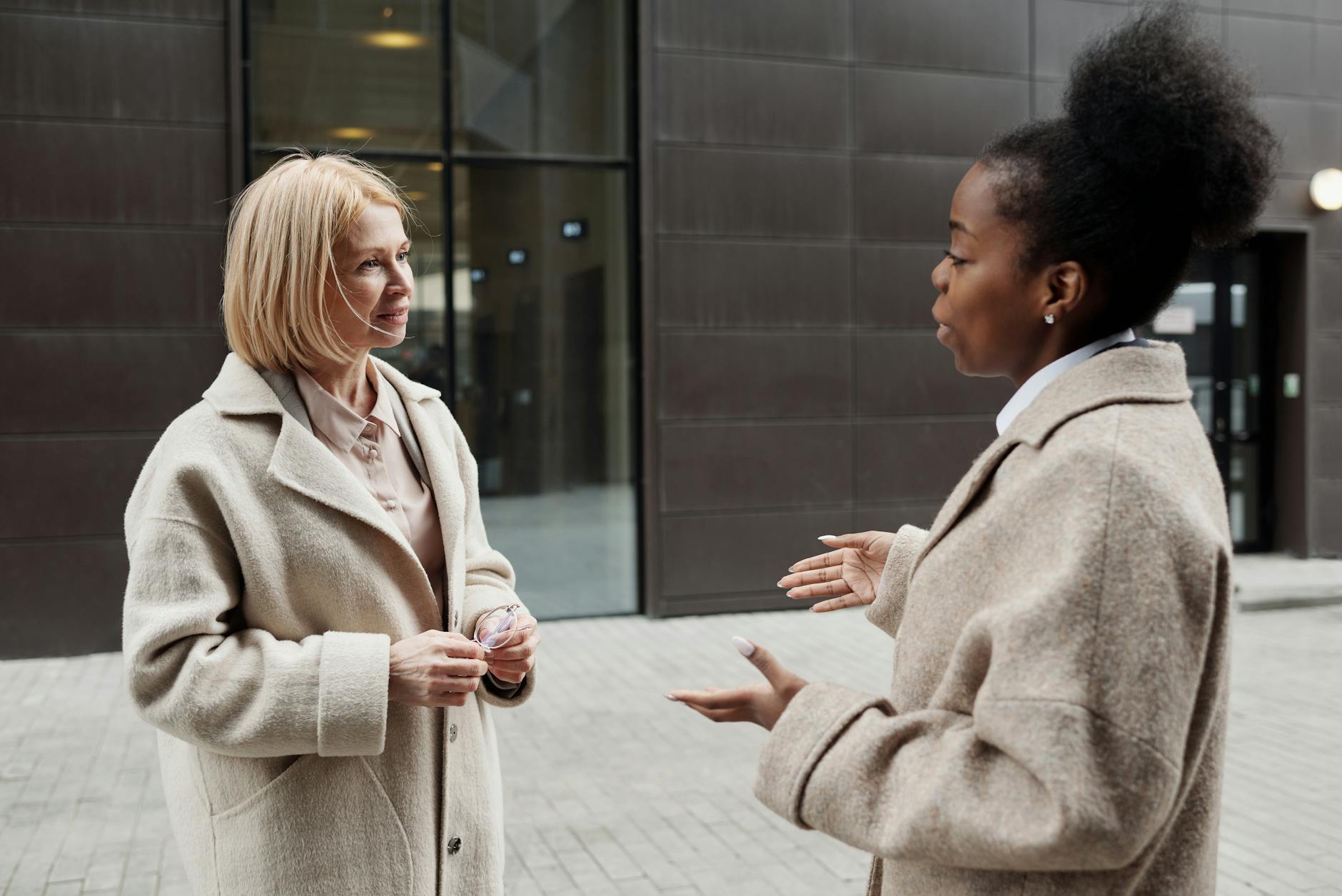
What can be done about this?  One important step that any of us can take is to reframe the way we talk about performances.  Rather than being quick to say, “that was perfect,” consider focusing on acknowledging/praising the effort or the process. This is especially important for parents or anyone working with children and teens; however, it is also equally important in the work setting or within close relationships. For example, instead of saying that a presentation is “perfect,” focus on the process.  “Your presentation was so clear and to the point. Tell me about how you came up with that idea.” The point is that we bring harm to others when we foster the myth of perfectionism.  

Proactive practice and tips for 📋overcoming perfectionistic tendencies

I’ve gathered several tips from a wide array of sources as well as a few anecdotal tips I have observed students and/or adults employ to combat perfectionistic tendencies.  Even if you are not battling perfectionism, per se, some of these tips are overall proactive practices for a healthy work/life balance.

  • Become aware of perfectionist tendencies, and reduce self-imposed pressure. Sure, you could spend hours crossing every t and dotting every i, but after a certain amount of, there is a diminished return on time invested.  Sometimes, it’s okay to complete the task well (read: not “perfect”) in a reasonable amount of time
  • Break a big job into smaller tasks, and habit bundle in order to avoid procrastination. If the thought of a task is overwhelming, break it down into smaller tasks spread out over several days, and “bundle” it with something you enjoy doing while completing the task or afterwards, i.e. Instead of cleaning the entire house, commit to cleaning two rooms while listening to your favorite playlist or podcast. Then repeat the process with two more rooms at another time.
  • Celebrate small successes and praise yourself.  When completing a step of a major task/job/assignment, take time to acknowledge and feel good about each completed step. 
  • Limit your time on task(s), and focus on meaning over “perfect.”  See the big picture/goal, so that you can be less perfect about some things and focus more on the overall, most important goal.
  • Acknowledge that “perfect” is a human construct, and reframe how you talk to others about work/skills/projects. This is one that takes practice and awareness due to how easy it is to interject the word, “perfect” when acknowledging/praising one’s job.
  • Allow yourself to make mistakes, and view them as learning opportunities. This is a big step towards a more healthy mindset. We all make mistakes, and they provide important lessons that can potentially impact future work.
  • Cut out negative influences and accept/seek constructive feedback. While it may not be completely possible to avoid those who place unrealistic expectations on you or others, it is possible to ignore those messages and seek advice from mentors who truly have your best interest at heart.
Photo by fauxels on Pexels.com

Final Thoughts 🤔

Coping with perfectionism can be challenging, especially when family, friends, and/or other outside influences may be sending other messages.  While it’s good to have high standards for ourselves, those standards should not be at the expense of our mental health and well-being. Finding a more balanced approach to work/performance can increase our peace of mind, overall well-being, and give us permission to live and work with a bit more grace and kindness towards ourselves and others. 

Mastering the Art of Listening: Key Techniques

“Most people do not listen with the intent to understand; they listen with the intent to reply.”–Stephen R. Covey

Photo by Jopwell on Pexels.com

Listening is an Art 🎨

I listened to an acquaintance share a problem with me. I tried to fully listen, and then proceeded to offer my best advice.  Later, however, I reflected upon that conversation and wondered if I should have responded differently.  Was she really seeking advice, or did she just want someone to listen and empathize with her? Perhaps, I should have taken more time acknowledging her feelings, and then asked if she wanted advice, instead of assuming she wanted it.

Listening, really listening to others, is a skill and an art. I once heard a speaker say, “Hearing is uncontrollable; listening takes a special knack.” This is so true. We are constantly inundated, it seems, with an assortment of sounds, clamor, and all types of conversations.

 I was reminded of this quote in a past conversation with my daughter, Maddie. We were, ironically enough, talking about listening.  Specifically, I wondered aloud about ways to improve my own listening. She shared with me what a friend once taught her.

Photo by Andrea Piacquadio on Pexels.com

Three ways of listening 👂

According to Maddie’s friend, there are three types of listeners: Those who listen to respond; those who listen to react or criticize; and, those who listen to understand.  This stuck with me, and I decided to do a short bit of research into this topic. 

One quick internet search on “types of listening” resulted in hundreds of articles. Some pieces were geared more towards high school or college students taking communication classes.  Others were framed around mental health. However, based upon my informal searches, business/work implications seem to make up the largest number of “ways to listen” write-ups.

While I can’t claim to have done the deepest research dive, what I did find seemed to support the overall point of what Maddie shared with me–there are different types of listeners and a number of identifiable ways of listening.  It seems the biggest point of agreement is that most of us can, and would probably benefit from, improving our own listening skills.  What mostly varies, from article to article, is the identification of how many different listening types/styles there are.  

Photo by Andrea Piacquadio on Pexels.com

Two Other types of Listening 🎧

Two types of listening that Maddie’s friend did not identify were what several articles called “pseudo listening” and “appreciative listening.” Pseudo listening are those times when we pretend to listen, but we are not really absorbing the speaker’s information.  This can occur across a wide array of situations, from the classroom to the board room, and from having the TV or radio on in the background to a person droning on and on about a topic for which you have little interest, but don’t want to be rude.

Appreciative listening is the type of listening we engage in when listening to a favorite song or piece of music.  It can also occur when listening to a presentation or speaker talking about a favorite subject.  You are not, per se, learning anything new, just appreciating the appeal of the subject matter.

Photo by nappy on Pexels.com

Listening to Respond 🗣️

To the point of “listening to respond,” there are several key points.  First of all, in day-to-day life, there are numerous situations which require listening carefully and responding quickly. From minute tasks, such as ordering food, when the staff asks how you want a certain dish served to listening to a friend or loved one ask if you could lend a hand, there are moments that require listening and responding/acting accordingly.  

However, some situations require more than just a response. There are times when we need to analyze before responding. This action-oriented form of listening, requires dialed-in focus and a timely response in order to efficiently deliver information. Doctors, teachers, pharmacists, lawyers, and numerous other types of jobs require this type of listening, which analyzes the person’s problem from a neutral point of view in order to guide the patient, student, client, and so forth to what is, hopefully, an appropriate solution.  Although the listener is still responding, the listener is responding from a point of thoughtful consideration in order to best help the person solve the problem.

Photo by August de Richelieu on Pexels.com

Listening to react 🙎‍♂️

Another action-oriented form of listening focuses on the content of the message in order to react or criticize.  This type of listening is designed to judge the content of what is being said as well as the reliability of the source or speaker. Obviously, if you are an attorney, arguing before the court for your client, this type of listening is clearly a very important skill. However, in all walks of life there are times we must listen and react defensively to a given situation. Unfortunately, this type of listening can become aggressive quickly, especially when applied to a situation in which a less-reactive approach would have better benefitted the situation. 

Photo by cottonbro studio on Pexels.com

Listening to understand 🤔

  Finally, there are times when we need to truly focus on the person, listen closely to their content in order to understand, empathize, and perhaps even build connections. This is typically the hardest style of listening to develop, but it is worth fostering in order to build and sustain relationships. Listening to understand is a skill many of us need to improve, including myself. Due to our jobs or positions in life, a large number of us spend our work days quickly analyzing, and responding to others’ problems; and therefore, this type of listening, unfortunately, tends to become our default mode of listening even in situations where it would be better to remain quiet longer in order to connect with and fully understand the speaker.

Learning to listen to the underlying emotion conveyed in a person’s message requires active and participatory listening.  This may require clarifying questions, but other times, it simply means offering space–a safe, quiet space where a person can simply share their thoughts and feelings without judgment or interruptions.  

Photo by fauxels on Pexels.com

Space for listening 🤐

Sometimes, people just want to be heard and aren’t necessarily asking for a so-called “solution.”  This is where, Maddie suggested, I might need to ask, “Do you want advice or do you just want me to listen?”  It is such a simple concept, but this clarifying question clears up any confusion on the listener’s part as to what their role is. 

Reflecting back to that initial conversation with an acquaintance made me wish I had clarified whether or not the person wanted me to listen, offer advice, or both.  Unfortunately, I cannot go back in time, but moving forward, I can ask that in future conversations. Listening well and listening appropriately to the situation does indeed take a special knack, but even more so, it requires us to think before we choose whether to respond, react, or criticize.  It requires that we slow down our thoughts, listen deeply, and if needed, take time to clarify what the person speaking needs from us.  In the end, not only will those with whom we interact benefit from our awareness, but we may find that our own relationships, work settings, family- and even community-dynamics shift and may even benefit as well.

Photo by Oleksandr P on Pexels.com

Embracing Aging: Opportunities for Growth

“Aging is not ‘lost youth’ but a new stage for opportunity and growth,” Betty Freidan 

Another Year Celebrated 🎂

Photo by Genaro Servu00edn on Pexels.com

By the time you read this, I will have added a new score to my age.  If life were a game, I’d definitely be a winning football score, and accruing a lead score in a basketball game. You know what?  I am okay with that.  Next year, I’ll be in a new decade, but for now, I plan on savoring my last full year in this decade. 

A Chance Encounter 👩🏽‍🦳

Photo by Mauru00edcio Mascaro on Pexels.com

The night before writing this piece, my husband, John, and I chaperoned a high school homecoming dance for the school in which we teach. It was held at a local country club. Throughout the evening, guests at the club’s restaurant often exited via the hall outside of the room, where the students were dancing, and I happened to be supervising. Many of the restaurant’s patrons tended to speak as they walked by, mostly asking questions about what group was inside the buffet/ballroom.

One lady was particularly chatty, energetic, and enthusiastic.  She talked out of one side of her mouth as if everything she was telling me was a secret for my ears only.  In particular, she wanted me to note that she refused to have any surgical enhancements done to her face, including botox, “. . . and don’t I look good?”

Sound Advice 🧑‍💼

Photo by RDNE Stock project on Pexels.com

Her comment made me smile as she went on to “give me some advice.”  She explained that she used to say that she was 78 years old, “but I wised up a few years ago.”  Instead, she states her age without adding the phrase, “years old.”  In her words, this reframed her way of thinking about her “years on earth,” and allows her to focus on the fact that she has “lived experience,” with room for more. 

She wrapped-up her short, one-sided conversation by saying, with a tilt of her head towards the room with dancing and singing students, that she didn’t want to “do that again.”  

“We’re supposed to age.  You know?  It’s part of life. The real question, honey, is, are you living?  It’s the living that counts!”  With that, she winked and walked away.

Conscious Aging

Photo by RDNE Stock project on Pexels.com

The unknown women’s spunk got me thinking about attitudes towards aging. It seemed she was echoing the idea of “conscious aging,” also known as “conscious eldering.” According to the Association of Health Care Journalists, the goal of conscious aging is aimed at shifting “attitudes and thinking away from self-limitation, isolation, and fear” to viewing the senior years as the time of life for pursuing “passion, engagement, and service in the community.” 

This same woman further touched on this point by talking about her lack of medical, anti-aging intervention. As it turns out, depending upon the source, the global anti-aging market is currently valued at $37-62 billion, and it is projected to grow in value to $65-93 billion.  These estimates speak to the fact that as a whole, we culturally tend to reject the aging process.

It is unfortunate because it creates a climate that fosters a fear of aging rather than viewing it as a natural and normal part of life. Therefore, it’s important to examine where our beliefs about aging come from.  Just because a parent/grandparent/other relative had a health condition associated with a certain age, doesn’t mean we will do that same. The stories we tell ourselves matter as they tend to affect and influence our attitudes, beliefs, and even our relationship with aging according to a 2023 New York Times article. 

Identify age-appropriate Role models

Photo by Yan Krukau on Pexels.com

In order to flip our own personal narratives about aging, let’s identify role models around us who embrace or model a healthy view of aging. They don’t have to be record-breaking 95-year olds, rather seniors who are active, engaged, and living with purpose. At the same time, let’s make choices related to aging that are authentic to our own values.  We may admire our 85-year old neighbor who still plays golf, colors their gray hair, and volunteers at a dog shelter, but it doesn’t mean all of their choices are right for us. Instead, let’s use that admiration as inspiration to forge our own unique path of embracing and fully living during the senior years.

Engage across decades

Photo by Andrea Piacquadio on Pexels.com

Additionally, let’s engage across generations. Interacting and engaging with all ages across a multitude of decades is beneficial for all.  It allows us to see a broad range of perspectives, which can prevent us from becoming too narrow-minded. And, in my experience, being around those who are younger, keeps us younger.

embrace change as a natural part of Life

Photo by Wellness Gallery Catalyst Foundation on Pexels.com

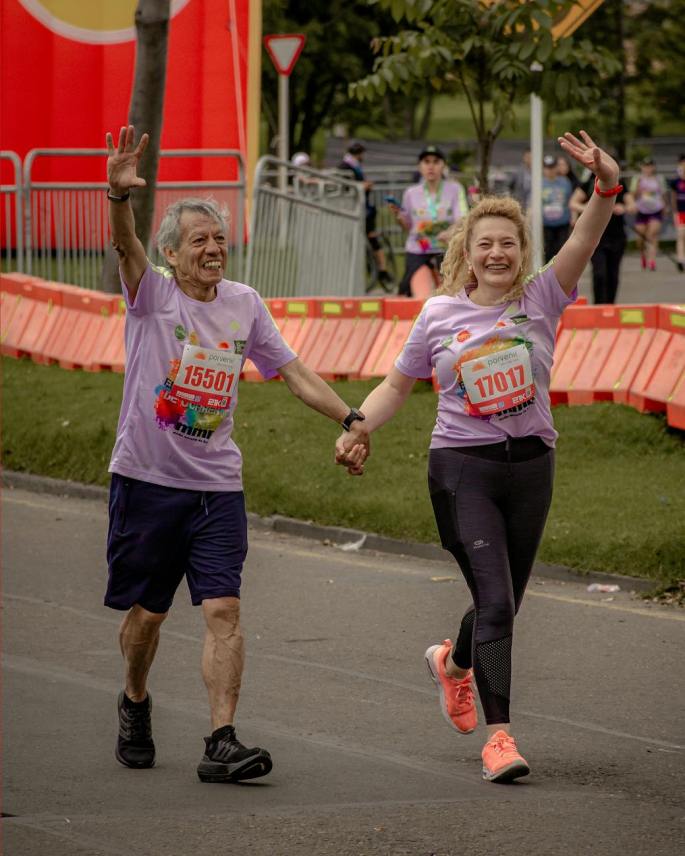
Another big issue related to aging is learning to cope with and accept change associated with the aging process. Conscious aging means just that–we are conscious of the aging process, which means we are dealing with age-related changes in our bodies as they occur. What it doesn’t mean is tossing in the proverbial towel and sitting on the sidelines. We still need to take care of ourselves by exercising and eating well, but we may need to adjust our expectations according to our own bodies’ needs–which varies from person to person.  For example, there are plenty of people older than me who can run faster, but I run at the pace that is best for me. 

Embrace REality with optimism

Photo by RUN 4 FFWPU on Pexels.com

Additionally, embrace reality, including the changes, optimistically.  For example, when training for a half-marathon, I focus my training on crossing the finish line, rather than focusing on my finish time.  I am grateful for a healthy body, and I am grateful that I can train for a marathon.  However, I still work full-time, and I have plenty of other interests, so I focus on the adventure that goes along with training and the joy that comes from experiencing the event instead of a specific finish time goal. 

Live with purpose

Photo by Andrea Piacquadio on Pexels.com

This brings me to my next point, let’s live and age with purpose. While I do have plans to eventually formally retire from full-time work, as long as my body and mind are healthy, I don’t ever see myself not engaged in some form of teaching. I may one day change to a setting outside the formal constraints of a school system, or focus instead on my writing, which is, for me, is a form of teaching. However, I optimistically plan to continue teaching, in some form, because it gives me purpose, allows me to help others, and keeps me cognitively and socially engaged with others. It is my fountain of youth!

learn new things

Photo by Kampus Production on Pexels.com

 Plus, teaching also forces me to continuously learn new things, which is beneficial at any age.  Furthermore, by consciously choosing to continue to work, older adults challenge societal ageist-constructs that often purport the notion that older adults aren’t as capable as their younger counterparts.  When in reality, most workplaces often benefit from employees across a spectrum of ages and experience levels.

In the end, the woman I met summed it up well when she pointed to the fact that humans are supposed to age, but it’s “the living that counts!”  Therefore, instead of focusing on the number of our age, let’s focus on living well.  

Make a difference.  Share the joy.  Celebrate life.

Photo by Kampus Production on Pexels.com

.

Why Eat Apples Daily? Discover Their Surprising Benefits

“A diet rich in plant protein, fiber, and nuts lowers cholesterol and improves blood pressure.”–Chiavaroli, L, Nishi, SK, Khan, TA, et al. 

Photo by Mark Stebnicki on Pexels.com

Fall FAvorite 🍎

September brings the official start to fall, and this seasonal shift means apples are coming into season. Even though apples tend to be available year-round, the advent of fall means local apples are available, and the prices of apples at supermarkets will be their best.  Therefore, it’s a great time to take advantage of apples’ versatility and nutritional benefits.

Personally, apples are one of my favorite fruits.  I embrace the many varieties of apples for their various flavor profiles and textures, although I do tend to prefer the crisp varieties. What I especially appreciate about apples is that they can be a tasty part of any meal–breakfast, lunch, dinner–or simply as a snack.   

Fall is the perfect time to visit local market, such as The Wild Ramp, to pick up deals on locally grown, fresh apples.

Researched backed foods 🥦 🍓 🫑 🥕

Over the past couple of months, I have been preparing more recipes/meals based upon the latest research found in Alzheimer’s Research and Therapy. This study demonstrated that eating a plant-based diet can prevent and/or slow the progression of dementia due to Alzheimer’s Disease. Plus, eating this way can lower cholesterol and improve blood pressure. Since apples are definitely a plant, they fit right into this way of eating.

Now, for those of you who love your meat, I am not here to preach that it shouldn’t be eaten.  Personal diet preferences are not for me to decide, but I think we can all agree that fruits and vegetables benefit our health.  Therefore, why not lean into adding more plants into meals?  It doesn’t have to be an either/or thing!

Photo by Polina Tankilevitch on Pexels.com

Apple Benefits 🍏

Plus, who can argue against the humble apple? After all, there is a reason the old adage, “An apple a day keeps the doctor away,” is still around today. The Cleveland Clinic, in a post from August 2023, calls apples a “nutritional powerhouse.” The article’s author wrote that regularly consuming apples offers numerous health benefits because they are high in antioxidants–specifically quercetin–as well as fiber and water. In fact, a recent piece on Yahoo!Life stated that “Eating two apples a day may lower cholesterol.”  

Apples offer the following benefits:

  • Help meet daily fiber needs, which will stabilize blood sugar and creating a sense of fullness longer
  • Antioxidants that fight inflammation, which can lower risk for heart disease and dementia caused by Alzheimer’s
  • Help lower cholesterol and reduce blood pressure
  • Benefits the microbiome as they are full of pectin as well as both soluble and insoluble fiber
  • Promotes longevity by reducing risk for heart disease
Photo by RDNE Stock project on Pexels.com

A-peel-ing benefits 🍏🍎

Keep in mind that the skin of the apple is the most nutritionally dense part. A 2023 article on Healthline, states that the peel is the part of the apple with the most fiber.  Additionally, an apple with its skin intact has more vitamin K, vitamin, A, vitamin C, more calcium, and potassium than a peeled apple. 

So why not eat an apple or two per day?  It’s an easy and tasty way to get more plants into your diet. With all the varieties and flavor profiles, you’re sure to find one you like!  Head to your local farmer’s market or grocery store, stock up on your favorite varieties, and take advantage of their best pricing. The versatility of apples lend it to a wide range of recipes, such as the one I am sharing with you today. Then again, there’s no shame in eating at them as they are, which is my favorite way of enjoying an apple.

From my home to yours, I wish you a healthy and happy fall season!

This recipe was inspired by the following sites: Gimme Some Oven, Cait’s Plate, and Engine 2 Cookbook. Feel free to “doctor it up,” as my Grandmother Helen used to call it by adding and/or deleting ingredients that fit your tastes preferences!

Quinoa Broccoli Apple Bowl with Sweet and Spicy Dressing

Gluten-free, dairy-free

Serves 2, but recipe can be doubled or tripled

Salad ingredients:

½ cup dry quinoa

1 cup vegetable broth

1 small head of broccoli, chopped into bite-size pieces

¼  teaspoon garlic powder

¼ teaspoon onion powder

Salt and pepper to taste

1 can (15 ounce) chickpeas, rinsed & drained

4 cups favorite salad greens, i.e. spinach, arugula, spring mix, etc

½ small red onion, chopped

1 apple, diced (favorite type)

¼ cup slivered almonds, chopped walnuts, or other favorite nut/seeds

Dressing ingredients:

½ cup unflavored, plant based milk

¼ cup Dijon mustard

¼ cup pure maple syrup

¼-½ ground red pepper (depending on level of desired heat)

⅛ teaspoon smoked paprika

⅛ teaspoon xanthan gum (a gluten-free thickener), optional

Directions:

Preheat oven 425 degrees

Coat baking dish (cookie sheet) with nonstick cooking spray or line a baking sheet with parchment paper

Clean and cut broccoli

Lightly spritz with olive oil and sprinkle seasonings (garlic powder, onion powder, salt, pepper)

Bake for 30+ minutes, stirring halfway through

Meanwhile, prepare quinoa according to package directions, using broth as the cooking liquid

While quinoa is cooking, prepare salad dressing by placing all ingredients in a glass jar and shaking well.  

Store dressing in refrigerator until ready to serve

To serve, divide salad greens and diced apple between 2 serving bowls

Divide and top salad with quinoa, broccoli, chickpeas, and onion

Drizzle with desired amount of dressing and top with nuts

Store unused dressing in sealed container in refrigerator for 2-3 weeks

Charming Rodanthe: An OBX Gem Facing Erosion Threat | Beach Memories

“The greater the love, the greater the tragedy when it’s over.”–Nicolas Sparks from the novel Nights in Rodanthe

Rodanthe, NC 🏖️

If you love the beach, especially the Outer Banks’ Hatteras Island, then you may experience something akin to heartbreak as more and more erosion occurs along its shores, especially to the small unincorporated community, Rodanthe, NC.  My daughter, Madelyn, and I visited Rodanthe, located on Hatteras Island, this past summer, and we certainly felt that way as we walked along its shores and witnessed the devastation first hand.  Walking along the Rodanthe beach, we noticed the remains of several beach homes and those that had been moved and/or jacked up on tall pilings.  Only a month after our visit, another home was washed out to the ocean with Hurricane Debby. 

Beach Memories 🌊

Years ago, when I was a teenager, my family financially reached a place in which our budget allowed us to schedule an annual week-long vacation in the Outer Banks of NC.  These trips were often book-ended with educational/informational side trips. But of course, as a kid, my interest, as well as my younger three siblings’ interest, was more focused on the beach.  

While most of our peers’ families spent time at Myrtle Beach, we were happy at the OBX, spending time building sandcastles, collecting sea shells, or writing our names and words of “wisdom” in the sand.  We learned to jump waves and stay atop boogie boards. And, if the surf was too rough, or we needed a break, we’d bask in the sun and read books.  At some point during the day, we’d walk back to our rental, usually “fourth row back,” and grab lunch or a snack. Then, we’d head right back down to the beach until it was time for dinner.

Beach Vibes 🌊

Even then, once dinner and showers were completed, my three siblings and I would head right back down to the beach in the evening to goof off with other kids who happened to be around or just hang out with one another.  We usually didn’t swim much in the evening, but we still found things to do that entertained us.  Of course, this was well before the age of the internet, much less cell phones, so we were easily amused by chasing ghost crabs, seeing who could do the best cart wheel, or loudly singing lyrics to a popular song into surf, and making fun of one another if one of us messed up or forgot a word.

During our first visit, OBX was not what it is now.  It was not as populated, and it was definitely not commercialized.  In fact, there were few stores and restaurants, especially where we stayed–just beyond Duck, NC–and there were virtually no grocery stores other than a couple of local gas/convenience type stores.  Therefore, as I best recall, we packed coolers and boxes with a fairly large quantity of groceries to take with us from home. There were a few beachy/trinket shops and bookstores nearby, but most souvenir shops were a considerable drive away. But, oh boy did that change over the following decade. . .

Traditions change ⏱️

As the years progressed, and I married my husband, John, we continued to visit the OBX from time to time, but gradually the yearly tradition faded.  It was not because we were no longer enamored with the OBX; rather, there were so many other locations across the country and Canada that we had not yet explored.  Nonetheless, from time to time, we would get the urge, and once more spend a week or so in various places along the OBX, including as far north as Carova Beach and as far south as Avon–even visiting Ocracoke a time or two. 

Such was the case this past summer.  It had been years since our last OBX visit, and Maddie and I had grown nostalgic with a desire to visit its shores once more.  There was a week in July when John was heading north once more fishing, so Maddie and I decided that would be an ideal time for a mother-daughter escapade.  We settled for a condo in Rodanthe, an OBX locale we had only driven through on previous stays.

Mother-Daughter time 🐚

Before heading to Rodanthe, we decided to take one night to stay in Nags Head, experience a couple restaurants and do some shopping.  However, after that first night, we drove on to Rondanthe and did not leave the island. We absolutely loved the community of Rodanthe and further enjoyed the sights and sounds of its beaches and surrounding nearby Hatteras communities. 

Rodanthe, Waves, and Salvo are charming beach communities connected like colorful beads on a chain. Each one has its own special appeal, but seemed to work best as a collective.  There is a well-maintained sidewalk on the sound side of North Carolina Highway 12 that spans the length of the three communities, and the communities often have shared events for the public to enjoy. 

Island Time ☀️

While the closest national chain grocery store is a Food Lion, located in Avon–about a 22 or so minute drive–there are several smaller grocery and convenience stores that are well-stocked.  There were also several restaurants and shops nearby that Maddie and I enjoyed visiting. One of our favorites was Good Winds restaurant located on the Pamlico Sound–a perfect spot for watching the sunset.  That said, we mostly found our favorite activities centered around the ocean–walking, swimming, and sitting by its side experiencing the full sensory spectrum of being on the shore. Personally, I have yet to lose my sense of awe and wonder at the sight of crashing waves on a shoreline.

Eroded shores 🌊

Ironically, it is those very crashing waves that have taken seven homes from Rodanthe in the past four years! This most eastern point of NC is sadly experiencing 15 feet of erosion per year, according to a recent post (August 2024) by WRAL News. According to this source, Rodanthe doesn’t have a large enough tax base to pay for the beach renourishment required to maintain such a large quantity of erosion.  However, given the island itself is about a quarter of a mile wide, I can’t help but wonder about Rodanthe’s future and feel heartbroken at the prospect of so much loss at such a beautiful, serene location. 

All I can say is that I absolutely hope to return in the coming years.  While I do love exploring new sights, there is something comforting about spending time at the OBX.  For me, it’s like putting on a comfy pair of sweatpants and t-shirt at the end of a long day, relaxing into the soft familiarity of being able to relax because I am home.  OBX was my first beach love, and while I know there are beaches, there are none that will quite replace the embrace I feel from those NC 12 shoreline winds.

The Art of Conscious Breathing: Nurturing Mind, Body, and Soul

“The breath is the bridge which connects life to consciousness.”–Thich Nhat Hanh 

Students at the end of a yoga class with a seven minute meditation at the beginning of class (There were several absent on this particular day.)

Settle your mind 🧘

Settle your body onto your mat.  See if you can begin to settle your mind.

Soften your eyes.  All the muscles around each eye relax.  

Release the lines of your forehead; soften your ears, and allow the jaw line to release.

Let the shoulders melt away from your ears as your heart space softens.

Relax the muscles of your hips and legs while you rest in the knowledge that the earth can support you.

Feel the feet relax, allowing the arch and each toe to release.

Take a deep breath in.  Pause.  Sigh it out through your mouth. 

Whatever thoughts, worries, concerns that you had before entering this room, allow them to drift away on the stream of conscious breathing.

Another slow, deliberate inhale. Wait.  Now, exhale long, smooth, and controlled once more through your mouth.

Pause once you’ve fully exhaled and gently close your mouth, unless, of course, you are congested and cannot breathe through your nose. 

Inhale. Pause for a moment. Long, slow exhale through your nose.  

Follow the exhale until your lungs are fully emptied, and wait for a moment before you inhale again. 

Once more, be present with the inhale.  Intentionally allow for a pause.  Then, slowly, with full concentration, exhale–following the exhale until its full conclusion. 

Pause, and continue this conscious breathing for the next few minutes.  

If thoughts enter your head, recognize that you are thinking.  This is only natural.  Then, return your attention back to your breath.

Several of the students after yoga class that began with a seven minute meditation, a hour of yoga moves, and ended with ten minutes of relaxation pose, savasana.

Conscious breathing 😮‍💨

As I write these words, I find that my own breathing has slowed. My own heartbeat is slowing. My thoughts, worries, and concerns about how I will convey in writing what I want to share have begun to loosen their grip on my brain as I allow the words to flow in unison with my breath. 

This year in my school setting, I have the privilege of teaching a yoga/mindfulness class to high school students. It is a dream I have had for years finally coming to fruition. 17 students, 11 of which are males, which I find remarkable, signed up for the class.  Most, but not all, of the students are athletes, overloaded with the act of balancing coursework with their sports’ schedules and the desire to still have a typical teen social life.

However, when they walk through the gym doors, roll out their yoga mats, their job is to take a break from their very real, youthful concerns. It’s not easy. Like all of us, strands of stress and worries cling to their minds and bodies the way cooked noodles often cling to one another if the noodles have not been properly stirred during the cooking process.  My job is to stir the proverbial pot of their mind and guide their bodies through yoga movements that encourage the release, at least for a few moments of their day, from the stickiness of their constant concerns.

Photo by Oluremi Adebayo on Pexels.com

The Power of the Pause 🙏

The pause between breath reminds them, and really, all of us, of the importance of taking intentional pauses throughout our day to pay attention to the here and now.  Mentally pausing to let go of thoughts of the past, thoughts of future plans, and thoughts of all those unanswerable “what ifs” can be a valuable respite.  Taking a few moments to close the eyes, tune out the world, and focus on your in and out breath can release tension and provide a short rest for the mind, eyes, and body. 

Even on our busiest days, taking a short pause, enough for a few deep breaths, can renew and refresh your focus, especially if you are feeling anxious and/or stressed. By taking deep breaths, especially those in which you can extend the exhale, sends signals to the body to relax.

Photo by Kelvin Valerio on Pexels.com

TEnd and befriend 🧘🏿‍♂️

Based upon my limited understanding, longer exhales encourage the vagus nerve to send a signal to engage the parasympathetic system (think: rest and digest or tend and befriend system) and relax the sympathetic system (think: fight, flight, fawn, or freeze system). Those deep breaths, especially with the longer exhalations, let the body know that it is in a state of calm, so that it can “tend and befriend” the work challenge you must complete rather than “fight” it or all together mentally “freeze.”

In addition to soothing the mind and body, by consciously paying attention to our breathing, we can connect to the wonder of being alive, and the miracle that is our body.  Our bodies, with its amazing autonomic nervous system, automatically takes care of so many functions and unconscious processes without us having to think about it. We truly are marvelous creations.  Conscious breathing can be that bridge between our physical bodies and our conscious minds, as Thich Nhat Hanh pointed out. And, it is a tool for bringing our attention to the present moment.  After all, you can’t focus on your breathing and not be aware of the here and now.   

Photo by Andrea Piacquadio on Pexels.com

Conscious Breathing is the Link

In the end, taking time to intentionally connect with our breath offers numerous benefits. Deep breaths with long exhales can allay our fears, concerns, and worries.  It can bring a sense of calm in a short amount of time to an otherwise chaotic day.  Conscious breathing can invigorate and recharge the mind for an important and stressful project.  Furthermore, deep breathing can link our minds to our bodies while also bringing our attention to the present moment.  So pause, take a deep breath, or three, release the grip on your worries and burdens, and reconnect with here and now, and the font of peace that dwells within.

Photo by Andrea Piacquadio on Pexels.com

The Power of Kindness: Good Thoughts, Good Words, and Good Deeds

“Be kind whenever possible. It is always possible.”Dalai Lama

Photo by Alexas Fotos on Pexels.com

The shape of kindness ❤️

This past spring I viewed a documentary on various world religions, and one line  from this film really stood out. “Good thoughts, good words, and good deeds” is considered an essential teaching and practice of Zoroastrian faith. As I understand it, doing good deeds is not reward focused, but it’s more about thinking the best of others as well as doing good acts for its own sake. That maxim has remained with me all these months later.

At its core is kindness–kindness to others, and even, kindness to self. Kindness is one of those notions that gets tossed around in cutesy social media quotes and images, such as, “Spreading kindness like confetti!” or “In a world where you can be anything, be kind.”  While I love the intent around these images, it is easy to grow immune to their effects or even cynical.

Still, at the end of the day, kindness truly does matter. How many of us have been impacted by a rude, disrespectful, or all around unkind encounter?  I know I have. I walk or drive away feeling like Pig-Pen, a proverbial cloud of yuckiness clinging to me. Like lint on black pants, it seems that one act of unpleasantness appears to attract more of it. 

Photo by Craig Adderley on Pexels.com

Moods are contagious 🤧

For example, the day may begin with a car cutting you off on your drive into work. Preparing to walk into work, the lid to your new, supposedly, leak-proof coffee cup isn’t quite tight enough, and you end up entering your workplace with brown stains down that new light-colored shirt that, of course, you were wearing. 

After stopping by the restroom to try to blot off the stain as best you can, you open your computer only to find an email from that “thinks-they-are-so-special” client that sends you into another negative spiral. By the time lunchtime rolls around, and you realize you forgot your packed lunch at home that you actually took time to pack the night before, that cloud of negativity has burst open, and you feel soaked through with negative thoughts.

Photo by Christina Morillo on Pexels.com

Here to help 🤝

Kindness, however, often works the same way. What if the drive into work was eventless and traffic was light.  While the coffee still spills, a co-worker offers their Tide-pen to help make the stain less noticeable. When you open your inbox to email, you discover an email that includes words of appreciation from a hard-won client for a job well-done. 

When you discover that you left your packed lunch at home, another coworker offers to pick you up something while they are out on an errand, which gives you a bit of time to get caught up on a few other tasks you’ve been meaning to do. Meanwhile, you make a mental note to think of something nice you can do in return for that coworker later in the week. 

The same day, served up two ways.  Kindness can make a difference like that.  And the best part is that kindness does not require any special talent, money, or resources; we can cultivate it through our “thoughts, words, and deeds” as those of the Zoroastrian faith are encouraged to do.

Photo by Andrea Piacquadio on Pexels.com

Kind words and actions cost nothing but reap dividends 🤩

Offering to help others, saying or writing kind words, or simply being considerate are all ways of intentionally sharing kindness. Those simple acts can benefit others in ways that we may never be directly witnessed, but do not, nonetheless, detract from the worth of the actions. In fact, one small act of deliberate kindness, like its negative counterpart, can initiate a wave of positive events as one act leads to another and on to another.

Even if we offer a kind word or deed to others without expecting anything in return, those acts still benefit us. According to the Mayo Clinic, demonstrating kindness to others positively contributes to our sense of self-esteem, empathy, compassion, and boosts our mood. In the same 2023 article, the Mayo Clinic adds that acts of kindness lowers one’s blood pressure and levels of cortisol, a hormone directly related to stress.  Kindness can boost your mood and increase feelings of connectedness, thereby decreasing feelings of loneliness.  

Photo by Dziana Hasanbekava on Pexels.com

Benefits of Kindness 🧠

Kindness is also good for the mind.  When you do a thoughtful act, even as simple as sharing a pack of gum, offer words of encouragement, or even speak a simple compliment, you create physiological changes in your brain. With each kind act, dopamine and serotonin are released, creating feelings of well-being.  Meanwhile, the pleasure and reward centers of our brains are lit up. Additionally, kind acts and words can flood our bodies with endorphins, those “feel good” chemicals that boost mood and reduce sensations of pain and/or stress.

Kindness doesn’t have to just be focused on others; kind thoughts towards oneself is also as important and just as worthy of an endeavor.  Practicing kind self-talk that is positive and encouraging of self is worth-while, and much more beneficial than the negative loops that too easily circulate in our heads.  In addition to the practice of affirming and loving self-talk, fostering a sense of gratitude goes a long way to feeling kindness towards self and others. 

Photo by Kindel Media on Pexels.com

So many ways to offer Kindness 📝

Of course, there are the obvious kind actions such as volunteering and working/helping out with causes in which you believe.  However, there are other less overt, more subtle ways of generating kindness that are just as beneficial, if not more so!  Consider the following actions:

  • Call that friend or acquaintance that you haven’t seen in weeks 
  • Mail an old-fashioned postcard or letter to someone telling them how much they mean to you or you appreciate them
  • Write a handwritten thank you note the next time someone does something nice for you
  • Get flowers, candy, a cup of coffee, or a some other little treat for someone for no reason
  • Check in or call someone who is either sick or you know is going through a rough patch
  • Offer to take a shut-in to church, to the grocery store, or even to lunch
  • Buy a cake mix or cookie dough. Then, bake and share a treat with a neighbor or friend for no particular reason
  • Keep a gratitude journal to continue to foster good thoughts
Photo by Eva Bronzini on Pexels.com

everyone’s superpower 🦸‍♀️

The list could go on, but the point is, acts of kindness and generosity to others (and self) can be as big or small as you want.  “Good thoughts, good words, and good deeds”  put into actions, no matter the size, will always benefit others in some way.  

In the end, kindness is a big deal.  In fact, it’s a kinda superpower we all have the ability to possess. It merely takes a tad bit of thought and time. 

Delicious and Healthy Sweet Potato Mango Bowls: A Nutrient Rich Delight

Mango, often dubbed the king of fruits, isn’t just delicious, it’s full of nutrients and health benefits.”–OhioHealth.com

Photo by Alexander Grey on Pexels.com

Nothing Like Fresh summer Produce 🌽🍅

When I was a girl, mid- to late summer, it seemed to my unfledged mind, was one of grandparents’ favorite times of year. This was because it was the time of year full of fresh garden produce! It wasn’t unusual during this season for them to eat a dinner full of nothing but fresh vegetables: salted, slices of beefsteak tomatoes, pork-flavored half-runner beans, sweet corn on the cob slathered with sweet butter, and dinner rolls spooned over with sorghum syrup.  Sometimes, they’d toss in fresh melon for dessert, with or without ice cream, or some sort of fruit cobbler! 

Oh, how intoxicatingly fragrant those kitchens were! To this day, I can’t smell a good garden tomato without being reminded of one of their kitchens. It didn’t matter which house I happened to be visiting, my maternal grandparents or my paternal grandmother–their kitchens had similar earthy aromas during the end of summer.  To be sure, they’d vary the menu with tomato, bacon, and lettuce sandwiches or wilted lettuce with bacon drippings.  Sometimes they might fry up hamburgers and top them off with a fresh slice of tomato, serve a salad with freshly picked cucumbers and chopped garden “mangoes,” and of course, have more sliced and salted tomatoes on the side.  They might even bake up a meatloaf with chopped, fresh “mangoes,” or they might stuff the freshly picked “mangoes” with a meatloaf-like mixture.

Photo by Pixabay on Pexels.com

Mangoes are a Tropical Fruit 🥭

It was years later, when I was stunned to learn that what my grandparents called “mangoes” were actually called bell peppers.  I was further surprised to learn that mango was a tropical orange fruit grown in trees!  In fact, it’s only been in the past decade that I’ve really come to embrace and regularly eat mangoes, due to their availability now in both the produce and freezer aisles in most local stores. 

Mangoes have a delicious, creamy peach-like flavor and juiciness, and they pack a nutritional punch. They are chock full of vitamin C, and they are full of soluble fiber–known for binding with fat and cholesterol in the digestive tract before they get absorbed. Mangoes are also a good source of vitamins A and E.  Overall, mangoes benefit your immune system, eyes, skin, gut health, and even have anticancer properties.  Plus, they taste great.  What’s not to like about that?

Photo by Nancy Folgmann on Pexels.com

Mangoes and Bell Peppers 🫑🥭

Although mangoes taste nothing like a bell pepper, they are both nutritionally beneficial and a versatile addition to a wide array of recipes, such as the one I am sharing with you today. This recipe is a super easy, quick recipe for dinner or lunch. While it is an older recipe from a plant-based cookbook, by Rip Esselstyn, you don’t have to be vegetarian to enjoy this recipe.  Plus, for those with allergies, it is gluten-, dairy-, and nut-free.

It’s bursting with nutrients and plenty of fiber to fill you up and benefit your health.  However, I know all of that doesn’t matter if the recipe doesn’t look and taste great, and this sweet and savory recipe certainly does! As my Grandmother Helen taught me to remember, “We eat first with our eyes,” and this recipe makes one vividly vibrant plate, full of colors and flavors that will lead to full tummies and clean plates around your table!  

This recipe will “Bowl” you over! 🥣

While I know my papaw would have NEVER tried this recipe, I’d like to think both of my grandmothers would have given this mango-forward dish a try. Therefore, I hope you will try this recipe out in their honor, and, of course, feel free to serve up a side of salted, sliced tomatoes, corn on the cob, and/or some rolls with sorghum syrup from the local farmer’s market!

From my home to yours, I wish you new and old recipes that are full of family connections and stories!

Sweet Potato and Mango Bowls

Gluten-free, nut-free, dairy-free

Serves 2, but recipe can be doubled or tripled

Ingredients:

2 large sweet potatoes

1 (15-ounce can) black beans, drained and rinsed

¼ teaspoon ground cumin

¼ teaspoon garlic powder

¼ teaspoon onion powder

¼ teaspoon chili powder

4 cups of my favorite salad greens, i. e. spinach or spring mix

4 to 6 green onions, chopped

1 fresh mango, chopped or 1 cup frozen mango chunks

1 red bell pepper, chopped

½ avocado, mashed or diced, depending upon preference

¼ cup chopped cilantro (optional)

Lime juice

Salsa

Directions:

Bake sweet potatoes (microwave or oven)

In microwave safe bowl add black beans and spices, stir and heat for 60 or so seconds in microwave (Can also mix and heat on stove top if preferred)

Divide greens between two bowls

Top with sweet potato, which can be cut in half or cubed, your preference

On top of sweet potato, add beans, green onion, mango, red pepper, avocado & cilantro, if using

Drizzle with lime juice and add desired amount of salsa

Red-Tailed Hawk: Symbolism and Lessons for School Success

“A bird sitting on a tree is never afraid of the branch breaking, because its trust is not on the branch, but on its own wings.”–Charles Wardle

Photo by Jen Healy on Pexels.com

Frequent Encounters 👀

Lately, it seems I am regularly noticing red-tail hawks.  Sometimes I spy a hawk during my runs or walks, and other times, I will notice one while I am driving. I often see one perched on a pole or electric line. The neck tilts and turns this way and that as they take in the area, 180 degrees at a time, under their watchful eyes.  

Other times, I am able to observe the flick of a hawk’s red tail as it lifts into flight with an expansive, majestic wing span.  It will circle and soar on air currents, rising high as it gains a new perspective on the landscape below. Occasionally, I have the opportunity to watch one, with graceful power, dive, and in one fell swoop, swiftly scoop up its prey.  

Photo by Skyler Ewing on Pexels.com

Hawk-eyed facts 📝

Seeing hawks never fails to fill me with delight, no matter how frequently I catch a glimpse of one.  I often joke that the hawk is my “spirit animal,” my guide to admirable qualities. After all, hawks have excellent vision.  They can see five to eight times better than most humans.  Therefore, when they are sailing on the ocean of air currents, their accurate vision enables them to see the bigger picture.

In addition to their clear-eyed view, a red-tailed hawk can dive at speeds of up to 120 mph.  Combine a hawk’s speed with its visual acuity, a prey stands very little chance of escape.  Thus, a hawk has the ability to clearly see its goal and attain it.

Hawks are known for their ability to hunt and capture prey that can weigh as much as the hawk itself, anywhere from two to four pounds. That’s a strong lift, especially once in flight.  However, hawks mostly focus on small rodents, reptiles, amphibians, fish, and even insects. This means the hawk is realistic about the load it can carry.

The wingspan of an adult hawk is over four feet wide because hawks are meant to soar. In the book of Job, the 26th verse of chapter 39 reads, “Does the hawk take flight by your wisdom and spread its wings towards the south?” And, while this is a conversation between God and Job, it does seem to emphasize, to my untrained eyes, that there are times, when, like a hawk, we, too, have been gifted with the ability to spread our wings widely and leave an area/situation that no longer supports us.

Red-tailed hawks mate for life.  They build their nests together–each one gathering leafy branches and sticks. When it comes to having babies, they likewise co-parent.  Typically, the female will sit and incubate the eggs, while the male hunts and brings back food to her. Once the chicks hatch, the male continues to hunt and bring back food to the female.  In turn, she will then distribute the food in small pieces among the babies. In this way, hawks demonstrate the importance of dividing and sharing the load with one another.

Photo by Oleksandr P on Pexels.com

Lessons of the Hawk

Throughout the local area, students, teachers, administrators, and staff are returning, or will soon be returning, to school. Shelves of school supplies at popular stores have been wiped clean of their wares, and first day outfits or uniforms have been selected with care for annual back-to-school photos. All the while parents marvel at the rate at which their kids are growing as students–and teachers–wonder where summer went.

With the ringing of the school bells, it is worth remembering the lessons provided by the red-tailed hawk whether a parent, student, educator, or simply interested in supporting those in education.

Photo by Marko Klaric on Pexels.com

Focus on Big picture 🔎

 First, may we remember to focus on the bigger picture.  It is so easy, and even tempting, to get wrapped up in the minutiae of daily dramas.  Instead, let us be reminded of the hawk and soar above all of the little irritants that don’t add up to much of anything, and instead focus on the goal: education, growth, improvement, and so forth

Photo by Skitterphoto on Pexels.com

Clear goals 🎯

Along those same lines, by focusing on the bigger picture, let us be hawk-like and develop clear goals/intentions for the school year–tangible and measurable targets for success. By keeping a clear vision of these goals, students, parents, and teachers alike can adapt and adjust accordingly as we work towards them. It’s easy to get side-tracked, and it’s sometimes tempting to waiver or become distracted by some flash-in-the-pan idea.  However, by continuously circling back to the actual long-term goals, we can keep our aim true.

Photo by Tim Durgan on Pexels.com

Avoid overcommitting 😮

While all those target goals are important, it’s important to be realistic about the load we can carry. Just as the hawk can only hunt and capture predators weighing no more than it does, we too must be careful not to bite off more than we can chew.  Over-volunteering or overcommitting to too many teams/committees/clubs/events can weigh down students, educators, and parents alike.  Just because we can do something, doesn’t mean we should do it all.  Instead, it is more important to focus on what you love, what will stretch you best, and/or will leave time for recovery and rest in order to put our best foot forward.

Photo by RF._.studio on Pexels.com

Divide and Conquer ➗

One way to do this is to remember to divide and share the load.  Students can benefit from helping one another or working with a tutor.  Parents can divide and share the responsibilities of their kids’ school activities, sports, and all the home/care responsibilities that go with that.  Educators can likewise collaborate with one another and make use of resources designed to support learning.  We all benefit from helping each other make a school year successful.

Photo by Alexas Fotos on Pexels.com

Change can be Good 👍

However, it is important for us to recognize when we have bitten off more than we can chew. Burn-out for students, parents, and teachers is a very real thing and must be guarded against.  Therefore, learn to identify and recognize those times when you need to spread your wings and leave or change a situation.  

May this school year be the year of the red-tail hawk. May students, parents, educators, coaches, and anyone else involved have hawk-like vision and acuity. May wings spread on the currents of hope, compassion, empathy, and knowledge. May our aim be true, and may educational communities around the globe support and help one another in a spirit of kinship and joy.  Most of all, may we nourish our students with small bites of knowledge and success, so that they may ultimately one day, independently soar on their own air currents of success, however they define it.

Ready for the new school year!