Chocolate Cherry Berry Smoothie

“If you’re one of the many people who struggle to eat enough fruits and vegetables each day, adding smoothies to your diet may help.”–WebMD

Photo by PNW Production on Pexels.com

Why Make a smoothie? 🍓🍒🫐🥬

I love a good smoothie, but I am often questioned about why make a smoothie when I could eat the same foods for your breakfast or lunch? It’s a fair question. Personally, I enjoy eating a good meal.  However, if, like me, your morning is busy, the day’s schedule is packed, and even your lunch time is a working lunch, a smoothie might be one way to ensure a healthy dose of nutrition for at least one meal.

The key to a balanced and nourishing smoothie is whole food ingredients, with heavy emphasis on fruits and vegetables, in order to get a healthy mix of carbohydrates, protein, and fats.  This ensures your smoothie is full of fiber, has a wide variety of vitamins, minerals, antioxidants, and other beneficial nutrients. This is why I advocate for making your own smoothie, rather than buying it, so that you can control the ingredients.

customize your own creation 🍎🥭🍌

Photo by T Leish on Pexels.com

Smoothies are customizable; therefore, even though I am sharing my latest smoothie recipe, you can feel free to swap out one whole food ingredient for another.  For example, if you need to avoid seeds in your diet, but you want to maintain a dose of healthy fats, swap the seeds for an avocado. (Some grocery stores sell frozen bags of avocado cubes.)  If you don’t have one of the fruits on hand the recipe calls for, use what you have on hand. (I do this all of the time.) 

Sure, switching one ingredient for another, may somewhat vary the taste, texture, or nutritional content.  However, as long as you’re swapping out one fruit for another, one vegetable for another, and so forth, you are still overall increasing the consumption of fruits, vegetables, and other healthy nutrients–which is the goal. 

Smoothie benefits✨

Photo by Milada Vigerova on Pexels.com

Here are the benefits (the pixie dust) of the ingredients in this recipe:

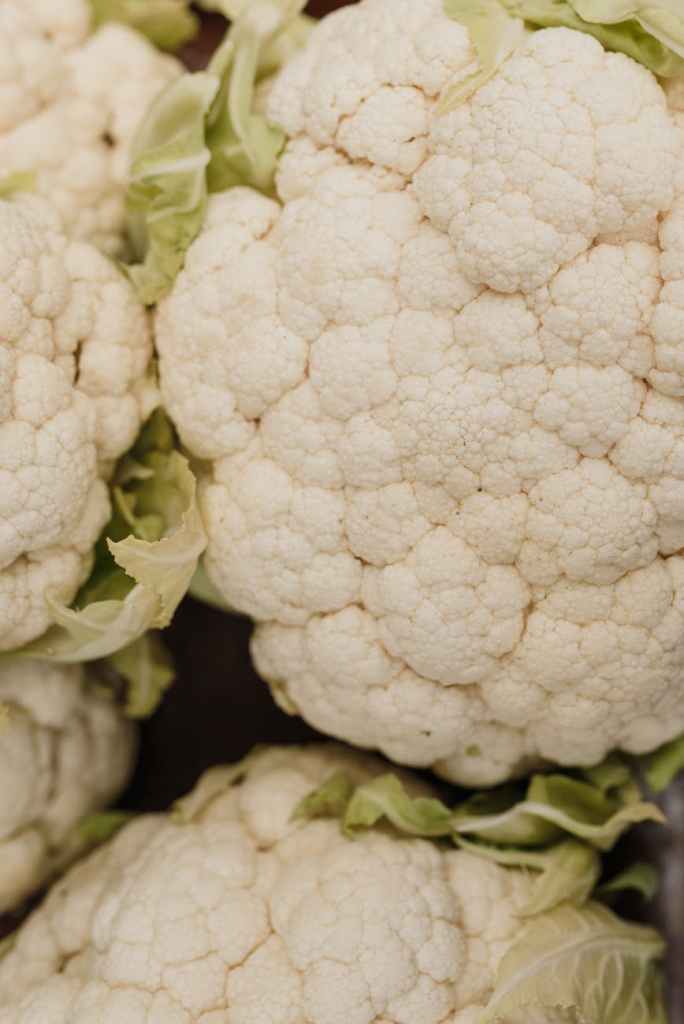
Spinach or cauliflower:  These cruciferous vegetables are chock full of essential nutrients that are associated with lowering risk of chronic disease, such as cancer and heart disease.

Cherries: This fruit is full of polyphenol antioxidants which can protect our heart from cell damage and may reduce inflammation.

Blueberries: Full of flavonoids, especially anthocyanins which gives the fruit its gorgeous hue, blueberries are associated with reducing oxidative stress that can lead to inflammation among numerous other benefits. 

Banana: In addition to being an excellent source of potassium, bananas, especially when frozen, lend a creamy texture to smoothies.

Prunes: These luscious orbs are full of fiber, potassium, vitamin K, and boron.  The latter two ingredients are key to bone building health.

Cinnamon: The National Institutes of Health describes cinnamon as a “multifaceted medicinal plant that is “an antioxidant, anti-inflammatory, antidiabetic, antimicrobial, anticancer, lipid-lowering, and cardiovascular-disease-lowering compound, cinnamon has also been reported to have activities against neurological disorders, such as Parkinson’s and Alzheimer’s diseases.”

Cocoa powder:  This much beloved ingredient is also full of flavonoids, which have been shown to lower blood pressure and increase blood flow to heart and brain.

Protein powder: Obviously, this ingredient increases the protein content of your smoothie, but it affects texture by making it creamier.

Seeds: These tiny, but mighty ingredients, contain alpha linolenic acid (omega-3 fatty acid) which may increase brain function and boost the immune system.  In addition, they are full of fiber, protein, and a variety of minerals. 

Beet juice: Beets are rich in nitrates that the body converts to nitric oxide which helps with blood flow and lowers blood pressure.  Additionally, beets are full of other beneficial nutrients as they are also part of the cruciferous family. ( I rarely include juice in my smoothie recipes, but this is one juice I will add.)

Whole Food ingredients that can even be made ahead of time! 🍍🥝🍑

Photo by Lisa Fotios on Pexels.com

As you can see from the nutritional deconstruction of this recipe, smoothies made with whole food ingredients can be a healthy part of your daily dietary intake. They can be easily made from frozen fruits and vegetables, so you don’t have to waste what you don’t use. 

Furthermore, smoothies can be made ahead of time, such as the night before.  They can even be made several days ahead of time and frozen, which is what I often do.  Then, it’s simply a matter of removing one from the freezer the night before and placing it in the refrigerator.  The next morning, grab the container and go. It can either be sipped on the way to work or saved for later time in the day.   All that is required is to give the smoothie container a good shake, and you have a perfectly chilled, thick, and creamy delight that is not only tasty but is also contributing to the body’s overall health and well being.

High Quality Blenders can’t be beat 🍐🍇🍊

Photo by Mikhail Nilov on Pexels.com

One caveat I will mention is that it is worth investing in a quality, high powered blender if you are one who frequently makes smoothies as I do.  I actually purchased a certified reconditioned model, directly from the factory.  It automatically came with a five-year warranty, and the company’s customer service has been outstanding.  This is not only a cost-effective way to get a quality, high-powered blender, but it also promotes sustainability. Win. Win.  

From my home to yours, I wish you health, happiness, and peace.

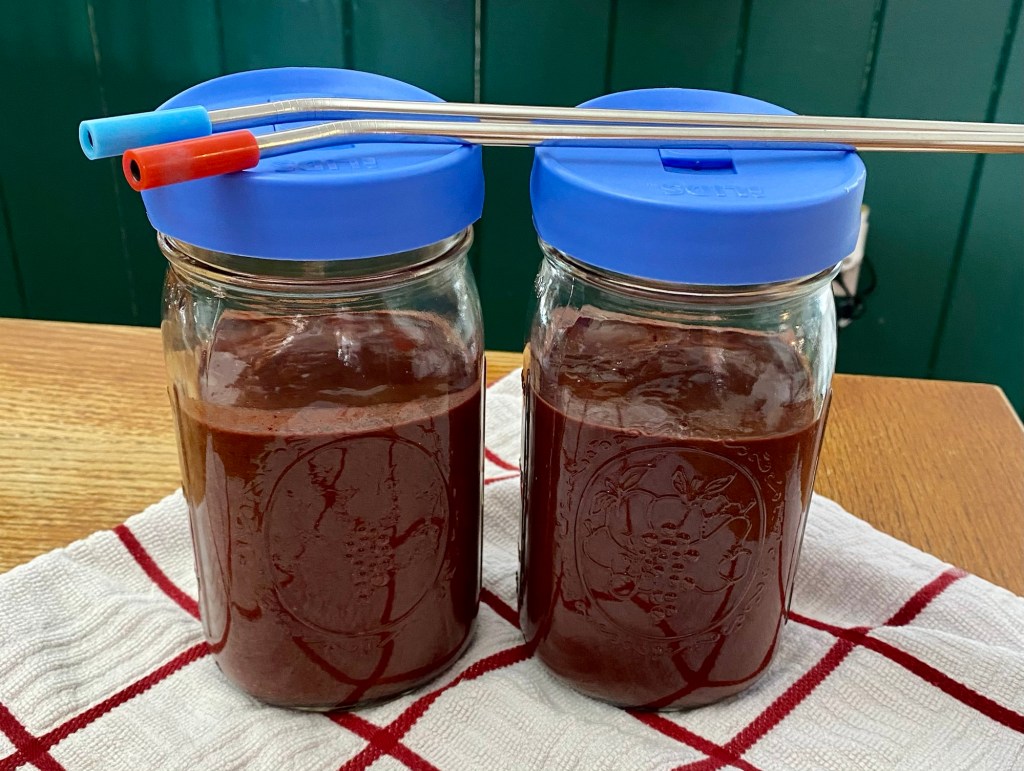
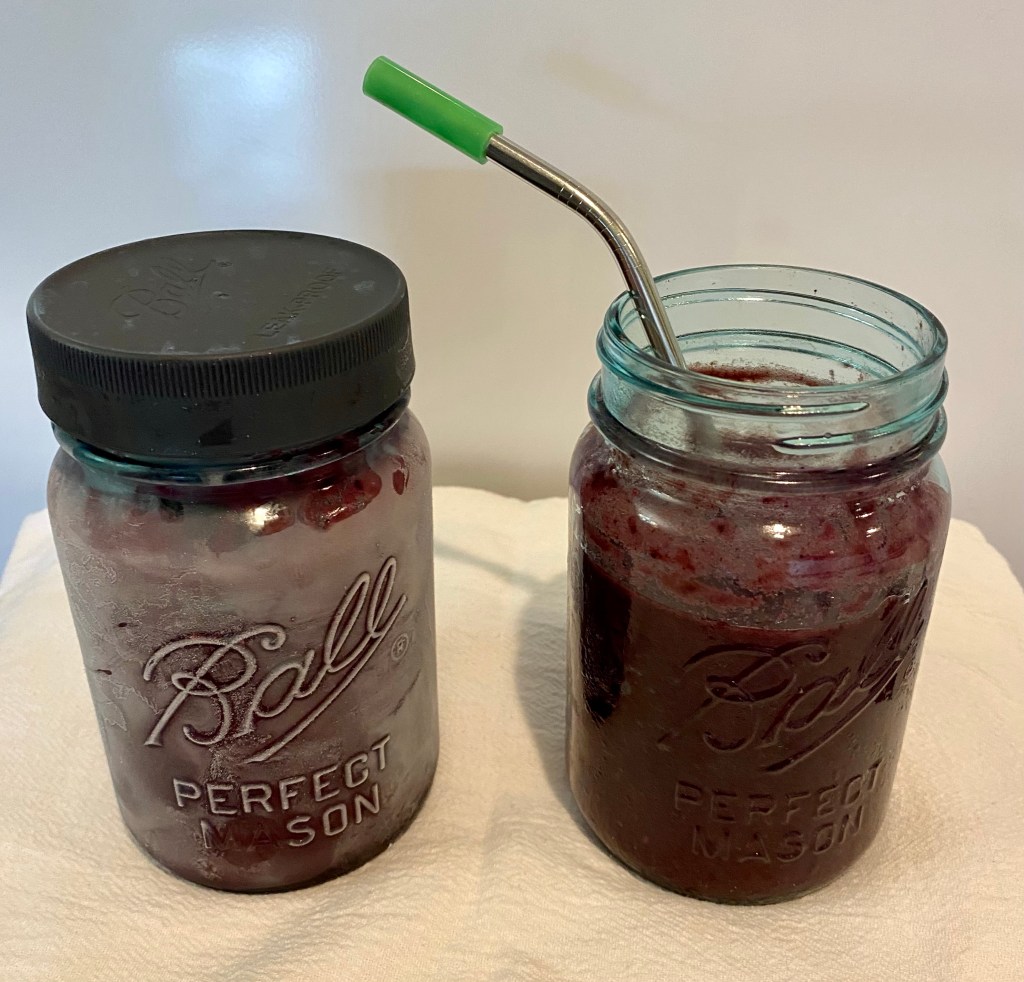
Blend two at a time. Drink one, share one, or freeze for another day!

Chocolate Cherry Berry Smoothie

Ingredients:

2 cups frozen spinach or riced cauliflower 

1 cup frozen cherries

1 cup blueberries

1 ripe banana, frozen if possible

¼  lemon with its peel (remove seeds)

 2-4 prunes (can substitute medjool dates)

2 tablespoons cocoa powder

1 teaspoon cinnamon

vanilla protein powder

2-4 tablespoons flax, hemp, or chia seeds

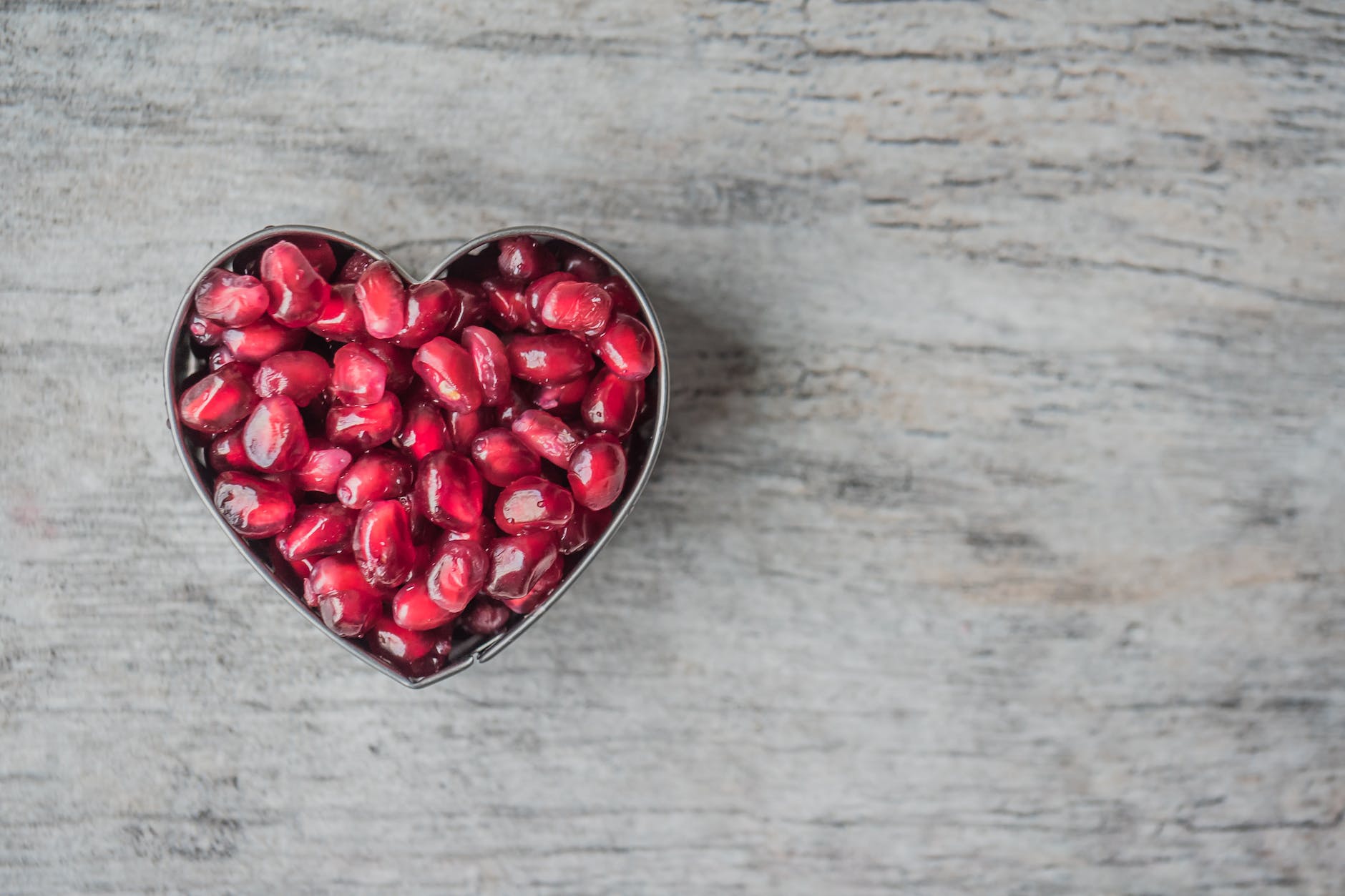
2 cups water OR 1 cup beet juice + 1 cup water (Can substitute pomegranate juice for beet juice.)

Directions:

Place all ingredients in the order listed in a high powered blender and blend from one minute or until smooth and creamy.

Serves 2

Dress up your salad with a creamy BS salad dressing

“You cannot see the lettuce and the dressing without suspecting a salad.”–Arthur Conan Doyle 

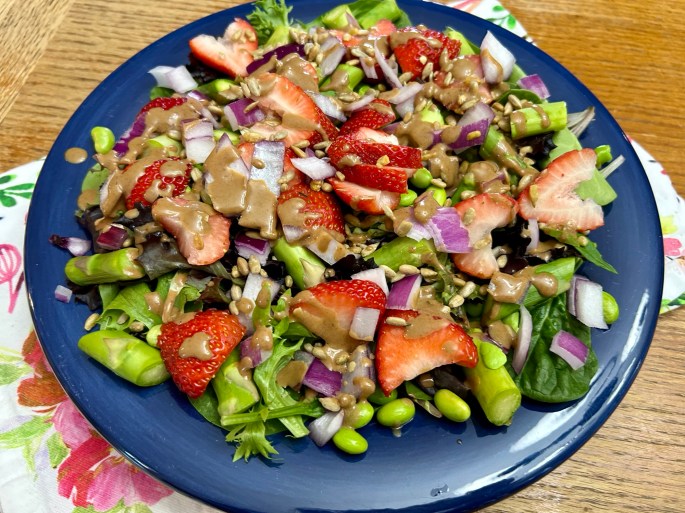
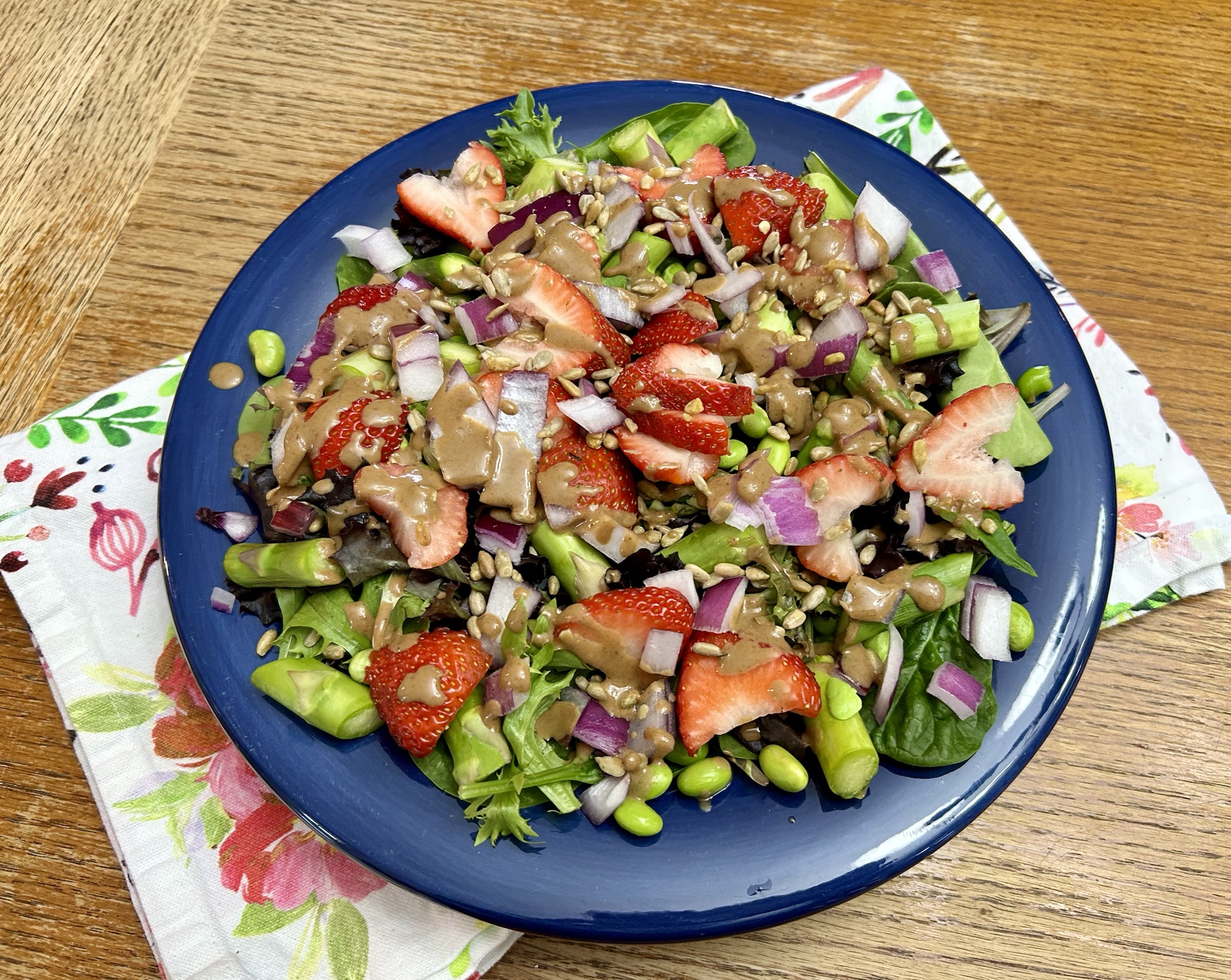
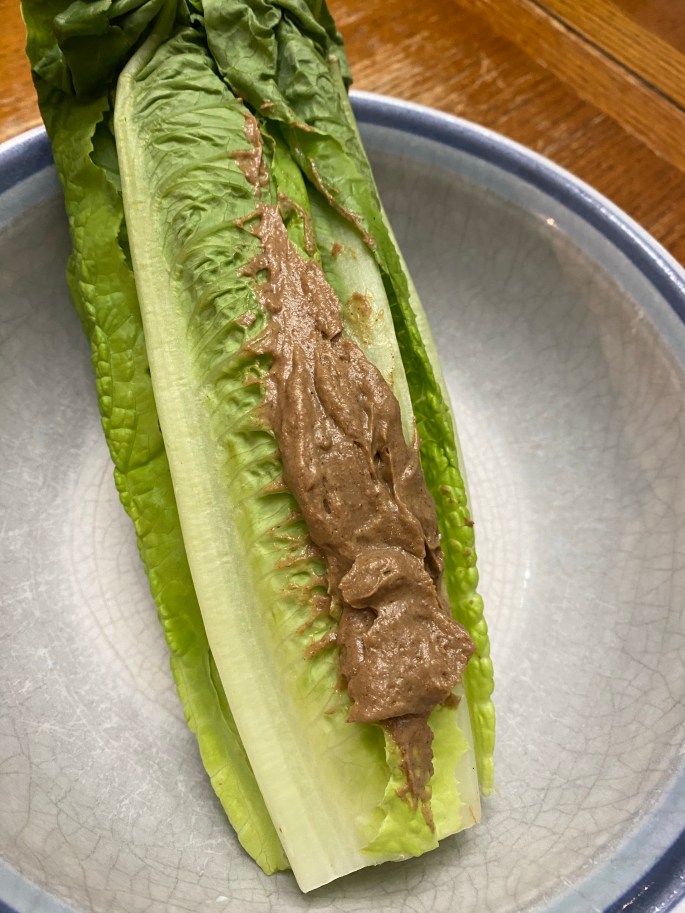
This dressing can be served as thick as a dip, as seen here, or thinned out for a more traditional, pour. Either way, it will be bursting with flavor! 🥗

‘Lettuce’ warm up to salad Greens

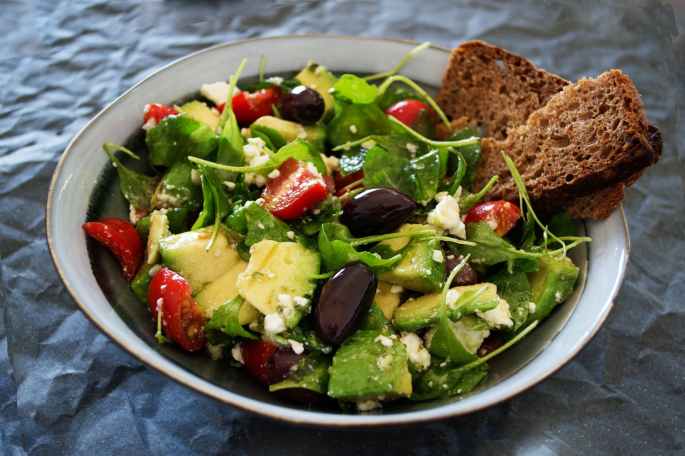
Warm weather signals that it is the time for salads filled with wonderfully nutritious greens!  Fresh made salads are great any time of the year, but they are especially delicious during spring and summer. While the word salad can encompass those made with chicken, tuna, macaroni, and so on, I am focusing on salads whose bases consist largely of greens and other plants that can either serve as an appetizer or as a meal. 

When making a fresh salad, it is easy and convenient to buy those bagged, or plastic containers of prepackaged blends.  While I often use them, it can sometimes be more cost effective to purchase a variety of leafy greens, veg, and other ingredients to make your own personalized mix.  During the warmer months, this is especially ideal when you can shop at local farmers’ markets and produce stands.  

Lettuce is a popular base for salads, and there are several main types from which to choose including colorful leaf lettuce varieties; butterhead varieties, including bibb and Boston; crisphead, popularly known as iceberg; and, romaine, king of the Caesar salad.  Kale, spinach, and arugula are also popular ingredients for salads, either as a solo base or part of a mix of greens.  Other colorful and flavorful additions worth considering include radicchio (which is fun to pronounce), escarole, Belgian endive, and frisee as well as mustard greens, watercress, and mesclun–popularly known as spring mix. 

Photo by Michael Burrows on Pexels.com

Mix those Greens

Personally, when it comes to making a salad, I enjoy mixing up textures, colors, and flavors, such as tossing leaf lettuce with some spinach and arugula, or mixing romaine lettuce with kale and radicchio.  If I am mixing a salad with stronger flavors of arugula or kale, I typically keep the rest of the ingredients simple.  In fact, I’d probably add in a fruit (tomato, chopped apple, or dried cranberries) and top it off with lighter dressing, such as a vinaigrette.

Other times, I appreciate the simplicity of filling my bowl with only one type of leafy green; then I’ll mix in a variety of color, texture, and flavor from other fruits and vegetables.  With this kind of salad, I might add chopped broccoli or cabbage, then toss in some mandarin orange sections or tomato, and top it off with a hearty, creamy nut-based dressing, such as the one below.  Then again, I’ve been known to put a large amount of one green as a base in a big bowl, such as spinach or kale, sprinkle it with some lemon juice or vinegar, then top it off with warm and savory toppings, such as brown rice, beans, and sauteed onions and peppers. 

Not only can plant-forward salad be part of a quick and easy lunch or dinner option, but they are also a great way to boost intake of vital nutrients. In fact, The U.S. Department Agriculture states that traditional salad greens, especially those dark leafy types, including kale and spinach, are rich in vitamins A, C, E, and K.  Toss in some mustard greens, chopped up broccoli, or bok choy for an excellent source of B-vitamins.  All those dark, leafy greens and vegetables contain high levels of fiber, iron, magnesium, potassium, and calcium without adding large amounts of sodium, carbohydrates, or cholesterol.  And if that’s not enough food for thought, green vegetables are chock-full of carotenoids-antioxidants that protect cells and ward off early-stages of cancer.

Photo by Pixabay on Pexels.com

Customizable Salad Dressing Fit for a King

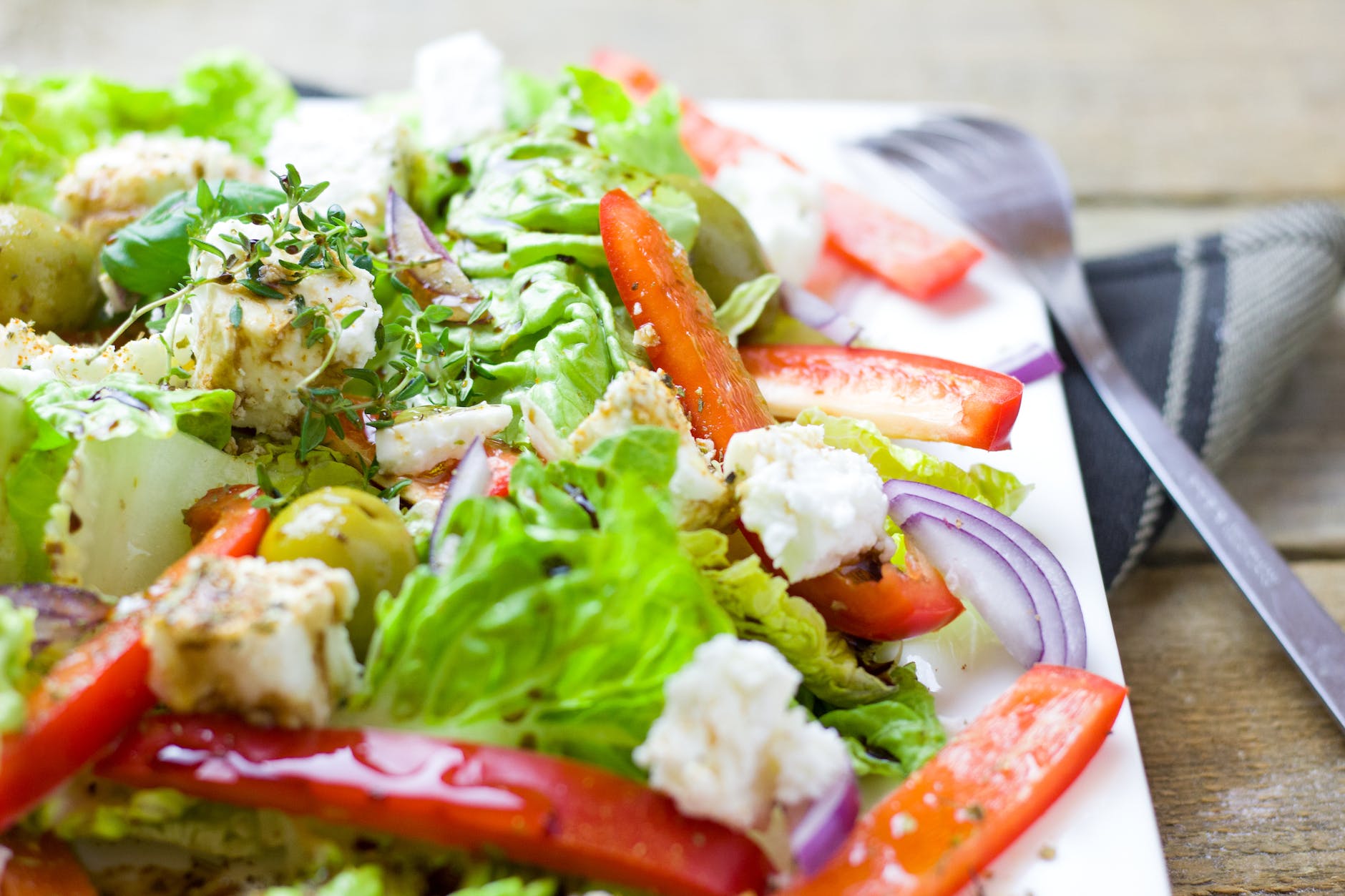
Of course, to make a salad even more delectable, it requires a good dressing.  A quality dressing can make a salad taste next-level.  Unfortunately, so many readily available dressings are full of ingredients that are unpronounceable, and often overflowing with too much sodium, sugar, or unhealthy oil variations. Furthermore, commercial dressings often aren’t budget friendly when you consider the cost per ounce, and they aren’t customized to your personal taste preference.  Therefore, it makes sense (and cents) to make your own dressing.

I recently ran across a simple formula for making homemade salad dressings by Sergei Boutenko, a self-proclaimed health nut, that made perfect sense to me.  Boutenko suggests considering five tastes (think *BS salad dressing: 1B + 4Ss)–bitter, sweet, salty, sour, spicy–when making homemade salad dressing, which I did when creating this recipe.  This recipe is also customizable, for example you can trade out balsamic vinegar for apple cider vinegar; or, swap out the raisins for dates or even figs.

I chose not to include any oil, and instead use almond butter as a fat to create that desired creamy dressing mouth feel. Additionally, I used a few of my favorite spices/seasonings.  Again, each ingredient is customizable, including changing the spices.  Additionally, you could trade out almond butter for peanut butter or tahini, and depending on if you’re a garlic fan or not, you can use a little or a lot. Want the dressing thicker or thinner, add more or less water. You get the idea.

Customize your own salad dressing following the BS rules. 😉

The point is to take advantage of the warm weather’s harvest to create your own individualized, delicious way to enjoy the salad days of summer.  Serve up forkfuls of those dark leafy salad greens as well as any other added veg or fruit you want to toss in.  Then, dress up those delectable greens with a dressing suited perfectly to your taste preference–and pocket that extra change you saved.  Your body and your wallet will thank you.

From my home to yours, here’s to eating healthy!

Creamy (and customizable) BS Salad Dressing

Ingredients

½ – 1 cup water (depending upon how thick or thin you like dressing)

⅓ cup balsamic vinegar (sour)

¼ cup almond butter

¼ cup raisins or dates (sweet)

1 teaspoon soy sauce or liquid aminos (salty)

1-3 teaspoons minced garlic, depending upon taste preference (bitter)

1 teaspoon dried oregano

½ teaspoon dried basil

½ teaspoon onion powder

¼ teaspoon black pepper (spicy)

Directions

Blend all ingredients in a food processor or high powered blender.

Store leftovers in a tightly closed container for up to  weeks in the refrigerator.

*Notes: Remember each ingredient can be changed out for equivalent ingredient, choose your favorite flavor of vinegar, use your favorite nut butter and/or dried fruit, and change any of the seasonings as well as their amounts to make your own *BS salad dressing (see reference in article).

Move into Health, Part 10: Create a fitness plan that meets you where you are

Photo by MART PRODUCTION on Pexels.com

I came across a quote only days after my recent ACDF surgery by Oprah Winfrey that read, “Challenges are gifts that force us to search for a new center of gravity. Don’t fight them. Just find a new way to stand.” It accurately summed up what I have been trying to do as I recover.  Find new ways to stand, sit, sleep, work, walk, etc. . . Of course, I am blessed that my surgery did not require more than one night’s stay in the hospital, and wasn’t more serious.  Nonetheless, surgery is no joke and recovery is for real.

My movement was limited for days following surgery.  I had to learn to turn at the waist, rather than use my neck. Additionally, I had to focus on using my stomach muscles to get in and out of bed to avoid straining my neck. And, all forms of exercise, except for walking, was eliminated per staunch medical advice that my family took to heart with frequent reminders. (They didn’t need to worry, I truly wasn’t feeling like doing much during those first few days.)

Photo by SHVETS production on Pexels.com

Walking, I was told by the release nurse, was to be completed every hour, even if it meant only completing one lap around the dining room table before I sat back down.  However, I was encouraged, once I got past what the nurse called the “recliner days”–days when swelling and inflammation (aka pain) was at the highest level–to try to walk 10-15 minutes each hour.  I had just completed a half-marathon, albeit slowly, only weeks earlier, and now this was my new fitness plan. What a shift!

So why was walking so important, even on those days when I didn’t feel like moving?  Well, it turns out there are numerous valid reasons according to my doctor and as described in countless studies out of the Mayo Clinic, University of Wisconsin, and in a 2020 US News and World Report article. Here are a few of the reasons cited:

  • Prevention of post-surgery complications
  • Enhances blood flow throughout the body
  • Increases the flow of oxygen throughout the body
  • Accelerates wound healing
  • Strengthens muscles and bones
  • Improves digestion (aka ability to poop) and the function of urinary tract while reducing bloating and gas
  • Reduces risk for blood clots, infections, and lung issues, such as pneumonia
  • Boosts mood and self-esteem  

Why do I share all of this?  To make the point that my old fitness plan was, and currently is, no longer appropriate for me.  I had to adopt a fitness plan that meets my body’s needs where it is.  Therefore, my current movement plan consists of short segments of walking completed throughout the day as I remain home recovering, which complies with medical advice from my doctor and best meets the needs of my body.  

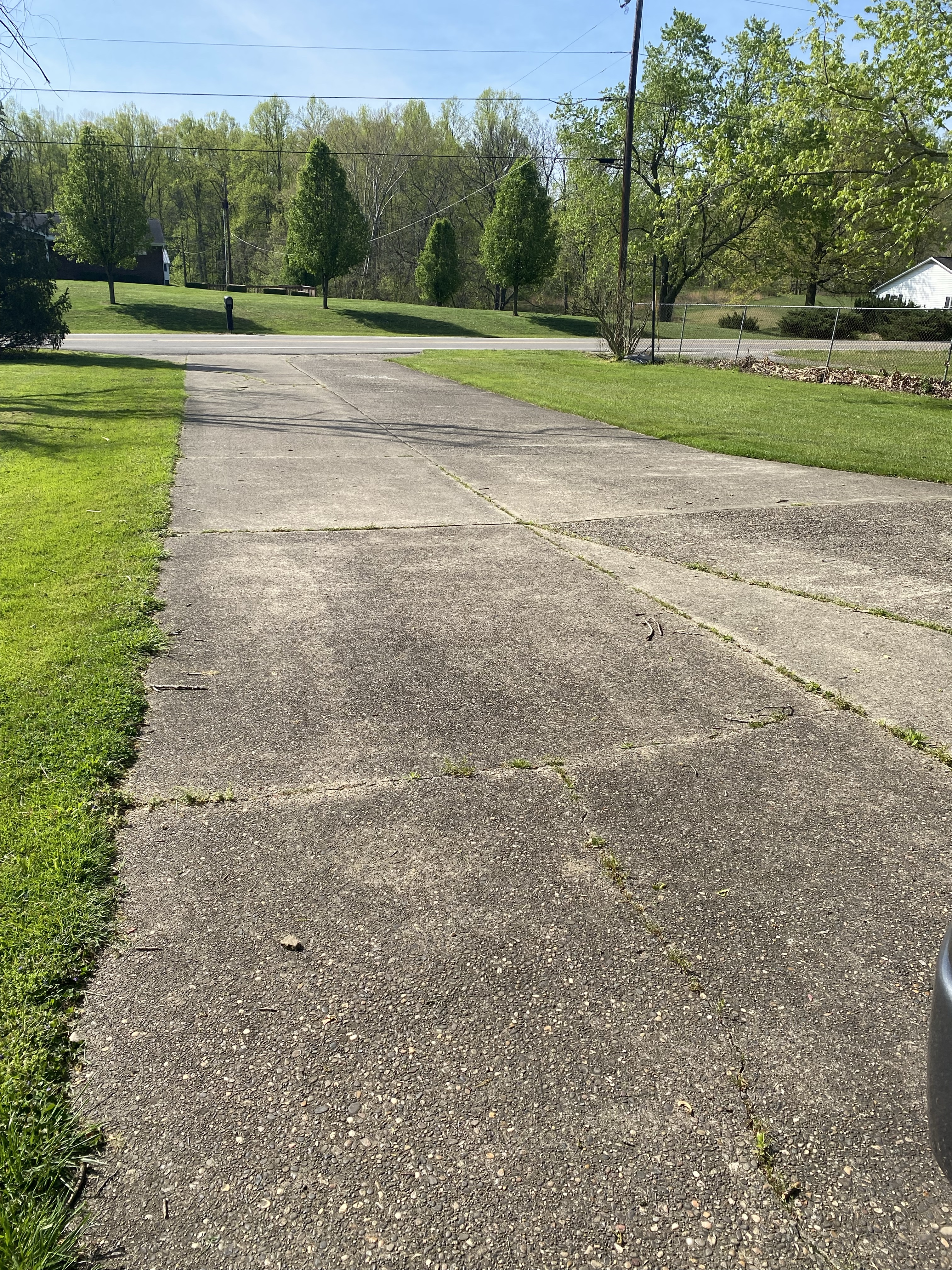
Gentle walking on my driveway or in my house is part of the slow and steady recovery plan.

At the time of writing this, I am entering my third week of recovery. After my two-week, post-operative appointment, I now have permission to begin to gently explore a few  strengthening exercises and stretches that can be completed without forward bending.  Additionally, I can begin to explore my neck range of motion with a few doctor approved neck stretches and strengthening exercises, but nothing more.  Slow and steady helps me find my new center of gravity.

Due to this experience, I want to continue to encourage you, Dear Reader, to carefully plan how you will enter, or reenter, your own exercise/movement plan this spring.  Create a plan that meets your needs, and commit to doing it–even if you don’t “feel like it.”  Personally speaking, I could feel angry and convince myself that if I can’t exercise the way I once did, then I won’t do anything at all. After all, it would be easy for me to sit around all day and use my surgery as an excuse to do nothing.  Conversely, I could try to push too hard with the delusion that, “The staff doesn’t really know ME,” and begin overdoing it with images of former, younger me dancing in my head

Instead, I have accepted the reality of my situation, rather than reject the medical advice I have been given.  They are the professionals, not me.  I have to meet my body where it’s at when it comes to fitness.  Sure, I have dreams of hiking again, walking (or jogging) the entire bike path of Ritter Park, and even practicing yoga with regularity, but none of those will ever happen if I don’t recover first.  And my first step in recovery is walking, so my body can focus on the miraculous work of healing.

Welcome walking into your life! You might be surprised by the benefits!

Therefore, no matter where you are, what shape you are in, or any other personal obstacles that you may be facing unbeknownst to me, I still encourage you to never give up on regularly incorporating movement into your day. Avoid the temptation to make excuses for yourself, but at the same time, don’t start off with a complicated plan.  Talk to your health care provider, and then start.

Start where you are.  If you don’t regularly move, then begin, like me, with short walks around your home, or up and down your driveway or sidewalk.  Do that 3-4 times per week.  The following week, add one more lap, or add five more minutes to your walk, and complete it 3-4 times per week.  Gradually, you will build up your time and the distance covered.  By keeping this up over several weeks, you will create the habit of moving.  Your body, lungs, and heart will be stronger, and I wouldn’t be surprised if you find you are reaping other unexpected benefits!

Think about this, my friends, if walking is scientifically established as one of the best tools for recovery after surgery, what can it do for you?  Don’t beat yourself up because you are no longer what you once were, you didn’t exercise over winter due to the cold weather, you’ve never really tried to exercise previously, or you’re somewhere in between, like me.  Start where you are at, and move one step at a time.  Rome wasn’t built in a day, and neither is fitness, but you have to take the first step, and spring is a great time to start.  

Here we go my friend, take my hand, let’s find that new center of gravity, and cross this bridge together, one healing step at a time.

Open the door to spring, and find your new center of gravity one small step at a time!

Move Into Health, Part 9: The Long Game

“ . . . To me, old age is always 15 years older than I am.”–Francis Bacon

I recently ran across an inspirational story that was being shared across a multitude of media outlets.  Jean Bailey, a 102-year old resident and fitness coach of Elk Ridge Senior Living in Omaha, Nebraska, has been leading fitness classes there, four times a week, for the past three years.  

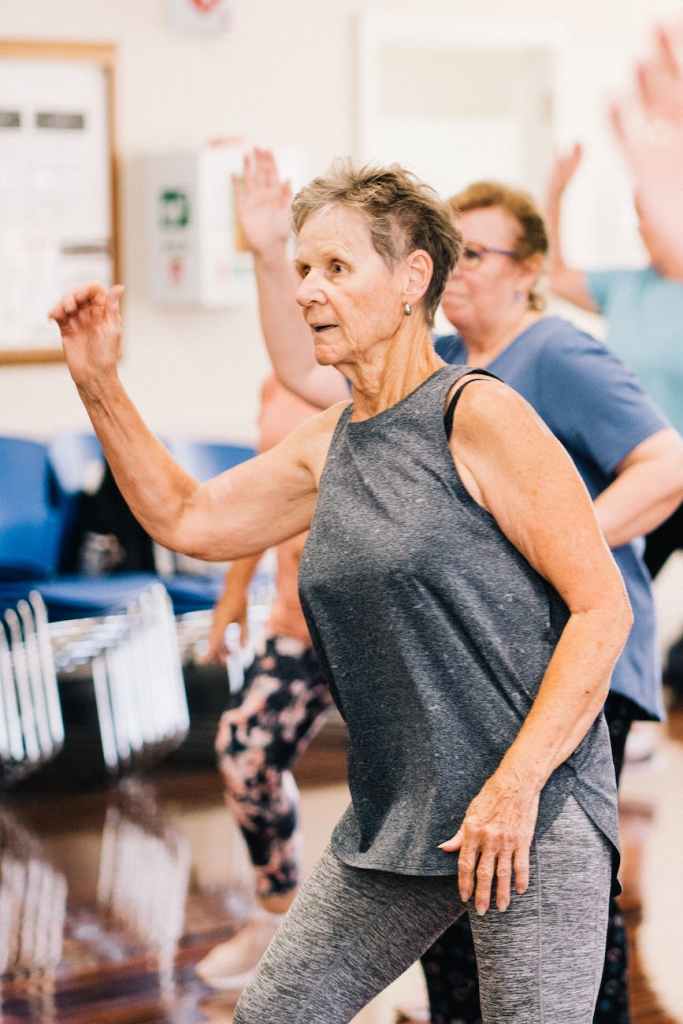
 Bailey’s classes consist of exercises that go through a wide range of motion, designed to get every part of the body moving, including activities such as overhead reach, arm circles, neck rotations, and seated toes touches to name a few.  Her classes last about 30 minutes.  Bailey realizes that, like her, many of her fellow exercisers have mobility limitations or their bodies are different from day to day; however, she believes that everyone, including herself, can benefit from doing what they can do.  

102 year old Jean Bailey leading an exercise class at Elk Ridge Senior Living in Omaha, Nebraska.

Bailey is redefining what it means to age.  She proudly proclaimed in a recent interview, “If you don’t keep your mind and body busy, then why are you here?” Friendships have blossomed and flourished since she first began leading the classes during the pandemic when Bailey invited her neighbors to bring chairs into the hall and exercise with her at a socially safe distance.  

Since COVID restrictions were lifted, Bailey has also been known to treat fellow exercisers with baked goods after class, especially in honor of someone’s birthday.  This is because, as Bailey points out, birthdays at their age are noteworthy. When asked if she’ll ever quit, she replied, “When I get old, I’ll quit!”

I share this story as part of the 9th installment of the “Move Into Health” series. Bailey’s story serves as a direct contrast to those limiting beliefs, which can easily entrap any one of us, regarding adopting or changing certain healthy lifestyle habits as we age. However, even though our bodies change with age, according to numerous scientific studies, there is very little difference between an 18-year old brain and a 100-year old brain from a cerebrovascular perspective; thus establishing, we are never too old to mentally adopt new habits or overcome poor habits that may have crept in over the years.

Bailey is most likely an example of what scientists call SuperAgers, those living into their eighth decade, and beyond, who possess cognitive function similar to that of a middle-aged adult.  In fact, neuroscientists at Northwestern University in Chicago have identified four specific habits of SuperAgers. Adopting these four SuperAgers’ healthy habits may help slow down the aging process within the brain (and the body), potentially staving off Alzheimer’s disease or other forms of dementia, while boosting overall health; thereby, spending less time at the doctor’s office and more time doing the things you love.  

Photo by Wellness Gallery Catalyst Foundation on Pexels.com

The four habits of SuperAgers are listed below. While I am not a proponent of changing everything all at once, I do sincerely believe that taking small steps towards any of these habits can have a positive impact upon personal health.

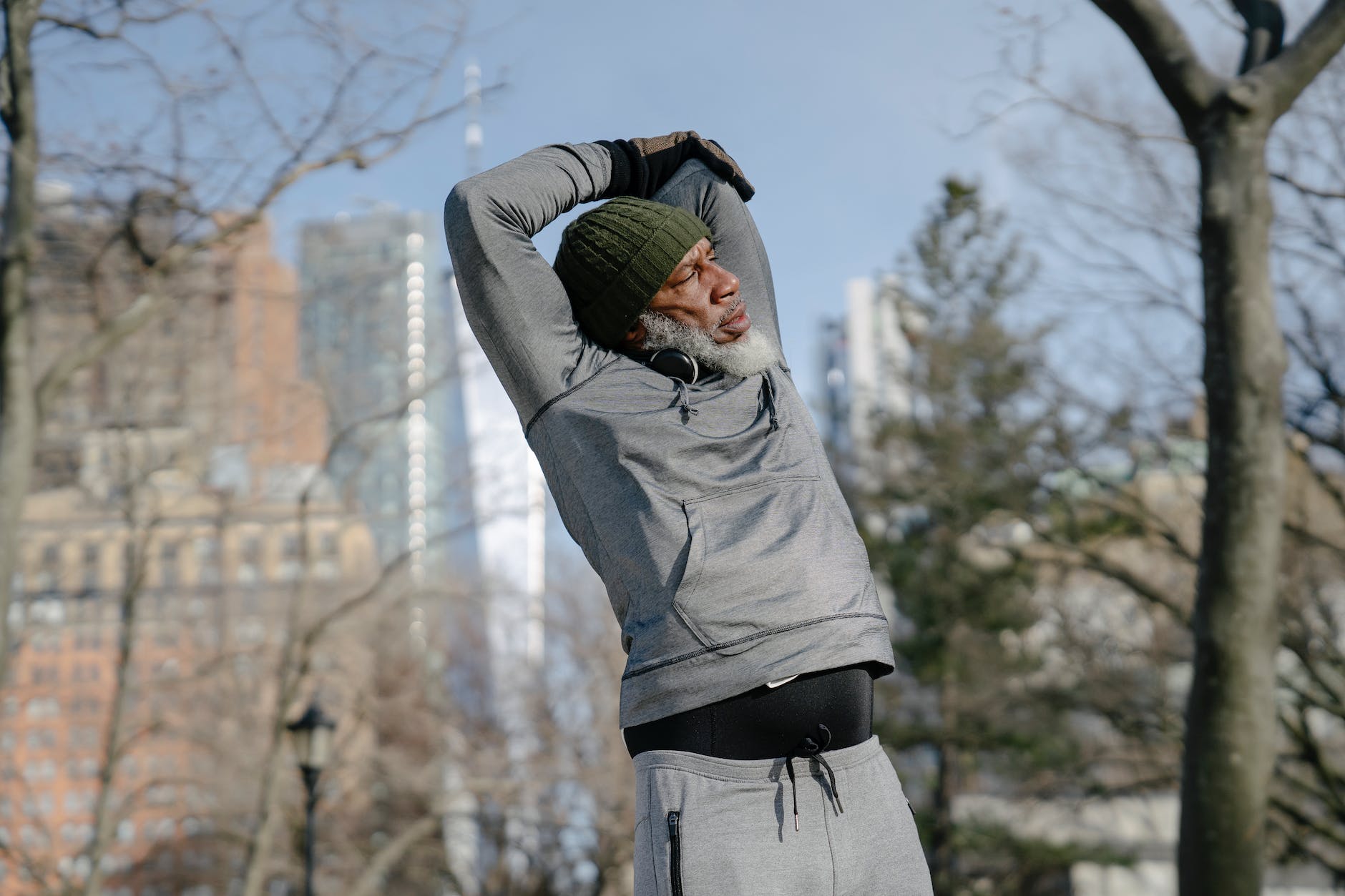
Daily Movement/Activity. You know the old adage, “Move it or lose it.”  Incorporating daily movement increases oxygen and blood flow–both of which benefit the brain.  Regular bouts of exercise, even as few as twice per week, strengthen not only the heart and lungs but can also strengthen muscles required for stability to avoid falling, help maintain a healthy weight, and reduce the risk for Alzheimer’s disease. As an added bonus, exercise can reduce the symptoms of depression and anxiety and lower your risk for heart disease, type 2 diabetes, high blood pressure, and even some cancers.

Photo by Tirachard Kumtanom on Pexels.com

Challenge yourself. Adopt habits of reading, puzzle solving, and learning. Experiencing the mild to moderate stress that often accompanies learning a new skill is good for creating and/or maintaining healthy neural pathways. Take classes, learn a new language, or choose any number of activities that get you out of your comfort zone.  Mental challenges are good for you and your brain.

Photo by Mathias Reding on Pexels.com

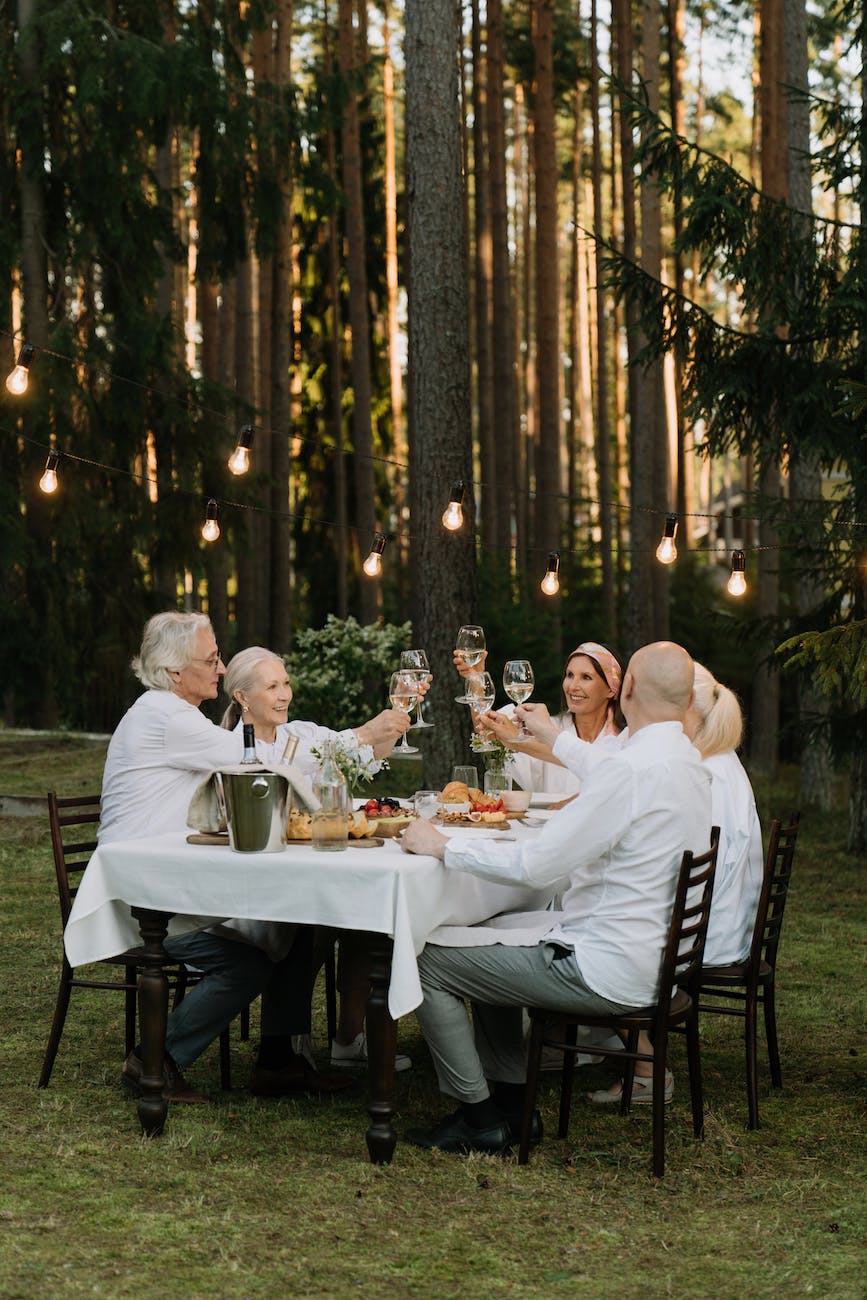
Get social.  Meeting regularly with friends, engaging with others via group settings, or partaking in family gatherings allow for the maintenance of healthy social relationships.  In fact, autopsies of SuperAgers reveals that the attention area of their brain has four to five times the amount of neurons responsible for social processing and awareness, when compared to others who lived into their 80s or later.

Photo by Kampus Production on Pexels.com

Drink, but in moderation. Moderate drinkers are less likely to develop memory issues, including Alzheimer’s disease.  However, too much alcohol creates the opposite effect on memory as well as increased belly fat (the most dangerous type), increased blood pressure, and numerous other health conditions.

Photo by cottonbro studio on Pexels.com

Two other beneficial habits worth considering that are also associated with aging well:

Adopt a MIND diet.  MIND, in addition to being a huge buzz word in current medical research for the prevention of Alzheimer’s disease and cognitive delays, is an acronym for Mediterranean-DASH Intervention for Neurodegenerative Delay.  It is a plant-based diet that combines the Mediterranean Diet and the DASH Diets. The MIND diet encourages the daily consumption of plenty of fruits (specifically berries), and vegetables (especially leafy greens), whole grains, legumes, nuts, as well as limited amounts of poultry, fish, and olive oil.  Not only are these foods good for overall brain health and cognitive function, but they also reduce inflammation and oxidative stress, two actions strongly associated with chronic health illnesses and disease. 

Photo by Yaroslav Shuraev on Pexels.com

Quit smoking. While I cannot pretend to know how hard it is to stop this habit, I do remember a nurse telling my mother-in-law during an emergency room visit that within 24 hours of quitting smoking, she would begin to reduce her risk of a heart-attack by 50% or more.  It still took her several more years before she quit; however, I will forever admire the way in which she finally gave up the habit at age 71. Although health issues related to a lifetime of smoking remained with her until the end, because she did quit, she added years to her life.  

Photo by Irina Iriser on Pexels.com

Who among us will be the next SuperAger?  No one can know for sure. To be certain, any one of us could follow all the so-called rules, and still develop Alzheimer’s disease, cancer, or other detrimental condition.  Nonetheless, watching Jean Bailey lead her exercise classes on Youtube and Twitter videos certainly persuades me to keep moving into my own health, and her story further motivates me to continue to share this valuable information. Adopting any or all of these healthy habits can’t hurt any of us, and they just might add a bit more quality to the quantity of years we have remaining.  Here’s to your health!

Photo by Jessica Lewis Creative on Pexels.com

Unwrap your best holiday health: Ways to keep moving from Thanksgiving through those New Year’s Celebration

“Take care of your body. It’s the one place you have to live.”–Jim Rohn

This is my fifth installment of celebrating and encouraging movement for everyone.  If you’ve read my previous pieces, you already know that my goal is fairly simple.  I want to encourage everyone to move more in whatever manner works best for you, your body, and your schedule.  I do not believe in one-size fits all when it comes to fitness and health goals.  Instead, I am writing to explore techniques, habits, and motivations for incorporating more movement into life, even during the upcoming holiday season.

Why should you consider maintaining your movement/exercise routine during the weeks of Thanksgiving through the New Year celebration?  There are many possible reasons, but only you can decide your why(s).  Personally, it allows me to feel as if I have accomplished one positive thing for the day.  If everything else derails throughout the day, at least I exercised–even if it had to be for a reduced amount of time.  However, there are so many more valid reasons.

Photo by Julia Larson on Pexels.com

Increased movement and exercise is one positive way to combat the stress that often accompanies this season.  Although stress isn’t a disease, per se, it is the body’s physical, mental, and emotional responses to external events, especially change, which often occur from Thanksgiving through the New Year celebrations. High levels of holiday stress can detrimentally impact mental health.  However, being physically active throughout the holidays is a proven technique to significantly reduce stress levels.

Along the same lines, exercise during the holiday season can provide structure to your schedule. If you have already committed to moving more throughout your day/week, and you have already been consistently applying it, then continuing to follow through with that plan builds at least a sense of familiarity and comfort.  Even if you have to reduce your time and/or days for physical activity, there is at least that semblance of reassurance that you are choosing to still take care of yourself, which can increase the likelihood of making another healthier choice throughout your day/week.

Photo by Barbara Olsen on Pexels.com

As counterintuitive as it may seem, exercise gives you more energy during the holidays.  Harvard Health explains it this way. Increased movement and exercise increases oxygen circulation, which in turn, allows your body to energy more efficiently and therefore function better.  Furthermore, exercise increases cellular level changes, including augmenting the production of mitochondria inside your muscle cells. Having more mitochondria translates to your body possessing an adequate energy supply.  Plus, exercise boosts the production of the feel-good hormones that likewise make you feel more energetic.

Exercise and increased movement is a proven way to combat anxiety and depression, often associated with the holiday season. Let’s be honest, for many people, the holidays often serve as a reminder of loved ones and traditions lost to the past.  For others, the increased requirements for more socialization, or so-called holiday-expectations, can trigger the desire to curl up in a fetal position and hide until the season is over.  Furthermore, increased levels of darkness often precipitate seasonal affective disorders (SAD), a form of depression that affects approximately 10 million people annually. Physical activity is a proven method for reducing symptoms by releasing endorphins that increase positive feelings.  

Physical activity can reduce increased sedentary behavior associated with late fall and winter months. Colder and/or inclement weather can reduce motivation to get outside and move. It’s only natural to want to stay in and watch sporting events, stream series, or watch old movies while noshing your way through comfort food snacks and often calorie laden beverages.  While there’s nothing inherently wrong with these behaviors, too much inactivity is not beneficial to the body, mind, and even spirit.  A commitment to physical activity, even if it is laps around your house on commercial breaks during sporting events or between streaming episodes will go a long way promoting your overall well-being.

Photo by Andres Ayrton on Pexels.com

In spite of all of these benefits, it can still feel challenging to maintain that fitness plan or movement goals you have established for yourself in previous months.  However, there are ways that can help you overcome obstacles.  The key is finding the ones that work for you as no one method/approach works for everyone.

Walk, march, or even jog around the neighborhood, if weather permits, or inside your house.  Even walking, marching, or jogging in place is beneficial!  If you don’t have time for your usual amount of time, such as 20 or 30 minutes, break it up into smaller time periods spread throughout the day.  If that isn’t possible, even one shorter burst of activity is better than none!

Consider exercising with an app, DVD, or streaming platform.  There are numerous apps and platforms that are free or reasonably priced.  In fact, you can even look up “holiday themed workouts” on Youtube lasting anywhere from 10-30+ minutes!

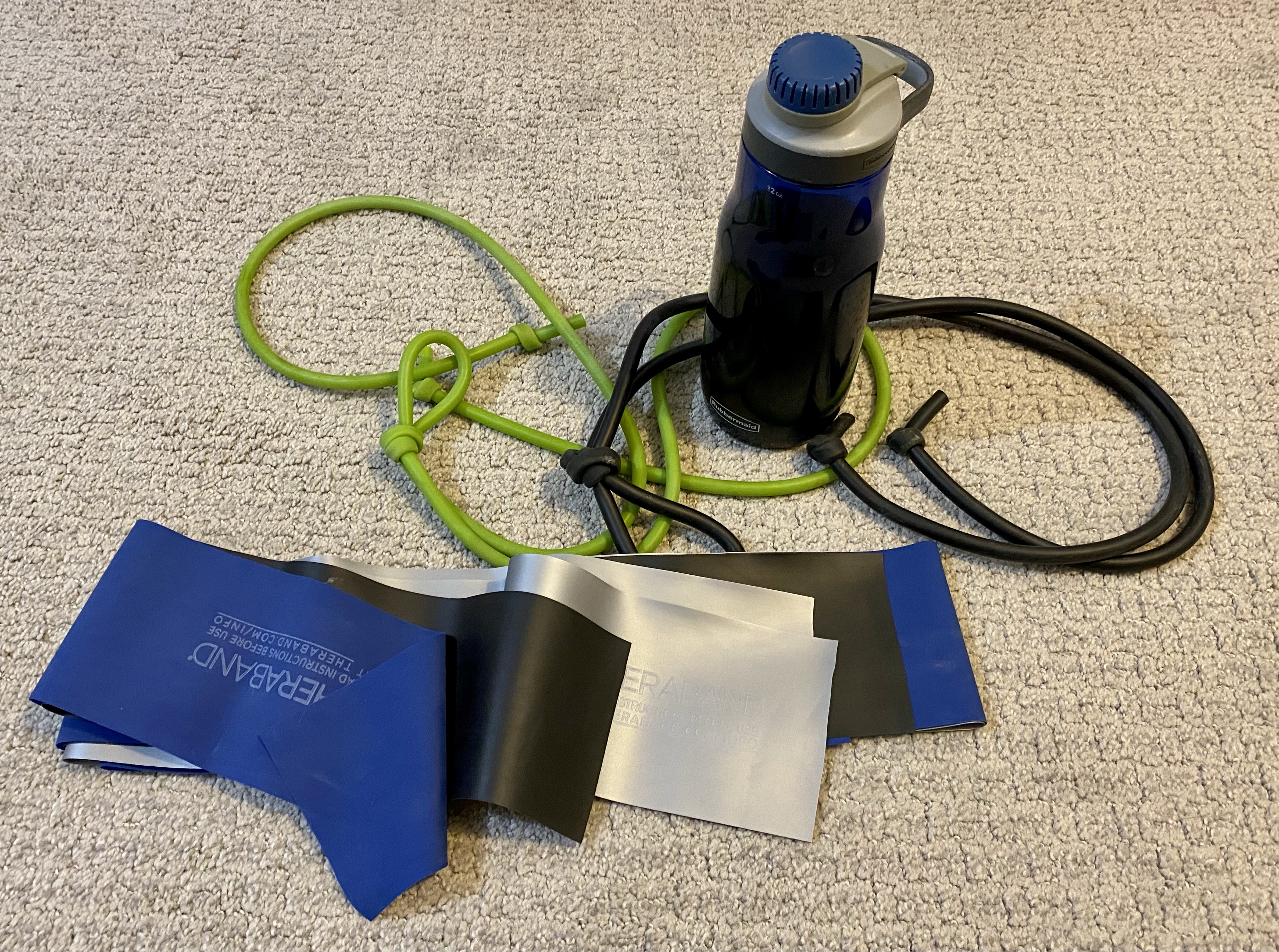
Inexpensive, portable exercise equipment are the perfect solution when traveling.

Invest in personal, home exercise equipment for use during inclement weather, traveling, or when short on time. Resistance bands and tubing, jump ropes, and exercise mats  are inexpensive, and easy to transport when traveling and/or visiting family/friends. The bands/tubing come in different sizes and resistant levels and require little training.  In fact, most come with a workout plan or can be found online.

Think outside the box, but keep it simple: 

  • Wake up 15-20 minutes earlier for a short movement period.  
  • Be mindful of the number of steps you take throughout the day, and challenge yourself to complete more than the day before.  
  • Wear exercise shoes when shopping and add power walk breaks in between stores or consider more frequent walks to your parked car after a store visit to stow away bags. 
  • Rethink your lunchtime, if your job allows, and use it as an opportunity for a short walk.
  • Challenge a fitness buddy to hold each other accountable to a realistic daily or weekly goal.
  • Complete bodyweight exercises throughout the day, such as push-ups against desk, body weight squats and lunges, chair tricep dips, twists, stretch, and so forth.  You might get a whole body workout by the day’s end!
  • Set realistic expectations and plan accordingly.  Consider reducing time/numbers of days per week, and then make a commitment to those.
  • Make movement part of the family/friend traditions if possible.  A family walk or dance session after a big holiday meal can not only improve digestion, but take the edge of any accumulated stress.
  • Make a holiday playlist.  It doesn’t have to be holiday music.  Instead, create a special playlist that motivates you when your energy is low.
  • Make sleep a priority too.  A well rested body moves with greater ease.
  • Hydrate consistently.  (Think of all the added sodium in those holiday treats.)

The holidays do not have to derail your exercise/movement routine.  There’s only one you and one body in which you live.  Therefore, think of physical activity during the holidays as the one gift you can give to yourself.  With a bit of flexibility, creative thinking, and determined mindset, you can continue to unwrap better health, one step, or choice of movement, at a time. 

Photo by Pavel Danilyuk on Pexels.com

Moving into health for every body: Tips for fitting additional movement into your routine

“Changing ‘exercise’ to ‘movement’ was a game changer for me . . ..” –@brittanilancaster (Tik Tok)

Last month, I wrote about the importance of rethinking exercise and the benefits of incorporating movement into your daily activity.  Nevertheless, it isn’t always easy to plan, begin, and stick with a program.  You may have the best of intentions, only to be derailed by life.  Don’t feel guilty or ashamed by this–many of us, including myself, have been there on more than one occasion. Consequently, I am not writing to preach or make you feel bad. Guilt is not, in my opinion, a sustainable motivator; however, as I have previously stated, mood does follow action.  Therefore, this month will focus on actionable steps to starting, or returning, to a routine plan of movement.  

Photo by Bich Tran on Pexels.com

 Honestly, the best form of movement is the one YOU will enjoy doing, but in case you’re not sure, here are a few considerations. 

  • Solo or buddy/group system. Personally, I think it’s important to know if you’re a solo-type of exerciser or one who would stick to a program better with a buddy or a group.  Some people prefer, and are more likely to follow through, with an exercise buddy or group.  While others tend to like more solo endeavors.  Knowing your preference may increase your chances of a more positive movement experience.
  • Choose an activity that you like.  It goes without saying, but I am going to state it again, if you dread exercise, you are probably not going to stick with it.  Ideally, find a form of exercise that makes you feel happy, empowered, and/or confident.  Do you love talking and/or sharing the latest juicy tidbits with a friend?  Then, choose an activity that allows you to do that while moving, such as walking.  Do you crave alone or quiet time?  There are many types of exercise that can lend you that much needed head-space for “me-time,” such as walking, biking, or strength training to name a few.  Are you motivated by instructors or group energy? Try one of the myriad of group fitness classes offered by gyms, fitness centers, or studios. And by all means, if you try one form of exercise, and you don’t like it, don’t throw in the proverbial sweat towel, try something else! 
  • Be realistic and start small.  In an ideal world, we would all follow the Department of Health and Human Services guidelines and exercise moderately 150 minutes per week–typically divided into five days for 30 minutes per day.  However, your schedule may only allow for three or four days and/or 15-20 minutes per day.  That’s okay.  Commit to a realistic routine and time.  Better to work within your schedule and be consistent with lesser amounts, than to do nothing at all.
  • Make it part of your weekly routine. Brainstorm ways to reduce or eliminate barriers.  Schedule exercise times into your smart calendar and set reminders, so nothing else can be scheduled during this time period. Schedule workouts with a friend in advance to build accountability, or use smart watches and/or fitness apps that allow you to link with friends, during workouts. Set out clothes, water bottles, equipment, snacks, and so forth, ahead of time. (I actually lay out all of my workout clothes for the week, set them in one stack by the bathroom, so I can grab and go quickly each morning.) 
  • Remember to reward yourself.   “If I do this, then I can do this.” Think about what really motivates you, and then set mini-goals towards that reward. It could be as simple as giving yourself permission to watch your favorite guilty-pleasure TV series for thirty minutes after completing a workout, or heading to your favorite local coffee or smoothie shop with a friend after completing a week’s worth of goal workouts. With consistency, health rewards will also naturally begin to occur, such as, sleeping better, greater sense of self-esteem, reduction of stress, lowered blood pressure, etc.
Photo by Polina Tankilevitch on Pexels.com

“Day 29 of exercising for mental health. Finally feeling like myself again.  I can’t believe I’ve gone my whole life without this.  Love watching my heart and lungs get stronger so quickly.  Getting my appetite for life back.”–@claraandherself (Tik Tok)

Barring any health issues, here are a few ideas for working around common obstacles that often occur when starting and/or maintaining an exercise program.

  • Have flexible expectations. Sure, we’d all like to look and move like a Marvel or DC superhero, but that’s not realistic, especially when first starting a new exercise routine or new form of exercise.  As the saying goes, “Rome wasn’t built in a day,” and any exercise program takes time.  However, little-by-little, improvements do occur, including moving with greater ease, less fatigue, feeling overall better/stronger, or even sleeping better.  It won’t happen overnight, but with a fair amount of consistency, improvements will occur.
  • Self-kindness and self-compassion always. Nobody is perfect. Kick ideas of perfection out of your head. Setbacks, illness, injuries, and other unplanned interruptions are going to happen.  If you miss a day here or there or if you have a time span in which your workout plan went out the window, don’t let it derail your overall goal of lifelong wellness. Offer yourself the same compassion and understanding that you would offer a friend.  Then, as soon as you can, get back to it–even if it means easing back into it or changing/adjusting your plan
  • Avoid the all or nothing attitude. You do not need to spend hours each day engaged in exercise to reap the benefits.  Even modest amounts of time will benefit your physical and mental well-being, and that could even include 5-10 minute movement breaks interspersed throughout your busy day!
  • Slide day mentality. Don’t get me wrong.  I am not giving you permission to let exercise slide.  Instead, while you may have certain days/time you prefer exercise, be willing to slide a workout to another time or day of the week in order to accommodate week to week schedule fluctuations.  Likewise, if you’re short on time, reduce your total workout time.  A short workout is still better than no workout at all!

I encourage you to banish those limiting beliefs about movement and exercise.  Ignore the toxic, guilt-inducing, body-shaming misinformation about exercise circulating on social media.  Exercise movement is all-inclusive and should be a positive experience for EVERY BODY.   

Photo by Mikhail Nilov on Pexels.com

Of course, I am not a medical professional, as such, it’s always best to talk to your family health provider before beginning a new movement program.  That said, as a so-called “non-athlete,” exercise has made a huge impact on my own physical and well-being, and I’ve watched it do the same for so many other dear ones in my life.  It is my hope that if you are not currently incorporating much movement into your life, you will consider starting today.  If you  already embrace exercise, keep it up, and while you’re at it, grab a friend to move with you!

Wishing you the best health, Dear Reader!

Banish any limiting beliefs you have about exercise.  Ignore the toxic perfect perfect body images of exercise as well as misinformation.  Exercise is all-inclusive and should be a positive experience for EVERY BODY!
Photo by PNW Production on Pexels.com

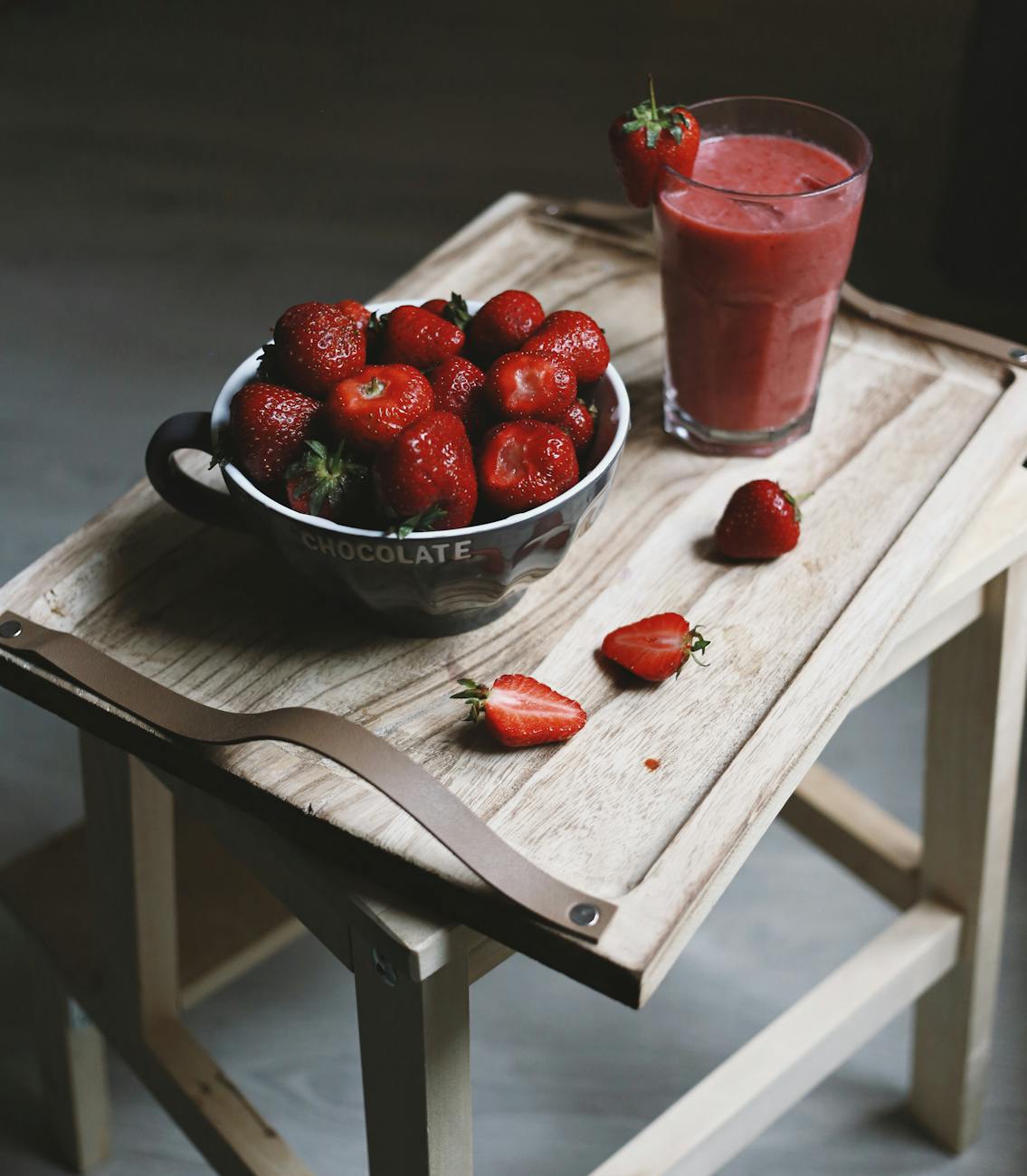
Berry Good Cauliflower-Berry Smoothie

“Good nutrition creates health in all areas of our existence.  All parts are interconnected.”–T. Collin Campbell

Photo by Anastasiia Petrova on Pexels.com

Summer is back!  Okay, not officially as we have not yet experienced the summer solstice, but it is strawberry season!  In fact, throughout the coming months of summer, other berries will also come into season!  Freshly picked berries are not only some of Mother Nature’s sweetest earthly treasures, but they are also some of the most nutrient rich treats.  Plus, they are just so darn versatile.  Eat ‘em plain; toss them into cereal, smoothies, or yogurt; mash them onto your toast (for real!); bake them into cake, muffin, or pie recipes; cook them down into syrup, sauces, or jams; or, can, dry, or freeze them for later use.  Honestly, what’s not to love about berries?

From a nutritional standpoint, berries are chock full of vitamins, minerals, antioxidants, and the all important fiber. Think of berries as your personal arsenal for warding off cancer, protecting the health of your heart, and fending off chronic inflammation and/or illness. They also benefit your skin, may help lower cholesterol, and can typically be enjoyed no matter the diet you follow due to the fact they are low-glycemic and low in calories as well as carbs.  Those tiny, juicy, brightly colored orbs are bursting with nothing but love and goodwill for your body and your taste buds. 

Photo by Julia Volk on Pexels.com

Now, contrast the vivid indigo of blueberries, the deep purple of blackberries, the candy red of strawberries, the shiny garnet of cherries and pomegranates, and the rose crimson of raspberries to the ever so homely cauliflower.  Oh sure, there are a few colorful varieties of cauliflower, but by and large, the most abundant form of cauliflower is as colorless as a canvas.  In fact, that is how I prefer to think of cauliflower: a canvas.  A canvas waiting for the strokes of color from an artist’s, or in this case, cook’s palette.

“Most flowers say, “I love you,’ but cauliflowers say, ‘I hope you live forever.’  And, that’s more intense than love.”–Unknown

Cauliflower, like the acclaimed berry, is considered a superfood.  It, too, is high in fiber, low in calories and carbohydrates, and full of vitamins and minerals.  Brimming with phytonutrients, antioxidants, and high levels of sulforaphane–an ingredient in all cruciferous vegetables–cauliflower can also wage war against cancer. Due to its high level of choline, it also supports learning and memory maintenance. (Who doesn’t need help with that?)  Additionally, cauliflower is full of bone-enhancing Vitamin K.  

Photo by Arina Krasnikova on Pexels.com

Similarly to berries, cauliflower is versatile in the kitchen.  Popularly known for creating a healthier alternative to traditional pizza crust, cauliflower can also be made into grilled “steaks,” buffalo “wings,” and stir-fried “rice.” Furthermore, it can be mashed, steamed, baked, fried, tossed into soup, salad or dip, eaten raw, its stem can be shredded and added to slaw, and it can be frozen for later use.  Plus, it can be added to smoothies! 

“If cauliflower can be pizza, you, my friend, can be anything.”–Unknown

Two simple ingredients make this smoothie naturally sweet, creamy, and a rock-solid nutritional choice to start your day of with the first positive step of the week.

If you are familiar with my work, you know I love whole-food, plant-based smoothies.  They are convenient, portable powerhouses of nutrition that can be made ahead of time and frozen.  That’s right! Blend a whole batch of smoothies up for the week in one manageably messy hour or less, and you are setting yourself up for a nutritionally robust, go-get ‘em week!  Then, the night before–or really, just a few hours ahead of time–take one smoothie out of the freezer, and set it in the fridge. Then, in the morning, you’re ready to kick off your dynamo day with a jolt of nutritional righteousness. 

Now that the weather is warming up, nothing tastes more refreshing than a cool, creamy sweet smoothie.  The sweetness occurs naturally from the succulent berries–no added sugars here.  Full of fiber, antioxidants, vitamins, and minerals; low in calories and carbohydrates; this smoothie recipe checks all the boxes.  You won’t be able to taste the cauliflower, but instead, you will taste all of the berry deliciousness of whatever berry(ies) you choose.  Your taste buds and body will be doing the happy dance, and you will feel a peace of mind knowing you made one small choice of positivity that just may lead to multiple beneficial steps towards your health for the day.

From frozen to thawed in a matter of hours . . .make ahead smoothies make your work week more organized and, well, smooth!

“A healthy outside starts from the inside.”–Robert Urich

I encourage you to give this recipe a try. Change it up, dress it up, and make your own version of this wholesome blessedness.  Then, hit me up via email, Instagram, Facebook or on this website, stephsimplycom.  I can’t wait to see what you do with it!  

From my home to yours, I simply wish you vibrant health.  Here’s to you!

Berry Good Cauliflower Smoothie

Ingredients:

1 ½ cup riced cauliflower

1-1 ¼  cup favorite liquid or other favorite liquid 

¼-½   cup pomegranate, cherry, blueberry or combination juice (You want a total of 1 ½ cup liquid.)

½ teaspoon cinnamon

½ teaspoon vanilla extract

Dash of salt (optional)

1 inch or ½ teaspoon ginger

1 mini cucumber or ½ large

½ lime, peel removed, but leave parts of the pithe for extra flavor and Vitamin C

1 cup mixed berries (My blender can only handle 1 cup, but feel free to add in another cup!)

Optional: 1 medjool date or ½ banana for added sweetness if desired 

Go “Extra,”only if you want, with as many of these additional nutritious powerhouses as desired:

Replace ¼ cup of your favorite liquid with ¼ cup aloe

2 teaspoons amla

2 teaspoon greens powder

1-2 teaspoons acai powder

½ – 1 teaspoon matcha powder

½ -1 whole scoop of favorite protein powder 

¼-½ teaspoon of turmeric powder

Place cauliflower and all liquid ingredients into the blender and blend well.

Add-in rest of the ingredients in the order listed above.

Blend all ingredients until smooth.

Makes one large (approx 32 ounces) or two smaller (approx 16 ounce) smoothies, depending upon amounts chosen.

Shamrock Green Smoothie

“No matter when you start, a diet that is focused on plant foods will help you work toward the prevention of many illnesses and feeling better overall”–Julia Zumpano, RD, LD

Diet choices have long been debated.  From Adkins to Keto, 7-Day Rotation to Whole 30, Paleo to Low Carb, Mediterranean to Pritikin, and all variations in between, regardless of the varying diet trends, there’s no denying that fruits and vegetables are nutritionally sound food choices for promoting health. Experts may argue about which fruits and vegetables are the so-called better choices, but most will agree that eating unadulterated food from the ground is more nutritionally sound than eating chemically enhanced processed foods.

In fact, when going through the research, numerous medical clinics, cancer centers, and disease prevention sites recommend Americans increase their intake of fruits and vegetables.  It makes sense too.  All those different colors offer a wide array of vitamins, minerals, phytonutrients, and anti-inflammatory properties that cannot be found naturally in processed food.  

“Eating healthy food fills your body with energy and nutrients. Imagine your cells smiling back at you and saying: “Thank you!”.” – Karen Salmansohn

Think about it.  Fruits and vegetables don’t need a label that says, “Vitamin-D enriched” or “Fortified with 12 essential vitamins and minerals.”  They don’t need it because they naturally contain a wide array of vitamins and minerals–depending upon which plant you choose to consume.  This is why, “eating the rainbow,” is an often quoted expression.  If you eat a wide variety of colorful plants throughout your day and week, Mother Nature, thanks to the infinite wisdom of our Creator, provides all the nutrition your body needs for healthy functioning and vitality. 

Like many, since March of 2020, I have become increasingly more focused on what I eat.  Keeping my immune system running high, and my inflammation low, seems more important than ever in the era of living in a global pandemic.  While I’ve been a plant based eater for nearly ten years, I find myself more attentive to daily consuming dark leafy greens and/or cruciferous vegetables as part of my desire to remain healthy and avoid COVID.  While I recognize that eating well isn’t the only protective act I need to do when dealing with a highly contagious virus, these vegetables have long been established as possessing cancer and disease preventive properties, reducing oxidative stress, and lowering the risk of cardiovascular disease.  Additionally, they increase bone health, protect eye health, and boost the immune system.  Plus, their varying shades of green are chock full of fiber and a wide array of vitamins and minerals.  

Photo by Toni Cuenca on Pexels.com

“The doctor of the future will no longer treat the human frame with drugs, but rather will cure and prevent disease with nutrition.”–Thomas Ediso

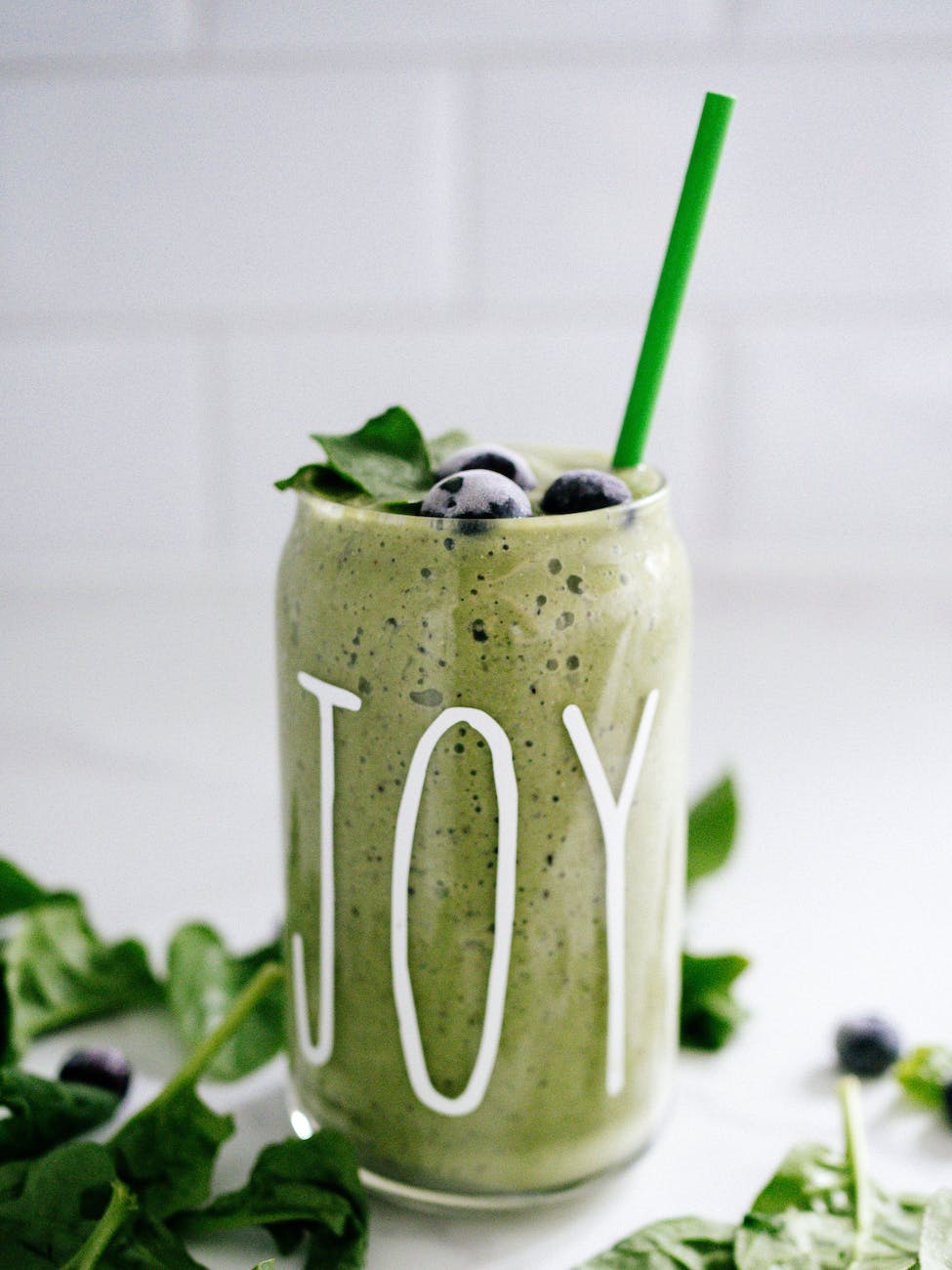
Below is a green smoothie recipe I drank throughout most of March that features leafy greens and cruciferous.  After such an extraordinary winter with snows, ice, and then flooding, drinking a bright green smoothie felt like a personal manifestation of spring. Furthermore, since March was also the month in which I was wrapping up 12-weeks of training for the Virginia Beach Shamrock Marathon, this smoothie felt like extra-nutritional insurance for remaining healthy and ready to run. 

I like to think of smoothies as a blended breakfast salad.  When made fresh at home, I am the controller of ingredients, calories, fiber, and nutrition.  I keep my smoothies whole food and plant based food based in order to start my day off on the right foot–especially since I would otherwise, at least during the work week, skip breakfast.  While I often add healthy fats in the form of nuts or seeds to smoothies, I personally do not with this one, but you could.  Instead, I tend to add a teaspoon of greens powder for an extra boost of concentrated green goodness, and sometimes matcha (ground green tea) if I feel I need a boost of energy and focus.   This smoothie fuels my morning and keeps me full until lunch.  The flavor is bright and tangy, and it’s super refreshing to drink.  

Here few other tidbits and factoids I have learned while refining my smoothies techniques:

*  Put greens and liquid in the blender first and blend well, this is especially important, if, like me, you don’t have a top-of-the-line blender.

* Spinach is always the sweetest greens, which is why I often blend it with other greens such as kale and swiss chard.

* Riced cauliflower, fresh or frozen, works well as a “green” since it’s cruciferous and makes smoothies extra smooth and creamy.

* Lightly peel/cut away any citrus fruit, leaving part of the pith (the white part).  It is high in fiber, vitamin C, flavonoids–which boost the immune system–and it is anti-inflammatory and antimicrobial.

* Ginger and turmeric are both known for their immune boosting properties, reducing inflammation, and decreasing chronic pain.  Fresh ginger and tumeric–both are roots–offer the most benefits, but ground versions are still beneficial.  Therefore, I tend to add both spices to not only nearly all of my smoothies, but also incorporate them throughout the day.

I hope you’ll give this vibrant green smoothie a try. It is an easy way to increase your fruit and vegetable intake.  Plus, you’ll start your day fueled with the power of green!

From my home to your, I wish you health, vibrancy, and vitality.  Be well, and, if you do give this, or any of my other smoothie recipes a try,  I’d love to hear your thoughts.

Shamrock Marathon Green Smoothie

Ingredients:

1 cup water

1 cup of your favorite greens, fresh or frozen, feel free to combine 2 different ones (think spinach, kale, 

½ to 1 apple, quartered (I use granny smith apple.)

1 lemon, peeled, quartered & seeds removed 

1 mini cucumber or ½ large cucumber, quartered

1 stalk celery, quartered

1 ¼ teaspoon ground ginger or 1” fresh piece

¼ teaspoon turmeric or ¼” fresh piece of turmeric 

Dash of salt

Optional add-ins: 1 teaspoon greens powder and/or matcha powder, 1 tablespoon hemp, chia, or flaxseeds, and/or 1 scoop favorite protein powder 

Makes 1 generous serving

May Her Steps Be Remembered

“Nothing is impossible: The word itself says “I’m possible!”–Audrey Hepburn

“Your body will argue that there is no justifiable reason to continue. Your only recourse is to call on your spirit, which fortunately functions independently of logic.”–Tim Noakes

Photo by Daria Shevtsova on Pexels.com

I am so cold.  I’m freezing.  

I was shaking so badly as I stepped out of bed during this nocturnal, chilly wake up call;  my legs did not want to hold me up.

What is happening?

Waves of nausea immediately flooded my middle, and I became suddenly aware of the sharp tinges of a headache that reminded me of an illness, but I couldn’t think clearly enough to define the association.  Did I have a stomach bug? The flu, or something else? 

In the bathroom, I retrieved sweatpants and a sweatshirt and donned them in protection of my pervasive cold shivers.  On wobbly legs, I humbly returned to my bed knowing that something was off.  Trembling under the covers, sleep came in fitful waves, with bouts of shuddering wakefulness and nausea in between. Tossing about from side to side, my left shoulder was noticeable tender each time I rolled onto it.  The injection site. Images danced dreamily around in my head.

Photo by Karolina Grabowska on Pexels.com

“You have the hardest arm to stick,” the young pharmacy student stated with a grimace as she pushed harder to get the vaccine needle inserted into my arm. 

Across the way, I watched as another pharmacy student injected my husband, John, as if his arm were a stick of room temperature butter, despite the fact he has spent years exercising with weights.  John winked at me as I winced at the second effort of pushing by the pharmacy student into my arm.

Oh, yes, I had my second dose of the COVID-19 vaccine.  My arm was sore last time; it is sore again. 

When the alarm eventually did go off at its usual Saturday morning time of 5:30, I groggily reset a new alarm for 6:00.  This was followed with a 6:30 alarm, and a final 7:00 am alarm.  

I never sleep this late on a Saturday.  Must. Be. A. Stomach. Bug. Surely, it’s not a reaction to the vaccine.  Can’t be, right?

Saturday was also the day I was to run my first 10 miler in preparation for my first virtual half-marathon since my back injury five years ago, and I could barely walk due to my convulsing shivers.  With sudden clarity, it occurred to me that I could take acetaminophen to mitigate the symptoms.  

Why hadn’t I thought of that during the night?

Opening the childproof medicine bottle, I discovered that I had five pills.  Great.  I decided to start with two and see what happens. 

Photo by Anna Shvets on Pexels.com

Making my way into the kitchen area, I started a pot of coffee, guzzled down several ounces of water, although my stomach protested, and sat staring out the window.  The nausea was pervasive, my headed pounded, and the chills were ever-present as I pondered the day ahead.  I felt extremely thankful that it was Saturday, and I did not have to work. Otherwise,  I would already be at school preparing for the arrival of students at 7:30.

Slowing sipping coffee–not sure if my stomach would revolt or not, a plan for the day began to take shape–assuming the acetaminophen kicked in.  By 8:15 am, the chills had mostly subsided, the nausea and headache were present, but felt more the muzak of years ago softly played in elevators.  I made the decision; I was going to try to run.  First, however, I needed to locate a name to honor from the Honor the Fallen website. 

A few clicks later, there came a name.  Sgt. Christina M. Schoenecker, a  26-year-old was an Army Reserve soldier assigned to the 89th Sustainment Brigade, out of Wichita, Kansas.  She was so young looking.  Her eyes were bright and full of empathy, but her slightly crooked smile looked wry–as if engaging in conversation with her was sure to be filled with quick-witted, sharp comments.  As I read her story, I felt a surge of inspiration. 

Given my suppressed chills, I ruled out running outside and opted instead for the treadmill. Besides, I told myself, the treadmill offers less impact on my back. An hour or so later, I was on the treadmill hoping for the best, but ready to abandon the training plan if needed.  
Don’t look down at the numbers.  Eyes straight ahead, arms at right angles, melt those shoulders away from your ears, keep the speed slow and steady.  One mile at a time, Steph.  One mile at a time.  Focus on the name:  Sgt. Christina M. Schoenecker.  Pretend her name is written on the wall.

Podcast playing, my mind semi-focused on its content as my stomach continued its somersaults.  I decided to save walk breaks until later, when all of my reserves might be running low. Walk breaks would be the reward for early efforts.

Photo by Bogdan R. Anton on Pexels.com

As a teenage girl, I often rode my bike to and from summer bandcamp. There was a hill on the way home that was steep and wound round a hill. At that time, a childhood jingle would enter my mind, “Just think you can, and know you can just like the engine that could.”  This same jingle entered my mind as I jogged on the revolving belt of the dreadmill, I mean, treadmill.  Sgt. Christina M. Schoenecker.   Sgt. Christina M. Schoenecker.   Sgt. Christina M. Schoenecker.

One mile turned into another and another.  One hour passed, and one podcast was over.  Walk break taken long enough to start a new one.  Thirty more minutes passed; another walk break began.  Can’t take another moment of the incessant talking.  Time for the power button–music.  A driving playlist of beats began its encouraging cadence.  Nausea grew greater and legs grew wobbly again.  So close now.  Increase the determined self-talk.  More nausea, more achiness. . . keep pushing.  Sgt. Christina M. Schoenecker.   Sgt. Christina M. Schoenecker.   Sgt. Christina M. Schoenecker.

It wasn’t pretty.  It wasn’t fast, but it was purposeful. My struggle was nothing compared to the struggle of those who have served in our military. Christina M. Schoenecker, the name I found on the website, served during Operation Inherent Resolve. Assigned to the 89th Sustainment Brigade, Christina was an Army Reserve soldier out of Wichita, Kansas. This young woman died in a non-combat incident in Baghdad, Iraq.  She was the third casualty of this operation at the tender age of 26. 

It is through the mission of wear blue: run to remember that I often run, “in honor of the service and sacrifice of American military.”  My contribution is minimal.  There are local and national groups who do so much more work and efforts to increase awareness and honor the fallen and their families.  My only contribution occurs each Saturday, when I search the name of a fallen person–someone’s family member–write their name on a post-it note, place that paper the zippered pocket of my running tights, and send up words of gratitude to the heavens for this person’s service as well as to the family each one left behind.  My steps, no matter how challenging, still do not equate to the service of those brave men and women freely gave to our country.  It is my hope though, in some minor way, I honor their memory and offer their family some form of unseen comfort.

Thank you, Christina, for your service.  Thank you, for your ultimate sacrifice.  Thank you, Christina’s parents.  Your daughter was remembered this past Saturday, step by step.  Her memory truly inspired me to finish.

For more information regarding wearblue: run to remember, visit their national website, or look/join the local Ashland community, found on Facebook, or via email:  Ashlandcommunity@wearblueruntoremember.org.