The Power of Kindness: Good Thoughts, Good Words, and Good Deeds

“Be kind whenever possible. It is always possible.”Dalai Lama

Photo by Alexas Fotos on Pexels.com

The shape of kindness ❤️

This past spring I viewed a documentary on various world religions, and one line  from this film really stood out. “Good thoughts, good words, and good deeds” is considered an essential teaching and practice of Zoroastrian faith. As I understand it, doing good deeds is not reward focused, but it’s more about thinking the best of others as well as doing good acts for its own sake. That maxim has remained with me all these months later.

At its core is kindness–kindness to others, and even, kindness to self. Kindness is one of those notions that gets tossed around in cutesy social media quotes and images, such as, “Spreading kindness like confetti!” or “In a world where you can be anything, be kind.”  While I love the intent around these images, it is easy to grow immune to their effects or even cynical.

Still, at the end of the day, kindness truly does matter. How many of us have been impacted by a rude, disrespectful, or all around unkind encounter?  I know I have. I walk or drive away feeling like Pig-Pen, a proverbial cloud of yuckiness clinging to me. Like lint on black pants, it seems that one act of unpleasantness appears to attract more of it. 

Photo by Craig Adderley on Pexels.com

Moods are contagious 🤧

For example, the day may begin with a car cutting you off on your drive into work. Preparing to walk into work, the lid to your new, supposedly, leak-proof coffee cup isn’t quite tight enough, and you end up entering your workplace with brown stains down that new light-colored shirt that, of course, you were wearing. 

After stopping by the restroom to try to blot off the stain as best you can, you open your computer only to find an email from that “thinks-they-are-so-special” client that sends you into another negative spiral. By the time lunchtime rolls around, and you realize you forgot your packed lunch at home that you actually took time to pack the night before, that cloud of negativity has burst open, and you feel soaked through with negative thoughts.

Photo by Christina Morillo on Pexels.com

Here to help 🤝

Kindness, however, often works the same way. What if the drive into work was eventless and traffic was light.  While the coffee still spills, a co-worker offers their Tide-pen to help make the stain less noticeable. When you open your inbox to email, you discover an email that includes words of appreciation from a hard-won client for a job well-done. 

When you discover that you left your packed lunch at home, another coworker offers to pick you up something while they are out on an errand, which gives you a bit of time to get caught up on a few other tasks you’ve been meaning to do. Meanwhile, you make a mental note to think of something nice you can do in return for that coworker later in the week. 

The same day, served up two ways.  Kindness can make a difference like that.  And the best part is that kindness does not require any special talent, money, or resources; we can cultivate it through our “thoughts, words, and deeds” as those of the Zoroastrian faith are encouraged to do.

Photo by Andrea Piacquadio on Pexels.com

Kind words and actions cost nothing but reap dividends 🤩

Offering to help others, saying or writing kind words, or simply being considerate are all ways of intentionally sharing kindness. Those simple acts can benefit others in ways that we may never be directly witnessed, but do not, nonetheless, detract from the worth of the actions. In fact, one small act of deliberate kindness, like its negative counterpart, can initiate a wave of positive events as one act leads to another and on to another.

Even if we offer a kind word or deed to others without expecting anything in return, those acts still benefit us. According to the Mayo Clinic, demonstrating kindness to others positively contributes to our sense of self-esteem, empathy, compassion, and boosts our mood. In the same 2023 article, the Mayo Clinic adds that acts of kindness lowers one’s blood pressure and levels of cortisol, a hormone directly related to stress.  Kindness can boost your mood and increase feelings of connectedness, thereby decreasing feelings of loneliness.  

Photo by Dziana Hasanbekava on Pexels.com

Benefits of Kindness 🧠

Kindness is also good for the mind.  When you do a thoughtful act, even as simple as sharing a pack of gum, offer words of encouragement, or even speak a simple compliment, you create physiological changes in your brain. With each kind act, dopamine and serotonin are released, creating feelings of well-being.  Meanwhile, the pleasure and reward centers of our brains are lit up. Additionally, kind acts and words can flood our bodies with endorphins, those “feel good” chemicals that boost mood and reduce sensations of pain and/or stress.

Kindness doesn’t have to just be focused on others; kind thoughts towards oneself is also as important and just as worthy of an endeavor.  Practicing kind self-talk that is positive and encouraging of self is worth-while, and much more beneficial than the negative loops that too easily circulate in our heads.  In addition to the practice of affirming and loving self-talk, fostering a sense of gratitude goes a long way to feeling kindness towards self and others. 

Photo by Kindel Media on Pexels.com

So many ways to offer Kindness 📝

Of course, there are the obvious kind actions such as volunteering and working/helping out with causes in which you believe.  However, there are other less overt, more subtle ways of generating kindness that are just as beneficial, if not more so!  Consider the following actions:

  • Call that friend or acquaintance that you haven’t seen in weeks 
  • Mail an old-fashioned postcard or letter to someone telling them how much they mean to you or you appreciate them
  • Write a handwritten thank you note the next time someone does something nice for you
  • Get flowers, candy, a cup of coffee, or a some other little treat for someone for no reason
  • Check in or call someone who is either sick or you know is going through a rough patch
  • Offer to take a shut-in to church, to the grocery store, or even to lunch
  • Buy a cake mix or cookie dough. Then, bake and share a treat with a neighbor or friend for no particular reason
  • Keep a gratitude journal to continue to foster good thoughts
Photo by Eva Bronzini on Pexels.com

everyone’s superpower 🦸‍♀️

The list could go on, but the point is, acts of kindness and generosity to others (and self) can be as big or small as you want.  “Good thoughts, good words, and good deeds”  put into actions, no matter the size, will always benefit others in some way.  

In the end, kindness is a big deal.  In fact, it’s a kinda superpower we all have the ability to possess. It merely takes a tad bit of thought and time. 

Embracing Darkness: The Lotus Flower’s Lesson of Hope and Resilience

“Most people are afraid of suffering. But suffering is a kind of mud to help the lotus flower of happiness grow.  There can be no lotus flower without mud.”–Thích Nhất Hạnh

FAcing Difficult Days 😟

How many of us have endured through difficult and murky situations?  How many more of us have observed/supported a loved one undergoing a dark and/or dire situation?  Whether it is personal suffering or suffering of a loved one, we have all either experienced or observed painfully dark days; I know I have. 

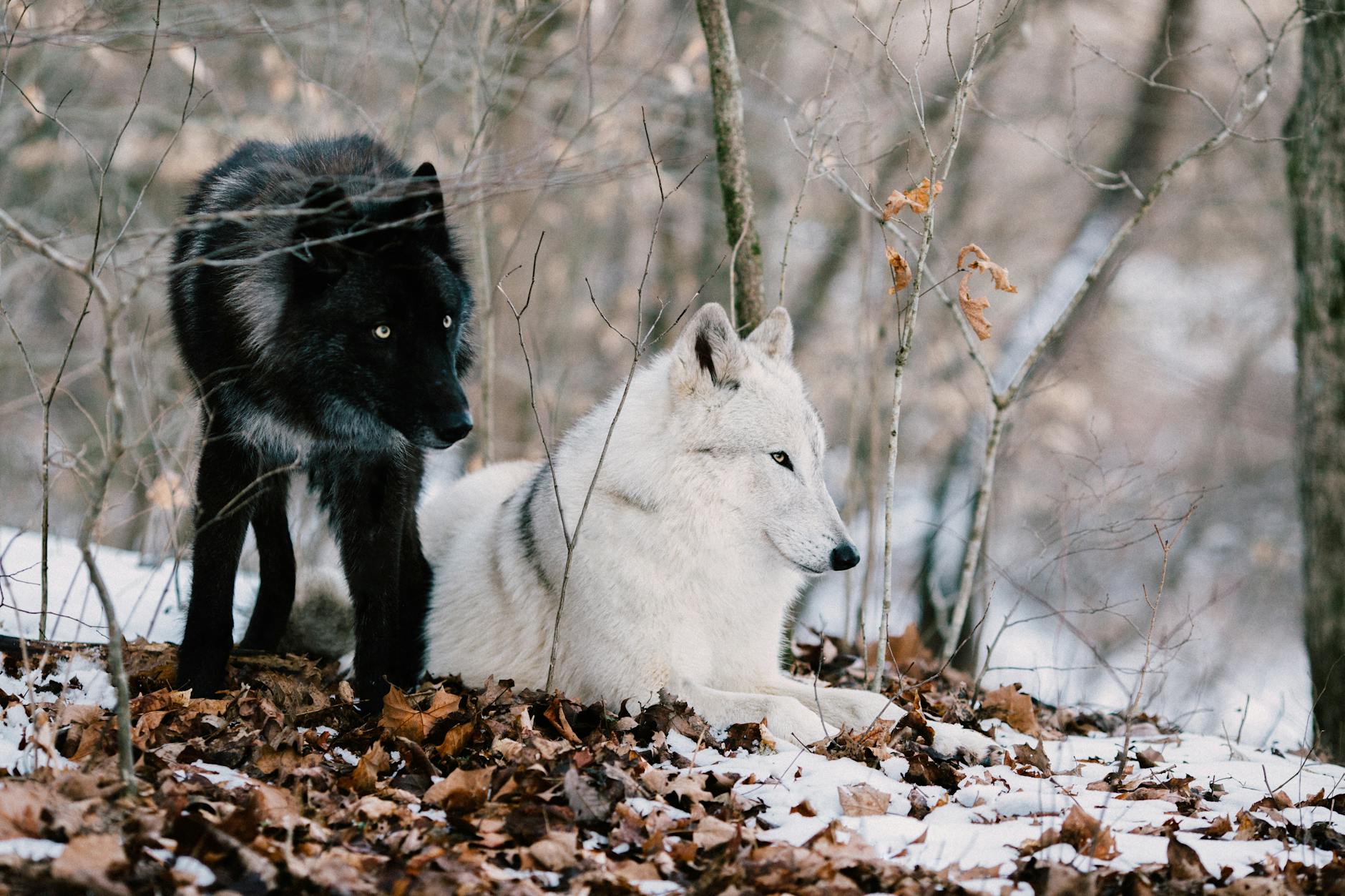
Sometimes the difficulty can create so much suffering, it feels as if a pack of wolves have hunted us down, snipped and yipped at our heels, and are now chewing away at our insides.  Sleep may no longer feel like an escape, and even if part of the difficulty causes physical pain, it is often the pain caused by our own minds and heart that can hurt the most. 

Photo by Pixabay on Pexels.com

Quotes to Get you Through 📝

There are a couple of quotes and an image I have come to appreciate over the years. They tend to come to mind when I feel knocked down by life. I think of them as a mental antidote for counteracting my fear when facing down a difficult situation.

Keep getting up no matter how many times you fall.

One quote is a Japanese proverb: “Fall down seven times, stand up eight.” This saying is hope-centric, and it means a great deal to me.  It serves as a reminder that no matter how many times we make a mistake or life events knock us down, we must still find a way to get back up.  This doesn’t mean it’s easy.  Sometimes, all we can do is claw, crawl, and clatter until we find the resolve and strength to stand once more.

Rise like the sun

Another inspiring quote by Maya Angelou: “Still I rise.”  While the author writes of her oppressive and challenging experiences as a black woman, the phrase’s universal theme of resilience in the face of struggles can speak to all of us. Those three words are filled with a bold defiance in the face of suffering.

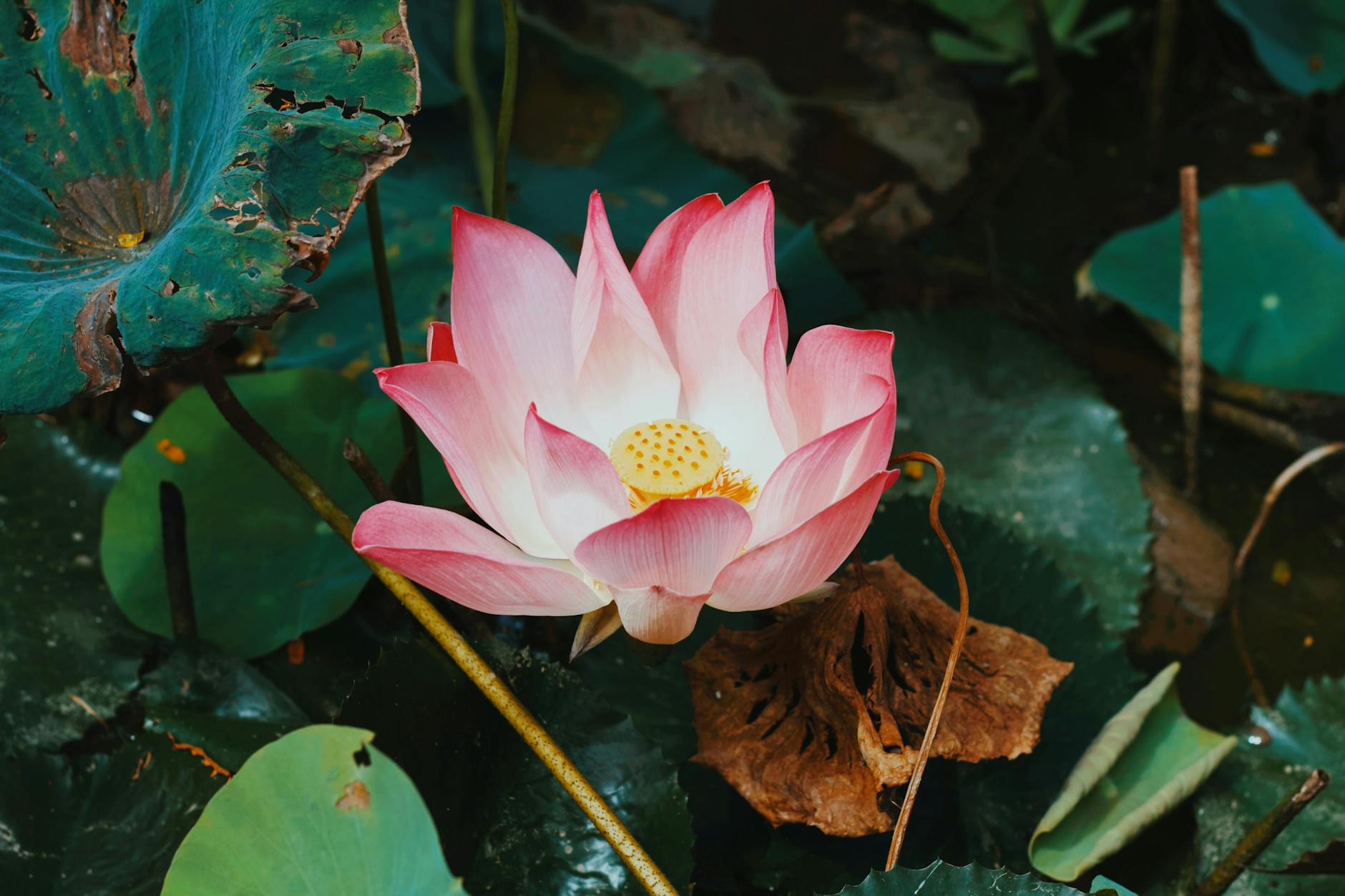
Photo by Celeste 2305 on Pexels.com

Lotus are Adaptable 🪷

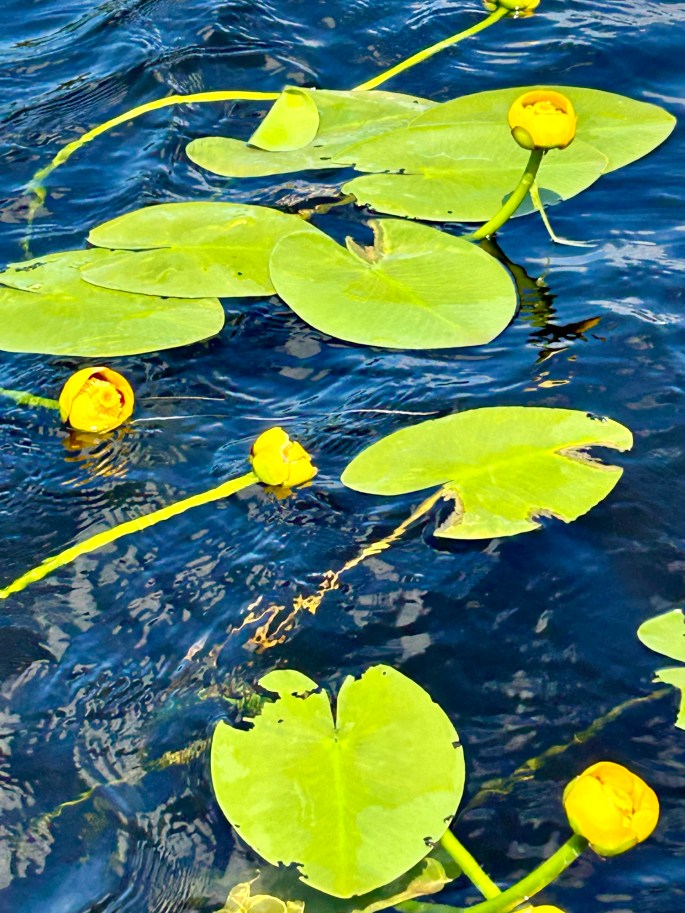
Both of those quotes culminate in the symbol of the lotus, the ultimate emblem of perseverance and tenacity. This aquatic flowering plant has been admired and a part of lore for centuries.  The more colorful lotus are tropical in nature and are most notably found in Asian countries.  However, the lotus plant is quite adaptable, and an American variation can be found along the east coast in waters ranging from Ontario, Canada to Florida. 

Lotus Persist 🌱

Because the lotus plant grows in a variety of environments, it has developed a method of ensuring its continuation. Once pollinated, the lotus releases large quantities of seeds into the environment. Many of these seeds will be eaten by aquatic life; however, the seeds, as I understand it, are quite durable.  Some lotus’ seeds can get up to 1.5 inches in size, surviving for several years, long past the life of the flower.  In fact, the seeds can persist in conditions that would prevent many other types of seeds from germinating. 

Lotus Aren’t AFraid of The Dark 🌑

Once germinated, the seeds begin sprouting in the mud, sending roots down even deeper into the muck.  Depending upon the plant and the depth of water, it can take from two weeks to two months for the plant to grow up to six feet tall through the murky water. As the round leaves reach the top of the water they can fan out in width up to 36+ inches wide. Once the plant has fully surfaced, the flower will begin to grow and ultimately bloom. 

Short life, Deeply rooted 🙏

Each American Lotus flower, with its butter yellow petals and fragrant aroma, will only last a few days, opening its petals during the day and closing the petals at night. The blossom appears to be free floating, but it remains rooted in the mud. During its short duration, the flower will bear seed pods that resemble the end of a watering can or shower head, ensuring multiple seeds from each flower will be dispersed back into its environment.

Lotuses ShaRe 🫱 🫲

Both the seeds and roots can be eaten, and parts of the plant can be used for medicinal purposes. Seeds pods can be dried and used in flower arrangement.  Additionally, due to the fact that lotus flourish easily in a variety of areas, even in the murkiest of waters, these plants provide shelter, habitat, and food for a variety of aquatic wildlife.  Each fall, however, the plants die away.

Gifts can arise from dark places

Therefore, the lotus is a prime example of the way in which gifts can rise from the darkest of places. Despite the fact the lotus is born in the mud, it rises to stand victoriously every spring.  Upon rising, its blossoms bear seeds to ensure it has a way to stand back up.

Seeds of hope, help, and healing

Beyond the fact the lotus has planned for its inevitable fall, it also offers seeds of hope and nourishment for others. Each flower produces an overabundance of seeds, many of which will settle into the mud for rebirth, but many more of those seeds will provide food for other living creatures. Additionally, those mud-buried lotus roots also provide nourishment not only to the plant itself, but can also nourish others.  Not to mention that the plant has medicinal qualities, offers shelter to others within its aquatic community, and beautifies a variety of environments.

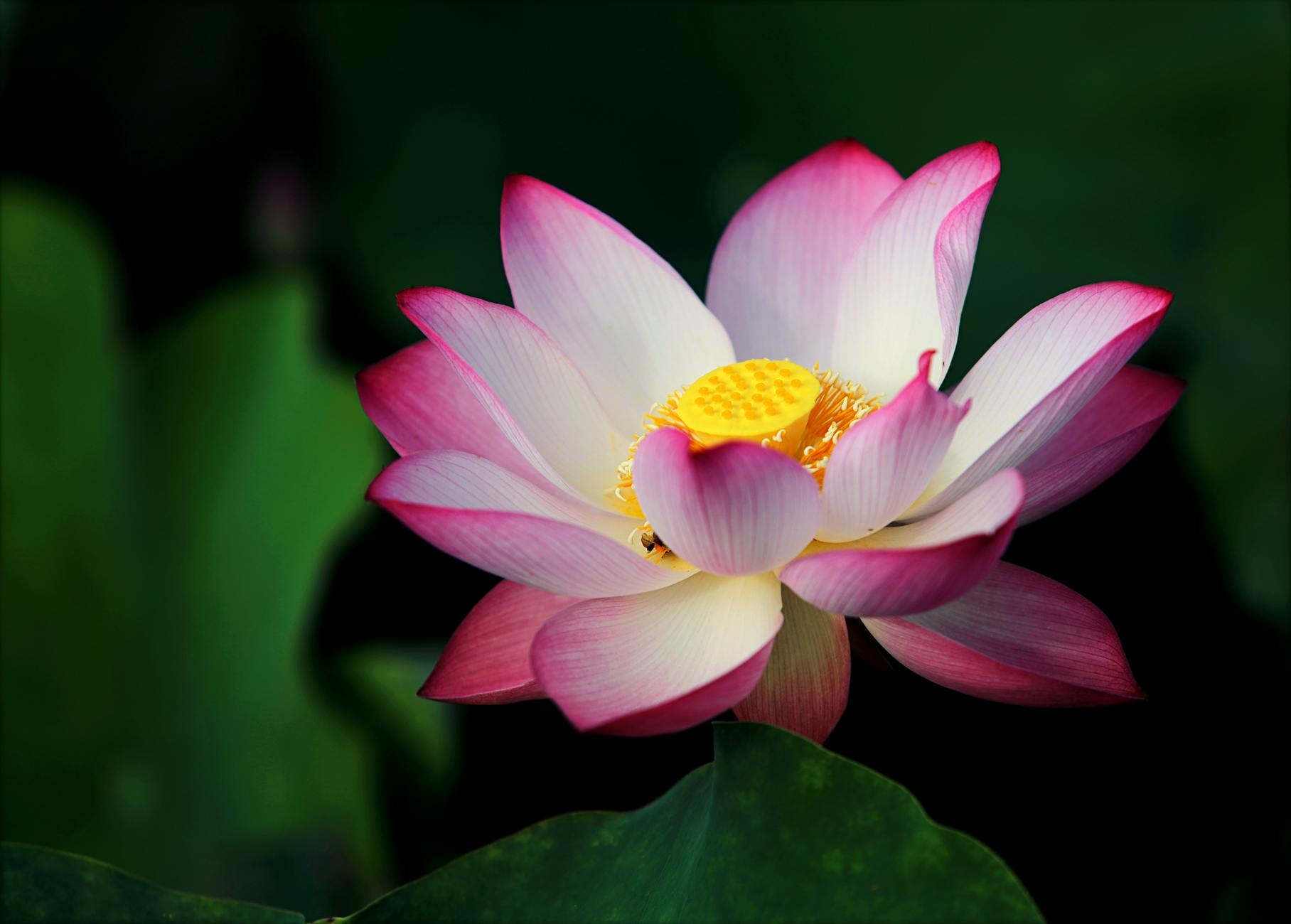
Photo by Hiu1ebfu Hou00e0ng on Pexels.com

Lotus Life 𑁍

Let us live like the lotus flower. When we experience those dark and difficult times in our life, let us root down into the loam of our soul and allow faith to germinate a seed of hope. By rooting through the muck and into the nourishment of our faith, we can rise. It may take weeks, months, or even years, but we can rise and blossom once more.

Once on the surface, it is our job to produce good seeds of hope and help for others.  Even if our calm waters fade away and we find ourselves sinking into the inky dark once more, still we can rise.  We have done it before; we can do it again.  And with each new revival, our blooms can continue to offer more gifts to the world.  No matter how darkly rooted our past or present was/is, no matter the number of times it occurs, we can stand up, we can rise, we can bloom, and we can embody the lotus, offering shelter, nourishment, and healing hope to others. 

Mindful Breathing for Inner Peace: Embracing the Wisdom of Native American Tradition

“We are what our thoughts have made us; so take care about what you think. Words are secondary. Thoughts live; they travel far.”–Swami Vivekananda 

Author note: A reader requested I write another meditation.  I hope this benefits not only that reader, but anyone else who may be in need of a quiet mind, even if only for a few moments.  

Photo by Rachel Claire on Pexels.com

Wakeful Worries 😏

As I rose early on a recent morning, thoughts were bouncing around on the trampoline of my mind.  I had a to-do list that was growing and several creative ideas sprouting.  Overriding all of this, however, were stresses and worries springing about like jackrabbits in the desert. In fact, those negative thoughts, I realized with a sudden clarity, had been vying for residency in my mind for several weeks to the point they were disrupting my sleep.

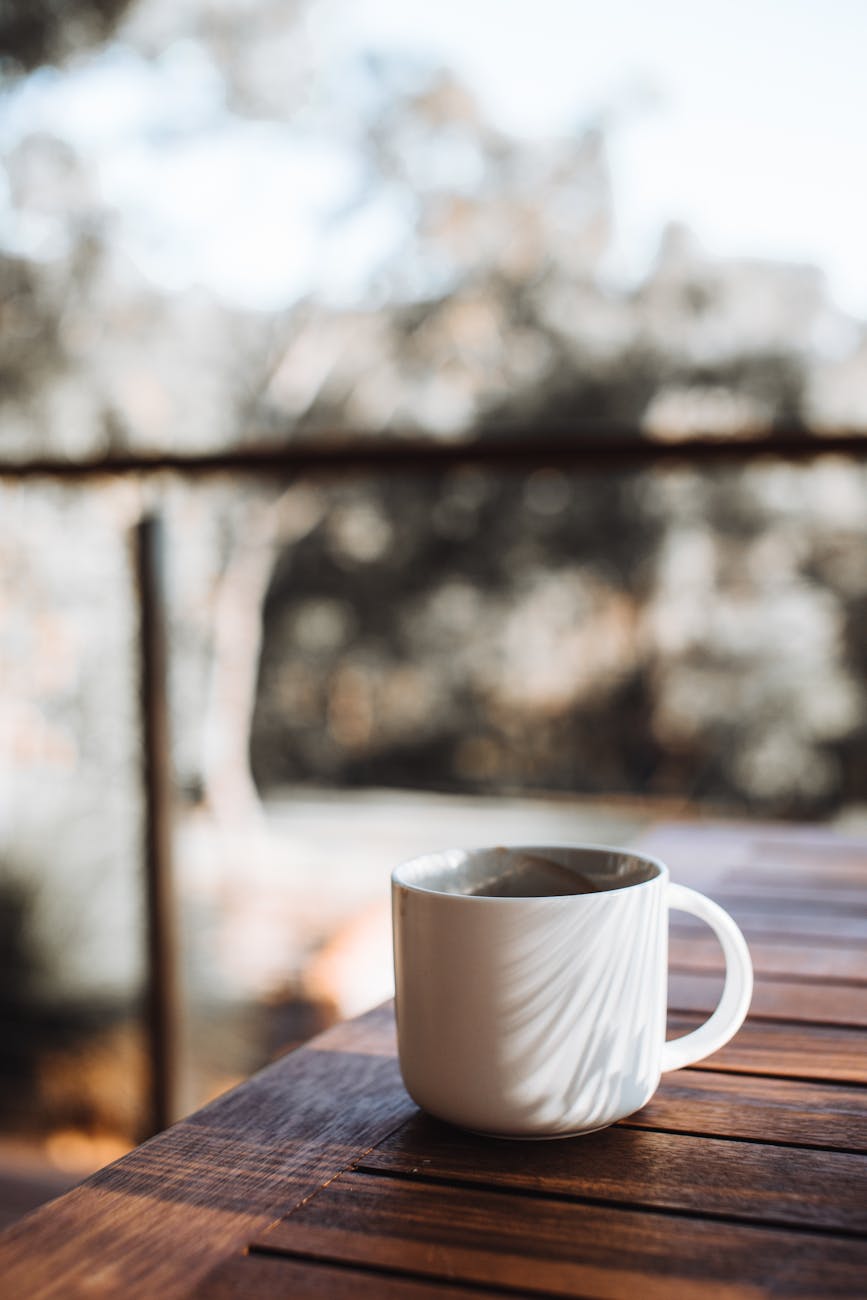
Feeling the inner war, I opened a window, sat down in a chair near it–cup of coffee in hand–and welcomed nature’s morning muzak.  I took in a deep inhale, and slowly let it out. 

Inhaling, I felt the expanse of my ribs. Exhaling, I sensed bits of tension releasing. Focusing on my breath, I gently closed my eyes in an attempt to relax my body and release the mind noise.  Inhale, soften. Exhale, dissolve.

Photo by Anete Lusina on Pexels.com

Focused Breathing 😮‍💨

I am unsure how long I remained in this focused state of breathing, but soon, my mind drifted–as it tends to do–back into thoughts.  Thoughts of past events, worries of future events, and pressing concerns for the day ahead kept popping up. I had to keep redirecting my mind back to my breath and gently pushed aside those niggling thoughts.  It wasn’t easy.  Like a curious toddler trying to tempt fate, my mind kept circling back to those all-consuming worries and concerns.  

Inhale, redirect the mind back to the breath.  Exhale.  Let go of the negative thoughts jostling for attention. 

As my mind engaged in this game of ping-pong, I was reminded of a story I heard years ago during my yoga teacher training.  

Inhale, notice how easily the body can breathe.  Exhale, notice how naturally the body releases. 

Photo by Shelby Waltz on Pexels.com

The Parable of the two Wolves 🐺

The story, as I recall, is based on a Native American parable.  An old tribal leader was teaching his grandson about life. The grandfather tells his grandson that there is a fight going on inside of him. He describes it as a terrible fight between two wolves.  

Inhale, notice the ease of breath.

One wolf is evil, the story goes. He is filled with anger, envy, superiority, regret, greed, arrogance, self-pity, guilt, resentment, inferiority, lies, false-pride, and ego.  

Exhale, let go more.

The other wolf is good. He is filled with joy, peace, love, hope, serenity, humility, kindness, benevolence, empathy, generosity, truth, and compassion.  

Inhale, lungs fill.

The grandson thought about it for a minute, and then asked his grandfather, “Which wolf will win?” 

Exhale, lungs release.

The old tribal leader smiled and replied, “The wolf you feed will win.”

Inhale truth; exhale falsities. 

Photo by Polina Tankilevitch on Pexels.com

our Thoughts can be shackling ⛓️

I sat with the story, returning to the ebb and flow of my breath. The nourishment of the inhale continued to fill me with a sense of peace.  The long, slow exhale showered the soul, washing away worries, fears, and anxieties.

Many of us have experienced moments when we feel shackled by memories and traumas of past events. For some of us, those past occurrences created deeply-rooted fears, planted in our minds like cancerous tumors. Those seeds of fear from long-ago have a tendency to create clouds of self-doubt, blocking rays of hope and joy that can be found in the present moment.

Inhale, strength.  Exhale, dread.

However, there are times when all the present can offer you is a stem full of thorny events as if the sweet blossoms of life have been stolen. Illness, disease, work-day stressors, financial struggles, and numerous other difficulties prickle and needle our days with seemingly no balm for the soul. At these times, it can be easy to dip into the waters of sorrow, the woe-is-me story.

Inhale, perseverance. Exhale, detachment from the story.

Photo by Gary Barnes on Pexels.com

mindful connections 😌

However, even when we are surrounded by the chaos of life, there is a place of peace and ease. All it takes is a moment to reconnect with our breath, the river of calm and life-giving force within us. By giving up the struggle for one moment, we can let go of the bubbles of tension held within our depths, and allow them to rise and release with each exhale.  With each inhalation, we strengthen our connection to our True Source, our Infinite Creator.  With each exhalation, we can surrender our illusion of control and trust that all is as it should be.  

Inhale, fortitude. Exhale, liberate the mind.

By watching the ebb and flow of each inhale and exhale, we can lay down our burdens of our fear, doubt, and pain for the time being, and allow the Universe to carry the load for us. We can inhale the peace, and with the exhale, perceive the lightness of nothing is weighing us down in the moment. We can allow ourselves to feel the Divine creations that we are, and have faith in the process.  All is well in this moment as we breathe.

Inhale, trust.  Exhale, believe.

Photo by Arthur Brognoli on Pexels.com

breathe. connect. have faith. 😌

  In the same way that we trust our lungs to breathe for us–even when we are not focused on them–so too must we put our trust in our Creator and the flow of our life.  It doesn’t mean all will be perfect, for life is not simple. However, when life, and/or those around you, choose to feed the bad wolf, take a breath, and remind yourself that you have the power to choose to feed the good wolf, simply by pausing and taking a few deep breaths. 

Inhale, faith. Exhale, peace. 

Educational Light: Reflections of a life of teaching

“Just as one candle lights another and can light thousands of other candles, so one heart illuminates another heart and can illuminate thousands of other hearts.”–Leo Tolstoy

Sweet Welcomes 🤗

By the time you read this, Dear Reader, National Teacher Appreciation Week will be coming to an end. However, mine began, in its own unique way, the week prior.  As I walked into the high school on a Friday  after being out for a few days, an early arriving student exclaimed, “Ms. Hill, you’re back!  I missed you!” Then, she surprised me with a hug.

Later, before the beginning of mass, our weekly church service, another student said she was happy to see me as I sat down beside her.  Two rows in front of me, an additional student, and his buddies, all started waving at me with smiles on their faces.  I was definitely touched.

The Dog Ate My Homework 🐶

There are many times, as an educator, especially in more recent years, where it feels I am engaged in a battle with a myriad of student-distraction, and I therefore wonder what kind, if any, impact I can make in my students’ lives.  Video games, travel sports, youtube, and phones are just a few of the numerous diversions vying for students’ attention. “The dog ate my homework” excuse has been replaced with more modern tales. 

 “I stayed up late playing video games with my friends and lost track of time.”  

“I didn’t come to class this morning (or yesterday) because I was so tired from playing in the tournament this weekend.”  

“I completely forgot to ________ (read, study, write) because there was phone drama last night with my ________ (friends, boyfriend, girlfriend).”

“I performed four shows (or competitions) this past weekend, and I completely forgot about __________ (assignment).”

None of their distractions are any better or worse than distractions of the earlier decades in my career.  They are simply different.

Therefore, I do empathize with my students’ level of fatigue and distractions.  My teenage world was vastly different from their current teen world, but I still recall the angst, the hormones, the emotions, and my own unique set of distractions. Plus, I am professional enough to recognize that their excuses are not personal; it’s just their reality, shaped by society, parents, and peers.  

checking in 😃

Which is why I try to work with, rather than against, the current tide, taking time to talk to the students in order to get to know them.  What makes them tick?  What are their interests?  I try to notice when one, or several, are having a bad day, so I can check in with them and offer help or a compassionate ear.

Still, I am not perfect–not by any means.  There are days where all the best-laid instructional plans go wrong, technology in the classroom doesn’t work, and/or multiple interruptions occur.  On those days, I look around the empty classroom after students have exited and wonder if I am making a difference?  Am I preparing the students, not only for the next level of English, but also, am I adequately conveying that I care even more about the type of people they are becoming?  Am I making that personal connection that communicates to them that their life matters and is important? 

Words Matter 🗣️

As a writer and educator, I know that words matter. Words are tools.  Words can be used to build up another person, encourage a hurting soul, and foster a healthy relationship.  Likewise, words can deeply wound, leaving scars that can be felt for years. Therefore, when those students used their words to tell me that I was missed, it felt as if, perhaps, I do make a difference, even in a small way.

Later, that same day, I ran into a national chain store to pick up a couple of items.  As I was darting to the self-checkout station, a young lady greeted me with, “Hey, gorgeous!”

Now, at my age, that is not a line I often hear, but I also know from being around teens that is a phrase females will sometimes use with one another.  The speaker’s face was familiar, but my brain struggled to match the face to the correct moment in time. Then, I looked at her name badge.

It was a former student of mine from over 20 years ago during the time period in which I taught kindergarten. We talked for several moments, and she shared pictures of her two sons.  She caught me up on the lives of her siblings and parents. Listening to her talk, I took in her smile and dancing eyes.  I could tell she was happy, which, in turn, made my heart smile because, ultimately, I want all of my students to have an overall happy and successful life, however they define it.

Unforgettable Moments 🙌

As I prepared to walk away, I thanked her for stopping me and marveled that she would even recognize me. 

“How could I forget you?”

Those five words may not seem like much. They won’t grab national headlines, and they won’t earn me a six figure income.  Nor will her words put my name in lights.  Still, those words lit me up from within. Her words touched  me in ways headlines, money, and fame could never feel.  To know I made a difference with at least one past student, and to hopefully continue to affect current students to feel empowered about their own future choices is what continues to motivate me all these years later.

Thank you, Teachers 👩‍🏫 👨‍🏫

To all the educators who taught me, thank you.  I don’t need National Teachers Recognition Week to remind me of the impact your teaching had on me.  I continue to carry the torch you lit within me in your classrooms of long ago.

To all the educators in the trenches with me, thank you. Teaching is a challenging and often undervalued role, but the light you bring to your students matters.  And that is why we teach–to pass on the light to our students that was given to us. 

Thank you, Students 🙇 🙇‍♀️

Finally, to all of my students, past and present, thank you.  Thank you for sharing your light with me. You make my life richer, more interesting, and definitely a more engaging experience!  Never hide your light, continue to shine it, and may you bless the future world with your many talents and gifts.  Heaven knows, this ol’ world needs more light.

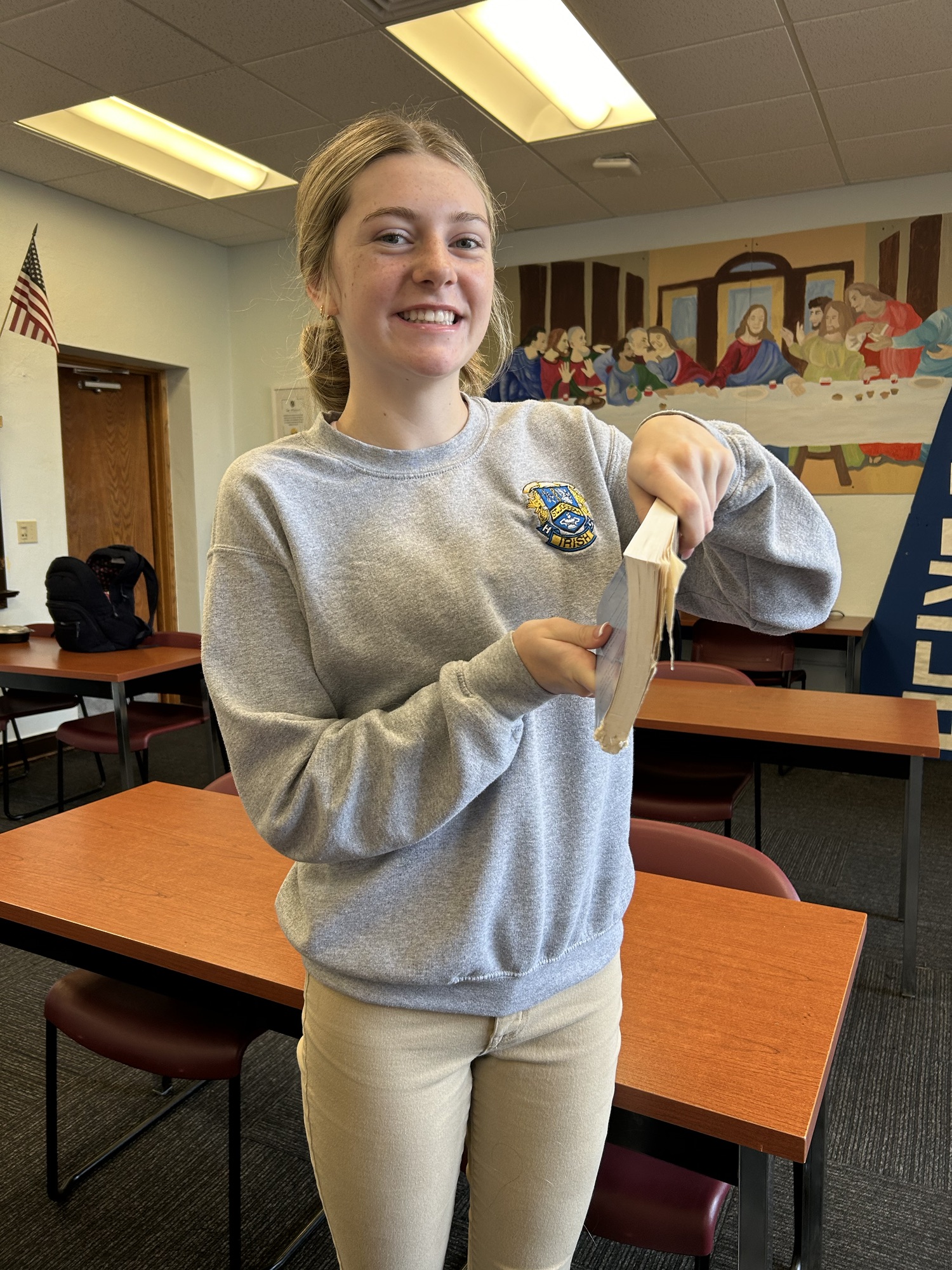
If you look closely, you can see, this student’s book, (Madelyn) was truly “eaten” by her dog. He took several bites out of the tops of the pages of the novel she was reading for my English 9 class.

One breath in, one breath out for peace and calm

 “We need to find God, and that cannot be found in noise and restlessness. God is a friend of silence. See how nature–trees, flowers, grass grows in silence . . . We need silence to be able to touch souls.” –Mother Teresa

Photo by John-Mark Smith on Pexels.com

The Miracle of EArly Morning 🌅

One of my favorite times of day is the stillness of the early morning.  Don’t get me wrong, depending upon how early I have to get up, it can be a chore to drag myself out of bed.  However, once I am up, enveloped by the hum of the house and the ambiance of the celebratory, daybreak birdsong, I feel a peace begin to zip up around me like my favorite hooded jacket. 

Now that daylight arrives earlier, it is especially delightful on the weekends to sit at my desk, steaming mug of coffee beside the laptop, and gaze out the open window as the birds continue their lilting praise of the arrival of daybreak. Sometimes I see the contrails from a jet writing across the sky.  Other times I observe the rustle of trees or my neighbor’s cat stalking some unseen prey. Regardless of what I notice, I take a deep breath, and invite the silence within.

Gazing out into the trees and grass of my backyard, there is a peacefulness of the Divine Presence.  Observing the continual miracle of seasonal change, I am bearing witness to the continuity, strength, and resiliency of nature.  With one breath in and one breath out, I can connect to Divine life force within, silently supplying me with continued strength.

Photo by Engin Akyurt on Pexels.com

Welcome the Silence 🤲

I continue to welcome the silence, and I allow it to wash over me, cleansing the stresses and worries of the night that interrupted my sleep.  I ask God to hold space for me within the silence as my soul settles into place. One breath in. One breath out. Each breath, rich in the silence, nourishing my peace of mind, if only for a few minutes.

Momentarily, I become part of the silence and my brain softens into the quiet, temporarily liberated from its continuous lists of things to do, notice, and concerns. One breath in. One breath out. I feel the silence breathing peace through me, filling my cells. I ask for the peace to live through me and to emanate from my actions, knowing even then, I will still stumble into mistakes.

The early morning silence centers and anchors me to the importance of being more mindful of the here and now.  One breath in. One breath out. I allow the silence to cultivate peace within that moment, and I ask that it remain with me as I move through my day, understanding that disturbances of my inner peace will also most likely occur throughout the day. I further pray the silence will infuse and imbue my day with moments of peace I can offer others, if only through the simple act of a smile or kind word.

Photo by Csankovszki Tibor on Pexels.com

Whispers of Silent Inspiration 🙏

If I am fortunate, the silence will sometimes whisper inspiration when I do encounter stress in a later moment. It only requires that I momentarily bring awareness to my breath, and once more, I can connect to the True Source filling my lungs, giving me life. One breath in.  One breath out. 

When the silent morning meditation begins to wind down, I become more aware of my surroundings and my own physical body.  I look for those poetic plane contrails, but they have usually vaporized, reminding me of the impermanence of struggles, strife, and life in general.  One breath in. One breath out. My words, my thoughts, my deeds are like those contrails, here, in this moment, but eventually given to the heavens.

Bringing awareness to the moment, I will feel the tendrils of morning silence loosening its grip, and I mourn briefly that I must leave its embrace. There are more words to be written, more students that need taught, and more people that need loved.  One breath in. One breath out. I remind myself that I can always come back to the comforting peace of the silence of my mind with one moment of conscious breathing. 

Photo by Dom J on Pexels.com

The antidote to noise and Chatter 🧘

It seems to me that we currently live in a world where many of us have forgotten, or even fear, silence.  Chatter and noise seem to flow in an endless supply, alongside daily routines filled with responsibilities and heaping portions of distractions. However, by seeking the solace of silence and focusing on your breath, if even for a few moments, we may discover our heart rate slows, racing thoughts may decrease, and the body may relax a bit.  One breath in.  One breath out. 

The older I get, the more my appreciation and need for silence grows.  If we listen too long to the noise of the media, news, traffic, screens, chatter, and so on, our stress increases, our worry increases, and our anxiety increases.  We forget that silence soothes our souls and brings us back to the presence of God within and around us. All it takes is one breath in and one breath out. 

Your Health Journey: It’s more than just taking a pill

“Take care of your body.  It’s the only place you have to live.”–Jim Rohn

Photo by nappy on Pexels.com

Listen to your Gut-Instincts🙇‍♀️

It’s been a little over a decade since I received the medical diagnosis that dramatically changed my life. I spent years battling upset stomach, gas, bloating, heartburn, and lower belly pain that only got worse with age. Pills had always been the answers.  In fact, at one point in my life, I had multiple timers set on my phone to remind me to take prescribed medications before and after eating.  

During a vacation near Boone, North Carolina, with my husband and daughter in which we had to plan our days around the timing of my medication, I finally decided I had had enough.  Call it “gut-instinct”, but I knew that whatever was going on inside my body, the prescriptions were not the answer.

Photo by MART PRODUCTION on Pexels.com

Finding a Doctor to listen 👂

Fortunately, I had a doctor at the time who took me seriously and listened. Together, we discussed a plan of action. Still, it took several months of waiting for tests and lab work to be completed, and more time waiting for results–the “hurry-up-and-wait” shuffle–as I fondly call it.  

I am not sure what I expected the results to be. However, when the letter arrived at my house stating I needed to schedule a follow-up appointment with my doctor (which was already on the books) due to indications of celiac disease and hiatal hernia, I was initially upset due to the dramatic lifestyle changes to manage both.

Photo by Alexas Fotos on Pexels.com

Change is Not Easy 😬

To state the obvious, change is not easy, so I faced a fair amount of challenges as I adjusted my diet.  Ultimately, though, as my symptoms subsided, and, one-by-one, the medications fell by the wayside, my motivation to continue increased.  I also came to see that compared to other potential prognosis, changing my diet was a minor task compared to invasive treatments, therapies, and surgeries.  

I’ve learned much, and continue to learn, along my health journey. Therefore, I share my experience as a point of encouragement when dealing with medical issues. 

Photo by Christina Morillo on Pexels.com

Advocate for Yourself 🗣️

First, I encourage you to trust your instincts, and advocate for yourself, especially if you are a person of color, a woman, a person with a higher BMI, or a LGBTQ+ person.  Unfortunately, as with any field, there are those medical professionals with internalized biases.  While I am confident not all doctors are bad actors, my own personal experience–and that of several others I know–have certainly informed me that if you belong to one of those categories, your complaints may not be given serious and thoughtful consideration. Therefore, you MUST advocate for yourself, even if it means changing doctors or traveling out of the area in which you live.

Photo by Pixabay on Pexels.com

Not every Health Issue requires a Pill

Secondly, sometimes medication is absolutely necessary; however, prescriptions are not end-all-be-all for every situation.  While I did have a doctor who truly listened to me, it still took me advocating for myself and not settling for what he prescribed based upon the medical system in which he worked. I am fortunate that when I questioned the medicine, that this doctor did not take it personally or as an assault on his professional judgment.  Nor did he try to use shame, or blame-the-patient tactics, as I had previously experienced.  He heard me out, asked numerous questions, and based upon those answers, set up a series of diagnostic tests. 

Photo by Brett Sayles on Pexels.com

Be Gentle with yourself as you navigate lifestyle changes 😊

Thirdly, be gentle with yourself if you have to make lifestyle changes. Once I received my results, overhauling my diet was scary–do you know how many things have gluten in them and/or cause reflux? I felt a huge amount of internal resistance to those changes in the beginning because it seemed like such an overwhelming task. 

Lifestyle changes are not easy, and it takes time to make the adjustments.  There are going to be setbacks, slipups, and mistakes along the way.  I know; I experienced them.  Completely changing the way I ate was a steep learning curve, and it was an eye-opening experience. Nonetheless, at the end of the day, I wanted to feel better and not live my life on a series of timers and pills.

Photo by Jack Sparrow on Pexels.com

Find your support 👯‍♀️

Enlist support for your changes. Join Facebook communities or other support groups to help you transition and navigate through the changes. Thankfully, I had support in the form of my family and friends.  Of course, they did not have to necessarily change the way they ate, but they absolutely made, and still continue to make, accommodations for my dietary needs.  This is especially true for when we dine out.  I have a limited number of restaurants in which I can safely eat.  Therefore, if I can’t eat at a certain location, friends and family will nearly always choose another option, so I can also enjoy the meal with them.

Photo by Krivec Ales on Pexels.com

health is a constant series of adjustments along the way 🛣️

Finally, know that your health journey is a continuous process.  Because I spent over four decades without a proper diagnosis, I am still encountering health difficulties.  One of the biggest obstacles I now face is a result of undiagnosed celiac disease.  Celiac causes the villi that make up the lining of the small intestines where nutrients are absorbed to become damaged. Over time, the villi atrophy and flatten due to inflammation from eating products that contain gluten.  

Despite overall healthy eating and consistent exercise, until I cleared the gluten in order to reduce the inflammation in my body, I was not able to absorb enough nutrients, specifically calcium, Vitamin D, and Vitamin K.  Additionally, due to  acid-reflux, I took proton-pump inhibitors for several years, which are also known to deplete magnesium, calcium, and other important minerals.  

Thus, I now have osteopenia.  As a result I have already had one surgery and may later need another one. However, I am doing all I can to keep that from happening, including completing the prescribed exercises, lifestyle changes, and appropriate supplementation of key nutrients.  Additionally, of course, I continue to maintain lifestyle changes with regards to a gluten-free diet, low-acid diet, and I am now more motivated to continue consistent weight-bearing exercise to keep my bones as healthy and strong as I can. 

Our health is truly a source of personal wealth.  Therefore, learning to advocate our own health needs is critical.  To be sure, doctors are highly educated, but that doesn’t mean they are fully educated when it comes to YOUR BODY and YOUR unique HEALTH needs.  

Photo by Yan Krukau on Pexels.com

IT’s your body. Treat it Well.

Speak up for yourself.  Trust your instincts.  If you need medication, take it, but don’t overlook lifestyle habits as well.  Educate yourself on lifestyle habits that can positively (and negatively) impact your health and make adjustments as needed.  Don’t be afraid to ask for support, and forgive yourself if you slip-up along your health journey.  

At the end of the day.  It is your body.  It is the only one you have.  Treat it like the sacred, precious gift that it is.

Get More Grounded: The Benefits and Lesson of Tree Pose

“Be like a tree. Stay grounded. Connect with your roots.  Turn over a new leaf. Bend before you break.  Enjoy your unique natural beauty. Keep growing.”–Joanne Raptis

Photo by SHVETS production on Pexels.com

The magic of Tree Pose 🌳

“Trees sway; get more grounded,” my husband chimed along with the yoga instructor on the DVD as we attempted tree pose on a Monday morning before work, the classic yoga balancing pose that requires standing on one leg. 

I appreciate tree pose for many reasons. It strengthens feet, spine, ankles, legs, and core.  Further, it opens the hip area, stretches the inner thigh and groin muscles.  Plus, it can improve one’s concentration and focus while simultaneously improving alignment of spine and posture.  Most of all, it is a pose of balance, which can help in a multitude of ways. 

Symbolically, tree pose serves up several lessons. However, one of the more literal lessons of tree pose is that of remaining in the present moment.  It’s nearly impossible to balance in tree pose and think into the future or reflect on the past because you end up falling out of the pose. I was reminded of those lessons this past Tuesday, or as I have come to know it as, “Twister (or Tornado) Tuesday.” 

Photo by Ralph W. lambrecht on Pexels.com

Shelter in Place 🌪️

As a veteran educator, I have experienced a wide-array of events, including those that require shelter-in-place. In fact, I can still recall the first time I experienced shelter-in-place with students 30+ years ago.  I was teaching in a mobile unit at a great distance from the main brick and mortar school building. The students under my care ranged from 5-12 years of age, and they had been identified as “severe behavior handicapped.”  

There were twelve students, ten boys and two girls.  Since this was the early 1990s, computers and cell phones were not widely available in the classroom setting. This classroom had an intercom type “phone” that only connected from the school office to the classroom.  It was through this “phone” that I received the message that the entire school was sheltering in place in the hallways.  The school received a call that a tornado had touched down in another part of the county and was heading our way. I was to gather my twelve, not-always-so-compliant students, and move them to the main building as quickly as possible.

By the time I received the “call,” a heavy metal concert of rain and wind had already begun, drumming and shaking the metal building rhymically with tantruming, angry torrents of sideways rain.  Quickly, the paraprofessionals and I helped the students into their school-issued red rain parkas, and that is when the resistance began.

“I am not going out in that rain.”

“I don’t like getting wet.”

“No, I won’t!”

“I’m scared!”

Whether it was the determined, I-am-not-kidding look in my eyes, Divine intervention, or a combination of both, the paraprofessionals and I miraculously gathered all of them in a line.  Holding hands as one unit, we began fighting our way through the class door that kept trying to swallow us back inside due to the enraged winds. Once outside, raindrops pelted any exposed skin, including the students’ face and heads as their hoods were immediately blown off.  We fought our way to the safety of the school while the passion of the rain and winds seemed to increase and determinedly tried to shove us backwards. 

By the time we made it to the school, none of us were dry as the pernicious storm found a way to penetrate even the sturdiest of rain coats.  Quickly, we hustled the students to the primary wing of the school, finding a piece of wall away from windows where they could drop to their knees and cover their heads, rivulets of water streaming over all of us, while adrenalin continued to accelerate my heart rate.

Photo by monicore on Pexels.com

Twister Tuesday 🪟

This memory bolted through my mind on “Twister Tuesday” as my classroom, and the surrounding classrooms, were filled with the strident sound of the emergency broadcast system sending an urgent message to seek shelter immediately. Our middle school classrooms are located on the top floor of our school building, and the entire middle school was directed to make their way to the first floor as quickly as possible. In order to do that, we had to run down three flights of stairs in a glass-lined stairwell. As we headed down, the irate storm quickly made its presence known.  Like Lyssa, a figure in Greek mythology who is said to drive others mad, the storm insanely clambered and clawed at the windows demanding to get inside, but meeting a wall of resistance.

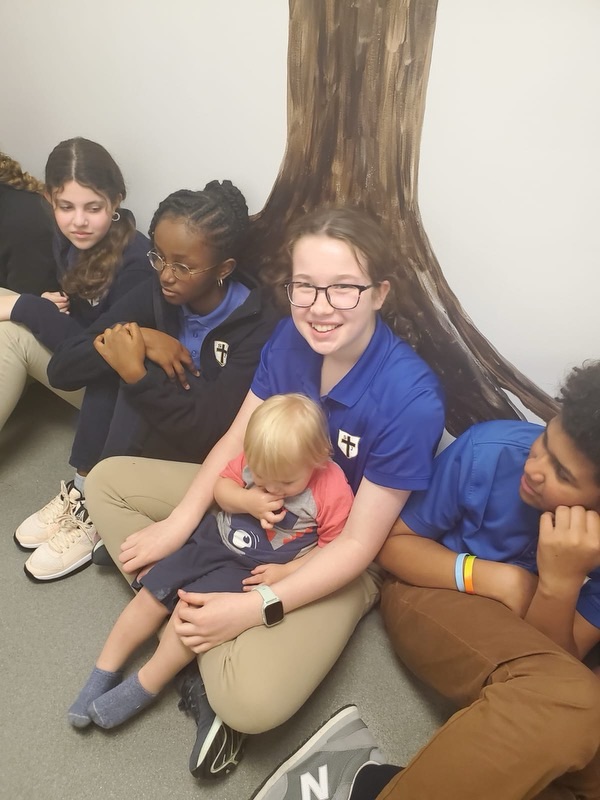
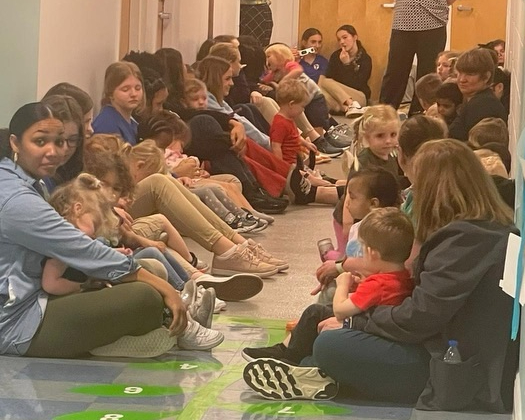
Once downstairs, it was hot, crowded, and overripe with the odor of sweaty, nervous bodies as we sheltered in place away from doors and windows alongside first and second graders as well as preschoolers from the two- and three- year old classes. At times, there were crescendos of anxious voices of students–or, in the case of some of the little ones–crying. During other moments, there were a few older students who experienced panic attacks, but there were many more who remained calm.  There were even those selfless students who chose to hold, cuddle, and comfort younger preschoolers, focusing on the needs of others, rather than themselves.

Middle school students caring for the needs of preschoolers during a shelter in place scenario.

And if you Fall . . . Pick yourself 🆙

As I walked among the students, checking on them, assuring some, answering questions of others, my mind echoed with the words from the previous day, “Trees sway; get more grounded.”  And so, I ground down into my faith.  If the students and staff of my previous school survived that former storm way back in the 90s, surely we would survive this one too.  My emotions could sway like the tree on the inside, but the more I swayed, the more I reminded myself to ground down and try to remain balanced in the present moment in order to better focus on those around me.  

It wasn’t easy, and I wasn’t perfect.  But here’s the thing about tree pose. It’s a great way to practice falling. If you fall out of tree pose, you pick yourself up, and try to return to the pose once more.  

Like my beloved tree-pose, Twister Tuesday provided another stretch and realignment personally and professionally as well as to my faith. It challenged my focus and concentration in order to remain balanced.  And when I “fell,” forgetting to remain focused on the present moment, all I had to do was “pick myself up” and try to return to it once more. Most of all, that Tuesday served as a powerful reminder of the power of the True Source dwelling within and around us, always available to keep us grounded. 

Another middle school student getting grounded in the present moment of another’s need.

Grief and Love–one story of surviving the loss

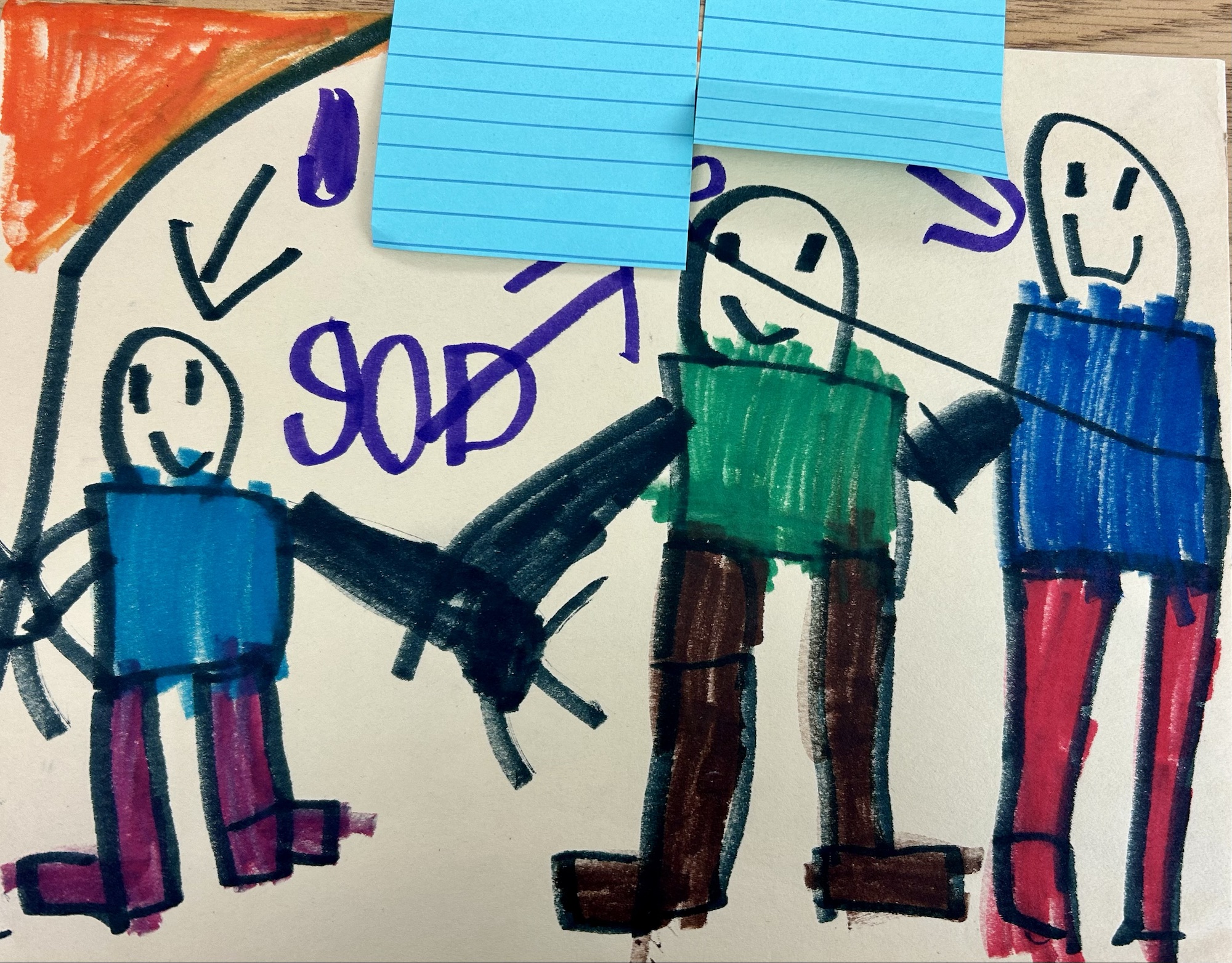
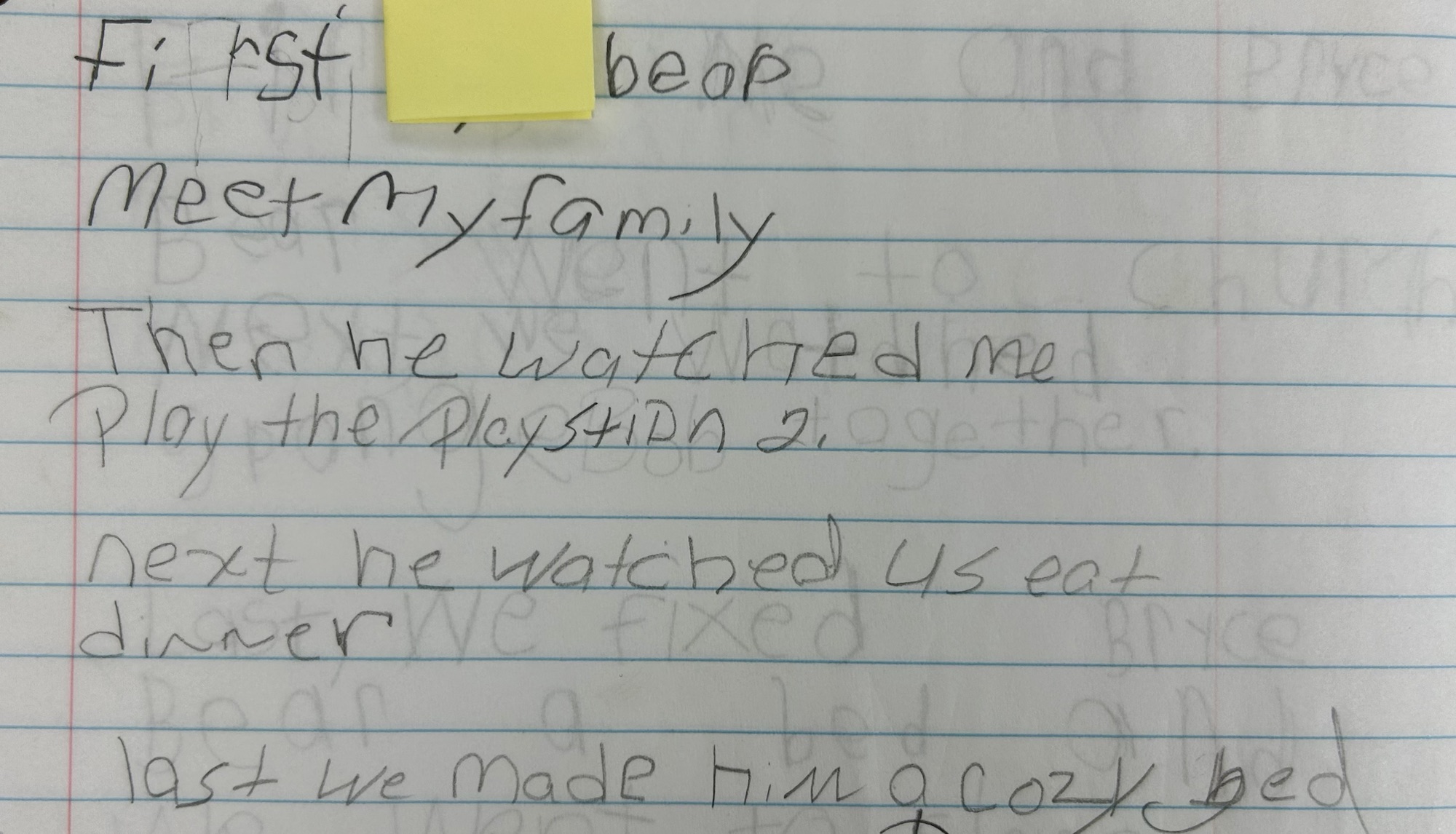
A picture created by one of my former Kindergarten students depicting what they believed was their former classmate’s ascent into heaven. The rainbow is what the heavenly friend is sending back to the friend still who is still alive. (Post-it notes are covering names.)

A story revisited 🥺

It was a spring day with wide cerulean skies and clouds of cotton puffs as I stepped out of my vehicle, as per usual, when I saw the employee approaching with my curbside grocery order.  I am a regular customer, so I tend to know the names and faces of the usual employees, but she was new to me.  Therefore, I was surprised when she asked if I was a teacher. I smiled, and said that I was. I could have never predicted what she would next say.

As she talked, there it was.  The wound, which I thought had healed, was painfully stabbed open. It is an unfortunate story, centering on a young family, a classroom of five-year-olds, their parents, and me–bound together by a loss too surreal to be true– yet it was. 

 She said she attended the funeral and saw me, and she added that she related to the family. Additionally, she added that all her kids attended that same school in which I once taught, now nearly 20 years later. As what appeared to be an after-thought she added, “You was a good teacher.” 

I asked about the surviving family and the sibling, who was only a baby at the time of the event.  The sibling, she reported, was now studying at a university.  This bit of information buoyed my spirit.  

Another picture drawn by another student depicting their deceased friend, holding hands with God and Jesus.

An event that forever changed me 😨

With over three and half decades in education, I can look back at certain points in my career and identify pivotal moments that forever changed me.  This loss of a five-year-old student was probably one of the most defining moments in my career. It sent me spiraling into a deep darkness for which I believed I should keep hidden from the world because it was my face those cherished students and their parents looked to for strength and stability–or at least that is how I perceived the situation at the time.  

On the inside, I was crumbling, questioning everything my faith had taught me.  Angry at that the Universe would allow such a senseless death, and angry at myself for what felt like was my “butterfly-effect” that seemingly set the wheels in motion for this tragedy.  Emotions, which I now know, can override logic during unexpected loss.

Outwardly for the world, I did the best I could, but none of my training had prepared me. While there were times, I felt led from within by a Source greater than myself. Other times, I felt I was driving a car without headlights after a severe storm, stumbling and bumping up against one roadblock after another.  

Another drawing depicting a student holding hands with the deceased classmate, adding that they missed their friend. (Names are covered with post-it notes.)

Days of Mourning 😢

There were countless days when my students would just cry, and so I let them, allowing their tears to express what they could not put into words.  I hugged them often, and permitted/encouraged them to express their feelings in a safe and productive ways.  They drew pictures, decorated their former classmates’ seat, and took turns holding and talking to a bear that had been built for them to help process their grief.

Some students, who weren’t as verbal as others, became noticeably aggressive as they moved through stages of grief.  This required much patience and tolerance.  While I understood they needed to get out their anger as they were not developmentally old enough to understand death, I could not let them harm other students.  Therefore, I had to come up with creative outlets for their feelings, such as allowing them to be the official “wrecking ball” if someone wanted their block creation knocked over or the official “paper shredder” of messed-up papers.

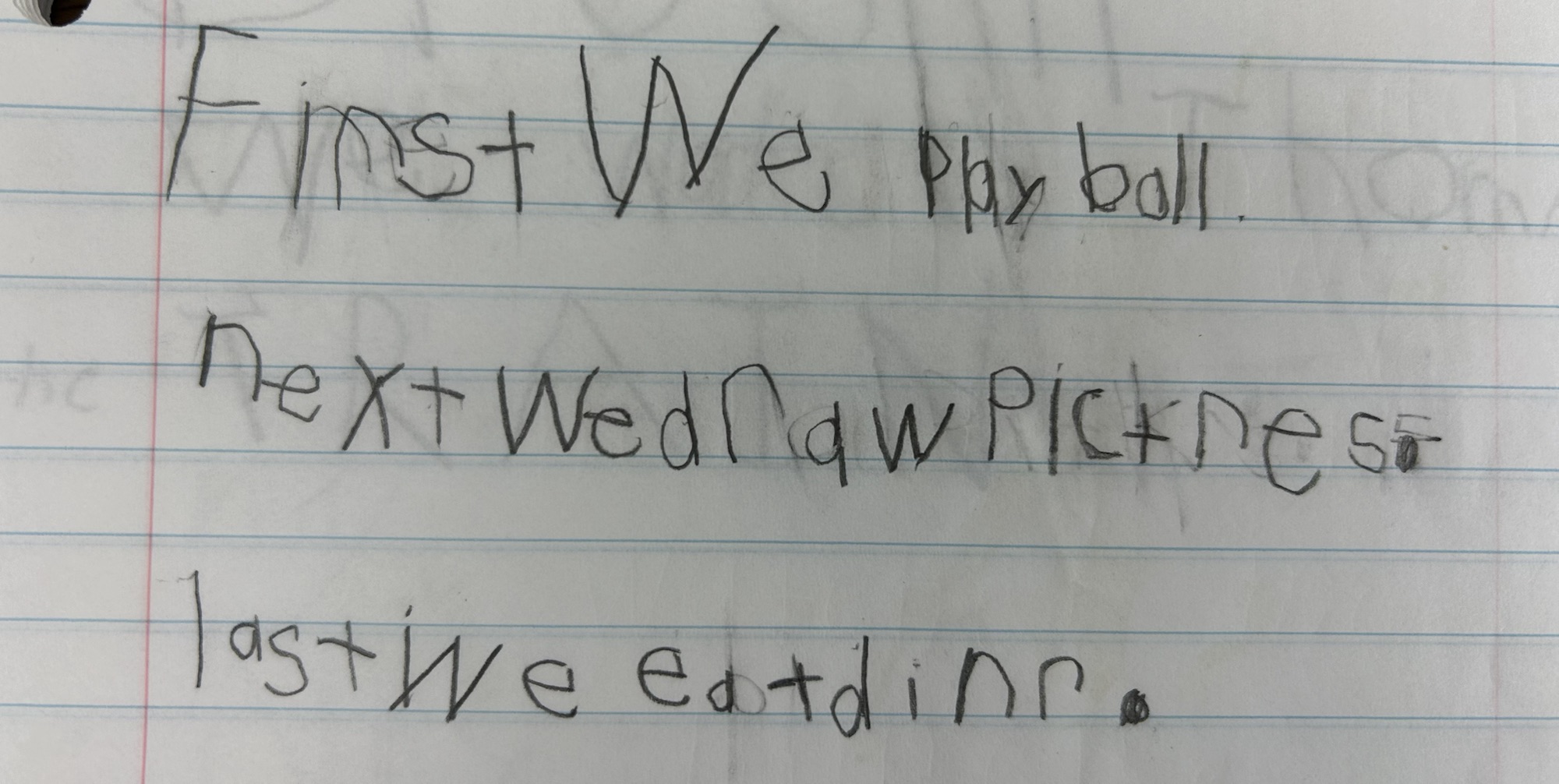
A “story” written by a student describing what happened when the student took home the grief therapy bear.

Sometimes, Life isn’t fair 😩

Thinking back to that tragedy, I wish I could go back to my younger self and say, “You’re doing ok,” in the same way I would have said to my students at the time.  Instead, I spent much time questioning what more I should be doing.  And, each night, when I went home to my own beloved daughter the exact same age, I felt simultaneously grateful and guilty.  Why did I get to keep my child, but someone else didn’t?  It wasn’t fair.

Another student’s experience with the grief therapy bear.

Nearly 20 years later . . .⏳

Now, nearly 20 years later, life continues to march on at a breathtaking pace. Those students are now in their 25th year of life.  They are all, I hope, making their way into their independence, exploring the edges of the kind of responsible adult they want to evolve into.  I pray they will each find their own version of success, however they define it. 

I especially hope the child’s family is well.  They were dealt a tragic blow for which I have no explanation.  I am certain it has not been easy for them, but I pray their hearts continue to mend to the degree possible. Most of all, I wish them peace.

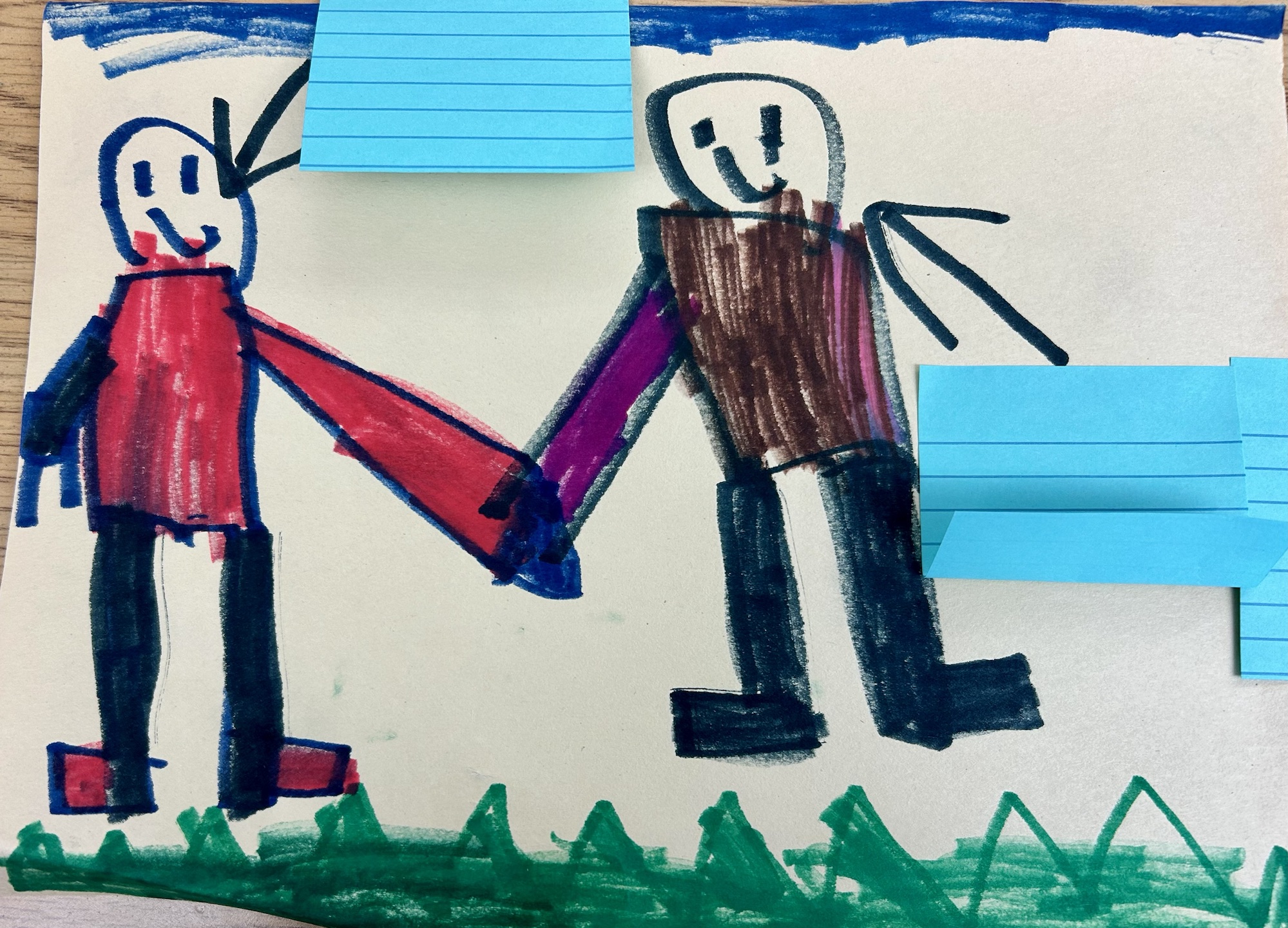
Another drawing of expressing their feelings about their departed friend. (Name is covered by post-it notes.)

Does time Really heal? ❤️‍🩹

They say time heals all wounds, but I am not sure.  The wounds may heal, but the scar still remains.  Like all scars, they fade with the passing of time, but those scars remain as a reminder of who we once were.

 Once there was a young family of four, until suddenly there were three.  Once I was a kindergarten teacher with 15 students, and, in the blink of an eye, there were 14.  I wish I knew why, but that is not for me to understand.  Instead, I will forever be haunted by what more I could have done. 

Another student’s experience with the grief therapy bear.

Looking back on the love 💜

Nonetheless, looking back now, what I most recall is the love.  Love for the departed student, love for the other students of that class, and deep abiding appreciation for those students’ parents who unconditionally supported me and guided their children tirelessly through what had to be one of the darkest periods in their young and tender lives.

Their is beauty in life, even if short lived 🌸

On the day of writing this, I went for a run in a park.  It was early spring, and the air held the promise of warmer days.  All around me the wind blew off the white petals of flowering trees, and the petals danced around me like snowflakes, graceful on the currents of air.  I realized, the flowers will soon be replaced by the green leaves, and the cycle of life will continue through the seasons.  However, in that moment, I could not help but feel those petals were a heavenly reminder of the beauty that is possible in life–even if for only a short time.

Musician and writer, Nick Cave, is said to have written in a letter, “Grief and love are forever intertwined. Grief is the terrible reminder of the depths of our love and, like love, grief is non-negotiable.”  I couldn’t agree more.  

Another piece of artwork expressing the joy of friendship in spite of the loss. (Names covered with post-it notes.)
Another student’s experience with the bear.

Anyone can complete a half-marathon: Tips to help you achieve this goal

Even when you have gone as far as you can, and everything hurts, and you are staring at a specter of self-doubt, you can find a bit more strength deep inside you, if you look closely enough.”–Hal Higdon

Virginia Beach Shamrock 1/2 Marathon 2024

Pace Yourself 👣

“Your pace on the last mile was spectacular.” Siri voiced my husband’s text into my ear. 

I had just passed mile marker 7 of the Virginia Beach Shamrock Half-marathon.  Up until that point, I wasn’t sure how this event would go for me.  While I had been officially training for this event for months, I had undergone fairly major surgery eleven prior, so I had only gradually returned to running beginning in June.  Even then, it was two months of walking/running, gradually increasing the time spent running.

In November, I participated in the Marshall University Half-Marathon.  Completing it felt like a huge victory since I had to start at ground zero, so-to-speak, post-surgery.  After my surgery at the beginning of April, my exercise consisted of walking around my house for 5-10 minutes at a time several times per day. Therefore, going from house-walking to running 13.2 miles, albeit slowly, within several months was a huge personal milestone. 

Ready to start!

Rethink your definition of Who Can finish a half-Marathon 🏁

Here’s the thing to know about me.  I am not what I would consider athletic.  I was the proverbial band-geek in high school.  Not that I define myself by long-ago standards, but I think many of us can get into our heads and define our athletic abilities based upon those past early experiences. The point is you don’t have to consider yourself “athletic” to participate in a half or full marathon. Anyone can do it.
Furthermore, you don’t have to be fast, and you don’t even have to run it.  You can walk the entire route, or you can mix it up, alternating bouts of walking with running. Others, those who I tend to define as “natural” runners, may spout out finish times and pace with a competitive spirit, but many others, like me, are simply proud of crossing that finish line.  That said, I do confess I notice my finish times, but I never let those times define my accomplishment.  Crossing a finish line is always a victory.

Photo by RUN 4 FFWPU on Pexels.com

Realistic Plans for Beginners ✅

To that end, my relationship with running, which began approximately ten years ago, has developed in fits and starts. When I first began, ten years younger, I was a bit faster than I am now, but I was still running at what competitive runners would consider a slow pace. During those early years, I would try to adhere to established standards of publications, and I always fell short.  I wasn’t experienced enough to fully understand those standards weren’t realistic for me. 

Ten years later, and it still seems like many publications and media outlets set unrealistic expectations for those who are TRULY newbies and need a gentle approach to running/walking.  However, that is gradually beginning to change, and I want to be part of those voices who speak to those so-called “nonathletes” who want to participate in a healthy community event, such as a 5K or half-marathon.  I have read and listened to a few authors who speak to that person with no athletic experience; plus, I have amassed my own personal experience. Therefore, I want to share a few tidbits of encouragement.

Photo by Ketut Subiyanto on Pexels.com

Focus on Increasing time on feet, Not Miles 🦶

First of all, nearly anyone can train to walk, walk/run, or run a half-marathon.  I have met too many people who say they’d love to do it, but believe they aren’t capable.  Yes. You. Are.  I have participated in enough events to know that there are numerous participants who walk the entire route.

Here’s the trick I learned, you do need to train and prepare the body for these events, but it doesn’t have to be extreme. It’s all about time spent on your feet engaged in walking and/or running and the weekly long run that gradually increases in length over 12-24 weeks, depending upon your goals and your starting level of fitness.  (Of course, always seek advice/approval from your healthcare provider before embarking on a program.)

For both Shamrock and the Marshall Half-marathon, my longest run was ten miles, and they were walk/run training sessions–run ten minutes, walk two minutes, and then I kept repeating this pattern for a certain length of time, rather than miles.  This took pressure off completing a certain distance, and it allowed me to better respond to how my body was feeling–adjusting the length of time walking or running.  If I felt rested and strong, I ran for longer periods; however, if I felt over-fatigued or not well, I ran for shorter periods and walked more. 

Photo by Kate Trifo on Pexels.com

Never Underestimate walking 🚶🏽‍♀️

As a general rule, true beginners typically start with walking.  Once you can successfully walk for 30 minutes without stopping–and it might take months to work up to that length of time, and that is ok– then you can begin to add a minute or two of easy jogging, such as walk for ten minutes, jog one minute; repeat two more times.  That is honestly how I moved from walking to running after surgery this past spring once I had clearance from the surgeon.

Photo by Ketut Subiyanto on Pexels.com

Intersperse time jogging 🏃‍♀️

Run Your Butt Off  is a great resource for a structured 12+ week  run/walk plan, but I suggest you disregard the diet information! Additionally, the Shamrock Half Marathon/Marathon website offers free training plans for running/walking an 8K, half, and full marathon. I have successfully used both and found them incredibly helpful and encouraging.

Week-by-week, you can slowly decrease your walking time and increase your running time.  Eventually, you may get to a point where you are happy alternating between running and walking, and that is fine!  Many people adhere to a run/walk practice.  In fact, Jeff Galloway has published numerous articles and books on this topic if you are looking for more guidance.  Therefore, if you want to complete a 5K, 8K, half-marathon, or even a full marathon, there are plans available that will fit your level of fitness. 

Two thumbs up for a personal best!

Sham-rocked! ☘️

As it turned out, I was ultimately able to finish this half-marathon with a personal best time. Once I passed mile marker 7 and my husband made me aware of my pace, I began to get excited and focus a bit more on maintaining my pace, realizing a PR was within reach.  In fact, I finished ten minutes faster than the previous year!  However, it wasn’t easy.  My mind kept telling me about different parts of my body that were hurting, so I had to keep combatting and replacing those negative thoughts with positive messages, such as  “I am getting stronger,” “I am so close now,” “Focus on the feeling of crossing the finish line,” and so forth. 

While it wasn’t my intention to run a PR, I think changing the way I more realistically approached training after surgery made it possible.  Giving myself permission to walk during my months of preparation and using a training plan appropriate for my skill level made a huge difference. Nonetheless, even if I had finished with a slower time, crossing that finish line is always a victory! 

You can do it! 😃

And, I want you to know, Dear Reader, that if you have ever dabbled with the idea of participating in a half-marathon, you can absolutely do it!  I am cheering for you! 

#runforglutenfreewaffle #bestsupport #pocahontaspancakes&wafflehouse #shamrockfinishline

Almost time to go!
And, we are off and running!
Crossing the finish line is such a feeling of accomplishment!

The Lost Art of Delayed Gratification

“The longer you have to wait for something, the more you will appreciate it when it finally arrives. . . .  All good things are worth waiting for . . .”–Susan Gale

Photo by Pixabay on Pexels.com

Window of opportunity ⏱️

One of the more popular health trends that continues to grab headlines is around time-restricted eating or TRE.  It is a form of intermittent fasting in which a person chooses a window of time within a day, typically 6-12 hours, in which they eat.  During the time outside of this window, those following a TRE protocol, do not consume any other calories and drink only water, although there are some following a TRE plan that consume unsweetened tea or coffee. 

The idea of TRE is to reduce the amount of overall calories consumed in a day and to reduce less-positive habits such as eating late at night or snacking too much early in the day.  Besides the obvious benefits of managing body weight, scientific research  into TRE continues to show promising results, including reducing insulin resistance, reduction of inflammation and oxidative stress, can alter and improve the composition of the microbiome, and improved sleep to name a few. 

Photo by Yan Krukau on Pexels.com

Time to Eat 🍱

Time restricted eating is nothing new to me. In fact, my childhood taught this.  I grew up with a natural TRE called breakfast, lunch, dinner and no snacking in between.  Furthermore, my parents believed that if we didn’t like what was offered at a certain meal; well, we wouldn’t starve because I could eat again at the next meal.  

I can recall sitting in elementary school feeling my stomach growl.  Sure, I had breakfast, but we ate early in order to make the school bus.  I would look at the large classroom clock on the wall, counting down the time until the teacher l lined us up and walked us to lunch. Standing in line waiting for everyone to go to the restroom, wash their hands, and line back up, my mouth would water in anticipation of food.  By the time I sat down with the other students who had packed their lunches, I thought I would perish from hunger! But, oh how good that simple food tasted when I could finally take a bite!

By the time I got home from school, my stomach would once more be begging for food, but there was a hard-fast rule.  No snacking before dinner because you’ll ruin your appetite.  This was made more challenging if my parents had ordered a tray lunch from the school cafeteria, and I didn’t like the food.  Still, there was no debating–wait until dinner.

Fortunately, we tended to eat between 5:00 and 6:00 pm, so I didn’t have to wait too long.  However, I tended to be persnickety about certain food items, so if the meal consisted of a food (or foods) that I didn’t like, too bad for me–or any of my siblings for that matter–there was always breakfast.  We weren’t going to starve–even if we thought we would. 

Photo by August de Richelieu on Pexels.com

Delayed Gratification ⌚︎

The beauty of my parent’s rules, whether they intended it or not, was two-fold.  First, food tastes better when truly hungry.  It felt downright wonderful to have a hearty appetite as I sat down for a meal. The other skill learned was the art of delayed gratification.

Sure, I’ve went through phases, such as camps, overnight stays with friends or family, and later in college and as a young adult, where I ate completely differently than how I was raised–eating at irregular times and noshing on foods I would have never been able to eat at home. 

As an adult, I have also likewise gone through similar phases. It is more challenging now to have those structured meal times since food is so widely available at all hours of the day.  No wonder TRE is so popular now.  It brings back that structure and discipline in which I was raised.

The art of delayed gratification, given the immediacy that technology brings, is perhaps becoming a bit of a lost skill set. The ability to resist an immediate reward for a greater or more favorable reward later requires self-regulation and impulse control, skills that often get lost while scrolling through our various screens. However, delayed gratification is a skill that can be learned at any age, but it is not easy.

Photo by Pixabay on Pexels.com

Benefits of Delayed Gratification 🎓

Delayed gratification is what some parents try to teach their children by insisting that all homework must be completed before the kids are given permission to choose a more preferred activity.  It is what adults practice when saving for an important item, such as buying a new car, house, or even something as simple as setting aside money for rent, groceries, utilities, and other bills.  In fact, anytime we choose not to be distracted from our goals or priorities, we are practicing delaying gratification. 

Success in any endeavor, from career to finances, to the most mundane such as cleaning house to choosing when and what to eat, requires the ability to resist the temptation to do something easier (the distraction) and instead, complete something harder, such as studying for that next level career exam or simply choosing, as my parents taught me oh-so-long ago, only eat at meal times. 

Photo by SevenStorm JUHASZIMRUS on Pexels.com

So how do we get better at delayed gratification? ⤵️

There are multiple books, articles, and youtube videos designed to provide various methods. Some people like big changes all at once, such as TRE, leaning into some variation of:  Here’s the rules, the parameters, and the start date.  For certain personalities, a total overhaul of their habits works great.  

However, I tend to prefer more gentle approaches such as:

  • Start with one small change (habit) and stack it with an already existing habit, i.e. I already drink coffee in the morning, why not drink 8-12 ounces of water beforehand?
  • Repeat that change again the next day
  • Set a goal for continuing that new change/habit for a set amount of days with a planned celebration/reward upon reaching the goal
  • If you’re really resistant to completing something, set a timer for two minutes.  At the end of those two minutes, get started. (It sounds silly, but for some people, it works.)
  • Try the “if-then” principle: “If I do this,” (clean kitchen, set up budget, exercise . .), “then I can do this” (scroll through social media, read, nap, etc. . .).
  • Play mind games and daydream (Instead of focusing on what you want to do, daydream about all of the positive feelings you will undergo sticking to and achieving your plan.  Likewise, focus on the negative feelings you will experience if you give-in to a distraction.)
  • Offer forgiveness to yourself when you slip-up (and we all do), but then return to your goal again the next day.
Photo by RUN 4 FFWPU on Pexels.com

Make Delayed Gratification work for you! 😄

Ultimately, whether you are trying to stick to TRE, save for new tires on your vehicle, or make that next big career step, employing the art of delayed gratification can help you keep your goals at the forefront of your mind.  By keeping those goals small and achievable, you can visualize the steps along the path to success (better health, cleaner house, better finances, etc . . .), make peace with your distractions, focus more on your plan/goal, and face challenges (aka distractions) with a bit more self-composure and kindness to self.