A Good Morning Goodbye to Summer

“ . . . Goodnight mush

And goodnight to the old lady whispering “hush” 

Goodnight stars

Goodnight air

Good night noises everywhere”–Margaret Wise Brown from the book, Goodnight Moon, illustrated by Clement Hurd

When my daughter, Madelyn, aka “Maddie,” was a toddler, she had several favorite books with which she played, banged, tugged, and, eventually, pretended to read. One of those favorite titles was Margaret Wise Brown’s, Goodnight Moon.  Of course, as with most children, we went through several phases of “favorite books” that were the bedtime default for, “one more story,” before lights were out.  However, Goodnight Moon was an on again, off again favorite for a couple of years.  There is a reason this 1947 classic children’s story has sold millions of copies and has been translated into numerous languages.

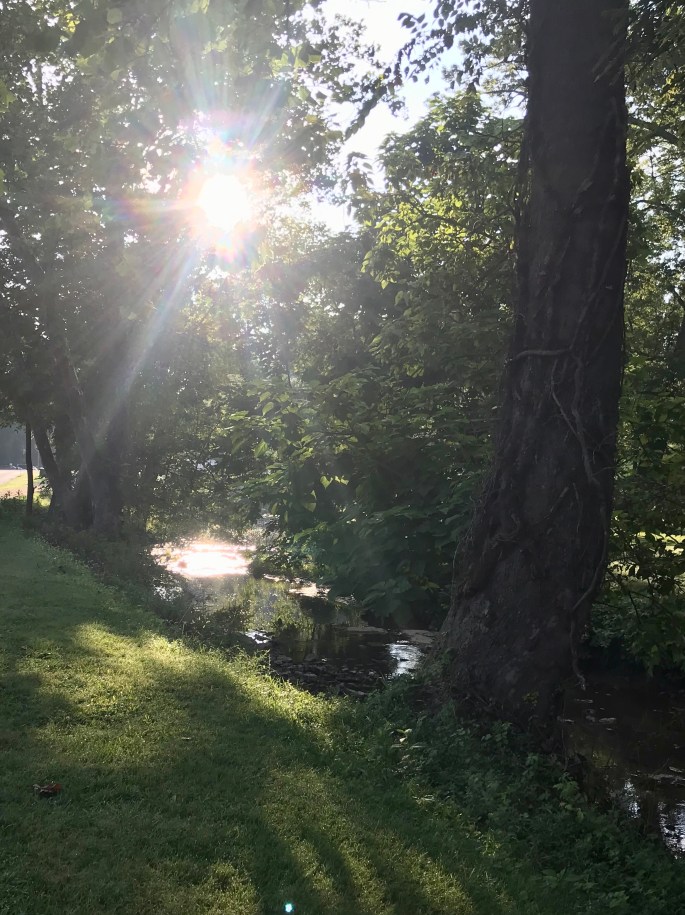
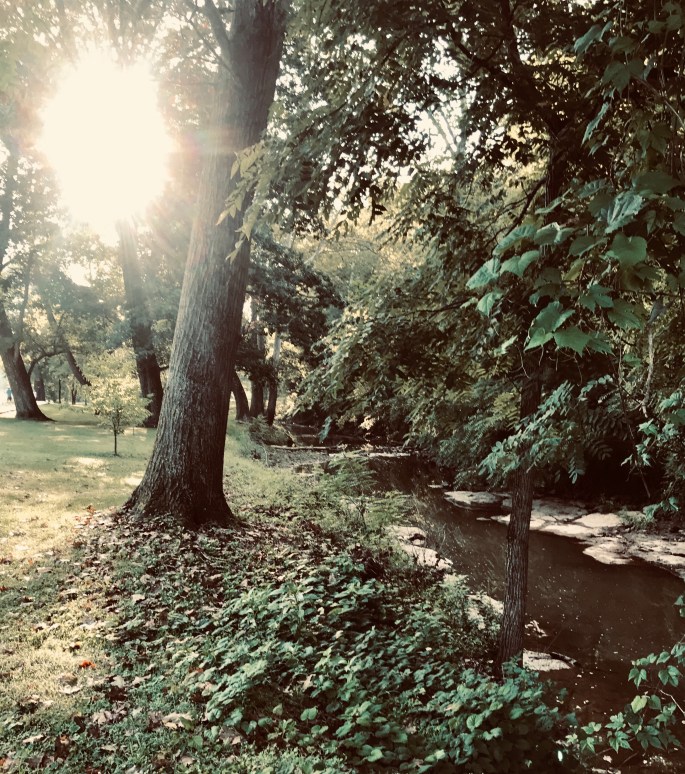
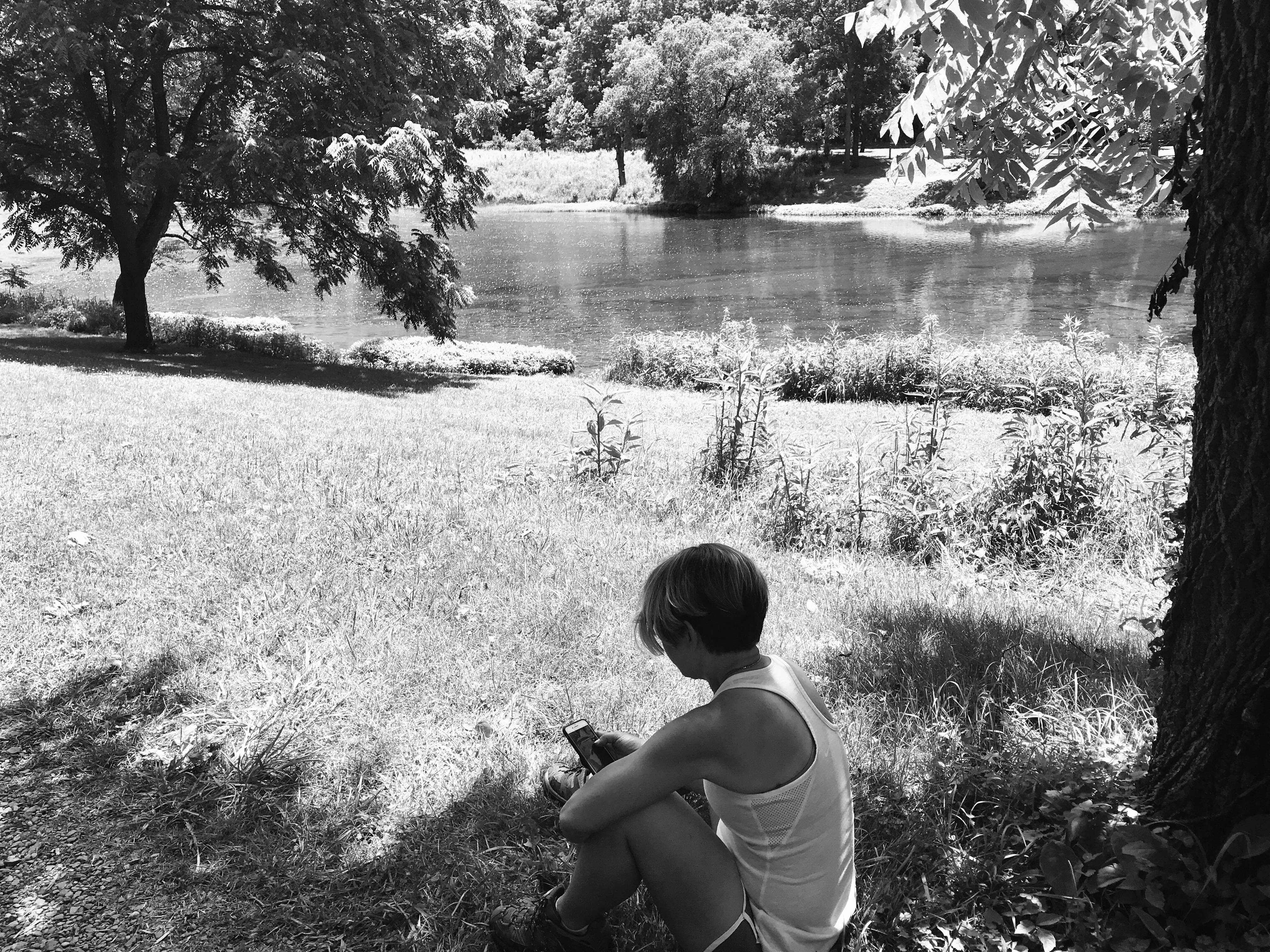
I was reflecting upon those sweet, long ago reading-bedtime-stories-memories and comparing those times within the current context as I made my way through Ritter Park on what was my final week day workout of the summer . . .

Maddie in her extra soft jammies, smelling mildly of soap, her hair slightly damp, her skin soft, pink, and warm, as she wriggled a little closer, imploring me to read, “one more story.”  Reaching for Goodnight Moon for what felt like the thousandth time, I would often change the words of the story to reflect our house, her bedroom, and her surroundings, creating a more personal narrative.  Quite often, Maddie would join in with her own improvisation as well.  

Reading to my daughter is one of those memories that brings tears to my eyes because time seems to have transpired so swiftly.  It feels as if only last week that I was reading those stories, and numerous others, with her.  I didn’t realize then, that as quickly as those page-turning moments were occurring, they were likewise being replaced in the same way Maddie’s bedtime books were changing and evolving. The time of childhood kept moving forward like the plot of her stories. For unlike her storybooks that could be paused or stopped by simply closing the book, time did not then, nor does not now, allow me to stop the story of life from progressing.  Goodnight, Maddie, as a toddler.  

Miss Maddie grew, and with every page turn of life came a new image, a new stage, a new way of saying goodnight.  Giggle-filled toddlerhood seamlessly turned into the carefree days of preschool age, and soon enough the plot evolved into the pleasant days of kindergarten.  As life progressed, cheery days of elementary years were followed by those angsty years of middle school. Next came the plot-twists that belong to the high school years.  Presently, a new page has been turned, with more COVID-related turn-of-events occurring that continue to promote both her personal and academic growth as she makes her way through the challenging college years, especially within today’s state-of-affairs.  

Time just keeps cascading, drumming along, pattering out rhythmic beats of memories.  These snapshot moments of life with our daughter are like the bubbles she created in those early bygone years. Maddie would blow the bubbles into life and then chase those bubbles, trying to “catch” them, but bubbles tend to pop when you try to grasp them.  Instead bubbles are best enjoyed while savoring the creation of each one and then enjoying their flight as they glide through air as shiny kaleidoscopes of joyful color.  However, like my toddler daughter of all those years ago, we often give chase to life, trying to hold onto bubble-like moments of the past or bubbles that might be created in the future, often unaware that current bubbles of life-moments are floating within our view with little personal awareness.  

In some ways, though the pandemic has forced many of us to be more aware of the preciousness of life.  When life as we knew it, came to a screeching halt, or at the very least, drastically slowed down, time spent driving hither and thither was reduced to a bare minimum.  Spending most, to nearly all, of your time at home became the new normal.  The hands of life’s clock tick-tocked to the same rhythm, and yet, felt s-l-o-w-e-r.  Working from home in comfy clothes was the new cool.  John, Maddie, and me, like many that were lucky enough to remain employed or in school, worked from our home battling for wifi and dealing with the imperfection technology; and, truth-be-told, imperfect people since neither John nor I are tech savvy.   Somehow, though, we managed to keep turning those pages of work, school, and life, but it was different, and it seemed to revive the age-old theme for the desire of work-life balance and the importance of spending time with family and loved ones.

Now, as we return to new variations and designs of our work worlds, I have to wonder/worry if we are returning to the proverbial rat race.  While there were, and continue to be, many negatives of living with COVID-19, there were (and are) advantages to quarantining at home.  One of my big takeaways from the experience is that growing desire to strike a greater balance between work life, family, and time spent in meaningful, personal pursuits and/or expressions. COVID has revealed there is more to life than career, and there is likewise much value in time spent with people. While being able to financially support oneself is important, COVID has repeatedly reminded me, and many others, that our time on earth is like those bubbles of Maddie’s youth, elusive, colorful, but short-lived.  I want time to create and savor more meaningful bubbles of life moments.

As I continued down memory lane on that Ritter Park run of last week, I was reminded of the certain situations for which I am/was happy to say goodbye and others for which I am/was glad to say hello with regards to COVID, quarantine, and working from home as well as the positives and negatives of returning to work (school), albeit, with a new way of working and thinking about education and work-life in general.  In my head, Maddie’s Goodnight Moon’s simple verse informed thought bubbles of random rhymes and personal prose . . .

On a great big earth

There was a virus

And a numerous people of worth

And a picture of–

Distractions of media birth

And there were numerous world leaders sitting on chairs

And there were markets

And there were targets

And people were moving

And the bug was stewing

And there was more spread that grew in a rush

And there were even some men who were proclaiming, “hush”

Goodnight school

Goodnight need for much fuel

Goodnight countless people of worth

Hello time at home

Hello best-not-to-roam

Hello extra family time

Hello singing wind chime

Hello work from the table

Hello time for evening cable

Hello bedtime at dark

Hello paths of local parks

Hello time spent in nature

Hello medical danger

Hello life with COVID-19

Hello people on a virtual scene

Goodbye summer months that went by fast

Hello school bells ringing at last

Hello to the students I will see

Hello to the in-person teacher I will be

Goodbye warm lunch peacefully eaten alone.

Goodbye work from home

Hello continued work-friend, Google Chrome

Goodbye quarantine that abounds

Hello, the virus is still around

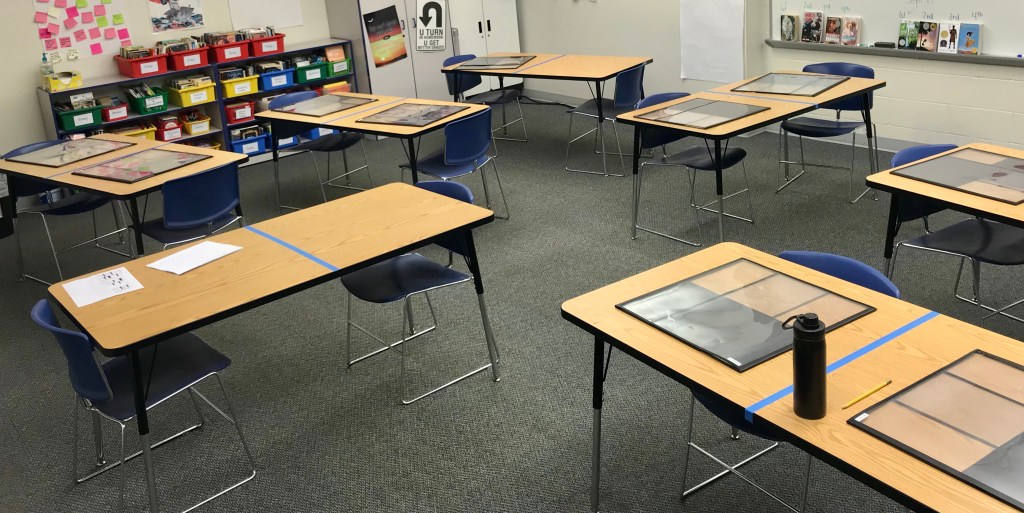
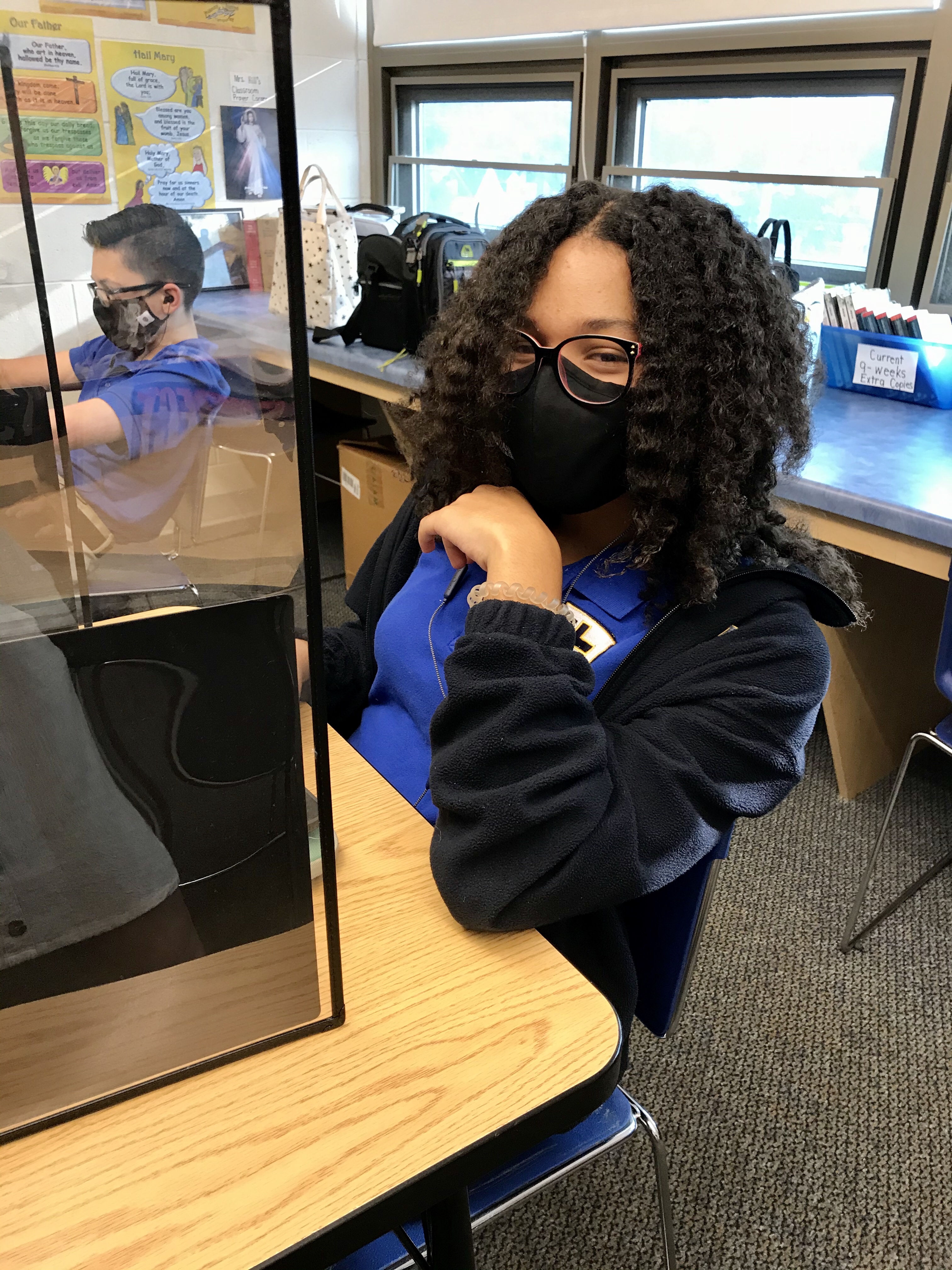
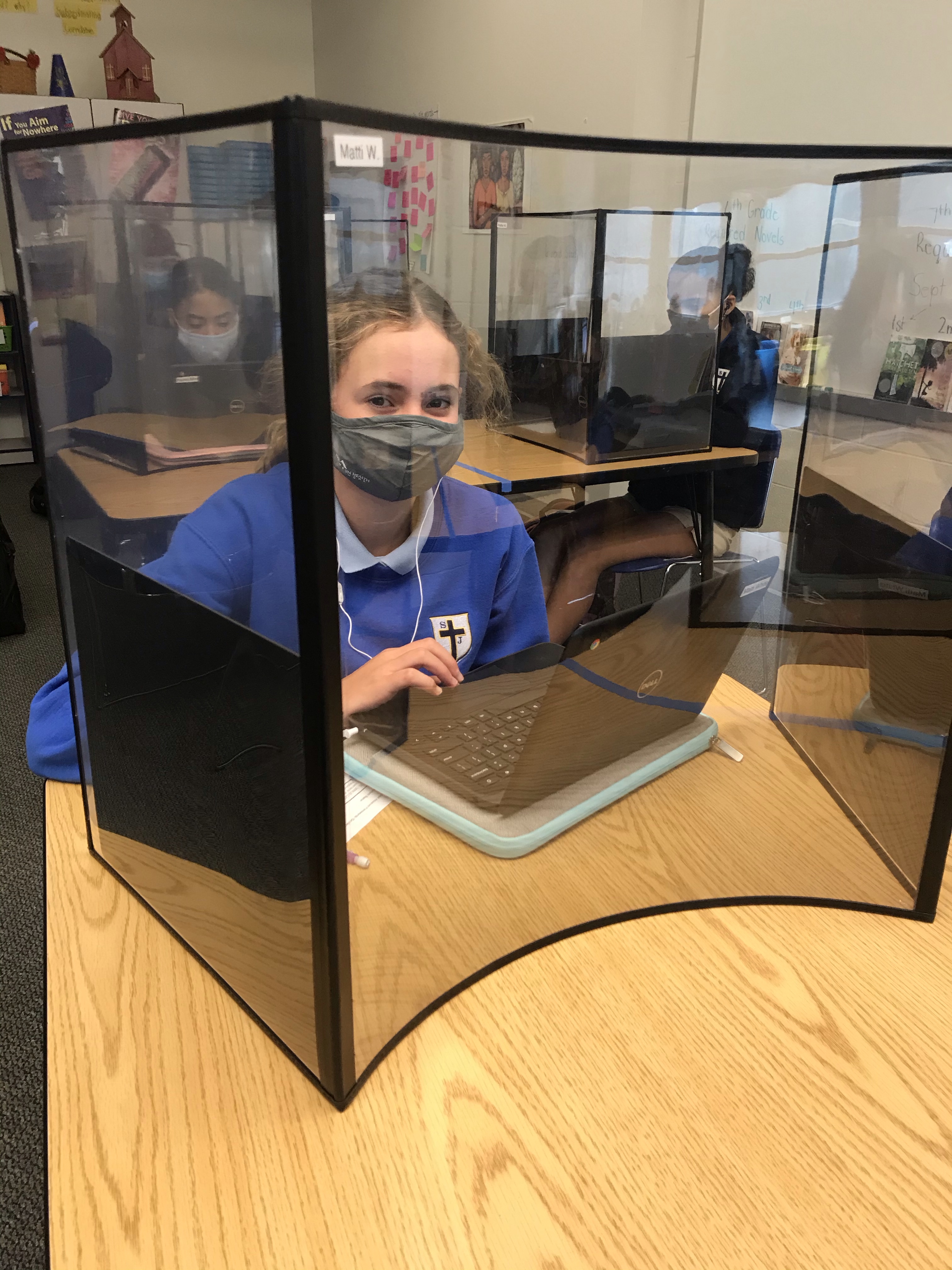
Hello to spaced out chairs

Hello to continued and fervent prayers

Goodbye work day morning run

Goodbye savoring dawn’s sun

And there’s still no goodbye to men proclaiming, “hush”

Goodbye sweatpants

Goodbye, my growing green plants

Goodbye quarantine life . . .

May this school year and fall 

be safe for all 

Goodbye, fellow morning exerciser, Deborah Garrett who walks an hour and forty minutes most mornings at Ritter Park. She says she “just loves it in Ritter Park.” I hope that I see you from time to time on the weekends. In the meantime, keep on stepping into life!

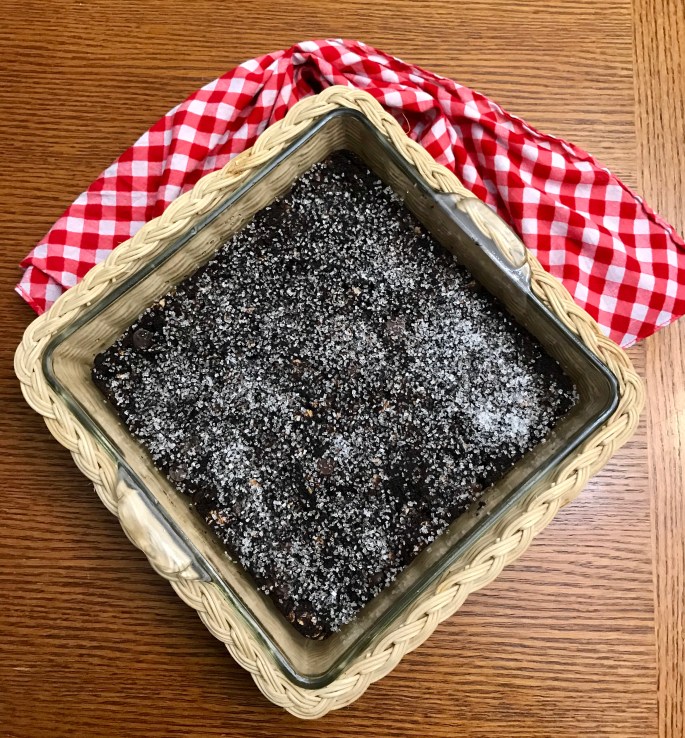
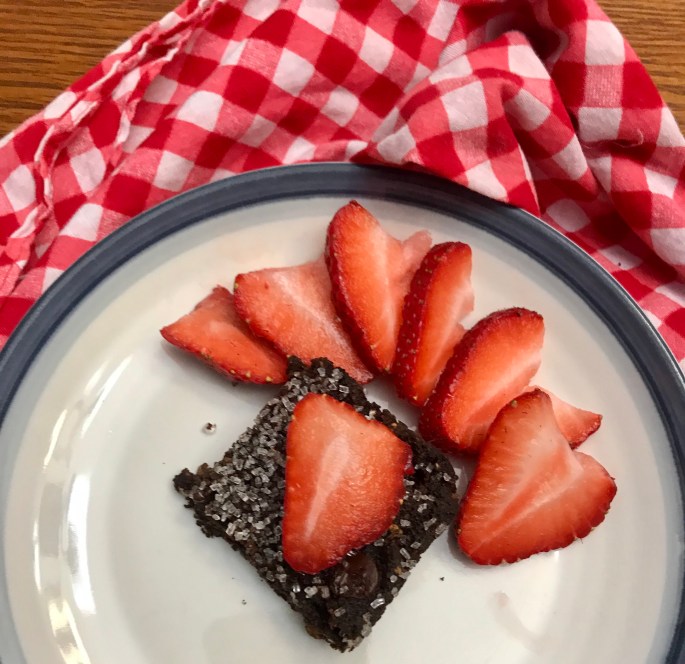
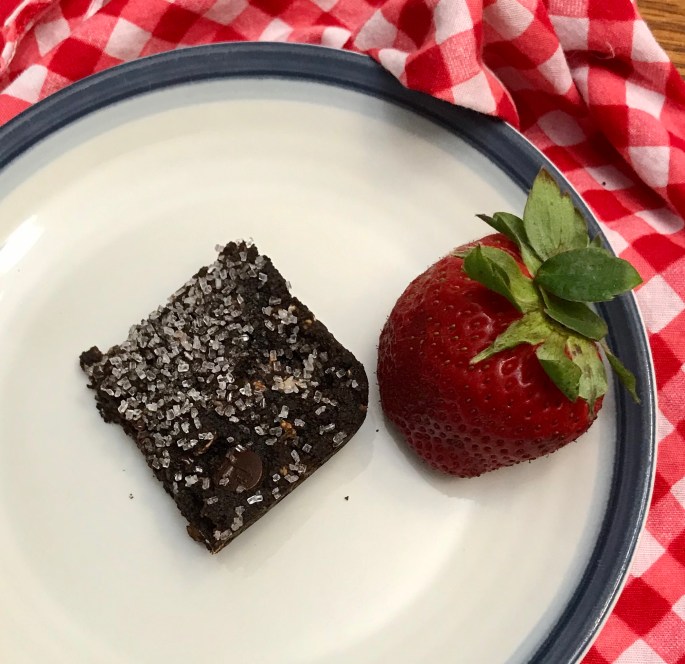
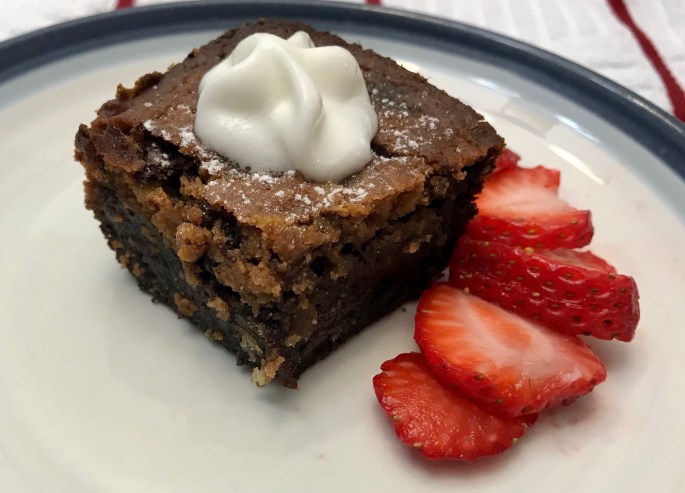
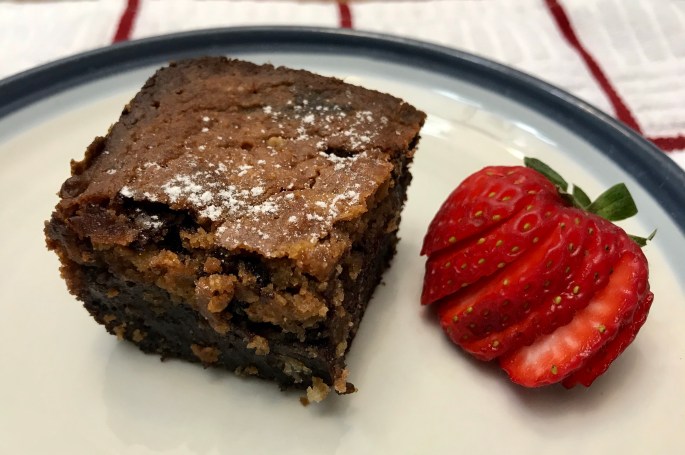
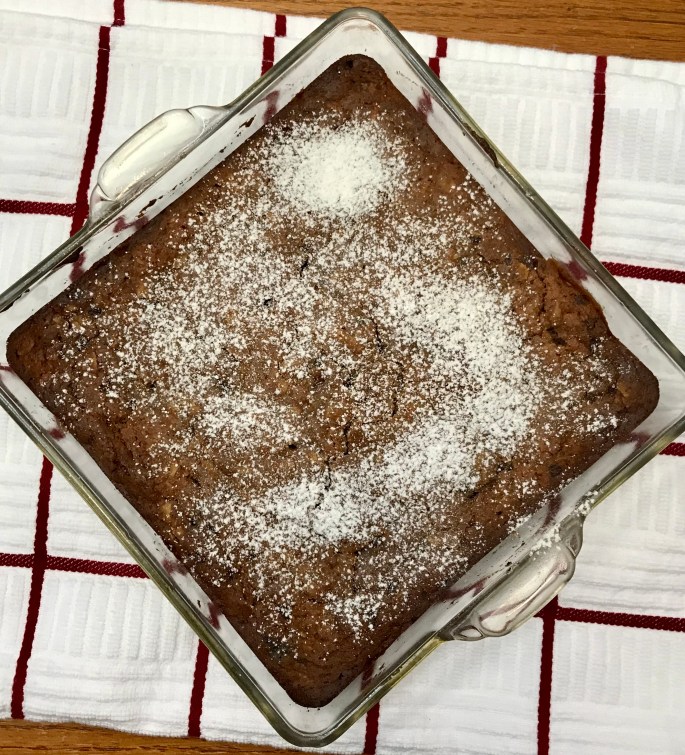
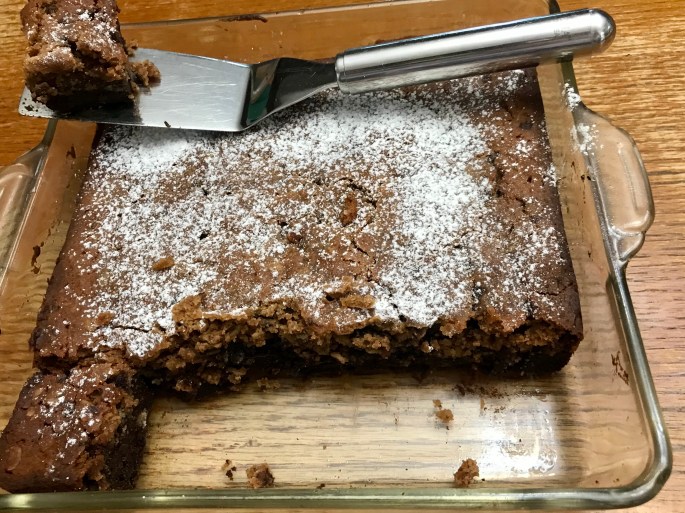
Indulgent Chocolate Chip Brownie Bars aka “Brookies”

“Every moment of light and dark is a miracle.”–Walt Whitman

Remember the rhyme that went something like this . . . 

“Rain, rain go away. 

Come again another day. 

Little Sally (Insert any name.) wants to play.  

Rain, rain go away.” 

Well, I’ve rewritten it.

2020, go away.

Don’t come back another day.

Little Stephie (Insert any name.) wants to play.

2020, please go away.

Photo by Evie Shaffer on Pexels.com

Let’s face it, folks, 2020 has been a challenging year for the entire world on so many levels.  It seems to me that just when I think it can’t get any worse, it can, and it does!  Sometimes I feel like we’re living in the Old Testament days alongside Job.  Okay, okay, that is perhaps a bit of an exaggeration. However, it does feel, at times, that there is a dark and menacing cloud hovering over the edges of life that will not dissipate.

Photo by freestocks.org on Pexels.com

“All you need is love.  But a little chocolate now and then doesn’t hurt.”–Charles M. Schulz

Therefore, trumpet trill please, I present you with a newly created recipe idea . . . Light, triumphing over darkness.  Sweetness overcoming bitterness.  All symbolically baked up into  one luscious, (fairly) guilt-free indulgence. . . or, so I thought it was a new idea.  (Insert daughter popping my bubble here.)

Photo by Miguel u00c1. Padriu00f1u00e1n on Pexels.com

My daughter, Madelyn, introduced me to the name of my so-called creation when I shared with her my, “exciting new recipe idea.”

“Uhm, Mom.  You know that’s not a new thing, right?  Mixing brownie and chocolate chip cookie dough is not new–not even close.  Look it up.  It’s called a “brookie.”

Since when?  I never heard of it.  

“Brookie.  Really?  It’s a thing?  I didn’t first create it?”

“No, Mom, you didn’t.”

Cue the pom-pom shaking teenager from a long-ago video-vine, with which Maddie used to tease me as the unknown teen looked straight into the viewer’s eyes and stated, “You ain’t special.”

“Huh, I guess I am not so clever after all.”

“Sorry, Mom.”

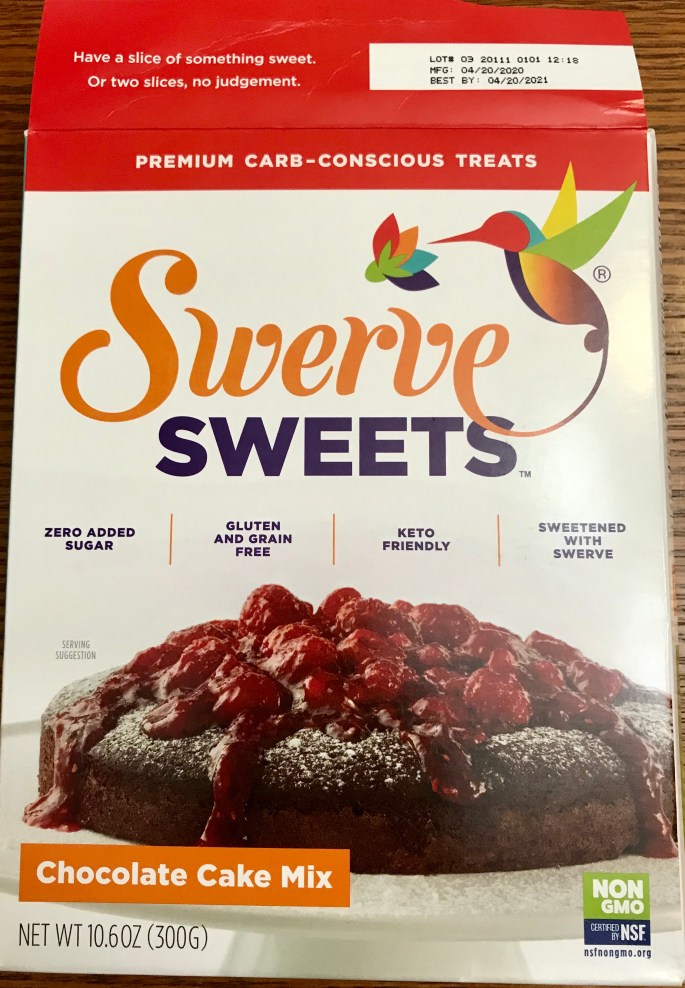
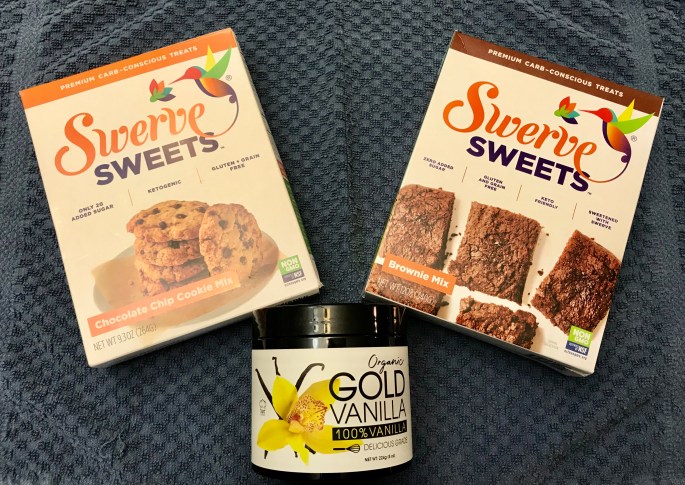
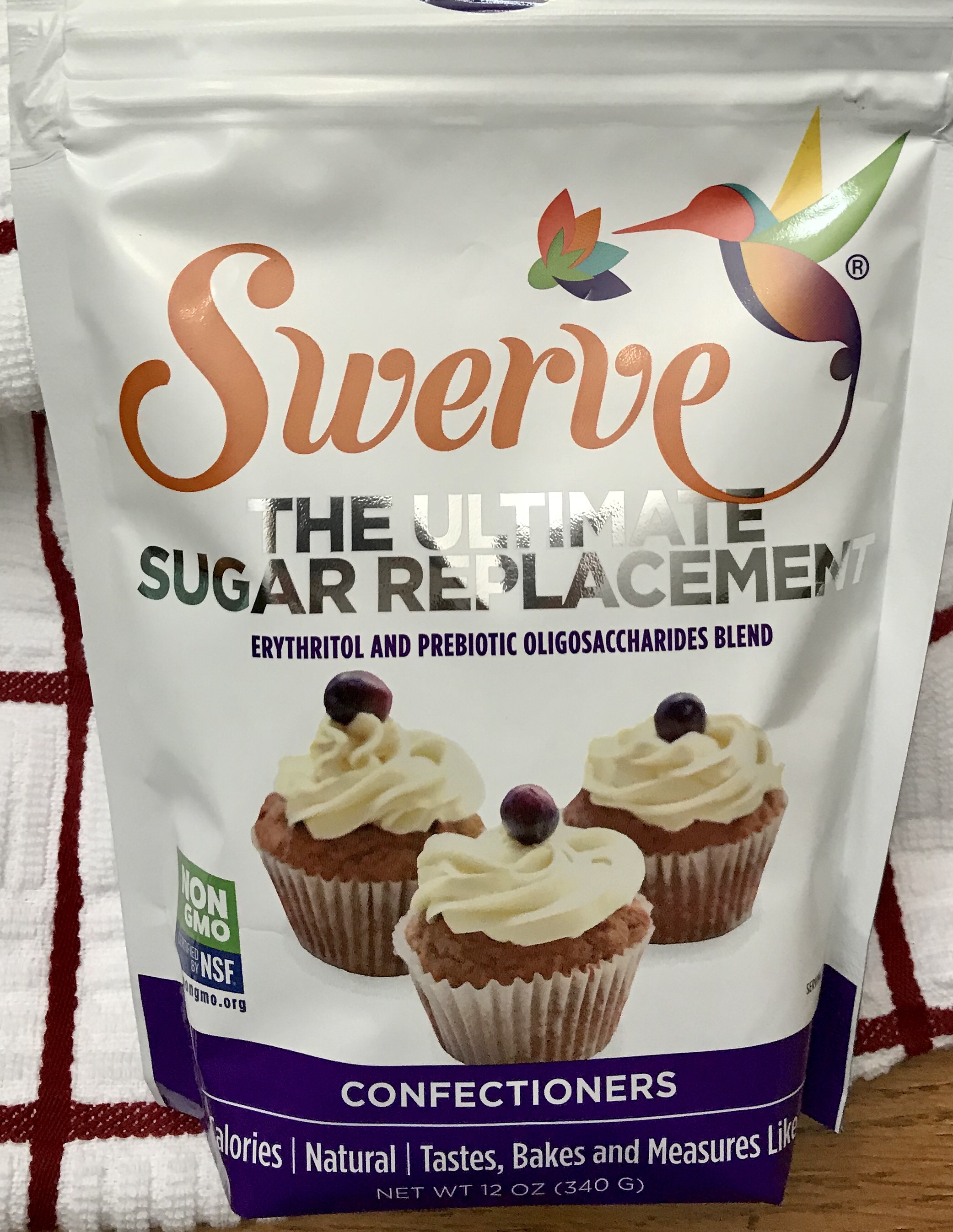
Nonetheless, even if I am not as special or as innovative as I thought,  I will still share my recipe for the so-called “brookies” with you, courtesy of the kind people at Swerve. 

Early into the start of 2020, my brother, Scott, and I were talking via phone when he asked me if I had heard of a new sweetening product called Swerve.  At the time, he described it as the sweetener that he was using to regularly make lemonade in order to remain low-carb.  He added that it did not upset his digestive system as other sweeteners tend to do.  Since I also have an extremely sensitive stomach too, I was definitely interested in giving the product a try.

This was early in the pandemic when there were numerous shortages, especially in the baking aisles of grocery stores.  I was fortunate enough on my next shopping trip to pick up what appeared to be the last package of Swerve in-stock.  Trying it first in my green tea, I found I liked the taste–not possessing that fake chemical after-taste–nor was it overly sweet.  Plus, it did not upset my stomach.

In a later discussion with Scott, he shared with me that he had successfully baked cupcakes using the Swerve confectioner sugar replacement.  Whaaat???  He remained impressed with the product.  Hmm . . .

That’s when I decided to give Swerve a try in my raspberry muffin creation that I shared last month both.  It baked up well, tasted great, and did not seem to affect the texture.  Best of all,  I still did not experience any negative gastrointestinal side effects!  However, when I shopped at my supermarket the following week, they were completely wiped out of all Swerve products. 

Much to my surprise that is when the good people at Swerve reached out to me, asking if I’d like to try out more of their products.  Little did I know how many products this company makes!  Wow!  All of the products they shared were gluten-free and grain-free–which especially works for me.  Additionally, according to their packaging, Swerve products are Keto/low-carb friendly, low-glycemic, diabetes friendly, tummy friendly, natural, zero added sugar, and all natural, “born and raised in New Orleans.”  Plus, I can remain plant-based when I bake with them by merely tweaking a few ingredients as you will see below. 

Additionally, while my first batch of “brookies” was baking, I discovered the Swerve company has an amazing website chock full of support, advice, recipes, and ideas.  Sure enough, as my so-called original recipe continued baking, I learned that they already had a “brookie” recipe on-line.  Maddie was right, I was indeed NOT special.  Cue the sigh and slumping shoulders as the spotlight fades into darkness on my so-called bright idea.  

Even if not as original as I once thought, I will still share my “brookie” variation with you.  I especially recommend this recipe when you feel a little dark and down, or not-so-special.  Simply the smell alone is enough to lift the spirits!  However, it’s the ooey-gooey texture and the combination of two different tastes that is, well, enlightening–reminding the taster that even in the midst of a challenging and dark moment, life can still have its light, sweet moments.

“Life is uncertain.  Eat dessert first.”–Ernestine Ulmer

From my home to yours, I wish you healthy, happy, homemade, and not-so-original sweet treats!

P.S.  A big shout out of thanks and gratitude to Stephanie Ferrari at FRESH Communications and the Swerve team for inspiring this not-so-original recipe!

Indulgent Chocolate Chip Brownie Bars aka “Brookies”

Ingredients:

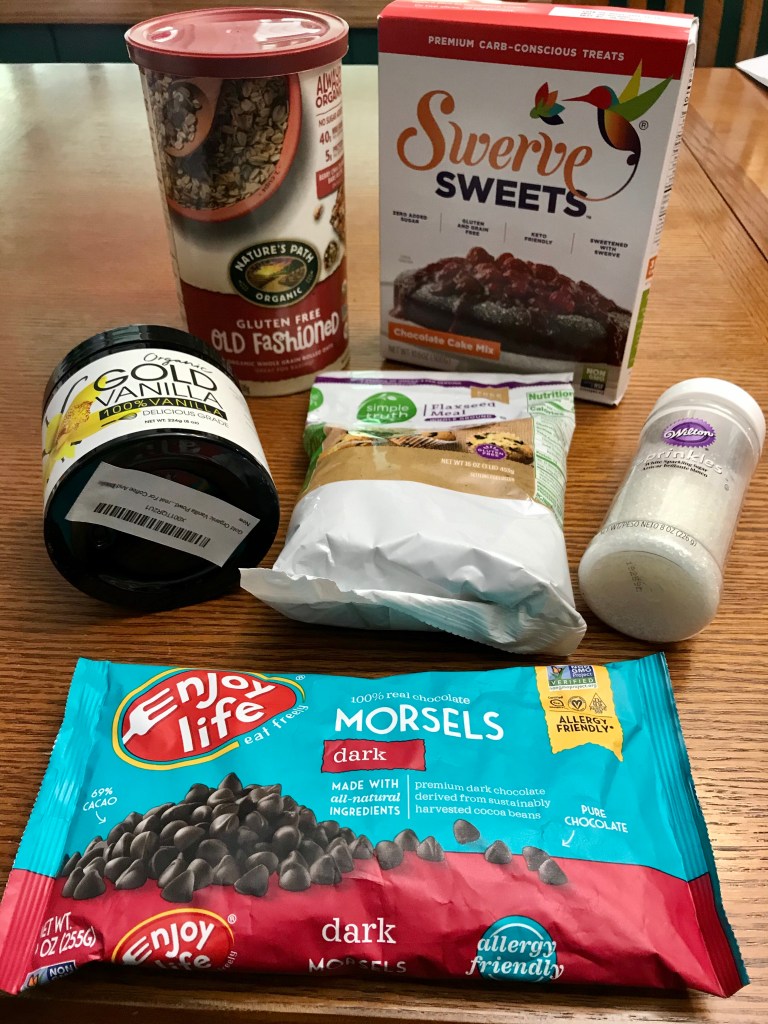
1 package brownie mix (I used Swerve Sweets Brownie Mix.)

2 large eggs (I used a plant based replacement that I affectionately refer to as a “flegg” but it’s probably not original either!  See recipe below.)

½ cup oil (I used applesauce.)

½ cup water

1 + 2  tablespoons vanilla extract or powder (I used Organic Gold Vanilla powder.)

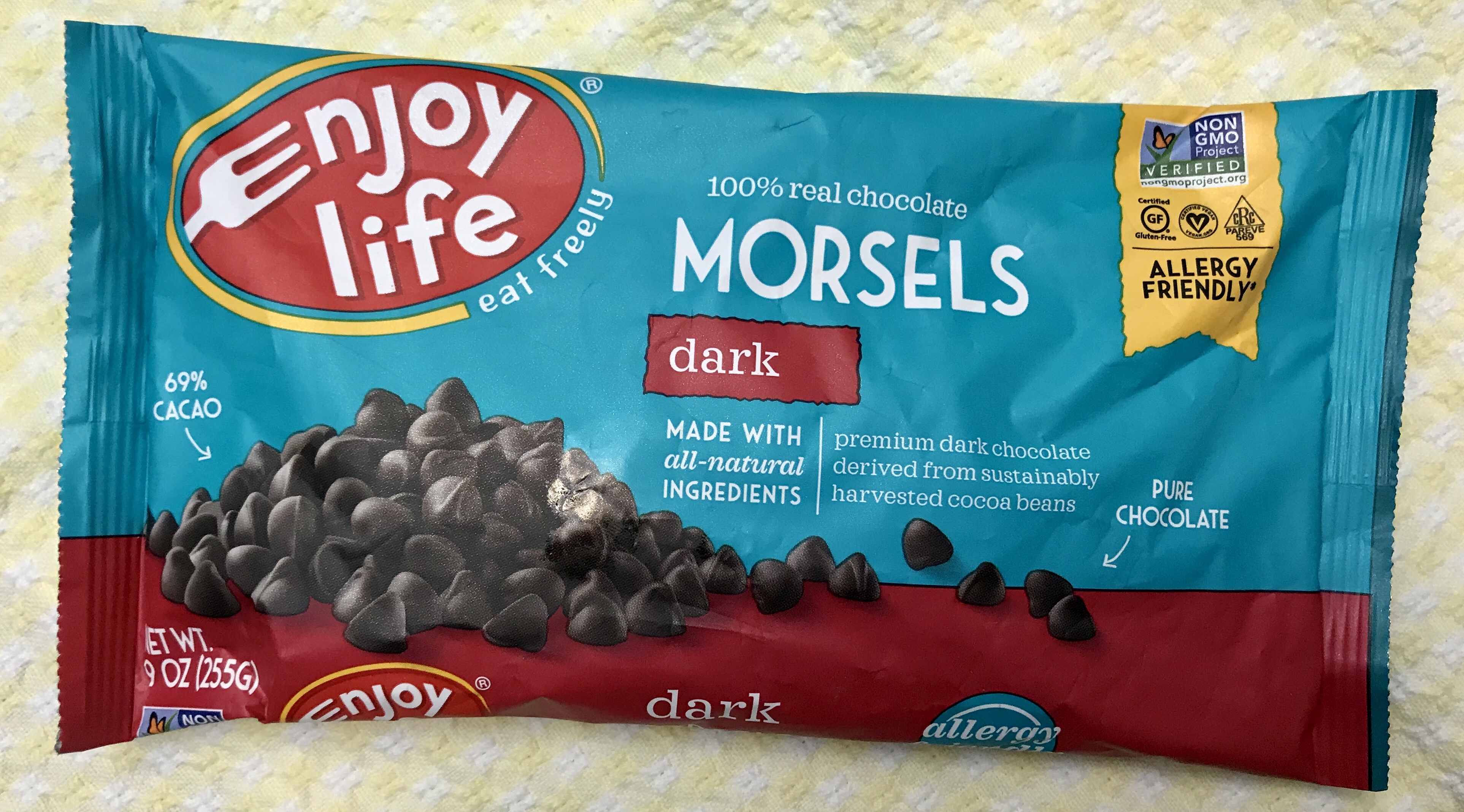
Optional add-in:  ½ cup chocolate chips (I used Enjoy Life 100% dark chocolate Morsels.)

1 package chocolate chip cookie mix (I used Swerve Sweets Chocolate Chip Cookie Mix.)

3 tablespoons milk, dairy or plant-based

3 tablespoons melted butter (or plant-based equivalent, i.e. applesauce)

Optional add in:  ½ cup favorite nut pieces or oats (I used gluten free oats.)

Directions:

If replacing eggs, make your “flegg” before beginning any other steps. 

Preheat the oven to 350 degrees.

Prepare a square baking dish by lining it with parchment paper, or coating it with nonstick cooking spray.  (I used a 9 x 9 pan.)

In a medium bowl, mix together the eggs with oil, 1 tablespoon vanilla, and water.

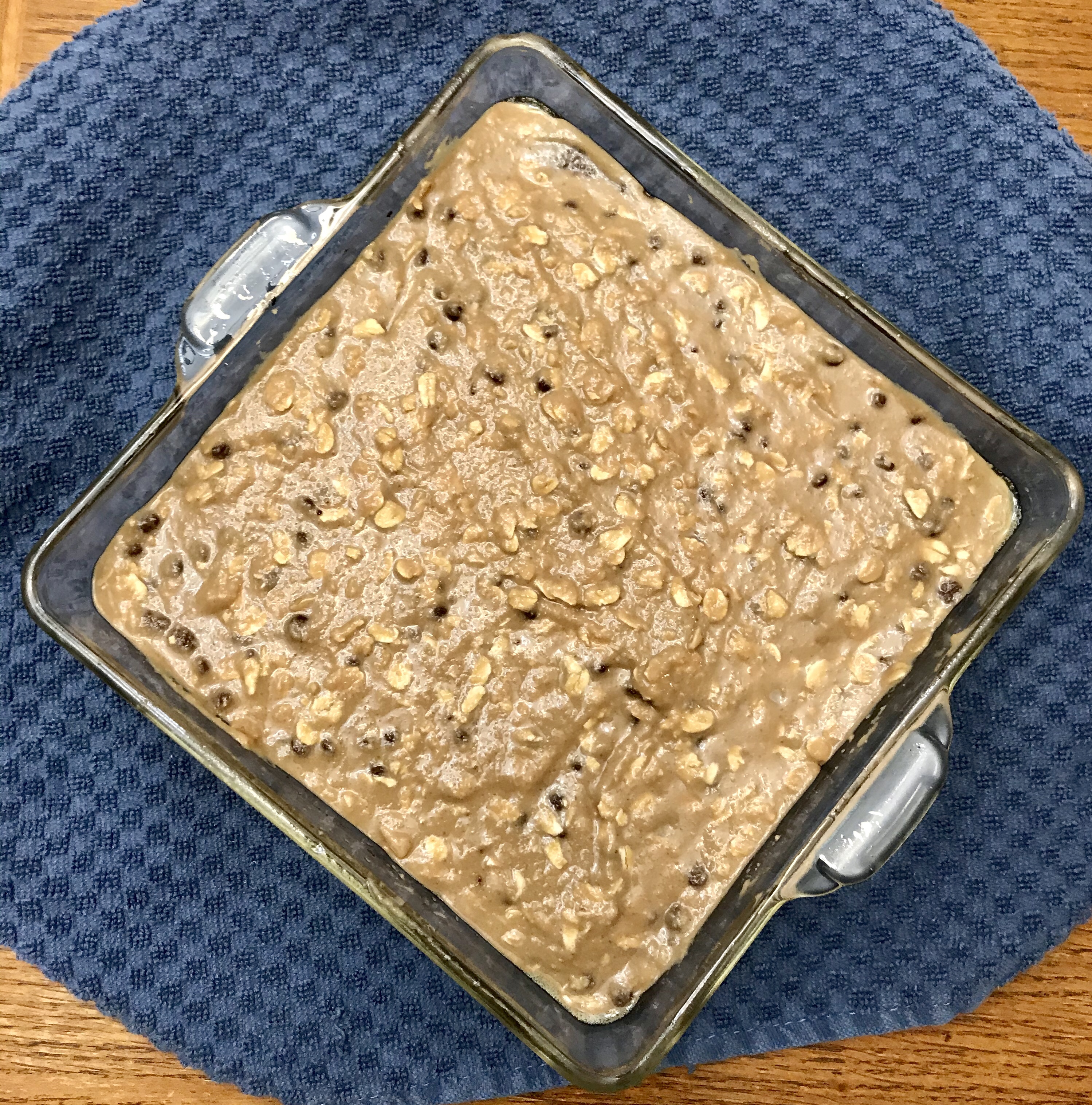
Add in brownie mix, and if desired, stir in chocolate chips and mix until combined.

Spread brownie batter over the bottom of the baking dish.

In another medium bowl, mix together milk and 2 tablespoons vanilla.

Stir in chocolate chip cookie mix, and if desired, add in nuts or oats.

Add in melted butter and mix until combined.

Gently spread chocolate chip batter over brownie batter. 

Bake for 40-50 minutes or until a toothpick inserted in the center comes out dry and the edges are set. Cover with foil about half-way through baking time (around the 20-25 minute mark) so that the top won’t get too brown.

Allow to cool.

Makes 12-16 servings.

Store in an airtight container.

“Flegg” egg replacement recipe:

2 tablespoons flaxseed (Chia seed works too.) 

6 tablespoons of water. 

Mix well and allow to sit for 20 minutes before mixing batter.

Becoming

“To be what we are, and to become what we are capable of becoming, is the only end of life.”–Robert Louis Stevenson

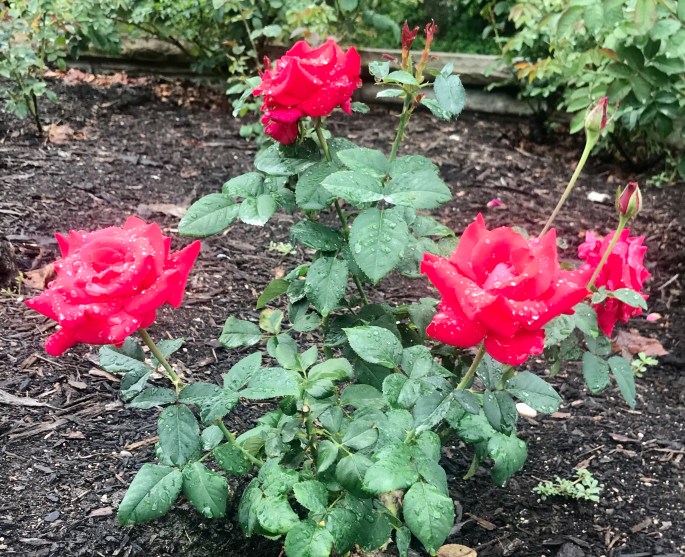
Standing on the crest of a small hill, my senses were heightened.  I could feel the weight and seemingly taste the moisture in the air. Scents of earth, rain, and floral encompassed me.  Dewy variations of pink, red, and coral stood out in contrast to the overcast dawn. Meanwhile, the unmistakable melody of creekwater rushing over rock, bed, and banks provided additional ambiance to the unfolding morning. There could be no mistaking it, this was a brief interlude before the showers once more resumed.

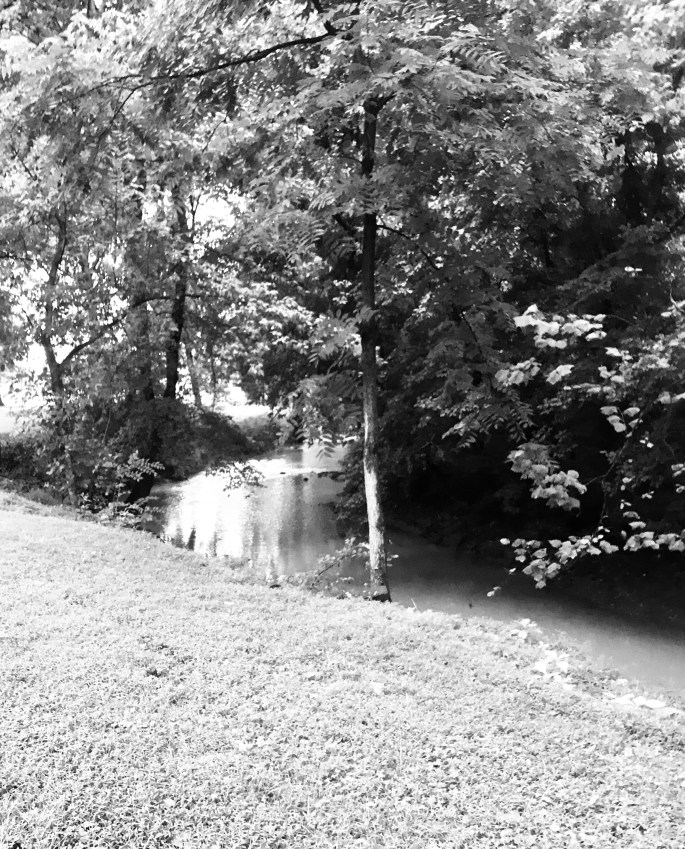
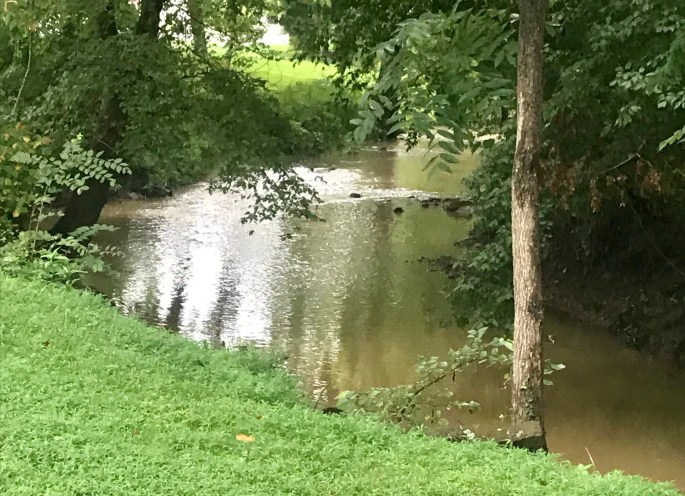
Down the hill I trotted, past the pristine rows of roses and on towards my companion for the next hour or so, Four Pole Creek, or “Four,” as I have come to think of it.  

“The more I run, the more I want to run, and the more I live a life conditioned and influenced and fashioned by running.  And the more I run, the more I am certain I am heading for my real goal:  to become the person I am.”–George Sheehan

Hello Friend.  My heavens, but you are swollen today, full as a tick bug, as my Papaw used to say, from the feast of overnight rain.  It’s good to see you looking lively today.  Your rhythmic song will be a welcome distraction from the noise in my mind.  

You see, a stunning new realization has recently taken root in my mind.  It whispers conspiratorially to me that I have reached a point in my life in which the years ahead are more likely to be less than the years I have lived.  What am I to do with this information, I ask you?  It is such a staggering revelation.

What’s more, my aqueous friend, the image reflected in my bathroom mirror no longer matches the image in my head.  There are these white hairs at my left temple and even more sprinkled throughout the parting of my hair.  Likewise, there are lines, especially when I smile, that run from the top of my cheekbone down towards my jaw line!   Tiny versions of those lines romp across the top of my lip, corners of my eyes, and all along my forehead.  How am I to be with this?

It seems I am not the only one changing.  I keep running across pictures from previous years in which family and friends look different.  They look incredibly young in those pictures–like unfledged, inexperienced youth.  I don’t recall that image.  In my mind, they are ever the responsible, mature, and wise people who never age, but remain frozen in time–never too young or old. 

Oh, and Four, there are all of these nagging aches and pains.  They niggle me awake during the night or flare up in the middle of work.  Sometimes, I down right hurt all over, and I can’t determine the cause.  However, I can tough out these minor hurts.  I can.  It’s the suffering of my loved ones that trouble me more.

I see my loved ones injured, battle-scarred, aging, and/or struggling.  You see, I want to help, to make them better, to help them feel whole again.  Even more than their ailing physical beings, I want to offer peace to the emotional wars waging within their minds and hearts.  I try.  I do try to help in small ways, but I am not a doctor–I don’t even play one on TV.  Thus, at times, I feel limited in what I can do to ease their burdens, pains, and sorrows.  

Still, it encourages me to see you full of vitality.  For a couple of weeks, you have been waning.  Your shallow flow lacked its usual energy and zip.  It is good to see your waters revived once more.

By the way, did you take care of the terrapin that I sent your way recently?  It was headed away from the safety of boundaries of your banks towards the traffic rolling alongside you.  I picked it up, even though it seemed offended by my action, and placed it carefully within your borders.  Hopefully, you were able to redirect its journey to safer ground.

As I was taking this picture, a couple days later, I was able to catch this image of a walnut falling into the water from the tree above.

Back to my original point, Four.  Have you any thoughts, ideas, or insight you can offer?  It seems as if your soundscape is whispering commentary.  Perhaps, if I quiet my head, I will hear it. 

“Life is a lively process of becoming.”–Douglas MacArthur

Four, I can’t help but notice that you have more riffles, rapids, and runs today. It’s nature’s way of breathing oxygen into your waters.  In return, your waters can give support to the life in, below, and around you.  

Earlier in the week, your waters were different.  They slowly glided from one pool to another. Of course, it was quite hot outside.  I couldn’t help but laugh at the number of neighborhood dogs splashing around or sitting in the cool shallows of those pools.  You remain ever the friend to the creatures in need, no matter levels and speed of your waters. 

 I have to ask though, do you ever hurt? Do pollutants irritate you?  What about those pesky people trying to reconfigure earth around you in order to build in the name of progress? Does that cause you pain as the drainage of rainwater and groundwater shift, ultimately influencing the levels and speed of your flow?  Do you mourn for your former self or for the forested neighbors that must have once lined your banks?  Regardless of those things for which you cannot control, it seems to me that you keep going, keep giving, keep supporting life to those in need of water.

Your waters are gathered from different sources. There are times, like today, when your waters are swift, becoming deep and darkened with the mud of debris, rocks, and earth.  Other times, like this past week, your waters are nearly still as you become shallow and more clear.  No matter what you are becoming, though, Dear Four, you remain ever Four Pole Creek, part of the Ohio River Watershed that feeds into the grand Mississippi River, and empties into the Gulf of Mexico flowing into the Atlantic Ocean.  Along the way, some of your water is evaporated into the air, cooled, condensed, and eventually returned to the earth–molecule by sweet molecule–a single droplet that is all part of the larger body of creation.

Four, in spite of your continuous changes, from the levels of your water, to the shapes you take; from the color of your waters, to the speed at which it flows; and from the lives that your waters support, to the beauty you offer the landscape, you are constantly evolving, ever changing, and continuously becoming.  Yet, you remain a creek, one creek in the great cycle of water.

“By being yourself, you put something wonderful into this world that was not there before.”–Edwin Elliot

Like you, Four, I am changing, and so is the life around me.  Some of my loved ones have flowed on to their heavenly shores, while many others remain bound to the earthly waters of life.  Like you, no matter my shape, my hurts, the gray at my temples, the lines of my face, or the pace at which I move . . . I am still me.  I will remain me–becoming, evolving, and adapting to the changes within and all around.

One day, I will dance among the ether of your molecules.  Together, joined by those who slipped ahead, we will become part of the Great cycle–the ever more and ever was. 

Thank you, Four.  Your song returned me to the hill of roses.  Back to where I started.  This running cycle is complete.  You were a fine companion.

Container Gardening: A Lesson in Parach (Thriving)

“Love and work are to people what water and sunshine are to plants.”–Jonathan Haidt

Photo by Stokpic on Pexels.com

Since March of 2020, I have experienced a few bouts with melancholy.  I suspect that I am not unique in experiencing these moments of sadness.  In fact, I feel as if these lugubrious time periods are a normal reaction given the amount of drastic change that is (and continues) to occur.  Like others, I have found various ways of battling the blues that have mostly worked, such as exercising outside, following a meditation program, reading for pleasure, and so forth. However, the most surprising coping mechanism–at least for me–has been container gardening.

Photo by cottonbro on Pexels.com

“The glory of gardening: hands in the dirt, head in the sun, heart with nature.  To nurture a garden is to feed not just the body, but the soul.”–Alfred Austin

To be certain, my husband, John, and I have tried our fair share of gardening in the past.  Our reasons for attempting were well-intended; however, in the end, we lacked the stick-to-it-ness that a large-scale garden requires.  Ultimately, the continuous ebb and flow of life demanded our attention, and gardening fell away.  

Thus, based upon those past experiences, my foray into container gardening has been modest.  Still, nurturing my few flowering plants and vegetables has provided a positive point of focus.  Walking out my kitchen and front doors each day to bear witness to the growth of these plants has cultivated within me a renewed sense of hope and purpose.  The plants’ growth and ability to thrive depend upon not only my actions, but also the right ingredients. 

Photo by Markus Spiske on Pexels.com

Container plants require regular exposure to light.  That said, each plant’s needs for light vary, so I had to become a keen observer in order to determine the ideal location for each plant. I quickly learned that my current selection of herbs, begonias, and mums will turn yellow, brown, and even look burned if given too much light, causing their leaves, and ultimately blossoms, to dwindle and die off.  Therefore, placing these plants in areas that only received  morning light and/or partial shade allowed them to flourish.  Contrastly, my vegetables, a modest variety of tomatoes, peppers, and onions, grow spindly, turn yellow, and simply don’t grow without enough sunlight.  Therefore, they needed to be placed in an area that receives six or more hours of direct sunlight in order to produce.    

These red peppers are thriving in the abundant sunshine.

Growing plants in containers also requires regular intervals of watering.  Like sunlight needs, different plants have different watering requirements.  The morning-sun/partial shade plants typically need watered every other day during excessive heat periods, but less frequent waterings during more moderate temperatures.  In direct contrast, the vegetable producing plants need daily watering.  Go one day without water, and the vegetable leaves begin to wilt, droop, and even fall off.  However, too much water can be just as deadly I discovered during a mid-June rainy period.  During this time period, the vegetables, I determined with a bit of research, developed something called blossom rot caused by the depletion of calcium in the container’s soil from too much rain.  Therefore, I had to find a way to add calcium back into the soil.  Unfortunately, I also learned, the hard way, that applying too much of the calcium based product can burn the leaves–nearly killing the plant. 

Photo by Karolina Grabowska on Pexels.com

Therefore, regular intervals of fertilizer, in the right combination/amounts, is also critical to the plants ability to thrive.  Thankfully, I chose to start each of my plants in potting soil that already had been enriched with the correct combination/amount of fertilizer.  I purchased one type for flowering plants and another type for the vegetable producing plants.  Additionally, with a bit more research, I settled on a couple of different fertilizers to use several weeks into summer, and within days of adding them, the plants seemed to double in size.  In fact, this growth period taught me the importance of pruning–taking time to periodically cut back excessive growth, remove withering leaves, or pinch back fading blossoms in order to maintain the health of the plants.

I am so glad that I started these tasty herbs–oregano, basil, and lemon thyme–off in a quality potting soil with the right type of fertilizer.

One final point of interest that I also learned this summer was the size of the plant determines the size of the container–which of course, makes sense.  However, any container can serve as a vessel for a plant as long as it has hole for water drainage, so the plant doesn’t become waterlogged from too much rain or unintentional overwatering.  Afterall, heavy rains and/or summer storms often occur during the humid summer months.

Without proper drainage holes, these beauties–begonias–would have drowned in some of the heavy rains of June and July.

Therefore, these experiences have provided a poignant life lesson.  A month or so ago, I came across a reference to the Bible in which the author wrote that the word thrive is often used as a translation of the Hebrew verb, parach.  When I searched to confirm this definition, I discovered that parach has three meanings, one of which is to bud (sprout, bloom, shoot).  Therefore, like my container garden, if we want our lives to “parach,” we must fill them with the right ingredients.  Much will depend on our current circumstances, life-history, age, status, perhaps gender, and other life markers.  Just as any container can produce a beautiful plant, there is no one size fits all for individual growth and vibrancy.  However, there are a few common denominators.

Photo by Mahmudul Hasan Rifat on Pexels.com

First, while plants will wilt, wither, and wane without sunlight, each variation does have its own requisite levels when it comes to the amount of daily light needed. Likewise, our lives must be rooted in The Light, the great Creator of the pure essence of our spirit and soul.  This may look different from one person’s faith systems and/or practices to another.  For example, consider all the differences that are often seen among styles of worship within one church denomination, such as Baptist, much less all of the other variations/interpretations of worship and faith practices from one denomination or religion to another.  Nonetheless, we all need a source for hope, faith, and light.

Rooted in the true heavenly Source allows one to weather the storms.

Secondly, our lives must be watered regularly.  There is no getting around the rainy seasons of life.  Without the stormy times of life, there is no growth.  If there is no growth, then there is no sense of joy, no need to celebrate or savor special moments/accomplishments.  The old adage,“Into every life a bit of rain must fall,” is a maxim for reason!  Furthermore, like my vegetables experiencing blossom rot from too much rain, there are times in which we may become waterlogged by the storms of life. Those are the times in which we must develop and learn to rely on life’s proverbial drain holes in order to unload some of the sadnesses that are part of life. These so-called drain holes can take on numerous forms depending upon personal preferences/needs, such as talking to a trusted friend/family member, exercising, crafting, gardening, therapy, and so forth. All can encourage movement toward some form of homeostasis

As seen on Instagram at heartcenteredrebalancing.

Finally, each person needs a unique combination of fertilizer and soil mixture.  What enriches one life, may not be the spark that boosts another’s. What’s more, the very practice or habit(s) that lit you up at an earlier point in your life may not provide the same enhancement later on in years–or if it does, it may need modification.  Furthermore, like my plants that needed pruning, there may be poor or unproductive habits that need reformed, remediated, or removed in order to further facilitate quality growth. The point is that in order to increase one’s vibrancy, one needs some source of positive inner joy, interest, or motivation that creates the spark in life.  

Photo by cottonbro on Pexels.com

Unlike my plants, a human life typically lives through multiple seasons.  However, no matter the number of seasonal changes through which we live, life is still short.  Therefore, it is worth taking time to cultivate the right conditions in order to parach.  If quality does not go into your life, you can’t expect to get quality in return.  In the end, when our growing season comes to a close, we will not be remembered for the container in which we lived, but by the fruits that we shared with others.  May your harvest be bountiful.

As seen on Instagram at mylifesbt.
As seen in Instagram at myliftsbt

Volunteer Seeds of Kindness

“A tree is known by its fruit; a man by his deeds.  A good deed is never lost; he who sows courtesy reaps friendship, and he who plants kindness gathers love.”–Saint Basil 

“Good Morning!” I say to people I pass along the path of my morning run.   Typically, my greeting is echoed back.   Occasionally, I will encounter someone who is busy talking on the phone. Likewise, there are a few who appear to ignore my greeting, but perhaps they don’t hear me, aren’t a morning person, or they are having a bad moment–at least they aren’t, per se, rude.

One particularly hot and humid morning, I observed a young couple running ahead of me, but when they took a walking break, I happened to pass by them.  I warned them that I was, “passing on the left,” as a courtesy in case they did not hear my approach and also to encourage social distancing.  As they moved over to allow me to proceed, I thanked them and wished them a good day.

“Thanks! You’re looking strong, by the way! Keep it up,” was the female’s response.

As seen on Instagram at mylifebt.

Now, if there was one thing I was NOT feeling at that moment was “strong.”  In fact, I am fairly certain that strong was not on the spectrum of emotions I was experiencing at the time.  Regardless, her kindness was enough to plant a tiny seed of positivity into my morning exercise and offered a nice boost of energy that was much appreciated.  Since then, this young woman’s random act of encouragement has remained with me, reminding me of the importance of taking time to offer a smile, kind word, or gesture to others with whom I come into contact–especially in the age of COVID.

“A single act of kindness throws out roots in all directions and the roots spring up and make new trees.”–Amelia Earhart

In direct contrast, on another muggy morning, I was making my way along the path, dodging and side-stepping mud, puddles, and oozy sections that looked like an invitation, at least for me, to fall or wrench a limb.  The grass alongside the path was especially slick with moisture because the previous evening had been filled with numerous downpours.  Most pedestrians were following an unspoken courtesy of passing one another at a socially appropriate distance without forcing anyone off into the sopping turf bordering the path.   This sometimes meant pausing, slowing down, or jogging in place behind someone in order to let another person advance from the opposite direction.  Certainly, it might temporarily slow down one’s pace, but if you were really in that big of a hurry, you could choose to step off into the wet grass–and I certainly saw a few faster runners make this decision.

I was approaching an older couple from behind as I continued along the path. I slowed down and moved to the outer edge of the path on my right as there was also a group of three women walking towards the couple from the opposite direction.  The three women formed a single file line, moving to the opposite edge, preparing to go by the couple, leaving plenty of safe space.  The man in front of me moved behind his female companion, so I jogged in place at a respectable distance behind the pair to allow the three ladies to progress by before I passed the couple.  

As seen on Headspace app.

Suddenly, from behind me, I heard the pounding of footsteps and someone huffing swear words under his breath loud enough for all of us to hear.  As I turned my head in his direction, I instantly recognized the cursing man.  When I had previously passed him earlier in my workout, he did not acknowledge my morning greeting.  In fact, having encountered him on a number of previous occasions along the same path, he has never once acknowledged my greeting.  Still, I had written off those encounters to the fact he was a focused runner, despite the fact that his running companion, who was currently at a significant distance behind the cursing man, always spoke.  

Meanwhile, the three women continued walking past the couple in front of me, and the huffy man drew up beside me at an uncomfortable closeness, barely leaving enough space for the women to pass at a safe distance.  He looked down at his watch, uttered more harsh swear words, and then quickly dashed between the last woman in line and the couple in front of me, nearly knocking down the woman and startling the older gentleman.  Meanwhile, his companion froze in place and appeared to look at the fast trotting man with a mix of bewilderment and resentment.  Afterwards, for what seemed like a long moment, though it was probably only mere seconds, the six of us glanced from one person to another as if collectively trying to recover from the near collision caused by the man’s aggressive and angry energy that was still hovering in the air as if he had run a red traffic light and escaped, but we were left with the wreckage of his actions

As seen on Instagram at meditation_and_mindfulness.

“We all have the right to be here,” I impulsively blurted out to no one in particular.

The three women nodded in agreement and added a few choice comments.

“Well, I hope you guys have a good day anyway,” I added as a moment of closure hoping to bring about a more positive tone.  However, I wondered if my words sounded hollow like attempting to give a child a lollipop after they have been given a vaccination shot.

Reflecting on my statement later, I realized the depth of what I had said, “We ALL have the right to share the path”–even cursing, impatient runners.  Oh, boy!

As seen on Instagram at positiveenergyalways.

We live in a finite space called Earth in the community of our collective humanity.  Currently, around the globe, we are faced with issues, problems, and crises–the likes of which most of us have not experienced in our lifetimes. Meanwhile, we have those, like the female runner, offering up encouragement to others in spite of his or her weariness; and, there are still others, like the antagonistic runner, pushing aside those who get in the way of his or her wants/desires.  

If I am to be honest, I have regrettably behaved like the cursing runner, so I do not want to pretend to be something that I am not.  However, both of these recent encounters have served as a reminder and object lesson to me.  First, every person has the right to share the path, aka, Earth–even those with whom whose actions I find aversion.  Secondly, I can only control my actions and my words–not others.  Finally, I have a choice, each day–and really, each moment, to decide what my actions, my responses, and my words will foster; and, so do you, Dear Reader.  

“Kind hearts are the gardens.  Kind thoughts are the roots.  Kind words are the blossoms.  Kind deeds are the fruits.”–Kirpal Singh

Sometimes plants sprout through the soil that were not intentionally planted.  They seem to grow by some unseen magical power.  In reality, those plants are caused by seeds floating in the wind, dropped by birds, or inadvertently mixed into compost/fertilizer.  In gardening terms, these surprise flowers and plants are called volunteers.  They are independently defiant, complete, and thriving in the midst of less than ideal circumstances.  

Like the unknown female I encountered, her volunteered words planted an unintentional seed of kindness in me, that even now as I write this, continues to grow and blossom.  It was such a small act, but it left me feeling uplifted with a sensation that I desire to pass on to others.  

Imagine what could blossom in our world if the winds of thoughtful engagement became the norm?  Picture seeing tolerant words printed, spoken, and displayed on social media with greater frequency than narrow-mindedness?  Envision sympathetic, sensitive, and open-minded gestures and actions mixed more often into dialogue, documents, and declarations than overt or subversive hatred, anger, and aggression?  That is the garden for which I hope to help nurture, one volunteered seed of kindness at a time. What kind of garden will you cultivate?

As seen on Instagram at heartcenteredrebalancing.
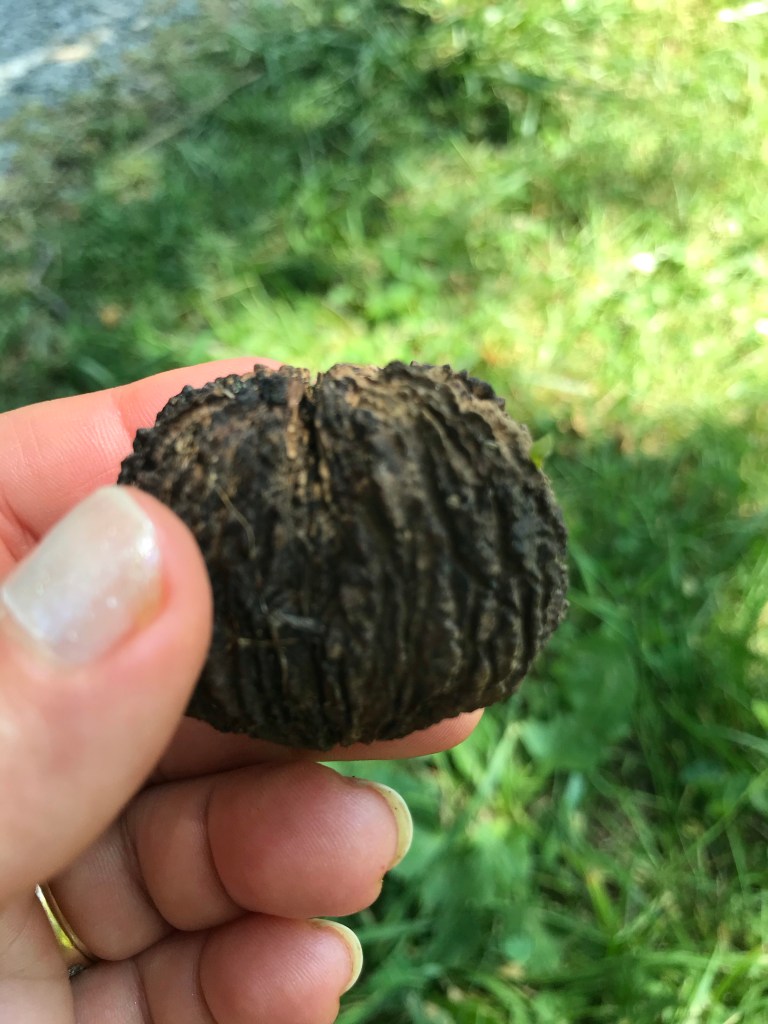
Just as this black walnut seed hold within it the potential for growth, so too do kind words, actions, and gestures. Pass one on today.

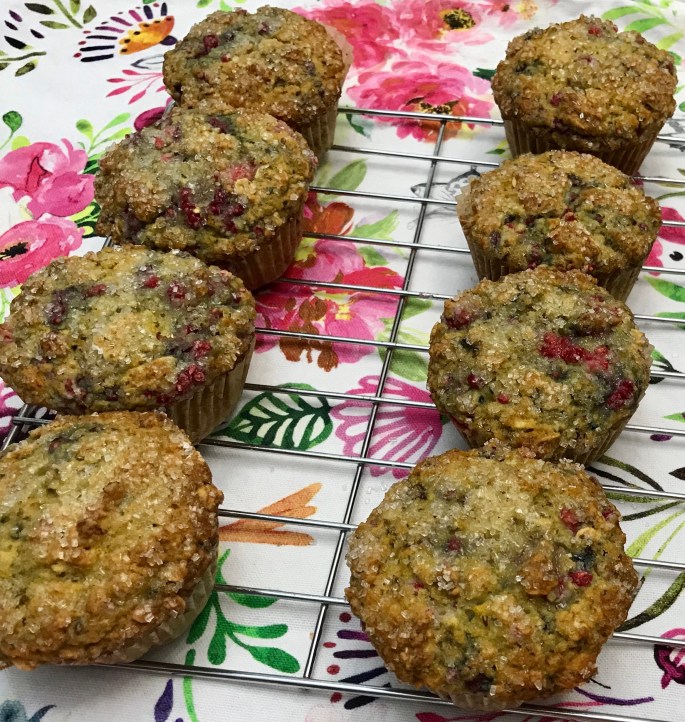
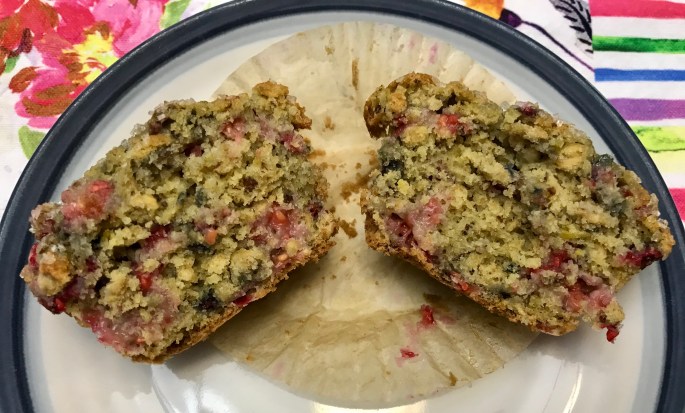
Light, Lucious, Lemon Raspberry Muffins and Buckle–with a life lesson on the side

“Imagine a world, in which your entire possession is one raspberry, and you give it to a friend.”–Gerda Weissmann Klein

“The tiny seed knew that in order to grow it needed to be dropped in dirt, covered in darkness, and struggle to reach the light.” — Sandra Kring

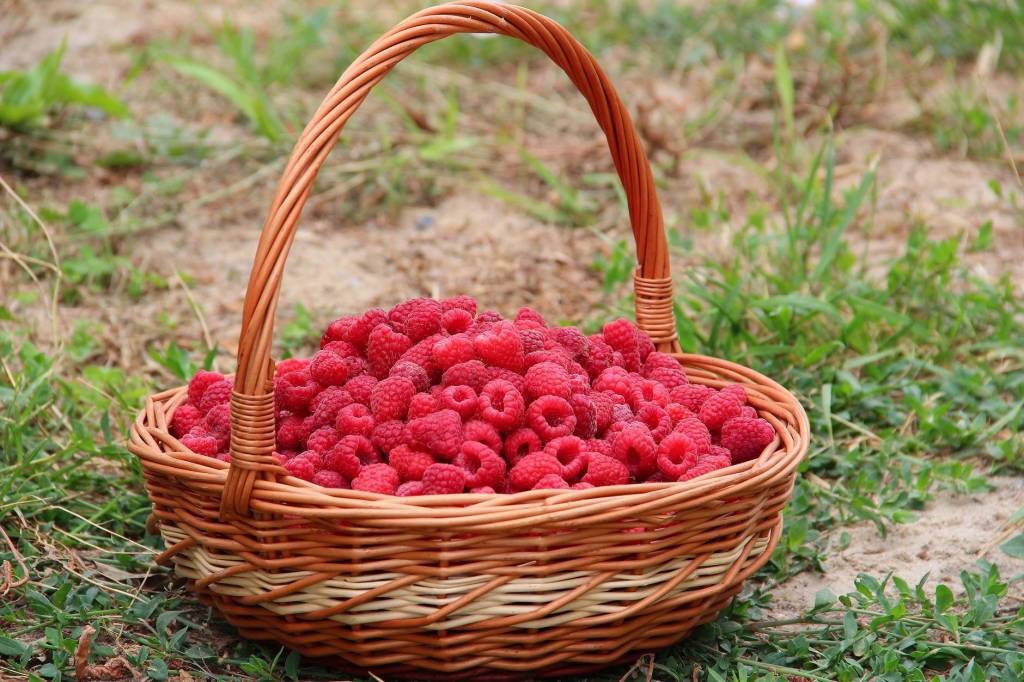
June sunlight hammered my backside, creating a rivulet of sweat that ran from my hairline, down my neck, and along the bumps of my spine, pooling at the elastic waistband of my athletic shorts.  Spikes of dry grass clawed at my shins and calves, while briars needled my forearms.  With single-minded focus, I picked the ruby jewels of fruit, one at a time, and slipped them into the bowl as my fingers became brightly tinged with the stain of my efforts.  One month later, a similar scene unfolded, only this time my digits were blotched a deep shade of purple.

Berry picking–full of heat, thorns, and insects.  Strongly influenced by weather with some seasons offering higher yields of succulent delight, and other years producing little fruit that are often smaller and less juicy.  This once per year event can provide a tasty selection of cakes, pies, muffins, salads, and even vinegars or wines; and yet, each tiny tender fruit is celebratory enough to pop, one at a time, onto the tongue allowing taste buds to relish the lush, acidic saccharinity. 

Photo by Pixabay on Pexels.com

As I picked berries this summer, it was a contemplative practice that was part focus, with a bit of melancholy, and part determination, sweat, and even irritation–reminding me of the similarities of berry-picking to life.  Many, if not most, memorable life moments require sustained efforts involving work, goal-setting, striving, and set-backs.  Depending upon what is produced by one’s endeavors, typically frames whether or not one continues down the same path/plan, or chooses to adjust plans accordingly.  Similarly, seasonal berry offerings may not be particularly juicy some years, much less tasty on its own merit; however, when these berries are collectively combined alongside other ingredients in a recipe, the product produced is often a delicious delight–even if it was not what was originally planned.

Likewise, dealing with the bramble, the bugs, the itchy ivy and grasses, the pollen, the heat and humidity, and so forth, may fill the berry-picker with dread even before beginning; and then, one commenced into action, the very act of picking may feel nearly intolerable.  Nonetheless, the goal of sweet, tangy fruit impels one to persevere in spite of the struggles and irritations.  In fact, even the journey to becoming a fruit producing plant is never easy.  It requires that a seed be buried in dirt, dwelling in darkness for some time while laying down roots until ready to slog through the sod, breaking the surface.  Even then, the tiny plant must learn to endure all types of weather while simultaneously stretching and extending towards the light before becoming a fruit producing plant.  The same is true for humans.

Picking berries is an annual reminder for me that we all must experience the dark, the muck, and the mire in order to strengthen our ability to break through the soil of our despairs.  Nevertheless, like the berry bramble, we cannot produce fruit without first developing roots, and then being taught to stretch towards the light in order to grow.  Even then, we will still develop thorny parts of ourselves and experience the sting of insects, the heat and cold, as well as life’s seasonal winds.  There will be choking weeds and other setbacks (much like many of us are experiencing now).  Nevertheless, it is during those very times we must be like the berry plant and keep growing, fixing our eyes upon the heavens, because eventually our efforts will produce fruit.  And when those periods of berry-picking occur, we must share our harvest with others and savor the sweet juiciness of the moment because like the weather, life offers continuous change–never standing still for long.

As seen on Instagram @ Postiviteenergyalways

As the Creator divined, there is no light without dark, no happiness without sadness, no rest without work, no pleasure without pain, and no berries without pitfalls and pests.  Make the most of good days, for they are the berries, the very sweetness, of life.  Imprint those memories into your soul, as one does setting aside berries in the freezer, so when the weeds of life threaten and clouds seem ready to burst, you can retrieve those frozen memories, and be reminded that this too will pass.  The light that is within and around you will help, once more, enjoy another season of berry-picking. 

As seen on Instagram at postiveenergyalways.

From my home to yours, I wish you a freezer full of good memories and berries! Here are a couple of recipes to enjoy . . .

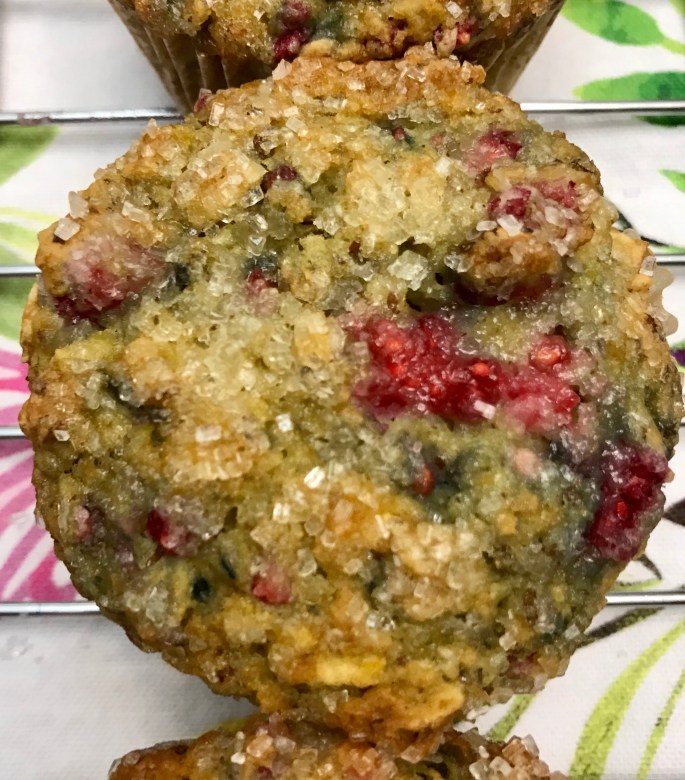
*Raspberry Lemon Muffins

Ingredients:

1 tablespoon flaxseed + 3 tablespoons of water (Can substitute with one large egg.)

Zest from one lemon

1 cup + 2 tablespoons flour (I use gluten free flour.)

1 cup old fashioned rolled oats* (I use certified gluten-free oats.)

2 teaspoons baking powder

1 teaspoon baking soda

¾ teaspoon salt

⅔ cup sugar (I used Swerve brand sugar replacement.)

⅓ cup melted butter (I used plant-based replacement.)

¾ milk (I used a plant based version.)

2 tablespoons lemon juice

2 teaspoons vanilla extract 

*2 cups raspberries or blackberries (Fresh are best, but frozen will work, but may require a bit longer baking time.)

White sparkling sugar (Optional)

Directions:

In a small bowl, add both flaxseed and water.  Gently stir and place in the refrigerator for later use.

Zest one lemon, and set aside for later use.

Preheat the oven to 375 degrees.

Line 12 muffin tins with a parchment paper. 

In a small bowl, place raspberries and sprinkle with 2 tablespoon of flour. Toss gently until all raspberries are evenly coated.

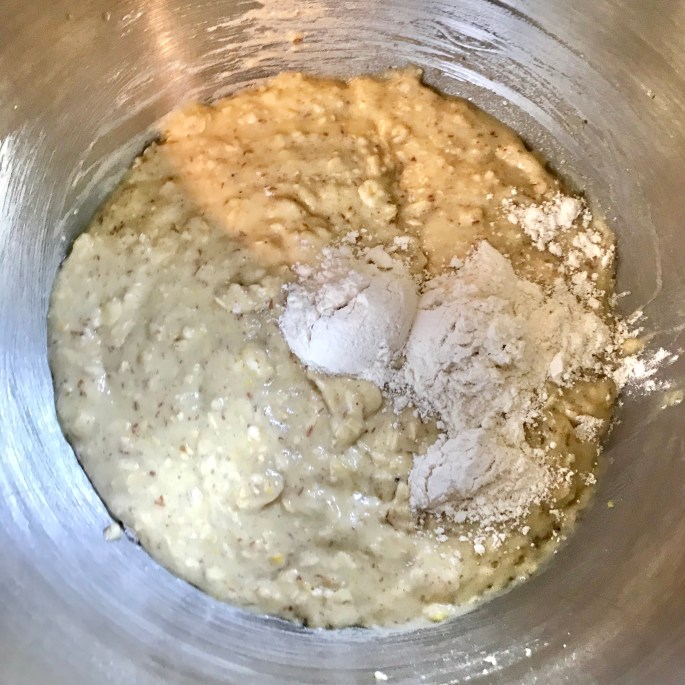
In a small bowl, combine the flour, oats, baking powder, baking soda and salt. Set aside.

If possible, use a stand mixing bowl to whisk together lemon zest with sugar for two minutes until light and fluffy.

Mix melted butter, milk, lemon juice, and vanilla extract into lemon/sugar mixture.

Stir in dry ingredients into wet ingredients and mix until just combined.

Gently fold in flour coated raspberries into batter.
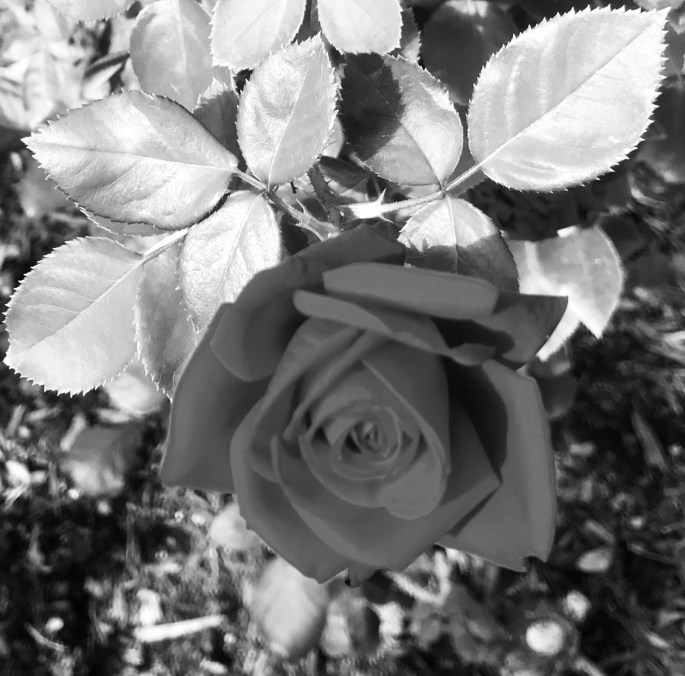
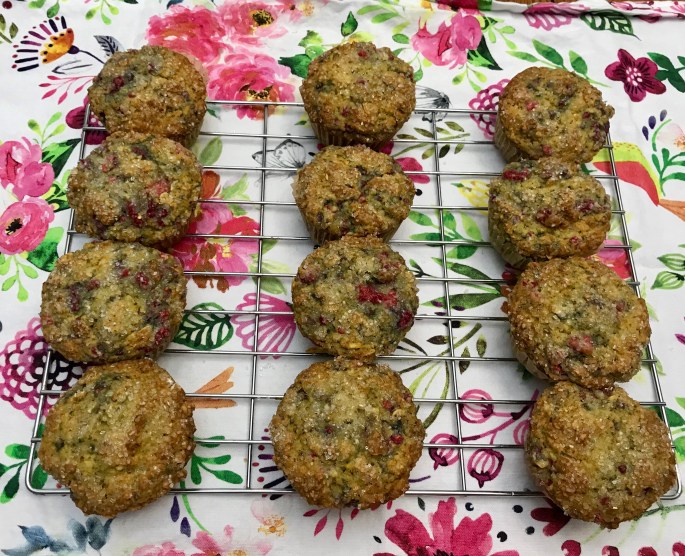
Divide batter evenly among 12 muffin cups.

Sprinkle with white sparkling sugar if desired.

Bake for 22-25 minutes or until muffins are golden brown and toothpick inserted in the center comes out clean.

Makes 12 muffins. 

Allow muffins to cool in the pan for 5 minutes, then turn upside down on the cooling rack, and immediately right them on the rack for proper cooling.

Muffins can be stored at room temperature; however, since there is fresh fruit in them, I prefer to store them in an airtight container in the refrigerator once completely cooled.  They can also be frozen for up to 3 months.

Serve warm or cold.  They are delicious plain or served with butter, honey, agave, or other favorite topping.

Bonus Recipe:

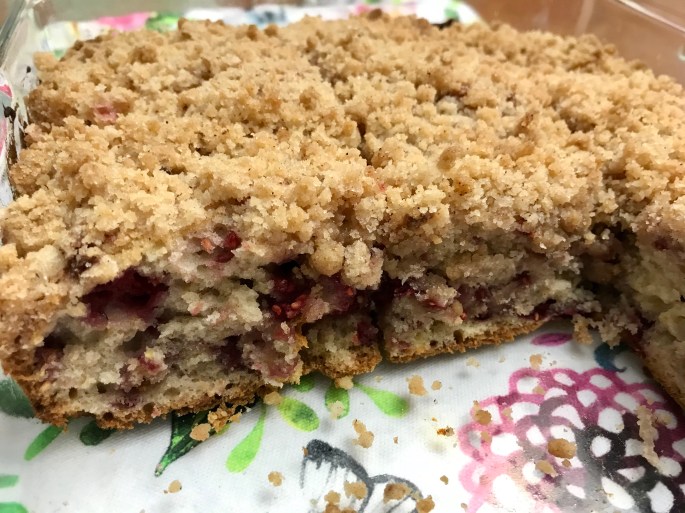
*Raspberry Buckle

Ingredients for Buckle –the cake part:

¾ cup sugar 

¼ cup soft shortening 

1 egg 

½ cup milk 

Zest from one lemon

2 tablespoons of lemon juice

2 teaspoons pure vanilla extract or powder

2 cups + 2 tablespoons flour

2 teaspoons baking powder

½ teaspoon salt

*2 cups raspberries or blackberries (Fresh are best, but frozen will work, but may require a bit longer baking time.)

Ingredients for topping:

½ sugar

⅓ cup flour

½ teaspoon cinnamon

¼ cup softened butter

Directions:

Zest lemon, and set aside.

Mix together ingredients for topping, and set aside.

Place raspberries in a bowl, gently sprinkle and coat with 2 tablespoons of flour, and set aside.

Prepare 9” x 9” baking pan with nonstick cooking spray

Preheat the oven to 375 degrees.

Using a mixer, mix together sugar, shortening, and egg.  

Stir in milk, lemon zest, lemon juice, and vanilla.

In a separate bowl, blend together dry ingredients.

Mix dry ingredients into wet ingredients until just combined.

By hand, gently fold-in in raspberries.

Carefully spread into the prepared baking pan.

Spread topping over all of the batter.

Bake for 45-55 minutes or until the topping is golden brown and a toothpick inserted in the center comes out clean. 

Allow to cool 10-20 minutes before serving warm.

Once cooled, stored in the refrigerator.

Leftovers can also be stored in an airtight container for up to 3 months.

Makes 9 servings.

As seen on Instagram @ lauriereasons.

Exploring WV, Part 2: the Greenbrier River Trail, Beartown, Droop Mountain, Renick, Marlinton, and Watoga State Park

“Afoot and lighthearted I take to the open road, healthy, free, the world before me.”–Walt Whitman

In the face of COVID-19, travel warnings, and headlines of superspreader events, it may seem impossible to plan a summer getaway.  However, for those of us living in the Appalachian Region, a 205,000 square mile area that covers all of West Virginia and parts of 12 other states, including Ohio and Kentucky, travel destinations abound as the wonders of Mother Nature are all around.  Therefore, if you’re willing to rethink what travel can mean and look like, a world of outdoor adventures awaits–all within an easy drive’s reach.

Recently, John, my husband of 31 years, and I, did just that.  We took off towards the Greenbrier River Valley area and explored parts of both Greenbrier and Pocahontas Counties.  Whether you’re planning a day trip, camping, or cottage/cabin excursion–this area of WV offers plenty to see, do, and experience while safely maintaining social distancing.  What’s more, these types of adventures are pocket, family, and/or solo-friendly.

On this most recent summer of 2020 trip to the GRV area, we once more stayed in Lewisburg in a cottage called, “Stone Throw Retreat,” which we found on Airbnb.  During our first full day, which I described in a previous piece, John and I explored Cranberry Glades, the Falls of Hills Creek Scenic area, and stumbled across the birthplace of author Pearl S. Buck.  On our second day, we took the same approach as we had taken on our first–no itinerary. We just hopped onto US 219 and began traversing this scenic and meandering road, deciding where to stop while enroute.

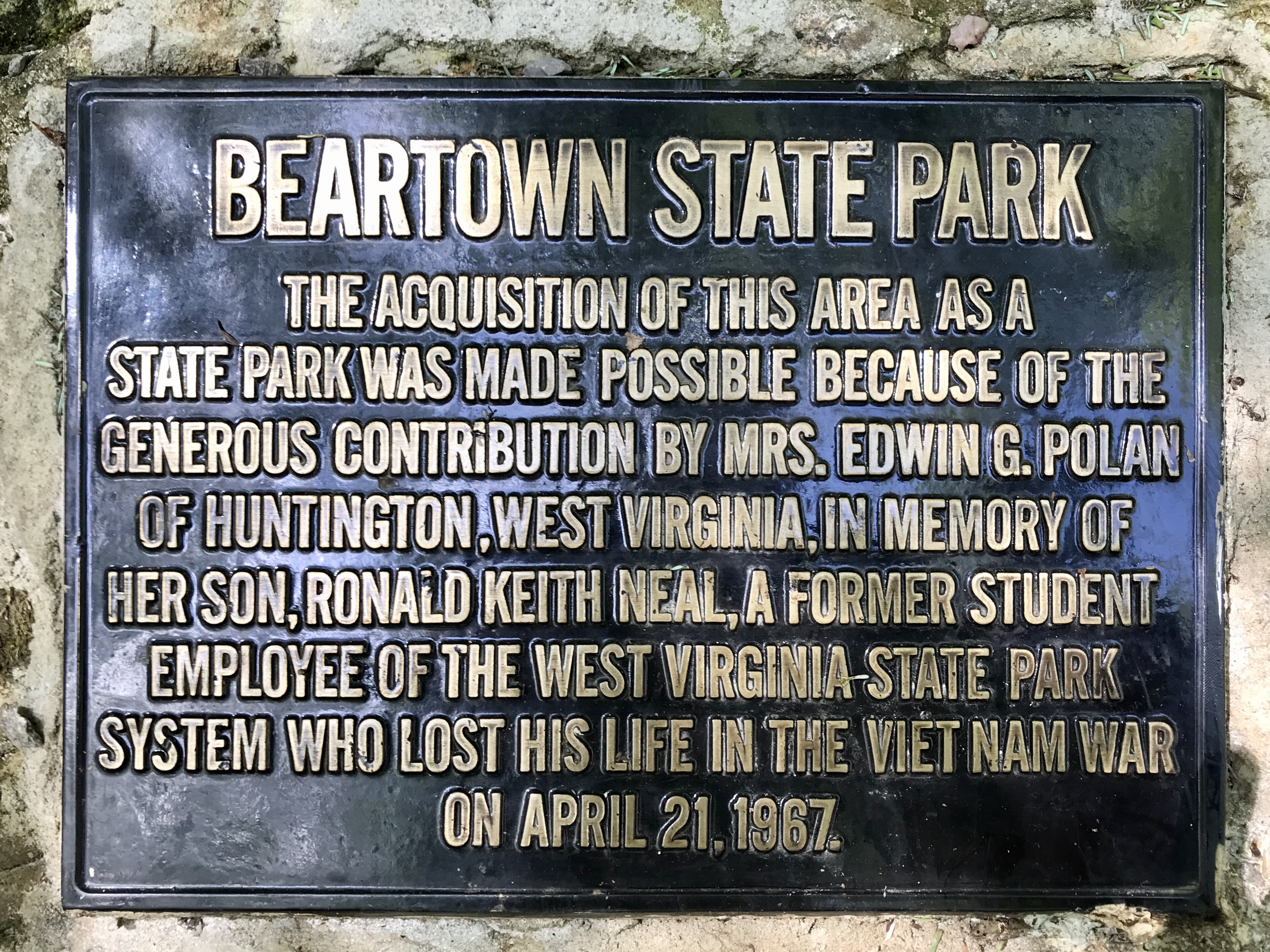
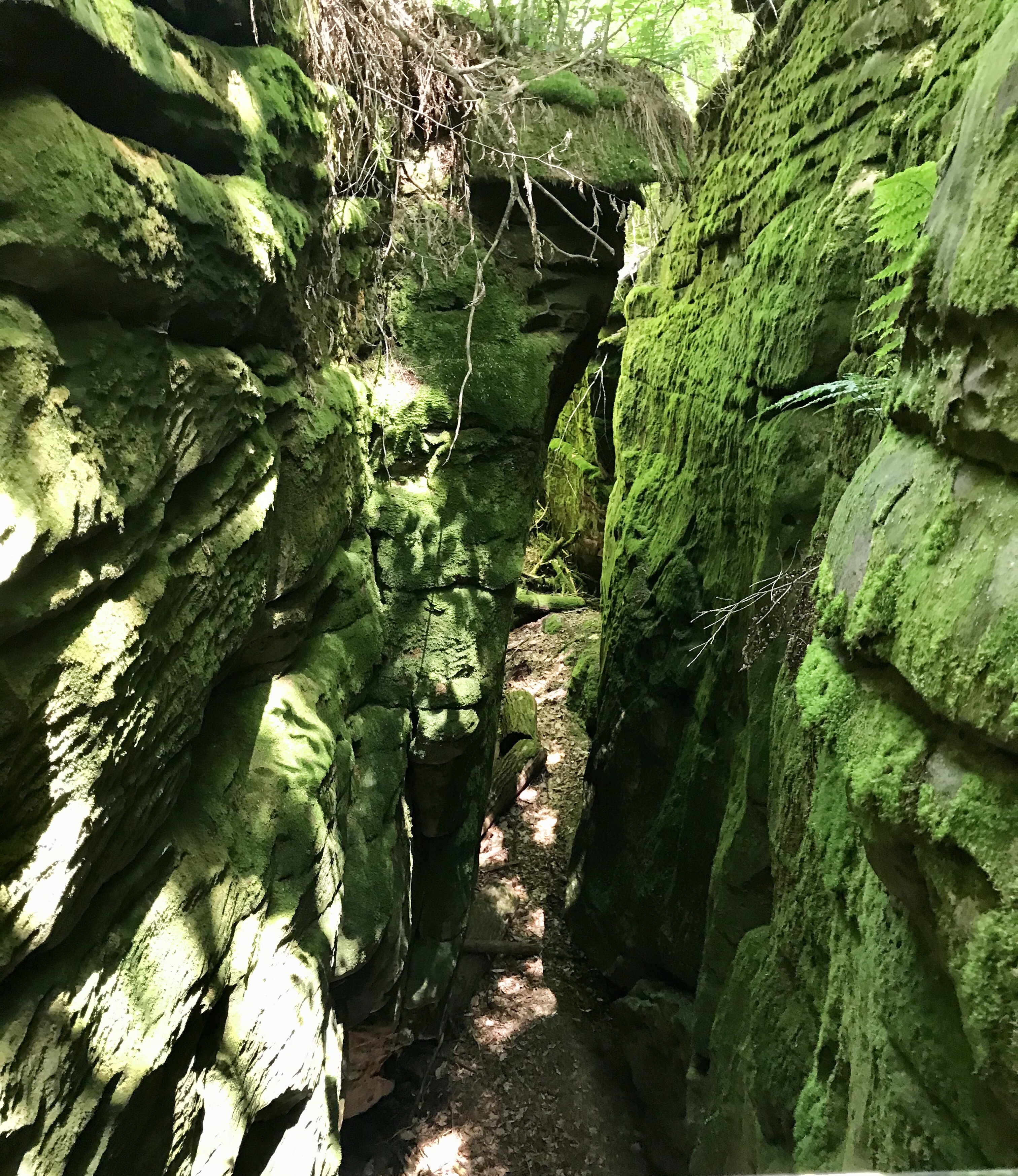
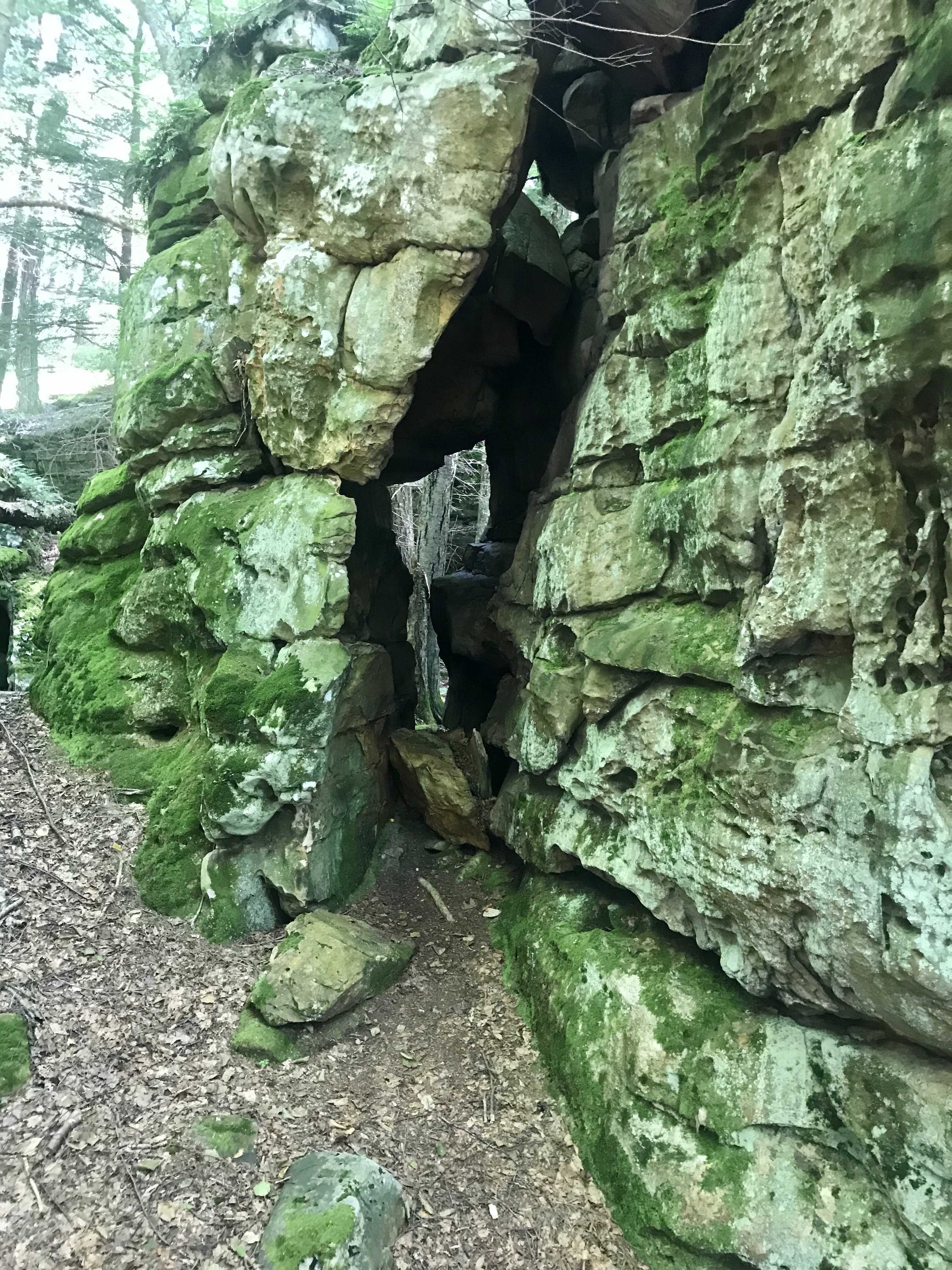
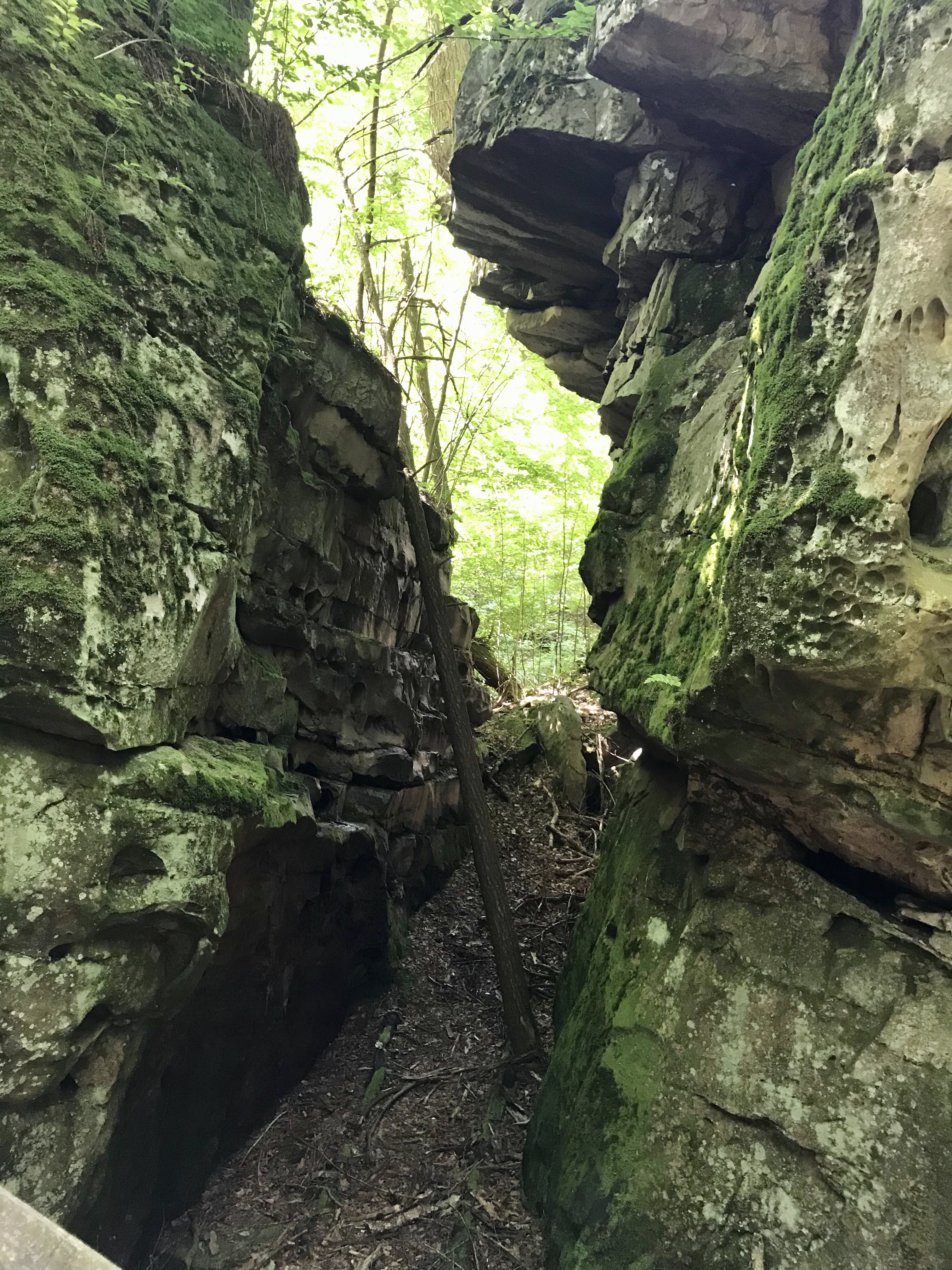
The first place that struck our fancy was Beartown State Park. When John and I first arrived at the 107 acre natural area, located within both Greenbrier County and part of Pocahontas County, we discovered, much to our surprise, that this park has a connection to Huntington, WV!  The land that is now known as Beartown State Park, according to a marker found inside the park, was made possible, in part, through a donation by, “Mrs. Edwin G. Polan of Huntington, in memory of her son, Ronald Keith Neal, a former student employee of the West Virginia State Park System who lost his life in the Vietnam War on April 21, 1967.”

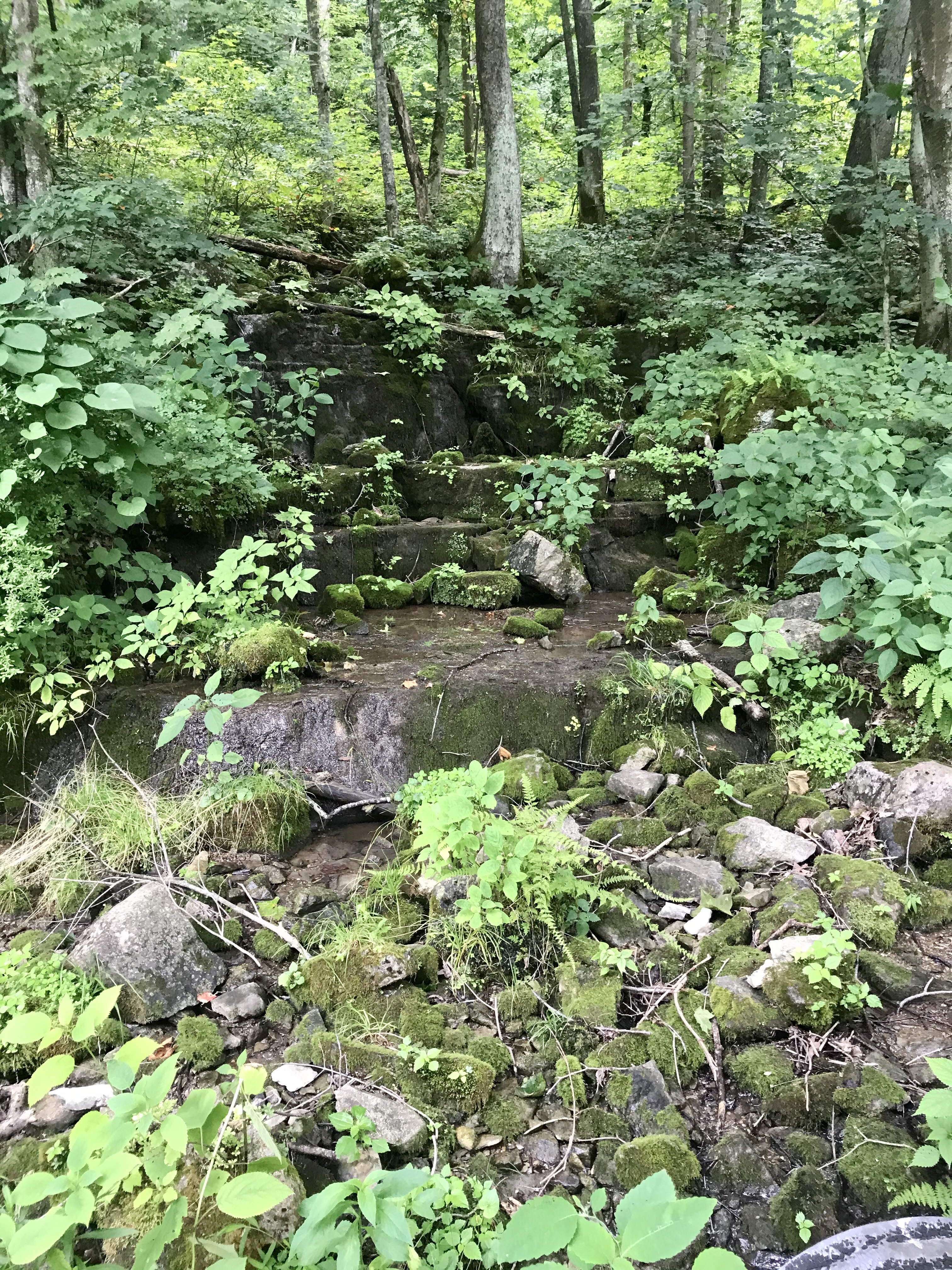
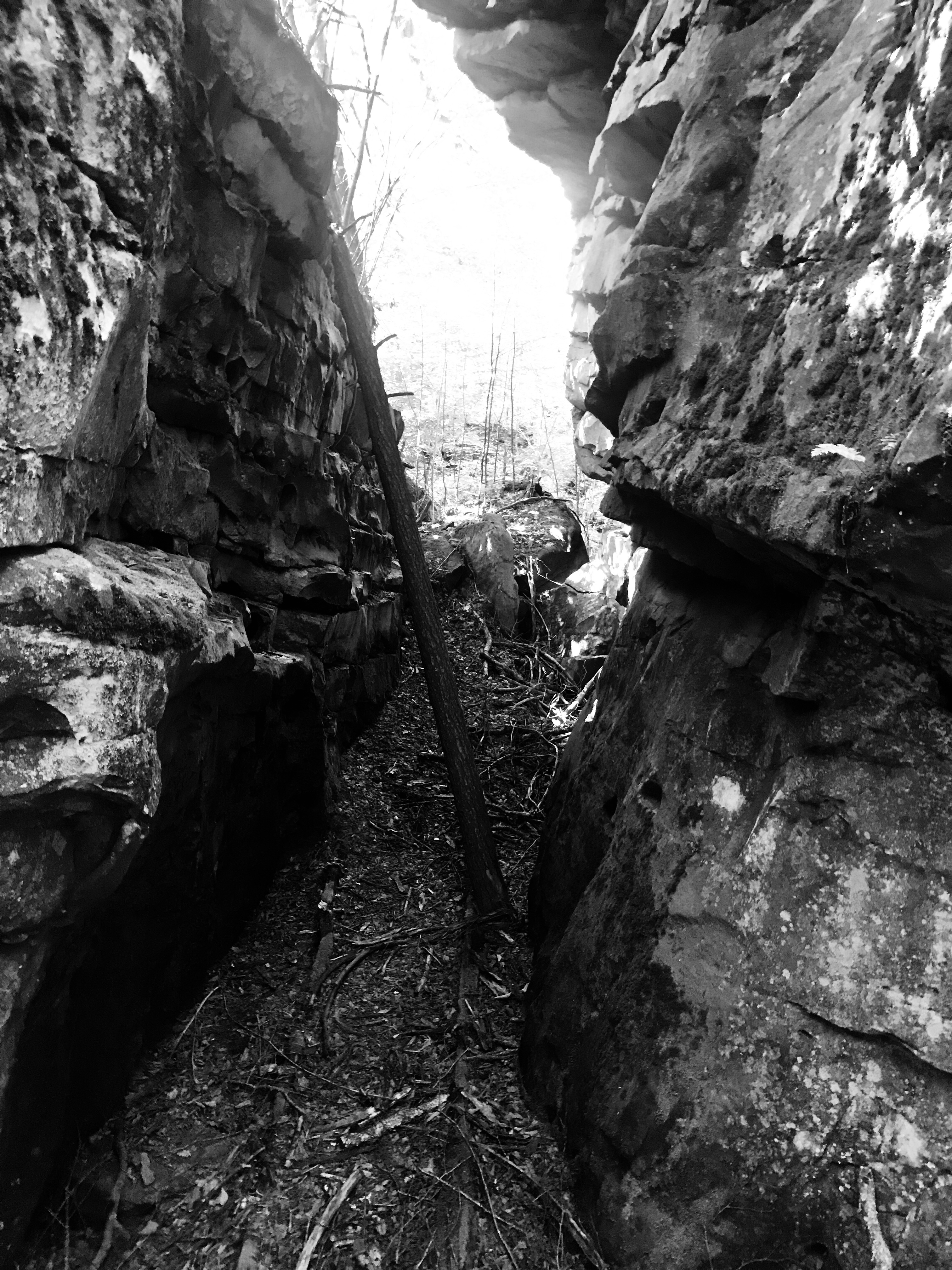
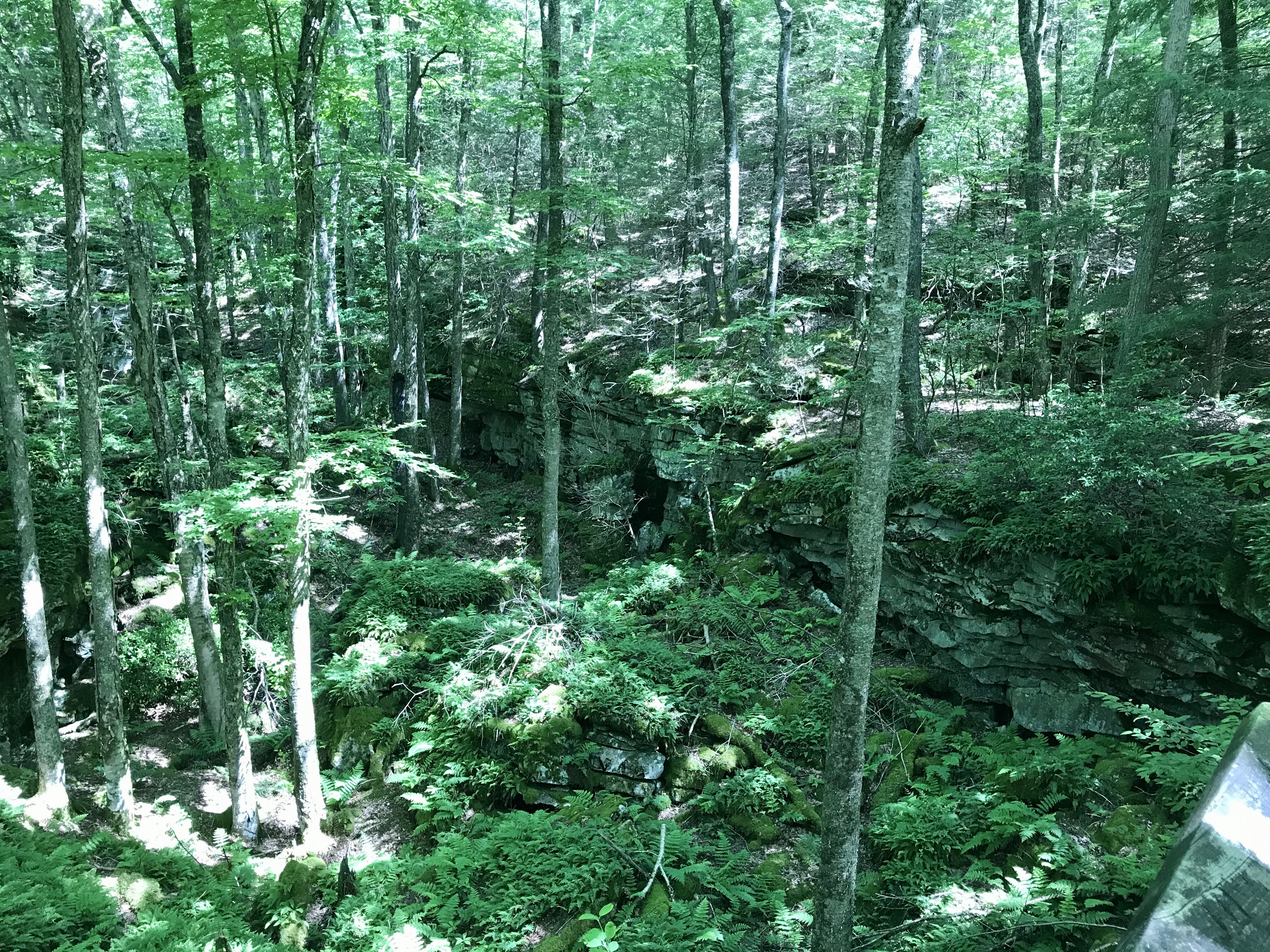
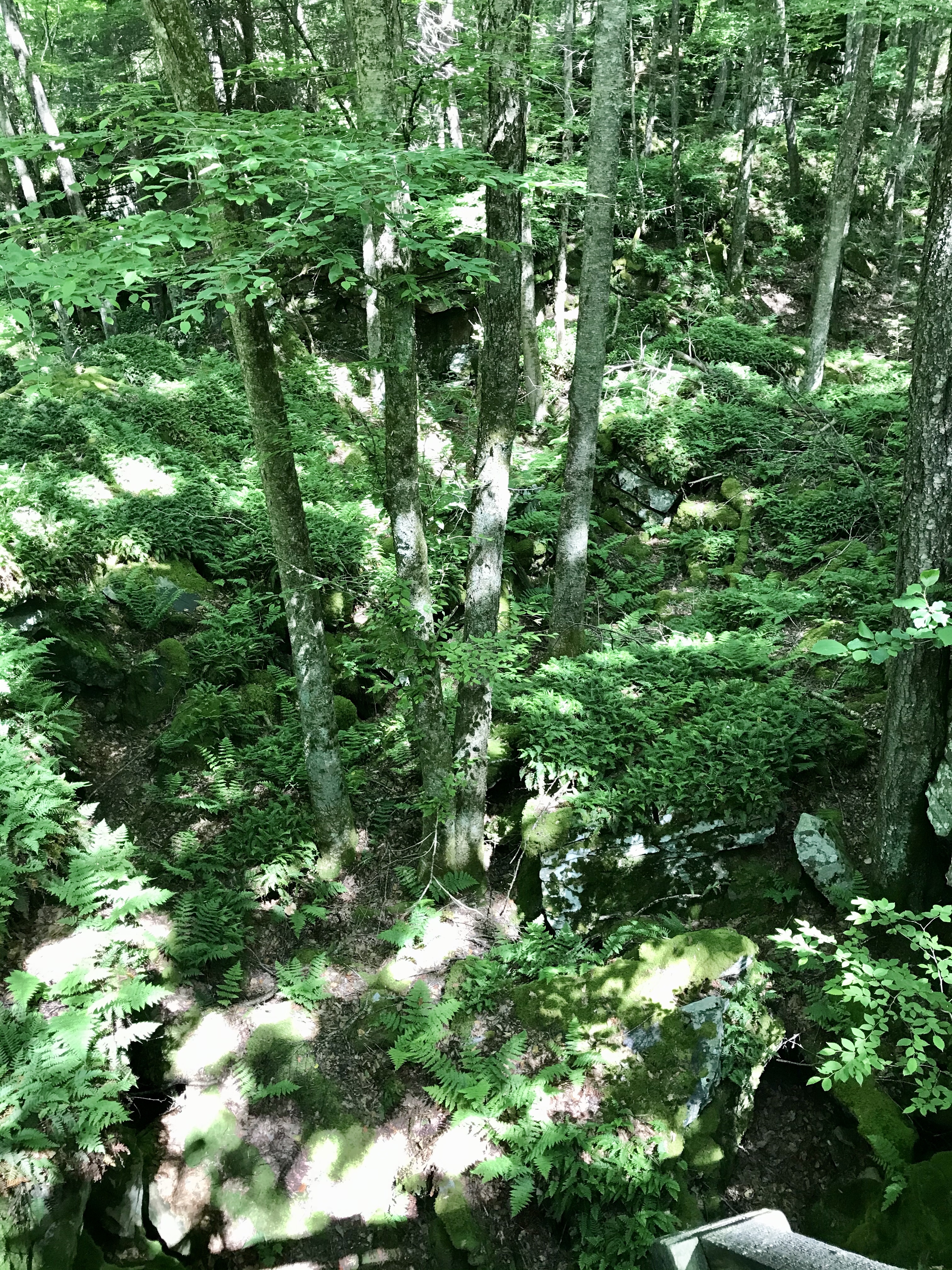
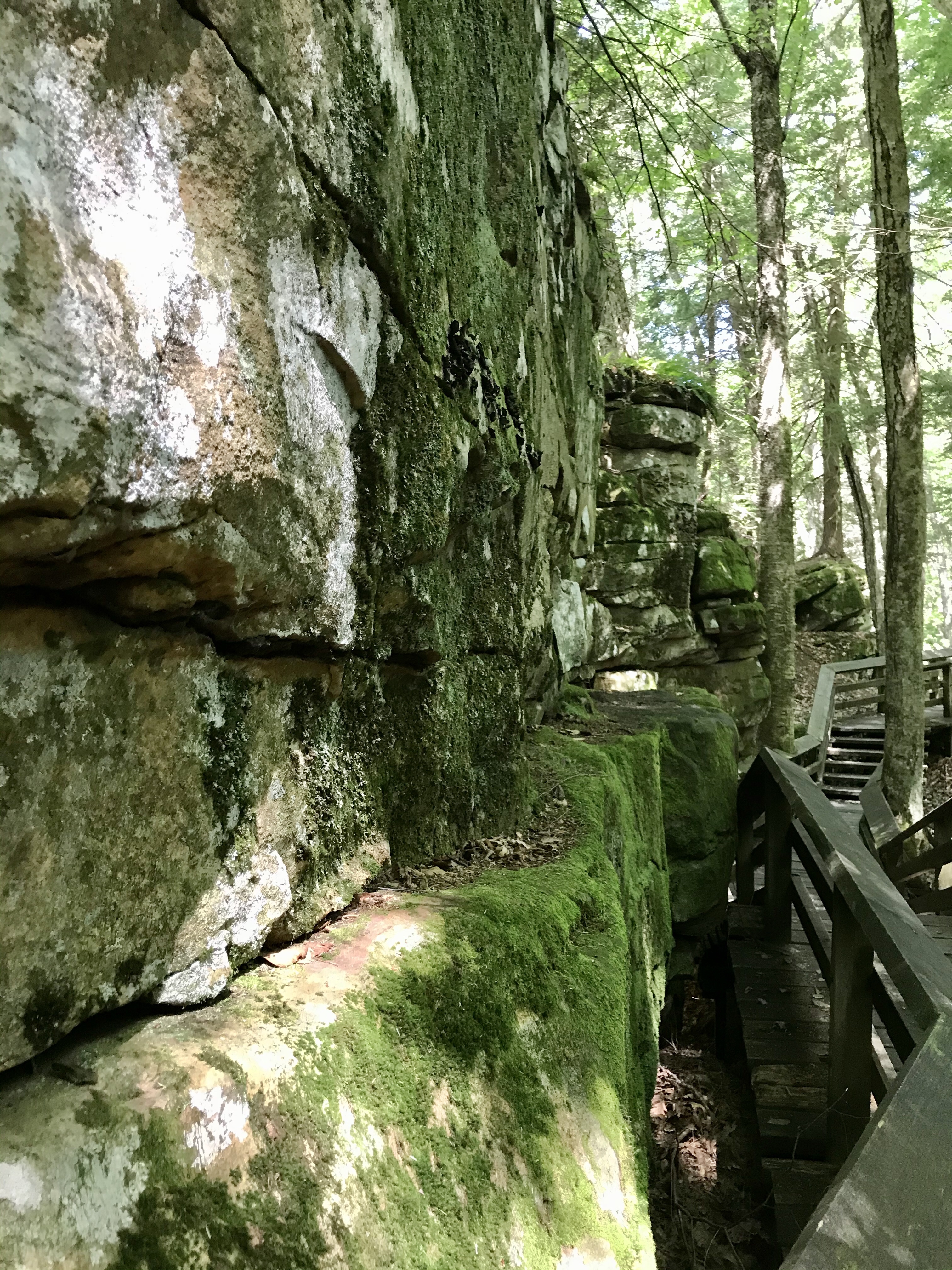
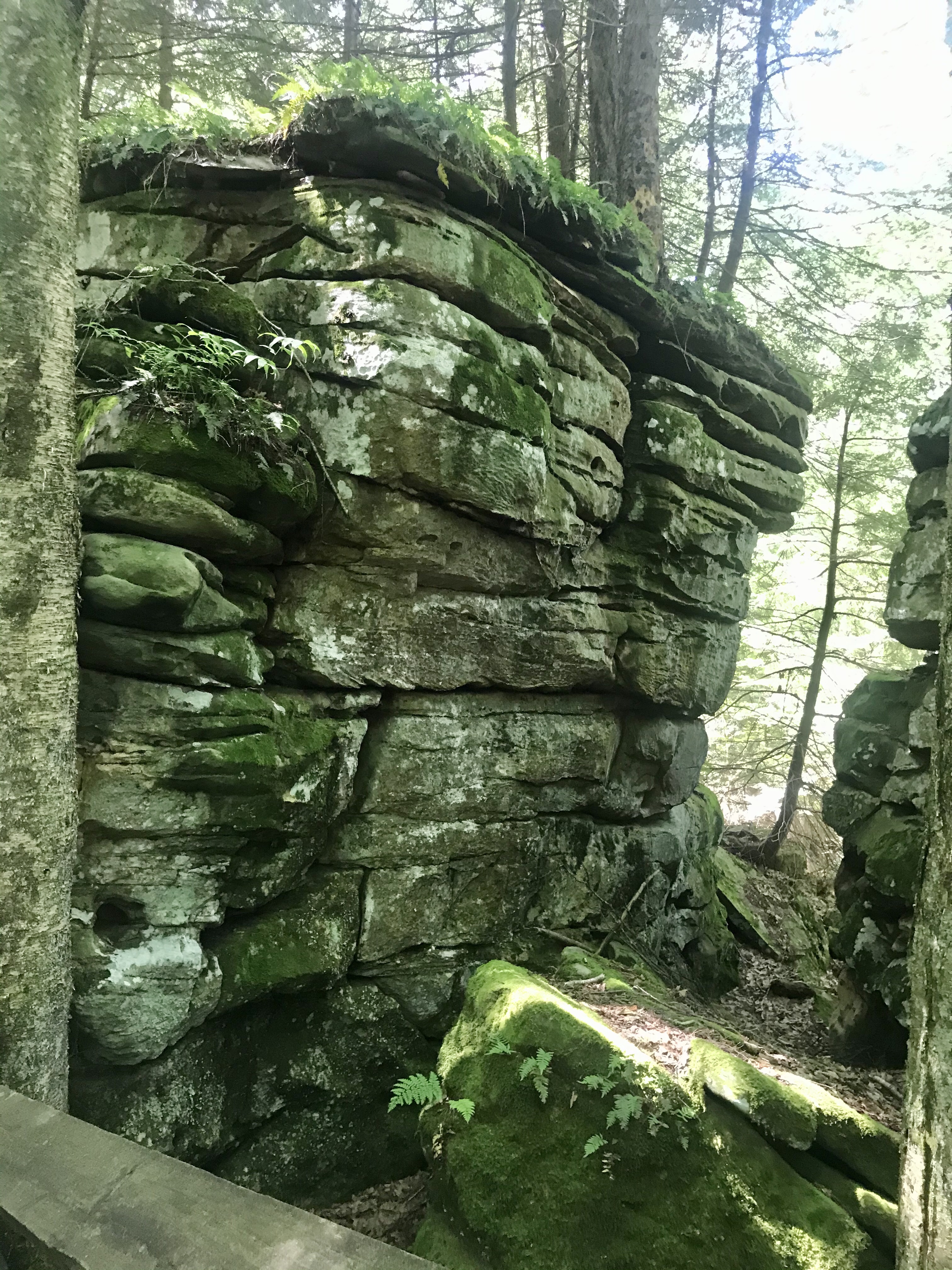
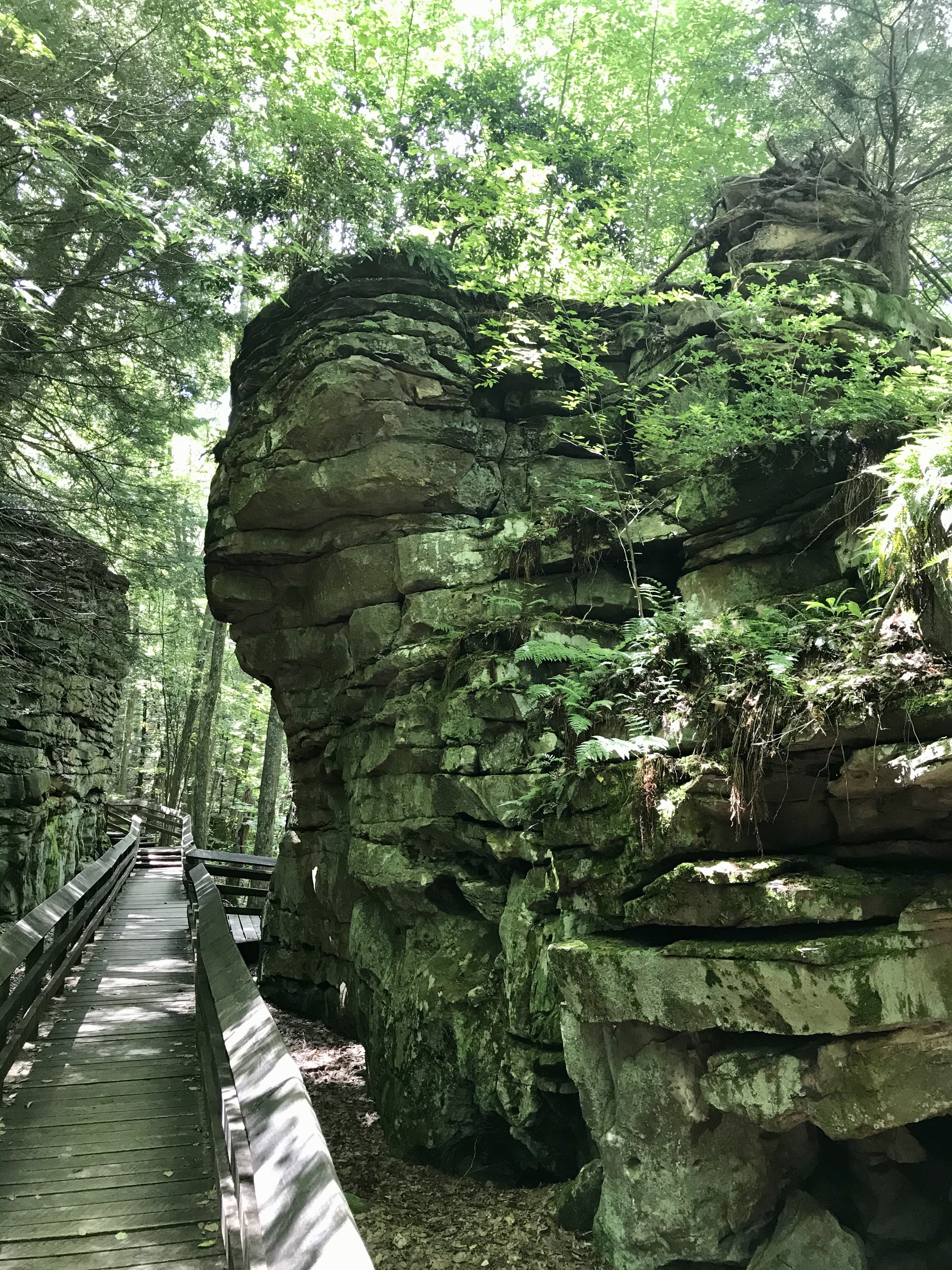
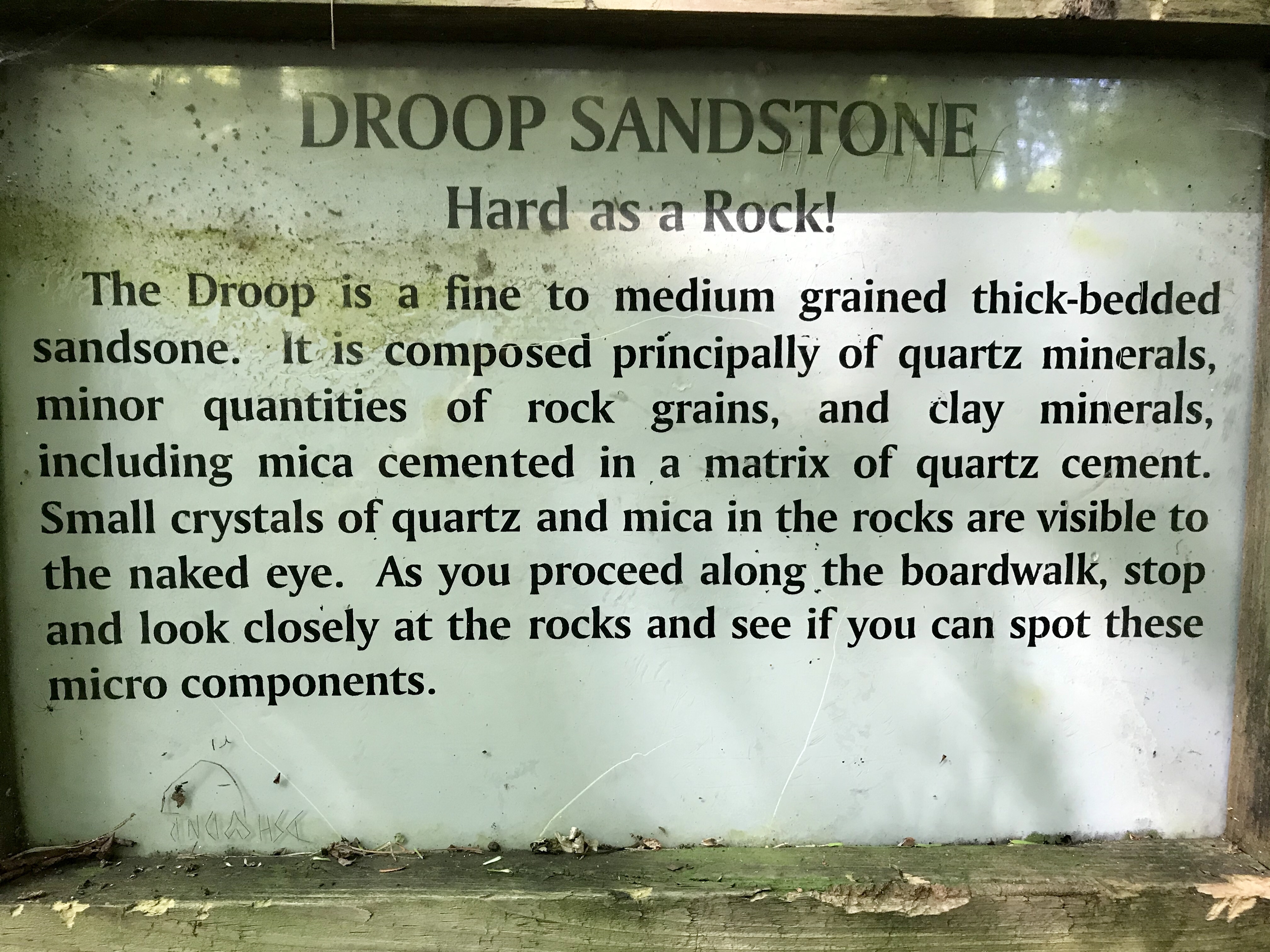
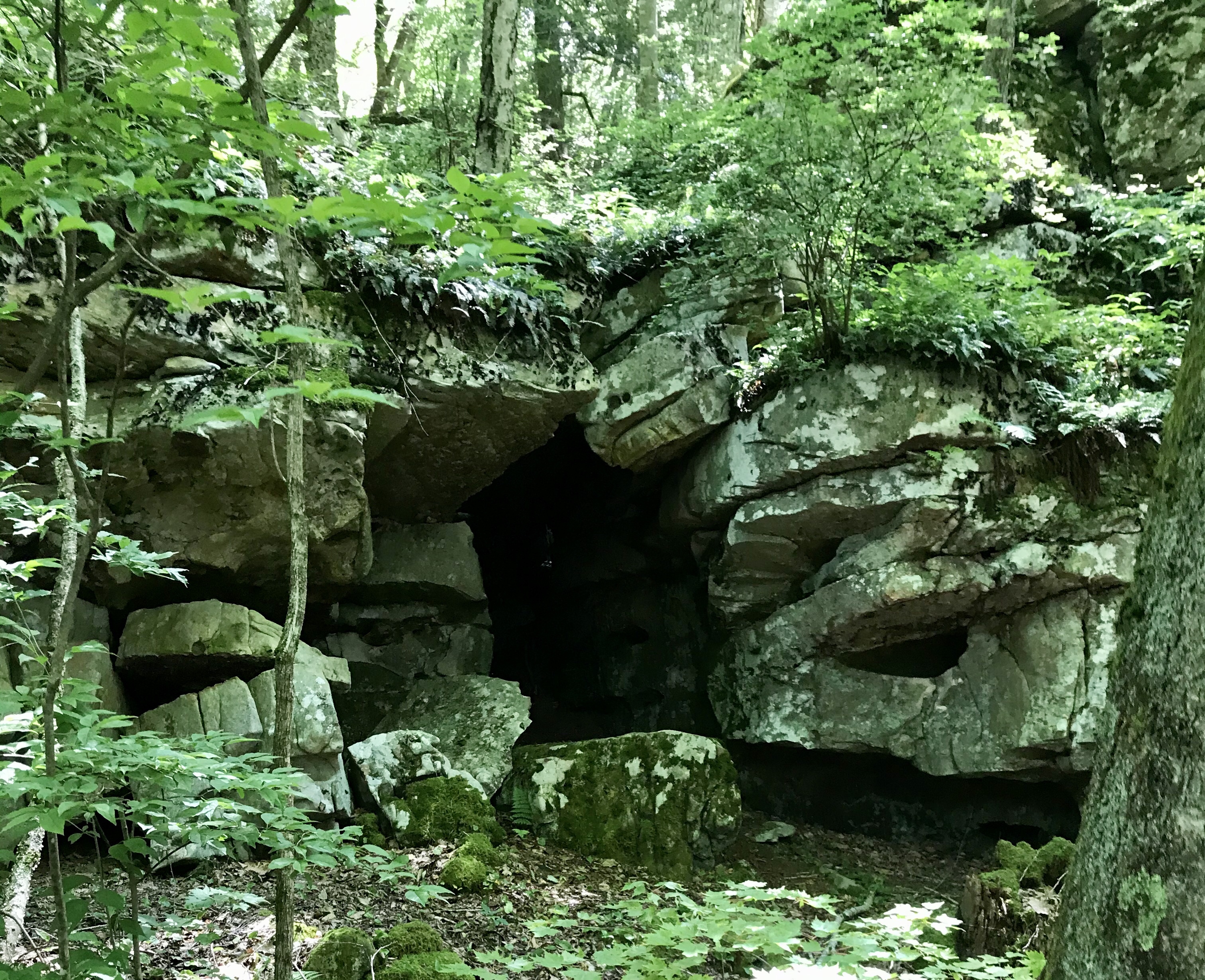
Beartown State Park derived its name from residents local to the area because the land is filled with numerous cave-like openings that look like perfect winter dwellings for black bears known for roaming WV.  Additionally, these rock formations, with their narrow passageways that look like streets, date this so-called ancient-town-of-rock to approximately over 300 million years ago! 


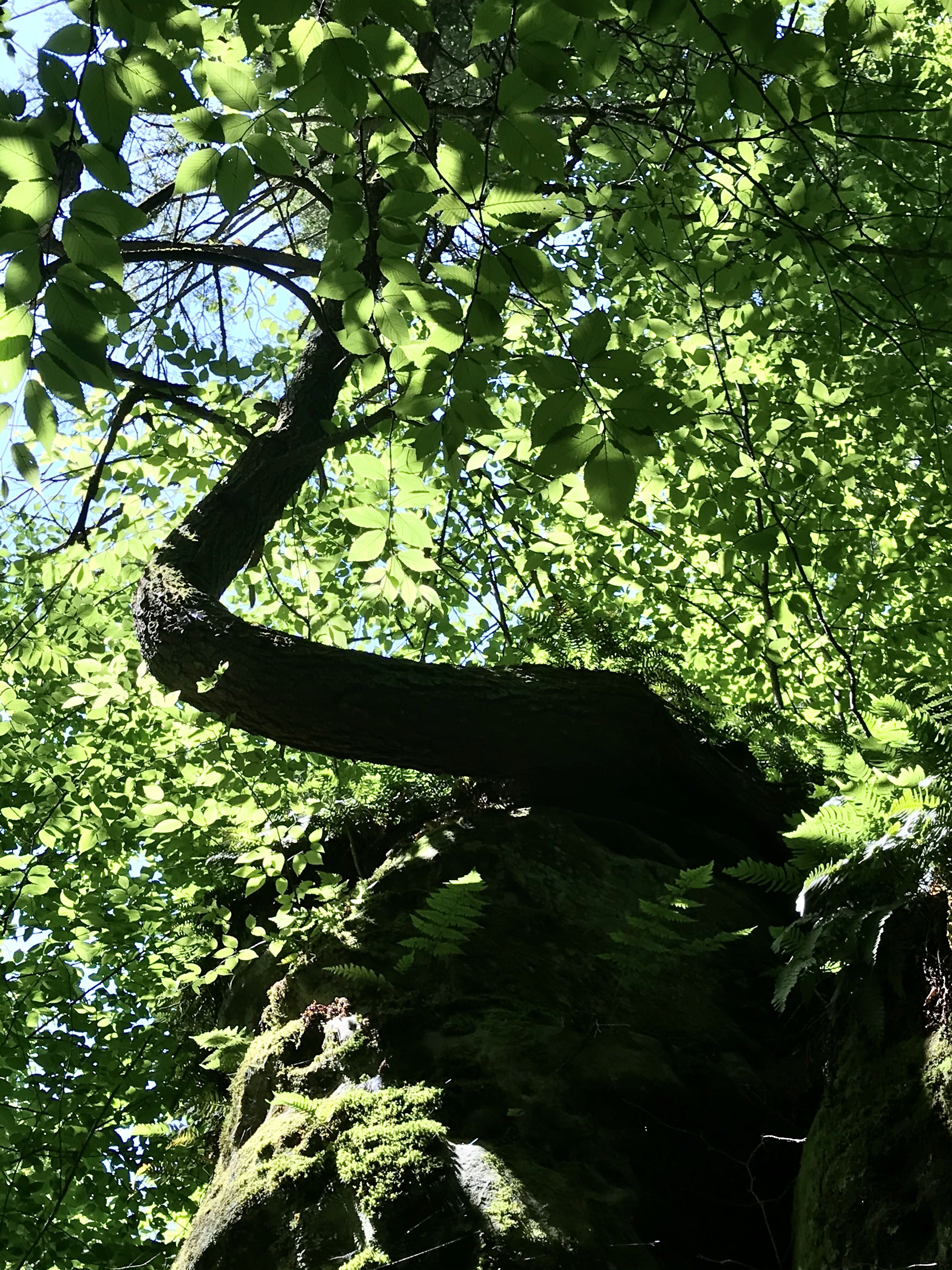
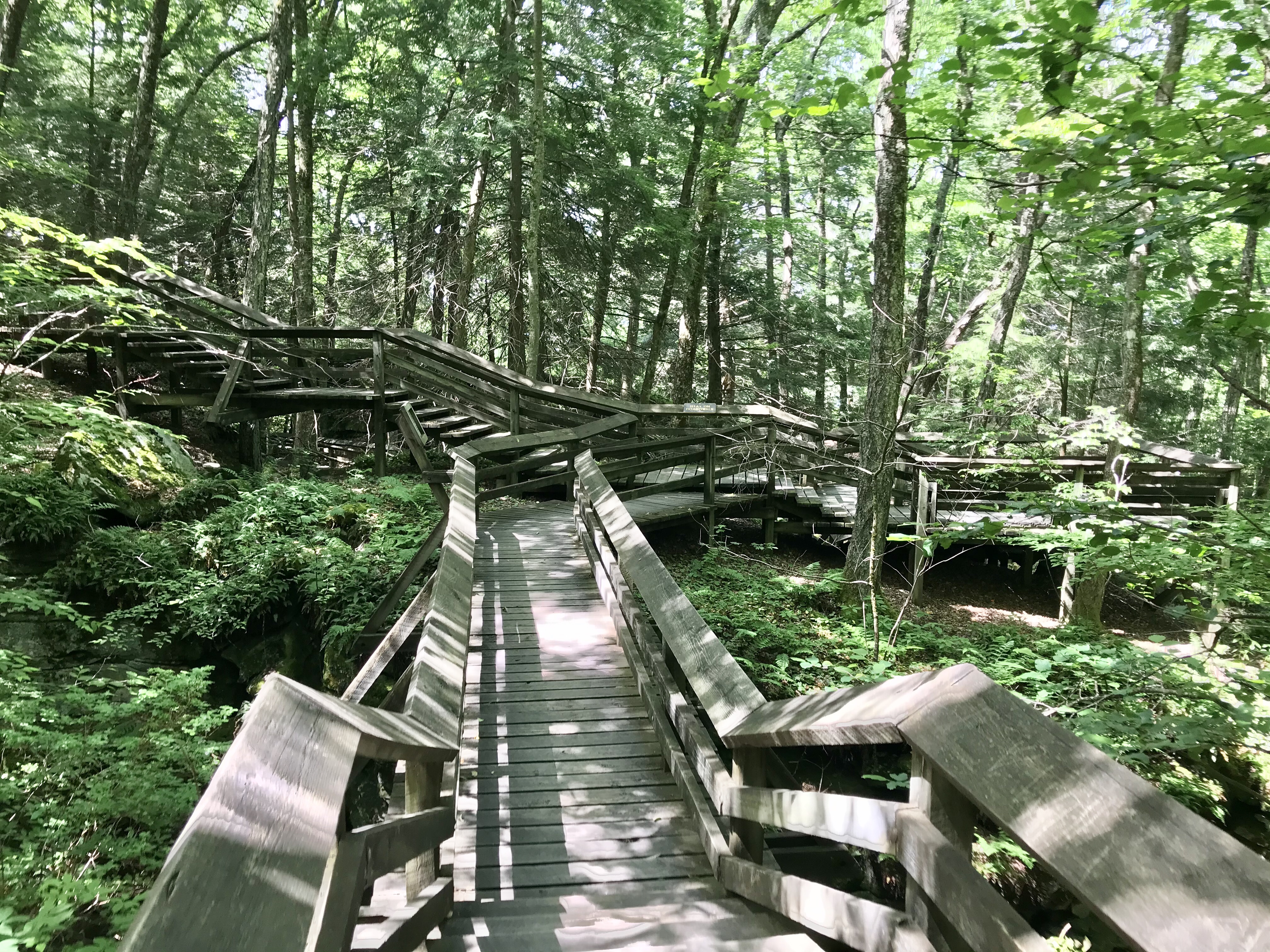
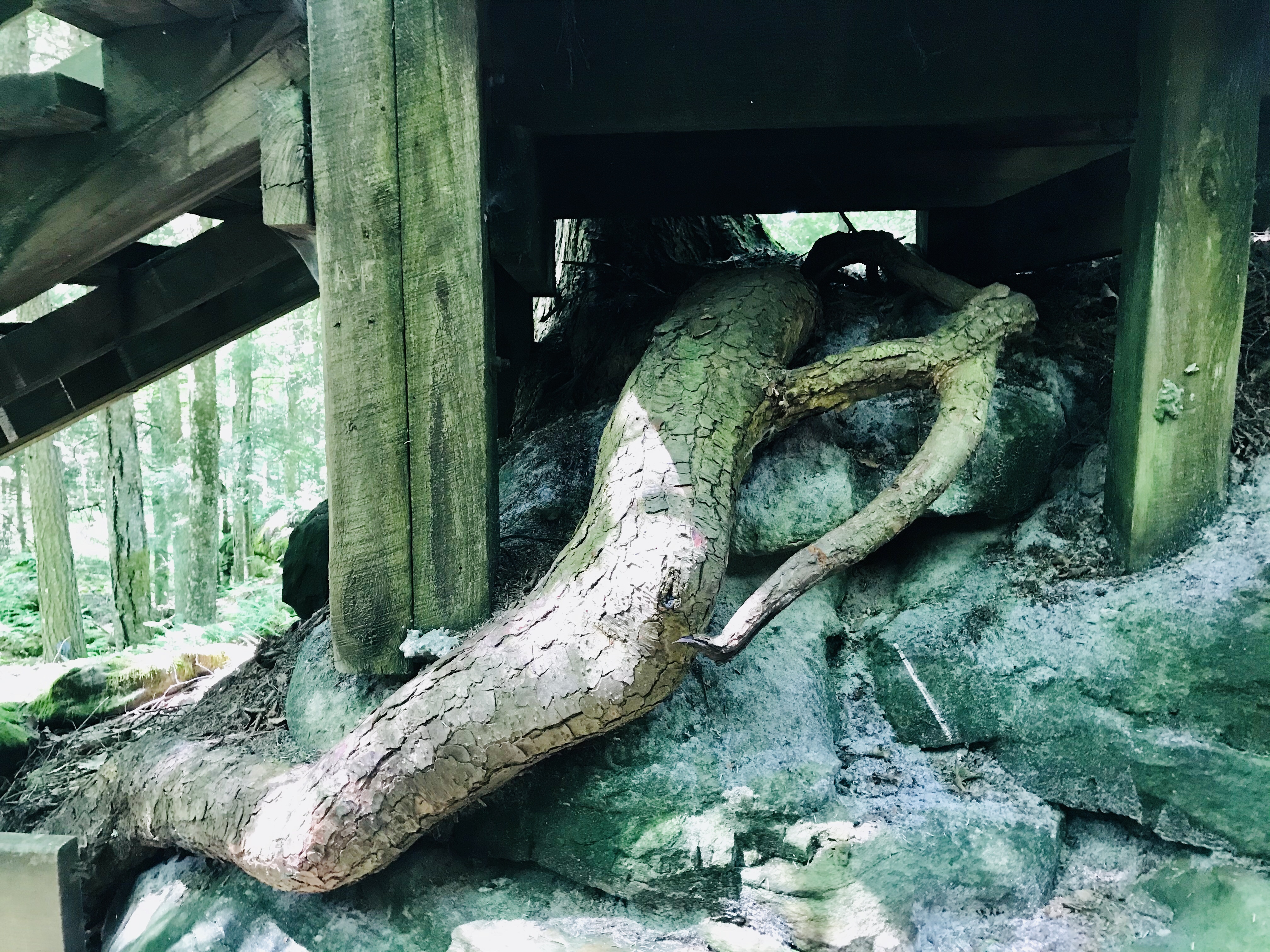
The park itself is simple, with a ½ mile carefully constructed boardwalk, zigzagging in, through, and around the rock, as the singular point of interest.  It was clearly built with the idea of preserving the integrity and uniqueness of the land while still allowing visitors to enjoy the  natural rock-like garden.  The walk, in fact, is so spectacular, that I would think it is possible to visit repeatedly and still notice something new each time.  If you’re looking for an opportunity to hear the whisperings of God, John and I highly recommend a trip to Beartown State Park! 

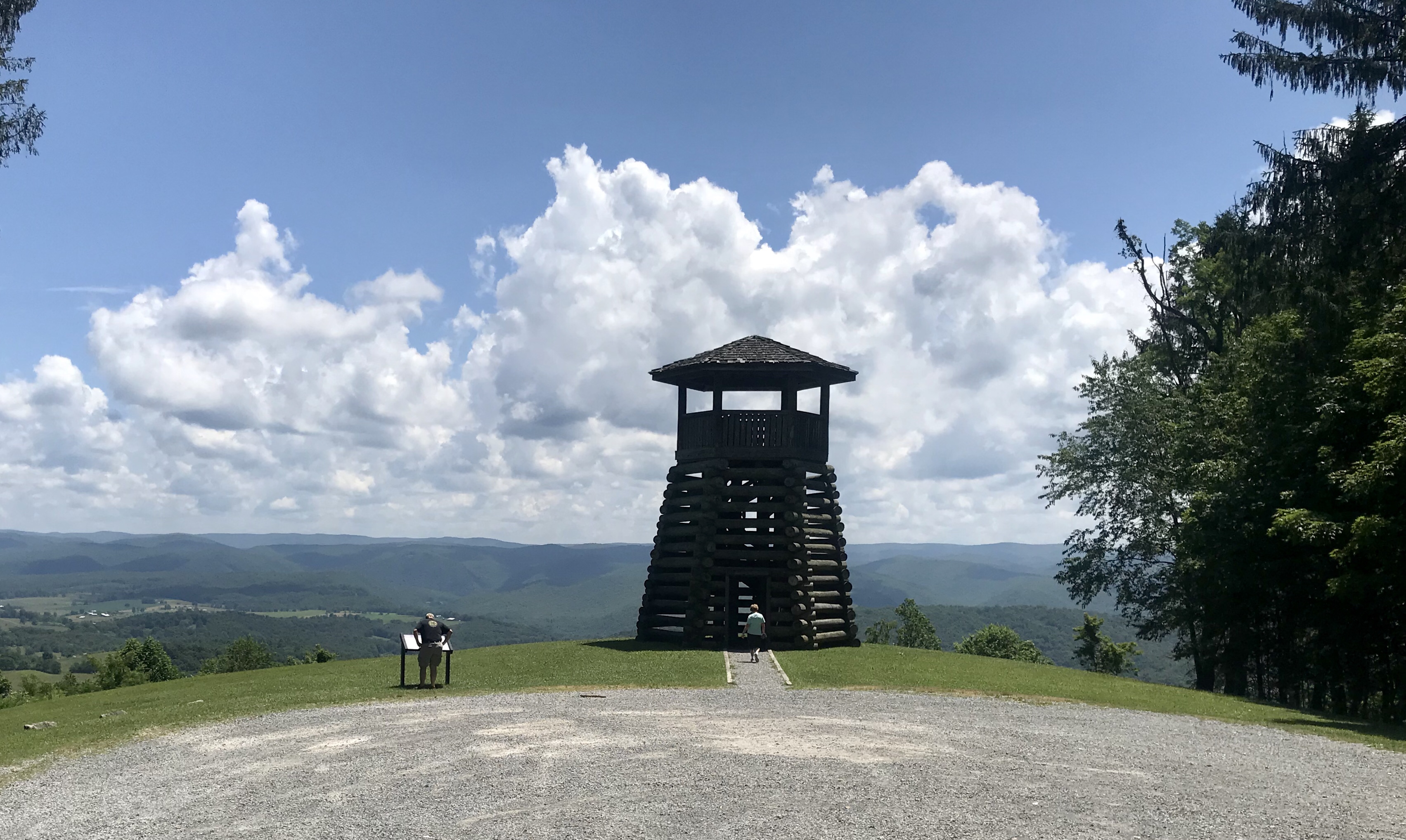
Continuing our drive further northeast along US 219, John and I made an impulse decision to stop at Droop Mountain Battlefield State Park.  With full knowledge that monuments to the Civil War are currently under high levels of scrutiny, our decision to visit this mountain had to do more with our genuine desire to experience the view from the top of the mountain, named for its drooping appearance, especially with regards to the perspective from the tower overlooking the GRV.  Little did we know that the park also included eight hiking trails, two picnic shelters, and an old-time playground that harkens back to the type John and I once enjoyed in the late 60s and early 70s!

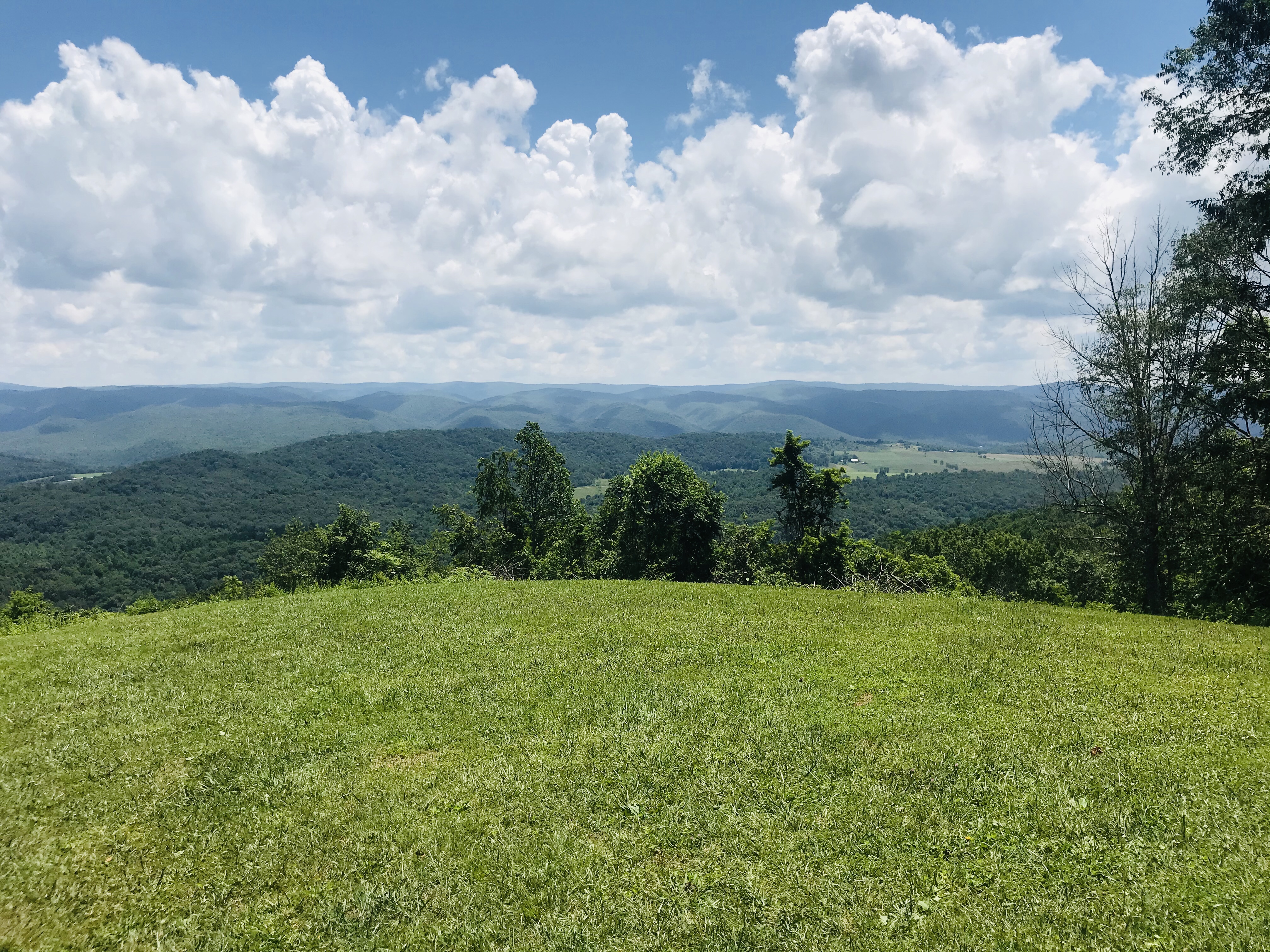
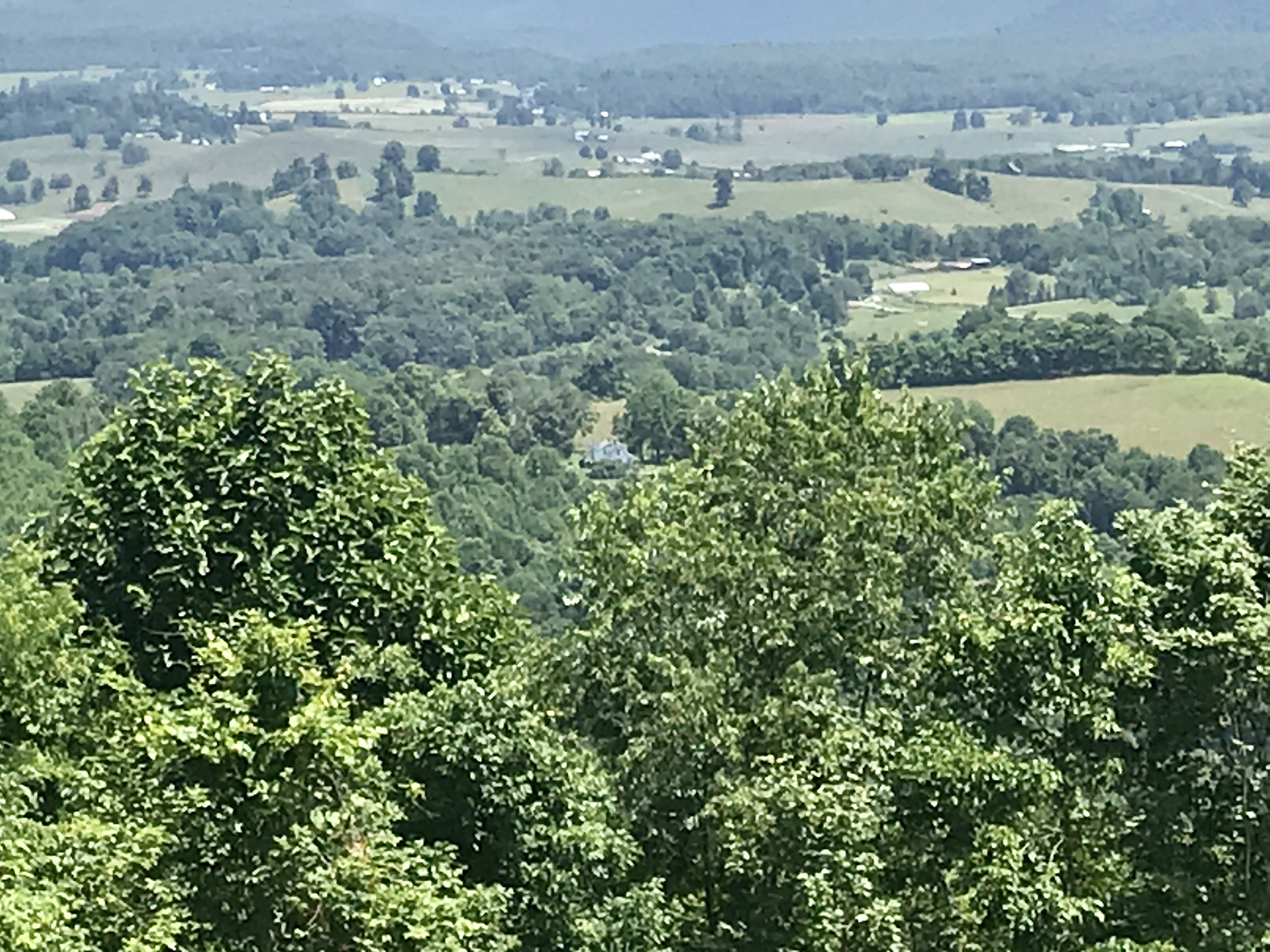
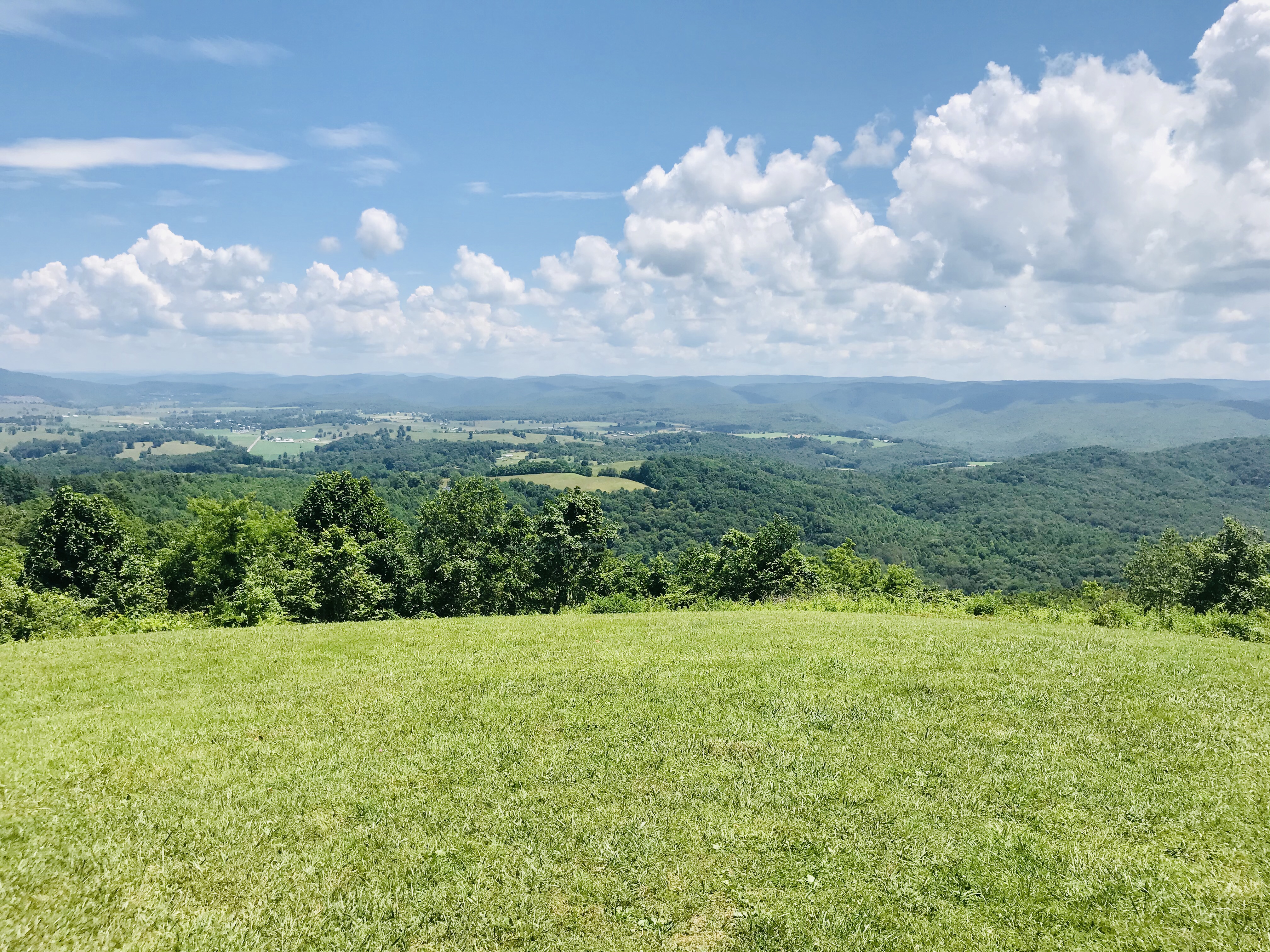
Located on the border between Greenbrier and Pocahontas Counties, Droop Mountain is considered one of WV’s smaller mountains, rising 3,597 feet above sea level.  Nonetheless, the view from the top was nothing short of spectacular!  The day in which we visited was bright and clear with abundant sunshine blessing the valley below.  The wind whistled through the trees and a feeling of peace settled in our bones as John and I surveyed the numerous WV mountain tops surrounding the valley through which we were traveling.  Gaining a different perspective of the landscape from the Droop Mountain tower, at least to me, was awe-inspiring as I tried to comprehend the passage of time the mountains and the river valley represented–not to mention the greatness of Divine Providence’s hand in forging such magnificence.  The landscape from the Droop Mountain tower is highly recommended.

“In every walk with nature one recieves far more than he seeks”–John Muir

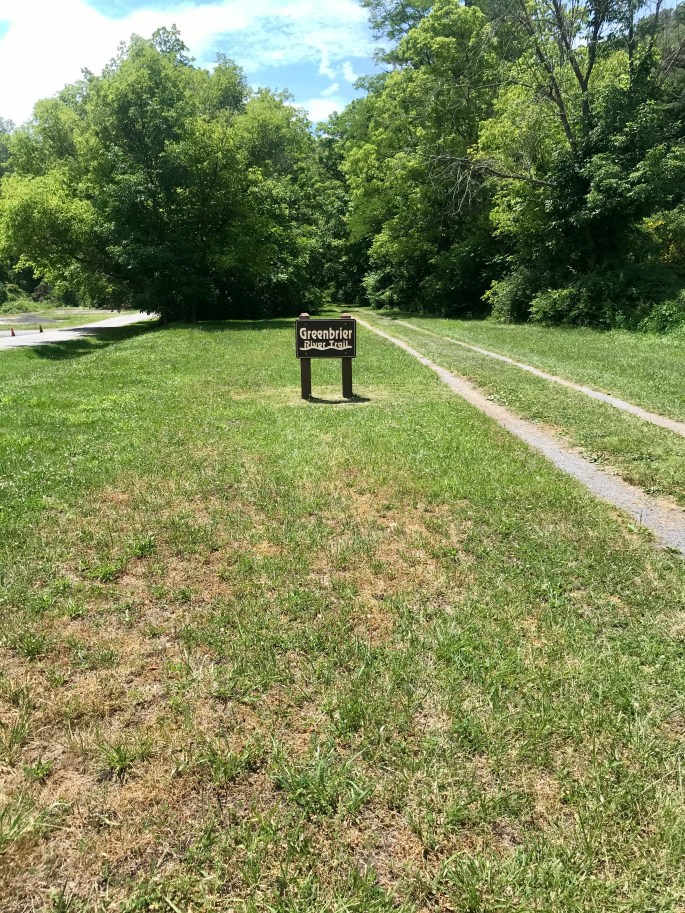
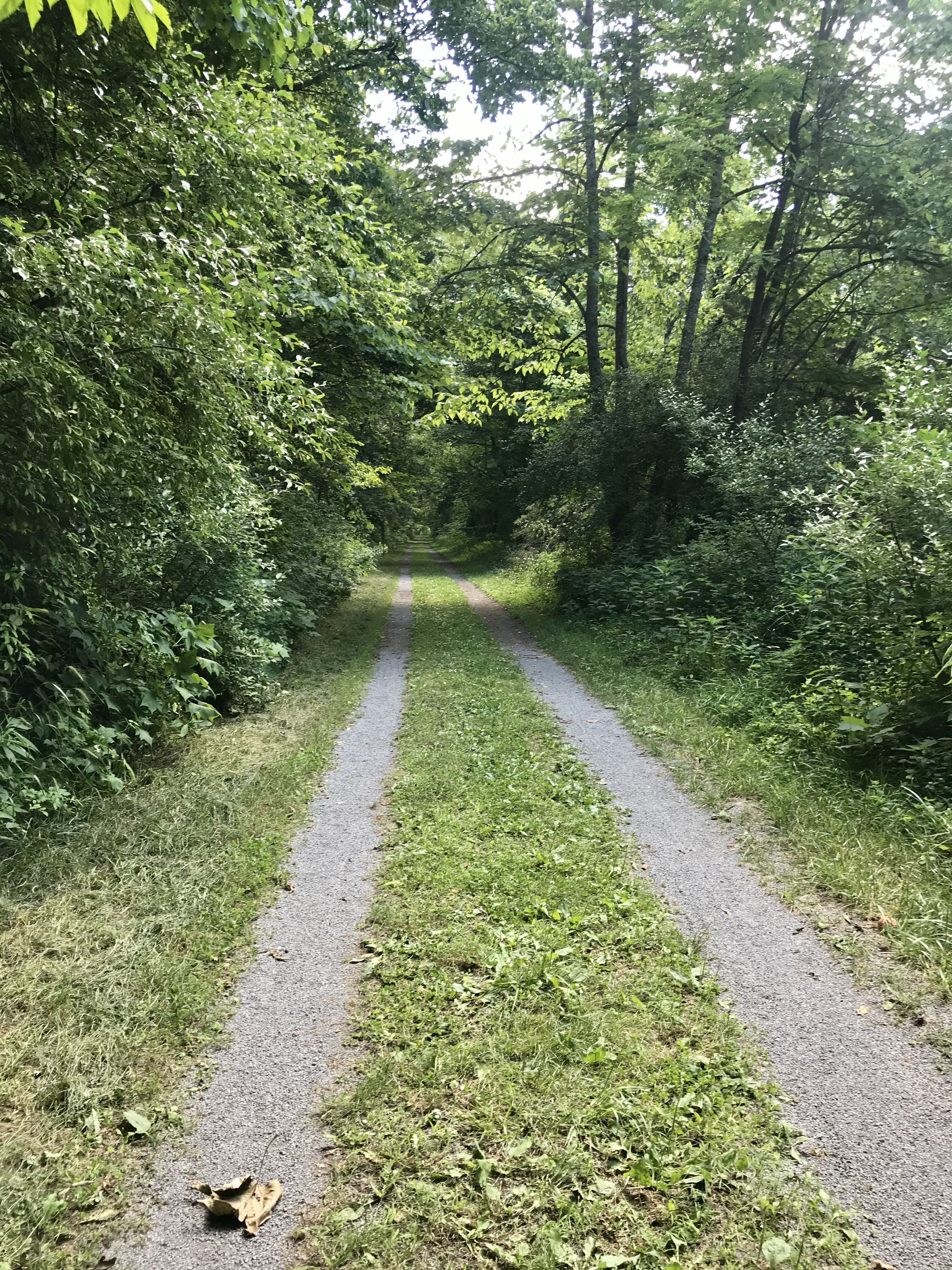
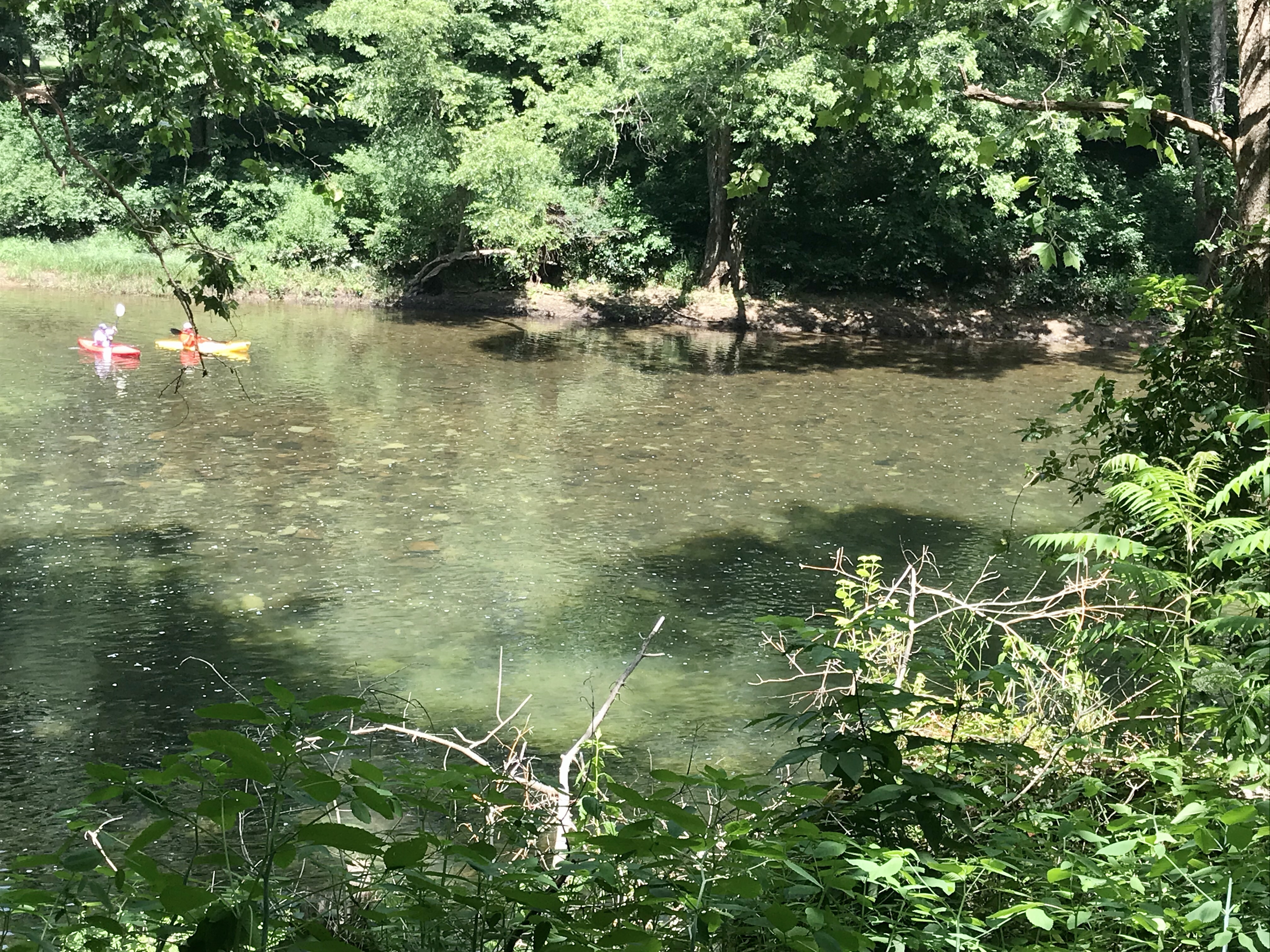
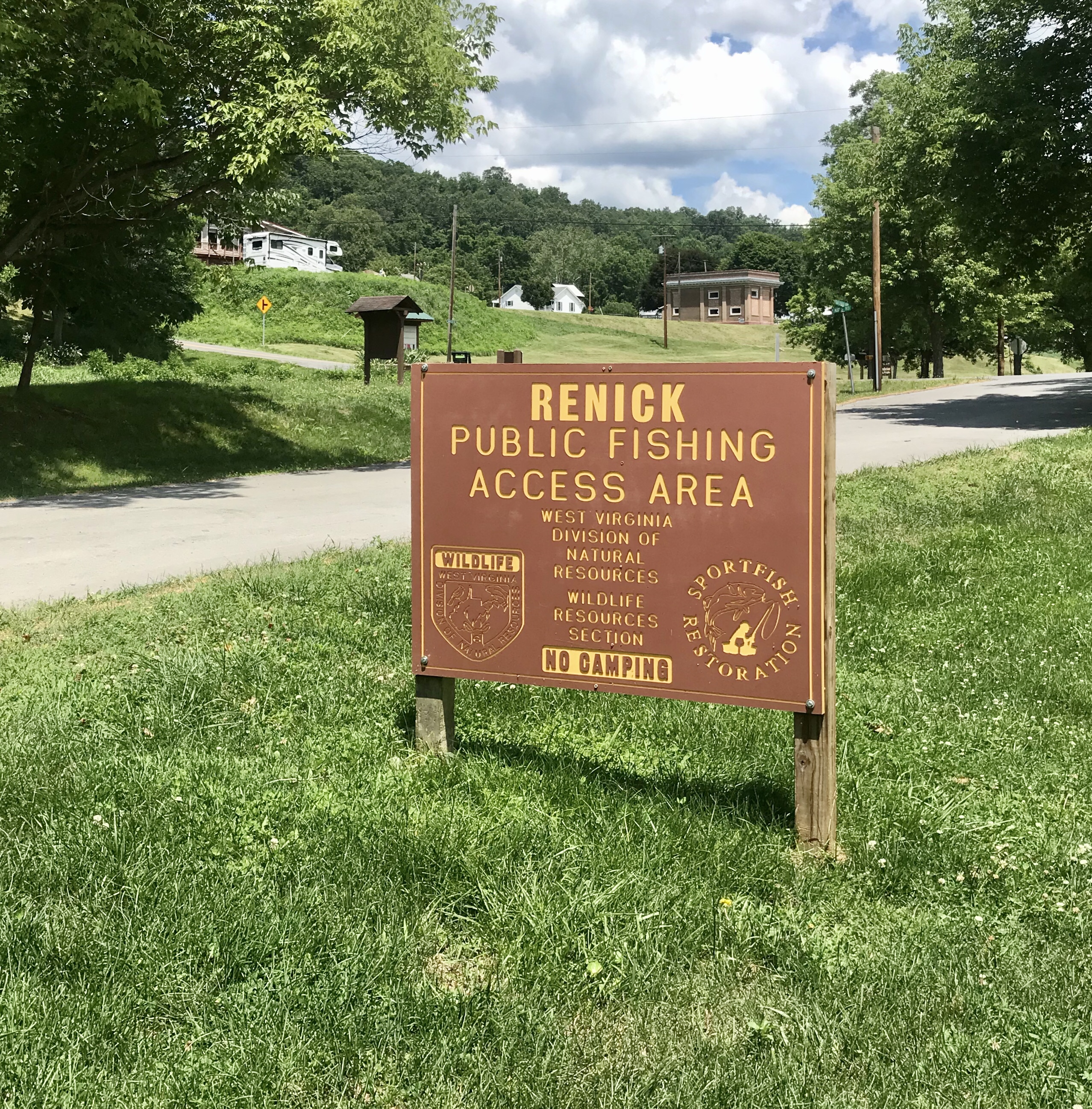
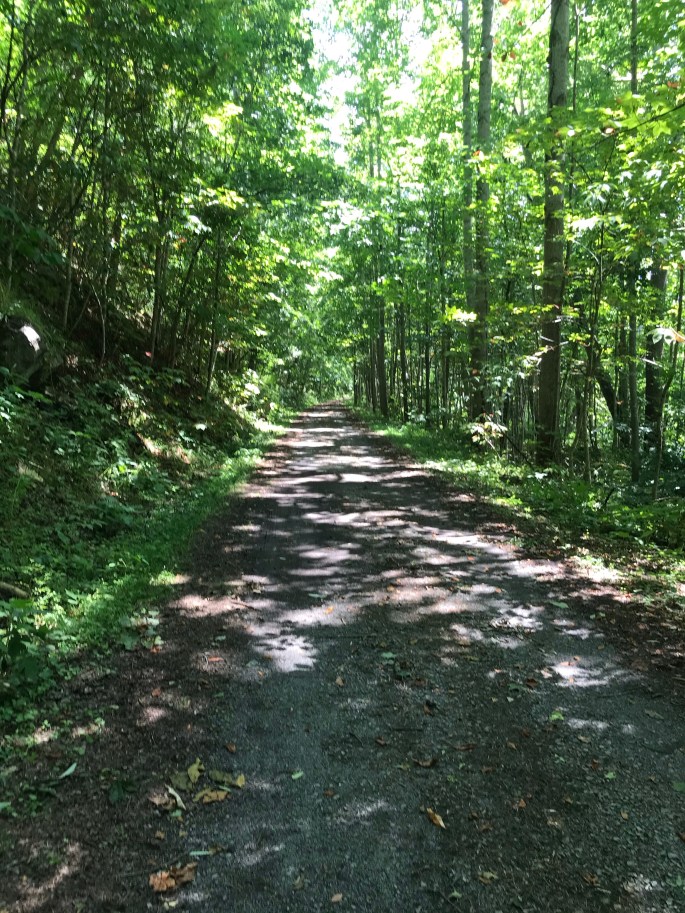
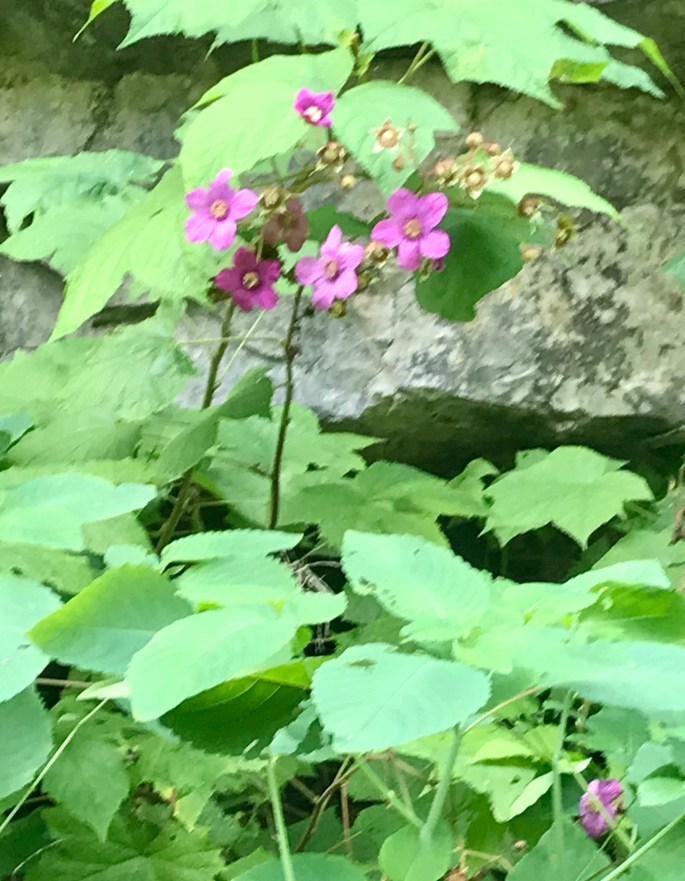
We ended day two with a four mile walk along the Greenbrier River Trail at Renick.   Despite the fact that it was a warm afternoon, with temperatures in the mid-90’s back home in the Huntington area, in the shade of the GRT, the temperatures were much more moderate with a continuous gentle breeze.  Along the trail, we saw several people kayaking the river, flowers blooming, and listened to birds sharing their sing-song.  I couldn’t help but notice that we walked past mile-marker 24 of the 78, or so, mile long trail.  Towards the end of our walk, John and I encountered a couple of fishermen who recommended we explore the other Renick entry point to the GRT in order to see an eagle’s nest.  We decided to make that our first priority for day three.

Thus, our third day began with John and I driving through Renick proper and taking site of what must have been, at one time, a thriving, if not quaint, farming community.  The streets were quite narrow, and most of the homes reflected the bygone days of another era.  It was a peaceful, but short drive as it ended right at the Greenbrier River’s edge as the fishermen from the day before had said it would.

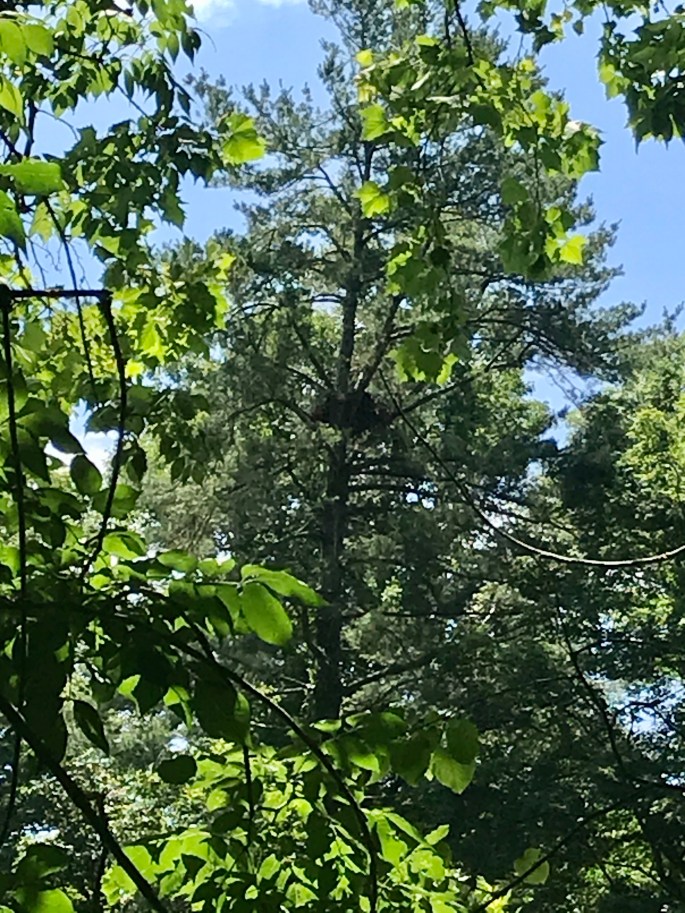
Stepping onto the GRT from this point of entry, John and I trekked four more miles in the opposite direction from the previous day, moving more northward.  Walking in this direction, we were indeed able to spy the eagle’s nest just past an old swinging bridge that was, unfortunately, locked up–or I would have climbed upon it and crossed to the other side for sure!  The nest was located on the opposite side of the river, but even from our vantage point, we could view the vast size of this majestic bird’s nest.  While taking pictures, a biker drove past, then stopped to chat at a socially appropriate distance to share his experiences of pedaling the GRT.  Once our conversation came to a natural end, we finished our walk, and decided to head towards Marlinton, WV, the county seat of Pocahontas County, and attributed as being another excellent location for GRT exploring as recommended by the same fishermen from the previous day.

Back in the car, traveling US 219, we put our sites on Marlinton in hopes of another adventure.  After a long-ish drive, we stopped by Appalachian Sports, a business we recognized from our previous day’s conversation, to learn more about their bike rentals as a potential experience for a future visit to GRT.  While there, we learned that Marlinton is home to the Roadkill Cook-off and Autumn Festival that began in 1991, but had, unfortunately, been cancelled for this upcoming fall due to COVID-19.  However, good news for roadkill lovers, it’s already slated for a return on September 25, 2121–just in time for my birthday! 

While in Marlinton, we drove through parts of Watoga State Park, the largest state park in WV.  Covering 10,000 acres.  WSP offers camping, cabin rentals, an eleven-acre lake for paddle- and row-boating as well as fishing, 15 miles of roads for biking, and 40 miles of hiking trails.  Additionally, there is a lodge, although we never found it, that does offer a commissary and restaurant.  Our navigation through the park was filled with wooded beauty, ample dappled sunlight, and wildlife wonders.  It is definitely another state park that John and I agreed we needed to visit.

“Keep close to Nature’s heart . . .and break clear away, once in a while, and climb a mountain or spend a week in the woods.  Wash your spirit clean.”–John Muir 

All-in-all, our exploration of Greenbrier and Pocahontas counties was a wonderful, grounding experience.  We were safely able to vacation while still maintaining social distance.  What better way to get away than in wild and wonderful West Virginia–where an adventure awaits around each curve of its mountainous roads!  

From our home to yours, John and I wish you safe and healthy travels!

Explore WV, Part 1: Pearl S. Buck birthplace, Cranberry Glades, and the Falls of Hill Creek

Pocahontas County has the largest concentration of public lands in WV.  Over 62% –totaling 349,000 acres–is either state or federal property, including five state parks and two state forests.

800 miles of hiking and biking trails can be found in Pocahontas County. 

Although there are approximately 9,000 residents in Pocahontas County, more than a million tourists visit the county each year. 

Eight WV rivers’ headwaters are located in Pocahontas County–All facts courtesy of WV of Tourism Research.

The Falls at Hills Creek in Pocahontas County, WV

We wanted to celebrate our 31st wedding anniversary with an excursion. However, there was (and is) no escaping the new reality of COVID-19–although, at the time of planning, cases appeared to be on the decline. Still, questions had to be asked.  Is it safe to take a vacation?  What risks are we taking?  If we do decide to try one, where do we go and for how long?  

Populated areas were immediately ruled out.  Additionally, we felt we should travel only a few hours away in case we needed to make a quick return trip home.  We kicked around several locations within our three state region in which COVID cases were low.  Then, I read the book, The Unquiet Grave by Sharyn McCrumb about the Greenbrier County ghost, and I knew where to visit. 

The book that inspired our trip.

Returning to Lewisburg, WV, designated one of the country’s coolest small towns, was the perfect fit for my husband, John, and I.  It is only 2 ½ to 3 hours away from the Tri-state area, it is a friendly town, close to out-of-doors/nature attractions, and home to several of our favorite eateries.  We could spend most of our time, weather permitting, bonding with the beautiful WV landscape, but still come back to town in time for dinner. (Again, at the time of trip planning, WV had very few COVID cases, and numbers nationally were on the decline. Little did we know . . .)

Originally, John had hoped that we could find a cabin along the Greenbrier River and its namesake trail, but all of the small cabins within our pocket-friendly budget appeared to be booked through most of the summer.  Instead, John happened upon a charming bungalow on Airbnb called, “Stone’s Throw Retreat” located, well, a stone’s throw from downtown Lewisburg.  It was super clean, comfortable, and well-appointed for our day-trippin’ needs.  Plus, the host, David, was attentive, communicative, and most helpful.

Nestled on a hillside, the bungalow was the perfect leaping off point for this trip. Located just off US Rt 60, and only two or so blocks from US Rt 219, aka, The Seneca Trail, “Stone’s Throw Retreat” allowed us to quickly escape town and head out to the less populous, and-oh-so-scenic, WV mountain side.  On a personal note, I did chew through an entire pack of gum during our trip to stave off car/motion sickness from the kiss-your-bottom curves winding up and down the mountains, but it was well-worth it–even if John bemoaned driving slower than he preferred to help assuage my heaving stomach, swimming head, and popping ears!

On this trip, we explored both Greenbrier County, and its next-door neighbor, Pocahontas County.  Both of these scenic counties offer plenty of options for out-of-doors explorations.  However, unlike other trips, we made very few plans regarding which sites we planned to explore!  In fact, with the exception of two locations, most of the locations we traversed were spur-of-the-moment decisions based upon what we saw along The Seneca Trail.

On our first full day in Lewisburg, we decided to explore parts of Pocahontas County, with the ultimate goal of hiking the Falls of Hills Creek Scenic Area.  This was a suggested spot by Jamie Surgeon, an employee of Del Sol, the restaurant in which we dined the evening of our arrival.  (Del Sol has a strict mask and disinfectant policy with large areas of empty tables in order to distance diners, and of course, offer take out options as well.)  What a great suggestion this turned out to be!  While in Pocahontas County, we spontaneously made the choice to visit two more places that were in route.

Our first spontaneous stop of the day was at the Pearl S. Buck birthplace in Hillsboro, WV.  This picturesque country home is located alongside The Seneca Trail. Unfortunately, due to COVID19, the museum and home were closed.  However, it was still wonderful to stand there and honor the memory of a noteworthy female author who began her life in WV and won both a Pulitzer Prize and a Nobel Peace Prize. Additionally, the road alongside her homestead was lined with beautiful wildflowers in all of their blossom glory seemingly bowing their heads in the breeze in homage to Buck’s memory.

 Next, we made the impromptu decision to visit Cranberry Glades Botanical Area.  This protected area of bogs is the largest in WV.  Bogs, which are unique and ancient acidic wetlands, are typically found in northern regions of the US or, more commonly, in Canada.  Many of the plants, located in these four bogs, are said to be descendents of seeds from nearly 10,000 years ago, and a few of the bog plants are even carnivorous!  The half-mile boardwalk, constructed for visitors to view this unique landscape without harming it, was under construction for repairs/maintenance at the time of our visit, so we were only able to see part of the bogs.  Nonetheless, the sounds, pure air, and scenery were peaceful, serene, and certainly worth visiting!

Last stop of this day was the intended, Falls of Hills Creek, and we were certainly glad we saved it for last.  For one reason, it is stunning–not just in the vivid greens and varying luscious shades of chocolate, but also in the surround sound of rushing water, the caress of a breeze brushing skin, and the comforting scents of earth!!  However, the second reason for making it the last stop of the day, was that while it was a delightful descending hike into the bottom of a breathtaking gorge with its cascading falls, it’s uphill all the way back!  Trekking downhill, the temperature dropped, the deeper into the vegetation and ravine we plunged; unfortunately, that was not the case on the way up!

The Falls of Hills Creek Scenic Area is located on 114 acres and contains three waterfalls–each more spectacular than the previous–with the last falls offering up the greatest torrent of white water tumbling off rock.  In fact, the lowest falls has a height of 63 feet making it the second tallest waterfall in WV.  Whereas, the first falls are 25 feet in height, and the second falls are nearly double in size at a height of 45 feet.  Who needs a calming app when you can simply hike in WV to see, smell, and listen to such tranquil sounds?  Seriously, this lovely place was well worth the hike!   (Thank you, Jamie, for the recommendation!)

Next week, I’ll share a few other magical places worth visiting–even if just for a day excursion–along The Seneca Trail!  You most certainly do not have to stay in home like we did, WV is full of places to camp and/or take day-trips.  Get away from the blaring news, headlines, and the never-ending barrage of negative social media, and instead, reconnect with nature and its Ultimate Creator.  Your heart will smile and your spirit will feel revived.

From our home to yours, John and I wish you safe and healthy travels!

It Only Takes a Spark: Words Ignite

“Our brightest blazes of gladness are commonly kindled by unexpected sparks.”–Samuel Johnson

Photo by Pixabay on Pexels.com

Many of my recollections are beginning to take on a dream-like quality, such as the time I was home with Madelyn, our daughter, who was a toddler at the time.  Maddie was sick with a virus.  Continuously, I trotted Maddie to the bathroom, so she could throw up or upstairs to change her diaper.  It seemed impossible that a human so small could continuously produce so much vomit and repeatedly fill diapers.

Things had calmed momentarily, and we were cuddled up together on the couch, when I could feel her stomach begin its heavings.  On instinct, I began my rapid try-not-to-jar-her trot, but still boot-scoot-hurry to the bathroom, so Maddie could once more throw up.  Unfortunately, I could tell there was no stopping the oncoming rush of fluid.  I halted at the kitchen sink, the closest receptacle I could think of, and held her tiny, shaking body there, as she retched into the sink.  (Not the most sanitary choice, I know, but I chalk it up to sleep deprivation.)

Photo by icon0.com on Pexels.com

That’s when I felt the primal niggle.  My brain had noticed something important.  Glancing out the kitchen window, I saw flames spewing forth from the roof of our neighbor’s home.  Orange, red, blue, and yellow flames licked hungrily at the sky.  Black ashes rimmed with orange and red sparks soared toward our house.  I am sure if this had been a movie, the camera would have zoomed in on my widening eyes as the recognition of what was happening began to sink in.  

Fortunately, our neighbor’s were not harmed, their house, though damaged, was repairable, and our house was fine.  The sparks fell silently like dark, angry snowflakes, and without fuel, their brightly burning edges dwindled on the gray concrete on our driveway. 

Photo by Daria Shevtsova on Pexels.com

As a teenage girl, I loved the song, “Pass It On.”  

“It only takes a spark/ to get a fire going/ and soon all those around/ can warm up to its glowing/That’s how it is with God’s love . . .you want to pass it on.”–Kurt Kaiser

Photo by Tomáš Malík on Pexels.com

Words are sparks.  Tiny, miniscule notations of black and white either written or unleashed as phonemes by the tongue, teeth, and lips of a speaker. Eyes or ears take in the message.  Brain receives the message, attaches it to the current mental scaffolding of the reader or listener, and the process of comprehension and interpretation begins.  Input, analysis, and potentially, output.  Information computed, more sparks formed, knowledge is available to pass on.

Photo by Polina Zimmerman on Pexels.com

Words can be exhilarating.  Finding just the right words increases one’s ability to express a more precise and exact message.  Communication, I would argue, can be down right intoxicating.  Babies can spend countless moments babbling for pure pleasure. Once babies  grasp a few words, however, and realize that those few intonations can command the attention of another human, they want more.  Like a fire blazing in the hearth, the flames of linguistic command demand more fuel in their desire to communicate and exert some measure of control.

The birthplace of Pearl S. Buck, Hillsboro, WV.

Recently, I had the opportunity to visit the birthplace of Pearl S. Buck.  The site itself was closed, but as I stood along the old homestead’s fence line, I imagined Pearl as a baby within those walls.  As I understand it, Buck and her family lived in that home for only a few months.  Nonetheless, my inner narrator could envision her mom singing to her as diapers were changed, and I could hear the voices of both parents talking to baby Pearl throughout the day.  Her parents could not have known that one day Pearl would become a prolific writer, winning both a Pulitzer Prize and the Nobel Peace Prize for the way her writing promoted empathy, compassion, and understanding. They were simply passing on to their daughter the power of communication, and through their ultimate missionary work, modeling beneficial ways words can be used.

Like the floating sparks of the long ago house fire, ashes can soar fiery red, greedily seeking fuel for which to consume, or they can burn down into a pile of harmless ash.  In fact, an accumulation of ash, such as that left over from burning wood in a hearth, can be used as fertilizer for plants as it is full of lime, potassium, and other trace minerals that promote plant production.  Likewise is the potential for the messages we speak and write–fuel for the fire or fertilizer for nourishment.

Tweet. News. Memo. Email. Instagram. Facebook. Snapchat. Tik Tok. Rumors. Innuendo. Gossip. Reporting. Posting. Blog. Website. Novel. Novella. Fiction. Nonfiction.  The list goes on.  Big words. Little words. Powerful words. Meaningless words. Hurtful. Helpful. Salacious. Compassionate. Implication. Understanding. There is no end in the ways in which words can be conveyed.  

All of us contain a divine, expressive spark, a creative candle intended to light our path and that of our fellows.”–Julia Cameron

Photo by Gantas Vaiu010diulu0117nas on Pexels.com

It’s not only the words, but the intent behind those words that has power.  The heart of the message; the heart of the speaker; the heart of the writer; the heart of the listener.  We were all Divinely created from a Source I still struggle to understand; but I can tell you this, Dear Reader.  The more I understand about the amazing, resilient human body and its magnificent potentiality, the more I believe, with all my heart, that we were each lovingly created for a Divinely designed purpose.  Those purposes are unique as each individual, but all of us have the same potential as Pearl S. Buck.  It all comes down to our hearts.

But the wisdom from above is first pure, then peaceable, gentle, open to reason, full of mercy and good fruits, without uncertainty or insincerity.  And the harvest of righteousness is sown in peace by those who make peace.–James 3:17-18

Wildflowers peacefully swaying in the WV breeze.

While we may not all possess the ability to win prizes as Buck once did, we can all pray and focus on increasing what Christians call, the fruits of the spirit, that all major religions likewise focus: love, joy, peace, patience, kindness, goodness, faithfulness, gentleness, and self-control.  With these as kindling within the heart, we can be lit from within.  Our words, both written and spoken, can then be used to either light the way for others, warming them with the glow of thoughtfulness, or used as a tool for harm–burning bridges that otherwise could have been crossed through effective and empathetic communication.

Photo by Elina Sazonova on Pexels.com

I am reminded of the 15 or so years in which I taught Kindergarten aged students.  At the time, the practice was for the parents of soon-to-be-entering-school kindergartners to attend an orientation meeting.  During this meeting, each Kindergarten educator discussed with parents the classroom policies and procedures and addressed any concerns shared by parents. At some point during this meeting, we talked with the parents about the importance of their word choice and attitude towards beginning school.

We explained the power of possessing a positive, enthusiastic disposition towards this major childhood milestone by displaying an aren’t-you-a-big-kid-now attitude, rather than sharing sad tales of I-can’t-believe-my-baby-is-going-to-leave-me.  Parents were reminded that their child tended to mimic the parents’ perspective. As with most forms of communication, it is not only the word choice that creates influence, but also the intent behind those words that is often passed on.

Photo by Magda Ehlers on Pexels.com

As I write these words, I am challenging myself as well as you, Dear Reader, to kindle those fruits of the spirit, so that our words may be more reflective of those ideals.  I fear that without sensitive hearts, we will all suffer the rapid burn of uncontrolled tongues or dashing fingers and thumbs across keyboards. 

 As the saying goes, “be the change you wish to see in the world.”  And, while my individual words may never win any literary recognition or publication, I pray to improve so that my writing, my social accounts, and my day-to-day interactions reflect more of a positive light.

Photo by Suzy Hazelwood on Pexels.com

Fertilizer or fire.  Peace or Agitation.  Forgiveness or resentment.  Upliftment or downtrodden.  Written or spoken, our words matter. 

With human’s ability to create fire, darkness was shaken, and life was Divinely elevated, but at the flames’ edge remains the darkness.  

May our words pass on light, warmth, and illuminate a path out of darkness. 

Photo by Suzy Hazelwood on Pexels.com

Embrace Your Inner Oak

“Tell your heart to beat again/ Close your eyes and breathe it in/ Let the shadow fall away . . .Say goodbye to where you’ve been/ and tell your heart to beat again.”–as sung by Danny Gookey, written by Bernie Herms, Randy Phillips, and Matthew West

Branches splayed, offering glimpses of bluebird skies

I listened to my companion.  Behind the person talking, an old oak tree stood proud and erect, sheltering us in her arms of shade.  The tree’s hefty roots thrust muscularly above and through the earth’s surface, foundational tentacles of nourishment and steadfastness, outstretched, ready to ensure the old sentinel’s position for future decades. The person spoke of loss, heartbreak, and missing the one who had provided a source of inner strength.

Photo by Magda Ehlers on Pexels.com

“You’ve lost your tree,” I impulsively stated.  “You no longer have a tree, like the one behind you, on which to lean.”

Later, I chastised myself.  What a stupid thing to say.  Why hadn’t I been more encouraging?  Even choosing to remain quiet and supportively listening would have been better than saying something like, “You’ve lost your tree.”  Open palm.  Insert face.  Think, Steph, think . . .

And so I thought.  I thought about my friend, I thought about life, and I thought about that grand oak whose shade in which we sheltered on that beautiful morning.  I pondered loss, heartbreak, life changes, aging, illness, changes in the world, changes in society, change, change, change . . . 

As seen on Instagram at andrew.w.fischer.

Oak trees.  Roots, trunk, branches, leaves, acorns, canopy, crown, greens and browns, weather and wind, sunshine and rain, hail and storms, dry and wet seasons, changing temperatures, changing weather, changing levels of groundwater . . . change, change, change.  In spite of it all, a typical oak tree has an average life span of 100-300 years, some may even live 700 or more years.  During that time, how many acorns must one tree produce–all with the potential to become another oak tree?

Acorns. A tiny nut, dense with nutrients, capable of feeding a wide array of woodland creatures, such as bear, moose, mice, deer, squirrels, chipmunks and so on.   What’s more?  Acorns, with proper germination, can produce trees of 40-80 feet in height and with wing-spans of 60-100 feet across.  While that is certainly no small feat, the root system of a mature oak tree can span up to hundreds of miles–and most of these roots remain unseen!  

One mature oak tree can potentially produce 10,000 acorns.

“For a seed to achieve its greatest expression, it must come completely undone.  The shell cracks, its insides come out and everything changes.  To someone who doesn’t understand growth, it would look like complete destruction.”–Cynthia Occelli

As I best as my non-science mind understands, when an acorn is planted, like many plants, most of its energy is used to begin the growth of the root system.  Starting with the tap root that grows and burrows deeply into the soil in search of a reliable source of water.  During this time period, very little growth above ground can be observed; however, once the taproot is established, branches and leaves begin to sprout with more regularity.  

Before much growth occurs above the ground, the tap root must develop thoroughly into its source.

Meanwhile, approximately 18 or so inches below the soil, where the eye cannot witness, roots are growing, expanding, spreading over a space four to seven times wider than the crown of the tree.  These roots, more gangly in shape and size than the tap, seek out moisture and essential nutrients, sending them circulating back through the root system in order to nourish the growth that is visible above the ground. Silently, lateral roots slither and probe through the soil, supplying continuous sustenance to all parts of the oak.  If these oak roots encounter roots of another oak tree, the roots will graft together to help one another. Still, it is each oak’s individual taproot that remains the principal form of support.

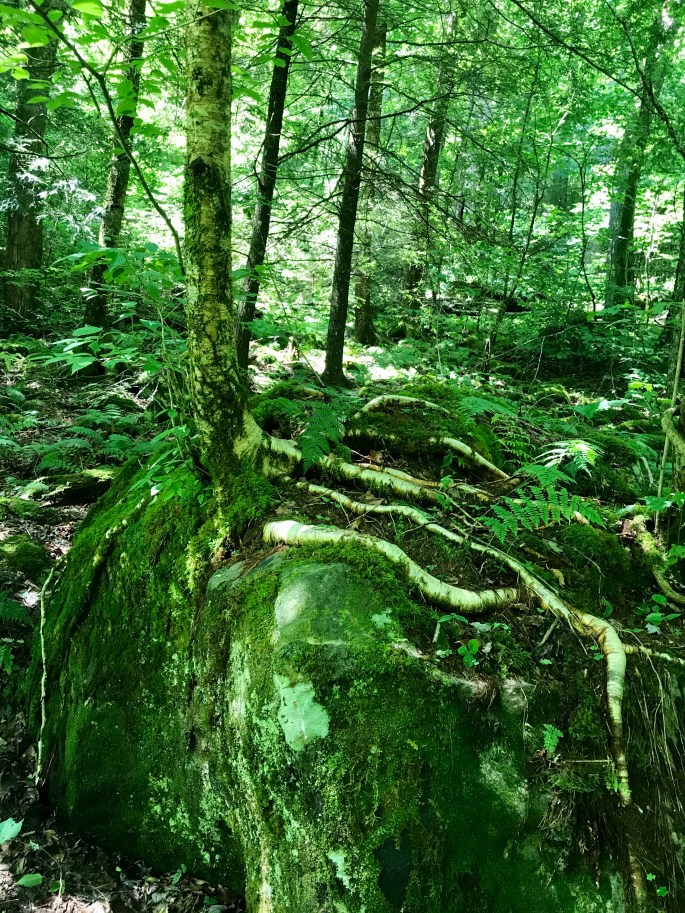
Hefty, muscular roots thrust through the earth in order to support the tree.

The taproot, combined with the ranging root system, is the oak tree’s source of health, or potential illness, and gives it the ability to weather all types of harsh environmental conditions and changes, including the ability to withstand the most severe storms of life.  It was this basic lesson in biology that I began to contemplate as I thought of my friend, myself, and all those in my life, present and past, who have suffered loss, stormy seasons, and major life changes/shifts. Finding that inner taproot and expanding that root system is key to not only withstanding turbulent times, but also to the ability to offer shelter, strength, and plant seeds of hope for others.

“When your heart is broken, you plant seeds in the crack and pray for rain.”–Andrea Gibson

As seen on Instagram at positiveenergyalways.

To be certain, mild, temperate weather in the shade of an old oak tree is splendid, and I could spend the rest of my life there in the vast, comforting blanket of its shade, gazing upward through splayed branches of green, spying glimpses of dappled sunlight and bluebird skies while a gentle breeze nuzzles my cheek.  While those sorts of moments are what I wish everyday could be like; life offers us a meteorological spectrum of experiences.  Therefore, like those expansive tree branches, we must embrace it all–the wonderful, the not-so-wonderful, and the downright heartbreaking.

Delighting in the dappled sunlight in the shade of an old oak.

We, like the oaks, have space in the soil of our soul for a taproot and a root system; and like the oak, this system is keenly connected to Divine Providence.  When we are small, others develop and influence the establishment of our roots–for better or worse–depending upon one’s childhood circumstances.  Eventually, however, we all reach a point of maturity in life in which it is up to each individual to nurture the inner self, foster personal strength (grit, if you will), and fortify our faith.  While it is a wonderful blessing to have our root system grafted with that of another’s, in the end, it is our individual tap root connection that must be our anchor, our mainstay of strength.  

As seen on Instagram at positiveaffirmations101.

Therefore, just as the rain waters the oak, so too must we water our inner taproot, encouraging it to delve deeply into that which cannot be seen or touched, but which offers a wellspring of strength, resiliency, and renewal.  With a taproot strongly secured to the Divine, our true source, we can persevere throughout the vicissitudes of life.  Winds may tear at your branches, bite off your leaves, and even snap off pieces of your life.  Lightening may crash all around as tears stream down like rainfall, and still, like the oak, you can withstand it all.  You, my friend, can continue to rise, and as your roots spread, so too will your reach. 

An oak tree, with a healthy root system, has an average life span of 100-300 years, but some can live as long as 700 years!

“You never quite know what you do in life that leaves a seed behind that grows into an oak tree.”–Michael Portillo

As many as 10,000 acorns can be produced in one year from one mature oak tree.  Acorns fall to the ground–even when there is no one to witness.  Some acorns feed wildlife.  Other seeds decay into organic matter that feeds and enriches the soil.  Finally, there are acorns that take root–perhaps carried off by an animal, blown by the wind, or gathered by human hands–and new life is formed  . . . 

Sheltered in the shade of the canopy.

 Meanwhile, underneath the canopy of the towering oak, shade is proffered for those in need, spots for seasonal nests abound, roots continue to sink and spread, and the crown continuously reaches for the heavens.  Alone, but rooted; quiet, but engaged; humble, but life-giving; falling, but rising; yielding; but tenacious, and ever reliant upon The Source.  

May my life be more like that of an oak.

Photo by Felix Mittermeier on Pexels.com
As seen on Instagram at positiveenergyalways