The Dance of Time: Snowflakes and Memories

“Like snowflakes your words fall silent, but my heart still hears your voice.”–Angie Weiland Crosby
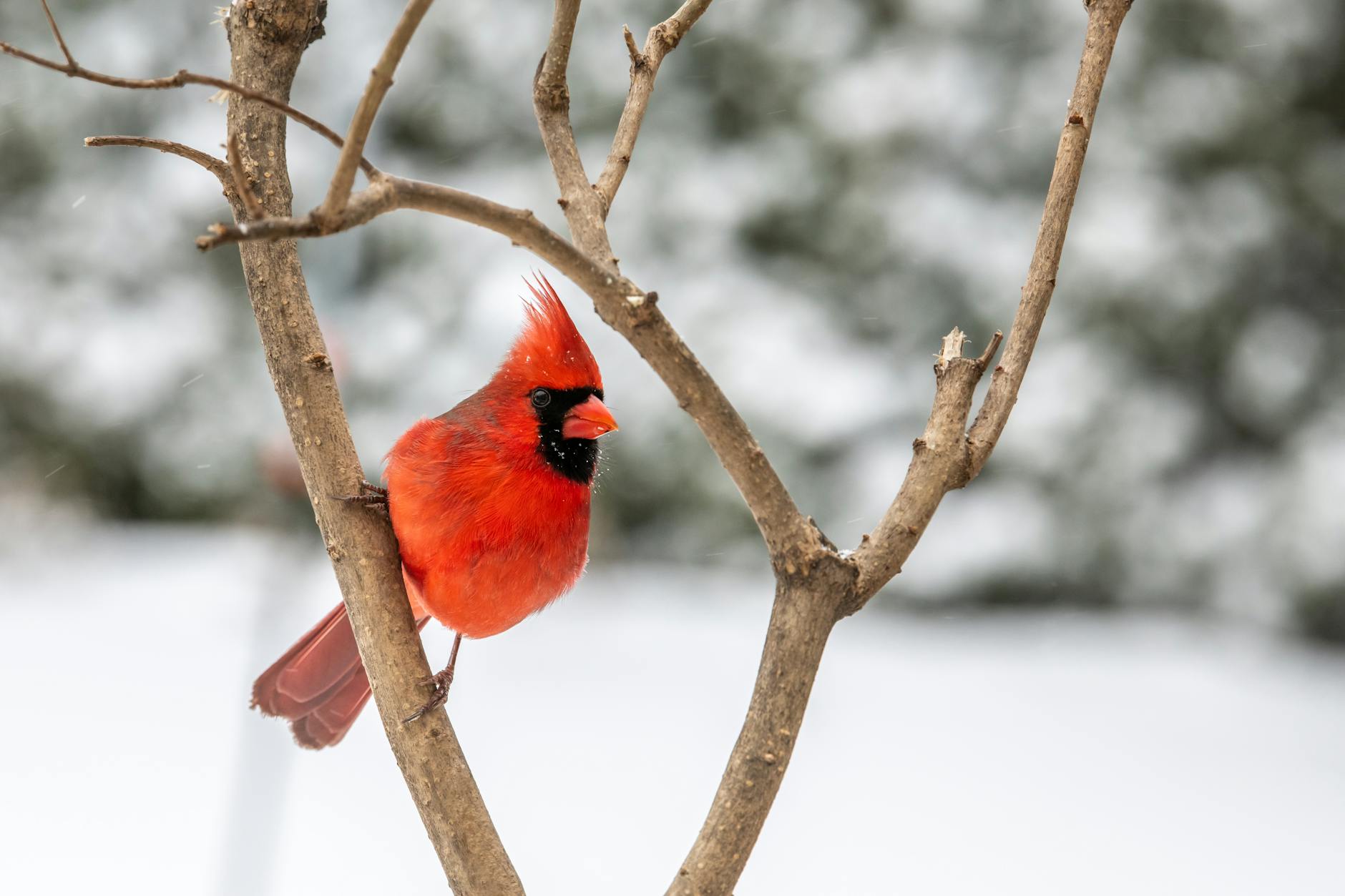
Photo by Skyler Ewing on Pexels.com

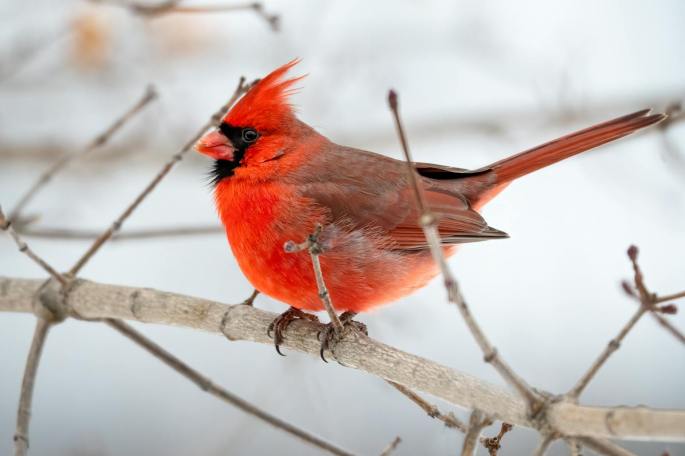
His radiant red contrasts the rambling lines of landscape blanketed in brilliant white over which Mother Nature continues to shake clouds full of crystalized sugar. There is a muted hush, like the stillness of our lungs between the inhale and exhale, and then with a shiver, she cascades more snowy powder in a frenetic freefall. The spry cardinal skips and hops through brambling branches. Then, tilts its head, as if it just remembered an important date, and lifts in flight. 

Inhale. Lips seal in a smiled memory of long ago. 

Pause. Sense the stillness 

Exhale. Perceive the prickle of the past.

Photo by Lena Glukhova on Pexels.com

Observing the steady dance of freed flakes, my mind meanders through the rolling hills of earlier life–so many memories sift through and then meld into the collective cache of moments. Childhood. Youth. Young adult. Parenting. Empty-nesting. Hands outstretched wide.  Collect the moments. Like snowflakes landing on a mitten, I cannot clasp such things for long. 

Inhale. Eyes soften their gaze.

Pause. Brain swirling through Kodacrhome images faded with time.

Exhale. Sense the shudder of time. 

Photo by Mari Anteroinen on Pexels.com

Accumulation of moments, unique in dimension and structure, pass through the sieve of consciousness. One reminiscence overlaps another in a spiraling swirl of sensory recollections. A Chex mix of her memories stirred up with mine.

Galoshes, long underwear and frosty wet jeans.

Layers of shirts and jackets, and a big ol’ coat.  

Mummified walking. 

Snowflakes dusting shoulders and hats; red, dripping noses. 

Snowballs, snowman, snowfort

Neighbors calling

Who hit me in the back?

Inhale. Gaze remains inward

Pause. Linger in timelessness. 

Exhale. Soften into space and time.

Photo by Nguyen Hung on Pexels.com

Rolling, rolling, snowballs large and small, impressions of the past and present pinging. How marvelous, to have these individual souvenirs of time heaped into a memory bank like snowflakes plowed into mounds alongside a road. 

Sounds of barking, scent of wet dog. 

Red sled, yellow cord; here we go again! 

Fearless flights of fancy, impervious to the elements

Mittens over gloves, wet and soaked through. 

Pink cheeks, cold hands; giggles and grins galore. 

Campbell soup and grilled cheese.

Cookies with hot cocoa and a giant floating marshmallow.

Soggy clothes, drip, drip, dripping on an overburdened rack.

Child, with canine companion, reading in big cozy chair

Photo by Vlad Cheu021ban on Pexels.com

Inhale deeply as eyes return to snow. 

Pause. Flakes flicker and fly 

Exhale. Present in the moment.

Photo by Skyler Ewing on Pexels.com

Scaning frosted tree arms splayed open for welcoming feathered friends. There he is again. Handsome boy. Tufted red hair, not a feather out of place. Unflappable and composed in a wintry playground. Head cocks and black eyes glisten. He seems to see me, and I am reminded of a conversation.

Before the snow arrived, my husband and I discussed the impending weather. He had worried and watched the approaching meteorological conditions.  “It will do what it will do,” I said.  Not to be dismissive of his concerns, but to instead, remind both of us that we can only watch and wait.  Then, if/when it arrives–as it did–we will know.

Photo by Yan Krukau on Pexels.com

In that moment, it occurred to me that so will life. Just like weather, life will do with us what life will do. We are not in as much control as we think we are. 

This doesn’t mean we should not prepare, plan (to the degree possible), and be aware of future events, but many, if not most, events cannot be known until we are in the midst of a whirling outpour. Sometimes, those moments merely require that we stand like a child, head thrown back and tongue out, tasting and savoring each precious moment. Other times, life drifts in deep, and we are shoveling out as best we can, holding on for the sun’s warmth.

Through the flurries and cloudbursts of storms, there is the throughline of the present moment. Life is happening now, and what is happening now will be our future memories. 

Photo by Nicki Dick on Pexels.com

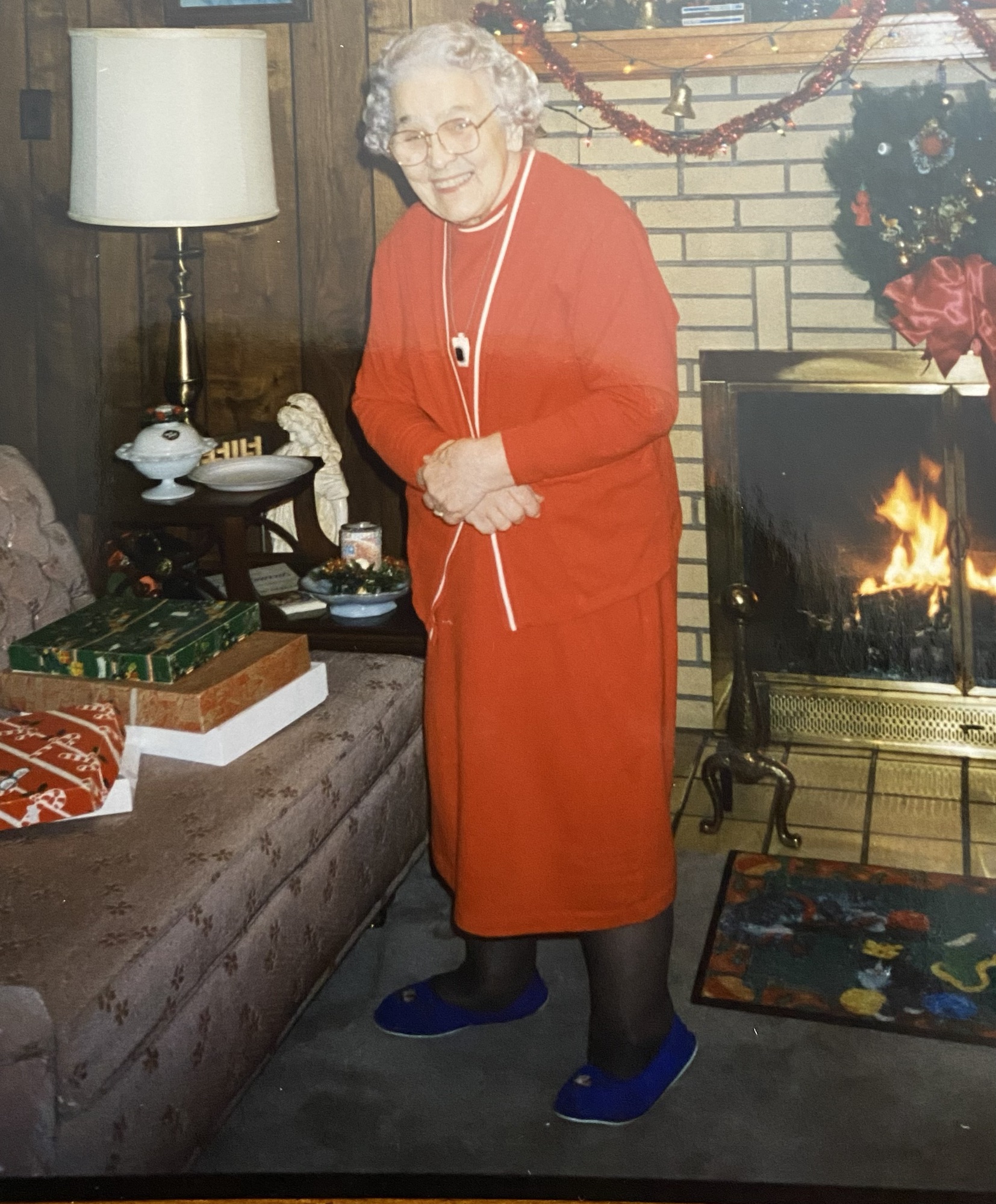
The cardinal serves as a symbol for me of past and present. I cannot see the red feathered fellow in the winter without simultaneously being in awe of his present day beauty while also reminded of my Pappaw.  He loved to feed and watch the birds, especially in the winter; cardinals were his favorite.  “Now, Stethie, look at those red birds out there.  Aren’t they something?” 

Pappaw often told me bluejays were a “mean bird,” albeit “good-looking fellows.” He did not like the way they became territorial and aggressive towards other birds, especially the cardinals at his feeder. There were several occasions in which I’d watched him dart out of the house without a coat or hat and chase the bluejays away to protect “his red birds.”
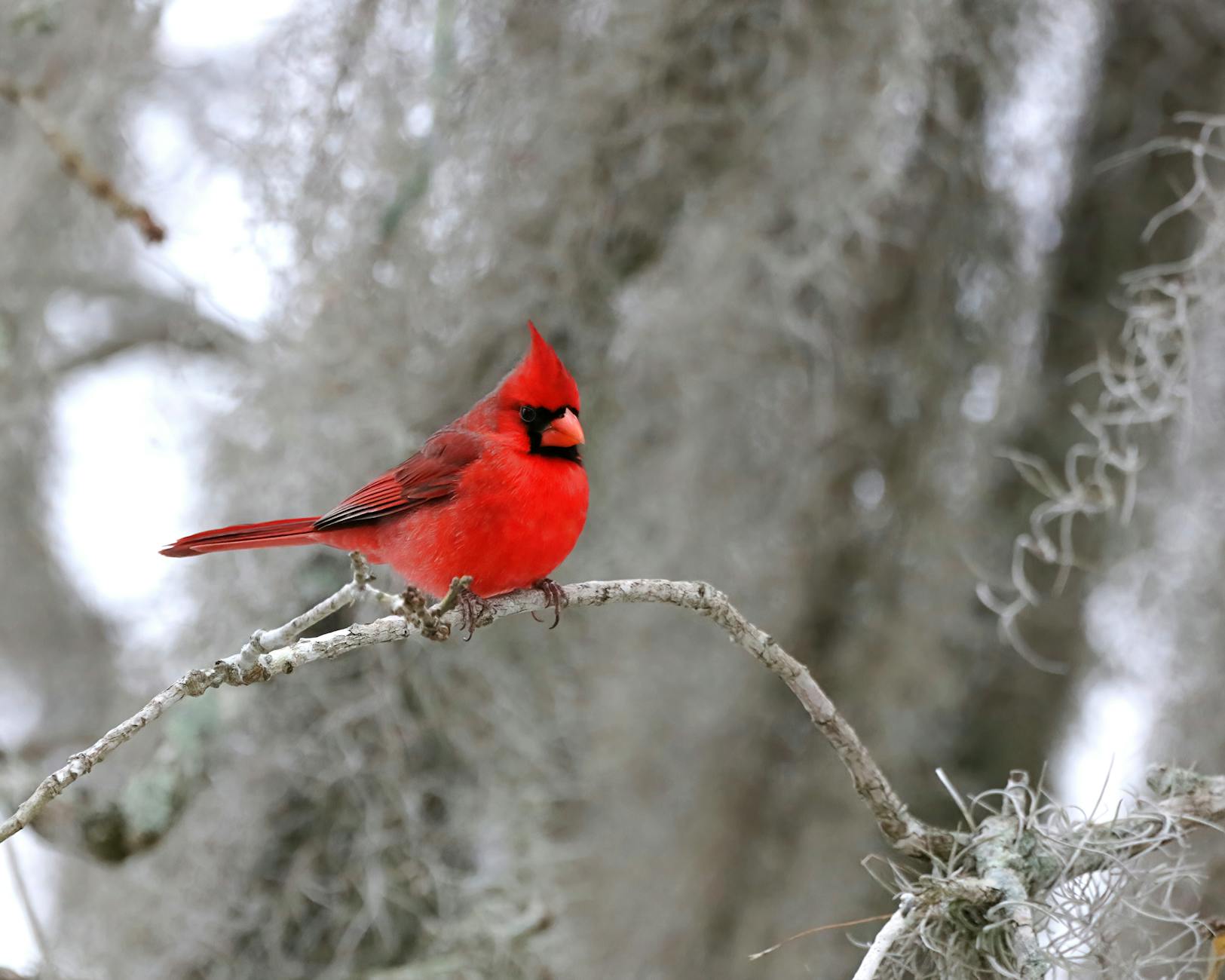
Photo by Janice Carriger on Pexels.com

Pappaw is long gone. I am not sure if I appreciated my time with him during those once present moments as I should have. And yet, outside of my window, the cardinal continues its call of snowy days present and past.

 The coming and going of time begins in the “right here, right now” moments. Inhale. Connect to the arriving moment.  Pause. Feel the presence. Exhale. Tick. Tock. Another opportunity to collect a memory before, like the snow, it melts away. 
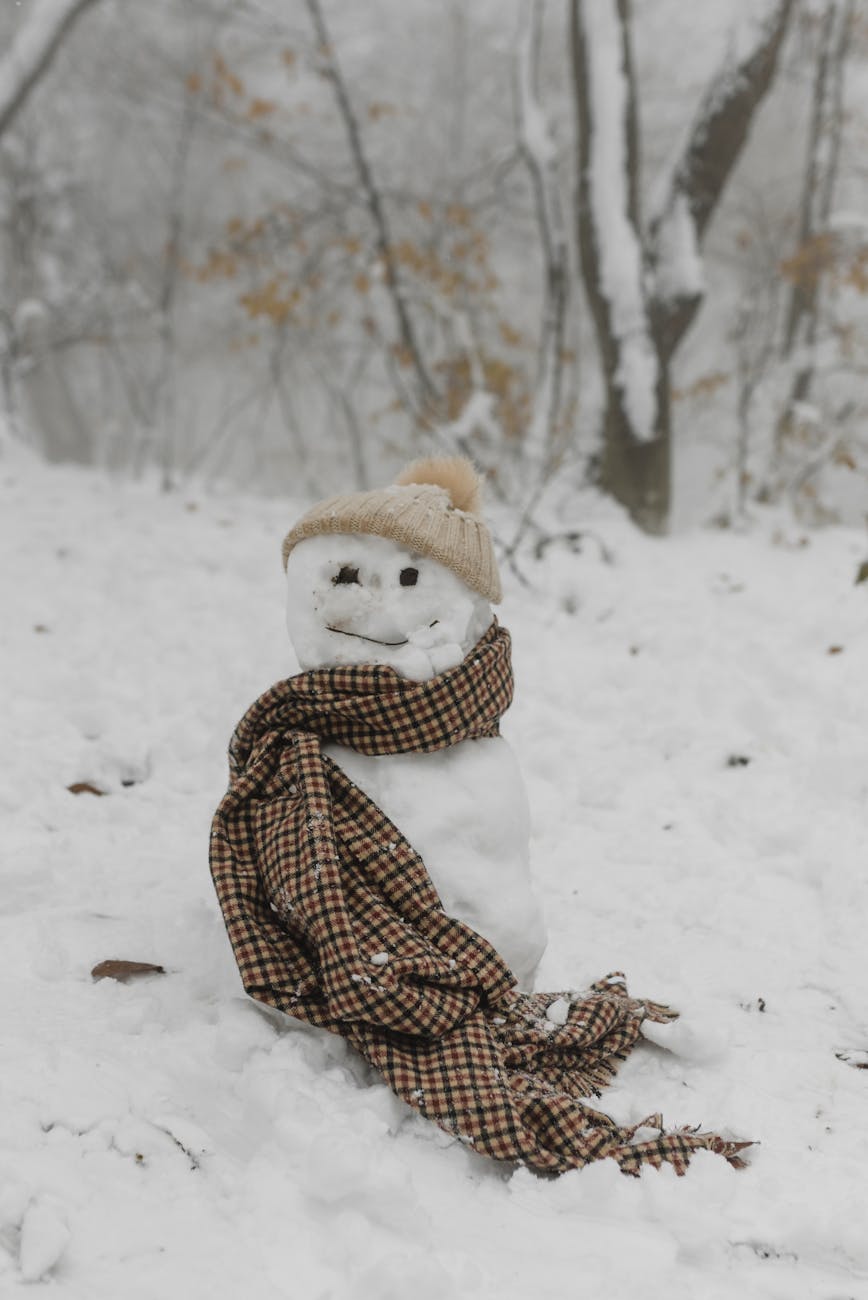
Photo by Arina Krasnikova on Pexels.com


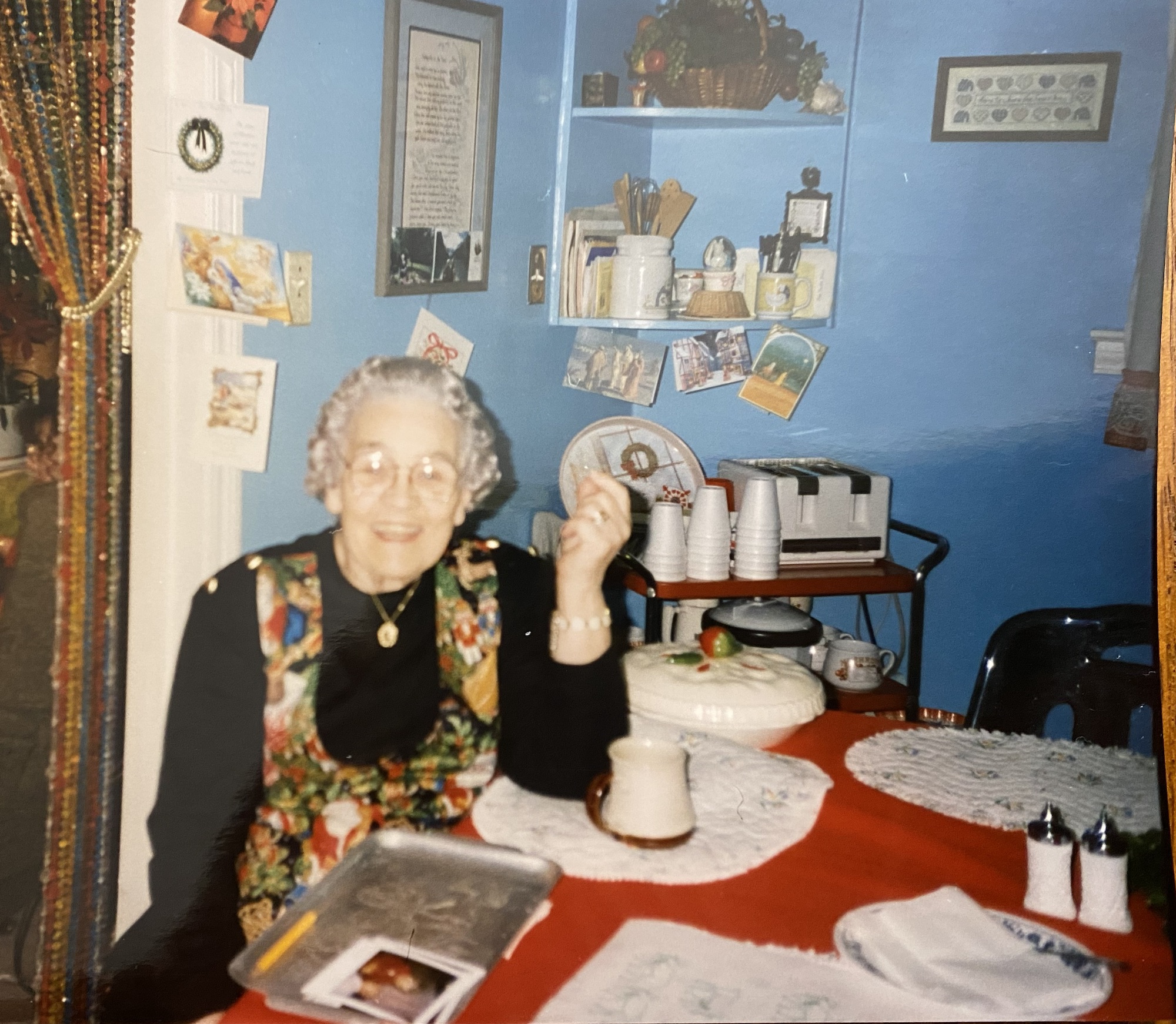
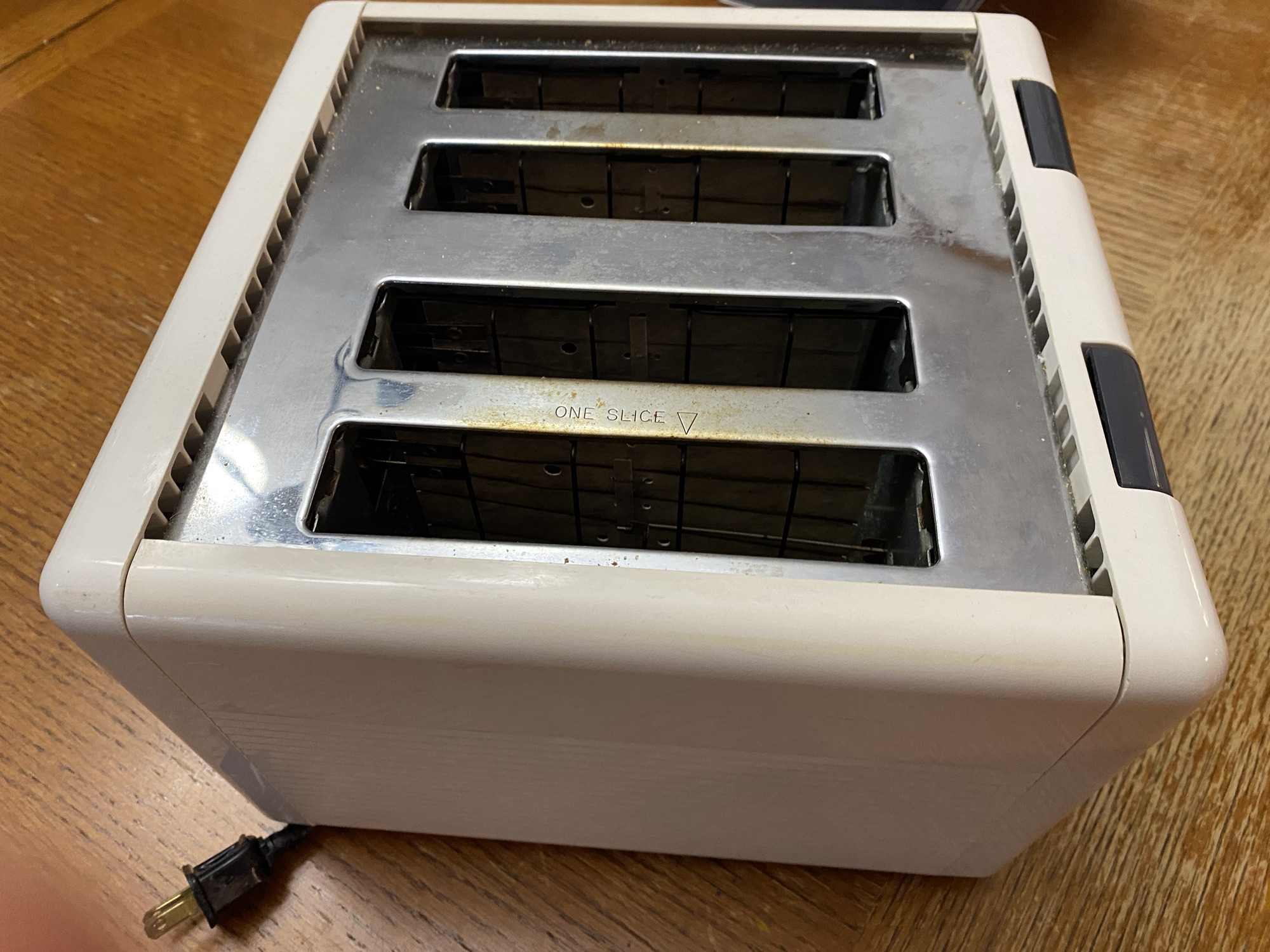
Warm and toasty memories of grandparent’s kitchen

“On average, a well-maintained pop-up toaster can last anywhere from 5 to 10 years.”–Storeable.com 

A toast to Love 🥂 🥯

“Bready” to work for 34 years!

My grandparents gave John, my husband, and me a wide-slotted toaster in 1989. We cannot remember if it was a wedding gift or a Christmas gift during our first year of marriage. Regardless, Grandmother and Papaw were so proud to give it to us because it was just like theirs, white with four slots wide enough for bagels. 

Here’s the thing, John and I didn’t use the toaster that often until our own daughter was born ten years later when it became used on a more regular basis.  It was one of the last tangible connections to my grandparents.  The gift was from a time period before Alzhiemer’s disease overtook Papaw’s brain; therefore, it was more likely the two of them chose the gift together.  

Who’s the Center of Attention? 🤩

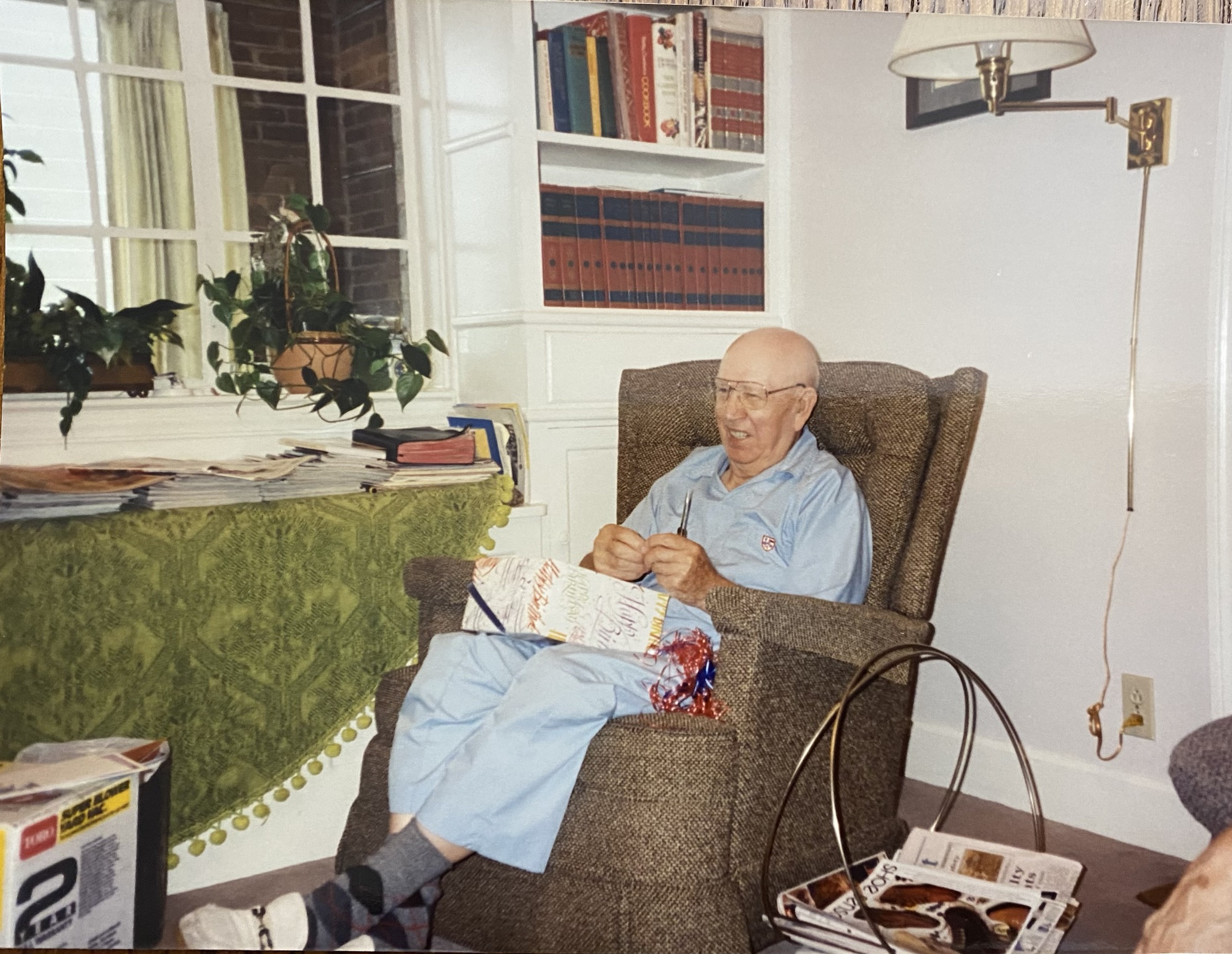
I can remember how Papaw first greeted John.  He looked at John, sized him up, and shook his hand.  Then, he looked at John’s hair, and asked, “You got all those hairs numbered to get your part so perfect?”  

At the time, John had, as Papaw called it, “a head-full-of-hair.” Thus, it became Papaw’s default joke-of-a-greeting with John.  That was one of Papaw’s ways–teasing a person to let them know he liked him or her. 

Grandmother tended to let Papaw take the spotlight while she remained present, but in the background.  She was quite adept at allowing Papaw to soak up all the attention, so she was embarrassed easily–and yet loved it–when attention occasionally turned to her.  John knew how to use this to his advantage.

Papaw would give John a hard time about his hair, the way John was dressed, or the shoes John was wearing.  In turn, John would banter good-naturedly with Papaw for a few moments.  Then, John would pivot and turn his attention to Grandmother, asking her a question such as, “Helen, how do you put up with this man?”

Grandmother’s eyes would light up–probably because she secretly wondered that very thing herself from time-to-time when Papaw was carrying on, but she would usually deflect the comment good naturedly while laughing. 

Family dinner Rules 🍽️

During family dinners, Grandmother still remained in the shadow of Papaw’s entertaining ways; however, her food was center-stage.  She was a good cook in that hard-scrabble, Kentucky/Appalachian way–a woman who had been poor during her childhood and continuing through the Great Depression. Therefore, her cooking methodology was a mix of traditional Appalachian-style foods and popular recipes of the time, made in the most cost effective way. (I could probably write a book on her cooking alone.)
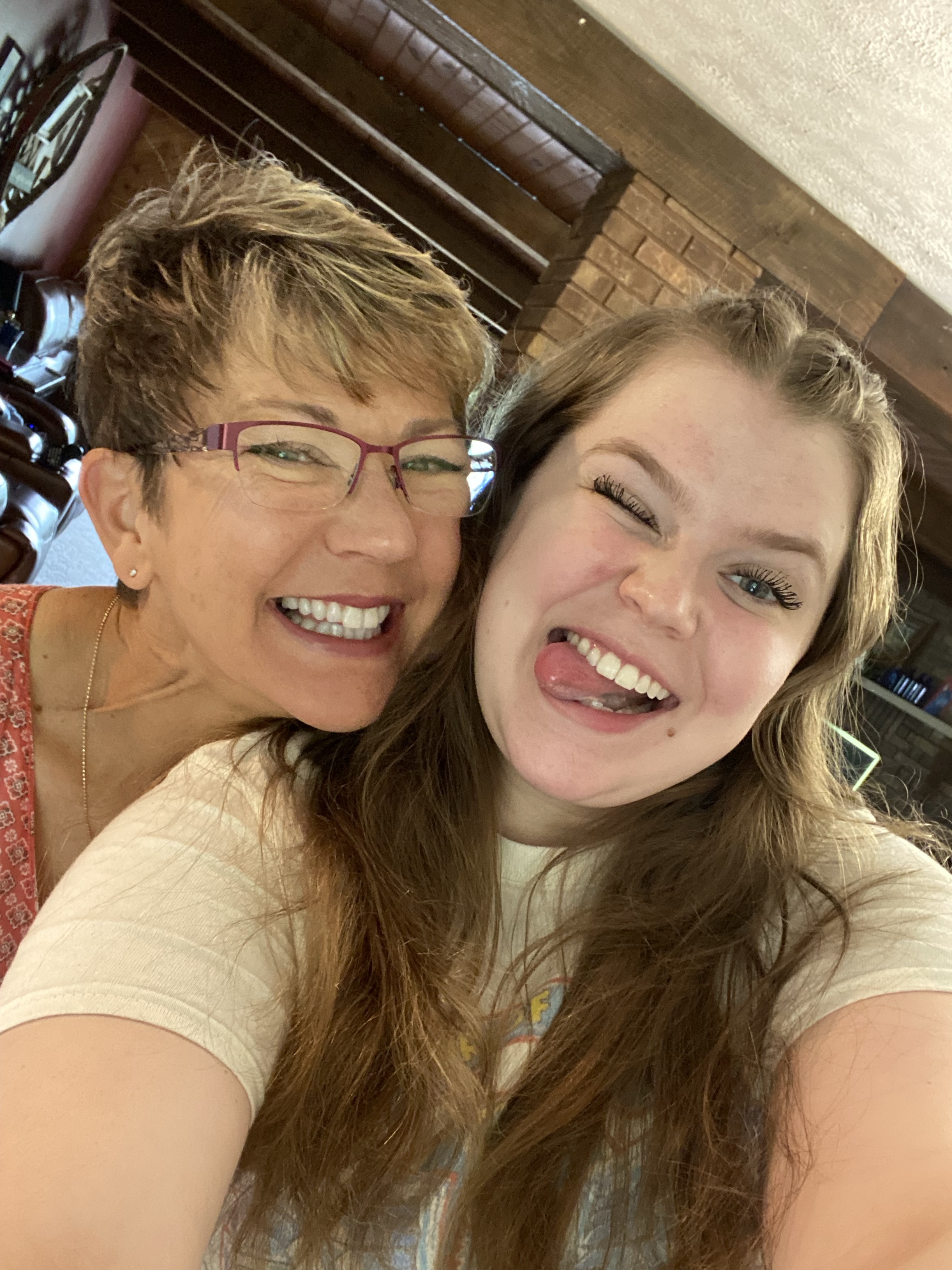
Therefore, John would tease her mercilessly about her cooking.  One moment he would tell her how much he loved something, and then next he’d quip, “Now, Helen, I am not sure who makes the better  __________, you or _________, (He’d usually insert his mother’s or my other grandmother’s names.) so I’d better have some more of that if you don’t mind.  It will help me decide who the better cook is.”

Oh, how she basked in that kind of banter.  “Now, John . . . ,” she’d say as her face reddened.  Then, she’d smile, realize there was food in her teeth, and cover her smile with a napkin.  She’d wave her hand as if batting his comment away, but she’d ensure he–and everyone else gathered around the table–got more food. 

Clean up and Dish up 👂

After special dinners, Papaw, who usually did help clean up the kitchen, was given “permission,” especially during football season, to go ahead and sit down, with any other men that were present, to “watch” football and/or read the Sunday paper.  I put quotes around “watch” because after eating, Papaw would typically doze off part way through the game.  Nonetheless, 20 or so minutes later, he’d perk back up, and command the rapt attention of those that remained in the room with him.

Meanwhile, the women would clean up the kitchen, often making more coffee. The conversations were rich as the coffee and somewhat “dishy” about this person or that.  Once I was old enough, I would hang out in the kitchen, offering to “help,” but mostly hovering between the TV room and the kitchen, so I could hear the tales from both rooms.  

There was an intimacy in Grandmother and Papaw’s kitchen area that was warm and inviting. During winter months, their single-paned windows would thickly frost, and as a child, I felt sheltered and safe in an often chaotic world in that room.  Later, when I lived with them for two years as a young adult, I came to realize that even when it was just the two of them, that presence of peace could still be felt in their kitchen.

During those early adult years when I lived with them, they graciously shared their kitchen with me, so I could explore my own cooking interests. Grandmother especially loved it when I cooked with a wok or made homemade pizza, so she could eat something different than her traditional fare.  Papaw would just walk out of the kitchen and mutter under his breath about my “concoctions” while Grandmother sat at the kitchen table asking me questions about the recipe as I worked.

It was also during this time period that I observed their steadfast devotion in the early morning hours, when they made breakfast together.  Their breakfasts were usually simple, but that didn’t matter.  It was how their presence made the space feel. 

Their presence remains 👴🏻👵🏼

 If I listen hard enough, I can still hear the metallic clank of the toaster popping and the rhythmic perk, splurt, sigh of Grandmother’s percolator, brewing her aromatic coffee, filling the kitchen with an ethereal presence, as they two of them sat side-by-side at their kitchen table, talking about the coming day, current aches and pains, or strategizing for an upcoming, double-coupon, shopping day.
Grandmother shared her love of cooking and baking with me, and Papaw taught me the importance of an appreciative eater.  They both offered wisdom on the art of not wasting food and cooking on a budget.  They were patient with my presence in their sacred space–the kitchen–when I lived with them for those two years.  And they modeled that a kitchen table–and the events around it–are often the heart of a home.

With the toaster they gave me, it felt like a small part of Grandmother and Papaw remained with my own family in our kitchen, but this past Thanksgiving, the toaster quit working–only months after our daughter moved out to begin her career and life as I once did with them. 

I know it is a miracle it lasted as long as it did, but I still mourn its loss.  However, as I write this piece, I realize that Grandmother and Papaw’s kitchen is not lost, but remains in my heart and in my hands.  Their love wraps around me when I bake or cook one of those traditional recipes and even when I explore new ones.  The echoes of Papaw making himself an endeared, center-of-attention and his gruntings about my “concoctions” still whisper.   Likewise, visions of Grandmother sitting at my own kitchen table, eating with me in spirit, asking about my recipes, and savoring each new taste as her clouded blue eyes shine their light on me seem almost real.  I suppose, in the end, these words are written as a toast to their lasting influence.

Thank you for your service, toaster. Rest in peace.

Sweet Summer Strawberry Cake

“Every cake has a story to tell.”–unknown

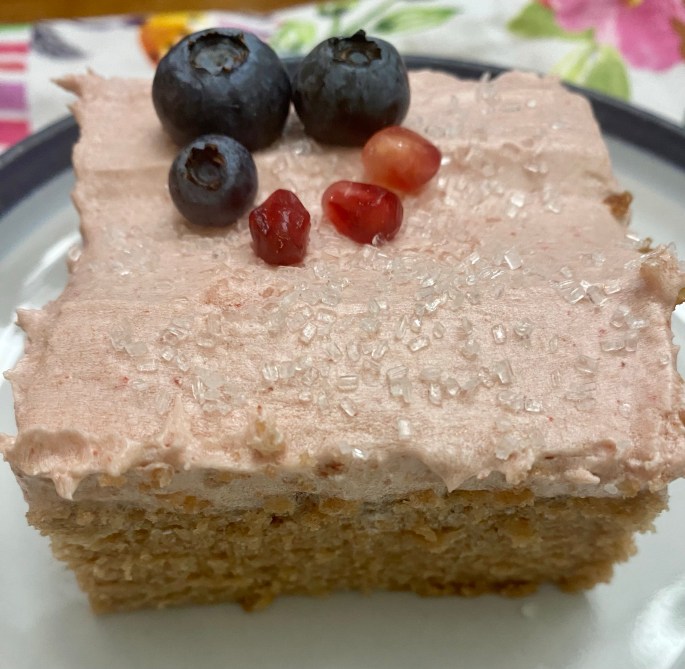
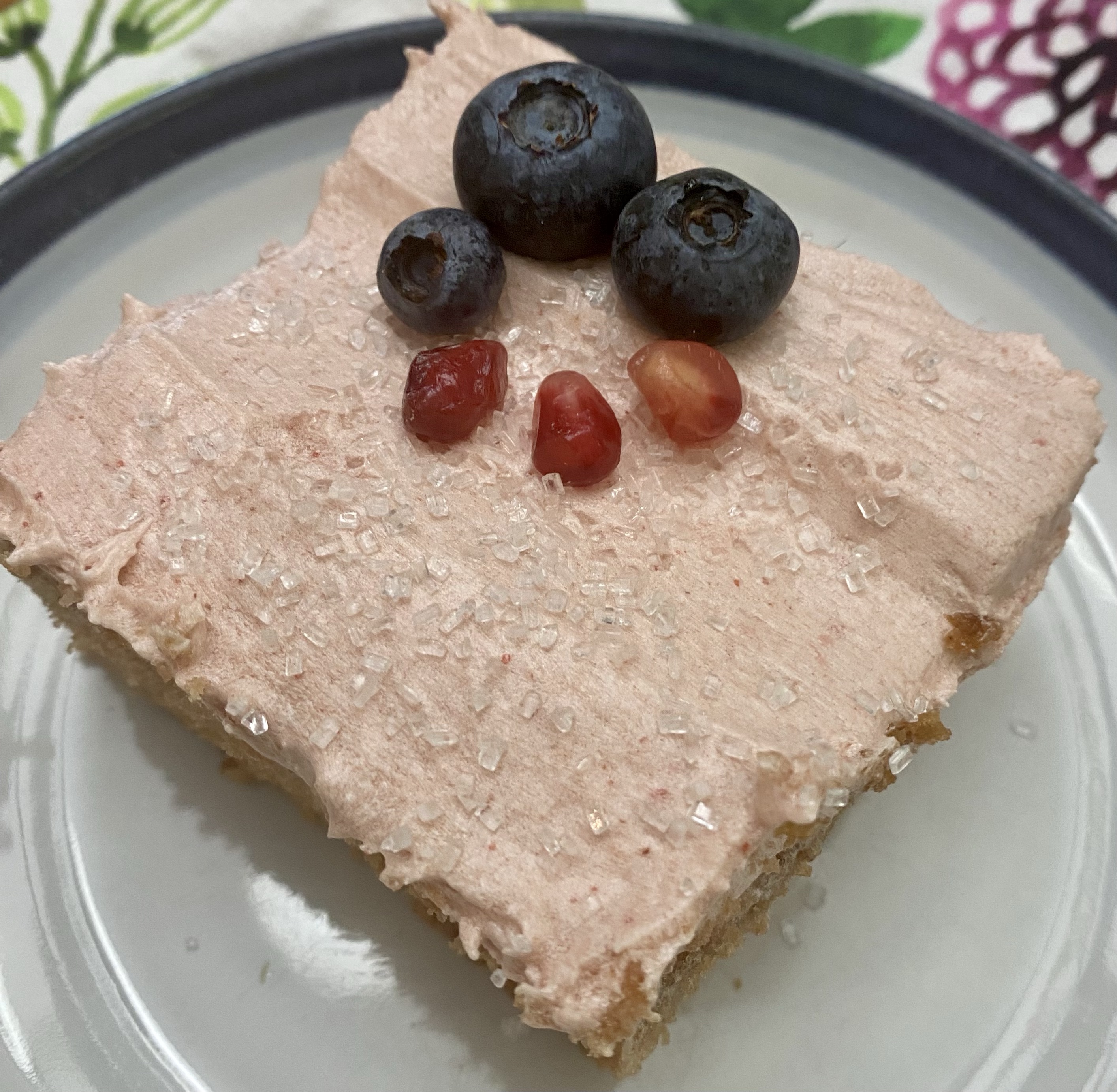
Sweet treat, strawberry cake

Family traditions🧑‍🍳

When I married into my husband’s family some thirty years ago, it was the merging of two families who enjoyed cooking, tried-and-true recipes, handed down from one generation to the next, typically accompanied by a story or two.  On my husband’s side, there were several excellent cooks, especially his mother, his sister, and her husband.  Whereas, in my own extended family, I grew up around three women–my grandmother, my mamaw, and my mom–who were great cooks in their own right.  Therefore, between the two families, there was a wealth of inspiration, ideas, and sources for recipes.  

To this day, many of those family recipes remain favorites.  However, since being diagnosed with celiac disease over ten years ago, I have been on a culinary quest to adapt many of those beloved recipes so that I can, forgive the pun, “have my cake and eat it too”! 

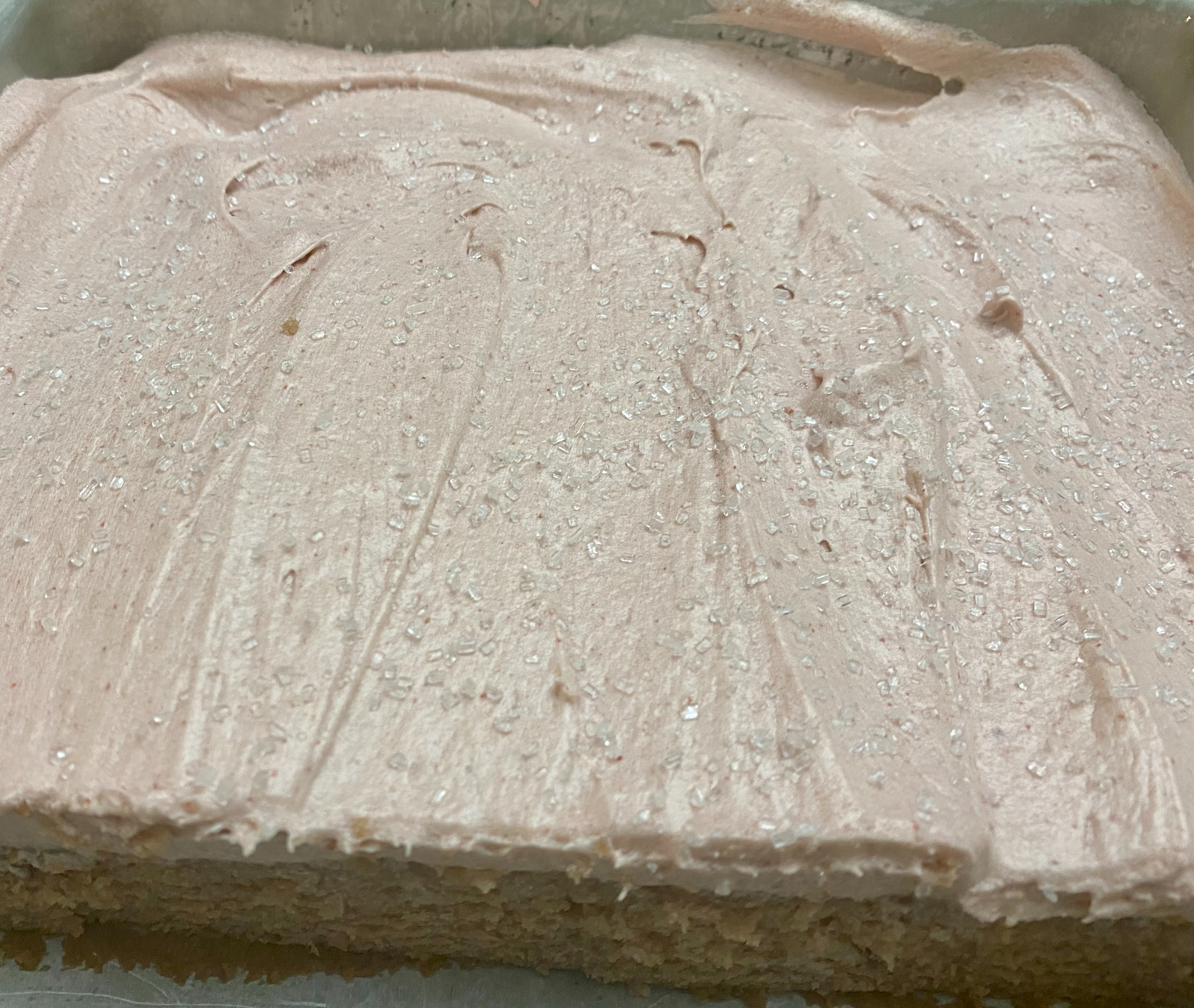
When I first saw my mother-in-law’s version of this recipe, I could help but notice the how thick and creamy the icing looked.

But First . . .🍰

The original Strawberry Cake recipe came from my mother-in-law, Colleen.  She and my grandmother were very similar when it came to their approach to cooking.  They both believed in the right to serve large portions, and both embraced the notion of going their own way instead of following recipes, step-by-step.  Therefore, when my grandmother, or Colleen, would share a written recipe, there was sure to be additional verbal directions and advice for best preparing the recipe.

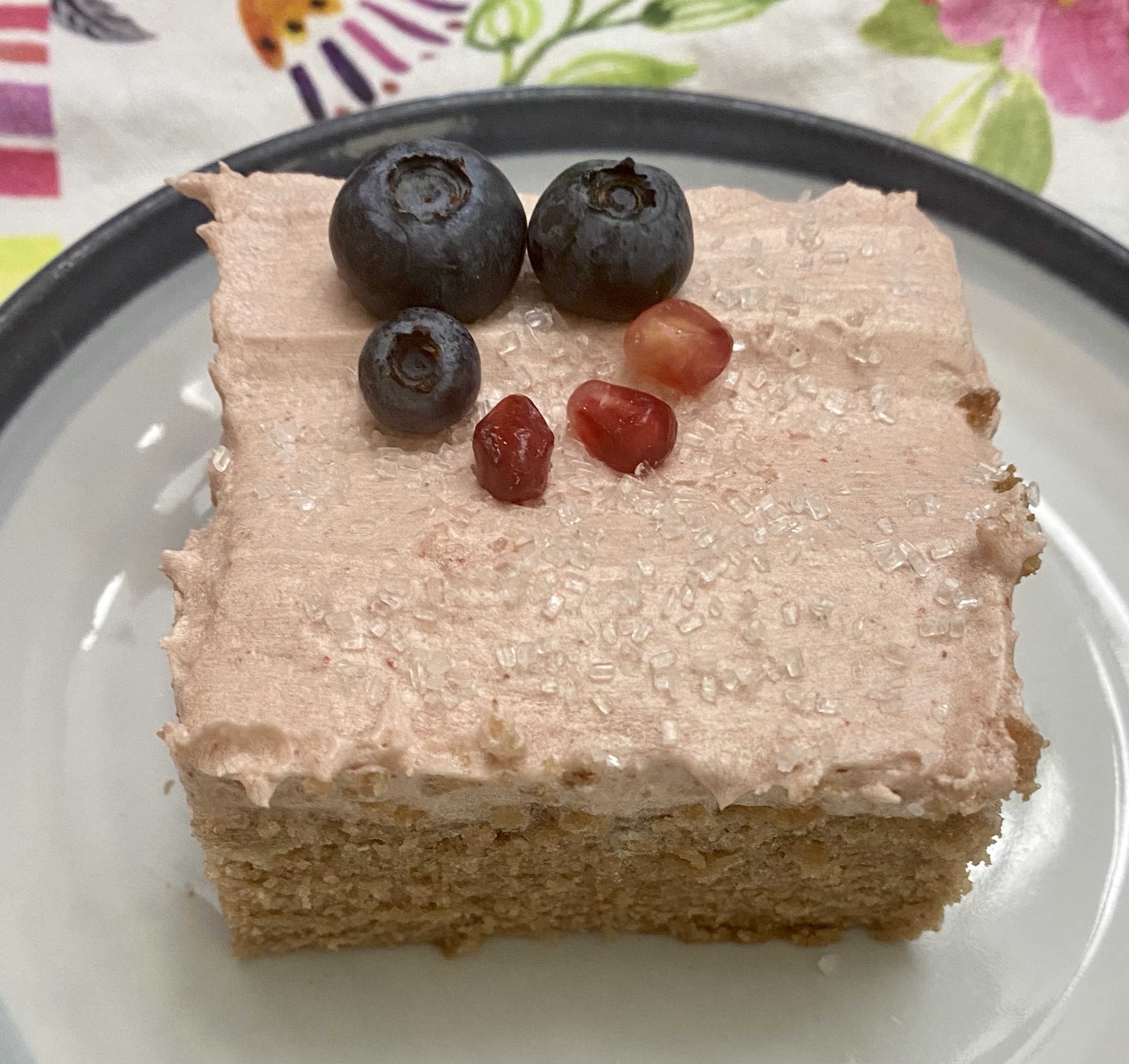
Dressing it up with sprinkles and blueberries if desired.

Never shy away from making a recipe your own🥣

It is that familial cooking spirit of never shying away from the right to make a recipe uniquely your own that continues to inspire me. Gluten-free baking wasn’t a “thing” when Grandmother and Colleen were living, so if I want to still enjoy those cooking stories from my past, I have to forge my own cooking path.  Nonetheless, I think they would have enjoyed many of my modified recipes, including this one. 

Add some pomegranate arils, for a bit more color contrast!

The eyes have it first👀

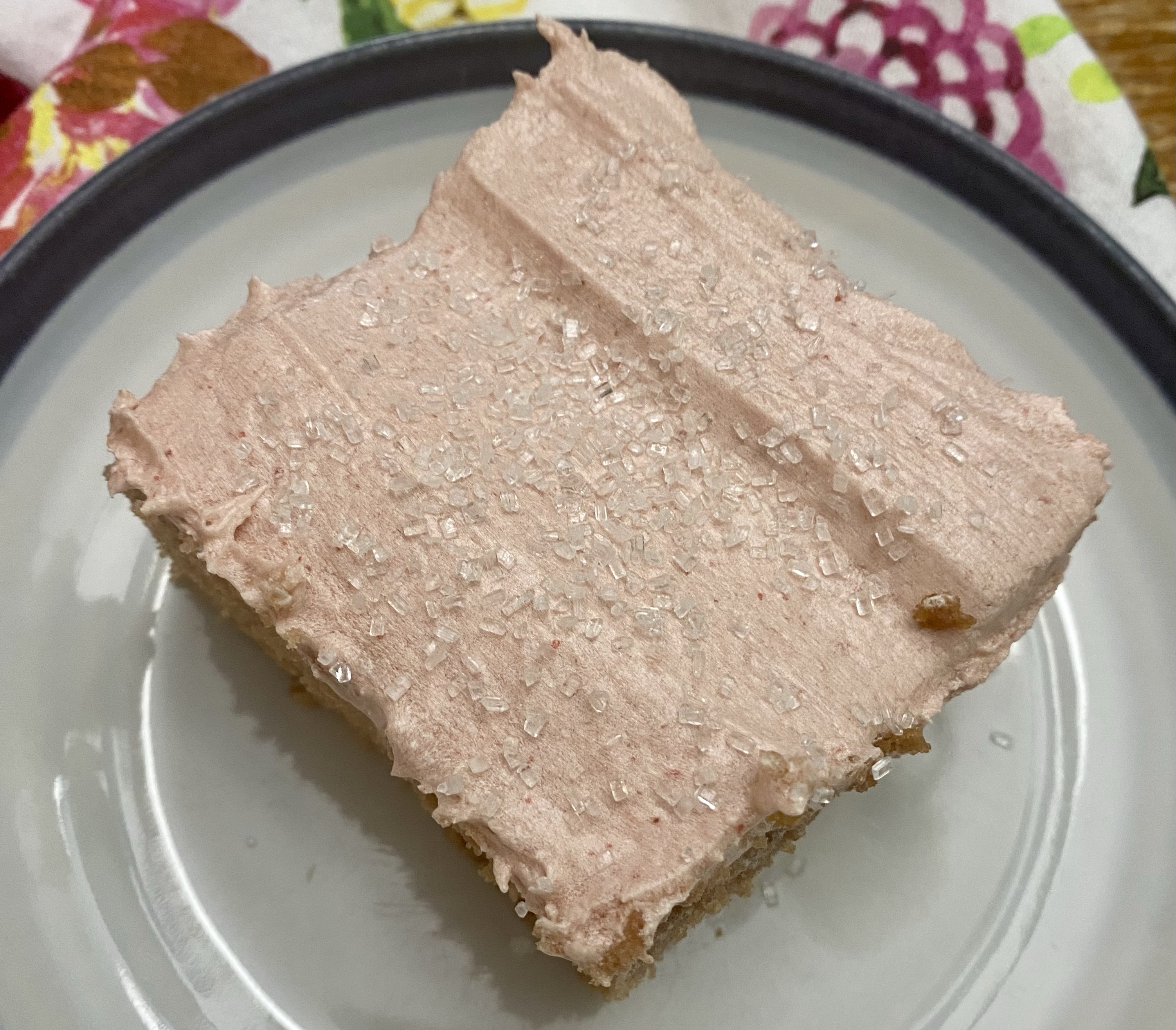
I recall the first time I ate this cake at Colleen’s house.  It was a Sunday family dinner, and I immediately noticed this beautiful, thickly frosted pink cake.  Now, my grandmother taught, “Your eyes eat things before your mouth,” and from the first look at that cake until the last bite, my eyes and mouth were in agreement: the cake was every bit the tasty confection it looked to be.  

The icing is thick and rich

Make it Gluten-free if you want🥮

I am not sure if my recipe adaptation is on-par with Colleen’s, but I do know that my own family loved it.  In fact, my adult daughter, one who typically, and quickly, discerns if I have made something gluten-free, asked if the cake was really gluten-free because she could not taste the difference.  Even more telling was the fact that she told me she thought that it was my best gluten-free recipe to date, and I could “bake it for her anytime.”  

Homemade strawberry reduction takes a bit more time, but it is so worth the effort! And, the leftovers of this reduction can used as you would any other fruit sauce or jelly.

Strawberry Reduction🍓

In addition to making the recipe gluten-free, I eliminated strawberry gelatin as a main ingredient, and instead, I made a strawberry reduction with double the amount of strawberries the original recipe called for.  My variation is also dairy-free, as I used non-dairy milk and butter; however, I did use real eggs.  That said, if you need this recipe to be egg-free, there are plenty of egg-replacement products available.  

The cake is light and spongy.

Cupcake Crazy?🧁

I’ve included directions for baking cupcakes and several cake variations, so the recipe can be baked and assembled in a variety ways.  Additionally, any leftover strawberry reduction tastes terrific spread over toast, stirred into oatmeal, or added to a smoothie.  

From my Family to Yours🏠

From my home to yours, I hope this recipe allows you to create your own cake story and recipe lineage.  Who knows, maybe one day, your grandkids will make their own version of Strawberry Cake! 

Any way you slice it up, this strawberry cake is sure to please!

Strawberry Cake (or Cupcakes) 🍰

Ingredients

½  cup milk (plant-based, if desired)

2 teaspoons white or apple cider vinegar

1 package white or yellow cake mix (gluten free, if needed)

3 tablespoons all purpose flour (gluten free, if needed)

3 eggs or equivalent egg-replacement

⅓ cup oil, melted butter, or applesauce

½ water

1 teaspoon pure vanilla extract

1 ½ cup strawberry reduction, completely cooled (see below)

*Strawberry Reduction

Ingredients

2 pounds fresh or frozen strawberries (If frozen, be sure to thaw for at least 20 minutes)

4 tablespoons sugar

1 tablespoon lemon juice

Strawberry Buttercream Frosting

Ingredients

1 stick butter, softened (plant-based, if desired)

¼-½ cup strawberry reduction, depending upon how much flavor you want

1 teaspoon vanilla extract

⅛ teaspoon salt

4-6 cups confectioners sugar

Up to 4 tablespoons milk, if needed for creaminess

Directions

*Make Strawberry Reduction 12-24 hours+ in advance

Thaw and/or remove stems from strawberries, then cut in half

Puree strawberries, sugar, and lemon juice in food processor or blender

Pour into medium saucepan and bring to low boil over medium heat

Reduce heat, but continue to simmer over low heat for 30 or so minutes, stirring occasionally

Allow strawberries to reduce to texture similar to that of tomato sauce

Allow to cool, then store in an airtight container in the refrigerator until completely cooled and/or ready to use.

Make Cake or cupcakes

Add vinegar to milk, set in fridge for five minutes (making “buttermilk”)

Meanwhile, preheat oven to 350 degrees

Coat cake pan(s) with nonstick cooking spray or line muffin tins with parchment paper

In a large mixing bowl, stir together cake mix and flour

Beat in eggs, one at a time.

Then, stir in “buttermilk,” water, oil (or butter or applesauce), and vanilla extract.

Next, fold in strawberry reduction, scraping down the sides as needed

For cupcakes:  divide batter among cupcakes, using a greased ice cream scoop, if desired, filling cup ½ – ⅔  full

For cake:  pour batter into one 9 x 13 cake pan, a 10-cup bundt pan, or divide between two 8” or 9” inch round pans

Baking time:  Cupcakes = 20-25 minutes; 9 x 13 pan = 30-35 minutes; Bundt pan = 45-48 minutes; Two round pans = 30-35 minutes or until toothpick inserted in center comes out clean

Allow cake or cupcakes to cool completely before frosting (I even put mine in the refrigerator for a couple of hours before frosting.)

Make the Frosting

In a large bowl, cream butter, strawberry reduction, vanilla extract and salt

Add in confectioner sugar, one cup at a time, until icing is firm

Then, add in milk, one tablespoon at a time, whipping in between each addition until desired consistency is reached.

Pipe or spread over cake or cupcakes.

Decorate tops of cake or cupcakes with red, white, or pink sugar sprinkles or freshly sliced strawberries

Store in airtight container and refrigerate

Makes 24 cupcakes or 1 cake of your choosing

May There Always Be a June

“Even the prettiest flower will die one day. It’s nature’s way of teaching us that nothing lasts forever.”–unknown

“Hmm . . .” I think, more than say, with a deep inhale as I yawned awake.  It was a rare, cool morning–a break from the typical heat and humidity of early July.  The bedroom windows were open, and I breathed in the fragrance of dewy grass, damp earth, and flowers. It was the lingering sweet floral scent that began a series of reflections regarding the significance of June and its likeness to the human life cycle.

At the time I am writing this, it is the July 4 weekend–marking, in my mind, the midpoint of summer.  Once July 4 begins, it feels like the rest of summer swiftly sails by.  Ah, but June.  June is sanguine–full of enough bright cheer to hold old-man winter at bay.  The early spring blossoms such as daffodils, crocus, and tulips have long passed.  Aromatic honeysuckle begins its fading away as the summer perennials and annuals begin blooming brightly in rapid succession.  July may be full of celebrations, explosive displays–all red, white, and blue–but, I adore June–modest, optimistic, June, and the colorful, unique flowers that blossom and thrive with its invitation to summer.

Photo by Suvan Chowdhury on Pexels.com

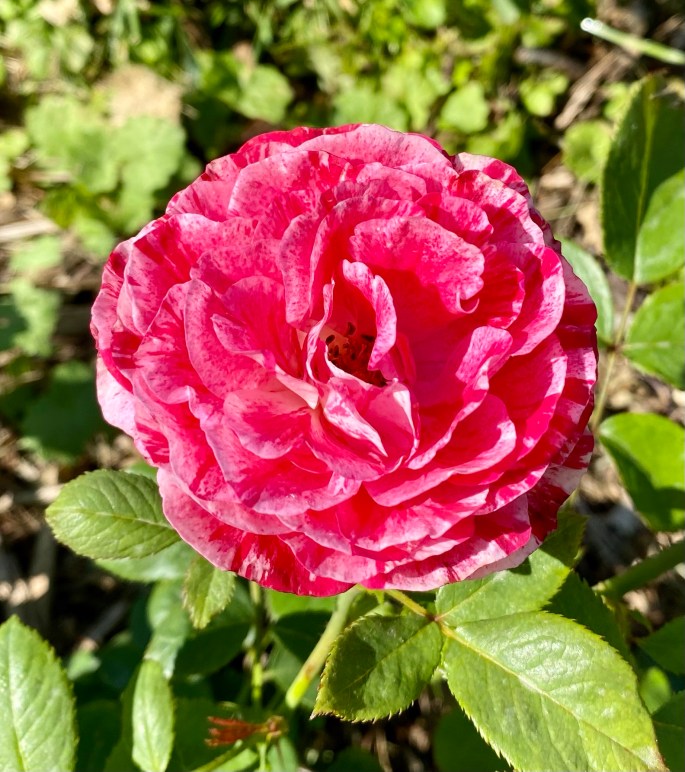
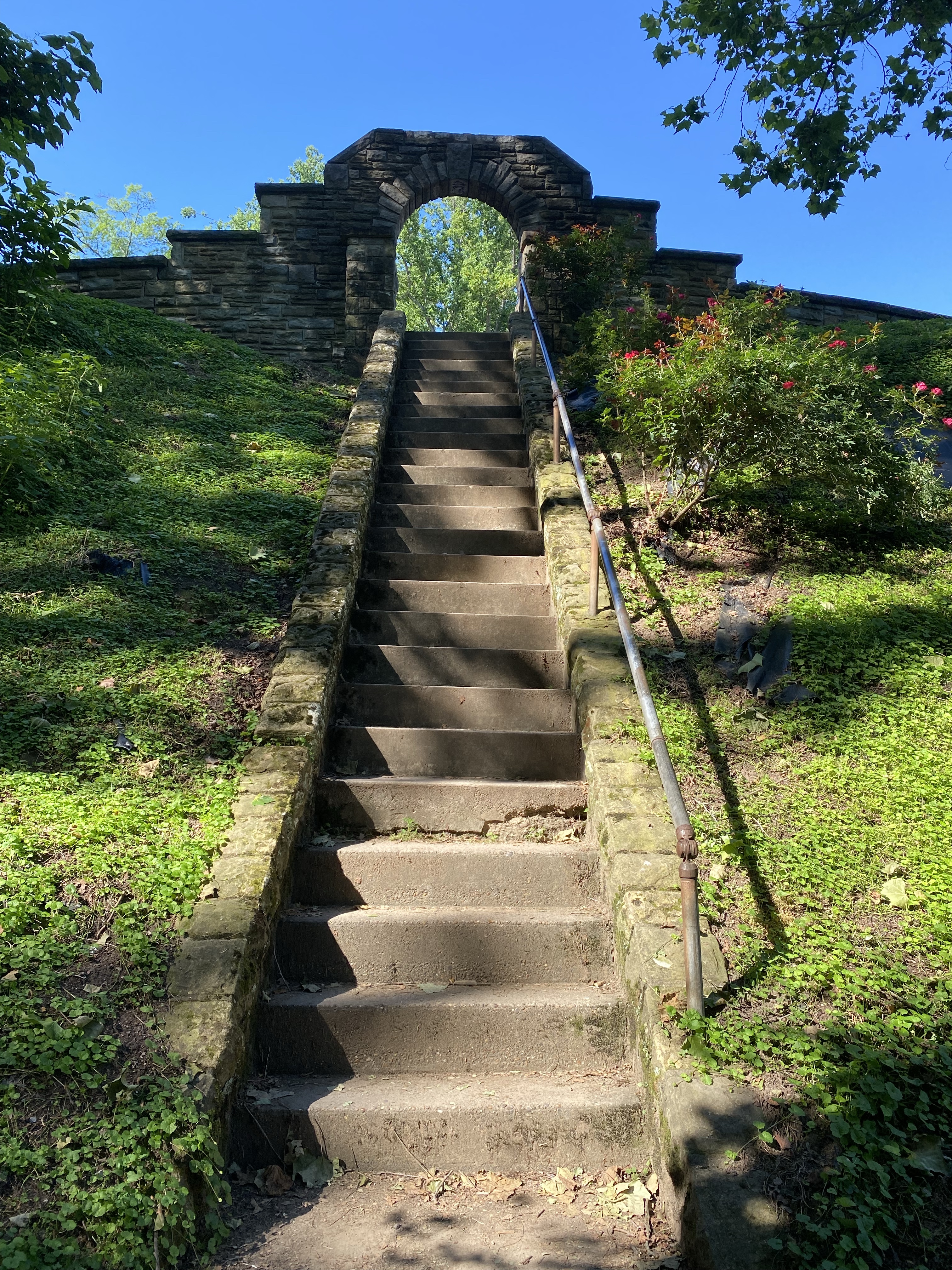
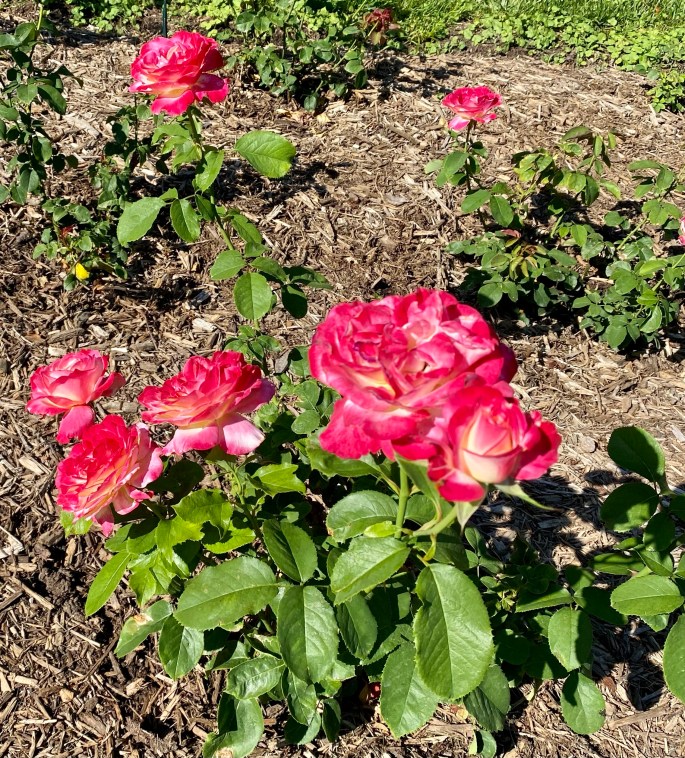
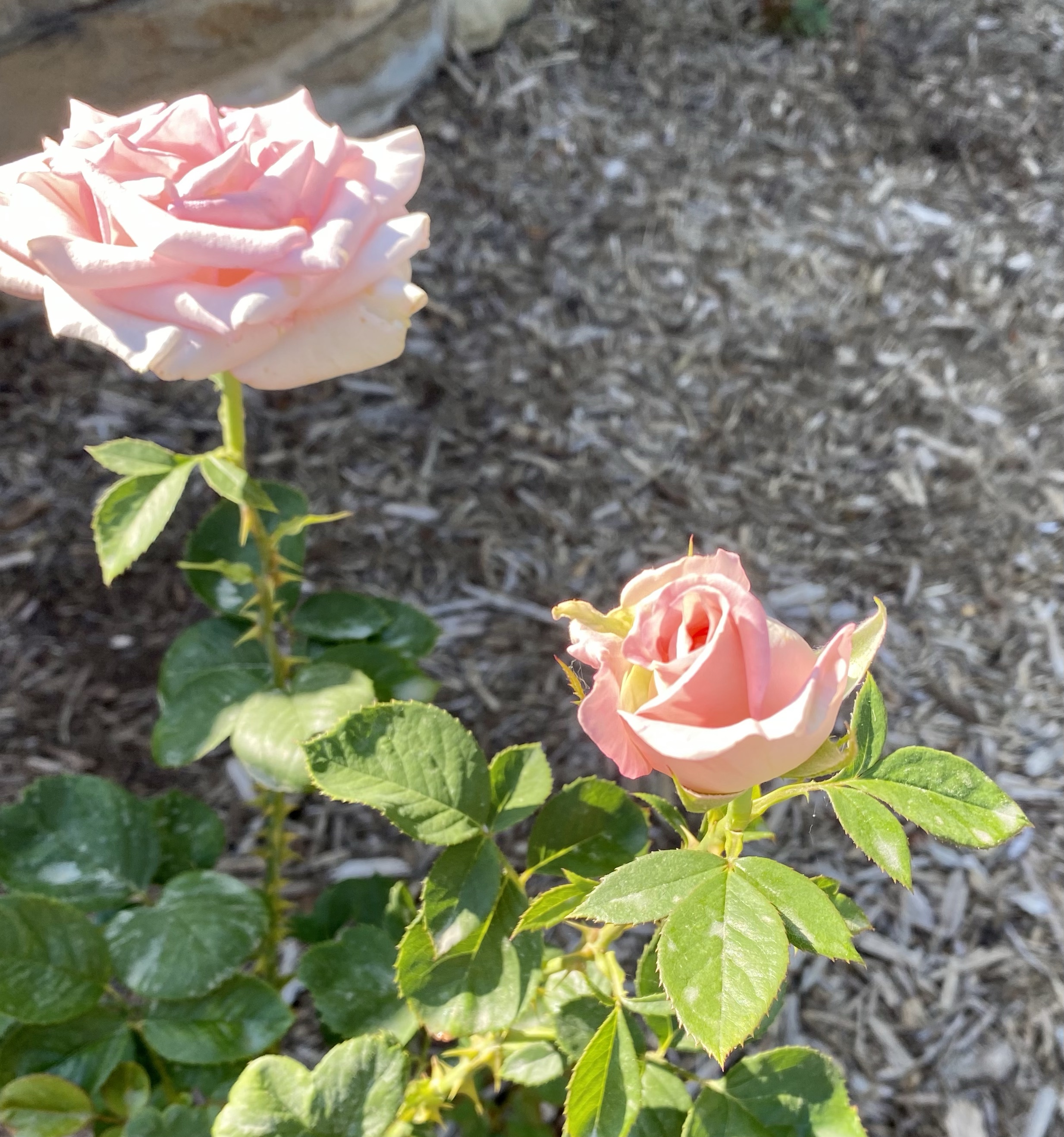
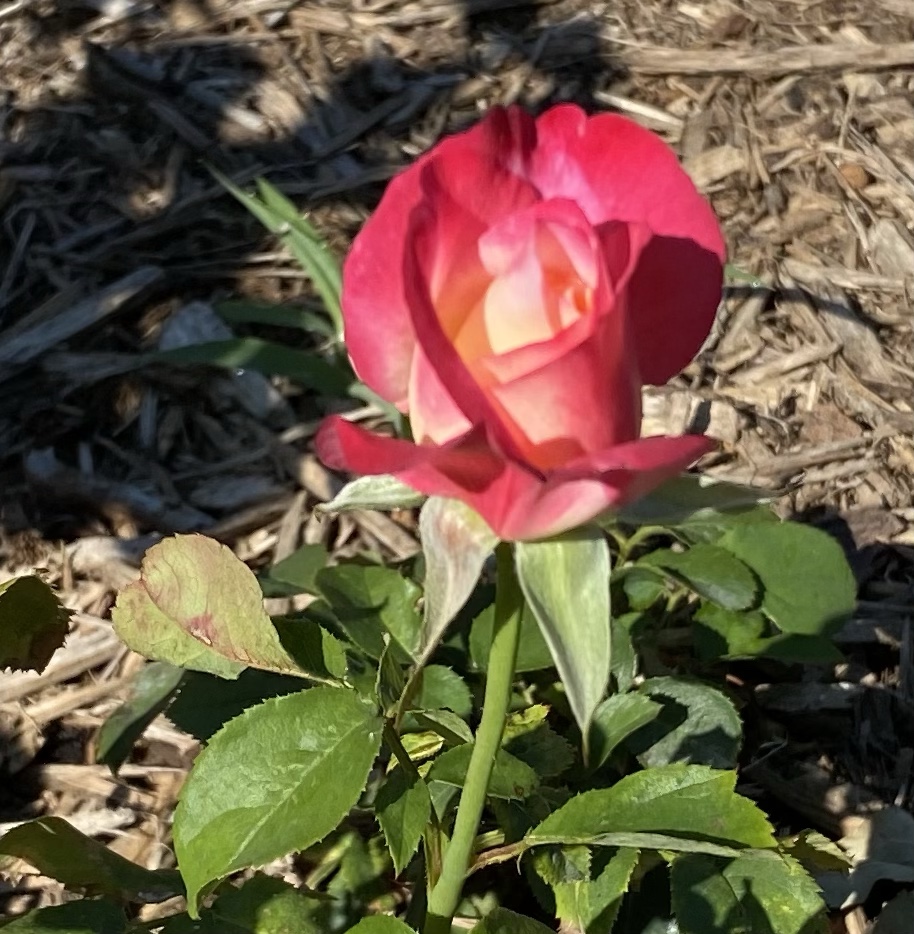
One morning, this past June, I was in Ritter Park to meet a friend for a walk.  However, the friend was running late, so I decided to meander up the old stone steps to the rose garden.  Sunshine, brilliantly glowed in its mid-morning slant, created a kaleidoscope of vivid colors, varying in texture, size, and shape. With no purpose other than to enjoy the moment, I wandered around the garden, drifting from one rose bush to the next, fascinated with all the minute differences not only among the varieties of rose bushes, but also among the flowers within the same bush.  Meanwhile, a gardener attentively tended the blooms.

Examining more closely, I noticed the various insects drawn to the roses. Bees, ants, beetles, moths and butterflies, flies, and even a few mosquitoes crawled, hovered, dove, and darted–busily buzzing about the roses with purposeful missions.  In one of the more isolated sections, closer to the wooded area of the park, I also observed a hummingbird dipping and diving among the various blossoms in a delightful, whirring dance of flight. As I let my gaze wander, my mind relaxed and began to make correlations with June, its flowers, and life.

“A rose can never be a sunflower, and a sunflower can never be a rose. All flowers are beautiful in their own way . . .”–Miranda Kerr

Each flower–from the number of petals to the size of each petal, from the varying life stages of each flower to the variances of color in each blossom–whether it be a rose in the Ritter Park garden or any one of the wide variety of flowers found in resident yards and public spaces–was, and is, a unique creation.  This is similar to the way each person, within the same family, or outside familial ties, is likewise a one-of-a-kind individual.  Flowers go through a dormant and a growing season of varying lengths, but all bloom seasonally, until they come to an end–whatever the life end may be. So it is with June and human life. 

The season of summer officially begins in June.  The air is sweet and heady with the fragrance of flowers. Winds and sunshine warm the air, and rain falls with purpose. Many plants are rooting and establishing while early spring greenery and blossoms are fading away into their dormancy. Daylight reaches its apex in June, while nighttime descends to its lowest point.  

Likewise, several key life events occurred and are honored in my own life each June.  I graduated from Ohio University in June.  Within that same month, I signed my first teaching contract, thus beginning the start of my career as an educator. Two year later, in June, I married my husband, an anniversary we have celebrated for 32 years.  Ten years later, our daughter was born in June.  As educators, my husband and I experience the arrival of each June as the beginning of a dormant period–an opportunity for reflection and renewal before a new school year begins in August.  Births and weddings, ebbs and flows, the highs and lows, and even celebrated endings.  It’s all there in June.

“All the flowers of tomorrow are in the seeds of today.”–Indian Proverb

I am but one person in the garden of many: my family, my work site, my community, and so forth.  All around me, younger lives are taking root, growing, and blossoming into their own personal expressions–making our collective garden more colorful and vibrant–buzzing with energy.  Meanwhile, I can’t help but notice that just as the flowers of June replace spring’s early blossoms, July has taken June’s place.  

Of course, one could argue that like the flowers, humans seem to be planted in dirt and threatened by weeds and all varieties of pestilence. However, when I was visiting the rose garden in June, it was the array of blossoms, in a rainbow of colors, that caught my eye, and made my heart smile.  They too were planted in dirt, confronted by pests and disease, but a gardener was there watching over them just as we have the Ultimate Gardener attending to our needs. 

The flowers offer their seeds and pollen to insects and birds to eat and disperse, ensuring more and different blooms for the future. Likewise, I pray that until my last petal drops, I am offering seeds of hope for others as June does for me.  One day, my memories of past Junes will fade away into permanent dormancy. In the meantime, I will savor the memories made this past June, find nourishment in the full blossoming of the July summer, and, in the weeks to come, accept August as the petals of summer begin to fall away, one by one.  

May there always be a June.