
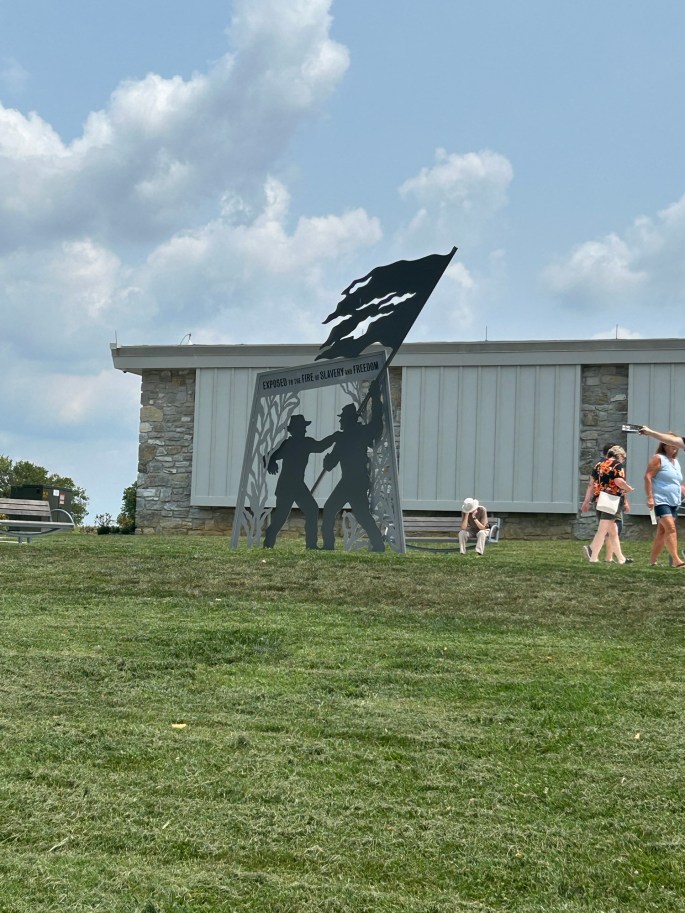
What My Papaw’s Words Taught Me About History, Humanity, and Remembrance
“Pause, stranger, when you pass me by: As you are now, so once was I. As I am now, so you will be.”—variation of a popular epitaph
👧 The Wisdom We Don’t Yet Understand
As a young girl, my Papaw had a habit of taking both my hands into his large, weathered palms, looking directly into my eyes, and telling me something he felt was important. However, most of the time, I was far too young to understand the conviction, intent, or meaning behind his words. What I did understand was that he loved me, and that was all I needed to know.
He was especially sentimental whenever we were preparing to leave the house he shared with Grandmother. We would stand near the back door, putting on our coats and waiting for adults to gather things as we went through the traditional long Appalachian goodbyes. My grandmother, redolent with the scents of buttery foods, talcum powder, and Avon Vit-moist face cream, would pull each of us in for a big ol’ hug and wet smooch on the cheek. Papaw would tell us to get some fresh orange slices from the candy jar on our way out the door. It was then that he tended to grab my hands. Sometimes he would tell me something funny or factual, but on other occasions, when I now realize he was feeling particularly sentimental, he would share a bit of “wisdom.”
With great earnestness, he would often say, “Stethie, as you are now, so I once was. As I am now, so you will be.”
His tone was filled with such loving kindness, and in my great wisdom I thought I understood.
“Yeah, yeah, yeah,” I would think in my haughtiness. “One day, I will be old too, and I will be sad.”
It seemed like one of those strange things grandparents say to their grandchildren. I now understand it differently.
📖 When History Becomes Human
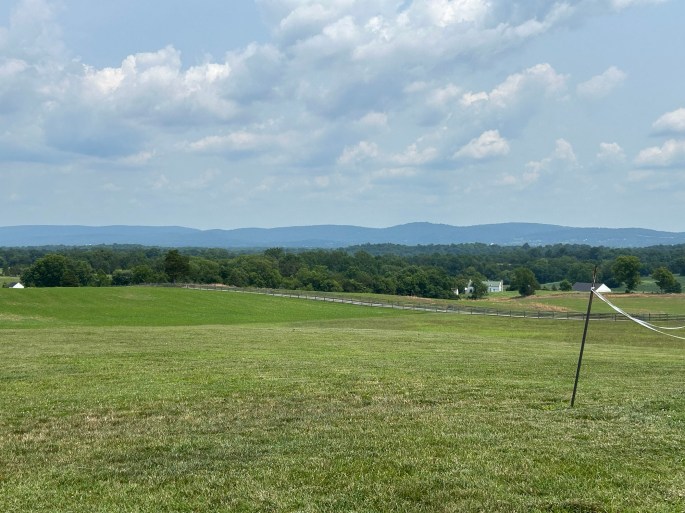
Recently, as I walked the fields at Antietam National Battlefield, Papaw’s words came to mind again. Standing on the grassy knoll behind the Antietam Visitor Center, I took in the beauty of the mountains in the distance, the soft whisper of the breeze through grass, the ordinary beauty of blue skies punctuated by large, billowy clouds, and the random red fire hydrant in the middle of the grass. It seemed impossible that this place of rural beauty was once the site of horror, destruction, and bloodshed.
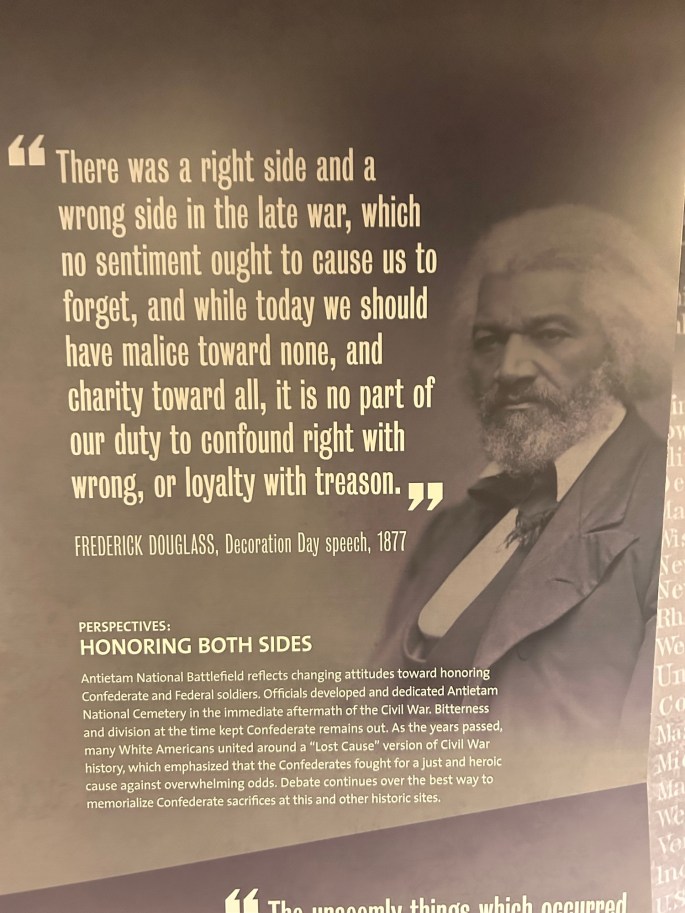
Inside the Visitor’s Center I read documents, watched a short documentary, and gazed at displays that emphasized the large loss of life. Those who were lost were someone’s child, grandchild, spouse, or friend. Yet, standing on that knoll, it occurred to me: this was history that happened to people. Not statistics.
Droplets of sweat ran down the middle of my back, bringing me to my senses once more. All around me people walked the grounds with a hushed reverence, drove through the expansive battlefield, listened to online narratives, and took pictures. The fields possessed a heavy quiet, but that silence did not mean nothing happened here. And, perhaps, that was what gives places like Antietam their weight: the landscape remembers what we cannot see.
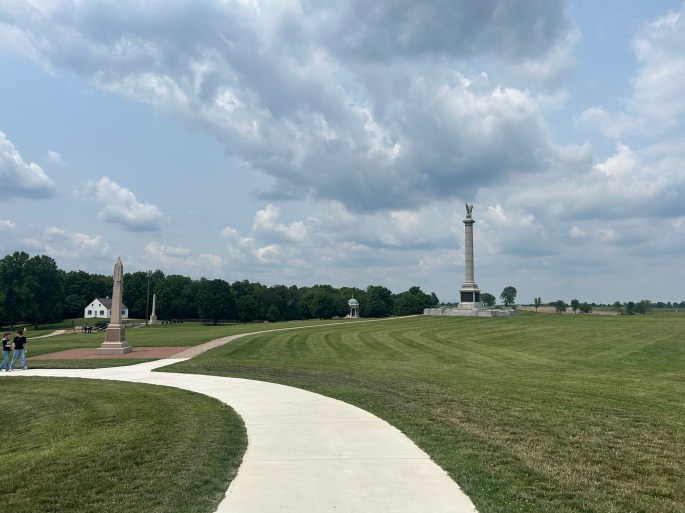
While history classes, books, and even documentaries have provided me with knowledge for years, being physically present at Antietam gave that knowledge color, emotion, and context. Visiting places can turn history into a human experience.
The next day I visited Harpers Ferry. While these historically significant sites were different, both forced me to consider the consequences of human choice. At Harpers Ferry, the pictures and placards about John Brown suggested that his mission was driven by deeply held convictions. As I walked through the town, read the historical markers, and walked across the bridge that overlooked both the Shenandoah and Potomac Rivers, I couldn’t help but wonder, “What makes human beings so willing to fight for what they believe to be right?”
🧬 The Inheritance We Carry
History, it seems to me, is not a collection of events that “happened way back when.” It’s about people—people who made choices. Those choices affected others, and eventually they became part of the inheritance we carry—an inheritance that still affects us today.
I think of Papaw all those years ago and the message he was trying to convey: “As you are now, so I once was. As I am now, so you will be.”
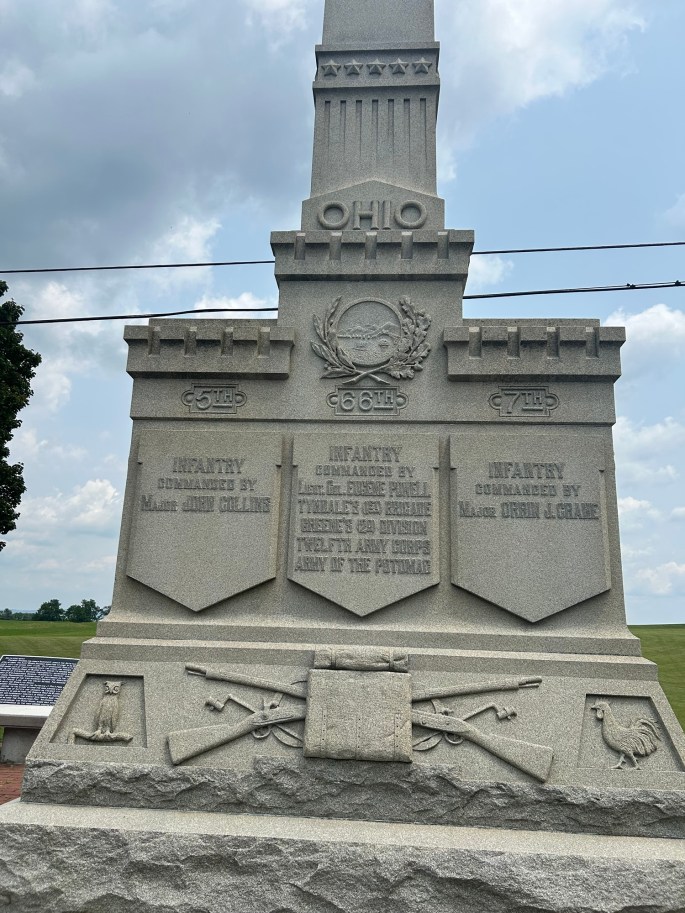
When I was younger, I thought the message was about one’s mortality. After visiting those hallowed grounds, I am beginning to think his words were about human continuity. The people who walked those grounds, worked those fields, fought those battles, and died there were once where I was standing. And someday I will be where they are.
We cannot change what happened in history. We can choose to remember it. We can choose whether to allow history to stir greater compassion within us or to allow it to divide us. We can choose to recognize the humanity of those who went before us, whether we agree or disagree with their positions.
Perhaps that is what Papaw was trying to teach me all along: to pause long enough to remember that every person we encounter is living a life that someday will become someone else’s history.

